
If you grew up in a home built between the late 1990s and early 2000s, you can probably picture the layout without even trying. The soft beige rooms, the tall foyers, and the curved kitchen islands all had a way of repeating themselves. Many of these features still show up today, and they carry a clear snapshot of what homes looked and felt like at that time.
This list breaks down the most familiar features of the Early 2000s House and how they stood apart from the 80s House Aesthetic and the 90s House Aesthetic. Whether you’re feeling nostalgic or studying how trends changed across decades, these ten details give you a clear picture of the style.
Rounded Glass‑Top Coffee Tables

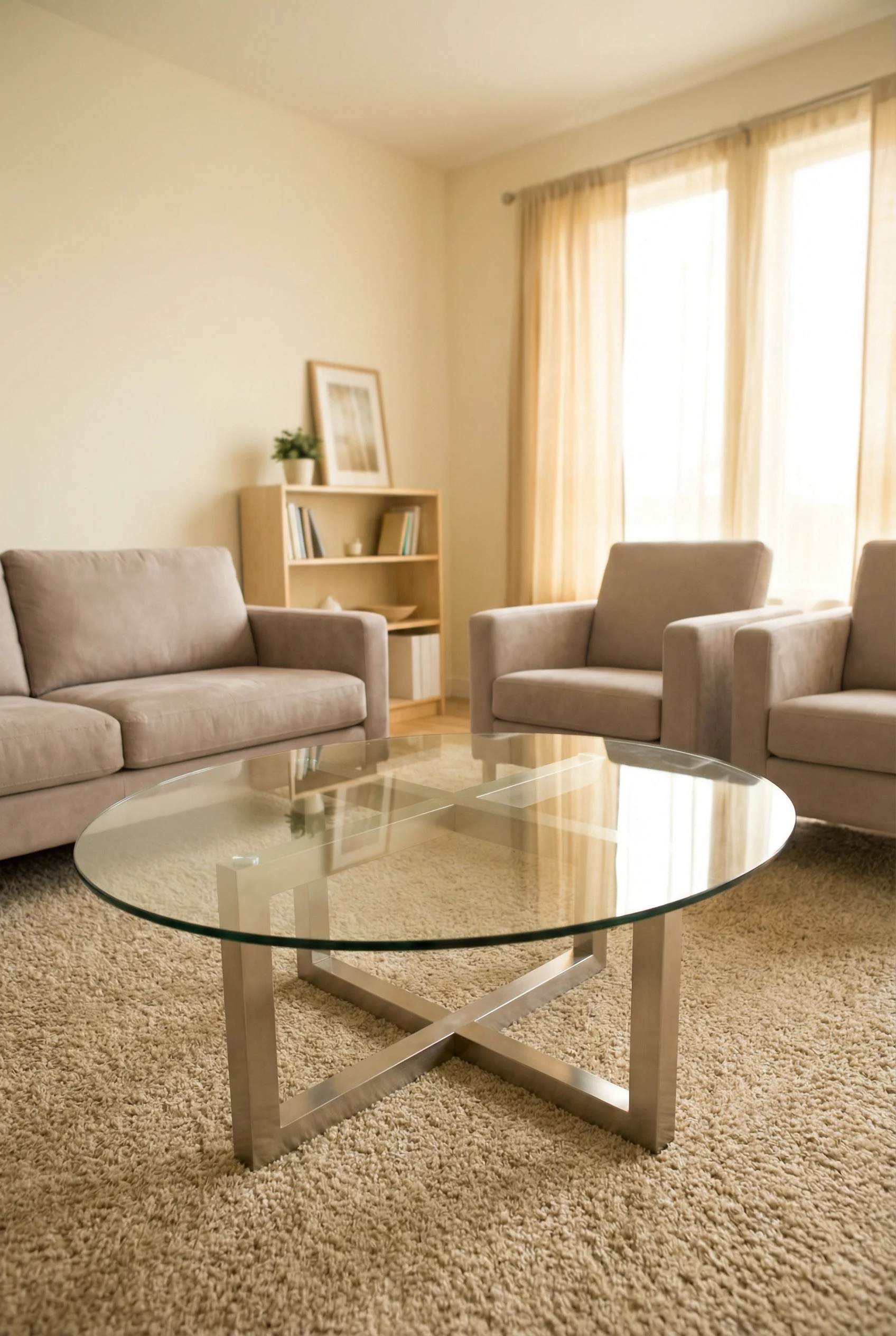
These tables were common in living rooms that wanted to feel open without adding bulky furniture. The rounded edges made the space look softer than the square wood tables that filled many 1990s houses. If you want to recreate the look today, choose a simple metal base and a clear glass top, which keeps the room light and easy to move around in.
Neutral Beige Living Room Palettes
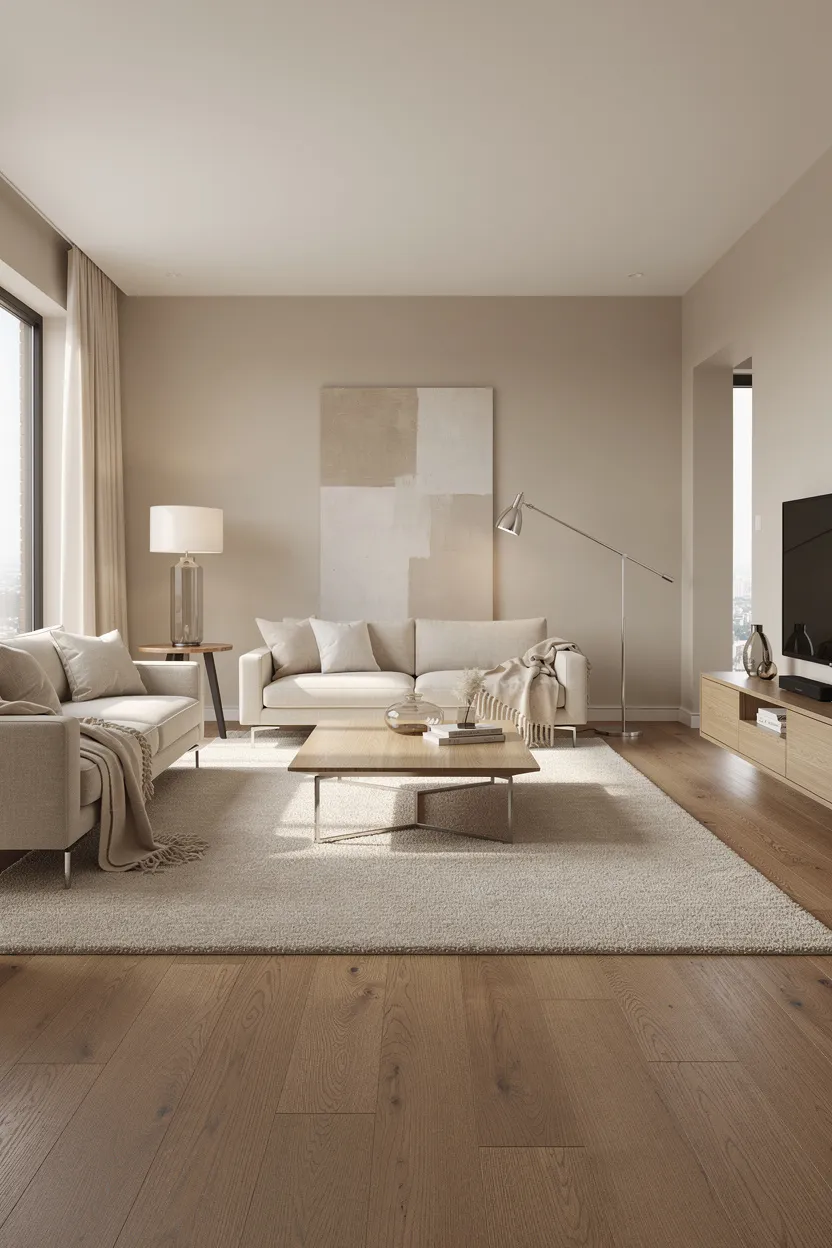

Beige was the main backdrop for the Early 2000s House, especially in open living rooms. The color worked with light carpets, warm wood floors, and the chrome accents that were popular at the time. If you want this style, mix two or three beige tones so the room stays calm without feeling flat.
Chrome and Frosted‑Glass Light Fixtures


Homes from this era shifted away from the bright brass used in the 80s House Aesthetic and the 90s House Aesthetic. Chrome with frosted glass became the standard because it looked clean and matched most finishes. These fixtures work well in hallways, kitchens, and bathrooms, and you can still find modern versions that give the same effect.
Oversized Entertainment Niches
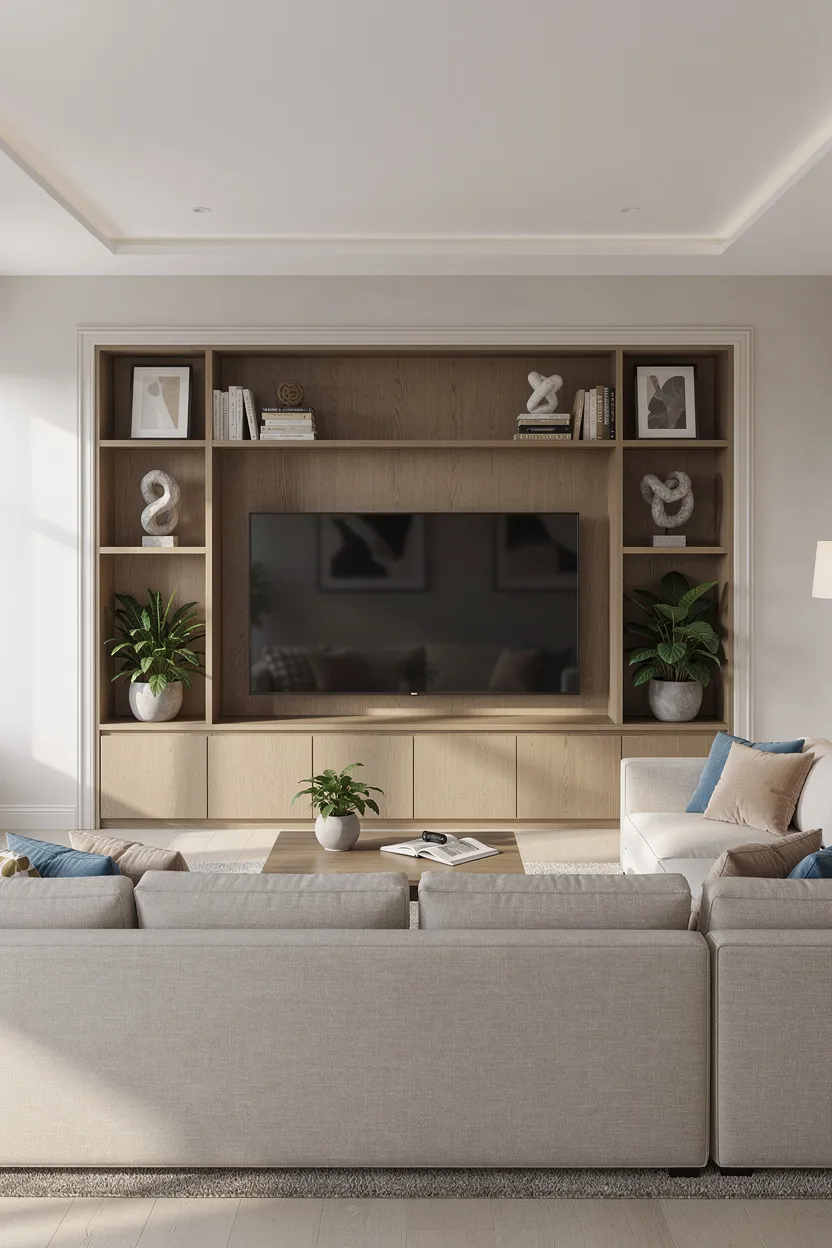

Before flat‑screen TVs took over, living rooms often included large built‑in wall niches made to hold deep box TVs and speakers. These niches shaped furniture placement and became the room’s focal point. If you have one and don’t want to remove it, you can turn it into a simple shelving space for books or décor.
Curved Kitchen Islands with Bar Stools


A curved island was a signature look in new builds from the early 2000s, especially compared to the straight islands seen in older layouts. The curve created a natural seating area where bar stools could tuck in without blocking walkways. To echo this style today, pick stools with slim frames so the island still feels open.
Pillared Entryways in Early 2000s Houses

Many homes used interior columns as room dividers, especially between living and dining spaces. These pillars gave a sense of formality without closing off the floor plan. If you have them, a simple coat of paint in the same color as the walls can make them blend in while keeping the original design.
Two‑Story Foyers with Statement Staircases
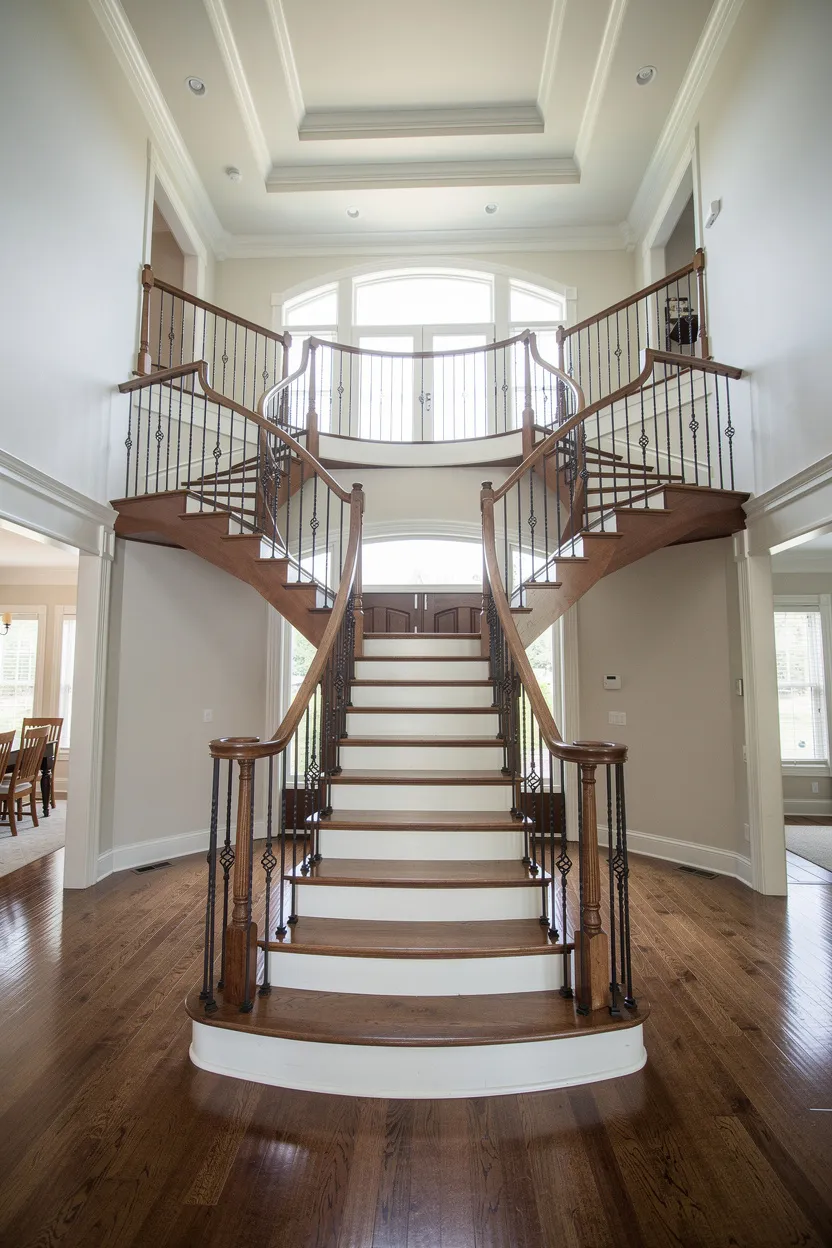
Tall entryways were a clear status symbol during this time. Builders wanted guests to walk in and see height, light, and a staircase that set the tone for the rest of the home. This look differs from the lower, more compact entries found in many 1990s houses. To keep the space feeling balanced, use lighting that fills the vertical space without overwhelming it.
Built‑In Bathroom Vanities with Blocky Countertops
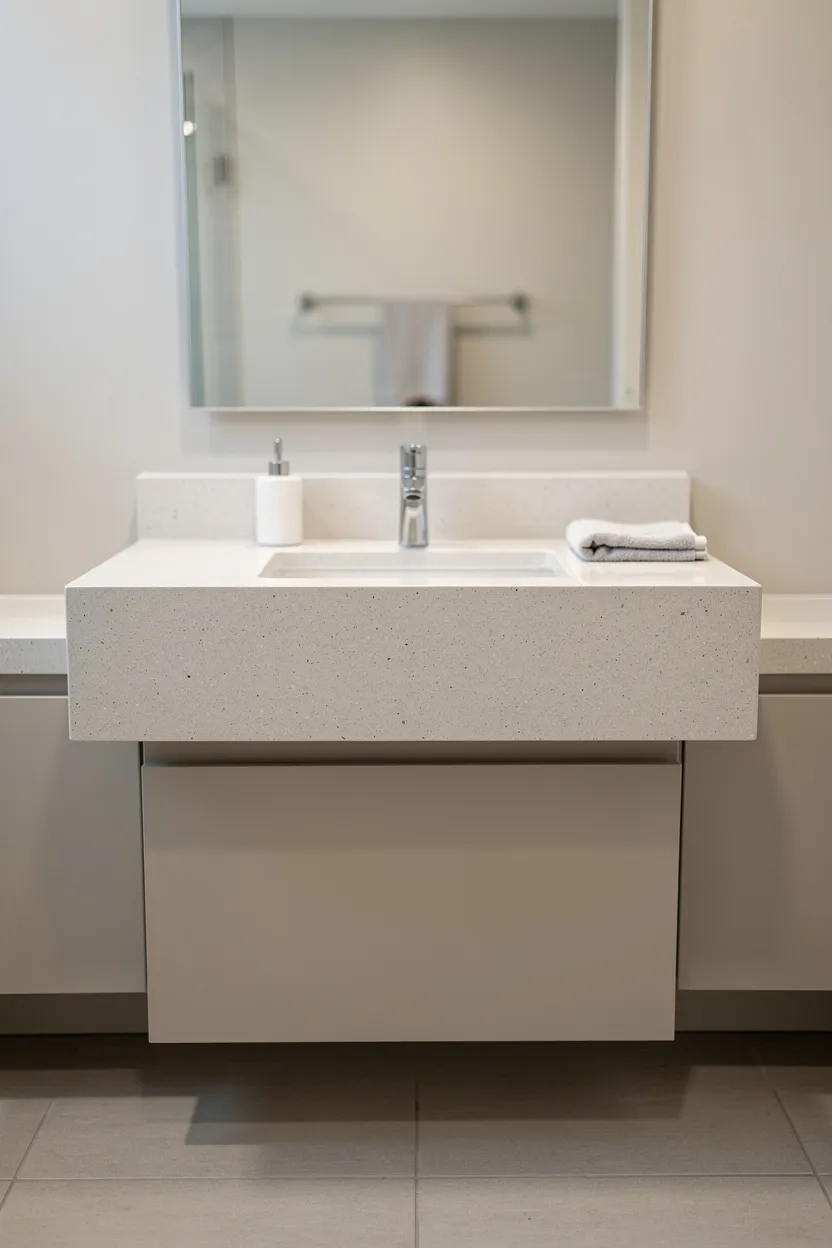
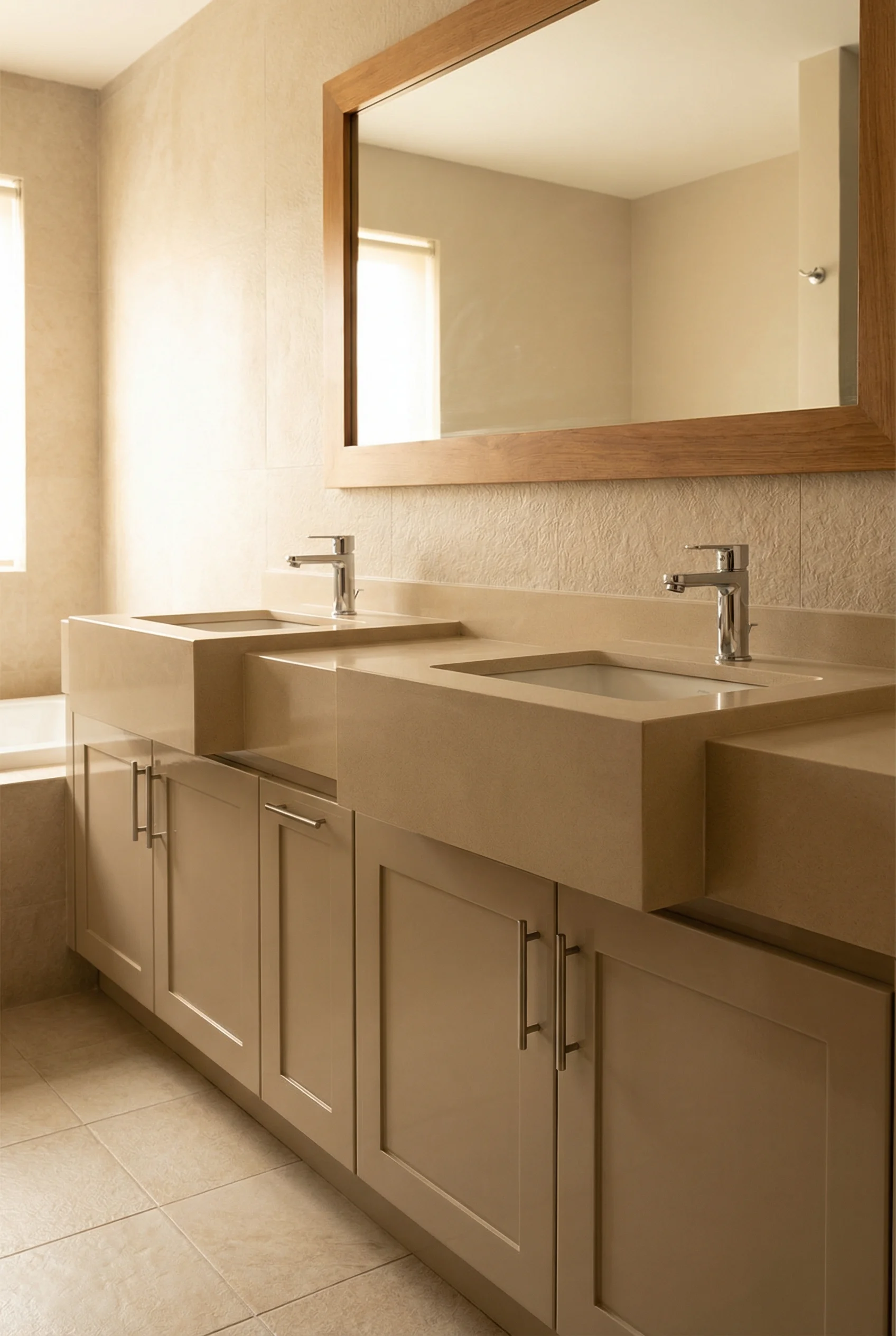

Bathrooms often featured thick countertops with integrated sinks and wide cabinets underneath. The look was sturdy and straightforward, avoiding the floating designs that came later. If you want to freshen this style, update the hardware or swap the mirror for a simple framed option.
Carpeted Bedrooms in 1990s and 2000s Homes


Carpet remained the standard choice because it was warm, quiet, and cheaper than hardwood. The color was often a light tan that matched the beige walls common in the era. If you’re keeping this look, choose a low‑pile carpet for easier cleaning while still getting the softness people liked.
Large Backyard Patios Common in 2000s Mansions


Bigger homes from the early 2000s often included wide patios made for outdoor dining and weekend gatherings. These spaces linked the indoors with the yard in a simple, practical way. To bring back this feel, use sturdy outdoor furniture and keep the layout open so people can move comfortably.