
Many people think you need a backyard and a green thumb to grow a garden, but that is not true. You can actually grow a lush indoor jungle without ever touching a bag of soil. Soil can be messy and often attracts pests like gnats, which is why more people are turning to an aquatic plants indoor water garden. It is a clean, simple way to bring nature into your home using just glass and water.
This list covers some of the best plants to grow in water and how to set them up so they thrive. Whether you want to reuse old jars or create a stylish plant terrarium ideas display, these methods are great for anyone. You will see that easy indoor plants for beginners do not have to be complicated. All you need is a little bit of light and a container of fresh water to get started.
Pothos Vines in Clear Glass Vases
Pothos is one of the most common plants that grow in water indoor because it is almost impossible to kill. To start, take a cutting from a healthy vine, making sure it has at least one or two nodes where the leaves meet the stem. Place the cutting into plants in water vase setups and watch as white roots begin to grow within a week. These vines look great trailing down from a shelf or mantel.
You should change the water every week or two to keep it fresh and clear. If the water gets cloudy, it can slow down the growth. Pothos is a great choice for low-light areas of your home, though it grows faster near a window. It is truly one of the most resilient plants that can live in water for years without needing soil.
Lucky Bamboo in Pebble Filled Ceramic Bowls
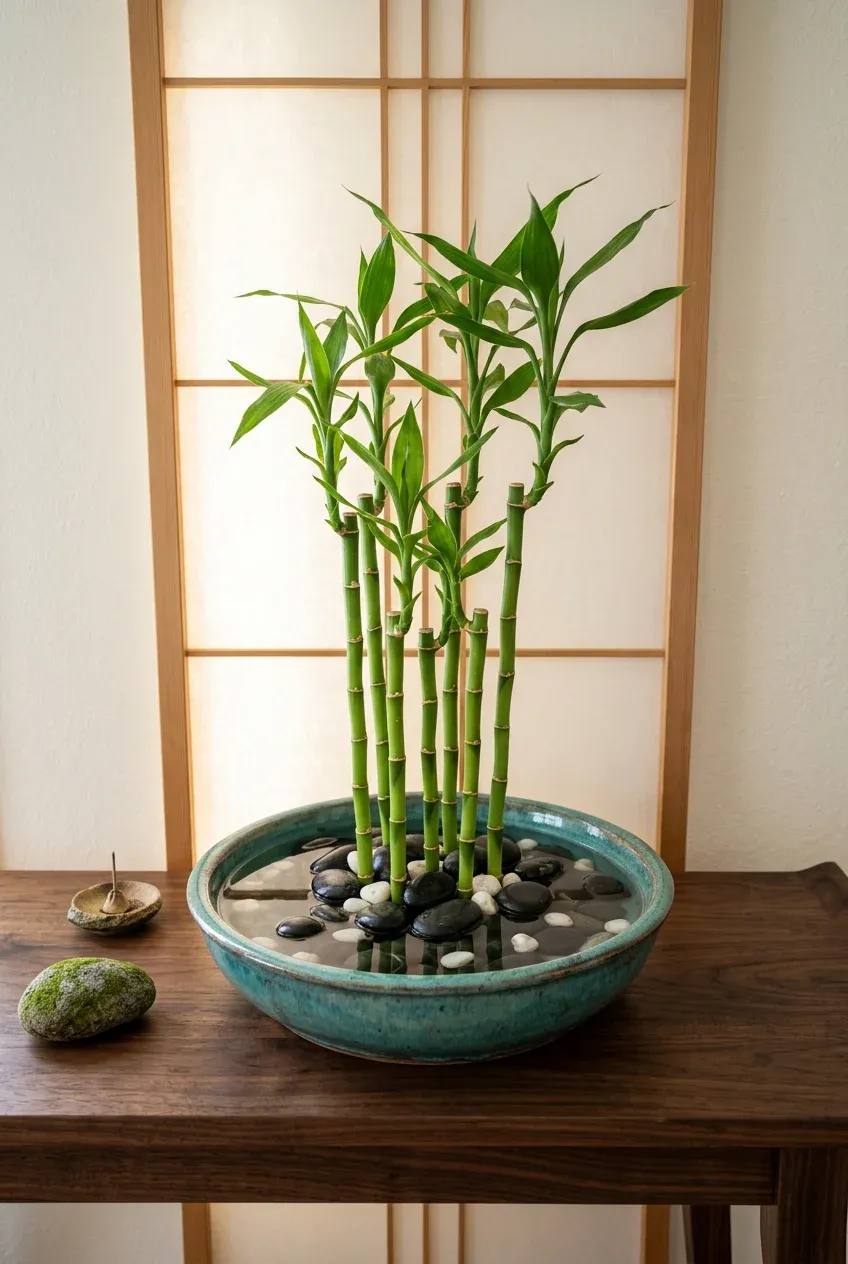
Lucky bamboo is actually a type of dracaena and is a staple for those looking for easy plants to grow indoors. Instead of using a tall vase, try placing these stalks in a shallow ceramic bowl. Fill the bottom with polished pebbles or river stones to hold the stalks upright. This adds a nice weight to the container and keeps the plant from tipping over.
Keep the water level just high enough to cover the roots. You do not want to submerge the entire stalk, as this can lead to rot. Use filtered or distilled water if your tap water has a lot of chlorine, as the leaves can turn yellow if the chemicals are too strong. This setup is a classic example of a low-maintenance DIY hydroponic garden indoor.
Spider Plants Rooting in Recycled Mason Jars
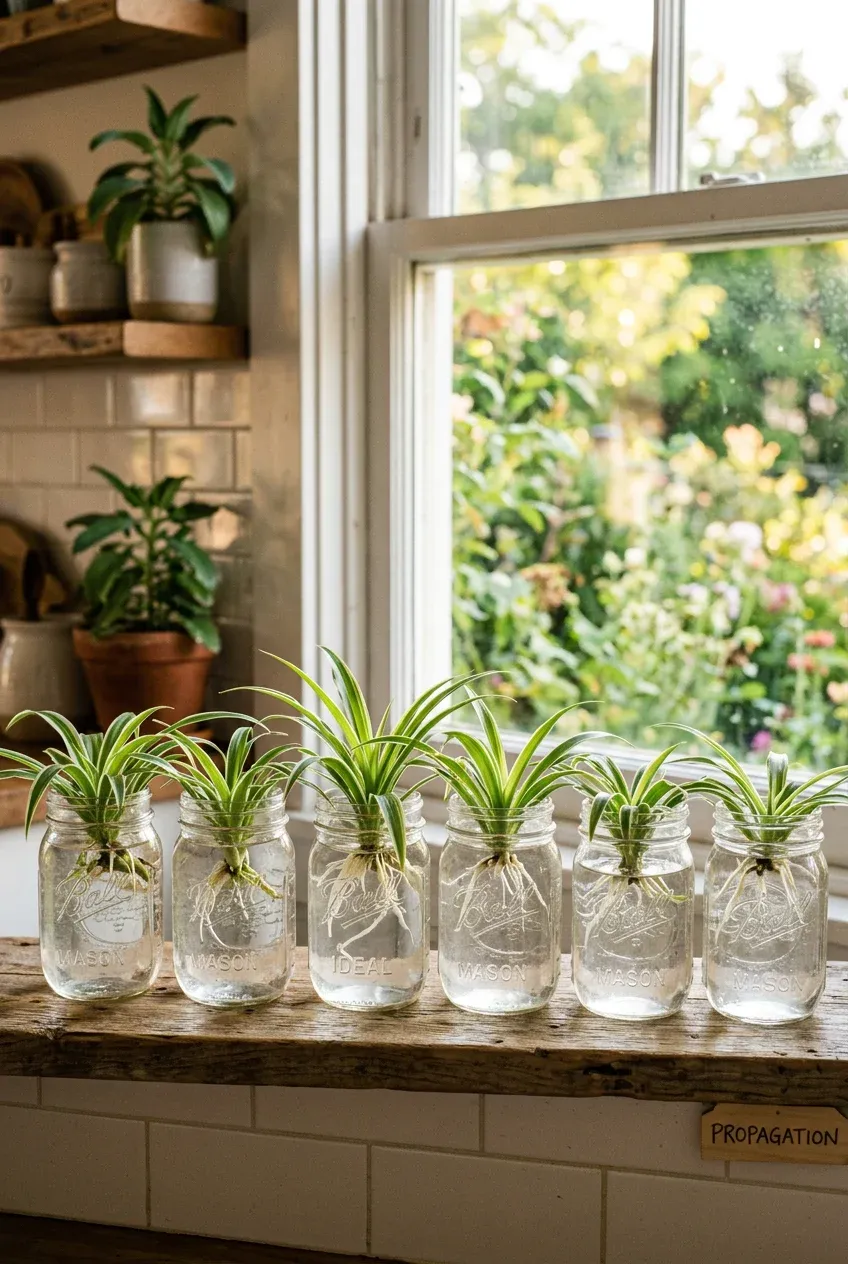
Spider plants are famous for producing small “babies” or spiderettes that hang from the mother plant. You can snip these off and place them directly into recycled mason jars filled with water. The glass allows you to see the roots develop, which is a fun process to watch. It is a simple way to propagate new plants for free and expand your collection.
Make sure the leaves stay above the water line so they do not get soggy. Once the roots are a few inches long, the plant is stable and healthy. These are excellent easy indoor plants for beginners because they are very expressive; if the water is low, the leaves will start to look a bit pale, telling you exactly when it is time for a refill.
English Ivy Cuttings in Wall Mounted Glass Tubes
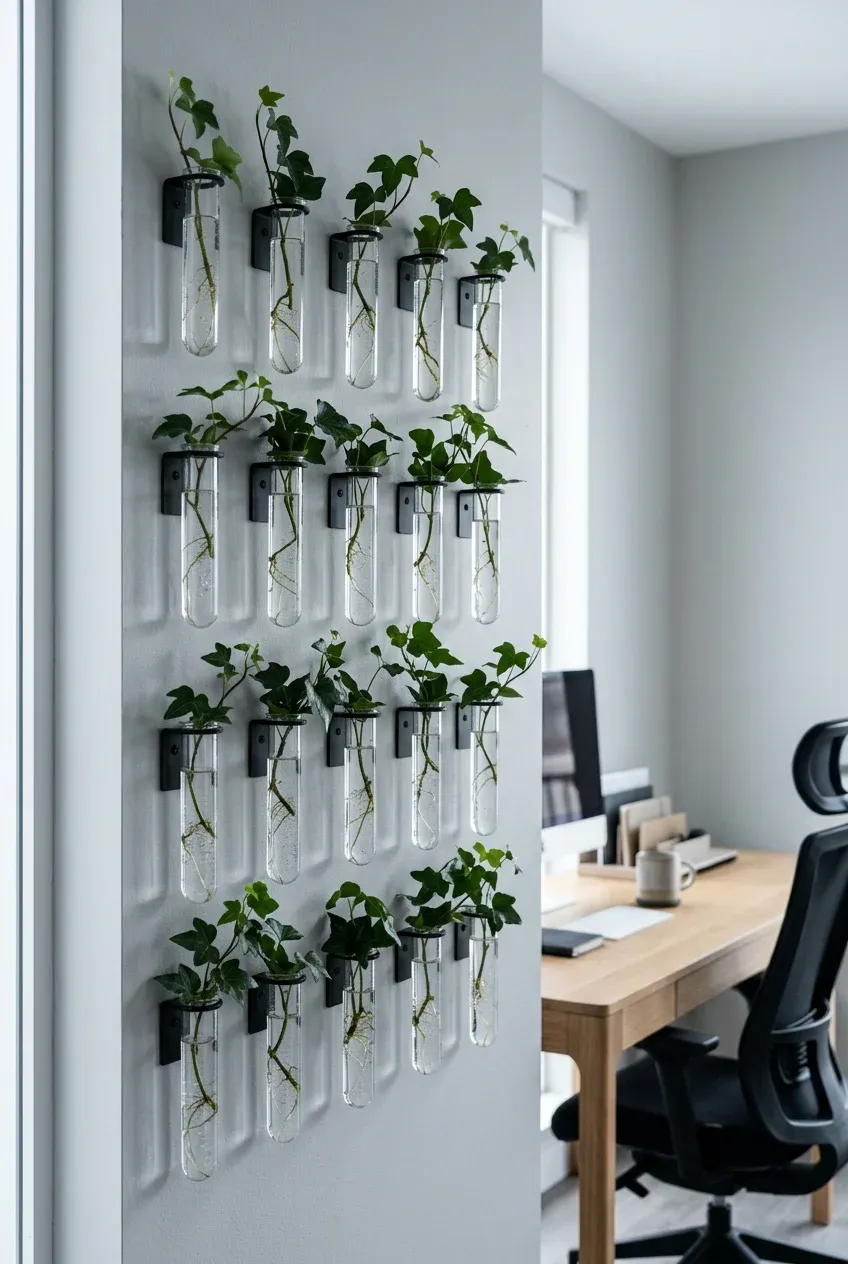
English Ivy has a classic look that works well in more modern or minimalist settings. Using wall-mounted glass tubes is a great way to save counter space while adding greenery to your walls. Simply take a stem cutting and remove the bottom leaves before placing it in the tube. The ivy will slowly adapt to the water and start growing new foliage.
These plants prefer cooler spots in the house and do not need direct sunlight. If you notice the leaves getting dusty, give them a quick rinse under the tap to keep them breathing well. Ivy is one of those plants that live in water quite happily as long as you keep the water level consistent in the small tubes.
Philodendron Stems in Vintage Laboratory Flasks
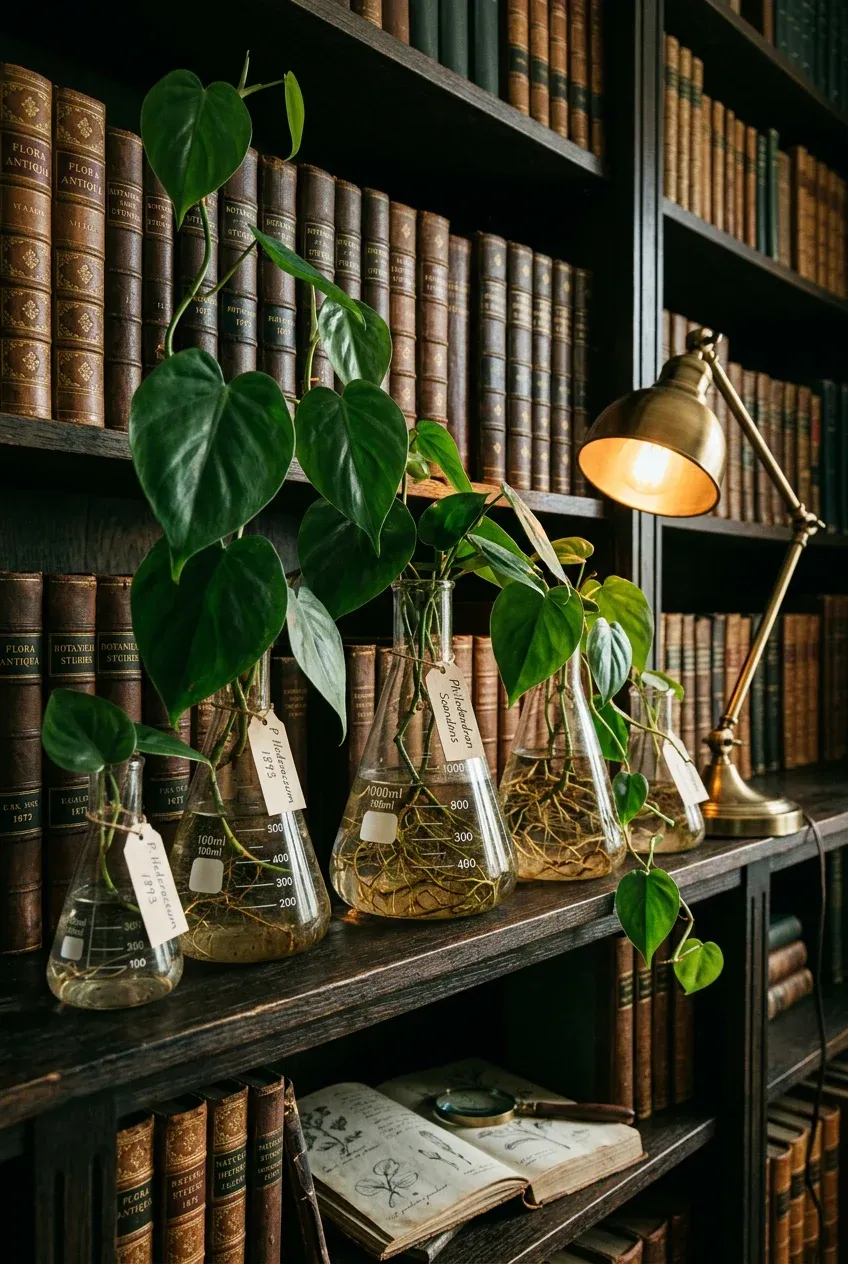
Philodendrons look very similar to pothos but often have heart-shaped leaves that add a different texture to your room. Using vintage laboratory flasks or chemistry beakers adds a unique, scientific touch to your plant display. The narrow neck of a flask is helpful because it supports the stem and keeps the leaves from falling into the water.
These are some of the best plants to grow in water because they are tough and don’t mind a bit of neglect. They can handle various light levels, though they prefer bright, indirect light. Every few months, you might want to add a drop of liquid fertilizer to the water to give the plant a small boost of nutrients.
Peace Lilies Growing in Wide Mouth Water Carafes
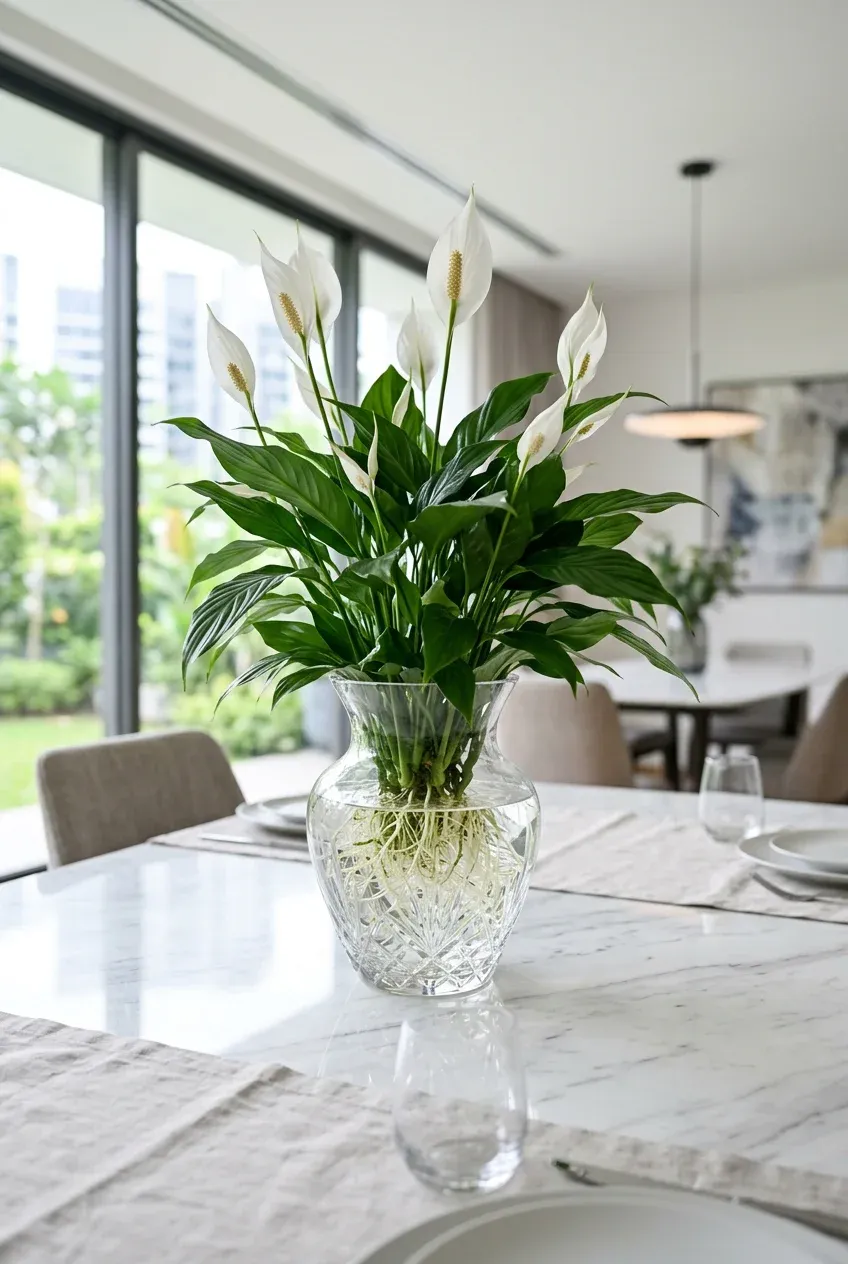
Peace Lilies are often sold in soil, but they can be transitioned to a water-only environment. You will need to carefully wash all the dirt off the roots before placing the plant into a wide-mouth carafe. The white blooms against the green leaves look striking in a clear container. This method essentially creates self watering plants because the roots have constant access to moisture.
It is important to keep the crown of the plant—where the stems meet the roots—above the water. If the base of the stems stays submerged, the plant might rot. Peace lilies are great at telling you when they are thirsty if they are in soil, but in a water carafe, they stay perky and hydrated all the time.
Floating Java Fern in Large Glass Fish Bowls
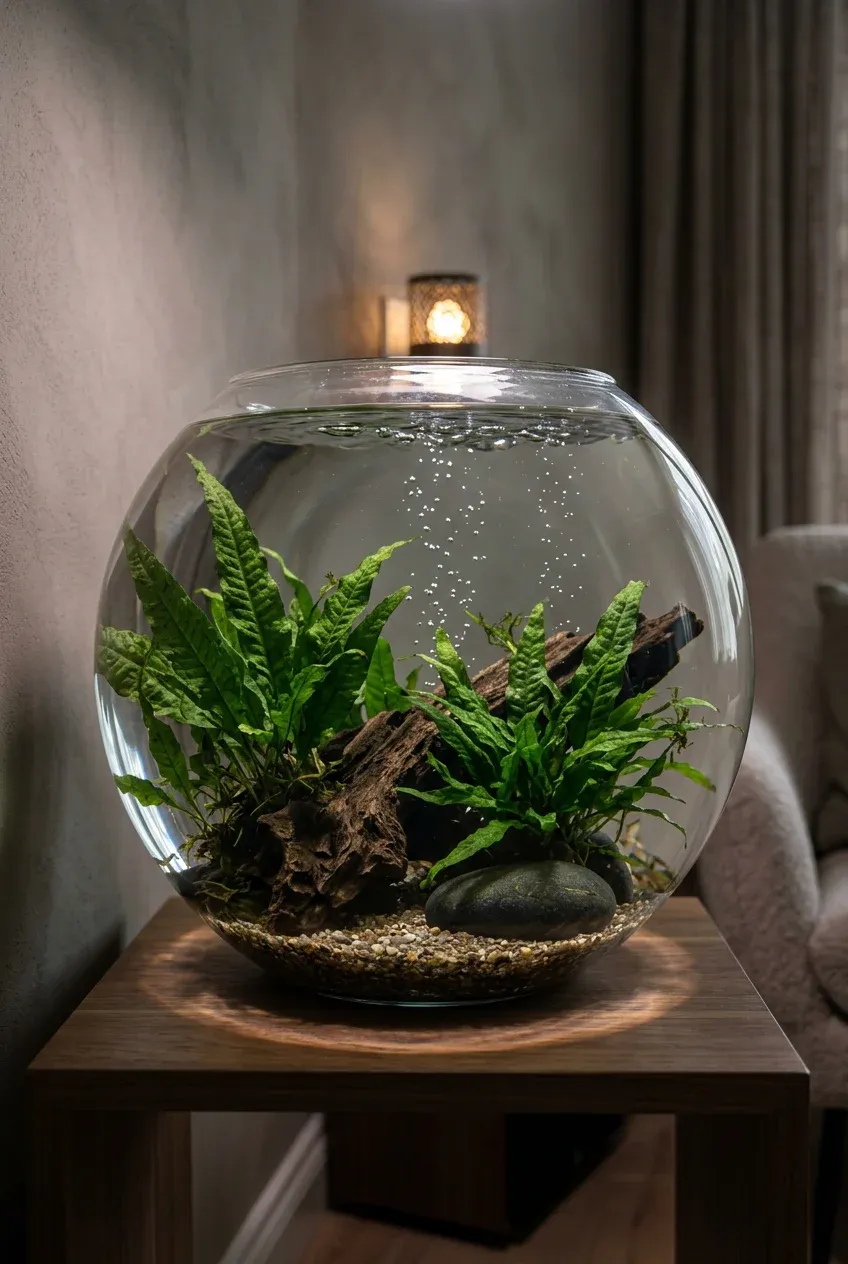
If you want a true aquatic look, the Java Fern is a perfect choice. Unlike other plants on this list, this is a true aquatic species that can stay completely submerged. Placing them in a large glass fish bowl creates a beautiful underwater landscape. You do not even need to plant them in anything; they can just float or be tucked near a stone.
Java Ferns are very slow growers, so they do not require much maintenance. They do well in low light, making them ideal for rooms that do not get much sun. Just make sure to change about half of the water every few weeks to keep the environment healthy for the plant.
Anubias Barteri Attached to Driftwood in Water Tanks
Anubias is another hardy aquatic plant that thrives when attached to a hard surface like driftwood or a rock. You can use a small piece of fishing line or thread to tie the plant to the wood and place it in a small water tank or deep glass container. Over time, the roots will wrap around the wood and hold it in place naturally.
This plant is very tough and can survive in many different water conditions. It has thick, dark green leaves that look very healthy and vibrant. Because it grows on wood rather than in soil, it is a very clean way to keep plants and fits perfectly into various plant terrarium ideas.
Chinese Evergreen Cuttings in Tall Cylindrical Vases
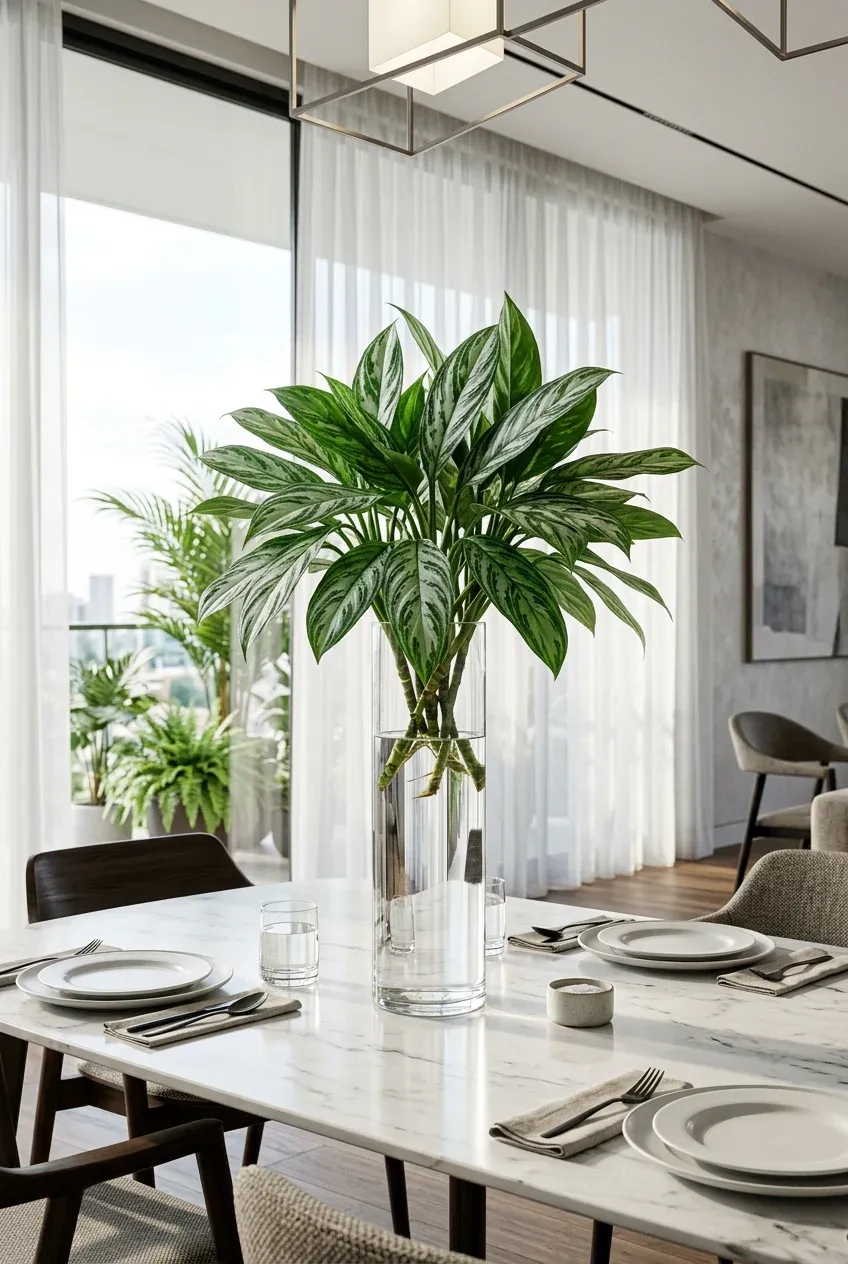
Chinese Evergreens are known for their patterned leaves with splashes of silver or red. You can take a stem cutting and place it in a tall cylindrical vase to create an elegant centerpiece. The height of the vase supports the long stems and keeps the plant upright. These are very reliable plants that grow in water indoor and add a lot of color to a room.
They are very patient plants and can tolerate low light, though their colors stay brighter with a bit more indirect light. Since they grow slowly, you won’t have to worry about them outgrowing their vase too quickly. Just keep the water topped up and they will stay happy for a long time.
Sweet Potato Vines Sprouting in Kitchen Window Jars
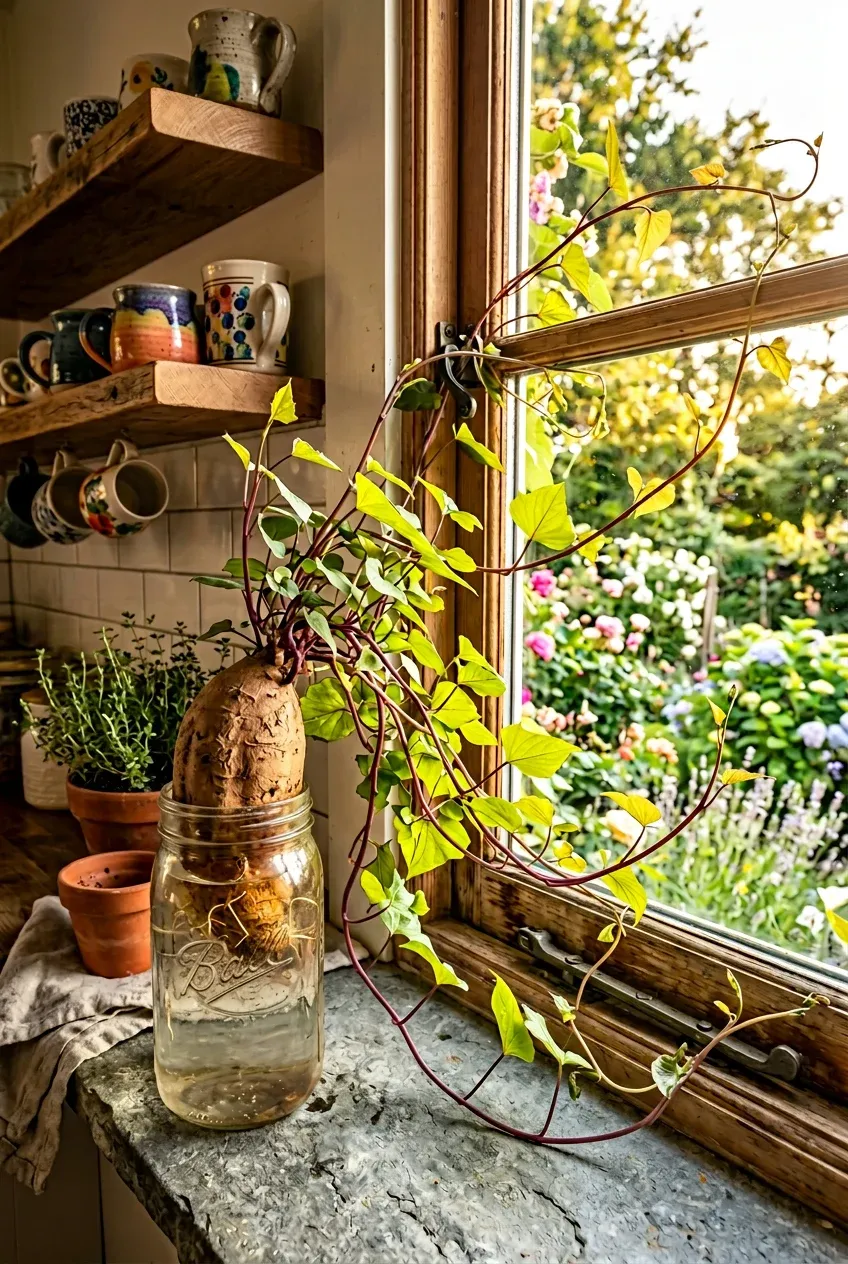
For a fun and fast-growing project, try sprouting a sweet potato in a jar. Use toothpicks to suspend the potato in the mouth of a jar so only the bottom half is touching the water. Within a couple of weeks, purple or green vines will start to sprout from the top and grow rapidly. It is one of the easiest ways to see a DIY hydroponic garden indoor in action.
These vines love sunlight, so a kitchen windowsill is the best spot for them. The vines can grow several feet long, so you can drape them over the window frame or let them trail down the side of the counter. It is a simple, budget-friendly way to add a lot of greenery to your kitchen very quickly.