
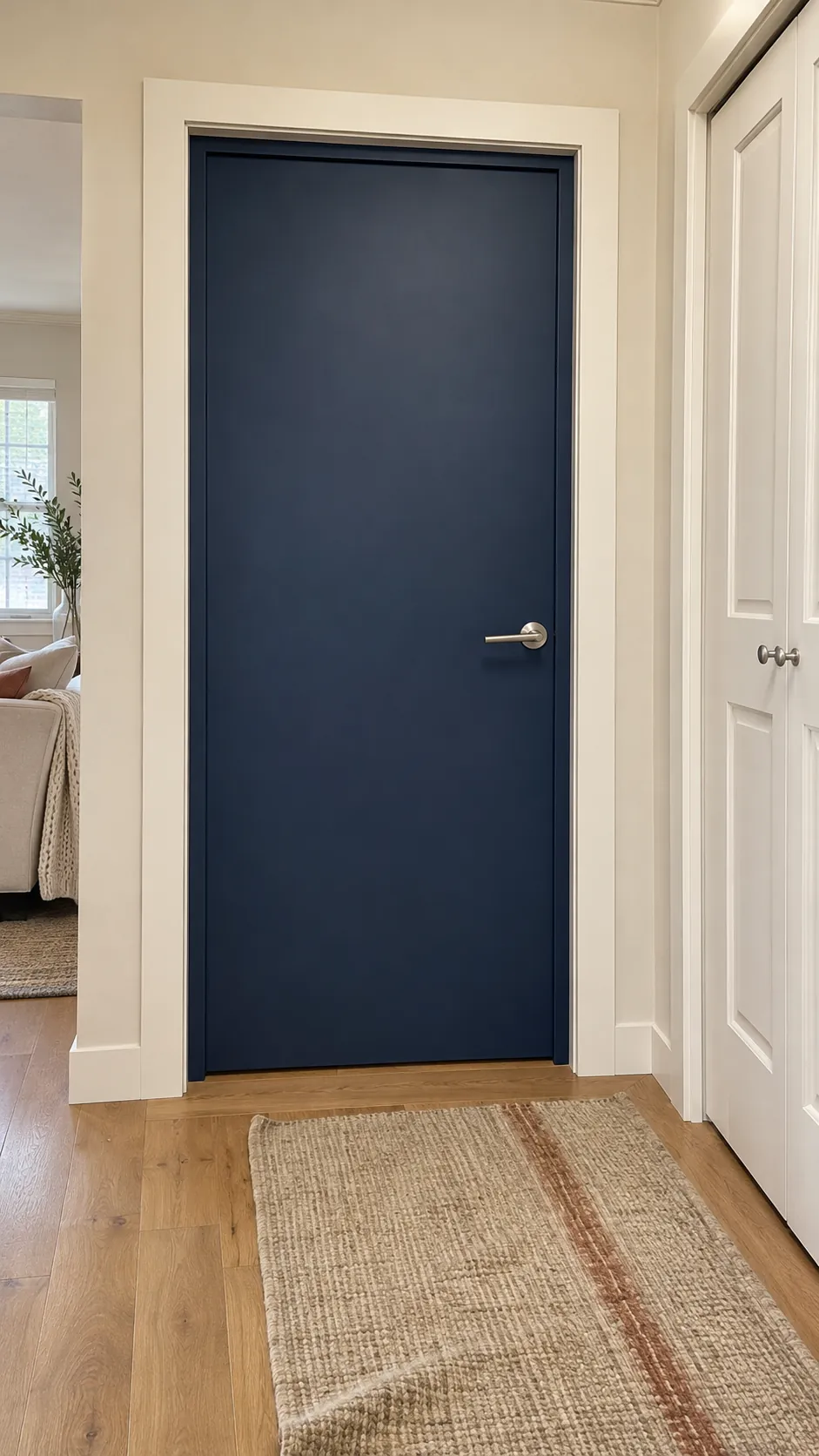
A door that sticks at the latch or rattles every time the heat comes on needs a different upgrade from a door that just looks plain. Start with the thing you notice every day. You may be able to keep the frame, the slab or both, even if the finished door looks very different.
Correct the fit before adding finishes
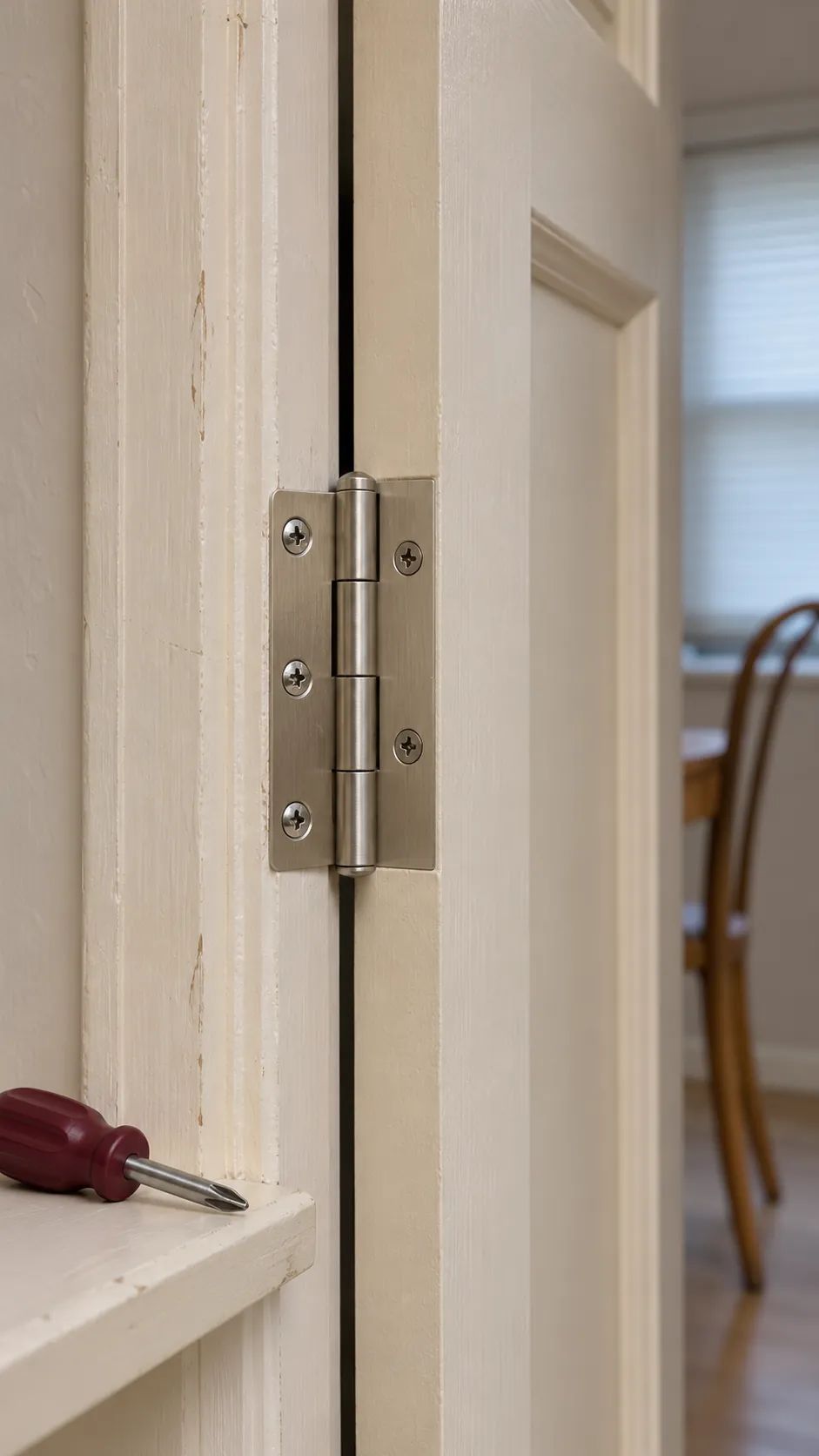
Close the door slowly to find the first point of contact. Tighten loose hinge screws and look for stripped holes that need a proper repair. If the latch still misses the strike, check whether the gaps changed when you corrected the hinges. Adjust the strike only after the door sits where it should.
Patch dents before repainting
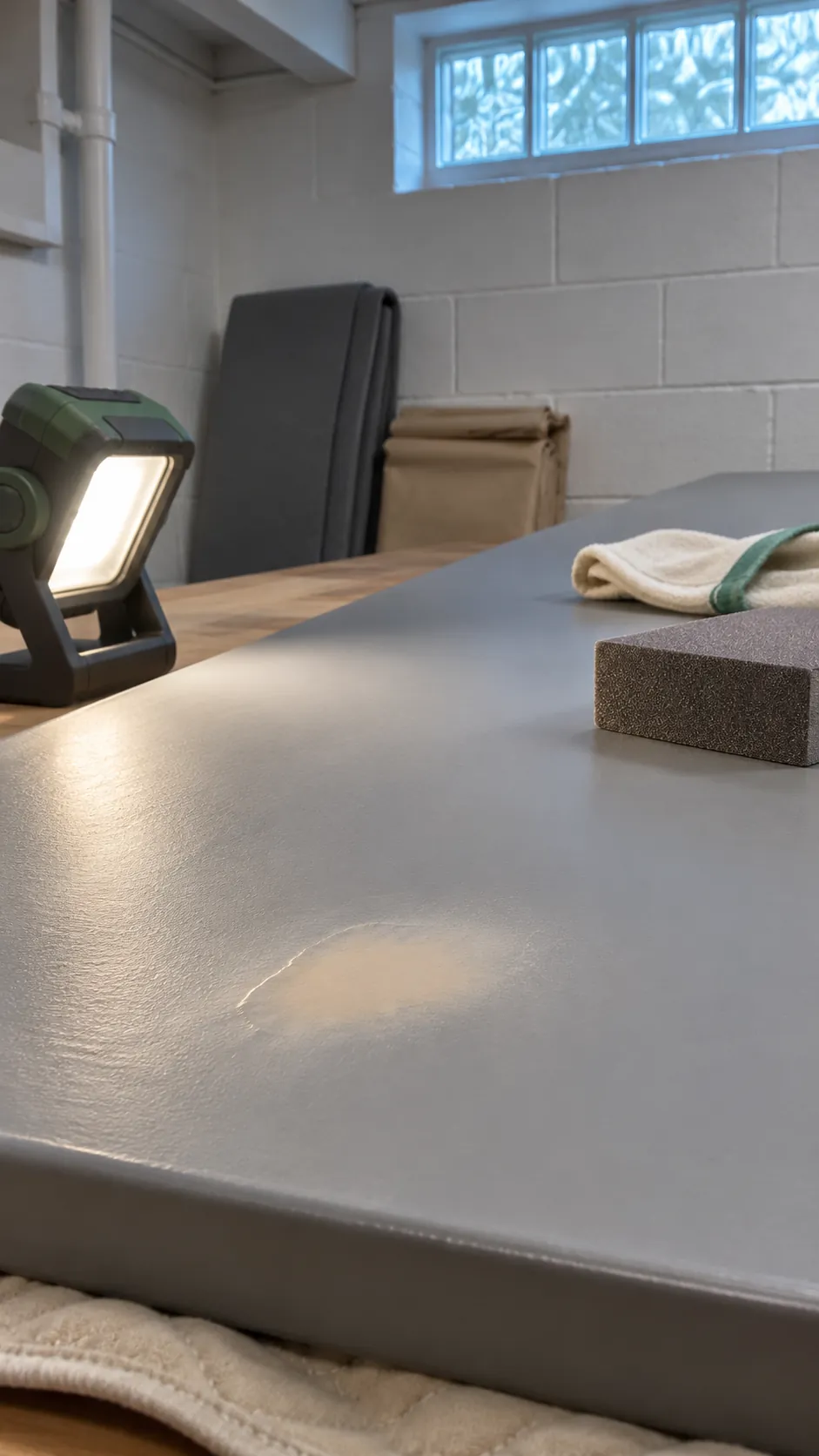
For a shallow ding in a firm door skin, use a filler compatible with the surface. Let the patch dry fully and sand it flush with the surrounding face. Shine a light across the repair before priming, because a raised edge usually looks worse under satin paint. A large tear or loose skin may make replacement the better value.
Give the slab a new paint finish
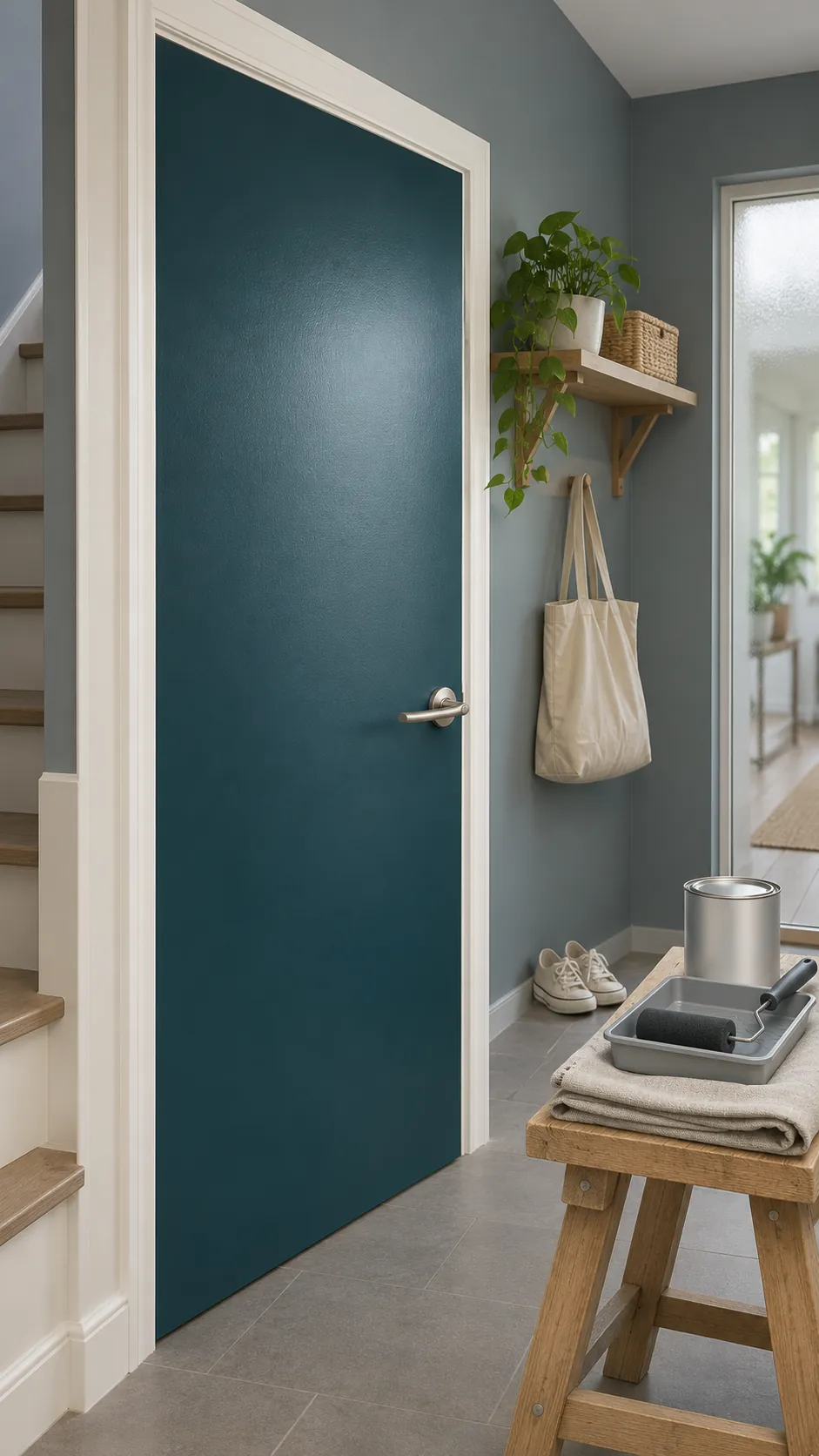
Wash oils off the area around the handle and clean the rest of the slab before applying paint. Use a primer suited to the existing finish where needed, and follow the recommended dry times. Satin or another washable finish is practical for a frequently touched door. Keep paint off the hinges, latch and strike so the hardware still moves freely.
Add slim molding to a flat door
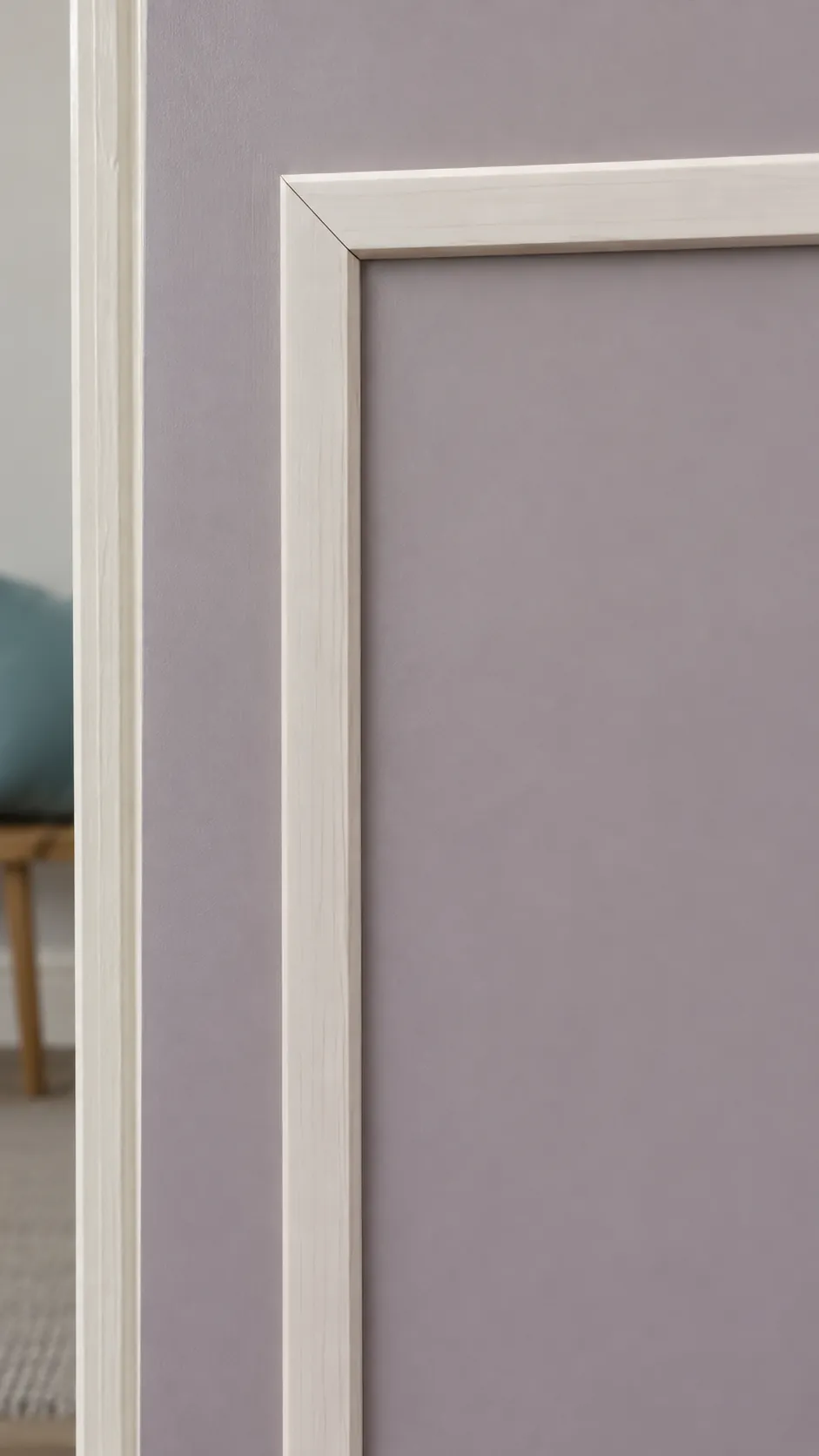
Mark two rectangles with painter’s tape and check the layout while the door is hanging. Leave enough room around the handle and test the full swing with a short molding sample. Use lightweight trim and a suitable adhesive on a sound hollow core face. Paint the slab and trim the same color to give the panels an integrated look.
Use paint to suggest recessed panels
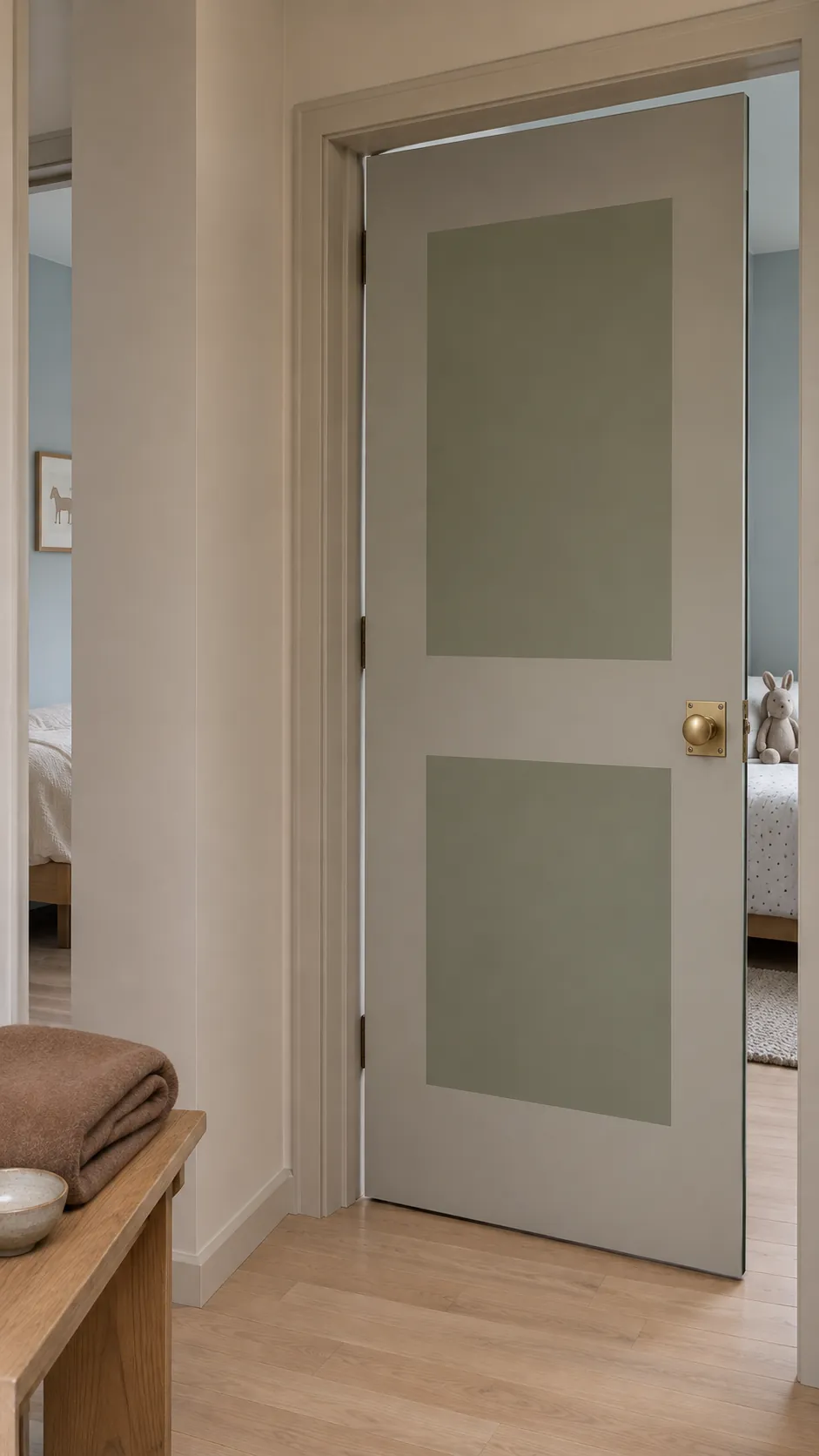
Tape a simple rectangular inset and paint it a shade slightly deeper than the surrounding field. Use a low tack tape suitable for the base coat and test on a small area before masking the slab. Keep the color difference modest if you want the pattern to read as depth. The panel stays flat, which suits a door that passes close to a wall.
Replace knobs with levers
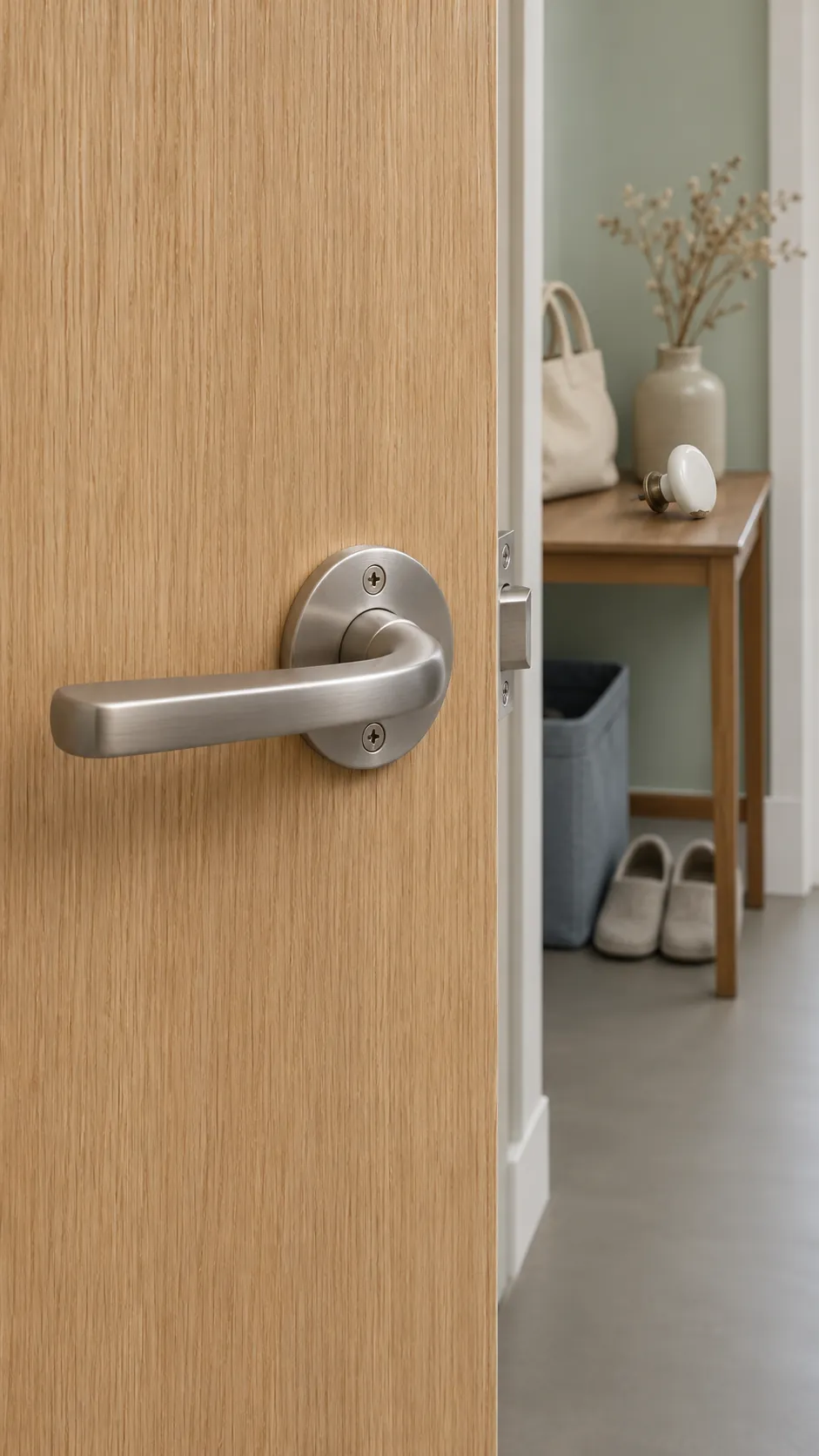
A lever is easier to operate with a full hand or an elbow. Before ordering, measure the distance from the door edge to the center of the handle bore and check the thickness of the slab. Choose passage hardware for an ordinary connecting door and privacy hardware where an inside lock is useful. Confirm the lever clears the casing on both faces.
Match visible hinge and handle finishes
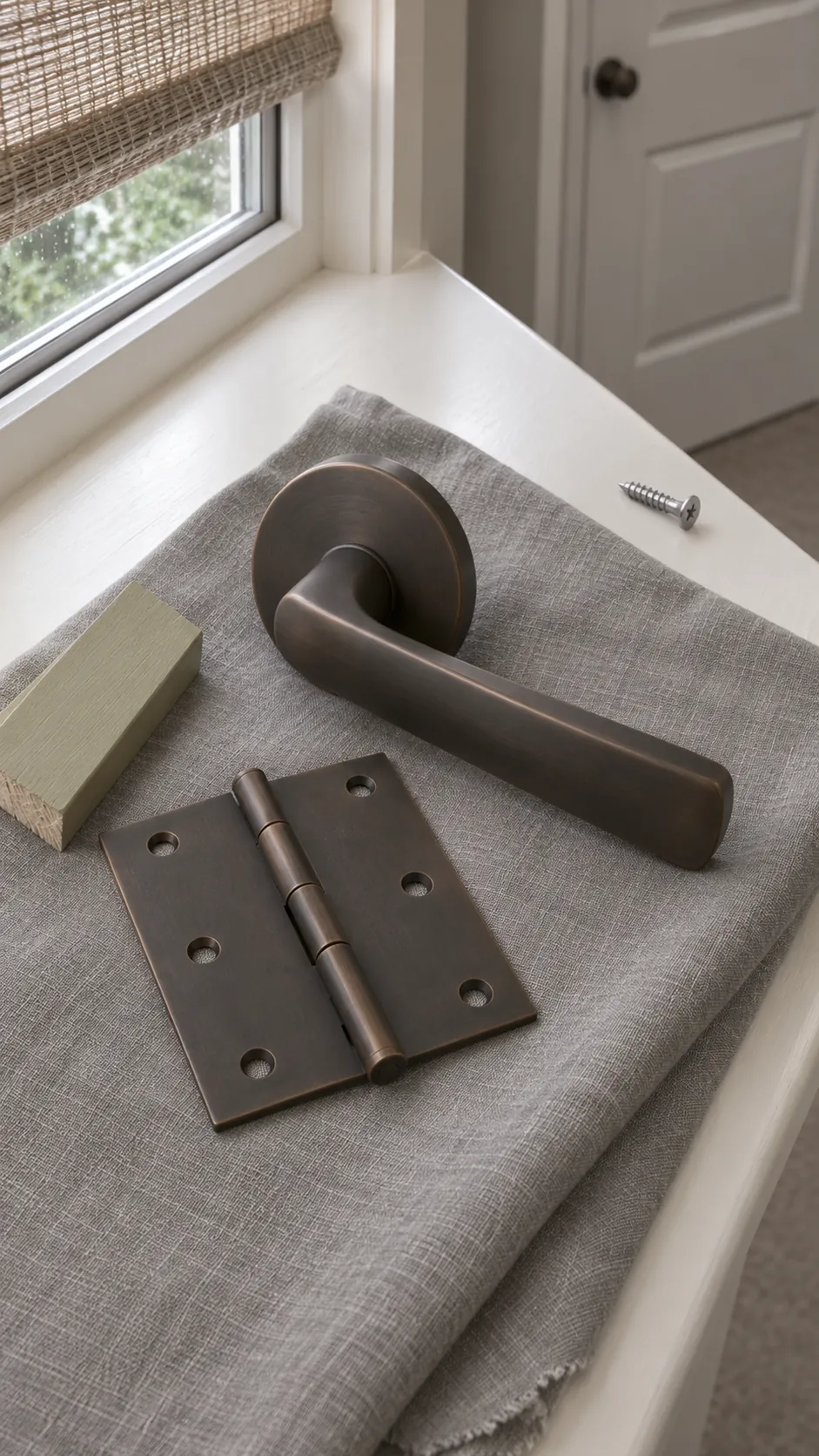
For doors that share a hallway, choose one finish and repeat it where the hardware is visible. A replacement hinge must still match the old cutout, screw positions and leaf thickness. Check the finish beside the actual lever under hall lighting, since similar names can describe different tones. Try one complete door before ordering the rest.
Change casing to suit the room
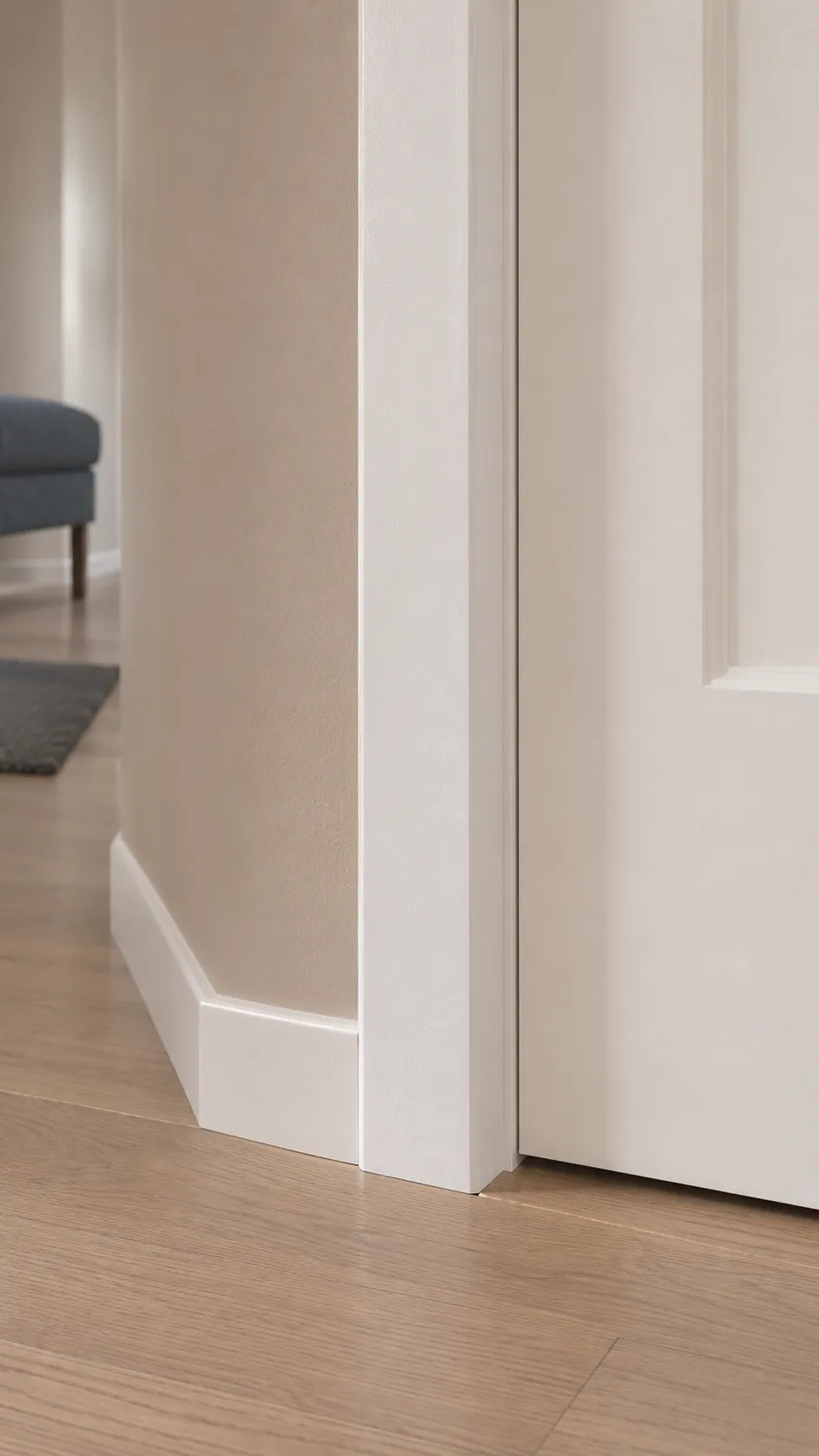
Slimmer square edged casing can simplify a crowded hall, while a broader profile can give a tall plain doorway more presence. Check how the new trim will meet the baseboard and whether it covers the old paint line. Use a consistent small reveal along the jamb. Where the wall or jamb is irregular, fit the trim to the opening before finishing it.
Stop a closed door from rattling
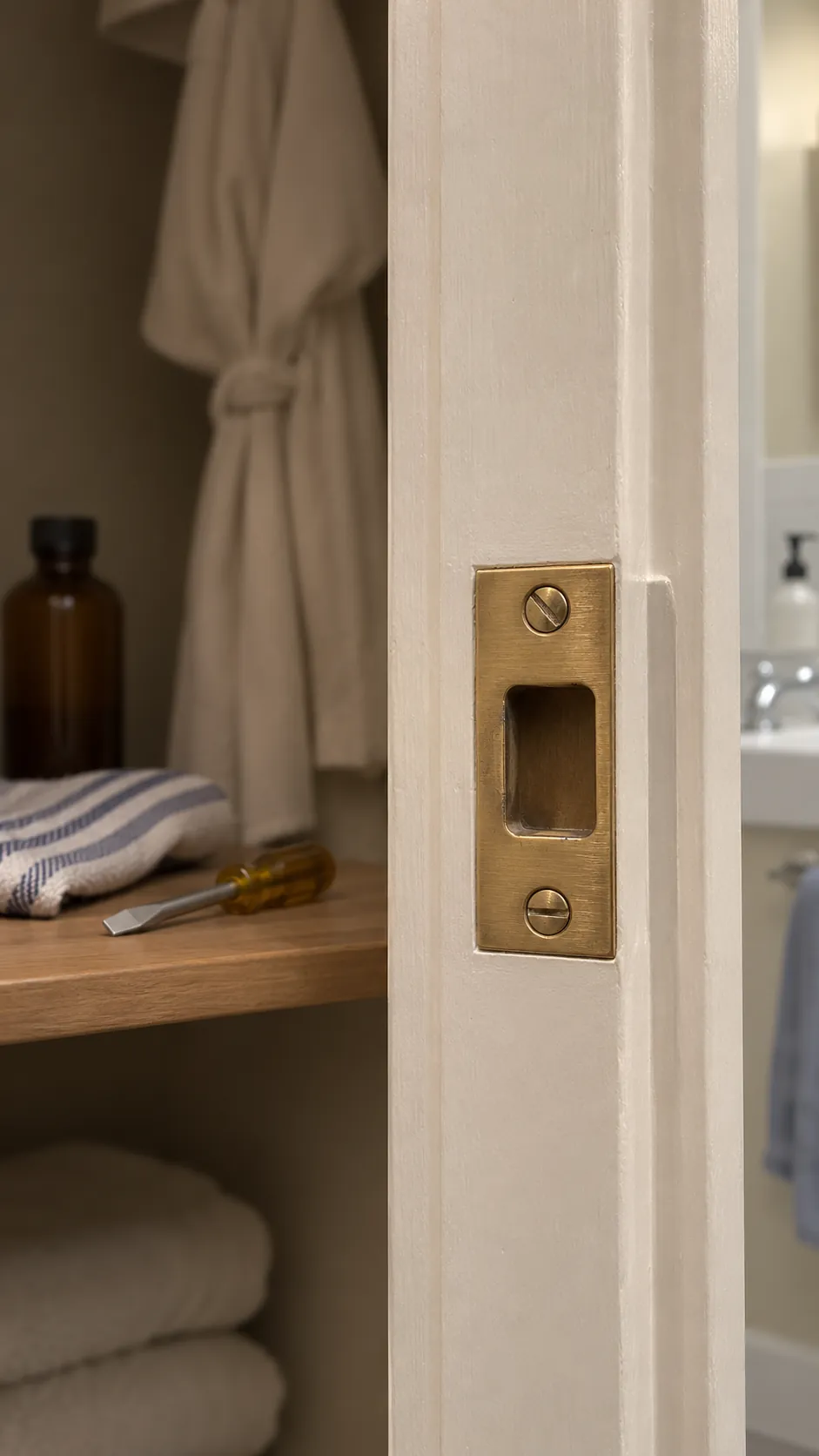
If the slab shifts while the latch is engaged, first check that the strike screws are tight and the door closes fully. Some strike plates have an adjustment tab that can reduce play. Move it in small increments and test after each change. A door that needs a hard push to latch can be annoying even if it no longer rattles.
Upgrade one room to a heavier slab
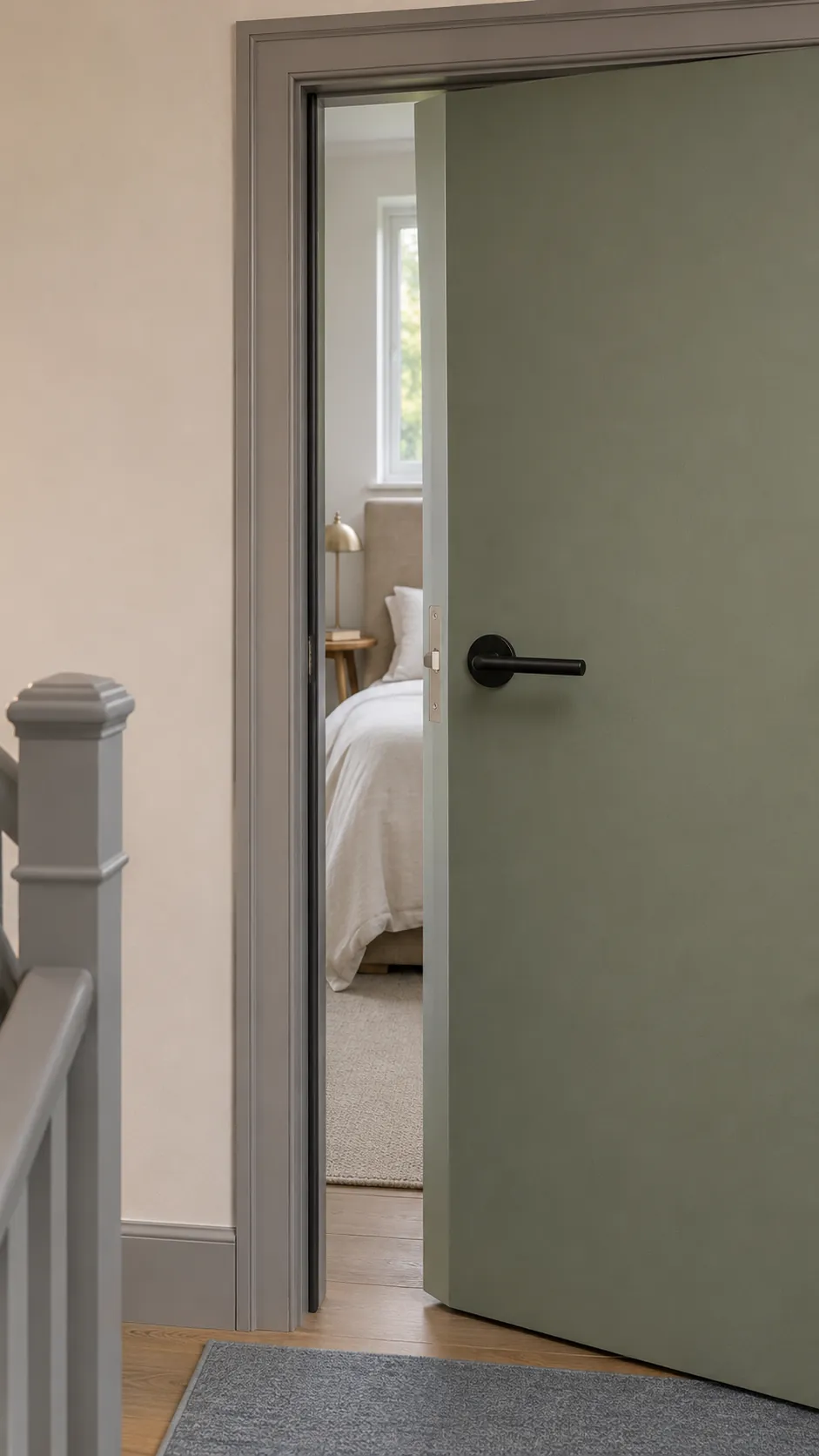
If you can clearly hear voices through a bedroom or office door, check the gaps around it before replacing the slab. A well fitted solid core door can improve speech privacy when the opening is the main sound path. Check the frame and choose hardware rated for the heavier door. Price the fitting and seals along with the slab, and check the return airflow before sealing the bottom gap.
Fit a patterned slab to a sound frame
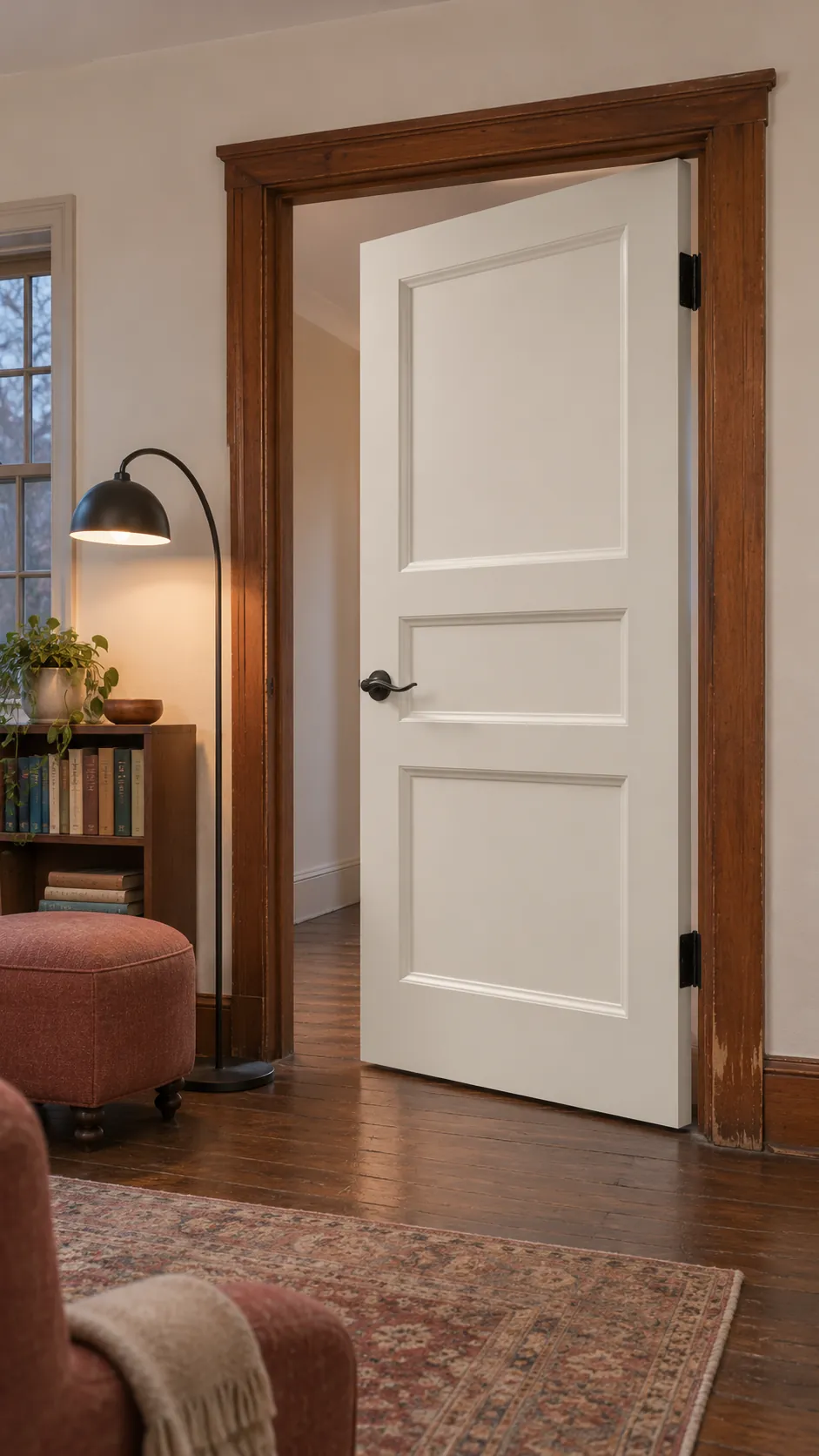
A paneled replacement slab changes the look while keeping a good jamb and casing. Take the original door’s width, height and thickness, then record hinge positions and the latch location. Compare those measurements with the supplier’s drawing before ordering any machining. A sample installation is worth doing before you order several identical doors for the house.