
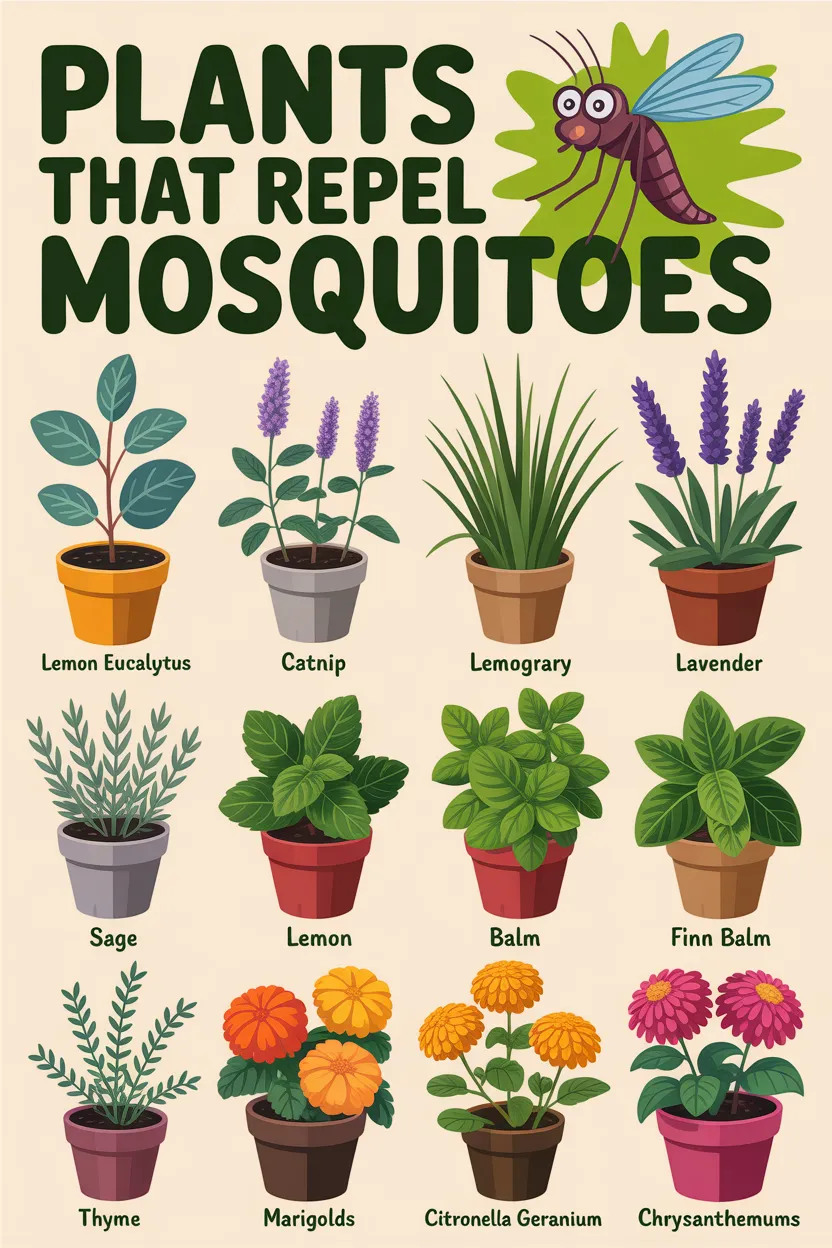
Summer evenings on the porch or in the backyard can be ruined quickly by the high-pitched whine of a mosquito. While sprays and repellents are the surest protection, gardeners often ask whether plants can help reduce the nuisance. The answer is yes, but only if you understand which plants work best, why they matter, and how to use them effectively. Here’s a detailed listicle, written in a natural, story-driven style, to meet the search intent for anyone looking up “plants that repel mosquitoes.”
Lemon Eucalyptus

When you think about natural repellents backed by science, lemon eucalyptus tops the list. This tall tree, native to Australia, contains a compound called PMD (para-menthane-3,8-diol), which has been proven effective enough to be registered with the CDC and EPA as a skin-applied repellent. Sitting under the shade of a lemon eucalyptus tree won’t replace bug spray, but it’s worth planting if your climate allows. The leaves carry a sharp, citrusy scent that fills the air when brushed, and the essential oil distilled from them is what goes into store-bought repellents. Gardeners in warm zones sometimes plant a small grove near patios to enjoy both the fragrance and the look of the bluish-green leaves.
Catnip
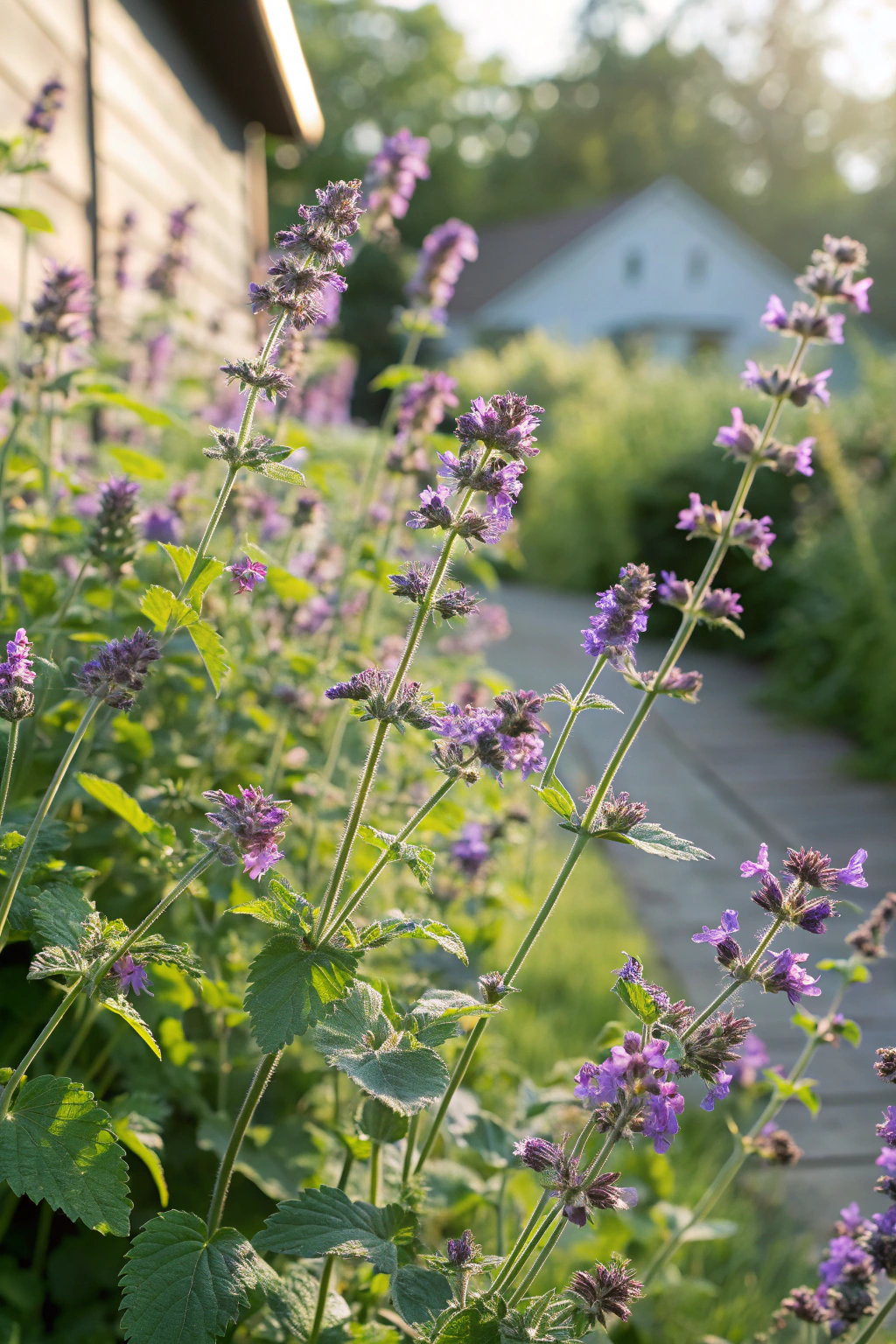
Most people know catnip for the way it excites cats, but fewer realize it contains nepetalactone, a chemical that mosquitoes strongly dislike. Research shows that catnip oil can repel some mosquito species as well as, and sometimes better than, lower concentrations of DEET. Imagine a border of catnip swaying in the sun, purple flowers buzzing with bees, while your feline rolls in delight nearby. By gently crushing the leaves before you sit outside, you’ll release more of that mosquito-repelling aroma. Catnip is easy to grow, tolerant of drought, and adds a soft, wild texture to cottage gardens.
Lemongrass

If you’ve ever burned a citronella candle, you’ve already encountered lemongrass. The tall, arching blades of Cymbopogon are the source of citronella oil, one of the most common natural deterrents used worldwide. In the garden, lemongrass brings height and movement, perfect in containers by a deck or as a screen near an outdoor dining area. The lemony scent intensifies when leaves are cut or bruised, making it useful in teas, cooking, and as an aromatic in arrangements. In colder climates, pots of lemongrass can be overwintered indoors to enjoy again the following summer.
Lavender

The smell of lavender is relaxing for humans but unappealing to mosquitoes. Long rows of purple flowers create not just a calming landscape but also a lightly protective barrier around sitting areas. In southern Europe, it’s common to see bunches of dried lavender hanging in doorways to deter insects. When grown in the garden, lavender prefers lean soil and full sun, and when cut, the blossoms can be arranged in jars on tables outdoors to release more of their essential oils. Think of it as adding both beauty and subtle defense to your evenings.
Rosemary
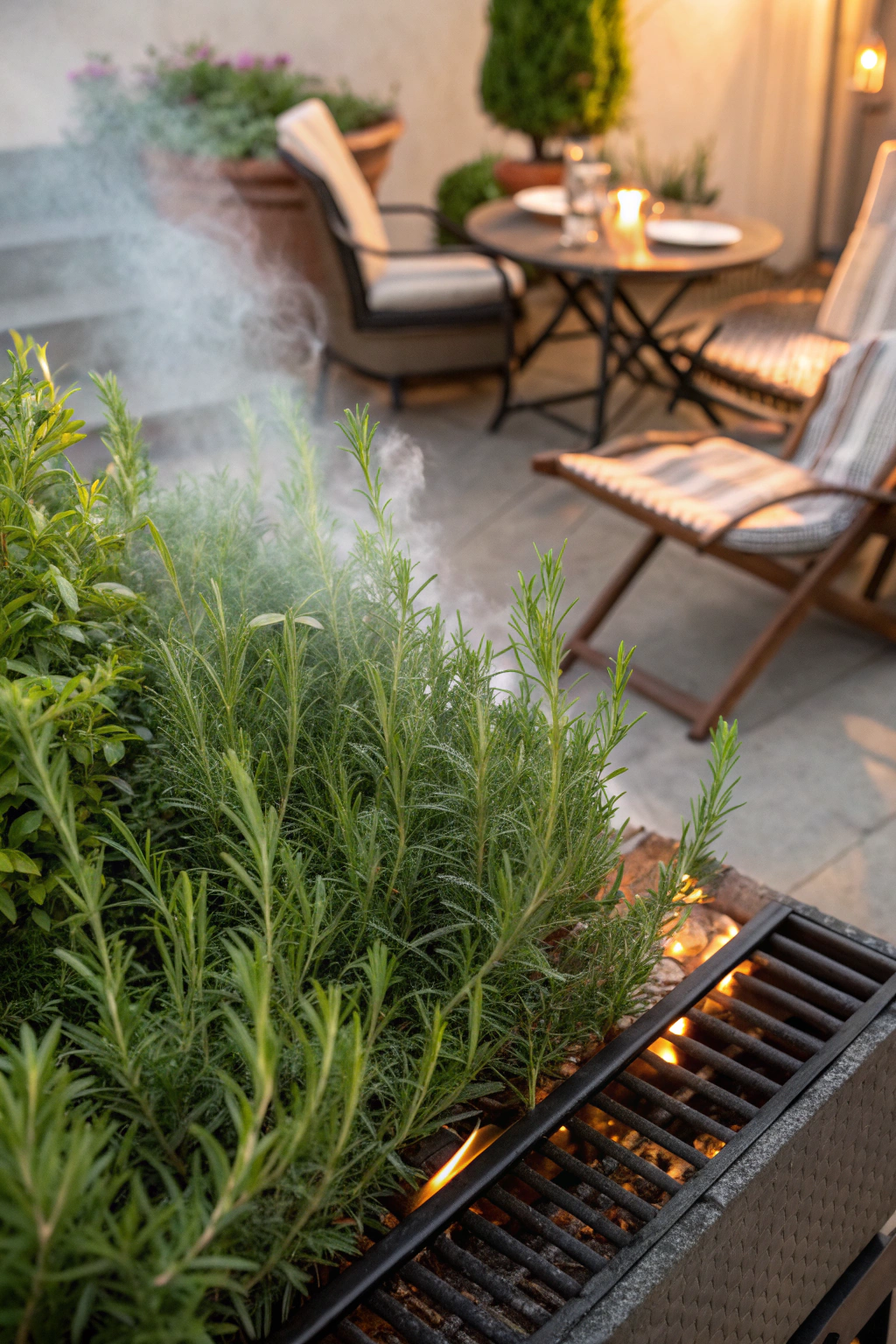
Rosemary does more than flavor your roasted potatoes. Its piney aroma comes from oils that mosquitoes find irritating. Gardeners often throw sprigs of rosemary directly onto a hot grill, letting the smoke drift around a seating area to chase away pests. Rosemary hedges can double as ornamental borders and culinary staples, staying evergreen in mild climates. When clipped into pots, they can be moved easily to flank an outdoor sofa or barbecue station.
Sage
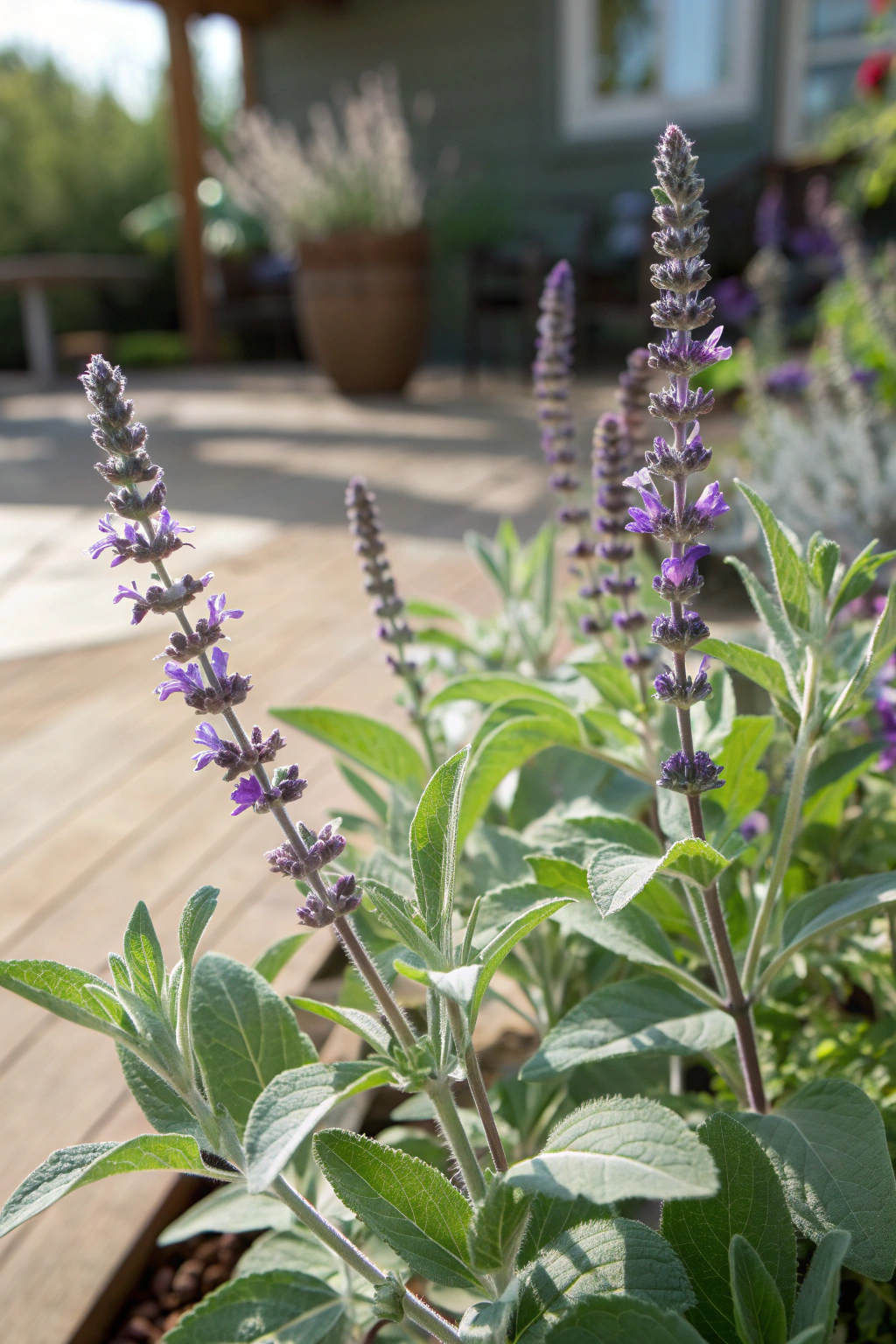
Much like rosemary, sage has aromatic oils that intensify in smoke. On summer nights, a small bundle of sage tossed into a fire pit can help keep mosquitoes from settling close by. The silvery leaves catch the light beautifully during the day, and in bloom, sage produces purple or blue spikes that attract pollinators. Many gardeners keep a pot of sage near their patio for both cooking and its occasional usefulness against bugs.
Mint
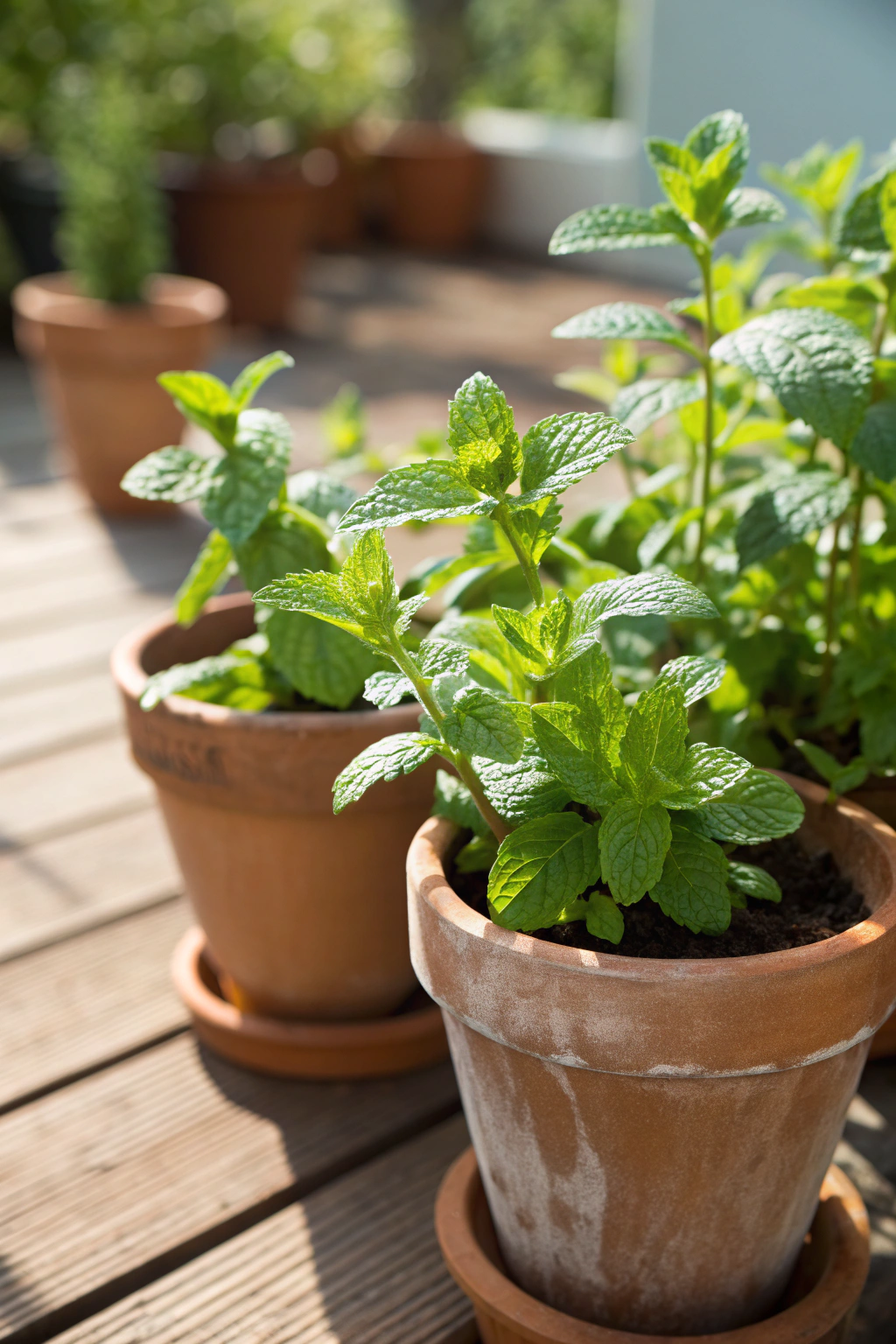
Mint grows with vigor, sometimes too much, but that makes it a handy ally. The menthol scent isn’t pleasant to mosquitoes, and crushing a handful of leaves releases a burst of aroma. Because mint spreads aggressively, it’s best grown in containers that can be positioned around sitting areas. The bonus is that you can pluck leaves for iced tea, mojitos, or even to rub lightly on your arms before you step outside. A few clay pots of mint clustered on a patio give a lush, refreshing feel along with their repellent quality.
Lemon Balm
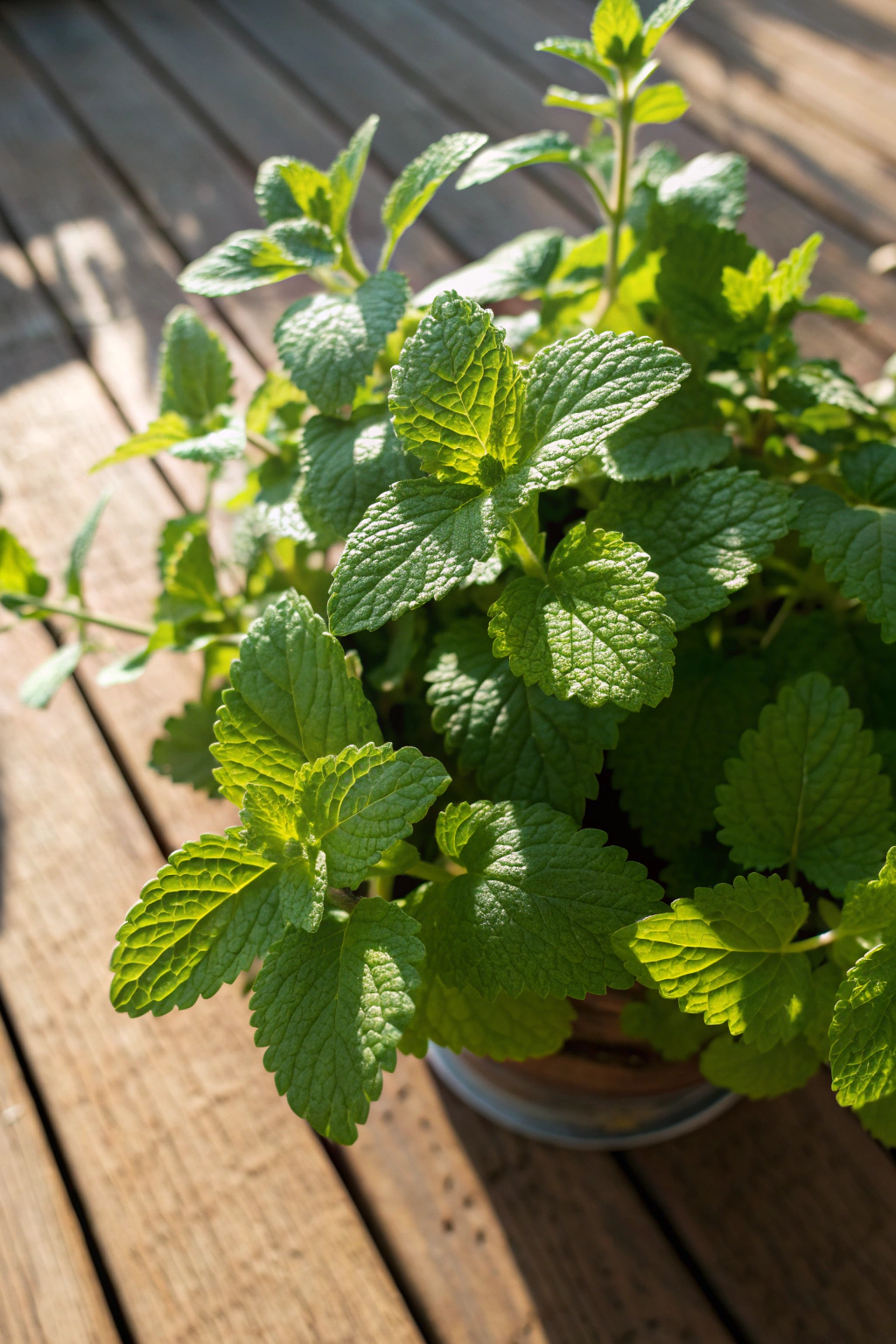
Lemon balm is a close cousin of mint and behaves the same way in the garden—vigorous, sometimes invasive, but easy to manage in pots. Its bright lemon fragrance is caused by citronellal, a compound that mosquitoes dislike. Rubbing the leaves between your hands and then placing them on a picnic table or windowsill can create a local pocket of deterrence. In the Middle Ages, lemon balm was planted near doorways as a cleansing herb; today, it’s equally at home in herbal teas and natural insect defense.
Basil
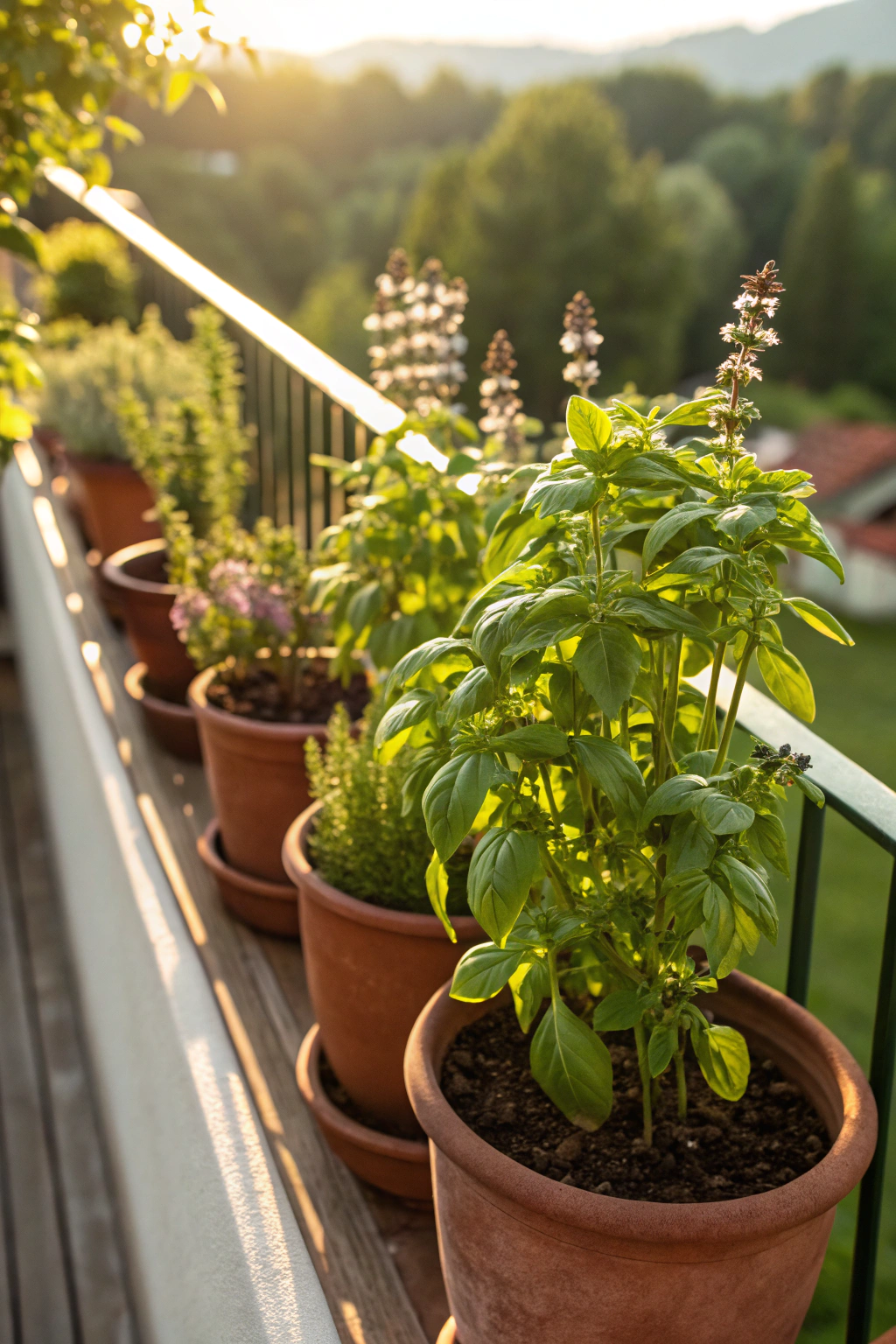
Basil’s strong scent is beloved in kitchens but off-putting to many insects, including mosquitoes. A row of basil pots along a balcony railing or outdoor table not only gives you fresh leaves for salads but also provides a mild deterrent. Some varieties, like lemon basil and cinnamon basil, are especially fragrant and more likely to repel insects. Picture yourself making caprese salad on a summer evening, the air rich with basil’s aroma, while mosquitoes keep their distance.
Thyme
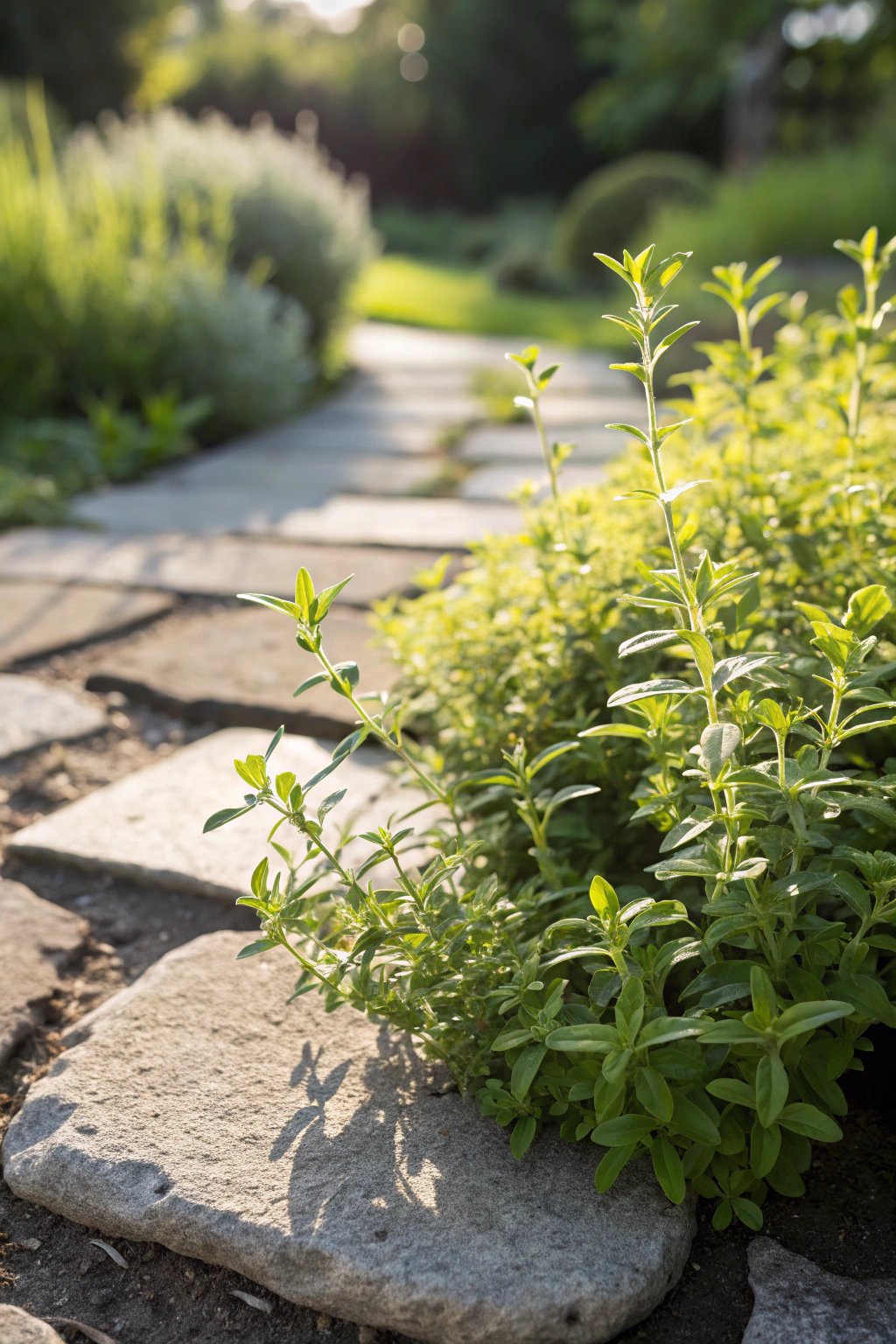
Gardeners sometimes overlook thyme as a mosquito repellent, but lemon thyme in particular releases a bright citrus fragrance when brushed. Plant it between stepping stones so that every footstep releases more oil into the air. The effect may be small, but paired with other aromatic herbs, it contributes to an overall garden environment that mosquitoes find less attractive. Plus, thyme is a tough, low-growing groundcover that looks neat and green year-round.
Marigolds

Marigolds often appear on lists of mosquito-repelling plants, though their effectiveness is debated. What’s certain is that their strong smell and bright orange or yellow flowers are unappealing to some insects, and they provide real benefits in vegetable gardens by suppressing soil pests. Planting marigolds around your vegetable beds or in containers near outdoor seating adds cheerful color, and while they may not be the strongest mosquito deterrent, they contribute to an overall pest-resistant landscape.
Citronella Geranium
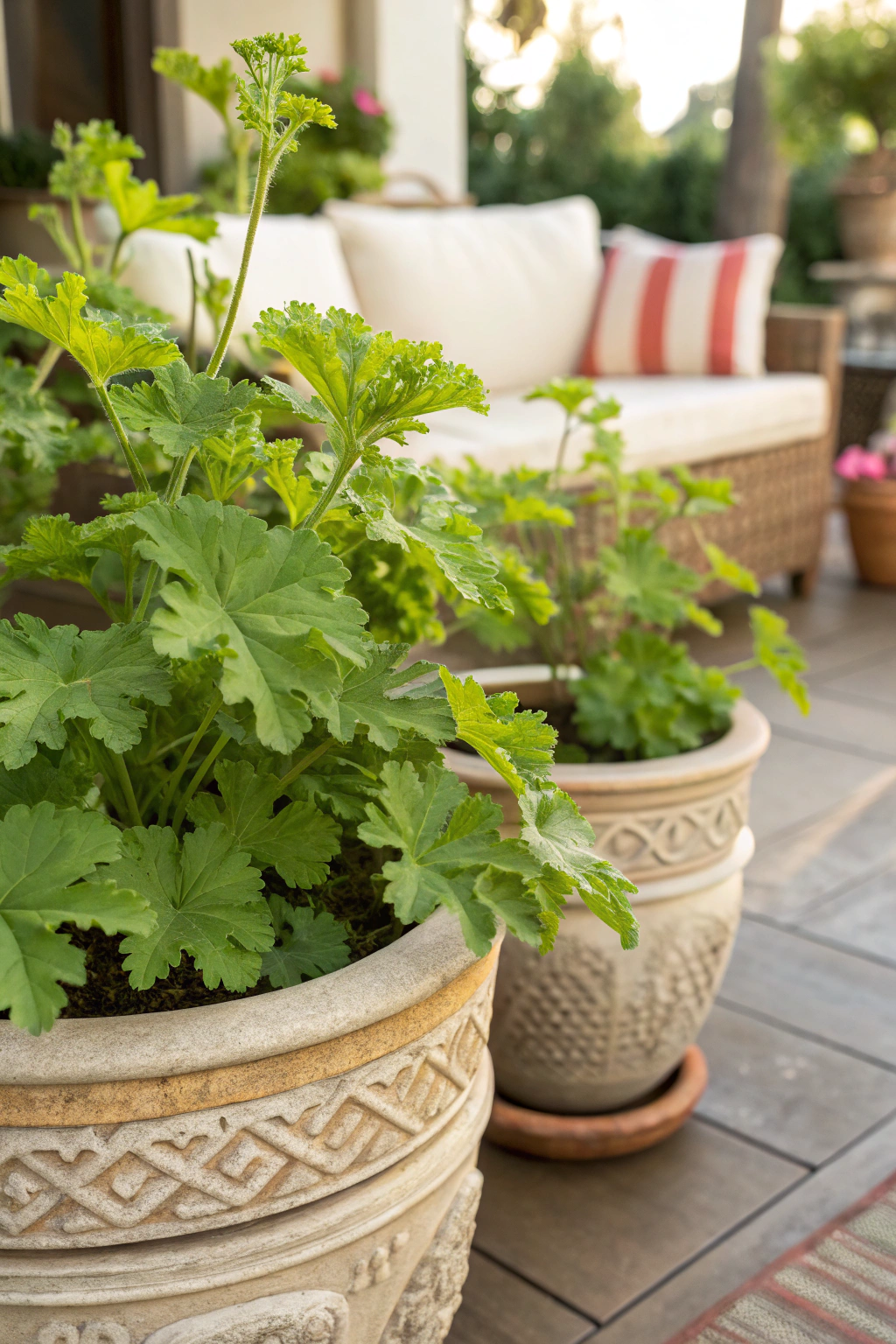
Known in garden centers as the “mosquito plant,” citronella geranium has finely cut leaves with a lemony scent. It’s a lovely ornamental, but scientific studies show it doesn’t repel mosquitoes as strongly as advertised. That said, brushing the leaves does release fragrance, and many gardeners enjoy growing it in decorative pots around patios for its texture and scent. Just don’t rely on it as your only line of defense.
Chrysanthemums

Chrysanthemums are more than just cheerful fall flowers — they’re the natural source of pyrethrum, a compound widely used in insect repellents. Gardeners have valued them for centuries as both ornamentals and pest-control allies. In the yard, rows of mums in gold, orange, or white bring bursts of color late in the season, while also discouraging mosquitoes when their oils are released. Although the flowers alone won’t clear a patio, they contribute to a garden ecosystem that’s less attractive to pests. Their bright blooms also attract beneficial insects, making them a good dual-purpose addition to beds and borders.