
Most people think they need a massive backyard to grow a lush garden, but you actually just need a little bit of empty wall space. Whether you are living in a cramped city apartment or have a suburban patio that feels a bit bare, going vertical is the smartest way to add greenery without tripping over pots. A well-placed vertical garden wall design can turn a boring fence or a blank hallway into a centerpiece that literally breathes life into your home.
This list covers practical ways to build your own green space, ranging from simple weekend DIY projects to more permanent fixtures. You will find ideas for growing fresh basil right in your kitchen and ways to cover an ugly exterior wall with vibrant textures. These methods work for different budgets and skill levels, so you can start planting regardless of how much square footage you have.
Stacked Cedar Planter Boxes for a Living Wall Garden

Cedar is a top choice for a living wall garden because it resists rot and looks better as it ages. You can build simple rectangular boxes and mount them directly to a sturdy wall or a wooden frame. Space them out so the plants in the bottom boxes have enough room to grow upward without getting shaded by the ones above. This setup works well for succulents or small flowers that don’t need deep soil.
To keep the wood looking fresh, you can line the inside of the boxes with plastic landscape liners before adding soil. This prevents constant moisture from sitting against the cedar. If you are mounting these on a house wall, leave a small gap between the boxes and the siding to allow for airflow. This prevents mold and keeps your home’s exterior safe while you enjoy your new greenery.
Reclaimed Wood Pallet Frame for an Outdoor Green Wall
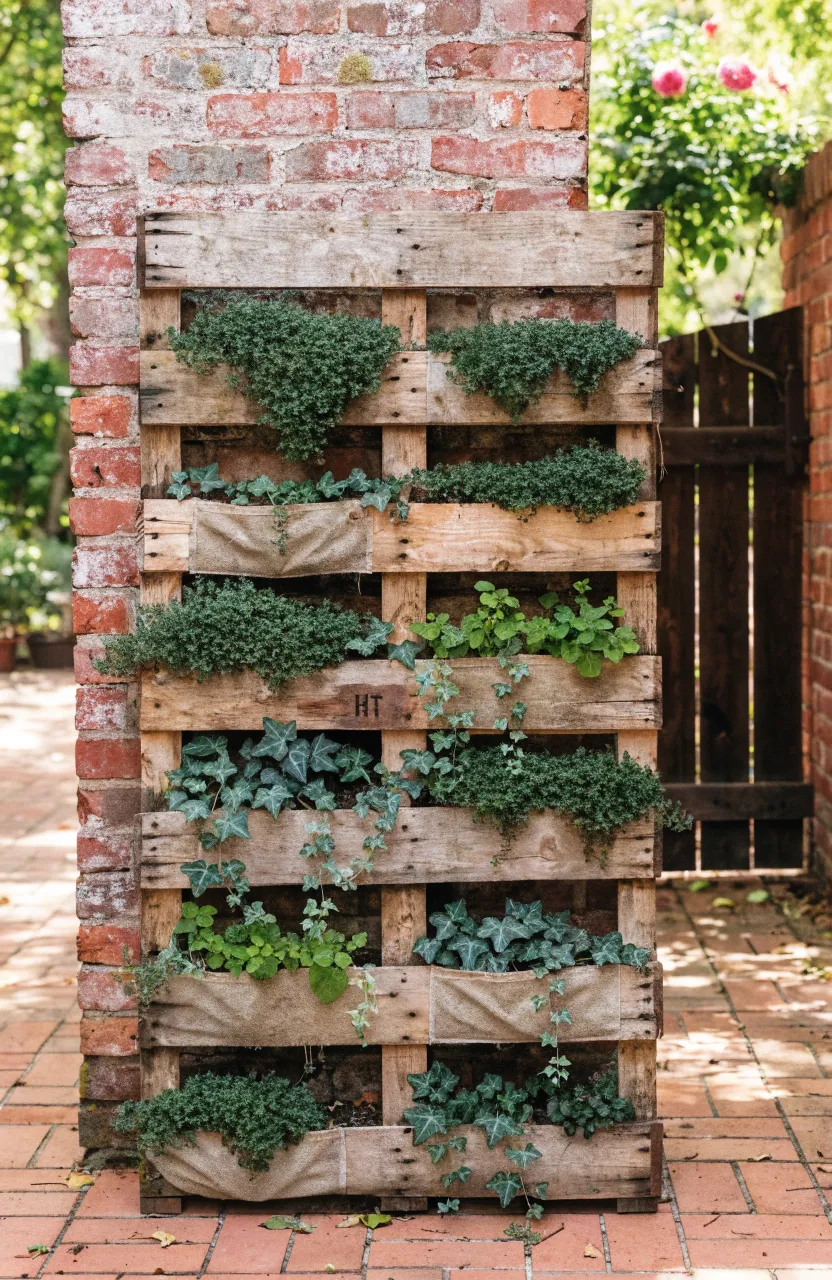
Using an old pallet is one of the most affordable ways to create an outdoor green wall. You just need to find a pallet that hasn’t been treated with harsh chemicals—look for the ‘HT’ stamp which means it was heat-treated. Staple landscape fabric behind the slats to create pockets, fill them with potting soil, and tuck your plants into the openings. It creates a rustic, full look once the plants start to spill over the wood.
Leaning the pallet against a wall is the easiest way to set it up, but you can also bolt it down for more stability. This method is great for trailing plants like ivy or creeping thyme. Because pallets hold a lot of soil, they stay heavy, so make sure your support system can handle the weight when the soil is wet. It is a simple way to recycle wood and add a lot of texture to a patio.
Vertical Felt Pocket System for Living Walls Outdoor
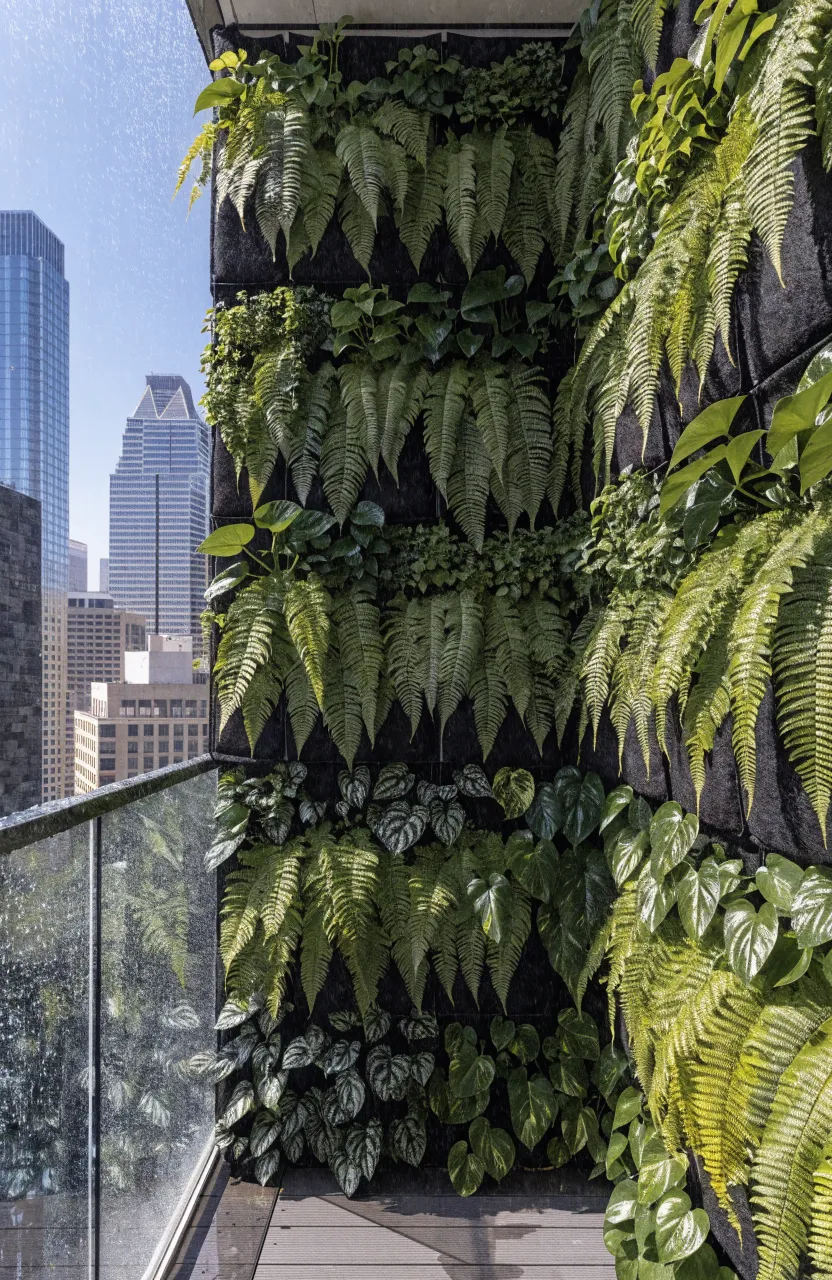
Felt pockets are a lightweight solution for living walls outdoor. These breathable pouches allow air to reach the roots, which helps plants grow faster and prevents root rot. You can buy pre-made felt panels and screw them onto a fence or a balcony rail. They are especially useful for people who want a ‘wall of green’ look where the structure itself disappears behind the foliage.
Since felt is porous, water can seep through the back, so it is smart to attach a waterproof backing like a plastic sheet if you are mounting it on a wooden surface. These systems dry out faster than plastic pots, so you might need to water them more often or set up a simple drip irrigation line at the top. It is a very flexible system that you can expand by simply adding more panels as your collection grows.
Wall Garden Ideas Outdoor Using Metal Mesh and S-Hooks
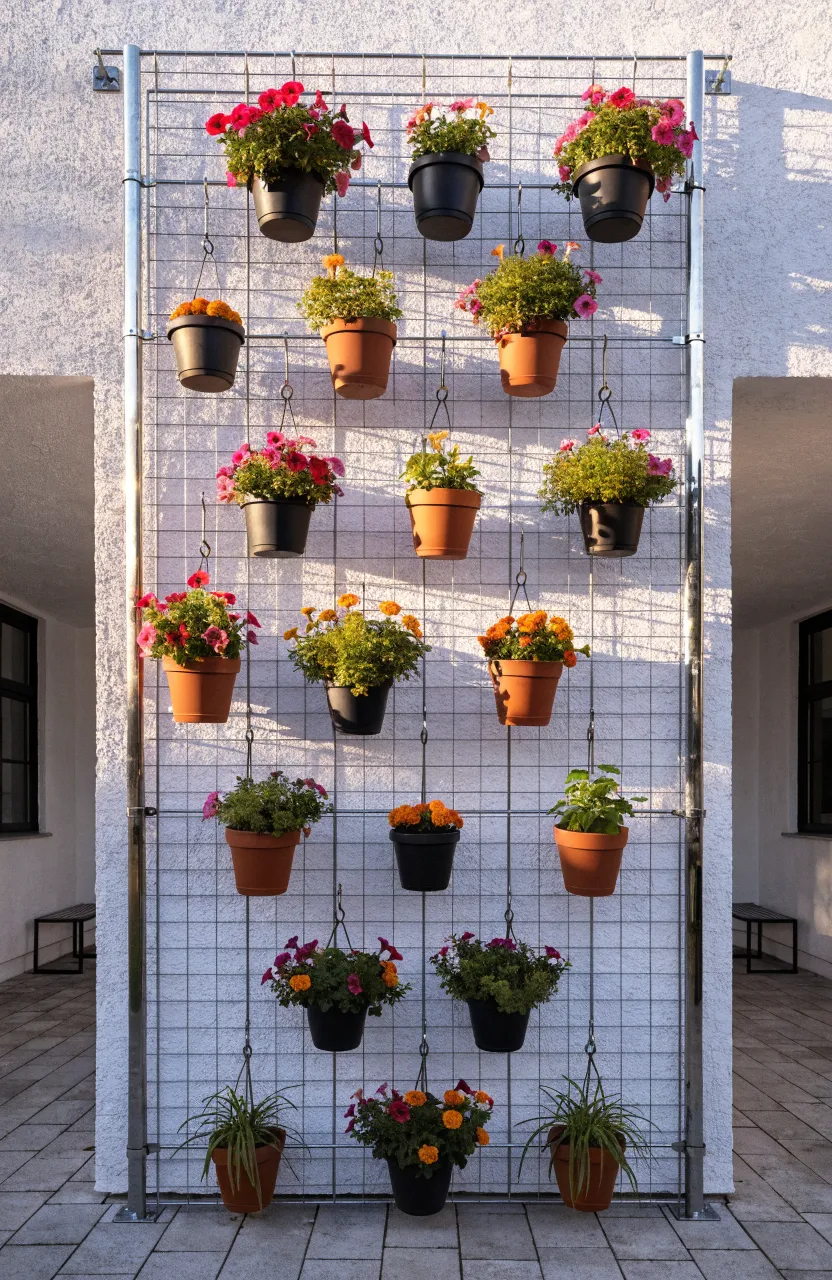
If you want a flexible setup, try wall garden ideas outdoor that use cattle panels or wire mesh. You can mount a piece of heavy-duty metal mesh to your wall and use S-hooks to hang various pots. This allows you to move plants around whenever you want, which is helpful if some needs more sun or if you want to change the look for a new season.
Terra cotta or lightweight plastic pots work best for this. Just drill a small hole near the rim of the pot or use wire to create a hanging loop. This style looks clean and organized, and it is very easy to maintain. If a plant isn’t doing well, you just unhook the pot and replace it without disturbing the rest of the garden. It is a great way to keep your outdoor space looking tidy.
Floating Terracotta Pot Rings for a Kitchen Herb Wall Outdoor
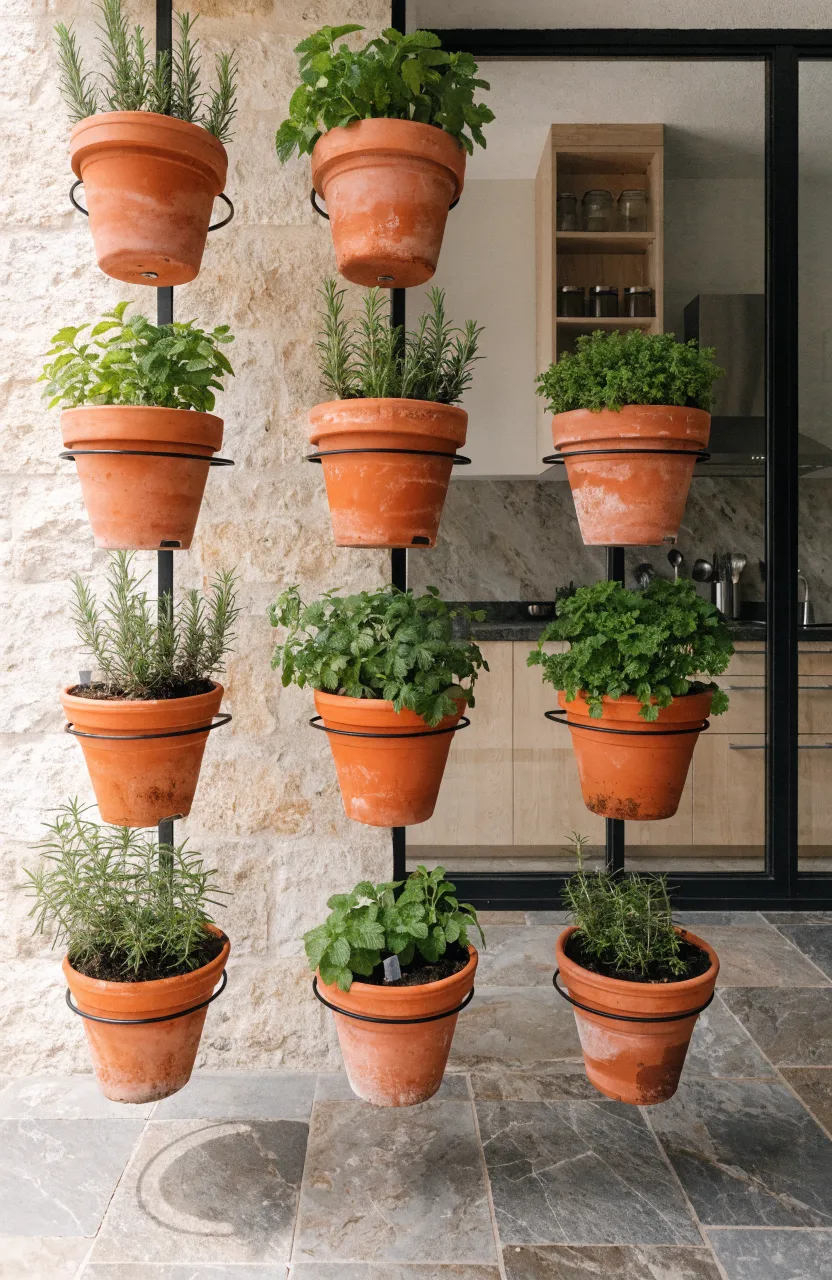
A herb wall outdoor is most useful when it is right outside the kitchen door. You can use metal pot rings that screw directly into the wall to hold standard terracotta pots. These rings hold the pots securely so they won’t blow over in the wind, but you can still lift the pots out for replanting or cleaning. It’s a great way to keep rosemary, mint, and parsley within arm’s reach while you are cooking.
Terracotta is porous, so it breathes well, but it can dry out quickly in the sun. To help your herbs thrive, you can soak the pots in water before planting or use a high-quality potting mix that holds moisture. Grouping the pots together in a grid creates a professional look that turns a functional herb garden into a piece of art.
Recycled Plastic Bottle Hanging Garden for Small Spaces
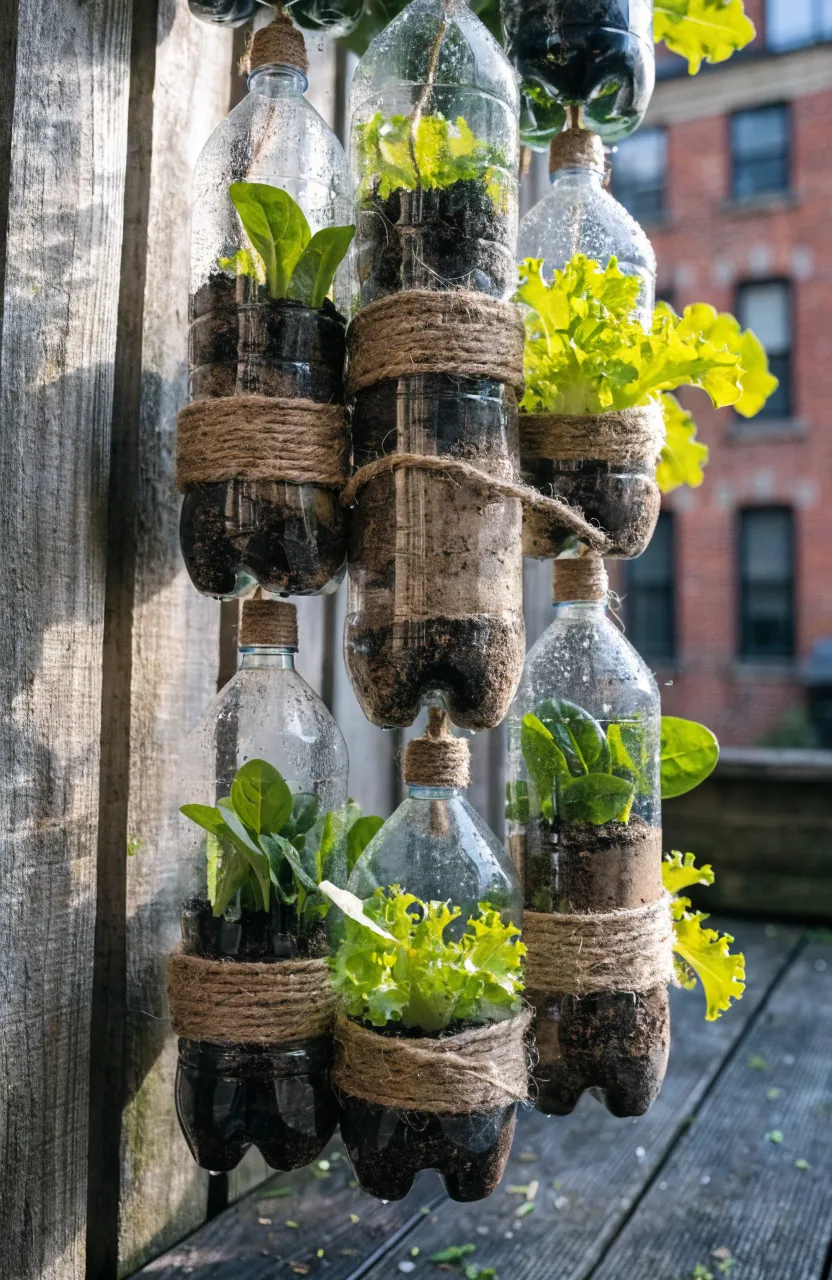
You don’t need to spend a lot of money to start a garden. You can reuse two-liter soda bottles by cutting a hole in the side and stringing them together with sturdy twine or wire. Hang these vertically against a wall or from a balcony overhang. It is a popular method for growing small greens like lettuce or spinach in tight urban spaces where every inch counts.
Make sure to poke drainage holes in the bottom of each bottle so the water can flow down through the stack. This creates a self-watering effect where the runoff from the top bottle feeds the one below it. It’s a functional way to reduce waste and grow your own food at the same time.
Trellis with Climbing Vines for Natural Garden Wall Decor Outdoor
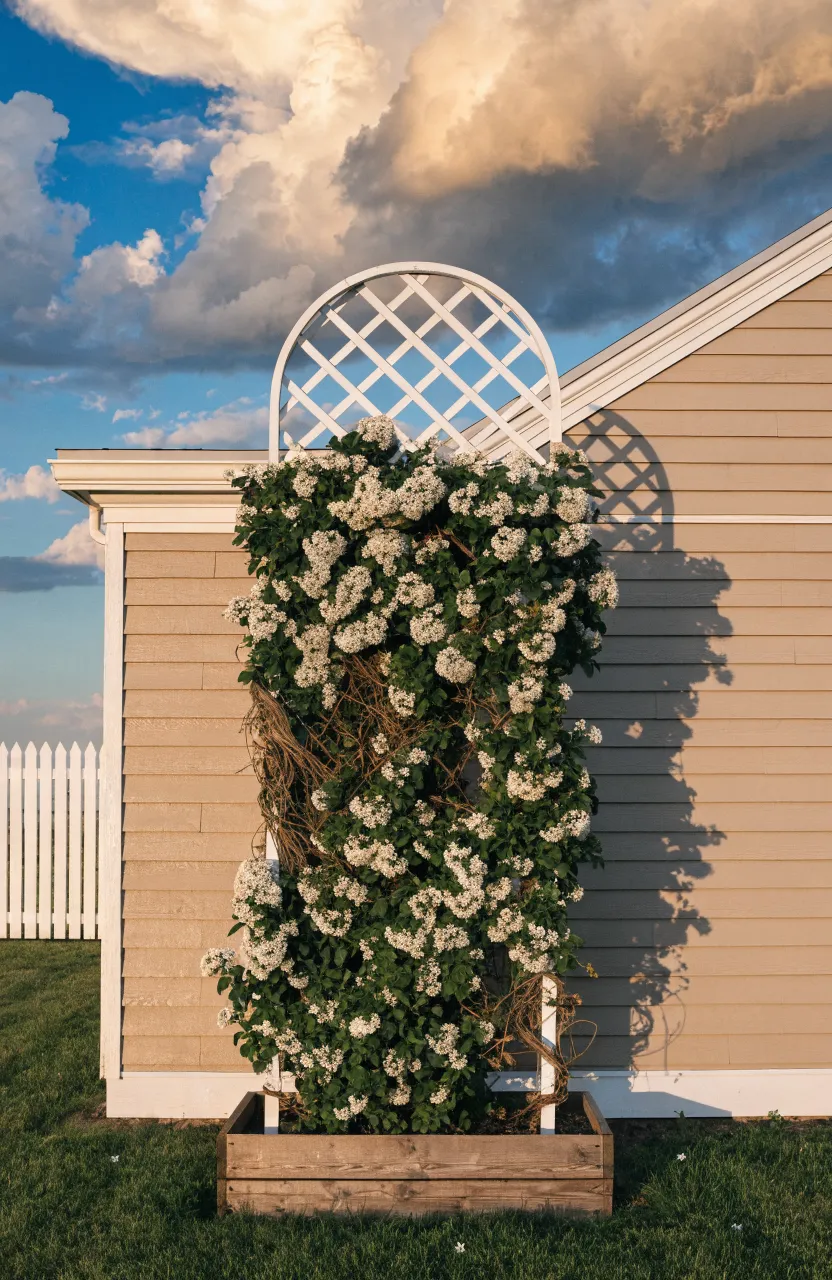
A classic trellis is a great form of garden wall decor outdoor that adds height and privacy. You can mount a wooden or metal trellis against a blank exterior wall and plant climbing vines like jasmine, clematis, or honeysuckle at the base. As the plants grow, they will weave through the structure and eventually cover the wall in flowers and leaves.
This is one of the lower-maintenance options because the plants grow in the ground rather than in small containers. You just need to occasionally guide the stems or prune them to keep the growth where you want it. It provides a soft, natural look that can help cool down a hot wall during the summer months.
Industrial Pipe Railing with Hanging Metal Planters

For a more modern or industrial look, you can use black iron pipes to create a sturdy hanging rail. Buy several lengths of pipe and some elbows from a hardware store to build a frame that sits a few inches off the wall. Then, use metal buckets or planters with handles to hang from the rail. This is a very durable setup that can handle heavy plants.
This design works well for both indoor and outdoor spaces. If you use it outside, make sure the buckets have drainage holes so the roots don’t sit in water. Inside, you can use the buckets as decorative covers for plastic nursery pots. It’s a clean, masculine look that fits well on a balcony or in a modern kitchen.
Lattice Panel with Clip-on Colorful Pots
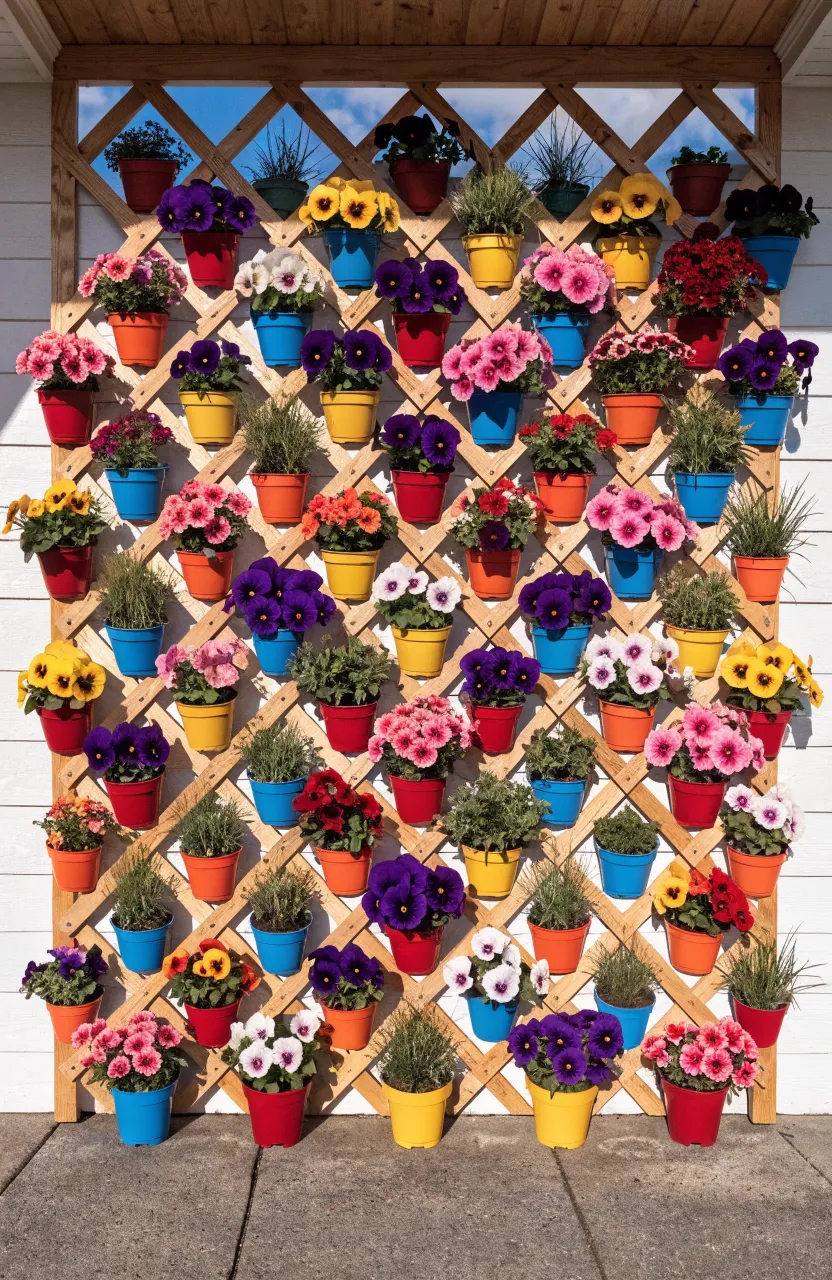
A simple lattice panel is a versatile base for many wall garden ideas. Instead of letting vines grow on it, you can use specialized clips to attach colorful plastic pots all over the grid. This allows you to create patterns with different plant colors and textures. It is an easy way to brighten up a dark corner of a porch or a plain fence.
Because lattice is lightweight, it is easy to install with just a few screws. You can paint the lattice to match your house or leave it natural. Using pots of different sizes and heights makes the wall look more dynamic. This is a great project for families because kids can help pick out the colorful pots and choose which plants go where.
Modular Geometric Wall Tiles for Modern Plant Wall Ideas Indoor
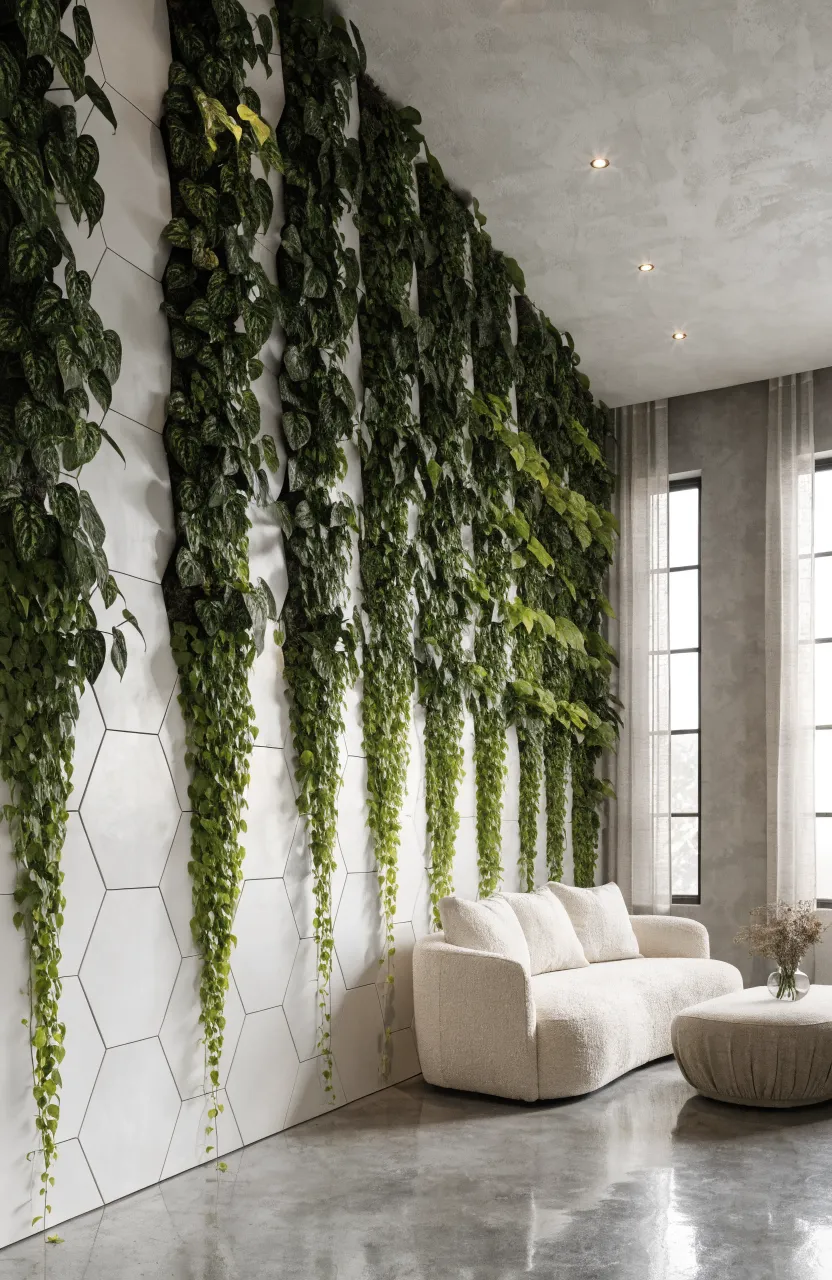
If you are looking for plant wall ideas indoor that feel more like high-end decor, modular tiles are the way to go. These are often made of durable plastic or ceramic and fit together like a puzzle. You can start with a small cluster of three or four tiles and add more over time as your budget allows. They give a very clean, organized look to a living room or office.
Most of these modular systems include a hidden water reservoir, which means you don’t have to water them as often. This is perfect for indoor environments where you want to avoid spills and mess. They work best with leafy tropical plants like pothos or philodendrons that can handle lower light and look great as they grow over the edges of the tiles.
Repurposed Wooden Ladder Lean-to for Potted Herbs
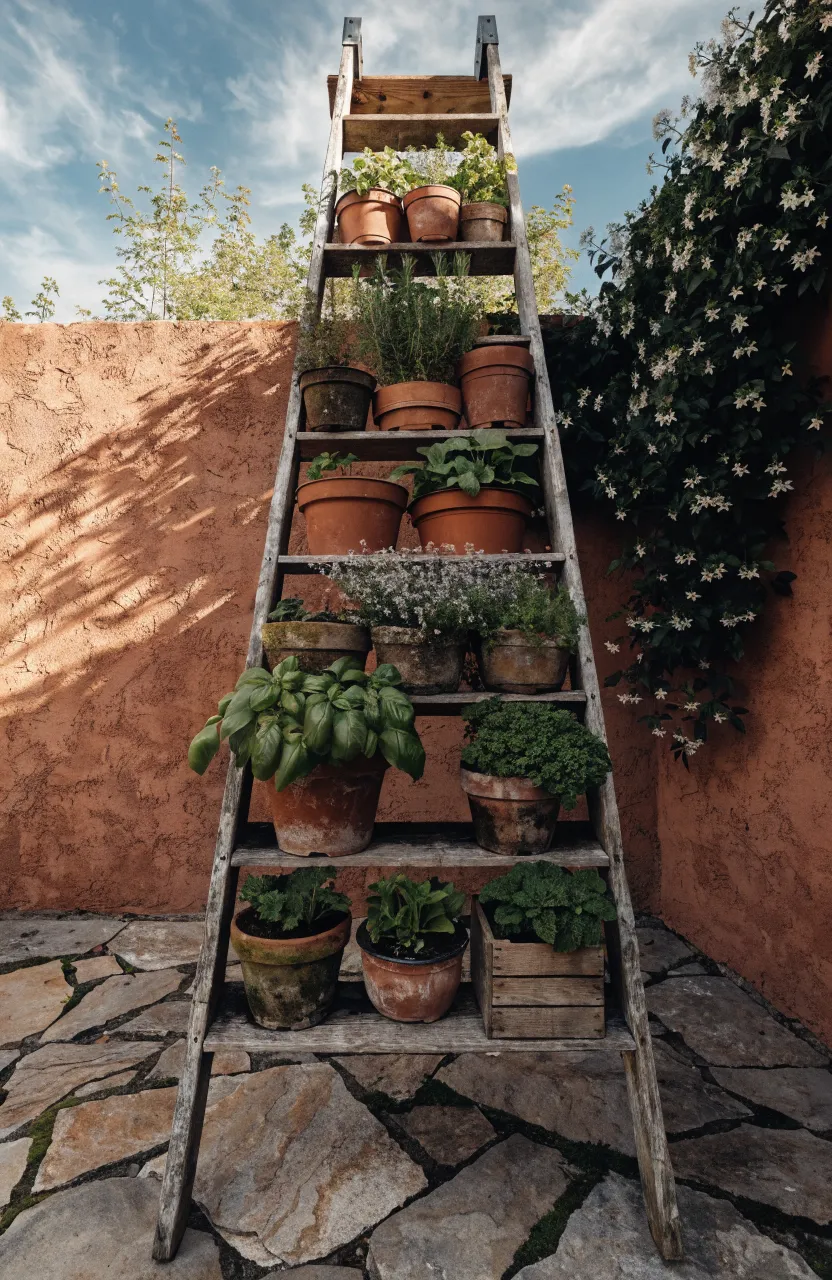
An old wooden ladder makes an excellent tiered stand for plants. You don’t even need to mount it to the wall; you can just lean it securely against a vertical surface. Place your pots on the rungs or attach small boxes to each step. This creates a vertical garden that is easy to move if you decide to rearrange your patio or balcony.
This is a great option for renters who cannot drill holes into their walls. You can sand down an old ladder and give it a fresh coat of paint or a waterproof seal to help it last longer outside. It provides plenty of space for a variety of herbs or flowers without taking up much floor space at all.
Copper Pipe Frame with Air Plants for a Diy Plant Wall Indoor
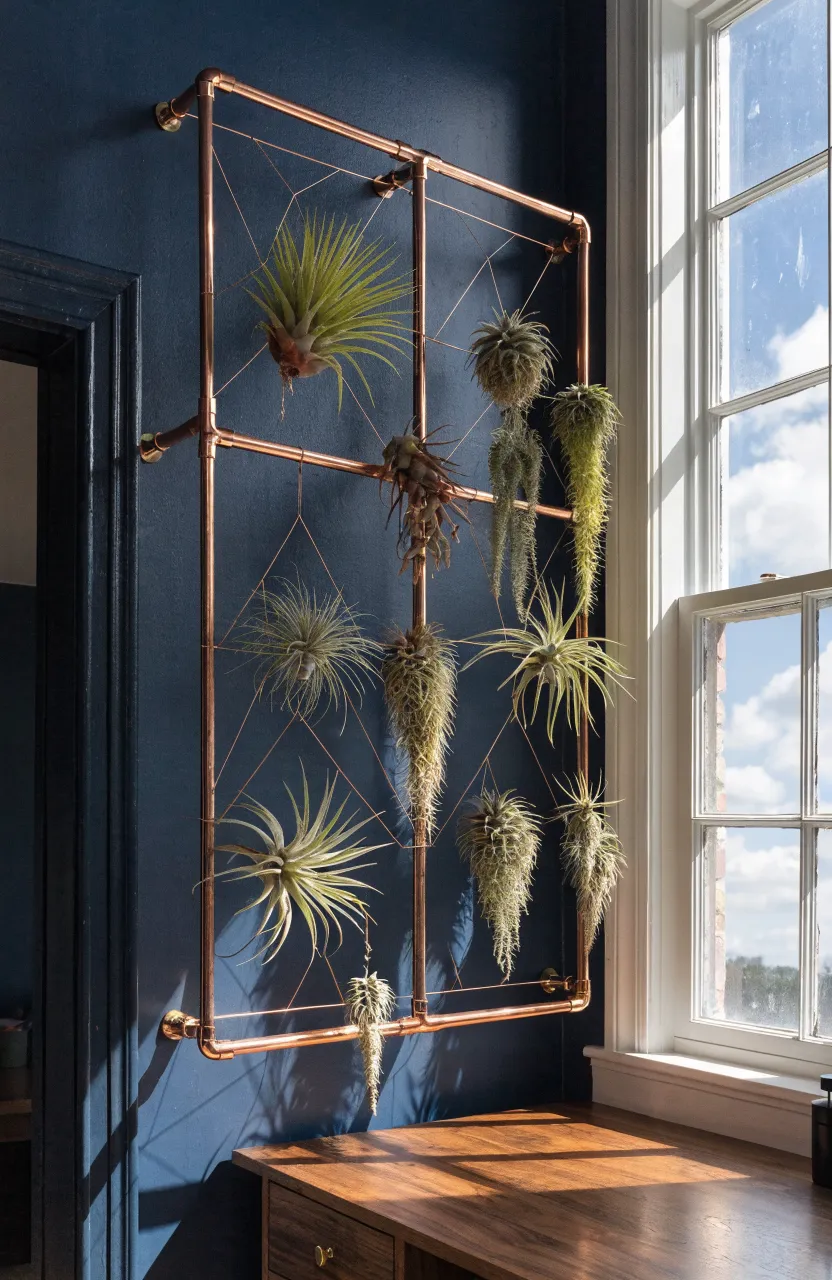
Creating a diy plant wall indoor doesn’t always require soil. You can build a minimalist frame using copper pipes and thin wire to display air plants. Air plants get their nutrients from the air and a light misting of water, so they don’t need pots. This makes the entire setup very light and easy to hang on any interior wall.
The bright copper color looks great against a white or dark wall and adds a bit of shine to your room. To water them, you just take the plants off the frame once a week and soak them in a bowl of water for a bit. It is a very clean, modern way to bring nature inside without the risk of dirt spills or water leaks on your floor.
Magnetic Tin Cans on a Metal Sheet for Wall Garden Ideas Indoor
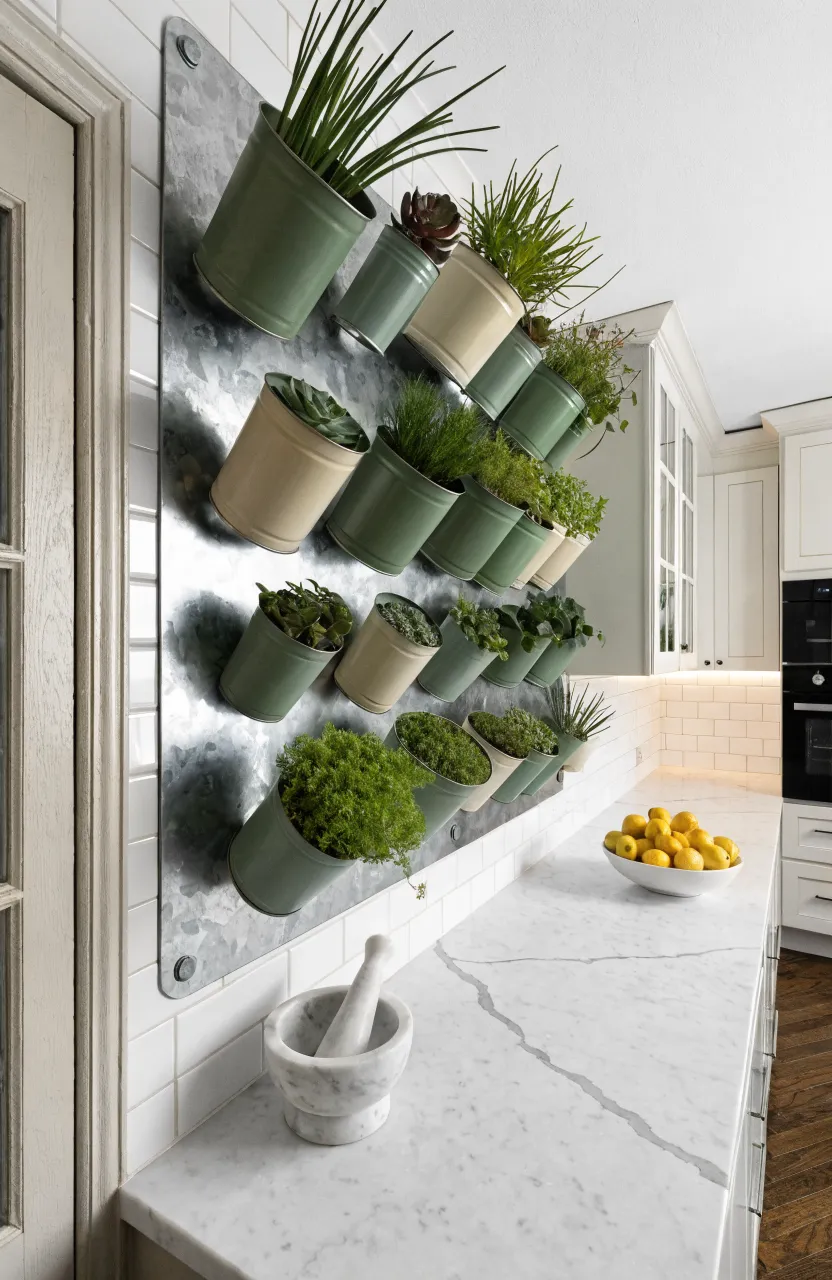
One of the most creative wall garden ideas indoor involves using a large sheet of galvanized metal and some magnetic containers. You can clean out old soup or coffee cans, paint them, and attach strong magnets to the back. This allows you to stick them anywhere on the metal sheet, creating a fully customizable garden on your wall.
This works perfectly in a kitchen for small succulents or microgreens. Since the cans are small, you need to be careful not to overwater them since they usually won’t have drainage holes. Adding a layer of small rocks at the bottom of each can helps keep the roots from sitting in excess moisture. It’s a fun, industrial look that is very easy to update.
Shadow Box Frames with Preserved Moss and Ferns
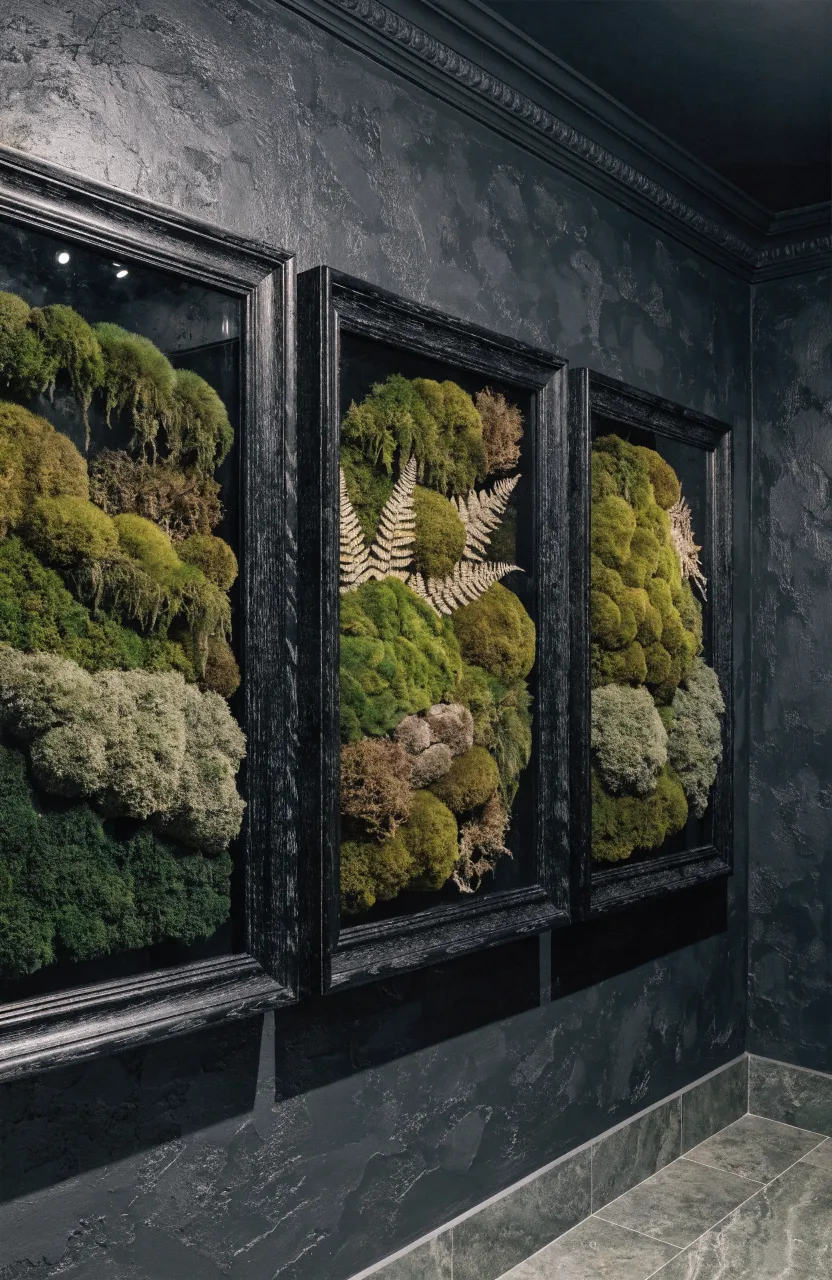
If you want the look of a green wall without any of the maintenance, preserved moss frames are a great choice. You can use deep shadow box frames and glue preserved moss, dried ferns, and bark inside to create a textured landscape. Since the plants are preserved, they don’t need sun or water, making them perfect for windowless bathrooms or dark hallways.
These frames look like living paintings and stay vibrant for years. You can mix different shades of green and reindeer moss to add depth. It is a ‘set it and forget it’ version of a vertical garden that still provides that calming, natural feeling of being surrounded by plants. Just keep them out of direct sunlight to prevent the colors from fading over time.
Woven Willow Baskets Mounted on a Brick Exterior Wall
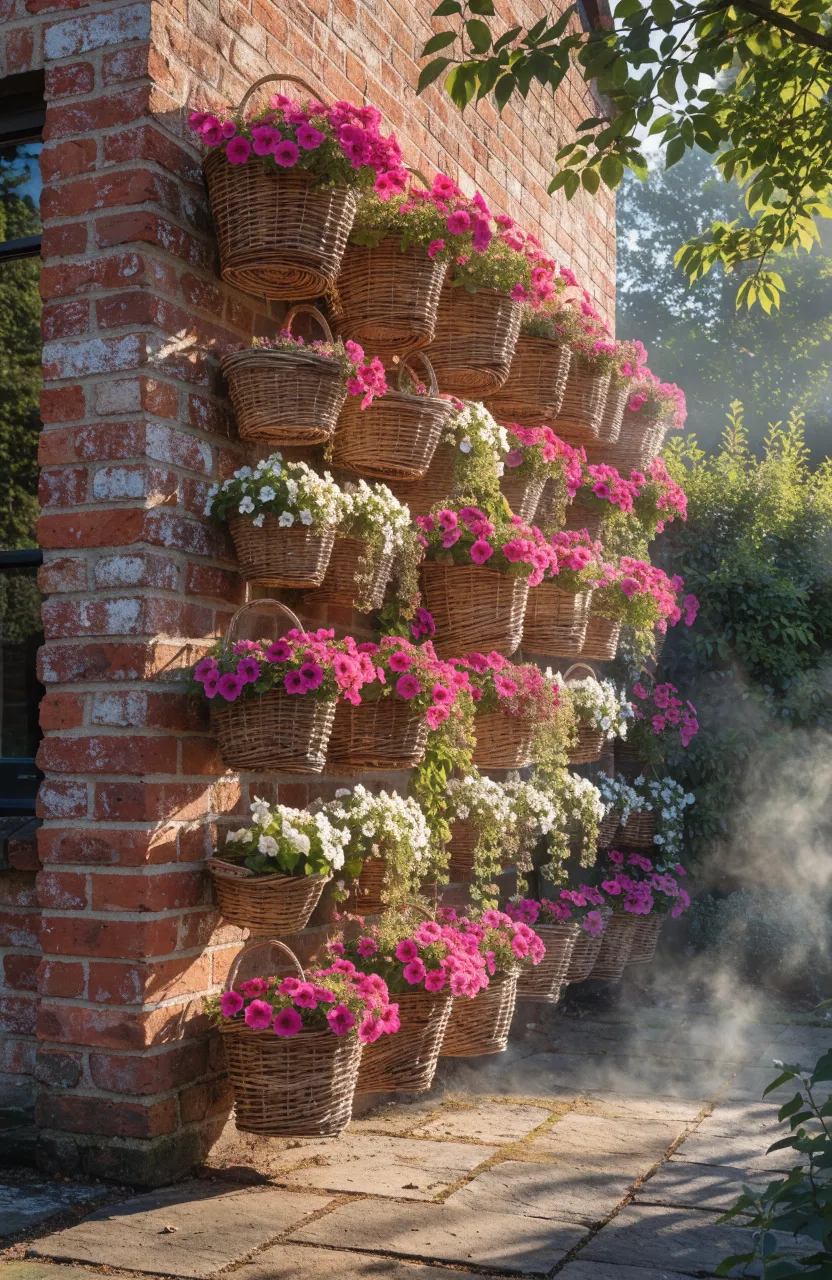
Woven baskets add a soft, organic texture to hard surfaces like brick or stone. you can find flat-backed baskets designed specifically for wall mounting. Line them with coco coir or plastic to hold the soil, and plant them with flowing flowers like petunias or begonias. They provide a traditional, cottage-style look that feels very welcoming.
To mount them on brick, you will need a masonry drill bit and some wall anchors to ensure they stay put. Baskets allow for great drainage, which plants love, but it means you should be mindful of where the water drips. They look best when grouped in odd numbers at varying heights to create a natural, effortless flow across your wall.