A room can feel convincingly retro with a few well chosen elements, yet become awkward when every object competes for attention. Start with the features your home already has, then add color, shape, and pattern in a controlled order. The aim is a comfortable place to live, with clear references to the period rather than a set that needs constant styling.
Pastel color with a quiet foundation
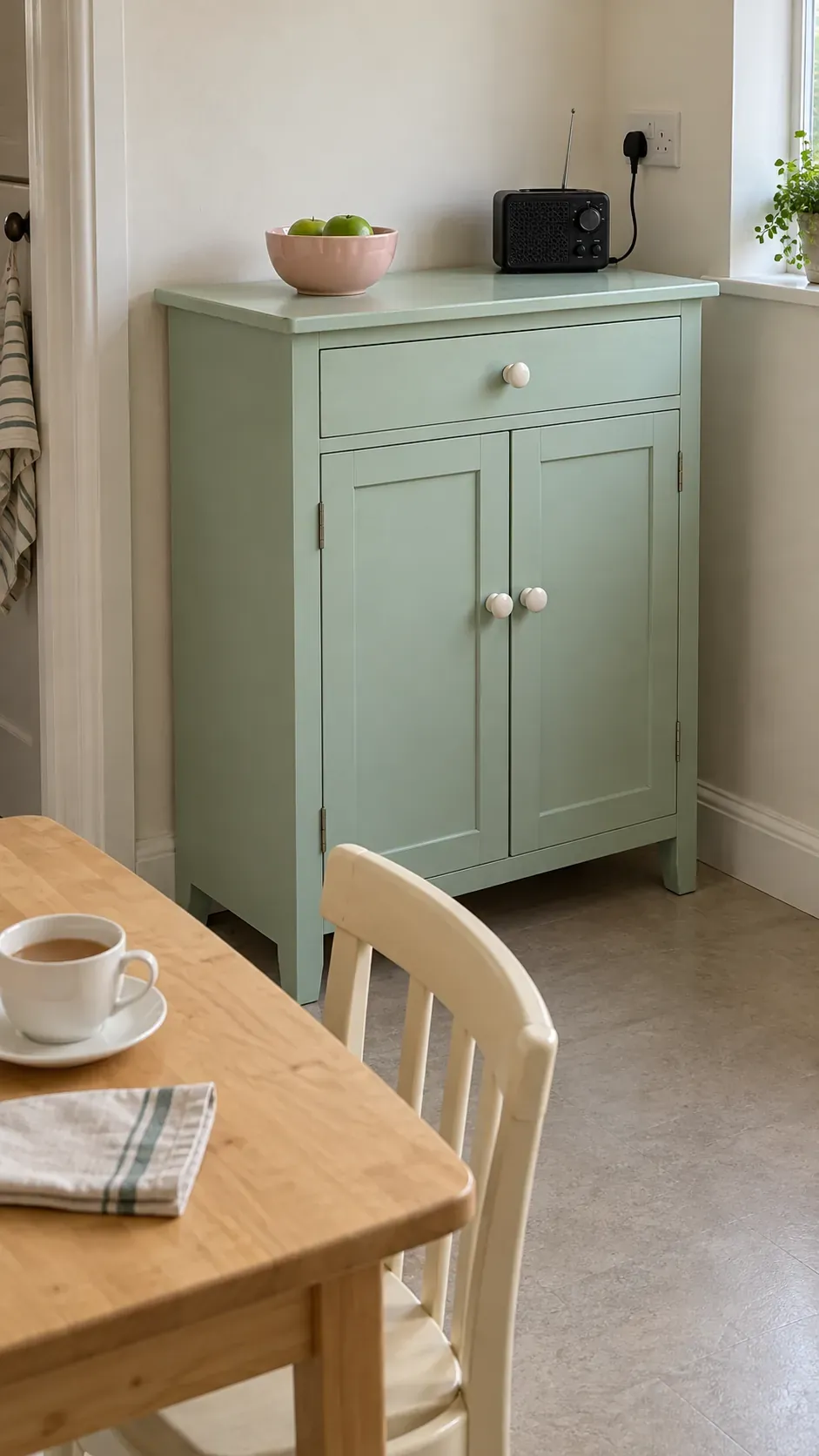
A mint cabinet or pale pink wall can establish the period without turning every surface into a statement. Choose one main pastel, then test it beside the wood, flooring, and daylight already in your room. Cream and warm white give these colors space, while small black accents keep the result from looking sugary. For a 1950s aesthetic home on a limited budget, start with washable textiles or one painted piece rather than replacing sound finishes.
Low furniture that leaves the room open
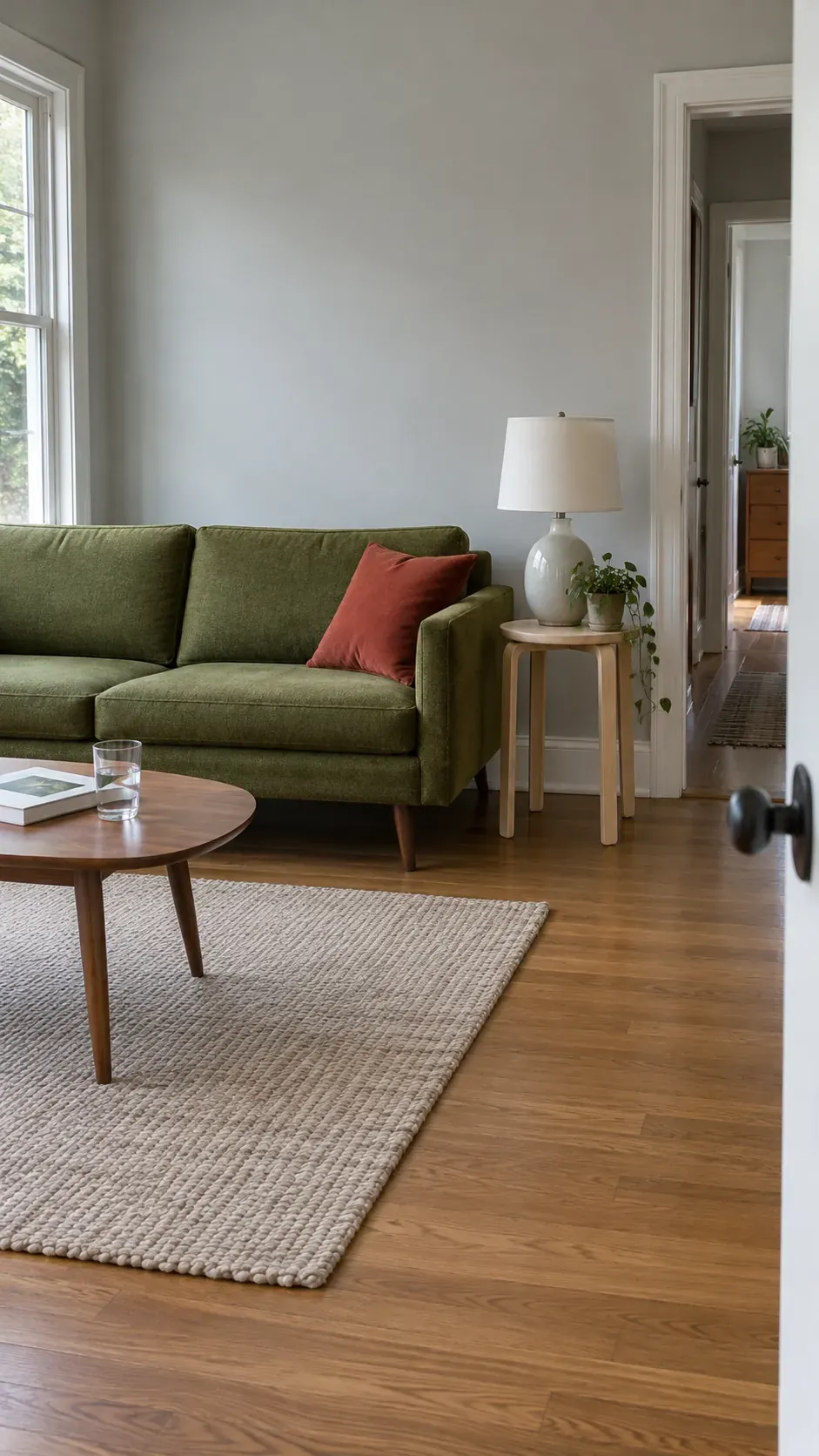
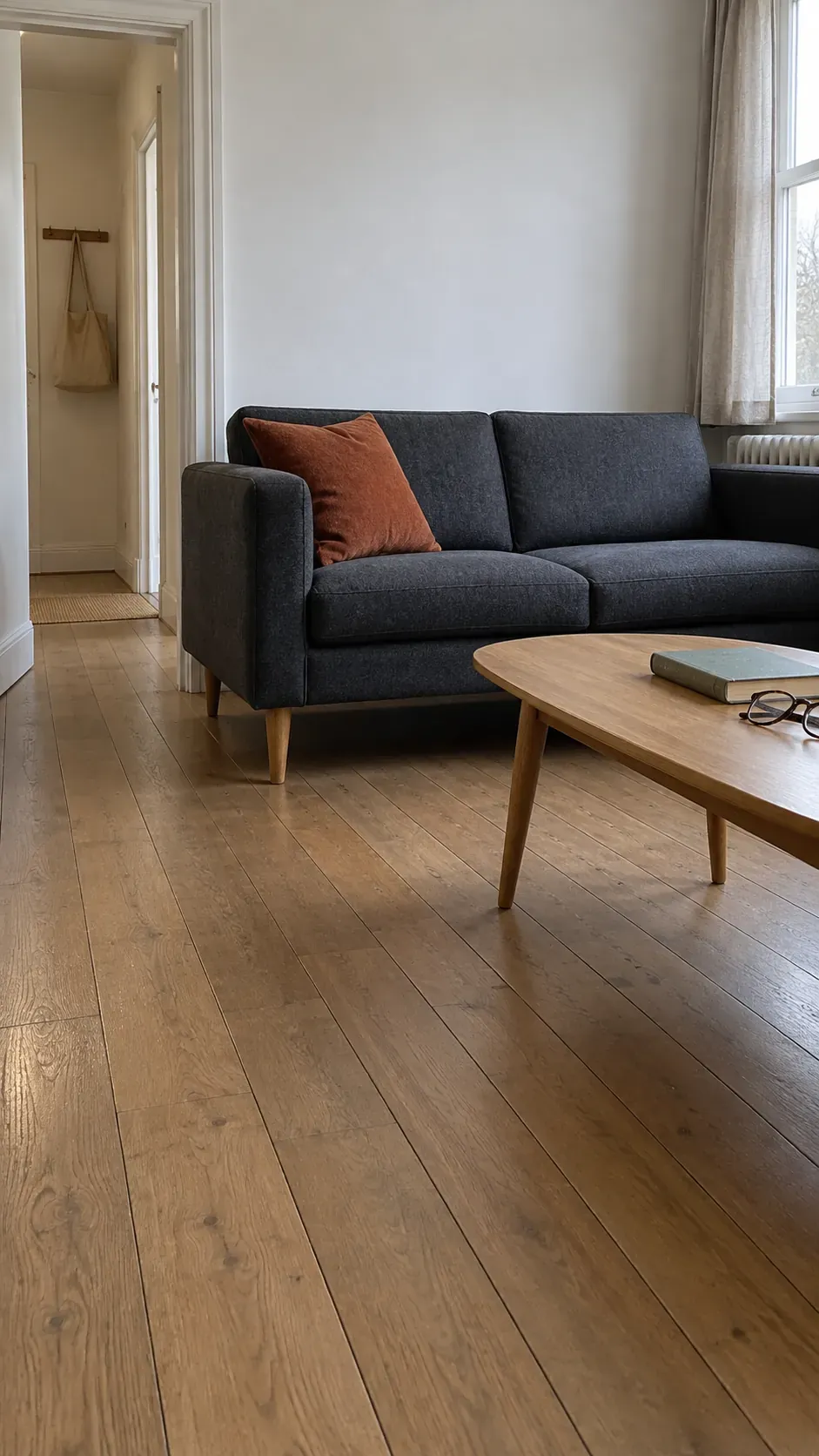
A sofa on visible legs makes a compact sitting room feel less blocked because you can see the floor beneath it. Pair it with a shallow coffee table and leave a direct route between doors instead of arranging furniture solely around a photograph. Check seat depth and back support in person, since a slim profile does not guarantee comfort. A modern sofa with restrained arms can work beside a genuine vintage chair without pretending that every piece came from the same year.
Original windows and an honest floor plan
A 1950s house interior may have broad windows and a strong garden connection, but not every home from the decade has an open plan. Let the actual building guide your choices instead of removing walls to fit a generalized period image. Keep window treatments clear of the glass when privacy permits, and use a small seating group to make the view useful. Have structural changes assessed before work begins, and investigate suspect older materials before disturbing them.
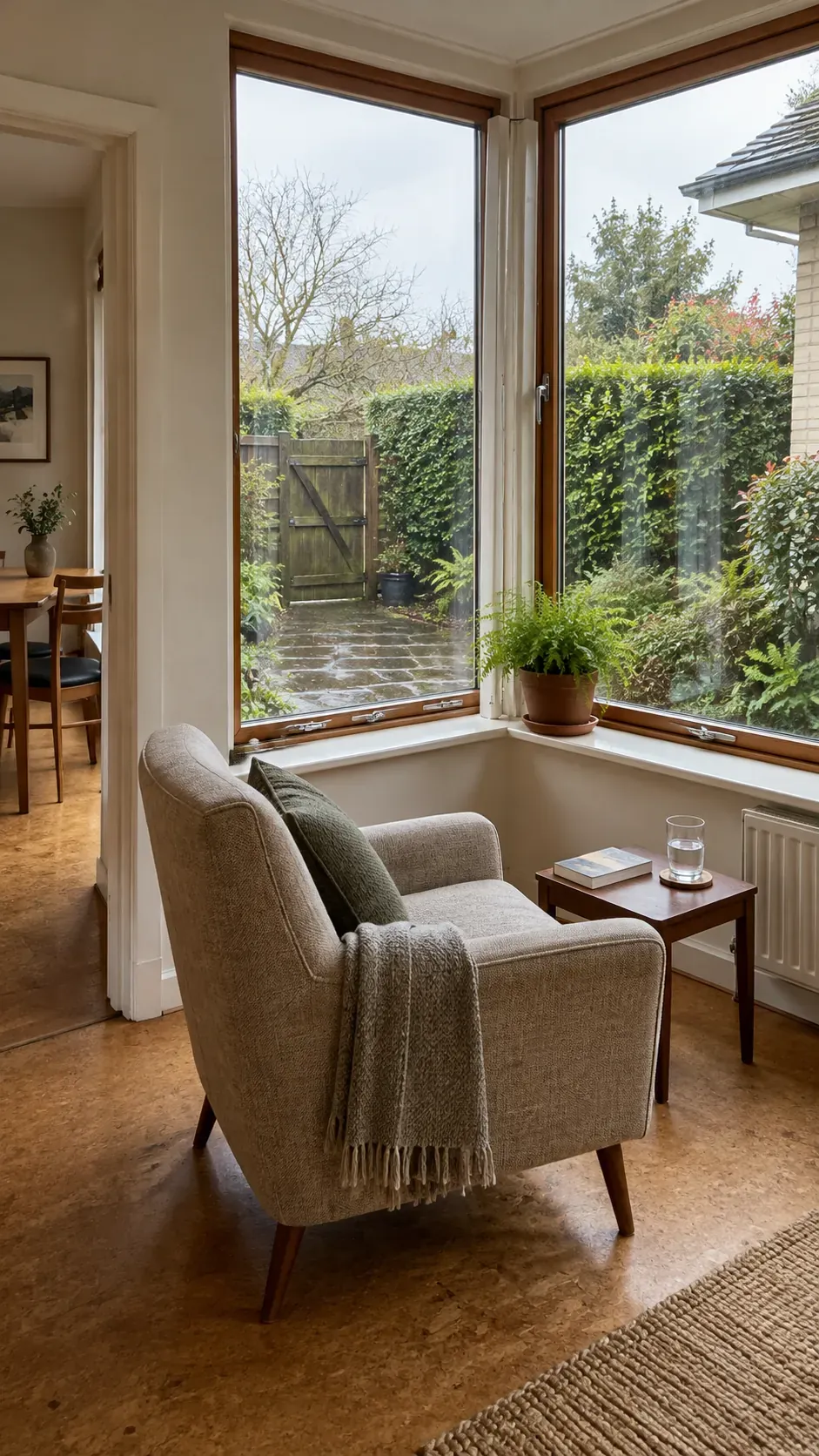
One sculptural chair with room to breathe
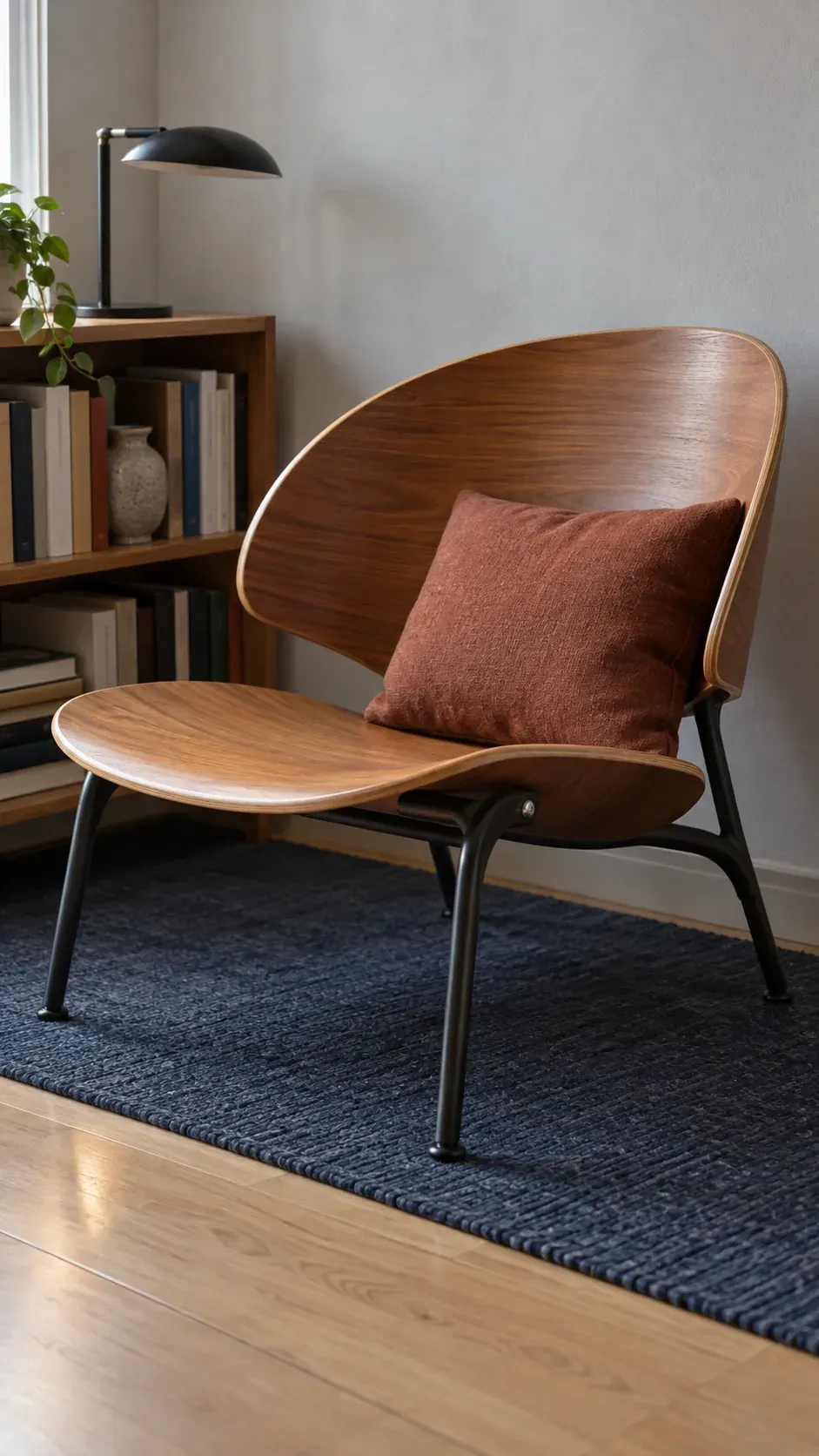
A molded shell, curved plywood seat, or gently rounded lounge chair can carry more character than a room full of novelty accessories. Choose a chair for its scale and usable seat height before chasing a famous designer name. When buying vintage, inspect joints, mounting points, repairs, and the condition of the upholstery underneath the cushion. Give the silhouette a plain background so that its shape remains readable rather than competing with several equally loud pieces.
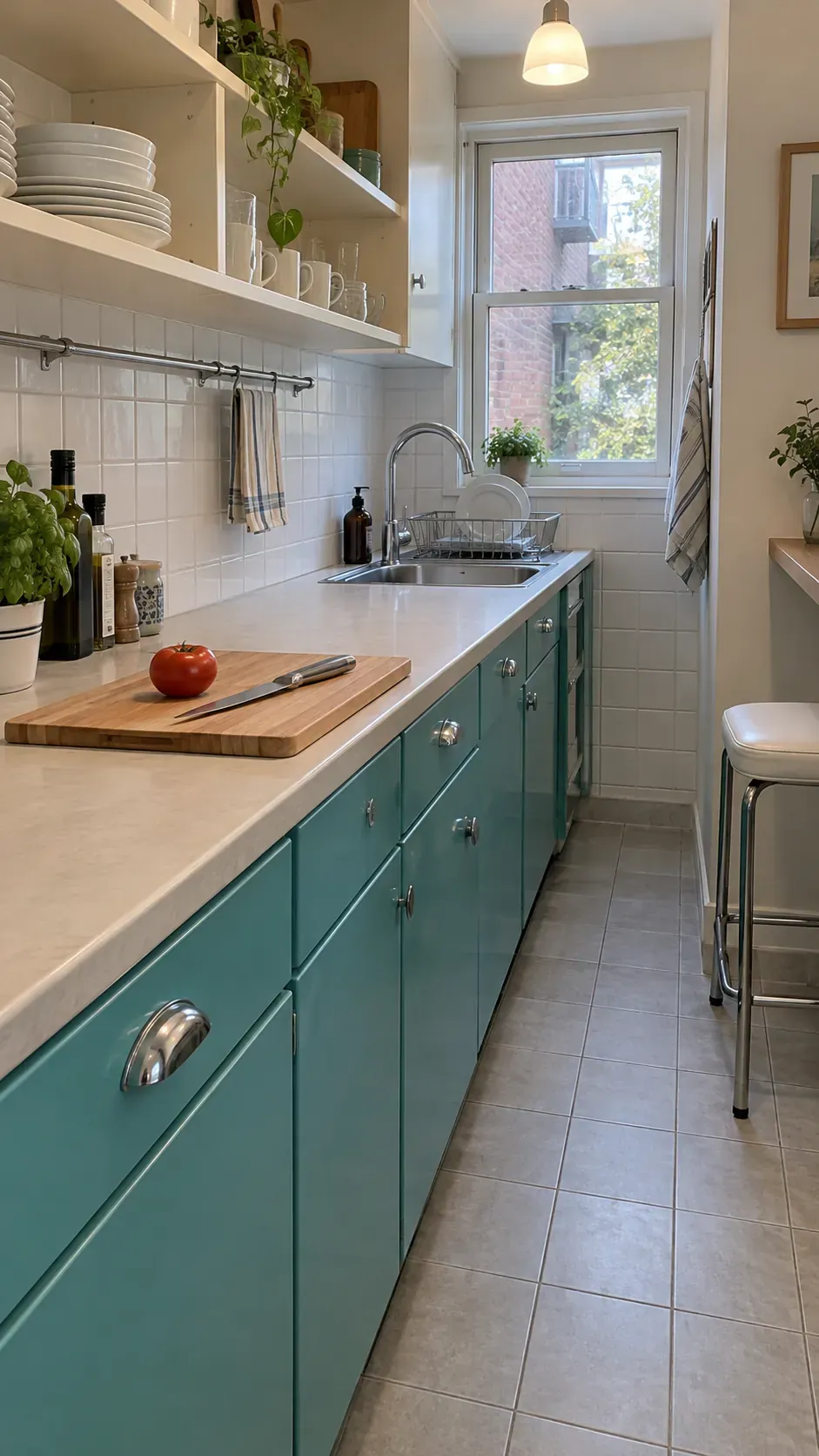
Turquoise kitchen details that suit daily cooking
Turquoise has more impact when it appears on a defined element such as lower cabinets or a breakfast table. Keep working surfaces easy to clean and place frequently used tools where they can be reached without moving decorative objects. Chrome pulls and simple white tile can support the color without requiring a full diner theme. In a rental, turquoise stools, a washable curtain, or a ceramic utensil pot can create the same association with less commitment.
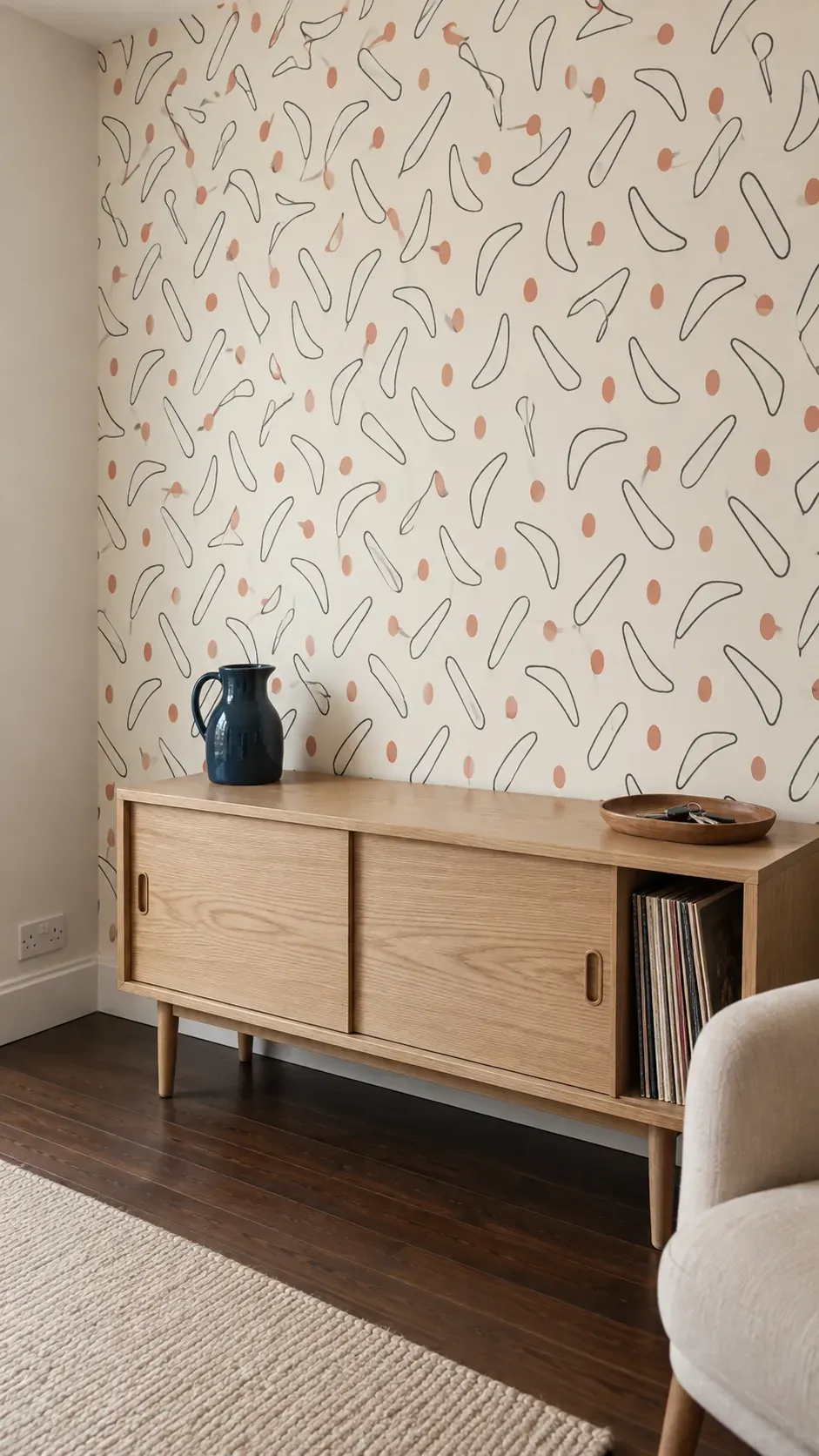
Wallpaper with a specific graphic rhythm
Abstract boomerangs, fine intersecting lines, and stylized leaves offer different ways to bring pattern into a room. Compare a full sample against the sofa and curtains, because a small online swatch hides the repeat scale. Use one patterned wall when the room already contains strong upholstery, or choose a quieter paper for broader coverage. Removable wallpaper still needs a test patch and permission where required, since some finishes can lift when it is removed.
Rounded appliances chosen for performance
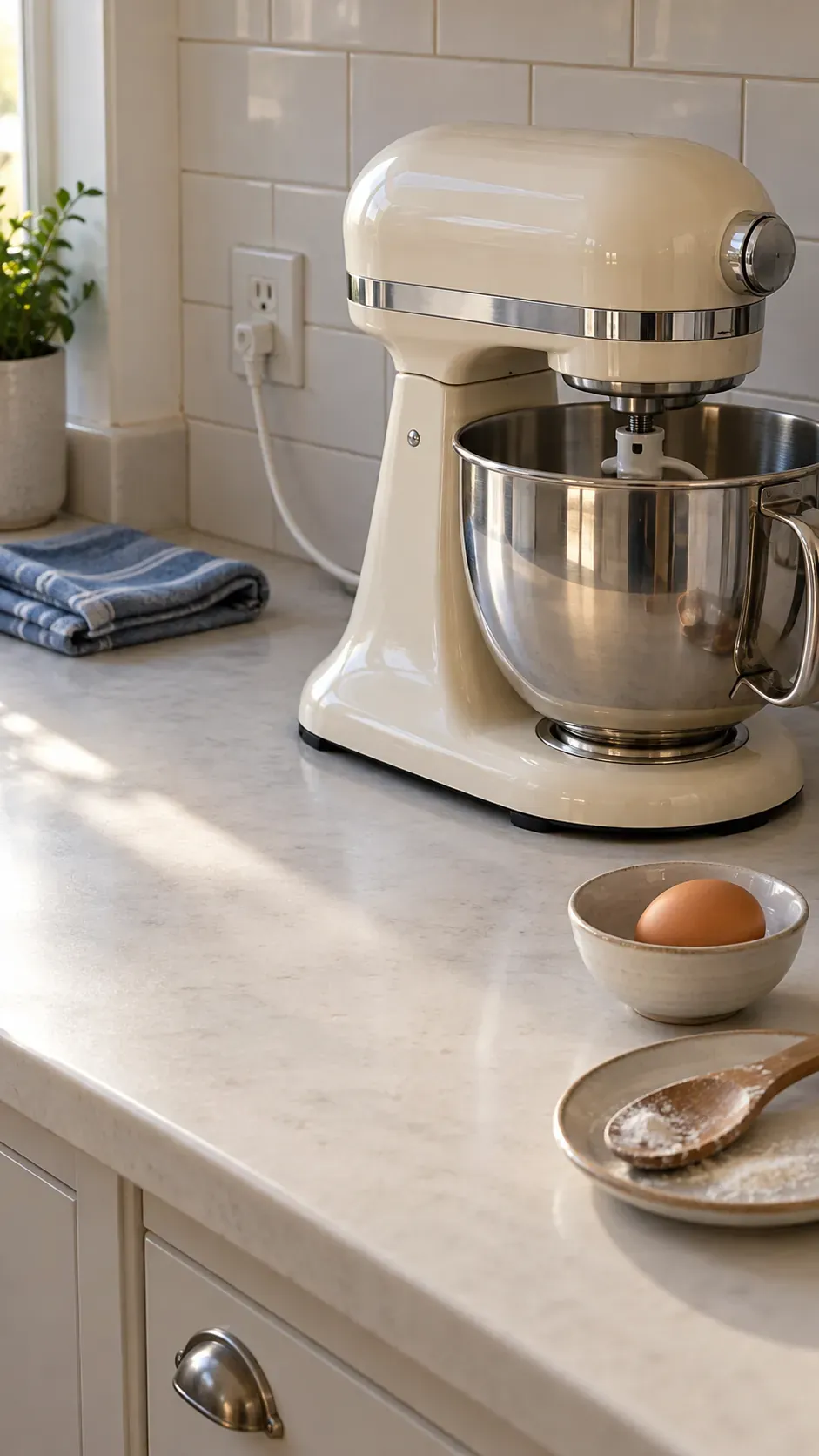
A curved refrigerator or compact mixer can supply a retro reference while the rest of the kitchen stays practical. Compare capacity, clearance, energy information, and repair support before choosing a model for its color. Older electrical appliances need assessment by a qualified repairer before use, especially when cords or insulation have deteriorated. Keep one appliance visually prominent and store occasional tools so the counter still works as a preparation surface.
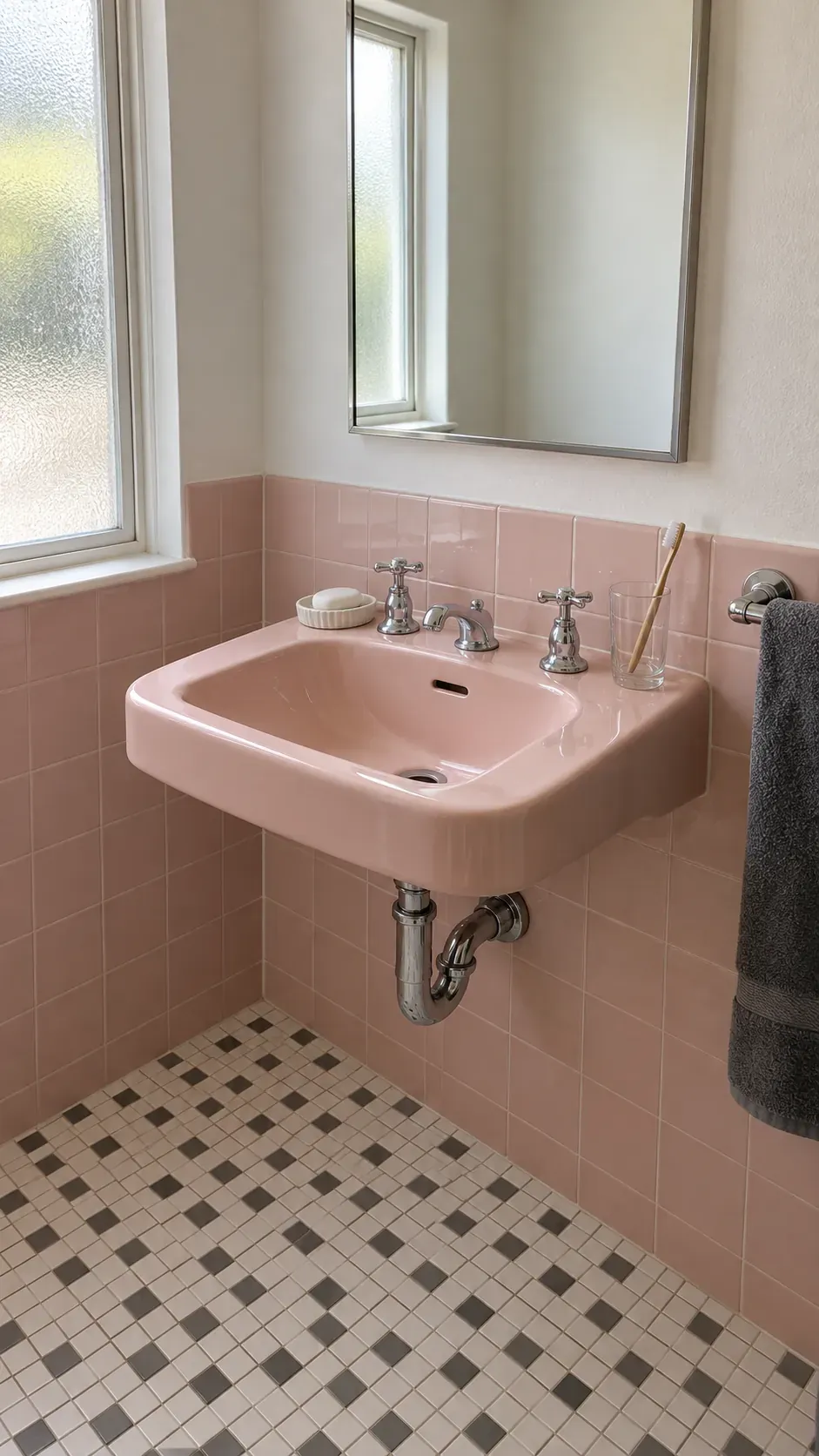
Pastel bathroom fixtures worth preserving
An intact pink sink or blue bathtub can be the strongest feature in an otherwise simple bathroom. Look at leaks, surface condition, and available replacement parts before deciding that age alone makes a fixture unusable. Plain towels, straightforward chrome fittings, and restrained wall colors help an original suite feel intentional. Ask a suitable professional about damaged coatings or older construction materials rather than sanding, stripping, or covering them without assessment.
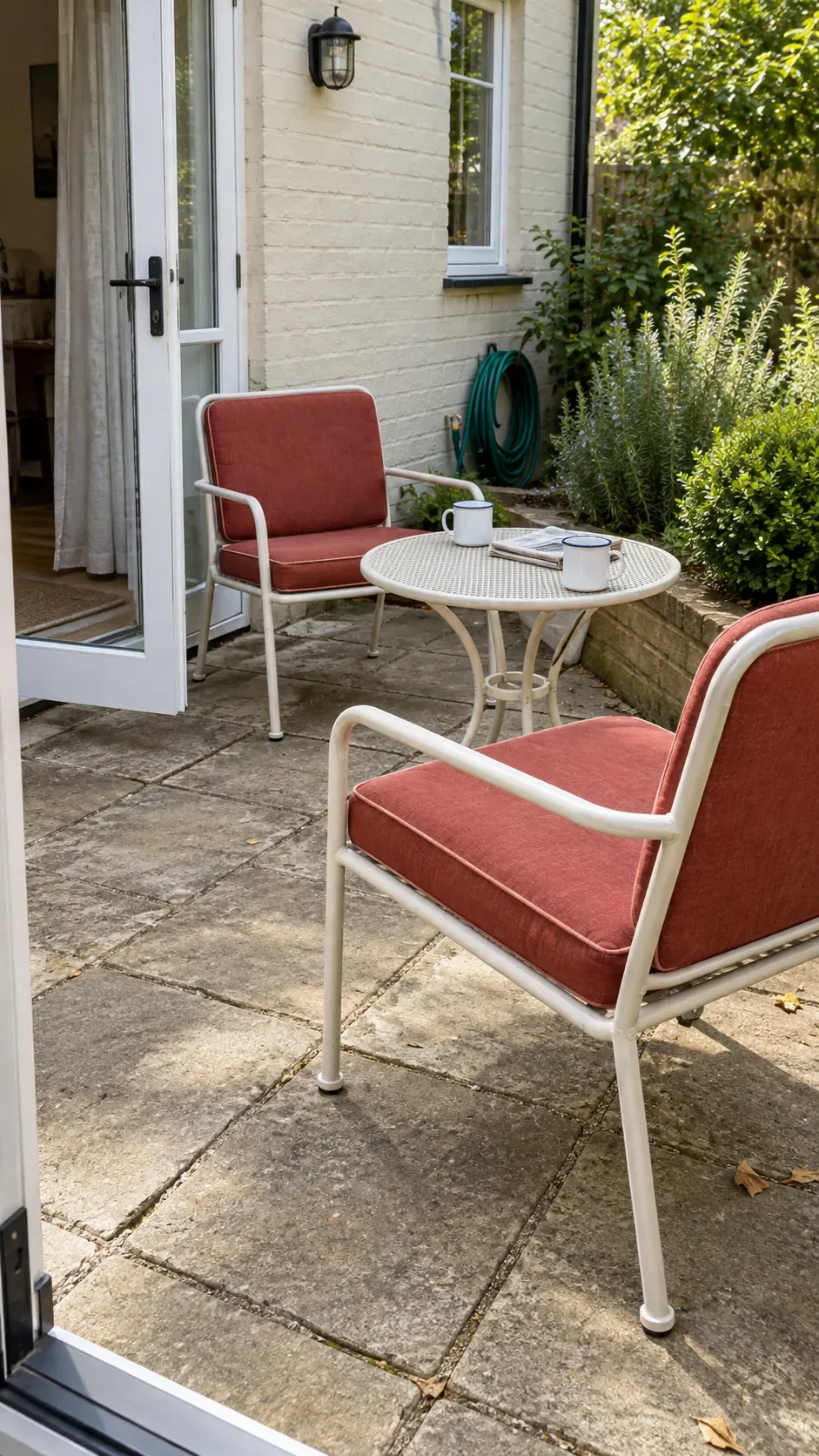
A patio that extends the living area
A small paved patio can echo the house through a limited palette and furniture with open frames. Arrange chairs around the way people actually gather, leaving a clear route back inside and enough room to pull a chair out. Choose outdoor rated cushions and finishes for the local weather instead of moving delicate indoor vintage pieces outside permanently. A shaded seat and a stable side table will do more for everyday use than a collection of decorative retro props.
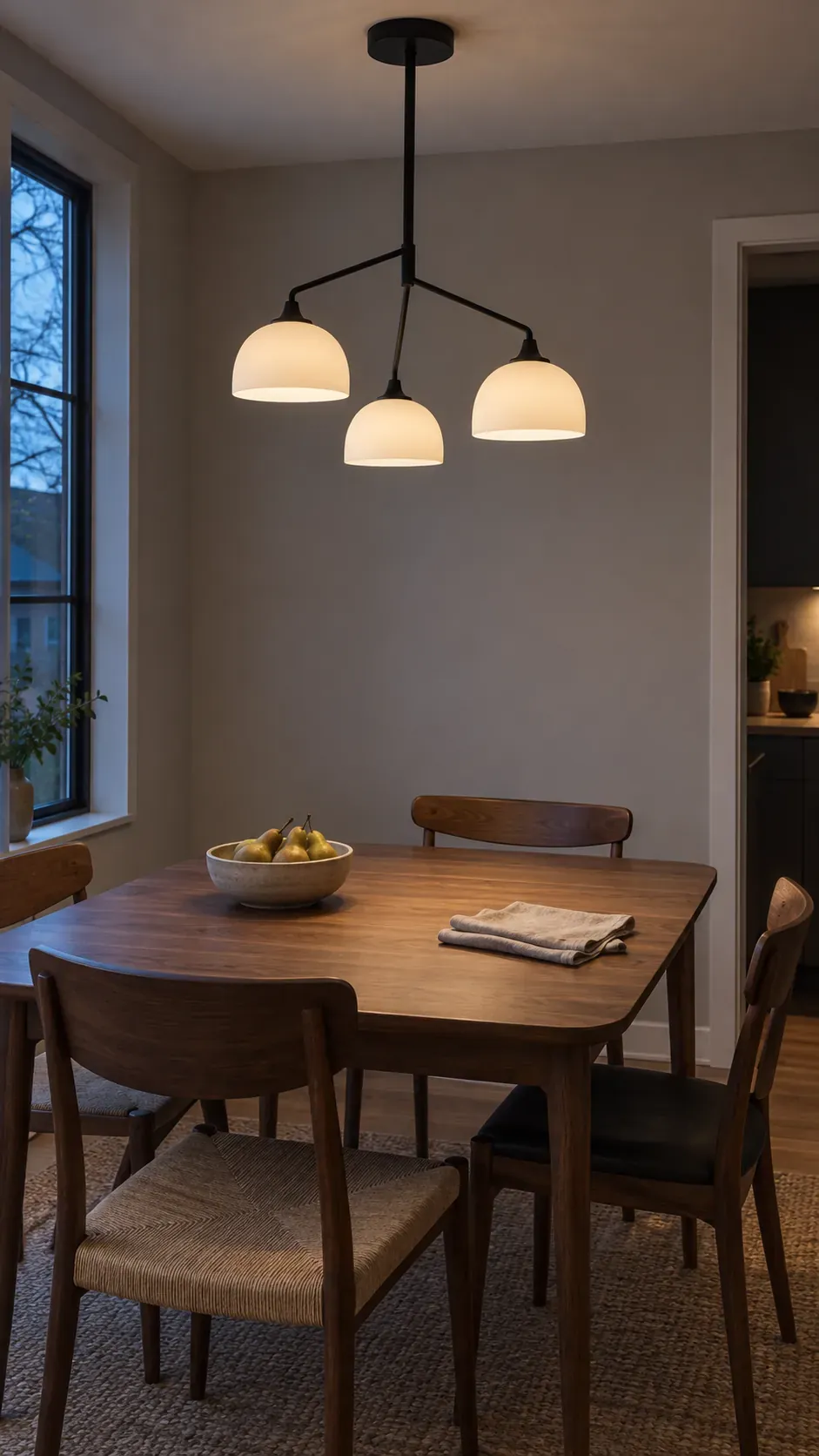
Lighting that combines shape and useful light
A branching pendant or broad shaded floor lamp can introduce period character without filling the ceiling with decoration. Check the fixture size against the table or chair below it, and make sure it does not interrupt normal movement. Add a separate reading light where needed rather than expecting one sculptural fitting to illuminate every task. Have vintage fittings checked for safe wiring and suitable mounting before installation, with lamps positioned away from curtains and walkways.
Textiles with one dominant pattern
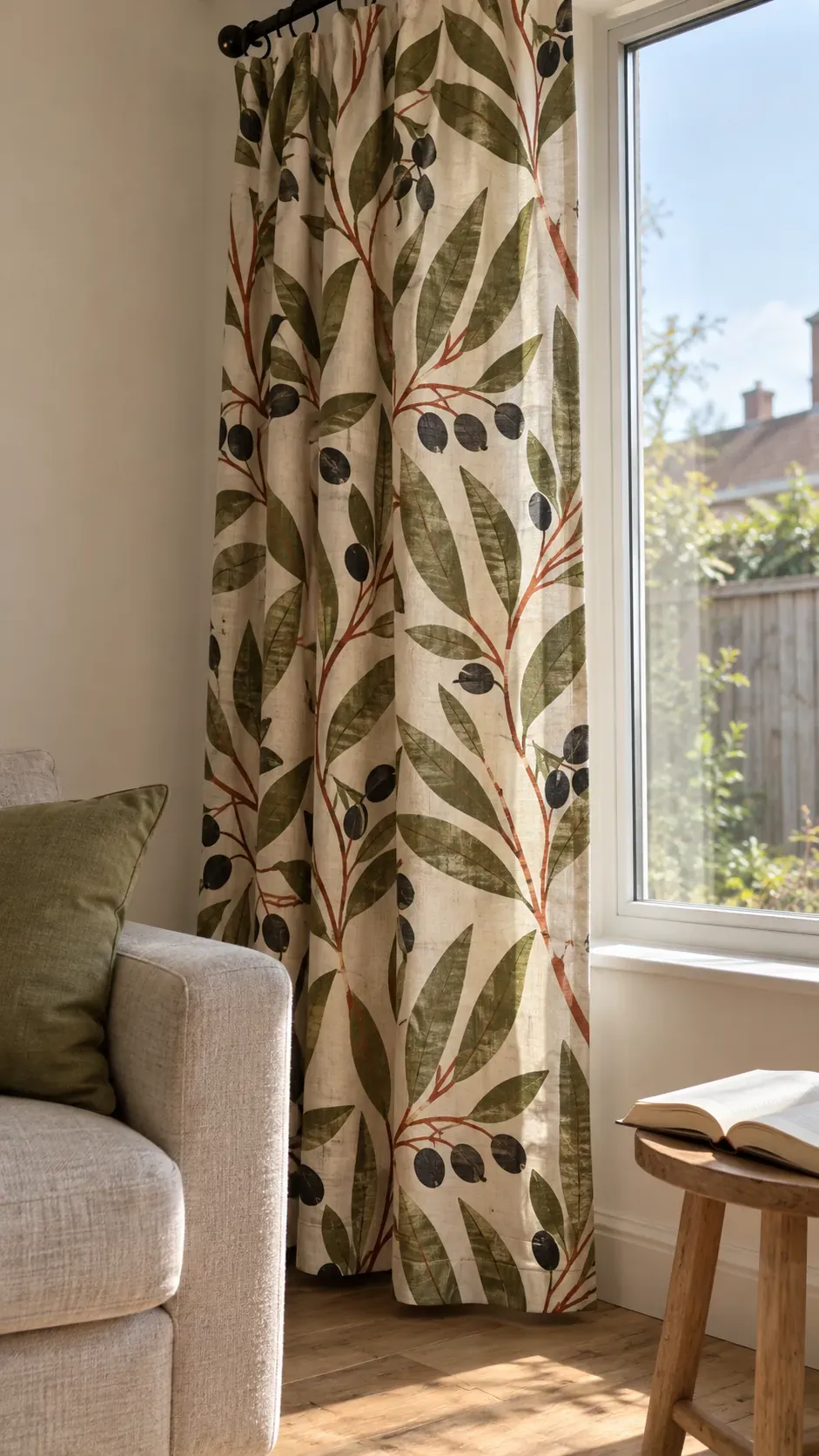
A barkcloth curtain with stylized foliage can become the room’s main textile feature. Pull one smaller accent color from the fabric and repeat it in a plain cushion instead of adding another equally busy print. Check vintage cloth for fading, weak areas, and cleaning limits before turning it into upholstery that must withstand daily use. Washable contemporary fabric with a compatible motif may be a better choice around children, pets, or a sunny window.
Wood furniture with visible construction
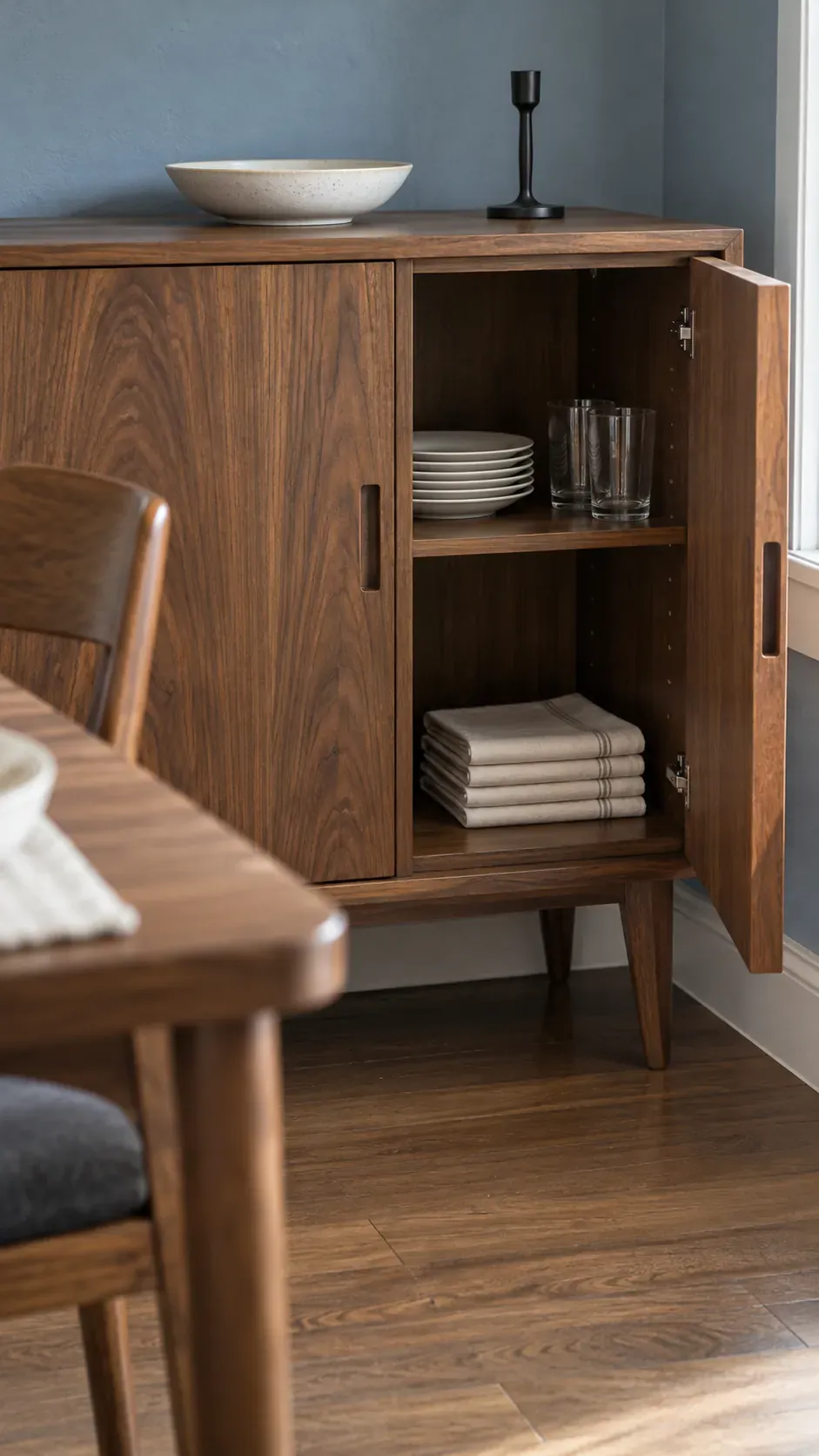
A compact walnut or teak cabinet can bring warmth to a room with pale paint and simple upholstery. Inspect the edges to understand whether the piece uses veneer, solid wood, or a combination, since each needs different repair methods. Do not sand thin veneer aggressively or assume every dark finish should be stripped. Measure the interior as well as the exterior so that the cabinet can store the objects you actually need to put away.
Geometric accents kept at a useful scale
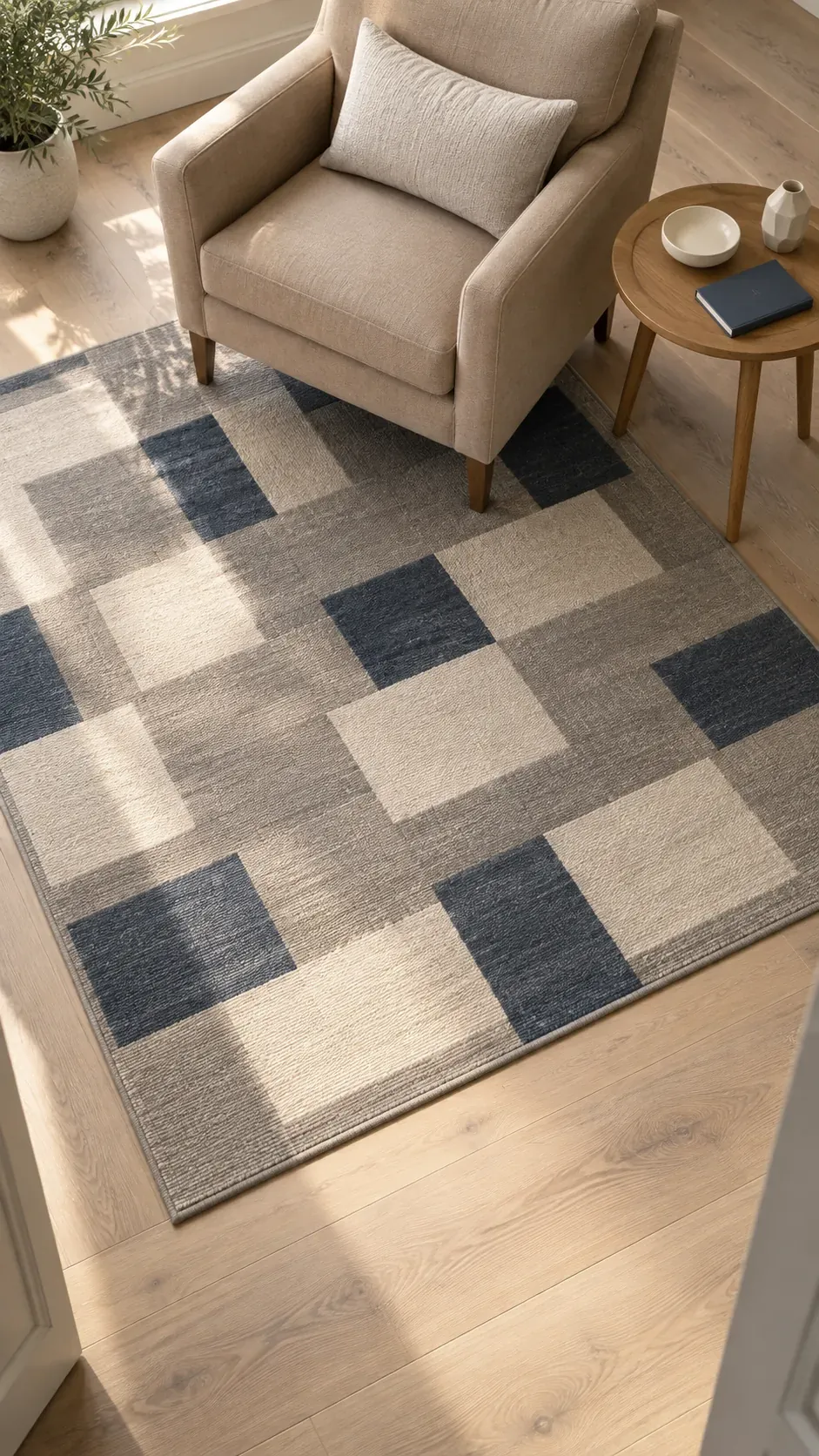
A small ceramic bowl, angular mirror, or patterned rug can bring geometry into the room without creating visual clutter. Pick a shape that works with nearby furniture rather than repeating starbursts on every surface. A rug should relate to the seating group and leave doors free to move, even if a smaller decorative size looks appealing online. In a busy family room, a few robust accents are easier to maintain than a shelf full of fragile collectibles.
A compact desk adapted for current work
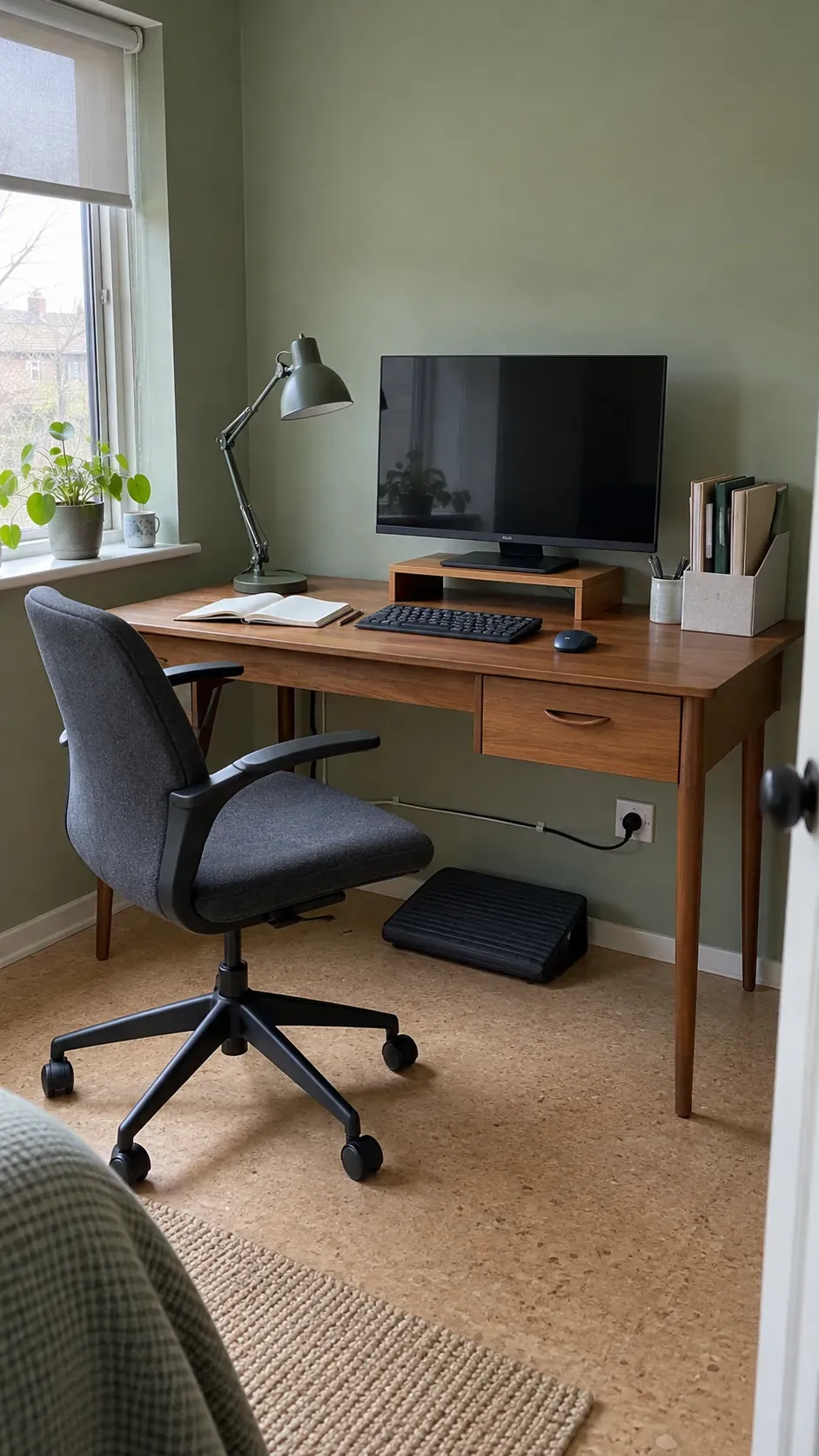
A slender writing desk suits a spare corner, but its surface still needs room for the equipment used today. Check knee clearance and place the screen at a comfortable height instead of letting a vintage silhouette dictate an awkward posture. Route cables along the rear with removable clips, keeping ventilation openings and sockets accessible. A supportive contemporary chair and a simple task lamp can make the workspace useful while the desk supplies the historical reference.
A bedroom that favors rest over props
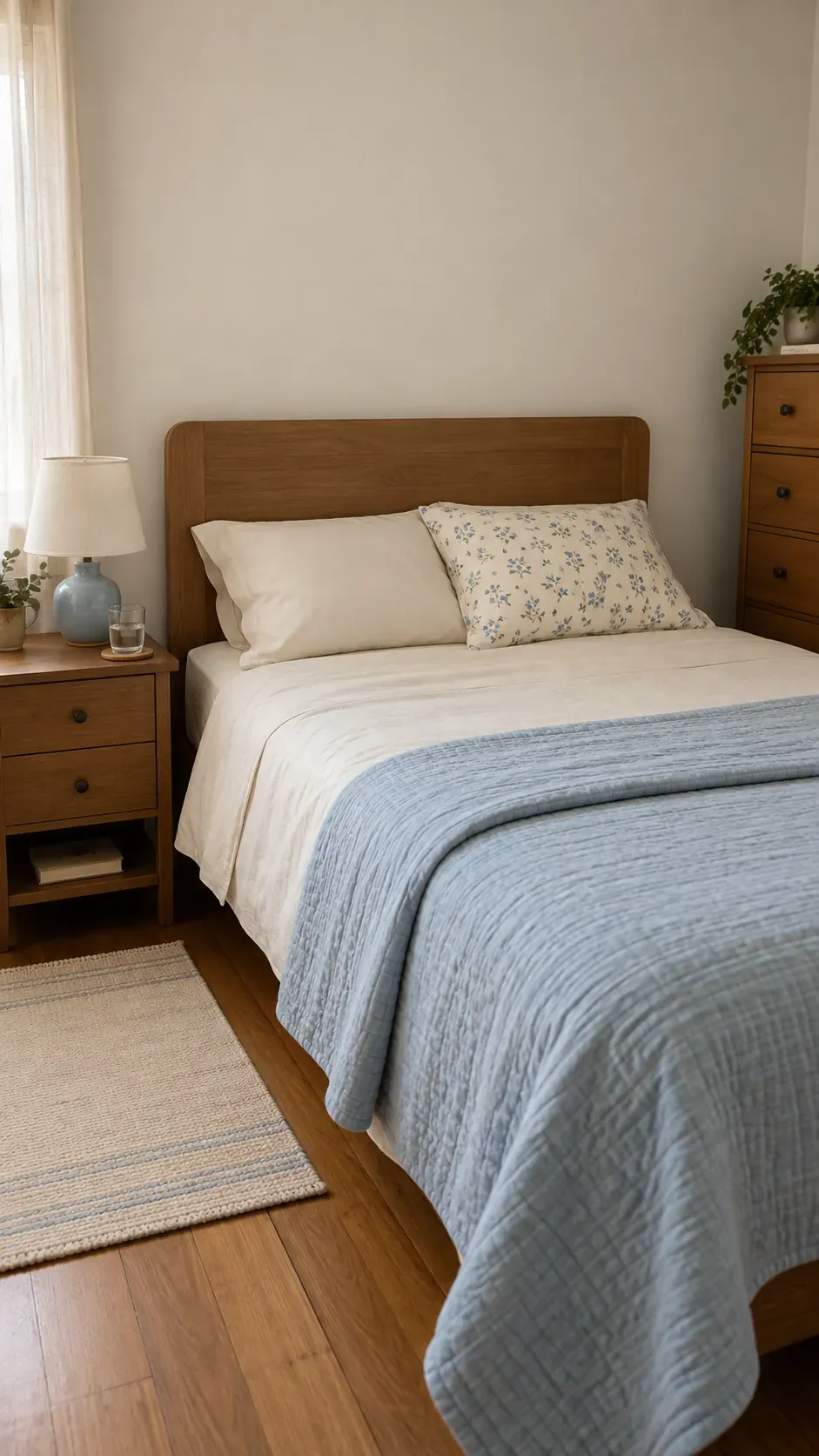
Use a simple timber headboard, a comfortable bed, and a restrained bedside lamp as the foundation. Soft rose, pale blue, or warm cream can work with either plain bedding or one small floral pattern, depending on how much detail the room already contains. A vintage chest should open easily and be secured against tipping where appropriate, especially in homes with children. Unlike a rigid decade reconstruction, a restful bedroom can borrow from 1940s interior design or later 1960s interior design when the proportions and everyday function remain coherent.