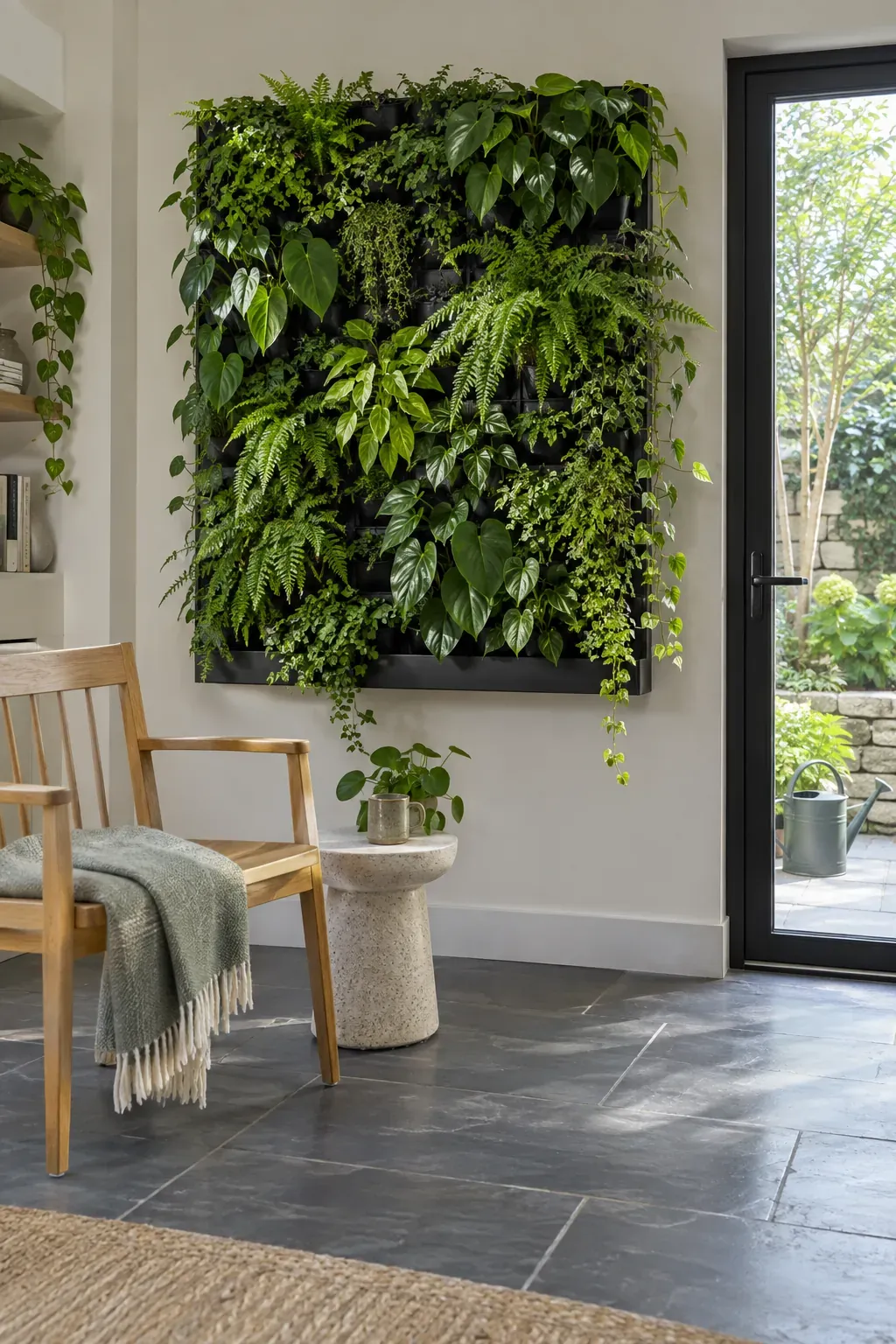
A wall of foliage is easy to admire until you have to water the top row or find the source of a drip. Plan the light, drainage, and access first, then choose a planting style that fits your space and the care you can realistically give it.
Removable pots on a narrow entry rail
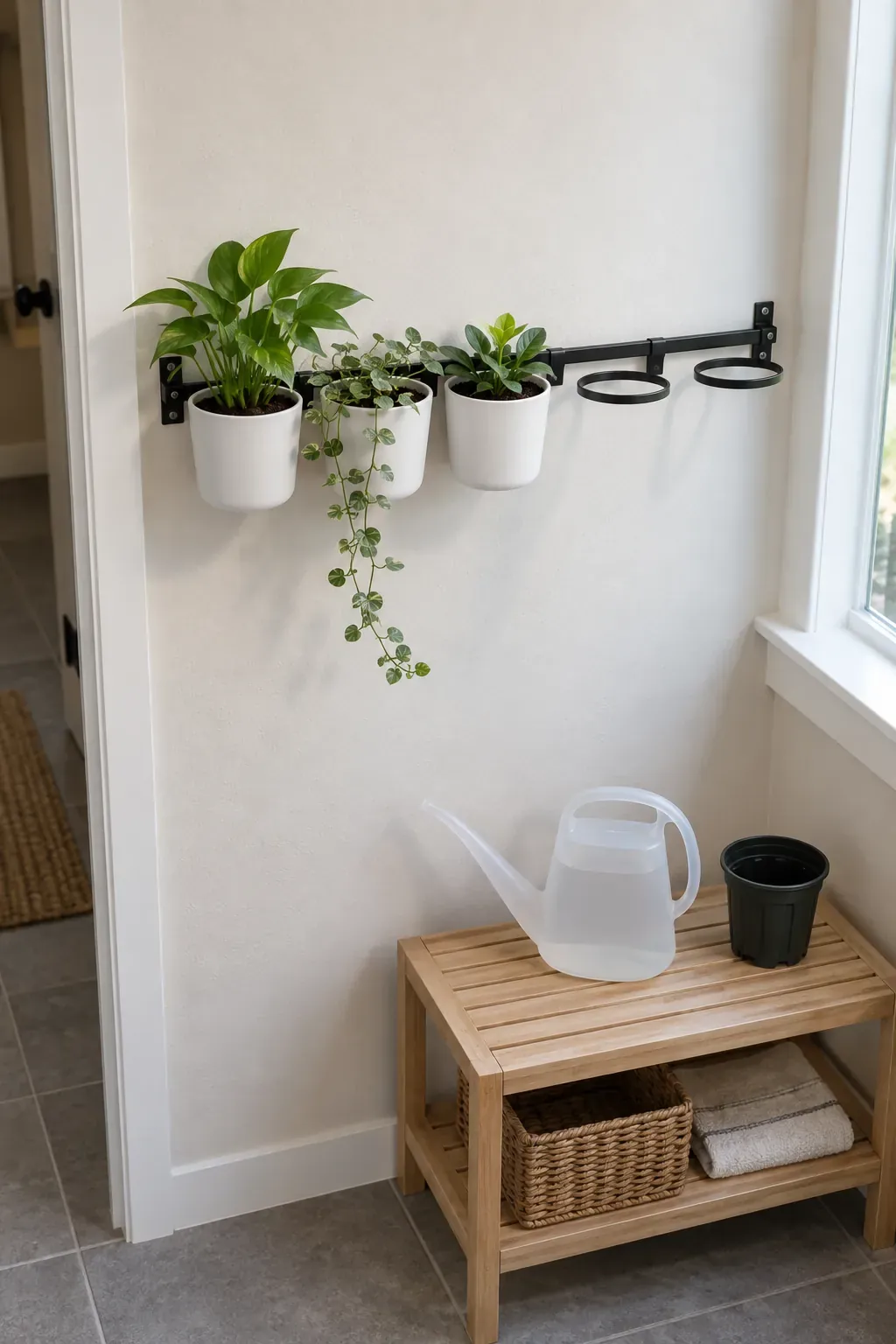
A narrow entry wall can carry a few trailing plants without turning the hallway into a maintenance project. Choose individual nursery pots that lift out of secure holders, so watering happens over a sink instead of above your shoes. Leave enough room beside the door for bags and sleeves to pass without catching stems.
A fern panel beside a bright window
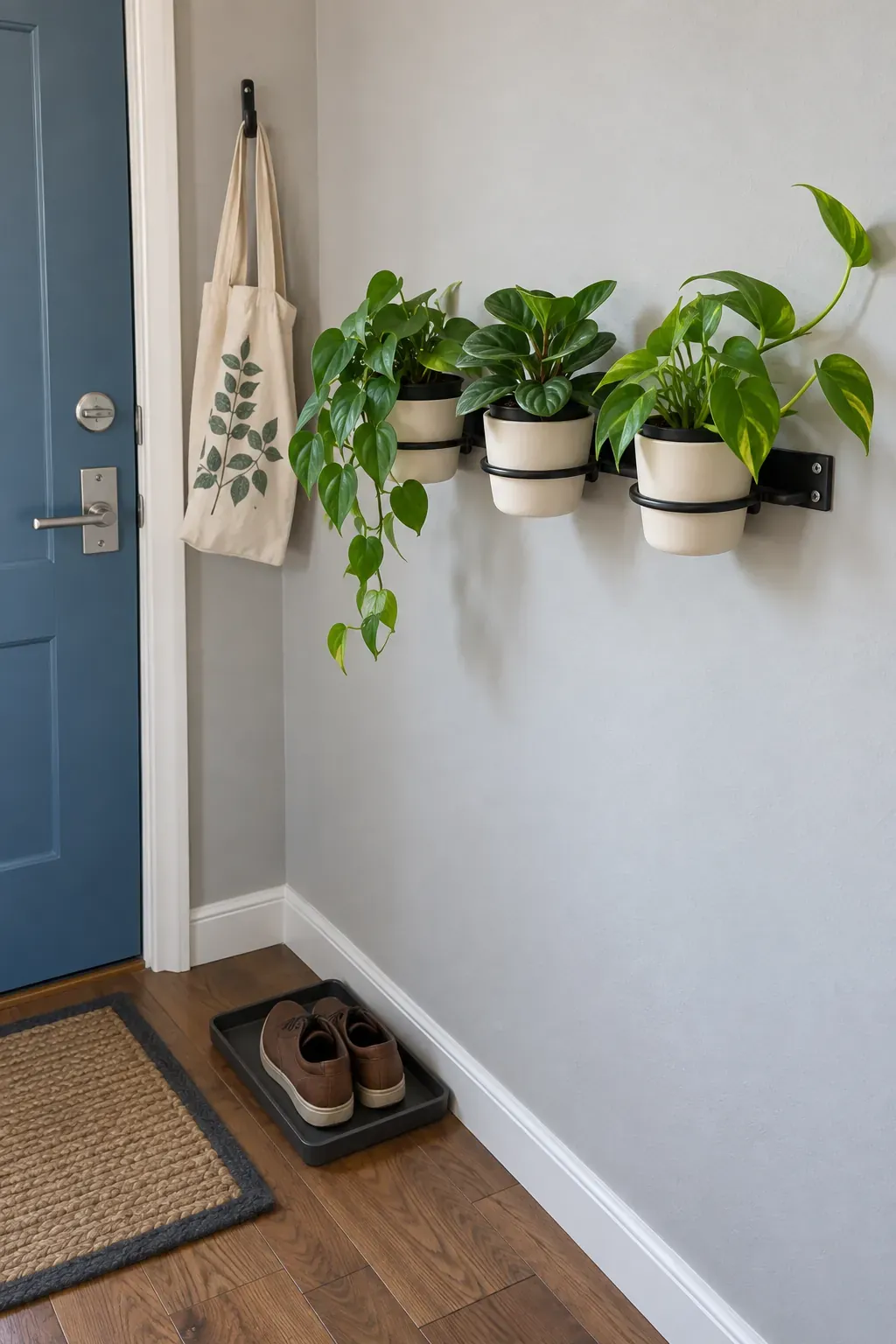
A fern panel works best where bright indirect daylight reaches the whole planting area. Group varieties with similar moisture needs, and inspect the upper pockets because they may dry before the lower ones. Waterproof backing and a collection channel protect the wall, while a visible gap around the panel makes inspection easier. Keep delicate fronds away from heating vents.
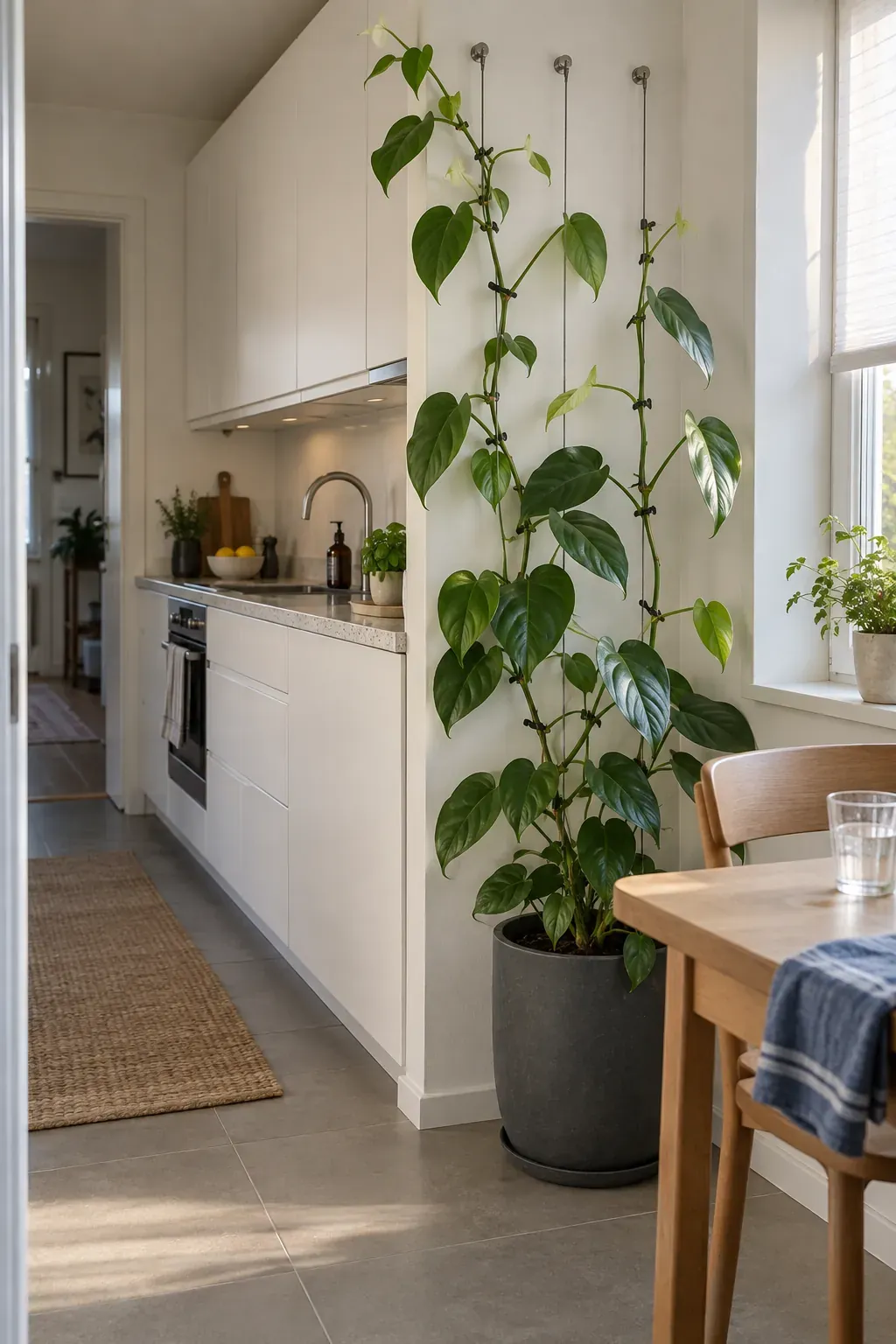
Climbing foliage on kitchen cables
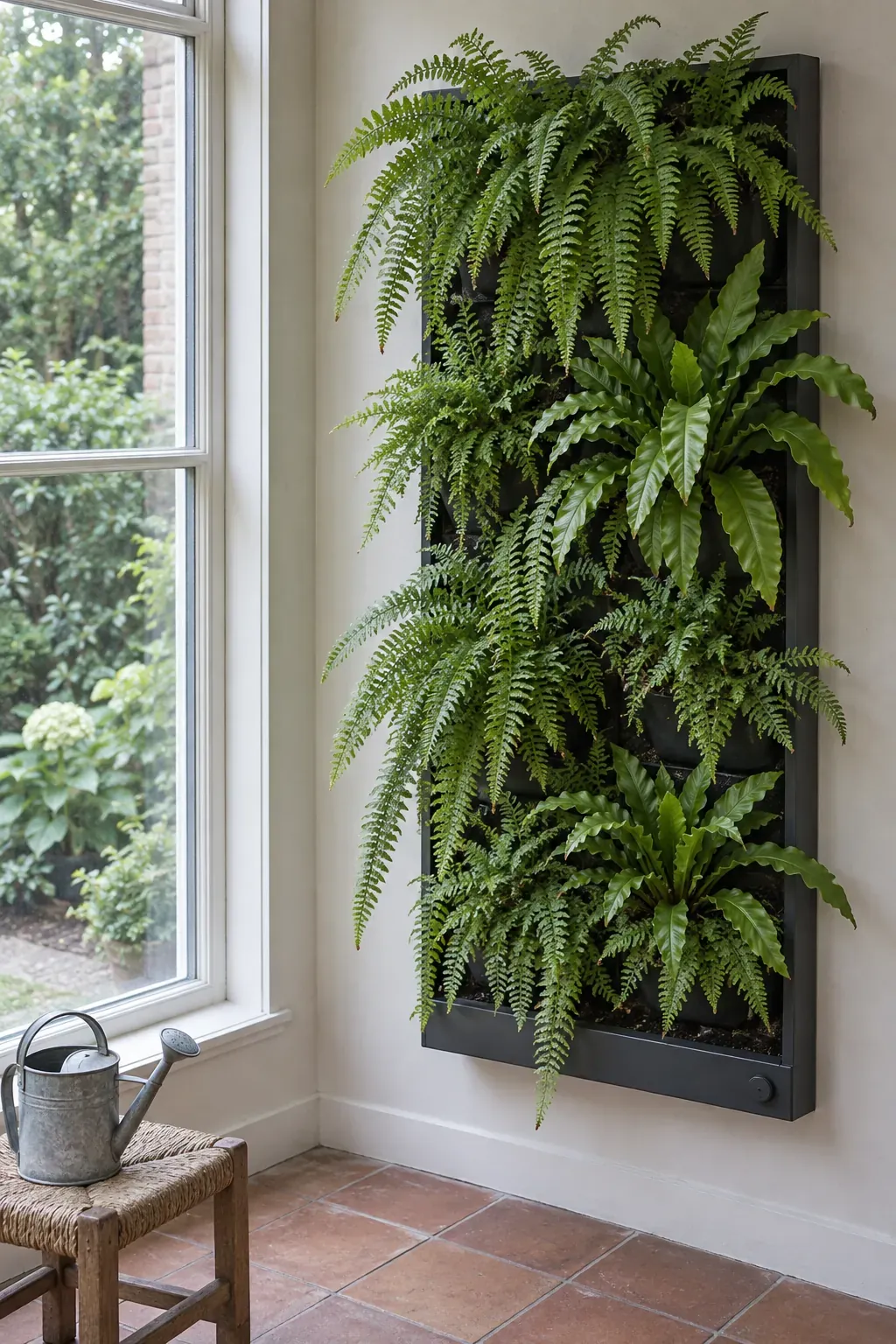
Stainless cables can guide climbing foliage up a kitchen wall while leaving much of the surface exposed. Keep the roots in a stable floor container with a removable inner pot, then attach stems loosely as they lengthen. Position the display away from cooking heat and grease so leaves remain easy to wipe clean. Check the chosen species for toxicity if pets or young children can reach it.
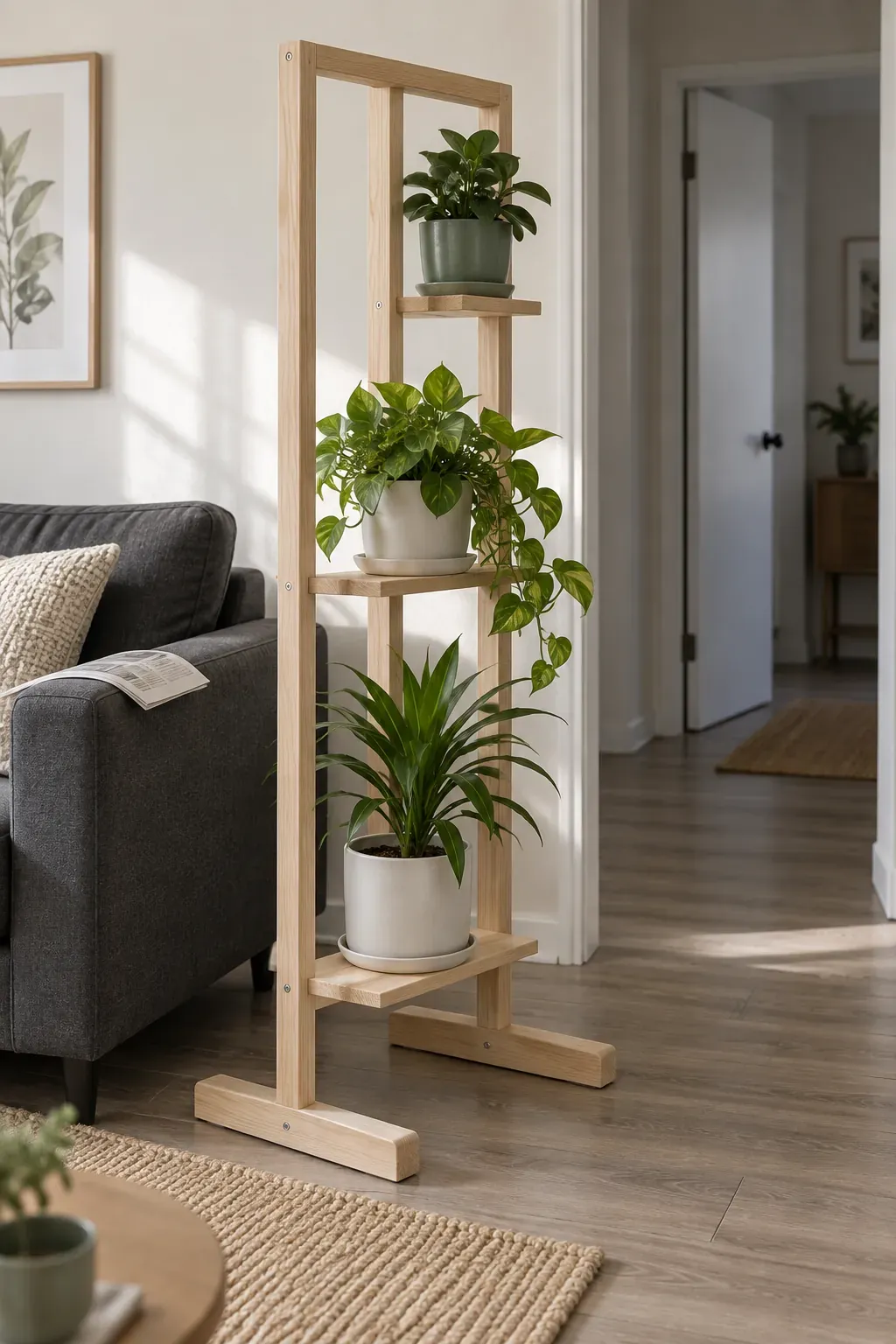
A freestanding screen for a rental
A freestanding plant screen gives renters a vertical green wall without relying on adhesive hooks or unapproved drilling. Look for a wide stable base and containers secured against tipping, especially where pets move through the room. A waterproof tray beneath each pot makes a small spill easier to catch. Confirm that the assembled screen fits through the doorway before filling it.
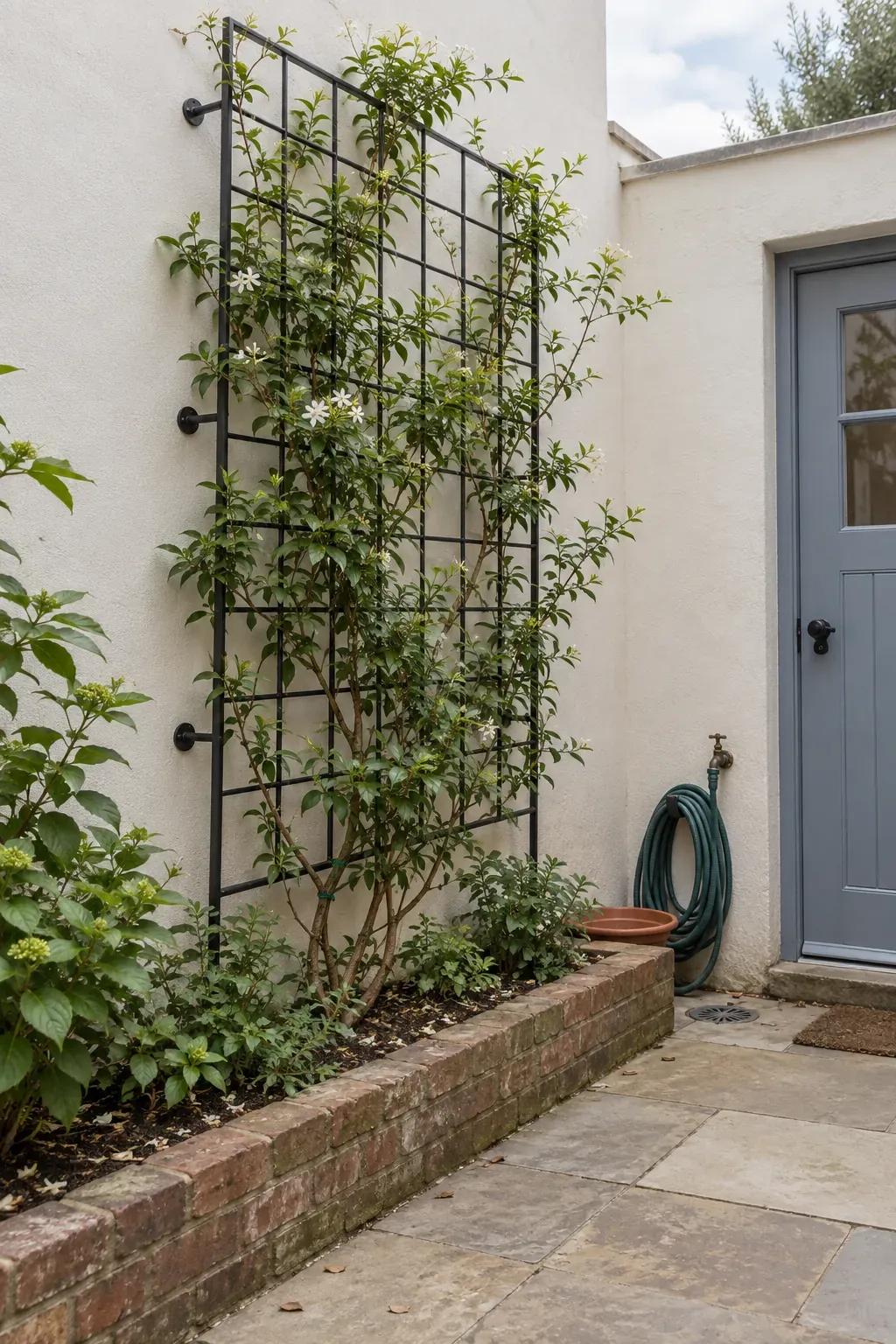
A shaded courtyard trellis
A shaded courtyard can support a restrained trellis planted from a generous ground level bed. Select climbers for the actual climate and daily light, rather than choosing foliage only for its appearance. Keep the support slightly away from the building so stems can be trained and the surface inspected. Prune around windows and drains before growth becomes difficult to reach.
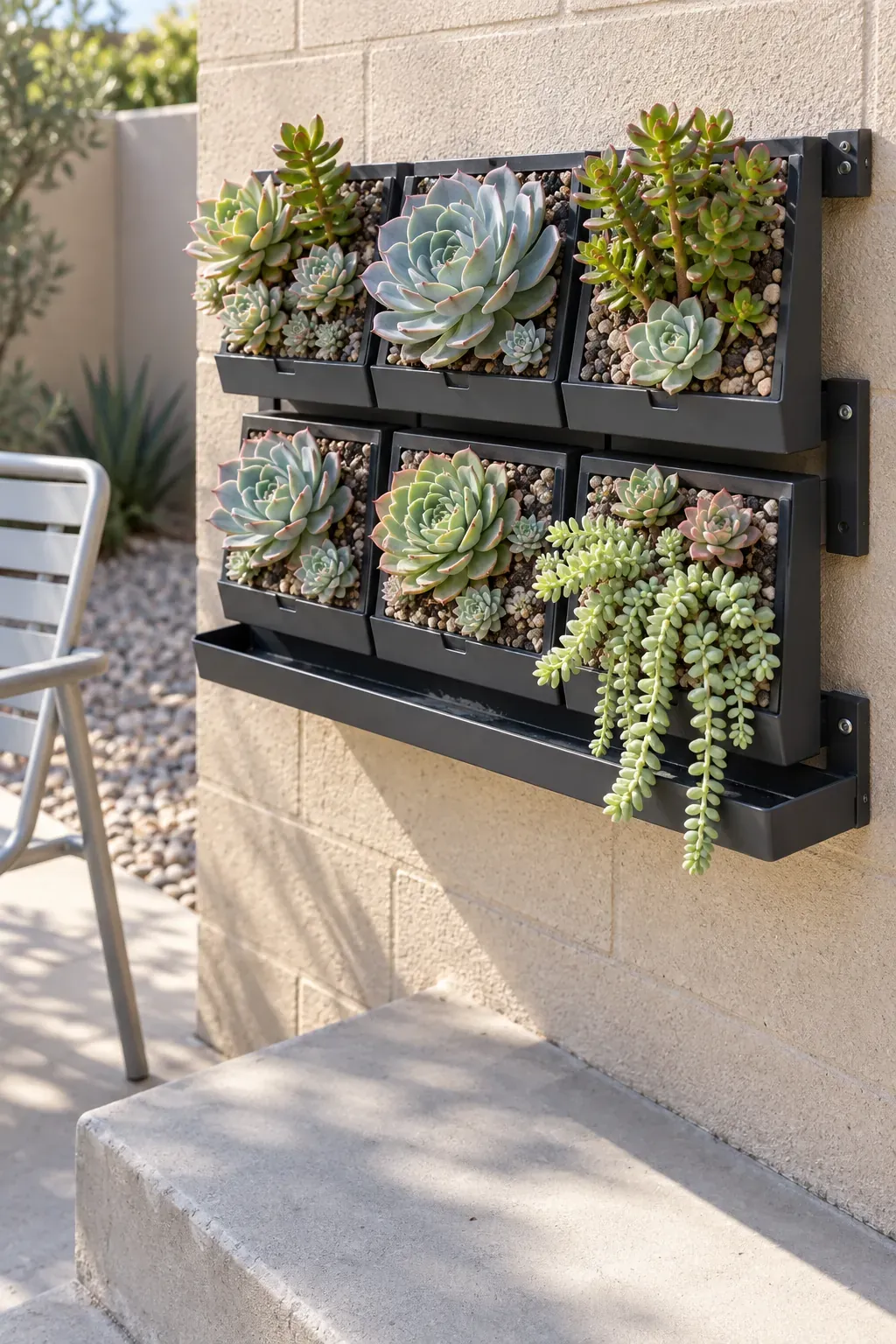
Sun loving succulents in shallow modules
A succulent wall needs strong light, a suitable growing medium, and a drainage route that never leaves roots sitting in water. Small replaceable modules are easier to maintain than one densely packed permanent arrangement. Let the selected plants determine the watering schedule, and protect tender species from freezing conditions. Install the system where runoff can be collected without wetting interior finishes.
A living strip beside the dining table
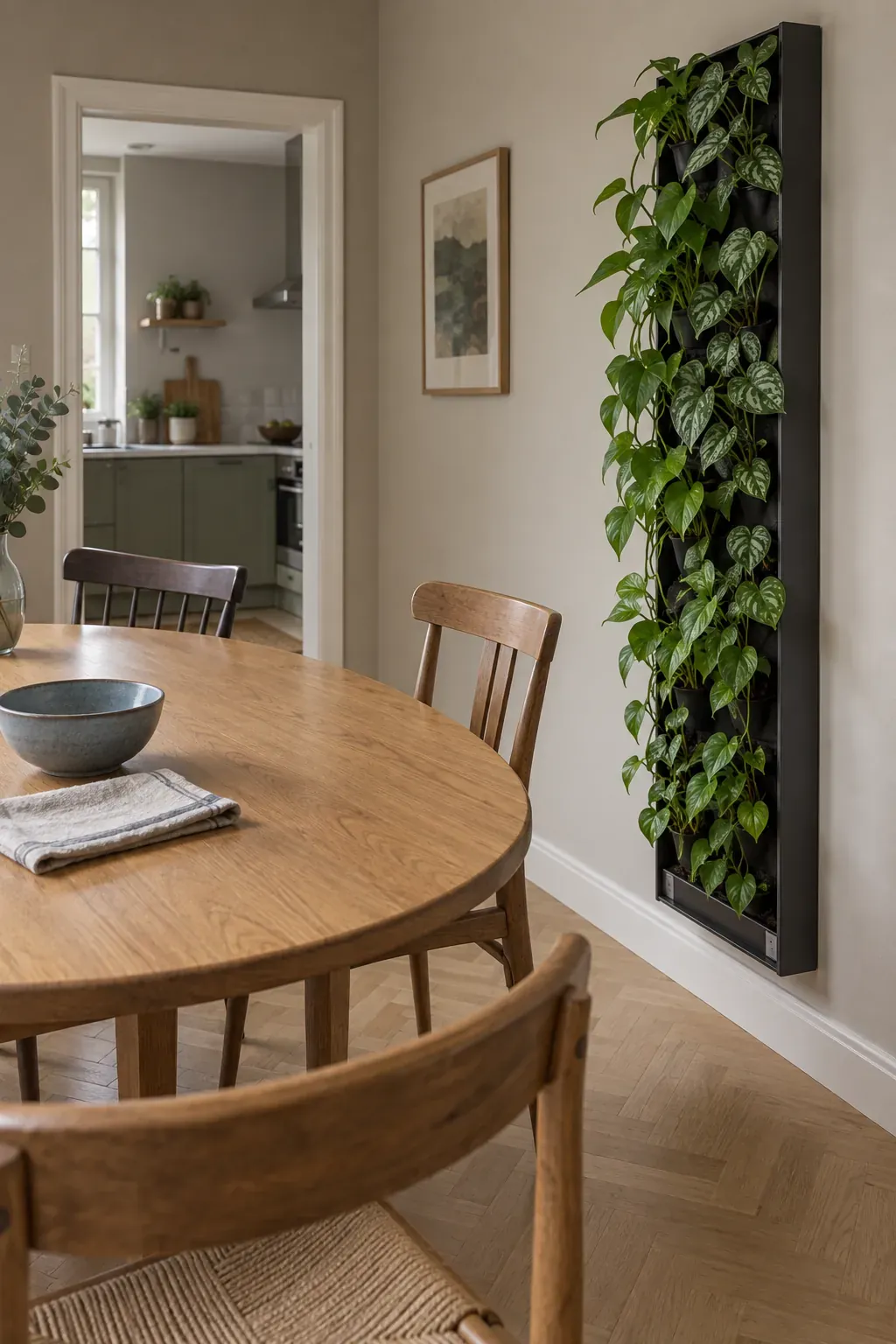
A slim planted strip can define the dining area while preserving room for chairs to move. Keep foliage above shoulder level only if every pot remains safely reachable for care. A coordinated group of trailing plants reads as one feature without requiring a completely covered wall. Avoid placing leaves where they brush food, candles, or hot serving dishes.
Preserved moss in a quiet study
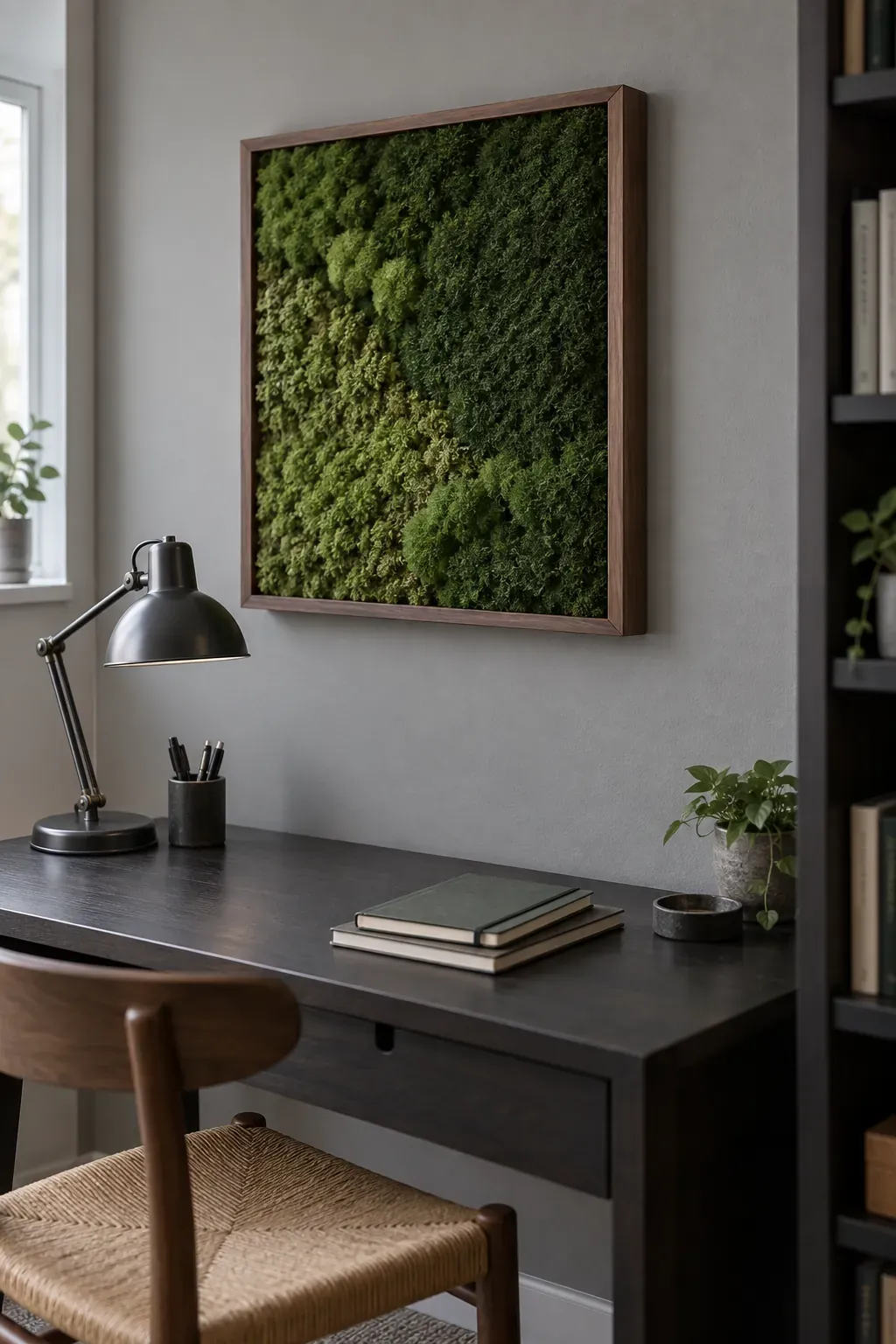
Preserved moss offers a green feature wall without the irrigation system needed by living plants. It is decorative preserved material, so do not water it or treat it as an actively growing garden. Follow the supplier's humidity and sunlight guidance to reduce brittleness or fading. A shallow frame keeps the textured surface away from papers and everyday desk clutter.
A balcony wall of removable troughs
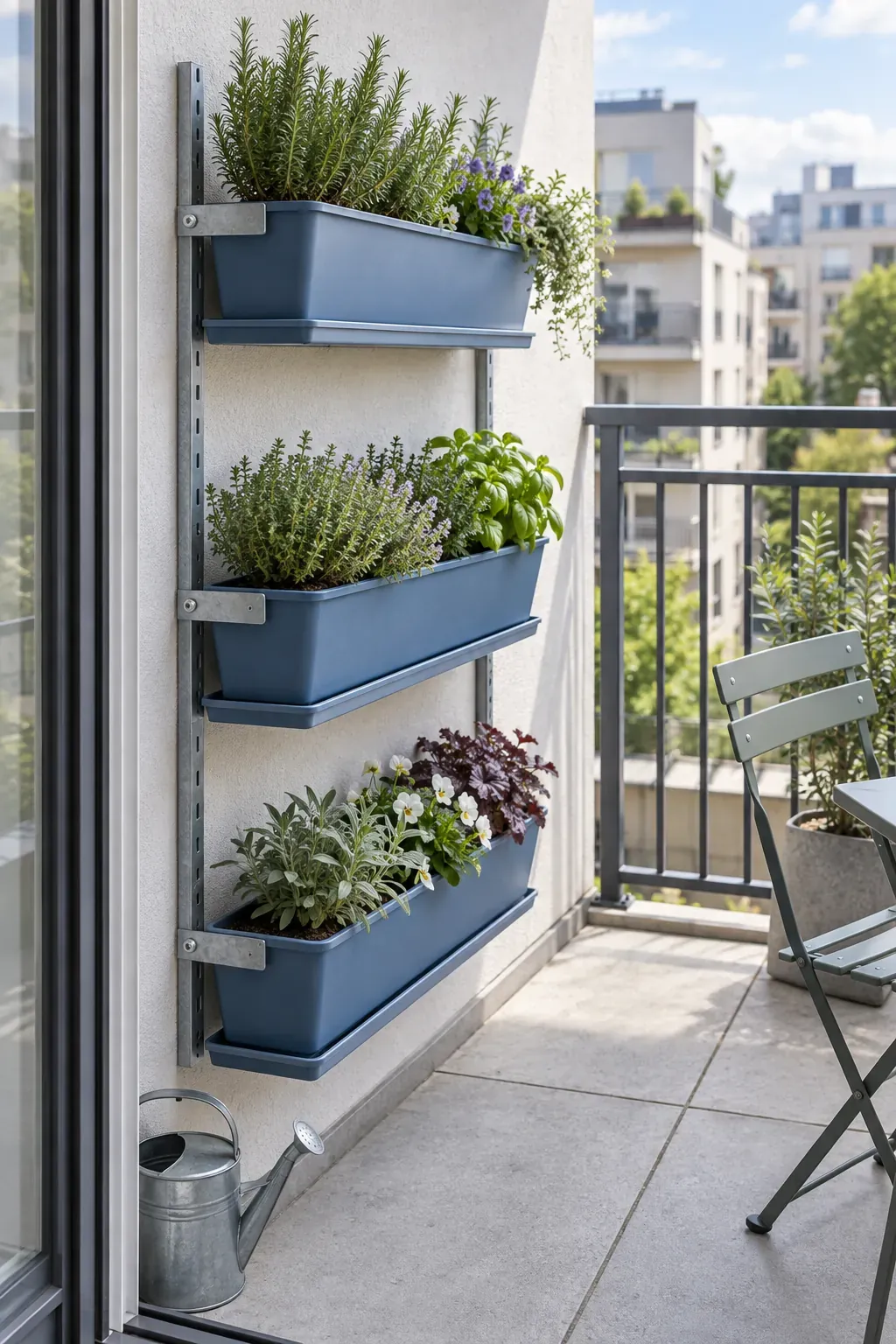
Stacked balcony troughs can make a plain side wall useful while keeping the main walking route open. Check building rules, fixing requirements, and the combined wet weight before installing them. Choose plants suited to the balcony's wind and sun exposure, then arrange drainage so it does not fall onto neighbors below. Leave space between troughs for mature foliage and your watering can.
A hydroponic panel with an accessible base
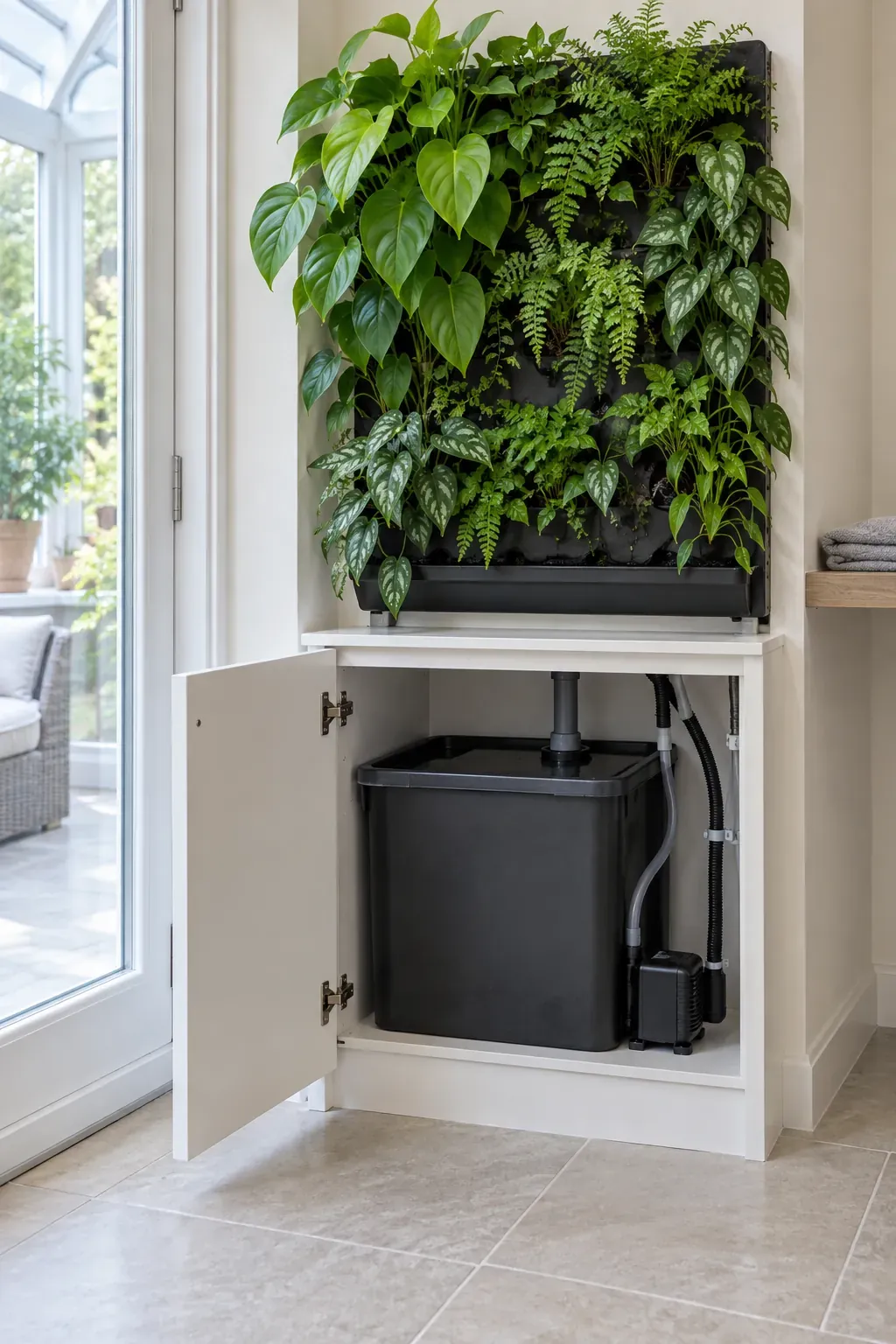
A hydroponic living wall design can look clean and modern when its servicing needs are designed in from the beginning. Keep the reservoir, pump, and connections reachable behind a removable base cover. Ask the installer how leaks, power interruptions, and nutrient monitoring are handled before committing to the system. A beautiful front panel should never make the working parts difficult to inspect.
Kitchen herbs on deep ledges
A sunny kitchen wall can hold herbs in separate pots on deep ledges with secure retaining edges. Match the herbs to the available light, and keep plants with different watering needs in their own containers. Turn or move the pots when growth leans strongly toward the window. Leave enough space above each ledge to remove a mature plant without crushing its stems.
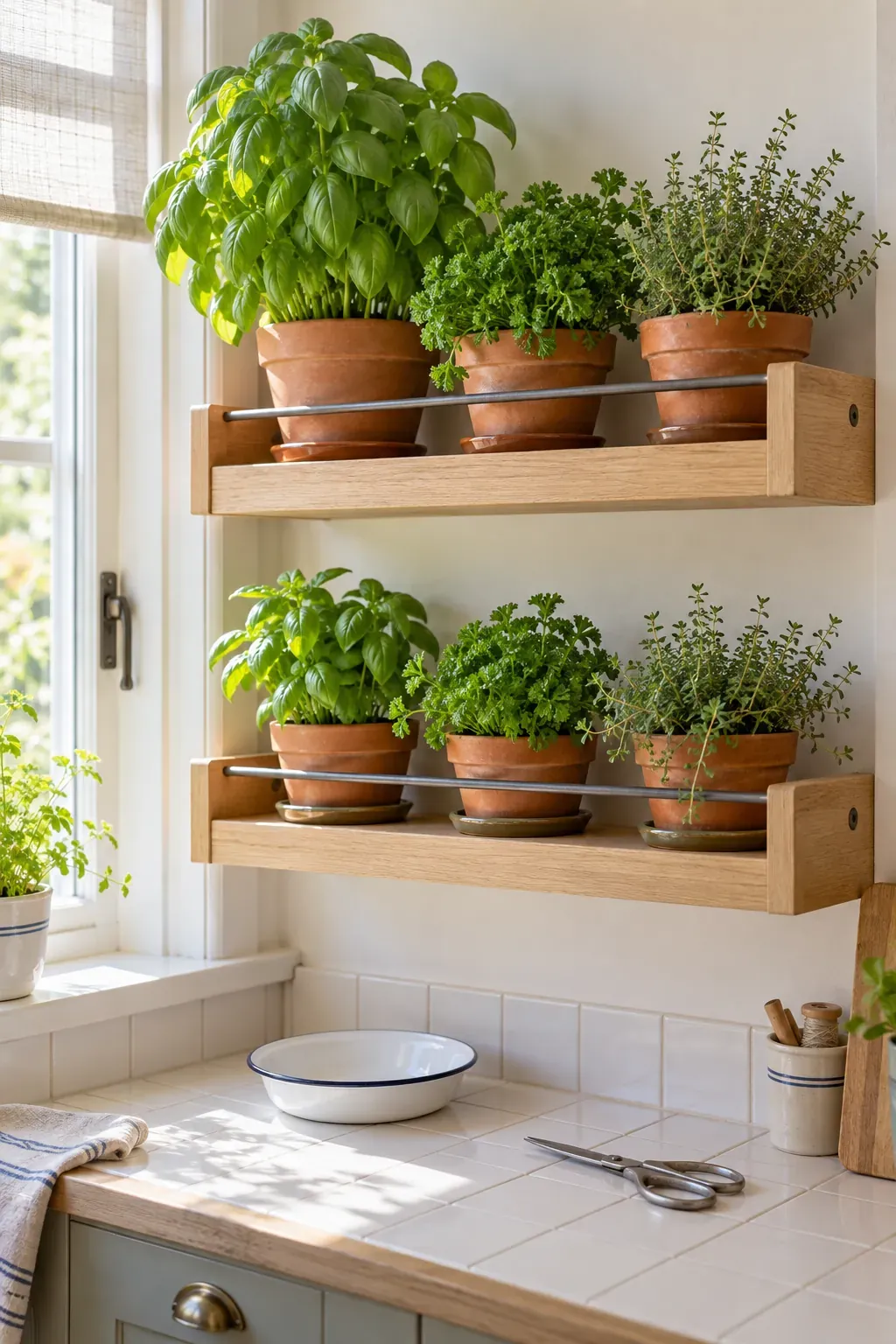
A pocket garden along a utility wall
An outdoor utility wall is a practical place to test a small pocket garden before expanding it. Put a durable waterproof barrier behind the pockets and plan where excess water will go. Begin with a few compatible plants so you can learn how quickly the material dries in local weather. Inspect the backing and attachment points regularly, especially after heavy rain.
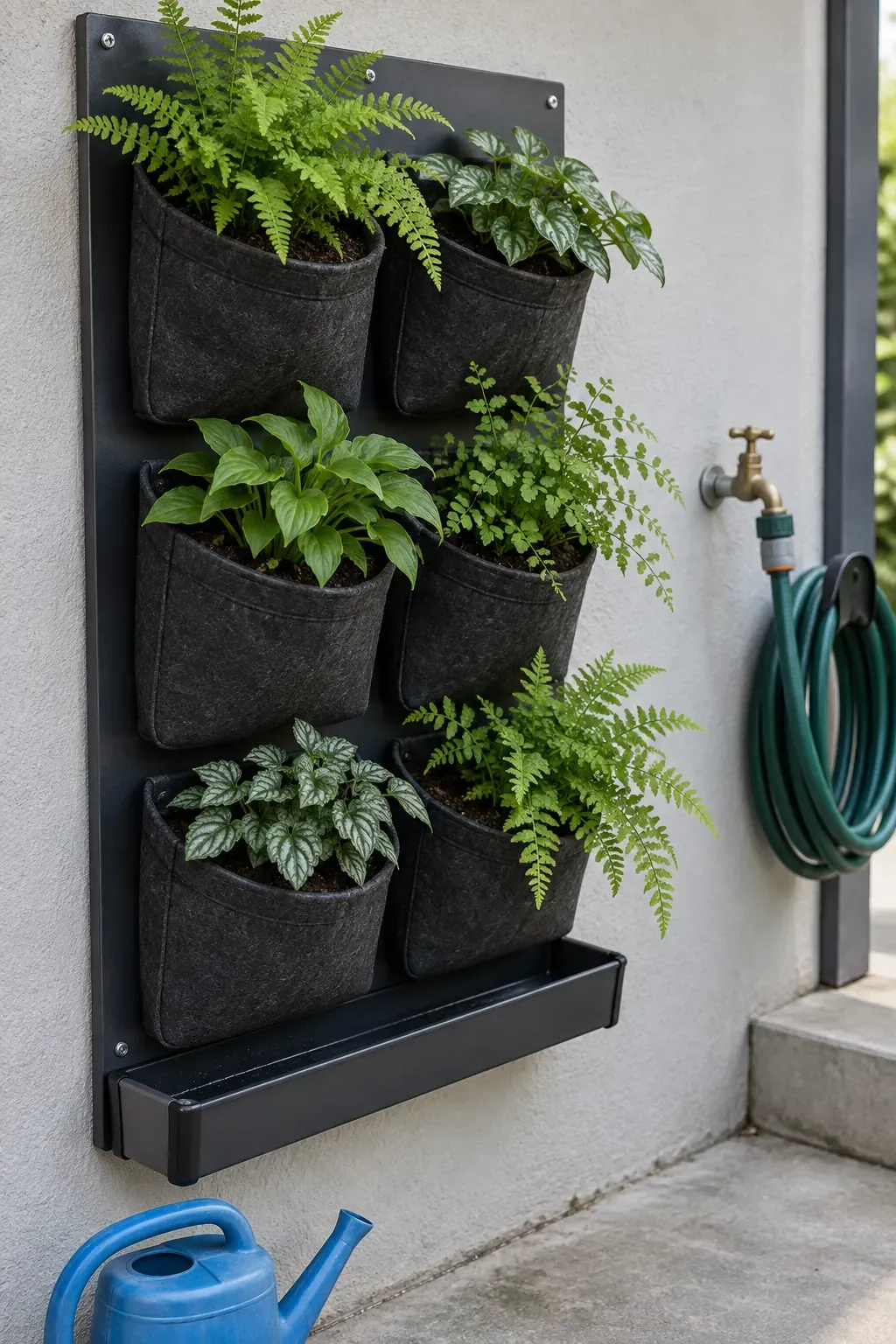
A planted panel above a landing bench
A green wall panel can make a stair landing feel purposeful without covering every surface. Set the lowest foliage above the bench back and leave a dry separation between planting and upholstery. Water should drain into a contained channel rather than onto the seat. Keep stairs and escape routes clear, with care tasks completed from stable floor space.
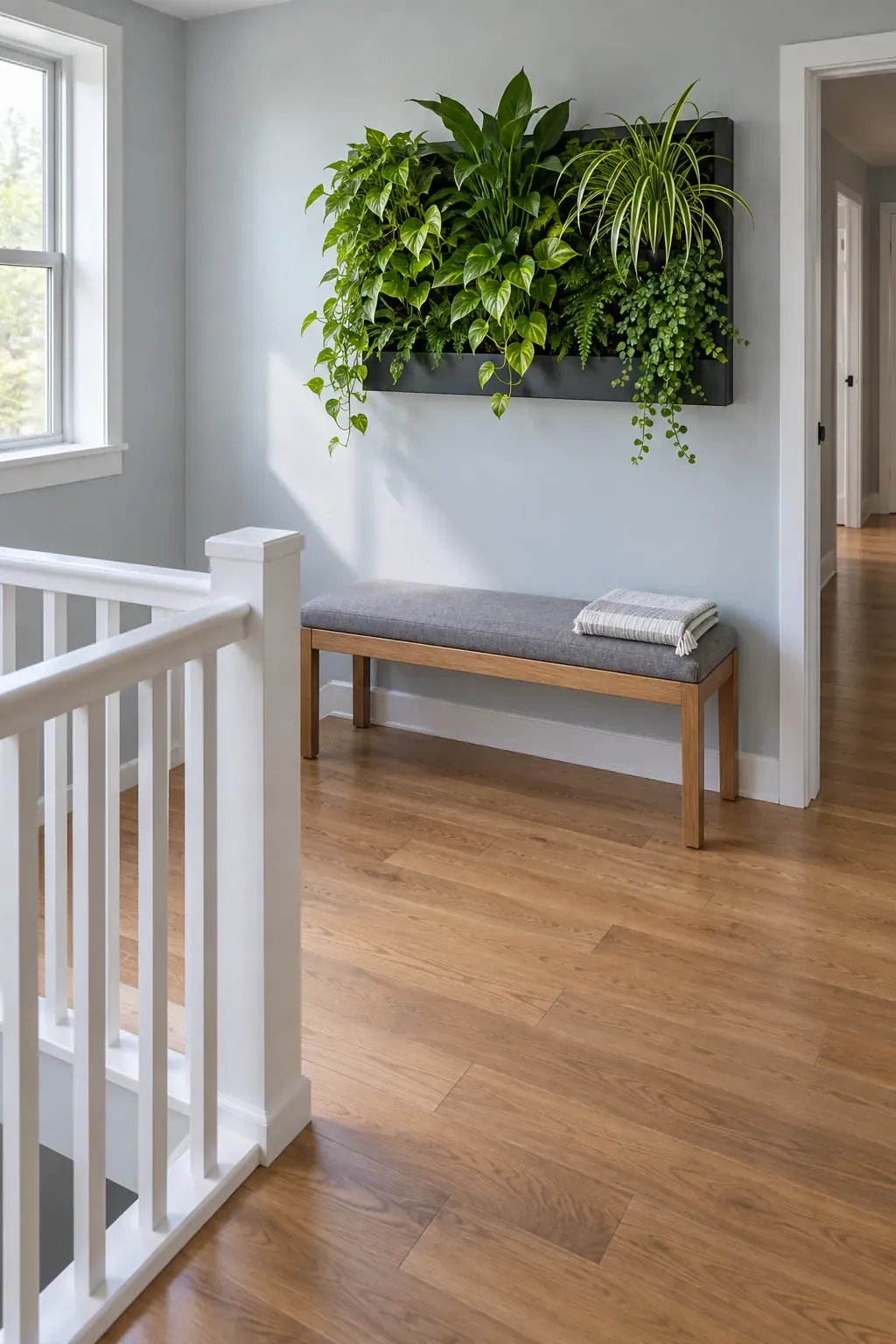
A green backdrop for an office meeting nook
An office green wall works better when maintenance access is treated as part of the room layout. Place seating far enough forward that a caretaker can inspect the plants without moving heavy furniture. Select a serviceable system and a responsible person or maintenance provider before installation. Enjoy the visual connection to greenery without assuming the plants replace ventilation or air filtration.
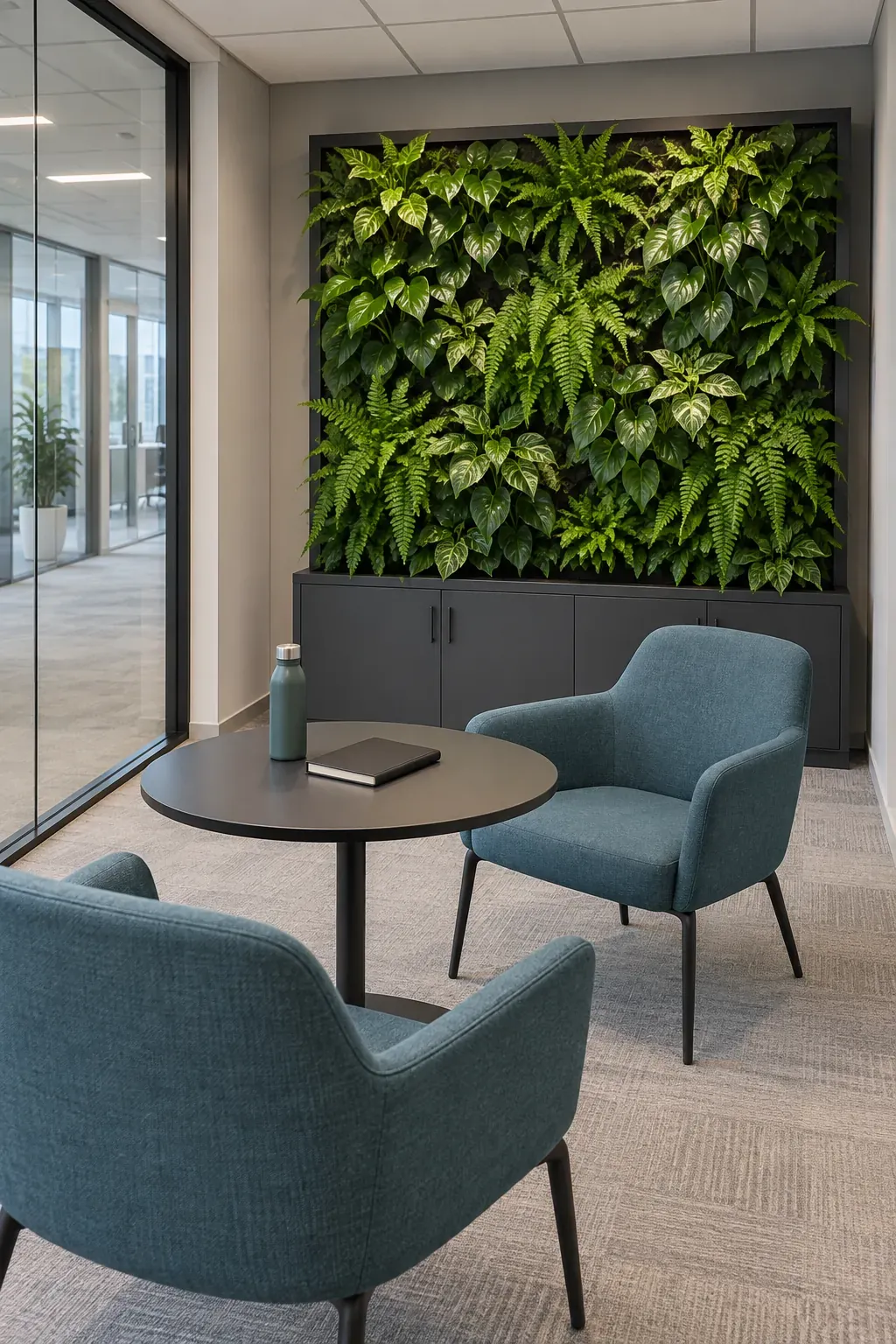
A timber frame around replaceable plants
A timber surround can soften the edges of a modular indoor green wall. Separate the wood from wet growing media with a suitable liner and leave the drainage components accessible. Replaceable pots let you exchange a struggling plant without dismantling the frame. Use the timber as a dry decorative border, rather than assuming a surface finish alone makes it waterproof.
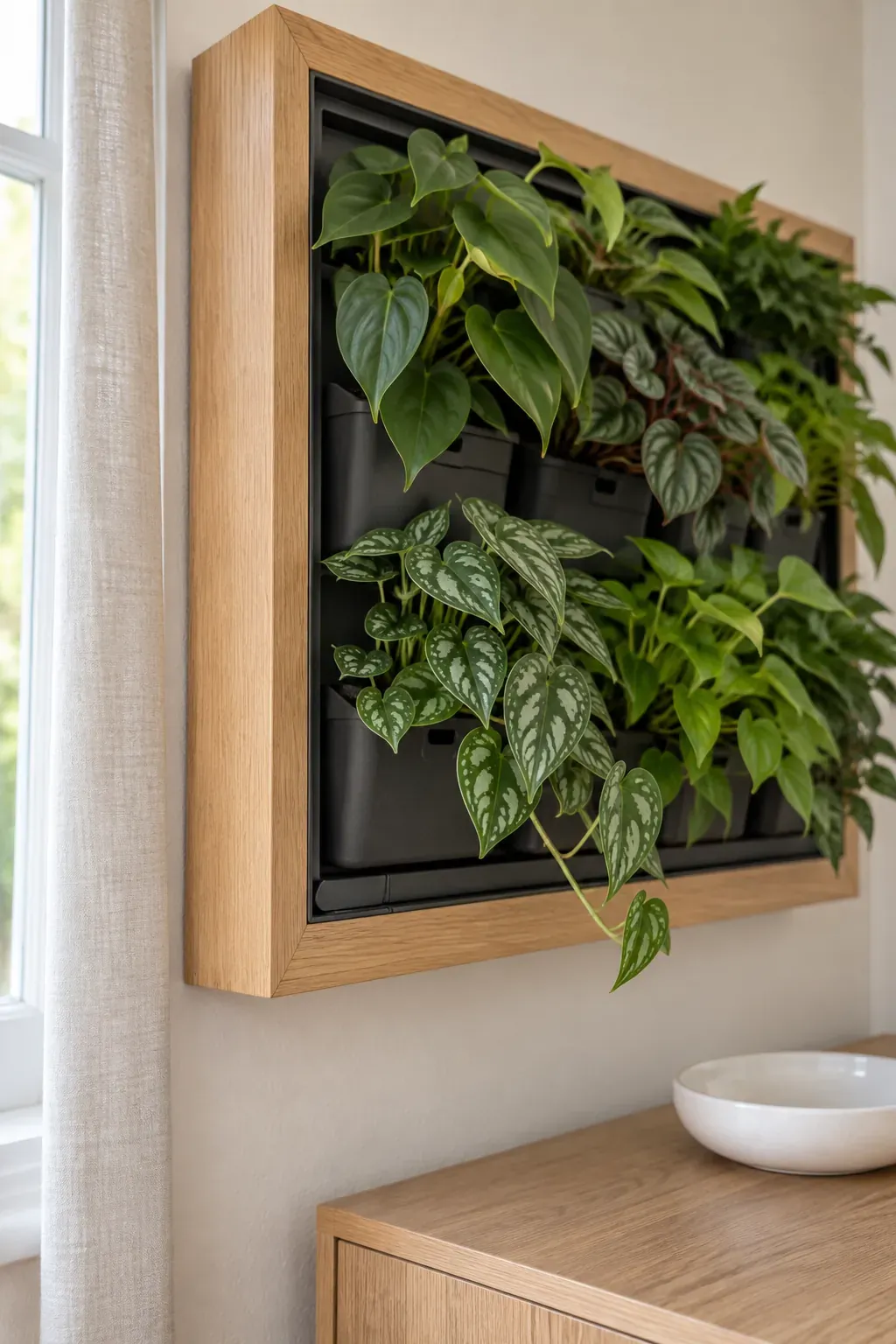
A sheltered patio wall with seasonal pockets
A sheltered patio offers room for a planted panel that changes through the year. Keep a consistent base of climate appropriate foliage and reserve a few accessible pockets for seasonal color. Choose flowering plants that suit the same exposure instead of forcing shade and sun lovers into one watering zone. The panel remains coherent even when some pockets are temporarily resting.
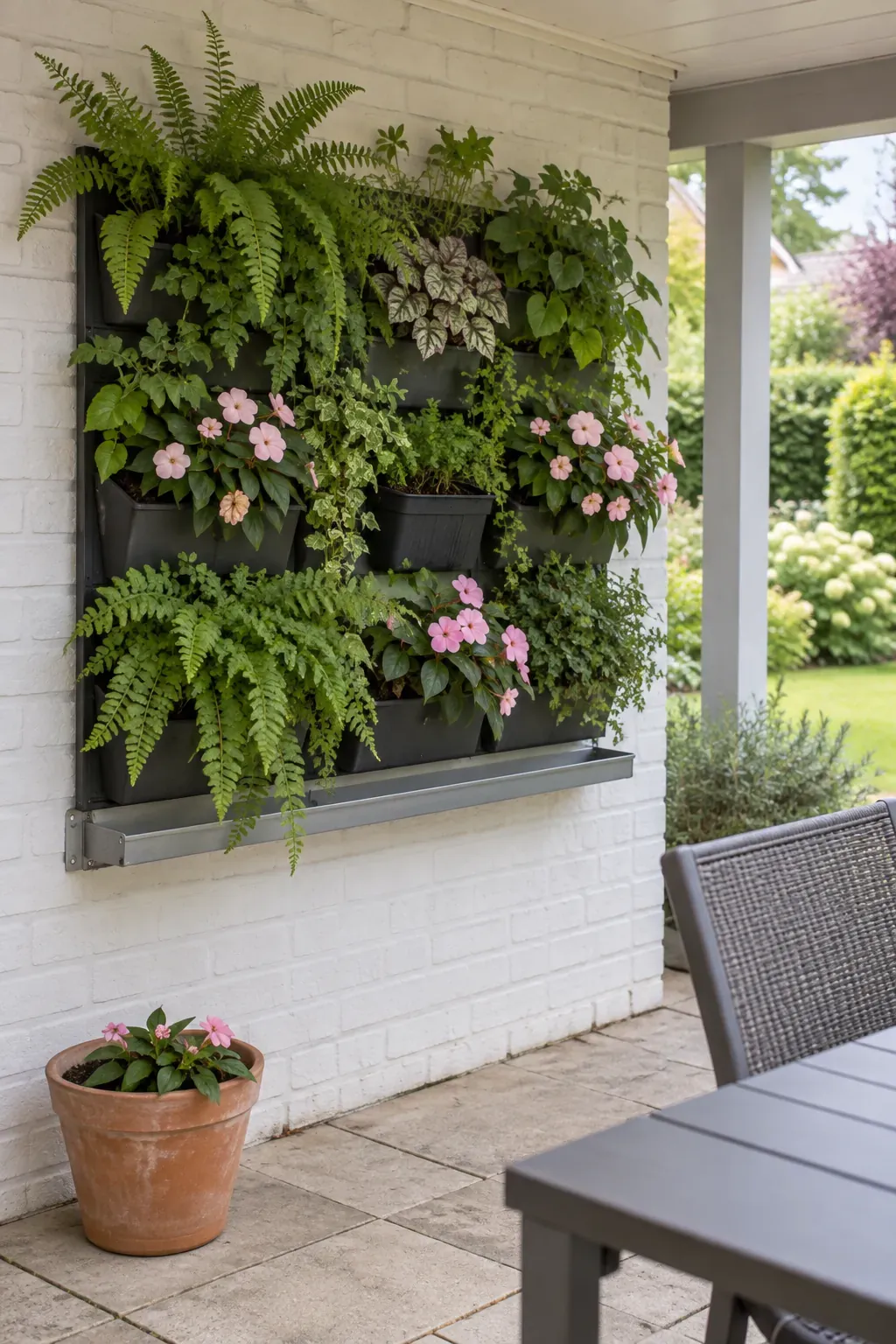
A compact propagation rail
A rail of propagation vessels creates a light green wall aesthetic with very little visual bulk. Use securely held removable containers, keeping their water away from sockets and delicate furniture. Change water and clean the vessels as needed, and transfer rooted cuttings into suitable growing media when appropriate for the species. This is a small growing station rather than a permanent substitute for every plant's mature root space.
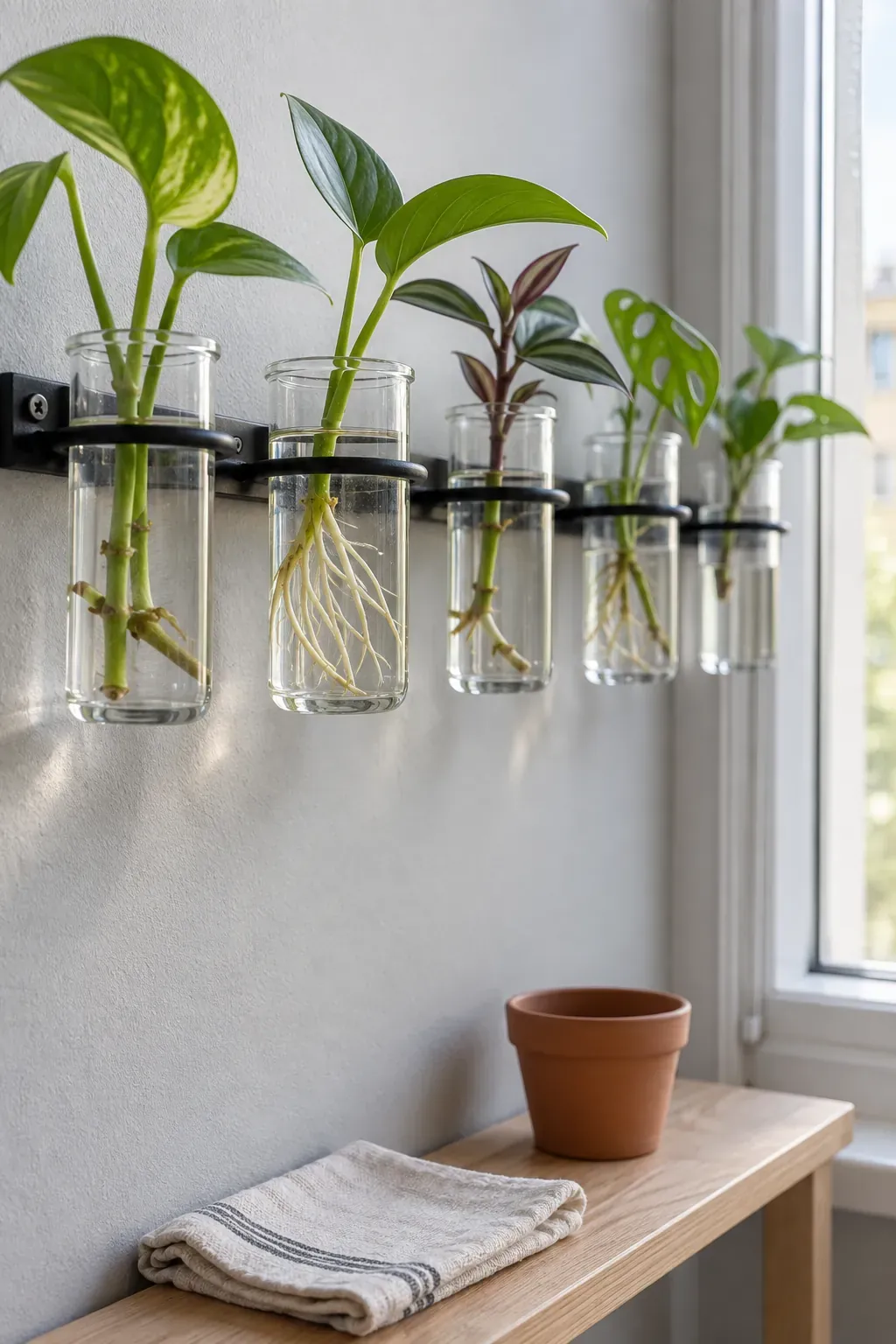
A planted divider on a covered terrace
A planted divider can screen a terrace while allowing air and light through its open structure. Keep the heaviest containers at the bottom and use an outdoor rated frame appropriate for the site's wind exposure. Climbing plants trained up the screen create height without requiring a deep wall pocket at every level. Preserve an opening that allows easy access to both sides for pruning.
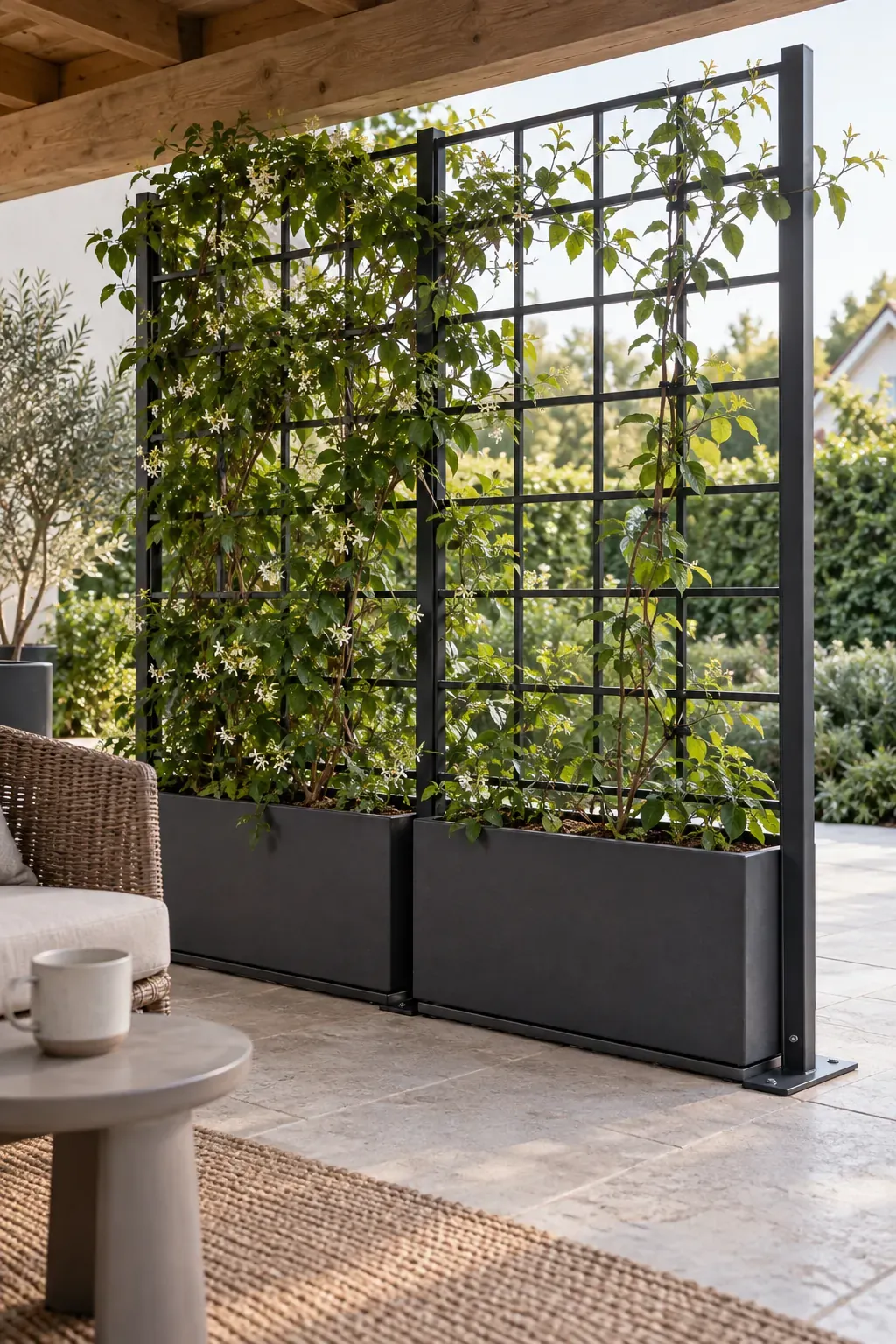
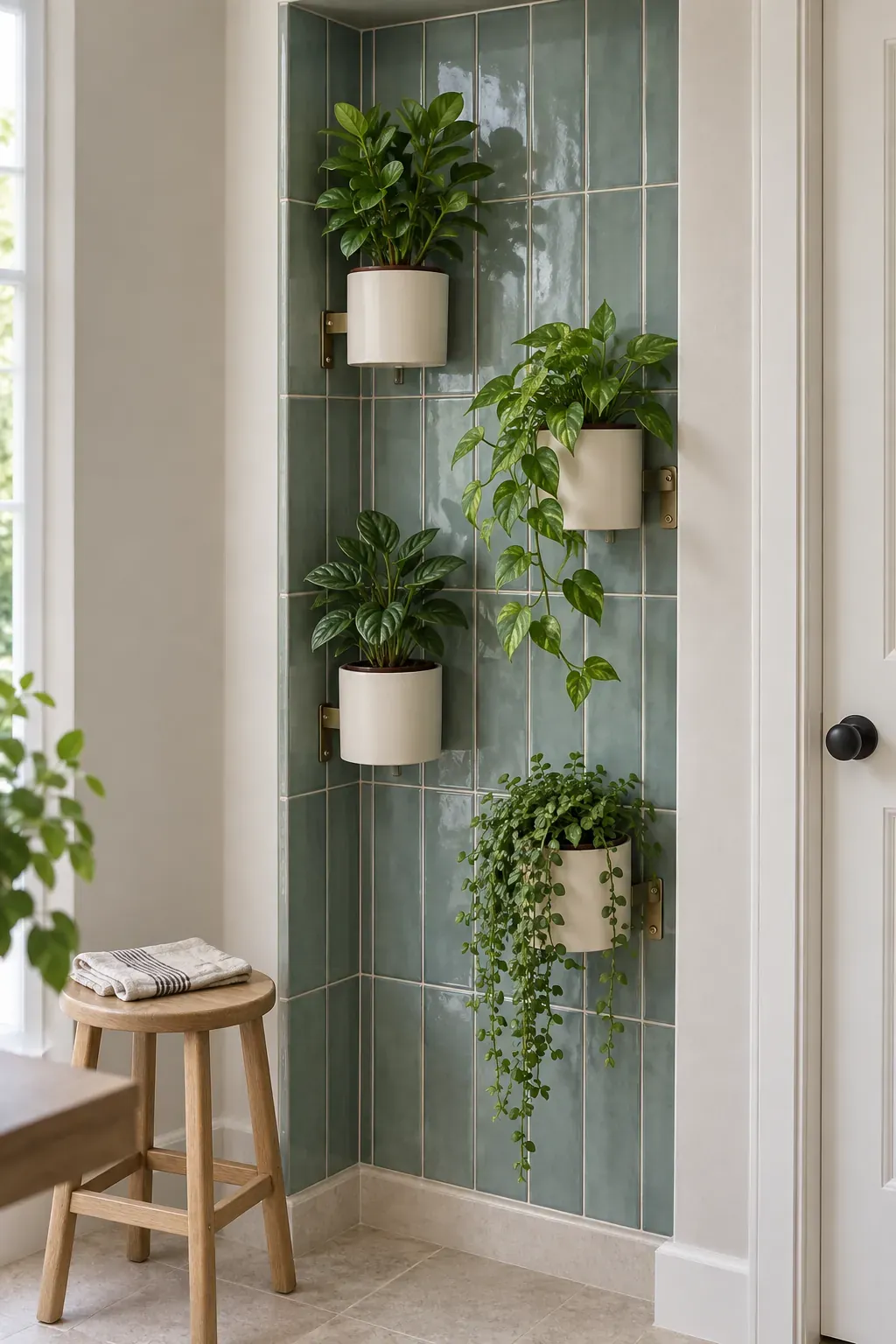
A tiled alcove with individual planters
A tiled alcove makes an indoor plant wall feel integrated with the room's architecture. Tile is a useful cleanable finish, but joints and fixings still need suitable detailing against moisture. Set individual planters on brackets that permit removal, and use waterproof catch containers beneath the nursery pots. A visible strip of tile between plants keeps the composition readable as they grow.
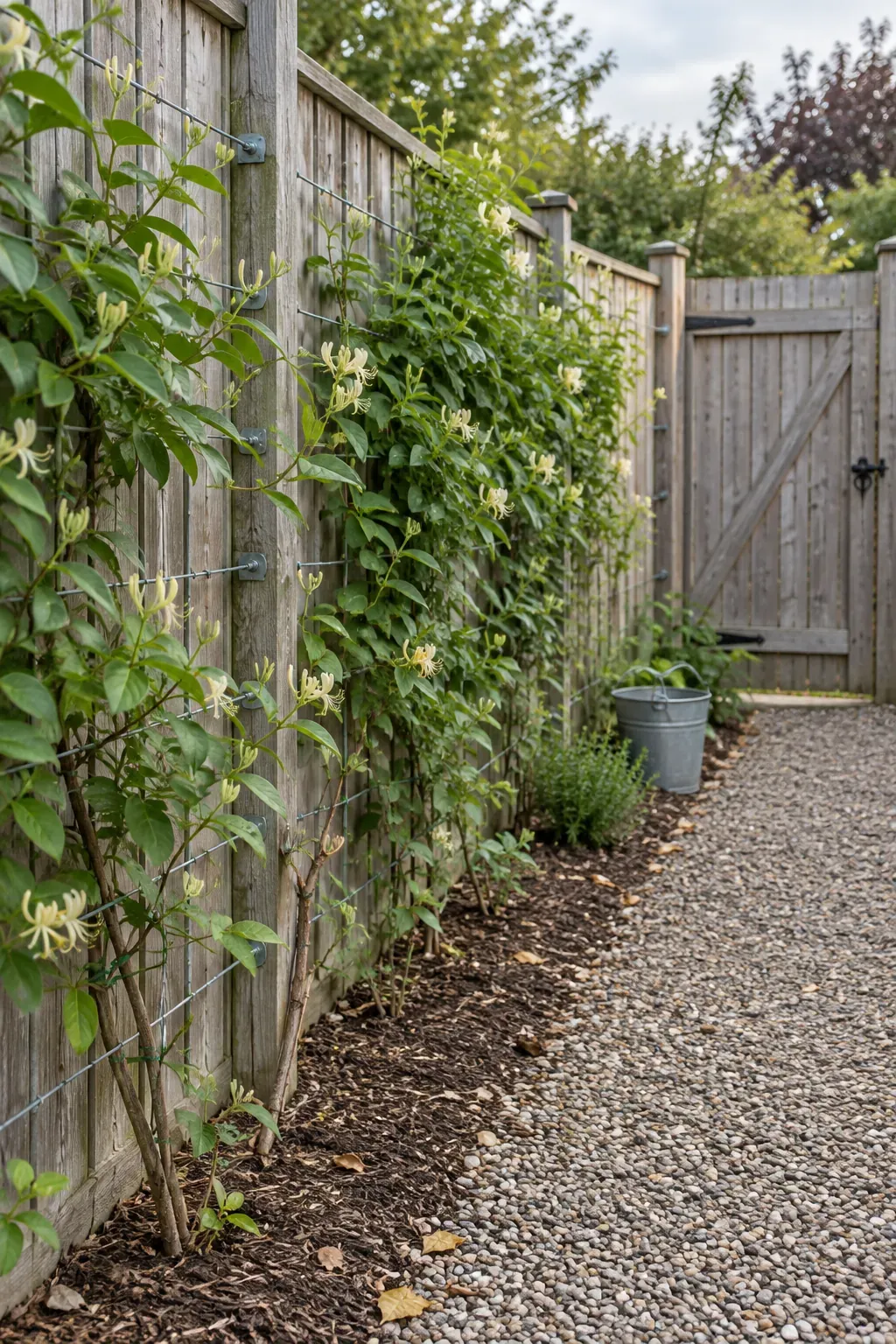
A garden fence softened by climbers
Climbers can create a green wall outdoor feature without a complex irrigation panel. Give the plants suitable root space and choose a support that suits their climbing habit. Check the fence condition and ownership before adding weight or fixing a trellis to it. Keep vigorous growth away from neighboring structures and trim it before it blocks gates.
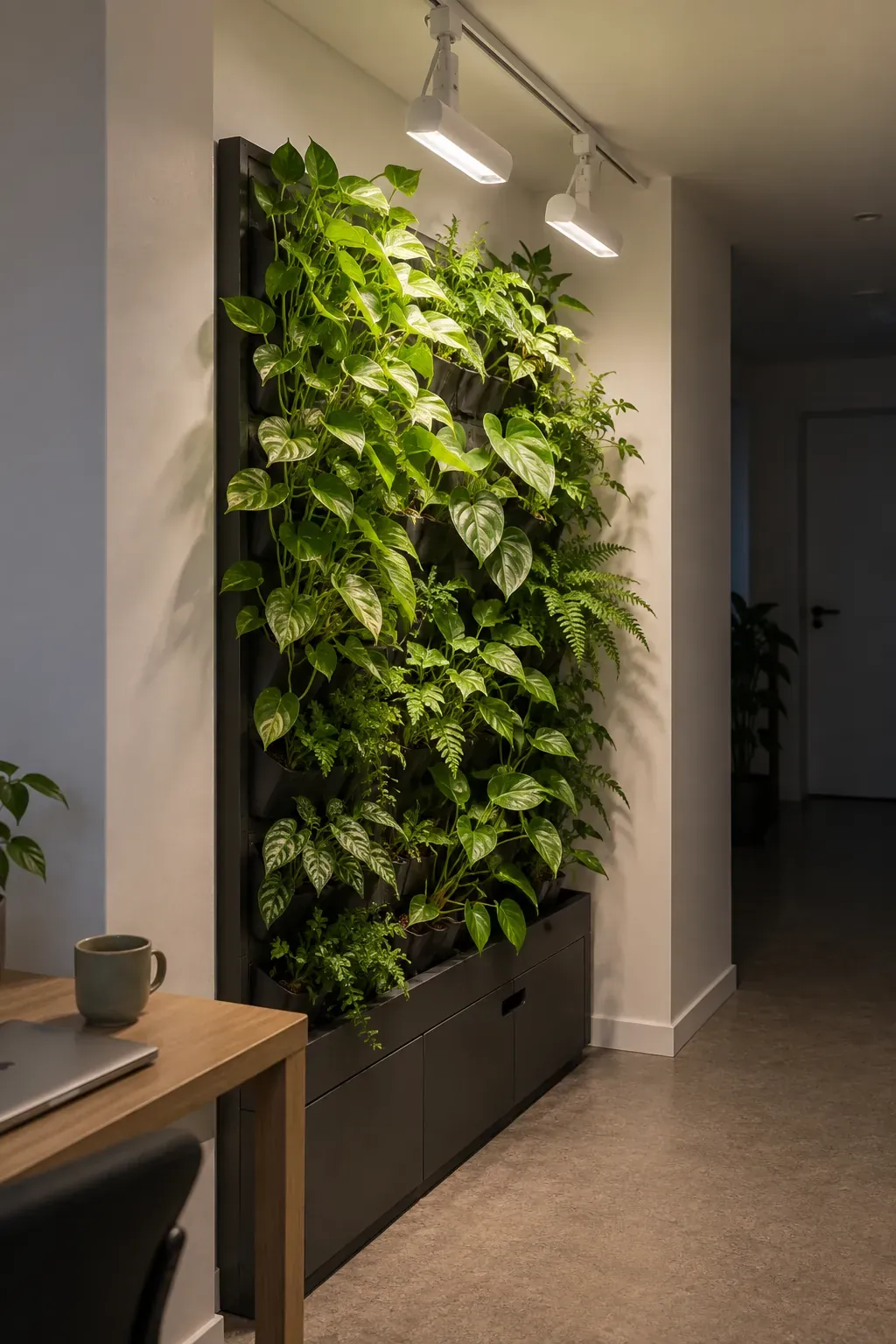
A wall garden with dedicated grow lights
A room with insufficient daylight may need purpose selected grow lights for an indoor green wall. Choose fixtures and placement for the plants' requirements, with electrical equipment separated from watering routes. A timer can support a consistent light period, but it does not remove the need to observe growth and moisture. Keep fixtures accessible so adjustments and cleaning are straightforward.
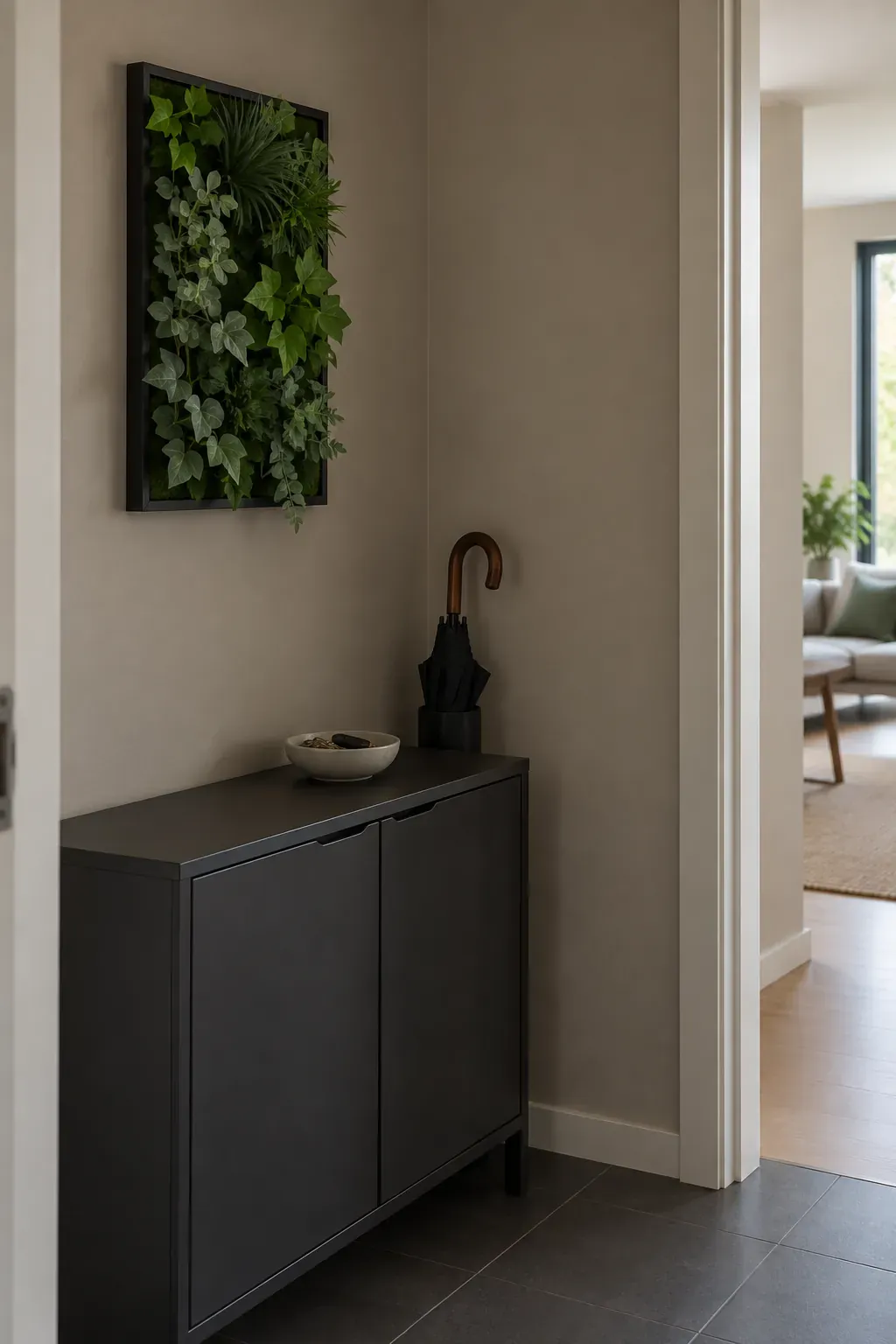
A small artificial foliage insert
Artificial foliage can suit a dim corner where a living wall would struggle and regular plant care is unrealistic. Choose a modest insert with varied leaf sizes, then dust it often enough that the surface remains convincing. Check the product's fire performance and intended location before using it in a commercial space or near heat. It offers decoration rather than the behavior or benefits of living plants.
A rain sheltered wall of terracotta pots
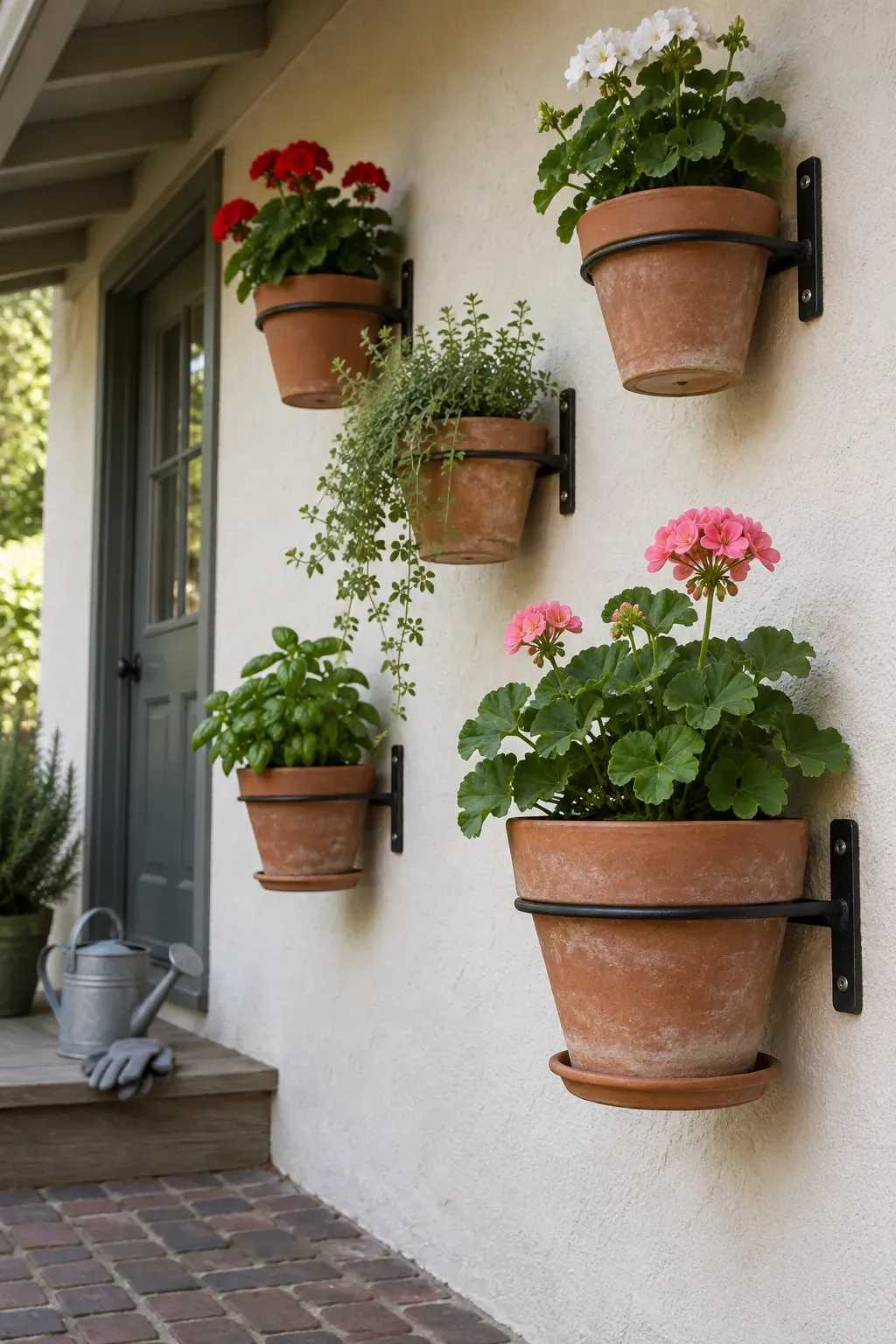
Terracotta pots on a sheltered exterior wall bring warmth and make each plant individually replaceable. Secure the pots in holders designed for their shape and filled weight. Because porous clay can dry quickly, check moisture rather than assuming all positions need water together. Leave a little space behind the pots and manage drainage so repeated watering does not stain vulnerable finishes.
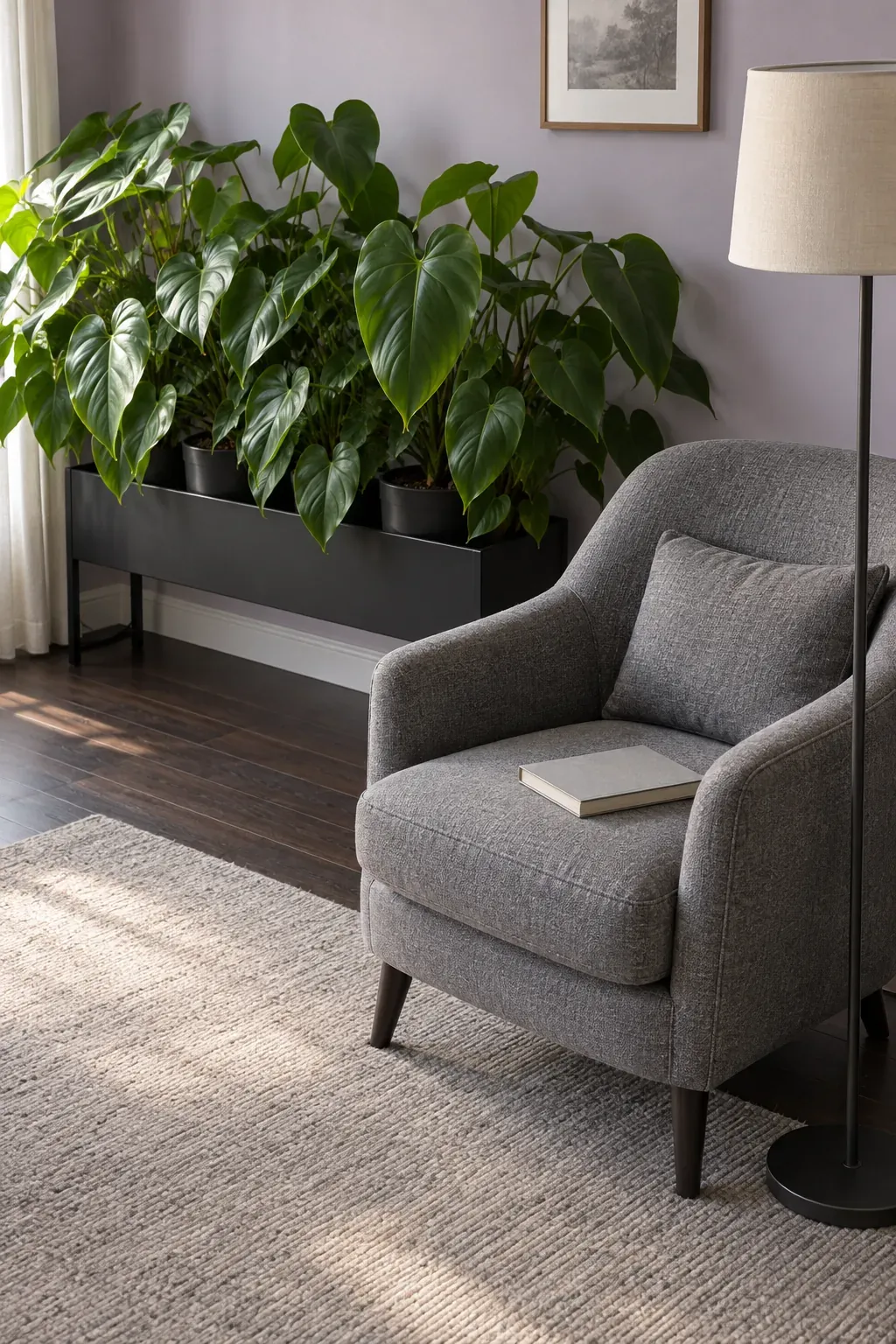
A broad foliage band in a reading corner
A broad band of foliage beside a reading chair can provide a restful focal point without surrounding the seat with leaves. Choose plants that tolerate the corner's measured light and keep their pots accessible from the floor. Position the chair beyond the drainage area and leave room for a reading lamp. Larger leaves create a clear silhouette even when the planting is relatively sparse.
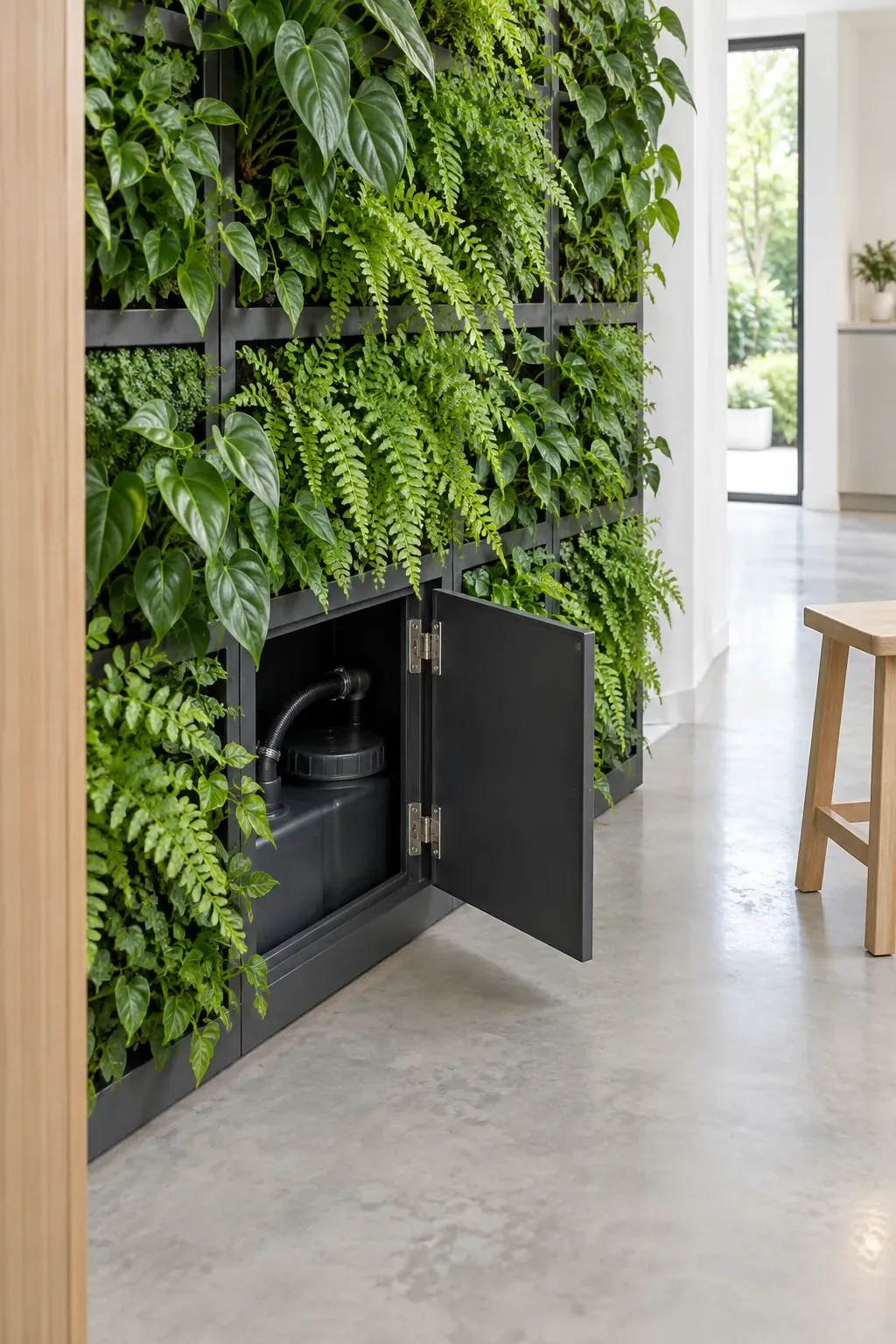
A green wall around a service opening
A practical greenwall interior design can include a deliberate opening for reservoir access rather than hiding every component. Align the access cover with the surrounding modules so the panel still looks orderly. Keep plants clear of hinges, controls, and ventilation slots as they grow. The result is easier to maintain than a dense installation that requires pruning every time equipment needs attention.
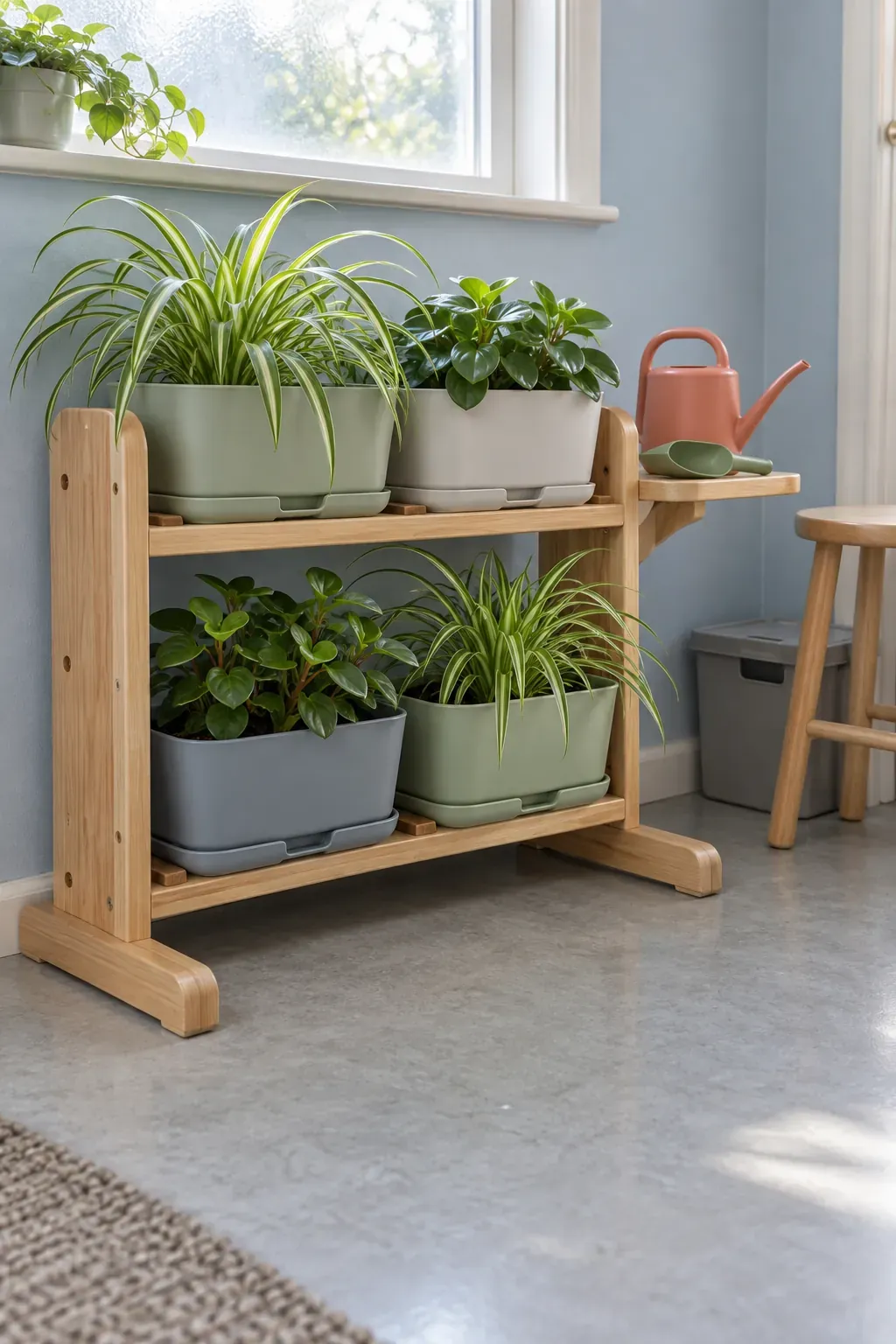
A child reachable growing wall
A low growing wall can make plant care easier for children when stable containers and suitable species are selected. Ask a reliable plant source about toxicity and avoid sharp leaves, loose decorative stones, or other unsuitable materials. Keep watering tools small and collect drainage in trays that an adult can empty. The useful feature is accessible observation, not filling every inch with foliage.
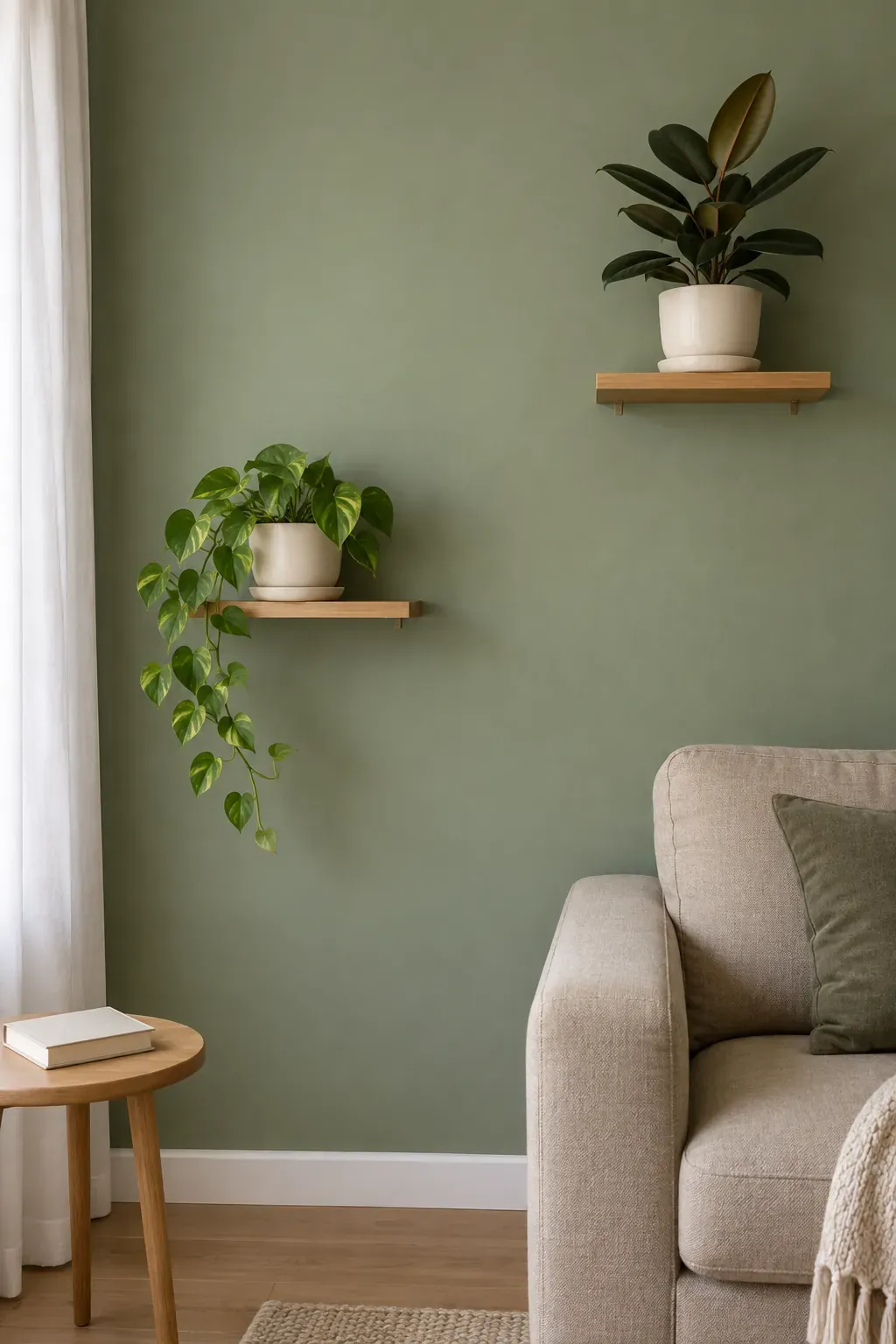
A muted green wall with living accents
Paint can provide most of the green feature wall while a few live plants supply texture. This approach suits someone who likes a lush color story but has limited time for plant care. Match the paint to the room's daylight and place removable pots only where the plants will grow well. Leaving visible painted space also makes the plants easier to inspect and clean around.
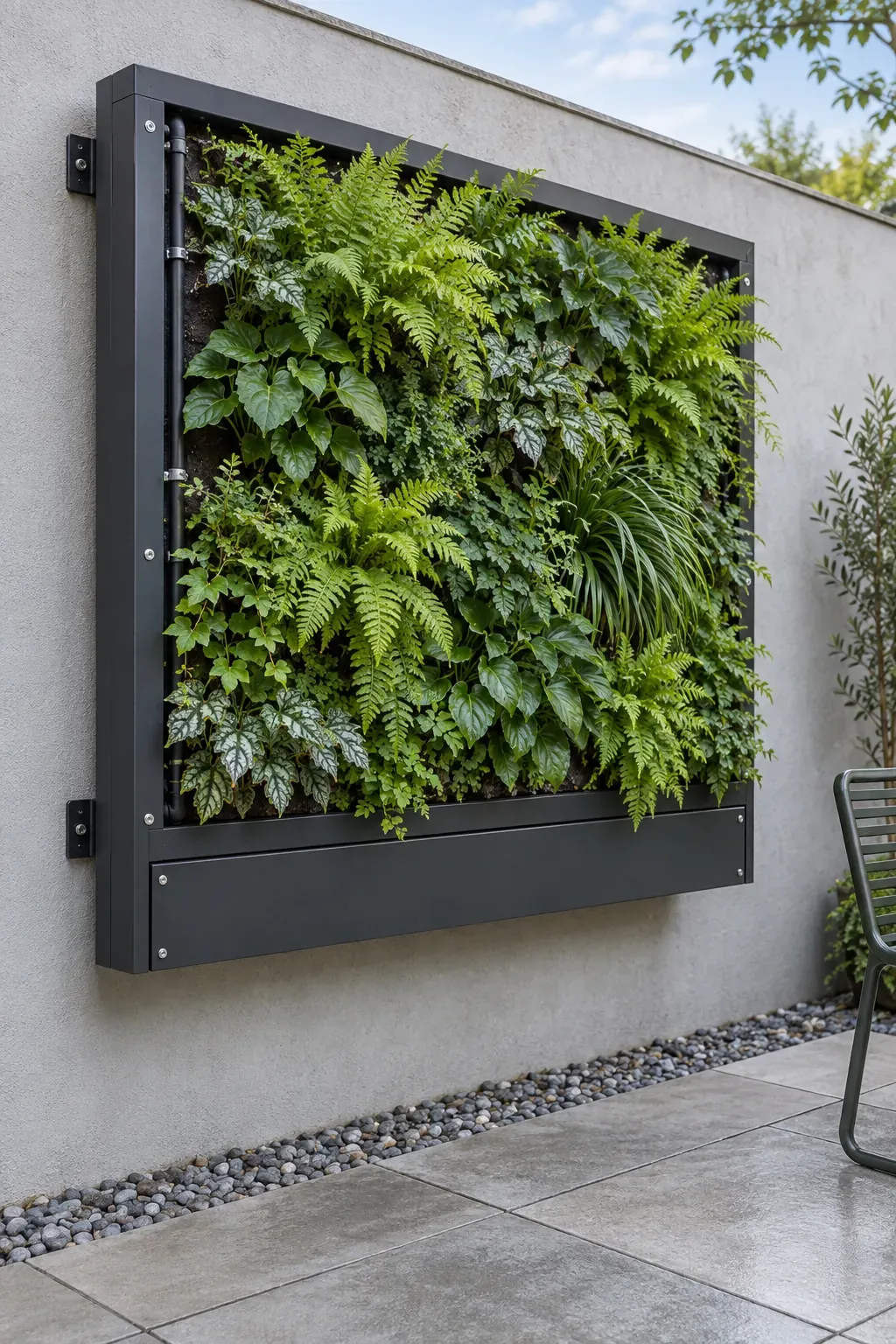
An outdoor panel with a clear inspection edge
A narrow visible border around an outdoor living wall makes its construction look deliberate. Keep that edge clear enough to inspect fixings, irrigation lines, and signs of trapped moisture. Select materials for local weather exposure and confirm that the support can carry the installation when saturated. Dense foliage belongs inside the planned growing area, not across every joint and service point.
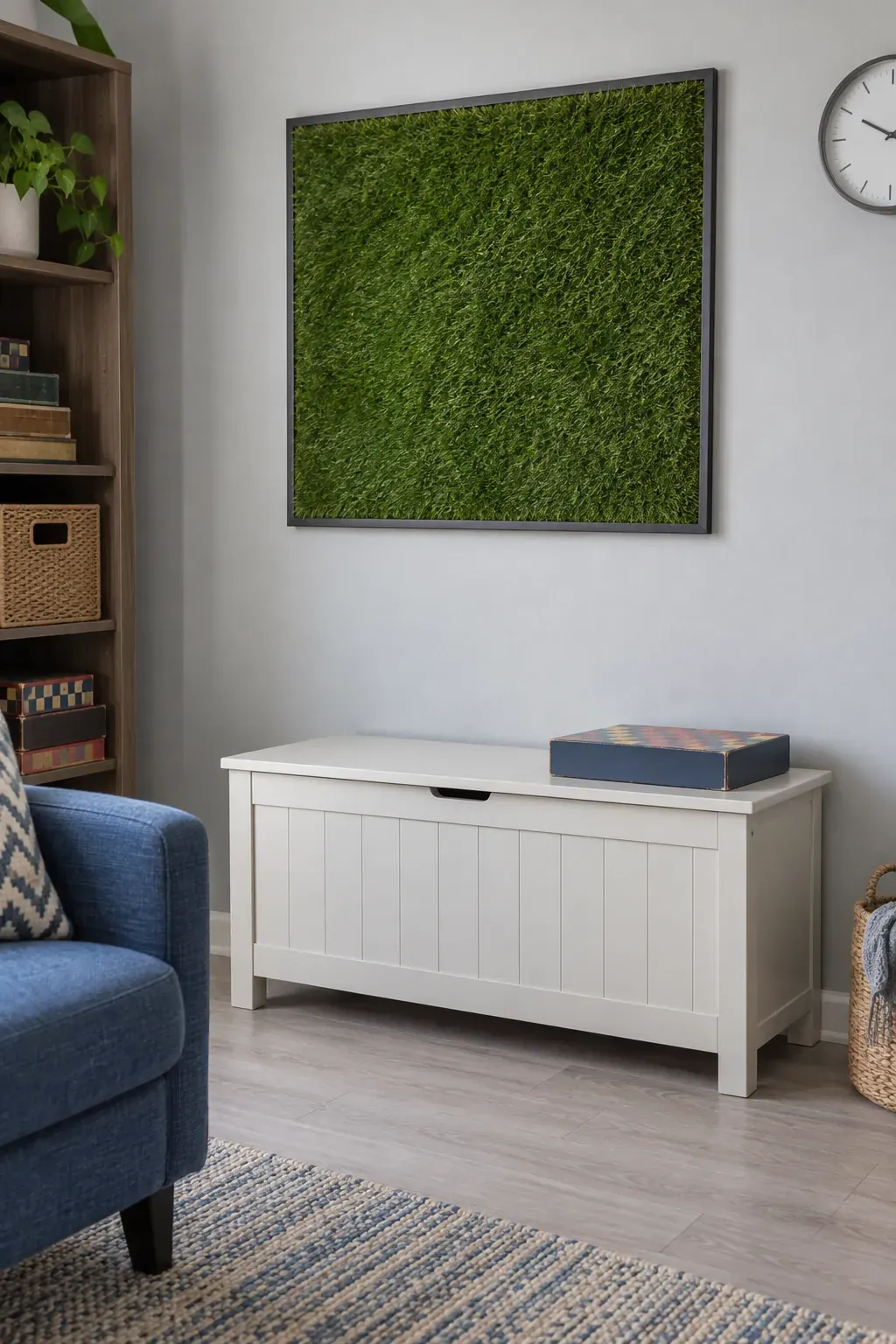
A grass effect panel in a recreation nook
A grass wall design interior scheme can use an artificial turf panel as a small decorative backdrop. Treat it as a finish that needs cleaning, checking the product's indoor suitability and fire rating before installation. Keep it away from cooking areas and heat sources, and avoid claiming that it improves indoor air quality. A restrained panel is usually easier to clean and replace than an entire room covered in synthetic fibers.
A starter wall with room to expand
Begin with a short row of removable pots and observe it through ordinary weeks of watering, work, and travel. Note which positions dry first, whether light reaches the lower leaves, and how easily you can take a pot down. Expand only after the supports, drainage, and care routine have proved manageable. The right green wall is the one you can keep healthy after the first photograph.