
Are you tired of struggling with limited garden space but still want to grow your favorite vegetables? Vertical gardening might just be the solution you need. By growing plants up instead of out, you can maximize your yield, simplify harvesting, and even enhance air circulation, which leads to healthier crops. Plus, it adds a unique visual appeal to your garden.
In this article, we’ll explore 20 of the best vegetables you can grow vertically. Each of these options is not only space-efficient but also rewarding, ensuring that you can enjoy a bountiful harvest of fresh produce, no matter how small your garden. Let’s get started on transforming your gardening experience with these vertical growing tips!
Tomatoes
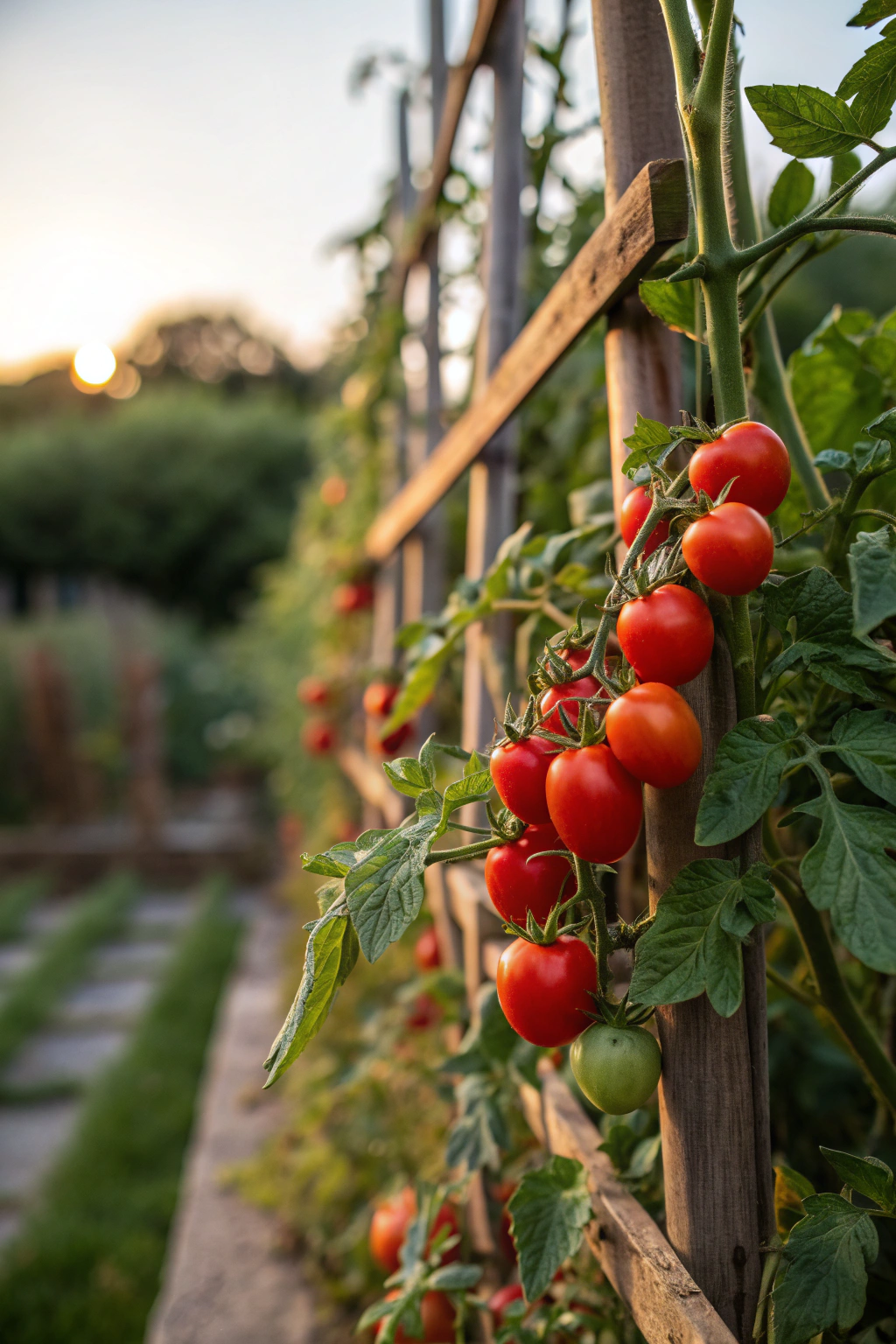
Tomatoes thrive when grown vertically, allowing for better airflow and sunlight exposure. You can support your tomato plants using stakes, cages, or trellises. This not only keeps the fruits off the ground, reducing rot, but also makes it easier to harvest and care for the plants. For best results, choose indeterminate varieties, which continue to grow and produce throughout the season.
Cucumbers
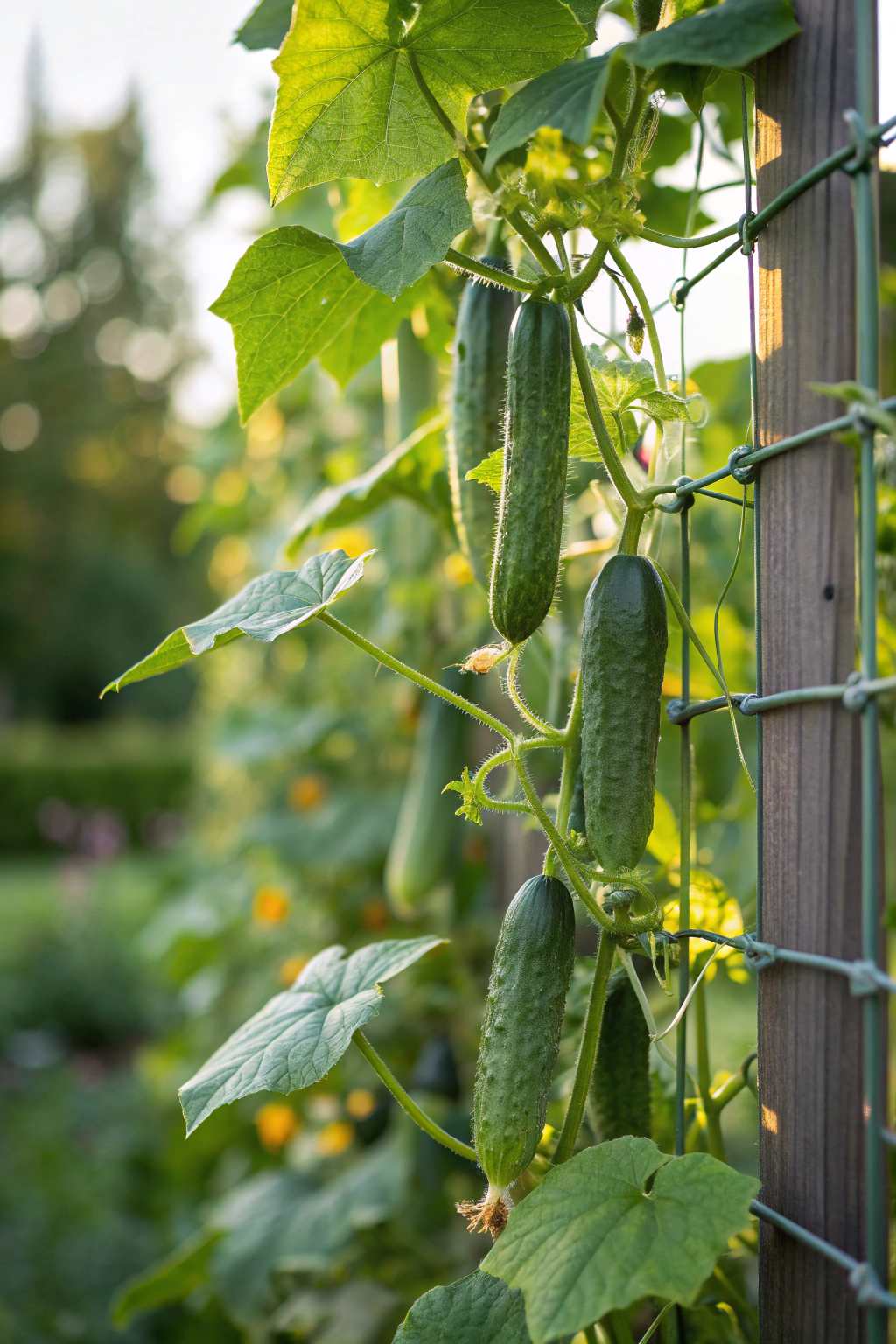
Cucumbers are perfect for vertical gardening. With a sturdy trellis, your cucumber vines can climb up, allowing you to save space and improve air circulation around the plants. This method also helps prevent diseases that can occur when fruits are in contact with the soil. When planting, ensure your trellis is strong enough to support the weight of the growing cucumbers.
Peas
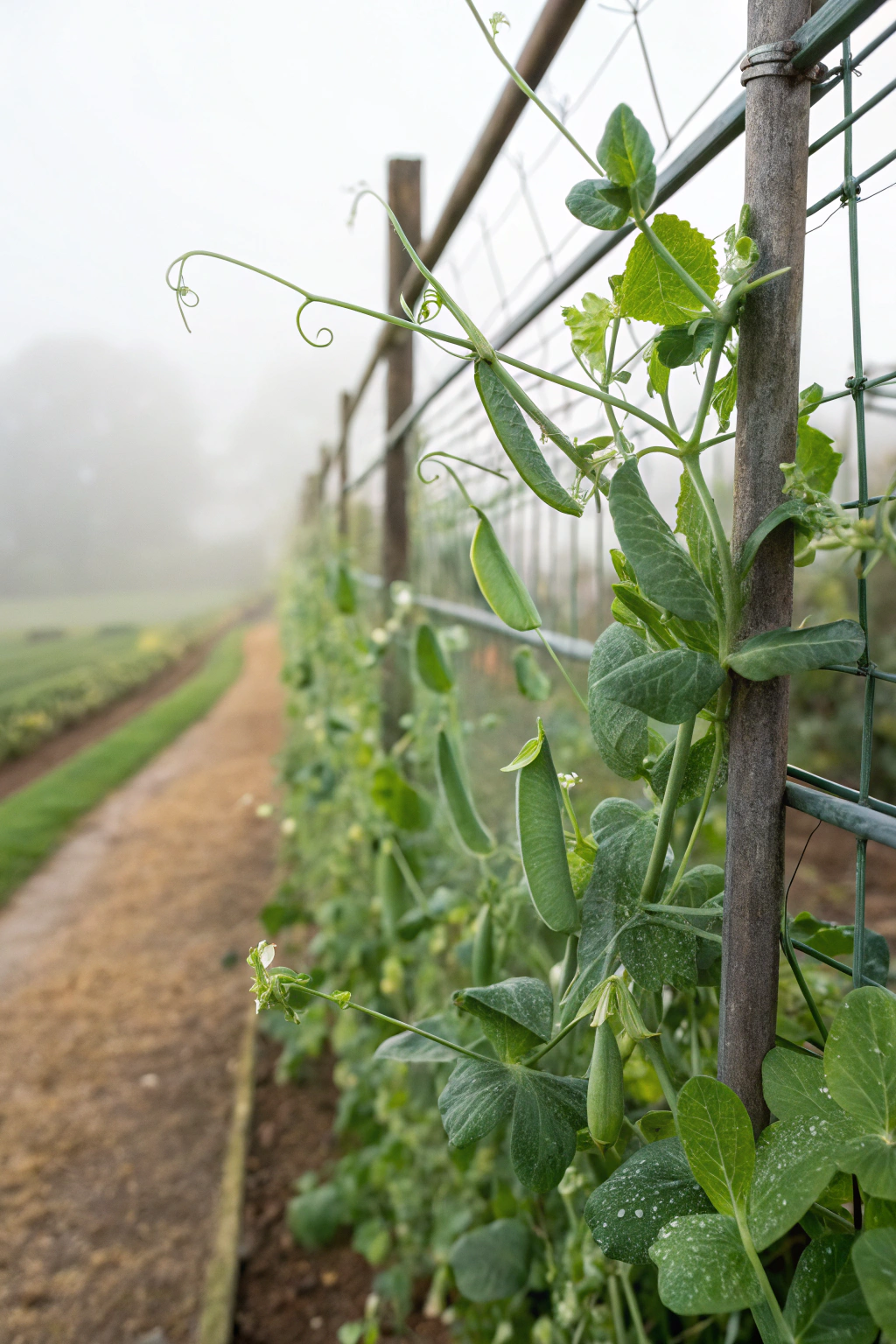
Peas are another excellent choice for vertical gardening. By using a simple trellis or netting, you can help your pea plants climb, saving valuable ground space. This method not only makes harvesting easier but also allows for better air circulation, reducing the risk of mildew. Plant your peas early in the season for a delightful spring harvest.
Pole Beans
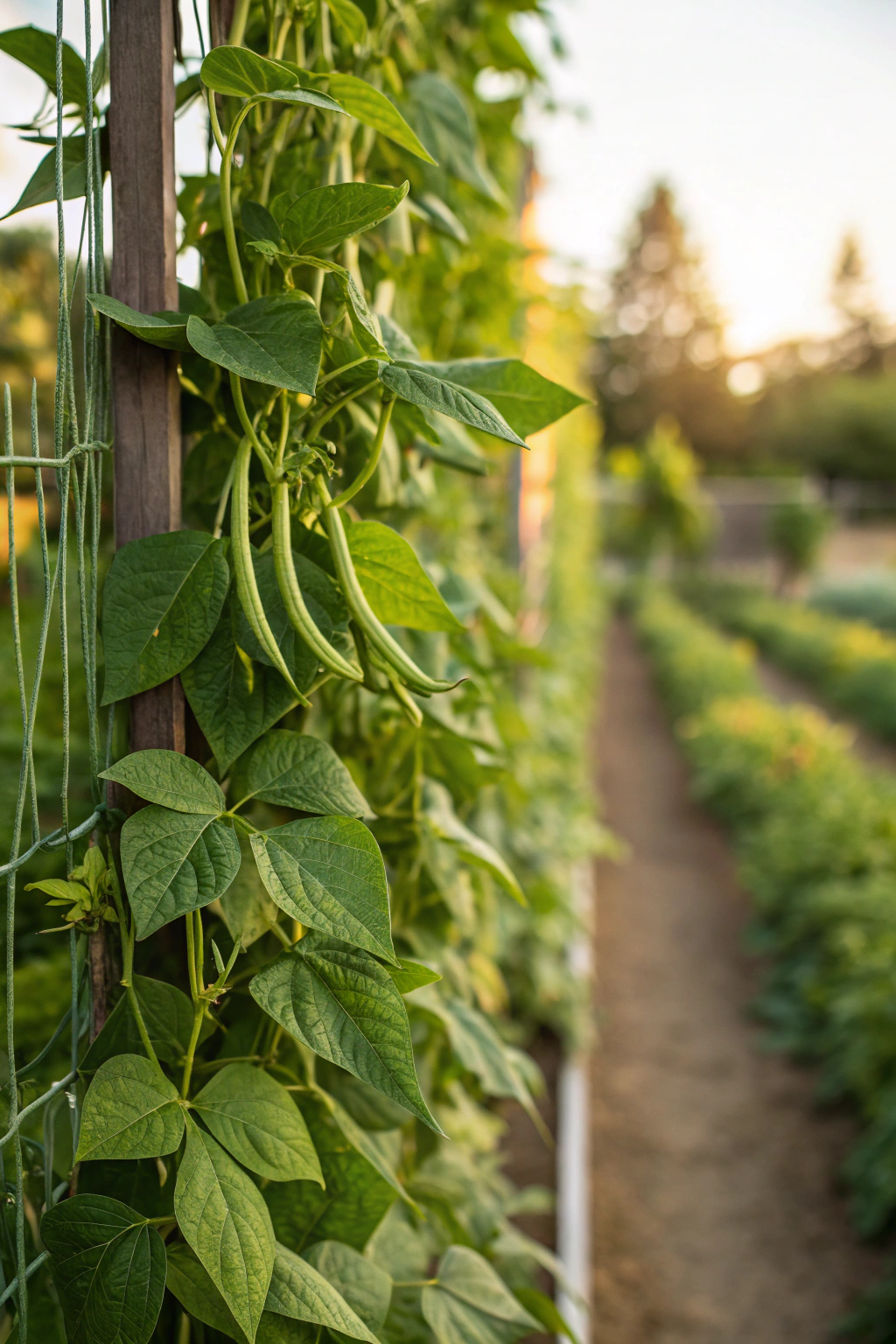
Pole beans grow rapidly and can reach impressive heights when given the right support. A simple pole or trellis allows these plants to climb, resulting in quicker growth and higher yields. The vertical space not only maximizes your garden area but also keeps the beans clean and off the ground, lessening pest issues. Try varieties like Kentucky Wonder or Blue Lake for a productive crop.
Squash
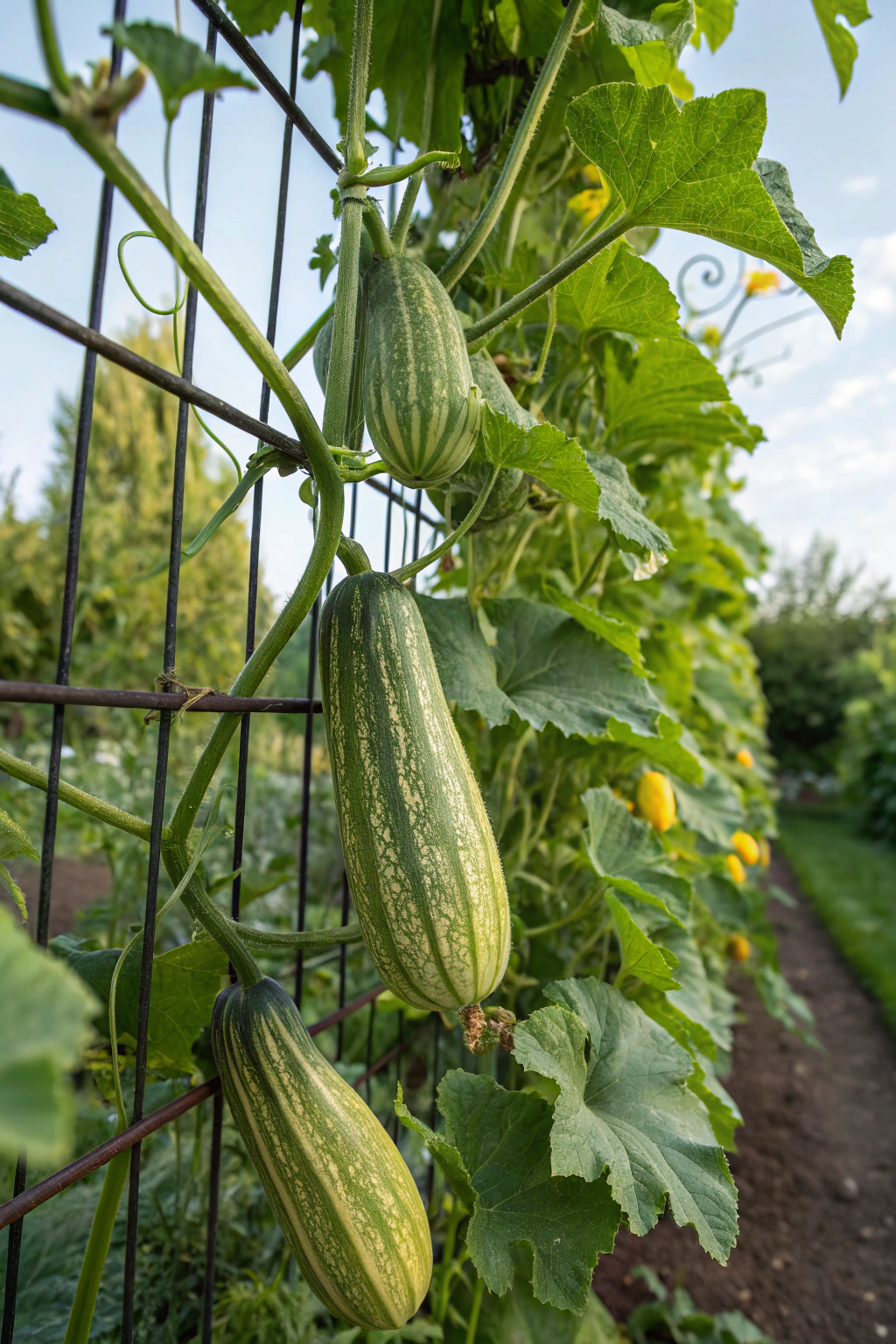
Growing squash vertically can help manage space and reduce pest problems. Trellising your squash keeps the fruits off the ground, preventing rot and allowing for better airflow. Choose varieties like summer squash or pattypan squash that are well-suited for climbing. Make sure your trellis is sturdy enough to support the weight of the developing squash.
Zucchini
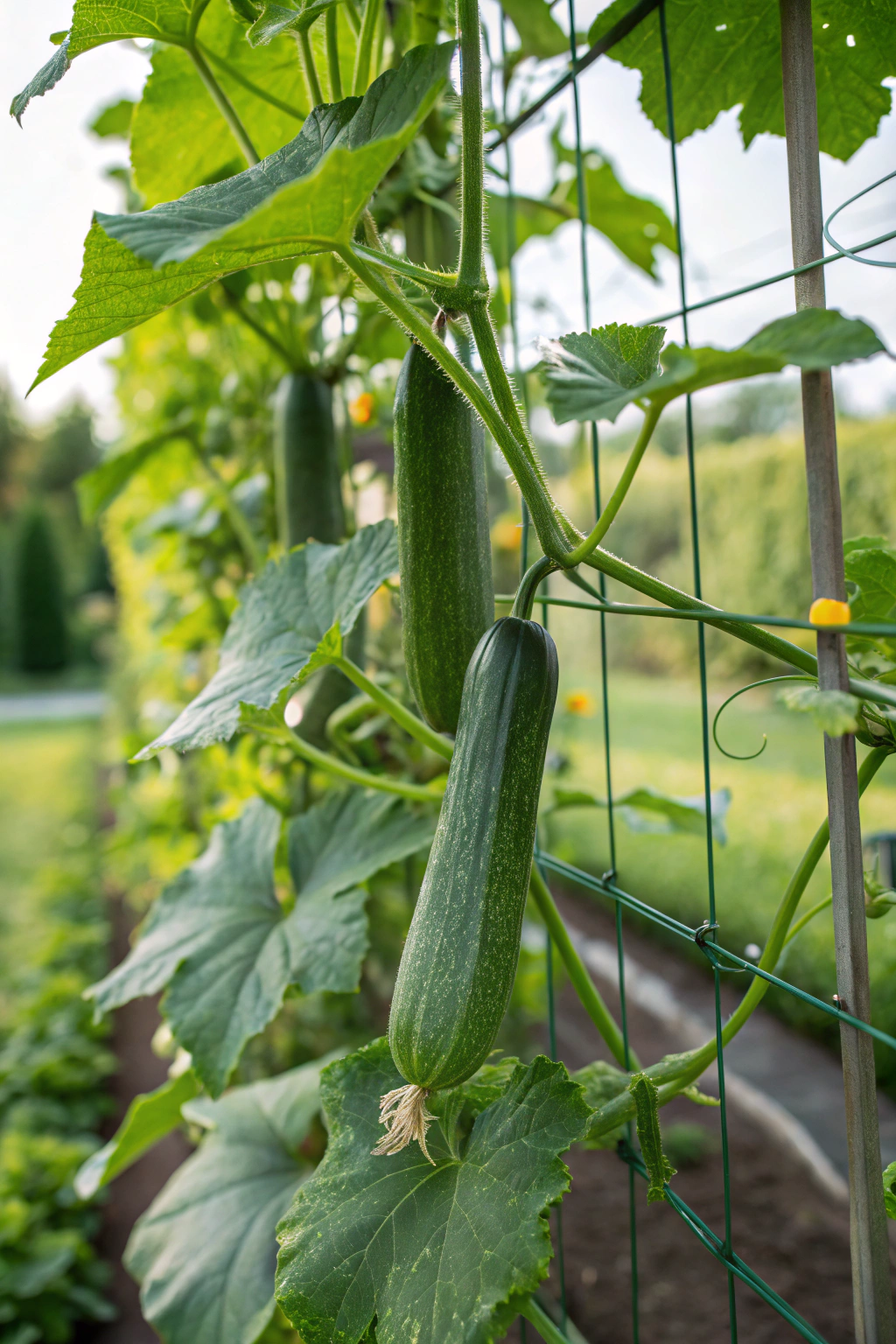
Zucchini can also be grown vertically, which helps to keep the fruits off the ground and improves air circulation. Using a trellis or cage, you can support the zucchini plants as they grow. This method not only saves space but also makes it easier to spot and harvest your zucchinis. Look for compact varieties that are ideal for vertical growth.
Melons
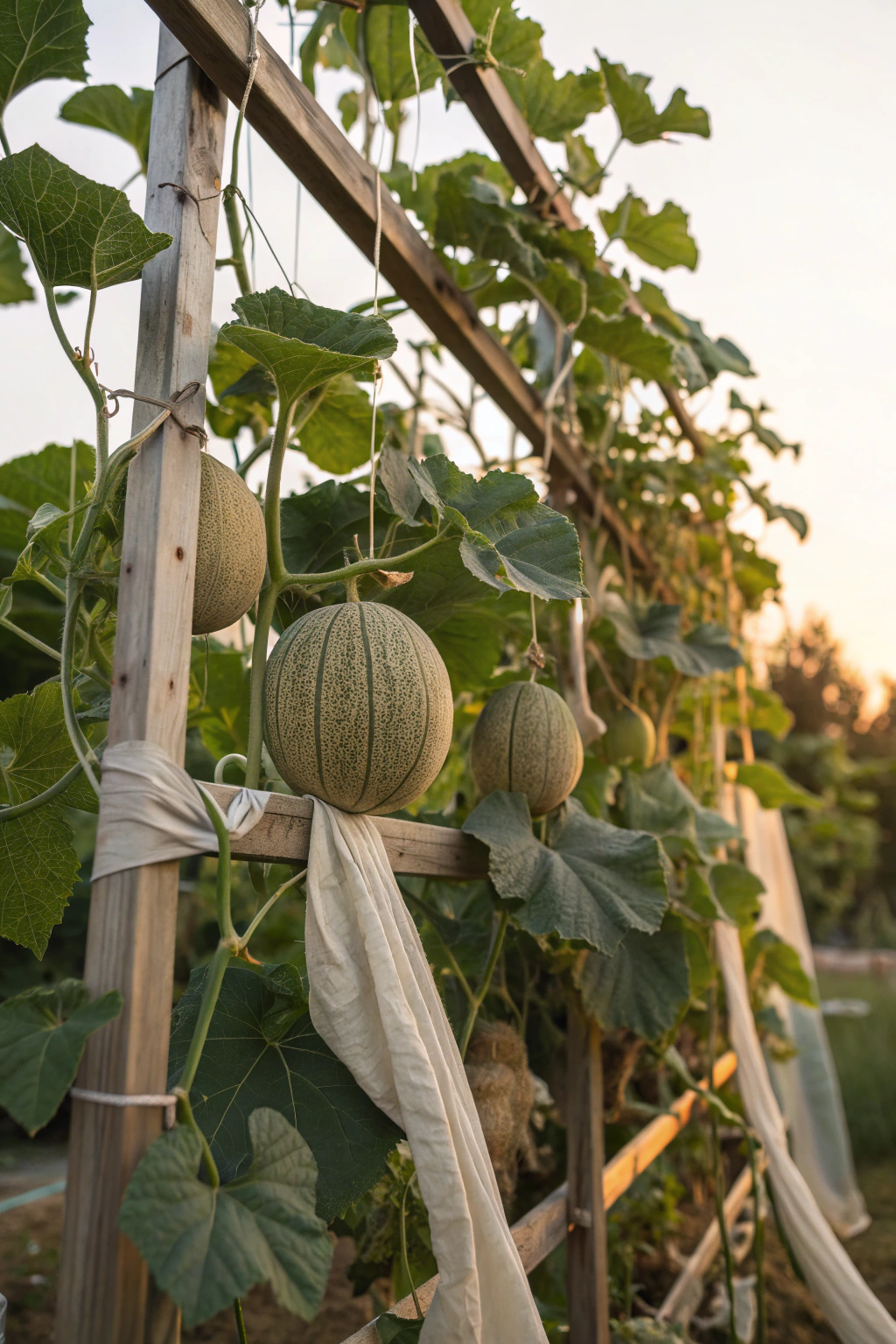
Growing melons like watermelons and cantaloupes vertically can be a game changer. With proper support, melons can climb and benefit from improved light exposure, leading to sweeter fruits. Use slings made from fabric or old t-shirts to support the developing melons on the trellis. This technique not only saves space but also prevents the melons from rotting on the ground.
Sweet Peppers
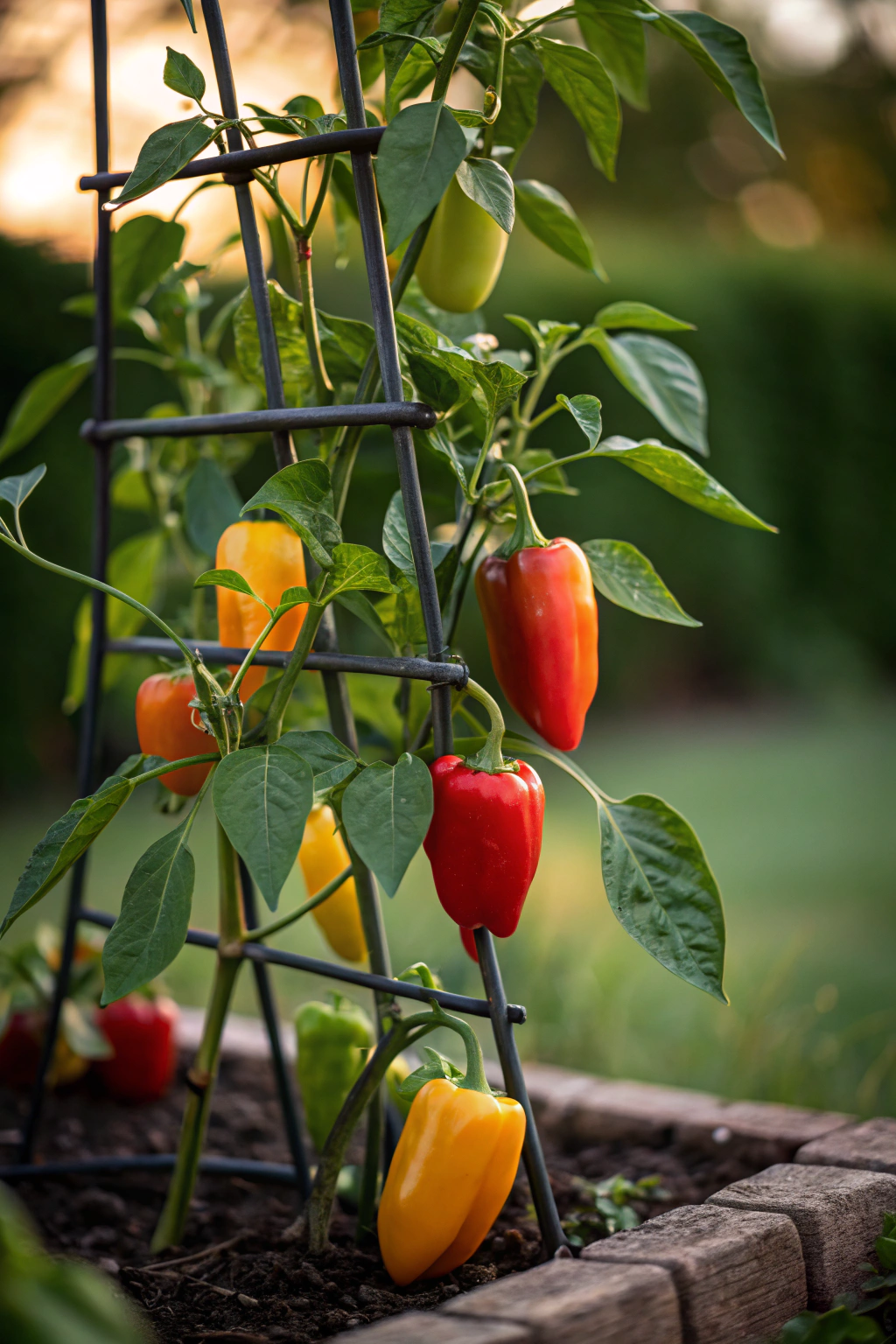
Sweet peppers can benefit from vertical gardening as well. By using a small trellis or stakes, you can help the plants grow upright, which enhances sun exposure and air circulation. This method keeps the peppers off the ground, reducing the risk of pests and diseases. Try to choose compact varieties for the best results in a vertical setup.
Eggplants
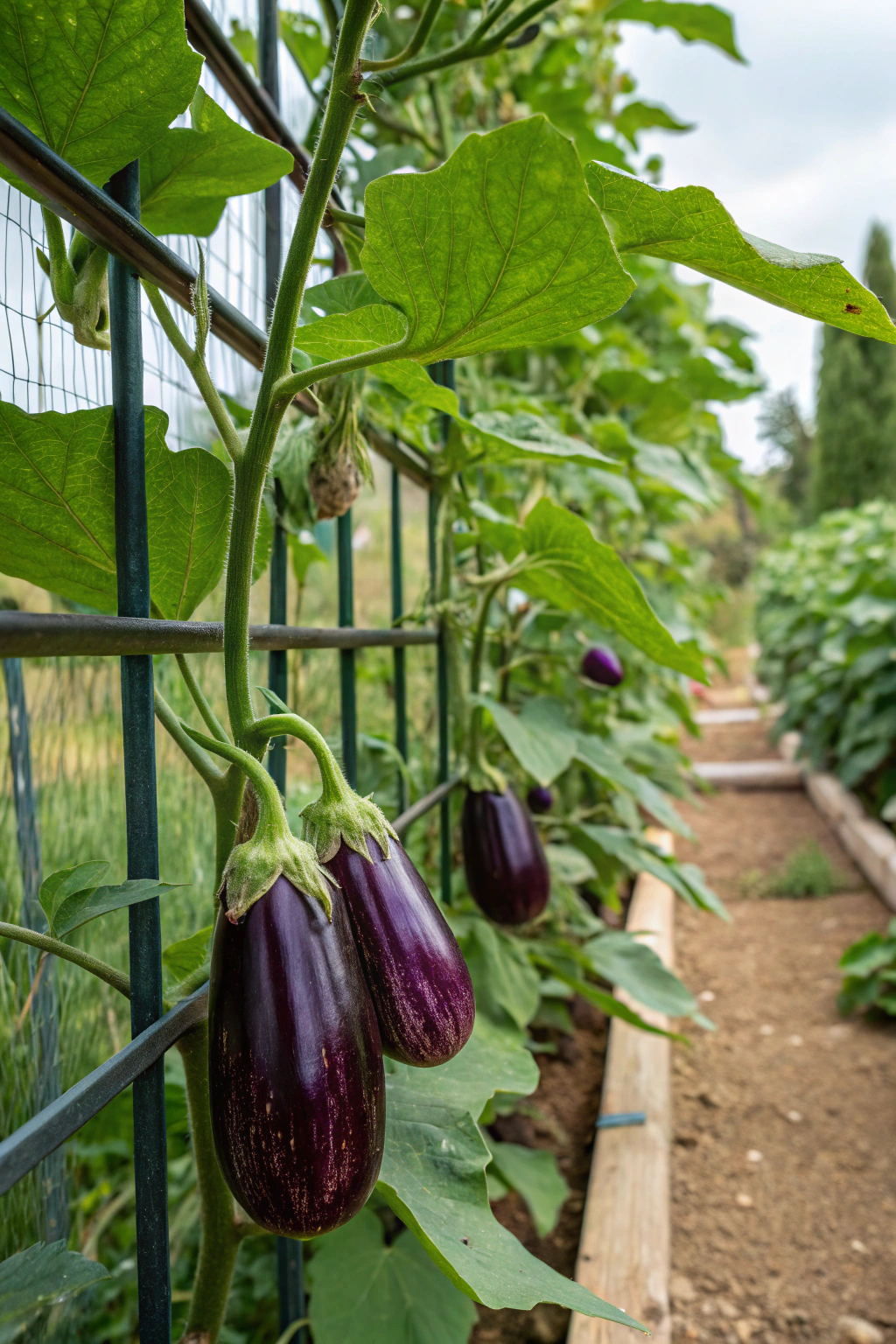
Eggplants can also be grown vertically to encourage healthier growth. Supporting them with a trellis not only helps in managing space but also improves air circulation around the plants. This support structure keeps the fruits off the ground, which can lead to fewer pest problems. Look for sturdy varieties that can handle the vertical growth.
Strawberries
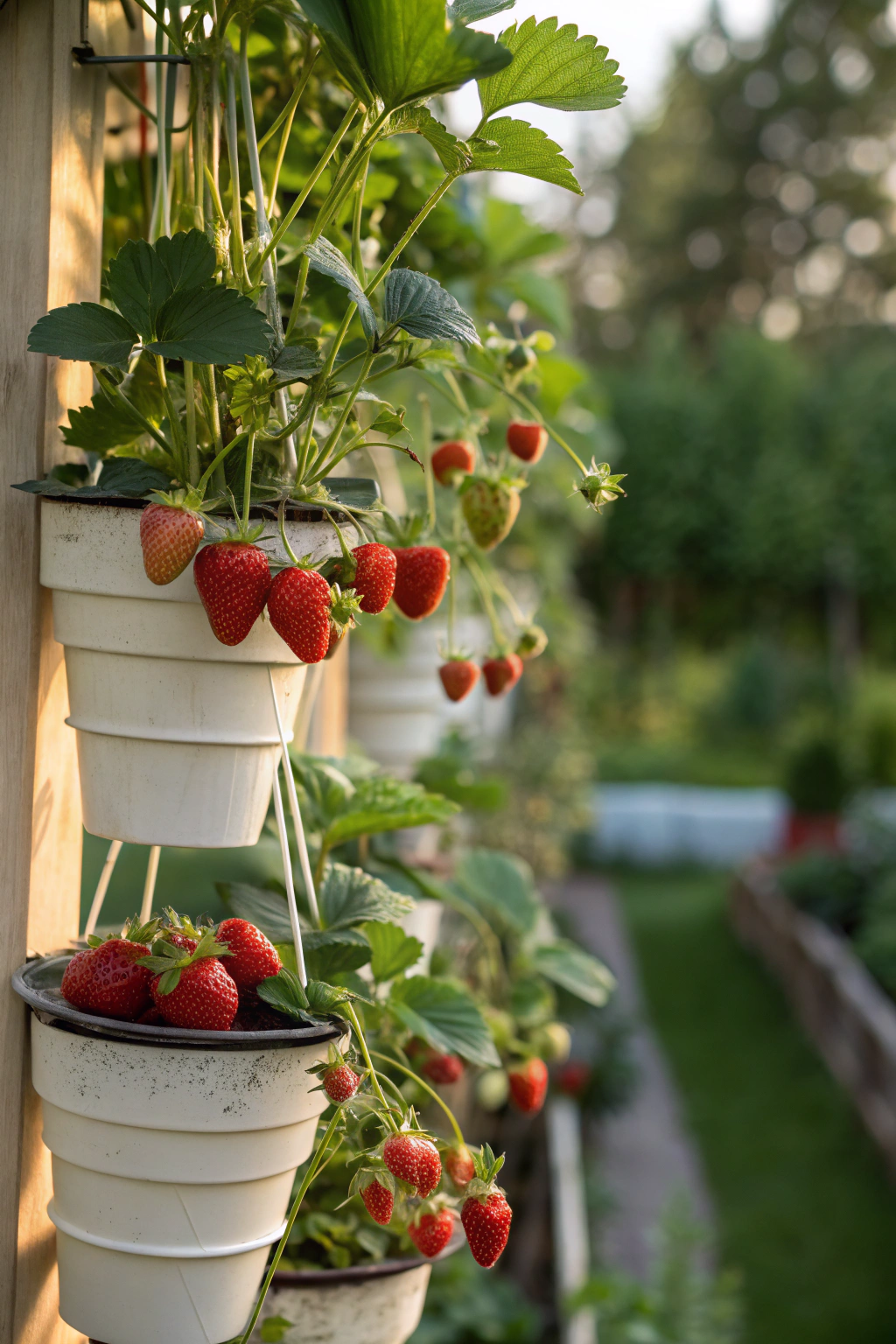
Strawberries are a delightful addition to any vertical garden. You can grow them in hanging planters or vertical towers, maximizing space while producing sweet fruits. This method also keeps the strawberries clean and reduces pest exposure. Ensure you choose ever-bearing varieties for a continuous harvest throughout the growing season.
Chayote
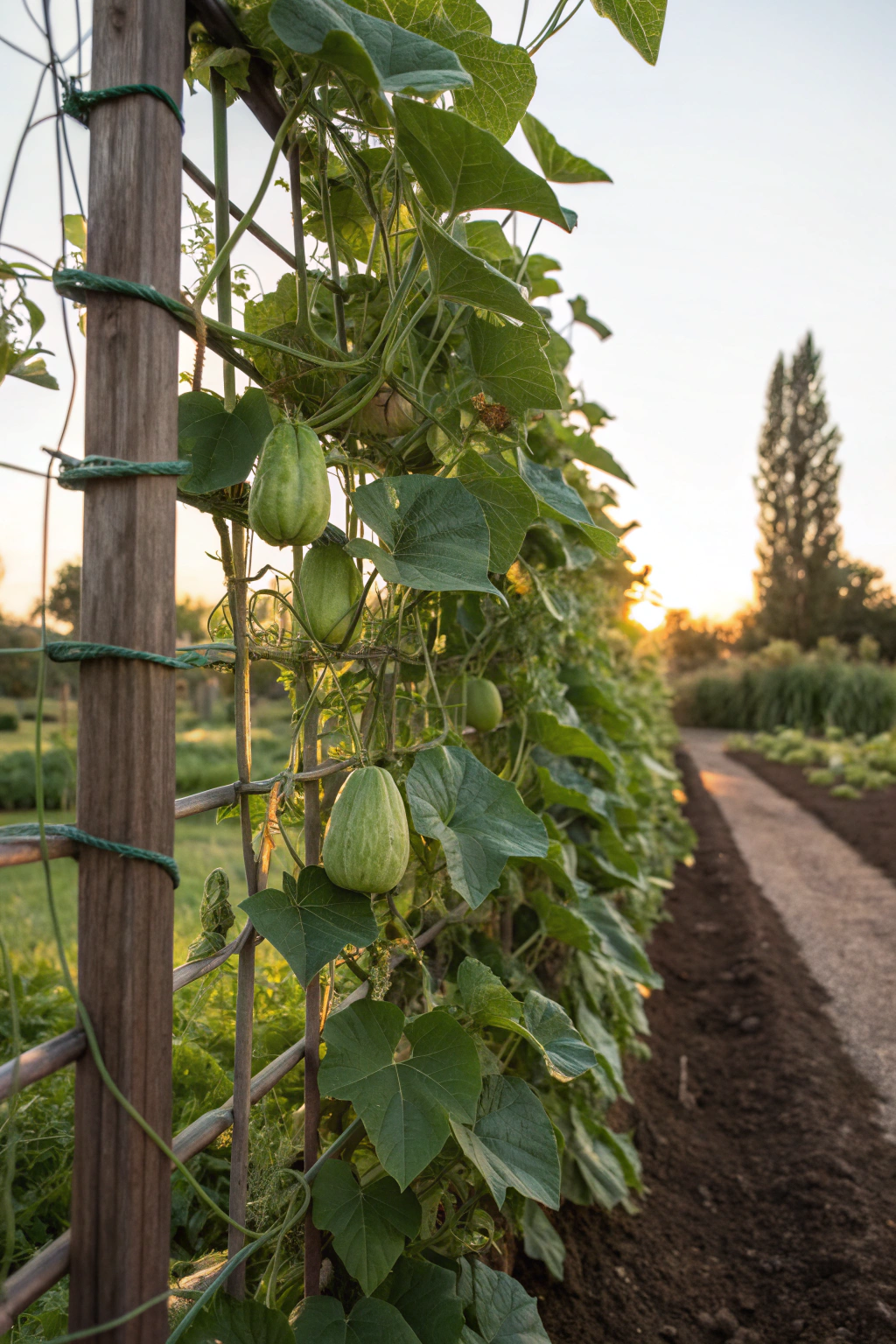
Chayote is a versatile fruit that thrives when grown vertically. Using a strong trellis, you can allow this climbing plant to reach new heights, maximizing space in your garden. Chayote grows rapidly and produces fruit quickly, making it a great choice for vertical gardening. Just ensure the trellis is sturdy enough to support the weight of the fruits.
Grapes
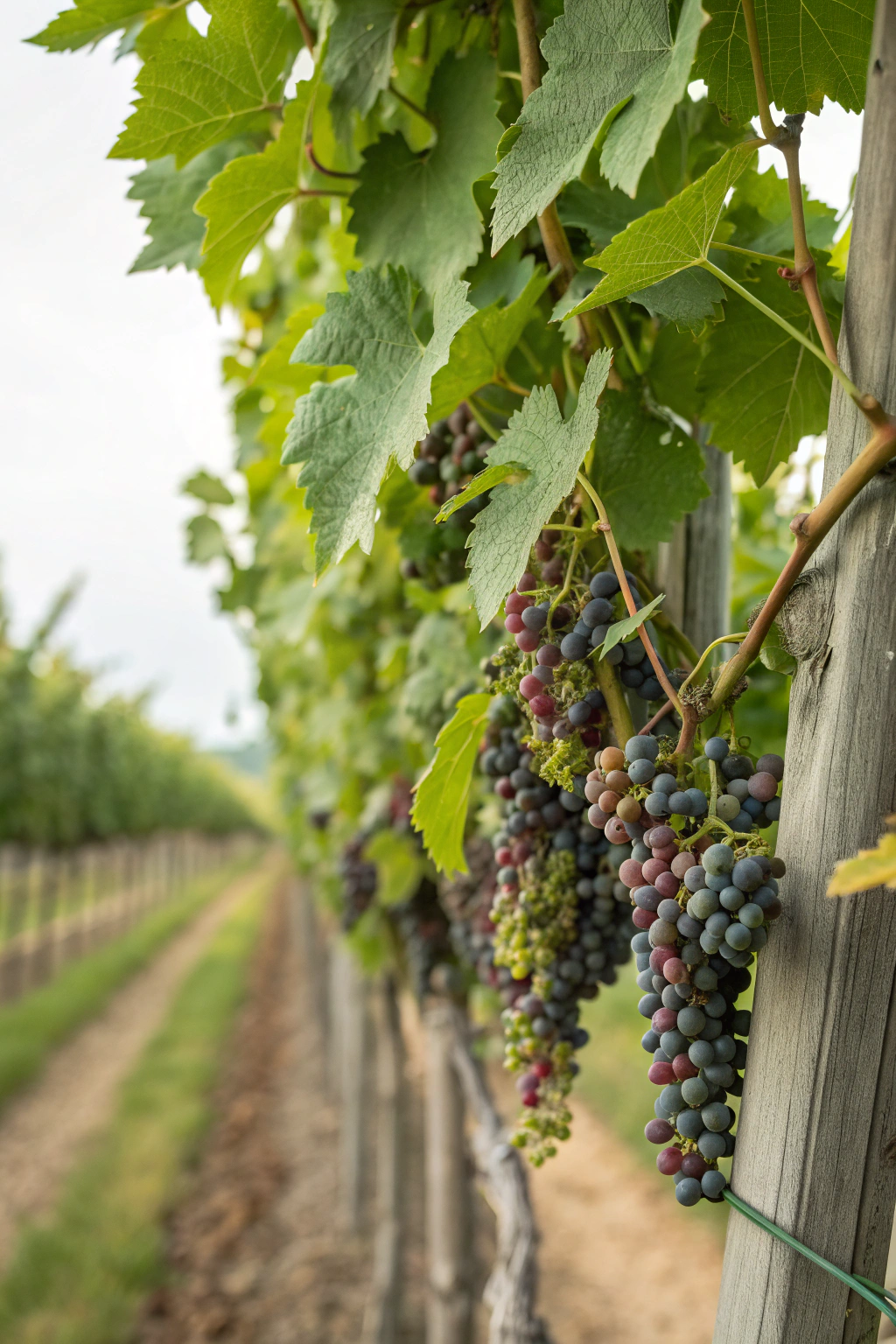
Grapes are perfect for vertical gardening. With proper trellising, you can ensure that your grapevines receive ample sunlight and air circulation. This method not only maximizes your garden space but also results in healthier grapes. Train your vines to climb and be sure to prune regularly for the best yield.
Kiwis
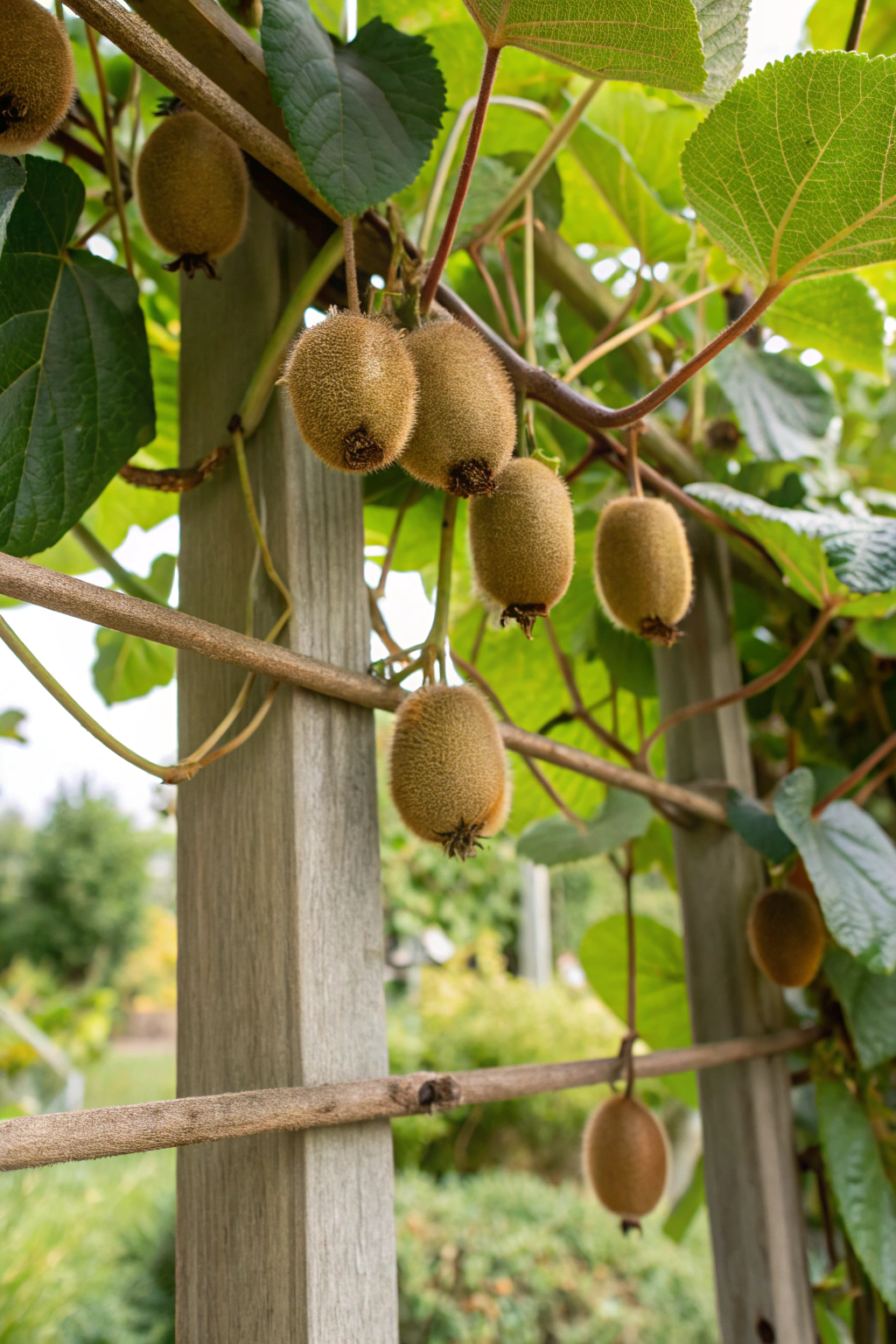
Kiwis can be grown vertically for easy access and improved fruit quality. Using a sturdy trellis, you can support the vigorous vines as they grow. This method enhances air circulation and sunlight exposure, leading to healthier plants and sweeter fruits. Just make sure to select hardy kiwi varieties that are suited for your climate.
Nasturtiums

Nasturtiums are not only beautiful but also edible. They can thrive in a vertical garden, offering vibrant colors and delicious peppery leaves and flowers. By supporting nasturtiums with a trellis, you can maximize vertical space while attracting beneficial pollinators to your garden. Plus, they can help deter pests from other plants.
Blackberries
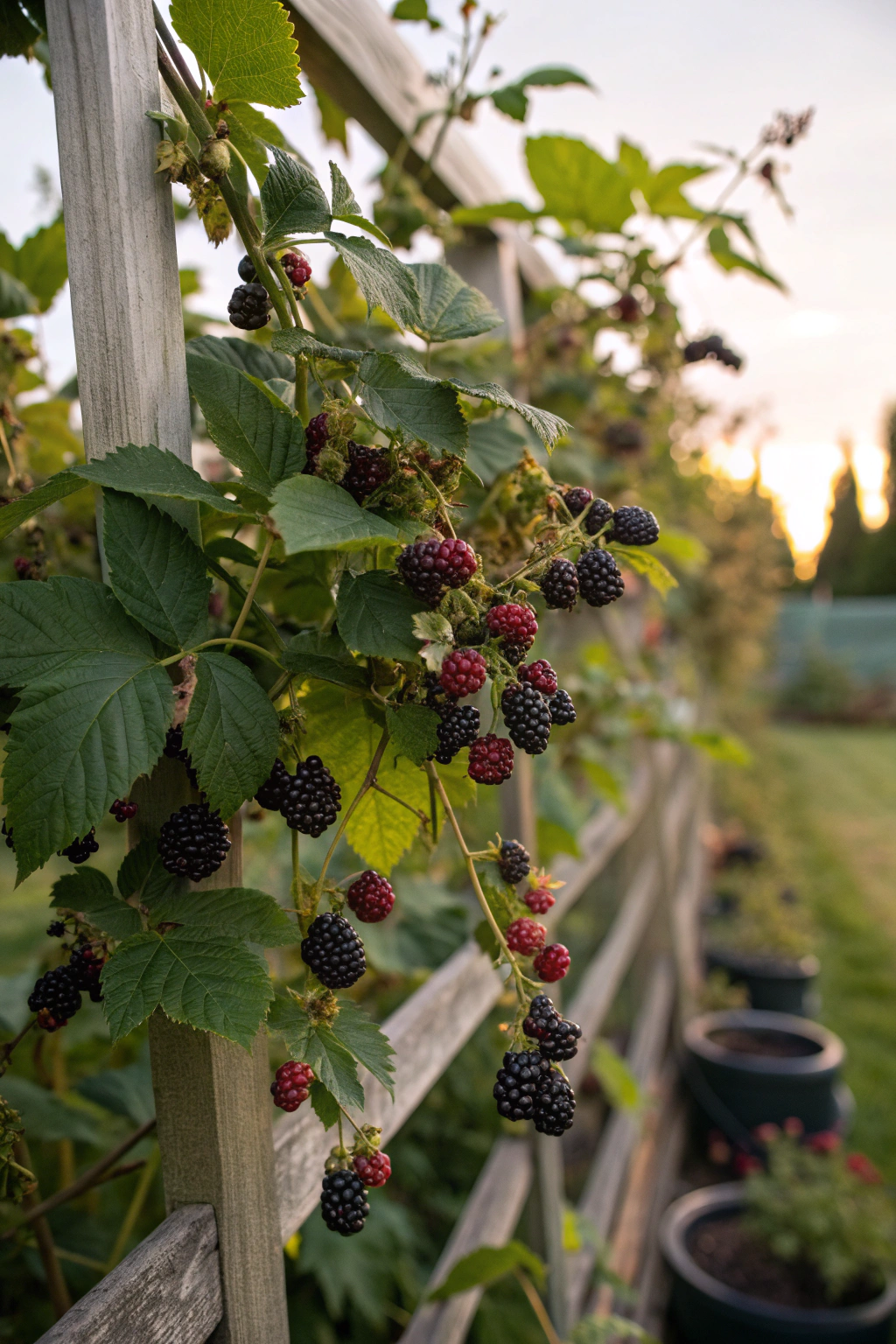
Blackberries are ideal for vertical growing. By using trellises or wires, you can keep the canes upright, making harvesting easier and reducing the risk of rot. Vertical gardening allows for better air circulation around the berries, promoting healthier plants. Look for thornless varieties for a more pleasant harvesting experience.
Raspberries
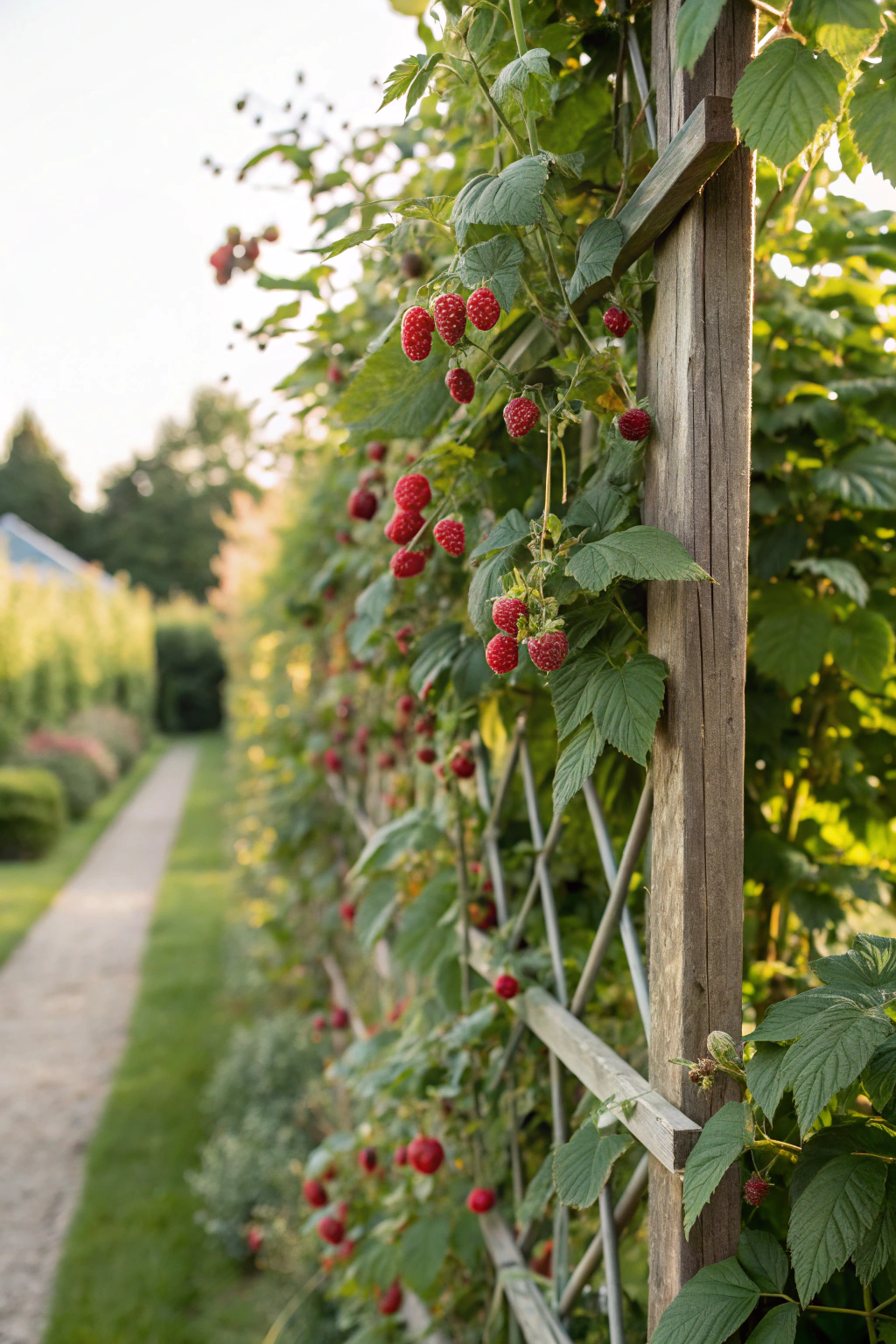
Raspberries flourish when grown vertically. Similar to blackberries, using a trellis helps keep the canes upright, allowing for better air flow and easier harvesting. With proper support, your raspberry plants will produce abundant fruit while taking up less ground space. Consider varieties like Heritage or Fall Gold for continuous crops.
Spinach
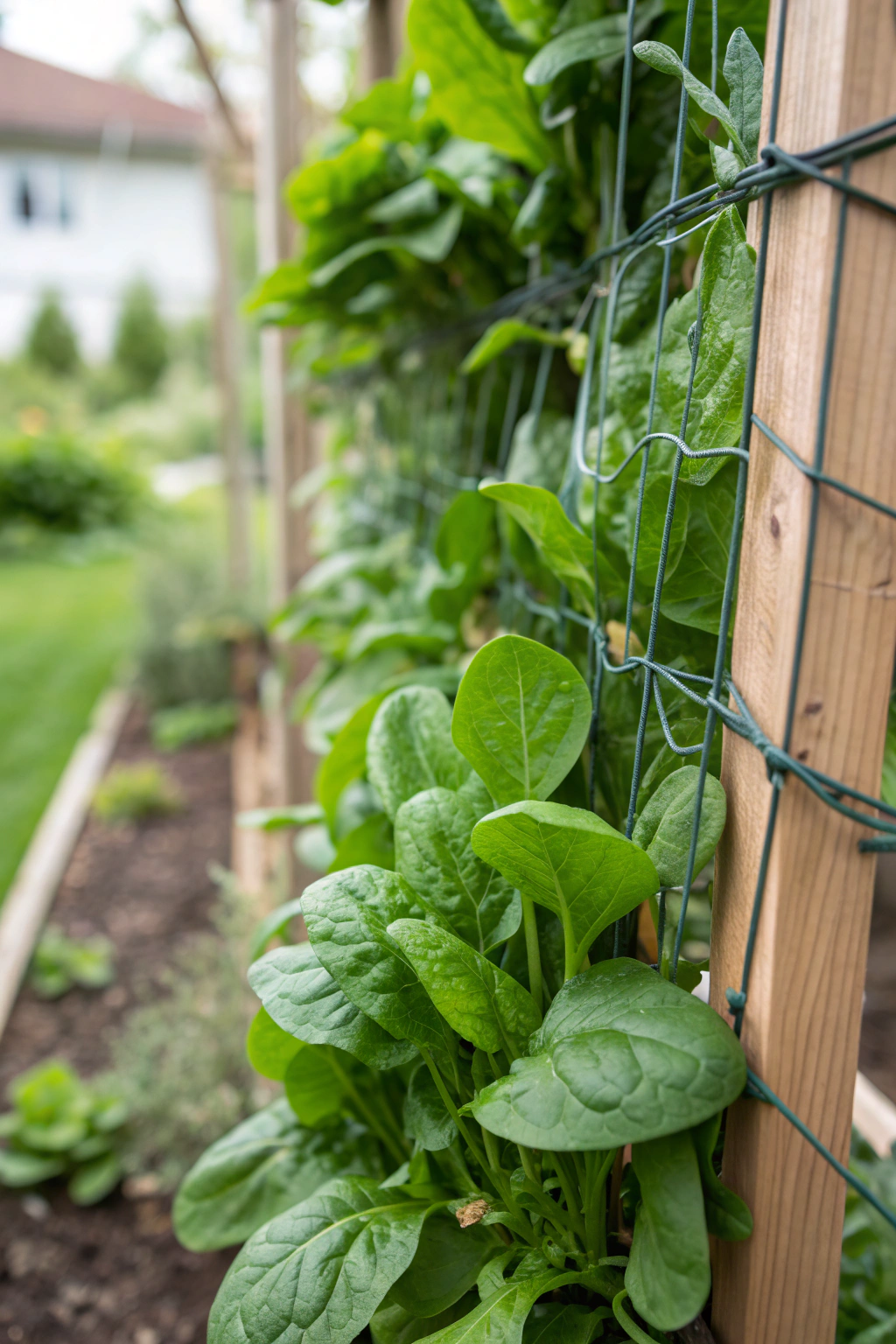
Spinach can be grown vertically using netting or trellises, which allows for efficient use of space. This method keeps the spinach off the ground, reducing pest issues and making harvesting easier. Plant spinach in succession for continuous growth, and consider using a vertical structure that can support the weight of the foliage.
Lettuce
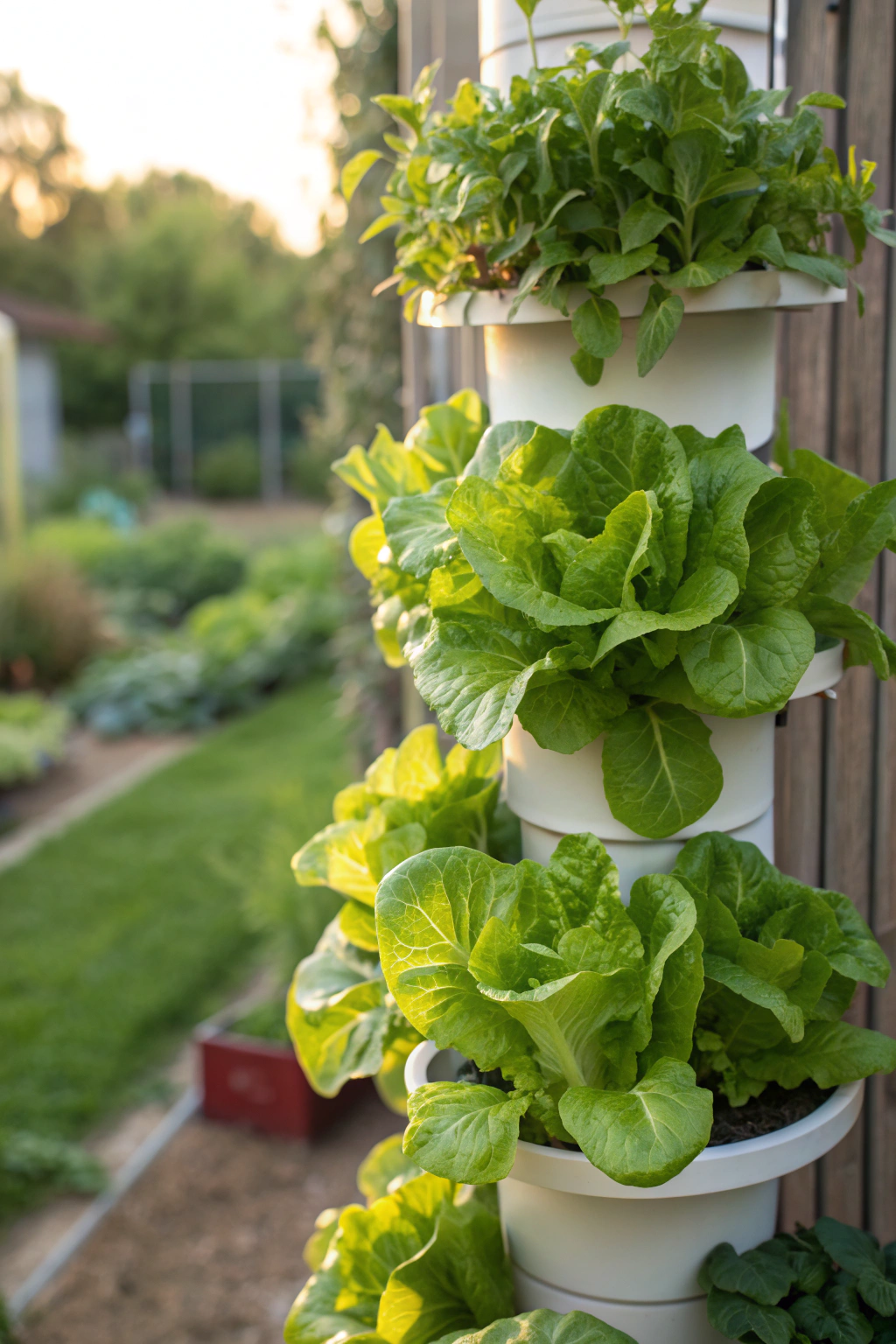
Growing lettuce vertically can lead to quicker harvests. Use a vertical planter or trellis to support your lettuce plants, promoting better air circulation and sun exposure. This method not only saves space but also keeps your greens clean and reduces pest problems. Aim for fast-growing varieties for the best results.
Radishes
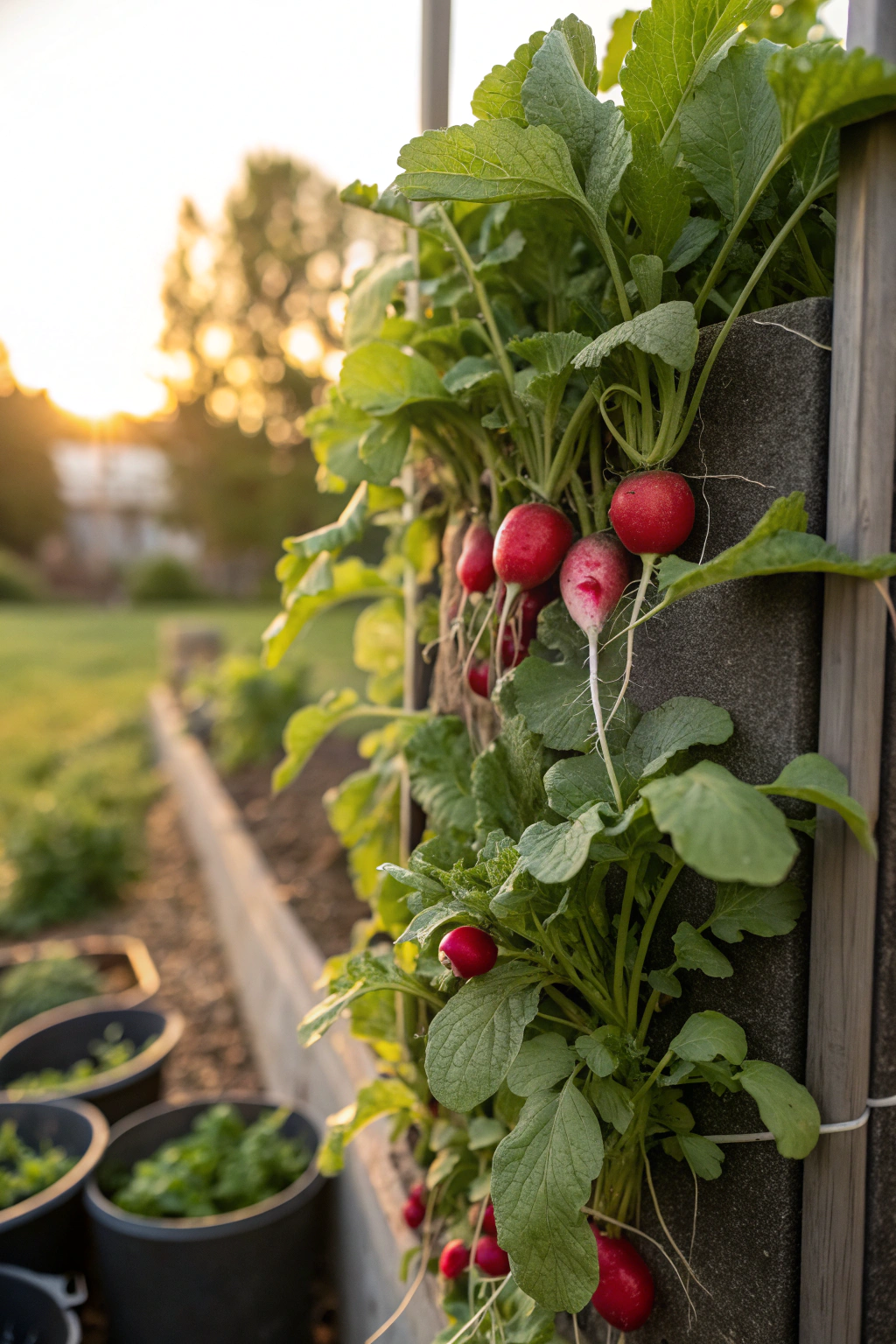
Radishes can be efficiently grown in a vertical garden, allowing for easy access and better pest control. By using vertical planters or trellises, you can maximize your growing area while ensuring the radishes are kept clean. Regularly check for moisture and provide adequate spacing for optimal growth.
Bitter Melon
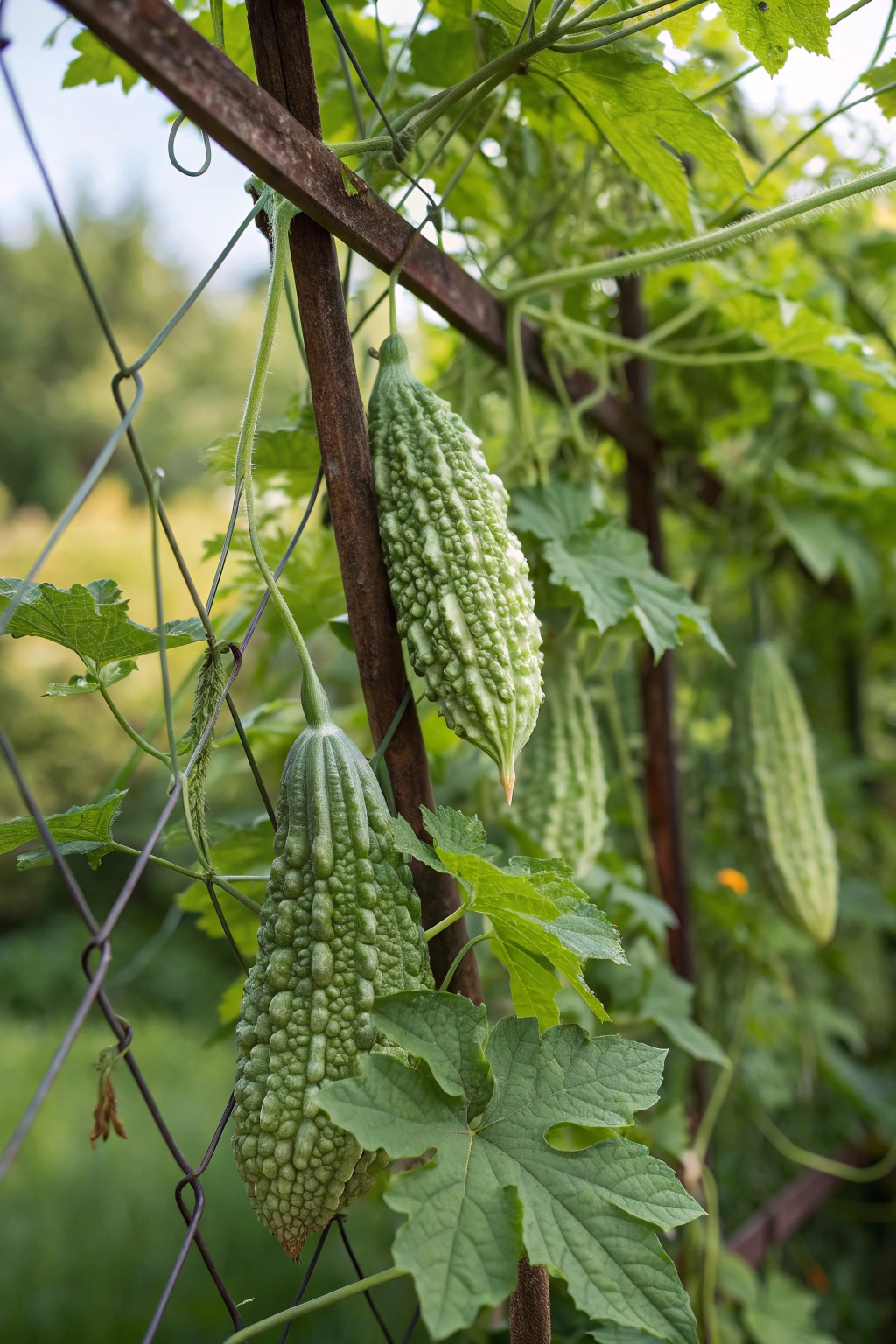
Bitter melons thrive in vertical gardens where they can climb and spread. This method allows for better light access and healthier plants. Use a supportive trellis to help the vines reach upwards, ensuring that the fruits develop properly. With adequate care, you can enjoy a unique addition to your vegetable garden.
Fava Beans
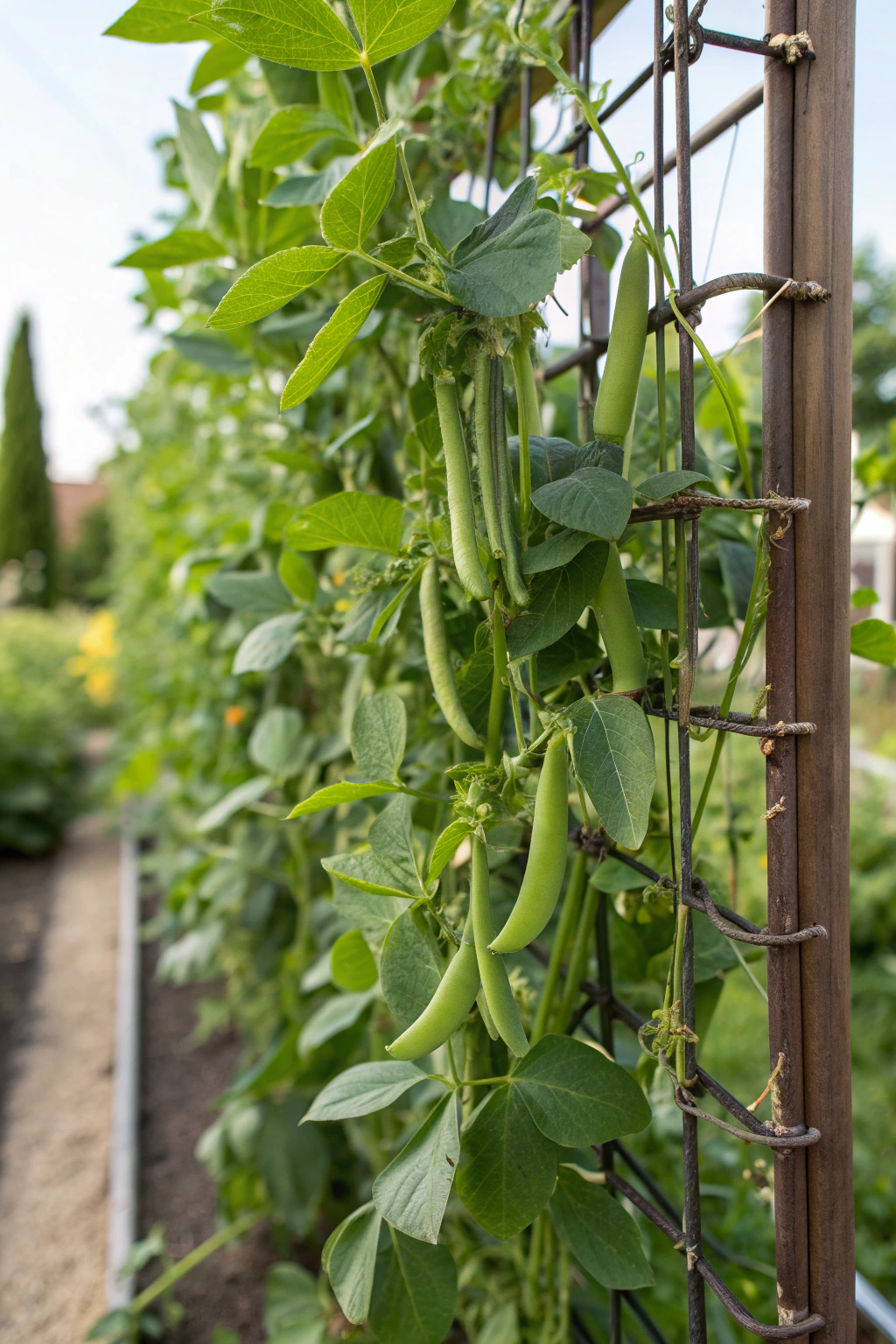
Fava beans are well-suited for vertical gardening. By using a trellis, you can maximize your growing space while encouraging healthy growth. This method allows for better air circulation and makes harvesting easier. Plant fava beans early in the season and watch them climb to great heights, producing delicious pods.