
Most pet owners don’t realize that common backyard plants like lilies, azaleas, and sago palms can be toxic to their furry friends. It is stressful to watch your dog or cat sniff around a flower bed when you aren’t sure if the greenery is safe for them. You want a beautiful outdoor space, but keeping your animals out of the vet’s office is the top priority.
This guide helps you build a pet garden that looks great and stays safe. We have gathered 20 varieties that thrive in a pet friendly yard, ranging from colorful blooms to edible herbs. These dog friendly garden ideas will help you design a space where your pets can roam, sniff, and play without any worry.
Sun-Loving African Daisies for Colorful Borders
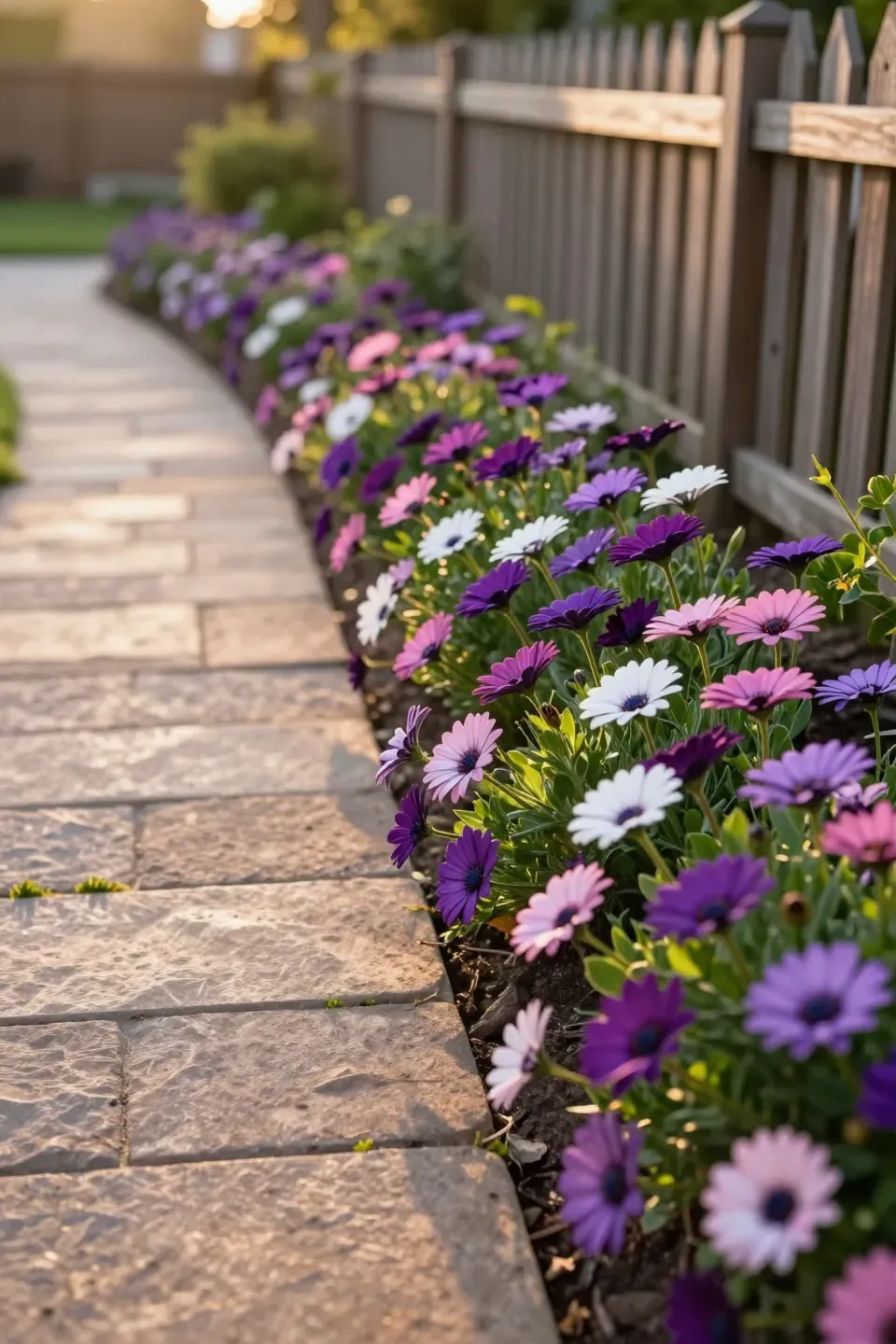
African Daisies bring a burst of purple, pink, and white to your garden beds. These flowers love the sun and stay relatively low to the ground, making them great for bordering walkways. Because they are non toxic plants for cats and dogs, you can plant them right where your pets like to patrol the fence line.
To keep these plants blooming all summer, make sure to pinch off the dead flowers. They handle heat well but appreciate a good soak during dry spells. They provide a splash of color without the risks associated with other common garden daisies that might cause skin irritation.
Hardy Snapdragons to Add Height and Variety

Snapdragons are classic garden staples that offer a lot of height. They come in almost every color and are completely safe for your pets to brush against or even take an accidental nibble of. They are excellent dog friendly plants outdoor because they are sturdy enough to withstand a bit of roughhousing if a ball lands in the flower bed.
These plants prefer the cooler parts of the spring and fall. If they start to look tired in the peak of summer heat, trim them back to encourage a second flush of growth when the temperature drops. They work best in the middle or back of your borders to give the garden more dimension.
Soft Marigolds for Natural Pest Control
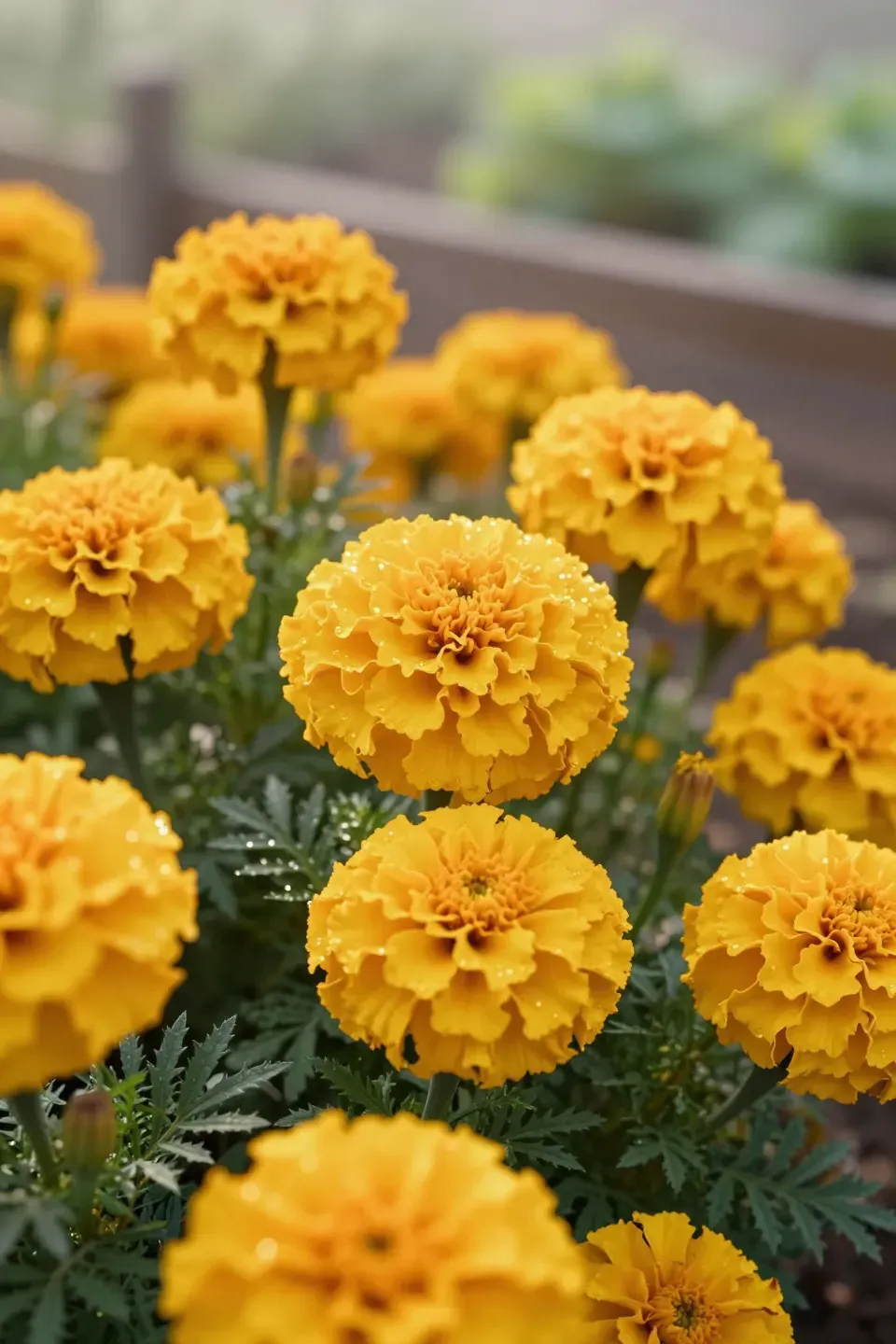
Marigolds are famous for keeping pests away from vegetable patches, but they are also a safe addition to a dog friendly garden. Their scent can act as a mild deterrent for some bugs, which helps keep your yard more comfortable for everyone. The petals are soft and won’t hurt a pet’s sensitive nose or paws.
You can find these in bright oranges and yellows. They are very easy to grow from seeds, making them a budget-friendly way to fill up large gaps in your landscaping. Just make sure you are buying the Tagetes variety, as these are the ones typically used in safe gardening.
Fragrant Rosemary for Edible Landscaping
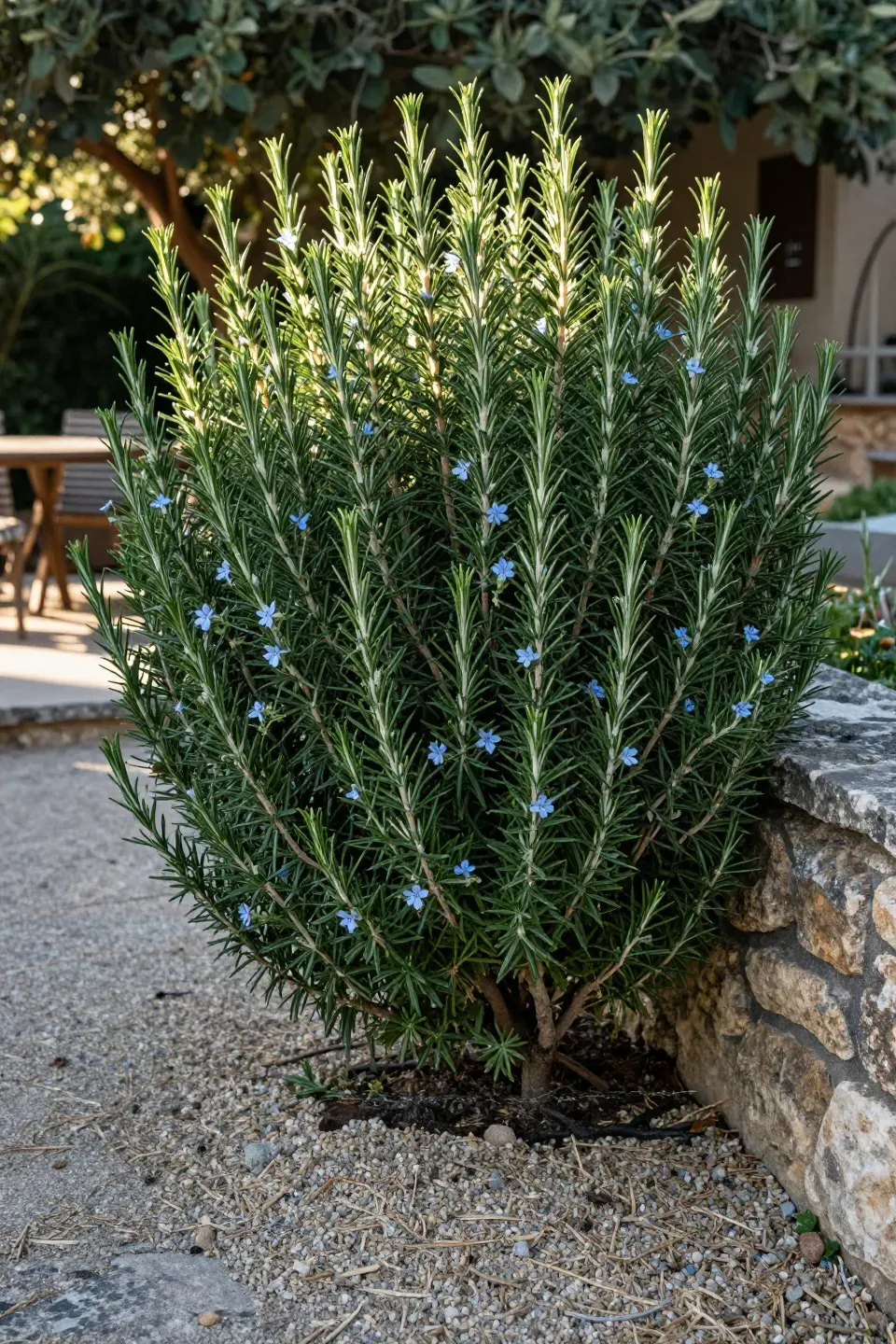
Rosemary is a tough, woody herb that can handle a lot of activity. It is a great choice for a dog proof garden because it is sturdy and doesn’t break easily if a pet runs through it. The scent is refreshing, and the plant is entirely safe for dogs and cats to be around.
This herb loves well-drained soil and plenty of sunlight. It grows into a dense bush over time, which can help create natural barriers in your yard. You can also use the clippings for your own cooking, making it a functional part of your landscaping.
Purple Thyme as a Durable Ground Cover
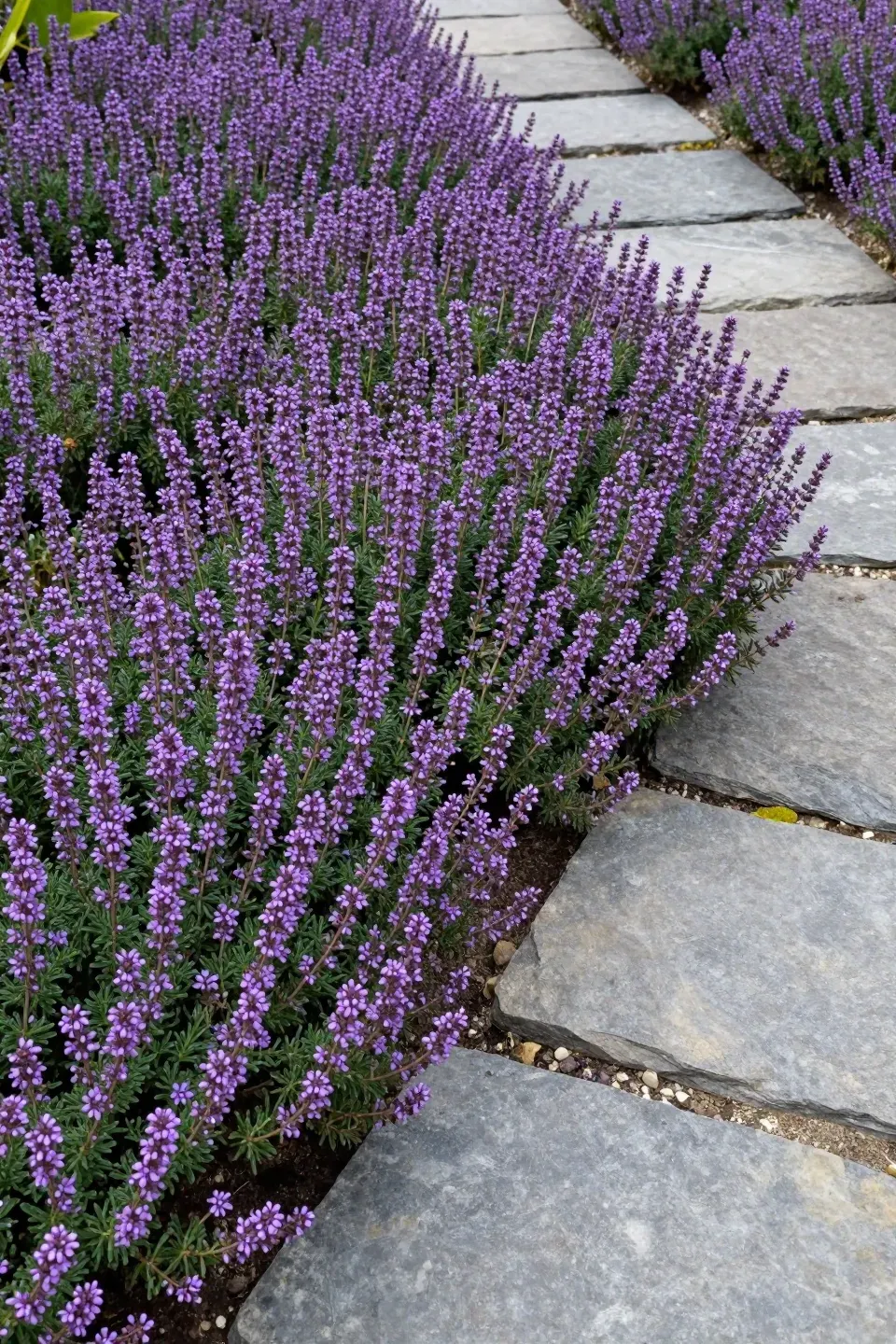
If you have a high-traffic area where grass refuses to grow, purple thyme is a smart alternative. It creates a thick mat of greenery that can withstand paws stepping on it. It releases a pleasant herbal scent when crushed, which is much nicer than the smell of mud after a rainstorm.
Thyme is a drought-tolerant plant that stays low to the ground. It works well between stepping stones or as a replacement for a small patch of lawn. It is a hardy addition to any pet friendly yard because it requires very little maintenance once it is established.
Vibrant Petunias for Hanging Baskets and Pots
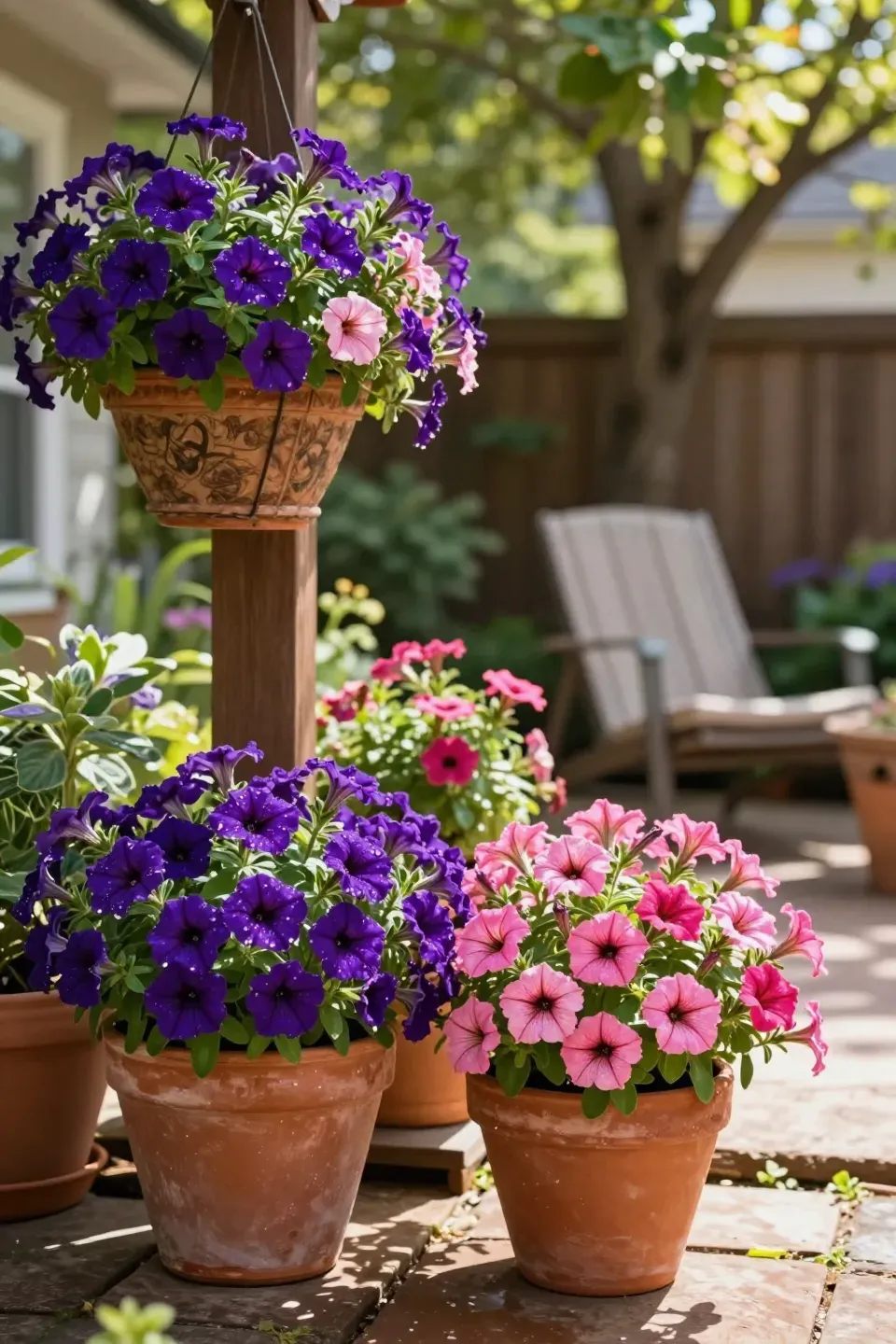
Petunias are some of the most popular cat safe flowers because they are easy to find and come in endless colors. They look great in hanging baskets, which keeps them out of the way of a zooming dog. Even if they are planted in the ground, they pose no threat to your animals’ health.
These flowers need regular watering and plenty of light to stay vibrant. If you keep them in pots on your patio, they provide a lush look without taking up running space for your pets. They are a simple way to add color to areas where you might have seating or pet beds.
Blueberry Bushes for a Healthy Garden Snack
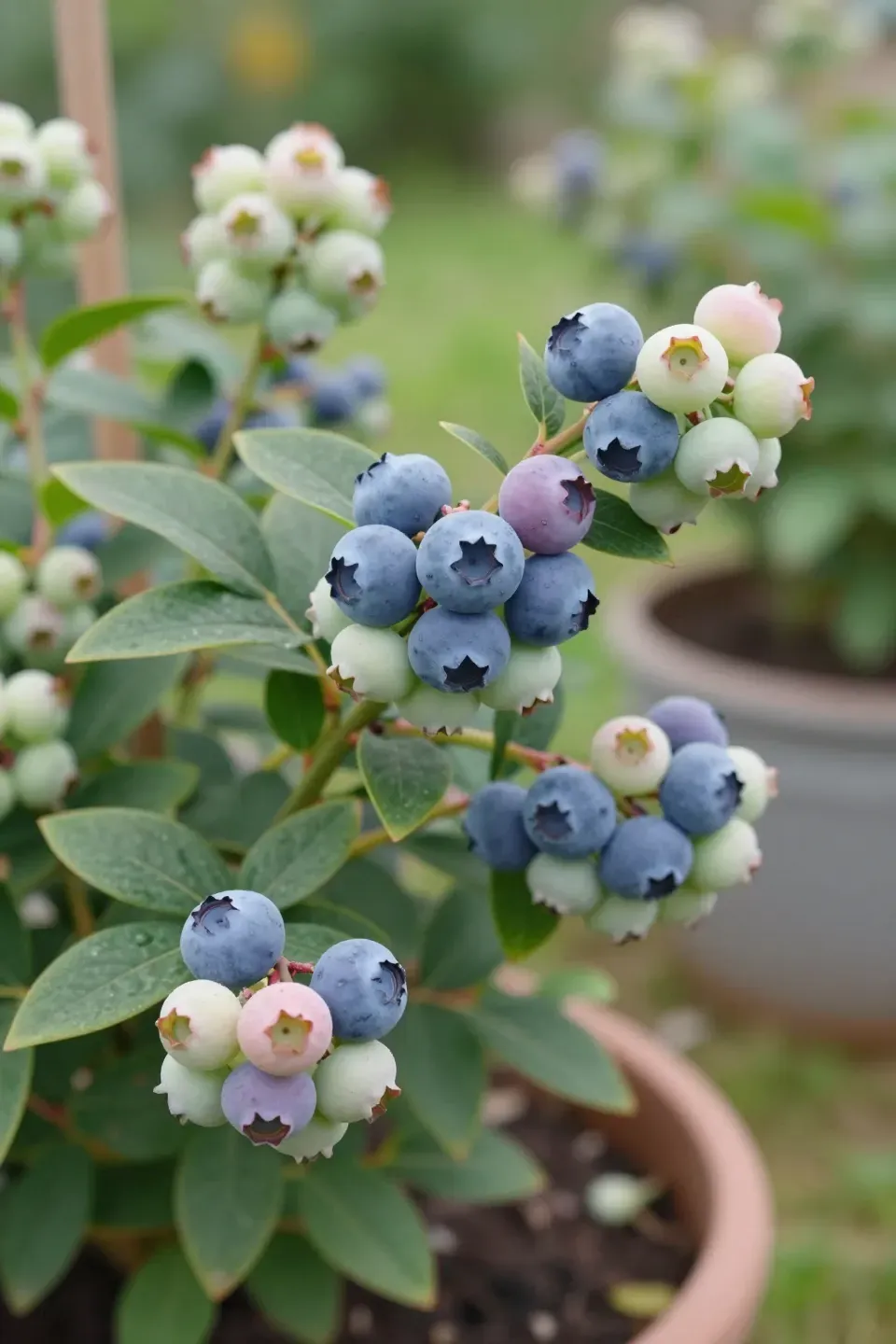
Blueberries are a fantastic addition to a dog garden. Many dogs actually enjoy eating the berries right off the bush, and they are packed with antioxidants that are good for them. Unlike some ornamental berries that are poisonous, these are a healthy treat for both you and your pets.
Blueberry bushes need acidic soil to produce fruit, so you might want to plant them in a dedicated large pot or a specific garden bed. They also produce pretty white flowers in the spring and turn a nice red color in the fall, offering year-round interest in your yard.
Dill Patches for Texture and Herb Harvesting
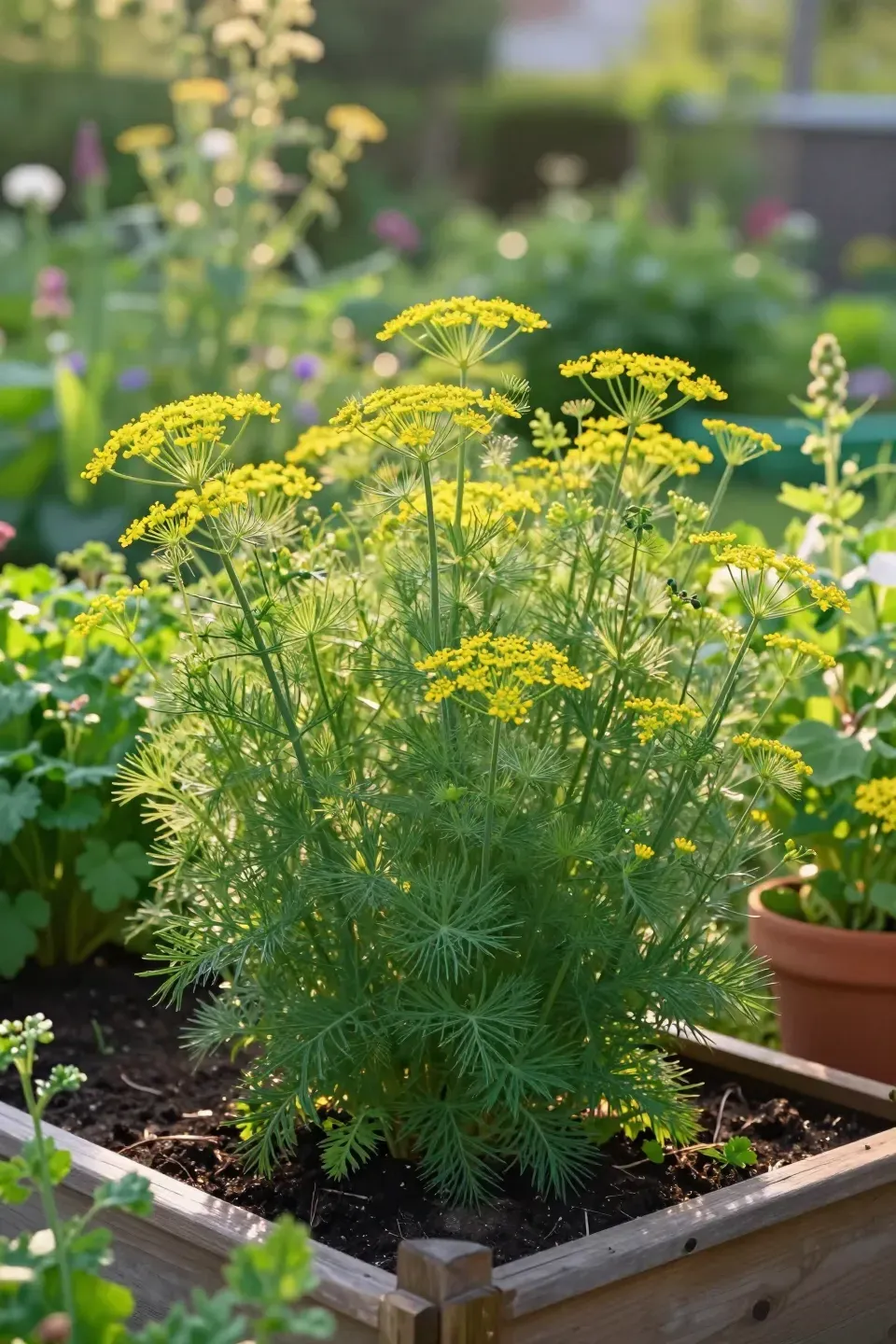
Dill is a feathery, tall herb that adds a unique texture to your garden. It is completely safe for pets and often attracts butterflies, which can be fun to watch from the porch. It grows quickly and can fill in empty spots in your herb garden or flower beds.
Since dill can grow quite tall, it is best placed toward the back of a planting area. It is a hardy plant that doesn’t mind a bit of wind. If you let it go to seed, it will often come back on its own the following year, giving you a self-sustaining patch of greenery.
Camellia Shrubs for Shady Outdoor Spaces
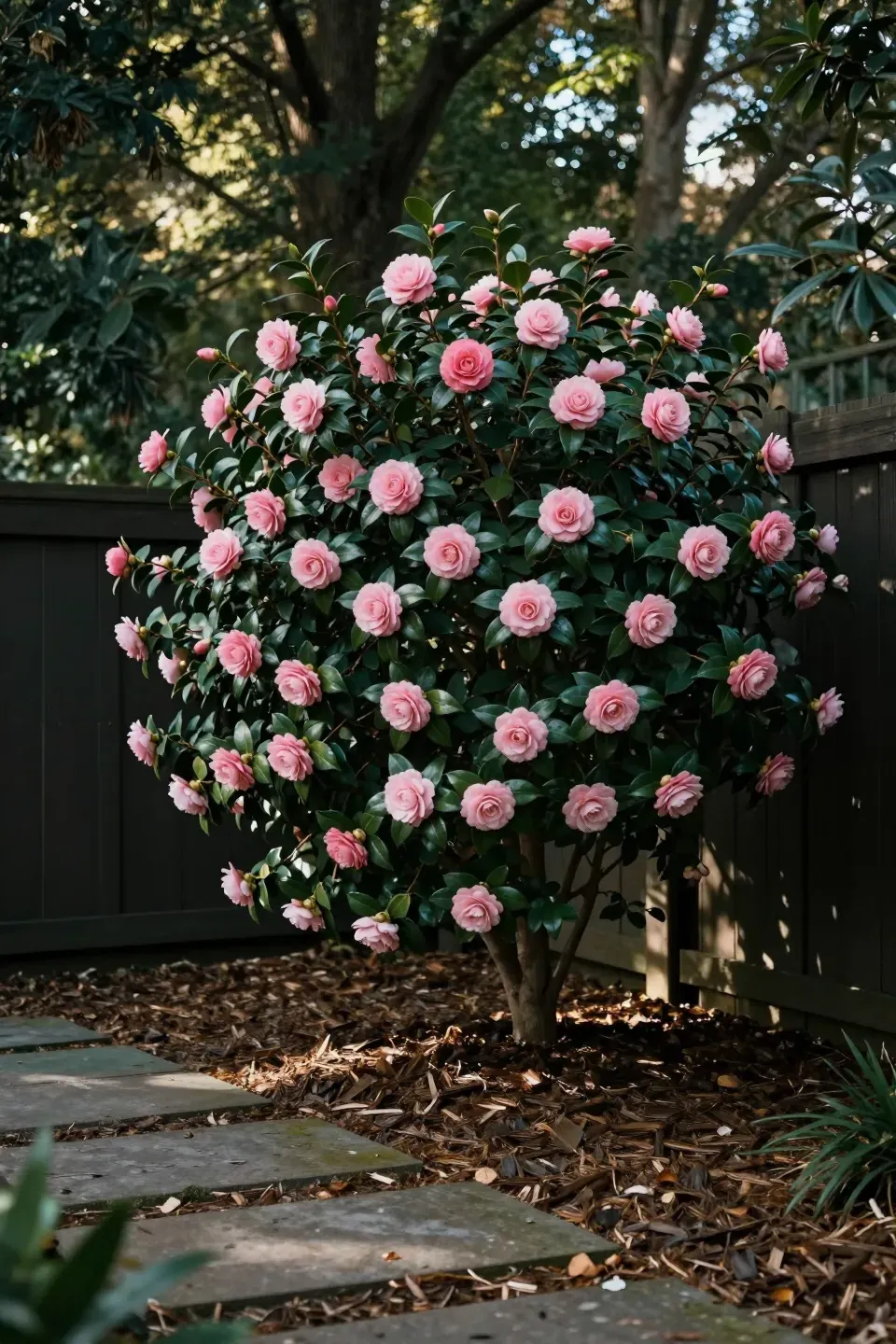
Finding safe shrubs for shade can be difficult, but Camellias are a perfect choice. They produce large, rose-like blooms in the winter and early spring when most other plants are dormant. They are non-toxic, making them a safe structural plant for your yard’s perimeter.
These shrubs prefer filtered light and consistent moisture. They grow slowly but can eventually become quite large, providing a nice privacy screen. They are much safer than other common flowering shrubs like rhododendrons, which are highly toxic to animals.
Zinnias for Bright and Easy Summer Blooms
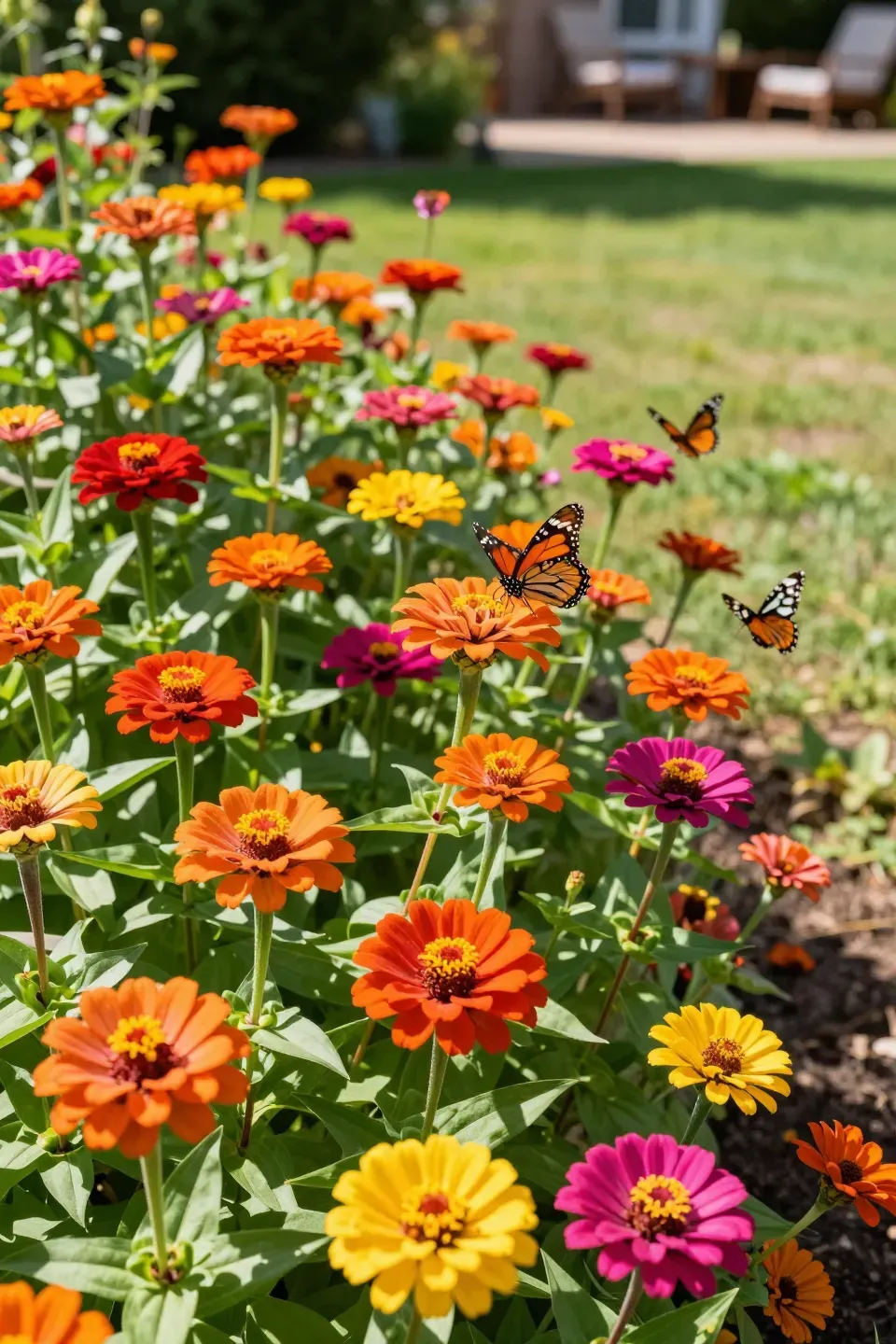
Zinnias are one of the easiest flowers to grow from seed, and they are completely safe for pets. They thrive in the heat of summer and provide a constant supply of flowers for cutting. Because they come in various heights, you can use them to fill different layers of your garden beds.
These plants are great for a pet garden because they are resilient. They don’t mind the sun and can handle the occasional nudge from a curious nose. They also attract pollinators like bees and butterflies, adding life and movement to your outdoor space.
Sunflowers for Tall Backyard Screening
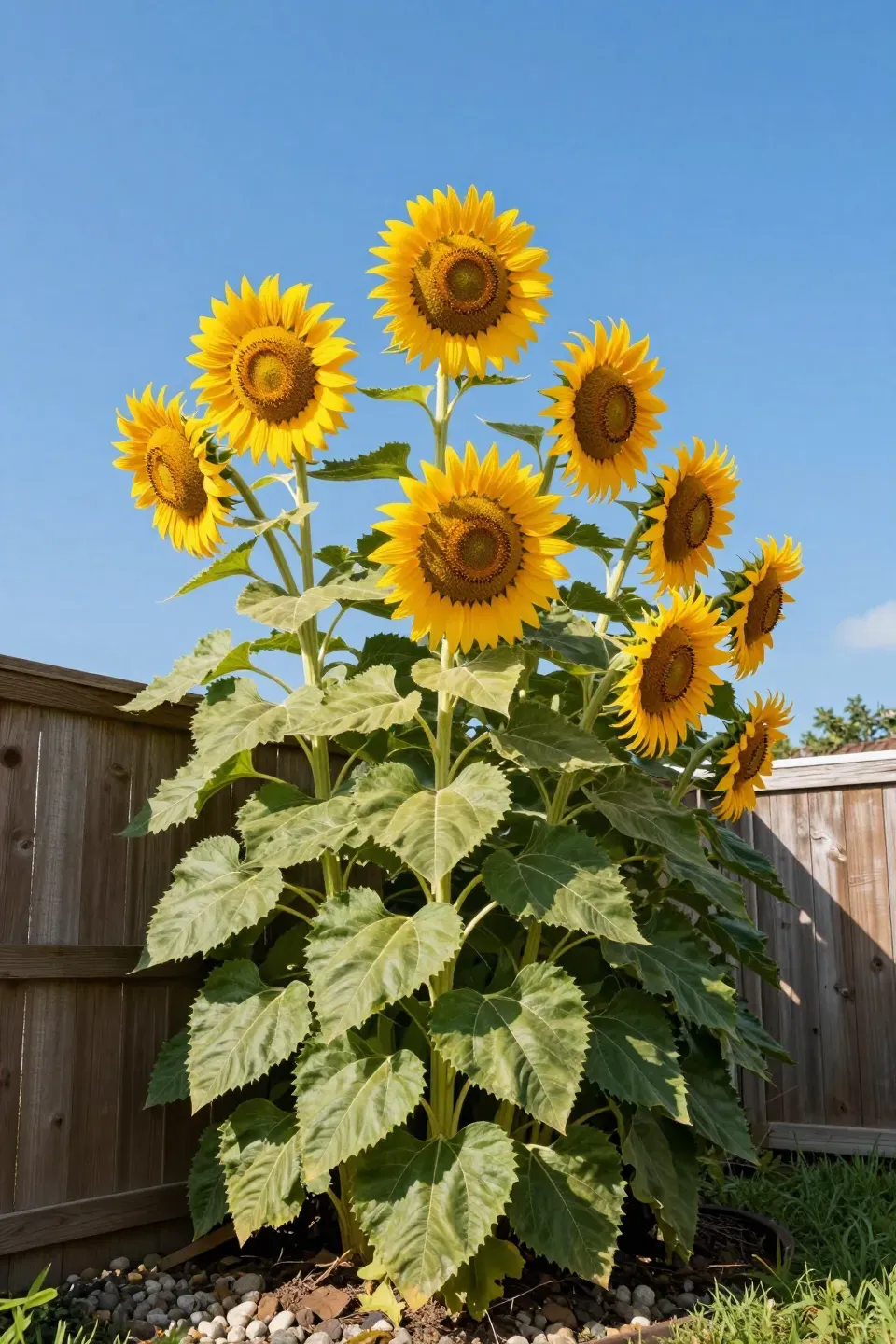
Sunflowers are iconic and safe for all pets. They can grow several feet tall in a single season, providing a natural screen against a fence. The seeds are also safe, though you should keep an eye on your dog to make sure they don’t eat too many of the salty shells if you buy commercial birdseed versions.
Planting sunflowers is a fun project because they grow so fast. They need a lot of sun and a fair amount of water to reach their full height. They are a simple, non-toxic way to add a big visual impact to your backyard without using expensive or dangerous landscaping features.
Polka Dot Plants for Decorative Foliage
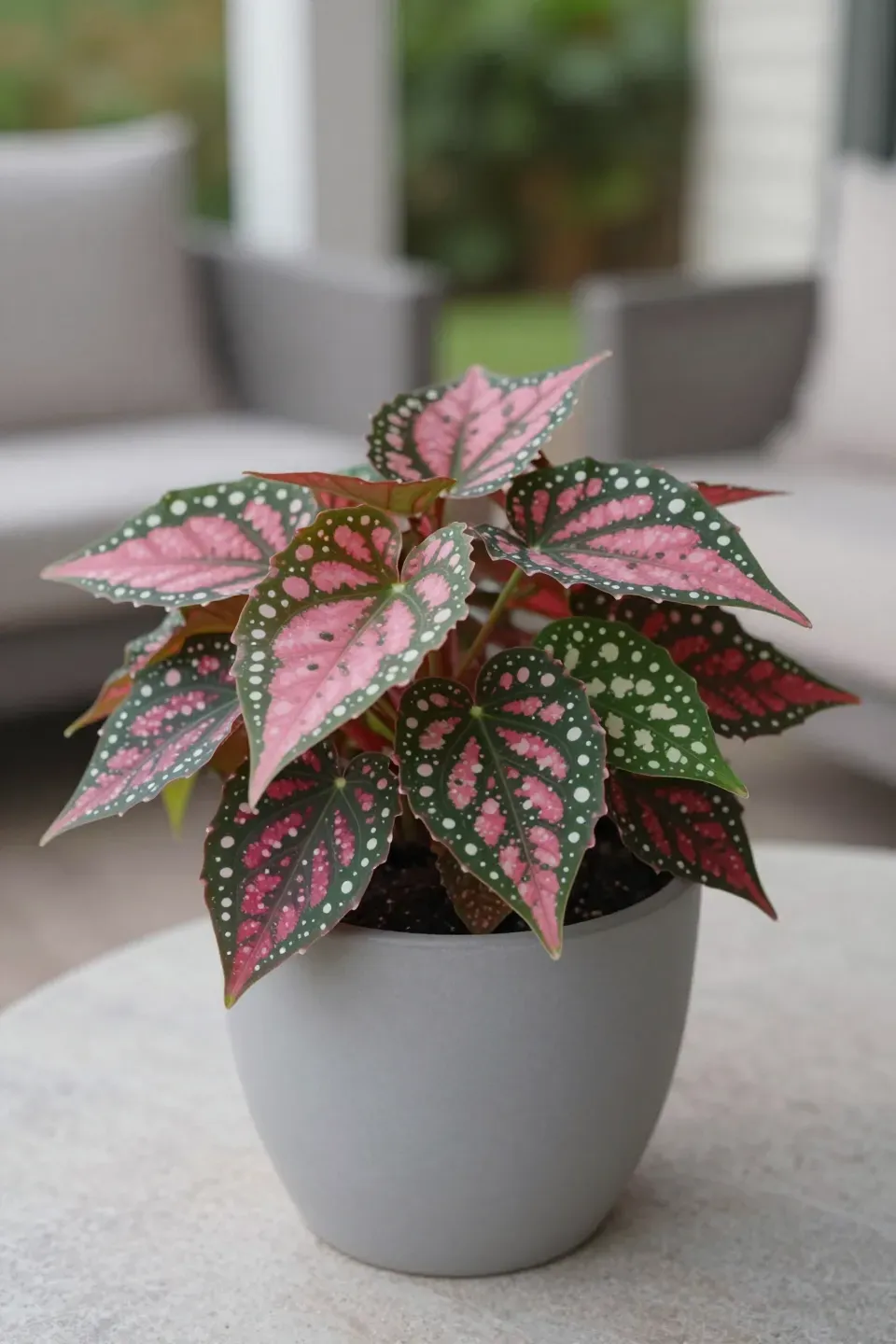
If you want something with interesting leaves rather than just flowers, the Polka Dot plant is a great pick. It has spotted leaves in shades of pink, red, or white. It is often grown as a houseplant, but it does very well in shaded outdoor spots during the warmer months.
These plants stay small and bushy, making them ideal for the front of a garden bed or in small pots on a patio table. They are safe for cats who might be tempted to nibble on the leaves. They prefer moist soil and a bit of protection from the direct afternoon sun to keep their colors bright.
Spider Plants for Shaded Porches and Patios
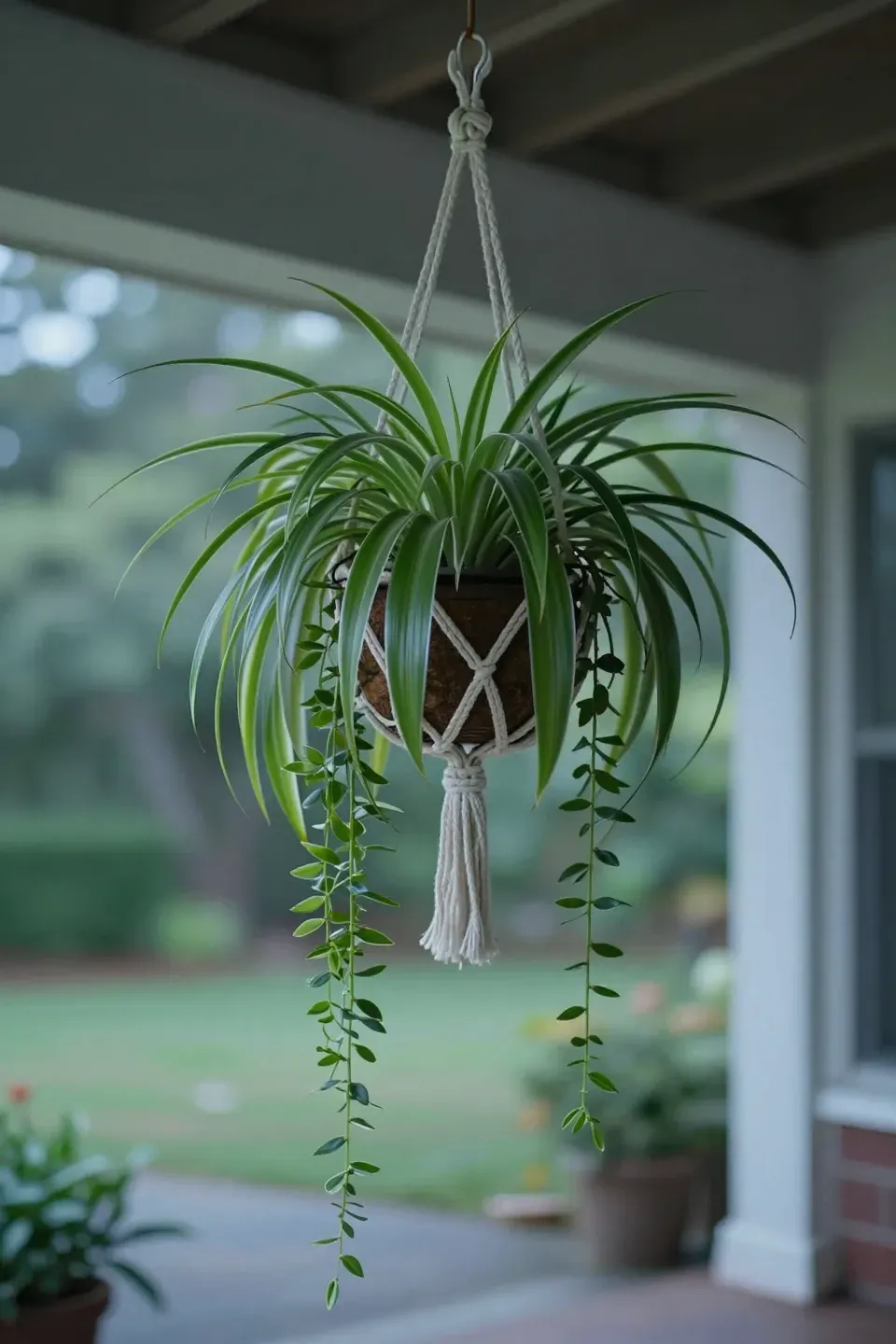
Spider plants are famous for being easy to care for and are well-known non toxic plants for cats. While we often see them indoors, they love being outside in a shaded spot during the summer. They produce long, arching leaves and small “babies” that hang down, creating a lush look in a hanging basket.
Cats are often attracted to the dangling leaves of a spider plant, so hanging them up high is a good way to keep the plant from being shredded. If your pet does manage to get a leaf, there is no need to worry as they are entirely safe. Just bring them inside before the first frost hits.
Coreopsis for Long-Lasting Yellow Flowers
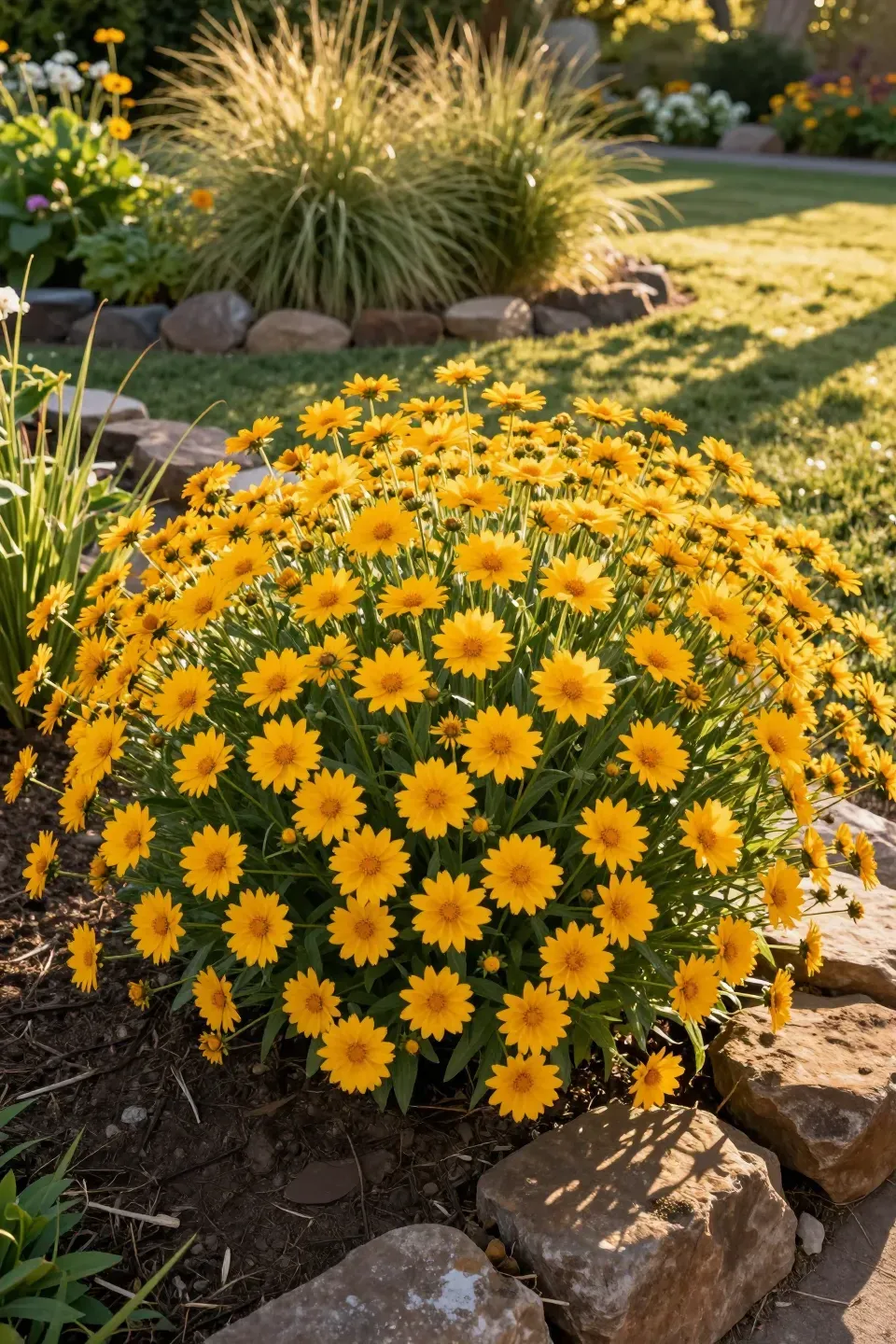
Coreopsis, also known as Tickseed, is a sunny yellow flower that is very hardy. It is a great choice for a dog friendly garden because it is drought-tolerant and doesn’t require much fuss. It produces a massive amount of flowers over a long period, keeping your yard looking bright for months.
This plant grows in clumps and can handle poor soil conditions. It is a reliable perennial, meaning it will come back every year. It’s a safe, low-maintenance way to add color to your landscaping without having to worry about your pets getting into something harmful.
Fuchsia for Stunning Floral Displays
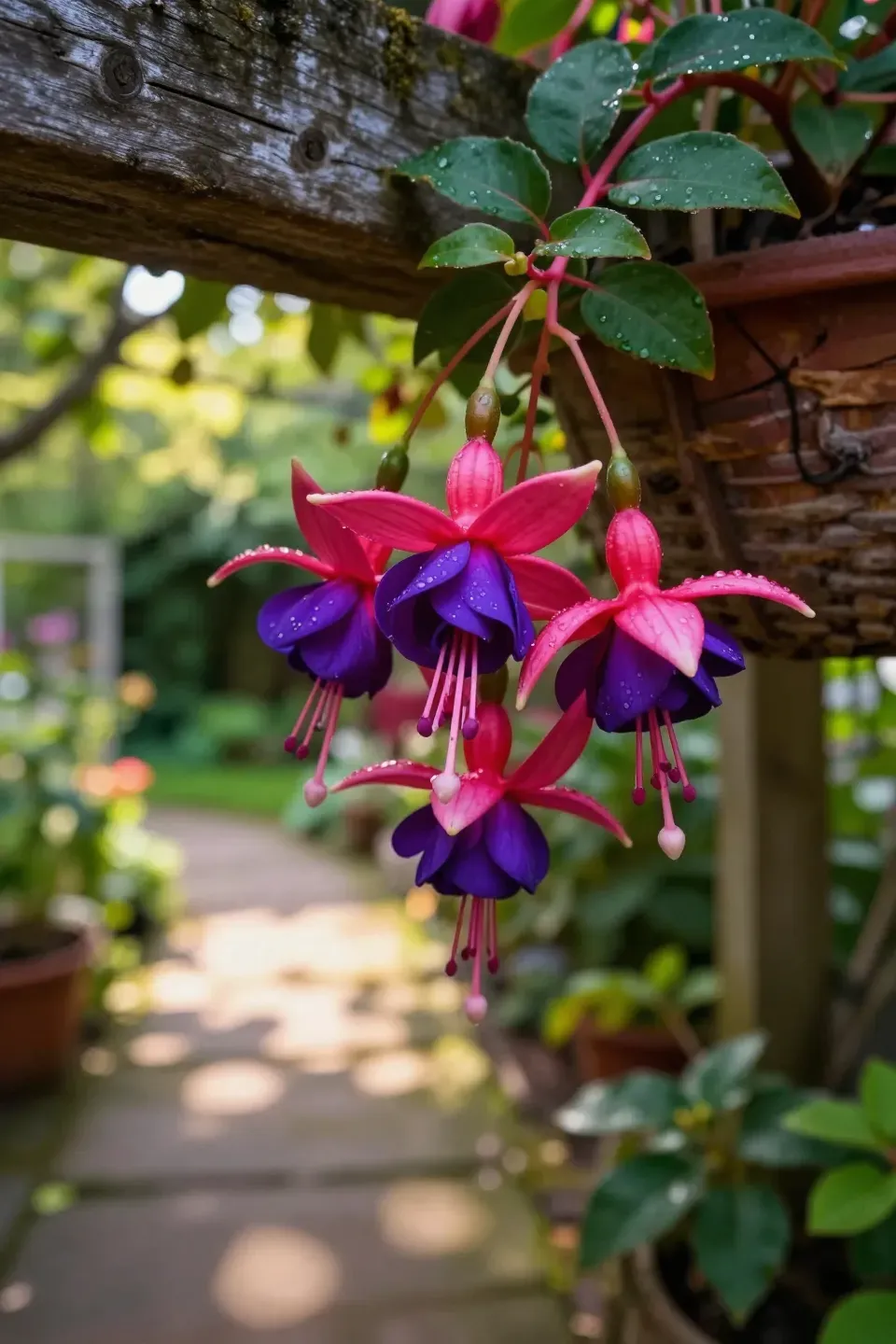
Fuchsia plants have unique, bell-shaped flowers that look like they belong in a fairy tale. They are safe for pets and thrive in cooler, shaded areas. They are most commonly seen in hanging baskets, where their trailing stems can hang down beautifully.
These plants need regular watering and don’t like to dry out completely. They are perfect for a porch or a spot under a large tree where grass might struggle to grow. Since they are safe, you don’t have to worry if a hummingbird-chasing cat accidentally bumps into one.
Basil Plants for a Fragrant Herb Corner
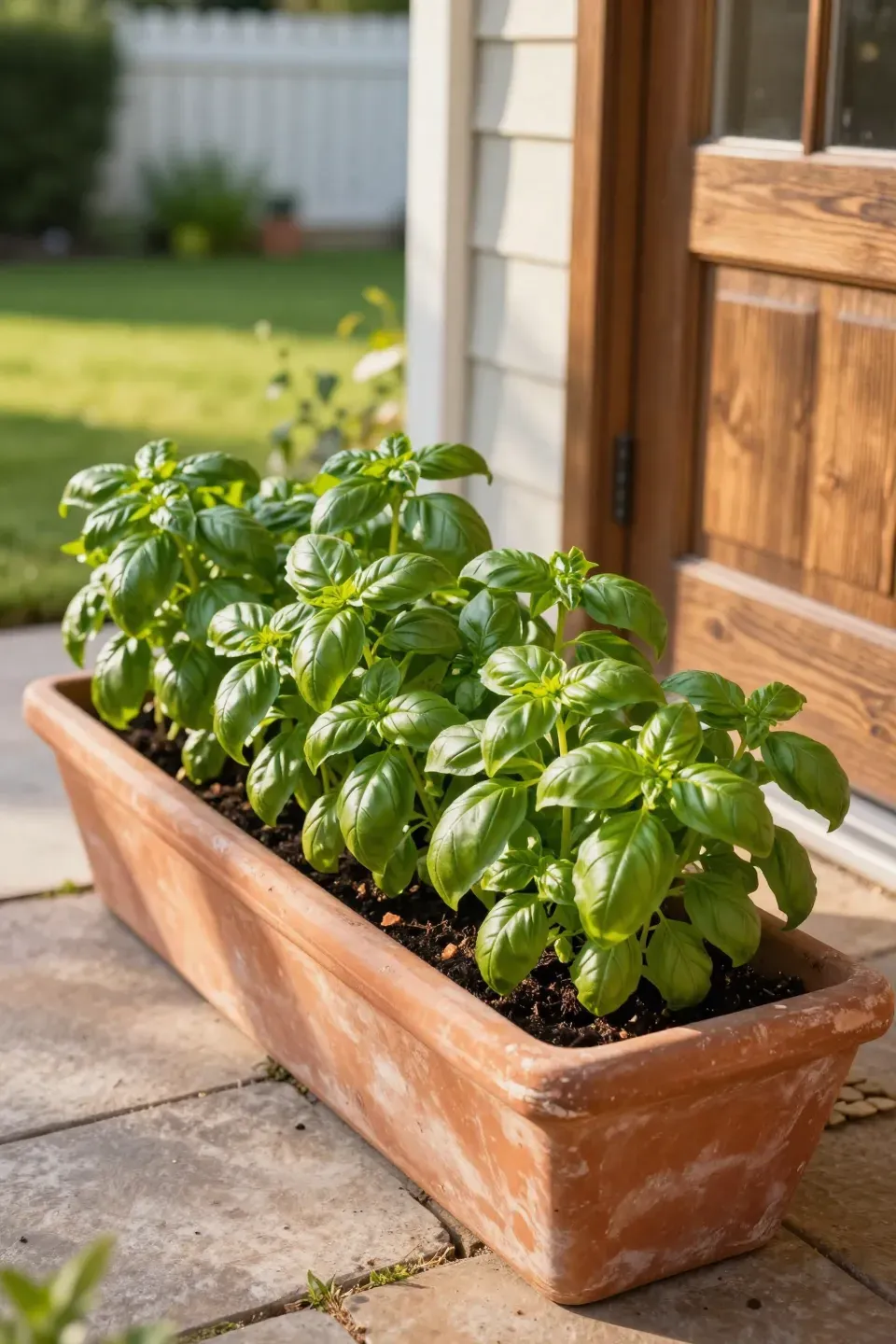
Basil is a wonderful herb to grow in a pet garden. It smells amazing and is safe if your dog or cat decides to take a bite. It grows quickly in the heat and can be used in your kitchen all summer long.
To keep basil producing leaves, make sure to pinch off the flower spikes as they appear. It likes plenty of water and sunshine. Planting basil near your back door creates a fragrant welcome and ensures you have a safe, edible plant within easy reach.
Nasturtiums for Edible Flowers and Ground Cover
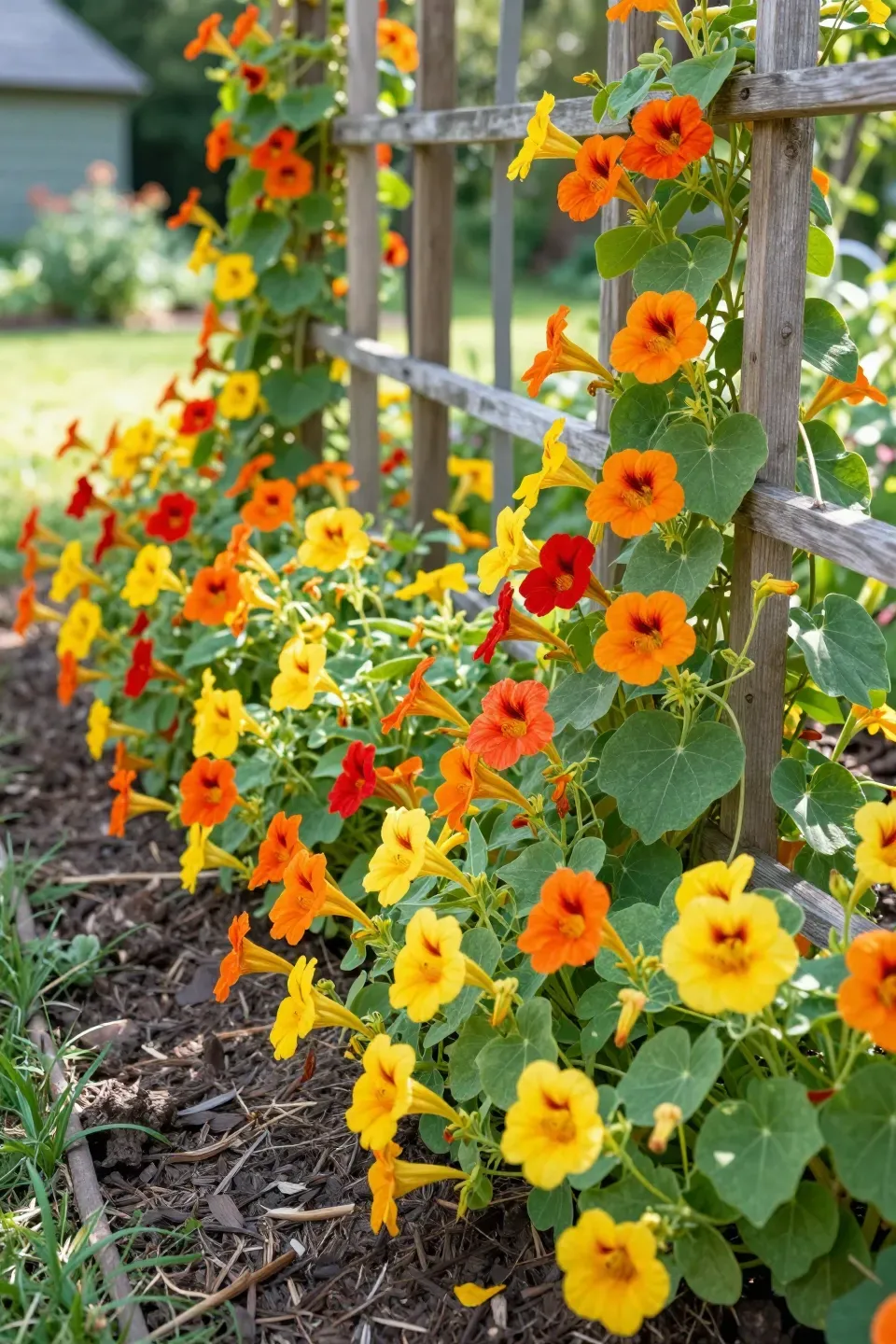
Nasturtiums are versatile plants that produce bright orange, yellow, and red flowers. Both the leaves and the flowers are edible for humans and safe for pets. They have a slightly peppery taste that some dogs might find interesting, but they are completely non-toxic.
These plants can climb a trellis or trail across the ground to cover bare spots. they are very easy to grow from large seeds, which is a great activity for families. They actually prefer poor soil, so you don’t even need to use fertilizer to get plenty of blooms.
Swedish Ivy for Low-Maintenance Greenery
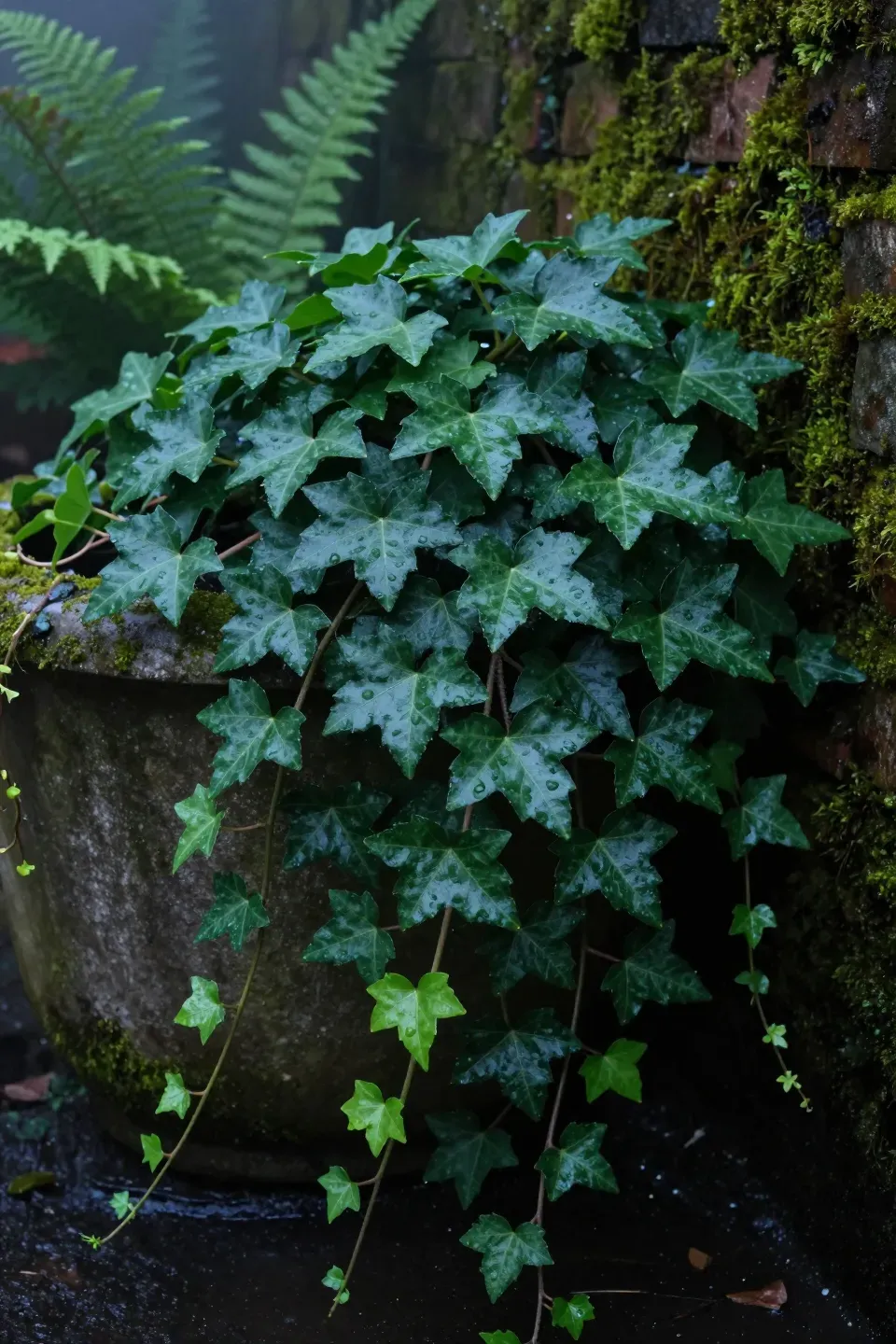
Swedish Ivy is a fast-growing plant with thick, scalloped leaves. It is a safe option for ground cover in shaded areas or for trailing over the edges of containers. It is much safer than English Ivy, which can be toxic to pets if eaten.
This plant is very easy to propagate; you can just snip a piece off and stick it in water or soil to grow a new one. It stays green and lush with very little effort. It is a great way to add a lot of greenery to your yard without the risks associated with other ivy varieties.
Bachelor Buttons for Meadow-Style Planting
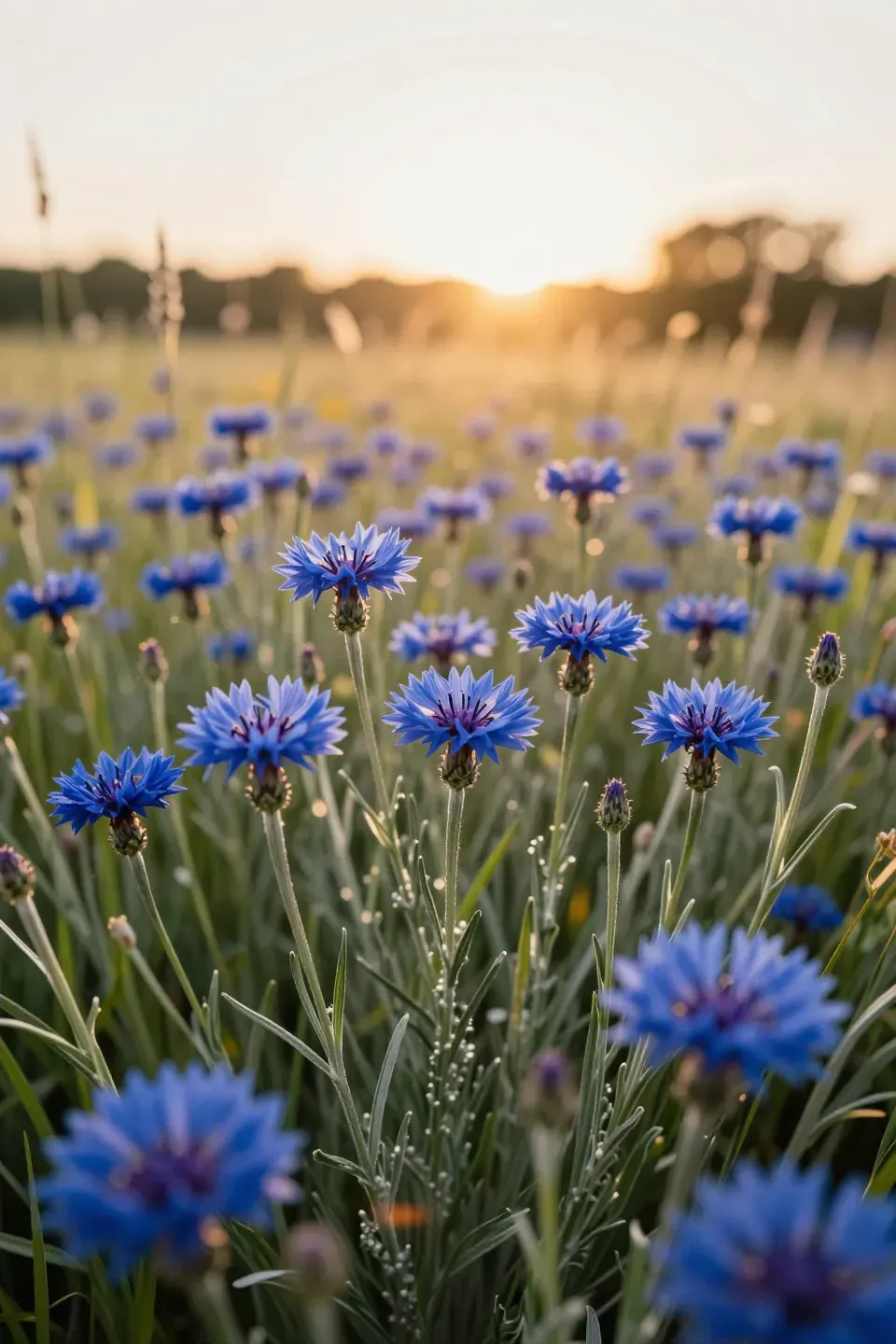
Bachelor Buttons, or Cornflowers, are charming blue flowers that give a garden a wild, meadow-like feel. They are safe for pets and very easy to grow. They are often used in seed mixes, but you should check that the other seeds in the mix are also pet-safe before planting.
These flowers are very hardy and can handle a variety of soil types. They are great for attracting beneficial insects to your garden. Once the flowers fade, they produce seeds that birds love, adding even more nature to your backyard environment.
Boston Ferns for Lush Texture in Damp Areas
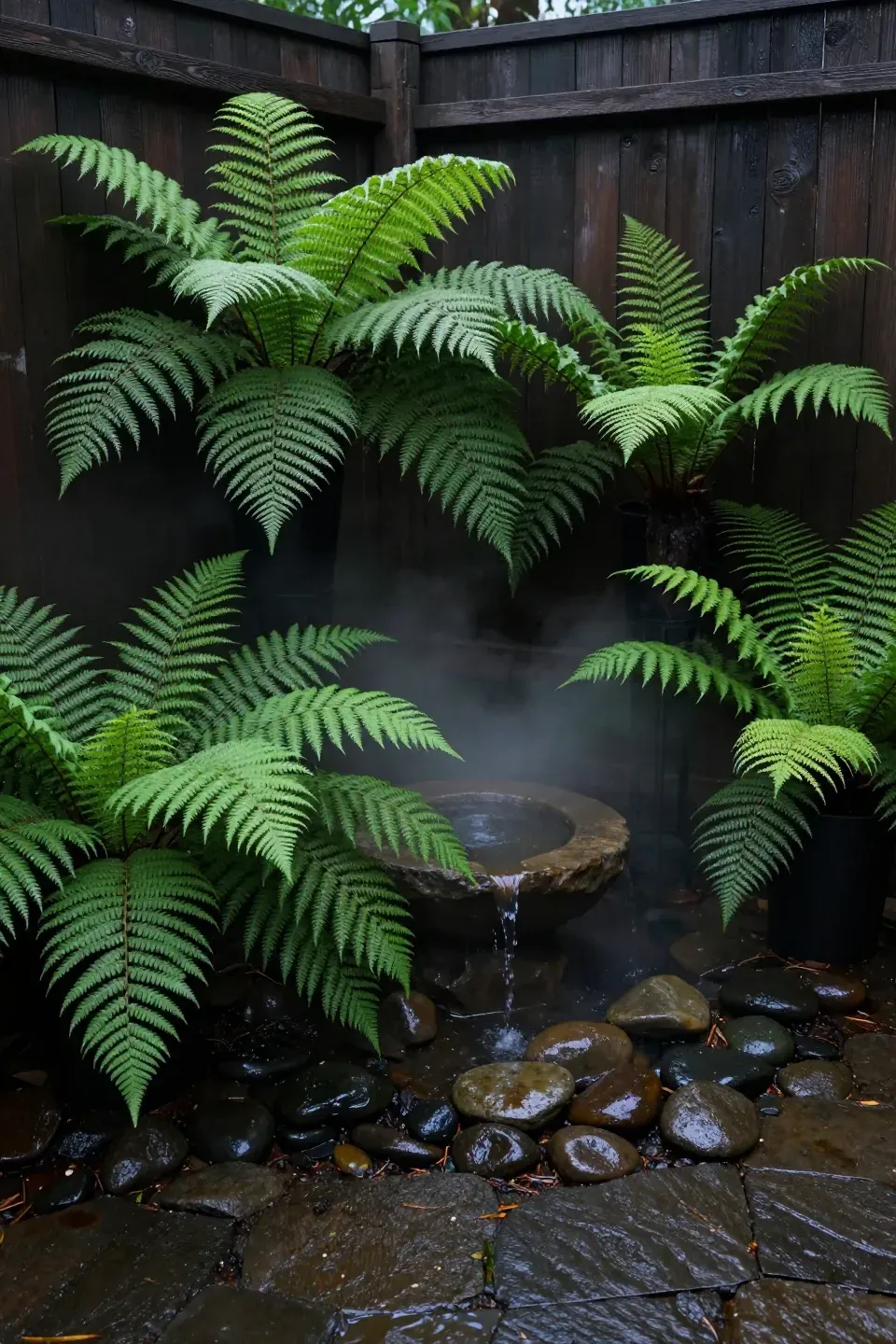
Boston Ferns are a safe way to add a tropical, lush feel to your yard. Unlike some other ferns that can be toxic, the Boston Fern is pet-friendly. They love humidity and shade, making them perfect for a damp corner of the yard or a covered patio.
These ferns look best in hanging baskets or on pedestals where their fronds can drape down. They need to be kept moist, so regular watering is a must. They are a classic choice for adding texture and a cool, green look to your outdoor living space while keeping your animals care in mind.