
Have you ever watched a child’s eyes light up when they discover a worm in the garden? Gardening can be a magical experience for kids, igniting their curiosity and love for nature. If you’re looking for ways to engage your little ones outdoors, you’re in the right place. This list of 21 engaging garden ideas combines fun and education, making it easy for children to get hands-on experience while enjoying the great outdoors.
From creating sensory gardens to building butterfly habitats, these ideas cater to all ages. Whether you have a large backyard or a small garden design, these projects will keep kids entertained and inspired. Let’s dig into these creative garden ideas that will surely capture their imagination.
Miniature Fairy Garden for Imagination
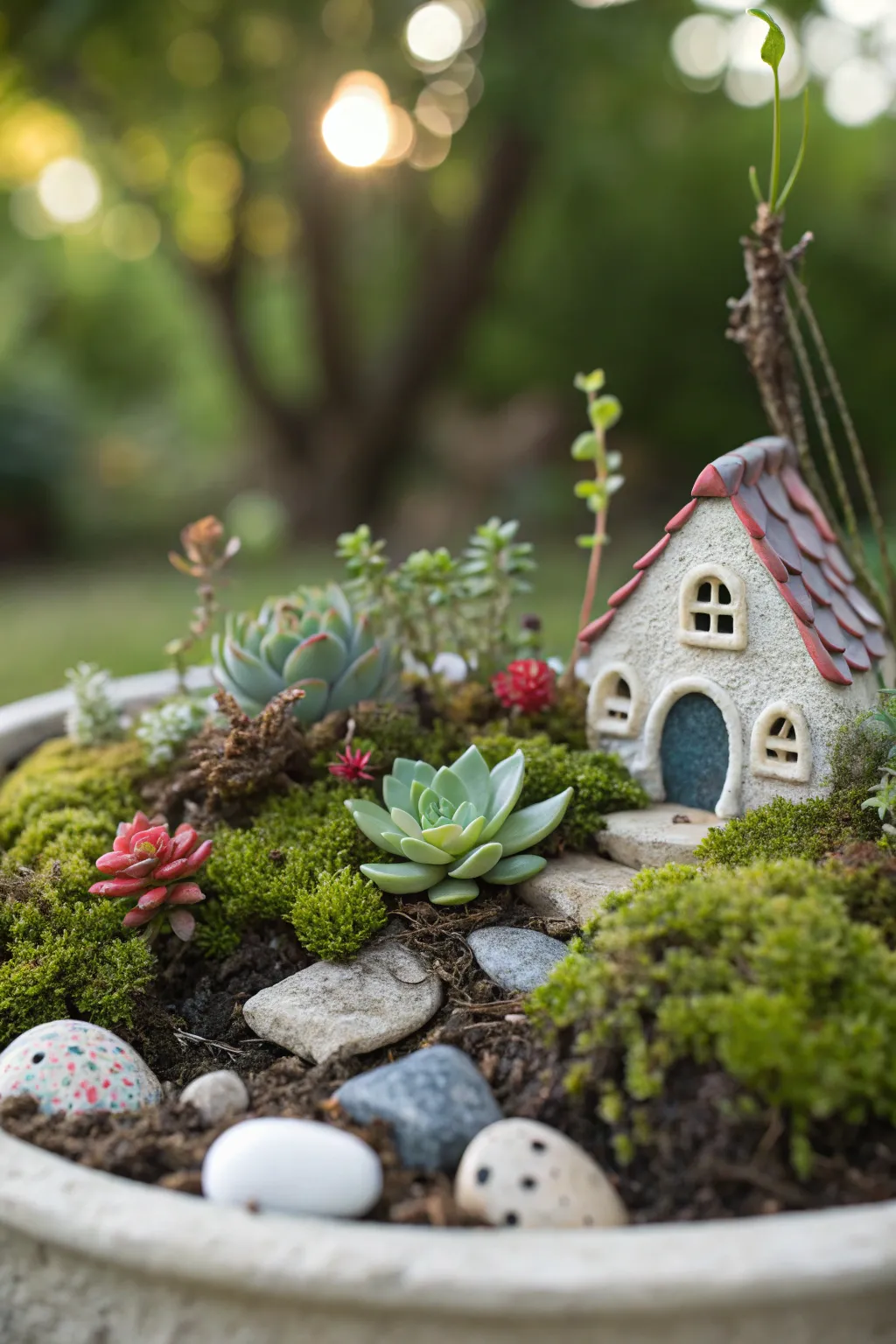
Create a miniature fairy garden to spark your child’s creativity. Use small plants, pebbles, and little figurines to build a magical world. Kids can help choose plants that fit the theme, like tiny succulents or moss. Let them arrange the items however they like, making it a personal project. This small garden design encourages imaginative play and can be placed anywhere, even on a balcony.
Vegetable Patch for Young Gardeners
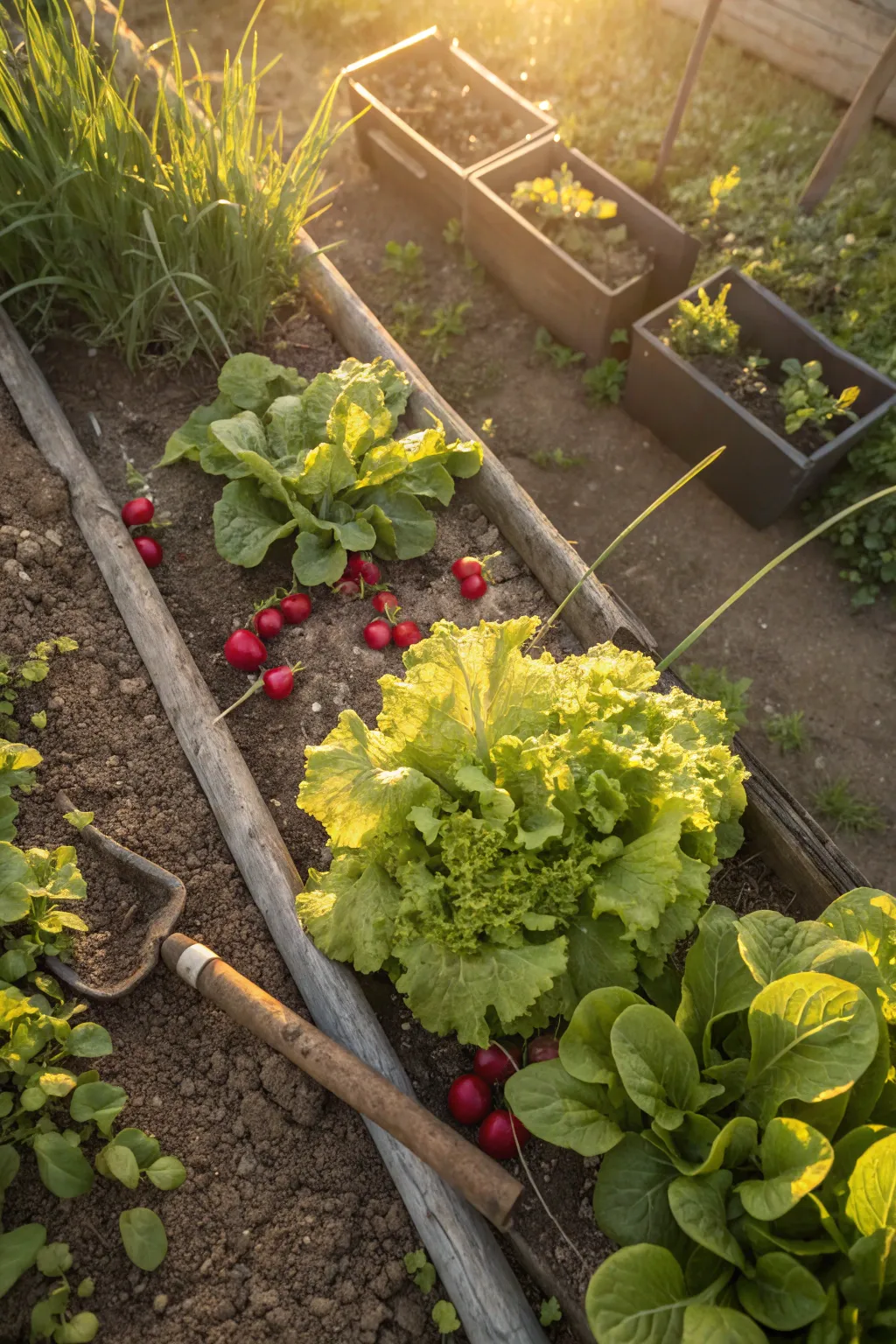
A vegetable patch is a great way to teach kids about growing food. Start with easy-to-grow veggies like radishes or lettuce. Provide kid-sized tools to help them dig and plant seeds. Encourage them to water regularly and watch as their plants grow. Involve them in meal preparation using their homegrown veggies, turning gardening into a fun cooking adventure.
Sensory Garden with Textures and Scents
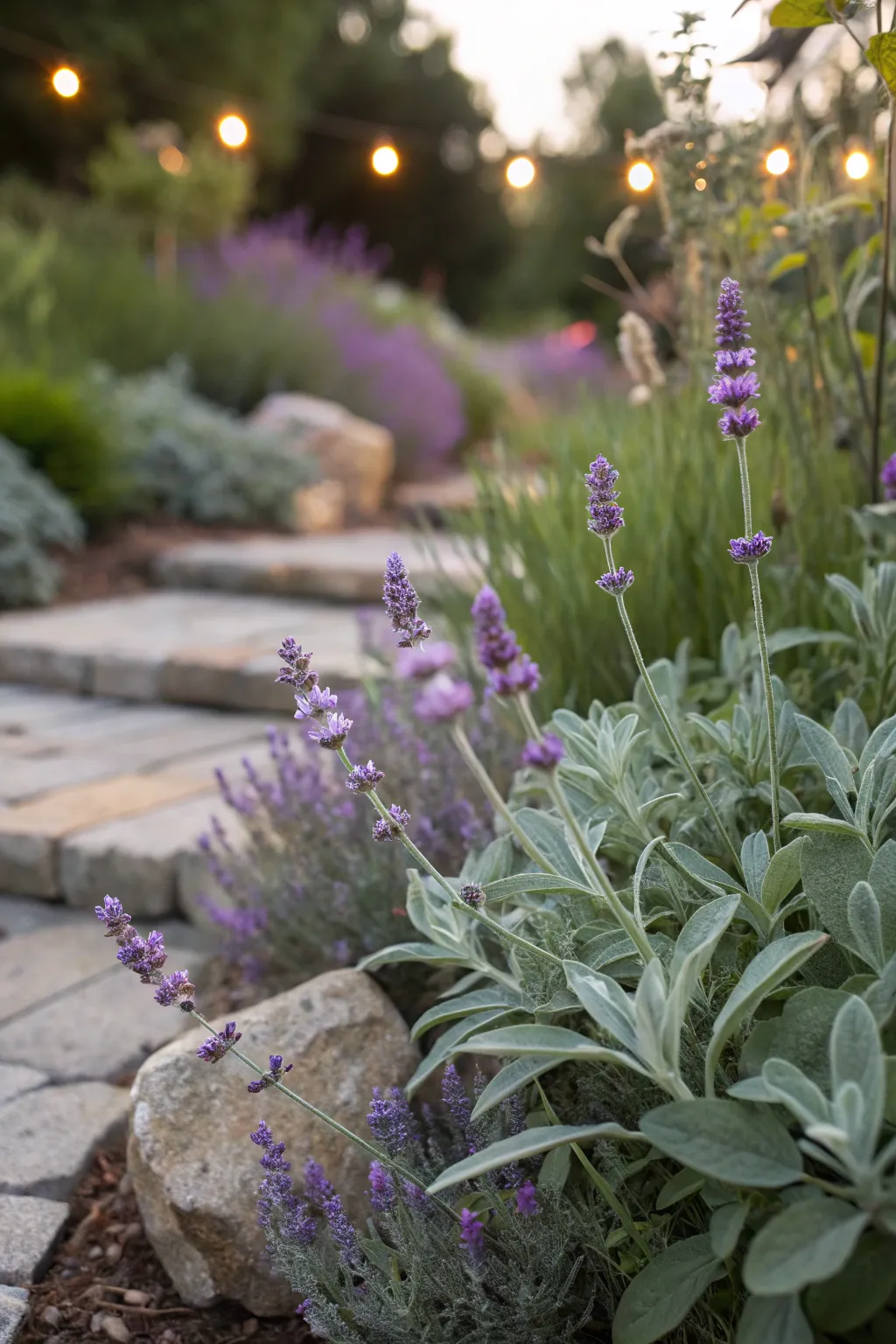
Create a sensory garden where kids can explore different textures and scents. Incorporate plants like lavender for fragrance and lamb’s ear for softness. Use stones and bark for tactile exploration. This garden can stimulate their senses, making it a wonderful learning environment. Kids can touch, smell, and even taste some of the plants, enhancing their outdoor experience.
Butterfly Garden with Nectar Plants
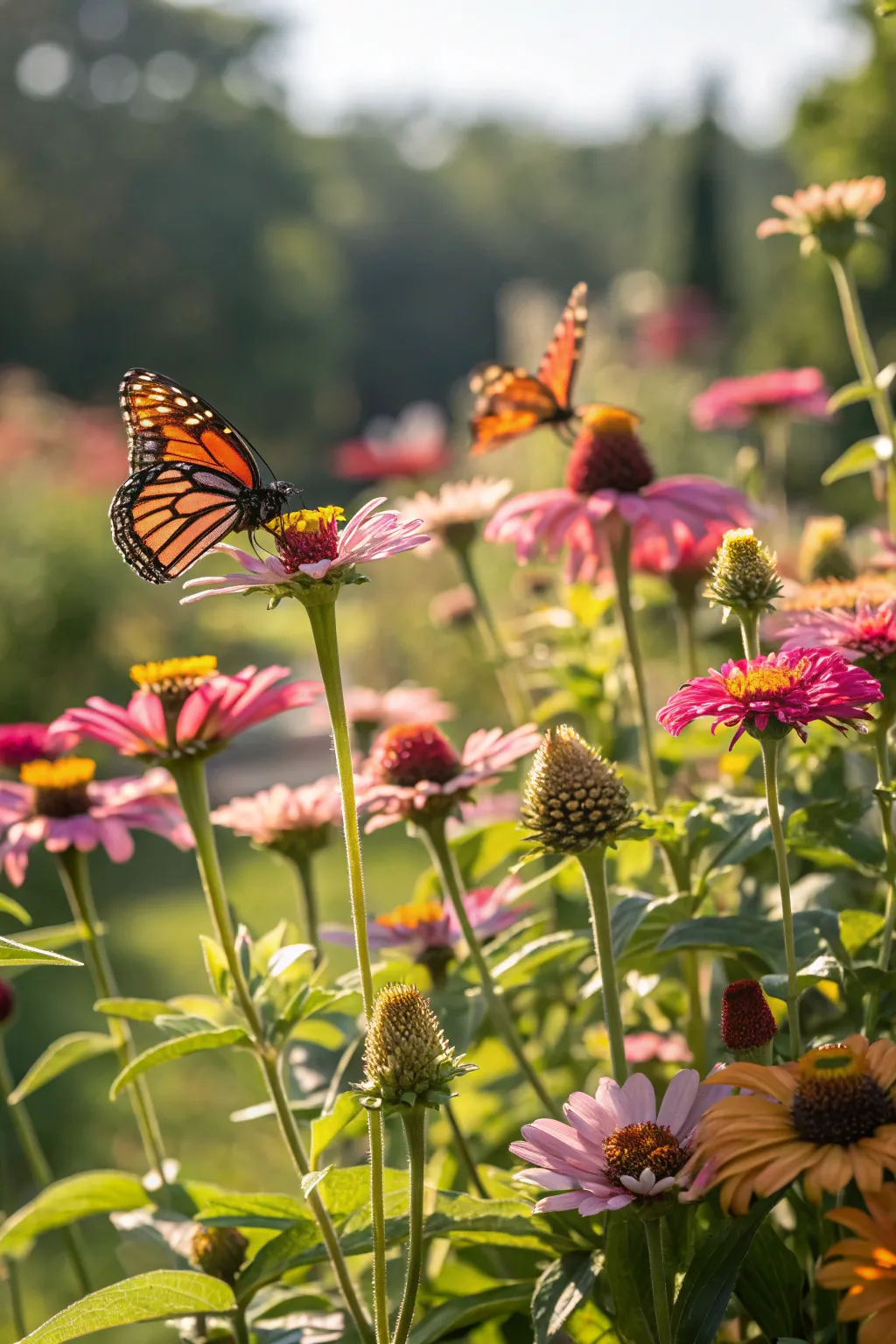
Design a butterfly garden filled with nectar-rich plants to attract butterflies. Flowers like coneflowers, milkweed, and zinnias are perfect choices. Teach children about the butterfly lifecycle as they observe these insects visiting the garden. This project not only beautifies your yard but also supports local wildlife. Watching butterflies can be a magical experience for kids.
Kid-Sized Planting Beds for Easy Access
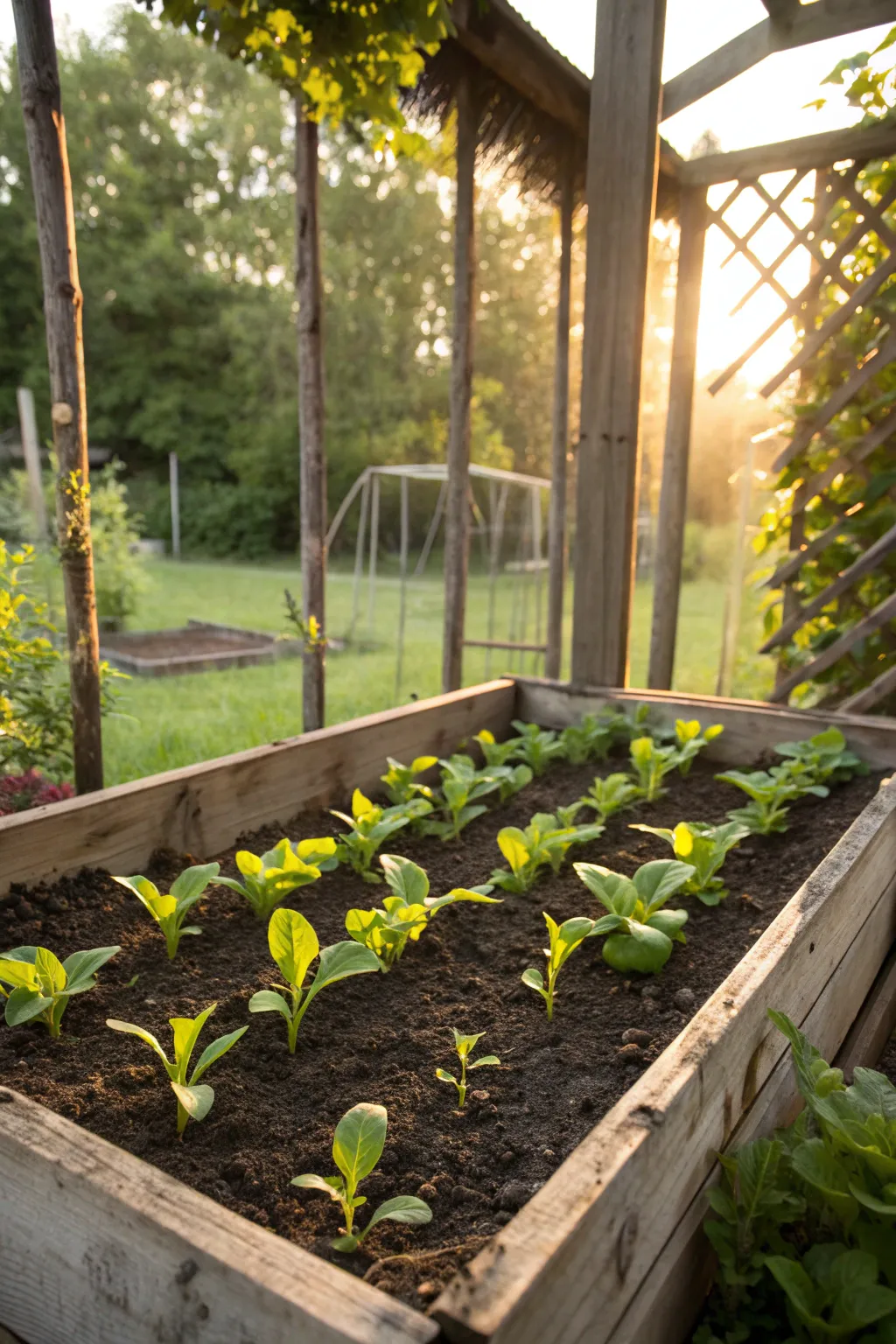
Consider building kid-sized planting beds to make gardening accessible for little hands. Raised beds can be adjusted to their height, allowing easy access for planting and weeding. Let kids choose what to grow, fostering ownership and responsibility. This also keeps plants safe from trampling and makes it easier to maintain the garden together.
Colorful Flower Garden for Pollinators
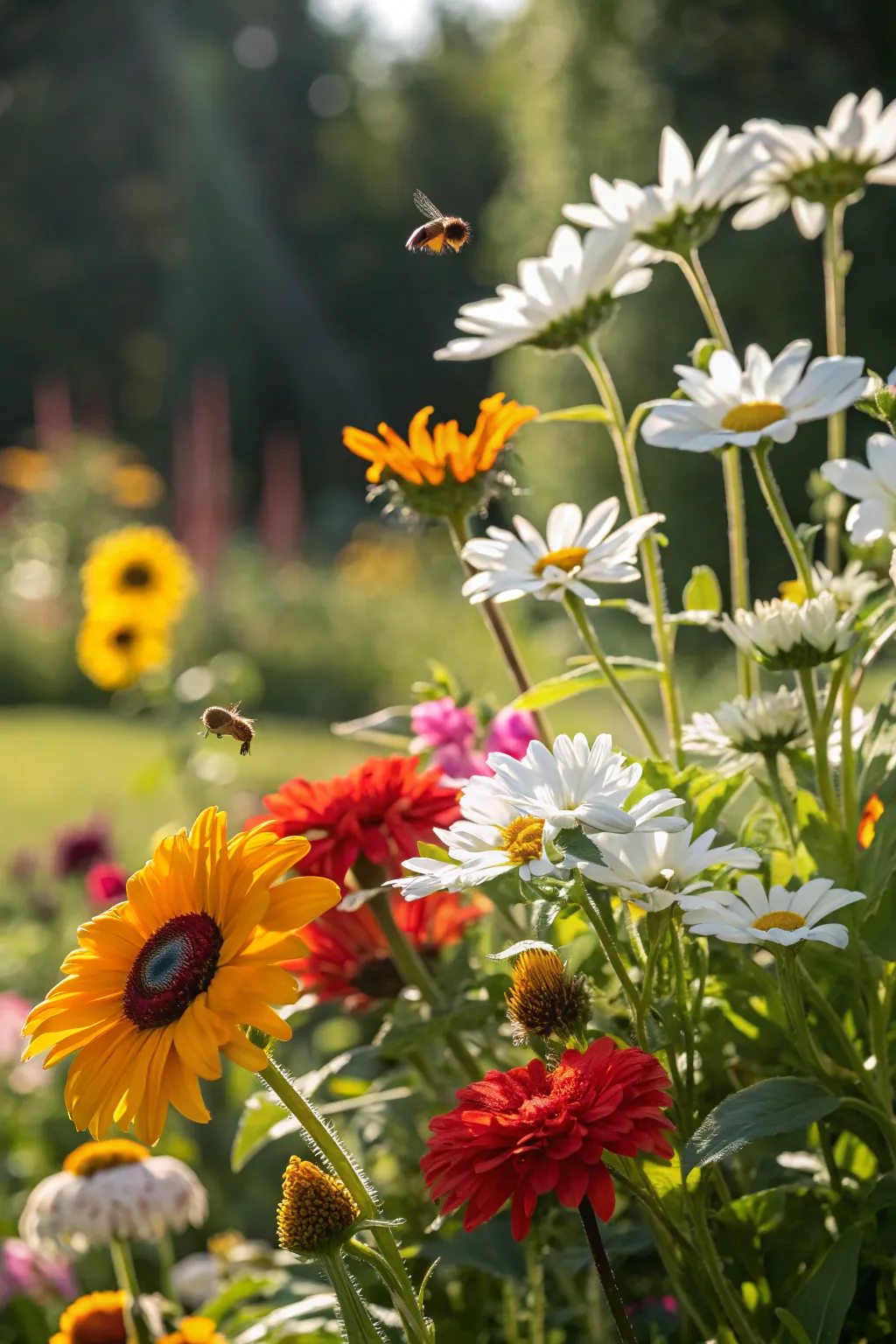
Create a colorful flower garden filled with blooms that attract pollinators like bees and butterflies. Use a variety of vibrant flowers to make it visually appealing. Kids can help plant and care for the garden while learning about the importance of pollinators. This project teaches them about ecosystems and the role they play in food production.
Herb Garden for Culinary Exploration
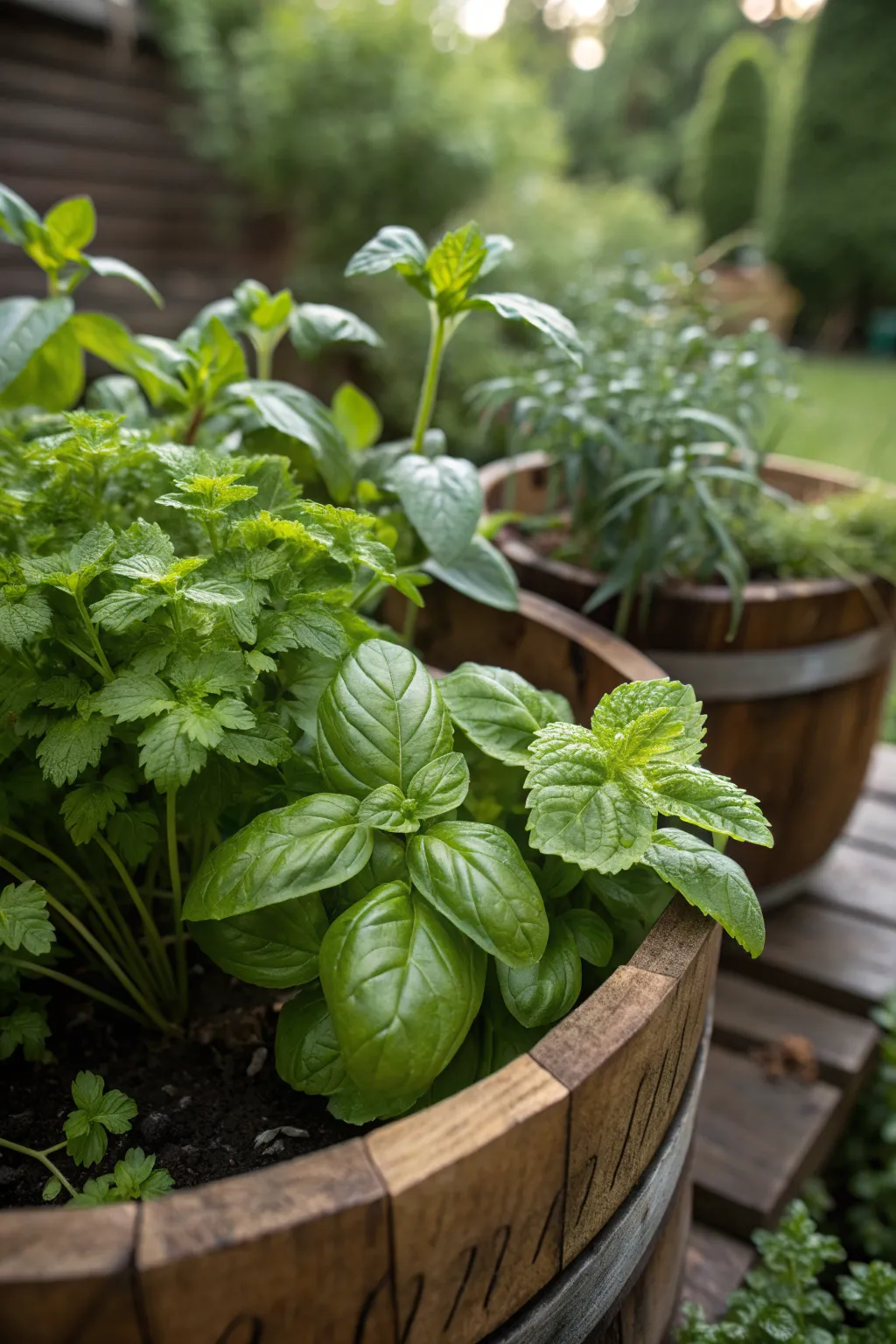
An herb garden is a fun way to introduce kids to cooking and flavors. Start with easy herbs like basil, mint, and parsley. Kids can help plant, water, and harvest the herbs. Use their fresh herbs in family meals or snacks, allowing them to see the direct results of their work. This also encourages healthy eating habits and curiosity about food.
Garden Scavenger Hunt for Learning Fun
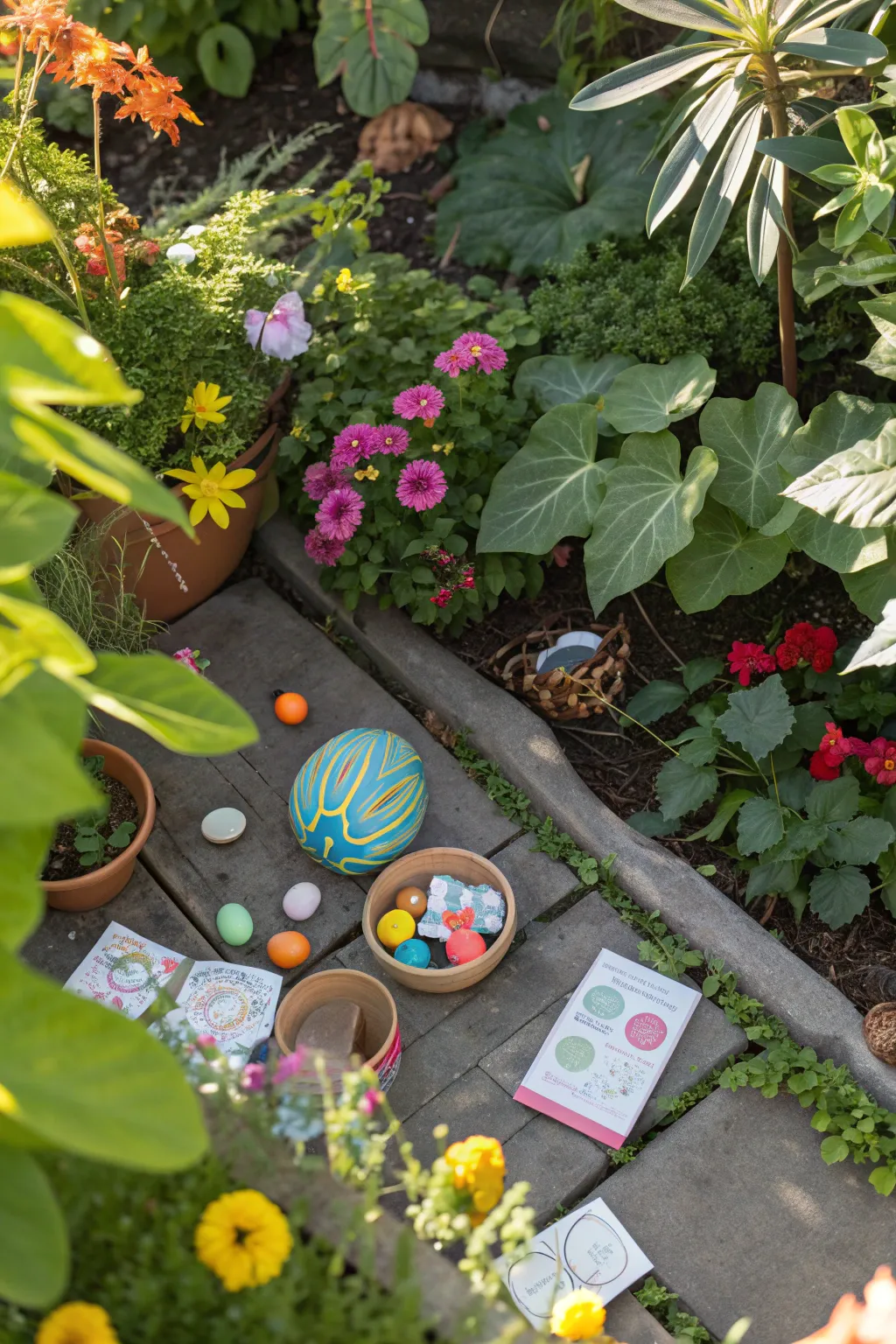
Organize a garden scavenger hunt to make exploring your garden exciting. Create a list of items for kids to find, such as specific leaves, flowers, or insects. This activity encourages observation and critical thinking. You can even add educational elements, like identifying different plant types or discussing the importance of biodiversity. It’s a fun and interactive way to learn.
Rain Garden for Water Conservation Education
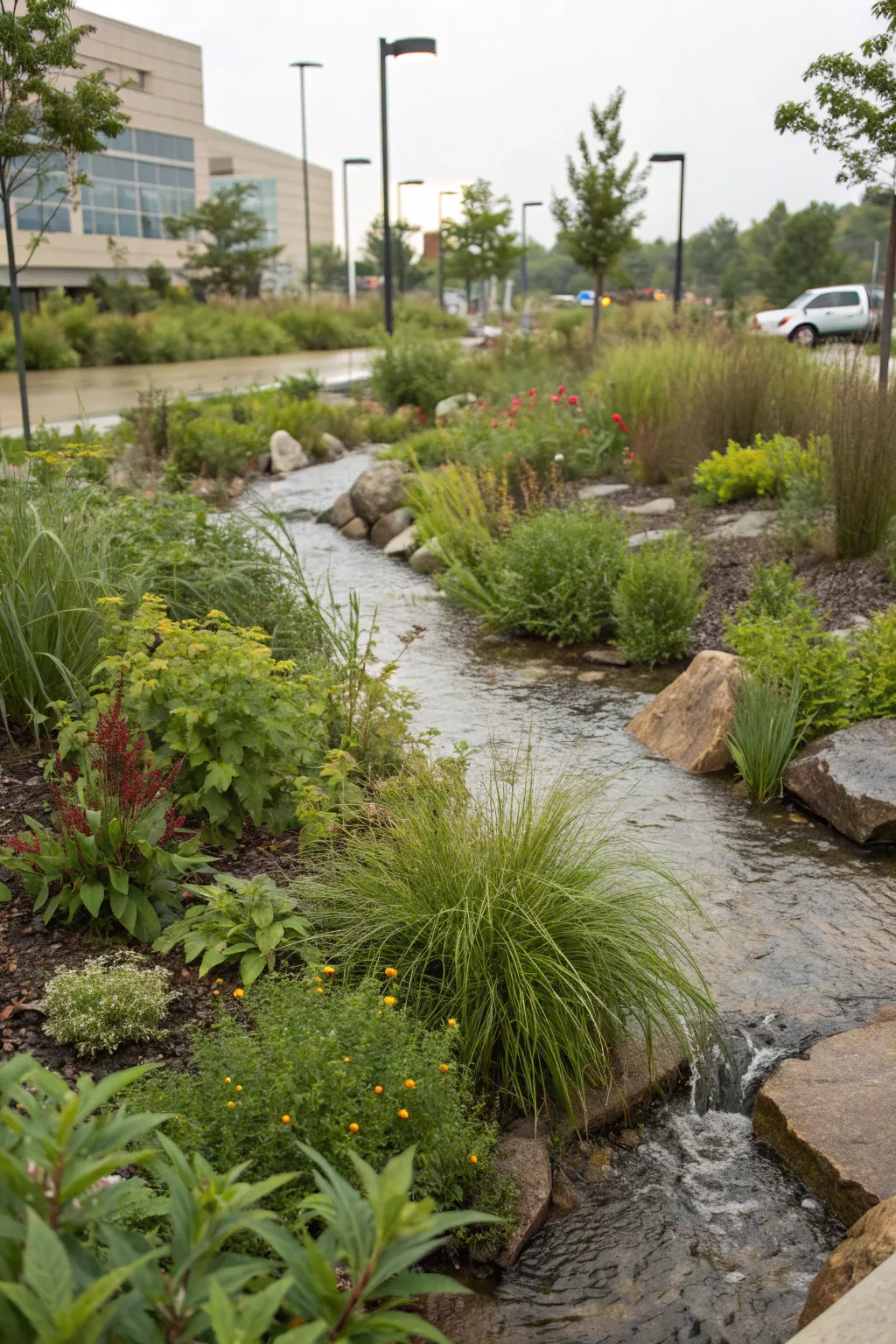
Build a rain garden to teach kids about water conservation and ecology. Choose a low-lying area in your yard to plant native plants that thrive in wet conditions. Explain how rain gardens help manage stormwater and provide habitats for wildlife. This project offers hands-on learning about environmental responsibility and the water cycle.
Garden Play Area with Natural Materials
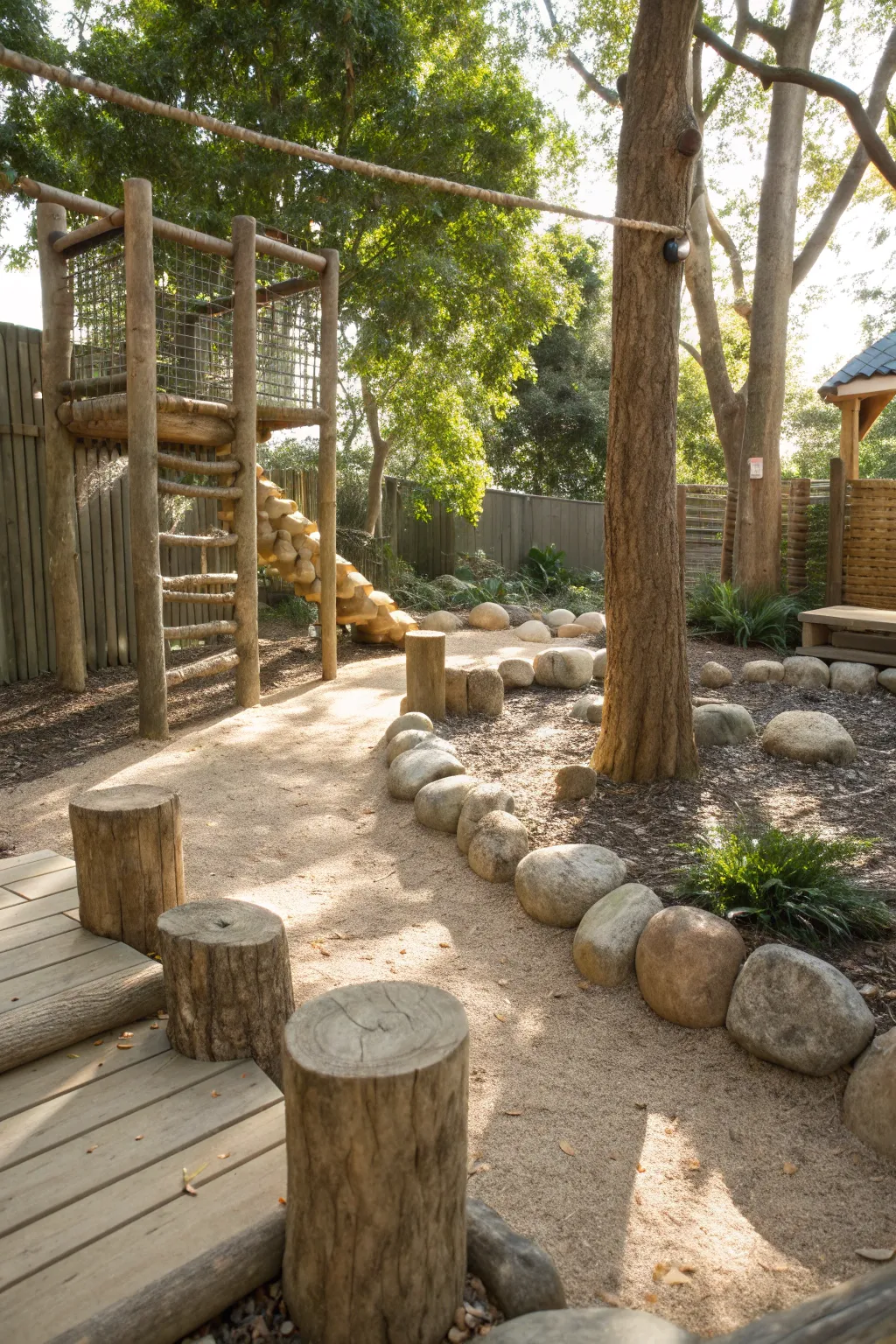
Incorporate a garden play area using natural materials like logs and stones. Create a space for climbing, sitting, and exploring. Kids can use their imagination to play and build. This encourages physical activity and fosters a love for nature. A garden play area can be a perfect blend of fun and learning, providing a safe place to explore.
Compost Bin for Teaching Sustainability
Introduce kids to composting with a simple compost bin. Show them how to collect kitchen scraps and yard waste to create nutrient-rich soil. Involve them in adding materials and turning the compost. This project teaches sustainability and the importance of reducing waste. Kids will take pride in creating compost for their garden.
Nature Art Station with Garden Finds
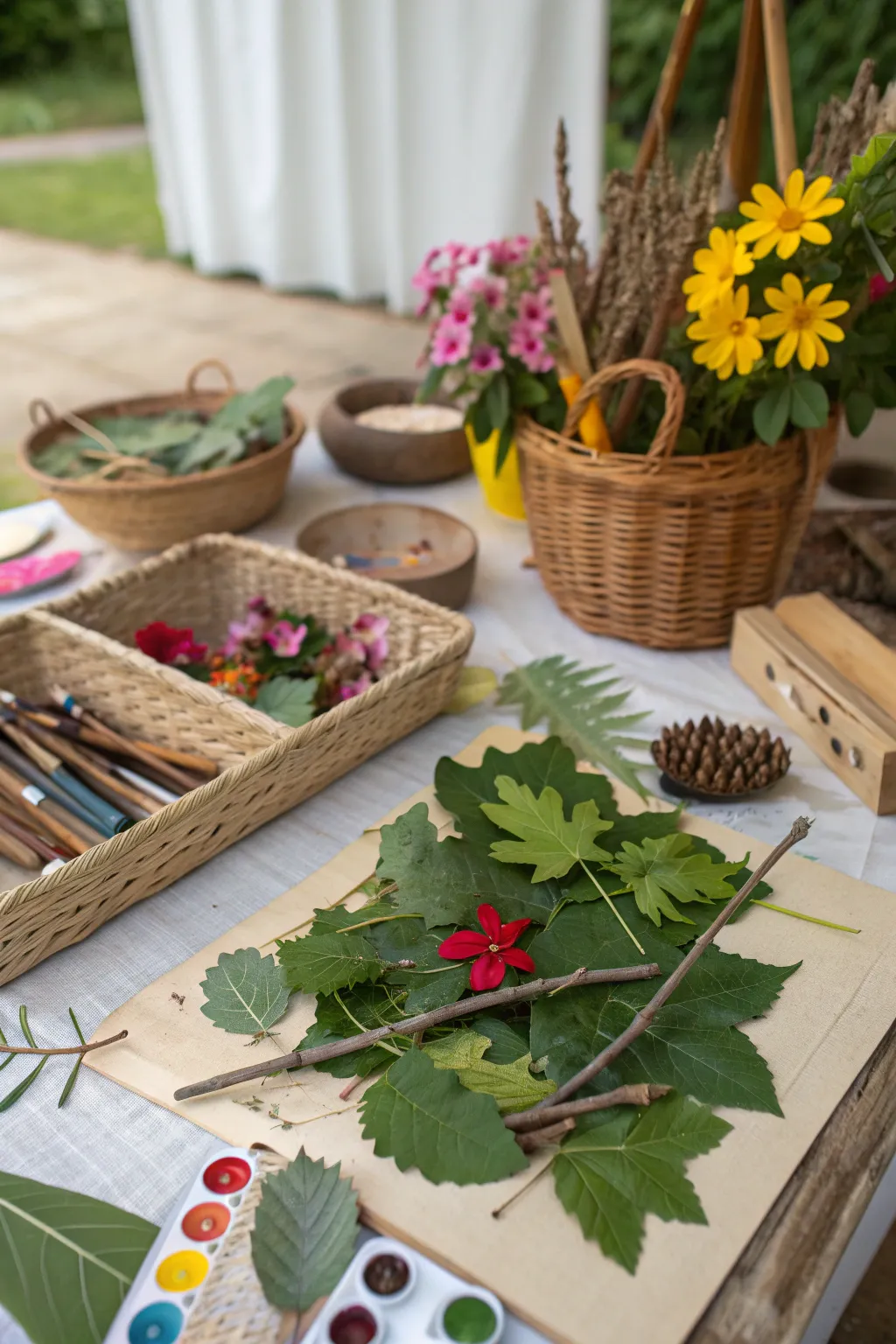
Set up a nature art station where kids can create art using items from the garden. They can use leaves, flowers, and sticks to make collages or sculptures. Encourage them to collect various materials and express their creativity. This activity promotes artistic skills and appreciation for nature. You can also display their art in the garden as decoration.
Garden Trellis for Climbing Plants
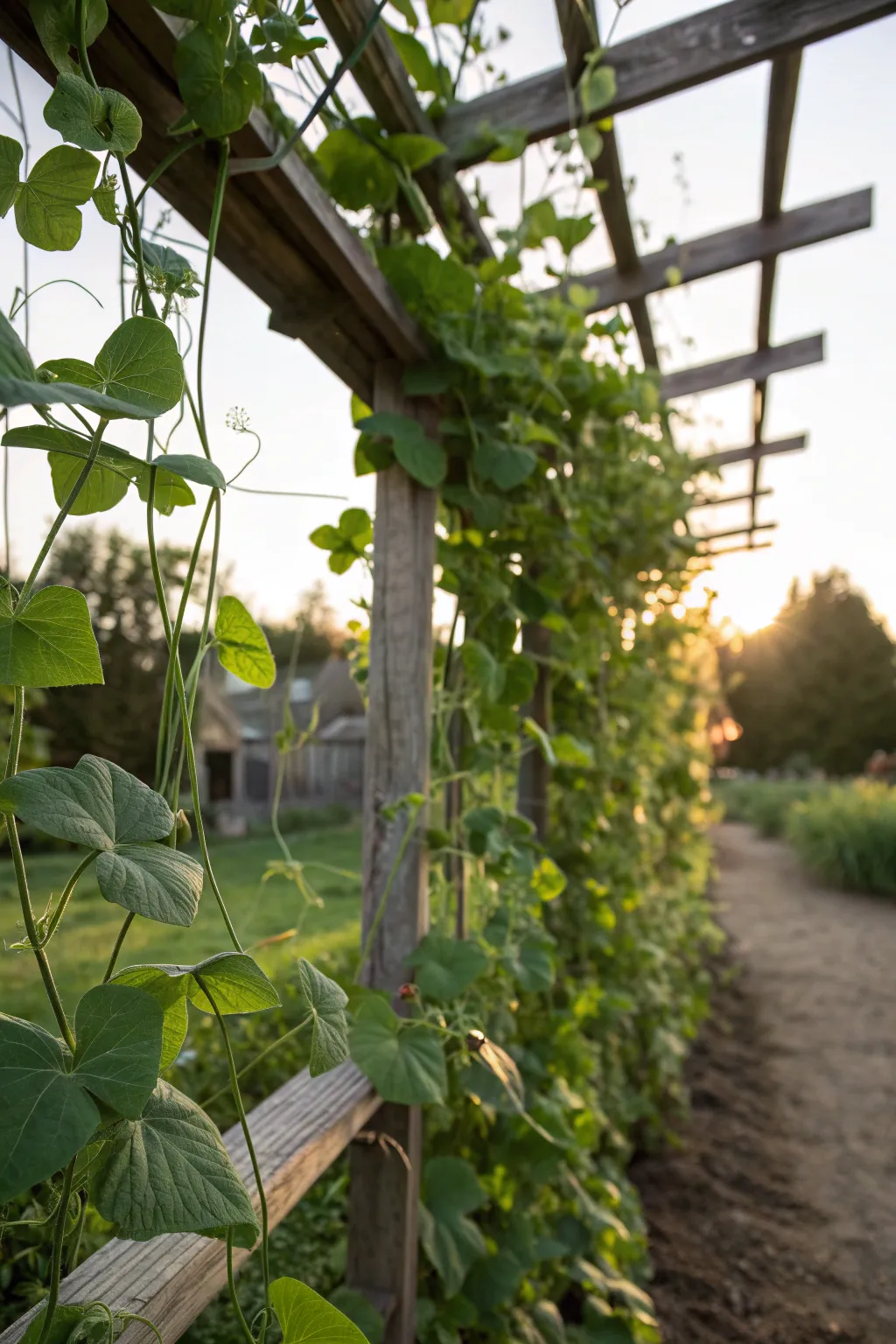
Build a trellis for climbing plants like peas or beans. Kids can help assemble it and plant seeds at the base. As the plants grow, they can learn about support systems in nature. This project adds vertical interest to your garden and teaches kids about plant growth. Watching their plants climb can be a rewarding experience.
Seed Bombs for Creative Gardening

Make seed bombs with kids using clay, compost, and seeds. This fun activity allows them to create little balls of potential that they can toss in the garden or empty lots. Explain how the seeds will sprout when conditions are right. It’s a playful way to introduce gardening and encourages them to think about plant life. Plus, it adds a bit of surprise to the gardening process.
Garden Journaling to Track Growth
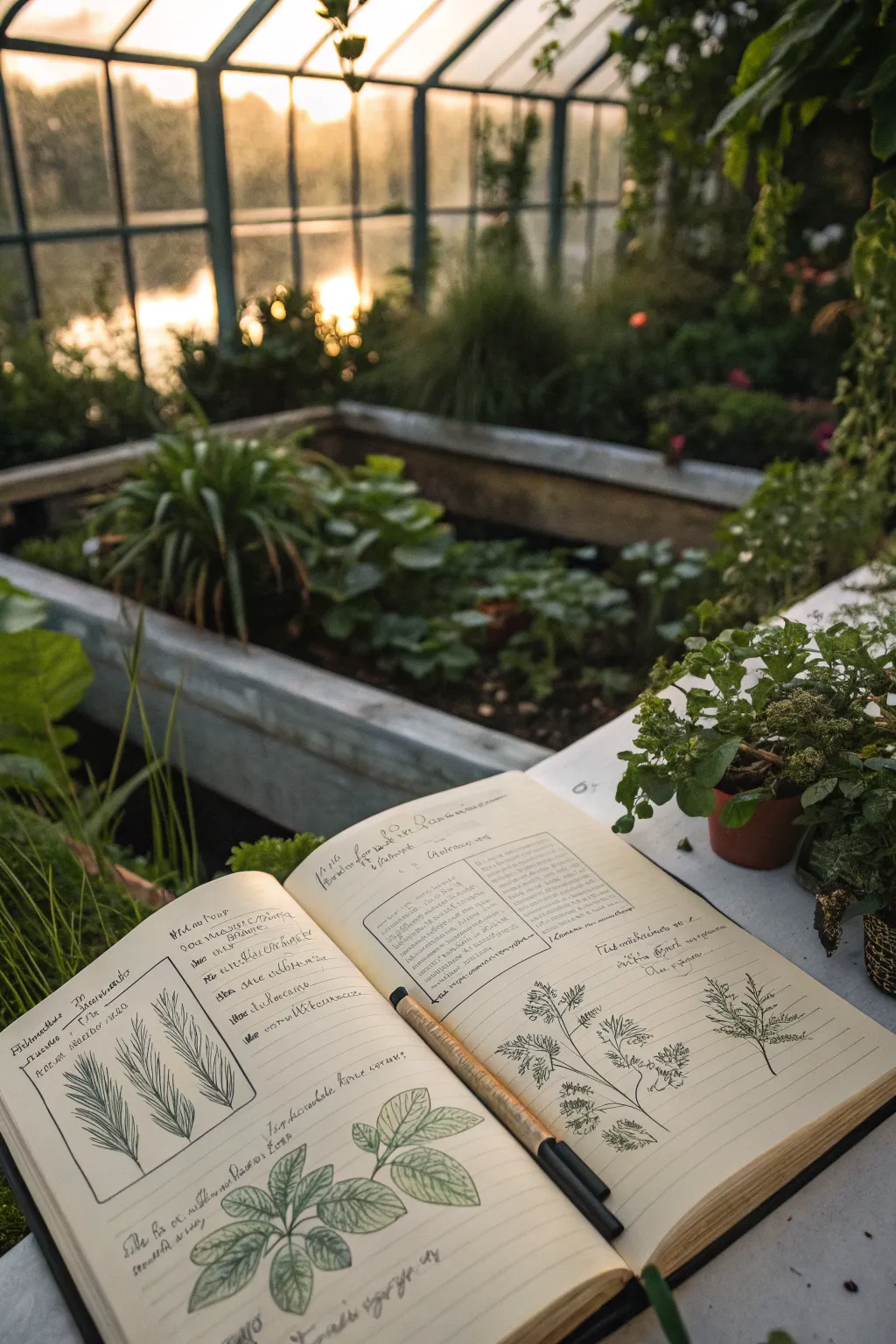
Encourage kids to keep a garden journal to track their plants’ growth. They can document when they planted seeds, how they care for them, and any changes they observe. This practice develops writing skills and helps them connect with nature. Journaling can also include drawings and photos, making it a creative outlet for them.
Sunflower House for Playful Hideaways
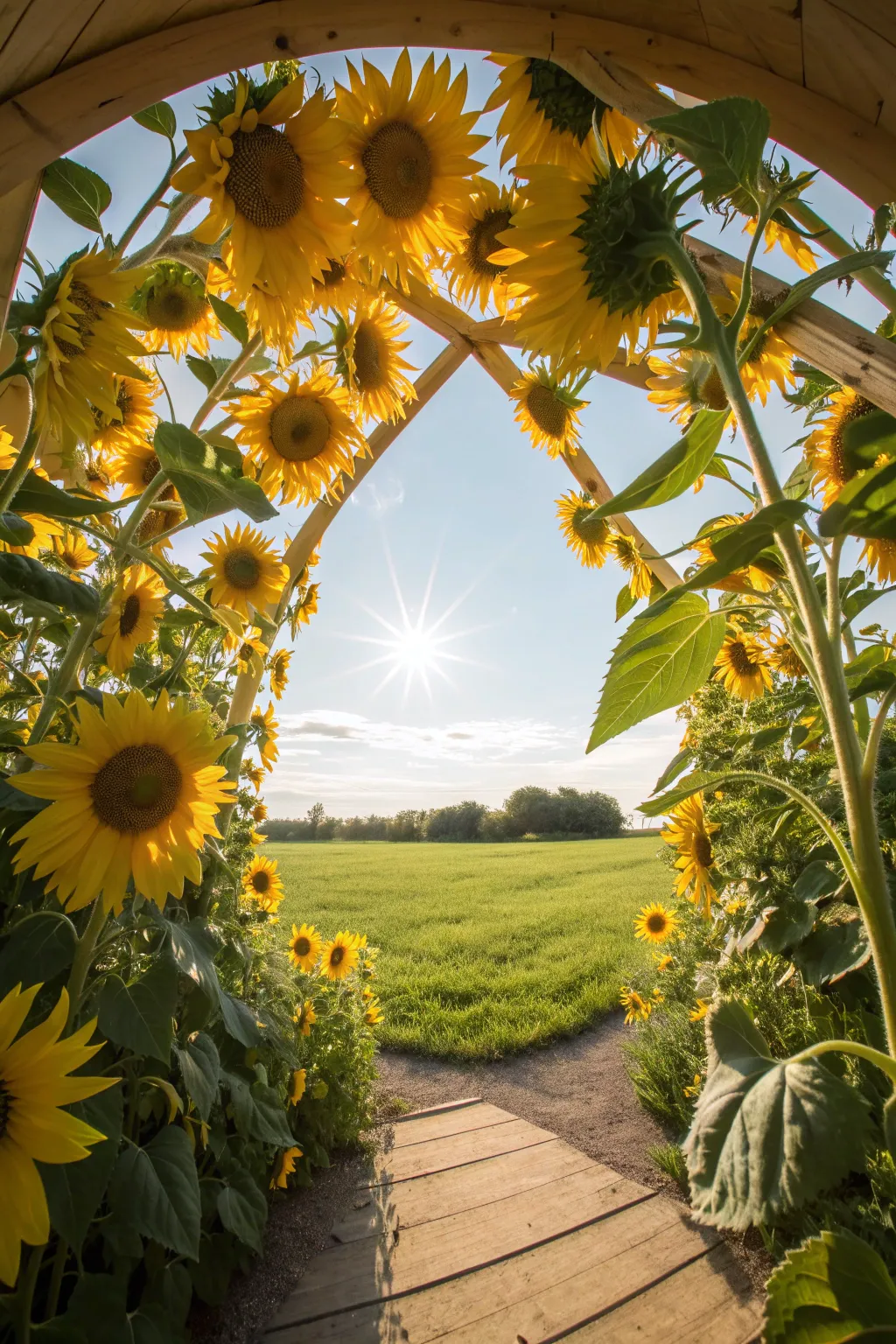
Plant a sunflower house by creating a circular garden of sunflowers. This tall, cheerful flower will create a natural play space for kids. They can sit inside, play games, or read books amid the towering sunflowers. This idea is great for encouraging outdoor play and provides a whimsical nook for children to enjoy.
Pinecone Bird Feeders for Wildlife Watching
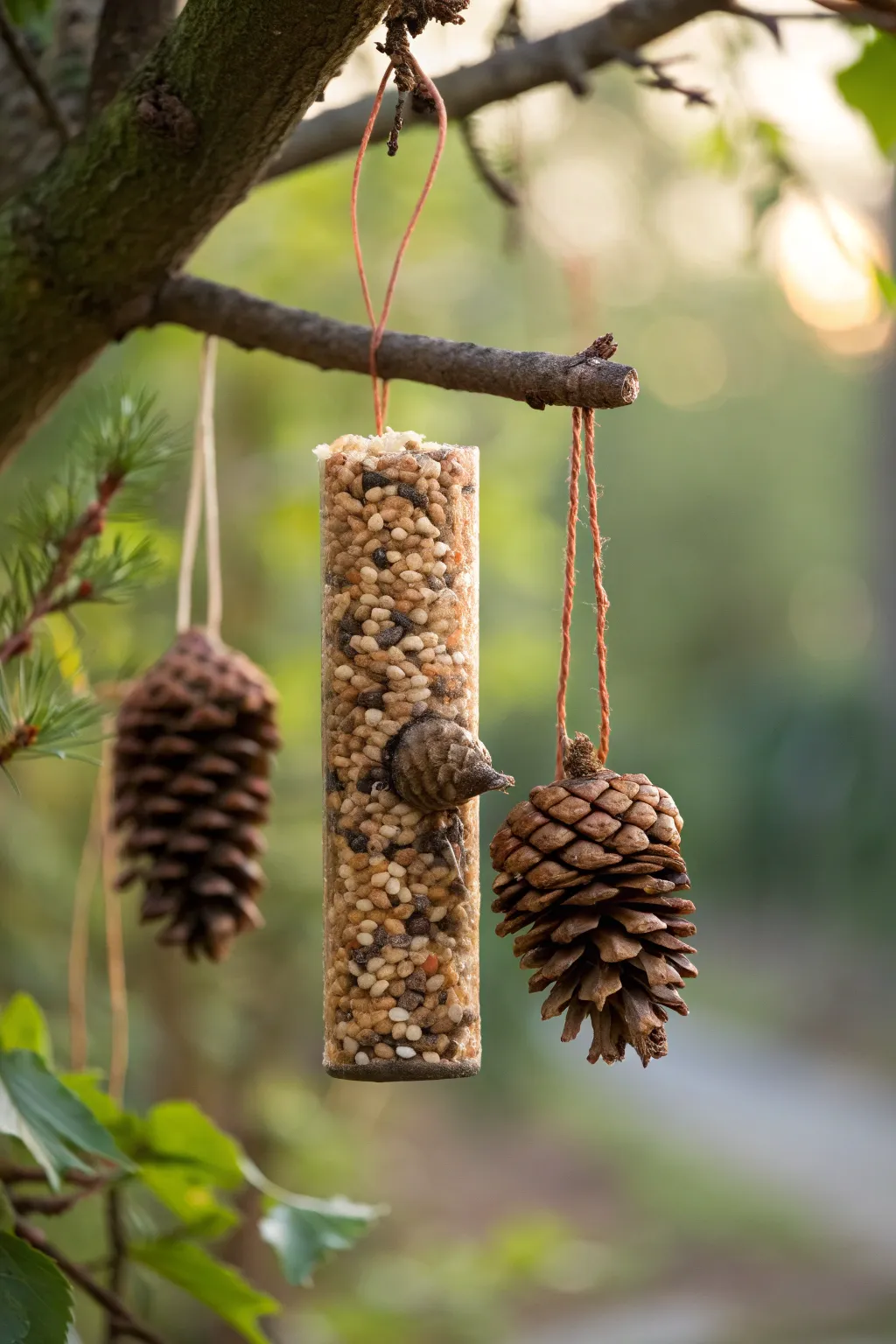
Make pinecone bird feeders to attract local birds to your garden. Spread peanut butter on pinecones and roll them in birdseed. Hang them outside and watch as birds come to feed. This project teaches kids about local wildlife and encourages them to observe nature. It’s a simple way to combine crafting with environmental education.
Rock Painting for Personalized Decor
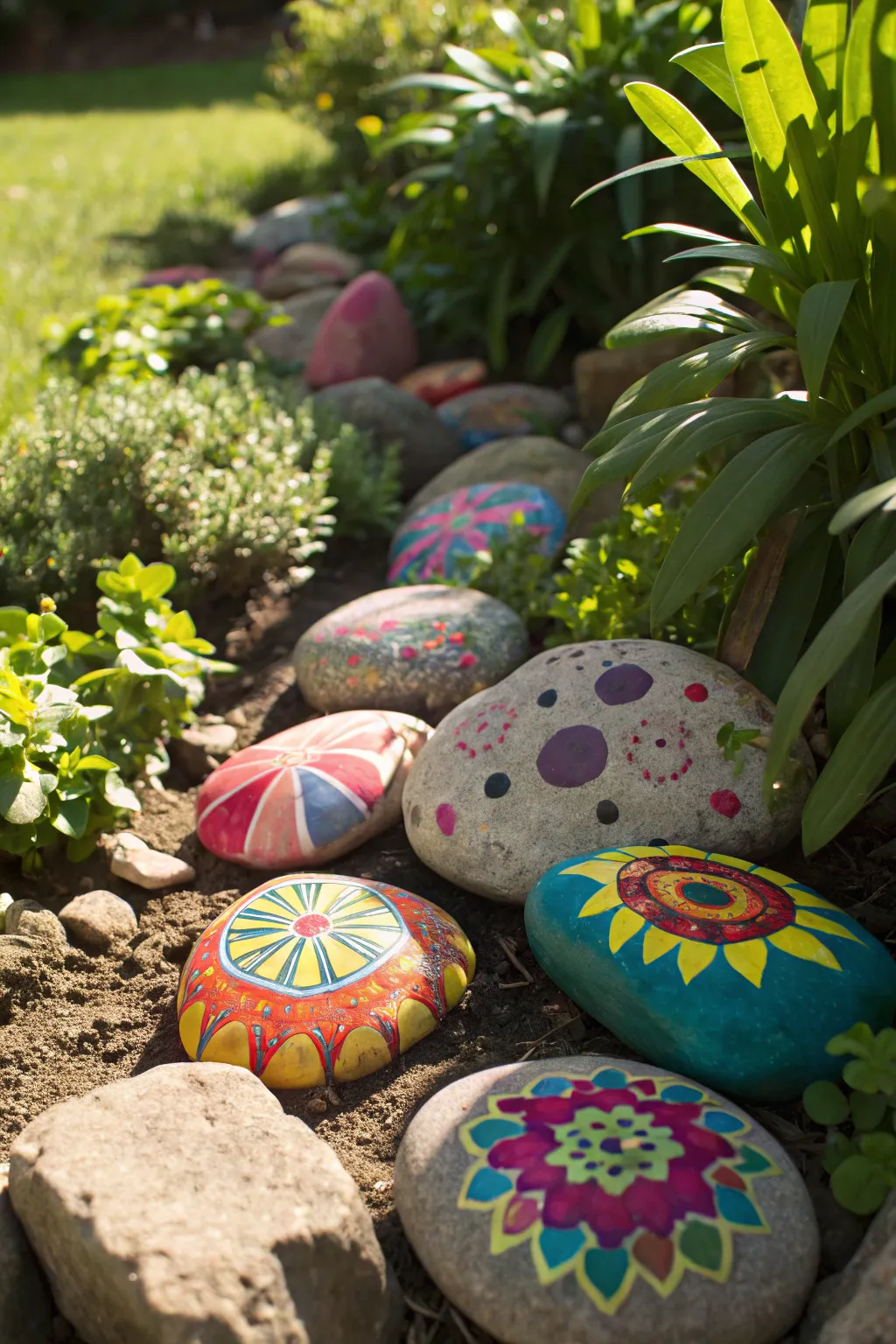
Let kids paint rocks to decorate the garden. They can use their imagination to create colorful designs or messages. Once finished, place them around the garden for a personal touch. This activity encourages creativity and adds a fun element to your outdoor space. Plus, it’s a great way to spend quality time together.
Garden Pathway with Stepping Stones
Create a garden pathway using stepping stones that kids can help place. They can choose the design and layout of the stones. This project enhances their sense of ownership and can lead to imaginative play. The pathway can guide them through the garden, making it feel like an adventure. It’s also practical, providing an easy way to navigate the garden.
Outdoor Classroom for Hands-on Learning
Set up an outdoor classroom in your garden to combine learning with nature. Use a picnic table or benches for seating. Plan activities that incorporate gardening and outdoor exploration. Subjects like science, math, and art can be taught in this natural environment, making lessons more engaging. This idea is perfect for schools looking to enhance their curriculum.
Vertical Garden for Small Space Solutions
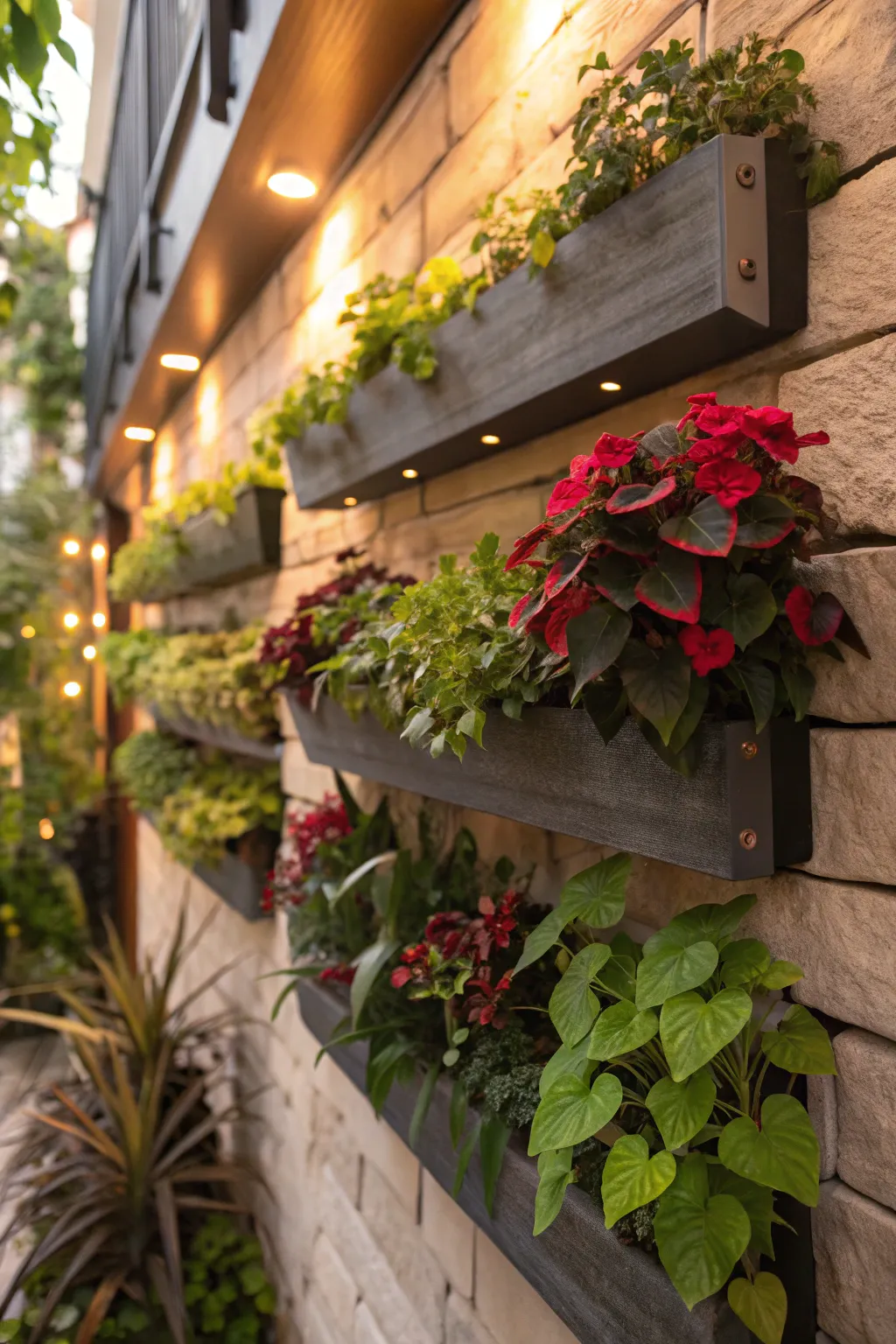
If space is limited, consider creating a vertical garden. Use wall-mounted planters or repurpose pallets to grow plants upward. Kids can help design the layout and choose plants. This project is an excellent solution for small gardens and teaches kids about space efficiency in gardening. It’s a fun way for them to see how plants can thrive in unexpected places.