
Choosing the right paint for a child’s room often feels like a high-stakes decision. You want a color that they won’t outgrow in six months, but it also needs to spark their imagination right now. A fresh coat of paint is the fastest way to change the energy of a room without spending a fortune on new furniture.
This list covers specific kids bedroom paint colors and layouts that work for different ages and styles. Whether you are looking for toddler room paint ideas or a more mature look for a pre-teen, these suggestions focus on practical ways to use color and simple patterns to create a space your child will actually enjoy spending time in.
Navy Blue Accent Wall with White Star Decals
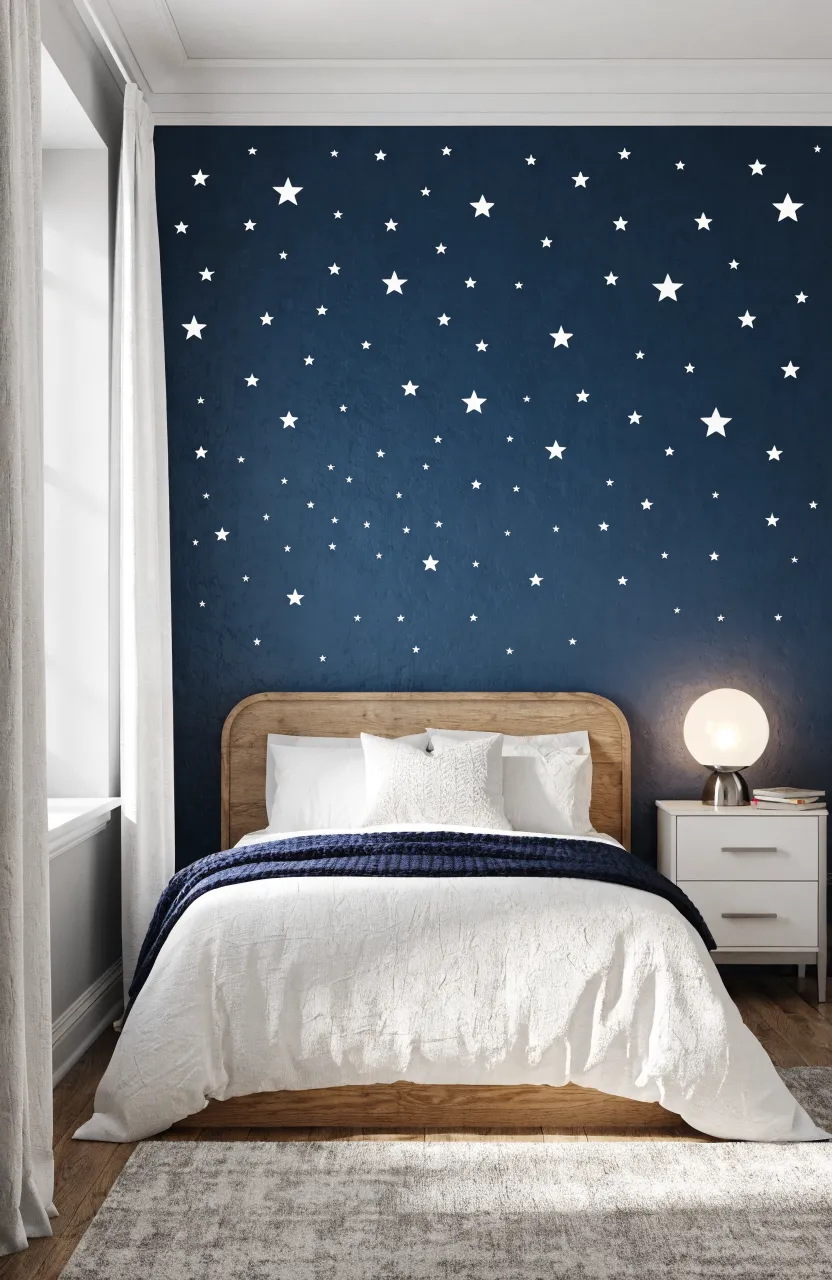
A deep navy blue provides a grounding effect that helps a room feel cozy at night. By painting just one wall this dark shade, you avoid making the space feel small or cramped. Adding white star decals creates a classic night sky theme that is easy to update as the child grows older. Use a matte finish for the navy paint to hide wall imperfections and make the stars pop.
Soft Sage Green for a Gender-Neutral Nursery
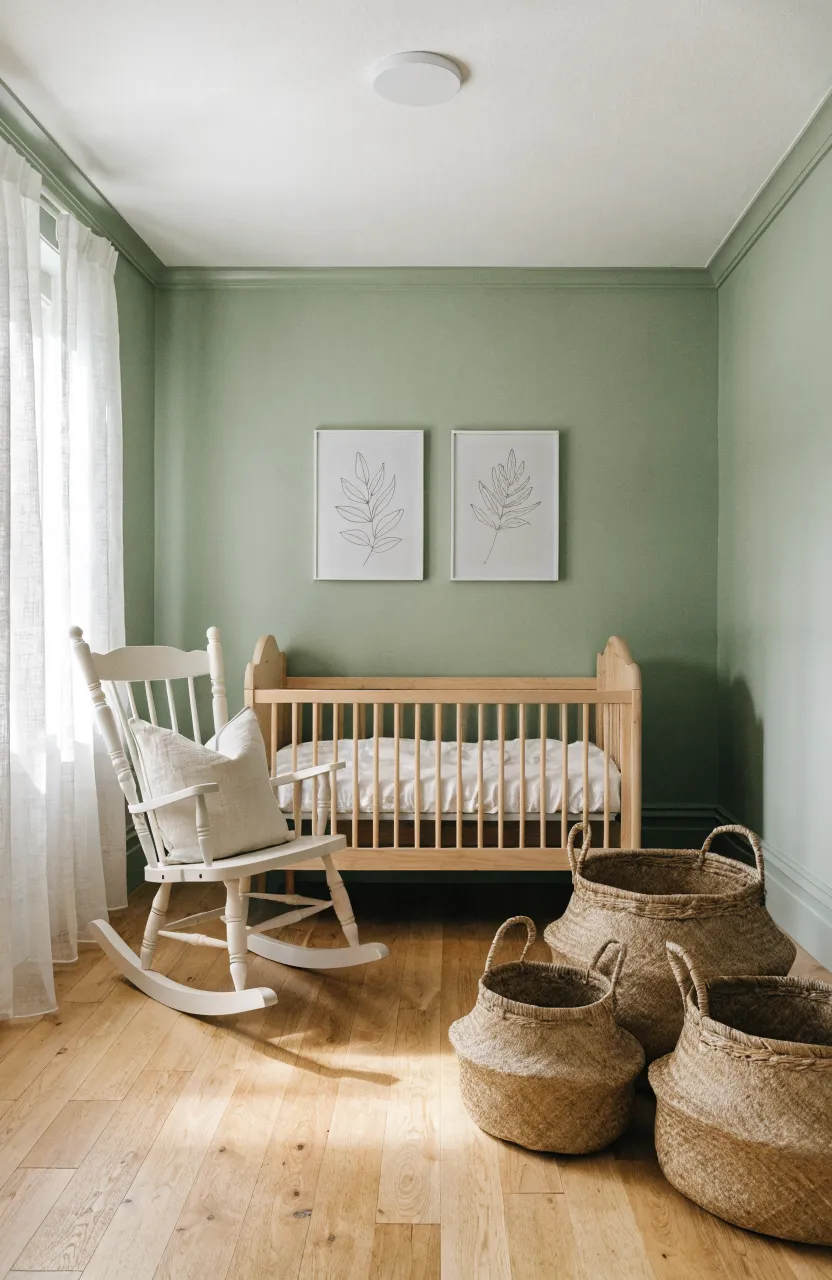
Sage green is a versatile choice for kids room color schemes because it feels calm and organic. It works well with both wood tones and white furniture, making it a safe bet for a nursery where the final decor isn’t fully decided yet. This color stays relevant from infancy through the school years, providing a peaceful backdrop for sleep and play.
Horizontal Gray and White Stripes to Widen the Room
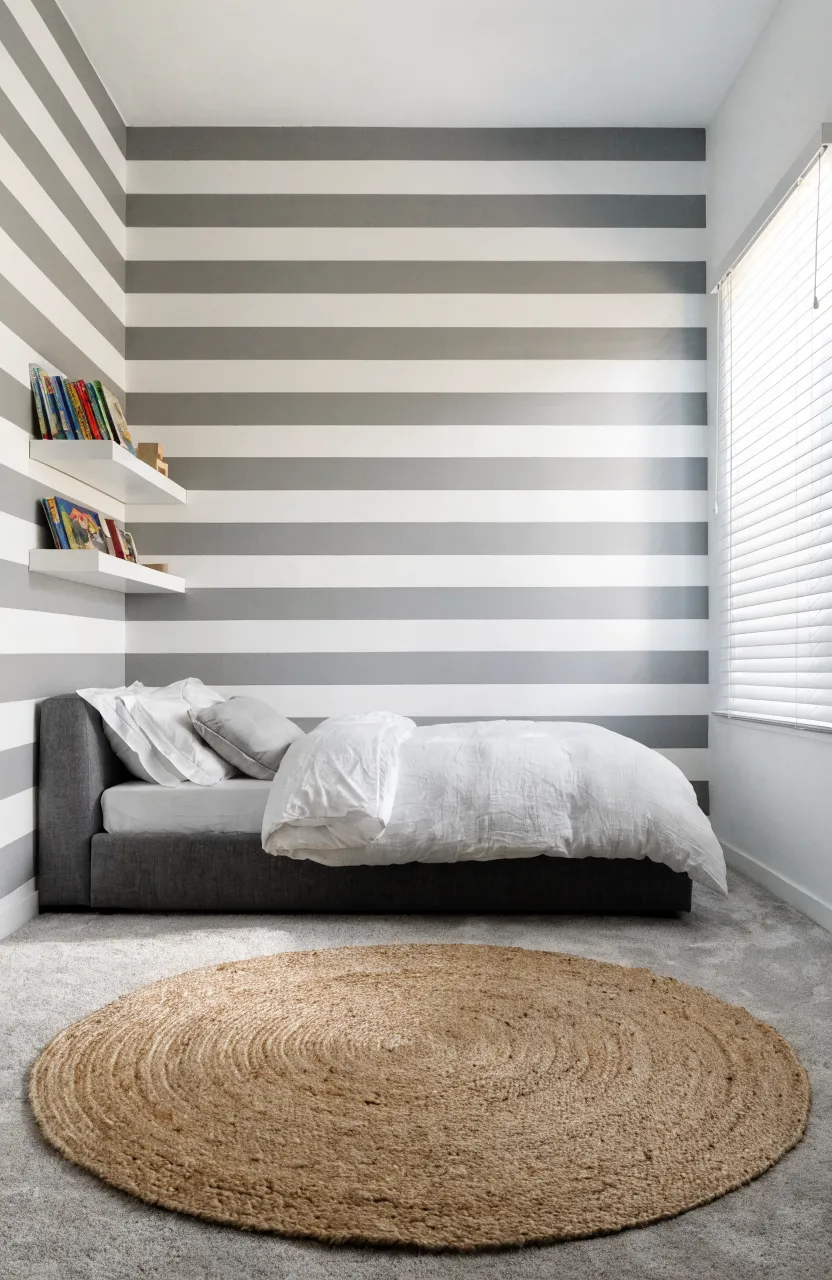
If you are dealing with a small bedroom, horizontal stripes can make the walls feel longer and the room more spacious. Use painter’s tape to mark off thick bands of light gray and crisp white. This kids bedroom wall design adds visual interest without the chaos of a busy wallpaper pattern. Keep the stripes wide—about 10 to 12 inches—for a modern look that doesn’t strain the eyes.
Bright Yellow Sunburst Painted in a Corner
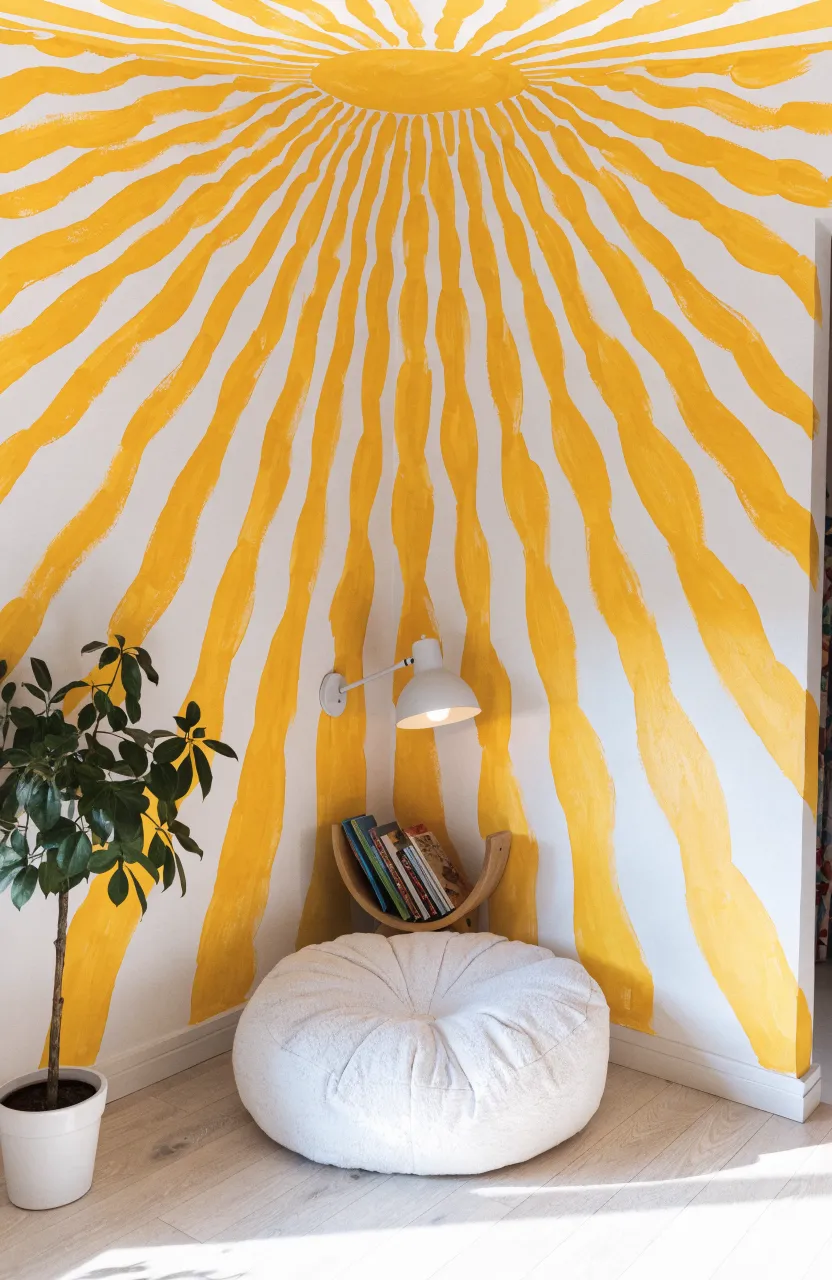
You don’t have to paint an entire wall to make a big impact. A yellow sunburst in a corner adds a cheerful focal point that brightens up a desk area or a reading nook. Start the center of the sun at the ceiling line and let the rays extend down the walls. This is one of those kids room paint colors that brings a sense of energy and warmth to the room even on cloudy days.
Blackboard Paint for a Creative Drawing Zone
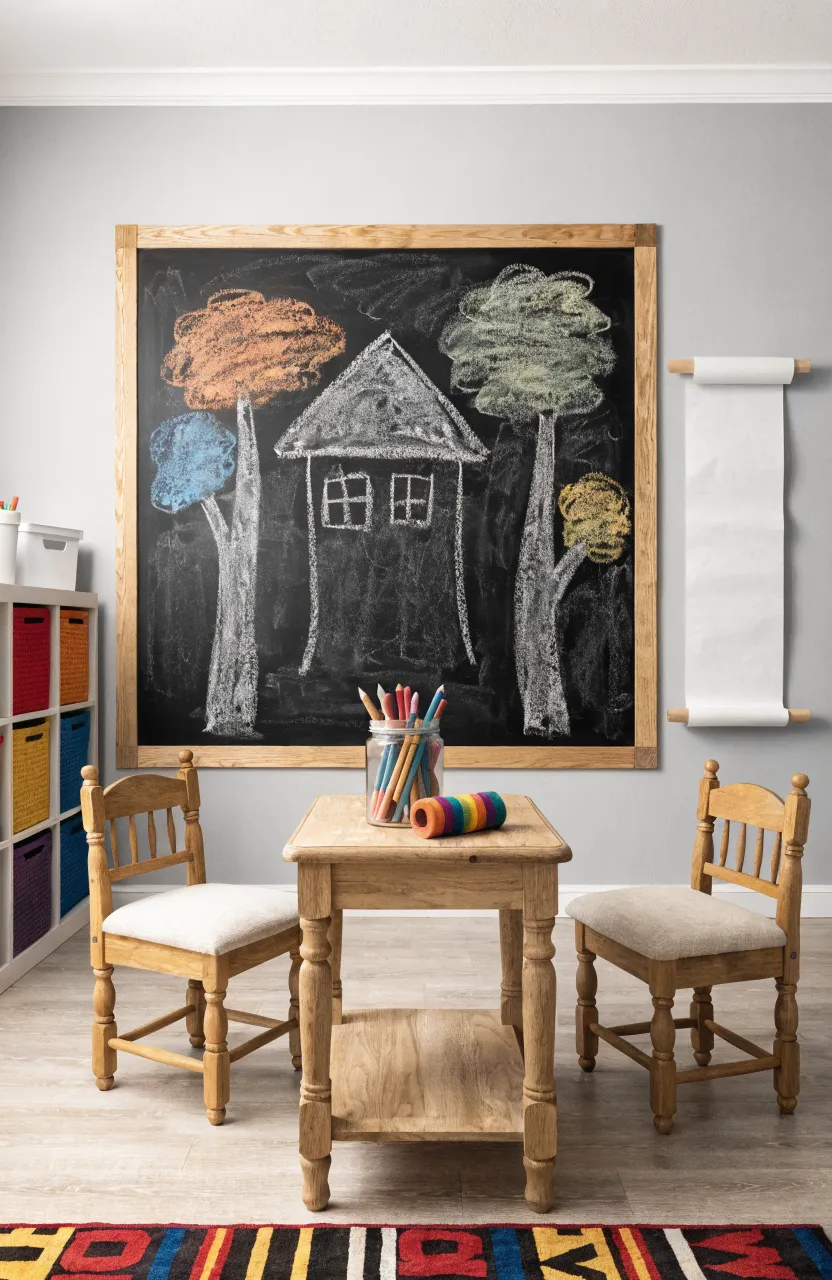
Turning one section of a wall into a chalkboard gives kids a dedicated place to express themselves. It prevents them from drawing on the actual walls and provides an ever-changing piece of art. Frame the blackboard area with simple wood molding to make it look like a deliberate design choice rather than just a dark patch on the wall.
Pale Lavender Walls with White Crown Molding
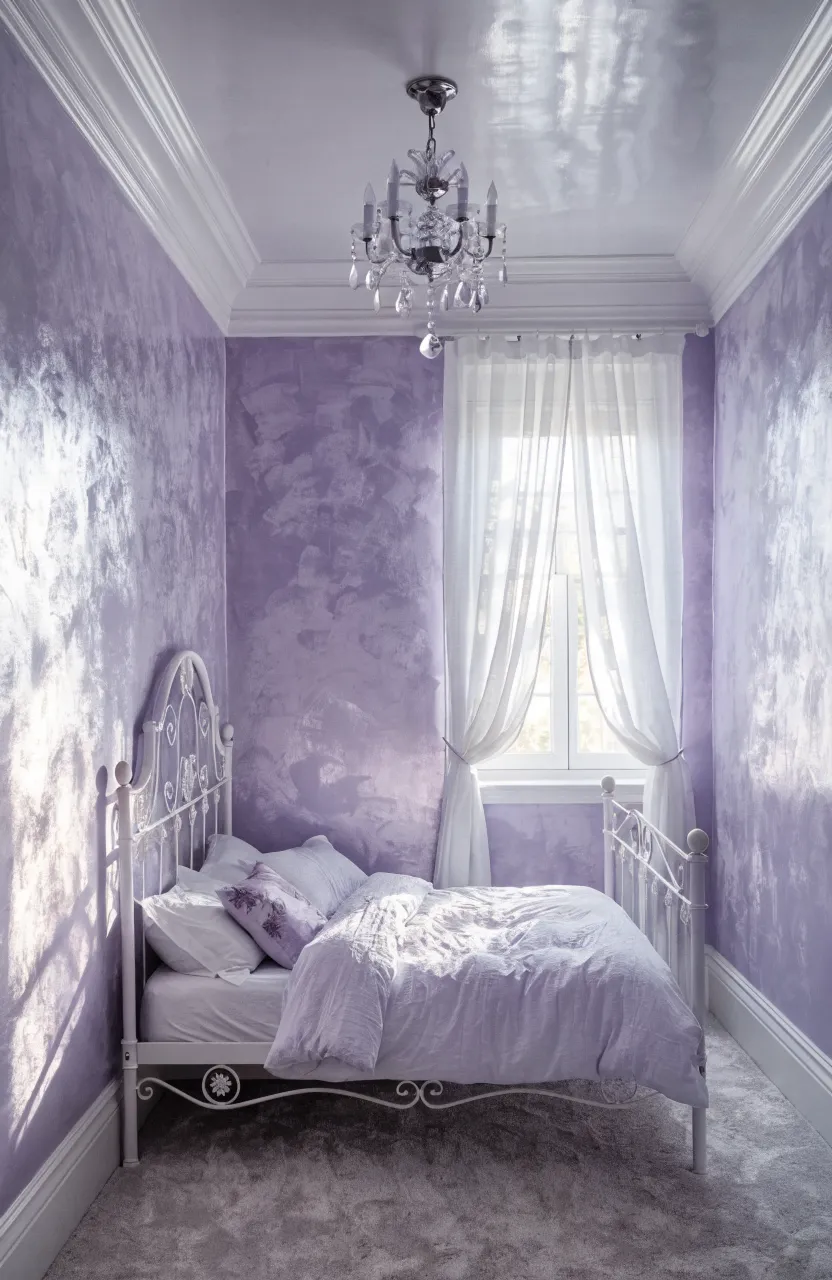
Lavender is a softer alternative to bright purple and creates a very soothing environment. When paired with thick white crown molding, the room takes on a clean and polished appearance. This kids room wall color works especially well with natural light, shifting slightly in tone throughout the day to keep the room feeling fresh.
Muted Terracotta for a Warm Earthy Feel
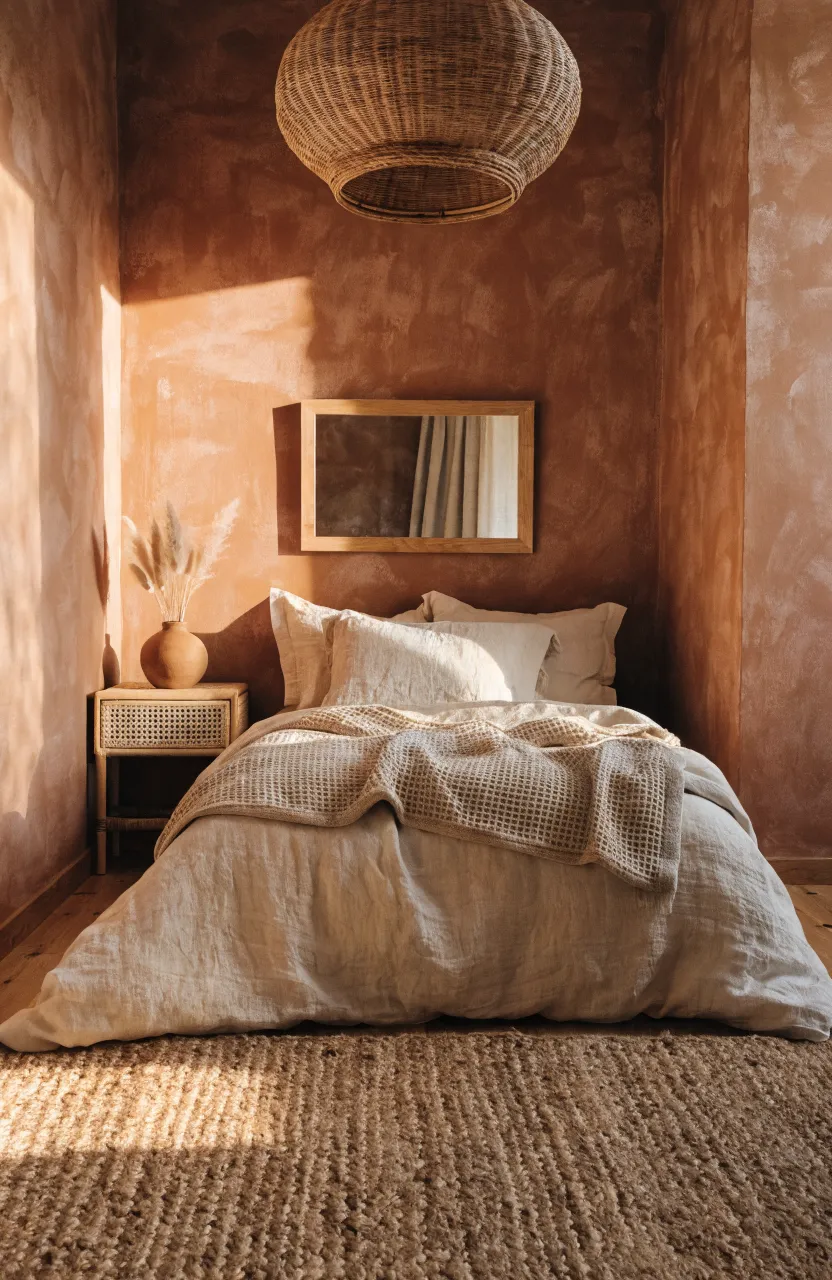
Terracotta is a great choice for parents who want a warm, cozy vibe without using traditional pinks or reds. It feels grounded and sophisticated, making it one of the better children’s bedroom ideas for a space that needs to transition into the teenage years. Pair it with cream linens and woven rugs to lean into the earthy aesthetic.
Mountain Range Mural in Shades of Blue and Teal
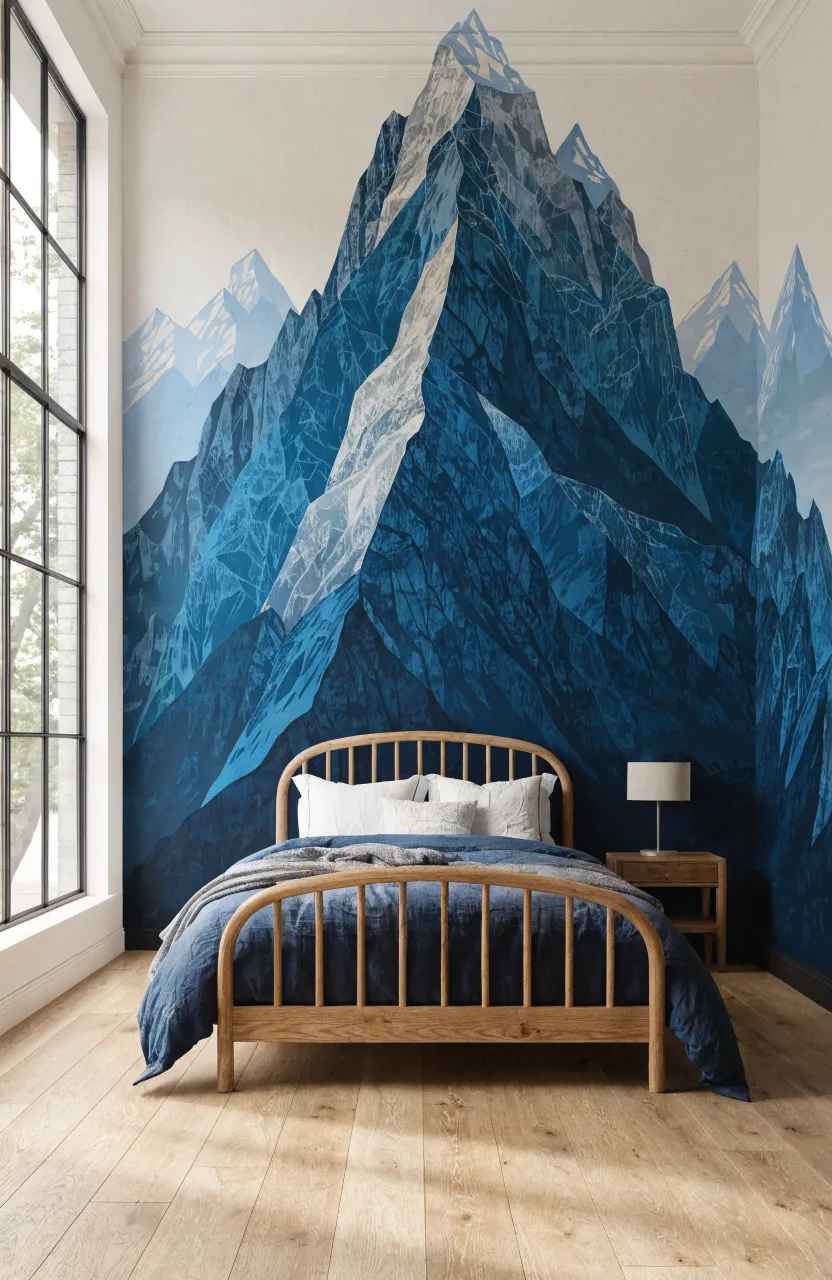
A mountain mural is a popular wall painting ideas kids room project because it only requires basic geometric shapes. You can use three or four shades of blue and teal to create depth, painting the darkest peaks at the bottom and the lightest at the top. It adds a sense of adventure to the room without requiring professional artistic skills.
Blush Pink with Gold Polka Dot Accents
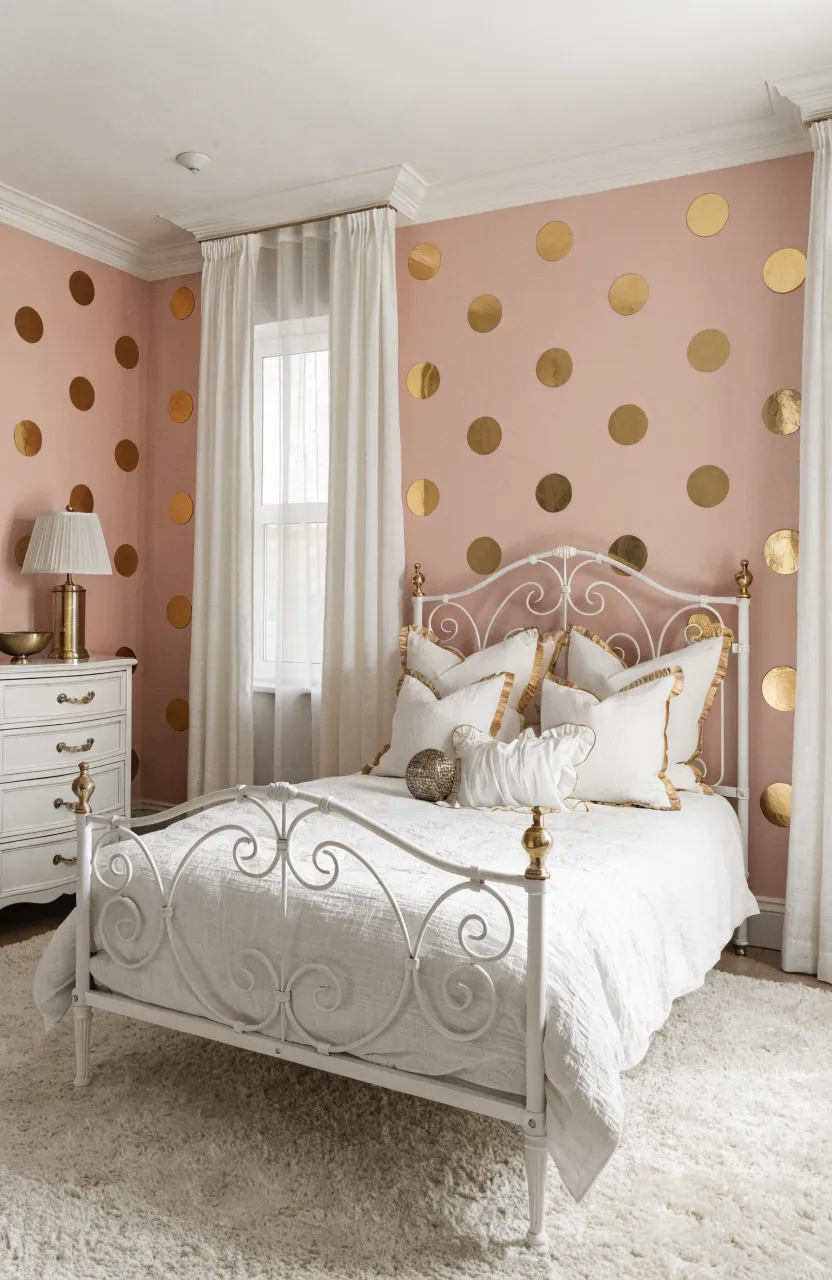
Blush pink is a timeless kids room color that feels airy and light. To keep it from looking too flat, add small gold polka dots using a stencil or vinyl decals. The gold adds a bit of shimmer that catches the light and gives the walls a custom, high-end look without a high-end price tag.
Classic Sky Blue with Hand-Painted White Clouds
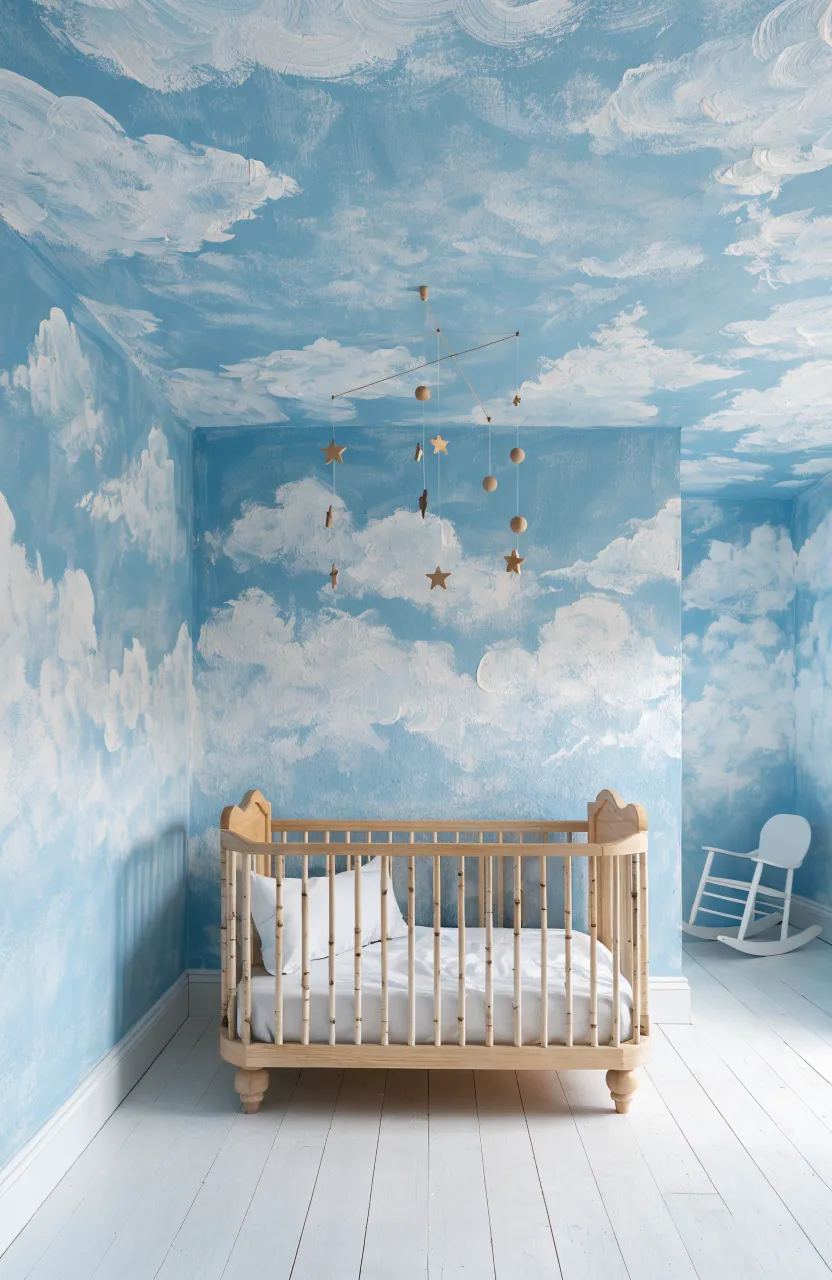
Sky blue walls can make a ceiling feel higher and the room feel more open. Adding soft, wispy white clouds with a sponge creates a dreamy atmosphere for a toddler room. It is a simple technique that doesn’t need to be perfect to look good, as real clouds are naturally irregular.
Charcoal Gray Half-Wall with Bold Orange Trim
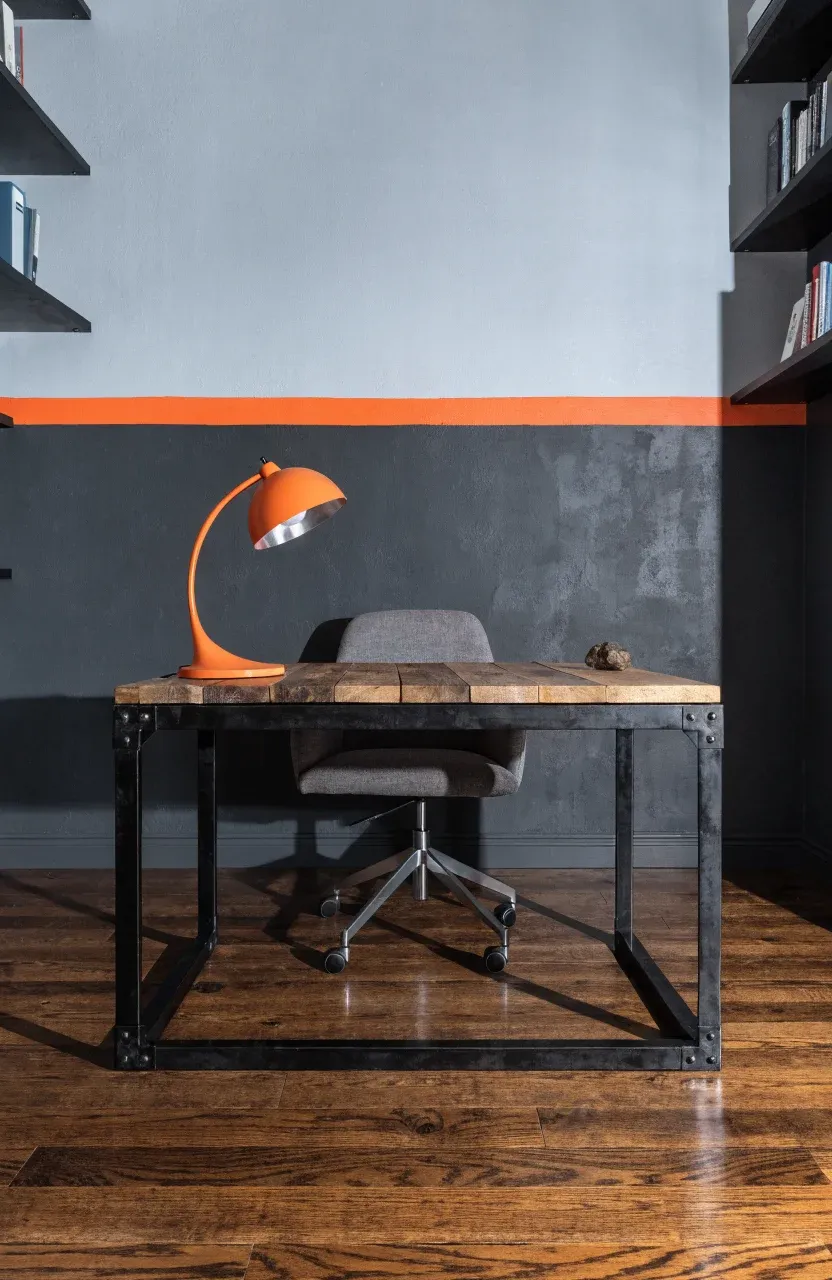
A charcoal gray half-wall is a smart way to hide scuffs and fingerprints that naturally happen near the floor. To keep the room from feeling too moody, add a thin line of bold orange paint where the gray meets the upper wall color. This pop of color adds a sporty, energetic feel that many older kids appreciate.
Mint Green and White Checkerboard Pattern
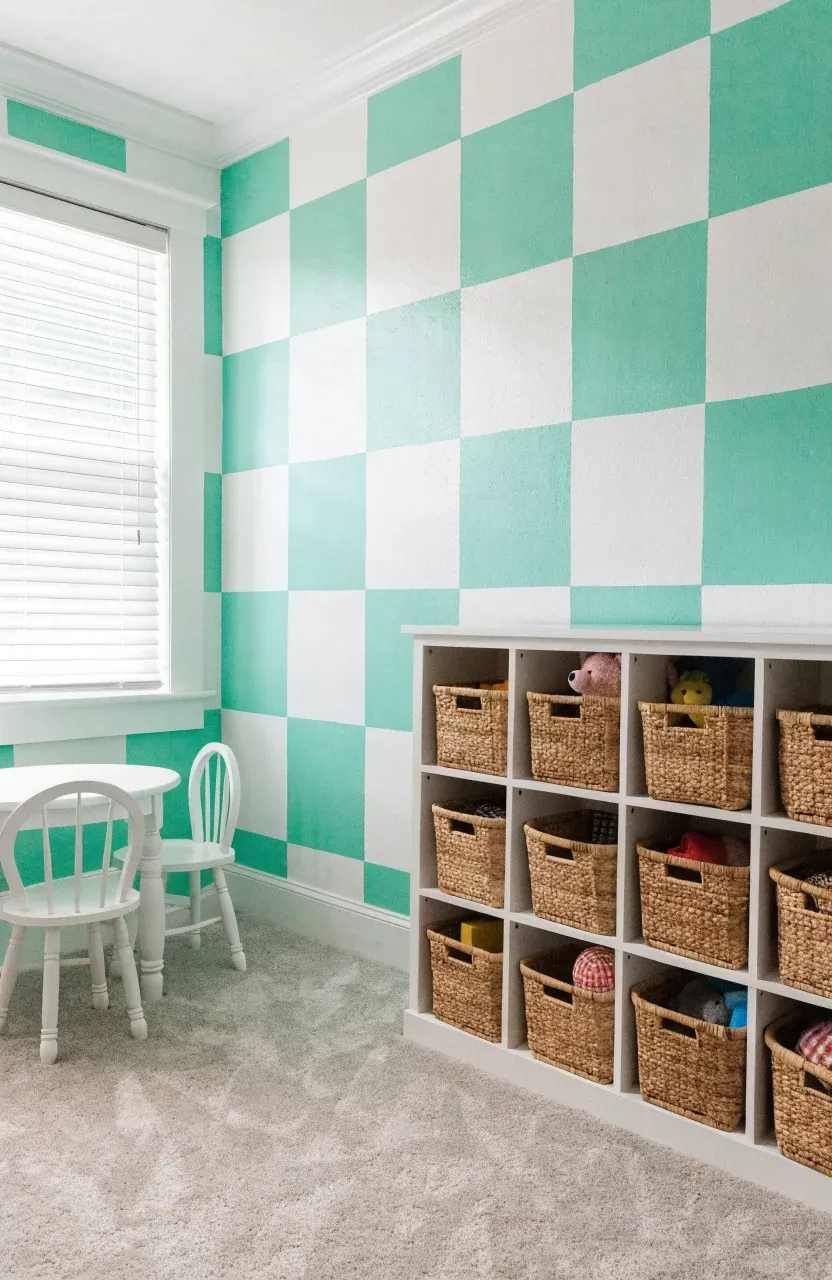
A checkerboard pattern on a single wall serves as a bold statement piece. Mint green keeps the pattern from feeling too overwhelming or harsh. This design works best behind a headboard or as a backdrop for a play area. Use a laser level to ensure your squares are straight before you start painting.
Deep Emerald Green for a Jungle Theme
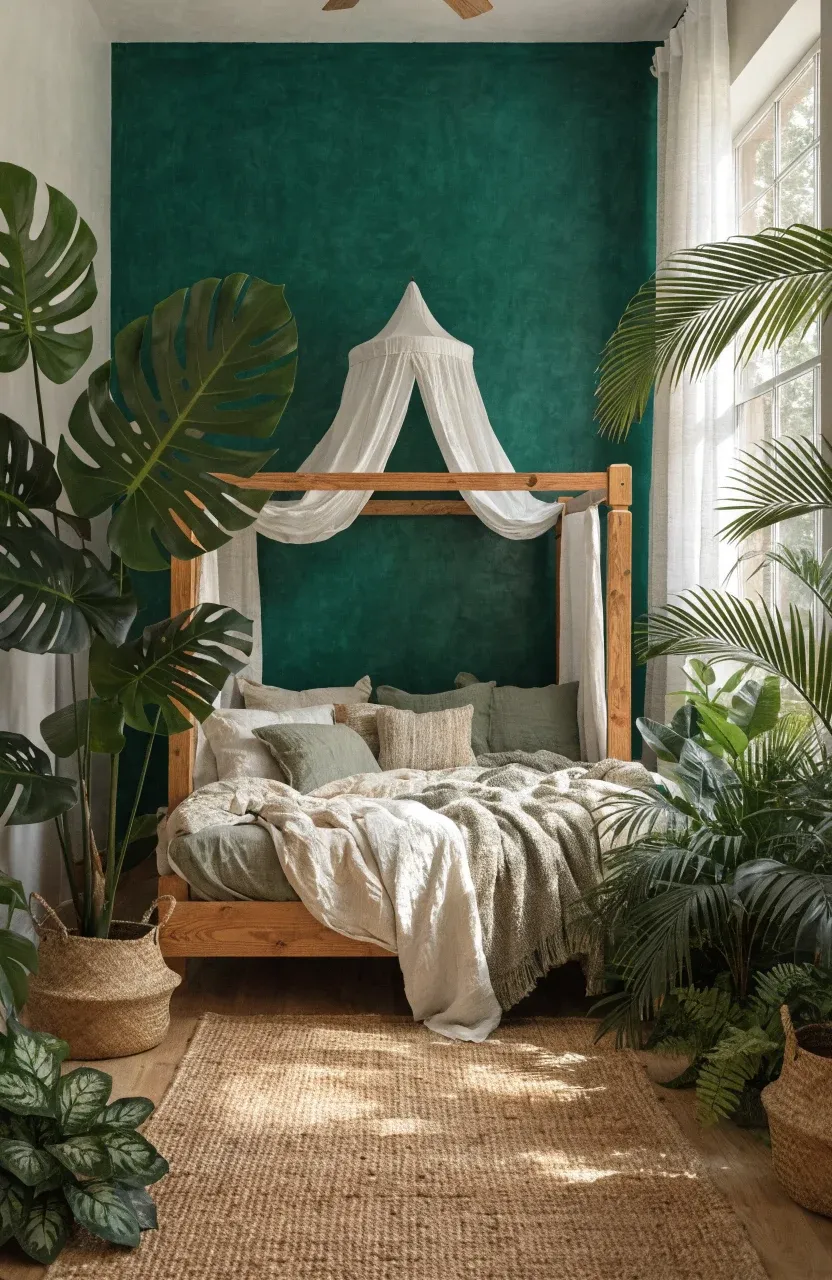
Emerald green is a rich, vibrant choice that works perfectly for a jungle or forest-themed room. It provides a dark backdrop that makes bright green plants or wooden furniture stand out. This kids bedroom paint colors choice is bold, so it usually works best when the other three walls are kept in a neutral tone like off-white.
Pastel Peach with Natural Wood Accents
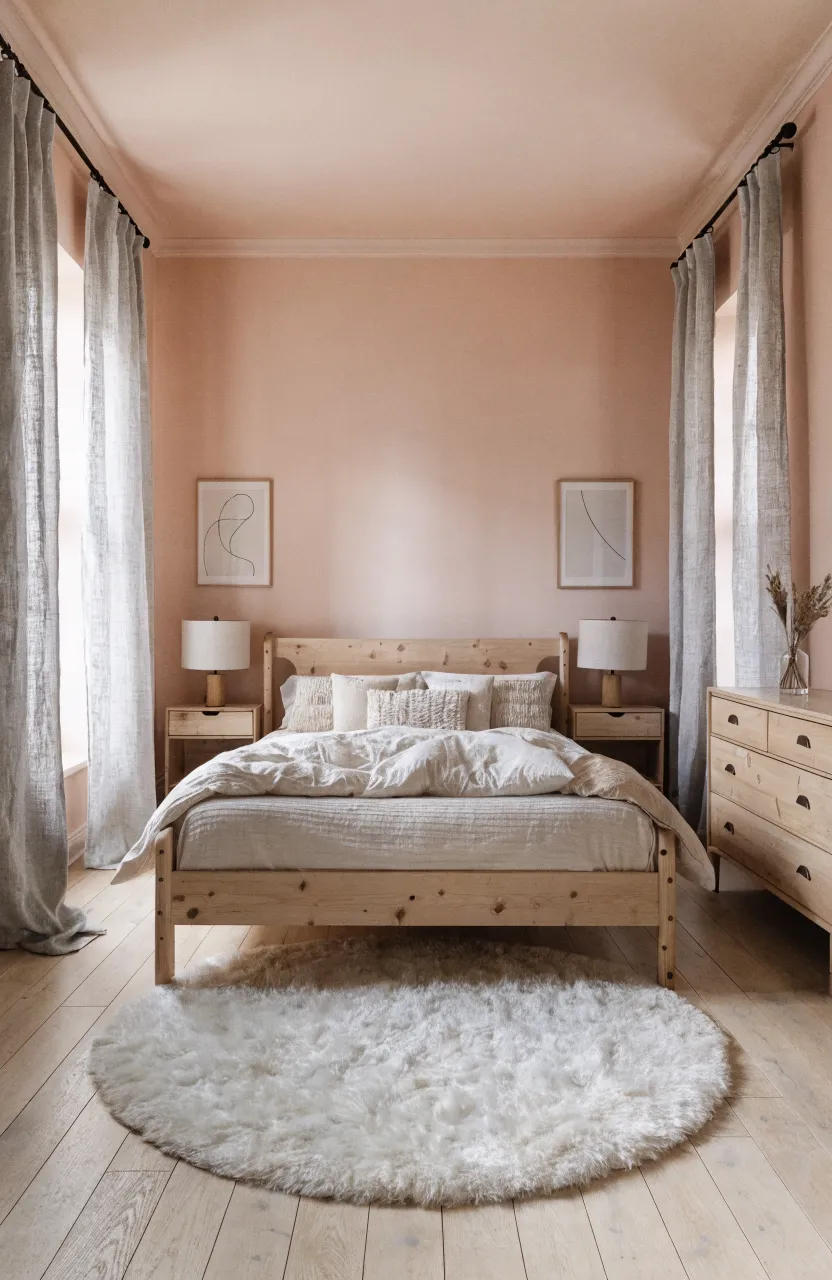
Pastel peach offers a warm glow that feels more modern than traditional pink. It looks best when paired with light-colored woods like birch or pine. This color combination creates a soft, Scandinavian-inspired look that is very easy on the eyes and helps the room feel organized and calm.
Bright Red Door Frame Against Neutral Beige Walls
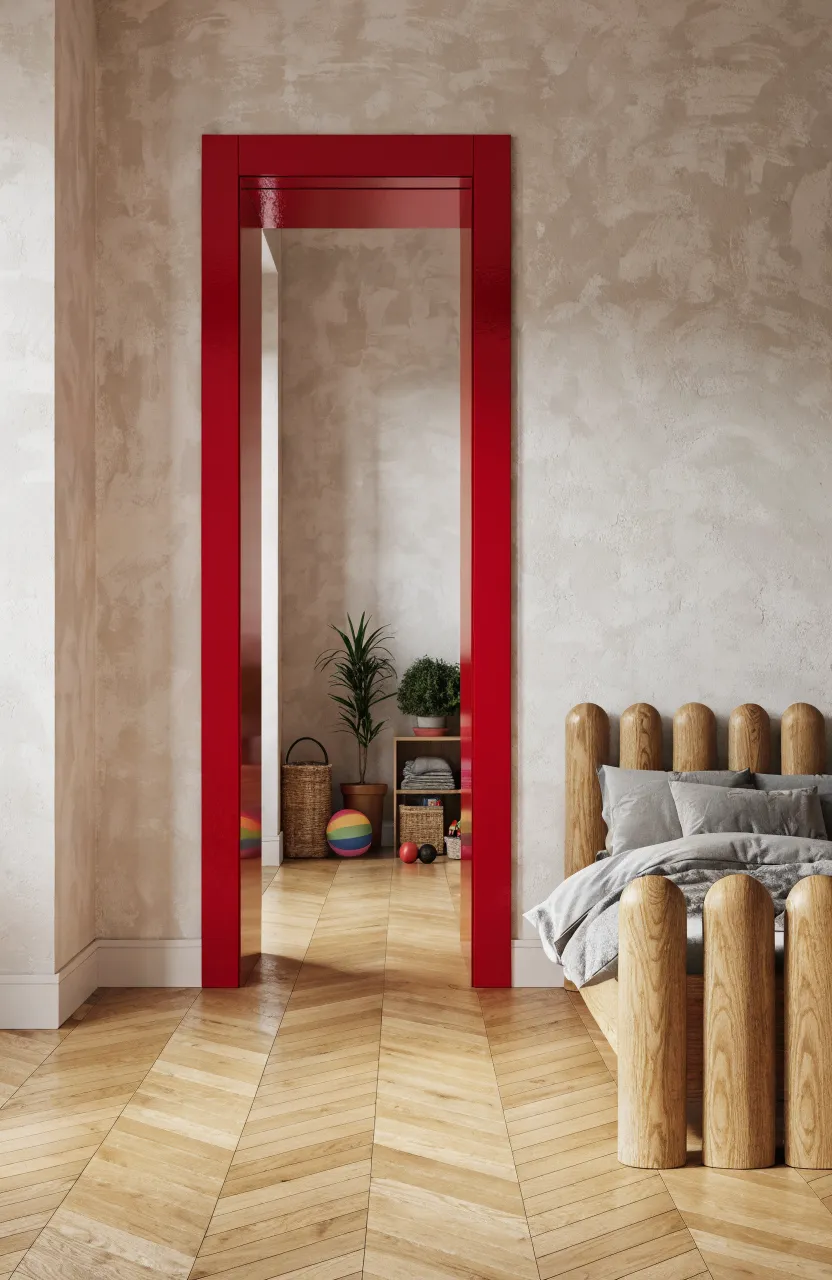
If you aren’t ready to commit to bright walls, try painting just the door frame or the window trim. A bright red frame against beige walls adds a surprising element of fun. It is a low-effort way to introduce kids bedroom color ideas without the work of painting an entire room.
Two-Tone Split Wall with Dark Blue Bottom and Cream Top
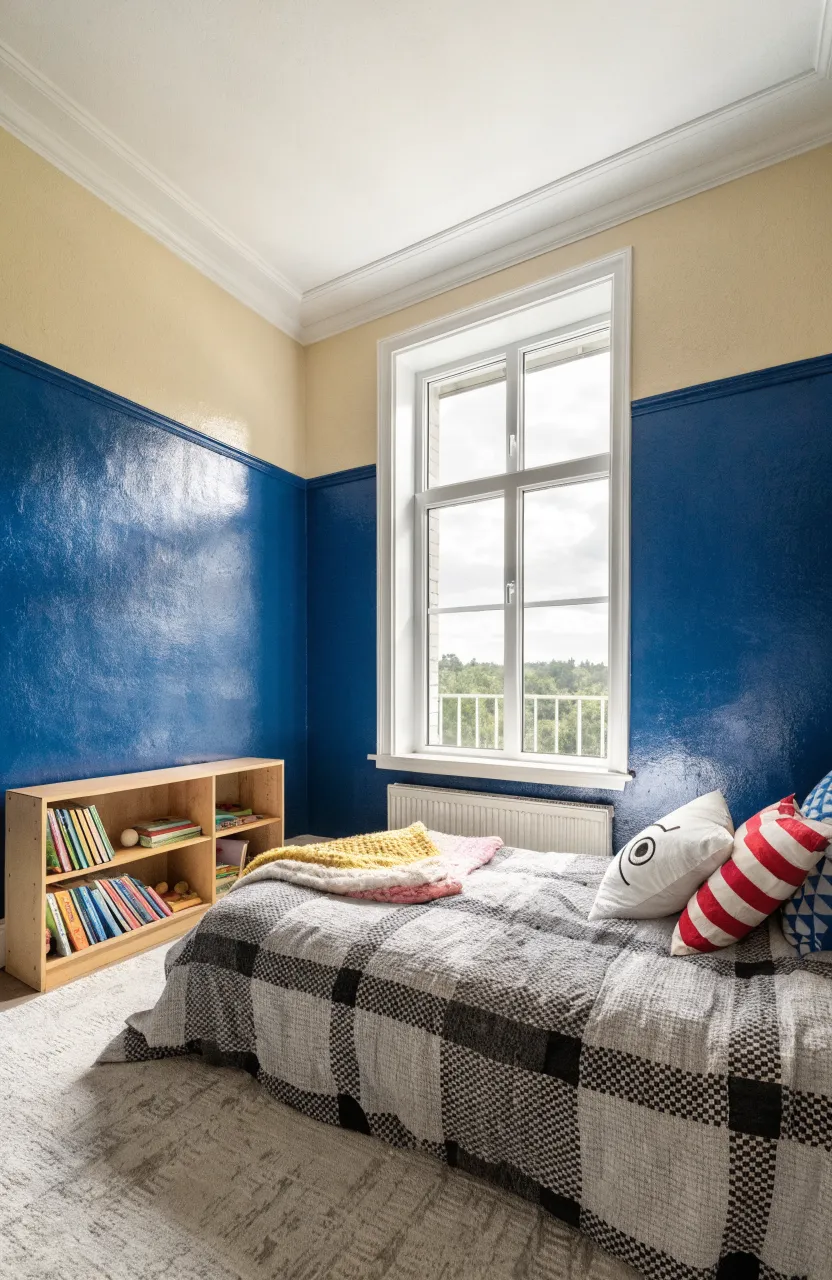
Splitting the wall horizontally is a practical design choice for active kids. Use a dark blue on the bottom half to handle the daily wear and tear of play. The cream top half keeps the room feeling bright and reflects light from the ceiling, preventing the dark blue from making the room feel like a cave.
Rainbow Ombre Gradient on a Single Feature Wall
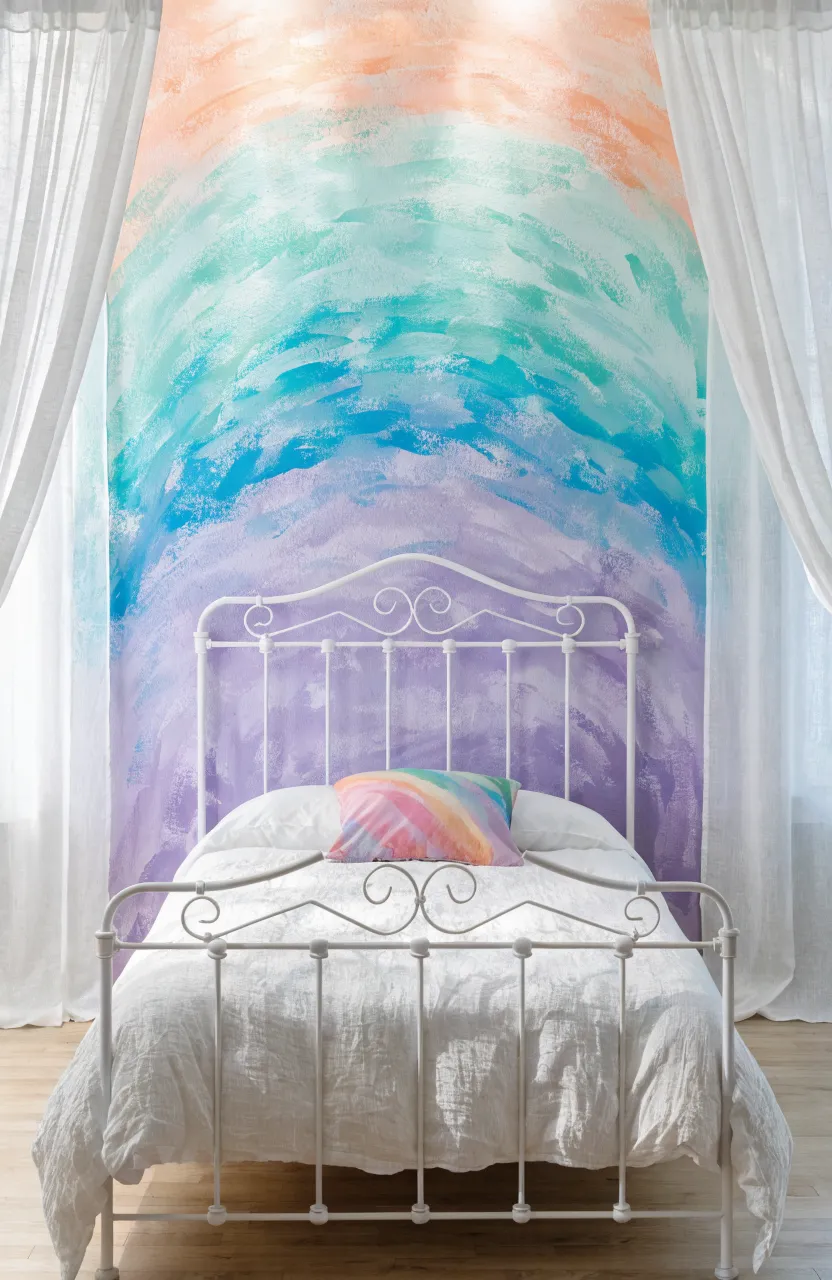
An ombre wall involves blending colors into one another from top to bottom. For a rainbow effect, you can transition through soft pastels or bold primary colors. This technique takes a bit more patience with a dry brush to blend the edges, but the result is a stunning feature wall that serves as the main decor for the room.
Cool Aqua Walls Paired with White Furniture
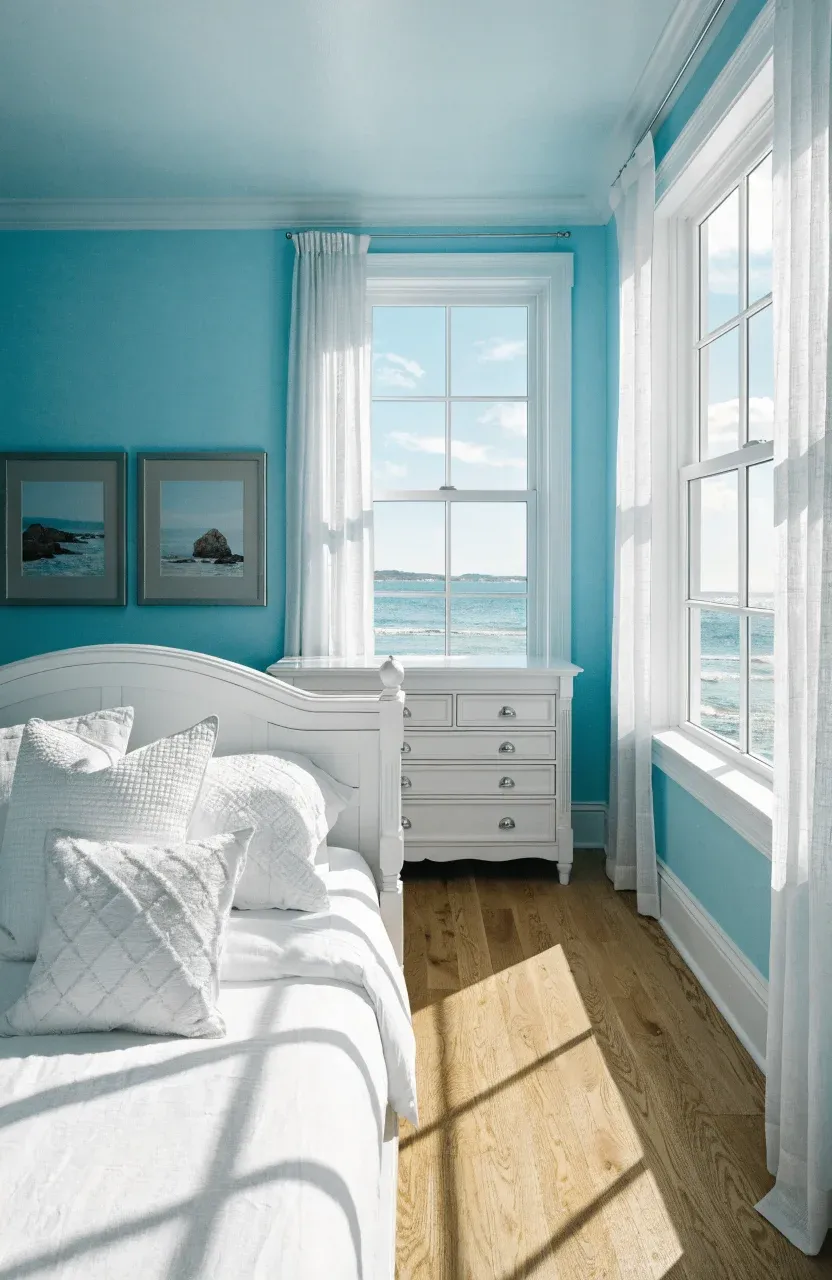
Aqua is a refreshing color that sits between blue and green. It feels clean and energetic, making it great for a playroom or bedroom. When you pair aqua walls with bright white furniture, the room looks crisp and well-defined. It is a popular choice for coastal or water-themed rooms.
Geometric Triangles in Primary Colors
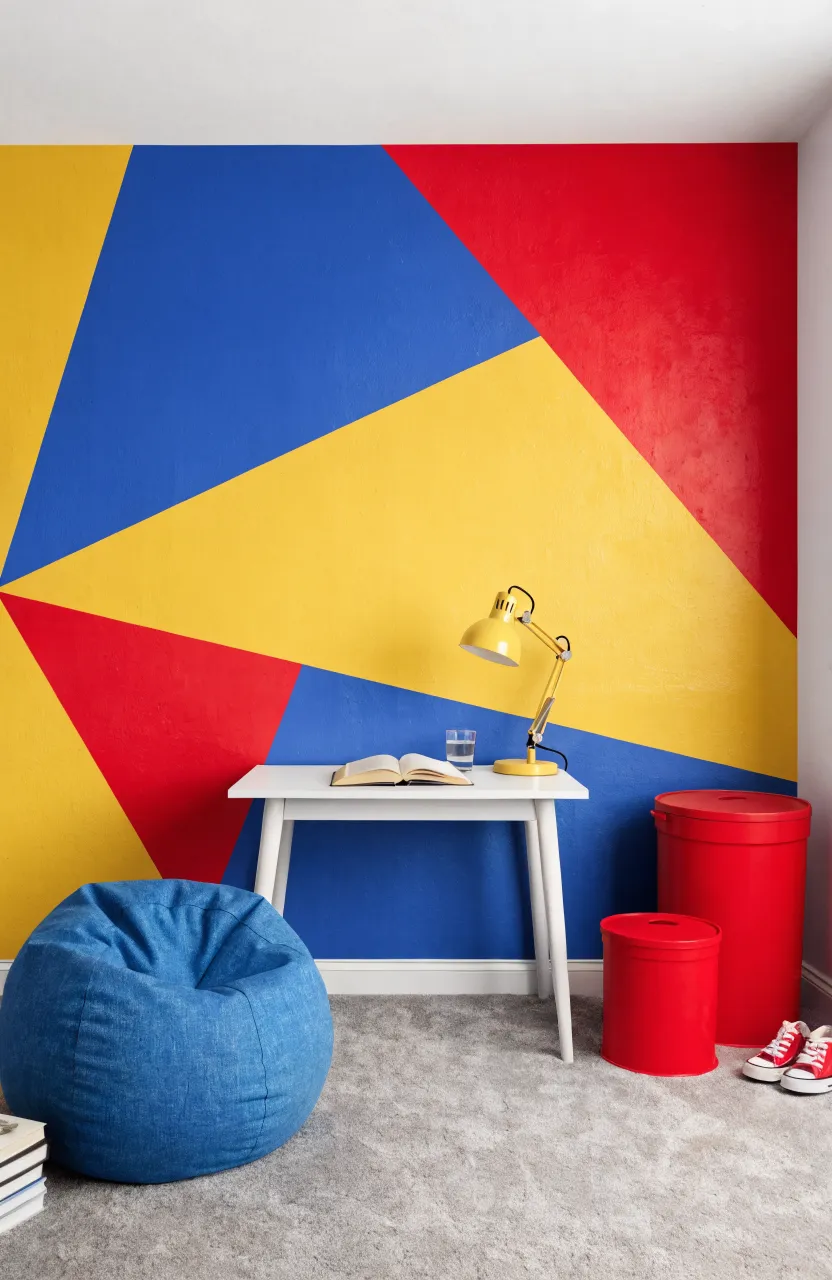
Using painter’s tape to create large, overlapping triangles is a simple way to incorporate multiple kids room color ideas. Using primary colors like red, blue, and yellow creates a classic, educational feel. This style is very forgiving because the triangles don’t have to be uniform in size or shape to look intentional.
Soft Cream Walls with Bright Teal Window Frames
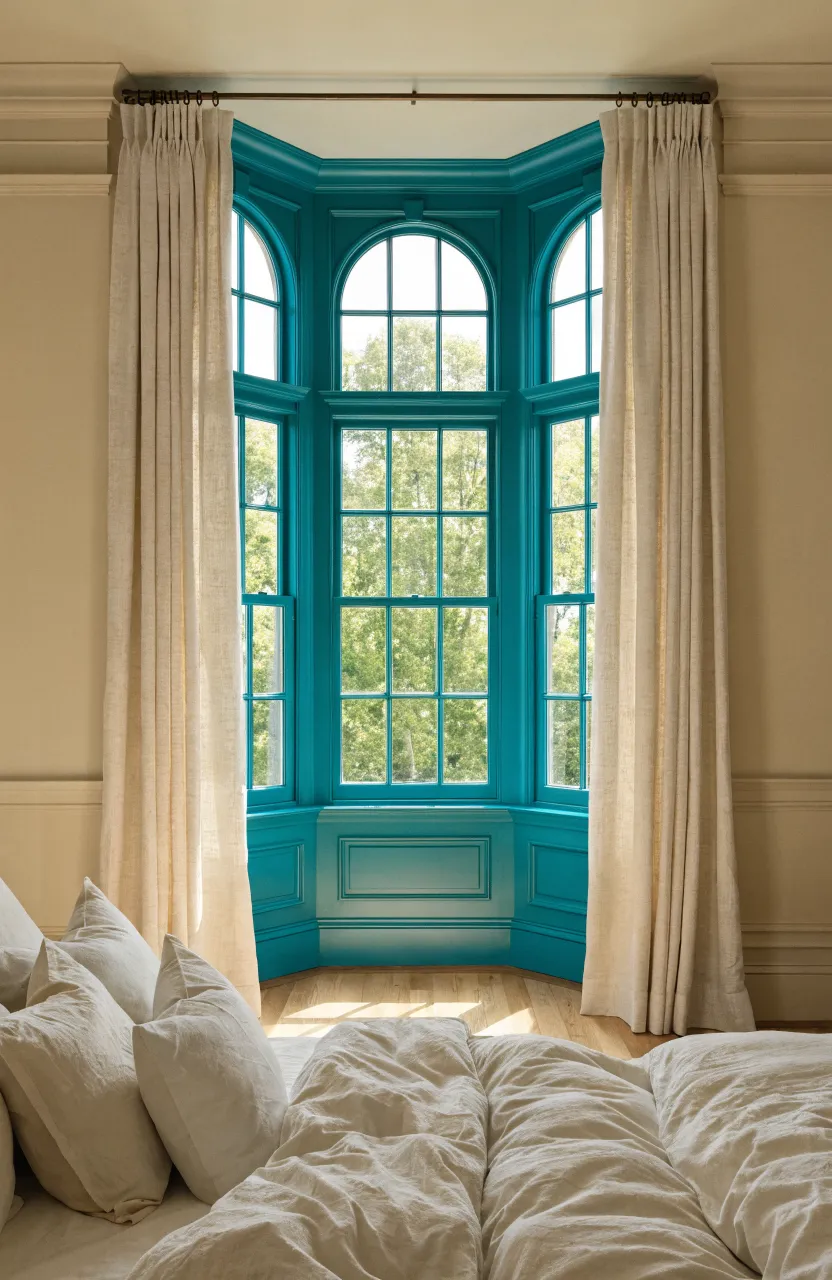
Cream walls provide a warm, neutral base that allows you to experiment with color in smaller doses. Painting the window frames a bright teal brings attention to the natural light entering the room. It is a sophisticated way to add a favorite color without it becoming the dominant force in the space.
Olive Green for a Nature-Inspired Toddler Room
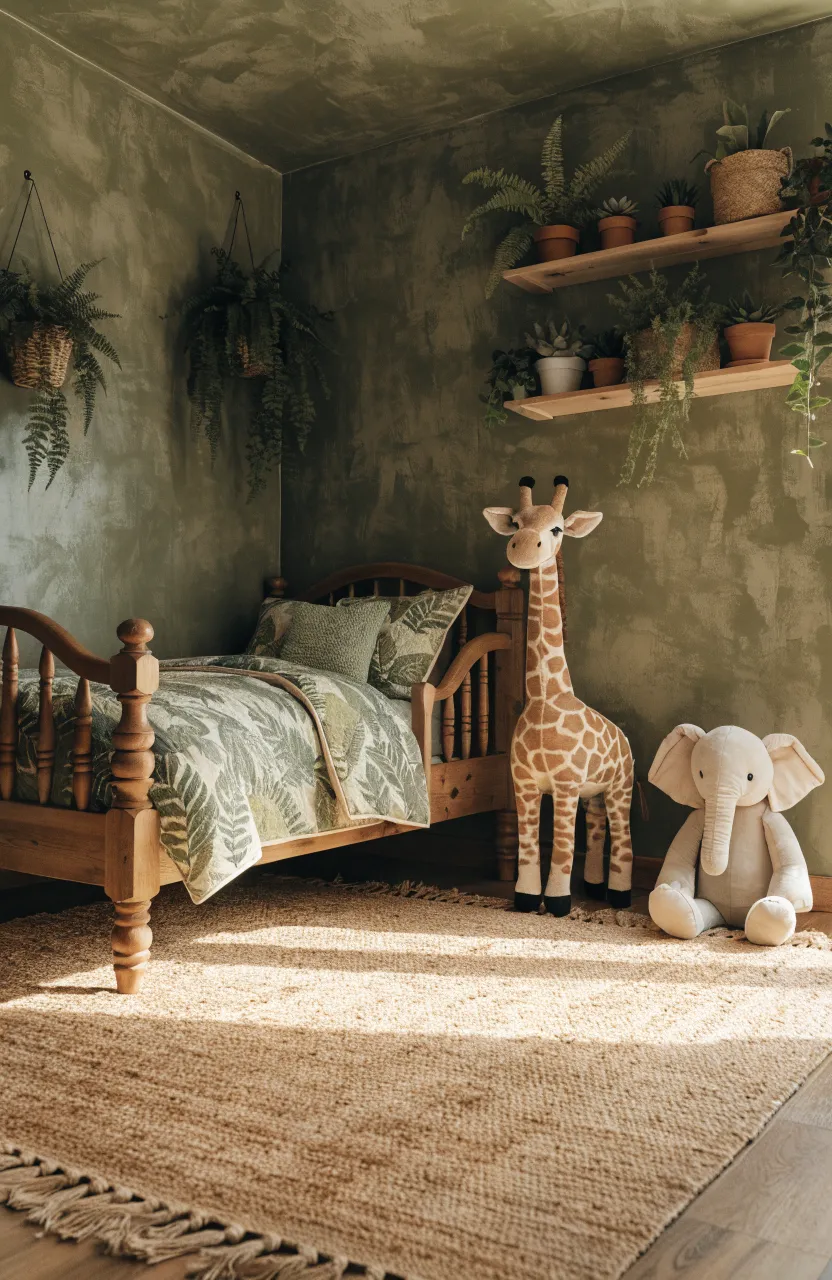
Olive green is a more muted, sophisticated version of green that works well for a woodland or safari theme. These toddler room paint ideas focus on creating a connection to the outdoors. Olive is also excellent at hiding small marks on the wall, which is always a plus in a room for younger children.
Light Silver Walls with Dark Navy Stenciled Borders
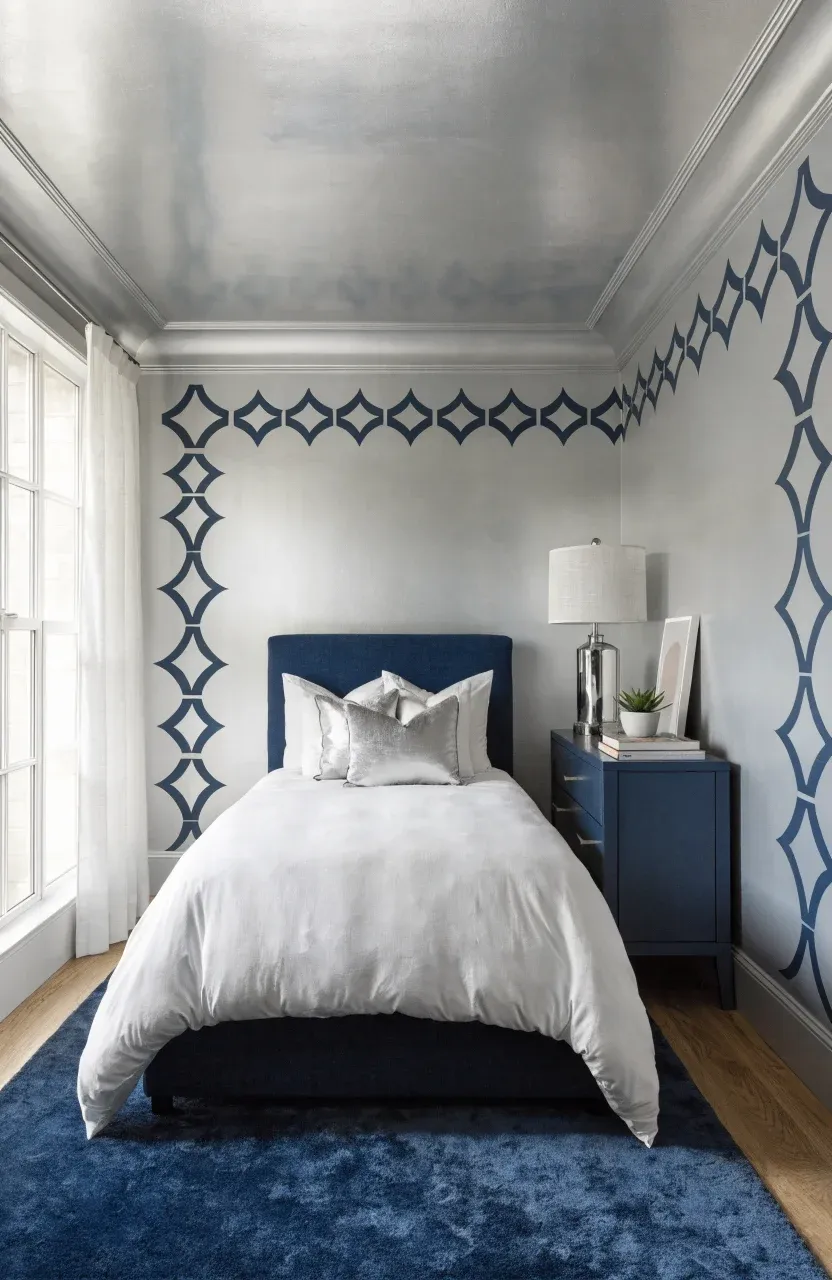
Light silver is a modern neutral that feels cooler and cleaner than beige. To give it more character, use a stencil to add a dark navy border around the top of the room or along the baseboards. This adds a architectural detail that makes the room feel more finished and designed.
Sunshine Orange Accent Wall Behind the Bed
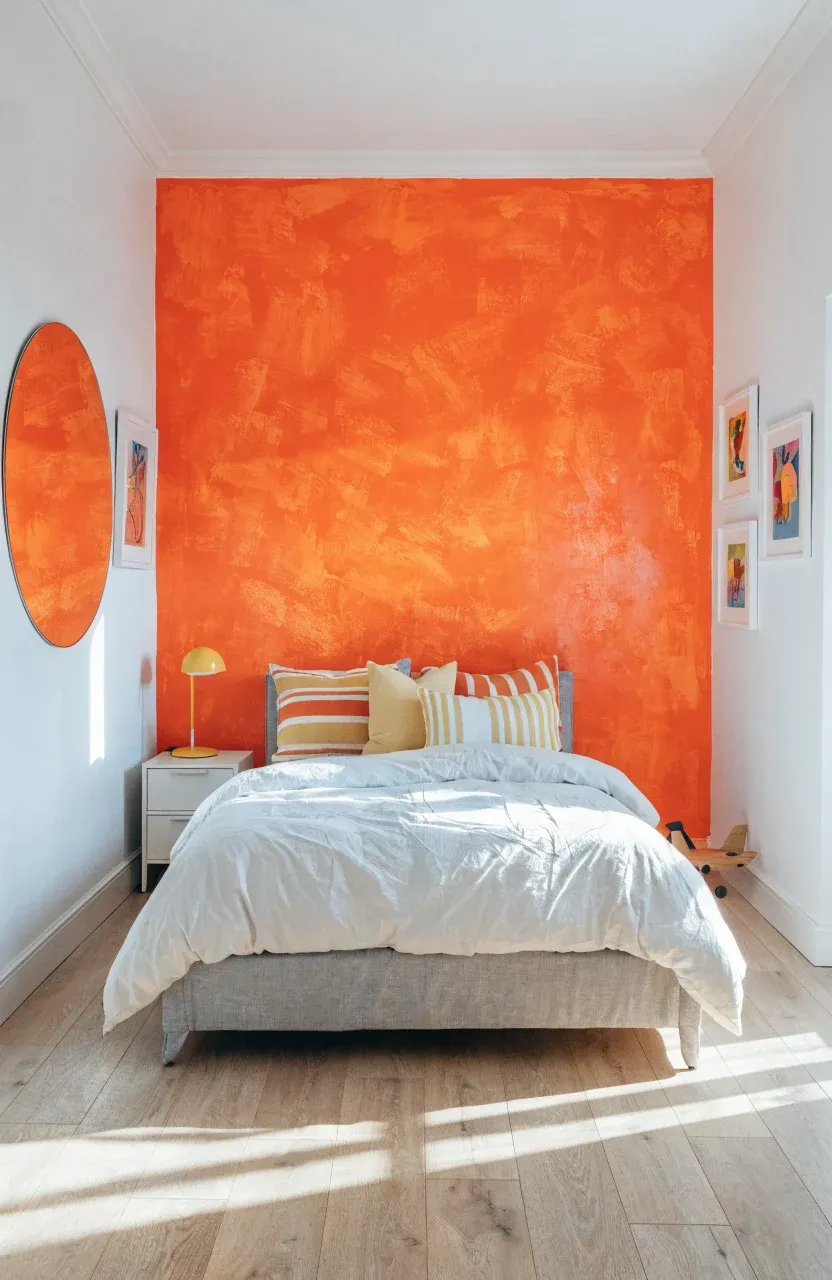
Orange is a high-energy color that can be a bit much for four walls, but it works perfectly as an accent wall. Putting it behind the bed means the child doesn’t have to stare at the bright color while trying to fall asleep, but they see it as soon as they walk into the room. It creates a cheerful, sunny vibe that helps with morning wake-ups.
Warm Sand Tones for a Calm Minimalist Space
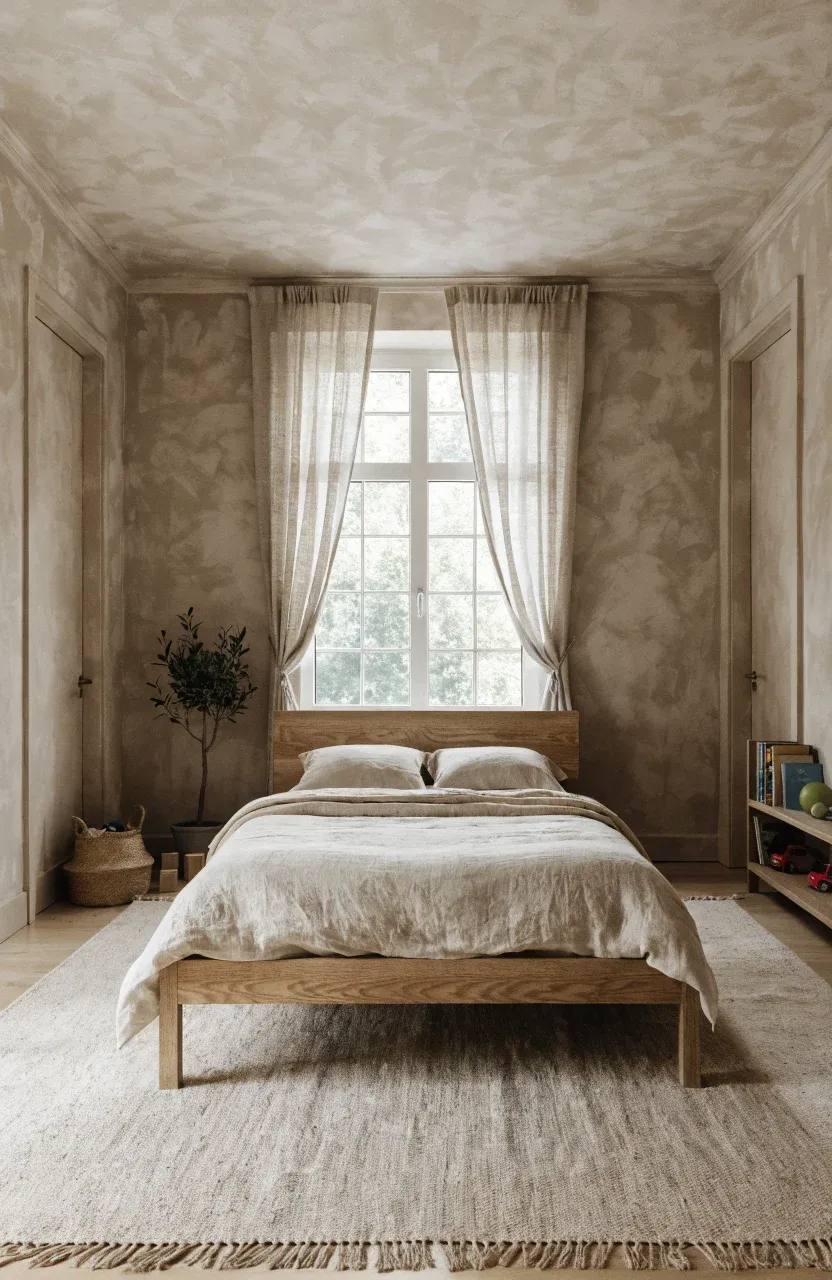
For a room that feels like a quiet retreat, look toward warm sand tones. This palette is great for children who might get overstimulated by bright colors. It creates a minimalist backdrop that allows colorful toys and books to be the focus without making the room feel cluttered or messy.
Violet and Grey Color Blocked Corners
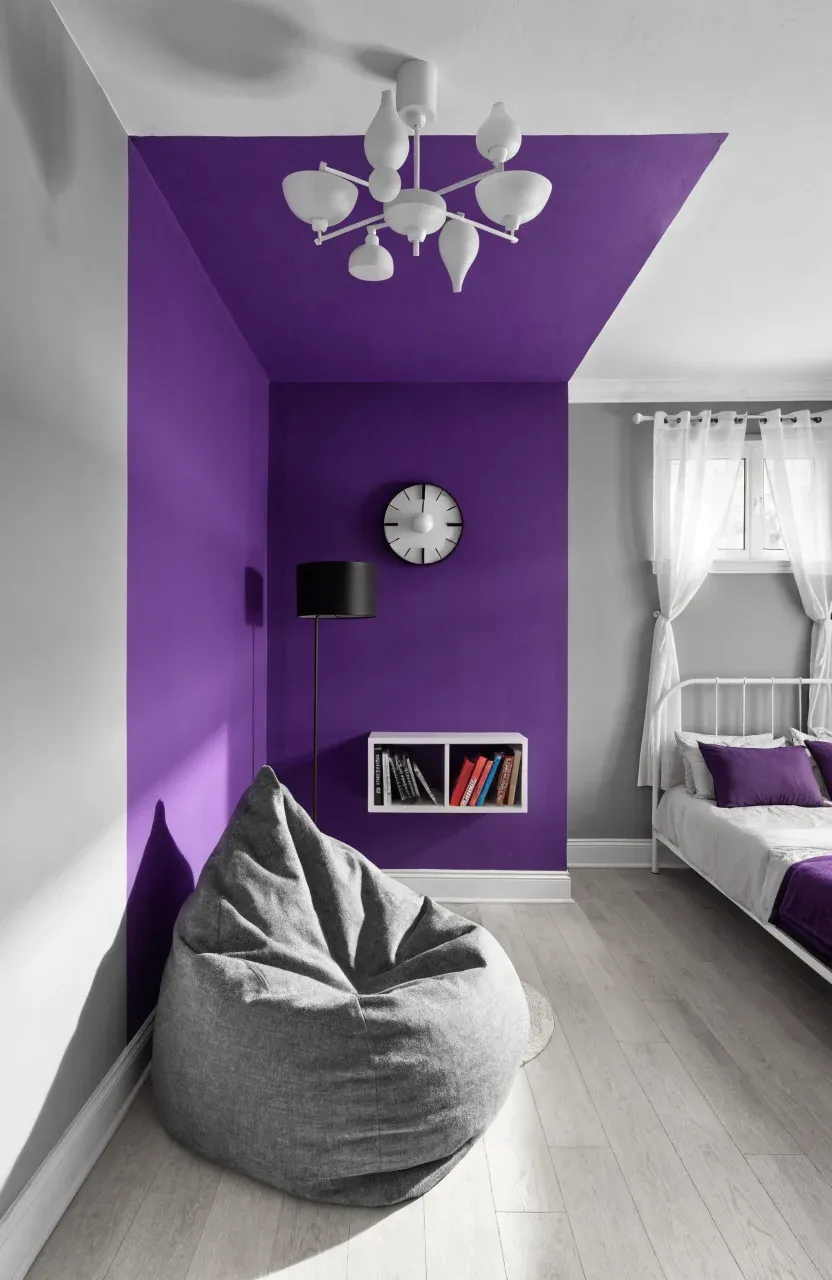
Color blocking involves painting large sections or shapes in contrasting colors. Painting one corner violet and the rest of the room a soft grey can help define different zones, like a reading area versus a sleeping area. It is a modern approach to kids room color schemes that feels very deliberate and stylish.
Mustard Yellow Half-Height Paint with Wall Hooks
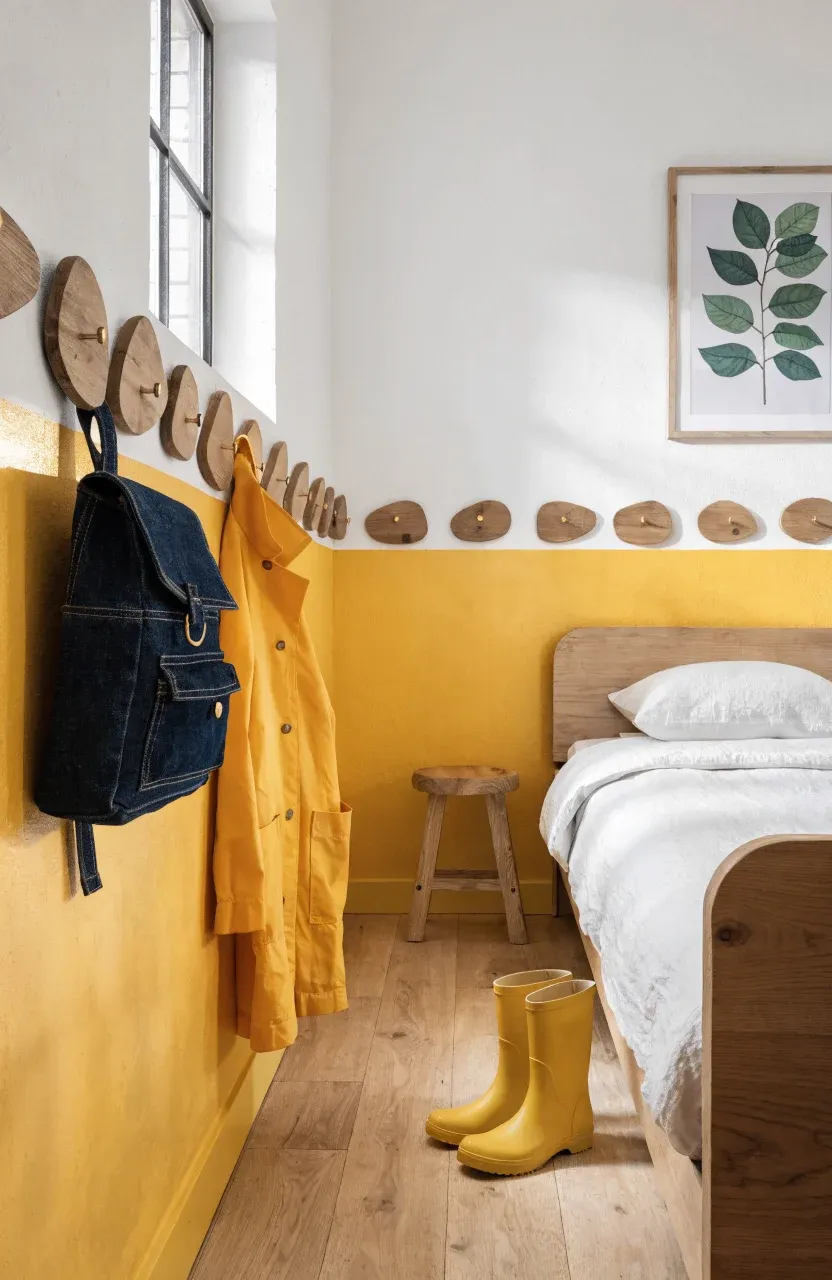
Painting the bottom half of the wall mustard yellow adds a trendy, retro feel to the room. If you install a row of wall hooks along the paint line, it becomes a functional part of the room for hanging bags and coats. This color is warm and inviting without being overly bright or distracting.
Crisp White Walls with Multi-Colored Confetti Splatters
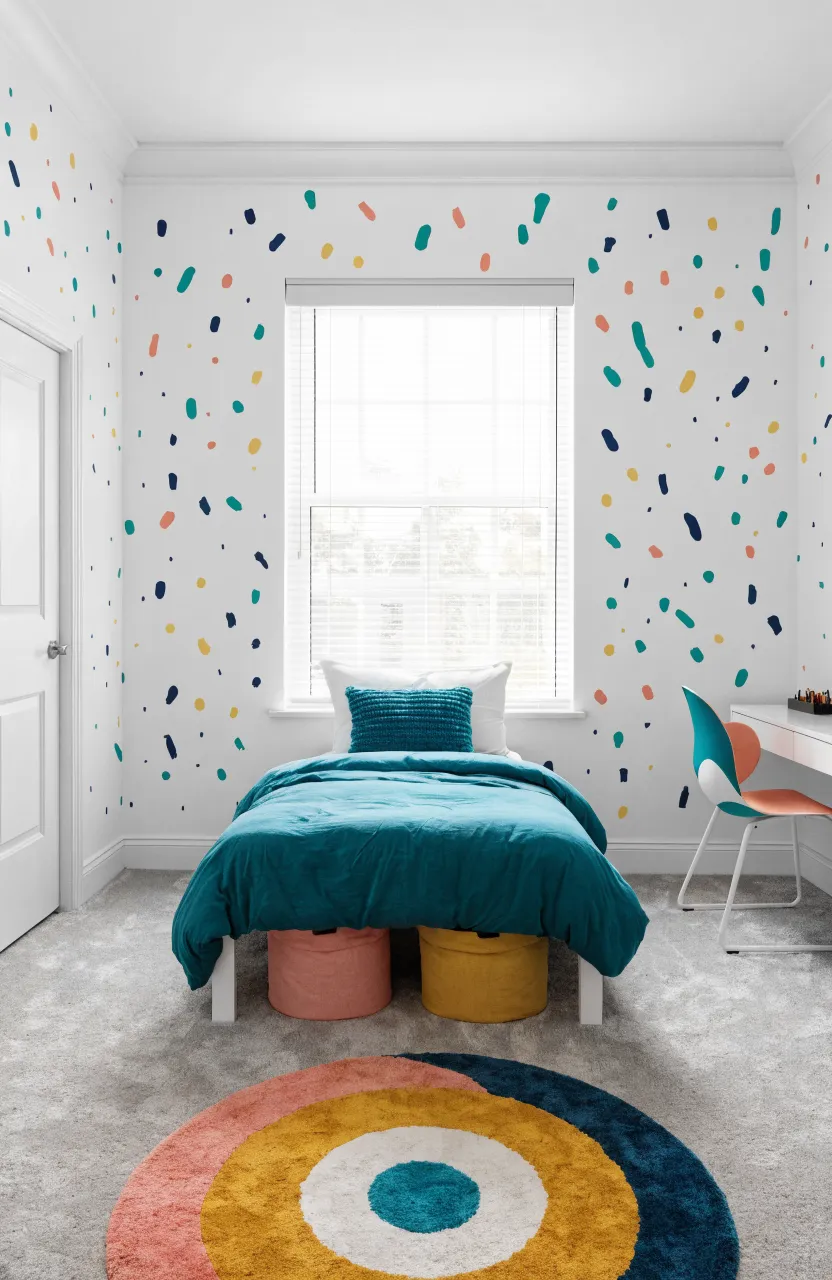
If you want a look that is fun and artistic, start with crisp white walls and add small “splatters” of various colors. You can do this with a brush for a real paint look or use small vinyl decals for a cleaner finish. It gives the room a festive, joyful atmosphere that is easy to coordinate with almost any bedding or rug.
Updating a child’s bedroom doesn’t require a complete renovation. Often, just changing the wall painting ideas kids room style can make the space feel entirely new. By choosing colors that reflect your child’s personality while keeping the long-term use of the room in mind, you can create a space that they will love for years to come.