
A sloped yard or a flat front lawn can both benefit from some structure. Retaining walls aren’t just for holding back soil; they define your landscape and give your plants a dedicated place to grow. Whether you want to fix a drainage issue or just want better curb appeal, these designs offer a way to organize your outdoor space without a massive construction crew.
In this list, you will find options for every budget and skill level. We cover everything from simple stone borders to creative ways to use wood and metal. These ideas will help you see your yard as a series of manageable planting zones rather than one big chore.
Stacked Natural Fieldstone Wall with Mixed Perennials
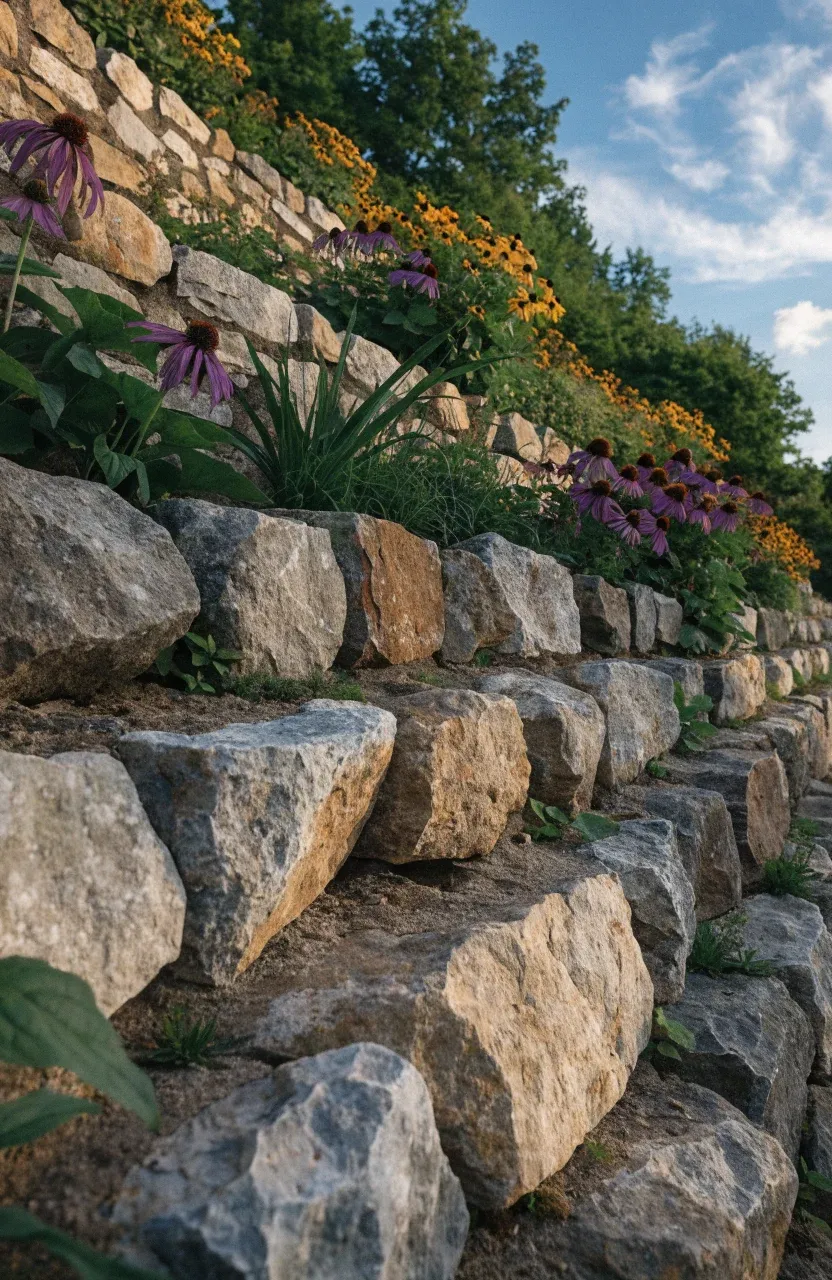
Natural fieldstone gives your garden a timeless look that blends into the environment. You can find these stones at local quarries or even on your own property. By stacking them without mortar, you allow for natural drainage which is great for the health of your soil. This type of retaining wall garden bed works well with perennials like coneflowers and black-eyed Susans that can peek over the rocky edge.
When building this, start with the largest stones at the bottom and slightly tilt the wall back toward the hill. This ensures stability as the weight of the earth pushes against it. Fill the gaps between stones with a bit of soil and rock dust to keep things from shifting too much over time.
Pressure Treated Timber Wall for Budget Friendly Terracing
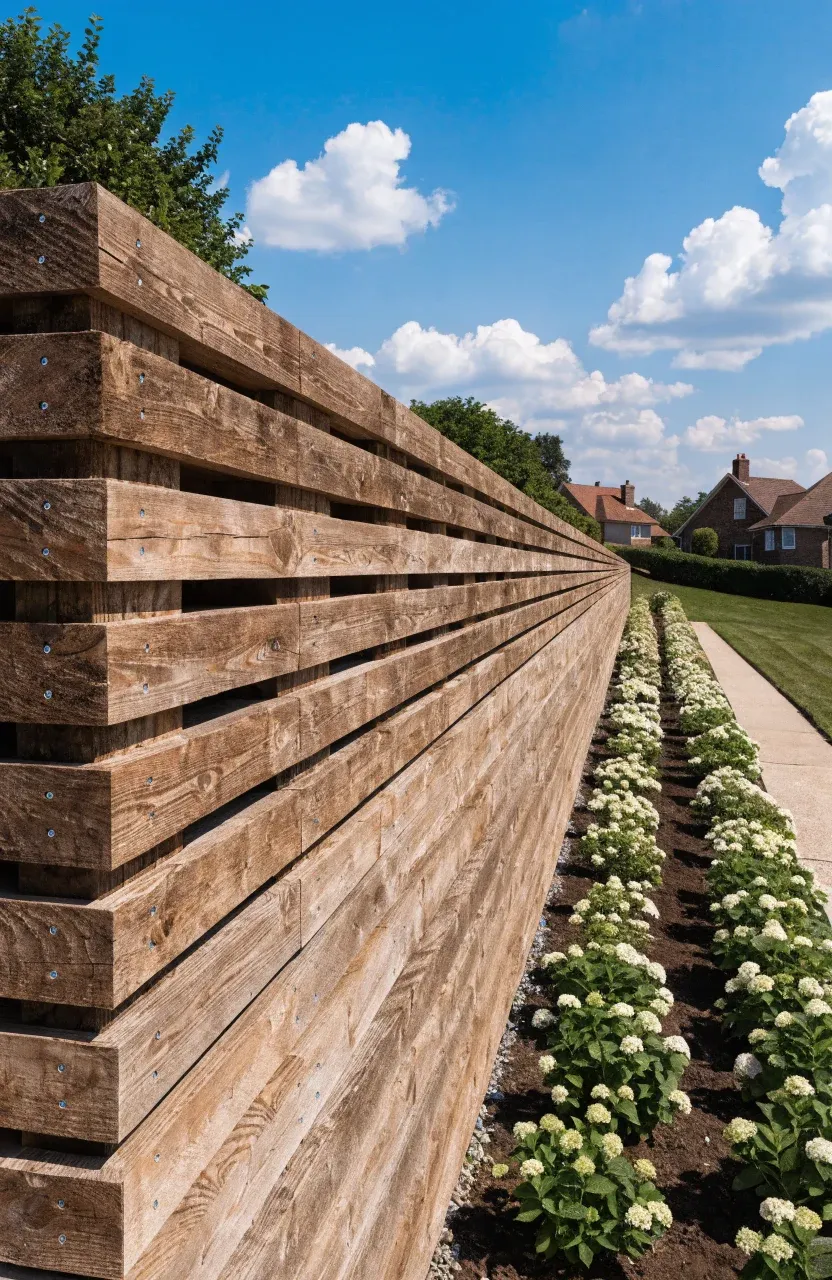
If you are looking for a diy retaining wall cheap, pressure-treated timbers are a solid choice. These rectangular beams are easy to stack and cut with a standard saw. They provide a clean, straight line that looks organized in a backyard or along a side path. Since the wood is treated to resist rot, it stays sturdy against wet soil for many years.
To make this wall last, use long galvanized spikes or timber screws to join the layers together. Adding a layer of gravel behind the wood helps water drain away, preventing the timber from bowing. It is an approachable project for a weekend if you have a shovel and a level.
Concrete Interlocking Blocks with Trailing Creeping Phlox
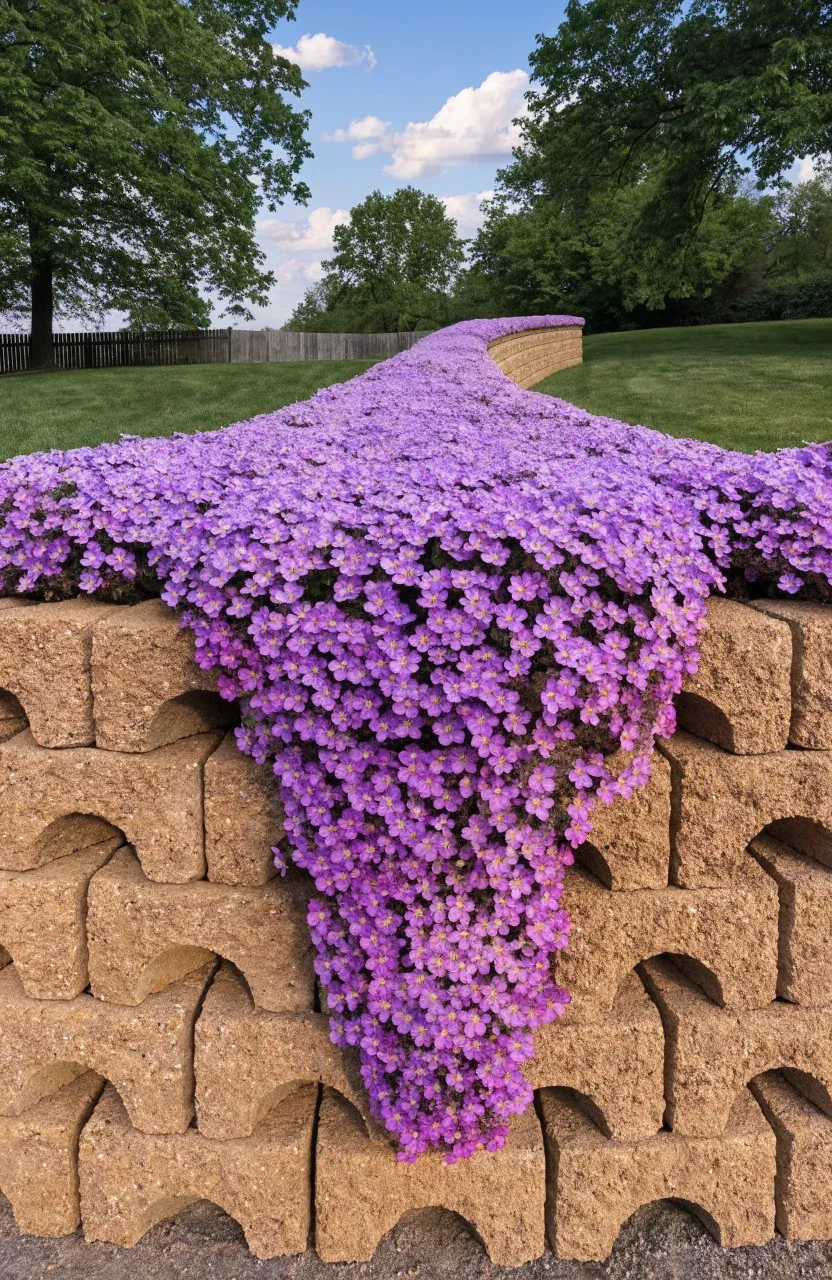
Interlocking concrete blocks are designed for ease of use. They have a lip on the back that automatically creates the necessary setback as you stack them. This makes them one of the most reliable easy retaining wall ideas cheap enough for a large project. The gray or tan tones of the concrete provide a neutral backdrop for bright flowers.
Planting creeping phlox at the top of these blocks creates a soft look. As the plant grows, it spills over the hard edges of the concrete, covering the blocks in a blanket of color during the spring. This setup is low maintenance and keeps the soil firmly in place.
Red Brick Border Wall for Traditional Front Entryways
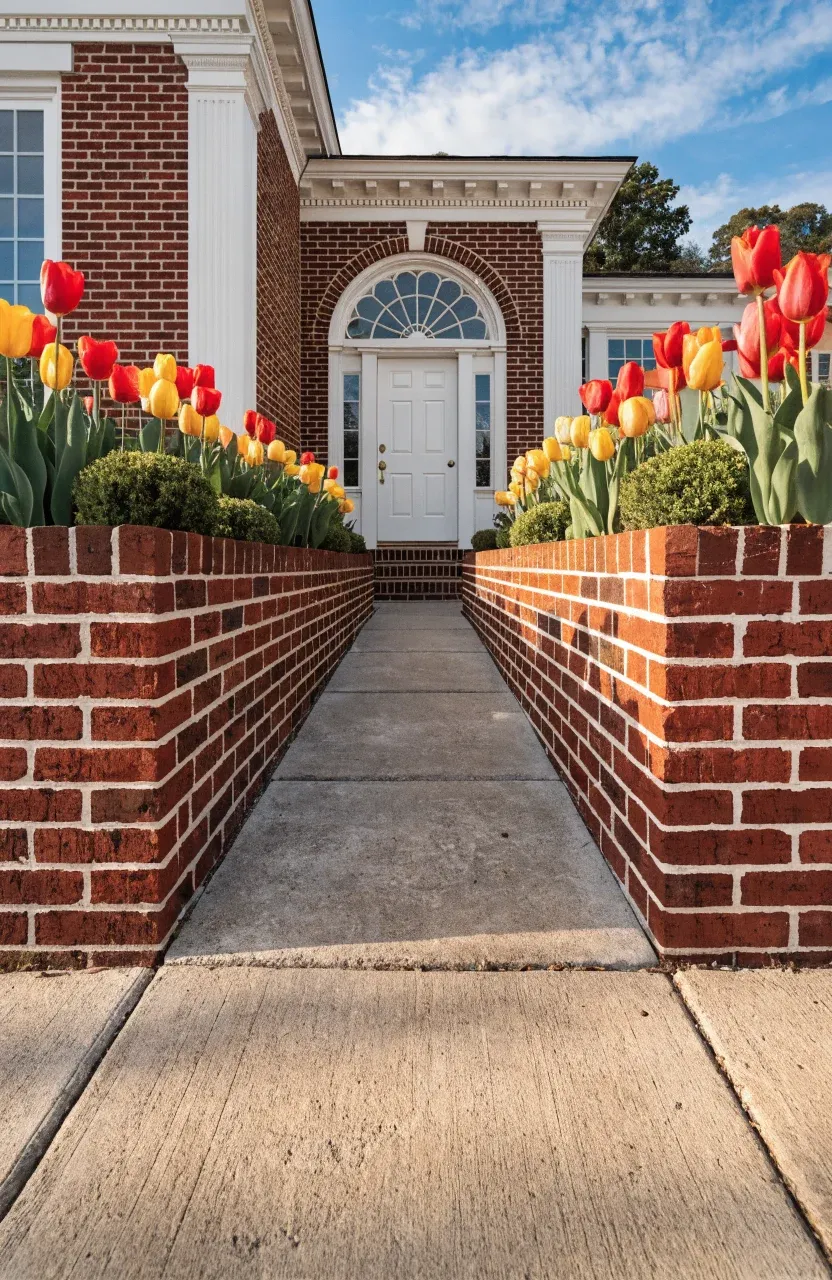
A retaining wall front of house often looks best when it matches the architecture of the home. Red brick is a classic material that feels formal and welcoming. You can build a low wall to frame your front walkway, creating a raised bed for seasonal tulips or boxwood shrubs. It adds a sense of permanence to the entryway.
Using a running bond pattern makes the wall strong and visually appealing. If the wall is higher than a foot, you may want to use a bit of mortar to keep the bricks secure. This style works especially well for older homes or colonial-style builds where consistency in materials matters.
Dry Stack Slate Wall for a Modern Backyard Hillside
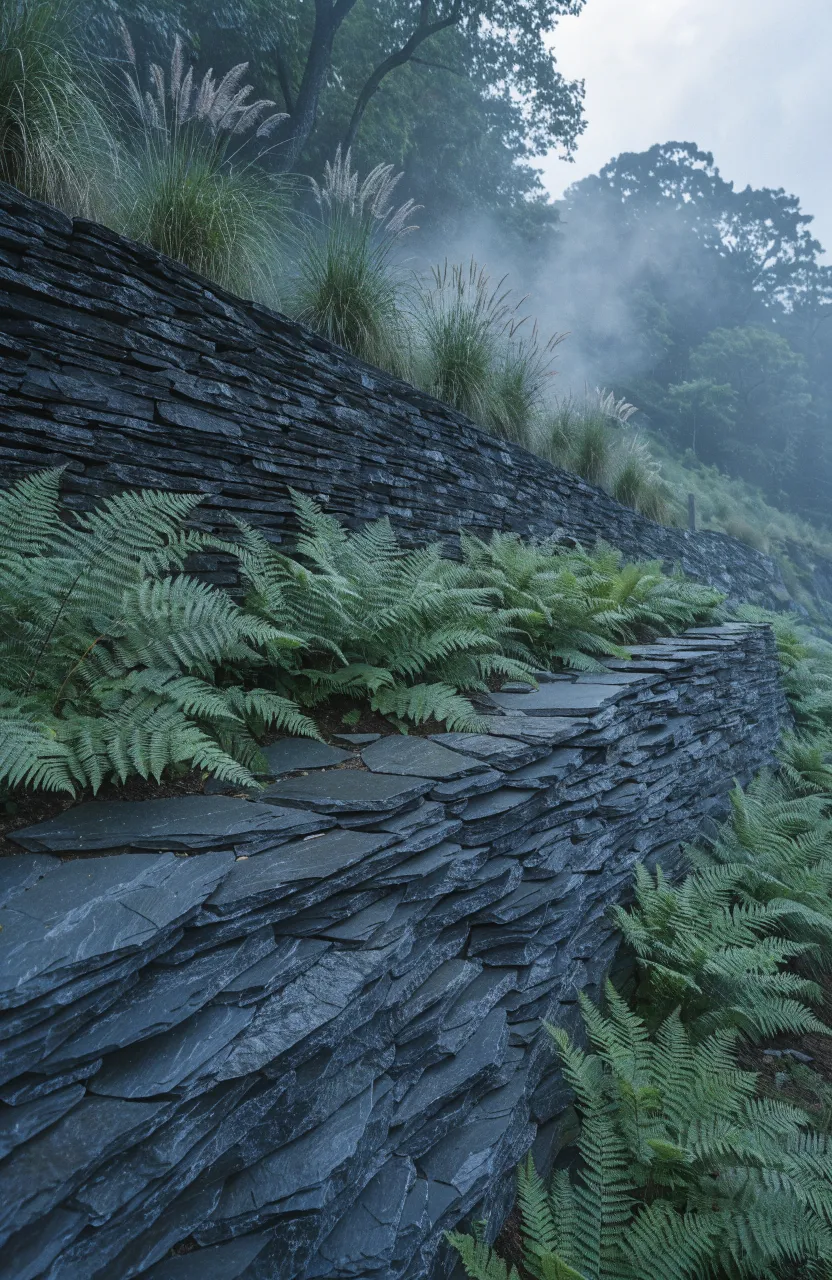
Slate offers a flat, thin profile that creates a very textured and sophisticated look. When you use dry stacking for retaining wall ideas hillside backyard, you get a drainage-friendly structure that handles heavy rain well. The dark blues and grays of slate look striking against bright green ferns or ornamental grasses.
Because slate is flat, it is relatively easy to level each layer. You should still dig a shallow trench for the first course to sit in. This prevents the base from sliding forward on a steep slope. It is a labor-intensive process but the result is a high-end look that doesn’t require expensive machinery.
Gabion Wire Baskets Filled with Local River Rock
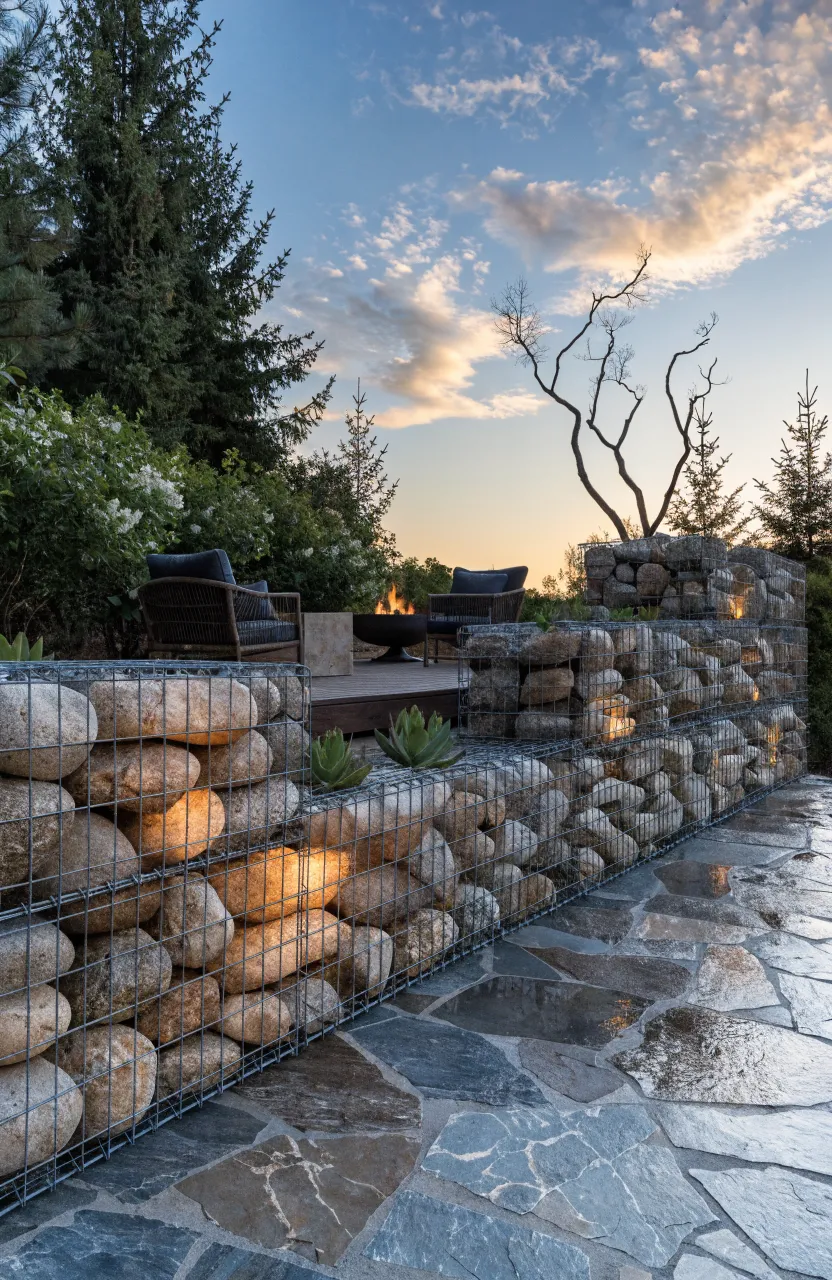
Gabion walls are wire cages filled with rocks, and they are becoming popular for their industrial yet natural look. They are incredibly strong and allow water to flow through them freely, which eliminates the need for complex drainage pipes. You can fill them with local river rocks to keep costs down and ensure the colors match your local landscape.
These work great as patio retaining wall ideas because they can also serve as a sturdy base for a wooden bench top. The cages come in various sizes, so you can customize the height and length to fit your specific patio layout. They are simple to assemble and don’t require any digging of deep footings.
Curved Poured Concrete Wall with Integrated Bench Seating
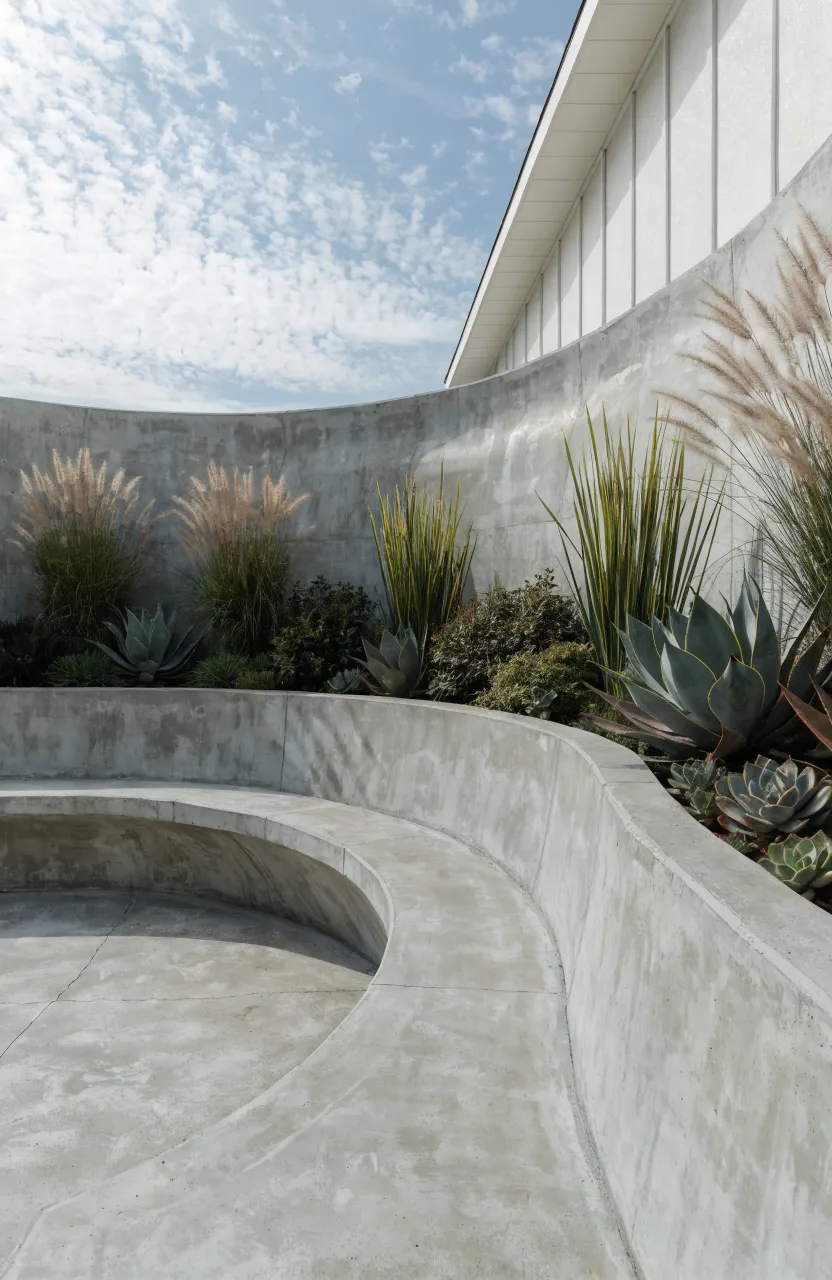
Poured concrete allows for smooth, flowing curves that are hard to achieve with blocks or wood. This is a great choice if you want a custom look that doubles as a functional part of your outdoor living space. By building the wall at seat height, you create extra places for guests to sit during a backyard gathering.
This project requires building wooden forms to hold the wet concrete in place. While it is more technical than stacking stones, the durability is unmatched. Once the concrete sets, you can leave it raw for a modern look or paint it to match your home’s exterior.
Recycled Railroad Tie Planter for Rustic Vegetable Gardens
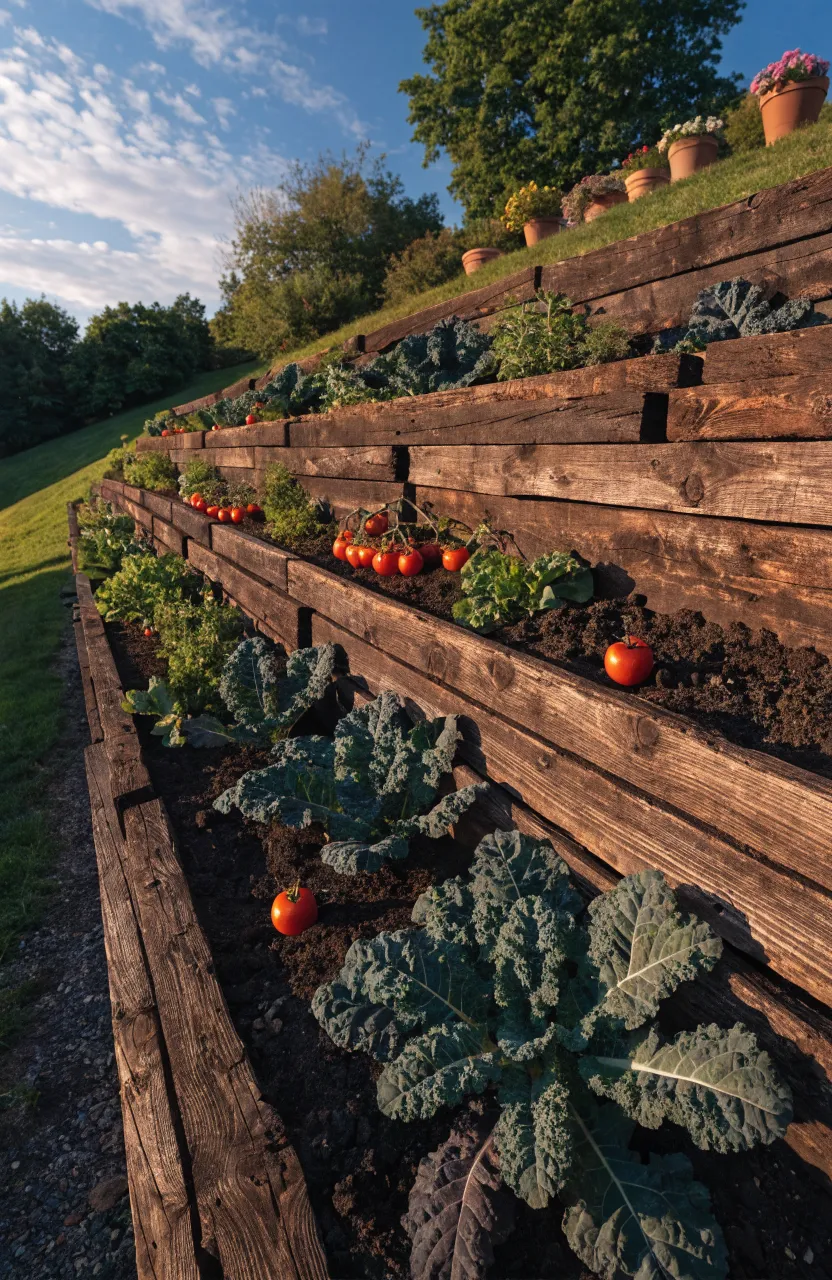
Railroad ties are heavy-duty and give a garden a rugged, rustic feel. They are excellent for creating deep retaining wall planter ideas where you want to grow vegetables. The height of the ties makes it easier on your back when planting and weeding since you don’t have to bend down as far.
Make sure to buy ties that are safe for garden use, or line the inside with heavy plastic to keep the wood treatment from touching your soil. They are very heavy, so you will likely need a helper to move them into place. Once set, they stay put due to their sheer weight.
Smooth Stucco Finished Wall for Mediterranean Style Patios
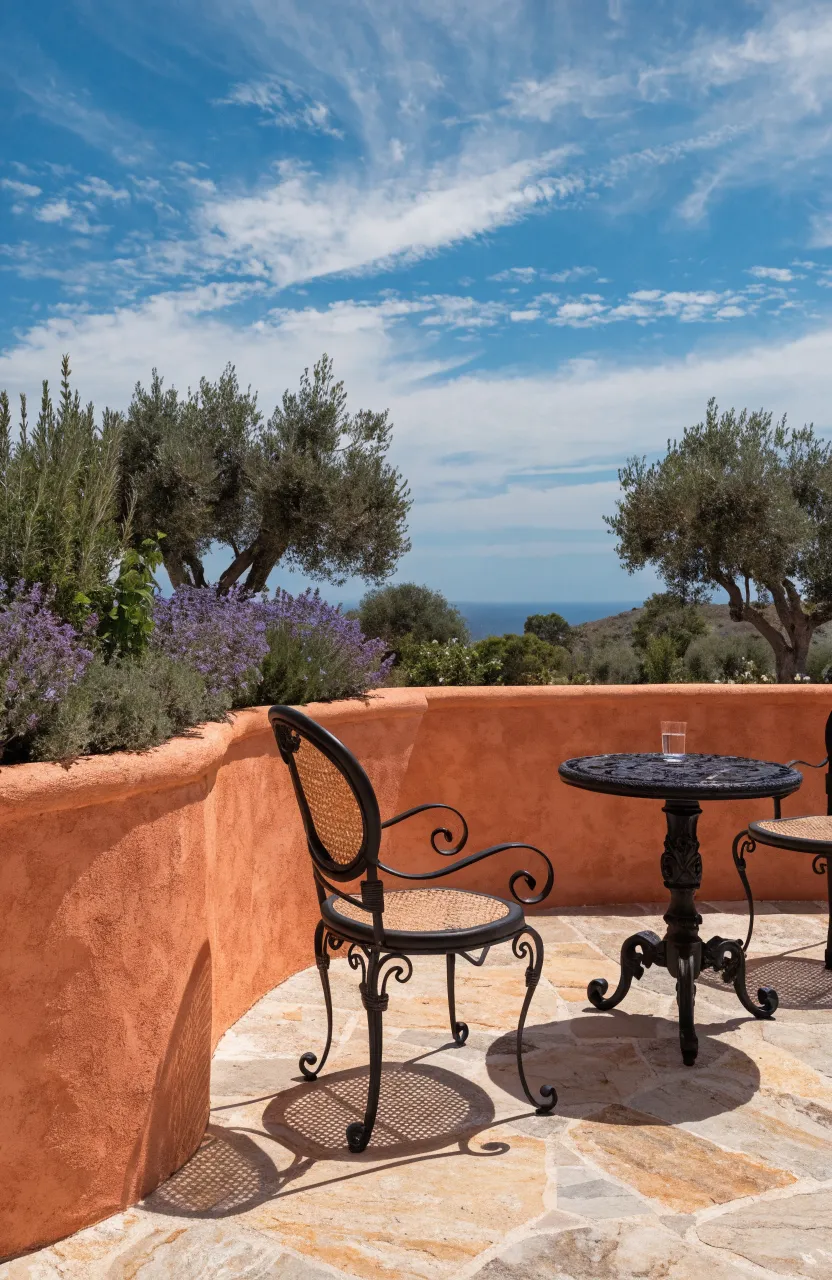
If you have a concrete or cinder block wall that looks a bit dull, a stucco finish can change the entire vibe. This style is common in warmer climates and provides a clean, bright surface that reflects sunlight. It makes a patio feel like an extension of the house rather than just a backyard area.
Applying stucco is like frosting a cake; you spread the mixture over the blocks to hide the seams. You can add pigment to the stucco to get an earthy terracotta or sandy beige color. This pairs beautifully with lavender, rosemary, and other Mediterranean plants.
Low Profile Flagstone Edging for Manicured Front Lawns
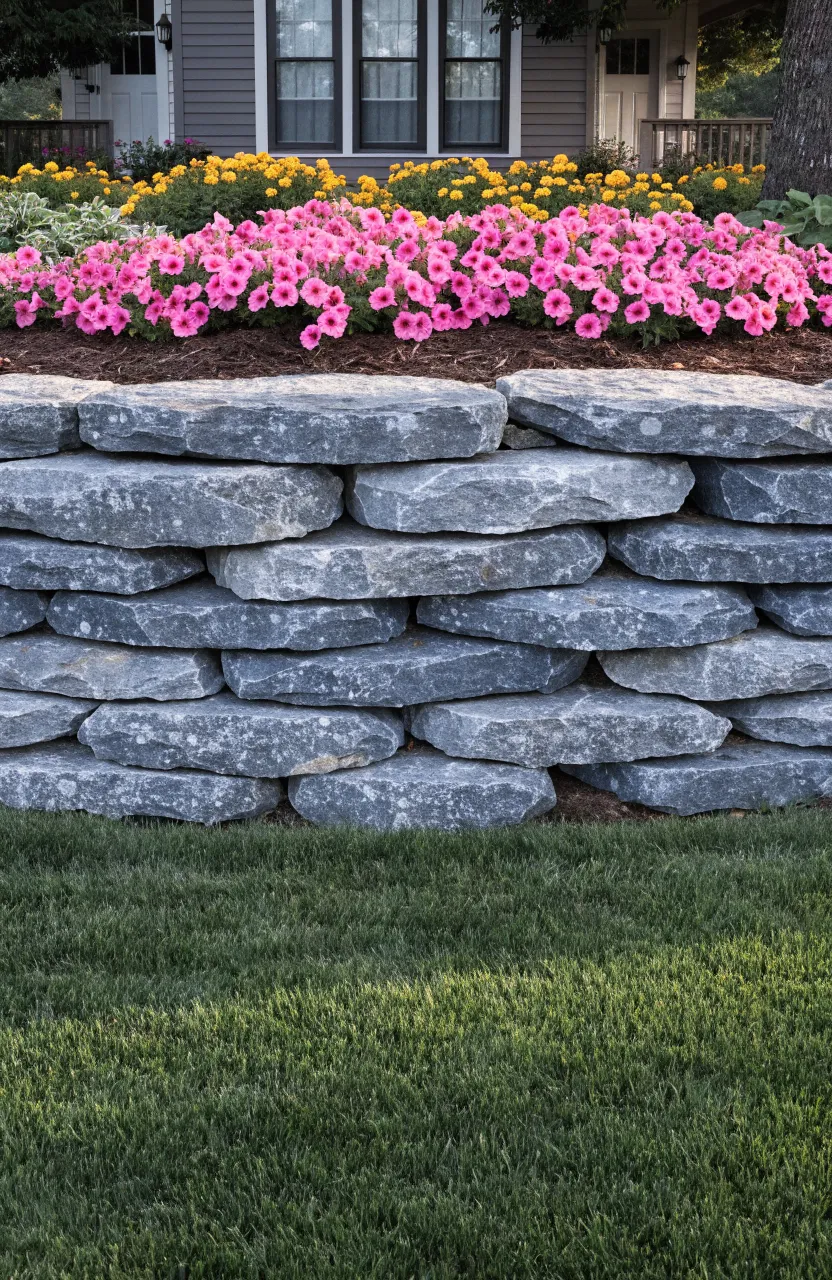
Not every wall needs to be tall. Low retaining wall ideas are perfect for defining the edge between a lawn and a flower bed. Flagstone pieces laid horizontally create a subtle barrier that keeps mulch from washing onto the grass. It looks intentional and neat without blocking the view of your flowers.
Since these walls are low, you don’t need a massive foundation. A simple level base of sand or crushed stone is enough to keep the flagstones from tilting. This is a quick project that can significantly improve how tidy your front yard looks from the street.
Corten Steel Panels for a Weathered Industrial Garden Look
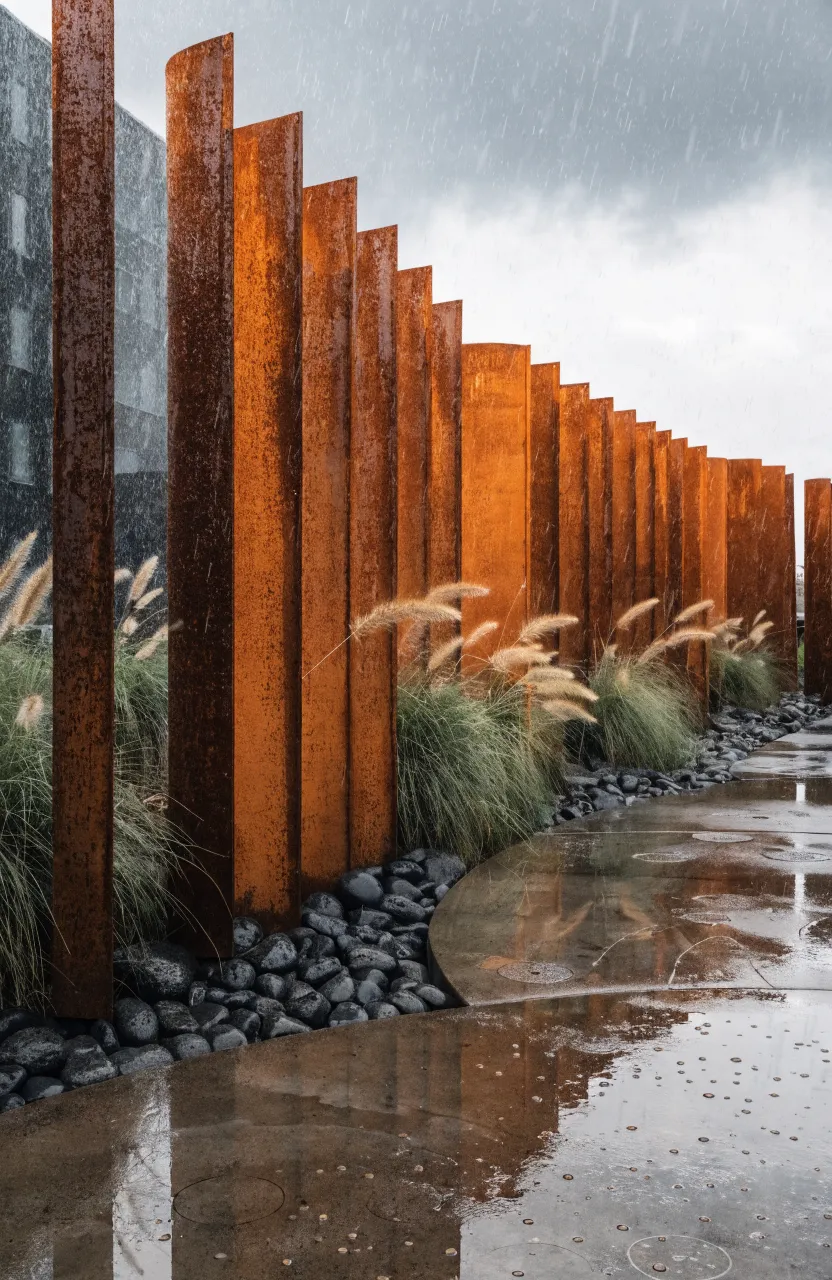
Corten steel is designed to develop a protective layer of rust over time. This orange-brown patina looks beautiful against the green of a garden. These thin metal panels take up very little horizontal space, making them ideal for tight areas where a thick stone wall wouldn’t fit.
Installation involves driving the panels into the ground or securing them to a frame. The steel is very durable and won’t rot or crack like wood or concrete. It provides a sharp, modern edge that works well in contemporary landscape designs.
Vertical Tiered Cedar Plank Wall for Small Space Planting
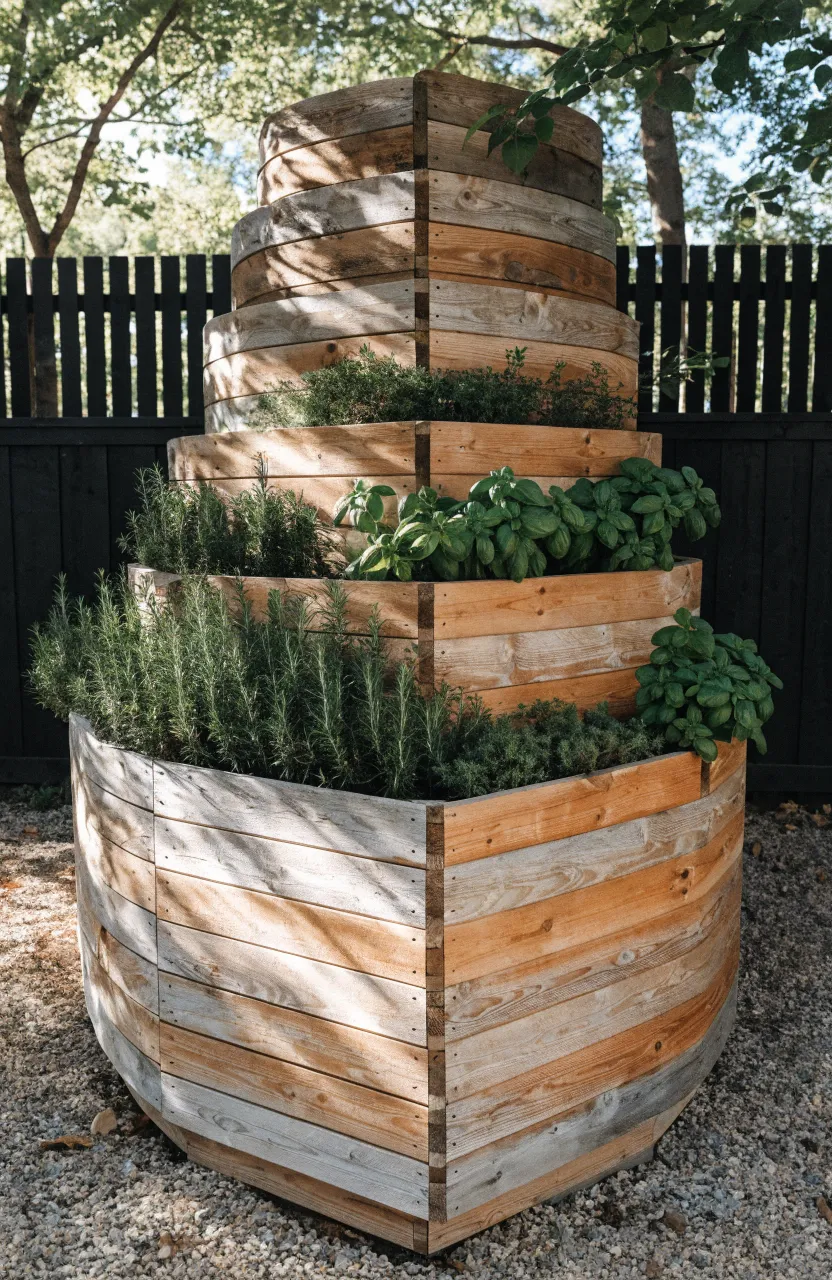
When you don’t have much floor space, small retaining wall ideas that go vertical are the way to go. Cedar is naturally resistant to insects and moisture, making it a great choice for garden tiers. You can build a series of small, stepped boxes to hold different types of herbs or flowers.
This design acts like a staircase for your plants. It allows you to grow more in a smaller footprint. Cedar also smells great and weathers to a nice silver-gray color if left untreated, or you can stain it to keep the warm wood tones.
Large Granite Boulders for a Naturalistic Hillside Slope
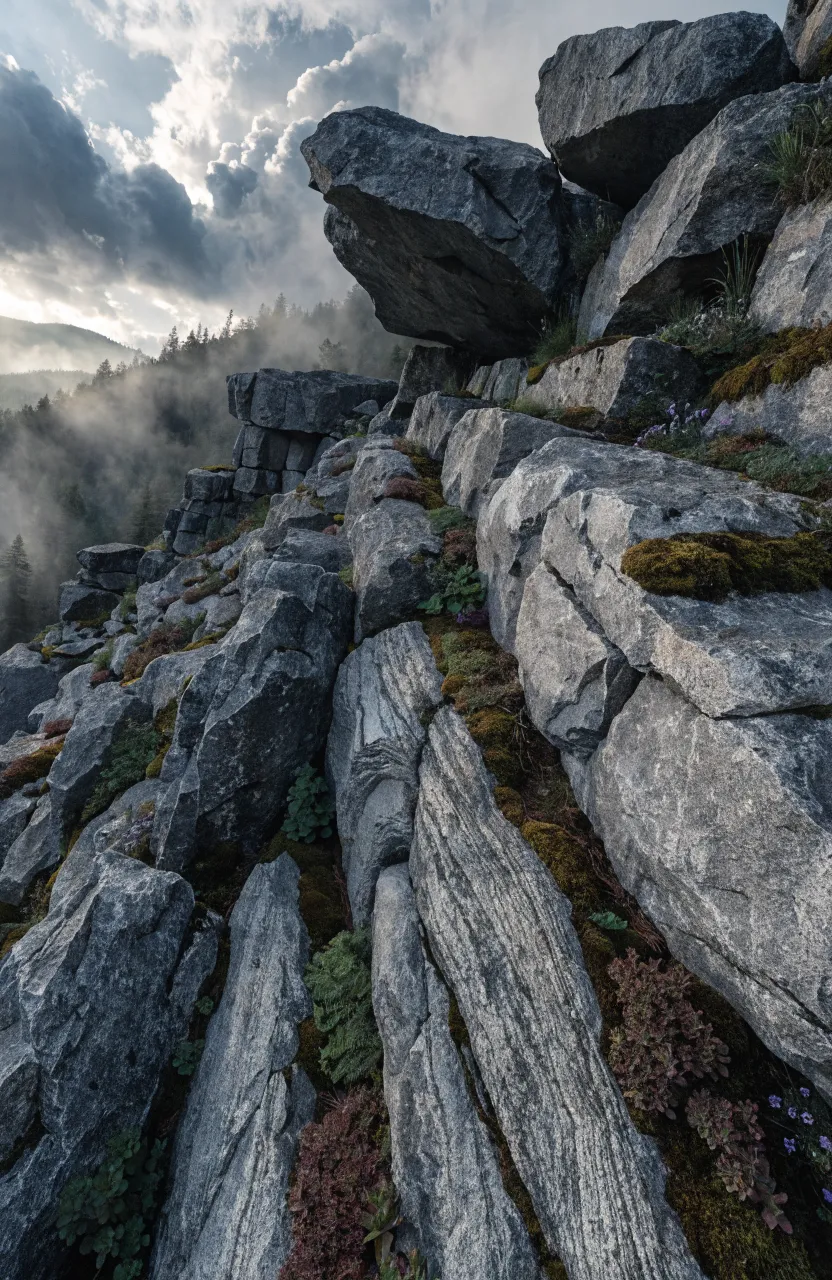
For a steep hill, sometimes the best solution is the simplest one. Large boulders can be tucked into the slope to create pockets of flat land for planting. This mimics the look of a natural mountain side. Granite is extremely heavy and won’t move once it is properly set into the earth.
Use a variety of sizes to make it look less like a wall and more like a natural rock outcropping. You can plant rock-loving species like sedum or alpine flowers in the crevices between the boulders. This approach handles erosion very effectively on difficult terrain.
Cinder Block Wall with Geometric Succulent Insets
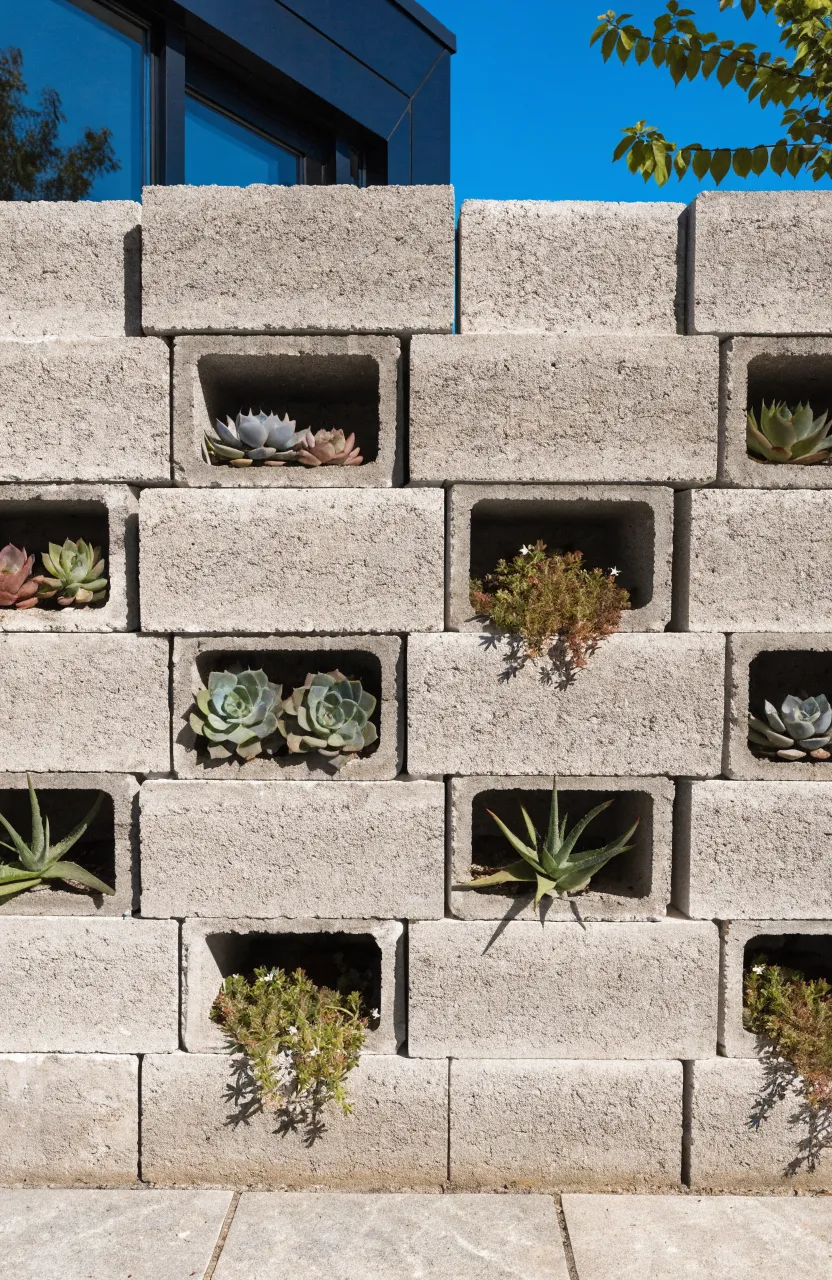
Standard cinder blocks are very affordable and offer a unique design opportunity. By turning some blocks sideways so the hollow cores face outward, you create small built-in planters within the wall itself. This is a clever way to use types of retaining wall materials in a decorative way.
Succulents are perfect for these small pockets because they don’t need much soil or water. The gray concrete against the fleshy greens and reds of the succulents creates a modern, geometric look. You can stack these easily and use construction adhesive to keep the blocks together.
Tumbled Travertine Wall for Upscale Patio Surrounds
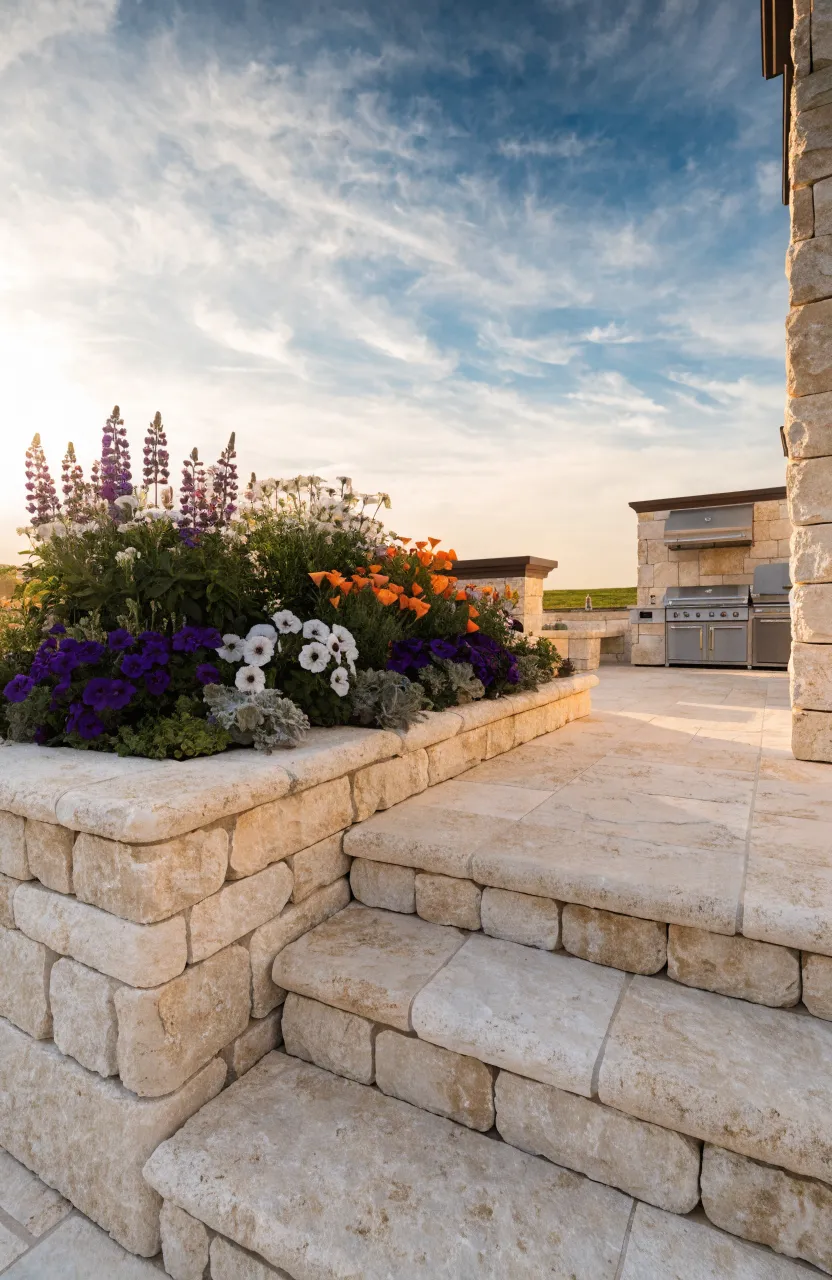
Travertine provides a soft, luxurious texture that feels great underfoot and looks beautiful to the eye. Tumbled travertine has rounded edges that give it an aged, classic appearance. It is a fantastic choice for walls that surround a patio or an outdoor kitchen area where people will be close to the stone.
Because travertine is a natural stone, each piece has unique color variations. This prevents the wall from looking too uniform or artificial. It stays relatively cool in the sun compared to darker stones, which is a nice bonus for seating areas.
Pea Gravel Filled Trench with Wood Post Retainers
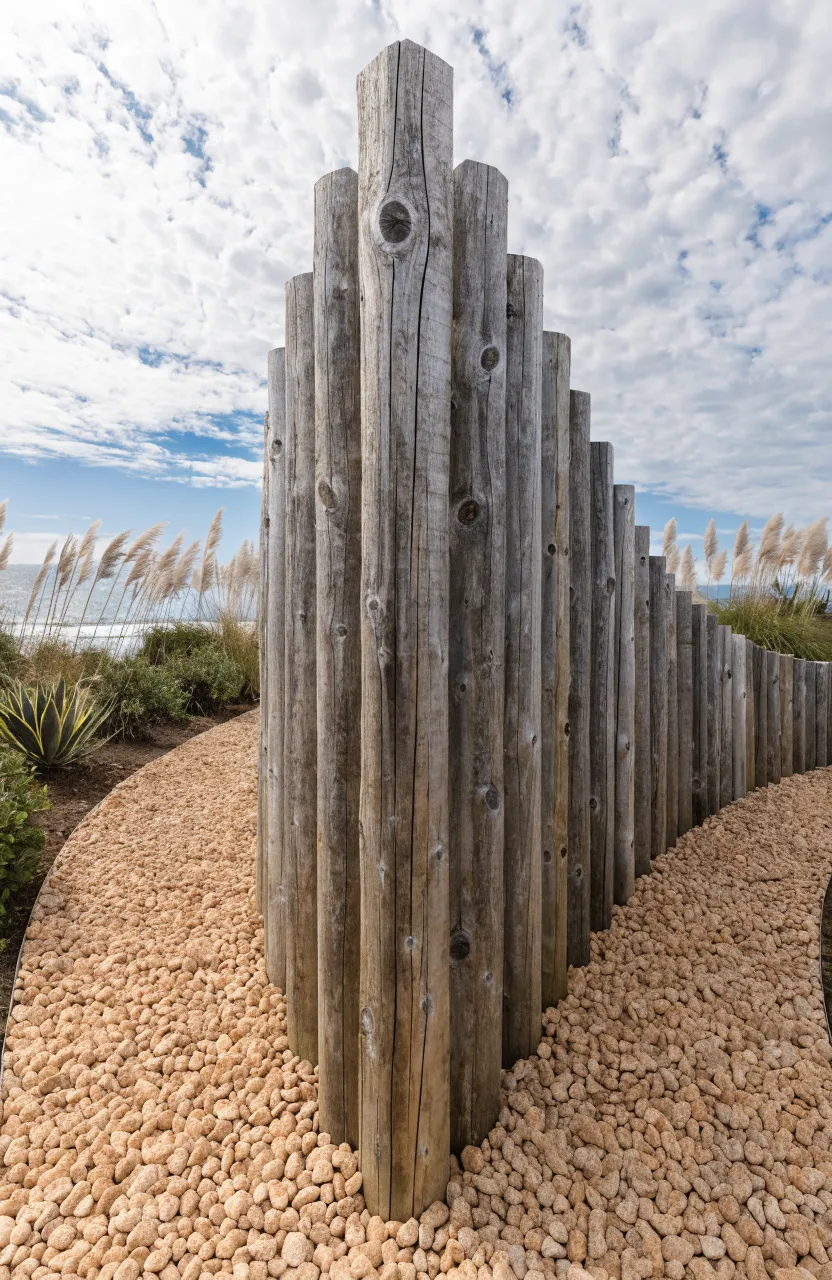
This is a very functional design for areas with drainage issues. By using vertical wood posts to hold back a section of the yard, you create a sturdy barrier. Filling the base or the area behind it with pea gravel allows water to move through the site without causing a muddy mess.
It has a coastal or boardwalk feel that is very relaxed. You can use different heights of posts to create a wave effect. This is a creative way to handle a small slope while adding a distinct visual element to your garden path.
Sandstone Block Wall with Built in Staircase Access
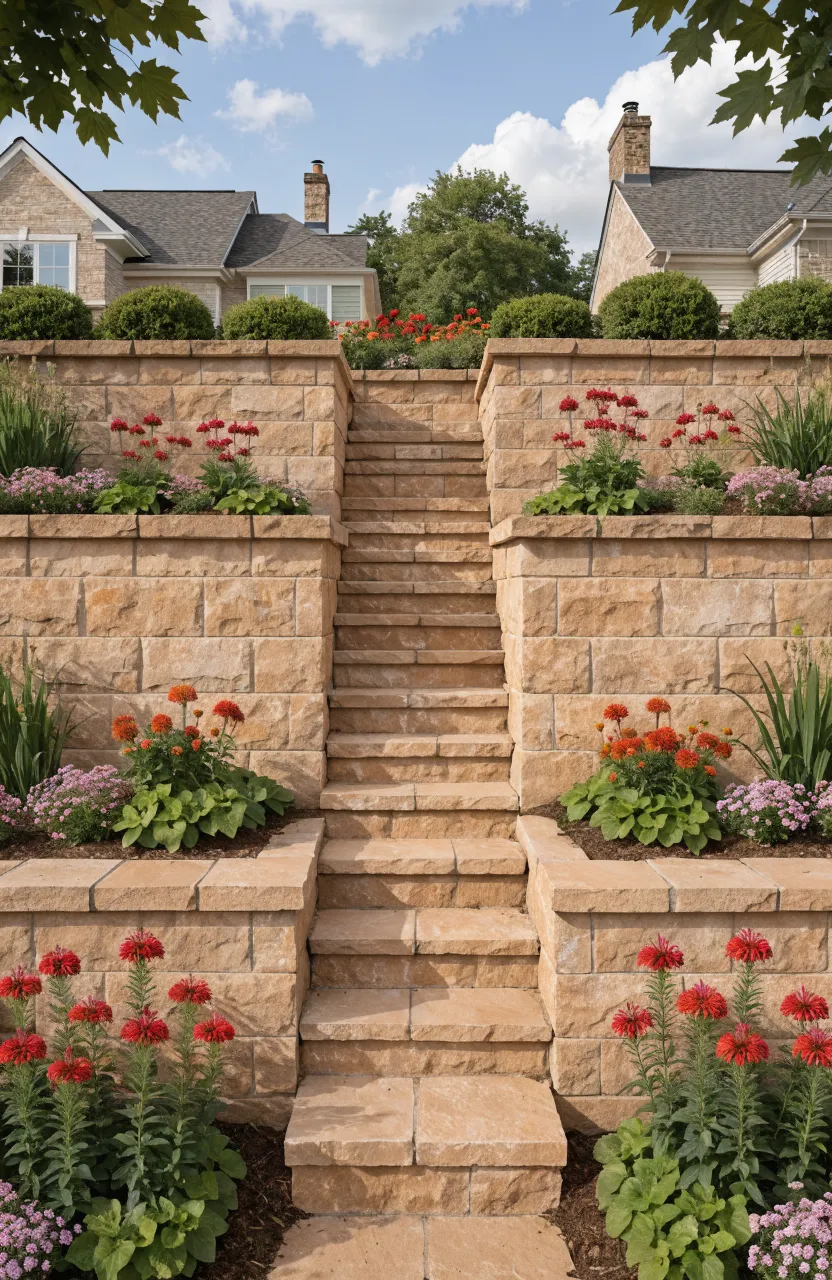
If your retaining wall is high, you will need a way to get from one level to the next. Sandstone blocks are easy to work with because they can be cut into uniform shapes for both the wall and the steps. This creates a cohesive look that feels like a single unit rather than two separate projects.
Sandstone has a warm, tan color that feels very organic. When building the steps, make sure each one has a slight pitch forward so water doesn’t pool on the treads. This makes the garden more accessible and adds a professional touch to the landscape.
Corrugated Metal Sheets with Pressure Treated Wood Framing
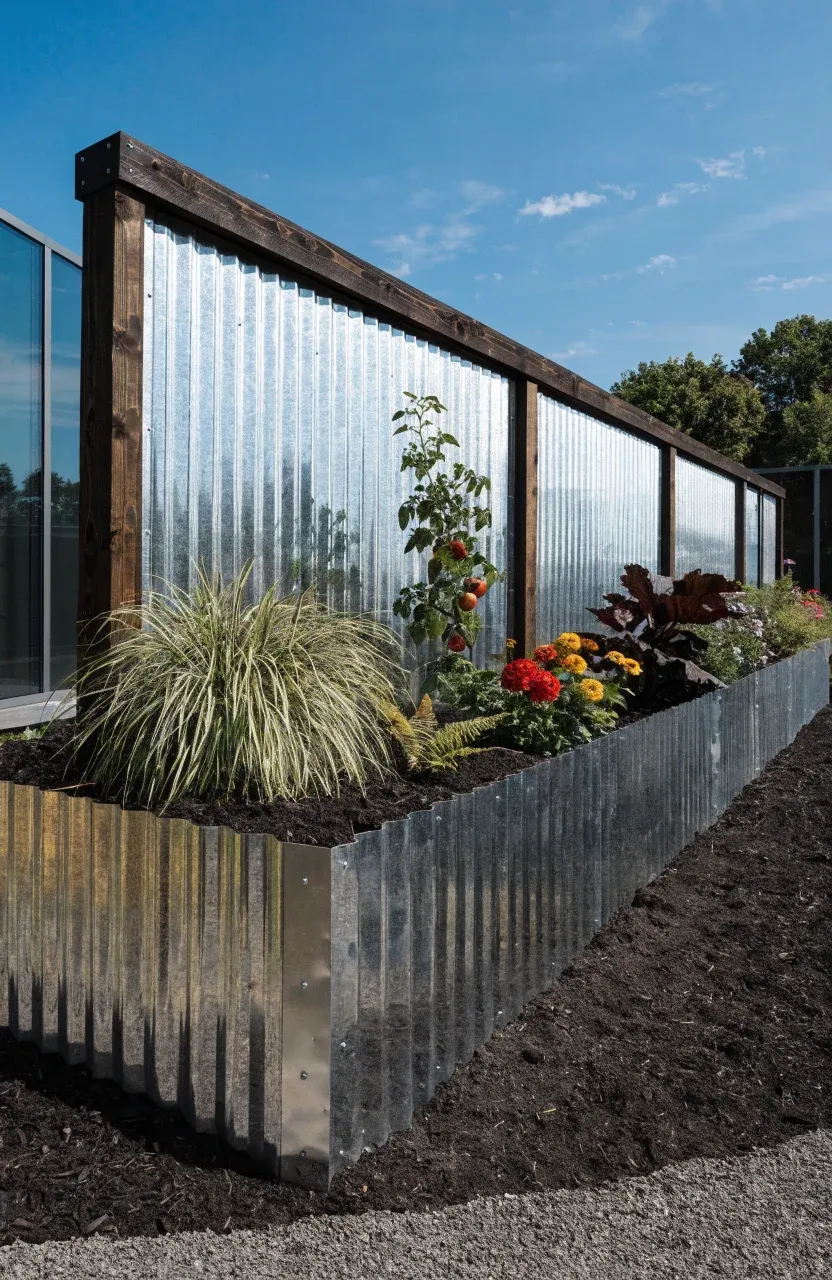
For a modern or farmhouse look, corrugated metal is an interesting choice. It is lightweight and very fast to install compared to stone. By framing the metal sheets with thick wooden posts, you get a sturdy structure that can hold back a significant amount of soil in a garden bed.
The ridges in the metal add vertical lines that can help a small space feel taller. It is a very cost-effective way to build a long wall. Just ensure the metal is galvanized so it doesn’t rust through where it touches the damp soil.
Scalloped Concrete Edging for Circular Flower Beds
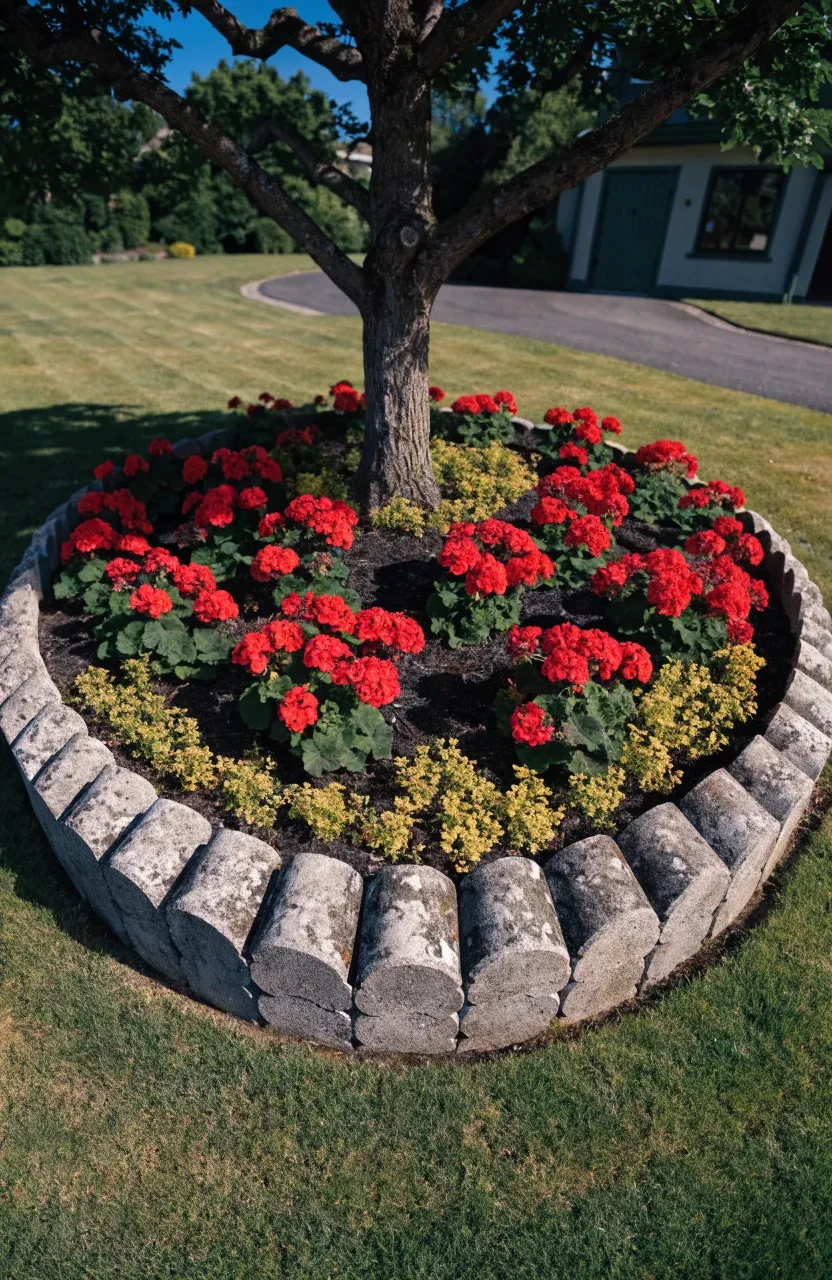
Circular beds can be tricky to edge with straight materials. Scalloped concrete pieces are curved and designed to fit together in a radius. This is a classic look for a front yard tree ring or a small flower island. It is a very simple way to keep grass from encroaching on your planting area.
These pieces are usually small enough to carry in one hand, making the installation easy for one person. You just need to dig a small circular trench and set the pieces in. It’s a great way to add a bit of decorative flair without a big budget.
Double Tiered Stone Wall for Deep Rooted Ornamental Trees
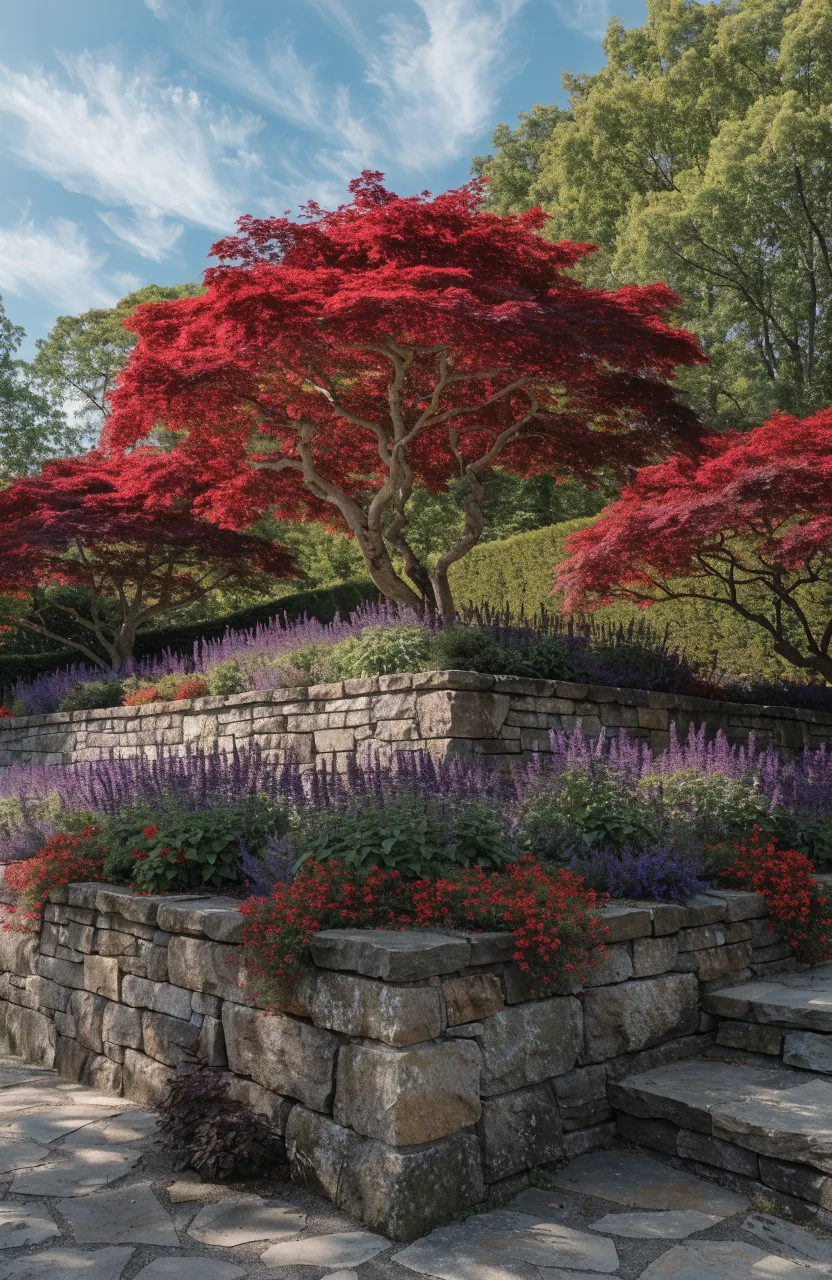
A single tall wall can sometimes feel overwhelming. Breaking it into two smaller tiers creates a more open feel and provides two separate planting levels. The bottom tier can hold smaller flowers, while the upper tier provides enough soil depth for ornamental trees like Japanese Maples.
This terracing method is better for the soil too, as it reduces the pressure on the lower wall. It gives you more surface area for gardening and allows you to mix different types of plants at different heights. It’s a great way to add depth to a flat yard.
Boulder Outcroppings with Ferns for Shady Sloped Yards
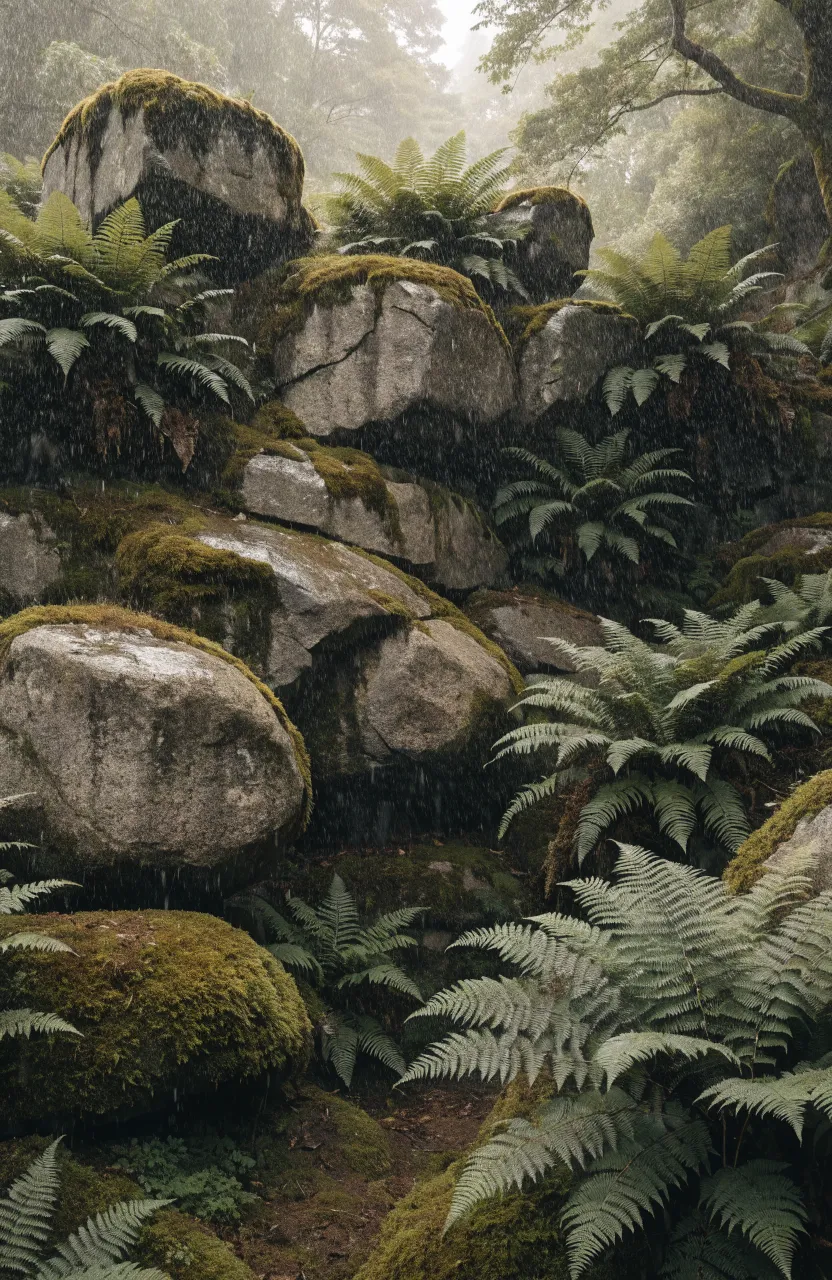
If you have a shady spot with a hill, trying to grow grass is often a losing battle. Instead, use boulders to create a natural-looking rock garden. Ferns love the cool, damp environment found between large rocks. This turns a problem area into a lush, woodland retreat.
Place the boulders in groups of three or five to make them look like they’ve always been there. Tuck the ferns into the gaps where they will be protected from the wind. This is a very low-maintenance way to handle a slope because you don’t have to mow it.
Mortared Limestone Wall for Formal English Garden Styles
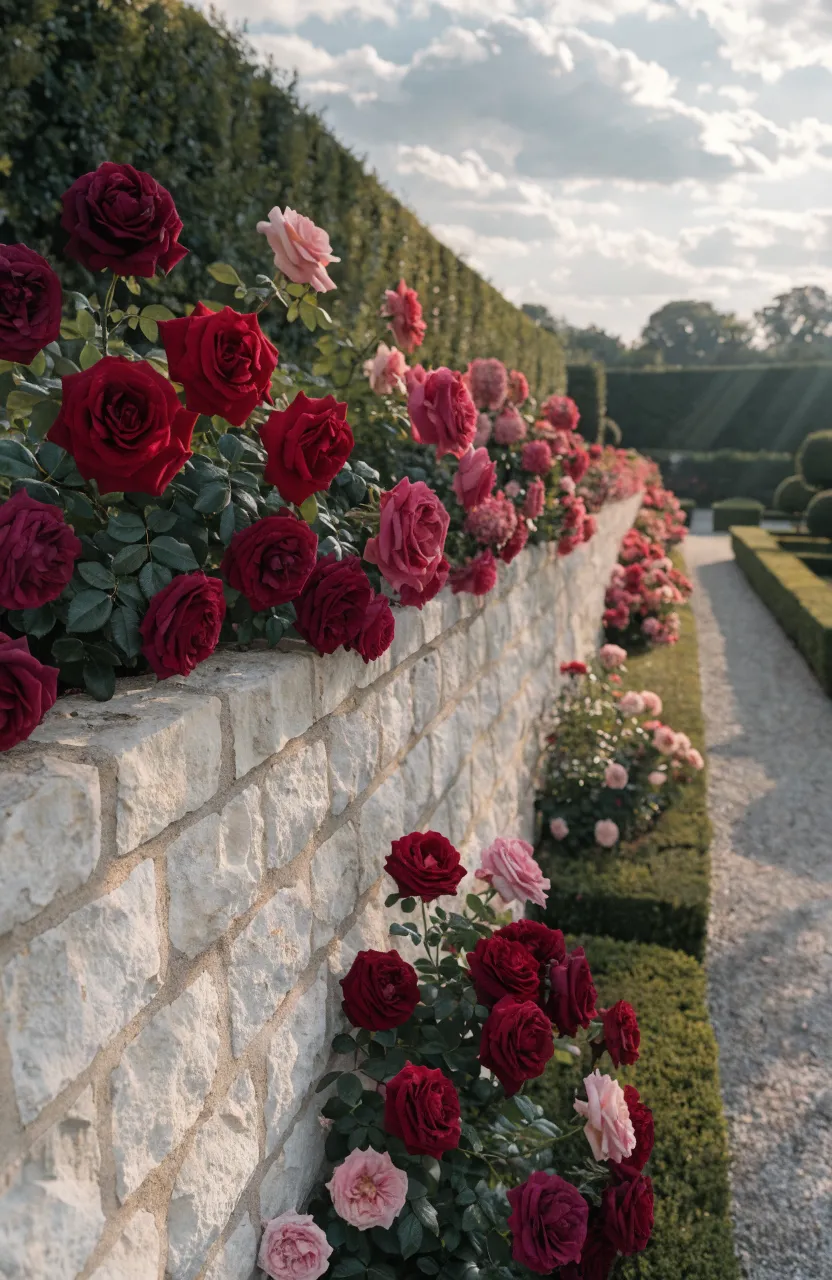
A mortared wall looks very solid and intentional. Limestone has a light, clean color that brightens up a garden. By using mortar, you can build a wall that is perfectly straight and level, which fits the aesthetic of a formal garden. It provides a great backdrop for neatly trimmed hedges or colorful roses.
Mortared walls require a solid concrete footing to prevent the stone from cracking as the ground shifts. It is a bit more work upfront, but the result is a wall that can last for many decades. It’s a classic choice for a front-of-house feature.
Hollow Core Blocks with Top Level Trailing Ivy
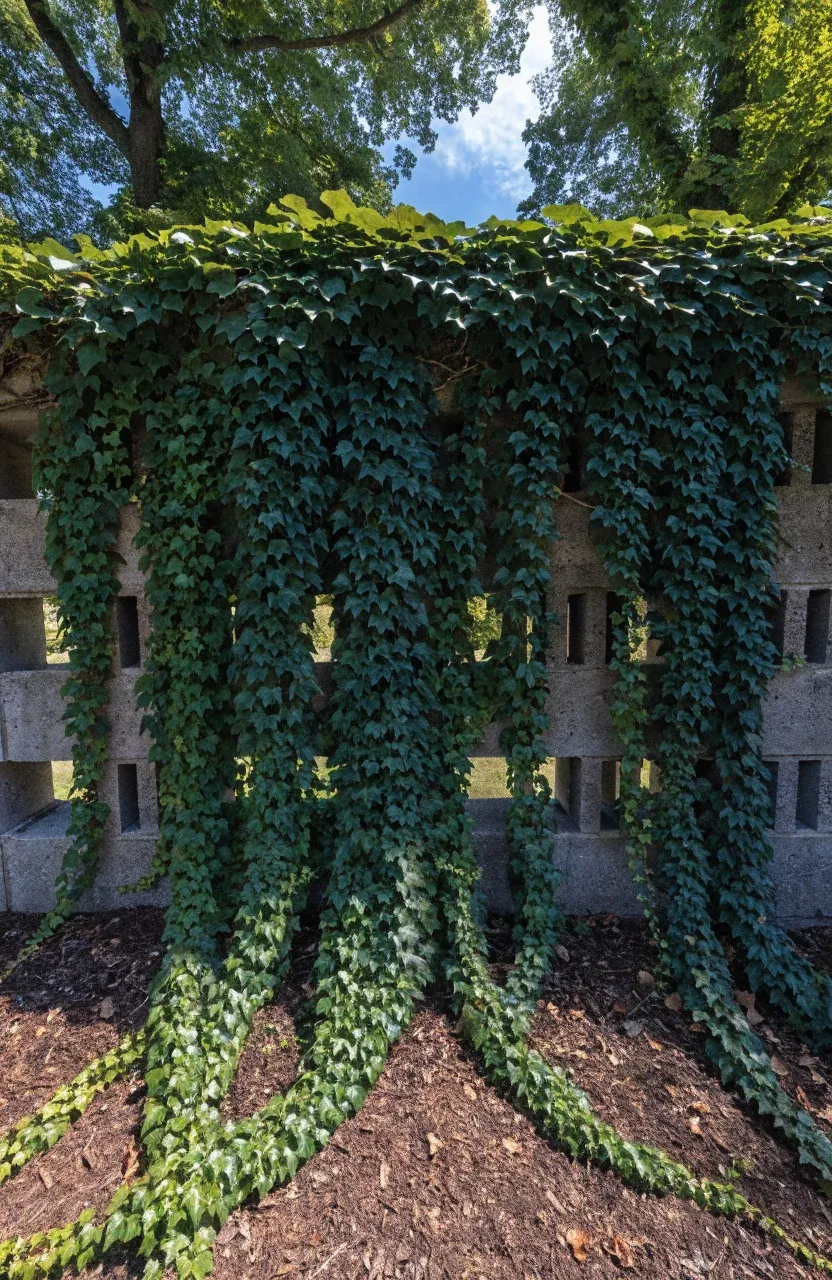
Hollow core blocks are the workhorses of the construction world. They are cheap and very strong. While they might look plain on their own, you can hide them by planting trailing ivy or other climbing vines at the top. Over a season or two, the greenery will drape down and completely cover the concrete.
This is a smart way to get a functional wall on a budget without sacrificing looks. The ivy also helps cool the wall during the summer. Just be sure to trim the ivy occasionally so it doesn’t spread into areas where you don’t want it.
Reclaimed Cobblestone Wall for Historic Curb Appeal
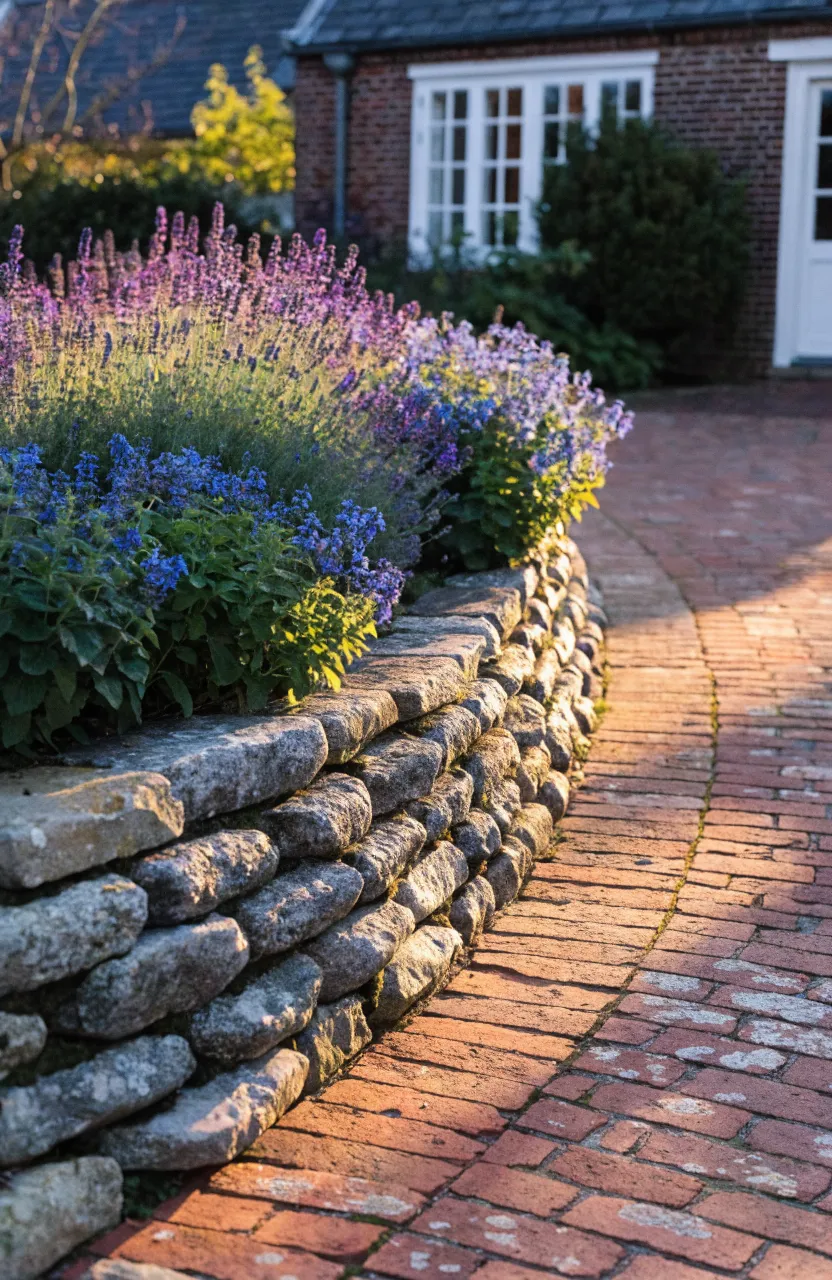
Cobblestones have a lot of character and history. Using reclaimed stones for a small wall in front of your house adds an instant sense of charm. The irregular shapes and worn edges look much more interesting than brand-new, factory-made blocks. It’s a great way to give a newer home some personality.
Because the stones are small, you can easily follow the curves of your driveway or walkway. They work best for low walls that don’t have to hold back a lot of weight. Pairing them with traditional plants like lavender or salvia completes the historic look.
Split Rail Fence with Low Stone Base Reinforcement
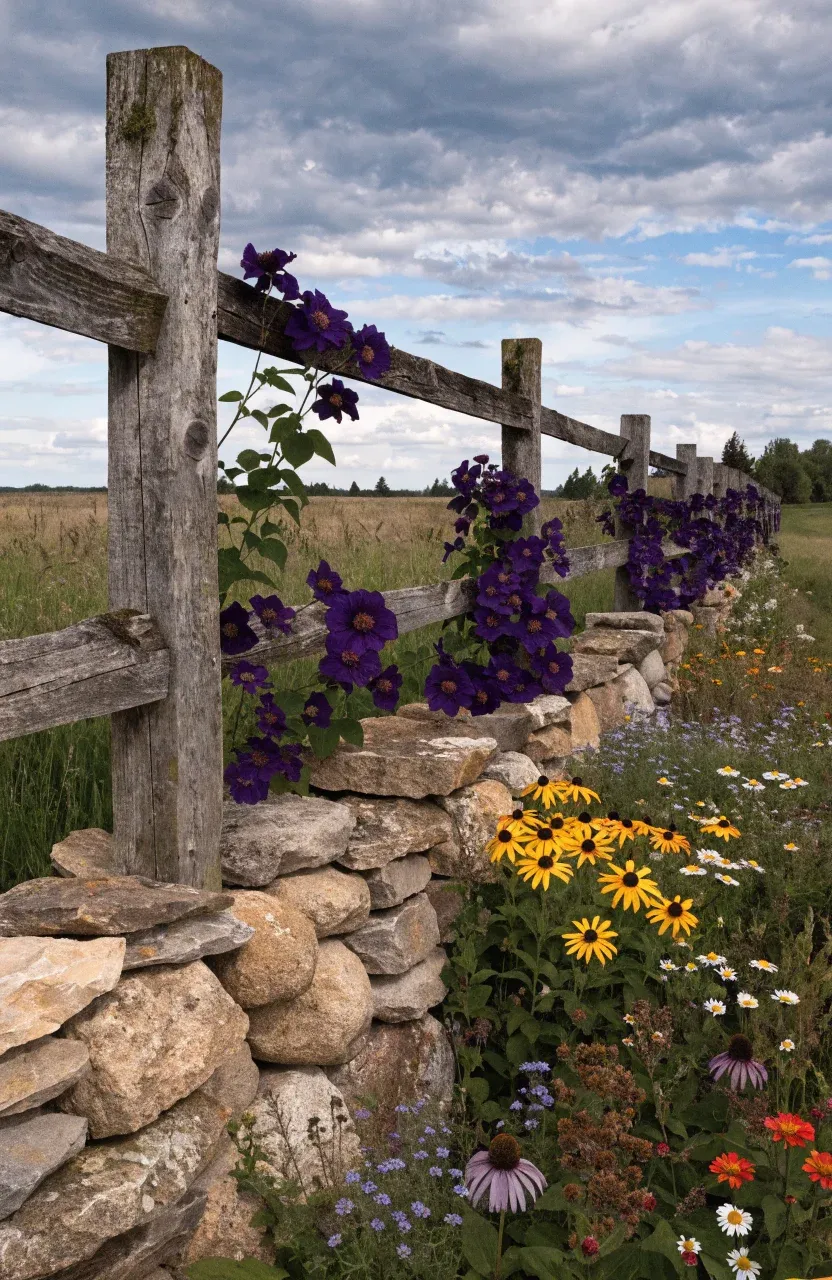
A split rail fence is a great way to mark a boundary, but it doesn’t hold back soil. By adding a low stone wall at the base of the fence, you get the best of both worlds. The stone keeps the soil in the flower bed, while the fence adds height and a rustic, country feel.
This is a very open design that doesn’t block your view. It works well for large properties where you want to define a garden area without building a massive structure. You can grow climbing vines like clematis up the fence rails for extra color.
Basalt Column Wall for Unique Vertical Texture
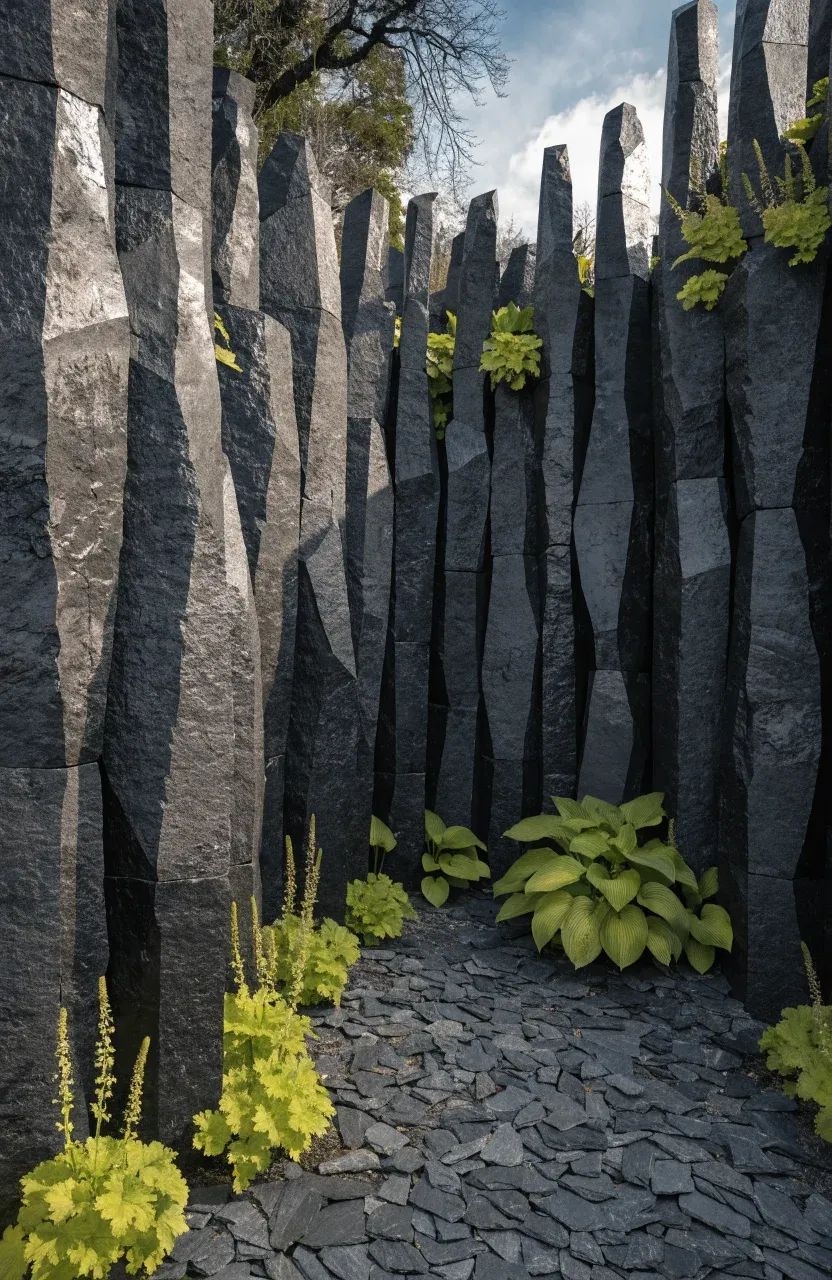
Basalt columns are natural stone pillars that have a unique hexagonal shape. Standing them vertically to create a retaining wall looks like a piece of modern art. The dark, nearly black color of the basalt provides a striking contrast to bright green hostas or lime-colored coral bells.
These columns are very heavy and usually require a professional or a piece of machinery to set. However, they are incredibly durable and won’t ever shift if buried deep enough. It’s a one-of-a-kind look that will definitely make your garden stand out.
Precast Concrete Wall Panels with Faux Stone Texture
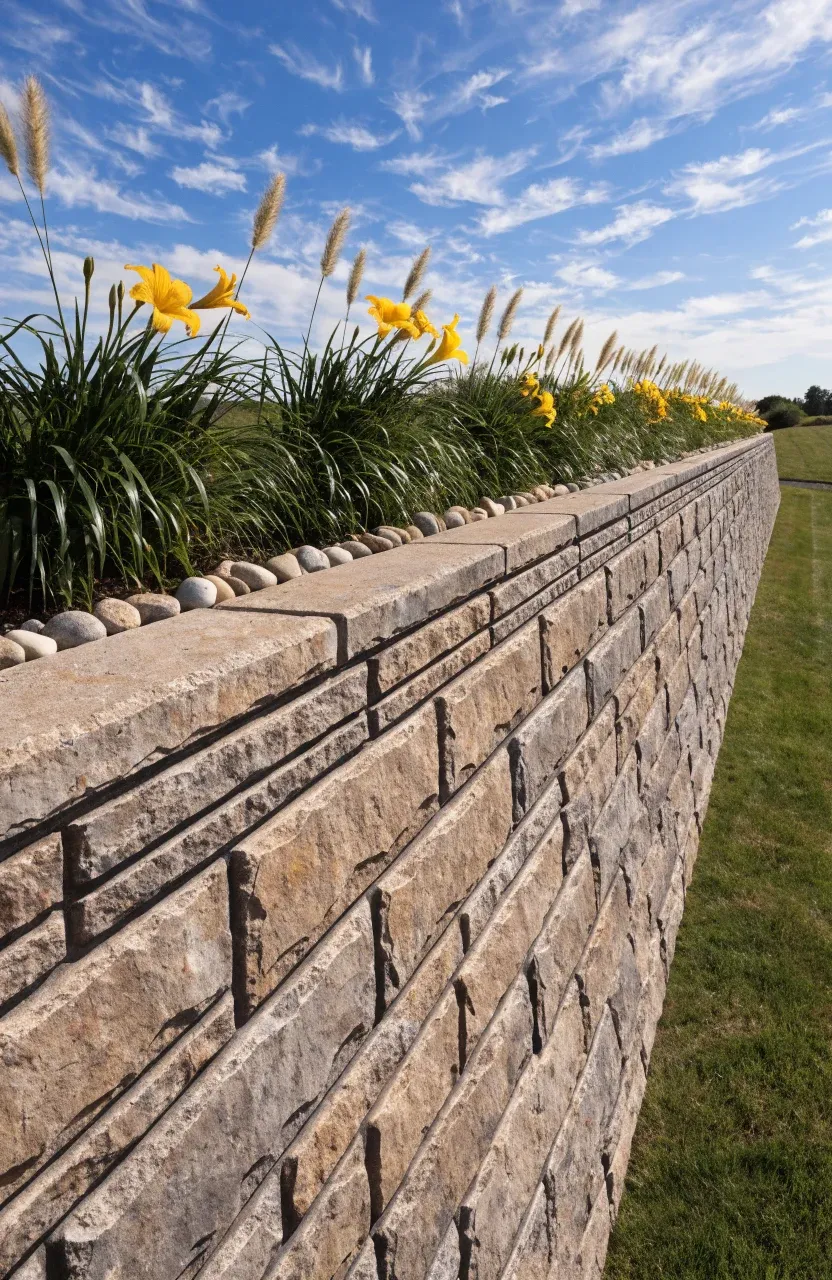
If you like the look of stone but want a faster installation, precast panels are a great option. These are large concrete slabs that are textured and colored to look like stacked stone. They slide into posts, allowing you to build a long wall in a fraction of the time it would take to stack individual rocks.
They are very consistent in quality and look great from a distance. This is a practical solution for long property lines or for hiding an unsightly area of the yard. Since they are concrete, they are very strong and require almost no maintenance.
L-Shaped Corner Wall for Framing Outdoor Dining Areas
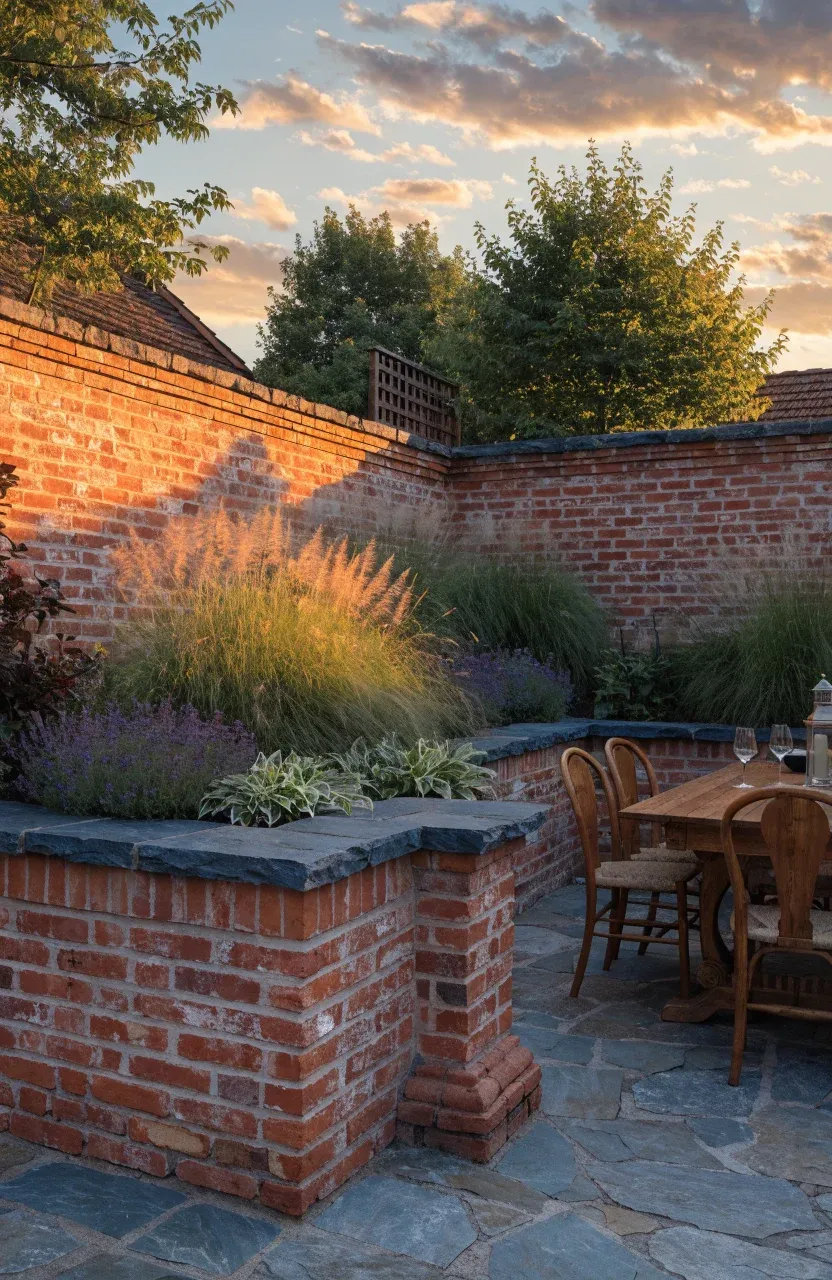
An L-shaped wall can help define a corner of your patio, making it feel like a cozy outdoor room. This is a great way to separate your dining area from the rest of the lawn. You can plant tall grasses or fragrant herbs in the raised bed to create a natural privacy screen while you eat.
Building a corner requires careful leveling to ensure the two sides meet correctly. Using a consistent material like brick or finished concrete keeps the look clean. It’s a simple addition that makes your patio feel much more private and organized.
Natural Mossy Rock Wall for Woodland Style Landscapes
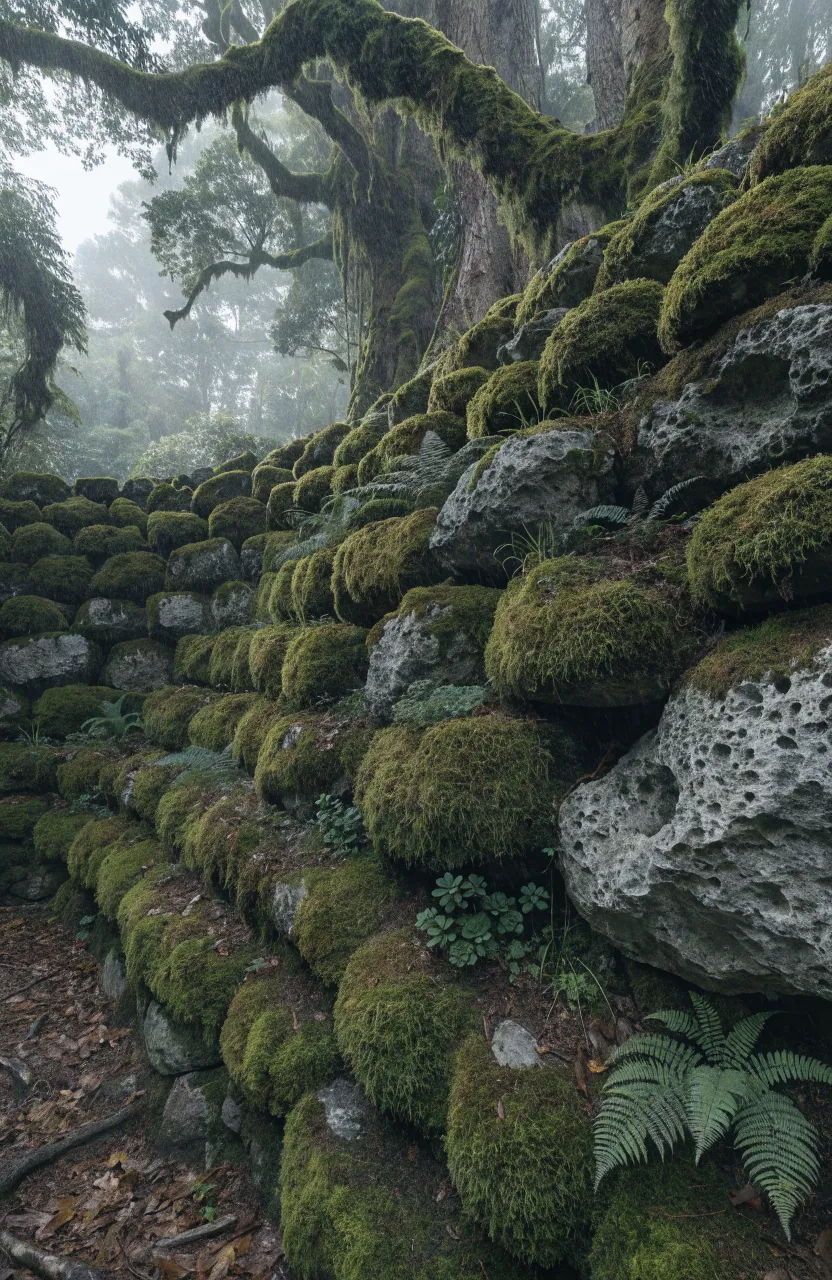
If your yard is damp and shady, embrace it with a mossy rock wall. You can encourage moss to grow on natural stones by spraying them with a mixture of buttermilk and moss fragments. This creates a soft, aged look that feels like it belongs in an ancient forest.
This type of wall is perfect for low-traffic areas of the garden where you want a peaceful, natural vibe. Use local stones that are already porous so the moss can take hold easily. It’s a beautiful way to turn a functional retaining wall into a living part of your landscape.
Building a retaining wall flower bed is a practical way to manage your landscape while adding a personal touch to your home. Whether you choose the rugged look of natural boulders or the clean lines of timber, these structures help organize your plants and protect your soil. Start with a small project to build your confidence, and soon you will have a yard that looks as good as it functions.