
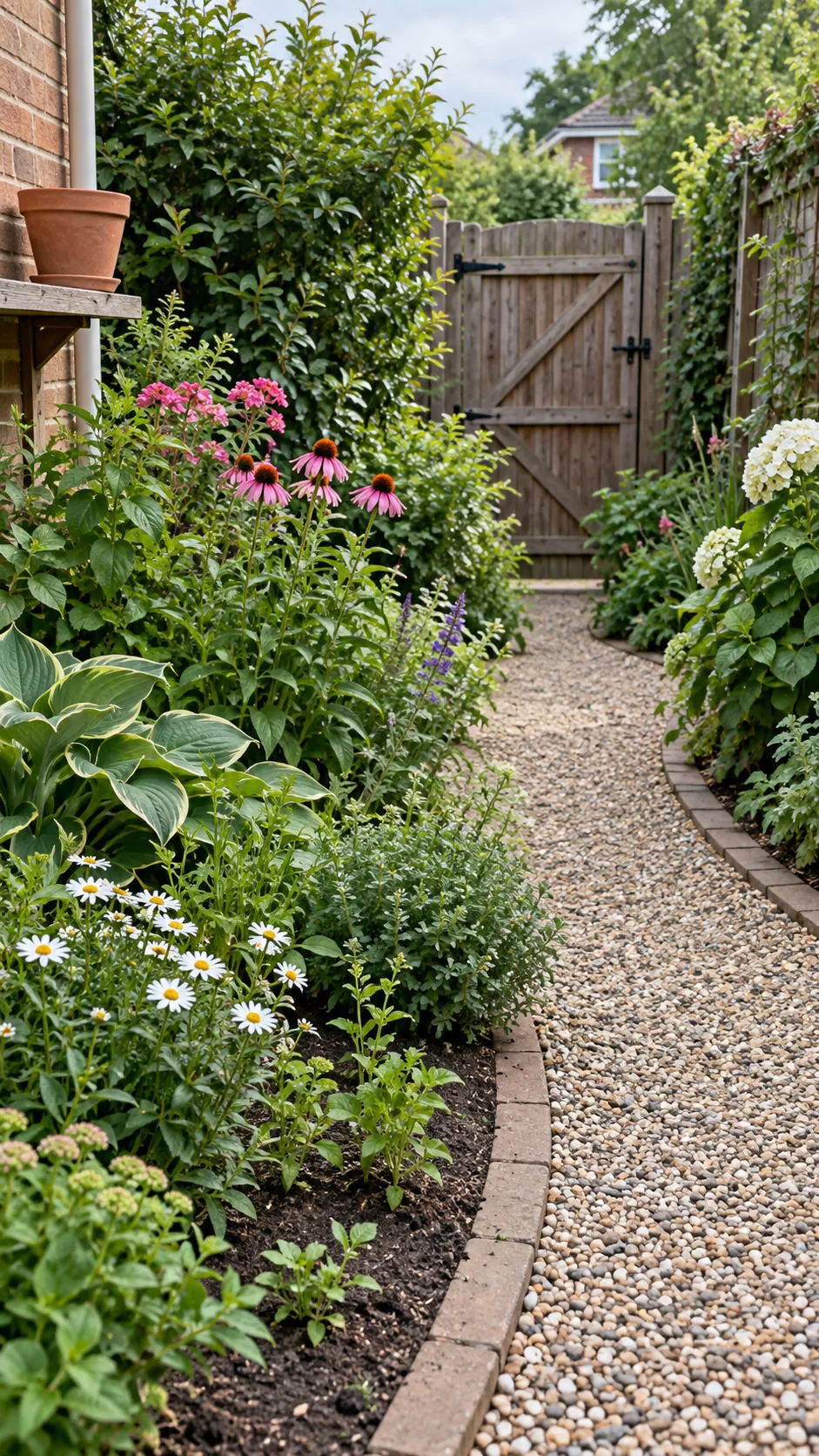
A beautiful plant can still be the wrong purchase for a dry corner, a shaded path, or a container that holds water. Before filling every gap, work out what your space can support and how much care you can give it. A few decisions about light, roots, and access will save more frustration than another impulse purchase.
Read the light before choosing plants
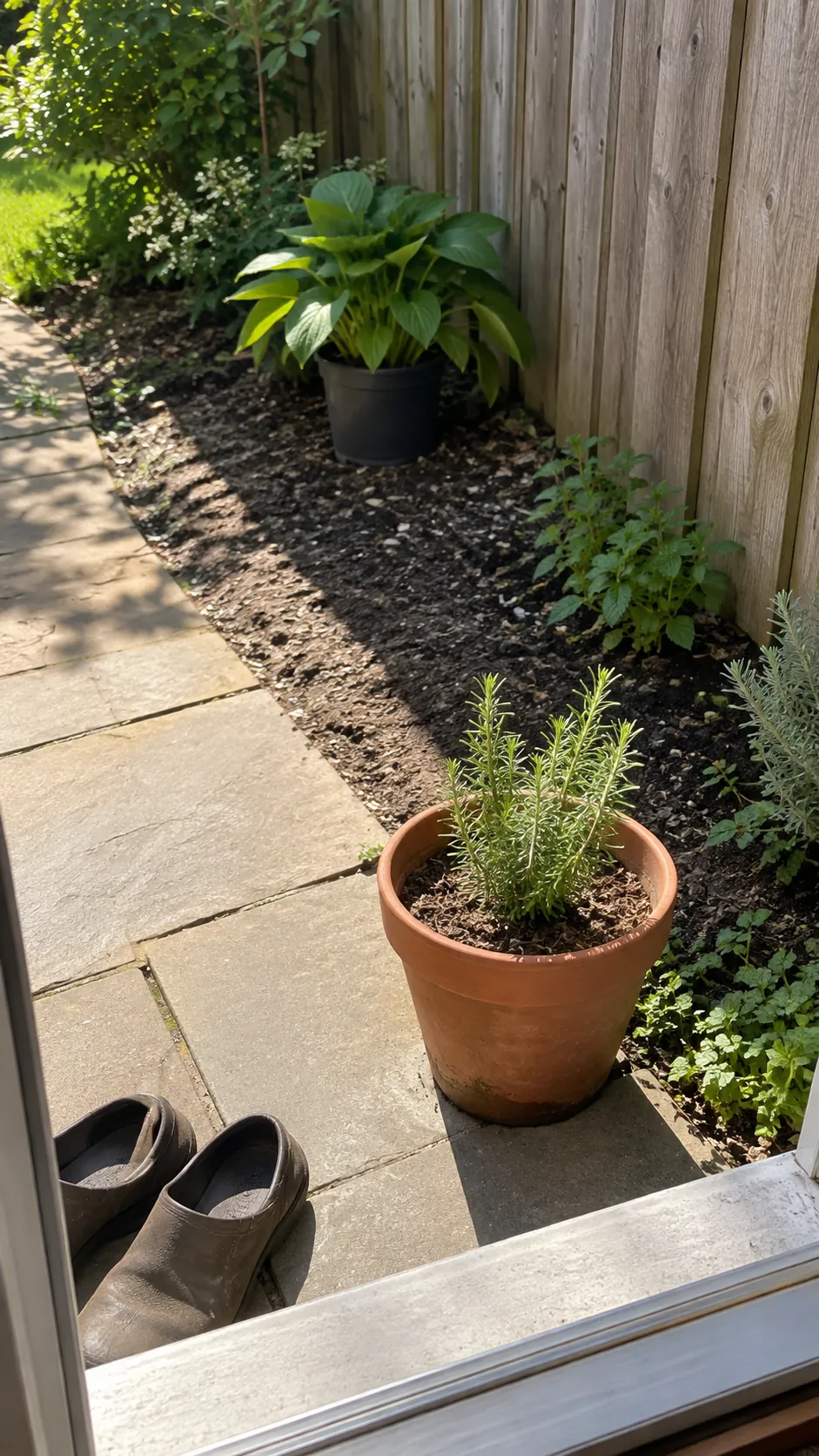
Watch the intended bed in the morning, at midday, and late in the afternoon before buying anything. A patch that looks bright at breakfast may sit in shade for the rest of the day, especially beside a fence. Match each plant label to the hours of direct sun you actually observe, then revisit the pattern when the season changes.
Check drainage where roots will grow
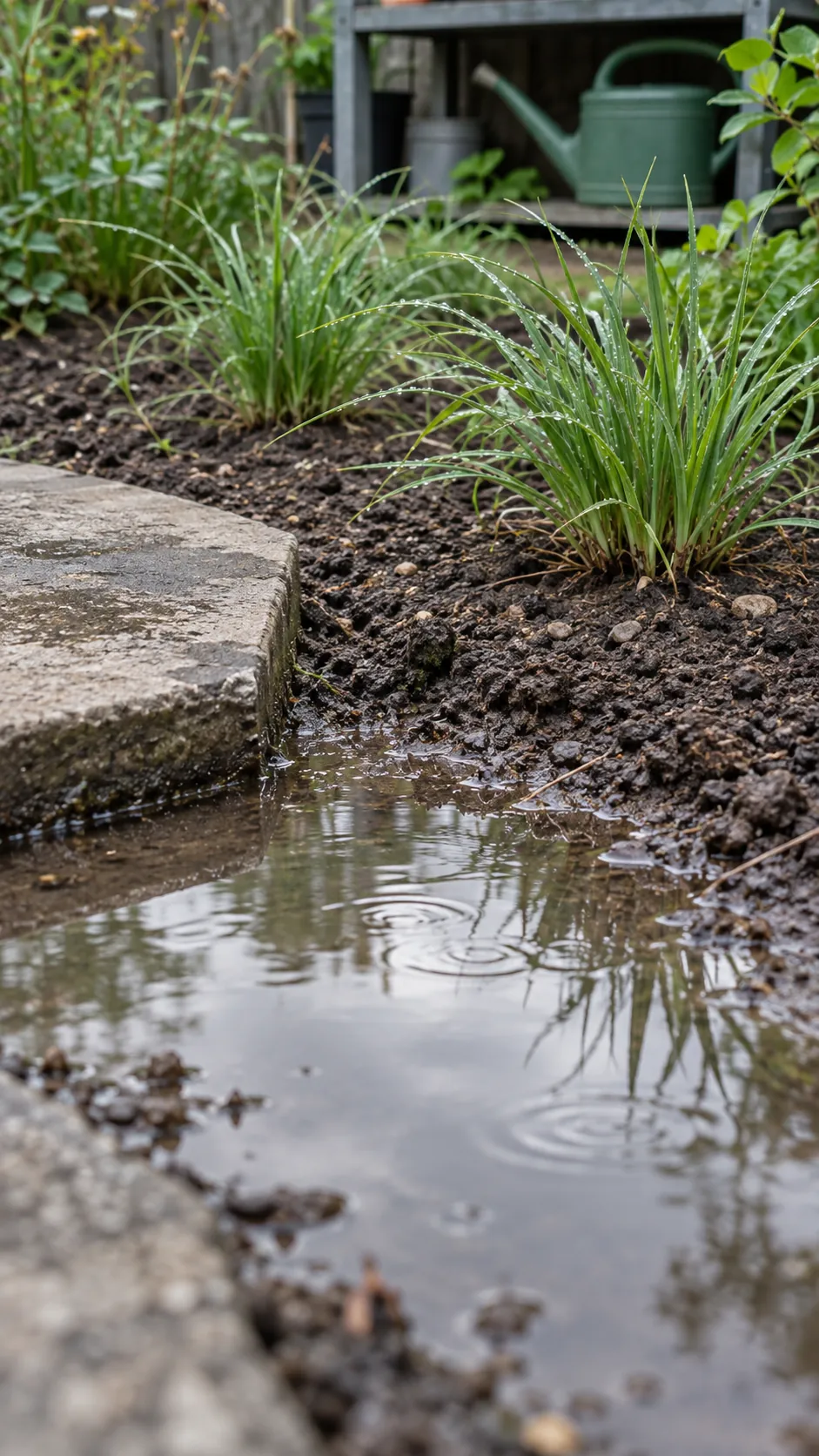
After ordinary rainfall, look for puddles that remain while nearby ground has drained. Compacted or persistently wet soil calls for a different plant choice than a loose, dry border. Do not bury a plant more deeply to hide a wet spot; improve the site where practical or choose species that tolerate its moisture.
Use a soil test before adding amendments
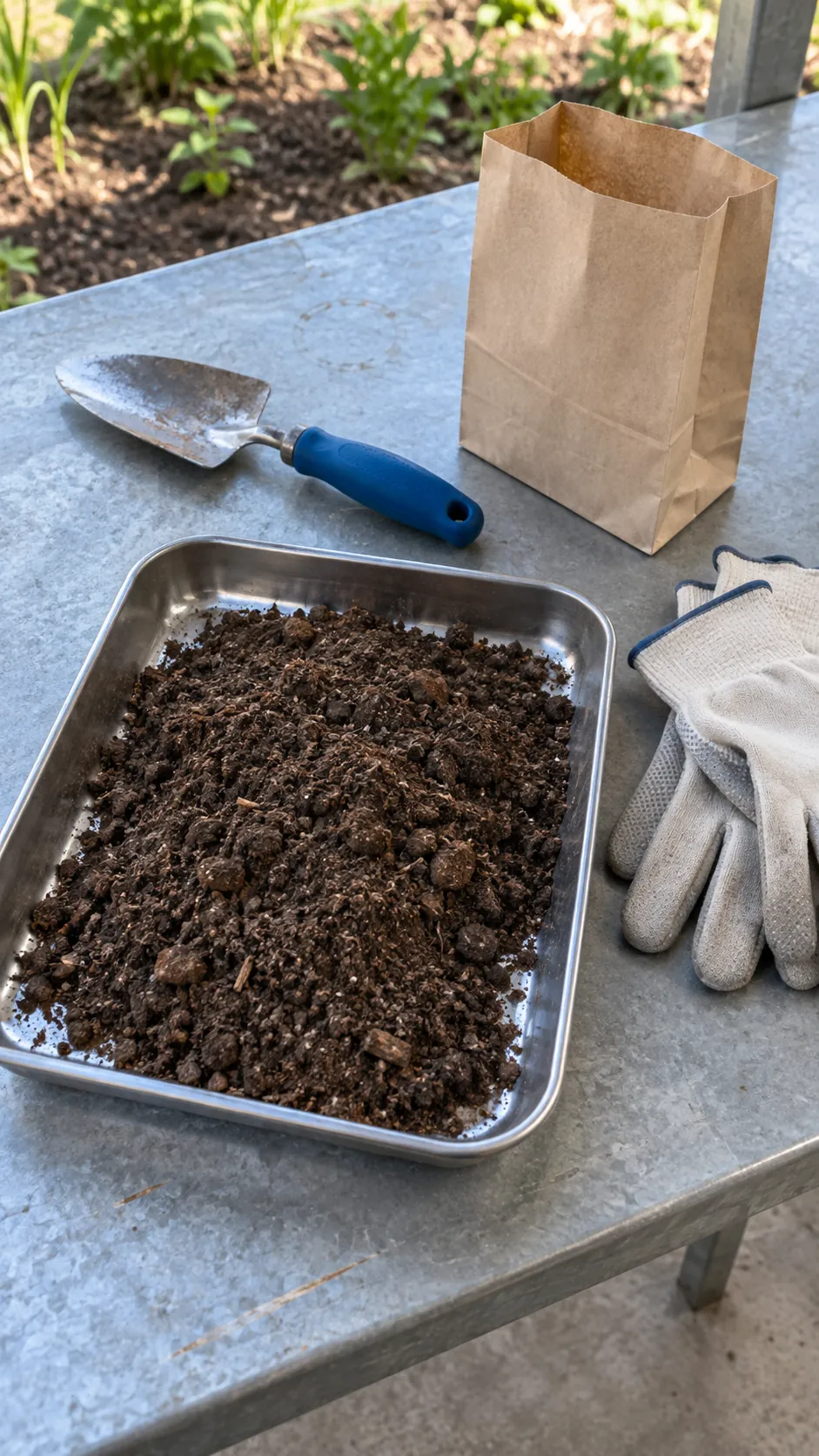
A soil test is more useful than guessing whether a struggling bed needs lime, fertilizer, or compost. Follow the sampling instructions from a local laboratory and take samples from several places within the same planting area. Apply only the amendments the results justify, because extra nutrients can create problems as well as waste money.
Leave room for the mature plant
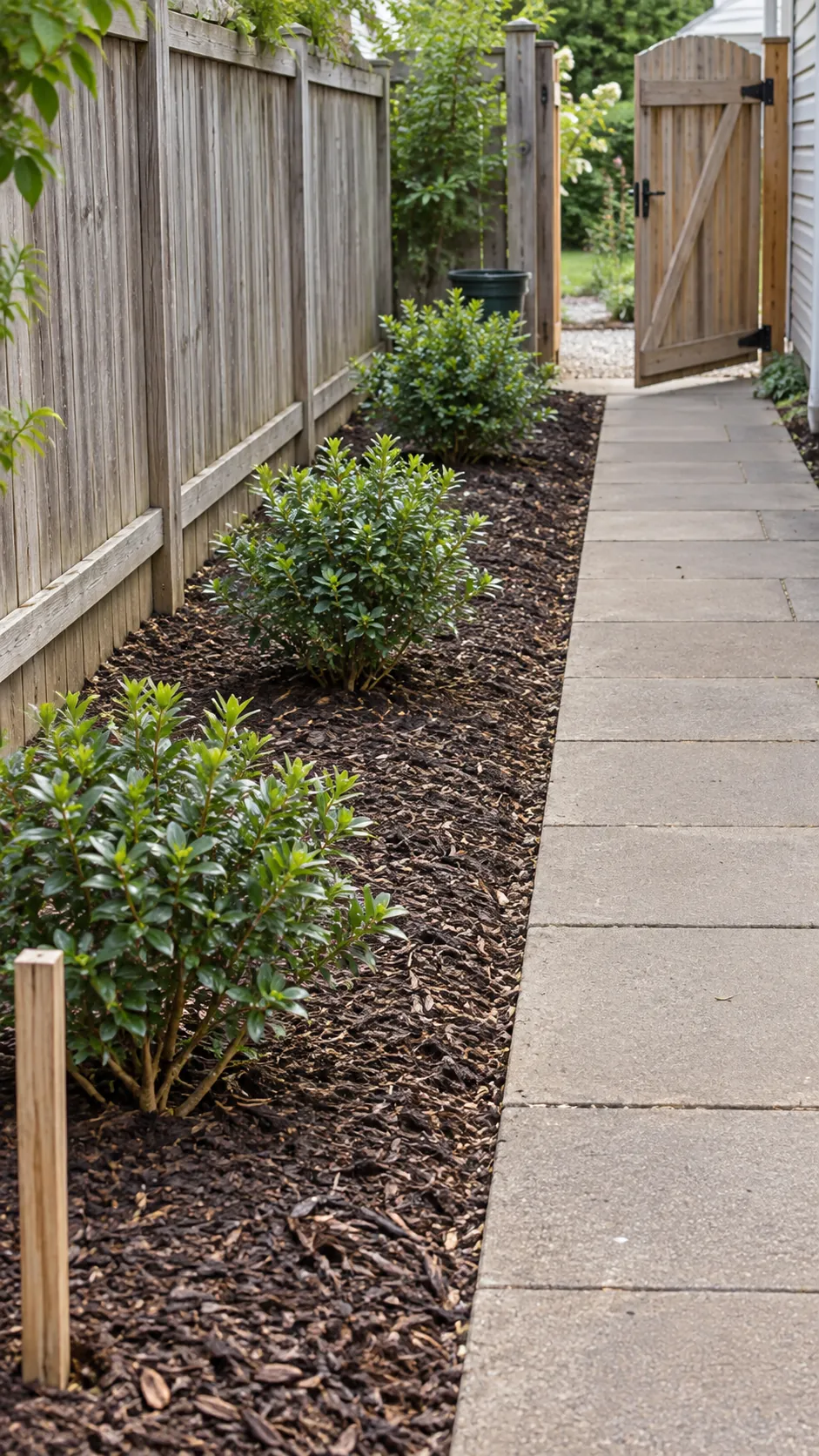
The gaps around a nursery plant are future growing space, not evidence that the garden is unfinished. Check mature width as well as height when planning backyard landscaping, especially near steps and doors. Temporary annuals can fill selected gaps, but keep permanent shrubs far enough apart that routine access does not depend on constant pruning.
Water the root zone slowly
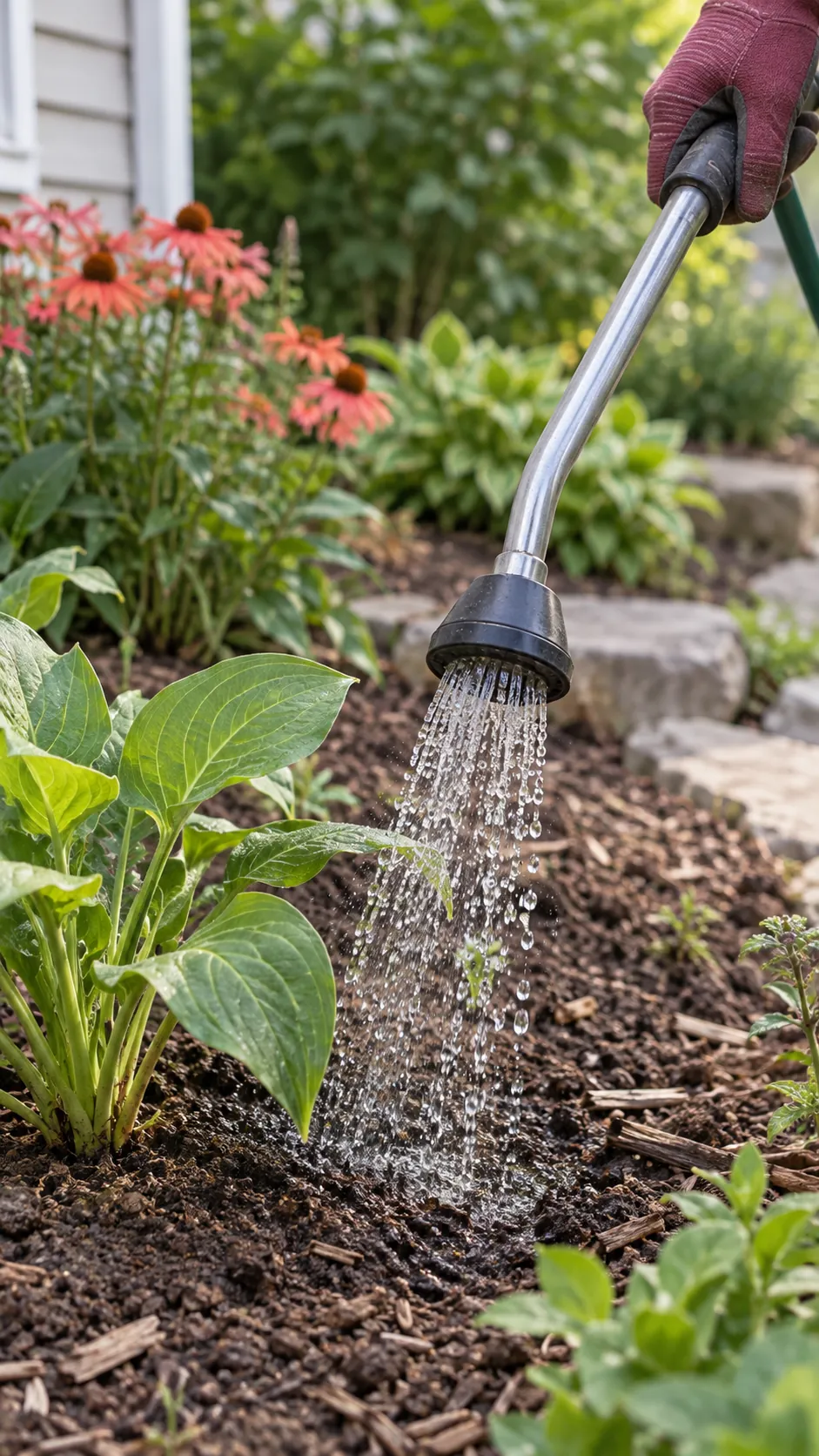
A quick sprinkle can wet leaves while leaving the root ball dry. Deliver water gently at soil level and pause if it starts running across the surface. Check beneath the surface afterward to learn whether moisture reached the roots rather than relying on the color of the top layer.
Containers, new transplants, and established beds often need different schedules. Recheck soil moisture during heat or wind instead of watering every plant by the same calendar. Morning watering is convenient, but a genuinely dry plant should not wait another day merely to meet a preferred time.
Mulch without burying stems
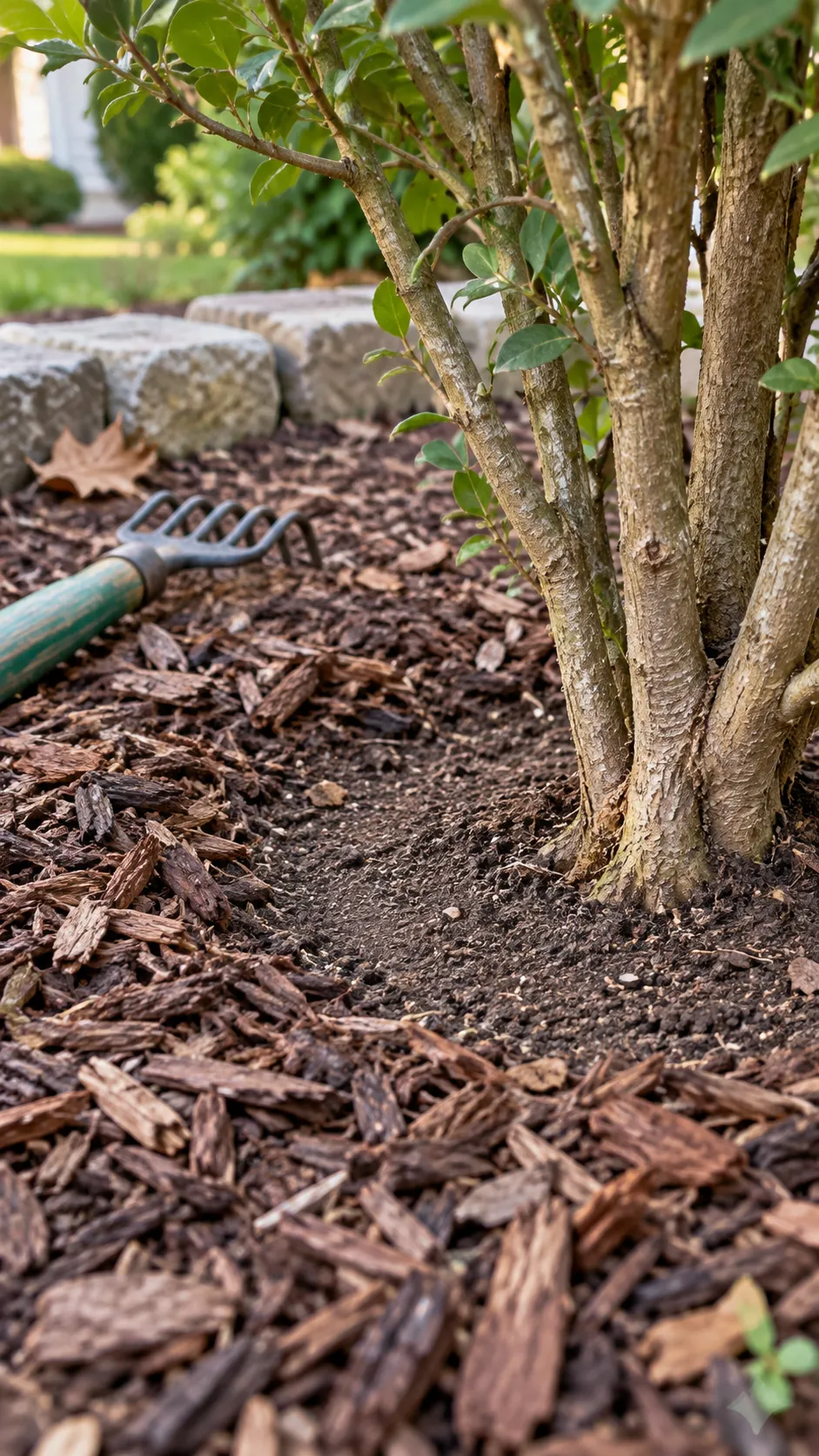
Spread an appropriate organic mulch over exposed soil to slow moisture loss and discourage weeds. Leave a clear gap around stems and tree trunks so damp material does not sit against the bark. Replenish what has decomposed instead of adding another thick layer automatically each season.
Choose native plants for the actual site
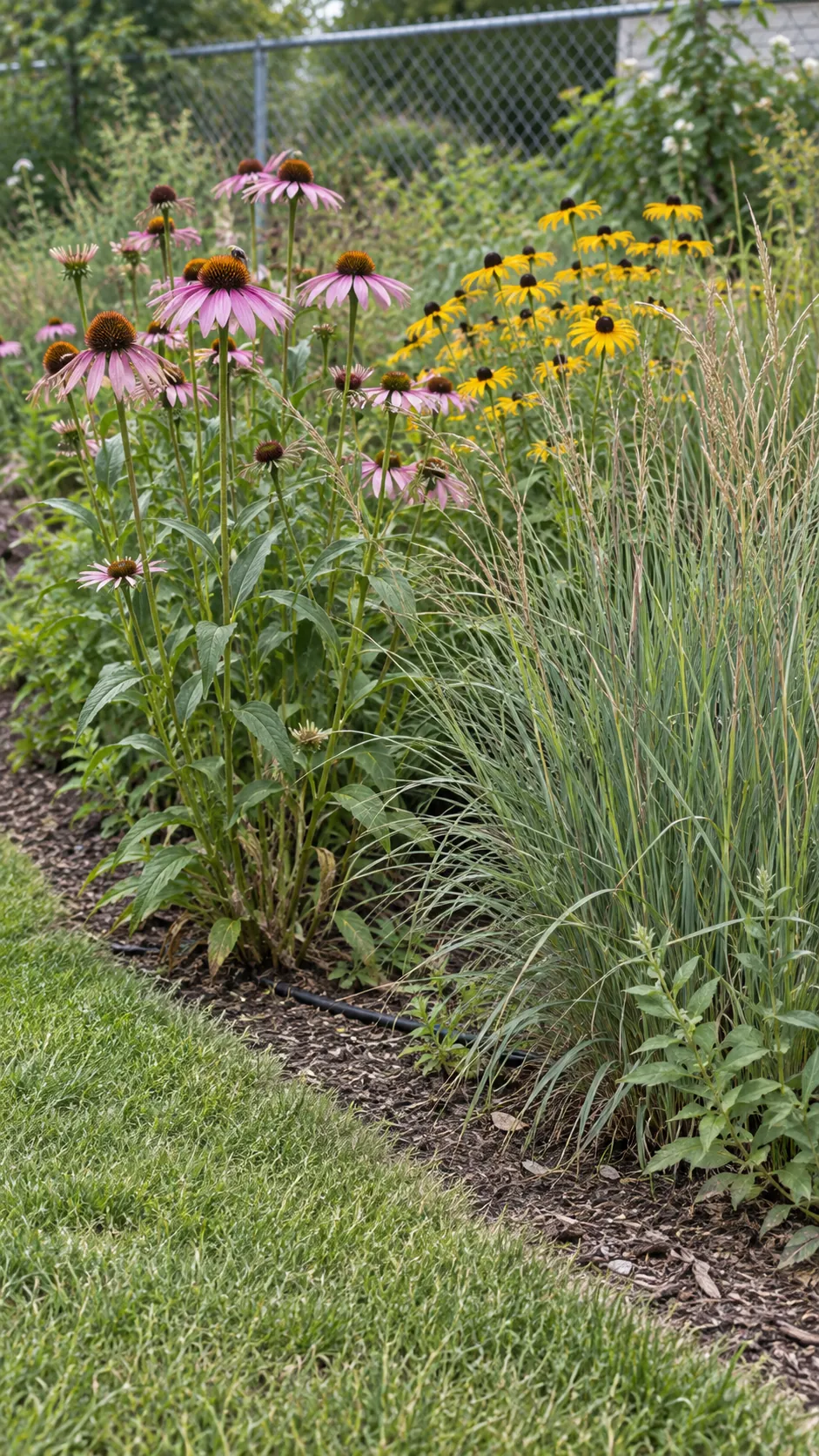
Native status alone does not tell you whether a plant likes your particular corner. Use local guidance to match regional natives to sun, soil, and available moisture. Include several forms and flowering times, and water new plants through establishment rather than assuming they can manage immediately without help.
Stagger blooms for pollinators
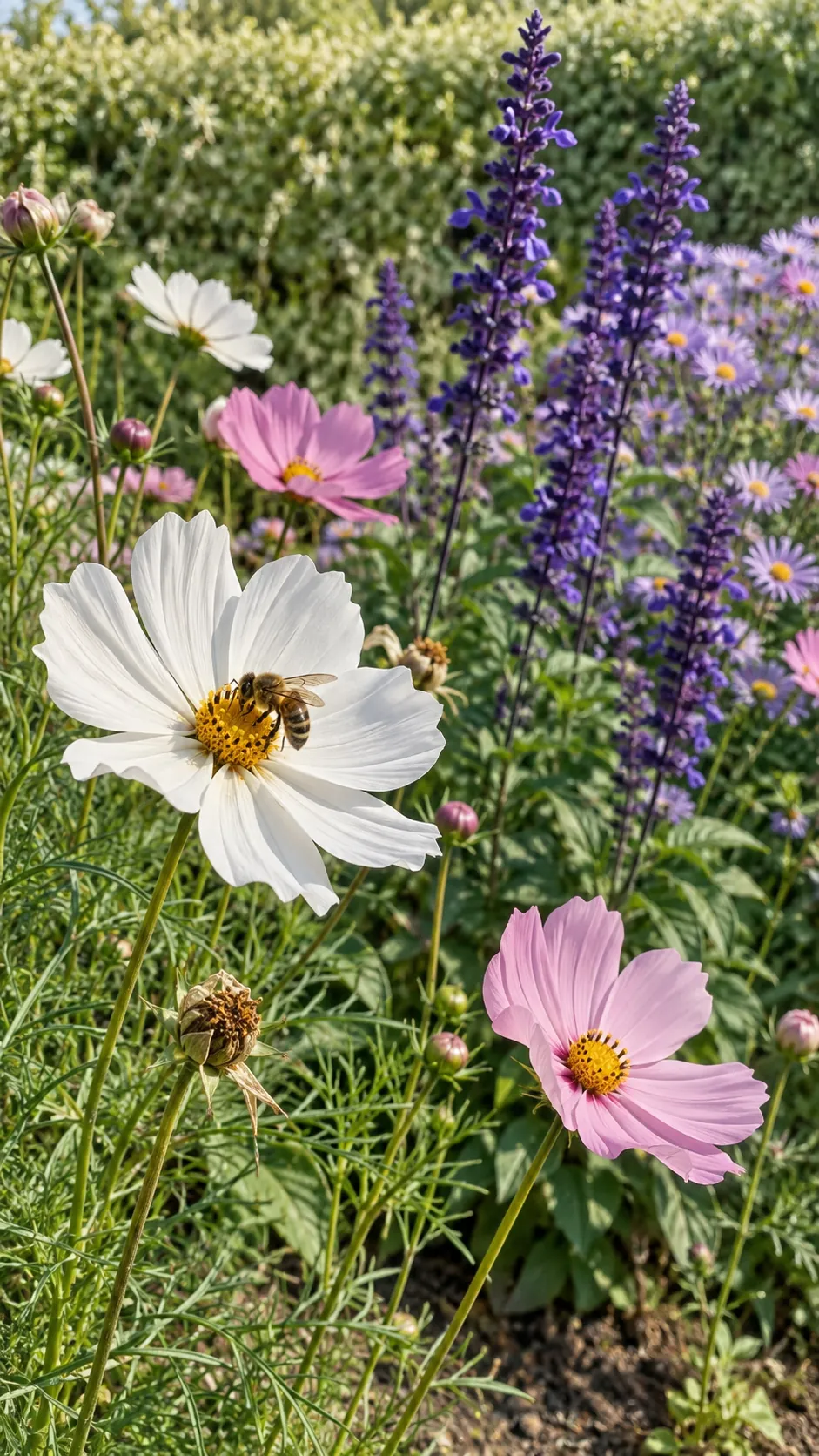
A flower garden design with early, middle, and late bloomers provides more continuity than a bed that peaks for one weekend. Check bloom periods locally because weather can shift the calendar. Where suitable, use clusters of accessible flowers and avoid treating visiting insects as pests simply because they are unfamiliar.
Give butterflies suitable host plants
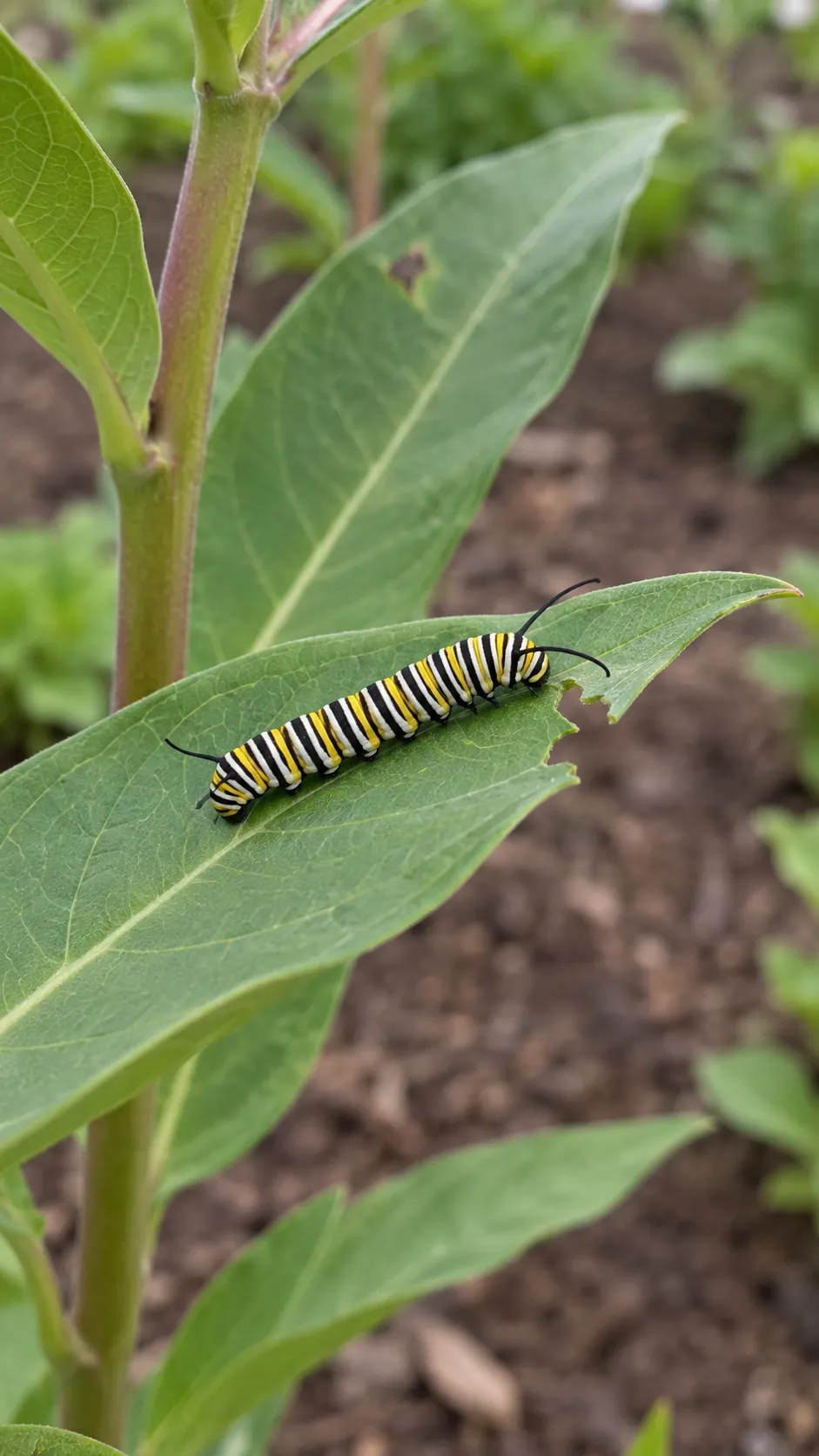
Adult butterflies visiting nectar flowers are only one part of their life cycle. Research the host plants used by butterflies native to your area and include those species where they can grow well. Expect some leaf chewing on host plants, since feeding caterpillars are part of the purpose.
Plant tubular flowers for hummingbirds
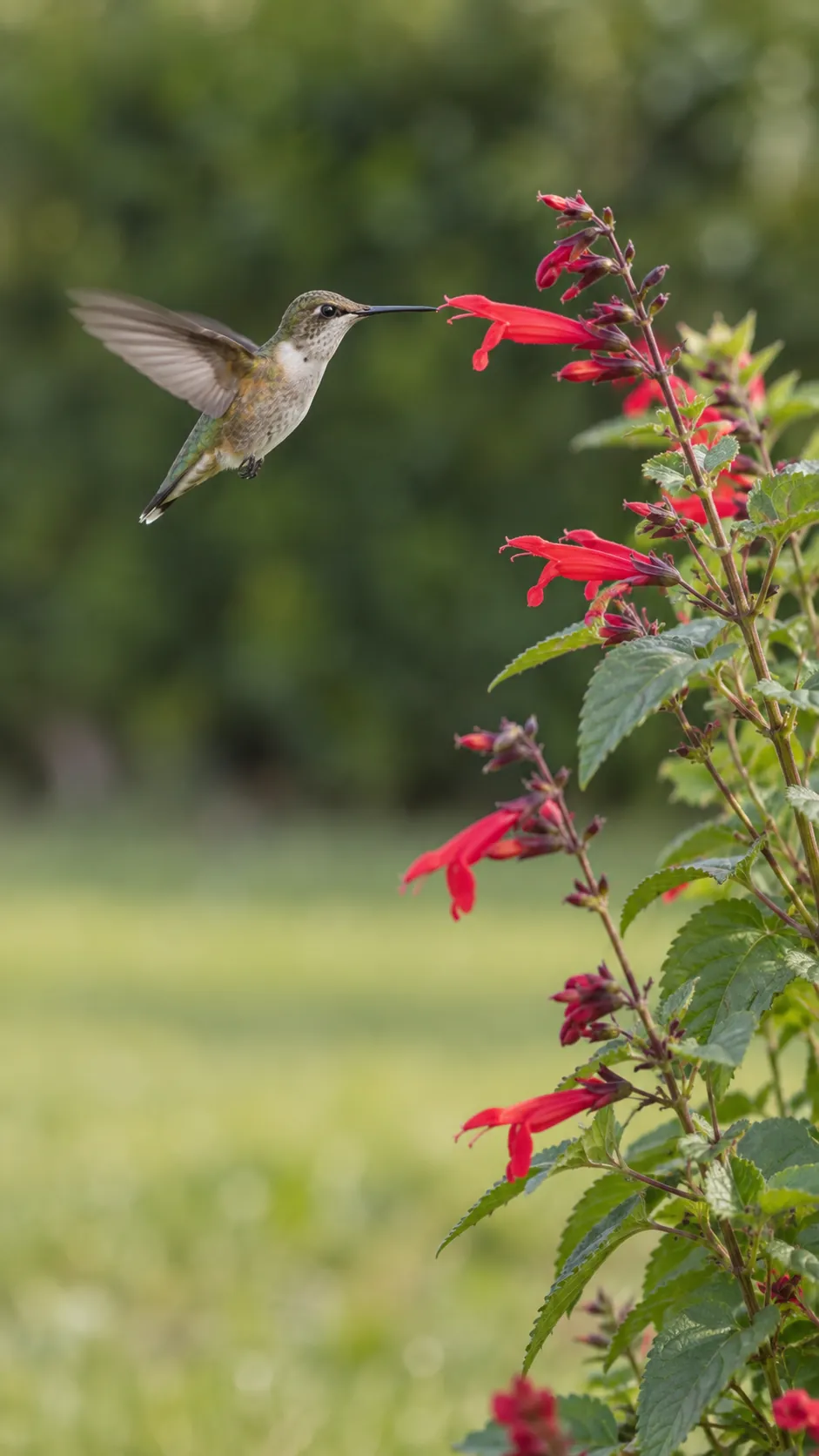
Where hummingbirds occur naturally, suitable salvias and other tubular flowers can bring activity close to a viewing spot. Choose species adapted to the local climate and leave open flight space around the flowers. Avoid insecticides on these plants, and remember that hummingbirds also eat small insects.
Make a shade border about foliage
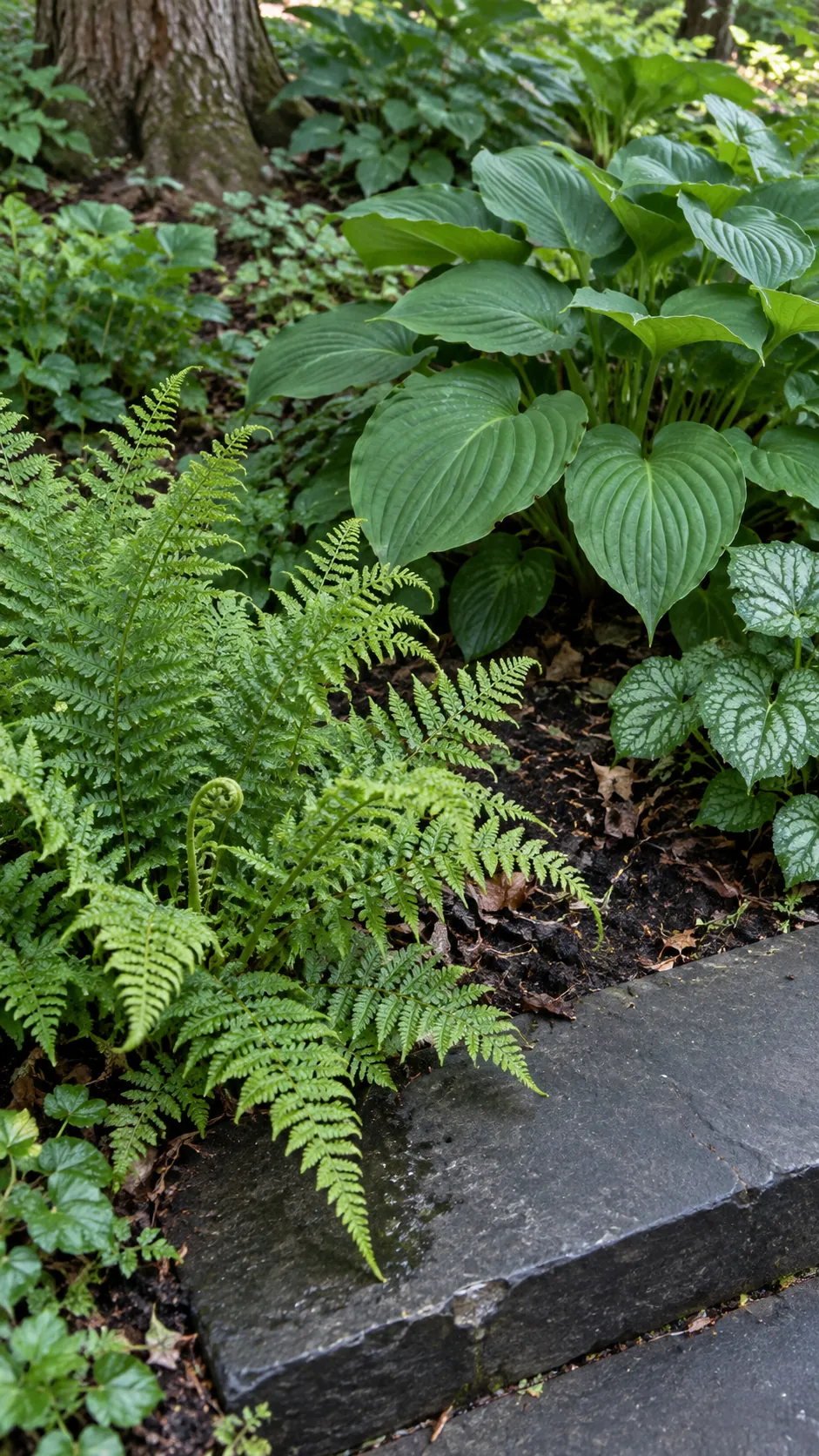
A shady bed can feel rich without depending on constant flowers. Combine locally suitable ferns with other shade plants that differ in leaf size, outline, and surface. Check whether the area is moist shade or dry shade beneath thirsty trees, because those conditions require different choices.
Keep thirsty plants together
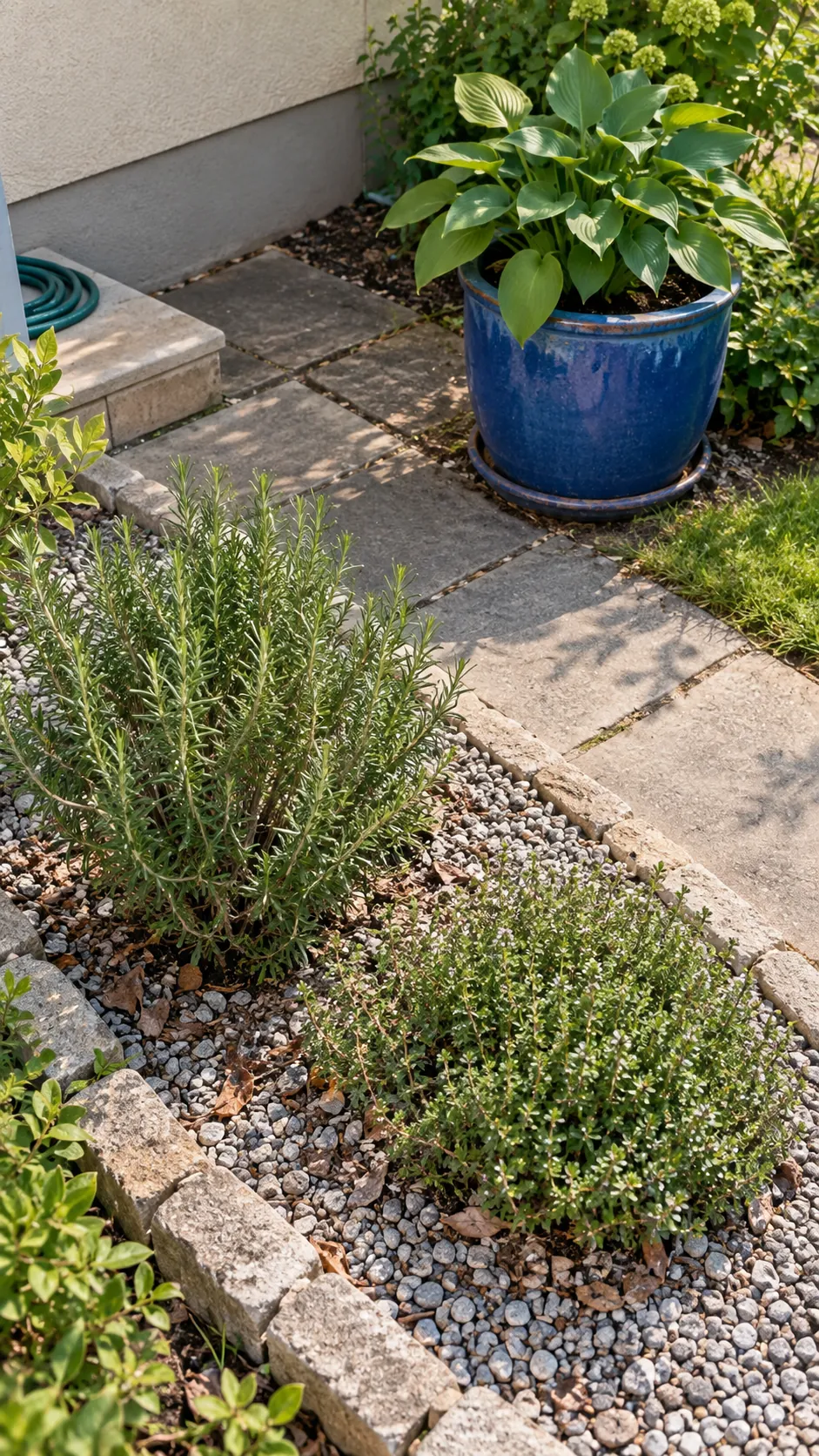
Grouping outdoor plants by water needs makes irrigation easier to manage. A moisture loving plant beside a drought adapted one forces a compromise that may suit neither. Separate those groups into different beds or containers, and keep the driest group away from roof runoff.
Use containers with real drainage
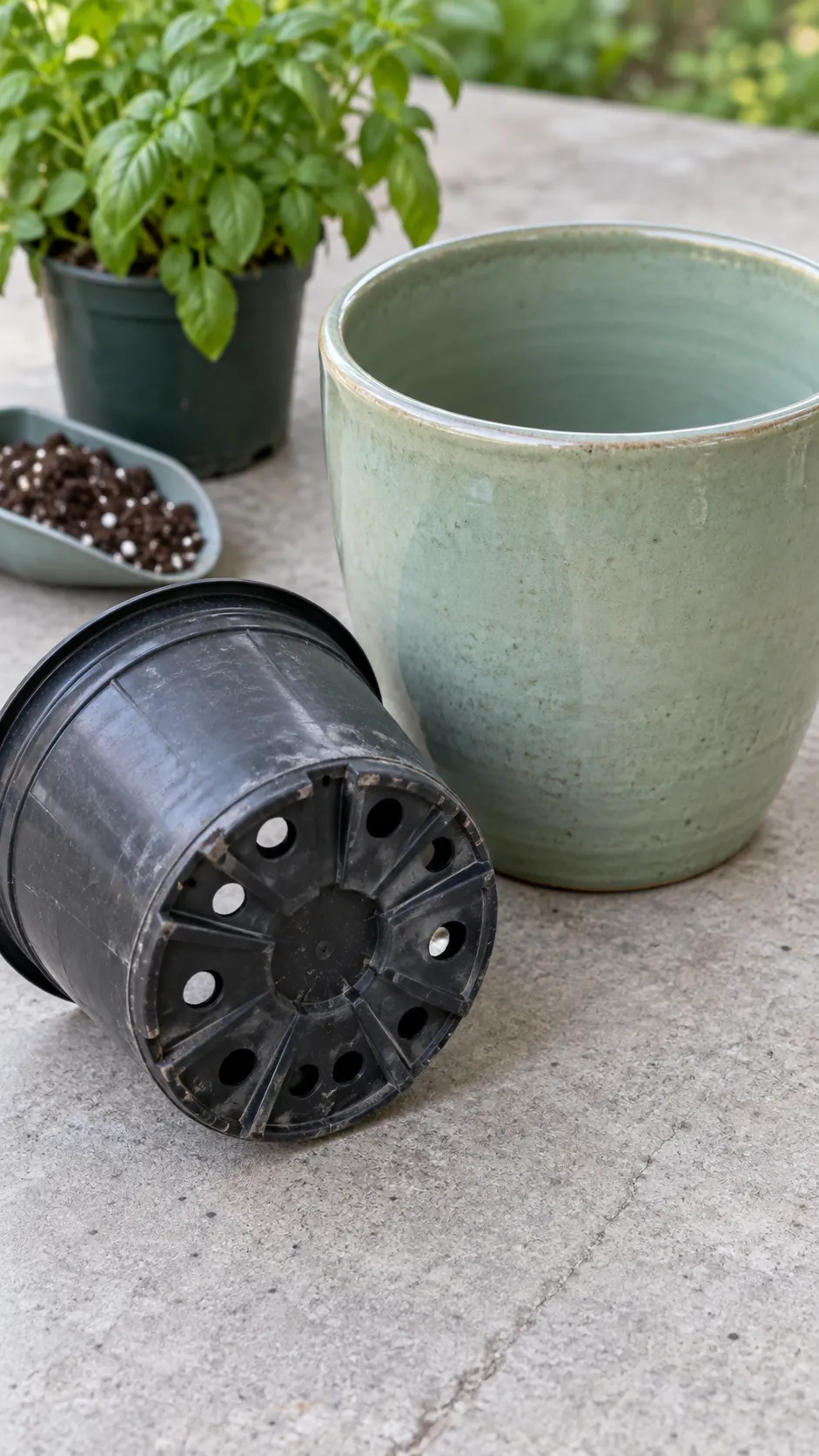
A decorative pot needs a route for excess water to leave the root zone. Choose a container with drainage holes and a potting mix intended for containers instead of dense soil dug from the garden yard. Empty water collecting in saucers, and use a separate inner nursery pot when a decorative outer vessel has no holes.
A gravel layer does not replace a drainage hole. Leave enough room at the top to water without washing mix over the rim. Size the pot for the plant and its expected growth rather than choosing an enormous container for a tiny root system.
Grow kitchen herbs where you will pick them
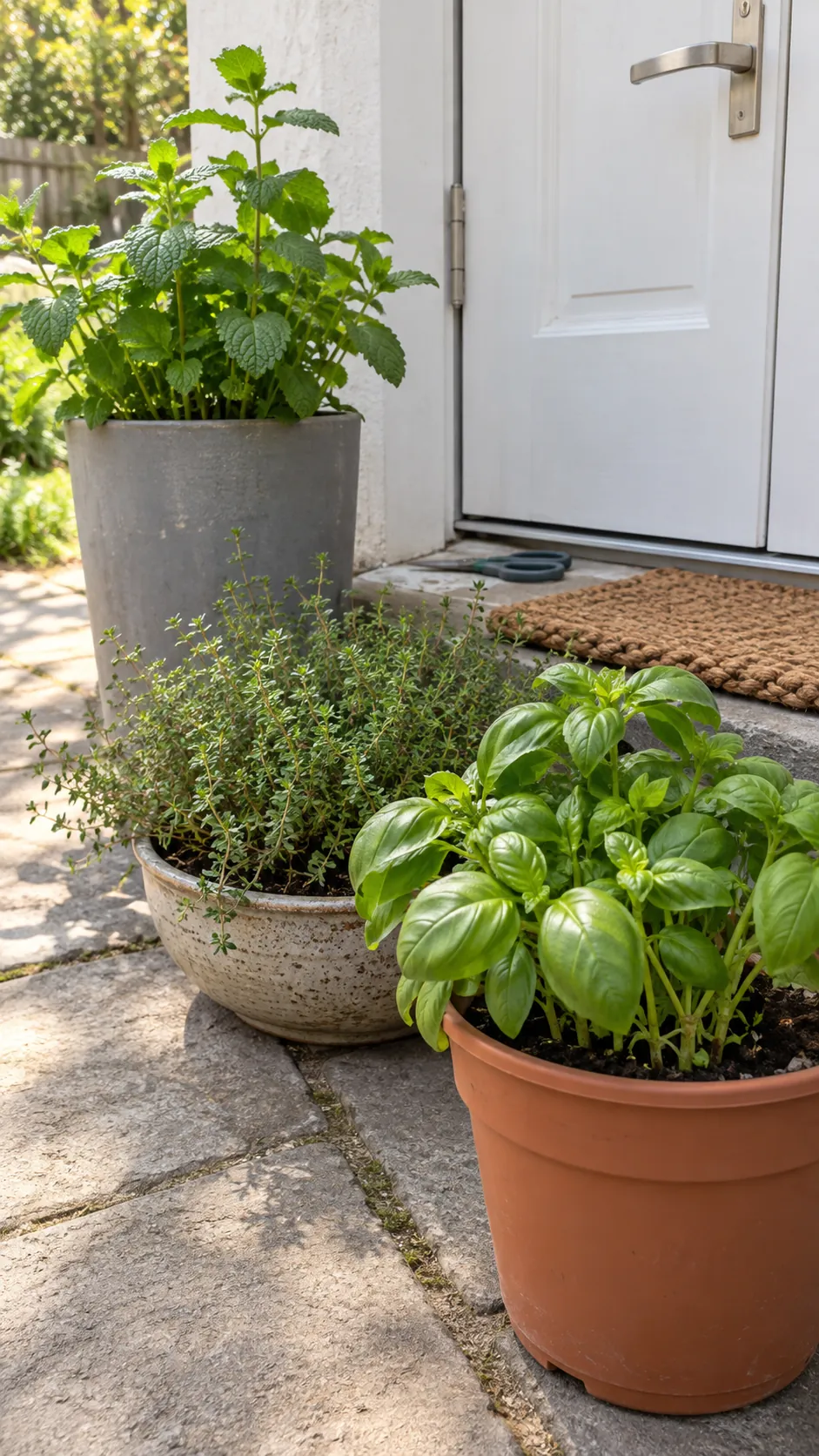
Put frequently used herbs near an accessible door in light that suits the species. Basil usually wants warmth and regular moisture, while thyme generally prefers a sunnier, freely draining position. Keep vigorous mint in its own container so it does not spread through a shared bed.
Mix edible leaves into ornamental beds
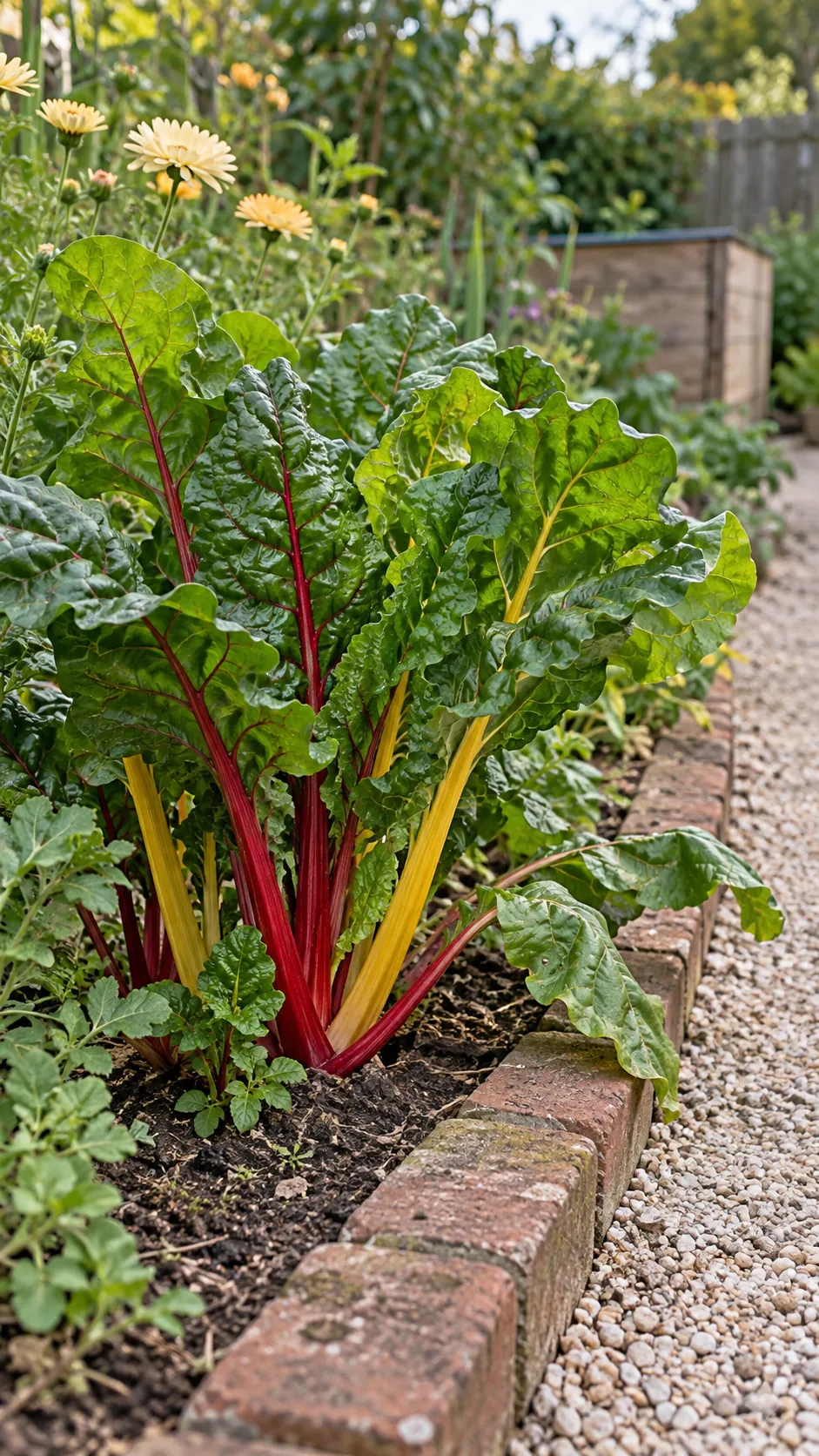
Chard, lettuces, and other edible leaves can add structure as well as food when their growing conditions match the border. Keep them within comfortable harvesting reach and avoid locations exposed to pet waste or unknown soil contamination. Use only products labeled for the edible crop, even when neighboring plants are grown purely for decoration.
Treat companion planting as a layout choice
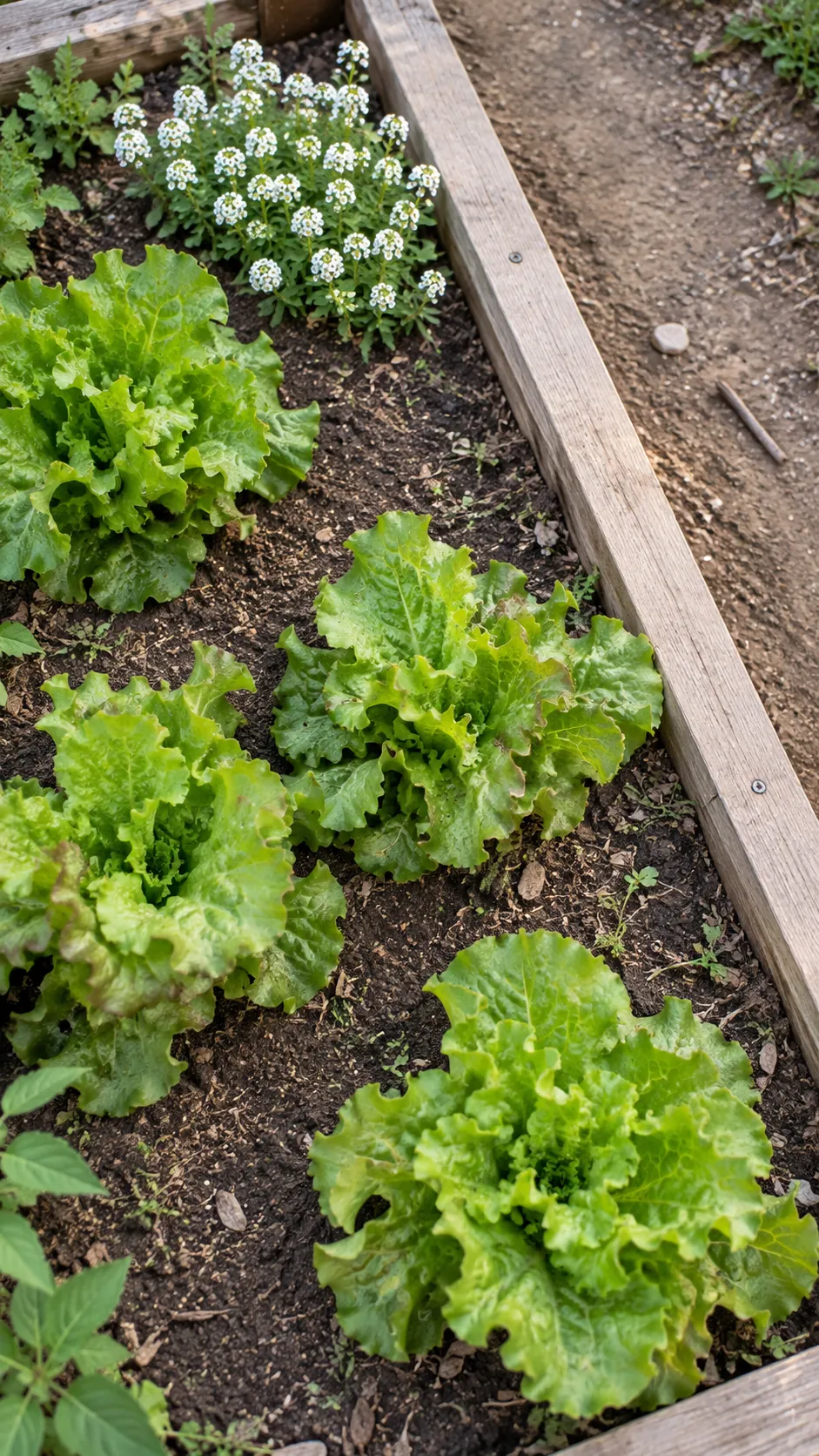
Mixing crops and flowers can increase variety and make better use of space, but a neighboring herb is not a reliable pest shield. Prioritize compatible light, moisture, and root space rather than promises that one plant improves another plant's flavor. Watch what happens in your own bed and keep combinations that remain healthy and manageable.
Identify pests before choosing a treatment
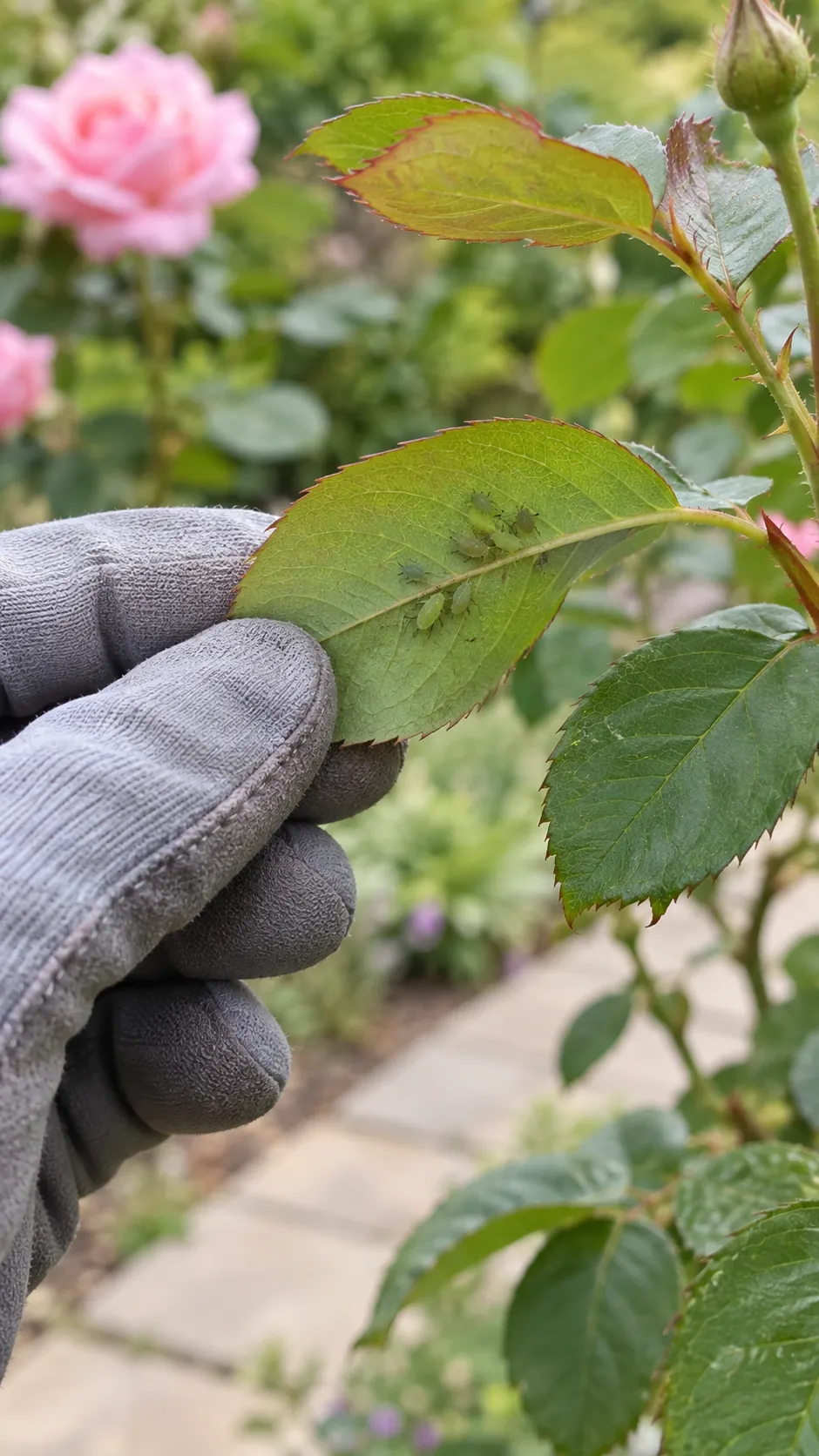
Inspect the damaged plant and look under leaves before reaching for a spray. Chewed edges, stippling, and sticky residue can point to different causes, and beneficial insects may already be present. Start with an appropriate physical measure, such as removing a few pests by hand or using a water stream, when it suits the identified problem.
Protect airflow without stripping the plant
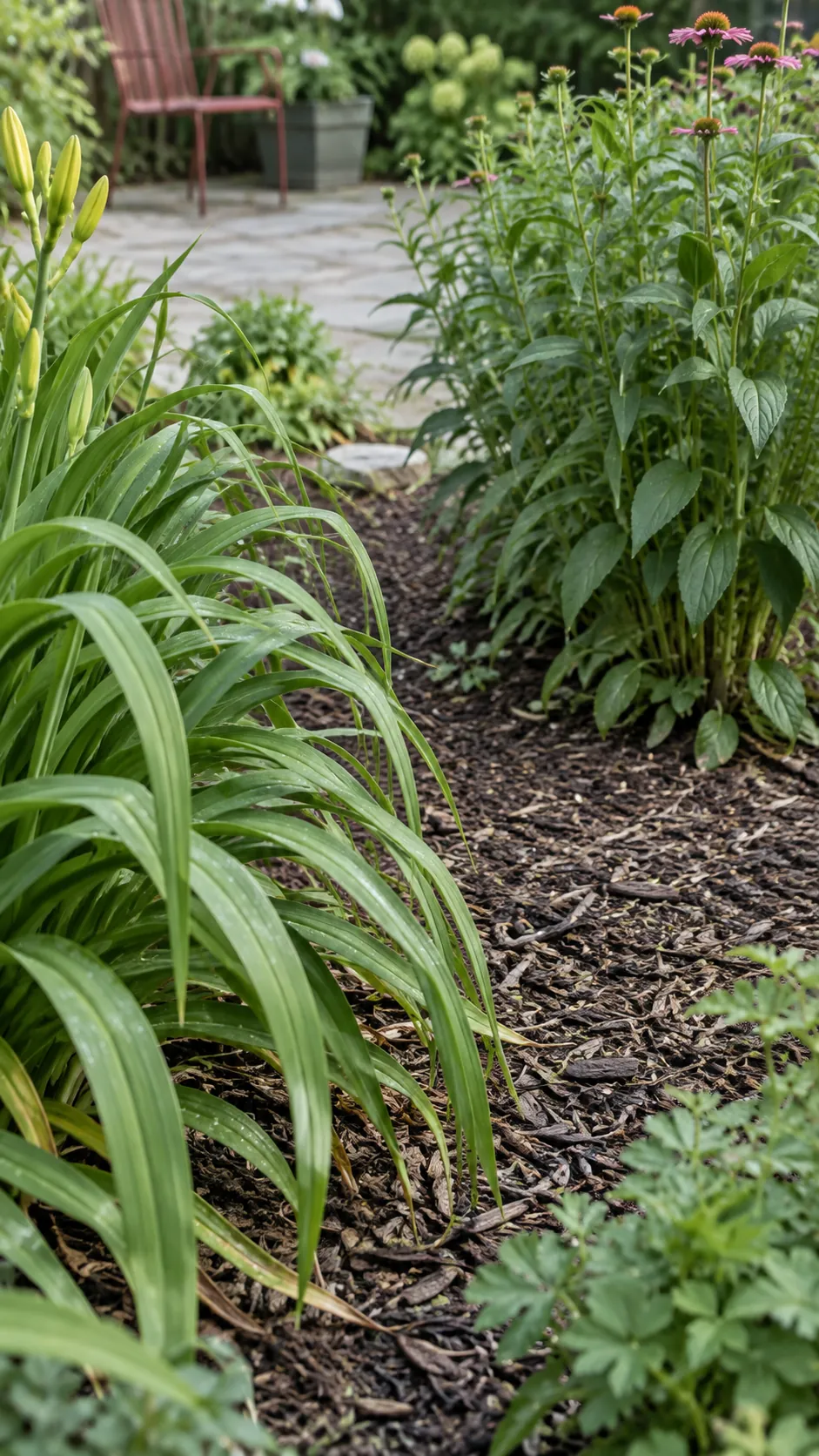
Allow plants enough room for air to move through the planting, particularly in humid weather. Remove diseased material as recommended for the identified problem and avoid working through wet foliage when diseases can spread that way. More pruning is not automatically better, so preserve healthy growth that the plant needs.
Prune according to flowering habit
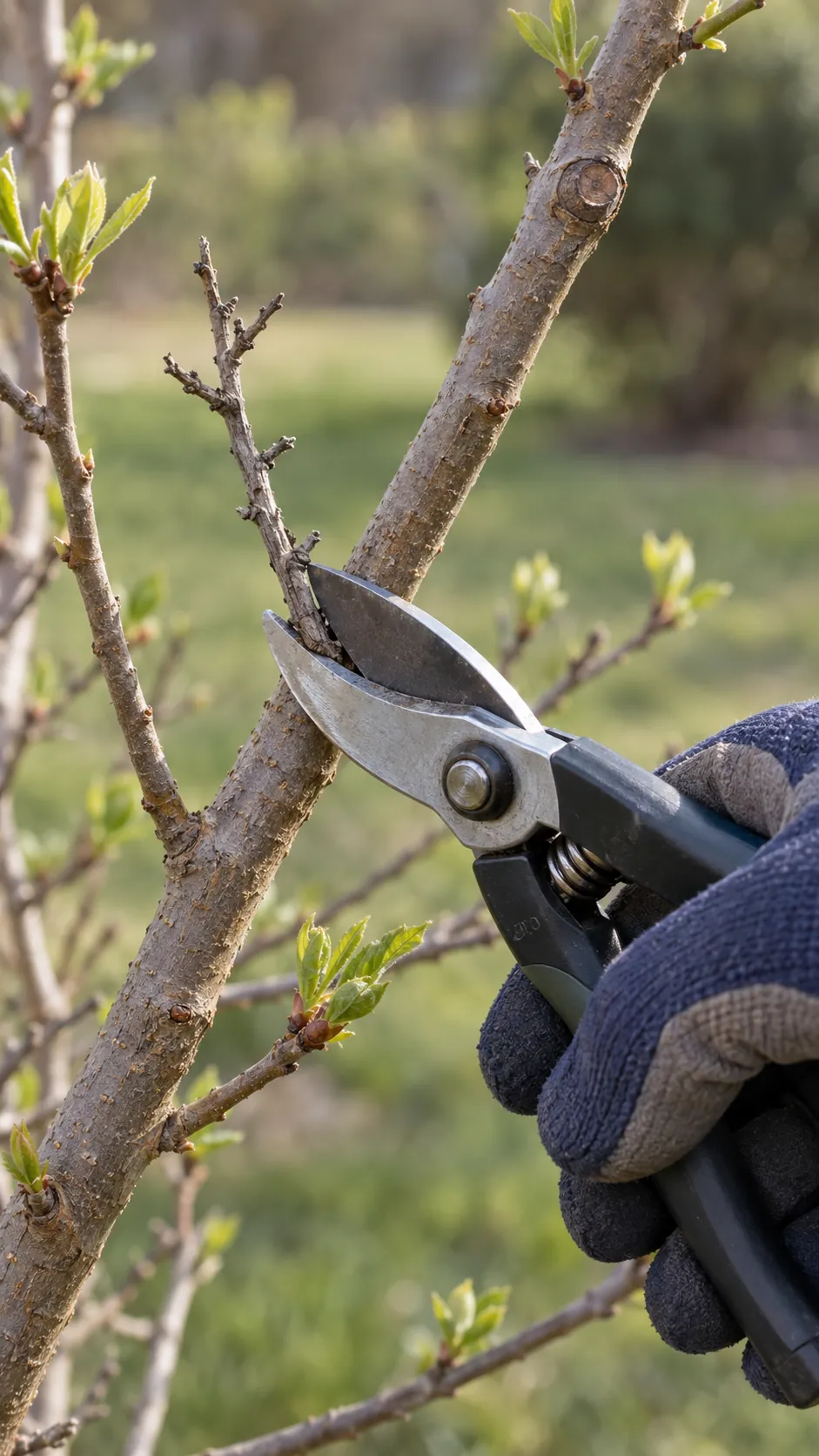
Find out whether a shrub blooms on older growth or new growth before cutting it back. Pruning at the wrong time can remove the flower buds you wanted to enjoy. Begin with dead or damaged branches, use clean sharp tools, and consult species guidance before reshaping the whole plant.
Keep the tool kit small and useful
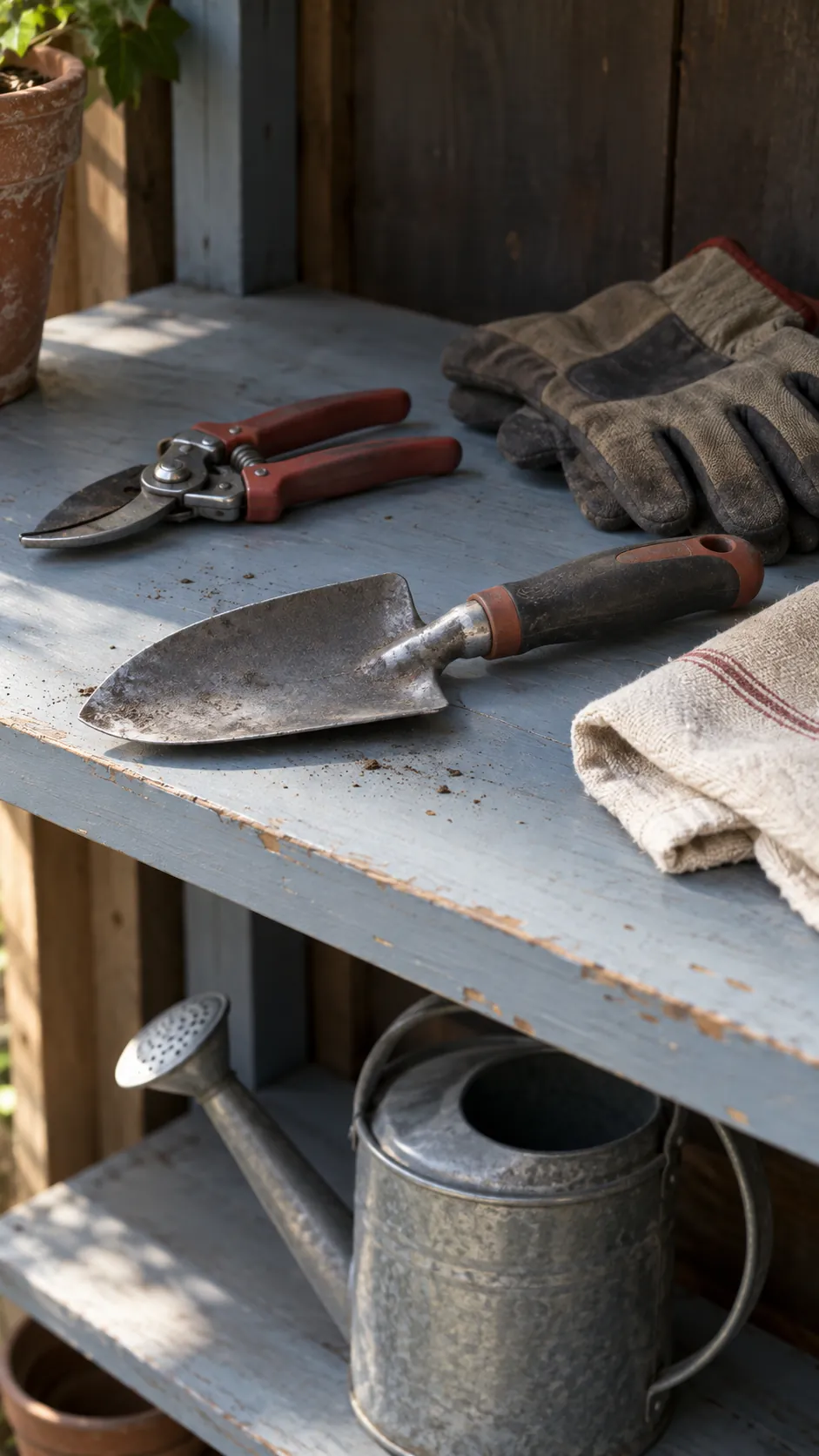
A hand trowel, suitable pruners, gloves, and a practical watering tool handle many ordinary tasks. Choose tools that fit your grip and the plants you actually grow rather than buying a complete display of equipment. Clean soil from metal parts and dry them before storage so the next job begins with usable tools.
Use raised beds where they solve a problem
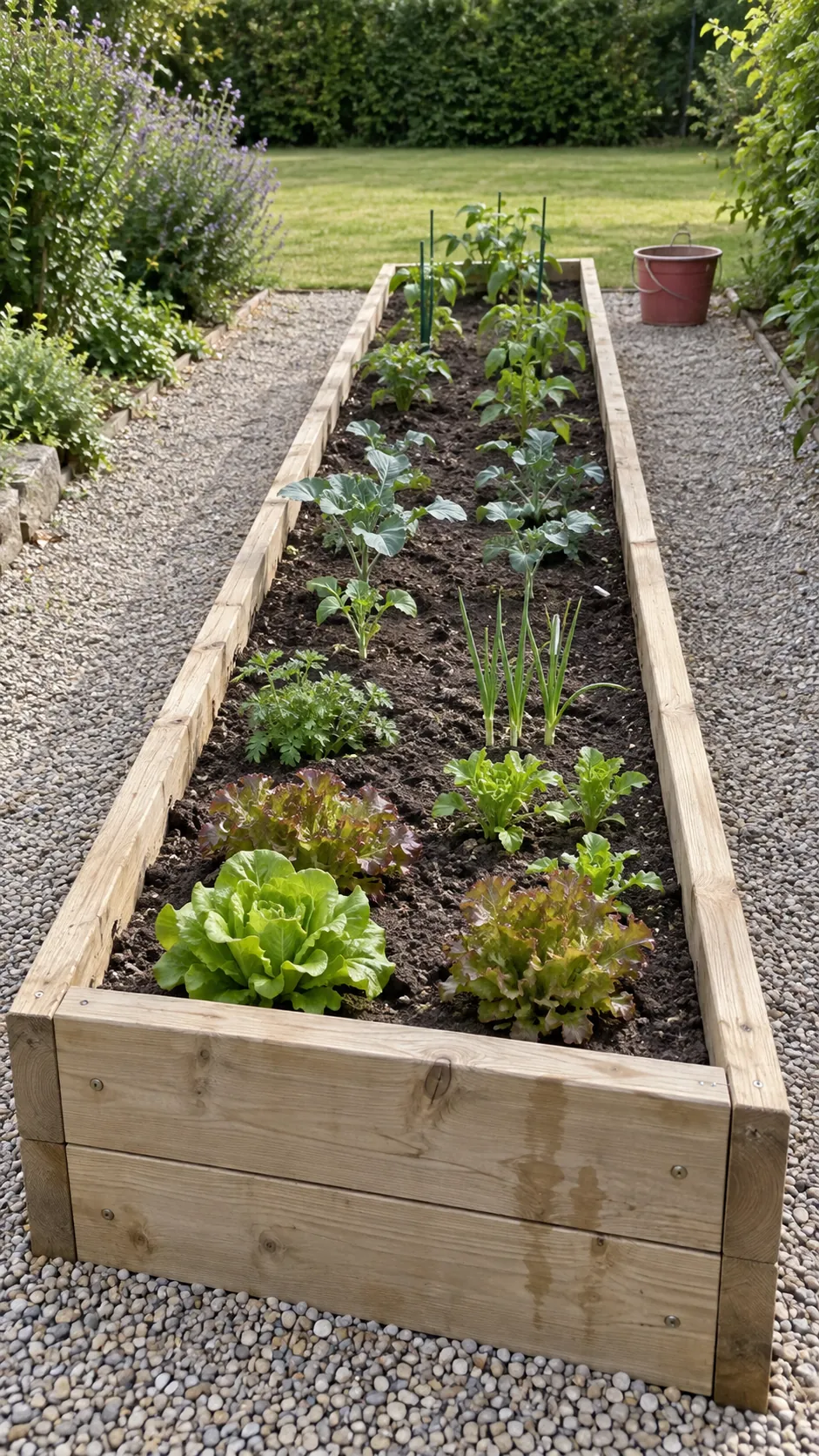
Raised beds can improve access and help separate a growing mix from difficult ground, but they still need sensible drainage. Plan a width that lets you reach the center from the paths without stepping into the bed. Consider the cost of filling and watering the bed before building it taller than your needs require.
Support climbers before they tangle
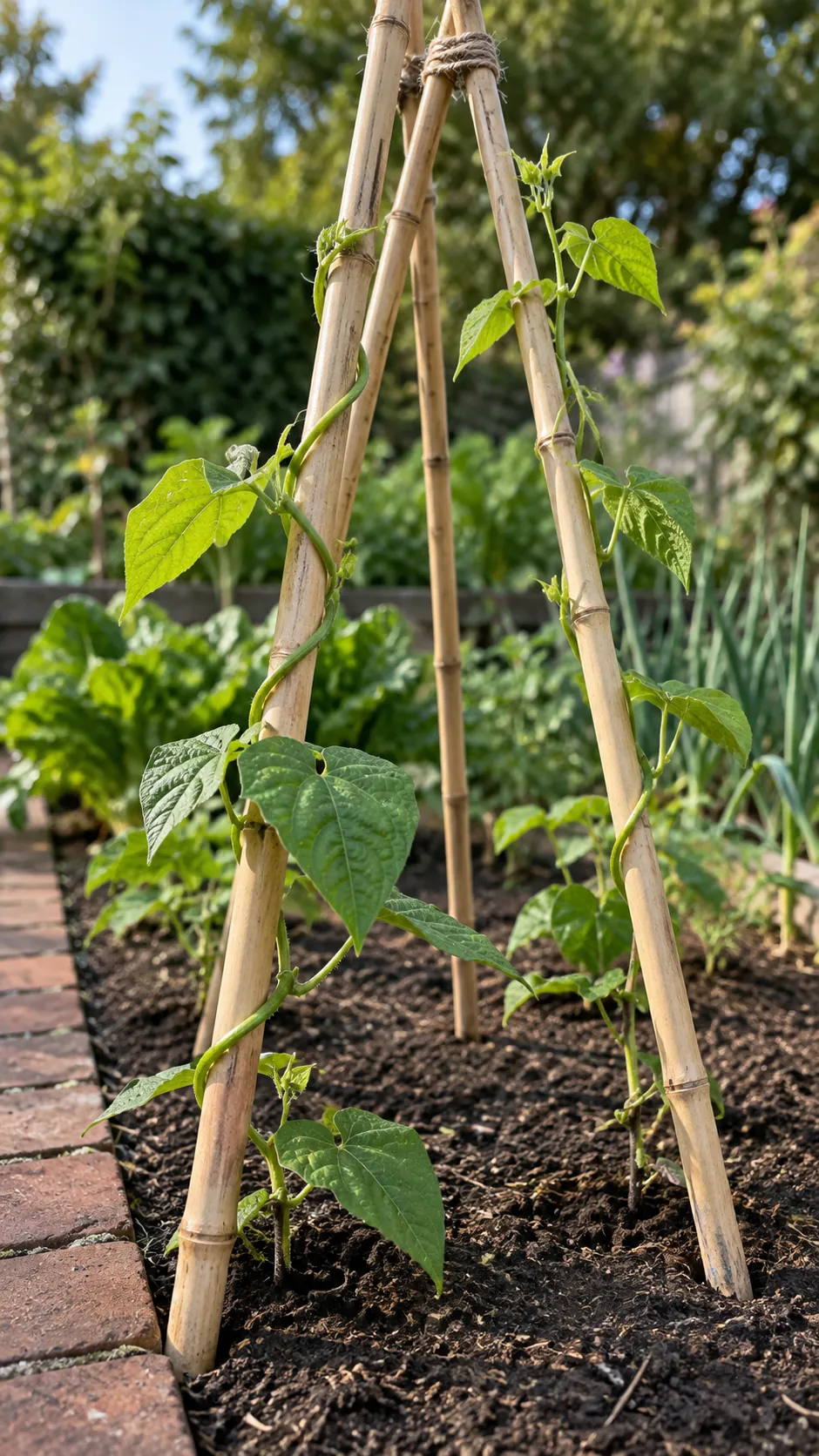
Install a sturdy trellis while the plant is small enough to guide easily. Match the support to how the climber attaches, since twining stems and tendrils do not use every surface in the same way. Keep the structure stable and leave access behind it for maintenance where possible.
Make vertical planting easy to water
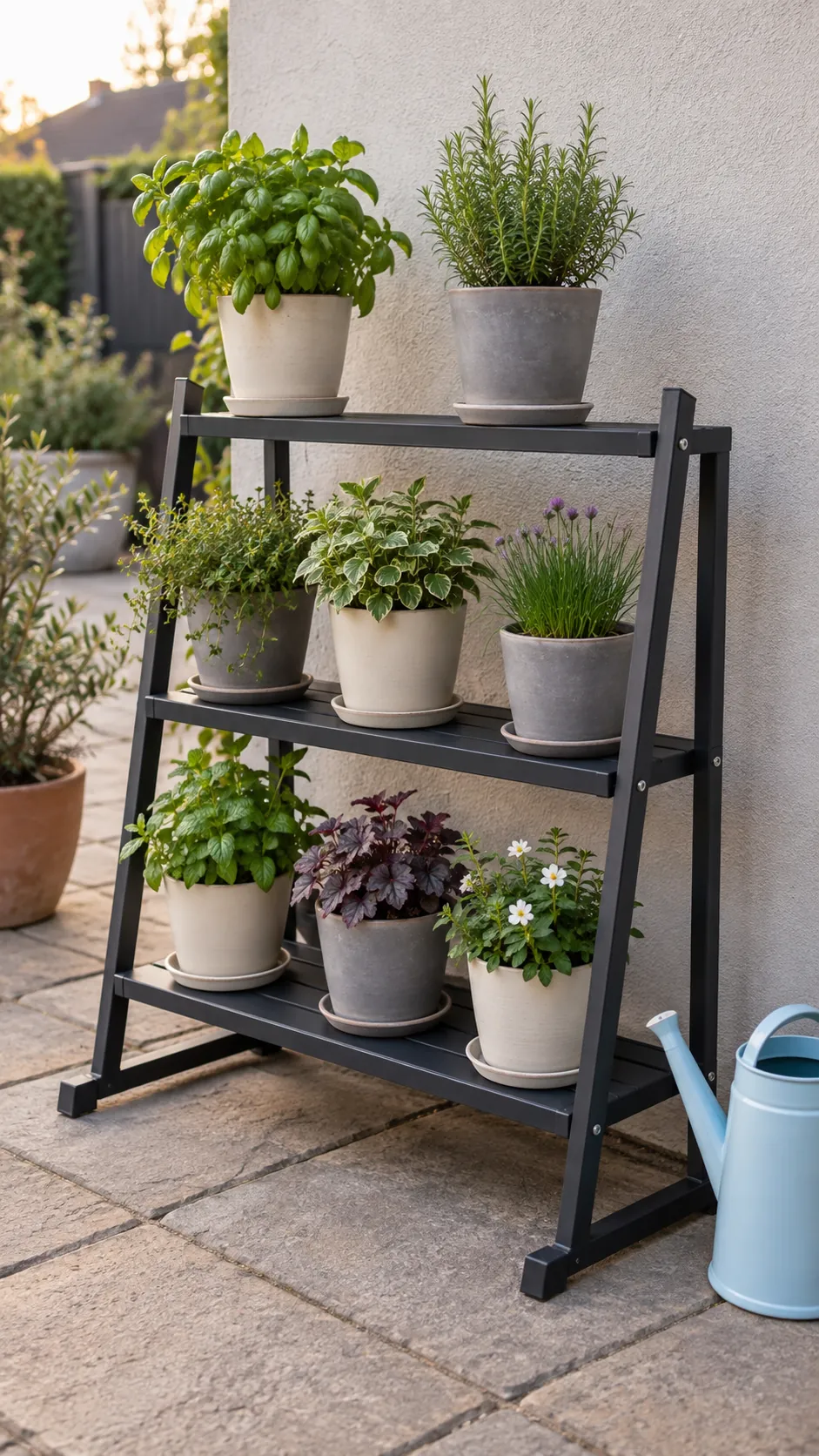
A vertical garden saves ground area but can create pockets that dry at different speeds. Position containers so drainage does not flood plants below and confirm that the wall or frame can carry their wet weight. Start with a modest arrangement you can reach safely rather than a tall display that needs a ladder for routine care.
Choose compact plants for narrow spaces
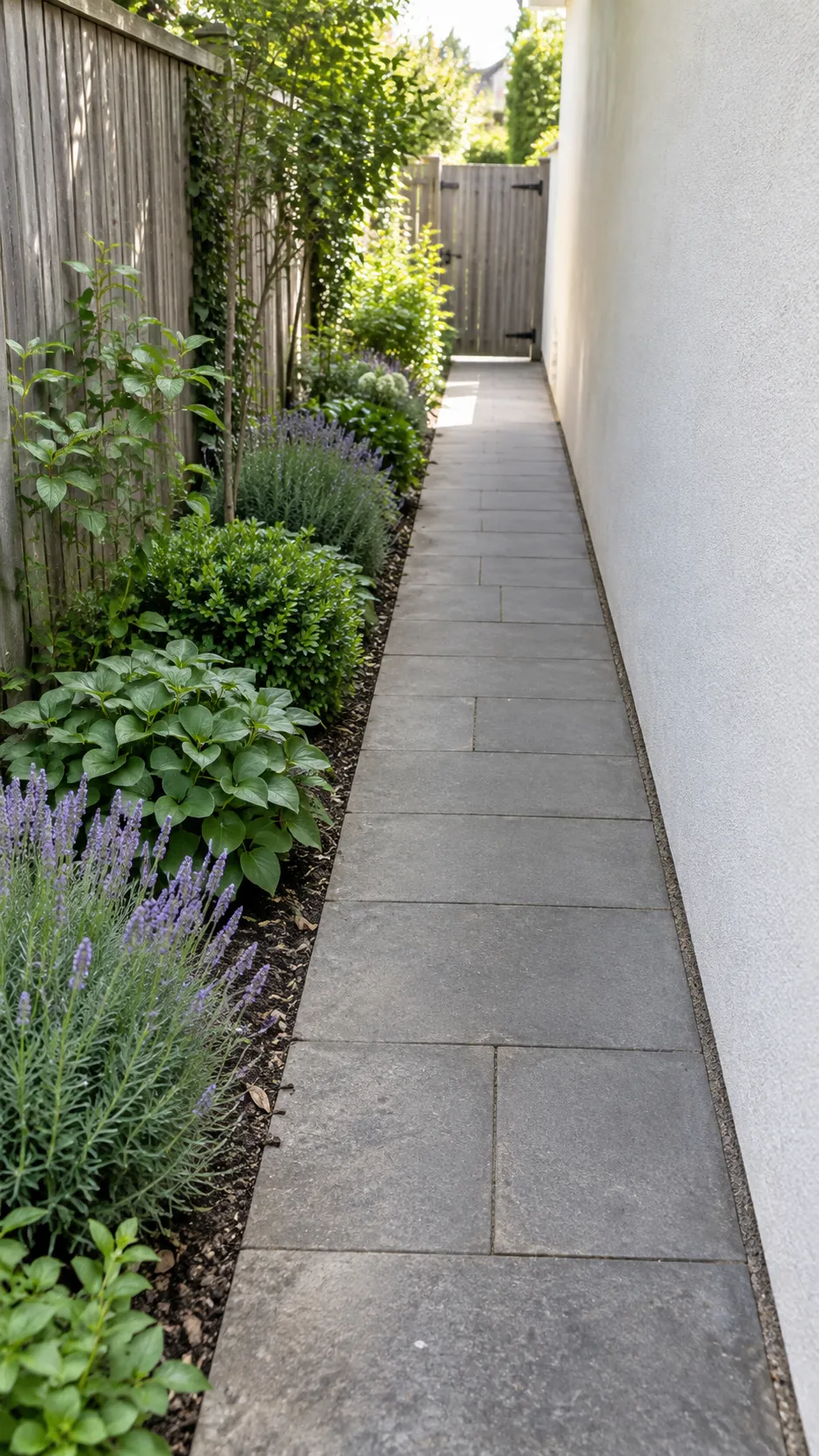
Use mature dimensions to select compact varieties for a small garden rather than expecting pruning to keep every large plant small. Repeat a few compatible plants to make the space feel intentional. Leave a clear path, and keep thorny or stiff foliage away from the places people brush past.
Separate tropical and hardy hibiscus needs
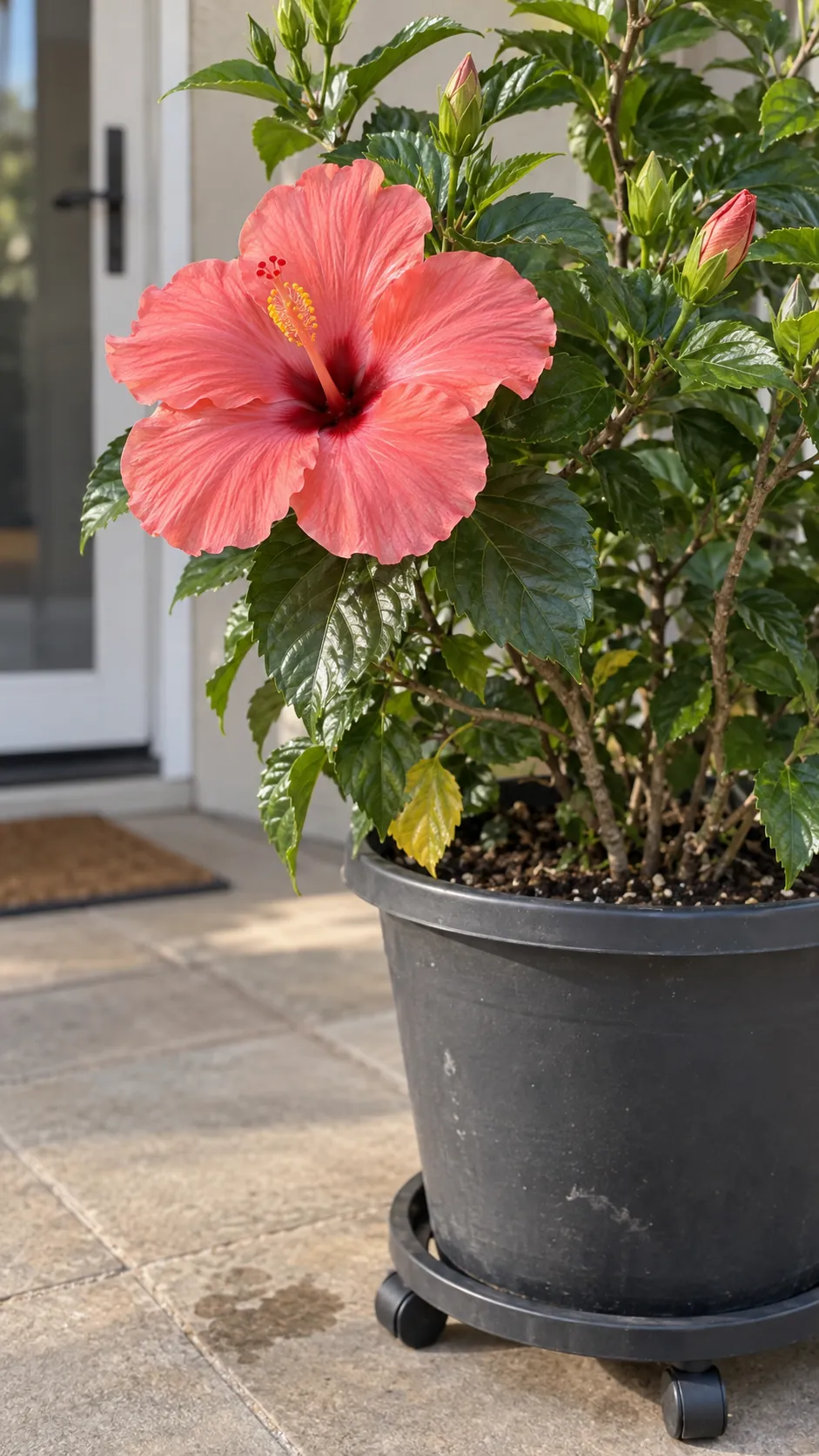
The large hibiscus flower can hide important differences between plants sold under the same common name. Check the botanical identity and hardiness of the plant you are buying, because tropical hibiscus does not tolerate the winter conditions that some hardy types survive. In a cold climate, plan suitable indoor winter space before choosing a tropical specimen.
Give lotus a proper water container
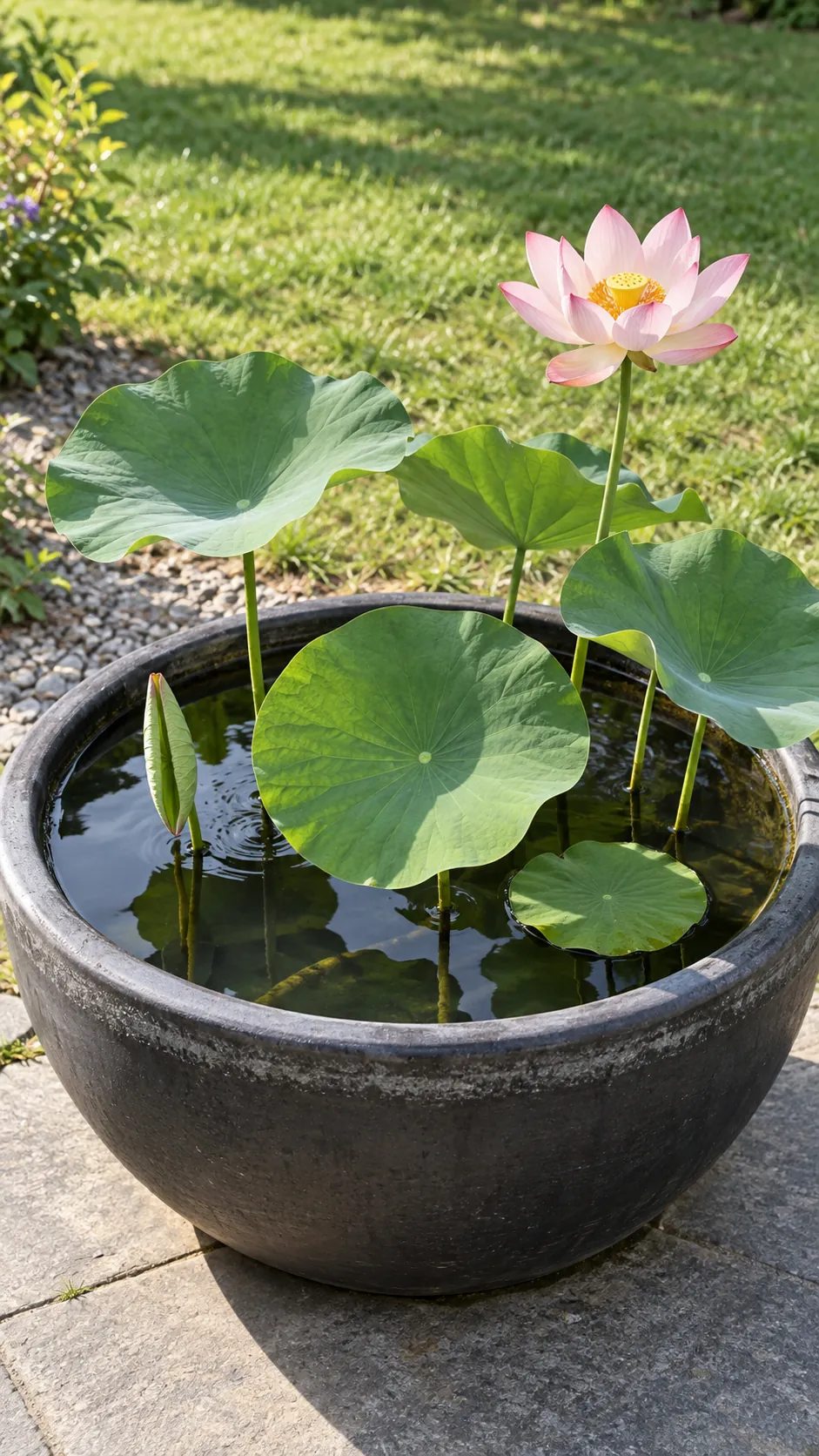
A lotus needs a suitable aquatic setup, strong light, and space for its mature growth rather than a narrow decorative jar. Choose a cultivar and container together, then follow its recommended water depth and planting guidance without damaging the growing tip. Manage standing water responsibly and follow local advice for mosquito prevention that is compatible with aquatic life.
Use seasonal timing from your own climate
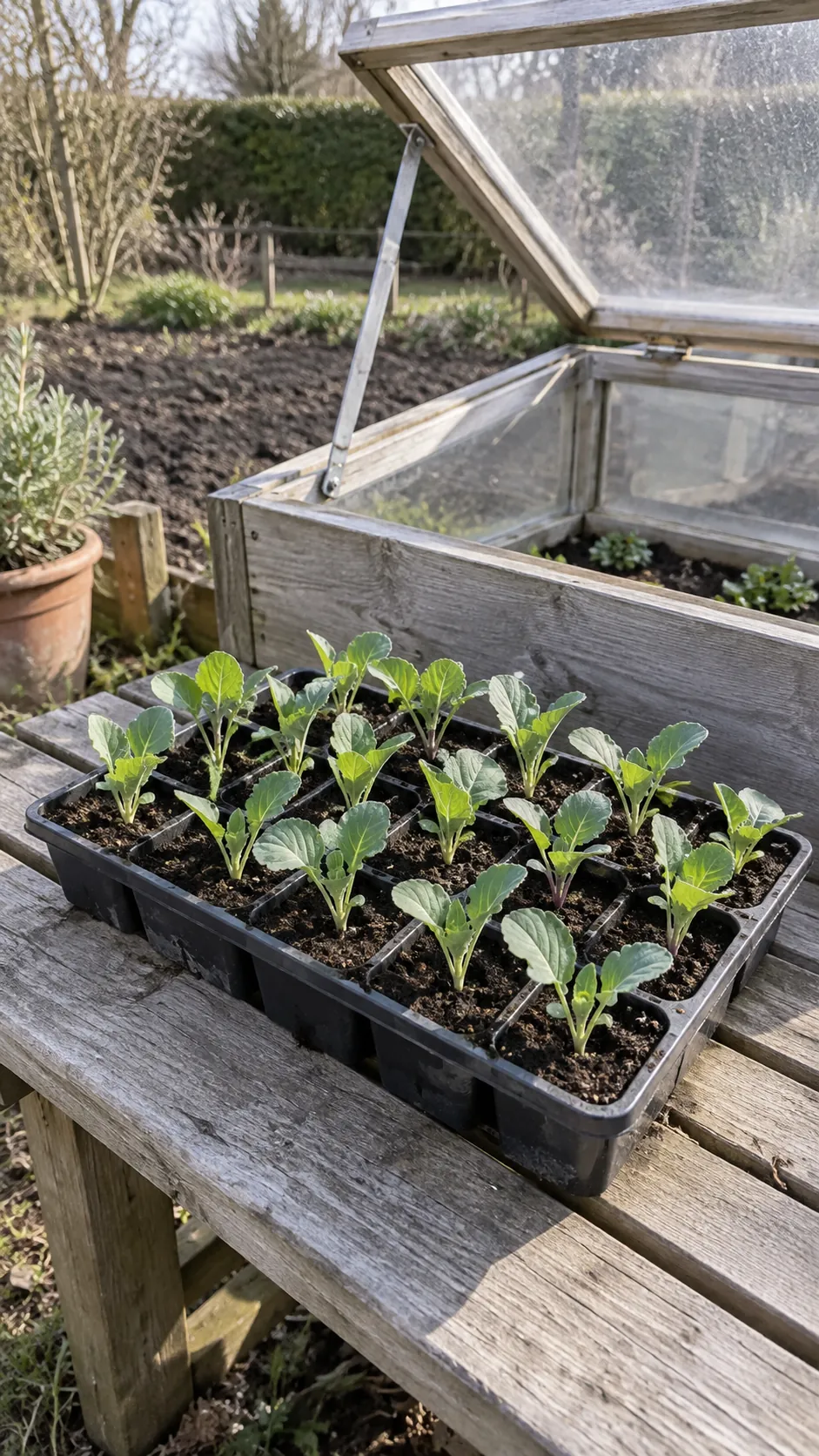
A planting month recommended for another region may be wrong for your garden. Consult local frost dates and growing guidance, and consider heat or rainy seasons where those matter more than frost. Harden off tender seedlings gradually before moving them from protected conditions into full outdoor exposure.
Read hardiness as one part of suitability
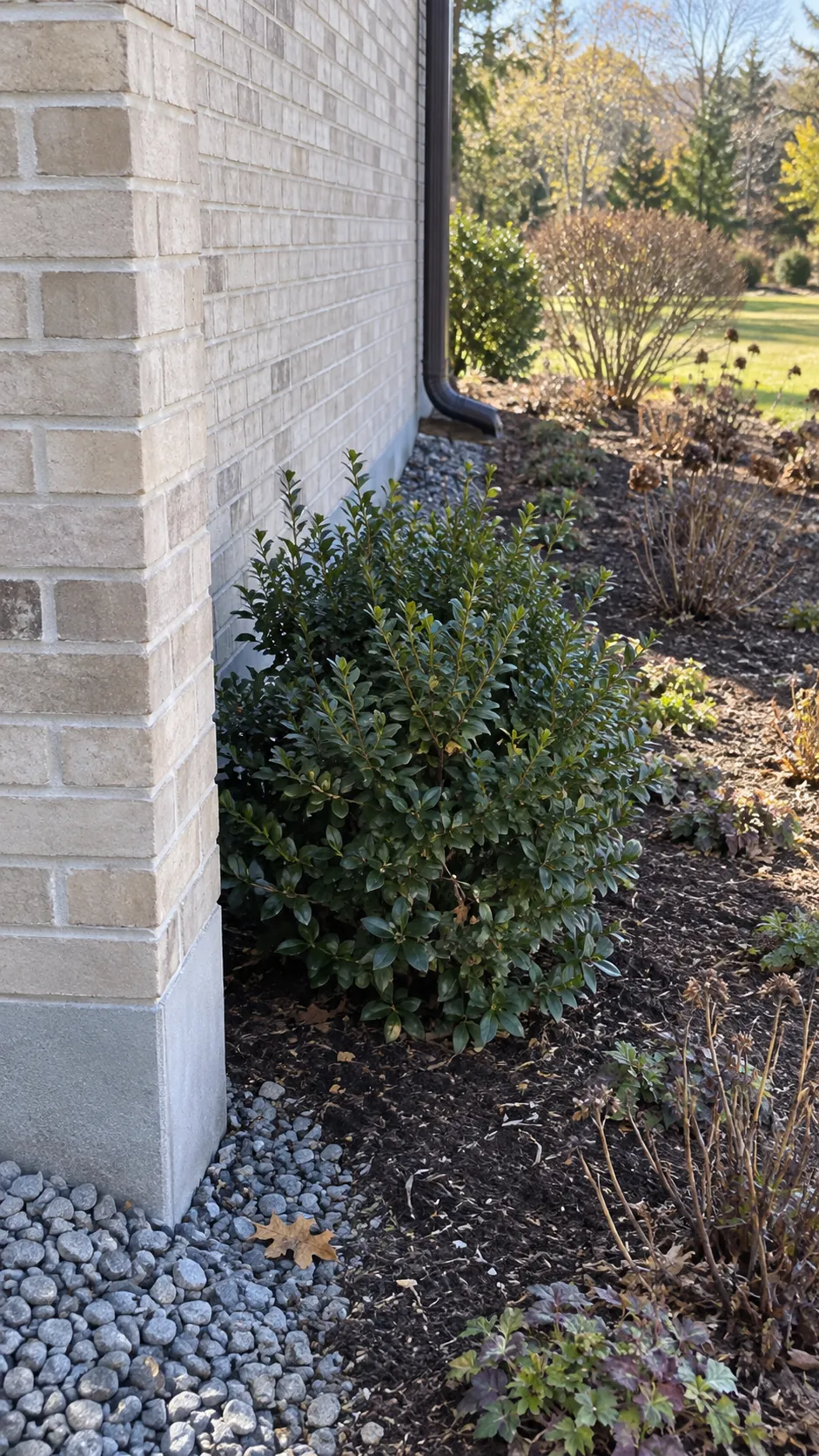
A hardiness zone mainly describes winter cold and cannot guarantee success in summer heat or wet soil. Check sunlight, humidity, drainage, and the plant's mature size alongside the zone rating. A sheltered wall can create a different microclimate, but it should not be treated as a promise that a marginal plant will survive.
Distinguish annuals from perennials
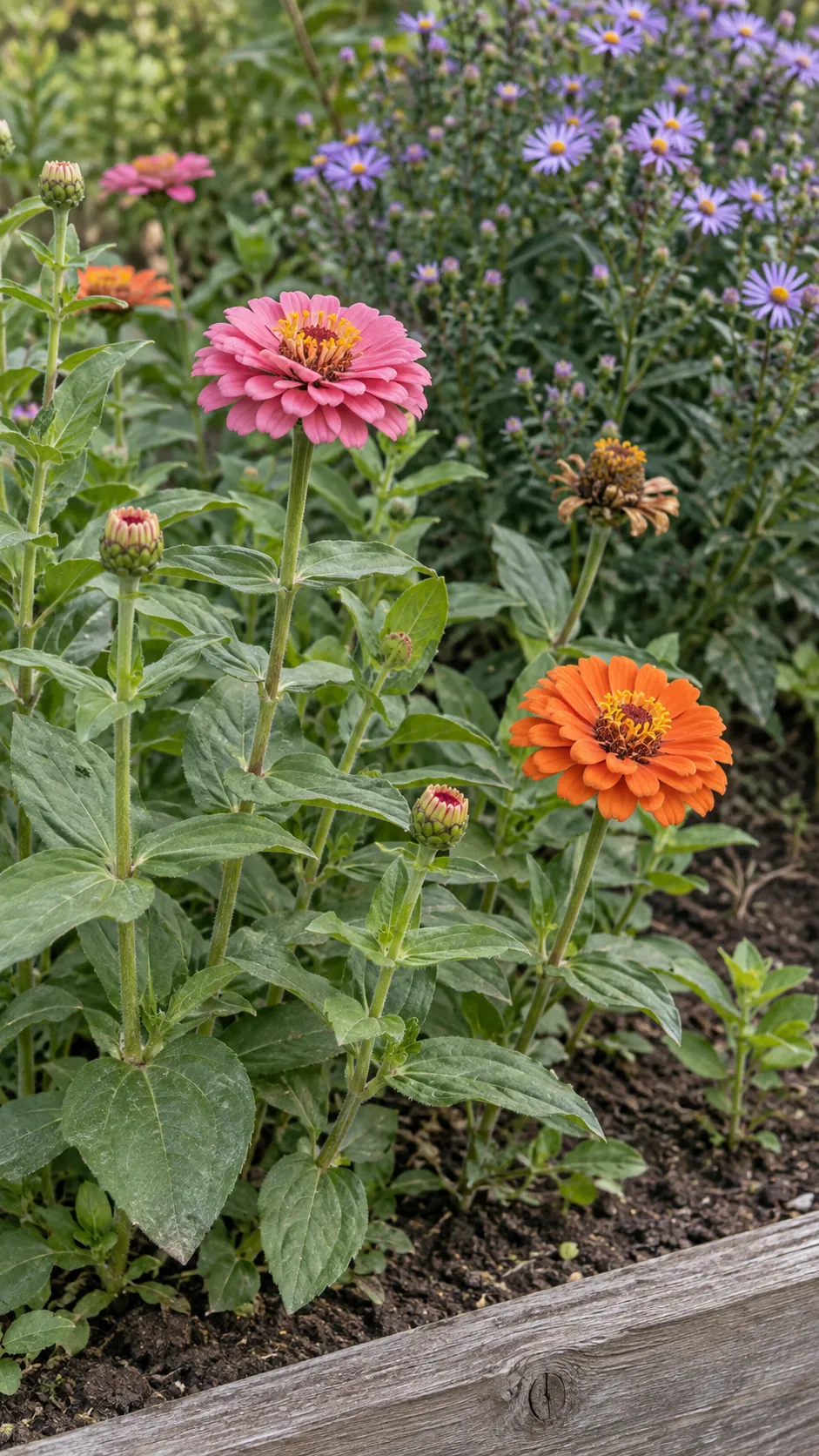
Annuals finish their life cycle within one growing season, while perennials can return for multiple years under suitable conditions. Zinnias are commonly grown as annuals, so do not plan on their original plants returning like hardy perennial asters. Combine dependable structure with seasonal color according to how much replanting you want to do.
Start children with a reachable growing patch
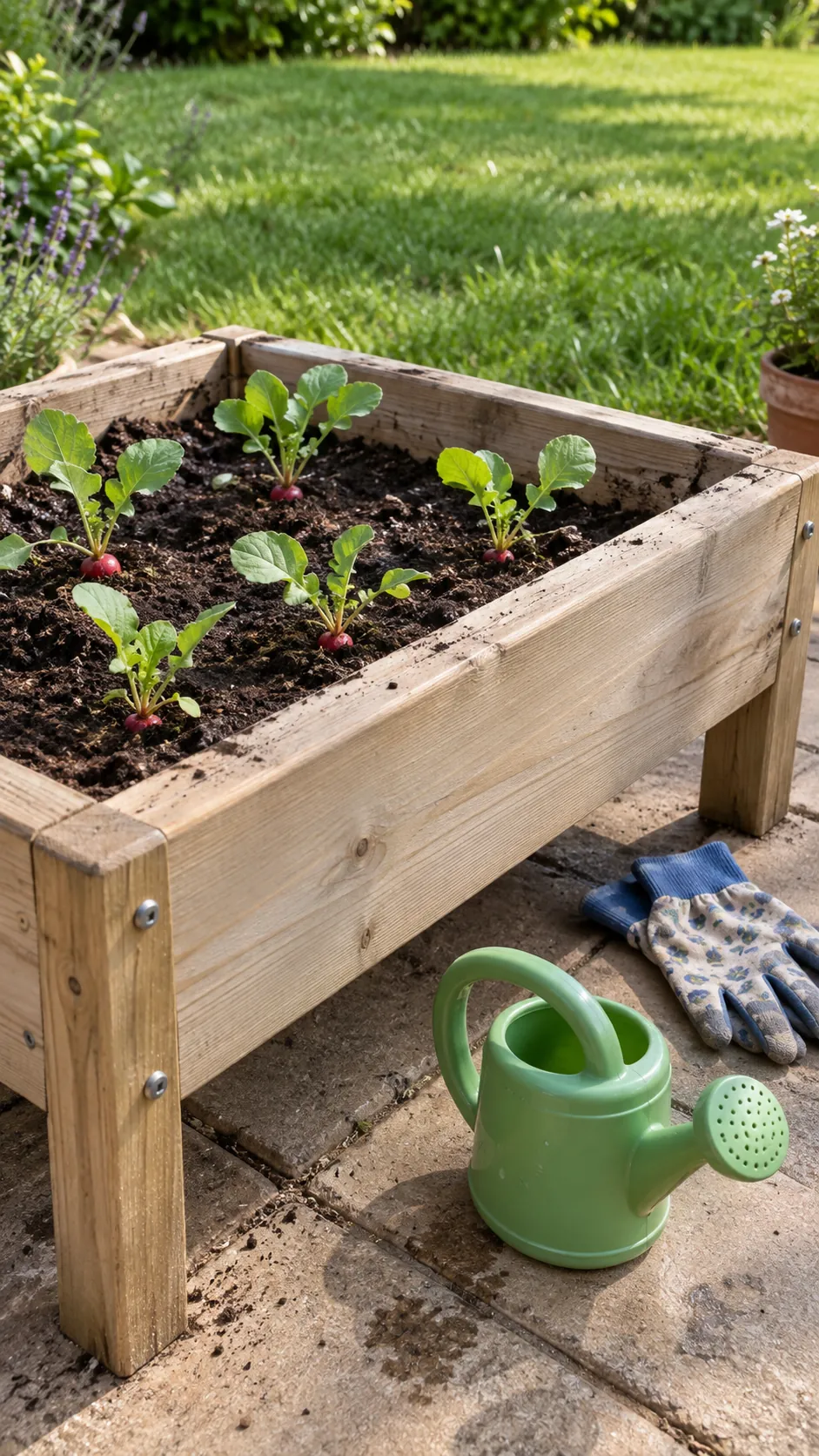
A small accessible container gives a child a place to notice changes without having to manage a whole garden. Choose appropriate plants, supervise tools, and check for toxicity if plants might be tasted. Make watering a soil checking task instead of a daily ritual that can accidentally drown the roots.
Provide wildlife shelter without creating hazards
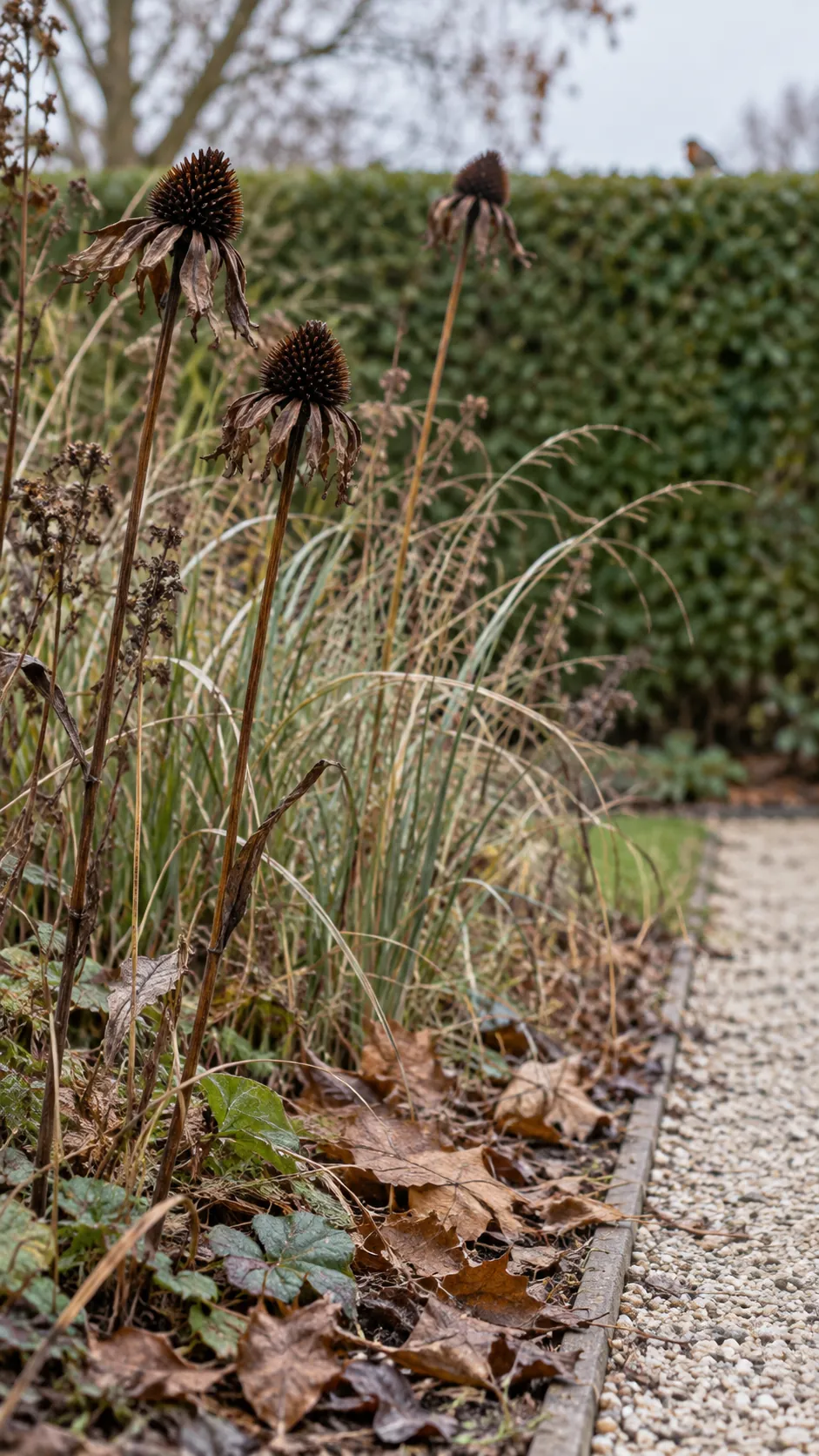
Retaining some seed heads and suitable leaf litter can provide food or shelter where local conditions allow. Keep walking routes clear and avoid leaving materials against structures where they could create maintenance problems. If adding a bird box, use guidance for the intended species and a placement that reduces predator access.
Compost with air and balanced ingredients
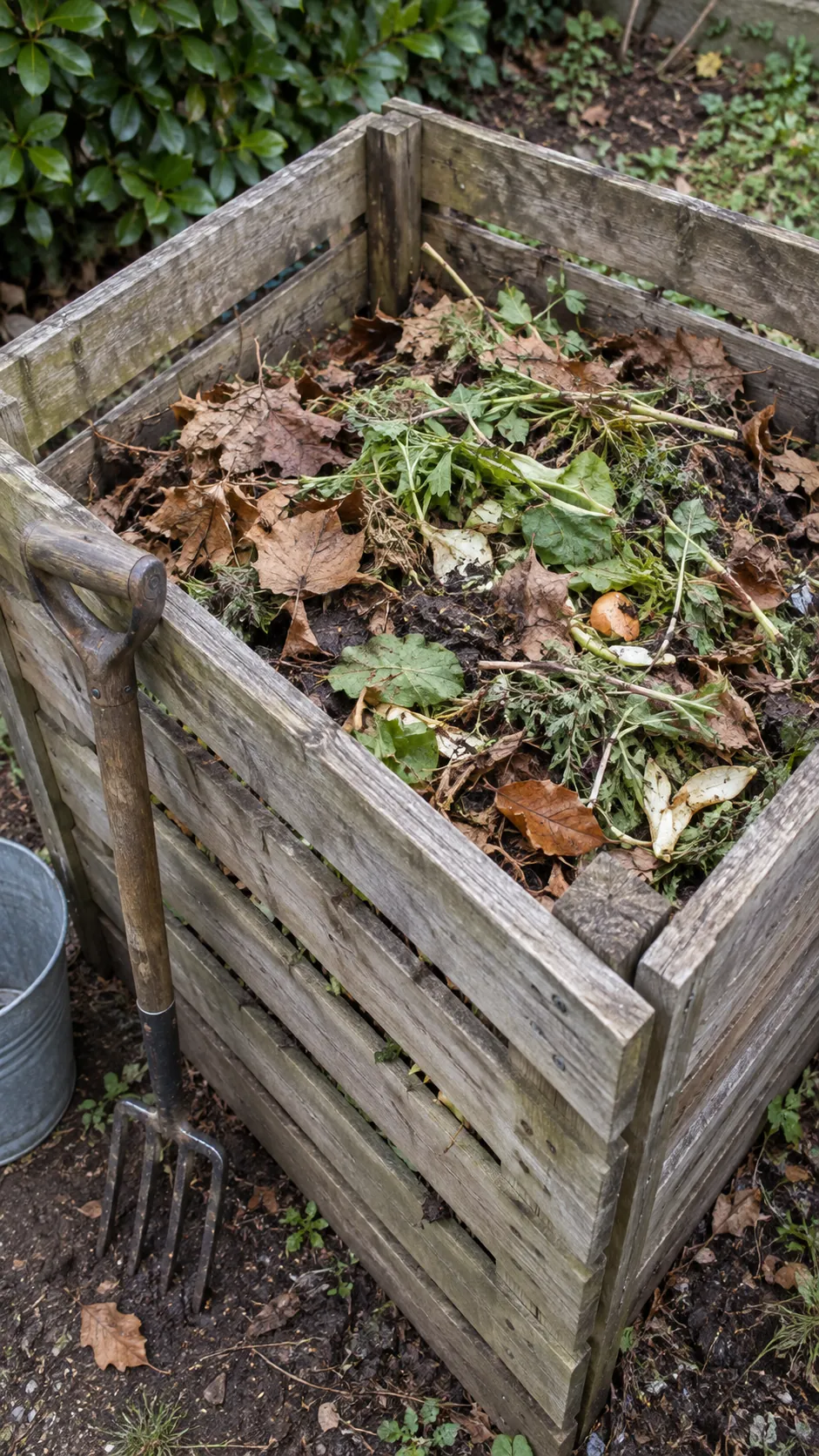
Mix suitable fresh plant scraps with dry materials such as shredded leaves or plain cardboard rather than building a wet pile of kitchen scraps alone. Keep the material damp rather than soggy and turn or aerate it when needed. Avoid meat, oily food, and other materials unsuitable for an ordinary backyard compost system.
Finished compost should be well decomposed before it is used around sensitive plants. Do not release purchased worms into natural areas, since some earthworms are invasive outside their native range. A contained worm composting system requires its own species and care guidance.
Keep a small hydroponic trial manageable
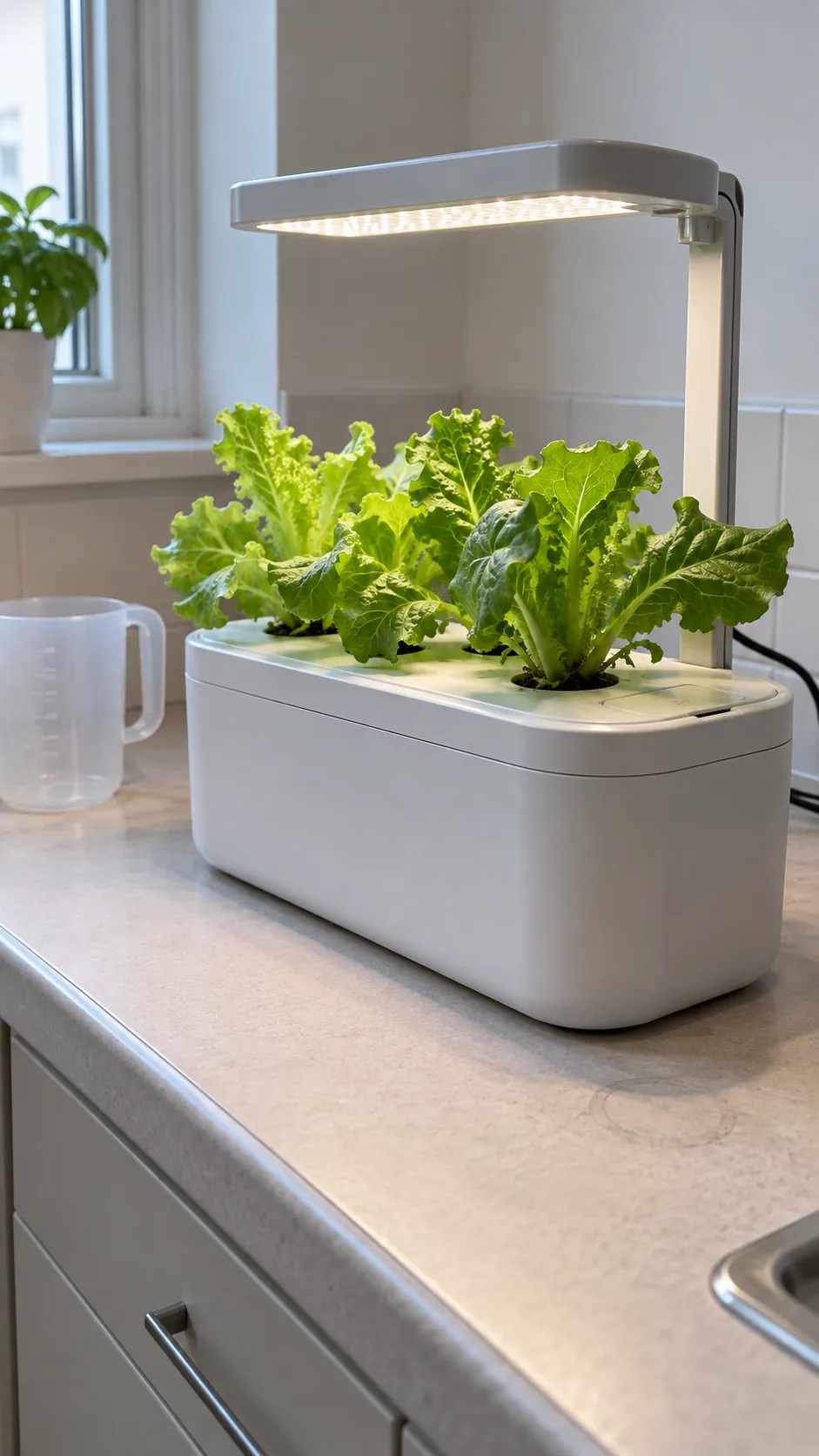
Growing without soil still requires light, oxygen, and a suitable nutrient supply. Start with one simple system designed for the crop and follow its instructions for monitoring and replacing the solution. Keep the reservoir protected from unwanted light where the design requires it, and do not assume plain water can support indefinite productive growth.
Plan one quiet place to watch the garden
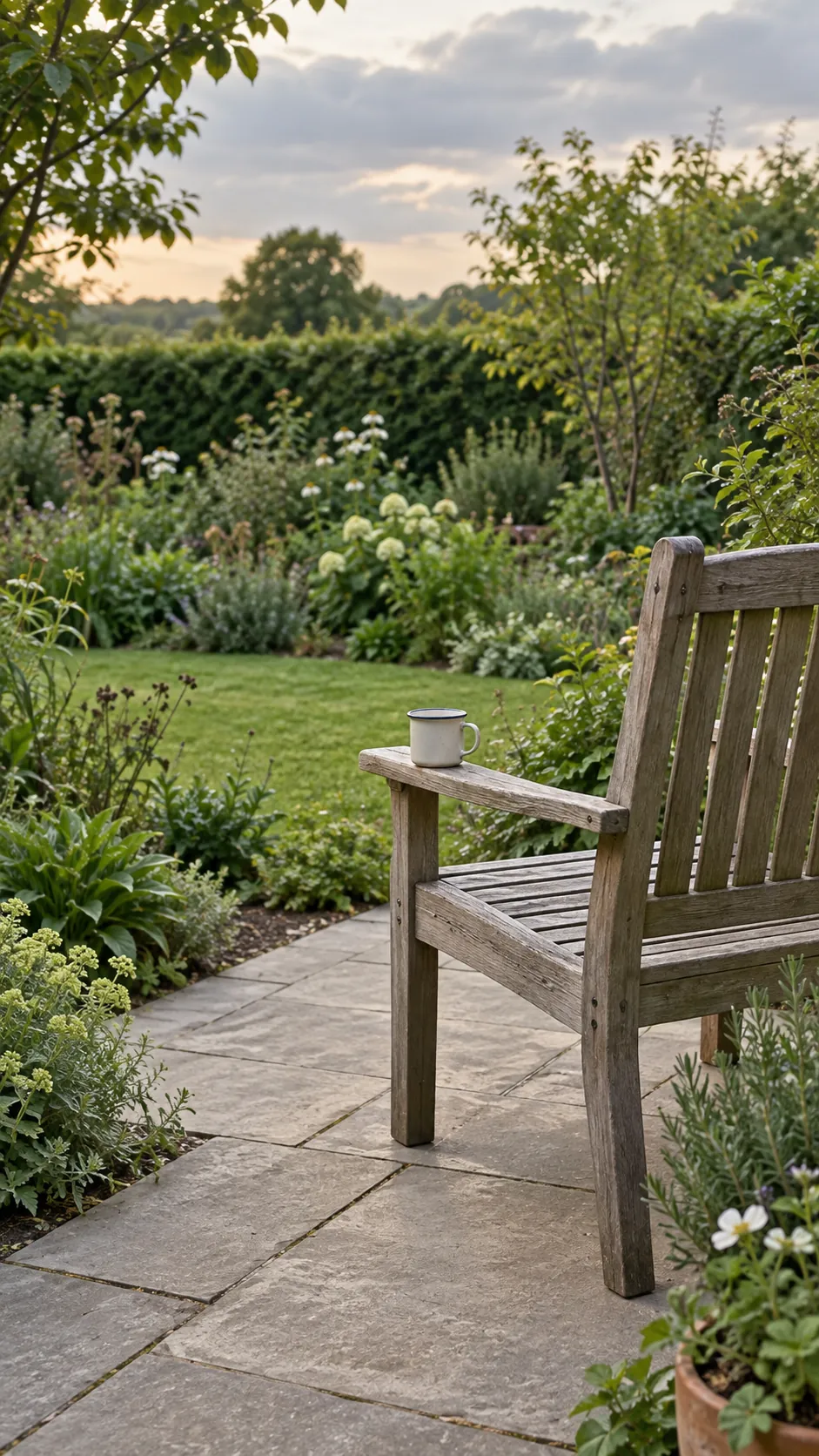
Leave room for a chair or a simple resting spot where you can notice which plants thrive and which need attention. Use restrained planting around it so the view stays restful and the route remains easy to use. The best next purchase may be no plant at all until you understand what the existing garden is telling you.