
Walking into a room filled with greenery instantly changes the mood. But after a while, standard plastic pots can start to look a bit boring and repetitive. You don’t need to spend a fortune at a high-end boutique to give your plants a stylish home. Most of the best containers are likely already sitting in your kitchen cabinets, local thrift stores, or even your recycling bin.
This list covers 39 creative ways to display your plants using everyday items and simple DIY projects. Whether you want a sleek modern look or something more eclectic, these unique planter ideas will help you personalize your indoor garden. You’ll find ways to repurpose old household objects and create custom holders that make your plants the focal point of any room.
Vintage Tea Tins for Small Succulents
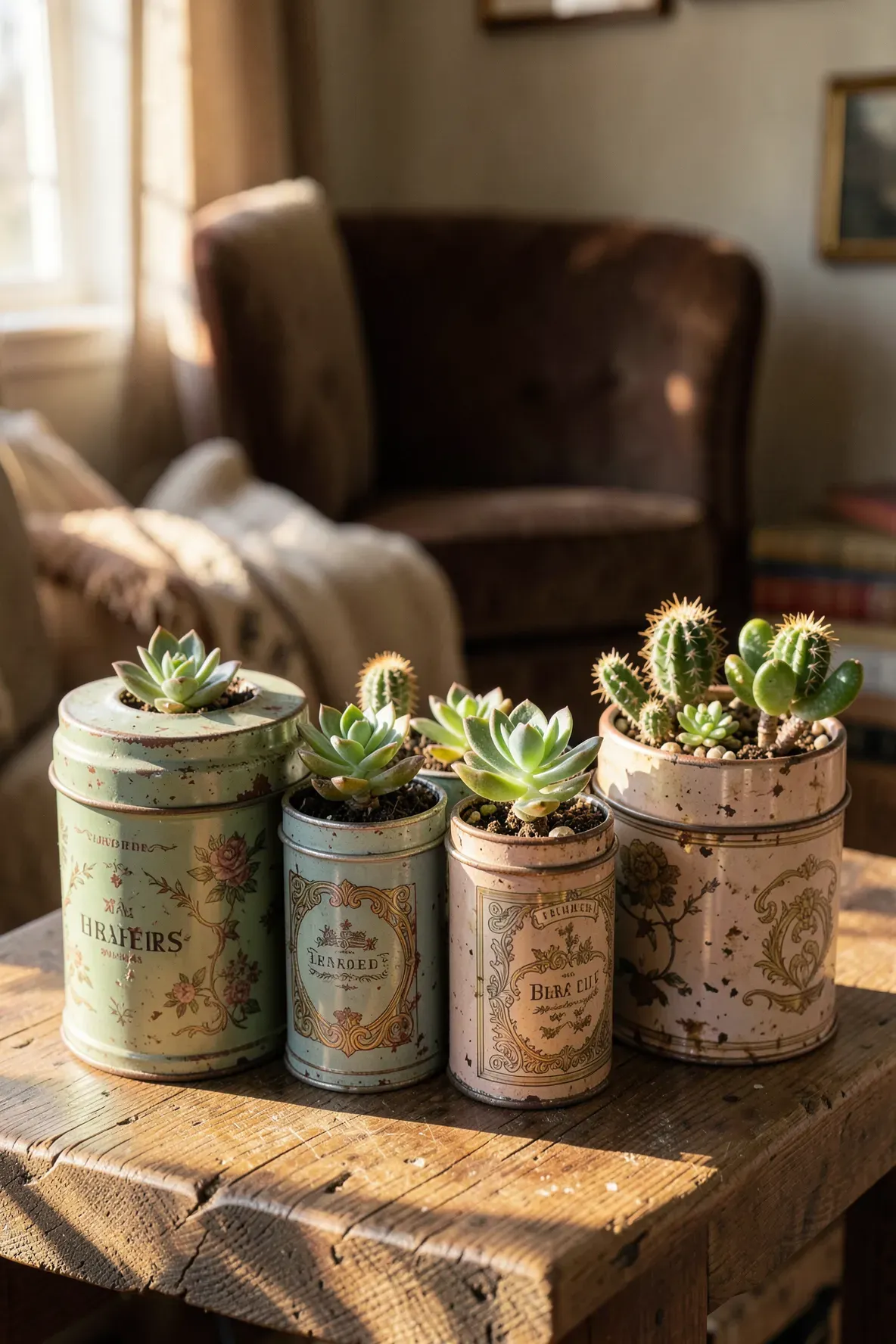
Old tea tins often have beautiful illustrations and colors that you can’t find on modern pots. These small metal containers are the right size for slow-growing succulents or small cacti. Since they don’t usually have holes, you should add a layer of small rocks at the bottom for drainage or use a hammer and nail to poke a few holes in the base.
Woven Baskets Lined with Plastic
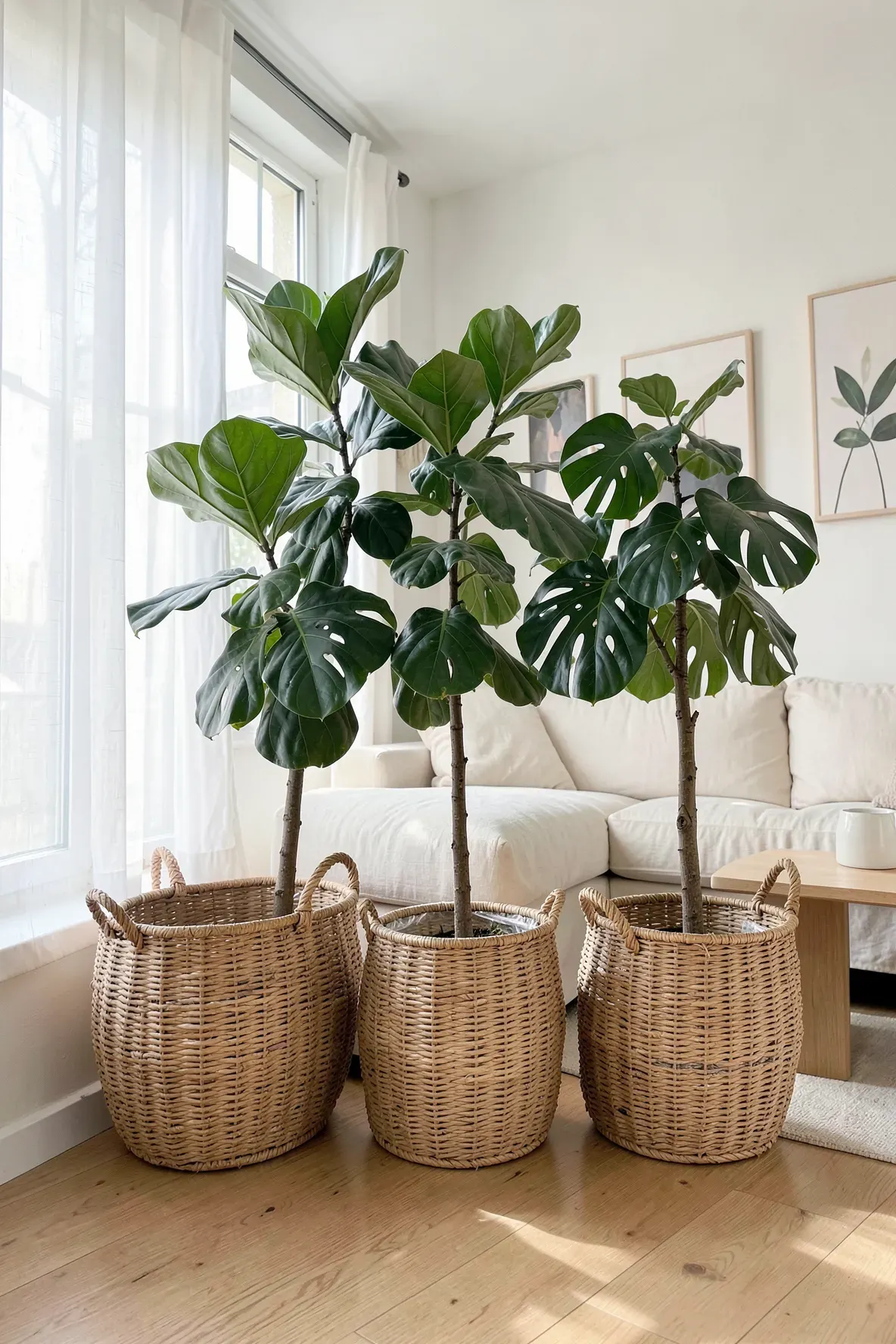
Baskets add a soft, natural texture to a room that ceramic pots sometimes lack. To keep the wicker from rotting, line the inside with a thick plastic trash bag or a fitted plastic tray before putting your plant inside. This lets you hide a plain nursery pot while giving the room a cozy, lived-in feel.
Hand-Painted Terracotta Pots with Geometric Patterns
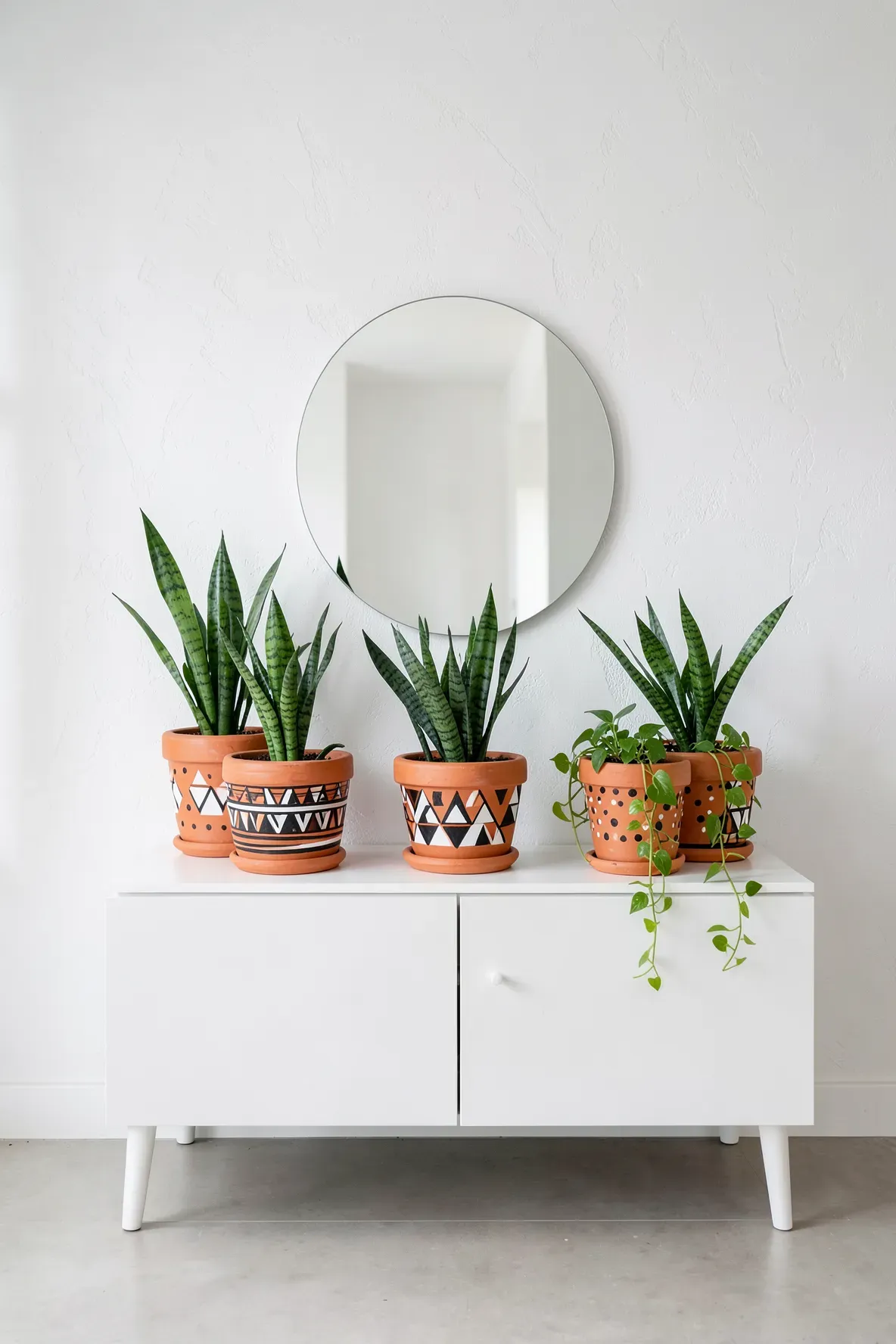
Terracotta is cheap and breathable, but the plain orange color can feel basic. Use acrylic paint or paint pens to add simple triangles, stripes, or dots to the exterior. This is one of the easiest DIY planters indoor projects because you can match the colors exactly to your existing room decor.
Upcycled Glass Jars for Water Propagation
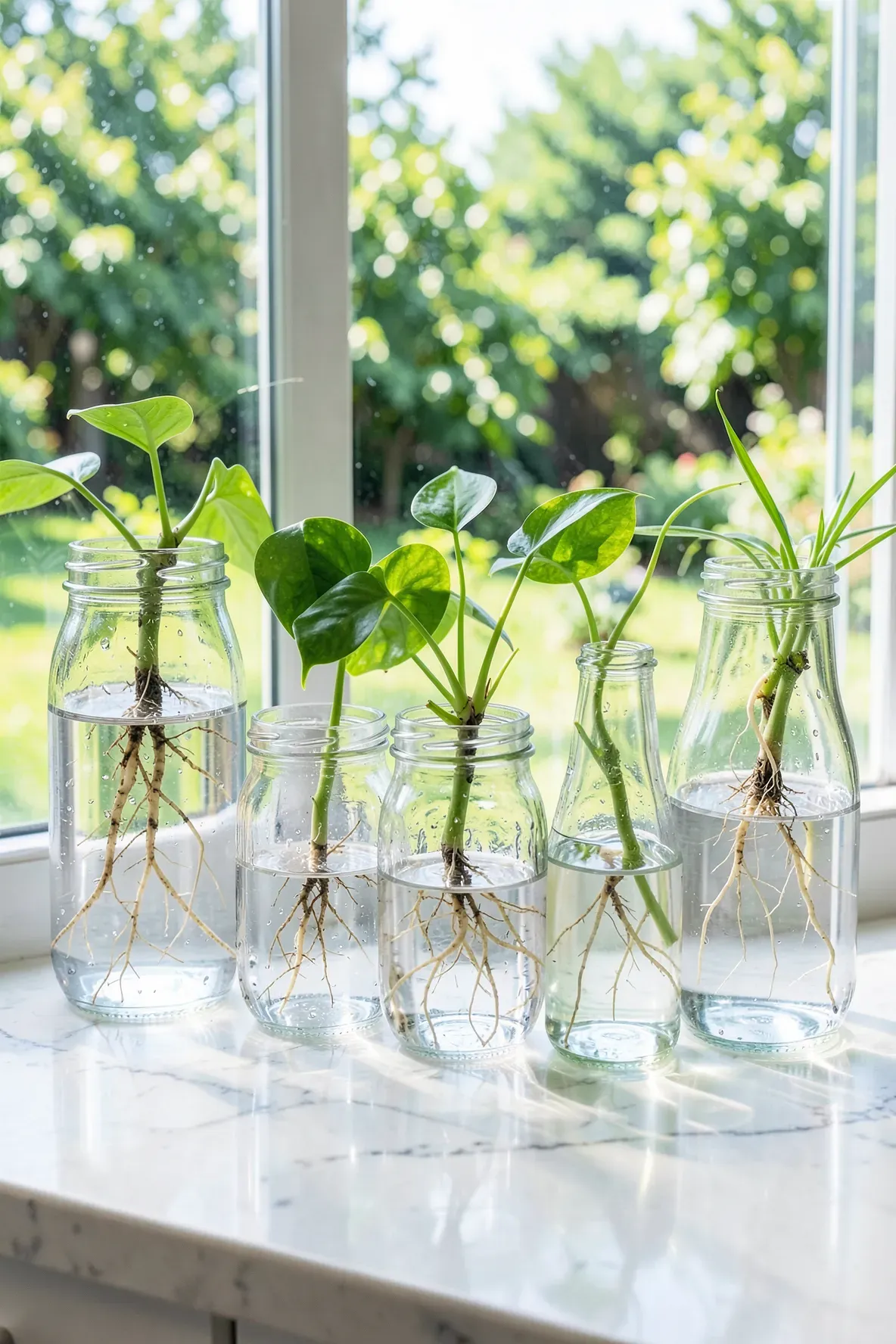
Don’t throw away your empty jam or pasta sauce jars. Clean them thoroughly and use them to grow plant cuttings in water on your windowsill. The clear glass lets you see the roots growing, which is both interesting to look at and helpful for checking the health of the plant.
Concrete Bowls Cast in Plastic Containers
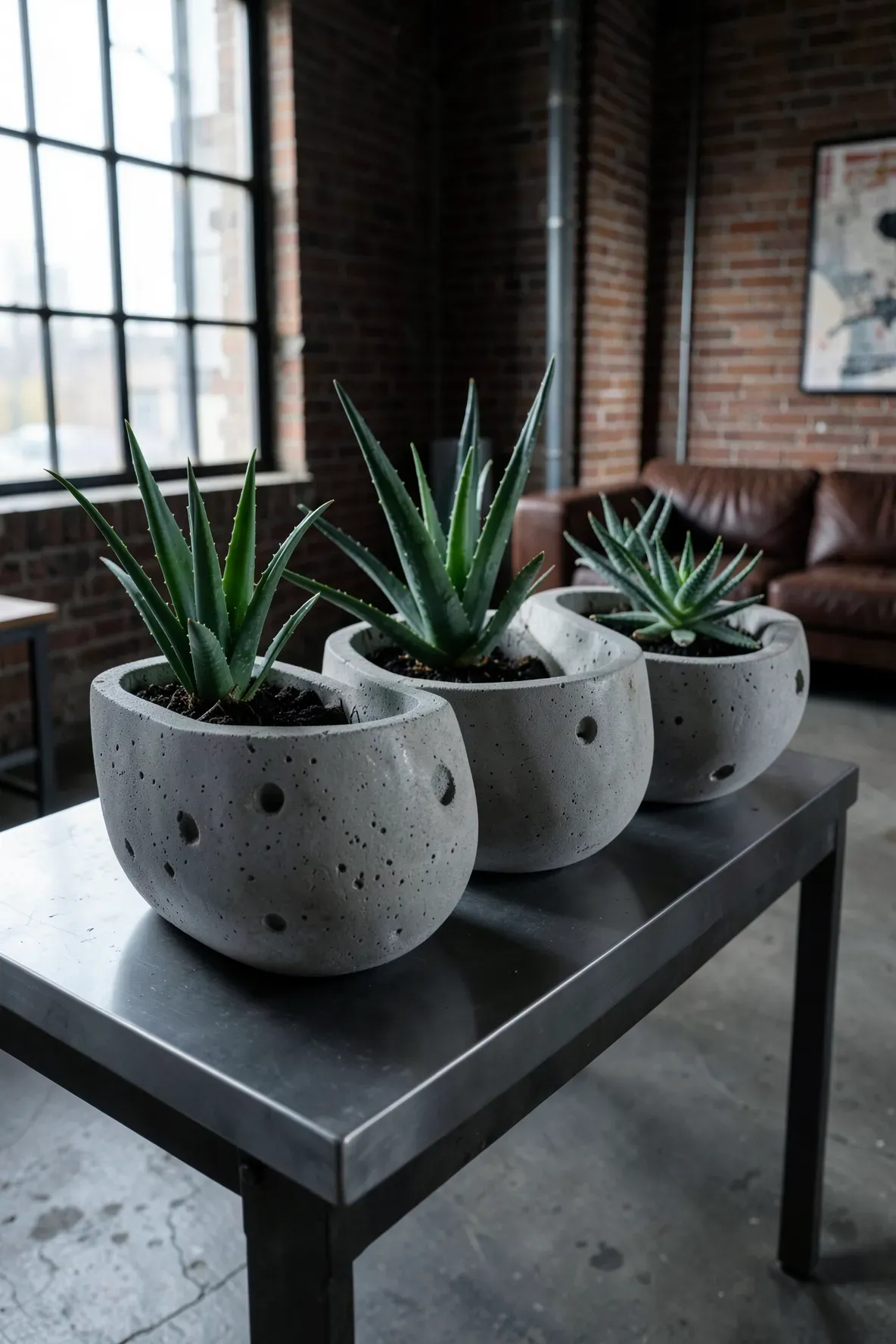
You can make your own minimalist pots by mixing a small bag of concrete and pouring it into plastic food tubs. Use a smaller container to press into the center to create the hole for the plant. Once it dries, you have a heavy, durable piece of planter decor that looks like it came from a high-end design shop.
Hanging Macramé Planters with Wooden Bases
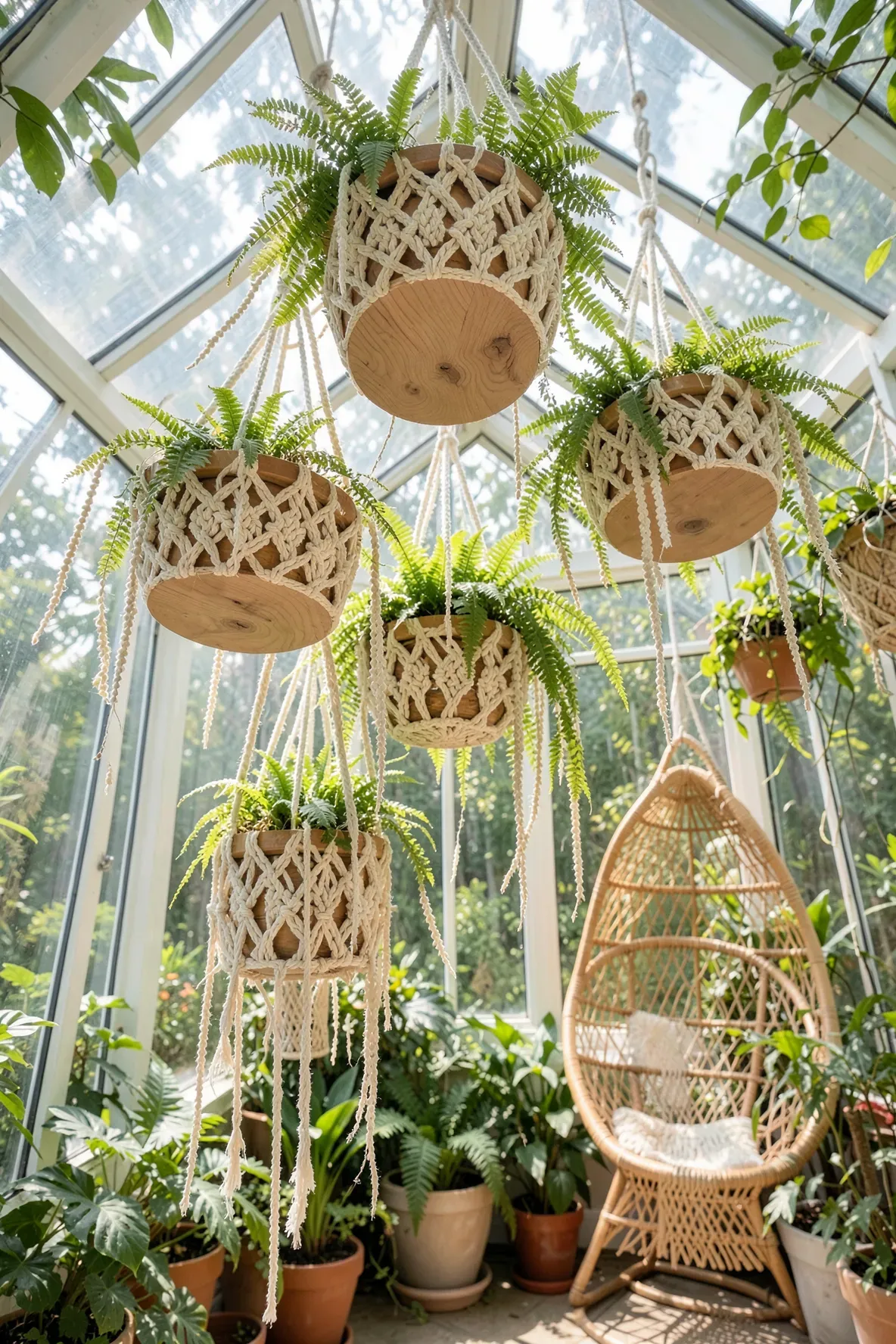
Macramé is a classic way to get plants off the floor and into the air. Adding a small circular wooden base inside the bottom knots gives the pot a flat surface to sit on. This prevents the pot from tipping and allows you to use different shapes of unique plant pots that might not stay upright in a standard rope sling.
Wooden Wine Crates for Indoor Herb Gardens
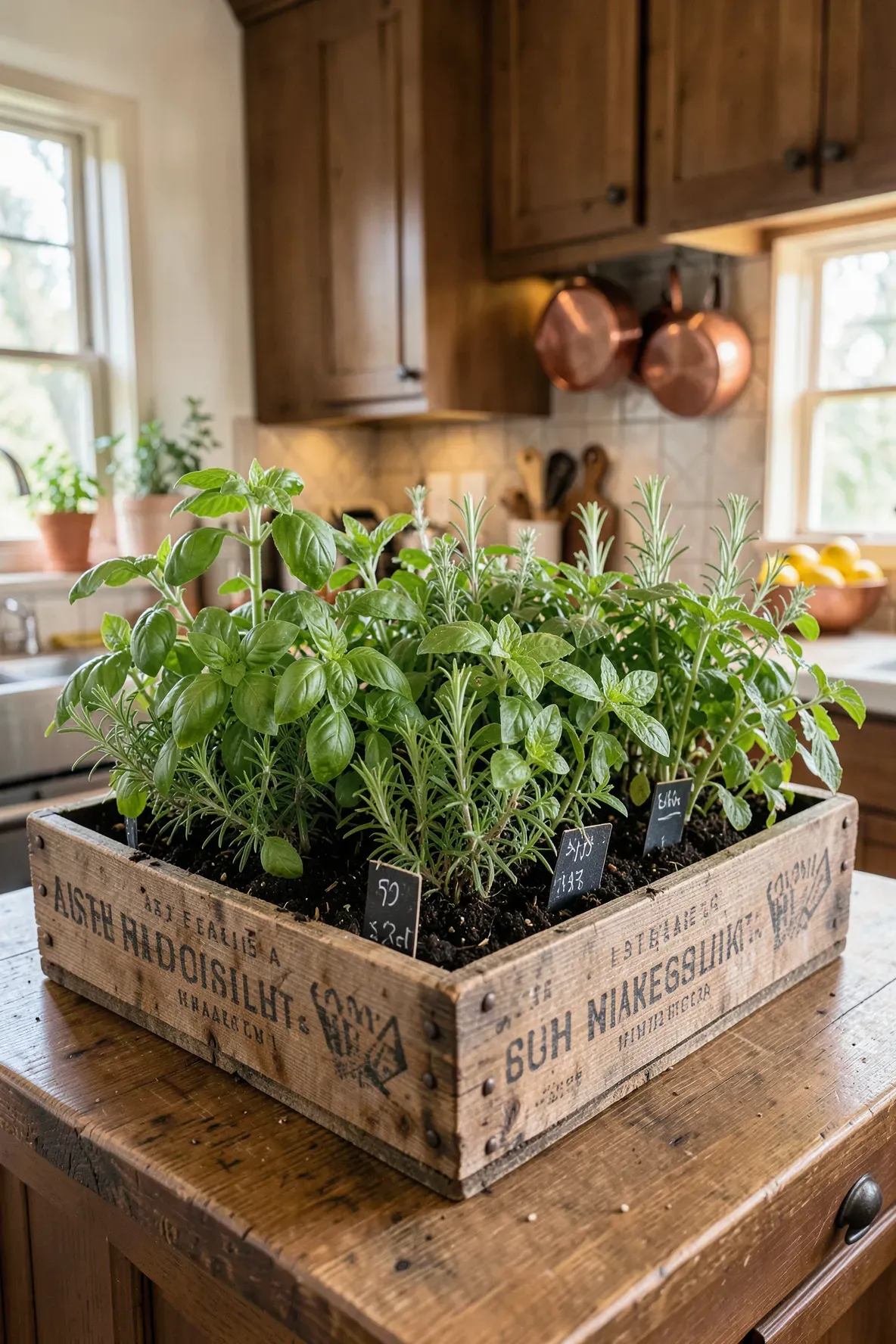
Wine crates are sturdy and usually deep enough for most kitchen herbs like basil or mint. You can line them with plastic and place them on a kitchen counter or a sunny bench. They provide enough space to plant three or four different herbs in one container, keeping your cooking supplies organized.
Vintage Ceramic Soup Tureens
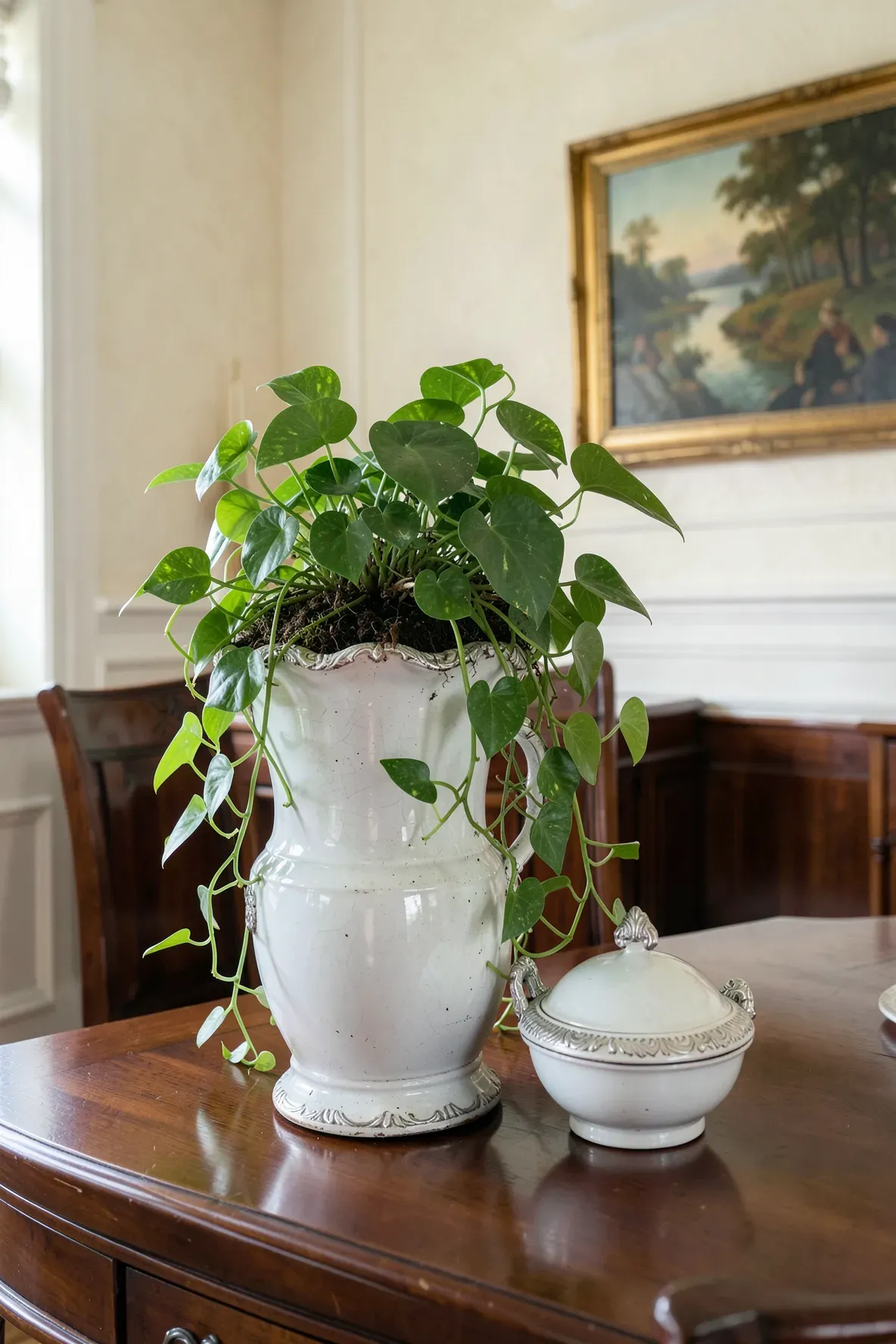
Large antique soup tureens make excellent vessels for low-light plants like Pothos. Because they are wide and deep, they offer plenty of room for roots to spread out. These look great on a dining table or a sideboard where their decorative handles and lids can be appreciated.
Leather Slings for Wall-Mounted Pots
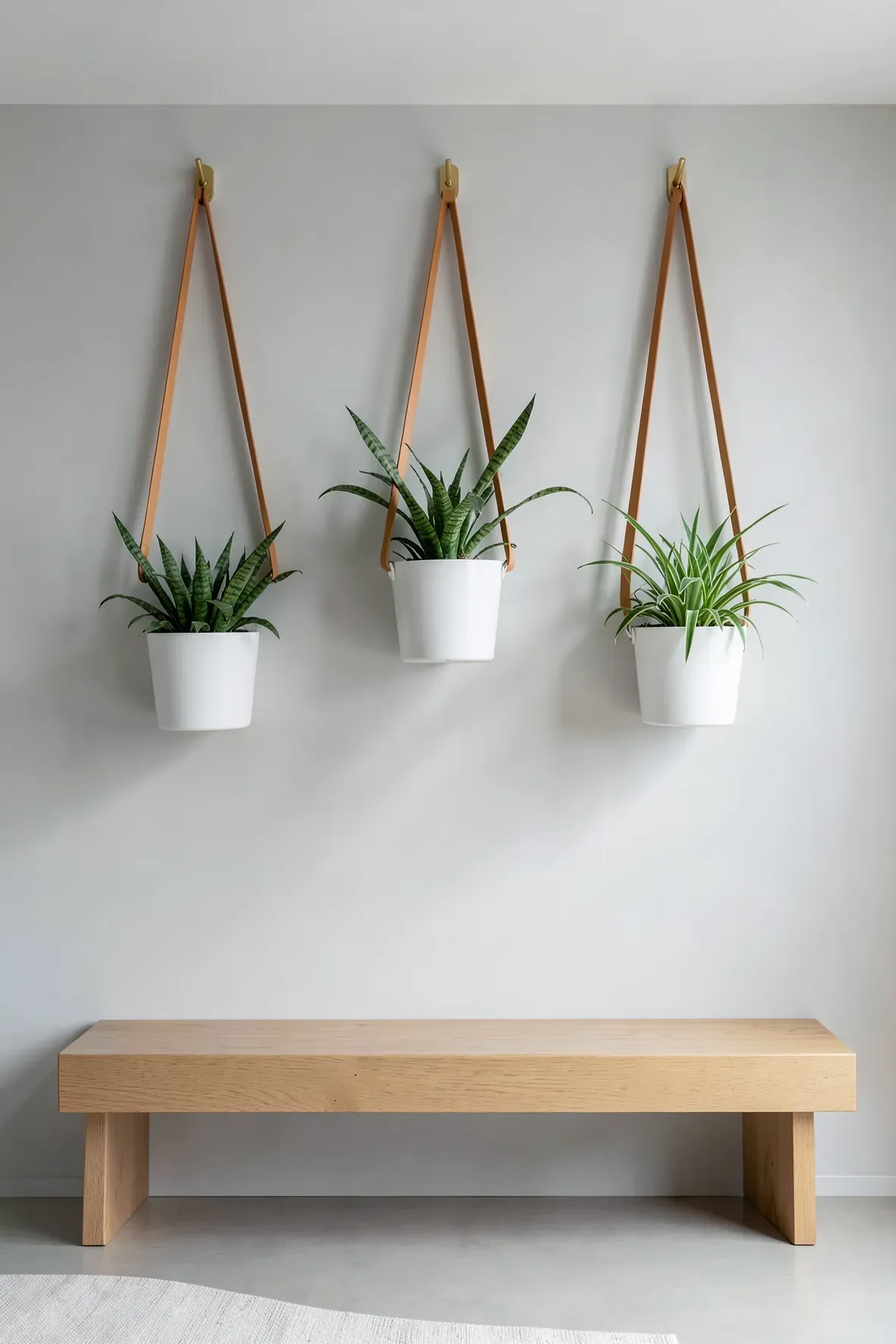
You can create a sophisticated look by using strips of leather to cradle your pots against the wall. Simply cut two long strips and secure them to a wall hook to form a loop. This works best with lightweight pots and creates a clean, modern aesthetic that saves valuable shelf space.
Repurposed Teacups and Saucers
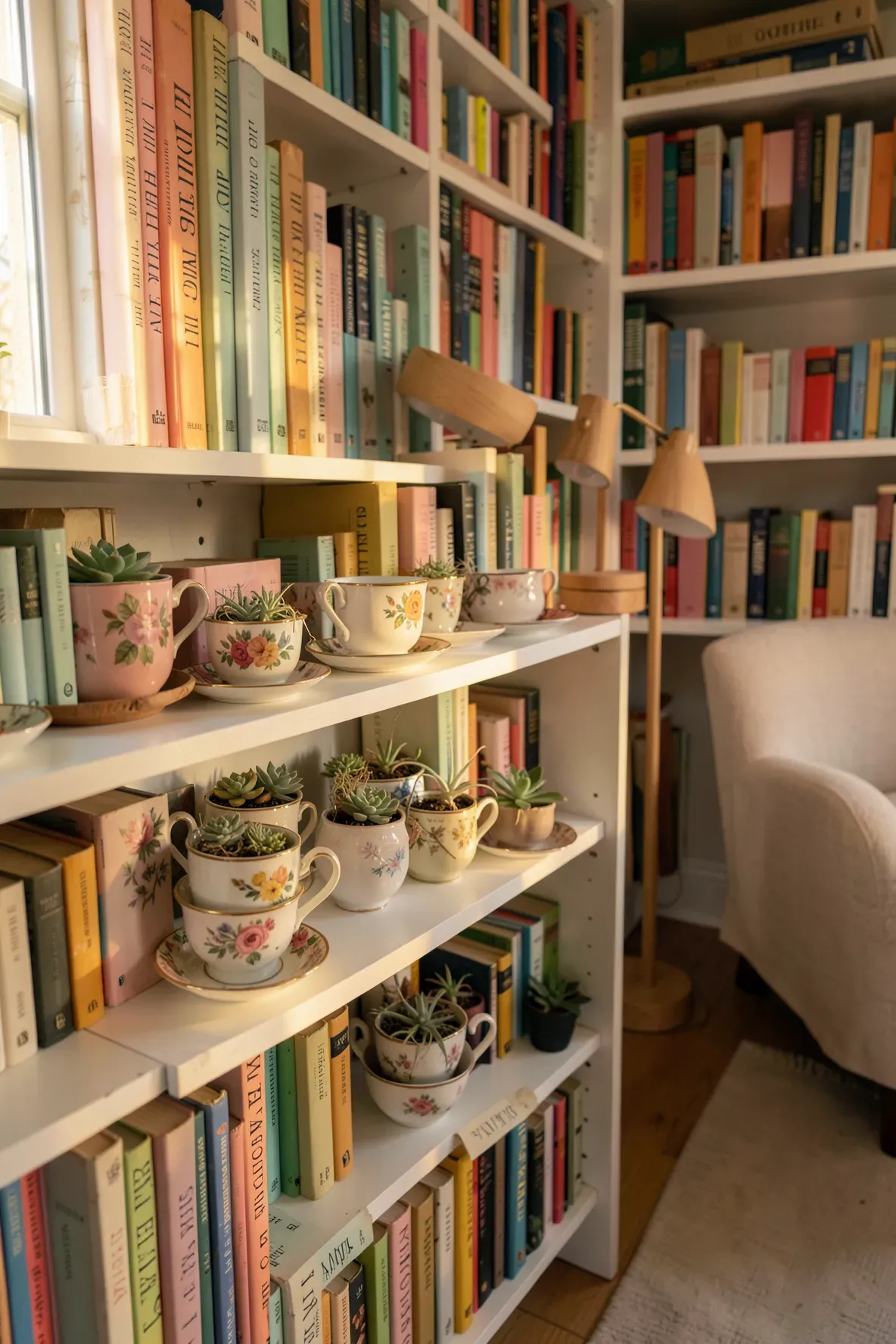
Mismatched teacups from thrift stores are perfect for tiny plants like baby succulents or air plants. The saucer acts as a built-in drip tray if you decide to drill a small hole in the bottom of the cup. These look charming on a bookshelf or a nightstand where space is limited.
Minimalist Metal Wall Pockets
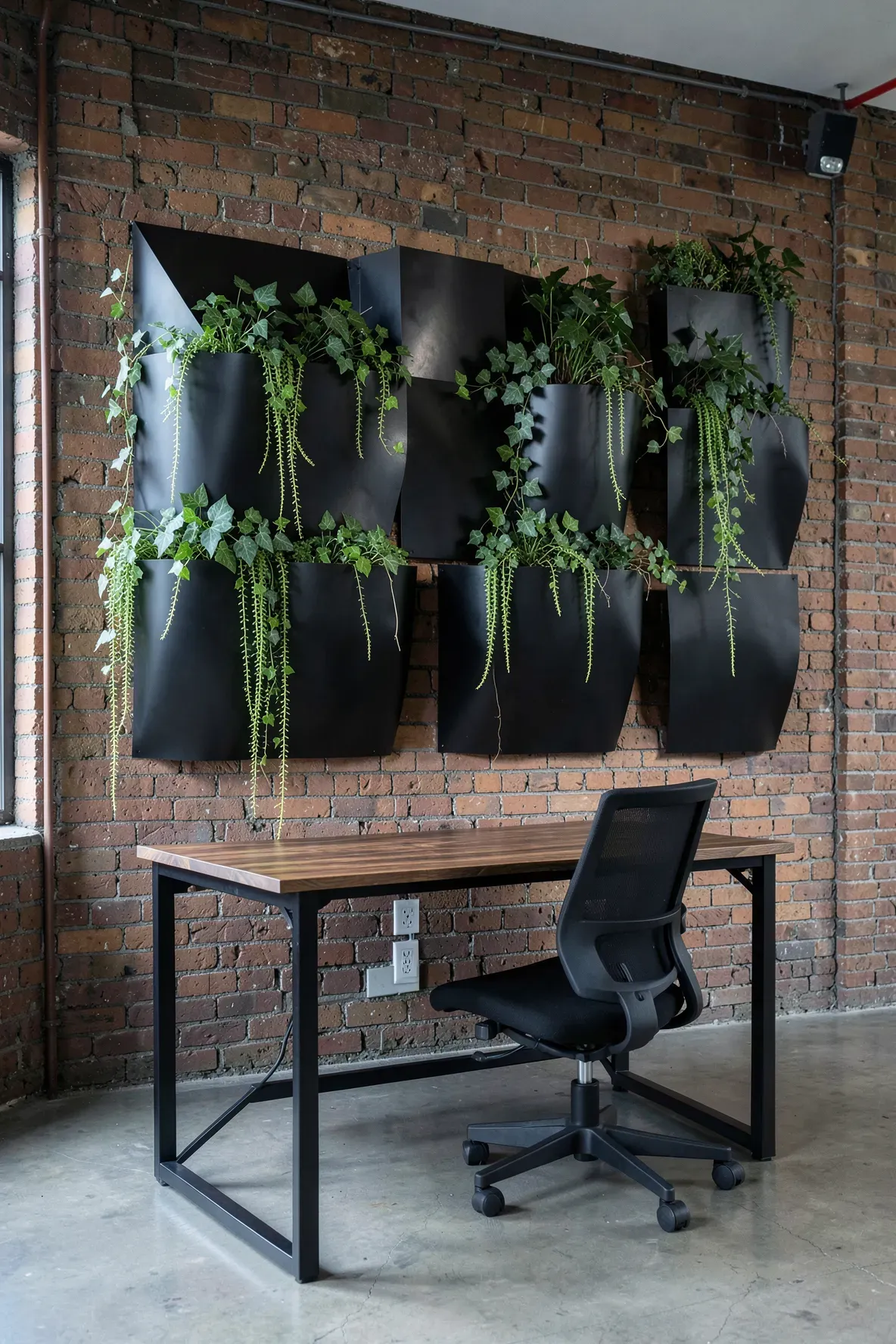
Metal wall pockets offer a sharp, industrial look for your greenery. They are usually flat on one side, making them sit flush against the wall. These are great for trailing plants that can spill over the edges, hiding the metal and creating a living wall effect.
Driftwood Pieces with Carved Out Pockets
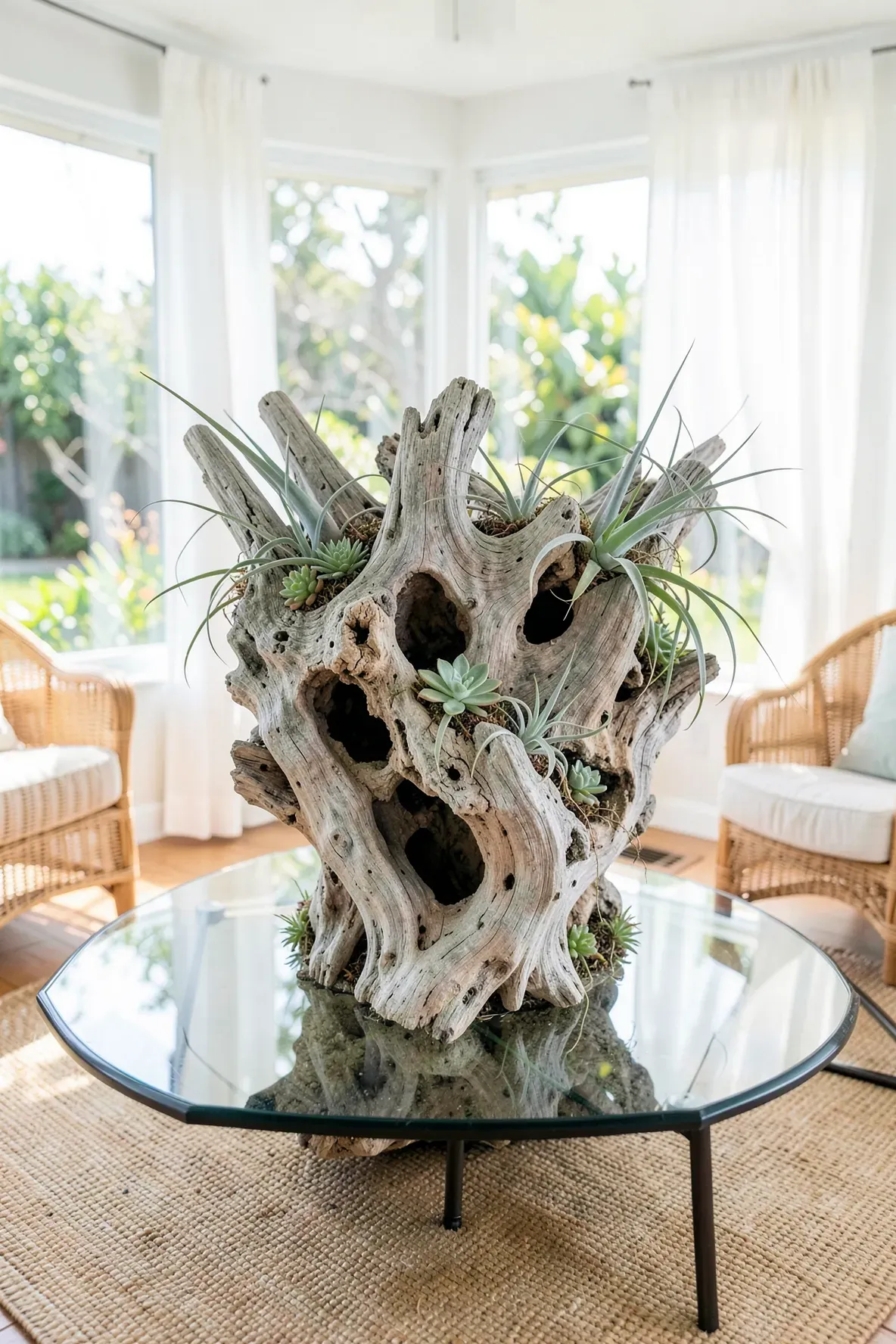
If you find a thick piece of driftwood, you can use a drill or a chisel to create small hollows for air plants or small succulents. Since air plants don’t need soil, they sit perfectly in the natural grooves of the wood. This brings a rugged, coastal element into your home.
Canvas Fabric Totes Used as Pot Covers

Small canvas bags or tote bags can be used as soft covers for standard plastic pots. Simply fold the top of the bag down to the right height and place the potted plant inside. It gives a relaxed, textile-heavy look that is easy to wash if it gets dirty.
Old Metal Toolboxes for Industrial Greenery
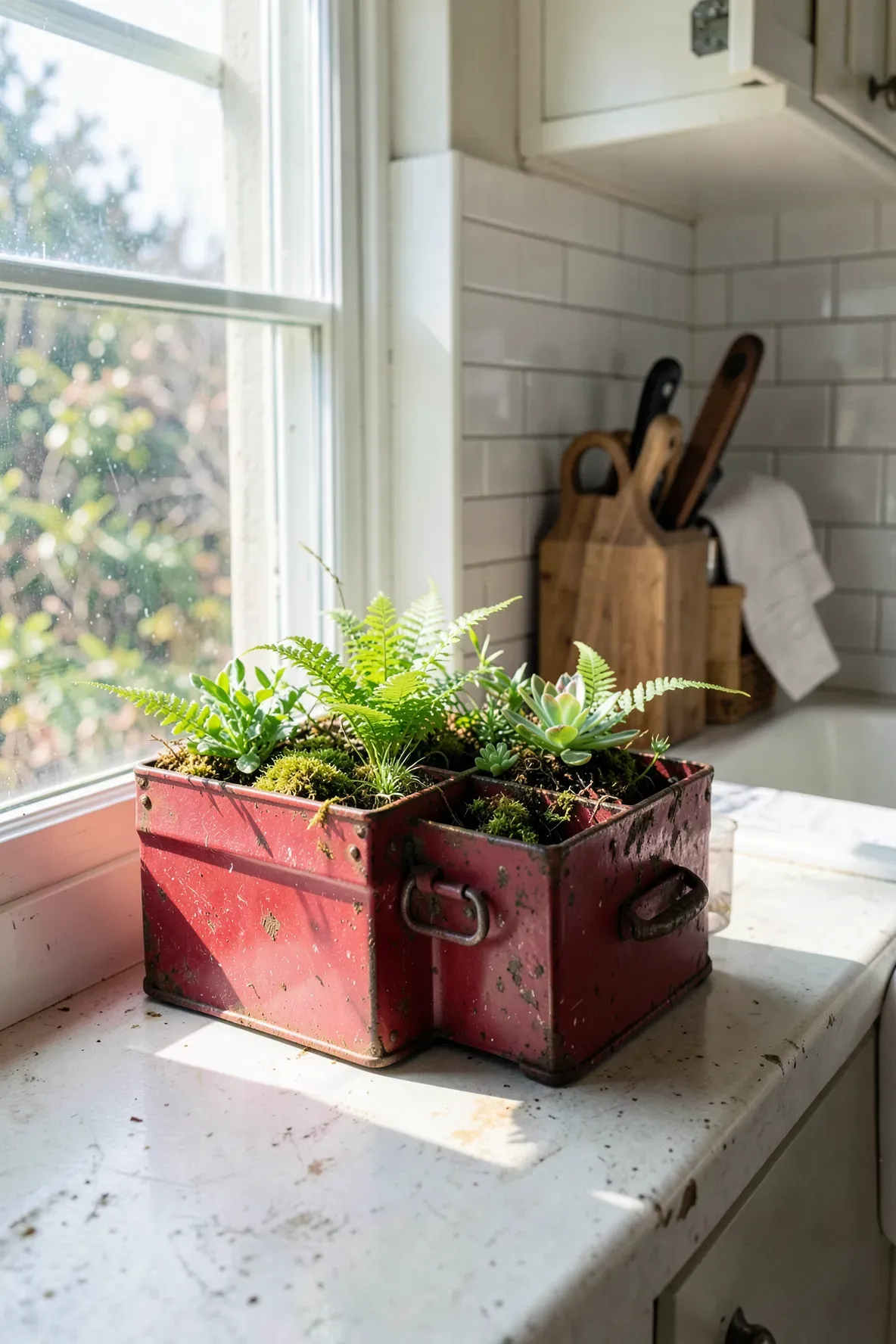
An old red or blue metal toolbox makes for a rugged and interesting planter. The long, narrow shape fits well on a windowsill or a mantle. You can use the different compartments to separate different types of succulents or small ferns.
Tiered Dessert Stands for Small Cacti

A tiered cupcake or dessert stand allows you to display a whole collection of small plants in a very small footprint. Put your sun-loving cacti on the top tier and plants that prefer a bit of shade on the bottom. It turns a group of small pots into a single, cohesive vertical display.
Bamboo Culm Sections Cut into Individual Pots
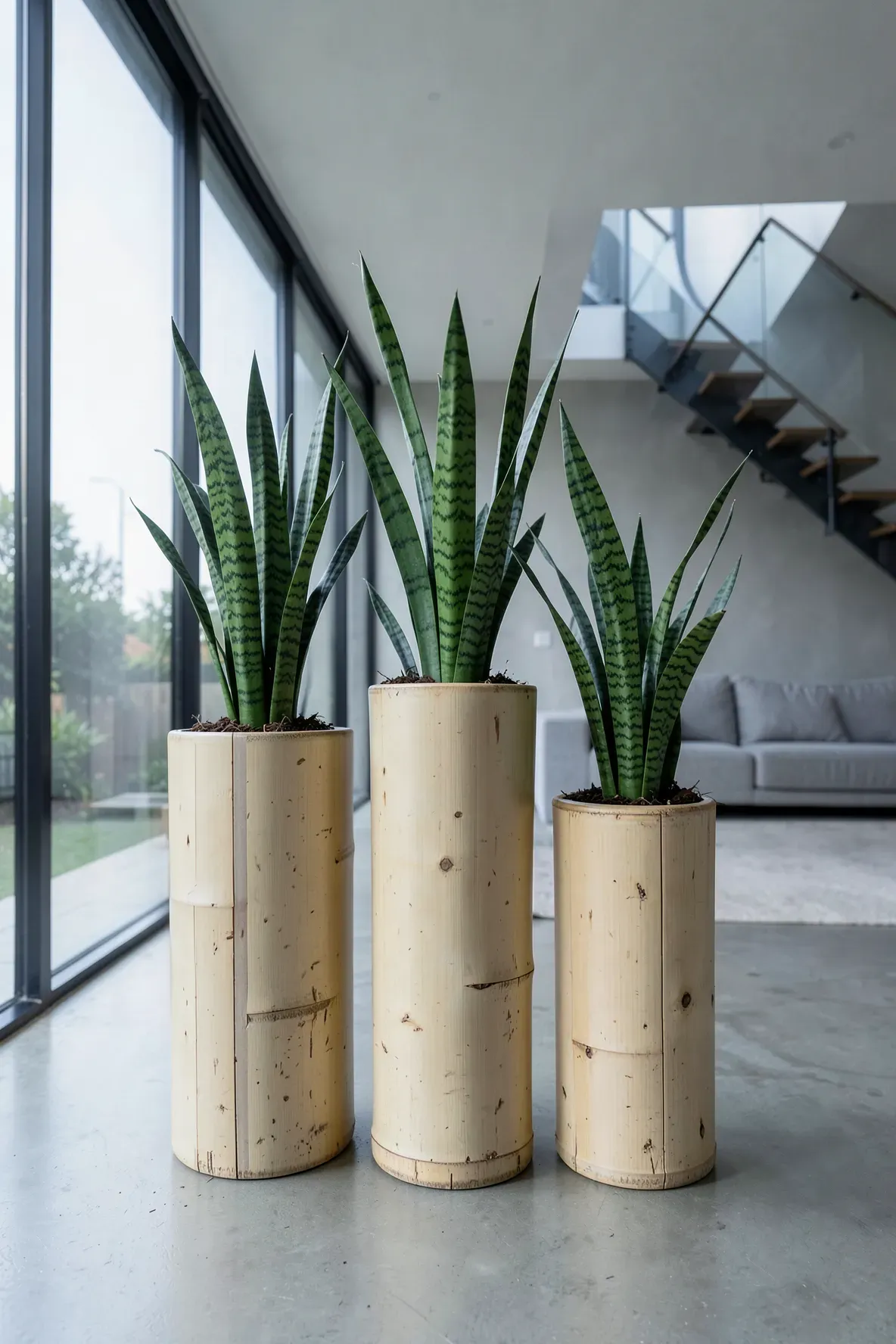
Bamboo is naturally hollow and very water-resistant. If you can find thick bamboo stalks, cut them into sections just above the natural joints to create a built-in bottom. These tall, skinny cylinders are excellent for modern spaces and work well for plants with deep root systems.
Painted Tin Cans with Drainage Holes
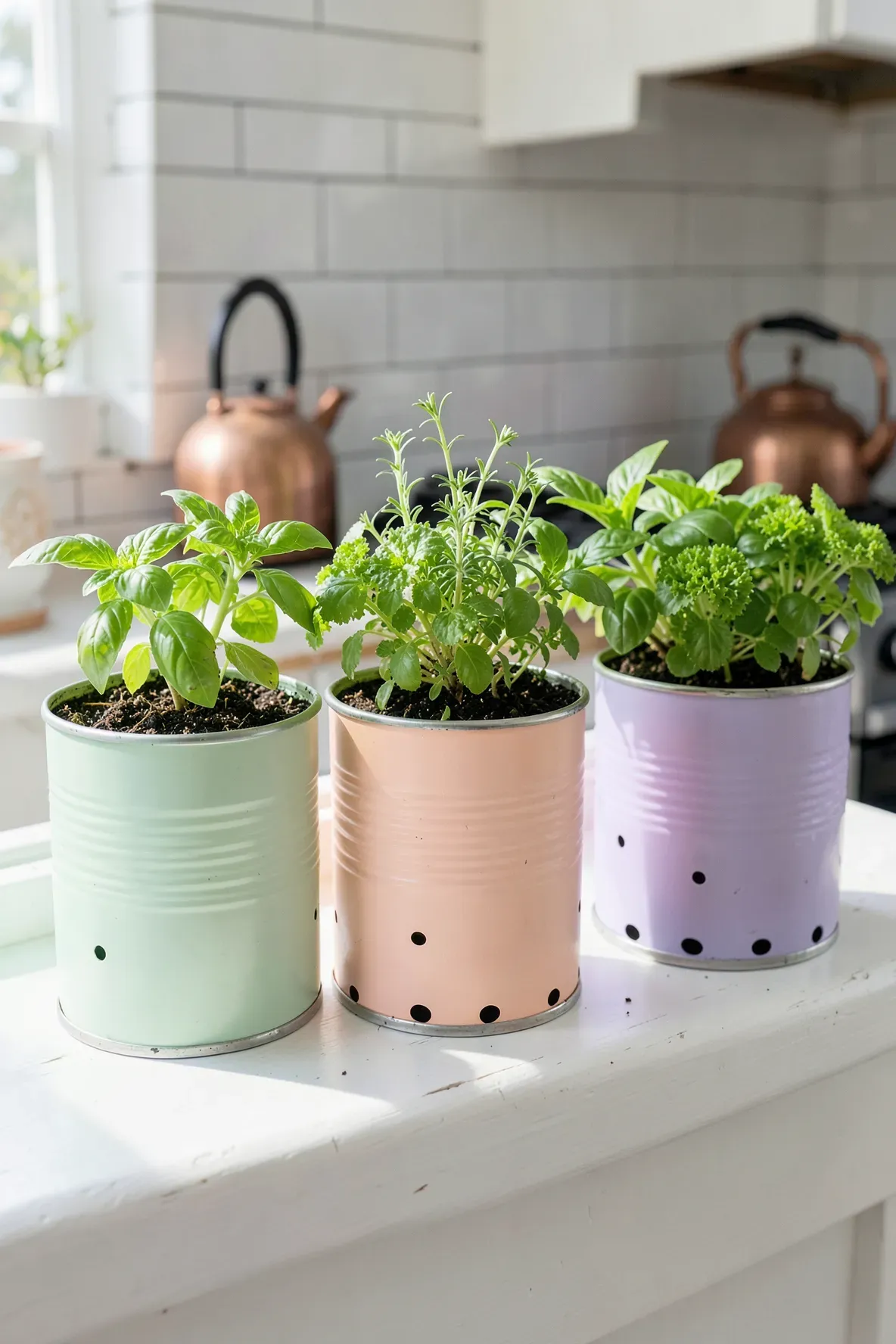
Soup or coffee cans are some of the most accessible materials for DIY pots for plants. Remove the labels, sand down any sharp edges, and give them a coat of spray paint. Use a hammer and a large nail to pop a few holes in the bottom so your plants don’t get waterlogged.
Recycled Wine Bottles Cut into Self-Watering Planters
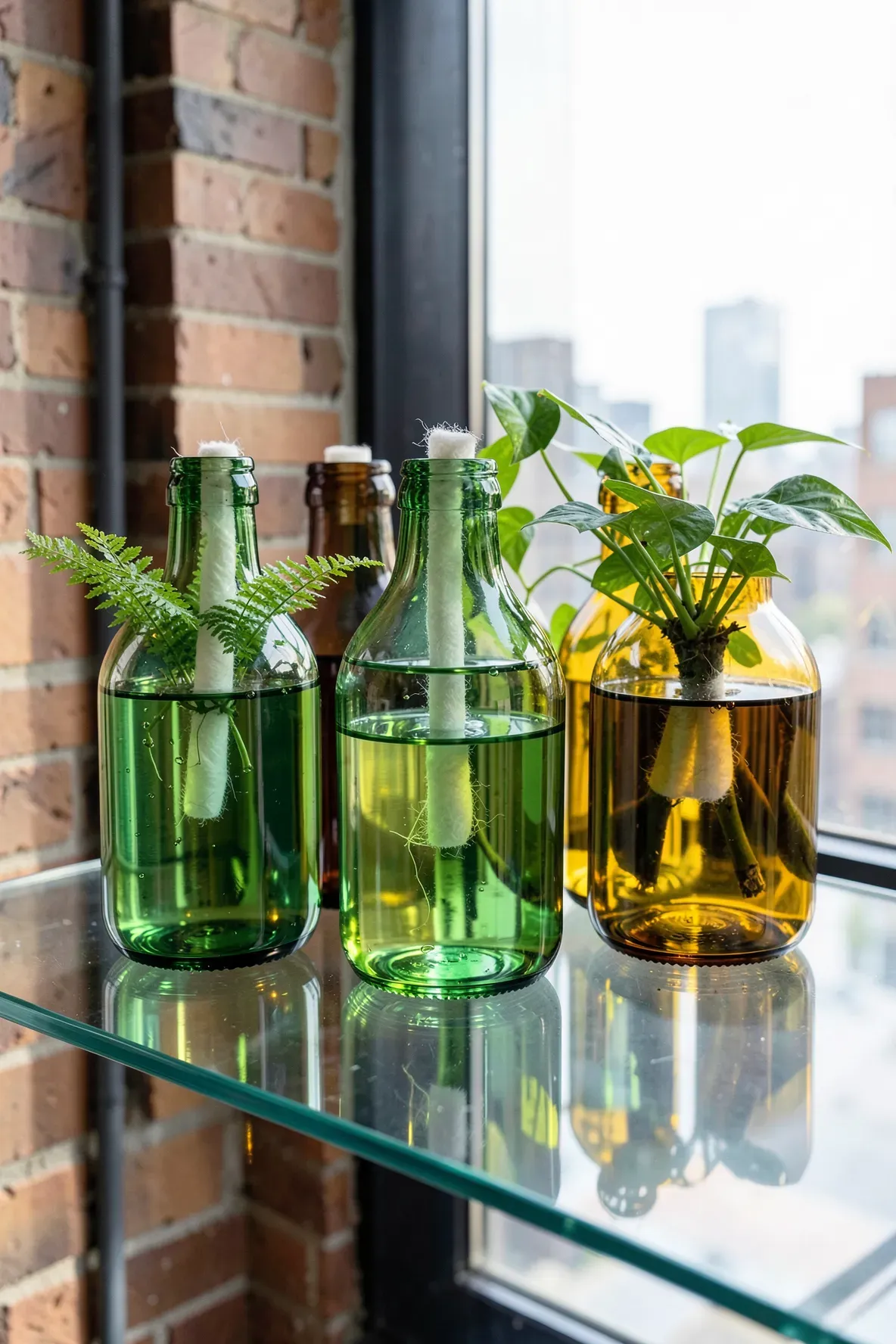
With a glass cutter, you can slice a wine bottle in half. The top part is flipped upside down and set into the bottom half, which holds water. A small piece of string helps wick the water up to the soil, making it a functional and smart way to reuse glass.
Hollowed Out Books for Air Plants
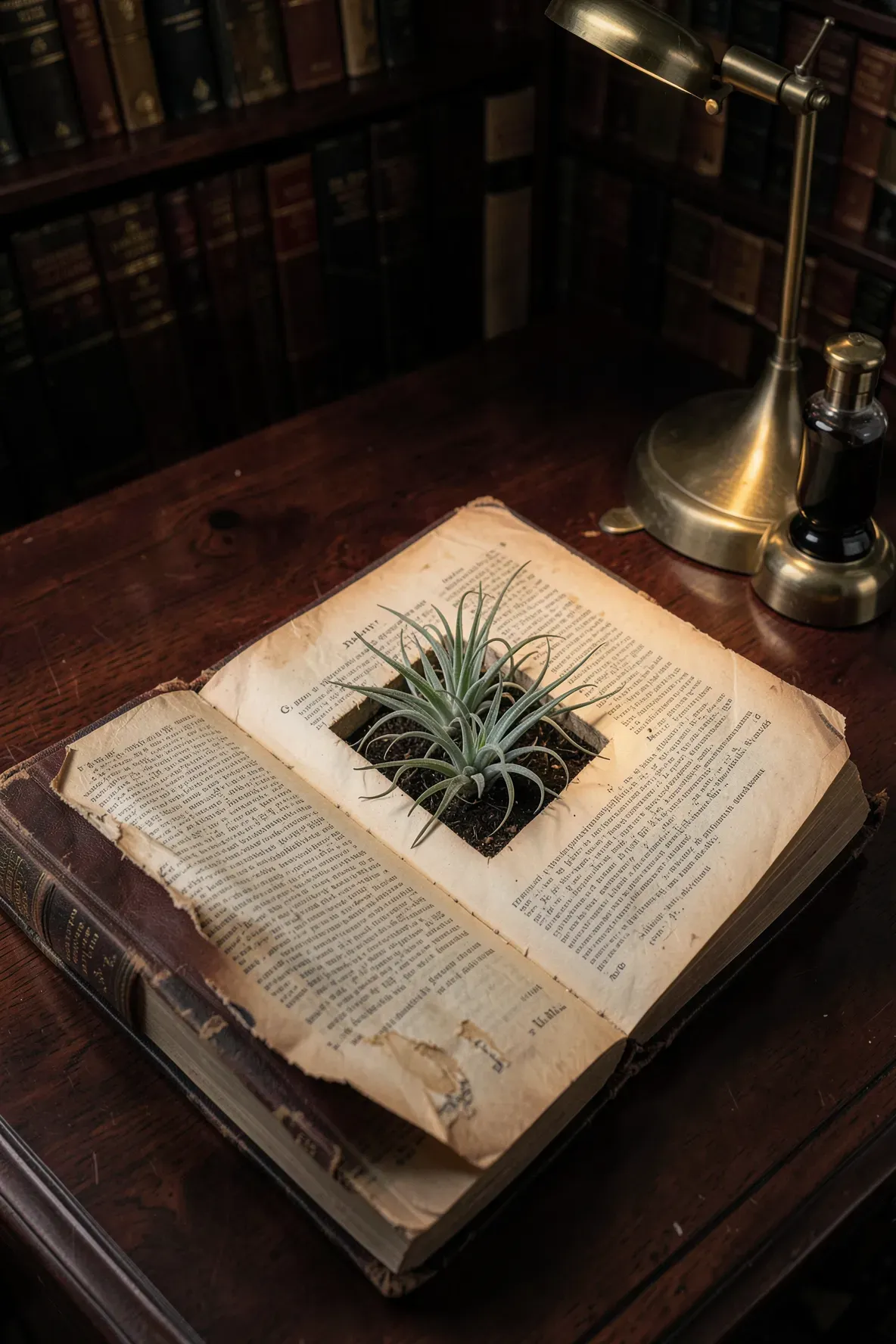
For a literary touch, take an old hardcover book and cut a square out of the pages with a utility knife. Glue the pages together so they stay solid. Since air plants don’t need dirt, you can place them right in the middle of the book for a unique desk accessory.
Cloche Displays with Moss and Ferns
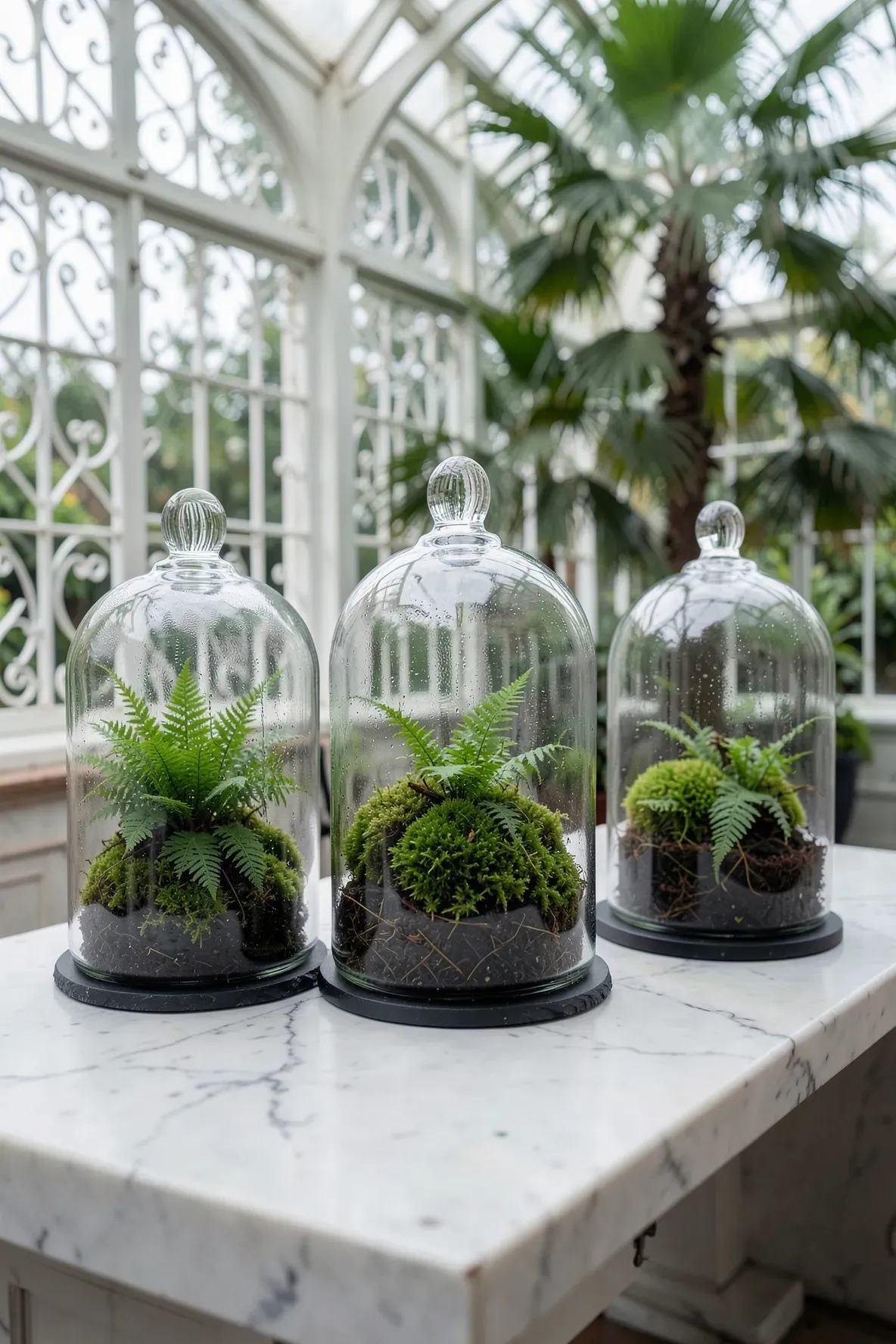
A glass cloche or bell jar creates a humid environment that ferns and mosses love. Place your plant on a small decorative plate and cover it with the glass. It acts like a mini greenhouse and makes even a common plant look like a museum specimen.
Mid-Century Modern Wooden Plant Stands
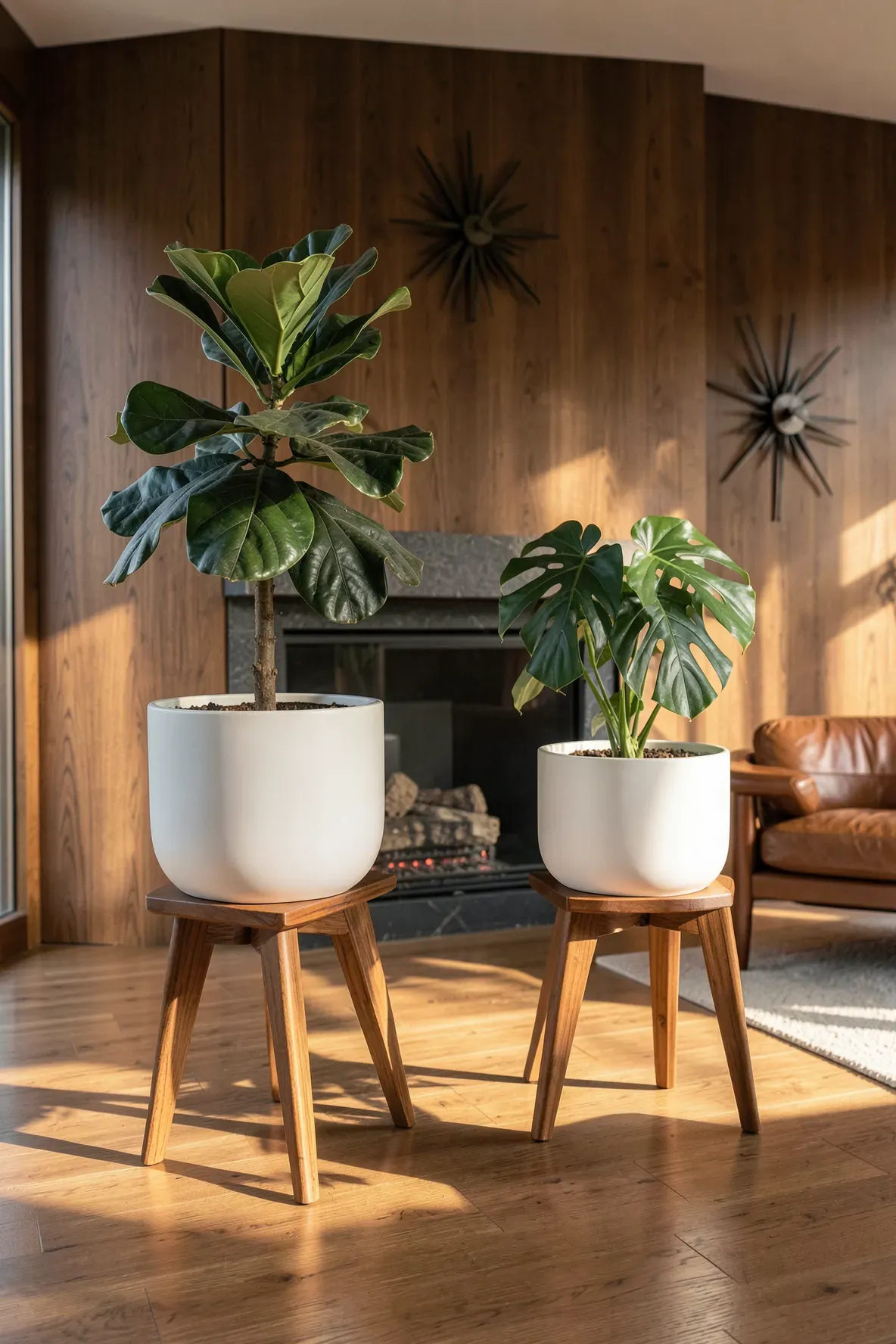
You can build a simple X-shaped wooden stand to lift your pots off the floor. This style was popular in the 1950s and remains a favorite for its clean lines. Lifting the plant also helps with air circulation and makes cleaning the floor much easier.
Enamel Colanders for Natural Drainage
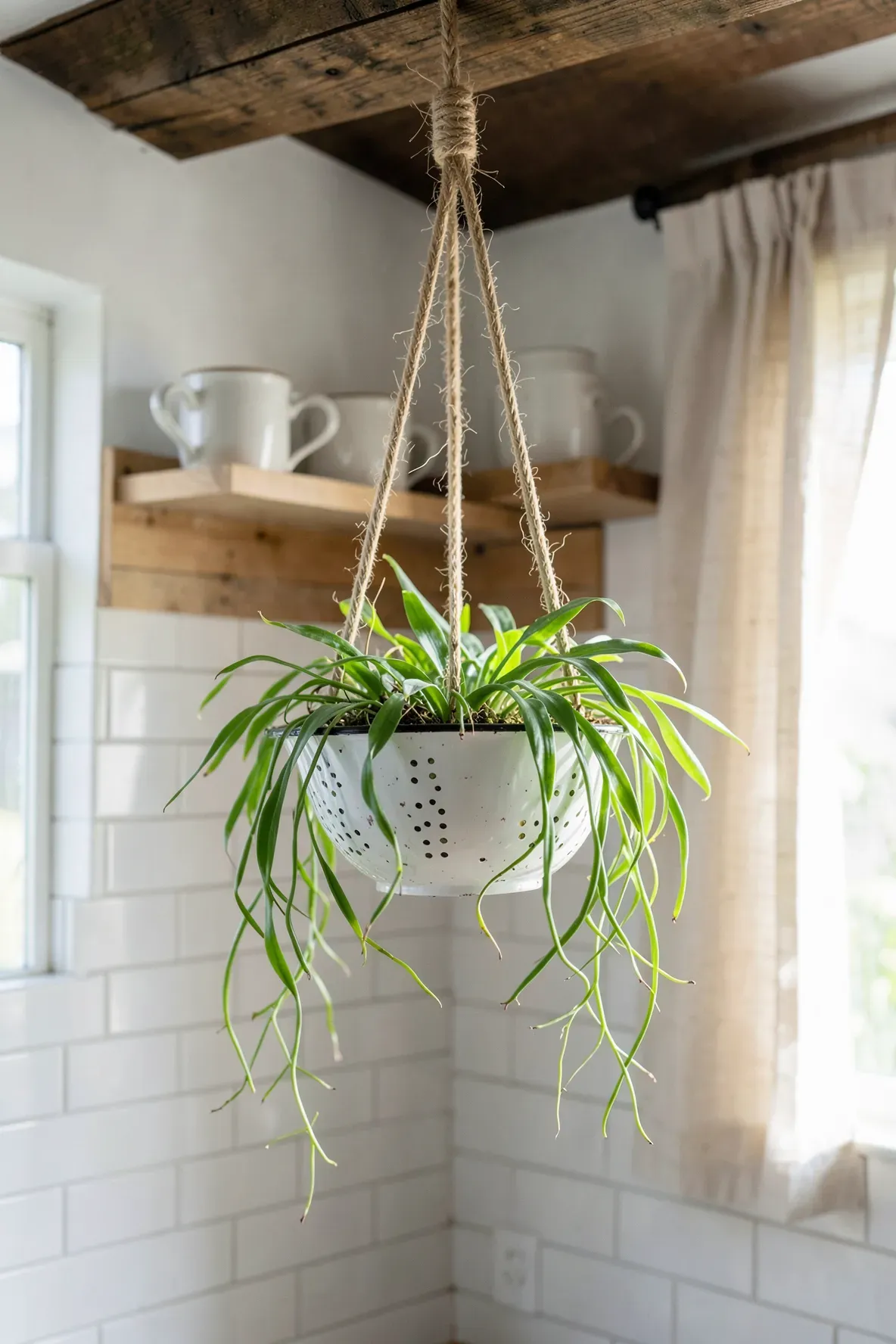
Vintage enamel colanders are already full of holes, making them the perfect ready-made planters. They are especially good for plants that need a lot of air around their roots. The handles also make them easy to hang from the ceiling with a bit of sturdy twine.
Glass Fishbowls for Open Terrariums
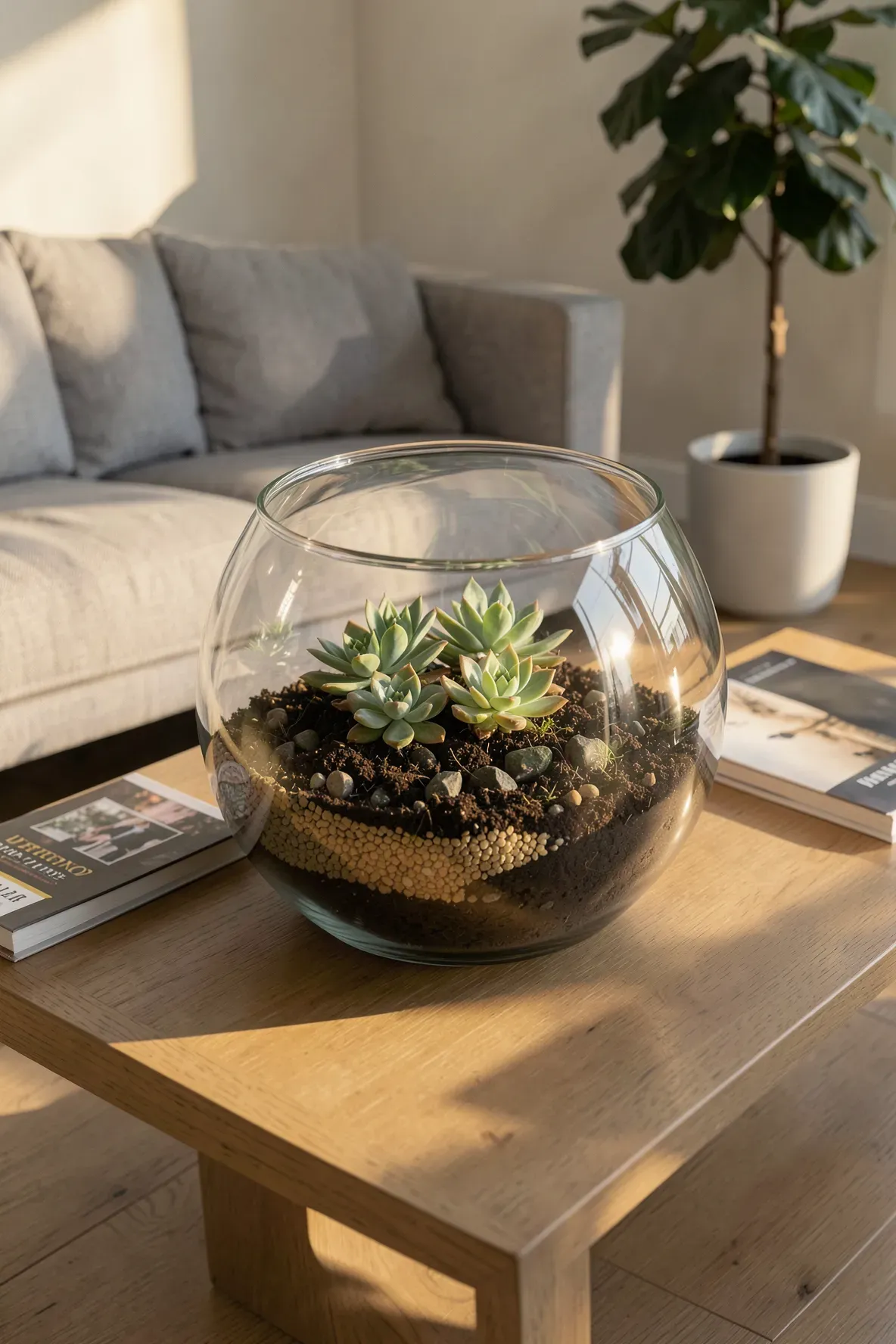
A simple round fishbowl can be turned into a beautiful open-top terrarium. Layer the bottom with pebbles, charcoal, and soil before adding your plants. Because the glass is curved, it magnifies the details of the plants and soil layers inside.
Woven Seagrass Belly Baskets
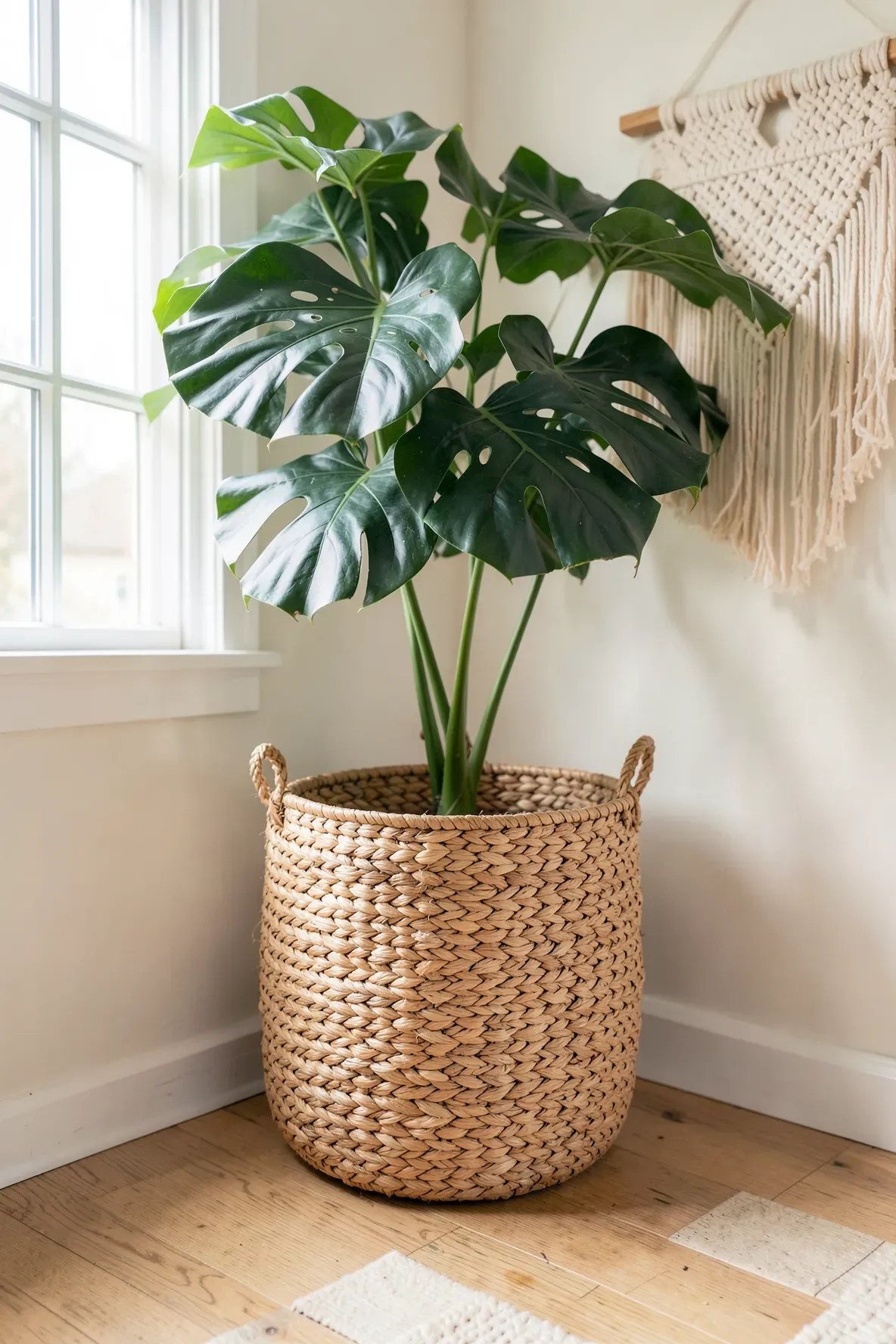
Seagrass baskets are flexible and can be used at their full height or folded down into a bowl shape. They are great for hiding large, ugly nursery pots for floor plants like Fiddle Leaf Figs or Monsters. The natural tan color goes with almost any interior style.
Boots or Rain Boots Used as Novelty Planters
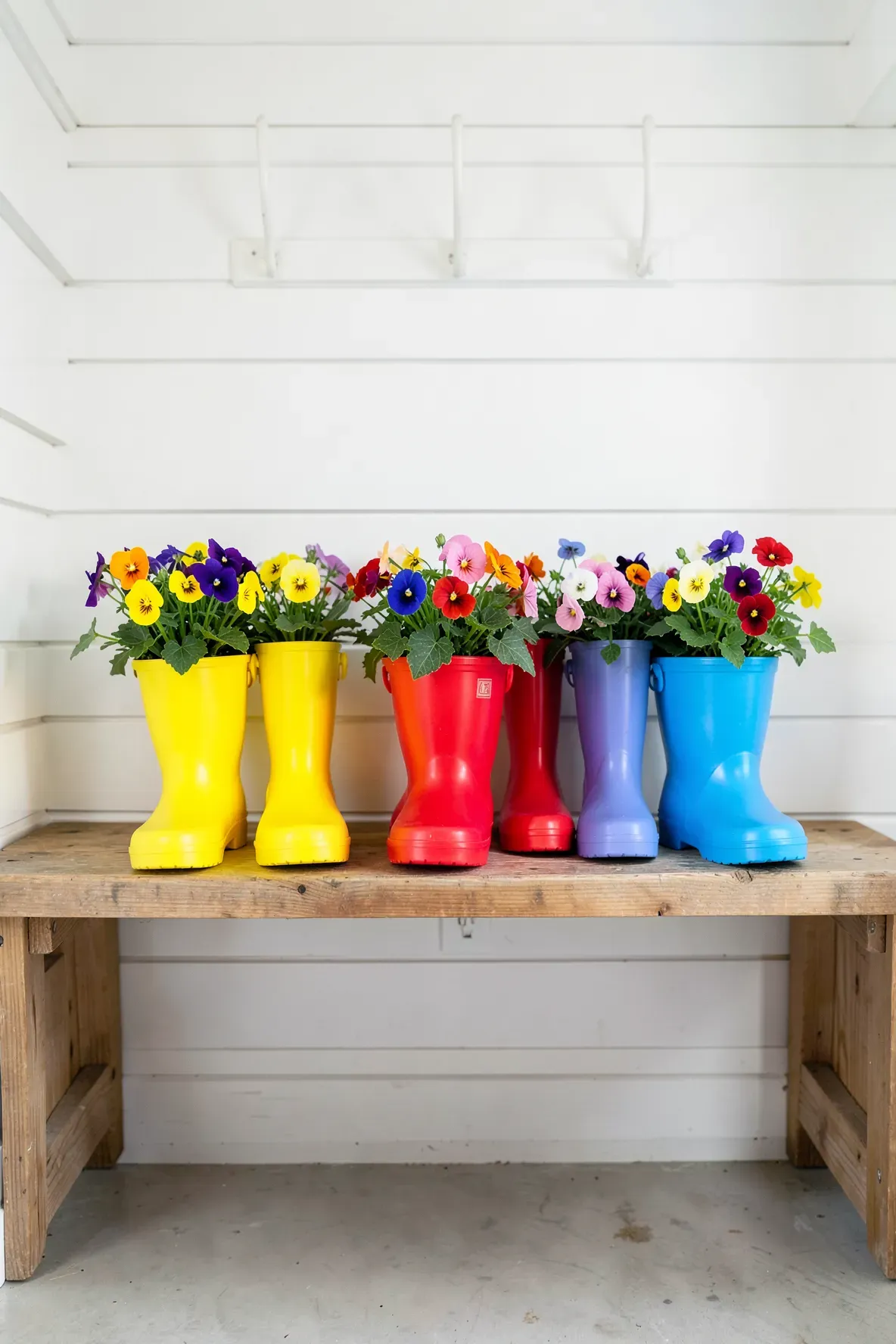
Old colorful rain boots that kids have outgrown make for fun, whimsical planters on a porch or in a mudroom. They are deep enough for plants with long roots. Just make sure to drill a few holes in the soles so water can escape.
Floating Shelves with Integrated Pot Holes
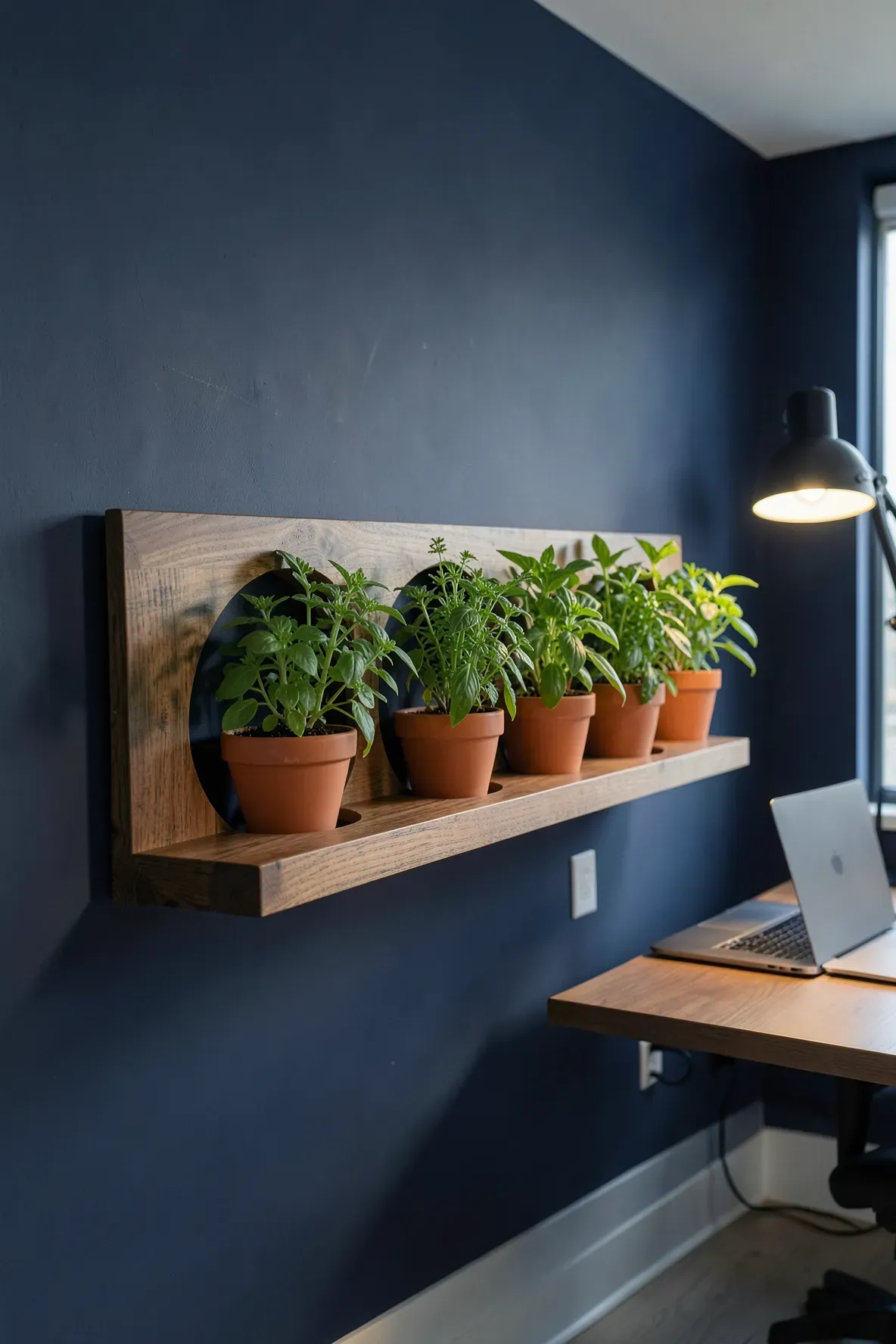
If you are handy with a hole saw, you can cut circles into a floating shelf that are just slightly smaller than the rim of your pots. The pots then drop into the holes and stay securely in place. This prevents them from being knocked off by pets or kids.
Disco Ball Planters for Reflective Light
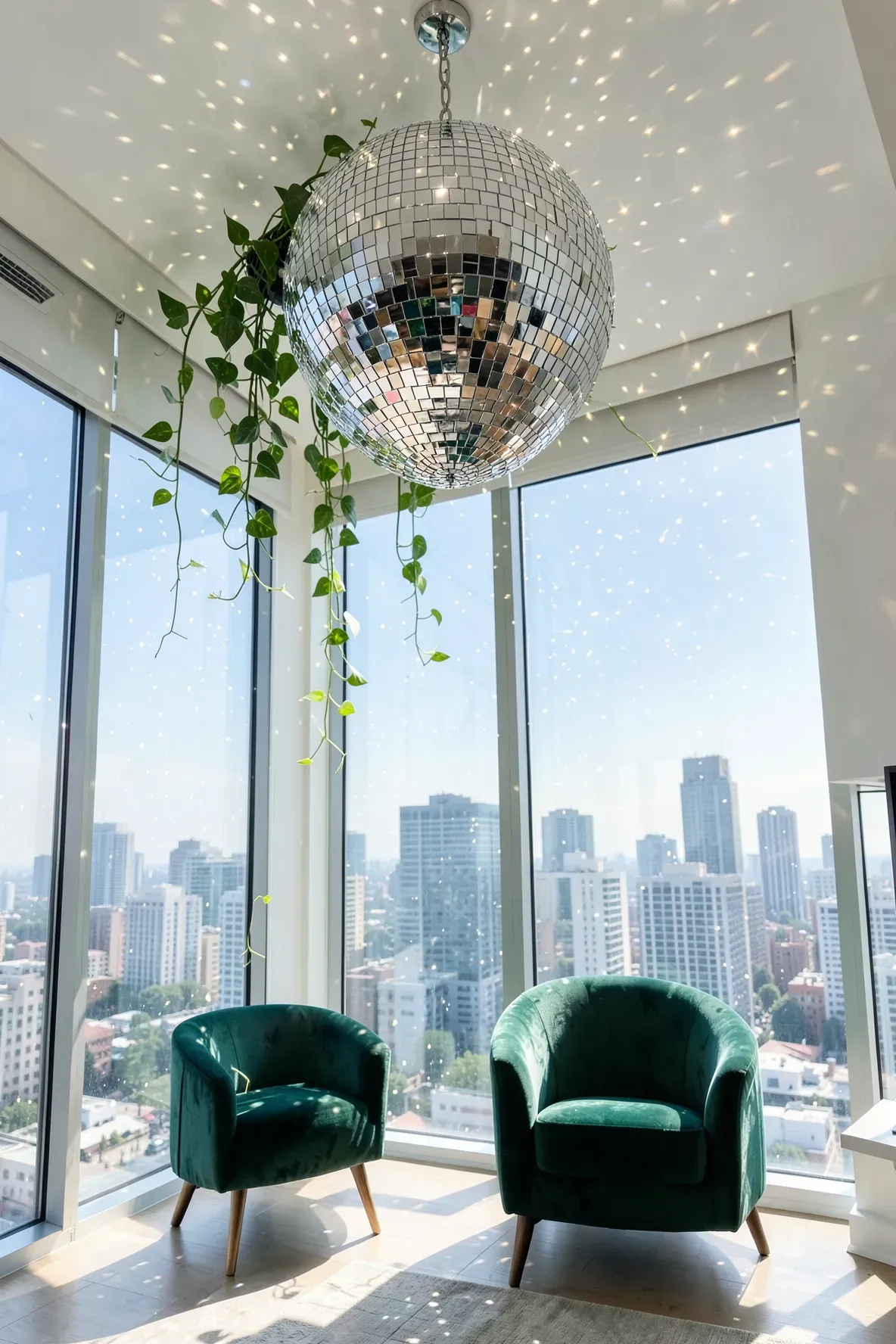
By removing the top of a decorative disco ball, you can create a planter that throws spots of light all over the room when the sun hits it. These are very popular for hanging plants and add a lot of energy and fun to a bright corner.
Plaster of Paris Dipped Fabric Pots

Dip old towels or burlap into a mixture of Plaster of Paris and drape them over a bucket to dry. Once hardened, you have a rigid, sculptural container with interesting folds. You can leave them white for a stony look or paint them to match your room.
Chalkboard Painted Pots for Labeling
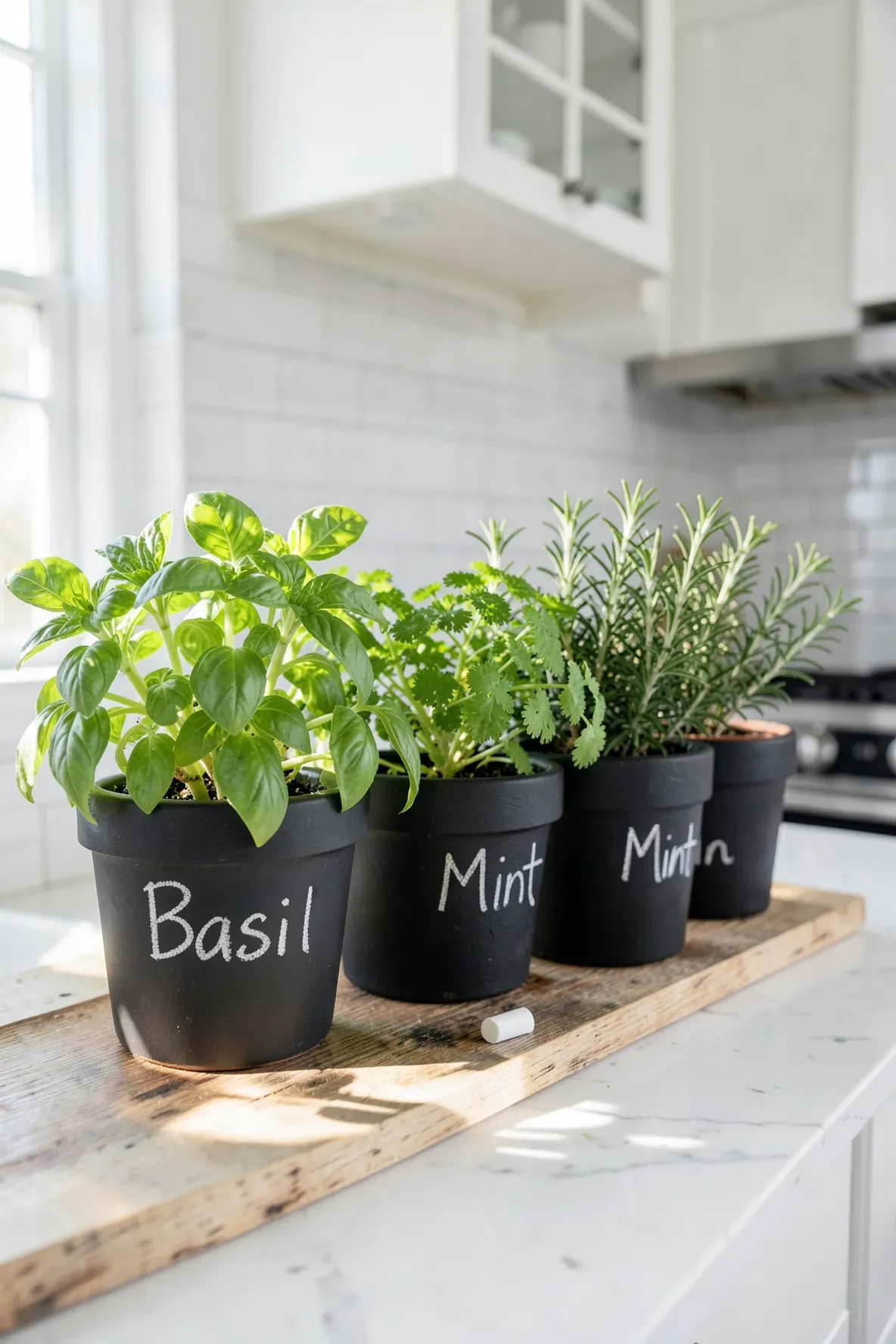
Covering a standard pot with chalkboard paint is a practical idea for herb gardens. You can write the name of the plant directly on the side and wipe it off if you decide to plant something else later. It’s a simple way to keep your indoor garden organized.
Antique Silver Pitchers and Teapots

Tarnished silver pitchers add a touch of elegance to your plant collection. They are usually tall and narrow, which works well for plants like Snake Plants. The metal reflects light and adds a bit of vintage character to a shelf or mantel.
Birch Log Sections with Drilled Centers

If you have access to fallen birch trees, cut a small log into a 6-inch section. Drill a wide hole in the top to hold a small plastic liner or some soil. The white bark provides a beautiful, rustic texture that looks great in a farmhouse-style home.
Vertical Felt Pocket Wall Planters
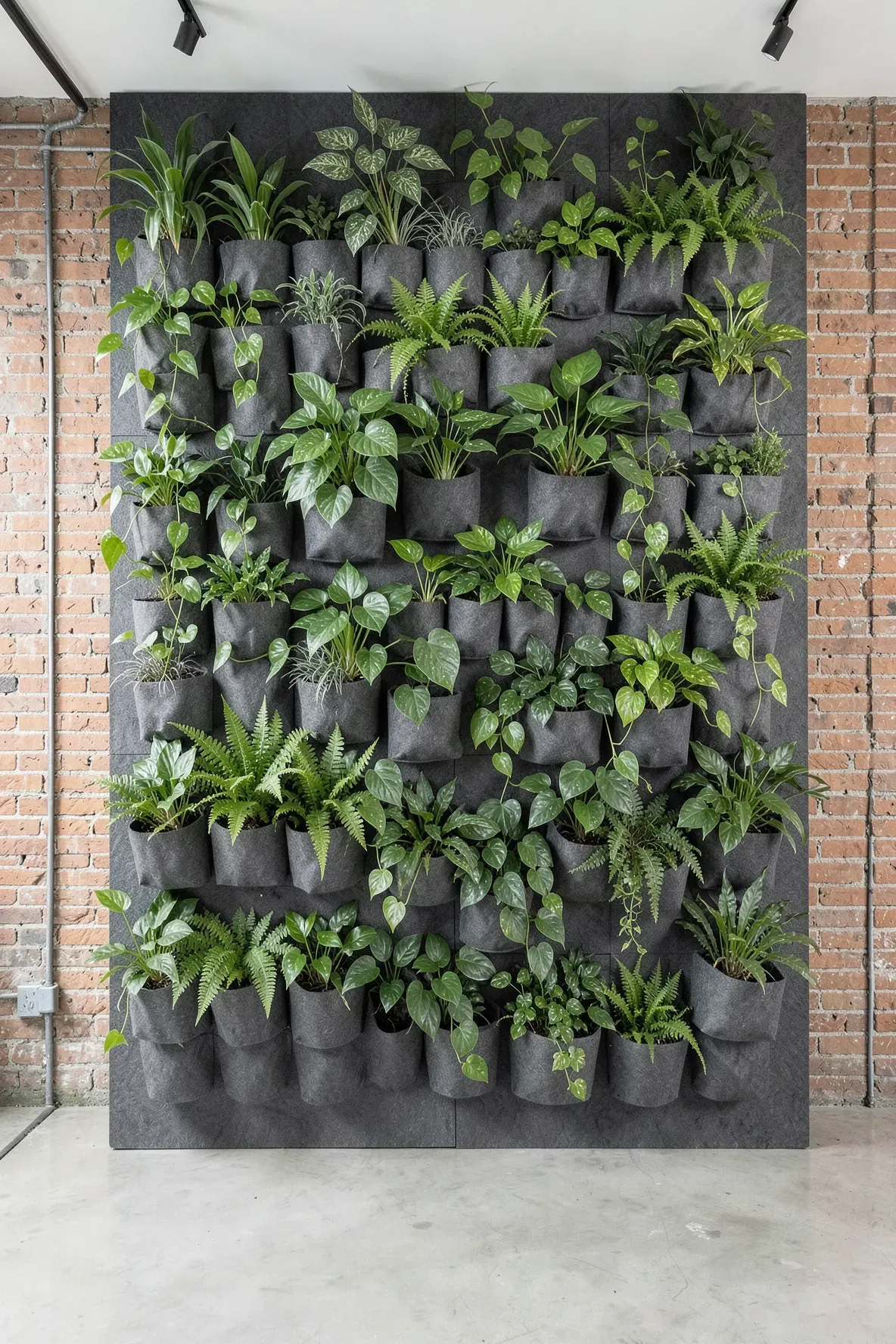
Felt pockets are a lightweight way to create a large wall of greenery. The fabric is breathable, which helps prevent root rot. These are ideal for small leafy plants and can turn a blank wall into a lush vertical garden without taking up any floor space.
Copper Pipe Structures for Hanging Pots
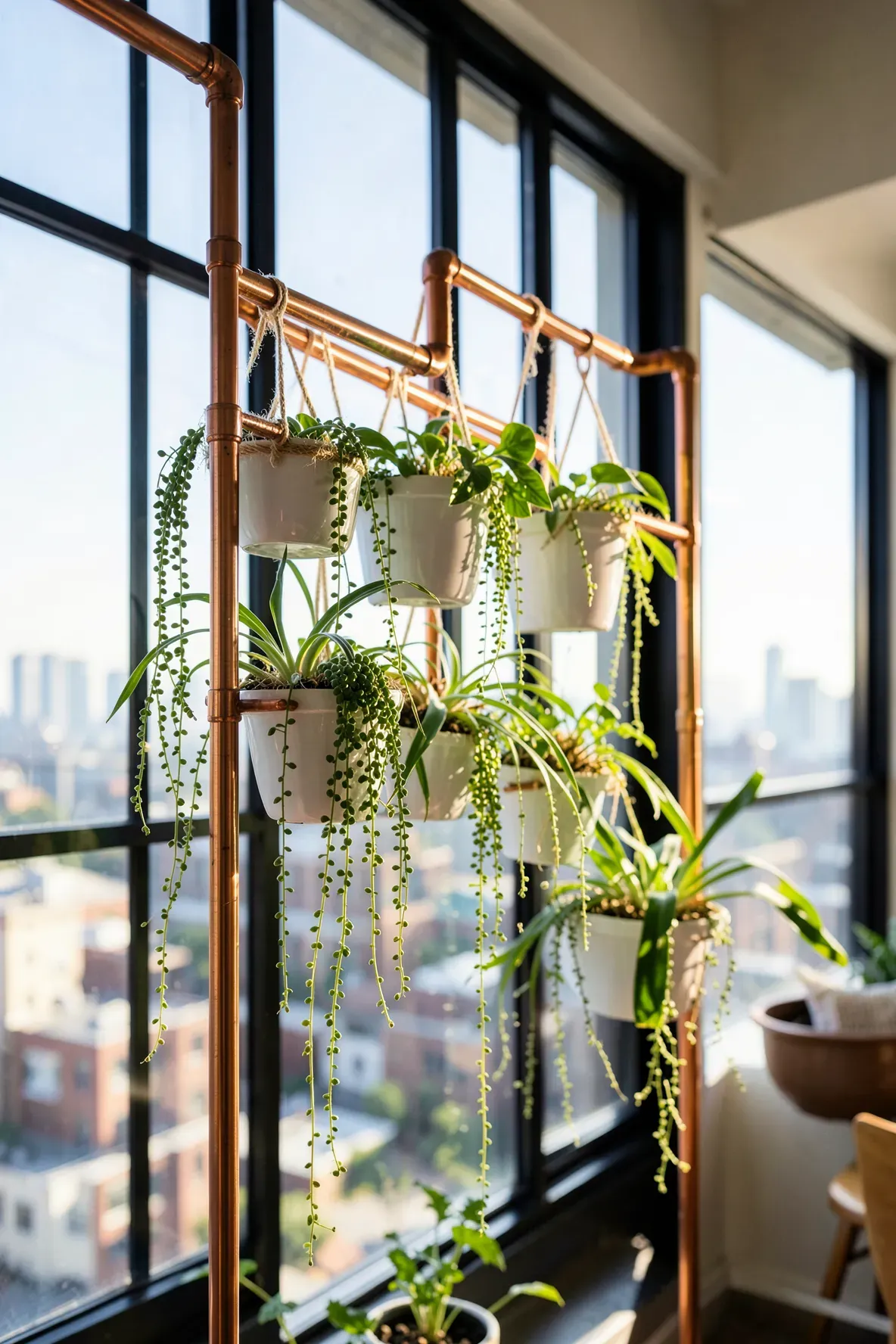
You can assemble copper pipes and elbows from the hardware store to create a custom hanging rack. Copper has a warm, metallic glow that looks great against green leaves. It’s a sturdy way to hang multiple pots in front of a window.
Large Galvanized Buckets for Floor Plants
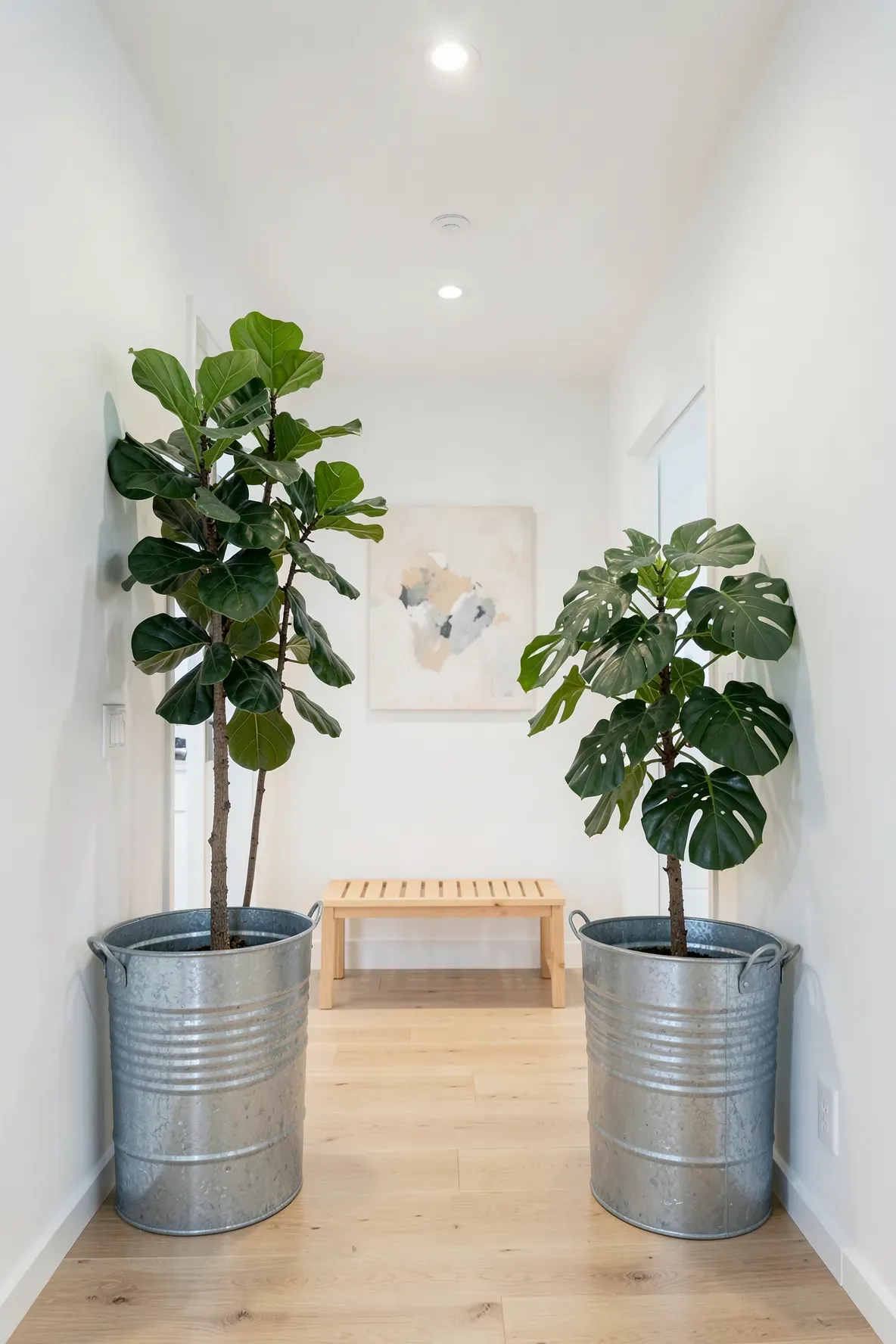
Galvanized steel buckets are inexpensive and very durable. They give a rustic or industrial feel to larger indoor trees. If you don’t want to drill holes in the metal, just use the bucket as a decorative outer shell for a plastic pot.
Clay Pinch Pots Made by Hand

Buying a small tub of air-dry clay allows you to make your own unique plant pots. Pinching the clay by hand gives the pot a textured, organic look that you can’t get from a factory. Once dry, you can seal them with a waterproof varnish to protect the clay from moisture.
Rattan Plant Stands with Retro Weaving
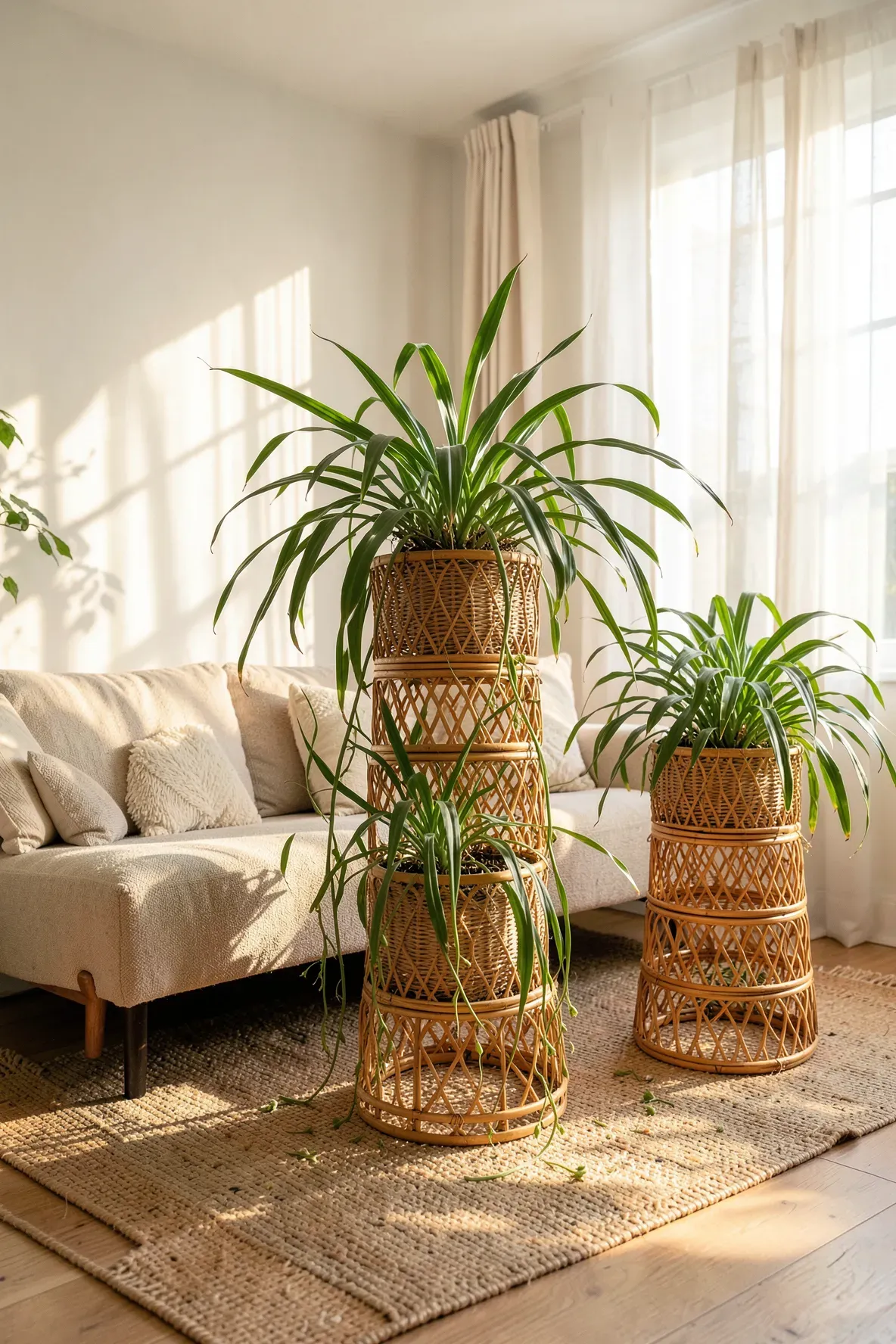
Rattan stands bring a 70s vintage vibe to your home. They are lightweight and often come with intricate woven patterns. These stands are perfect for lifting trailing plants like Spider Plants so their leaves can hang down freely.
Mason Jars Mounted on Reclaimed Wood Boards
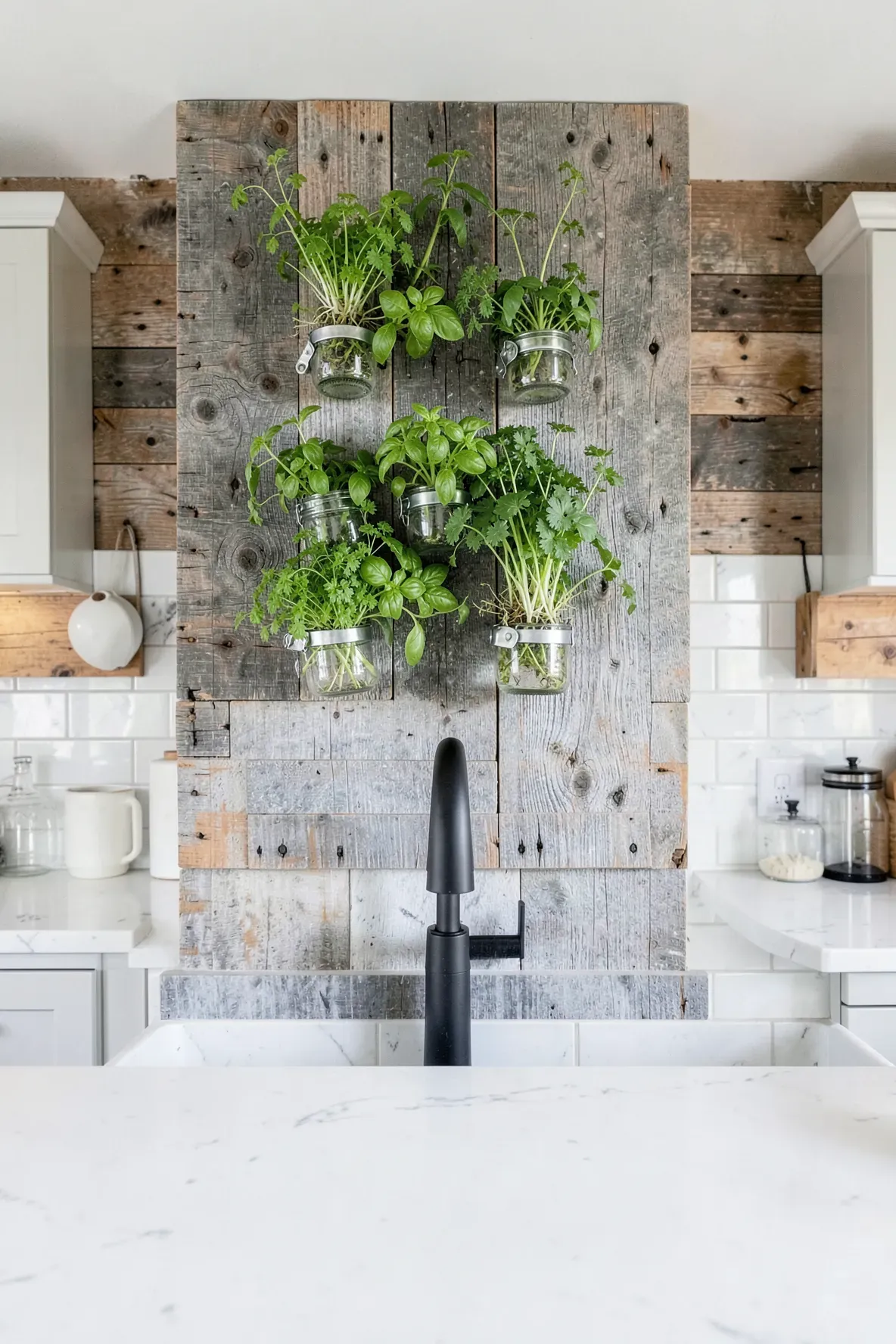
Use metal hose clamps to attach mason jars to a piece of old wood. Mount the wood on the wall for a rustic, vertical herb garden. This is a popular choice for kitchens because it keeps your herbs within reach while keeping the counters clear.
Wicker Picnic Baskets for Large Ferns
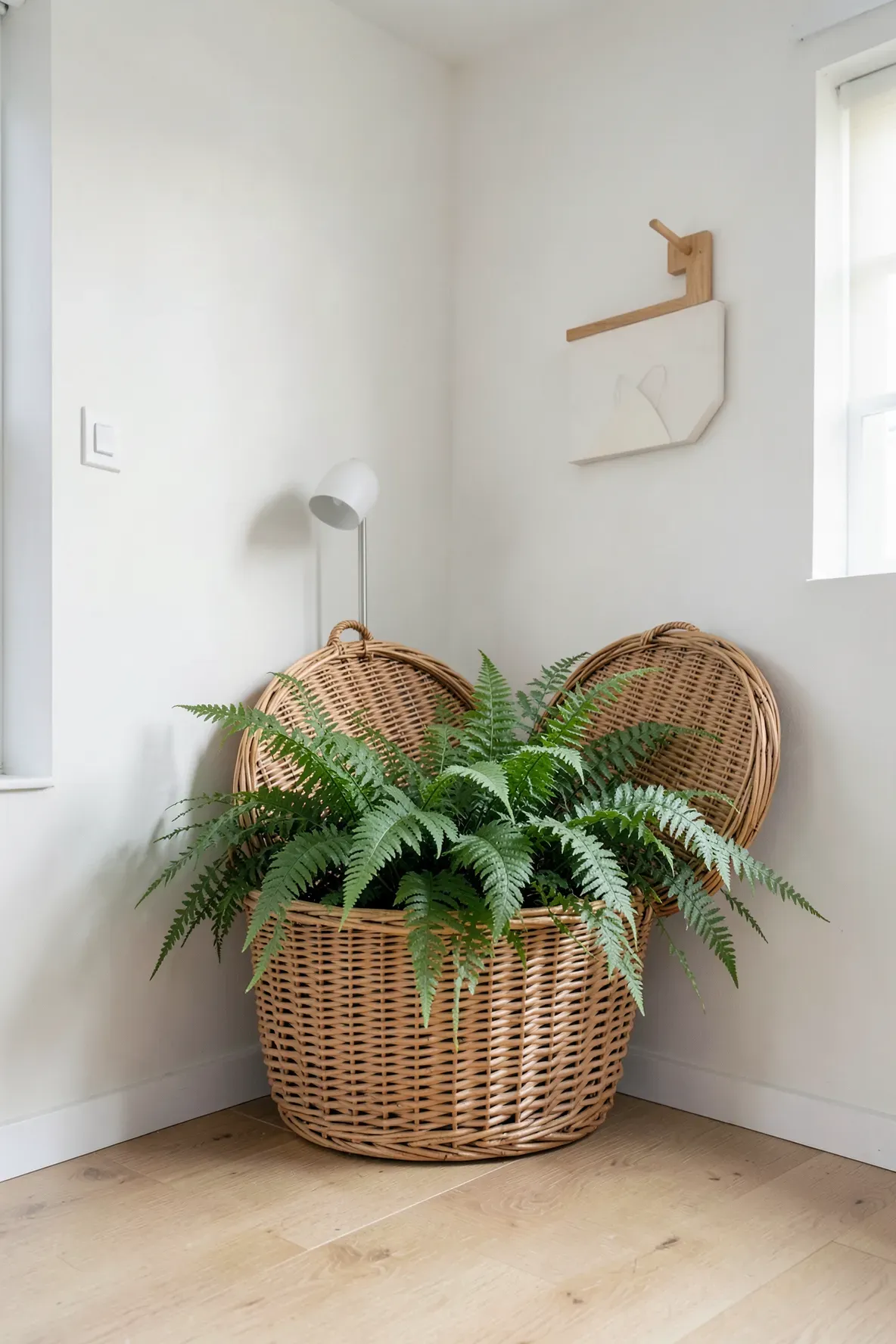
An old picnic basket with the lid removed or propped open makes a wide, stable base for a large fern. The texture of the wicker complements the feathery leaves of the plant. It’s an easy way to fill a large empty corner in a living room.
Sculptural Ceramic Face Vases
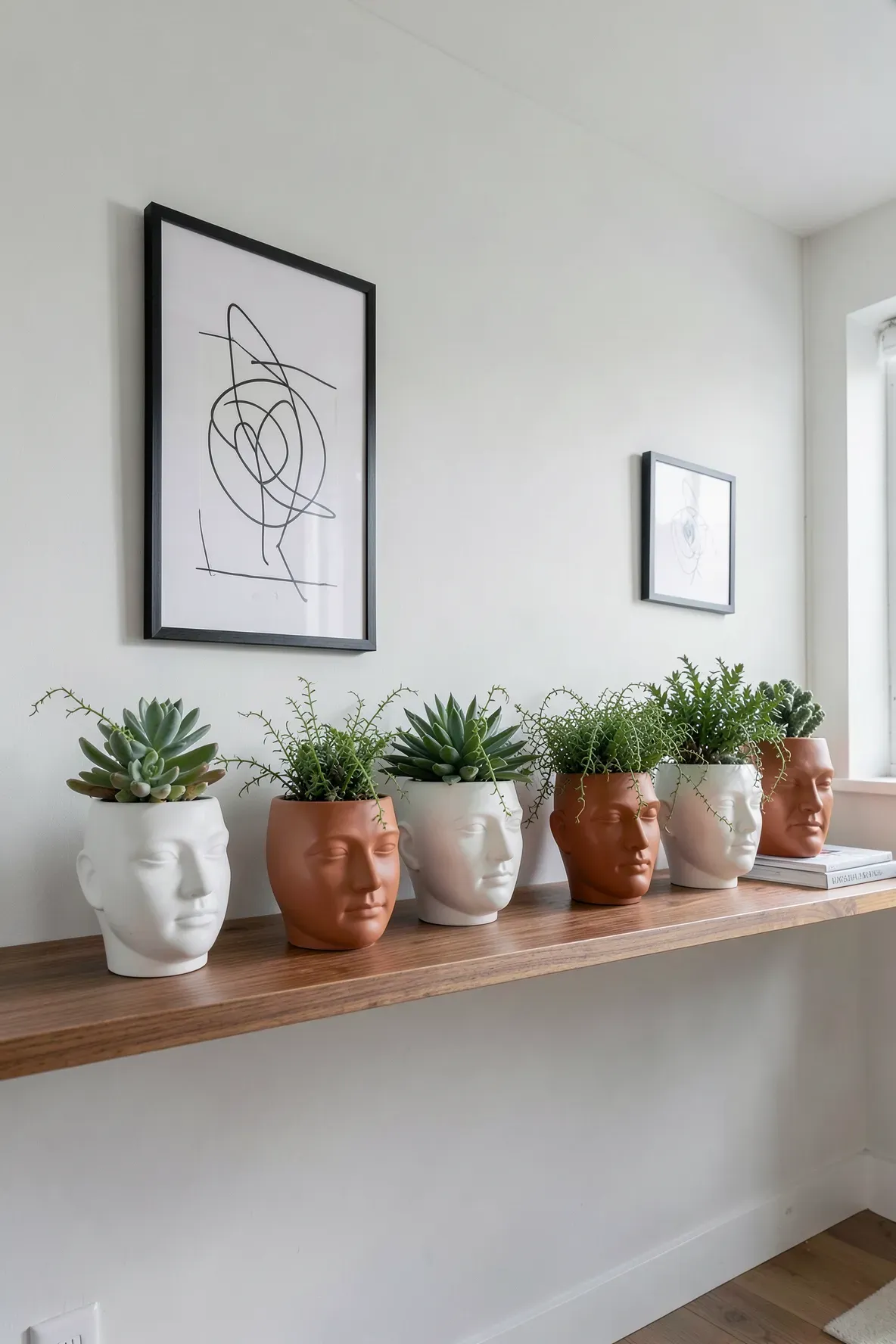
Face-shaped planters are a fun way to give your plants some personality. When you put a bushy plant inside, it looks like the character has a wild head of hair. These are great planter decorating ideas for adding a bit of humor and art to your decor.