
Walking down a cramped corridor can feel like moving through a tunnel. Many homes have that one awkward passage that feels dark, tight, and purely functional. But these spaces hold a lot of potential if you know how to use the walls and floor to your advantage. Whether you are dealing with a tiny hallway or a sprawling entry, the right choices can make the area feel like an intentional part of your home.
This list offers practical ways to change the look of your space. We will look at layouts, lighting tricks, and furniture picks that help open up the room. By the end, you will have plenty of hallway inspiration narrow enough for any home but big on style.
Floor to Ceiling Built-in Bookshelves
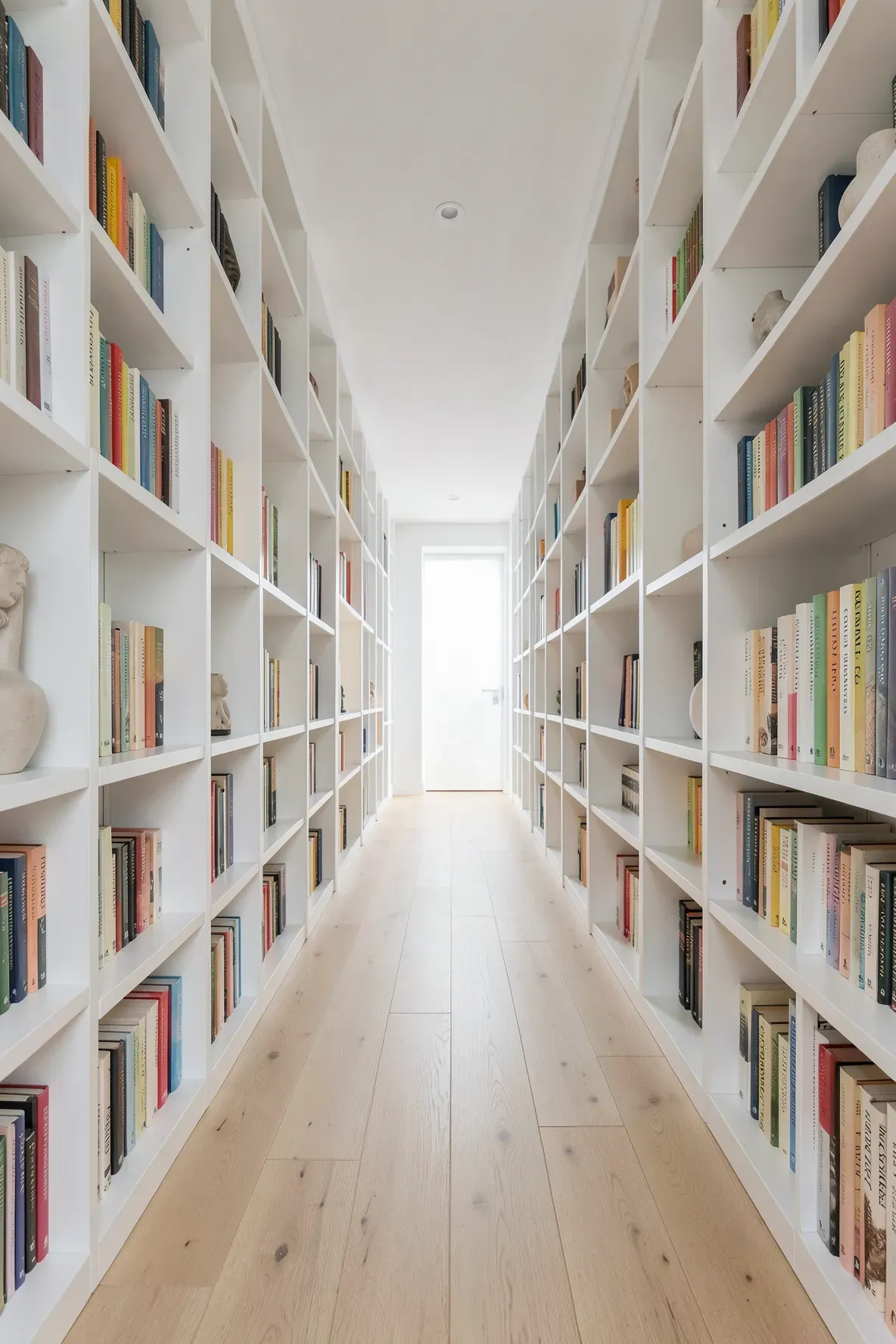
Building shelves into the wall saves floor space while adding a lot of character. Instead of bulky bookcases that stick out, recessed shelves keep the path clear. You can organize books by color or mix in small objects to keep the look from feeling too heavy. This turns a plain walkway into a private library.
Extra Long Patterned Runner Rug
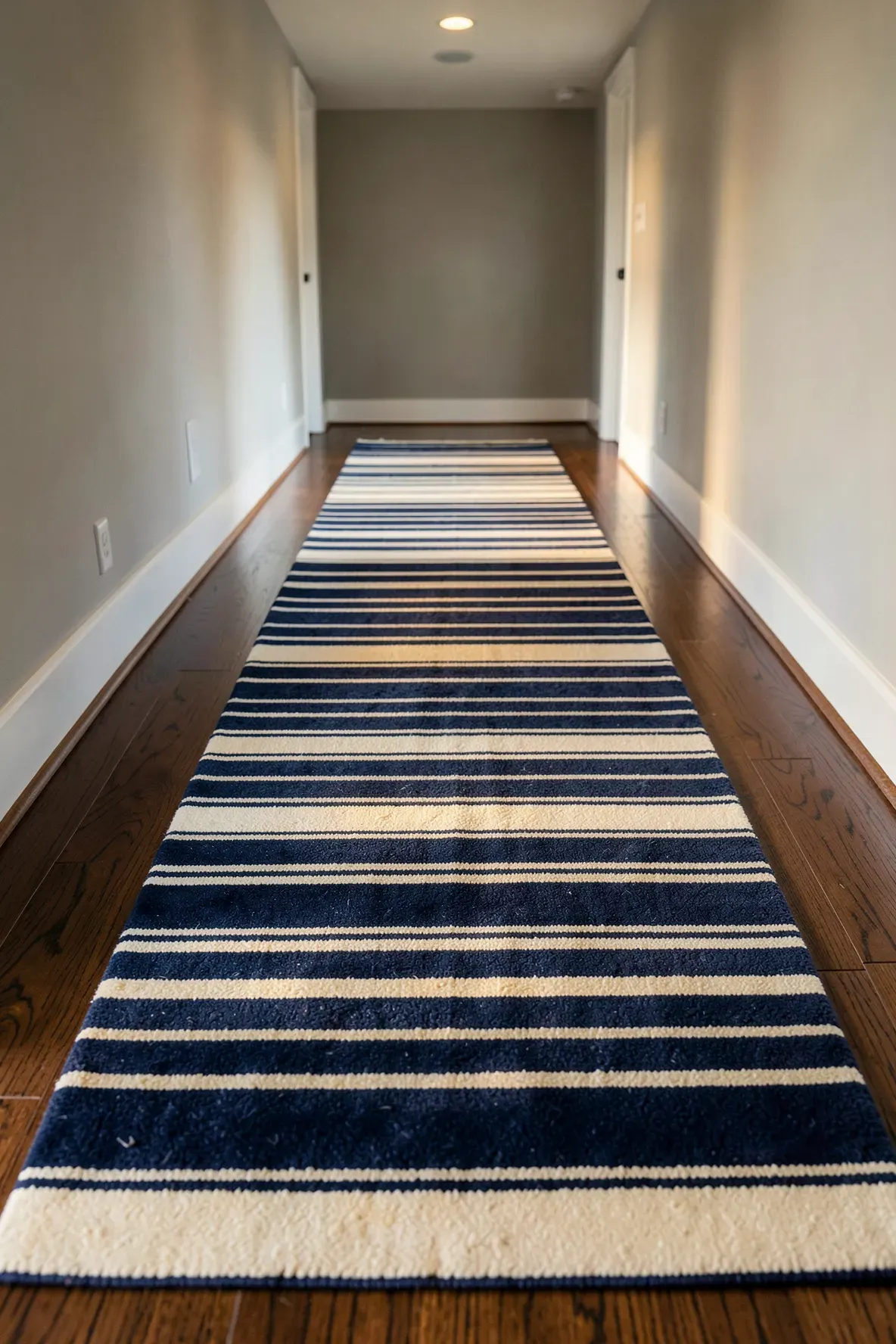
A long rug draws the eye forward and makes the floor feel like a continuous path. Choosing a pattern with horizontal stripes or repeating shapes can actually trick the eye into seeing more width. Make sure to leave a few inches of flooring visible on each side so the space doesn’t look swallowed by fabric.
Large Scale Oversized Wall Mirror
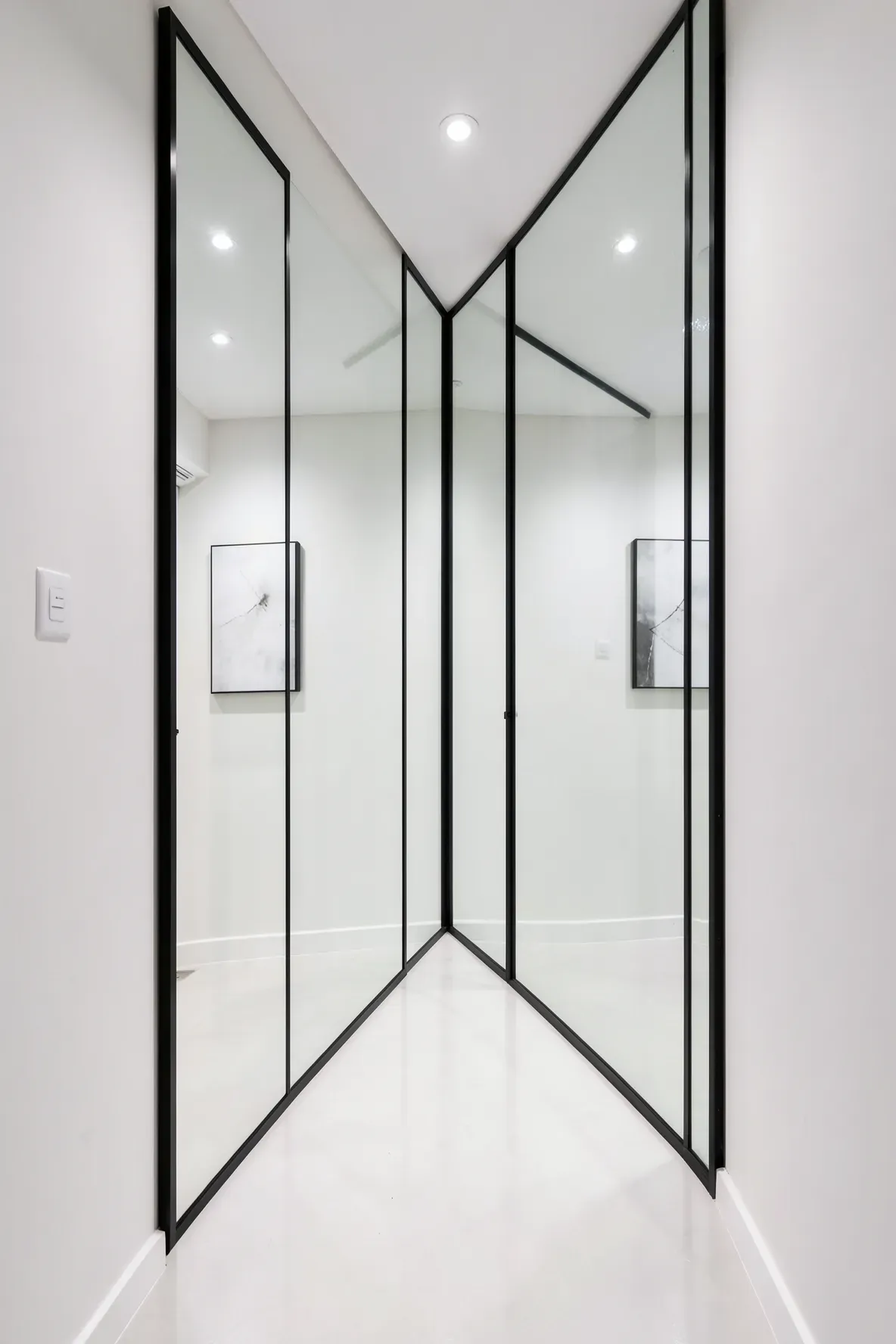
Mirrors are one of the best long hallway entryway ideas because they double the visual space. A massive mirror reflects the opposite wall and any available light, making the corridor feel twice as wide. Lean a tall mirror against the wall or mount a wide one horizontally to change the perspective of the room.
Series of Matching Black and White Framed Photos
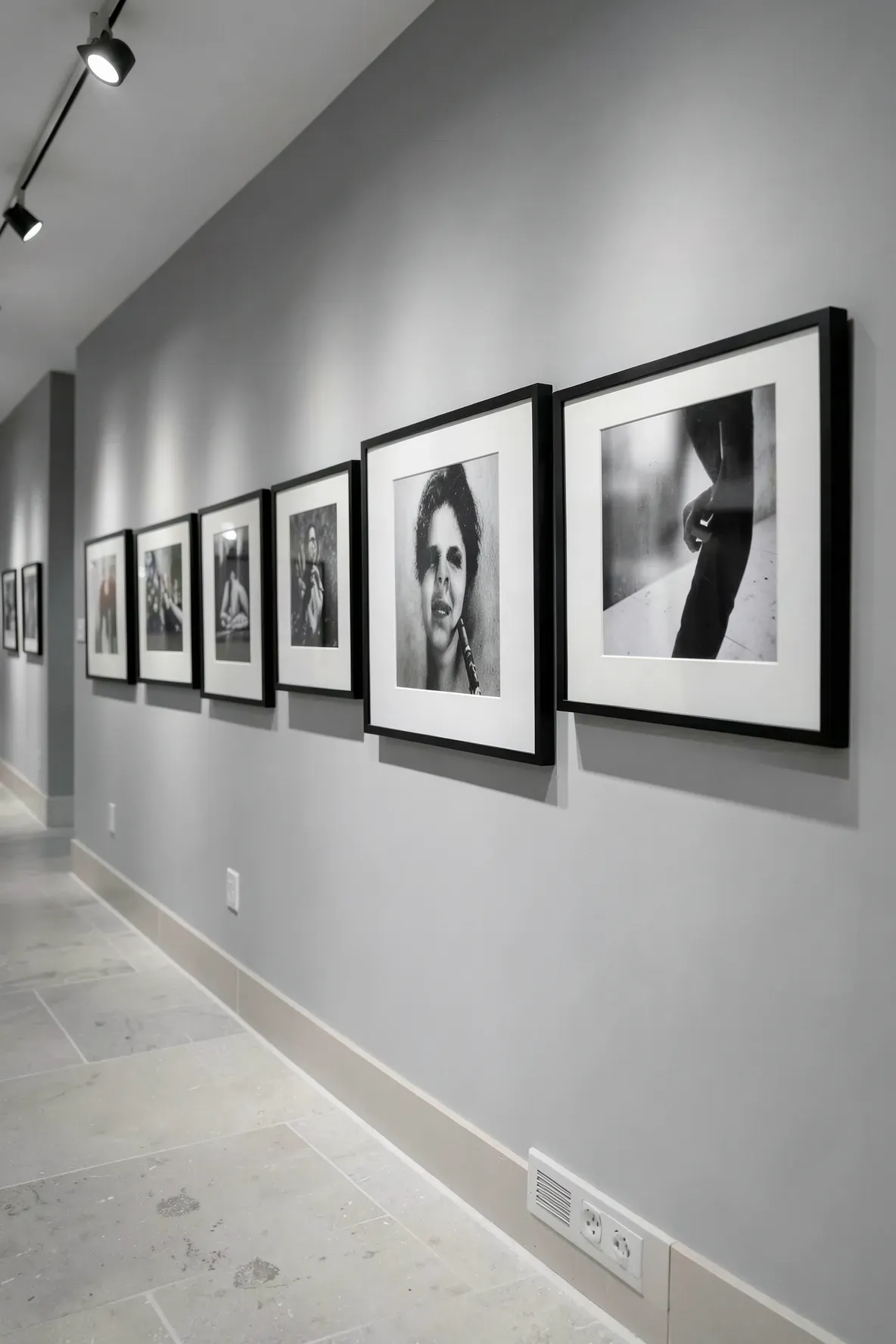
Uniform frames create a sense of order that calms a busy narrow hallway design. Using black and white photography keeps the walls from feeling cluttered or overwhelming. Space them evenly apart to create a rhythm that guides guests from the front door into the rest of the house.
Slim Profile Console Table with Tapered Legs
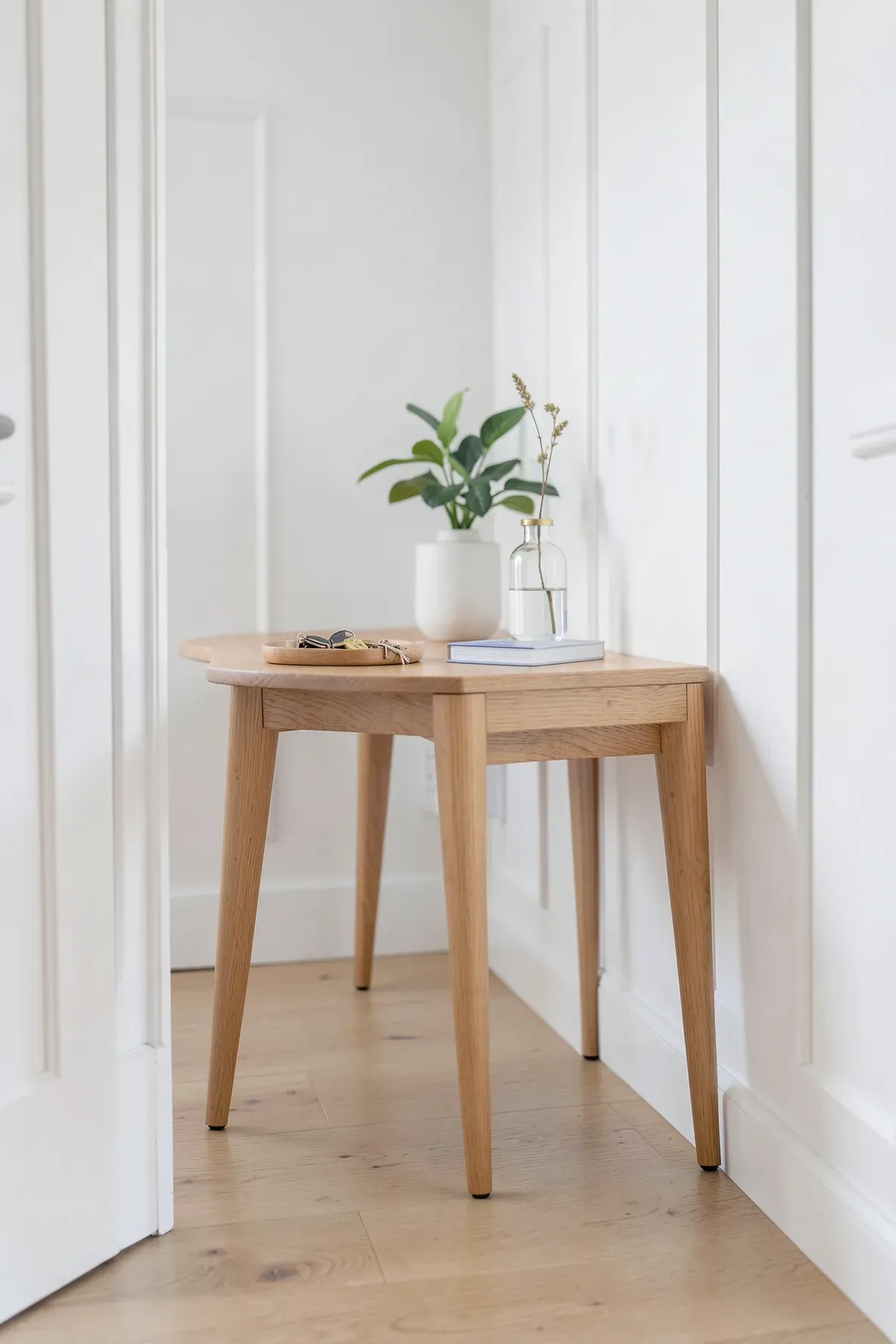
In a narrow corridor, every inch counts. A console table with thin, tapered legs provides a surface for keys and mail without blocking the walkway. The open space beneath the table keeps the floor visible, which helps the area feel airy rather than cramped.
Bright White Paint for Walls and Trim
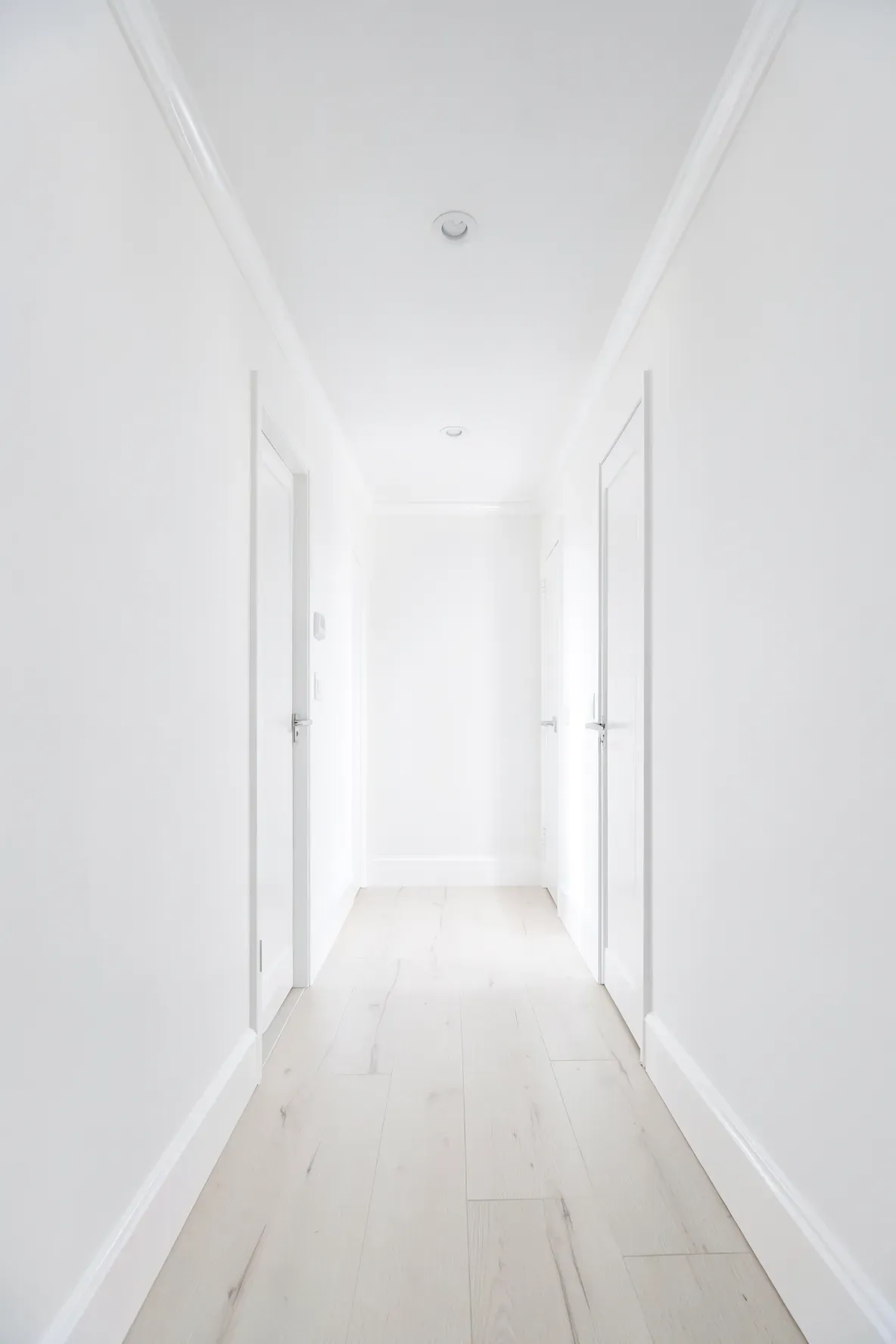
White paint reflects the most light and blurs the edges where the walls meet the ceiling. Painting the trim the same shade as the walls removes visual breaks, making the surfaces feel further away. This is a simple way to help small narrow hallway ideas feel much larger than they really are.
Recessed LED Pot Lights Spaced Evenly
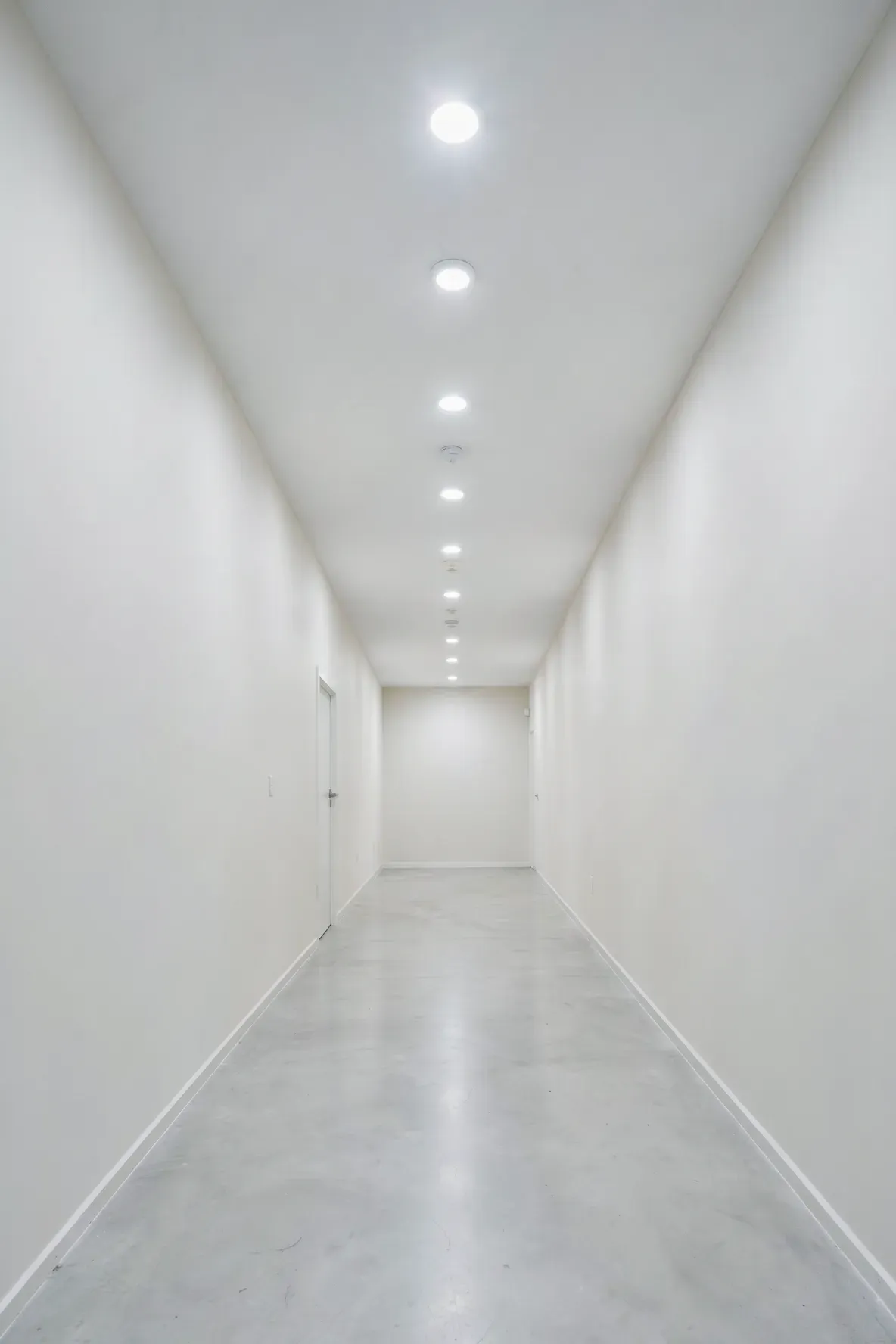
Shadows make a space feel smaller. By installing recessed lighting in the ceiling, you get plenty of brightness without any fixtures hanging down into your line of sight. Space them evenly along the center of the ceiling to wash the entire floor in light.
Bold Geometric Floor Tile Pattern

A busy floor can distract from narrow walls. Geometric tiles with sharp angles or interesting shapes pull the focus downward and add personality. This works especially well for long hallway decorating narrow areas where you don’t have much room for furniture.
Wall Mounted Wooden Peg Rail for Coats
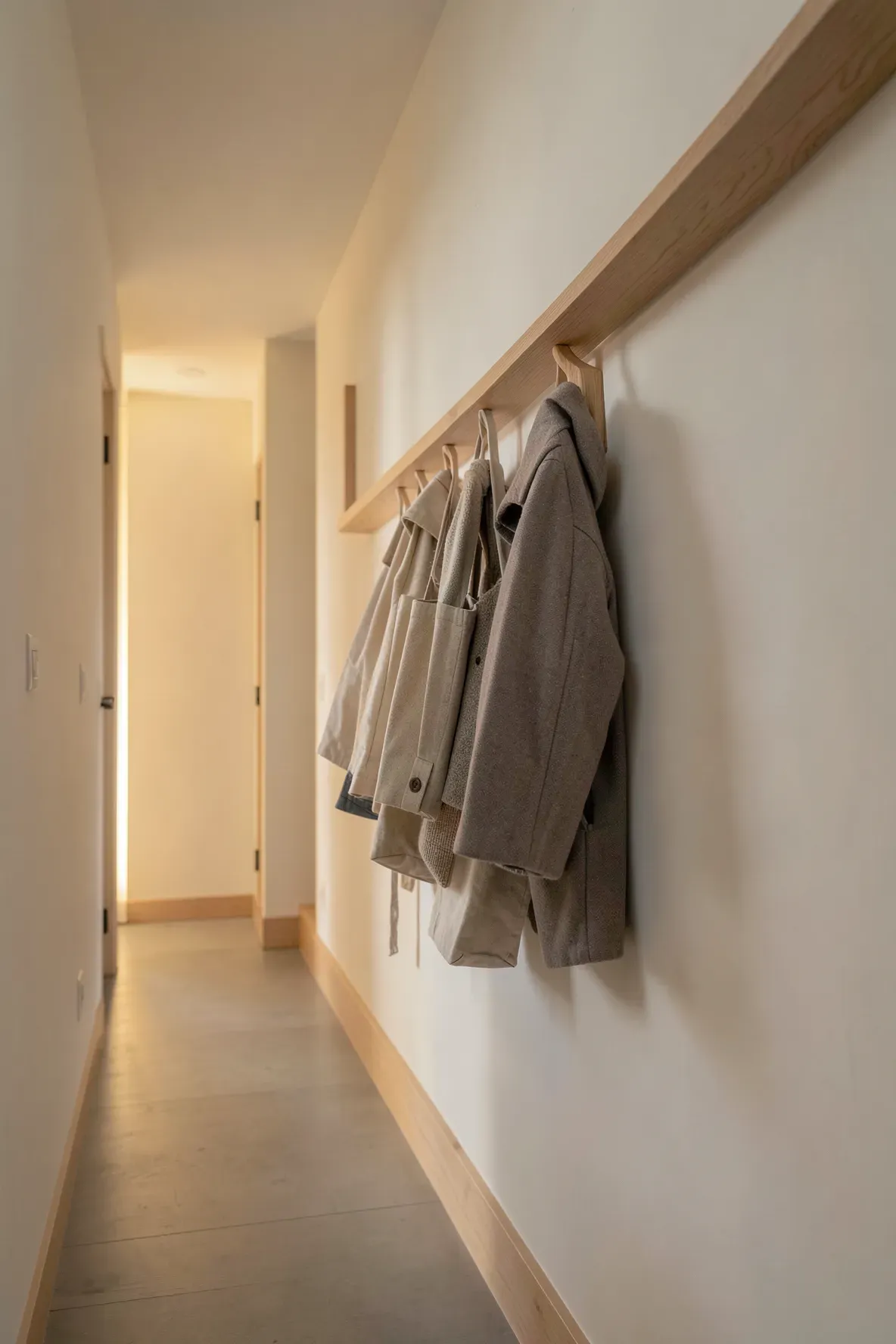
Heavy wardrobes or coat racks take up too much room in a tight entry. A simple wooden peg rail sits flush against the wall and offers a place to hang bags and jackets. It keeps your belongings organized and off the floor, which is essential for tiny hallway ideas.
Vertical Shiplap Wall Paneling
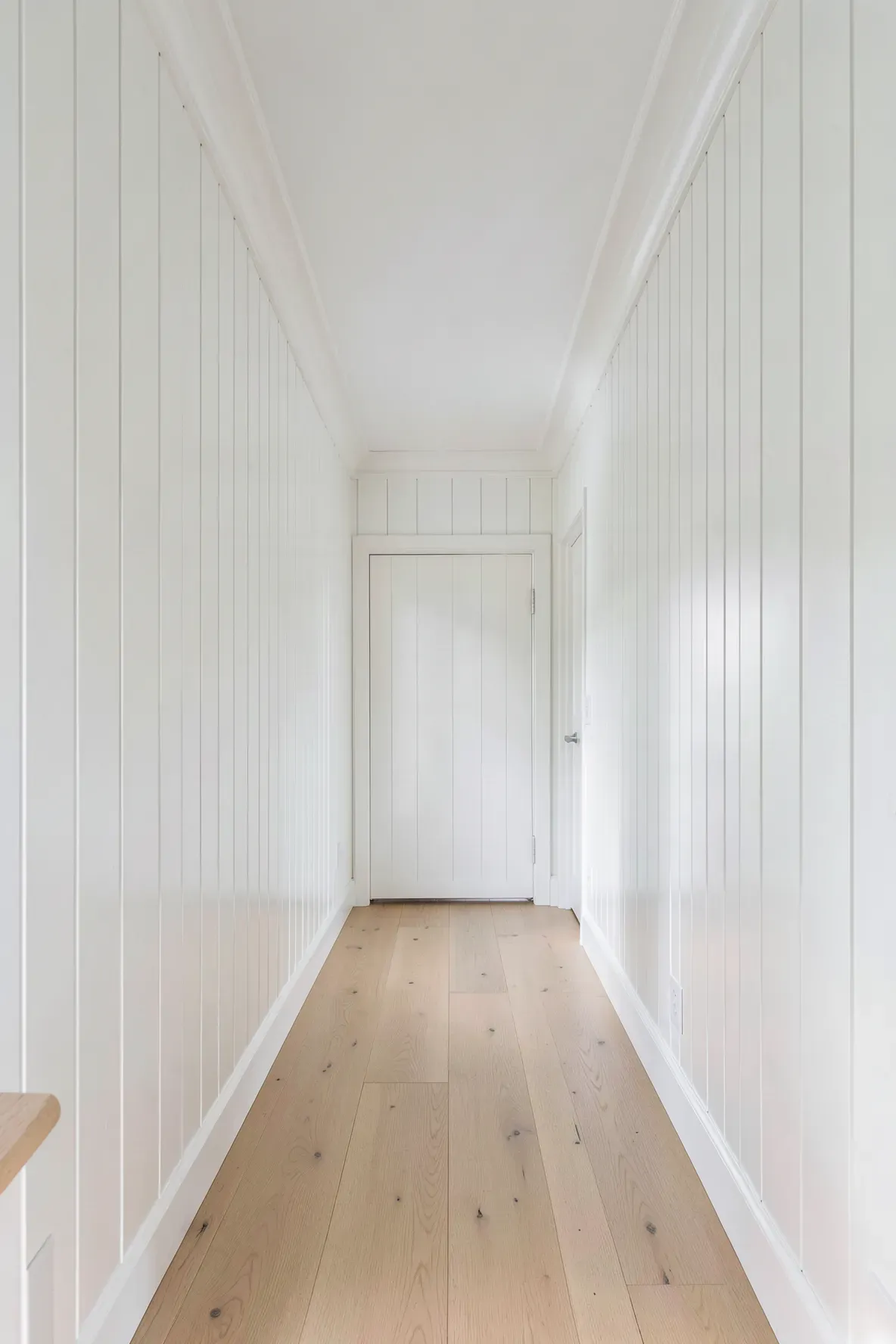
Adding vertical lines can make a low ceiling feel much higher. Shiplap adds texture to the walls without needing extra decor. When painted in a light color, it provides a clean, structured look that makes the narrow passage feel more like a designed room.
Low Profile Floating Bench with Shoe Storage
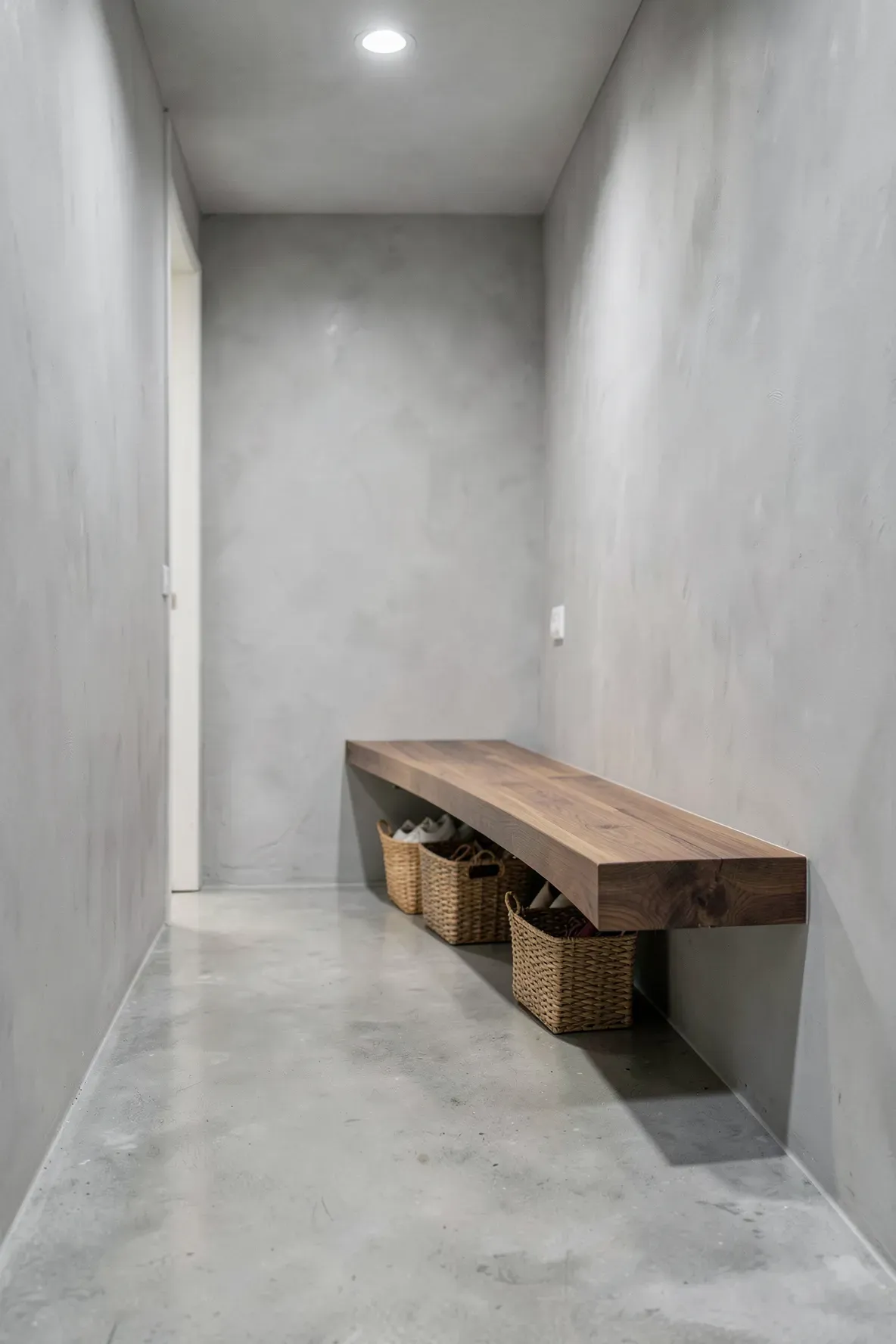
A floating bench keeps the floor clear, which creates the illusion of more space. You can tuck shoes neatly underneath or use baskets to hide clutter. This provides a functional spot to sit down without the bulk of a traditional mudroom bench.
Dark Accent Wall at the Far End
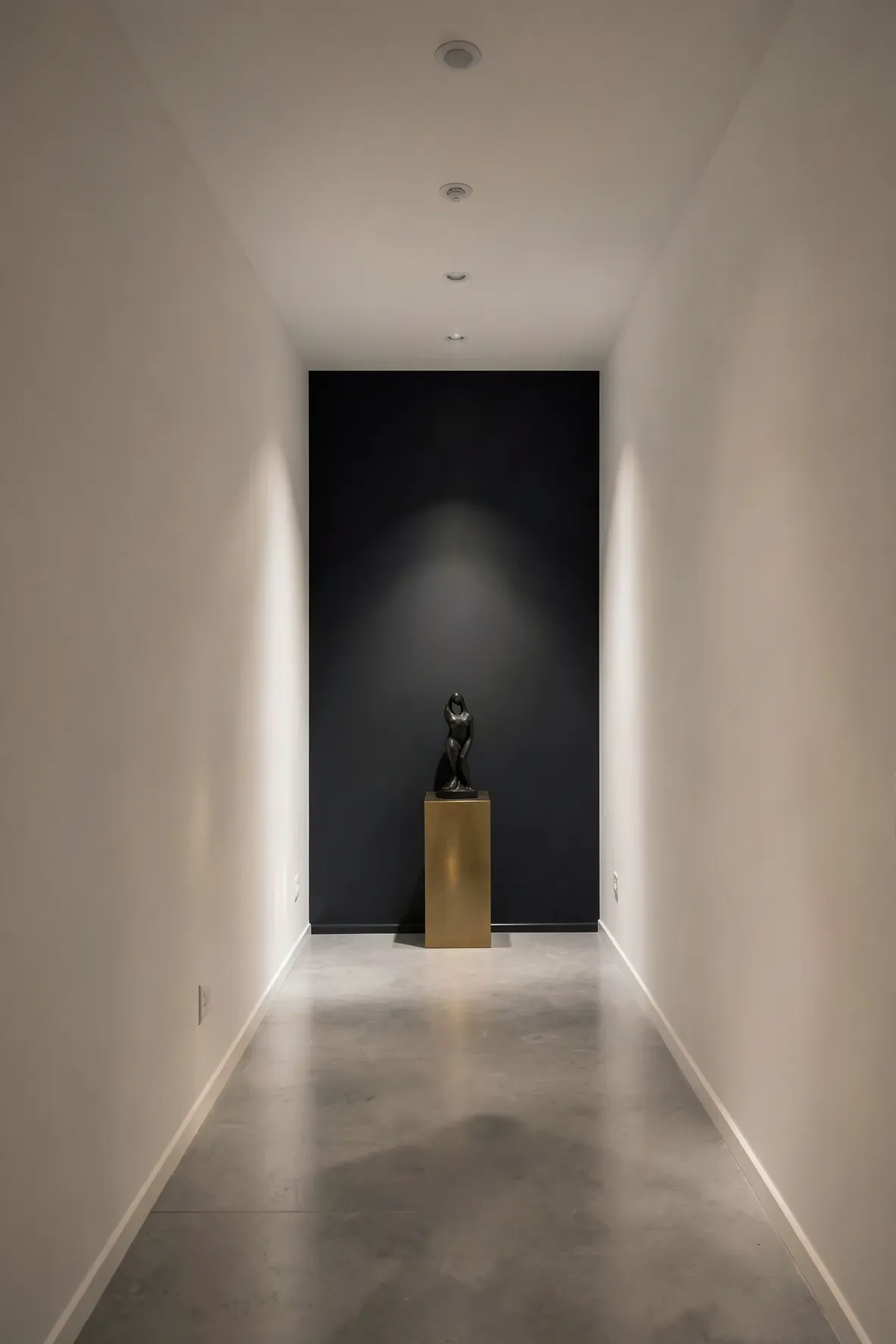
Painting the very last wall a darker color can make it feel like it is receding. This adds depth to long entry hallway ideas. It creates a focal point that draws you through the space, making the journey down the hall feel more interesting.
Set of Symmetrical Wall Sconces
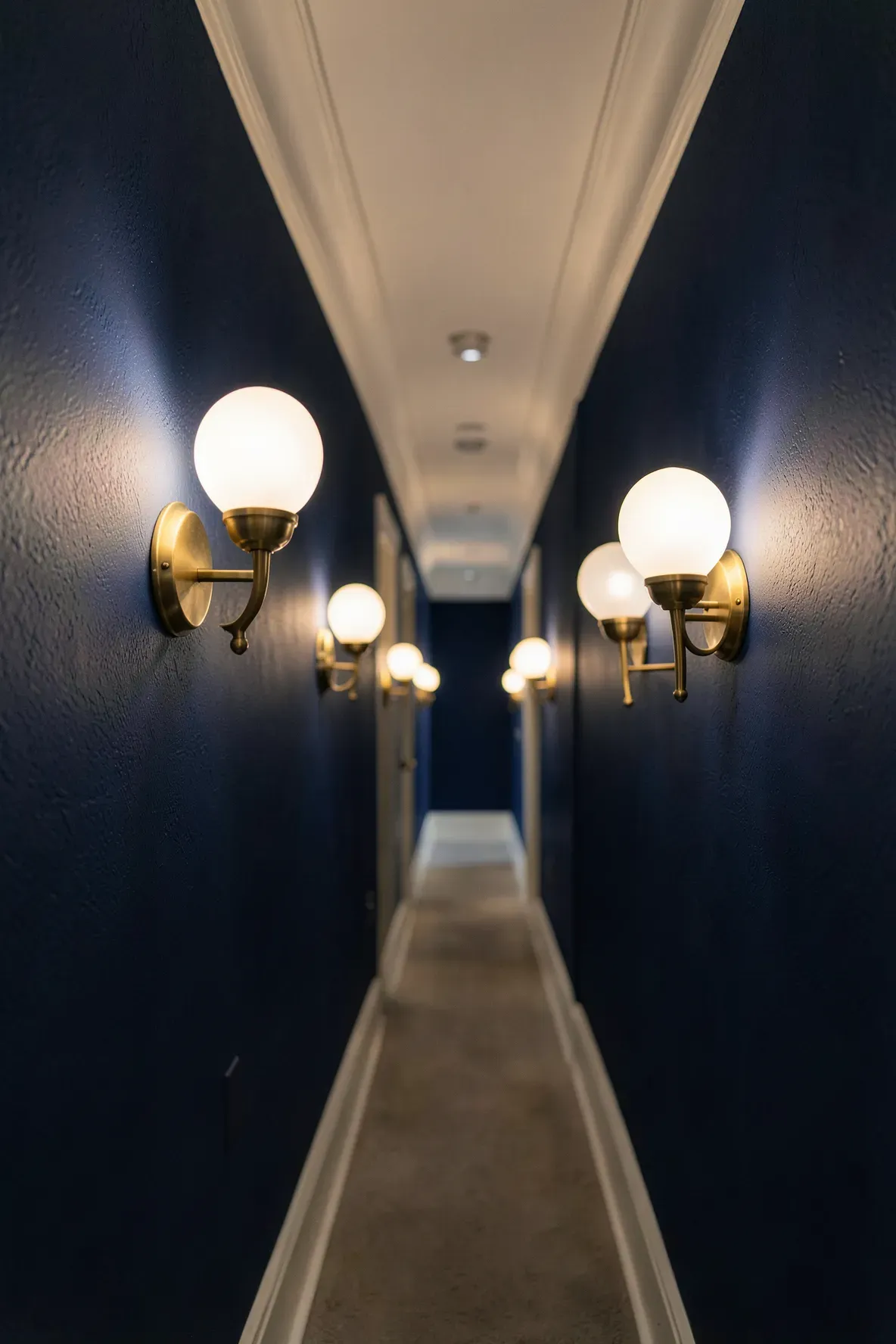
Sconces provide light at eye level, which is softer and more welcoming than overhead bulbs. Placing them in pairs along the walls adds a sense of balance. This symmetry helps a narrow corridor feel organized and intentional.
Small Potted Trees at the Hallway Entrance
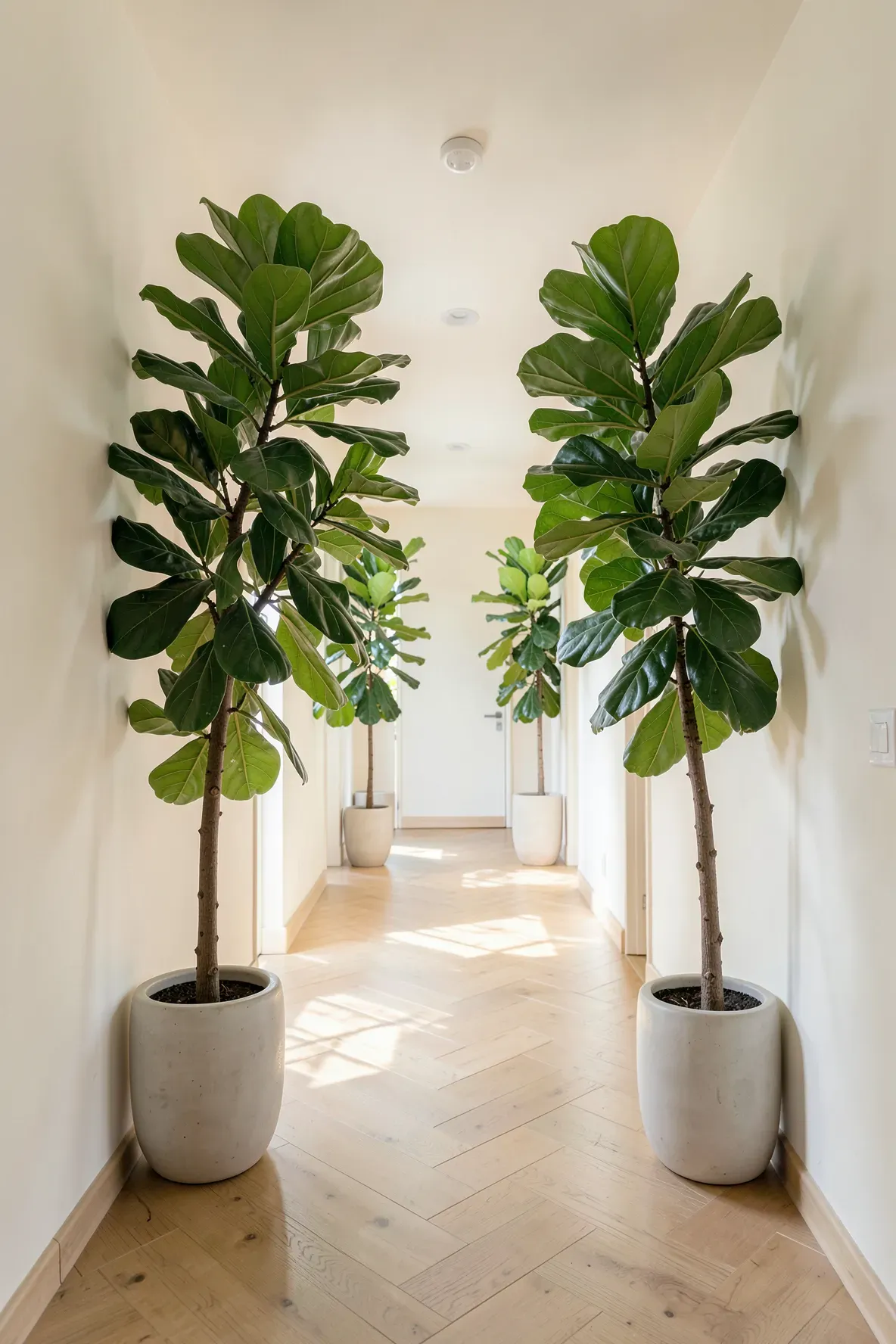
Bringing greenery inside softens the hard lines of a long entryway. A slim tree like a Fiddle Leaf Fig or a Pencil Cactus adds height without taking up much width. Placing them at the start of the hall signals a transition into a comfortable living space.
Decorative Crown Molding and Baseboards
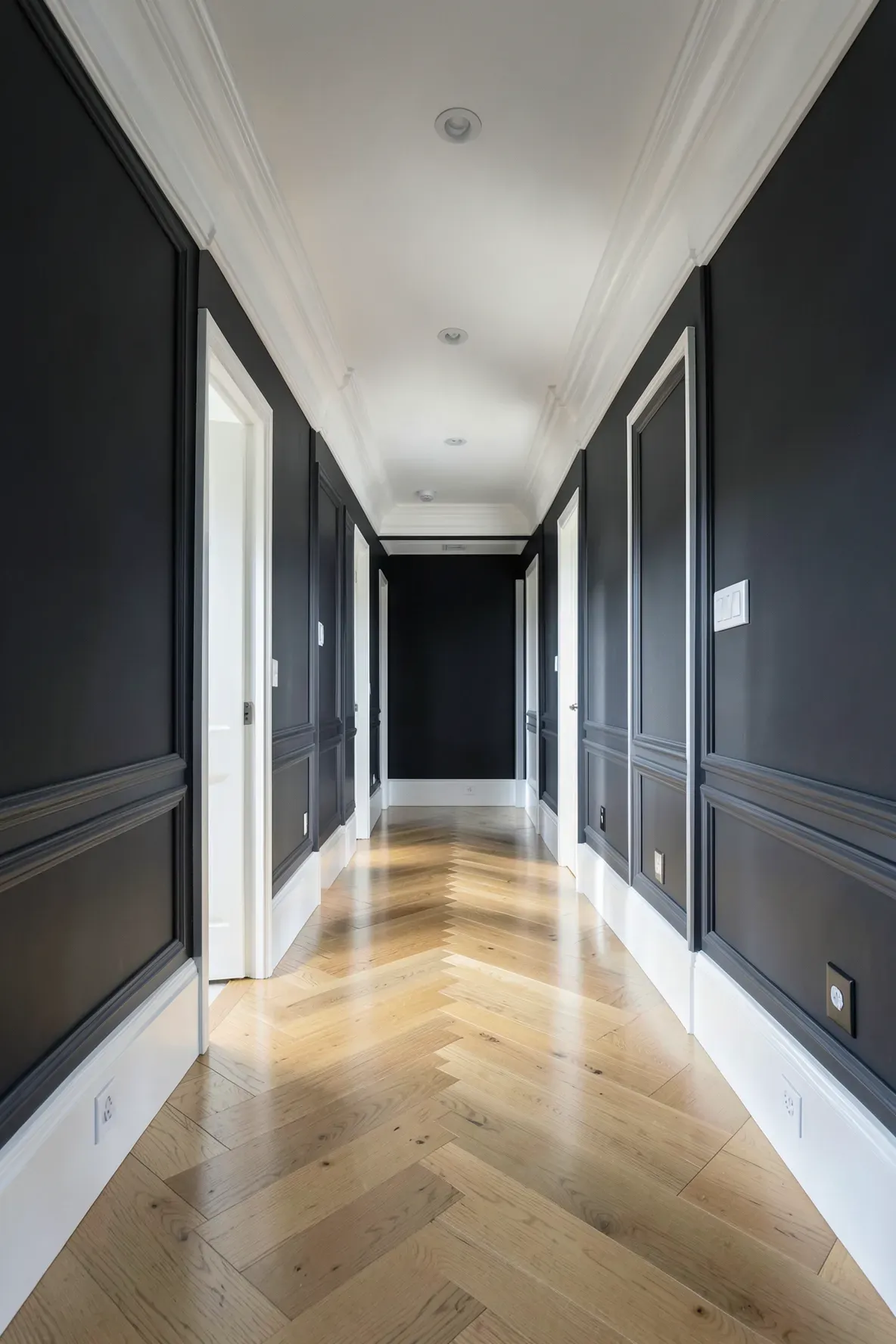
Architectural details like thick baseboards and crown molding add a finished look. These features draw the eye to the perimeter of the room. When they are painted a crisp white, they frame the walls and make the narrow corridor ideas feel more upscale.
Glass Paneled Interior Doors to Let Light Through
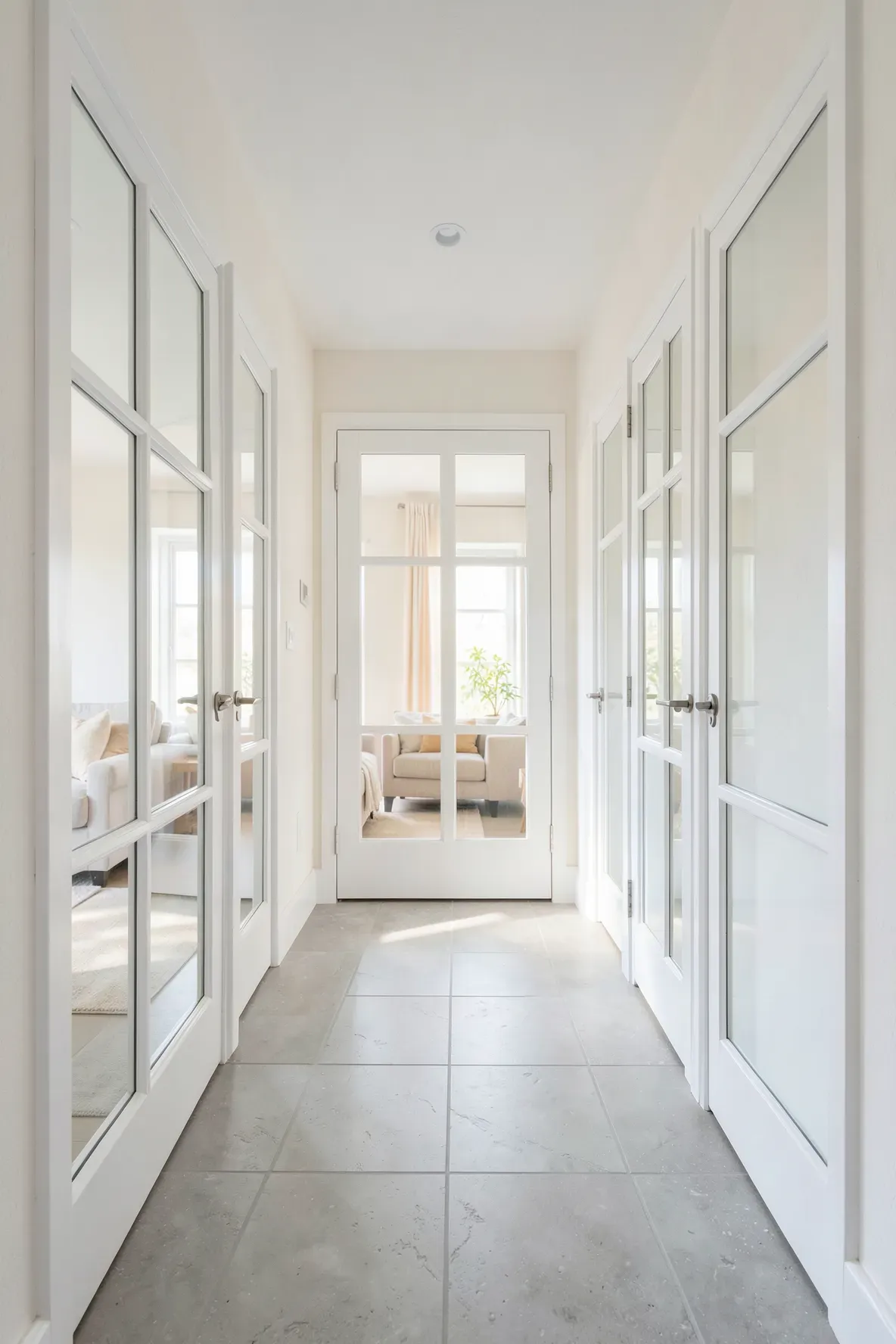
Solid doors can make a hallway feel like a box. Replacing them with glass-paneled doors allows light from adjacent rooms to spill into the corridor. This brightens the dark middle sections of the house and connects the hallway to the rest of the home.
Hanging Gallery Wall with Uniform Frames
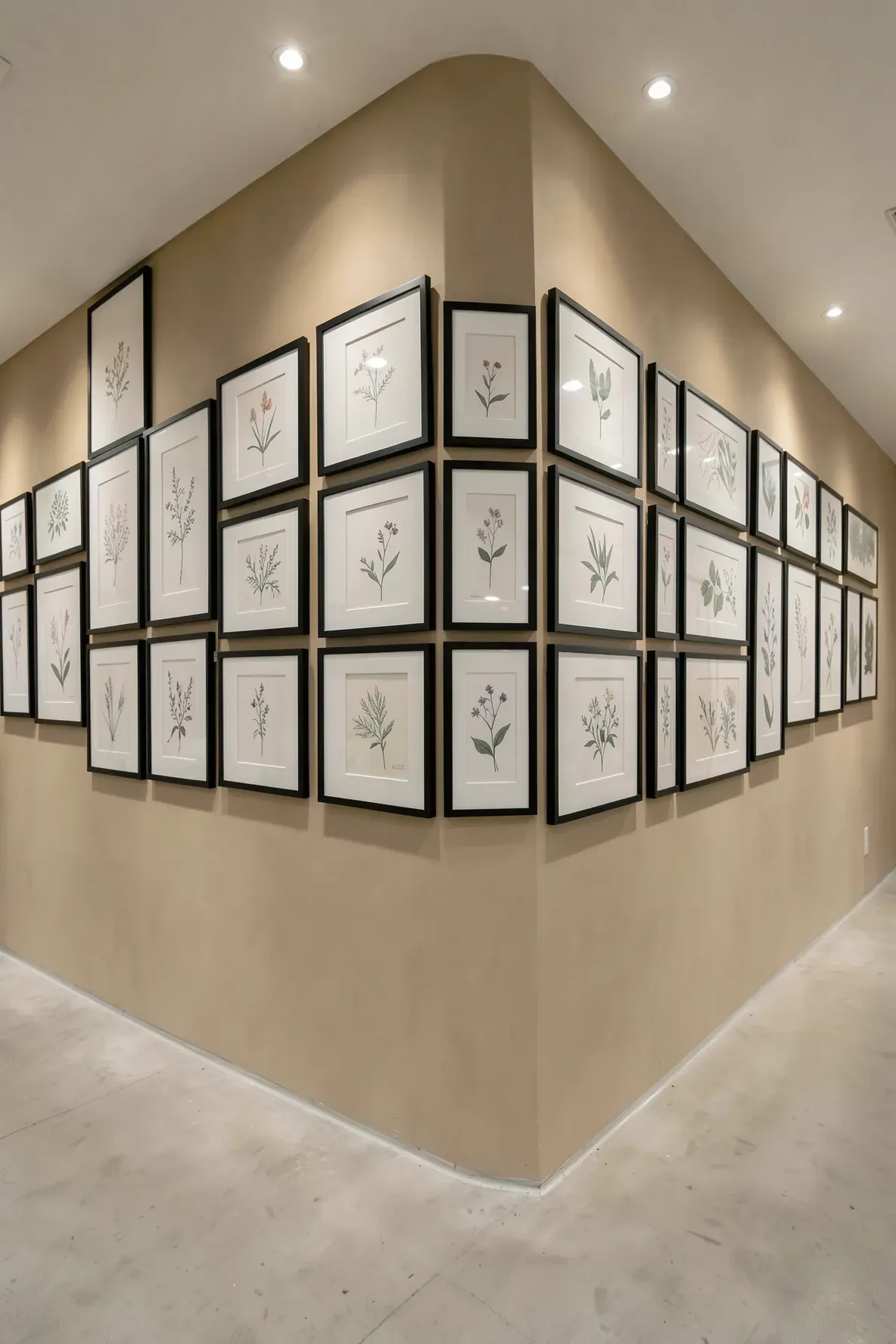
A gallery wall turns a transition space into an art walk. Using the same frame size and color prevents the wall from looking messy. It is a great way to display family photos or art prints without cluttering up the actual floor space.
Narrow Floating Wood Shelves for Small Decor
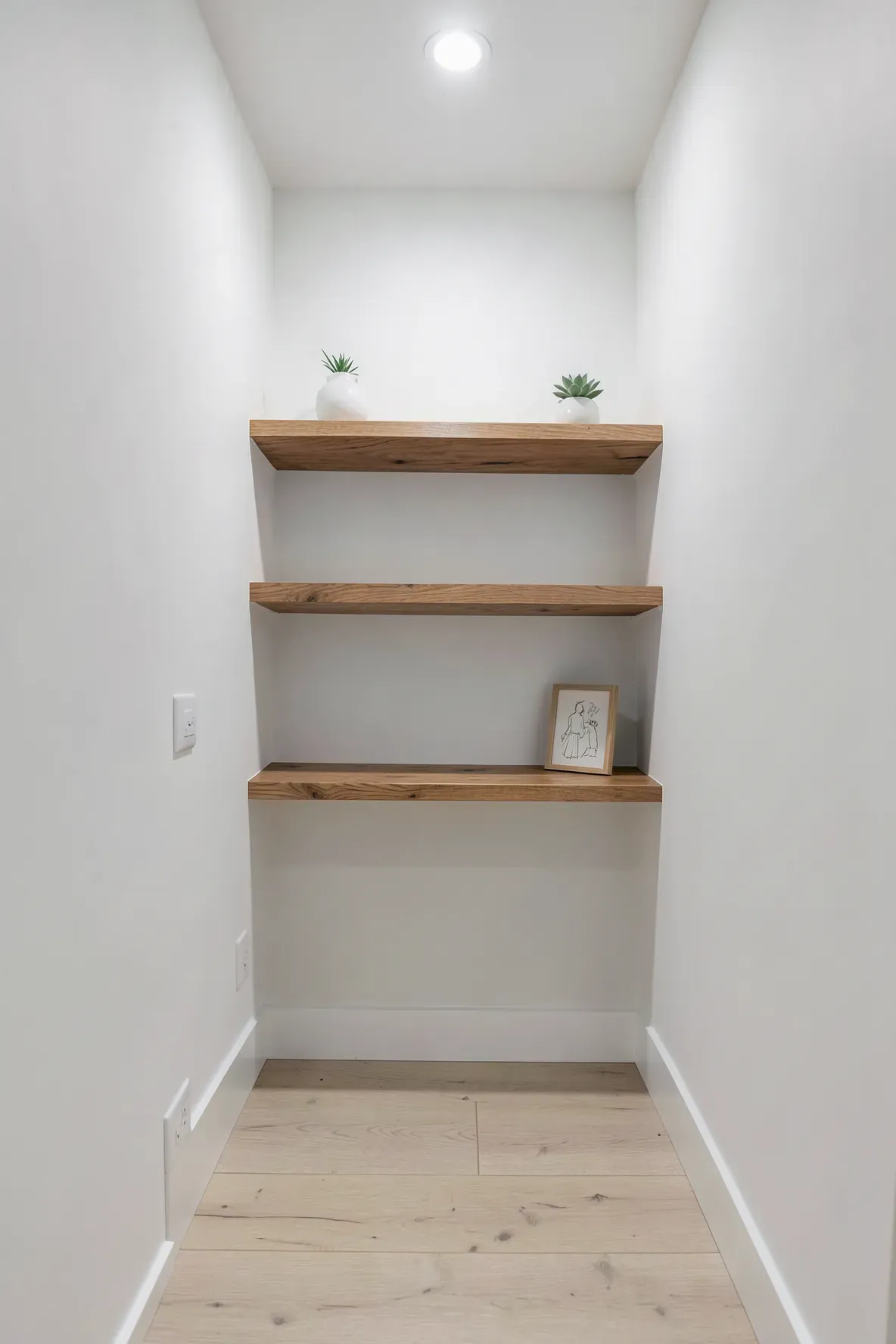
Floating shelves are perfect for narrow hallway design because they don’t have legs or brackets that get in the way. Use them to hold small candles, tiny plants, or framed sketches. They add layers to the wall while keeping the walkway completely open.
Statement Pendant Lights Hanging at Different Intervals
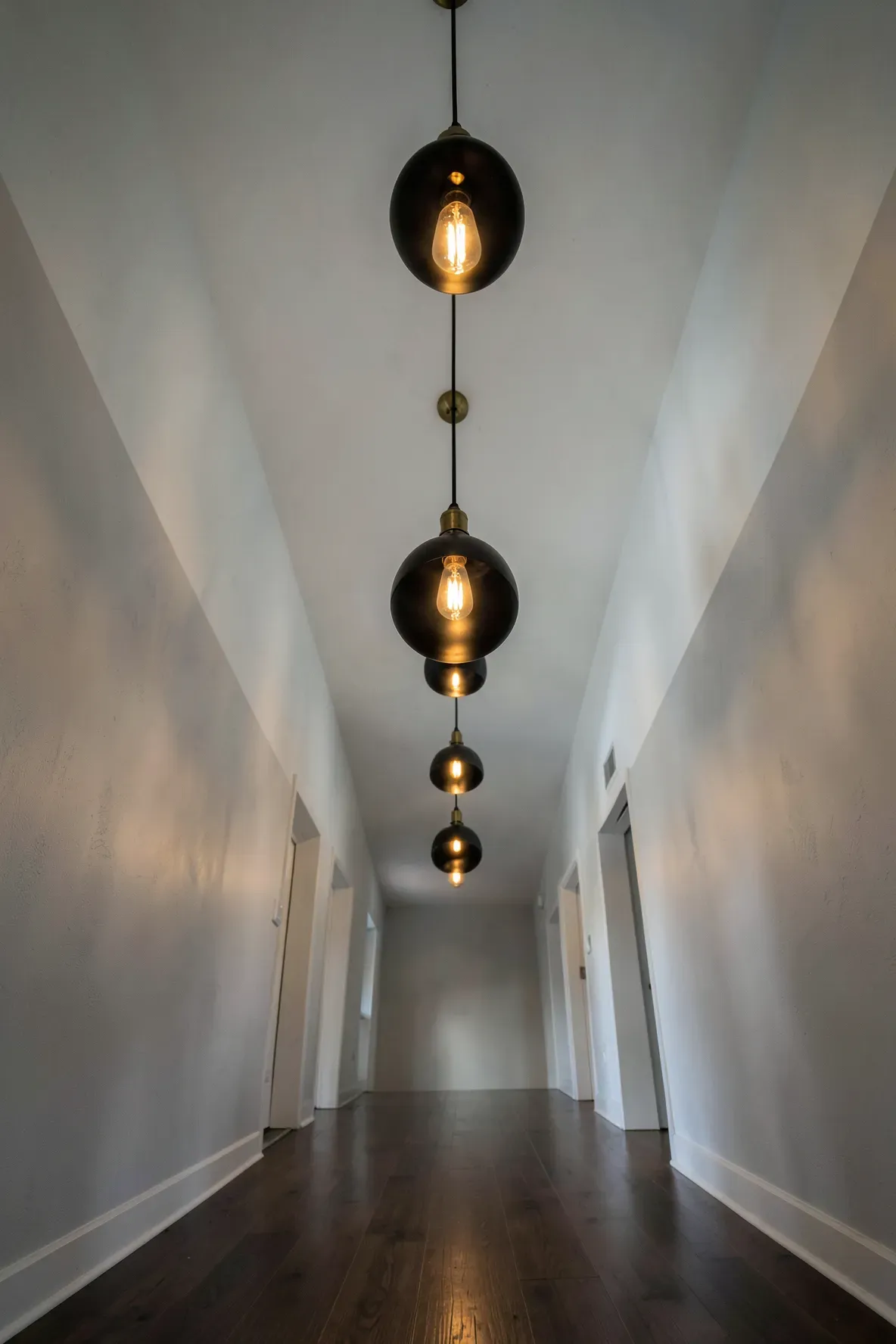
If you have high ceilings, use them. Hanging a series of pendant lights breaks up the long stretch of the ceiling. This draws the eye upward and adds a decorative element that doesn’t interfere with your walking path.
Half Wall Wainscoting in a Soft Grey
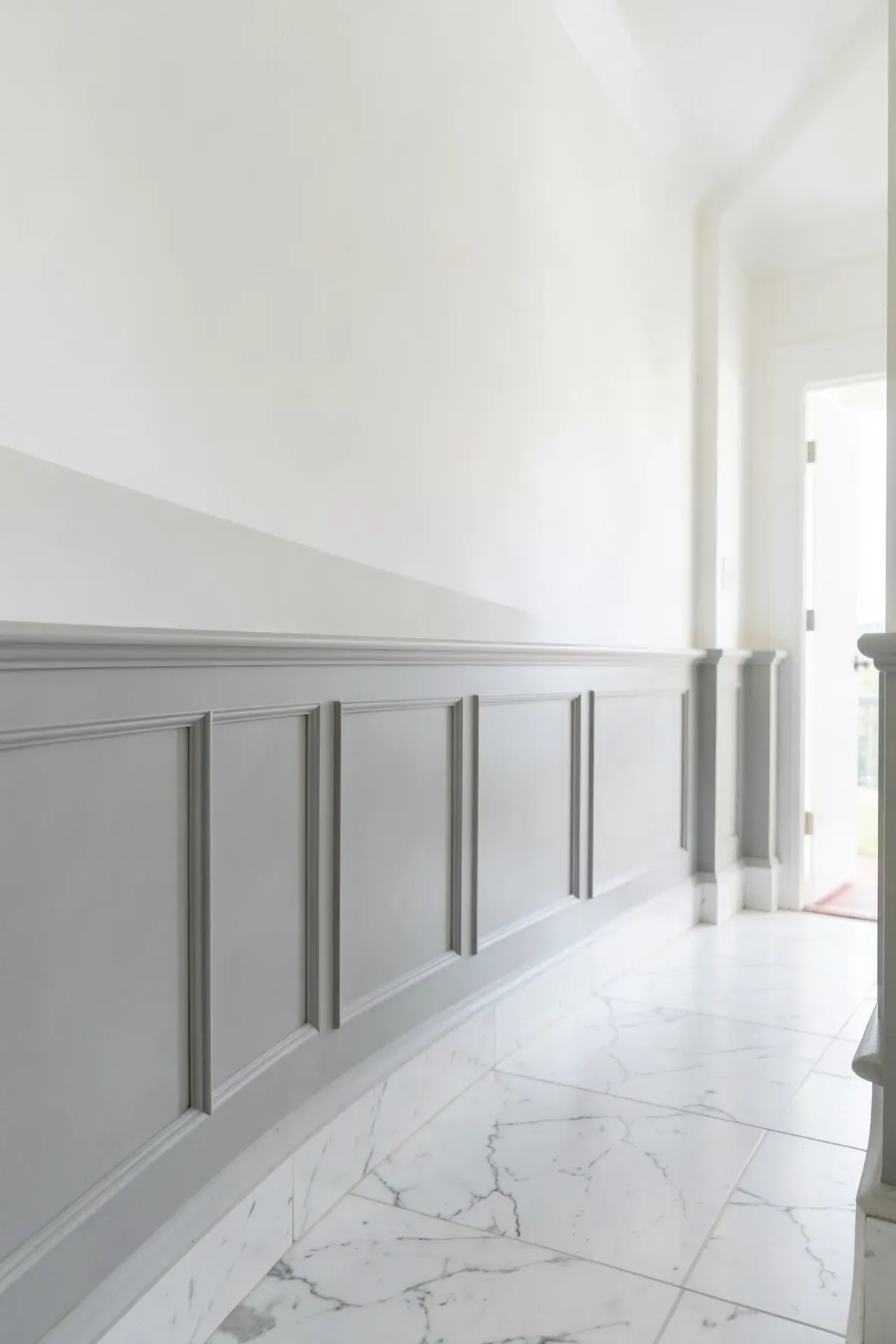
Wainscoting adds a classic touch to any long narrow entryway ideas. By only covering the bottom half of the wall, you create a horizontal line that makes the hallway feel longer and more grounded. A soft grey provides a subtle contrast against white upper walls.
Minimalist Metal Coat Hooks Arranged Artistically
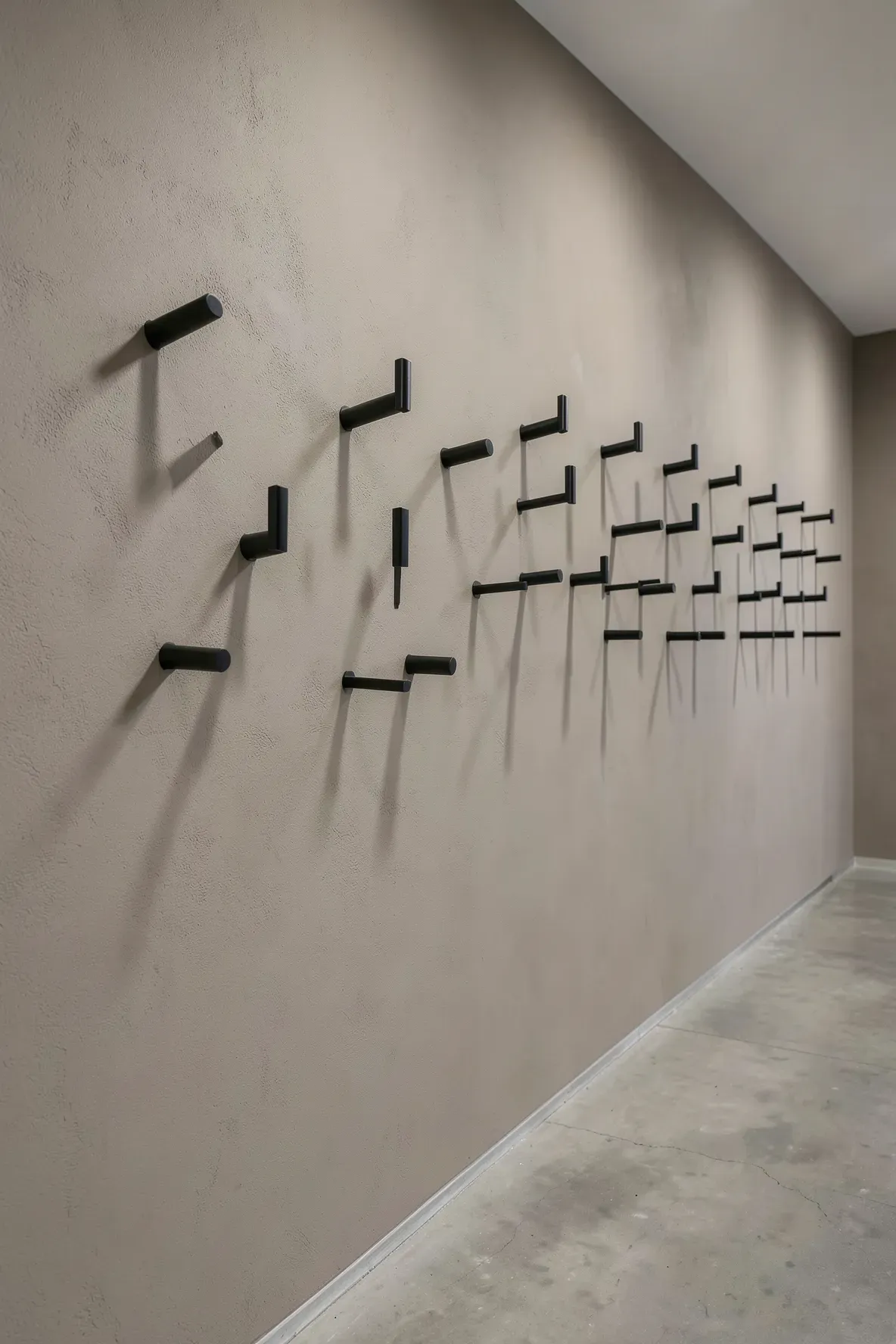
Instead of a standard rack, try individual hooks. You can mount them at different heights to create a functional wall sculpture. This is a smart choice for long hallway entryway ideas where you need to store items but want to maintain a modern look.
Round Mirror to Break Up Straight Lines

Hallways are full of straight lines and sharp corners. A round mirror softens these edges and provides a nice visual break. It acts as a focal point and helps bounce light into the darker corners of the corridor.
Light Coloured Hardwood Planks Laid Horizontally
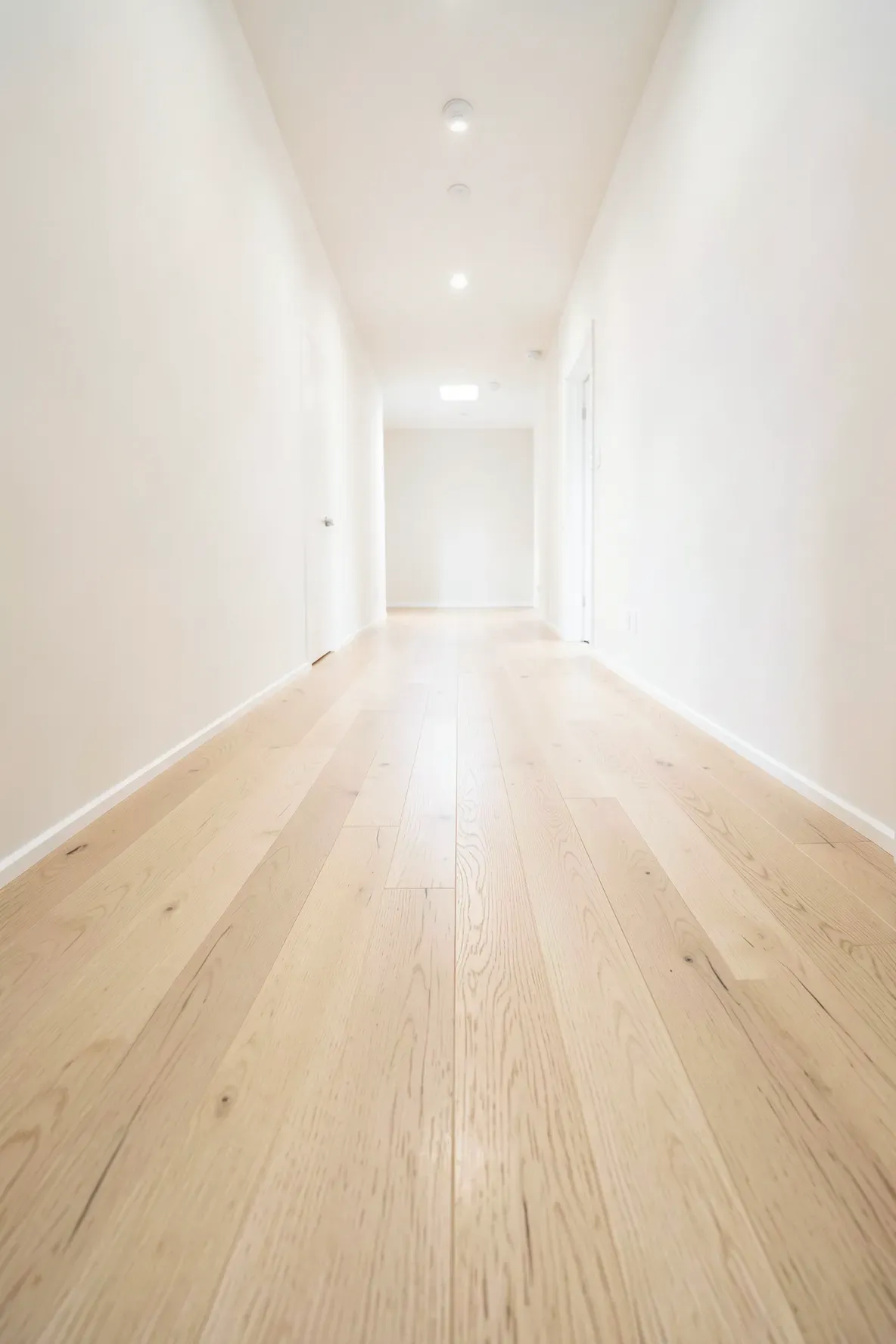
Most people lay flooring length-wise in a hall, but laying planks horizontally can make the space feel wider. The lines of the wood push the walls outward visually. Light woods like oak or maple help keep the area feeling bright and open.
Vintage Rug with Faded Tones

A vintage runner adds a sense of history and warmth. Faded tones are better than bright colors because they don’t overwhelm the small area. The texture of a woven rug also helps dampen the sound of footsteps in a long corridor.
Integrated Niche Lighting for Wall Art
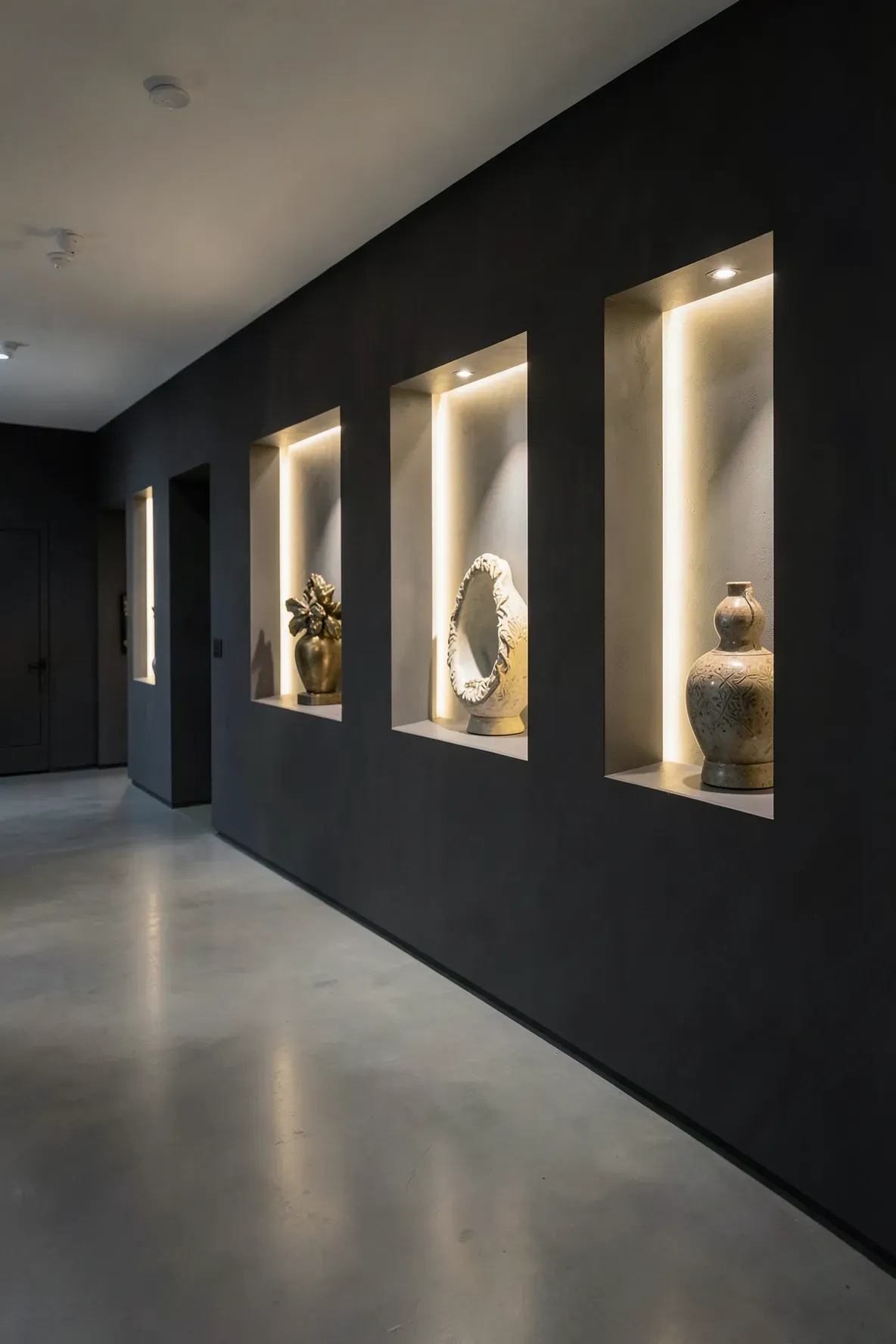
If you are remodeling, consider carving out small niches in the wall. Adding tiny lights inside these cutouts highlights your favorite decor pieces. This creates a high-end look and adds layers of light that make the hallway feel more three-dimensional.
Narrow Bench with Woven Baskets Underneath
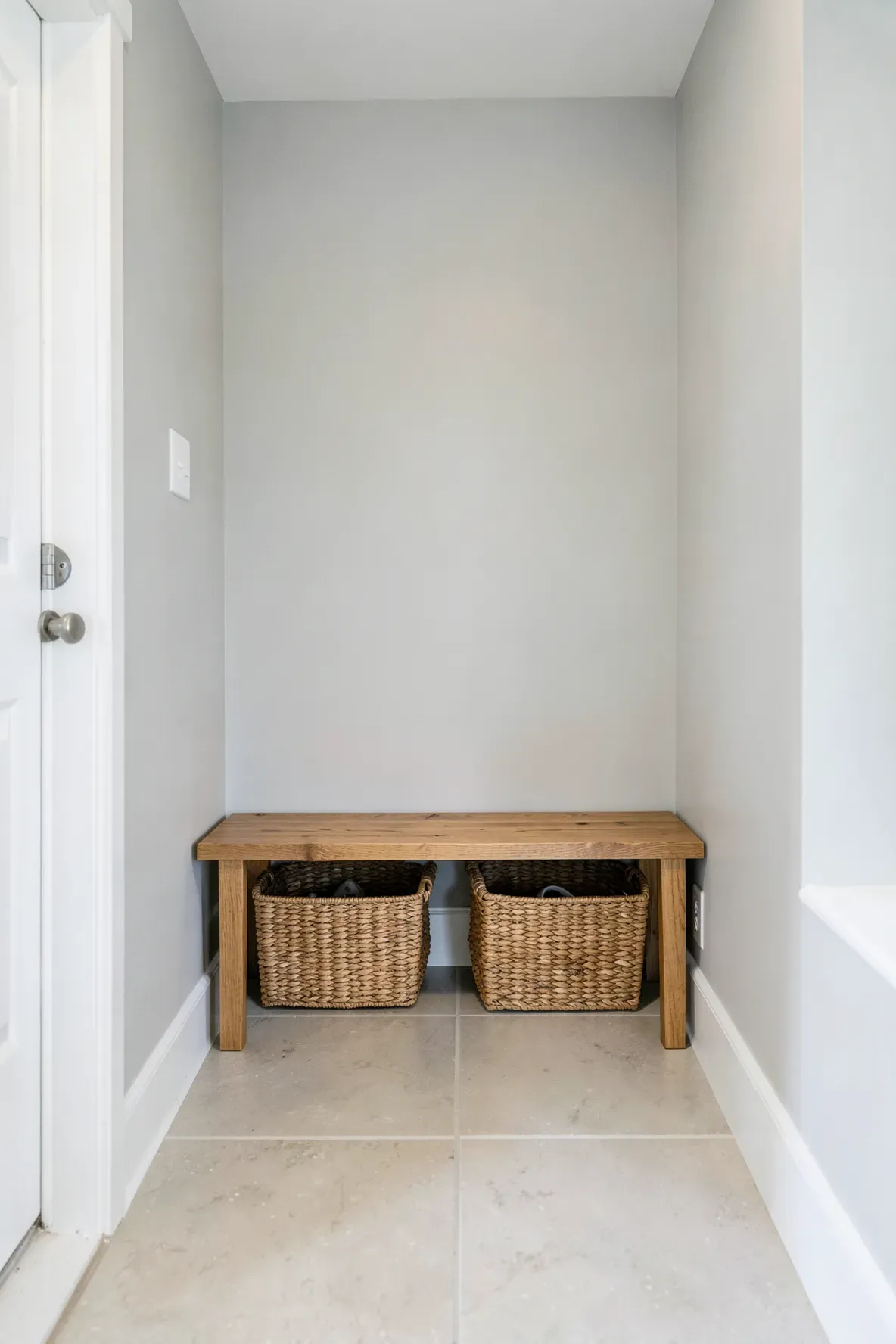
A skinny bench provides a place to sit and put on shoes. Adding baskets underneath hides the mess of daily life. This is one of those narrow entrance hall ideas that combines style with a lot of practical storage.
Lightweight Sheer Curtains on Hallway Windows
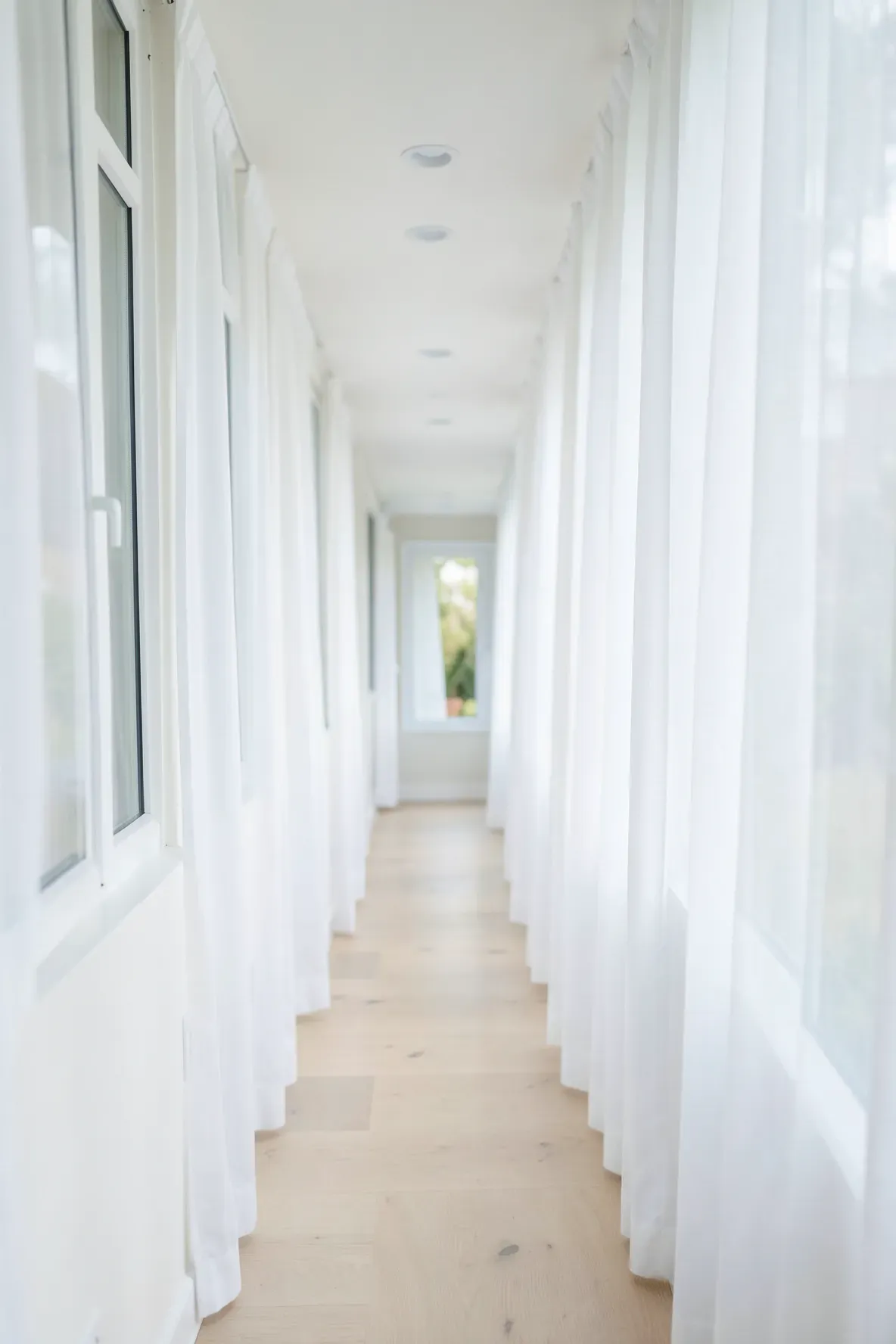
If your hallway has windows, don’t block them with heavy drapes. Sheer curtains provide privacy while letting in the maximum amount of natural light. The soft fabric also helps break up the hard surfaces of the walls and floor.
Antique Wood Chest for Storage at the End
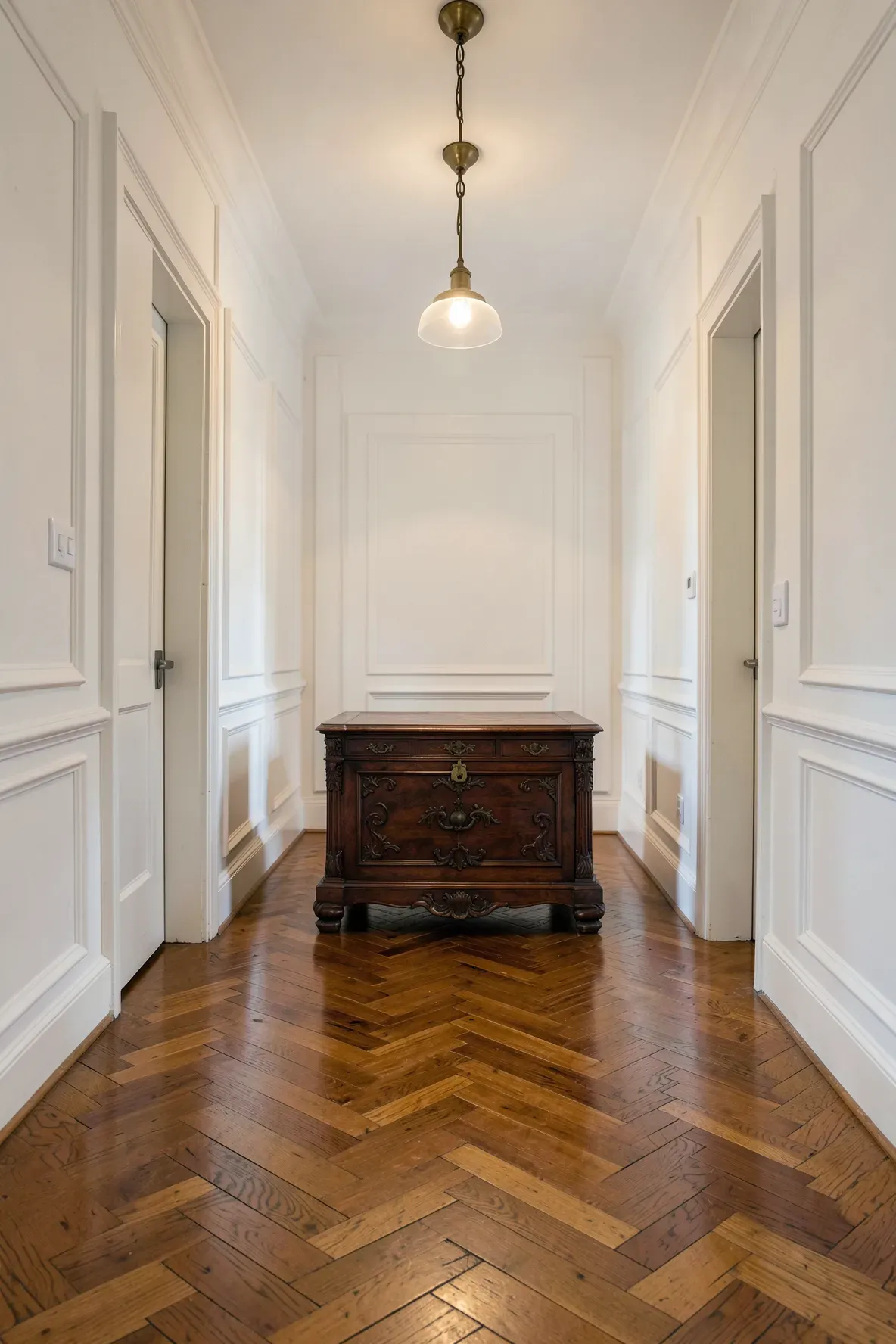
The end of a long hallway is often wasted space. Placing an antique chest there gives the eye a place to rest. It also provides extra storage for linens or seasonal items that don’t fit in other rooms.
Monochromatic Color Palette for Walls and Furniture
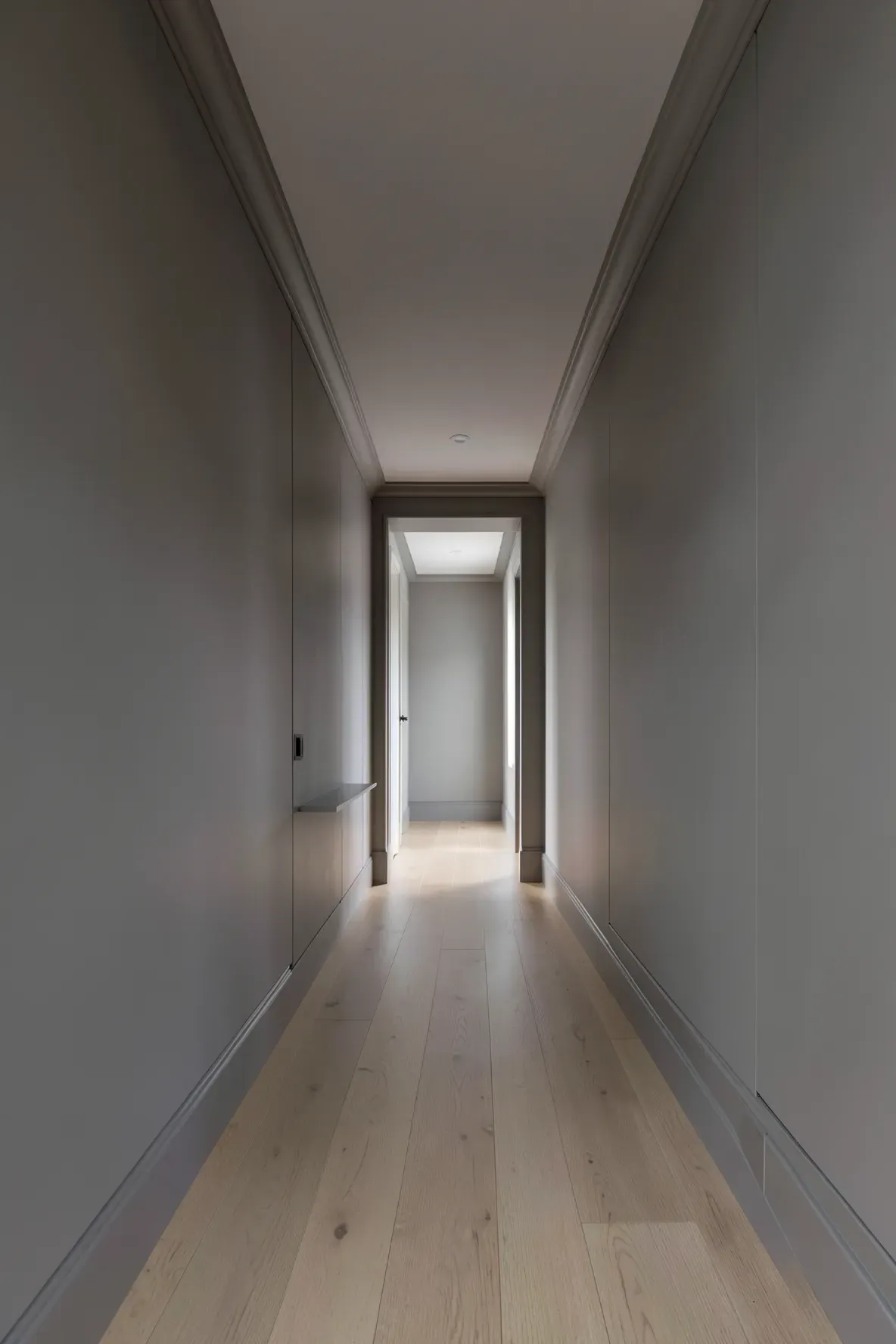
Using different shades of the same color creates a seamless look. When the furniture blends into the walls, the space feels less cluttered. This is a great strategy for narrow corridor ideas where you want a calm and cohesive environment.
Wall Mounted Magazine Racks
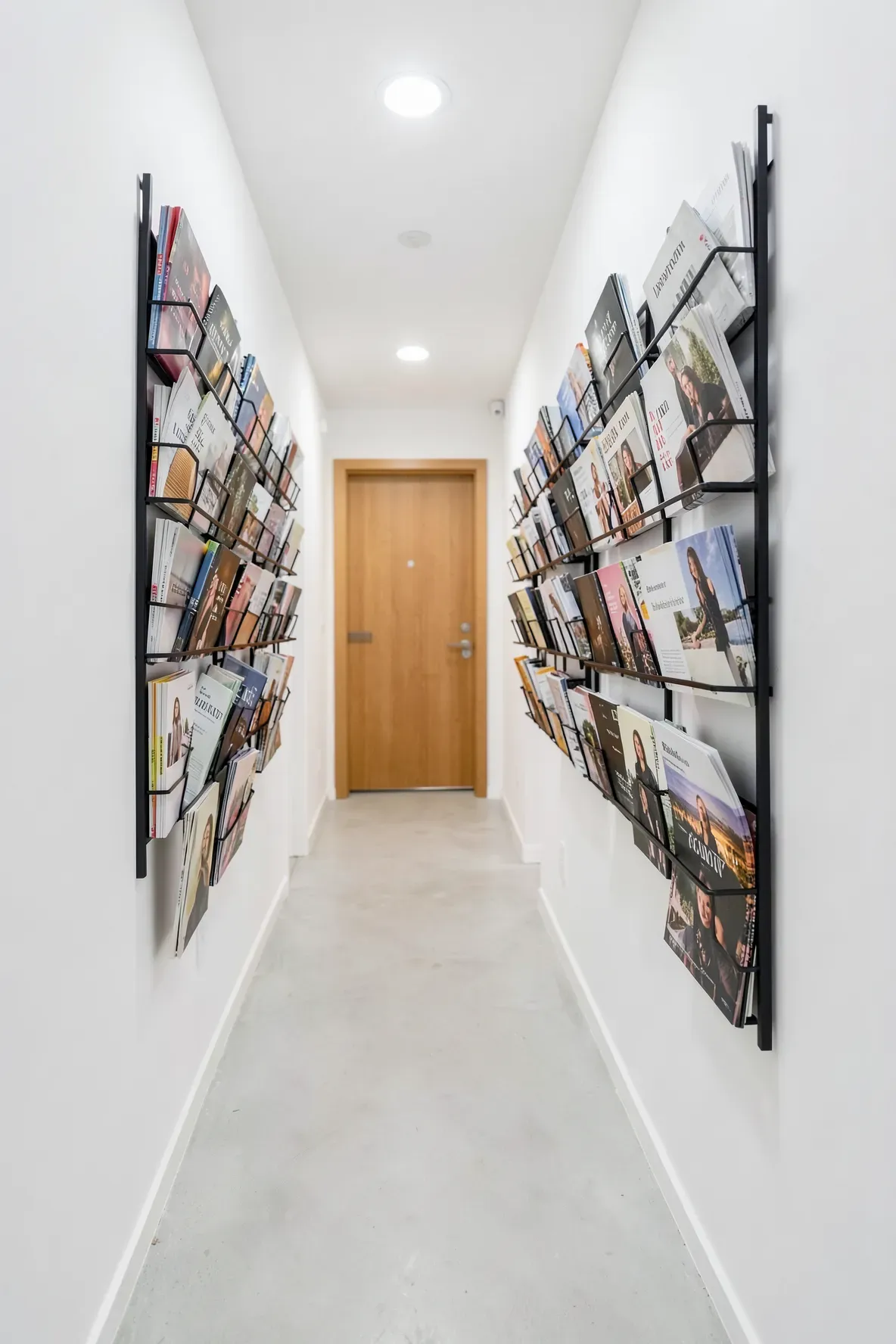
Vertical storage is your friend in a tight spot. Slim magazine racks can hold mail, books, or tablets without sticking out more than a few inches. It’s a clever way to use wall space that would otherwise be empty.
Small Sculptural Stool as a Focal Point
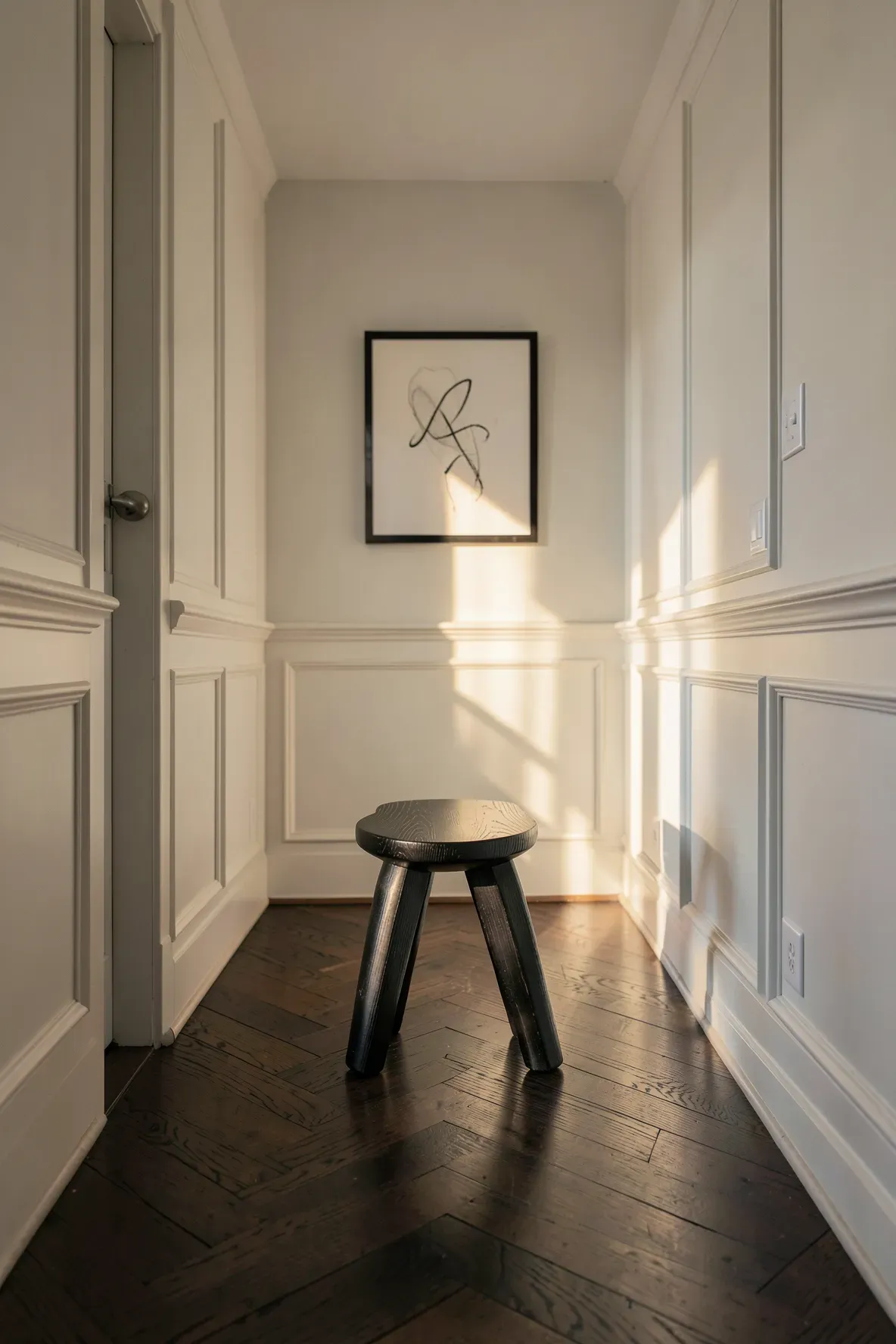
A unique stool can act as a piece of art. Because it has a small footprint, it won’t get in the way. It’s a simple addition that adds a designer touch to any long narrow entryway ideas.
Hand-Painted Mural on One Side
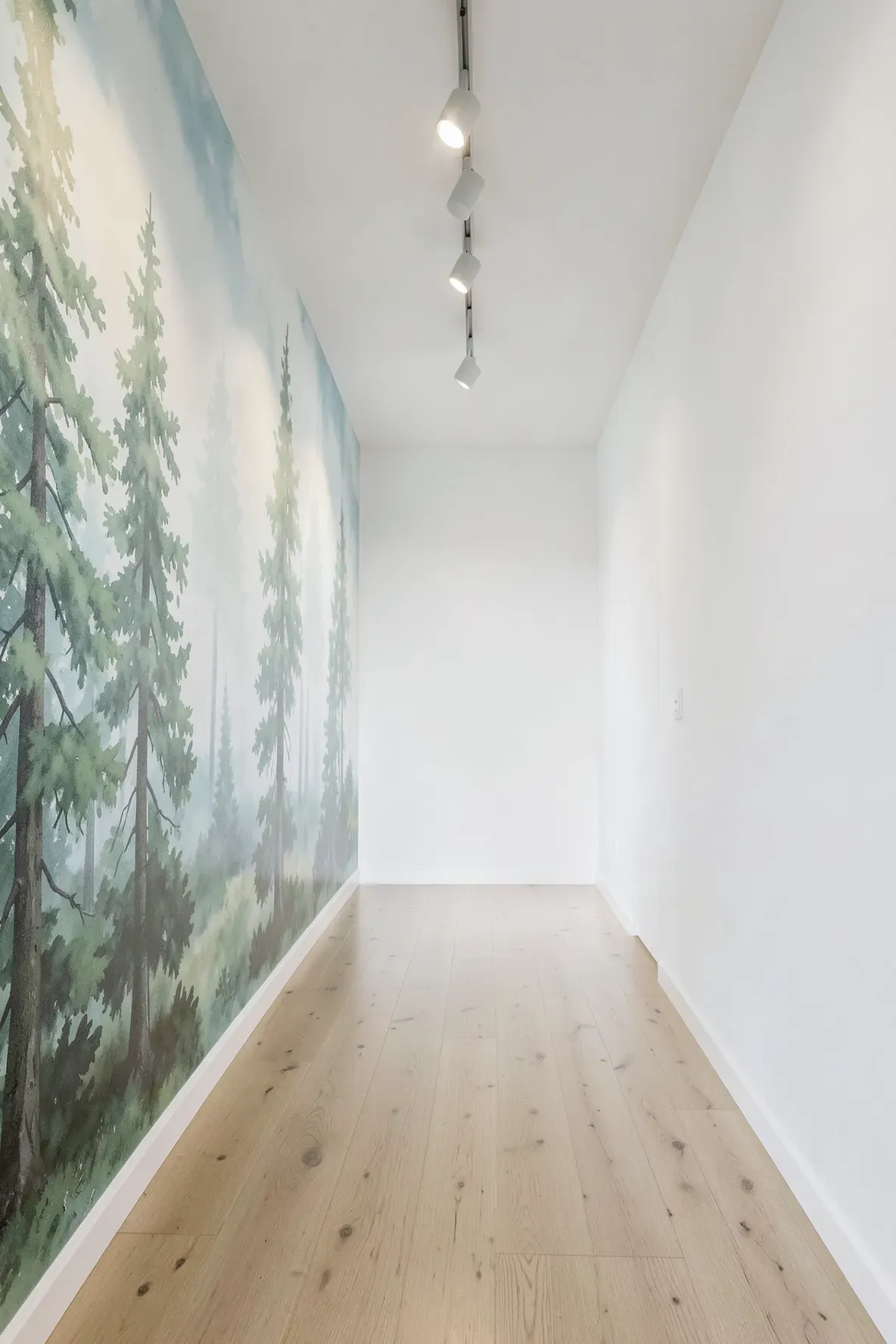
A mural can transform a boring wall into a landscape or an abstract display. Keeping the art to one side prevents the hallway from feeling like it is closing in on you. It adds a custom feel that wallpaper often can’t match.
Tension Rod with Hanging Plants
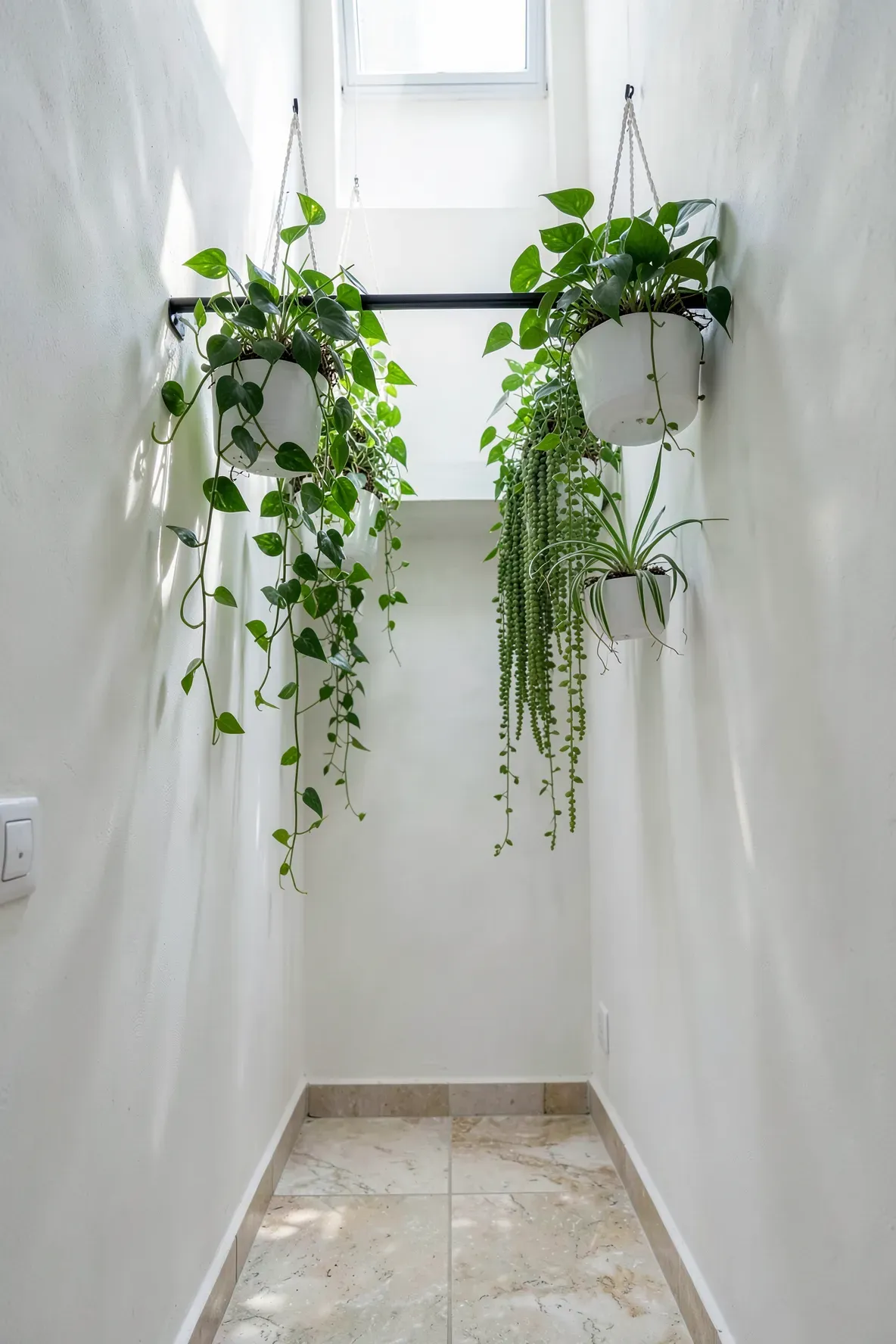
If you have a window or a recessed area, a tension rod is an easy way to hang plants. This adds life and color at eye level. It’s a great way to use the upper part of the room without taking up any floor space.
Glossy Finish Paint to Reflect Light
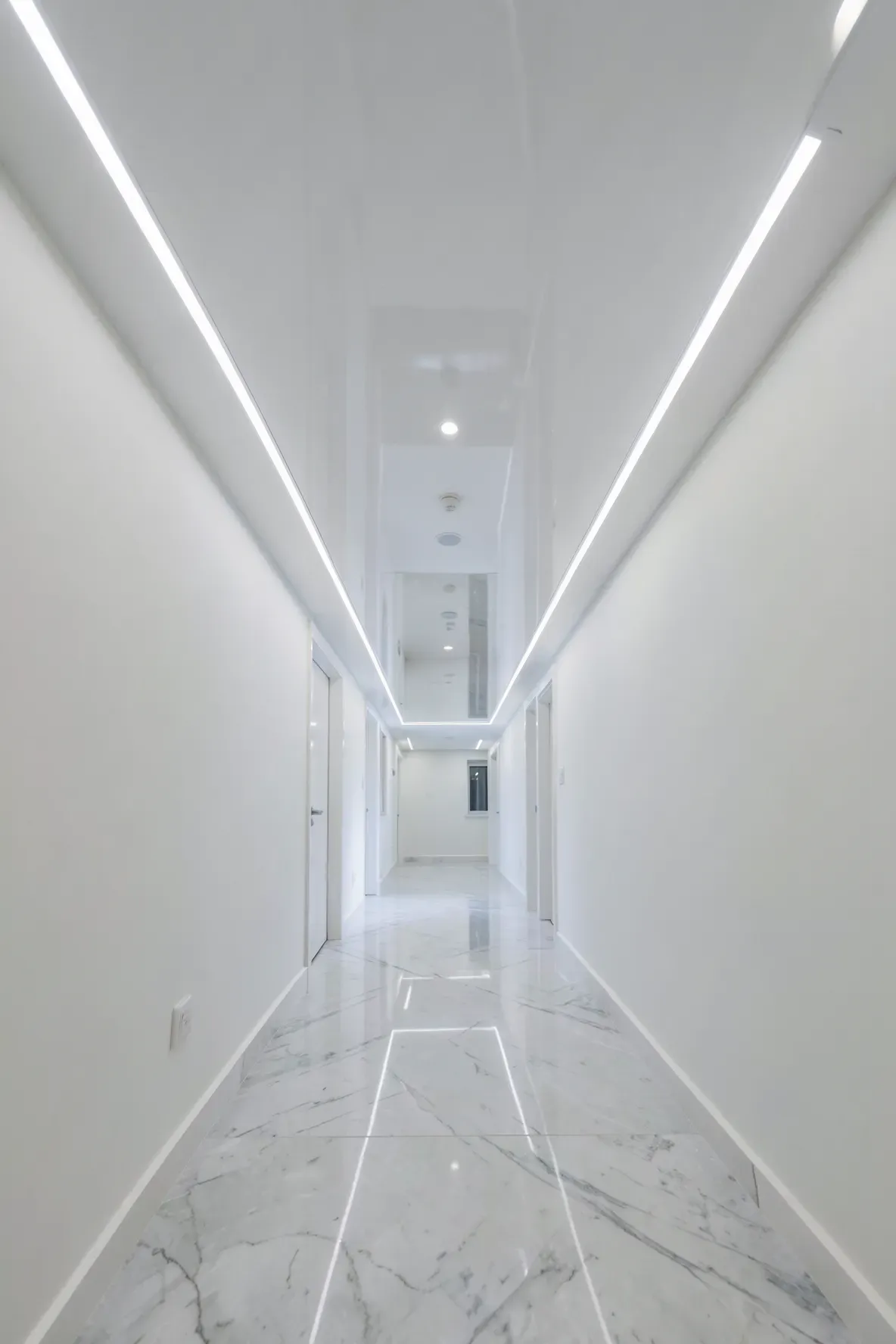
High-gloss or semi-gloss paint acts like a mirror. It reflects light much better than matte finishes. Using this on the ceiling or trim can help brighten up long hallway decorating narrow projects that lack windows.
Narrow Woven Hallway Runner in Jute

Jute is a durable material that stands up to heavy foot traffic. Its natural tan color adds warmth to a white hallway without being too bold. The texture also adds a bit of organic interest to a modern home.
Framed Oversized Map for Visual Interest
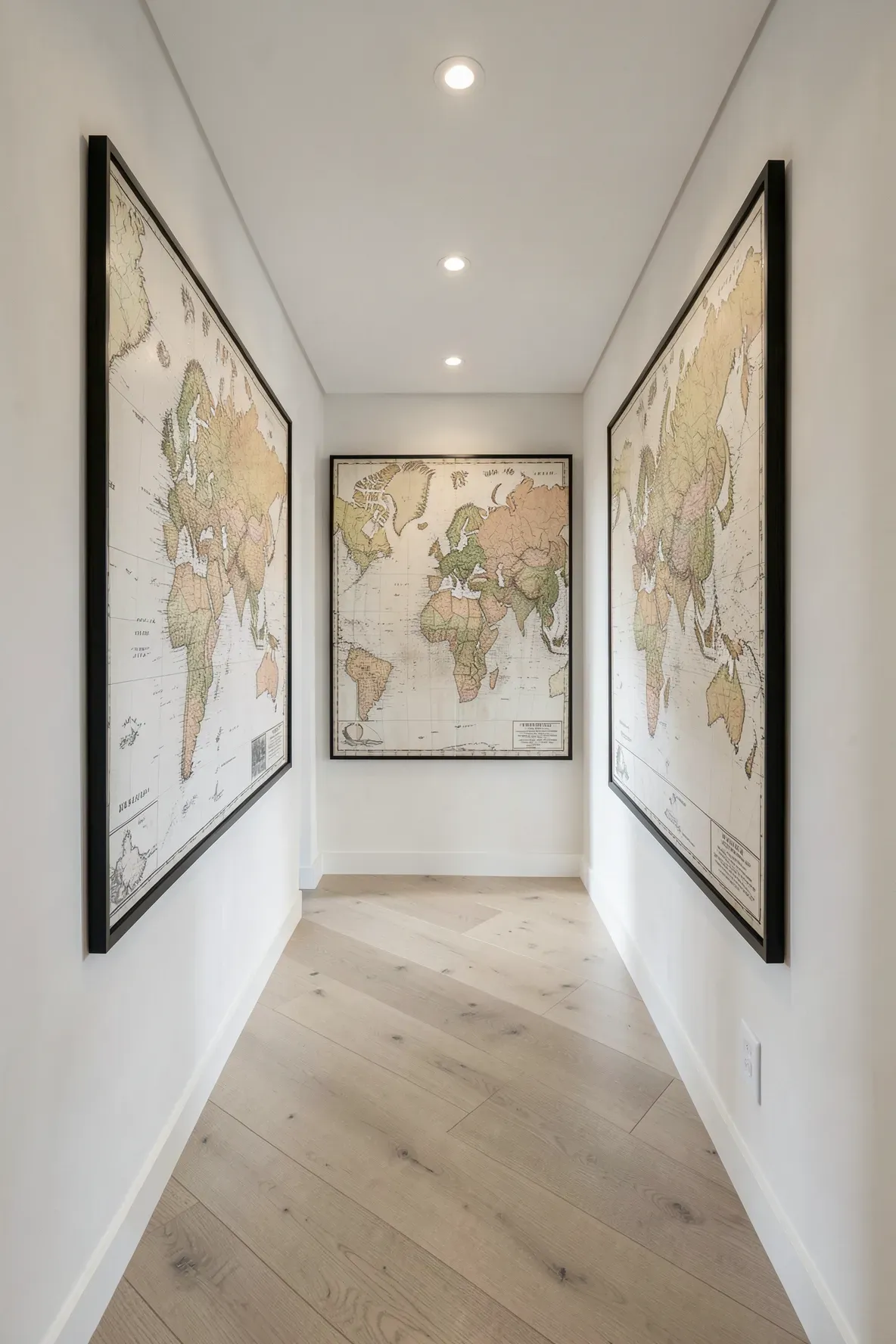
A large map can cover a significant portion of a long wall. It gives people something to look at as they walk by. It is an easy way to fill a large space with a single, interesting item rather than many small ones.
Slim Vertical Radiator in a Modern Color

Old radiators can be bulky and ugly. Replacing one with a slim vertical model saves space and looks like a piece of modern art. Choosing a bold color can turn a necessary utility into a design feature.
Series of Small Square Mirrors in a Grid
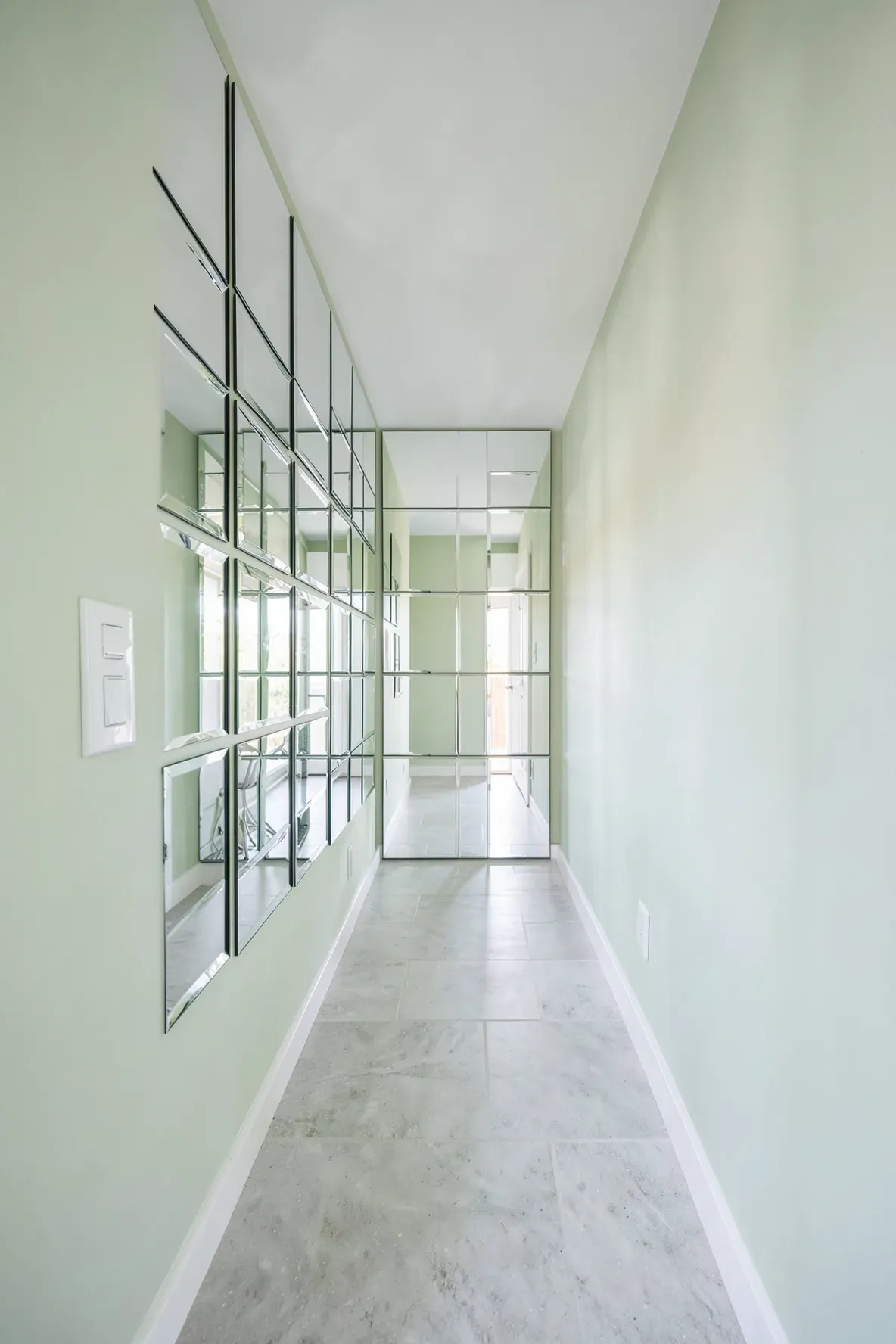
Instead of one big mirror, try a grid of smaller ones. This creates an interesting pattern on the wall while still bouncing light around. It’s a creative approach to narrow hallway design that feels very contemporary.
Built-in Window Seat in Hallway Nooks
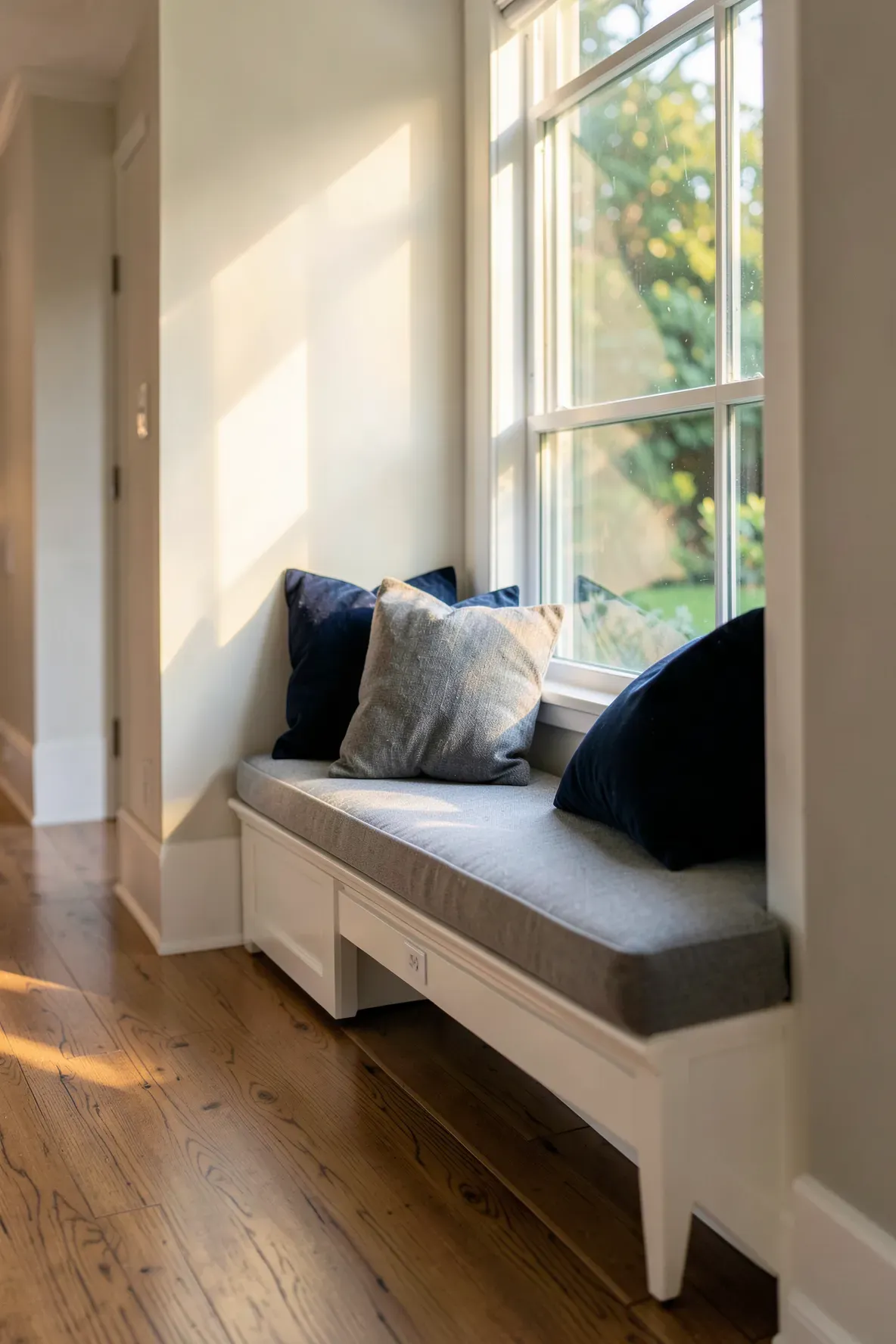
If your hallway has a small alcove, turn it into a window seat. It makes the corridor feel like a destination rather than just a path. Add a few cushions to create a cozy reading spot in an unexpected place.
Decorative Wallpaper on the Ceiling
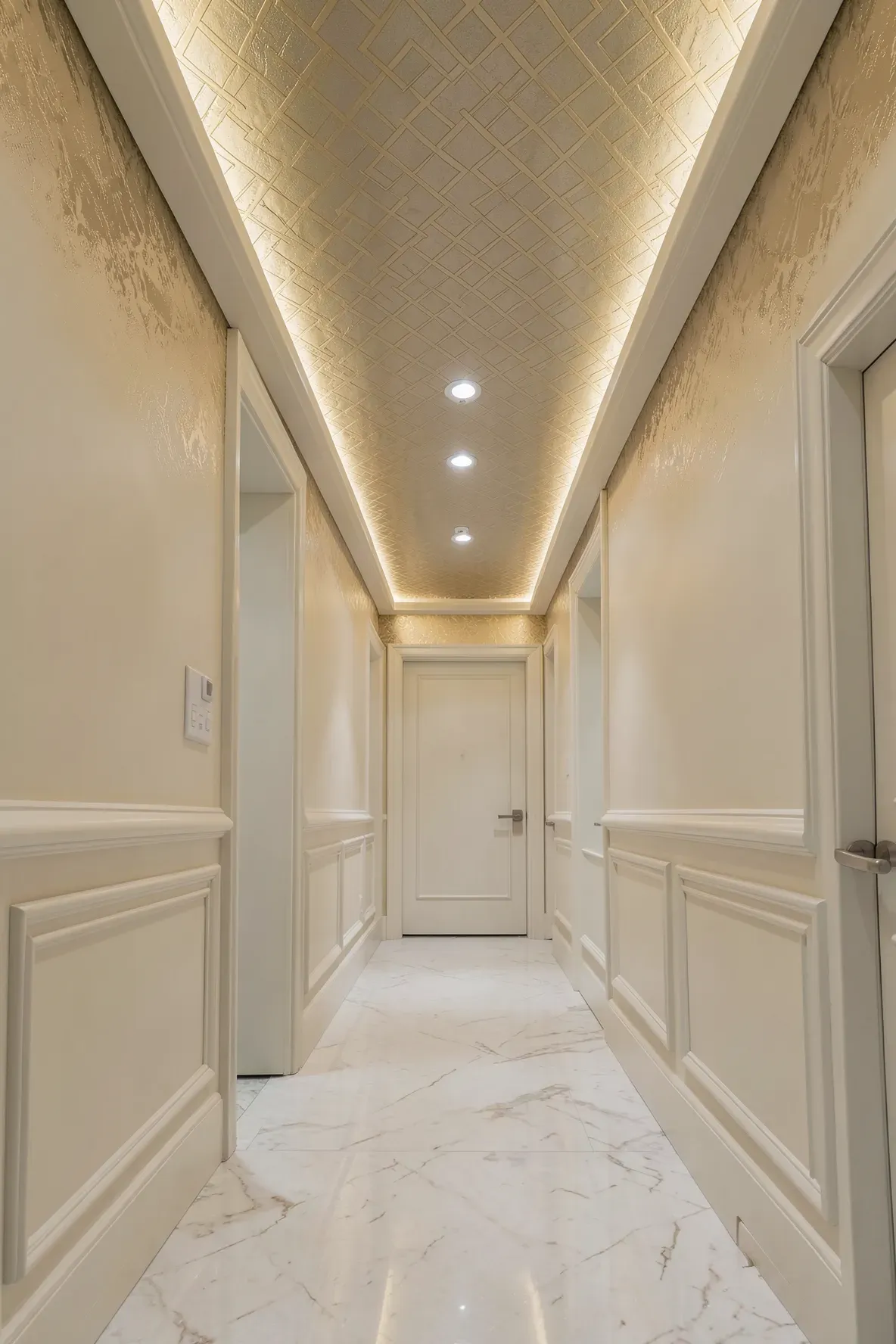
The ceiling is the “fifth wall” and is often ignored. Putting a subtle pattern or a soft color up there draws the eye upward. This makes the hallway feel taller and adds a layer of sophistication without using any floor space.
Folding Wall Desk for a Functional Workspace
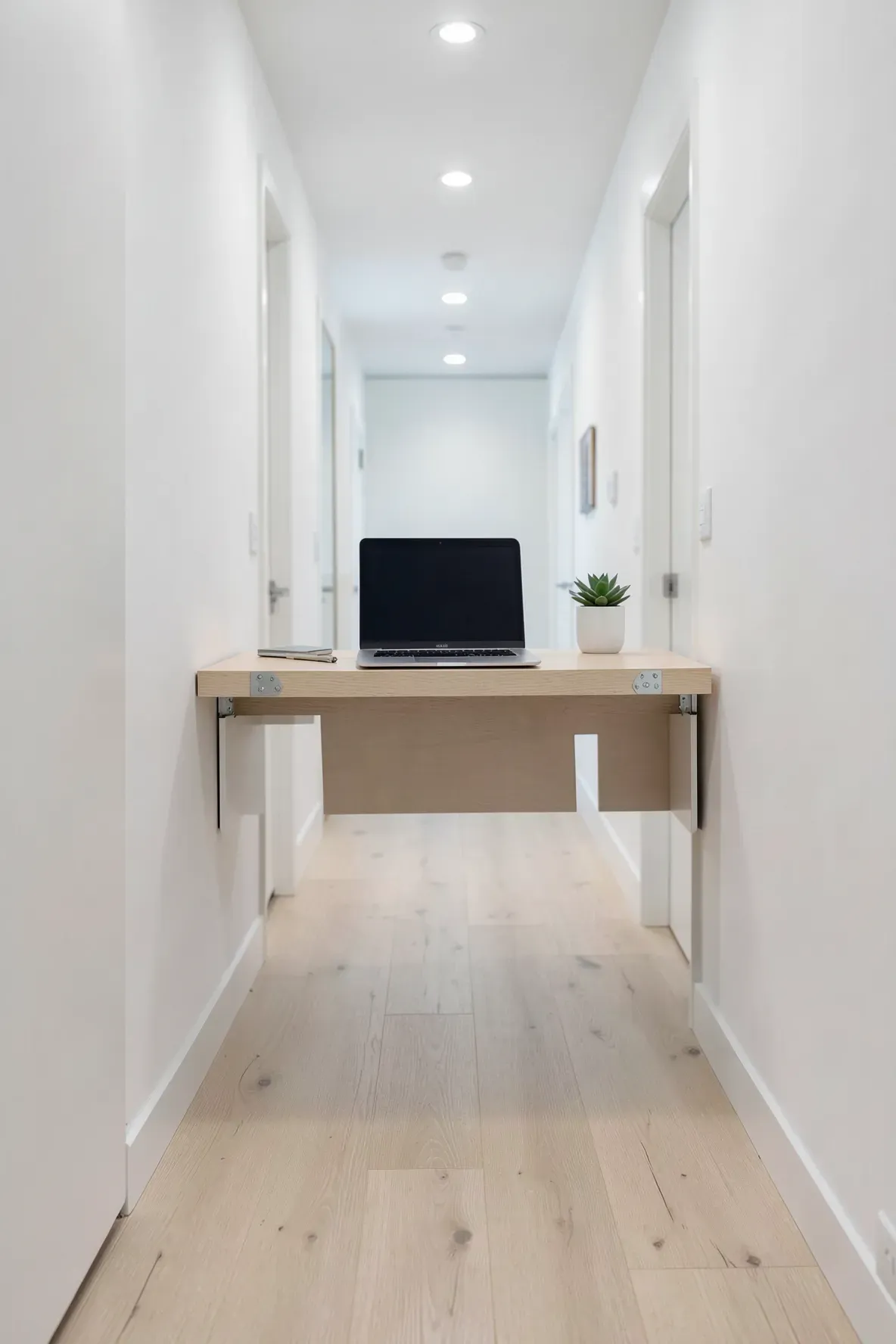
If you need a home office but have no room, a folding desk is a perfect solution. It stays flat against the wall when you aren’t using it. This is one of those tiny hallway ideas that adds massive value to your home layout.