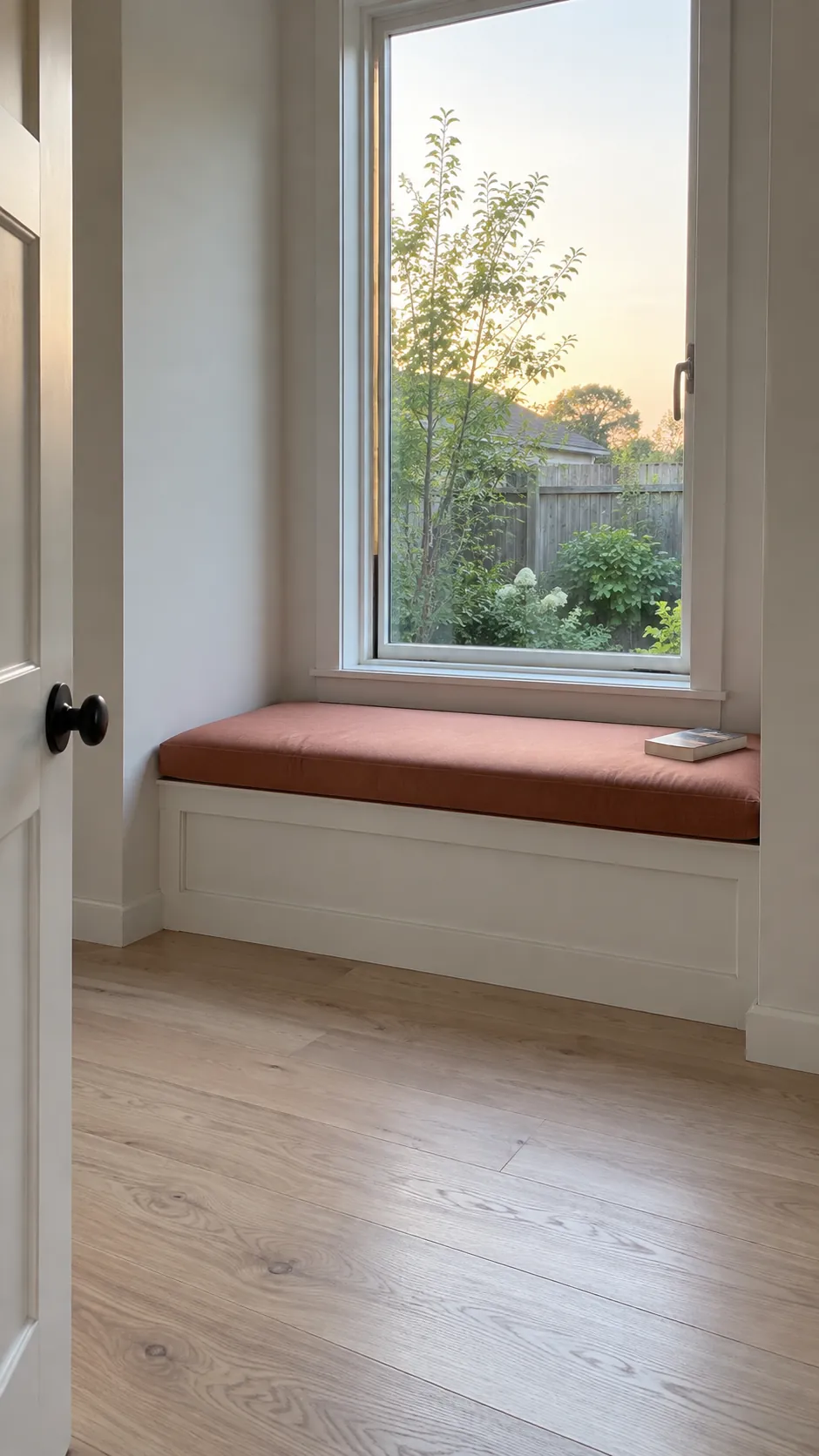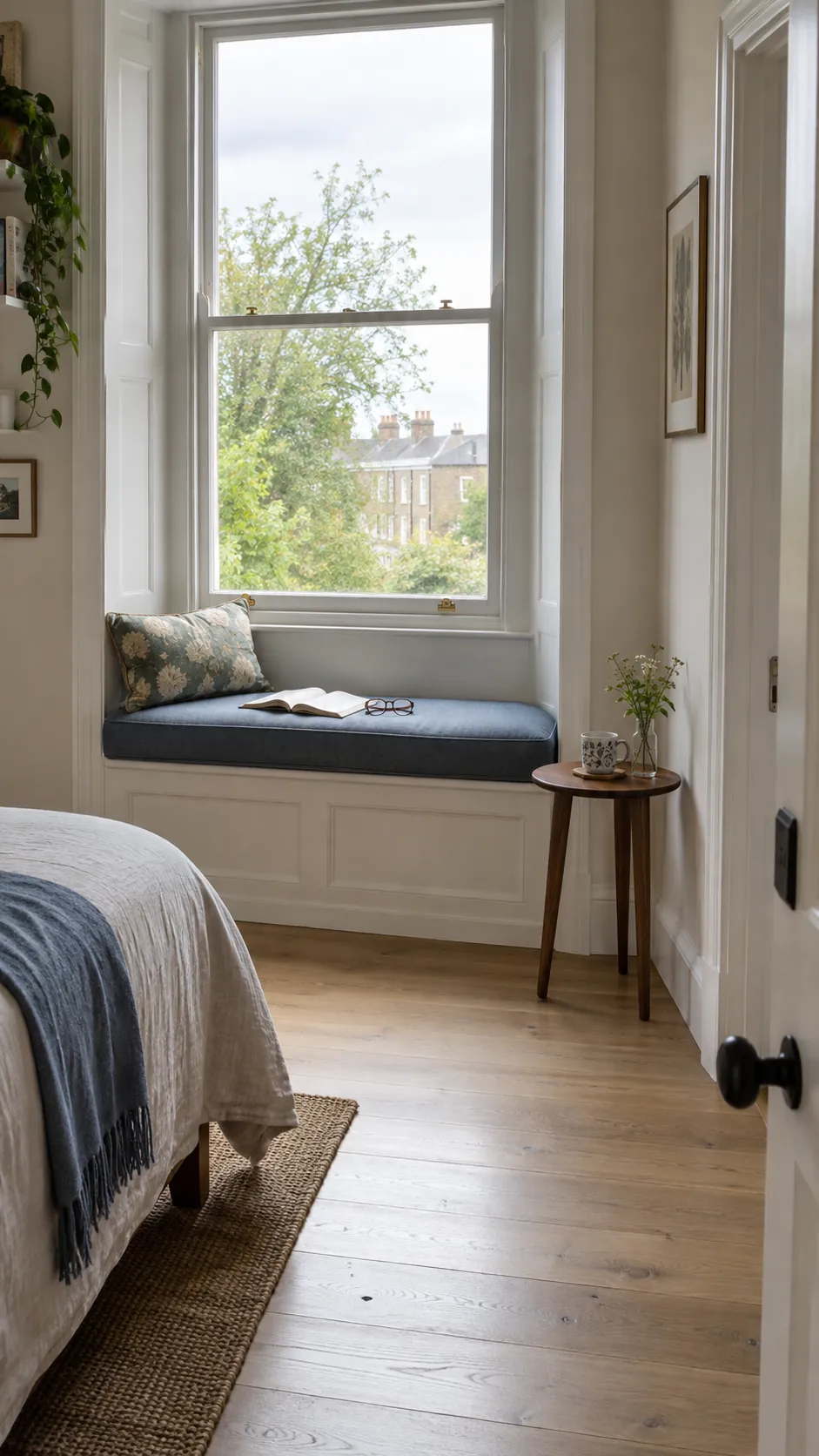
A bright patch beside the window is easy to admire and surprisingly easy to furnish badly. A seat that blocks the curtains, swallows the walkway or leaves your back unsupported will rarely become a favorite spot. Start with the way you want to sit and the space you need to move, then choose the details that make that position comfortable.
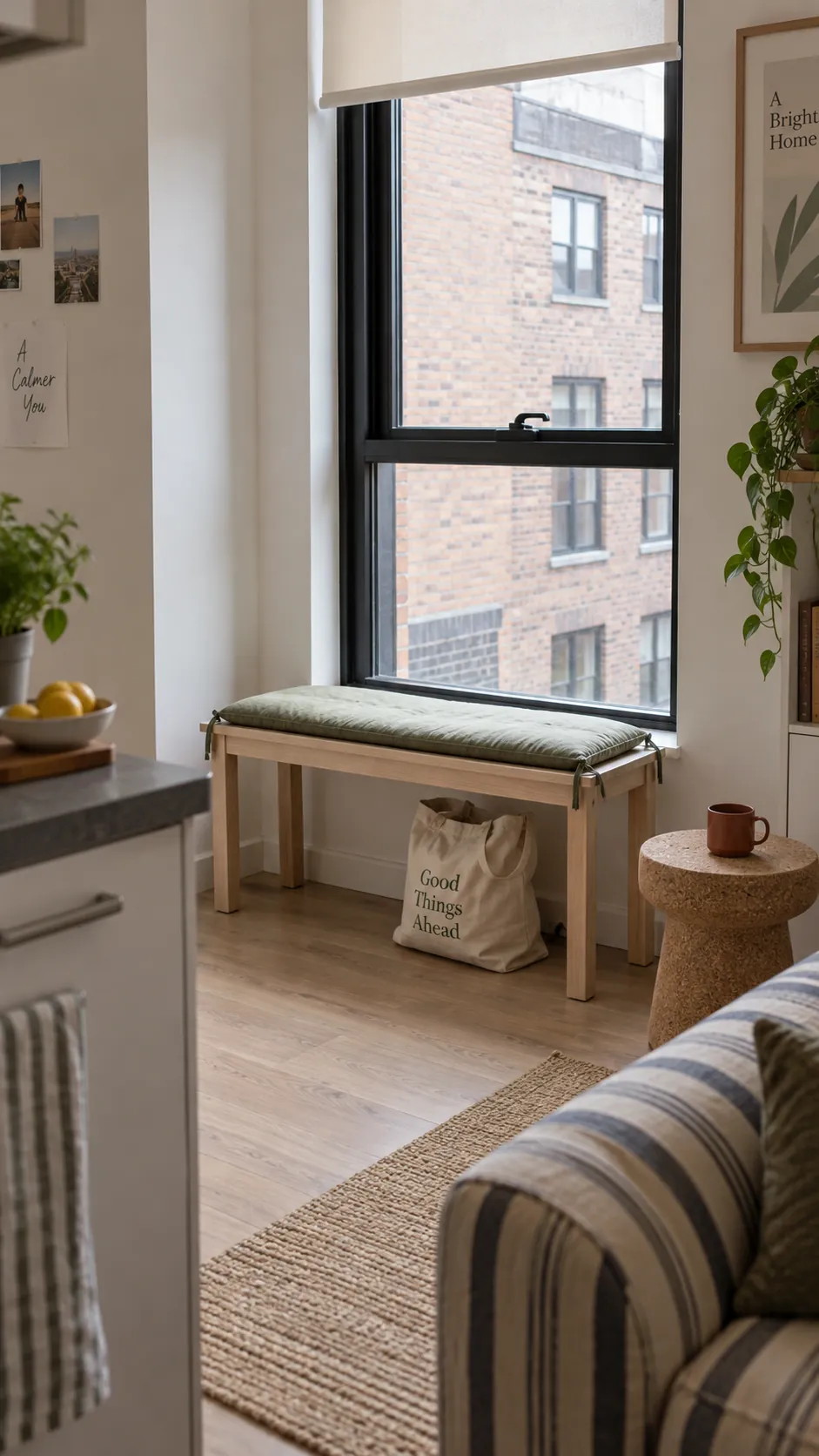
A movable bench for a rental
Start with a freestanding bench when you want a window seat without committing to carpentry. Measure between the skirting boards as well as higher up, because a piece that fits the wall opening may catch at floor level. Choose furniture designed to support seated adults and add a cushion that stays put. Leaving a little space behind the bench makes cleaning and window access easier.
A shallow seat with a slim back cushion
A deep pile of pillows can leave a shallow ledge with nowhere to sit. Try a thin lumbar cushion at one end and test whether your thighs feel supported before ordering upholstery. If the recess is too shallow for comfortable seating, place a proper chair beside it and use the ledge for books instead.
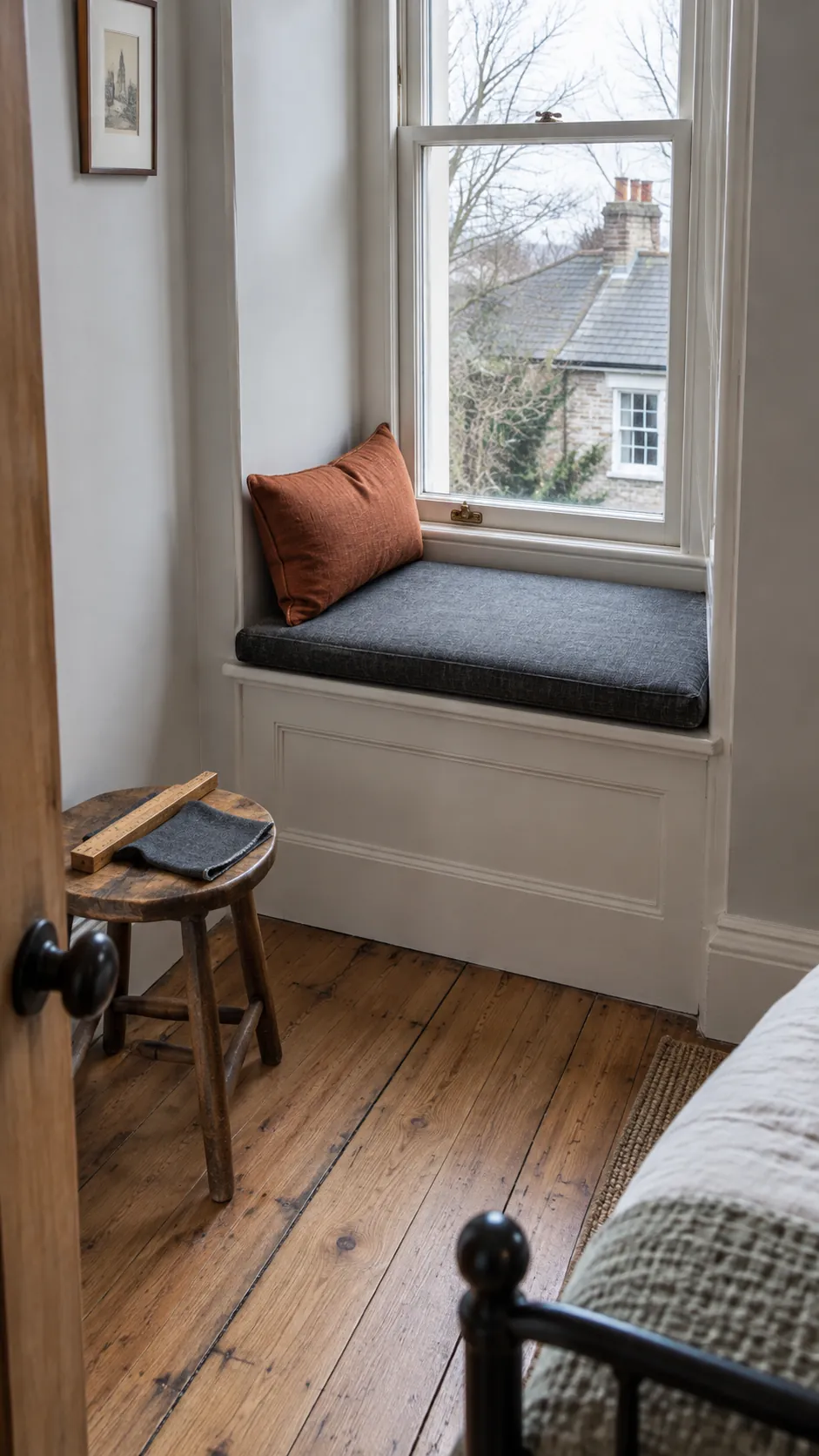
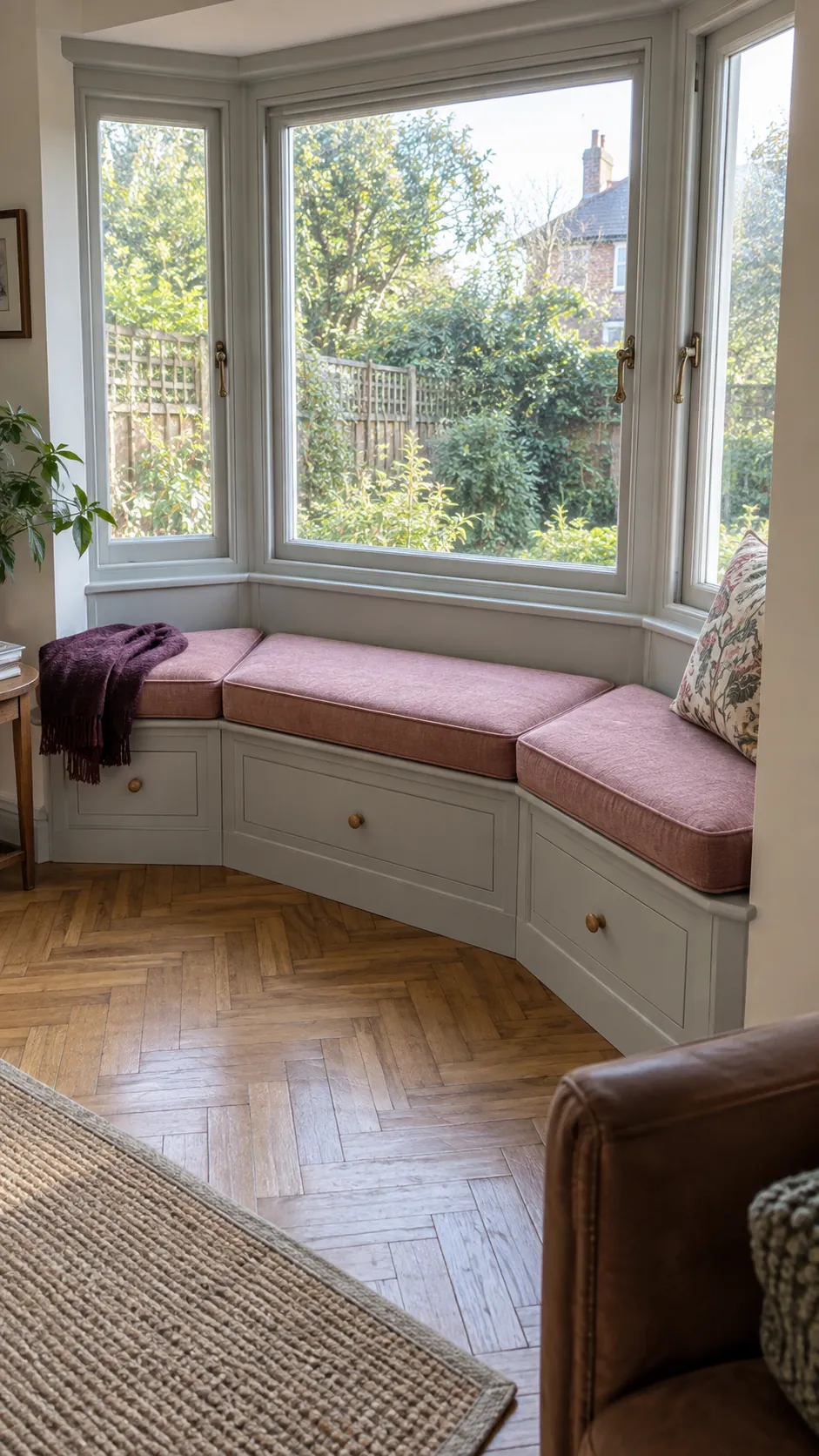
A bay bench that follows the angles
A fitted bench can turn an angled bay into a generous place to pause. Have the maker measure the actual walls rather than assuming both sides match, particularly in an older house. Separate cushion sections are easier to lift and adjust than one oversized piece. Keep window handles and any ventilation openings usable after the cushions are installed.
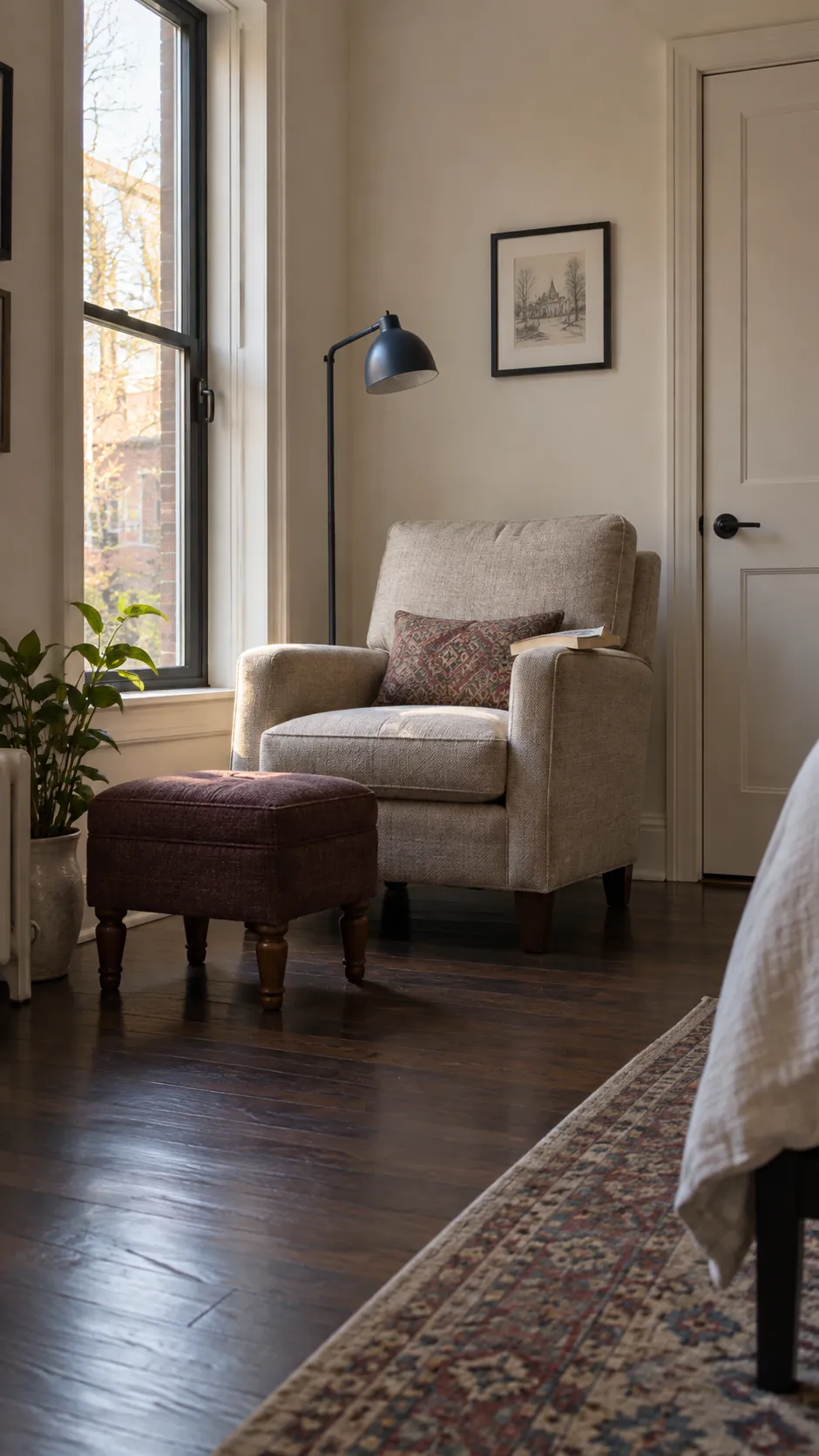
A chair beside the window instead of under it
You do not need a built in seat to claim a bright corner. An upholstered chair turned slightly toward the room can preserve the view while offering a supportive back and arms. Check that the chair still leaves room to open curtains and walk past without turning sideways.
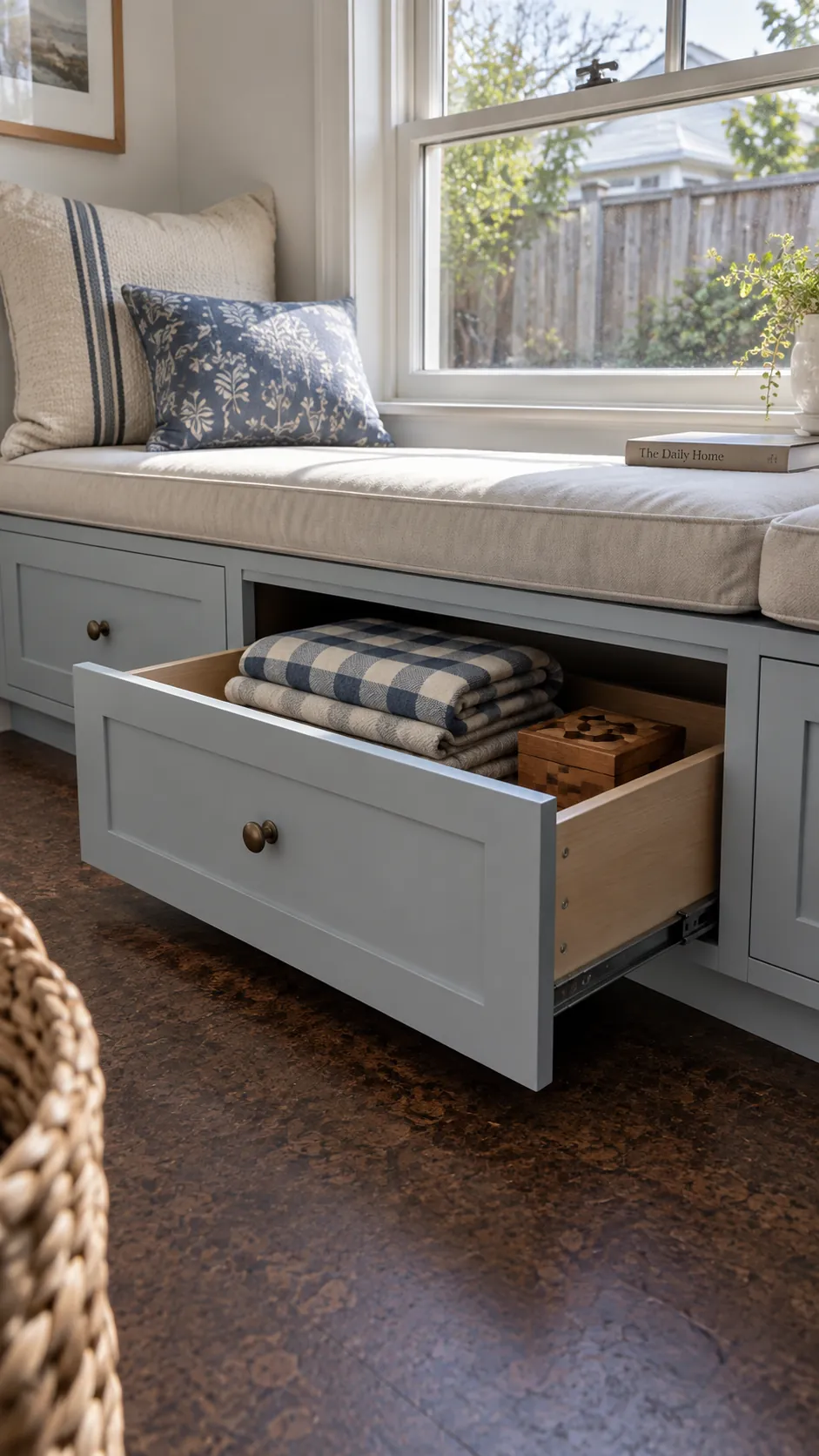
Drawers for the things you reach for daily
Drawers make the space below a bench useful without requiring you to remove every cushion. Plan the drawer depth around blankets, games or books you actually want nearby. Leave enough floor space to pull them out fully. In a tight bedroom, shallow drawers may work better than a large compartment that collides with the bed.
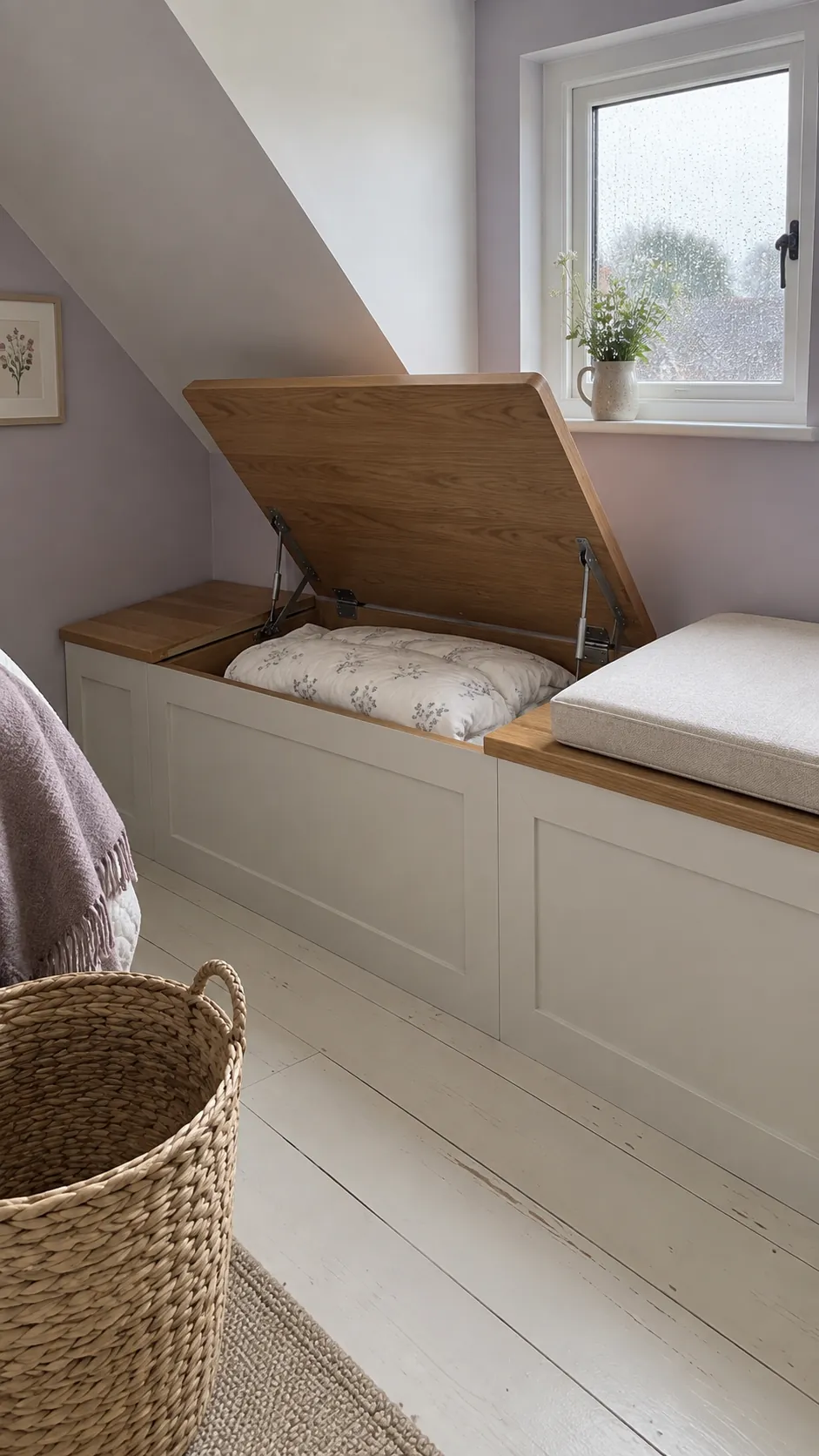
A lift top for seasonal storage
A hinged seat can hold bulky bedding that rarely comes out. Ask for suitable lid supports and check that the finished lid can stay safely open during use. Divide a long seat into manageable sections so access does not depend on lifting one heavy panel and its full cushion.
Open cubbies that welcome book baskets
Open cubbies work well when you prefer to see and grab what you store. Use baskets that slide out without snagging and leave a small gap above each one for your hand. Keep only a few current books in the open sections so the nook remains easy to tidy.
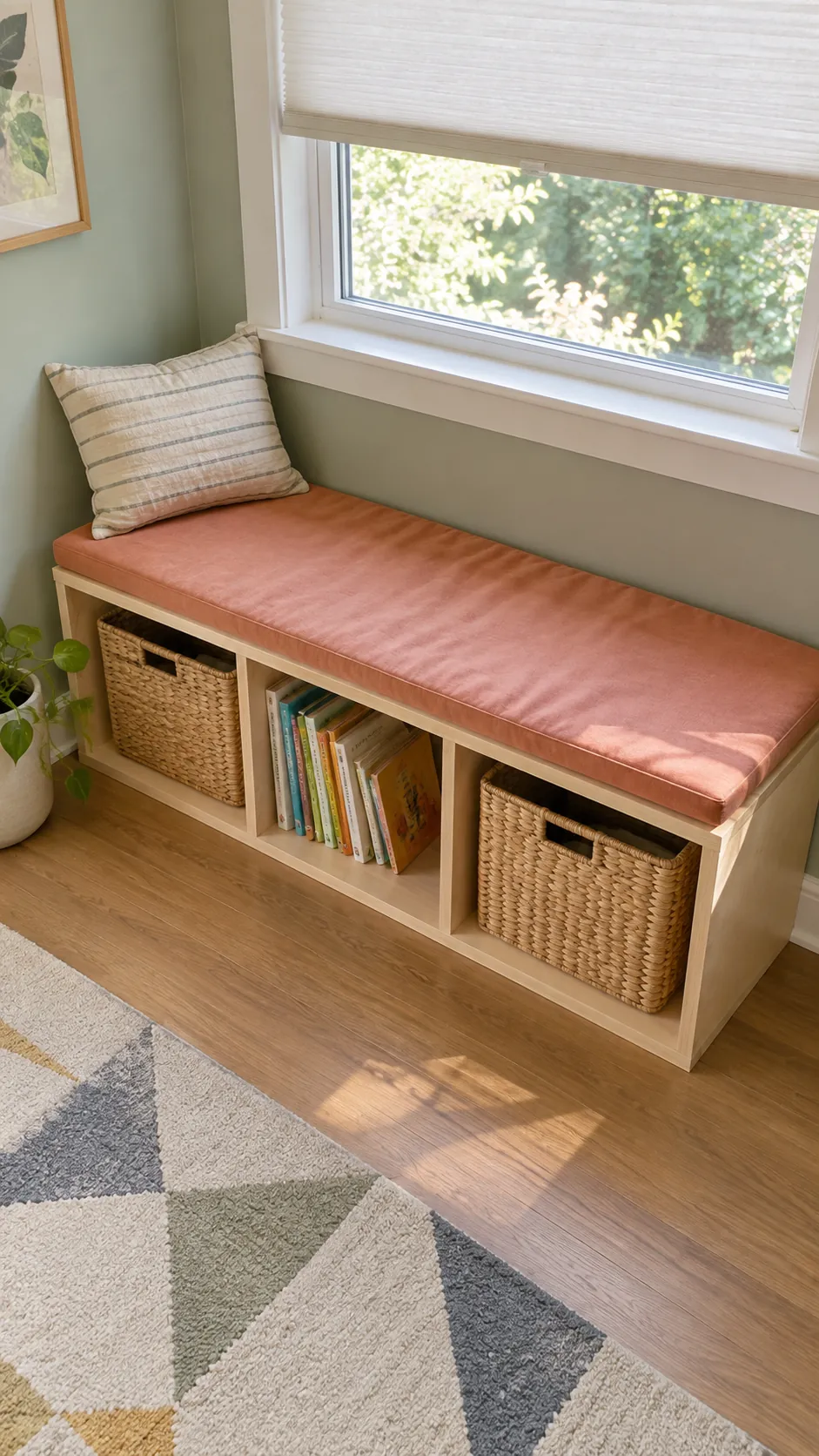
One long cushion for a clean silhouette
A single cushion can make a busy window wall feel calmer. A removable cover is more useful than decorative buttons when the seat gets everyday use. Request a fabric sample and look at it in both daylight and evening light before committing to the full length.
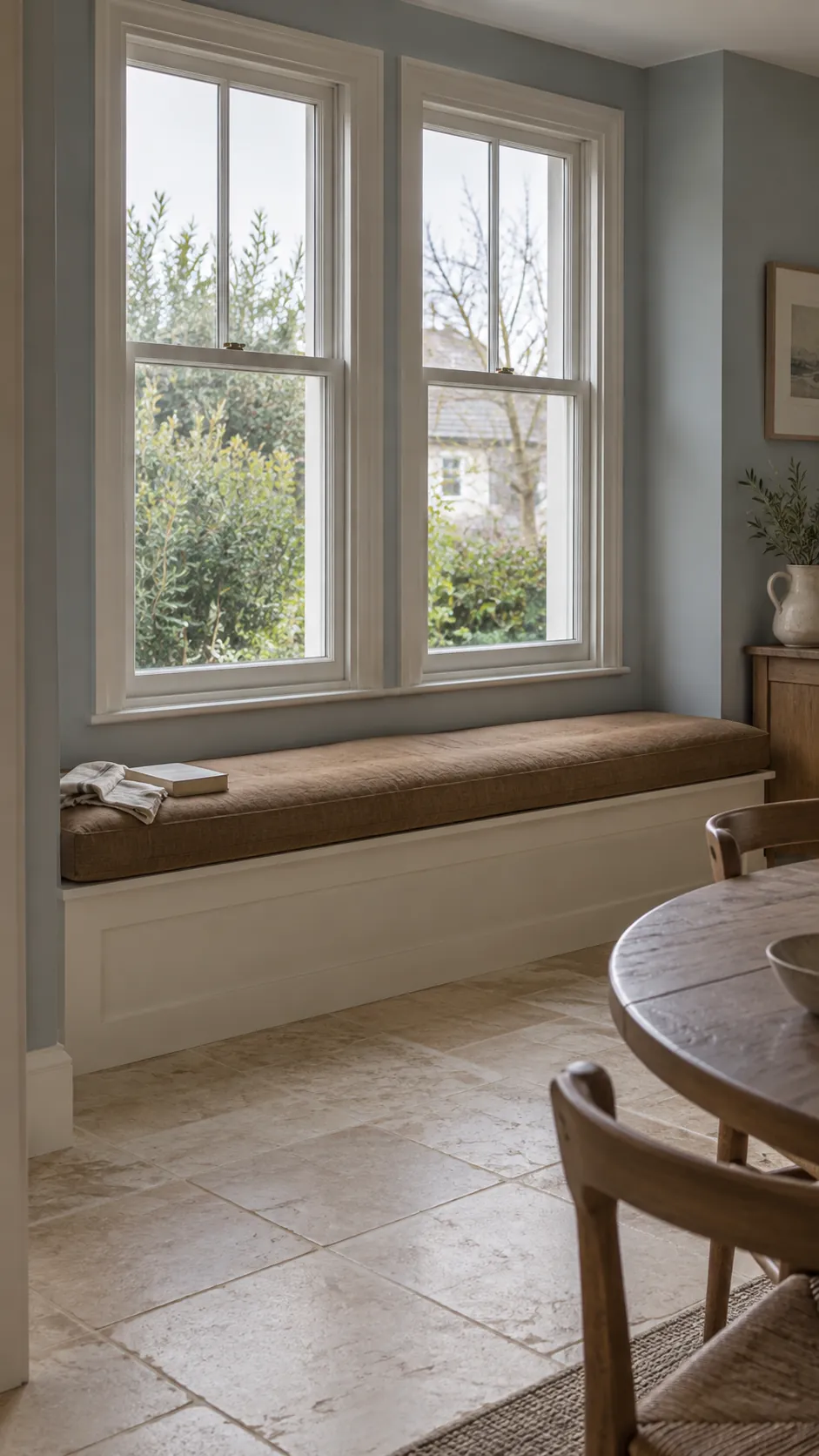
Separate seat pads for a busy household
Individual pads are easier to move when everyone uses the nook differently. They also let you replace one worn section instead of buying a full cushion again. Keep the pads similar in thickness so the bench does not become an uneven perch. Washable covers help if the seat doubles as a snack spot.
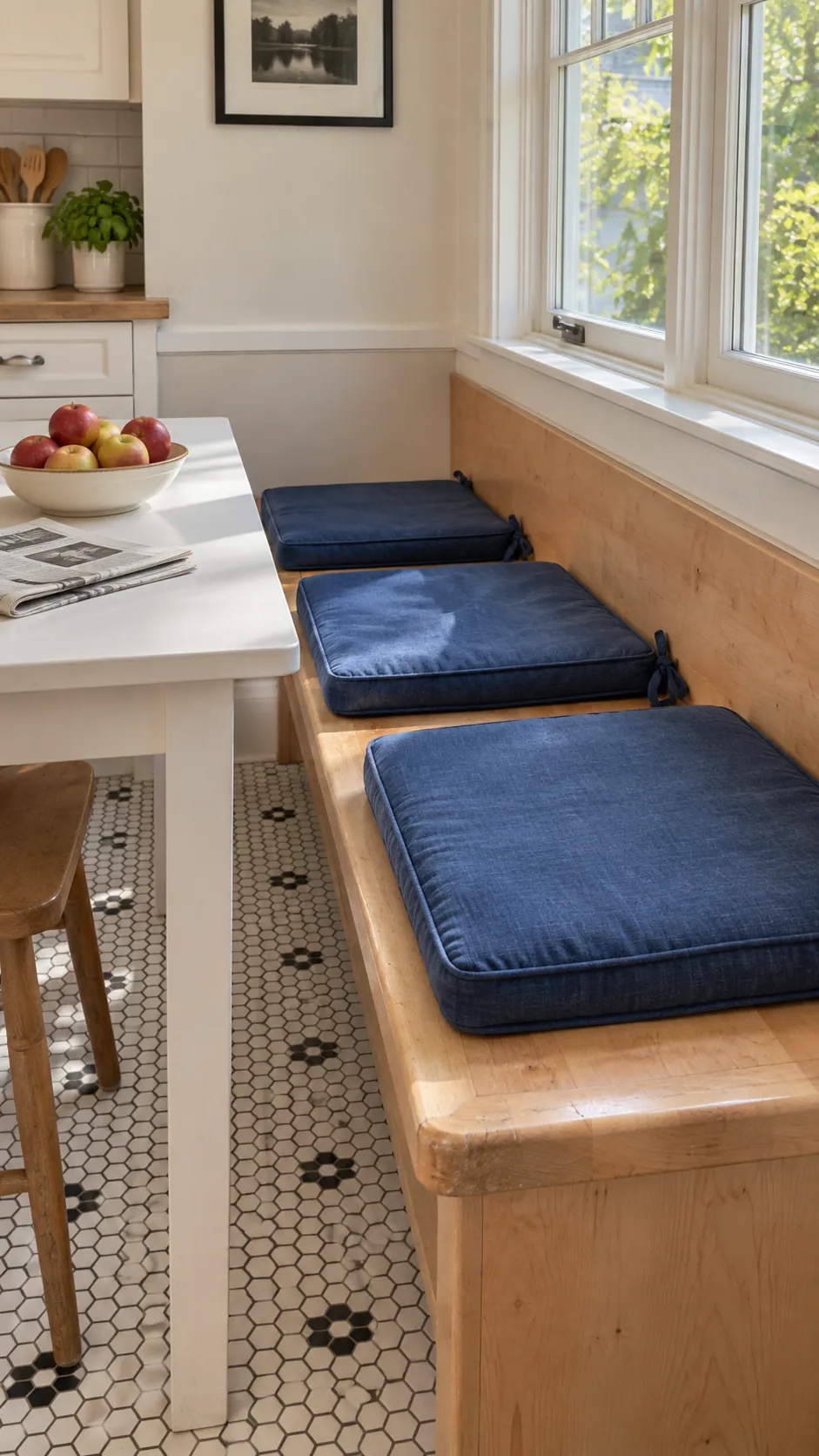
A bolster at the end where you lean
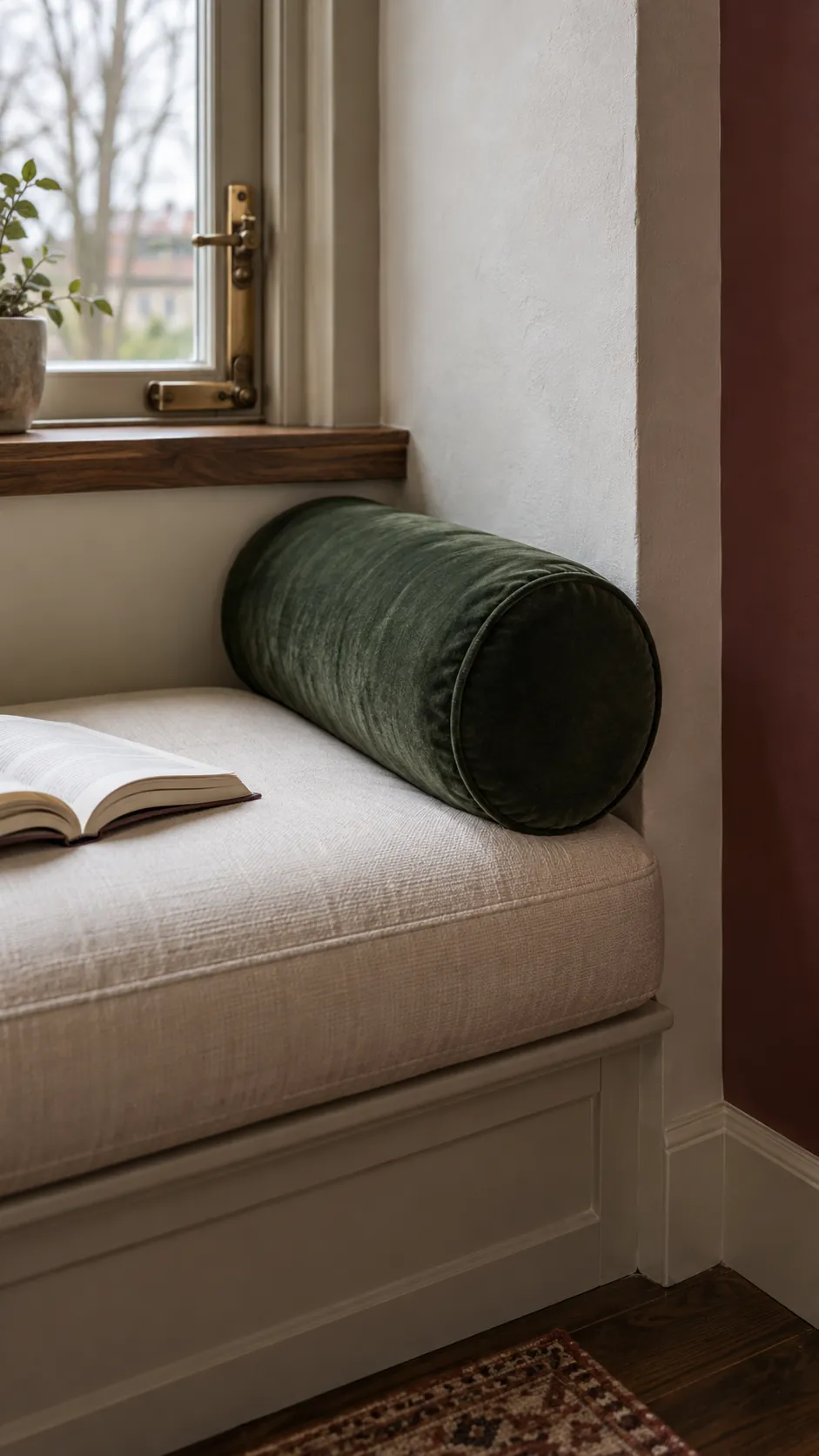
A firm bolster can give an upright window recess a more forgiving edge. Put it where your back or elbow naturally lands, then remove pillows that force you toward the seat front. The goal is a comfortable reading position rather than a bench covered in cushions.
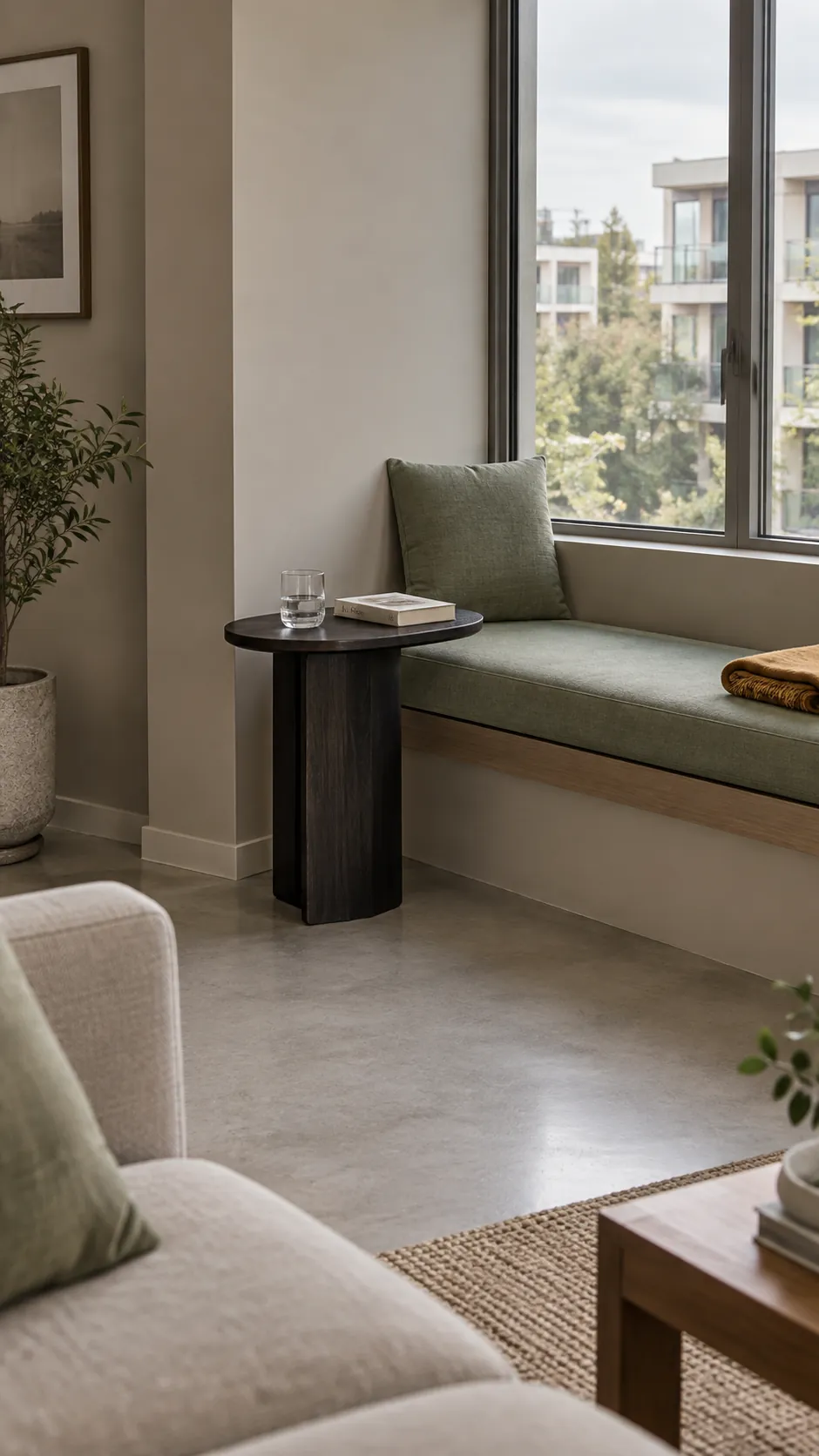
A side table that earns its floor space
A small table gives a drink and book somewhere secure to land. Choose a base that fits beside the seat without becoming a trip point, and test the reach from your usual sitting position. If the nook is narrow, a slim table at one end can be more useful than a wide coffee table in front.
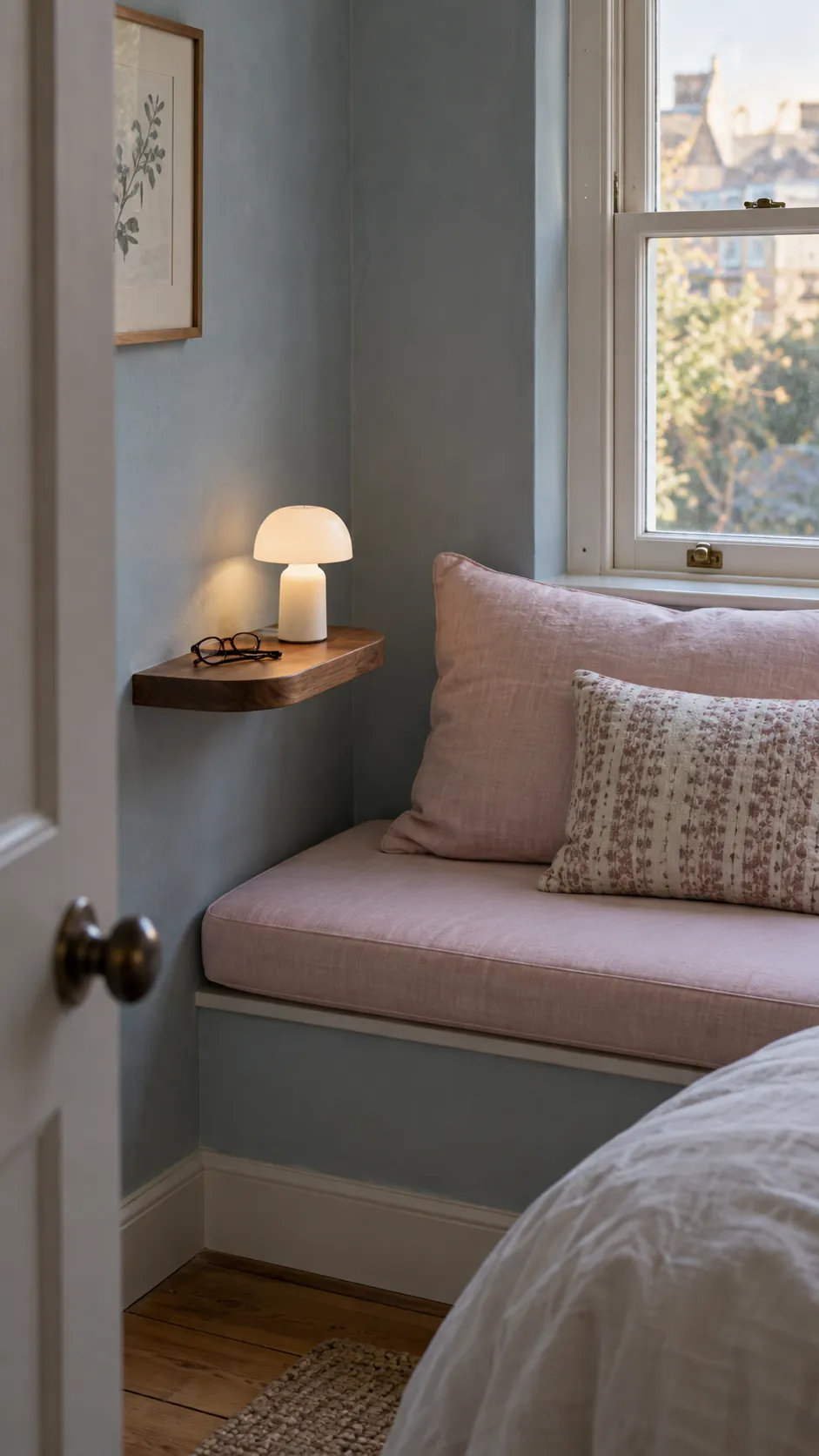
A wall shelf when a table will not fit
A small shelf beside the seat can hold glasses or a reading light while preserving floor space. Fix it into a suitable wall support and keep the edge away from where your head rests. A shallow shelf is often enough for essentials; a deep one can crowd the nook surprisingly quickly.
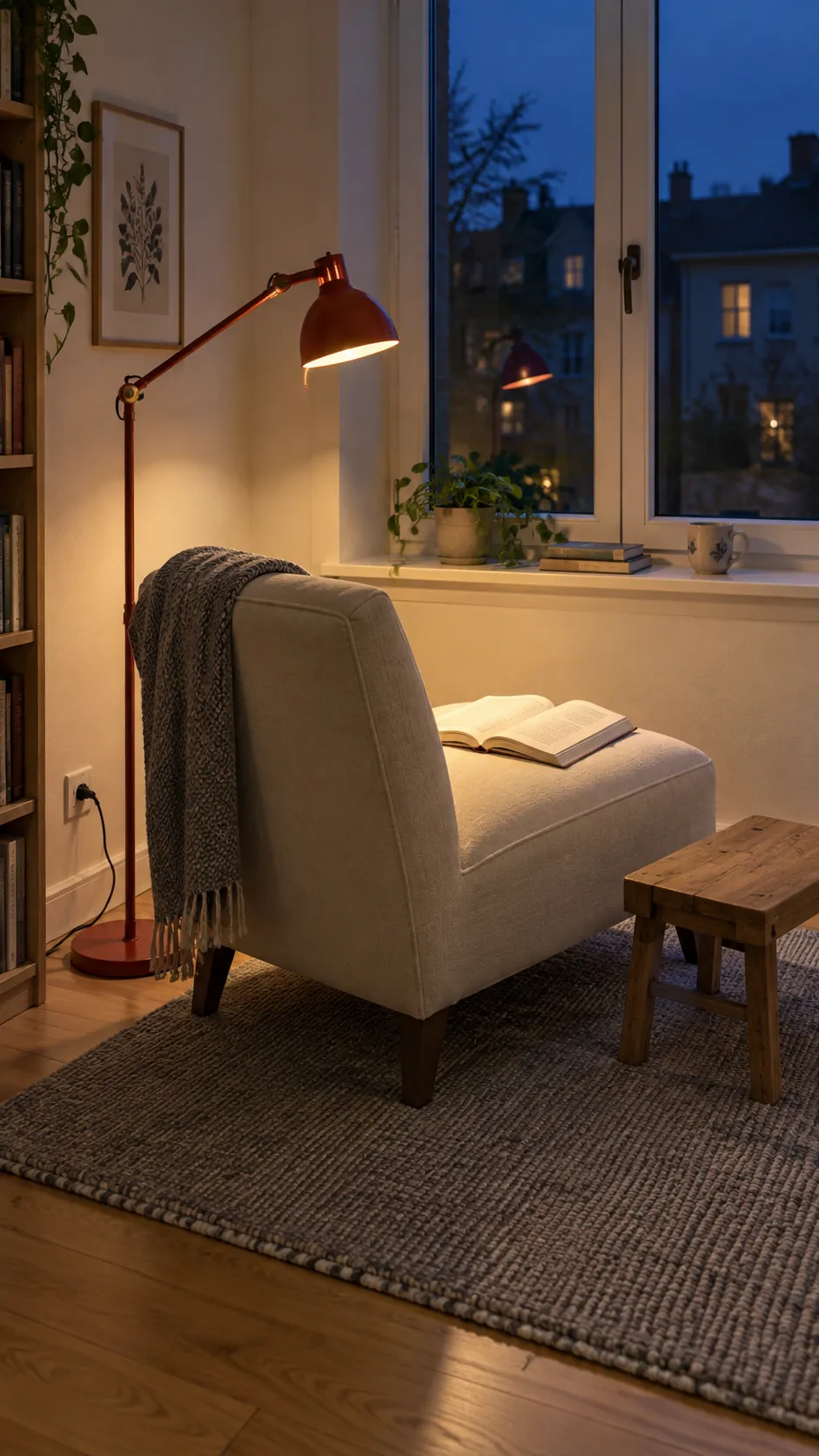
A reading lamp aimed at the page
Daylight does not solve evening reading. Position a lamp so it lights the page without shining directly into your eyes or reflecting harshly in the window. Route the cable along the wall and away from the walking path. Try the arrangement after dark before treating the nook as finished.
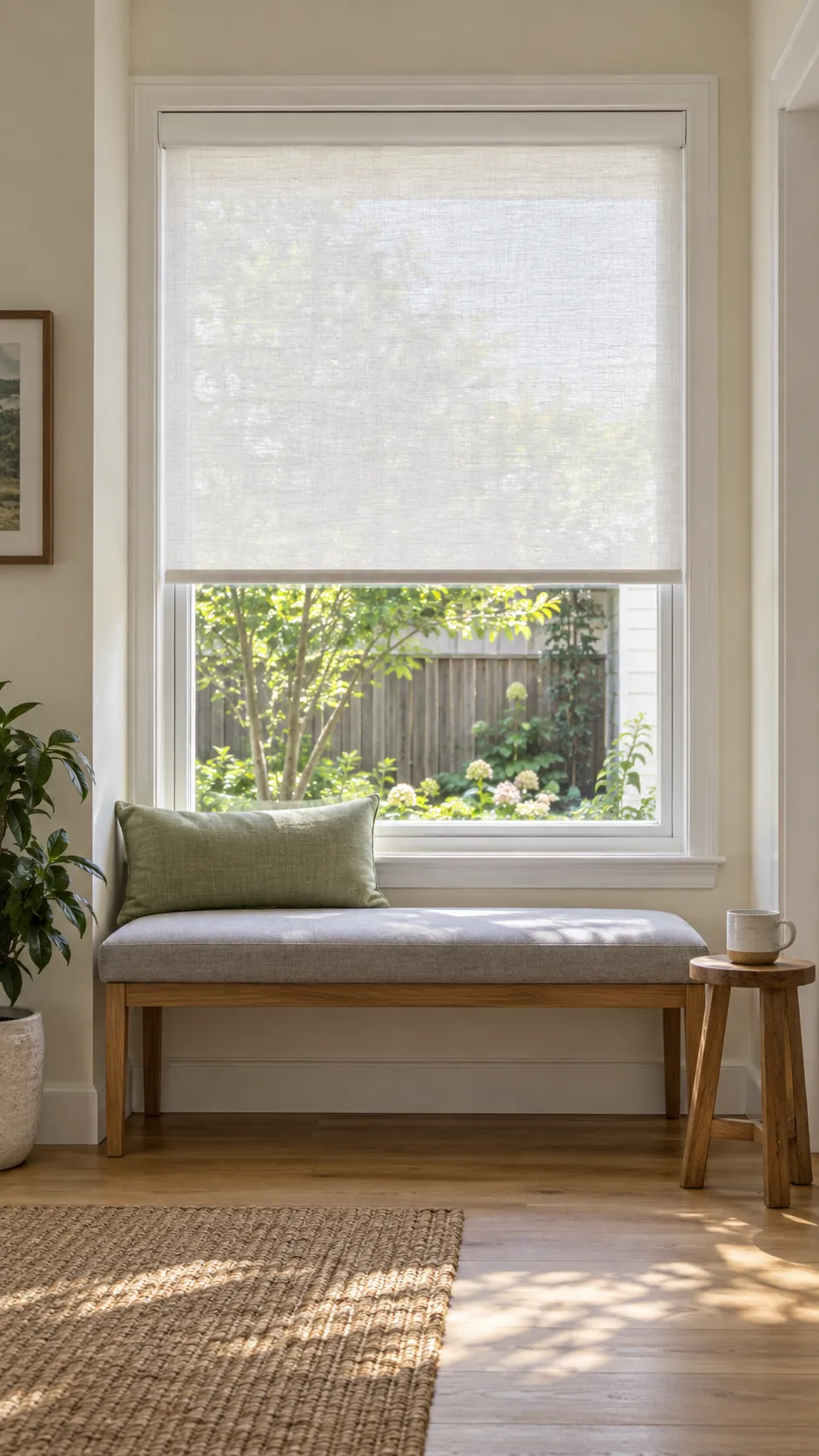
Cordless shades for a calmer window
A shade that operates without dangling cords keeps the window area visually simple. It can also reduce a cord hazard around children, though seating placement still needs care wherever a child could reach an opening window. Select a fabric that controls the actual glare in the room rather than relying only on its color.
Curtains that stack beyond the seat
Curtains feel softer when their open folds sit beside the window instead of consuming the seat. Extend the rod where wall space allows and check that the fabric can move without catching on cushions. Keep hems clear of heaters and other heat sources according to the equipment guidance.
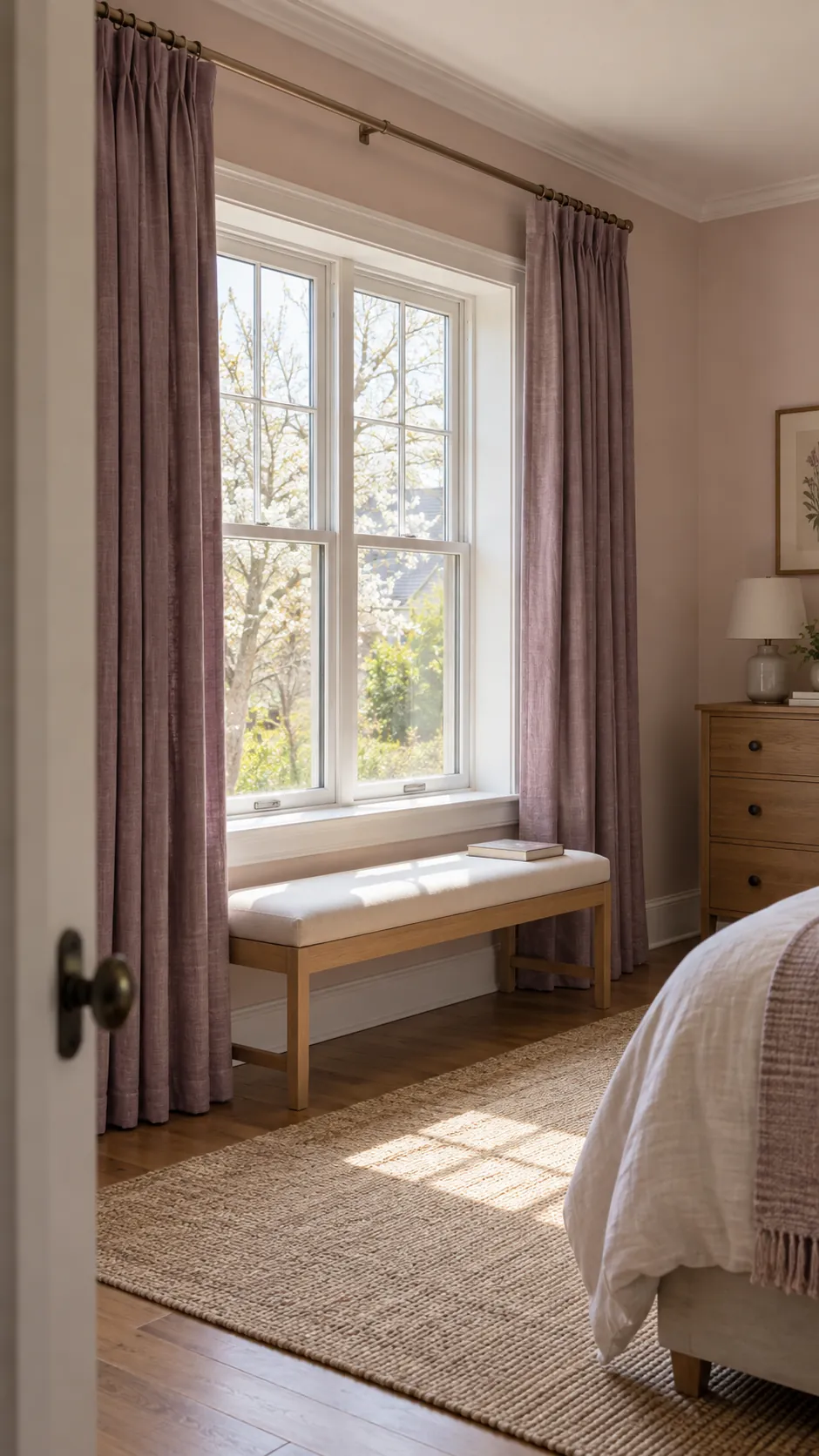
Privacy glass treatment for a street facing nook
A street facing seat can feel exposed even when it gets beautiful light. Removable privacy film on the lower portion of suitable glazing may help while preserving the upper view, but check compatibility with your window and tenancy rules first. Pair it with an evening covering because privacy performance depends on the material and lighting conditions.
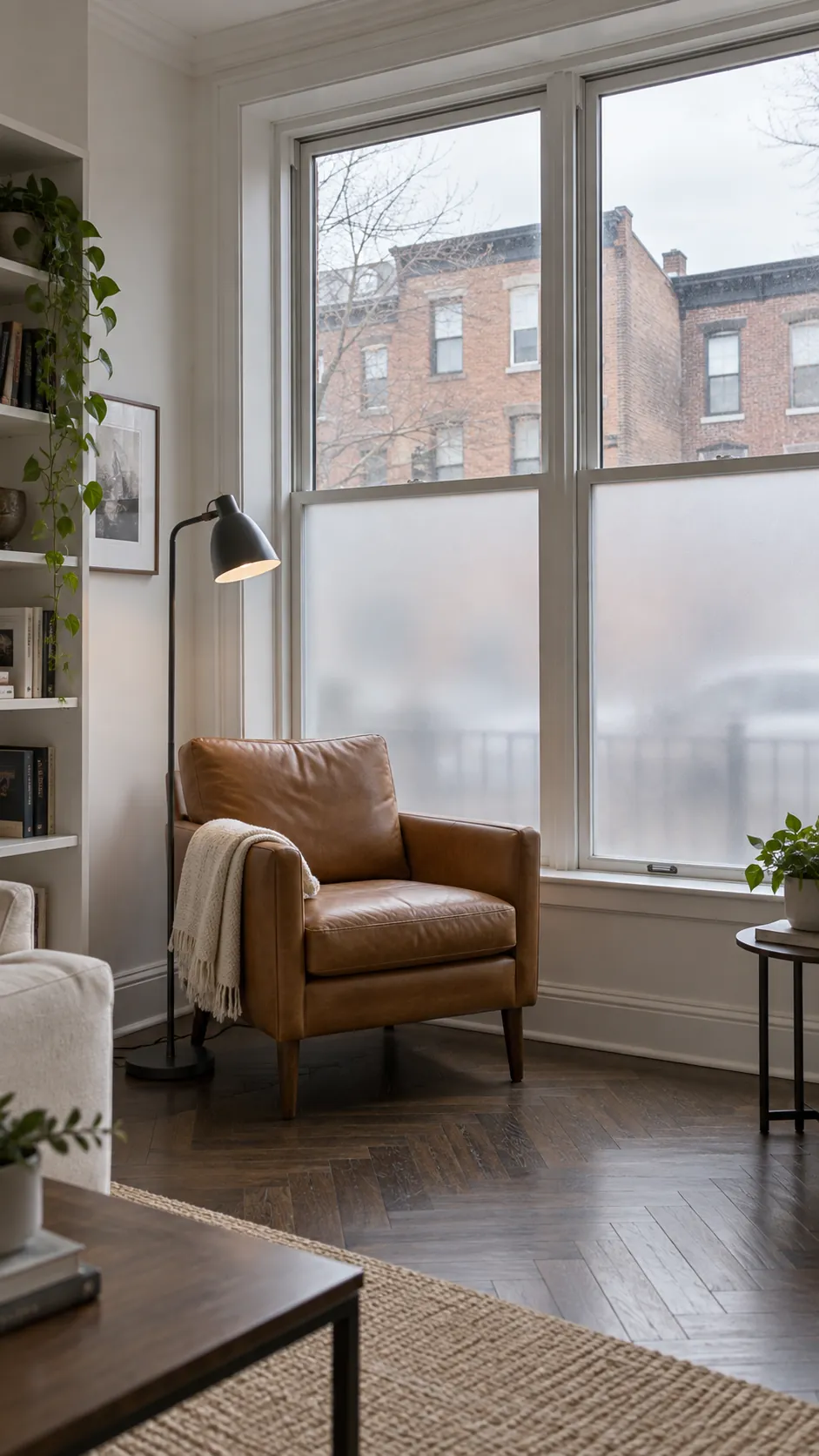
A light filtering layer for strong afternoon sun
A sunny seat can become uncomfortable long before the rest of the room warms up. Start with a light filtering covering and assess whether you also need more substantial heat and glare control. Avoid storing delicate book jackets or textiles in constant direct sun. Move the seat slightly back from the glazing if the recess allows it.
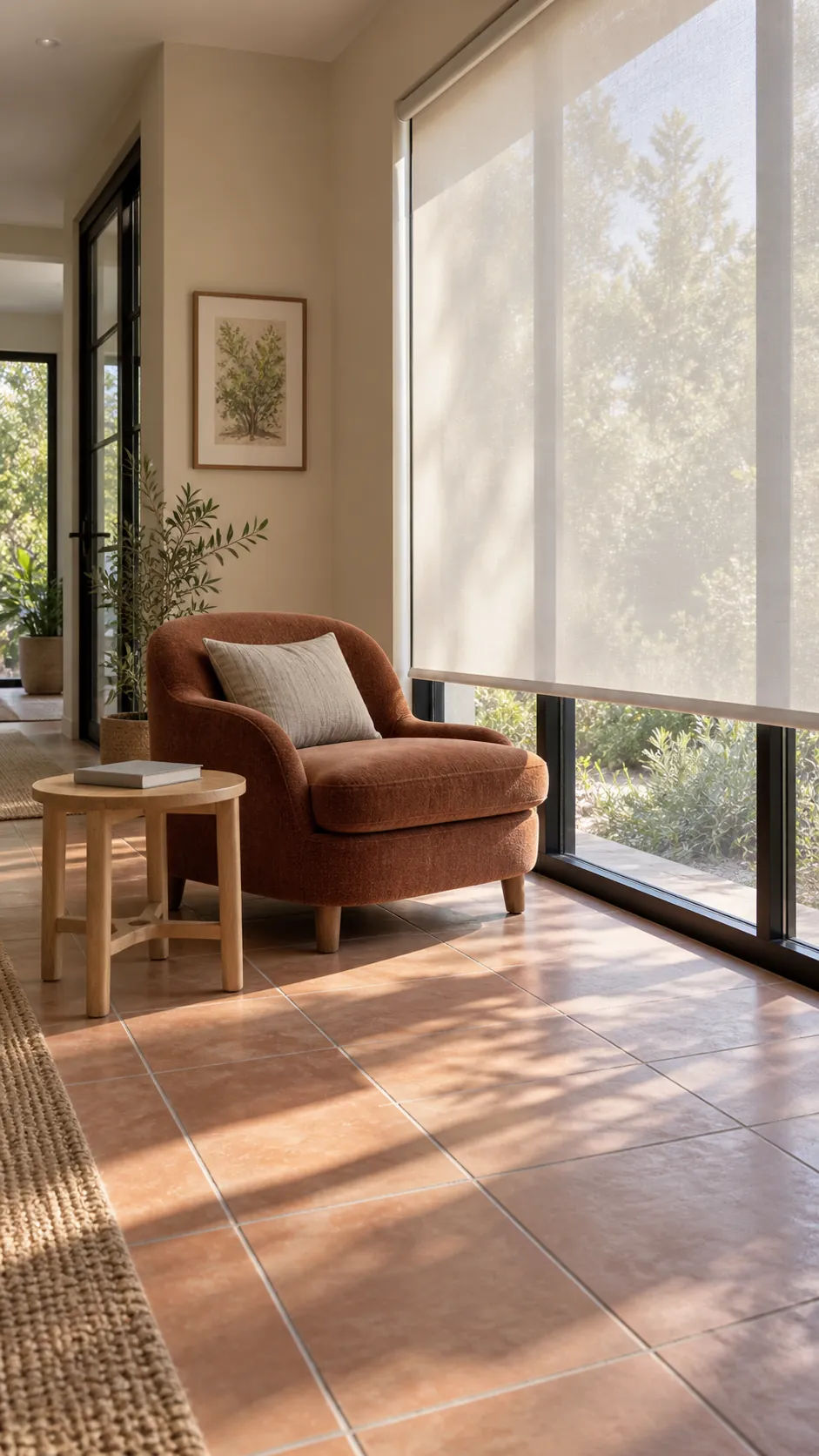
A winter nook with breathable layers
A throw and supportive cushion can make a cool corner more inviting. Keep fabric away from damp glass and inspect the window area if condensation repeatedly appears. Soft furnishings cannot fix a leak or persistent moisture problem, so deal with that before enclosing the seat with heavy textiles.
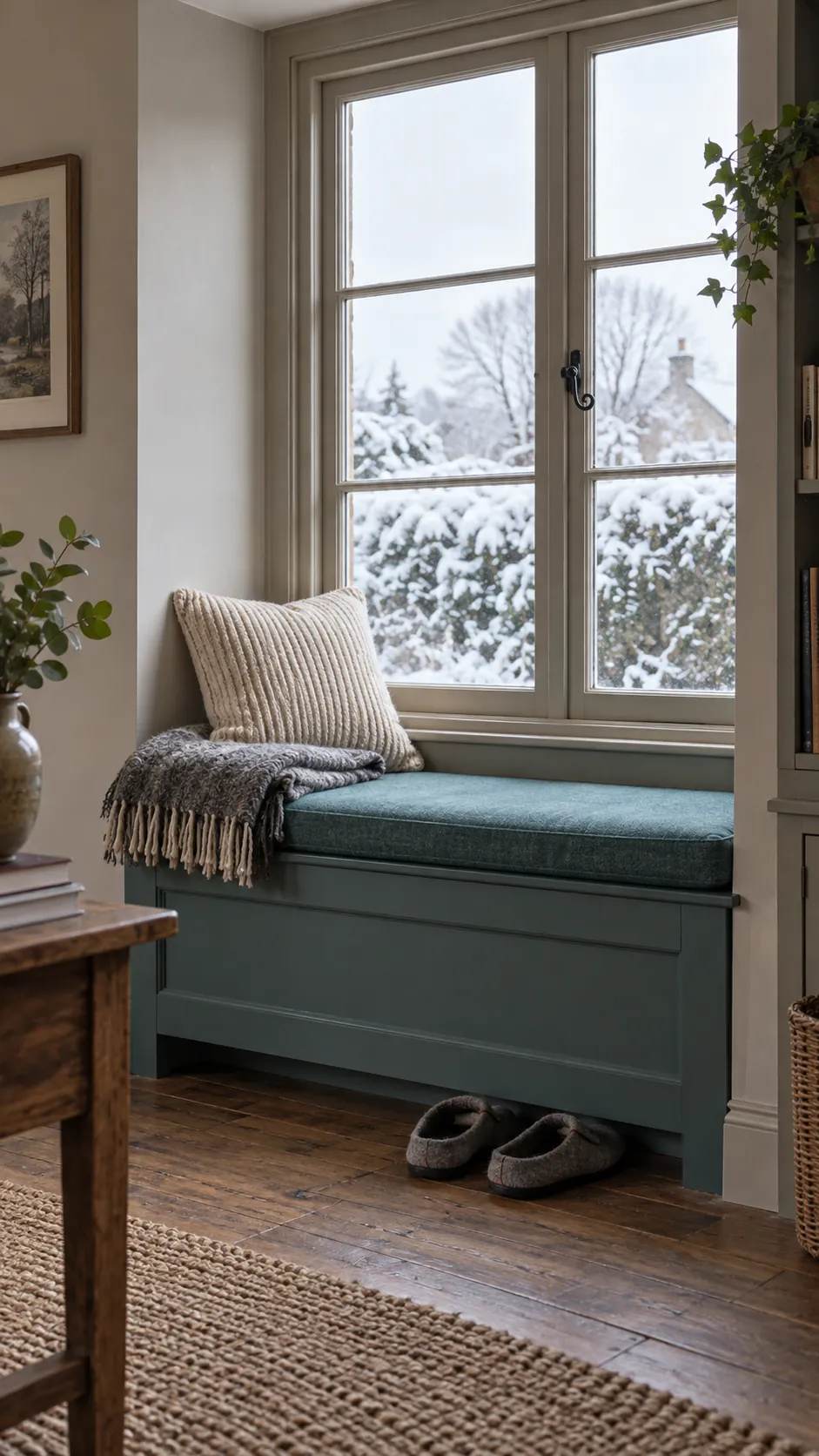
A radiator friendly seat beside the heat
If a radiator sits beneath the window, placing a chair beside it may be simpler than building over it. Keep the clearances recommended for your heating system and preserve access to valves. Any enclosure needs a design that accounts for heat output and servicing, not just an attractive grille.
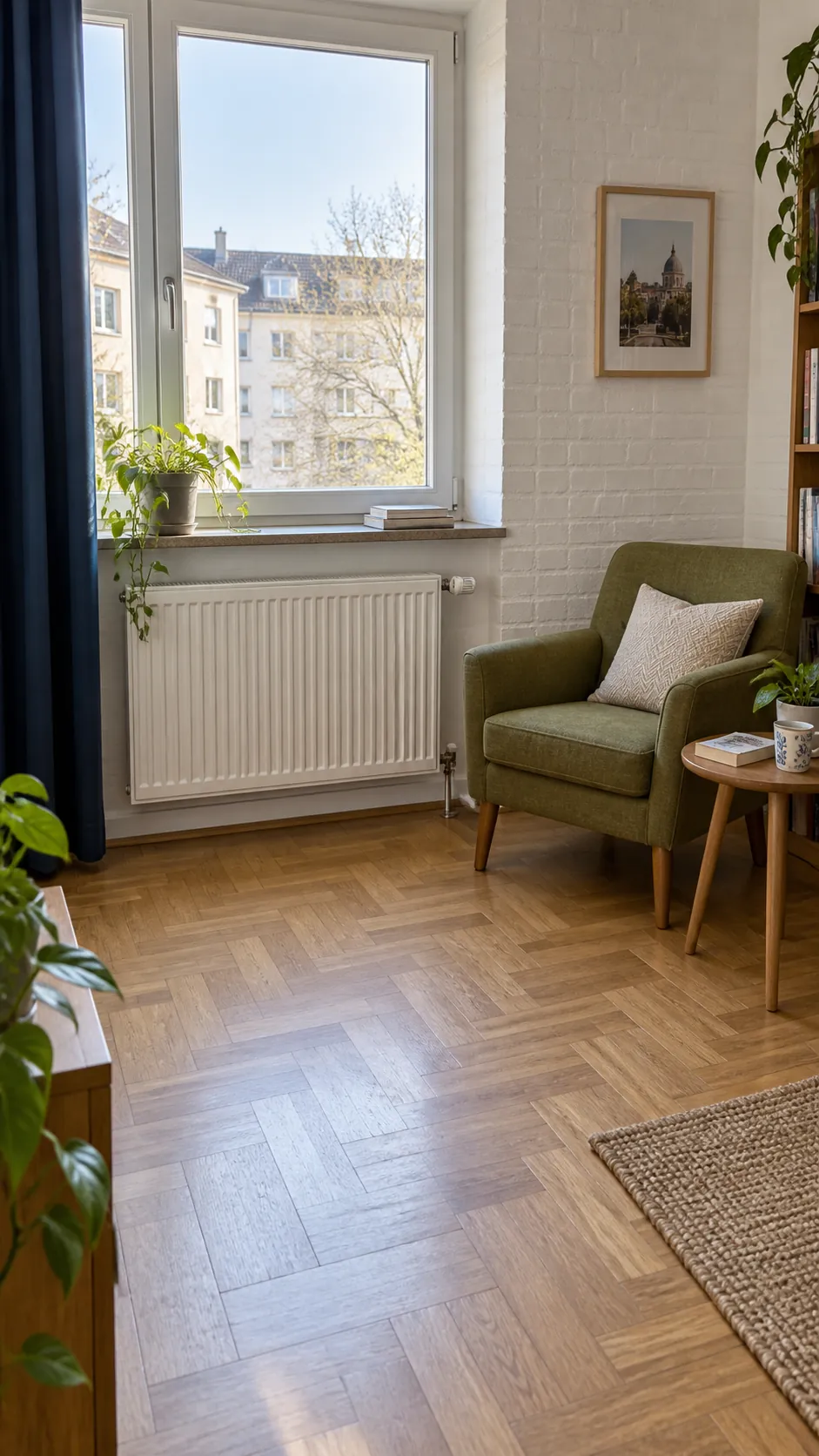
An inward facing seat with a view of the door
Some people relax more easily when they can see the room entrance. Turn a chair or choose the end of the bench that lets you look inward without twisting. This arrangement is especially useful in a home office where the window corner should feel like a break from the desk.
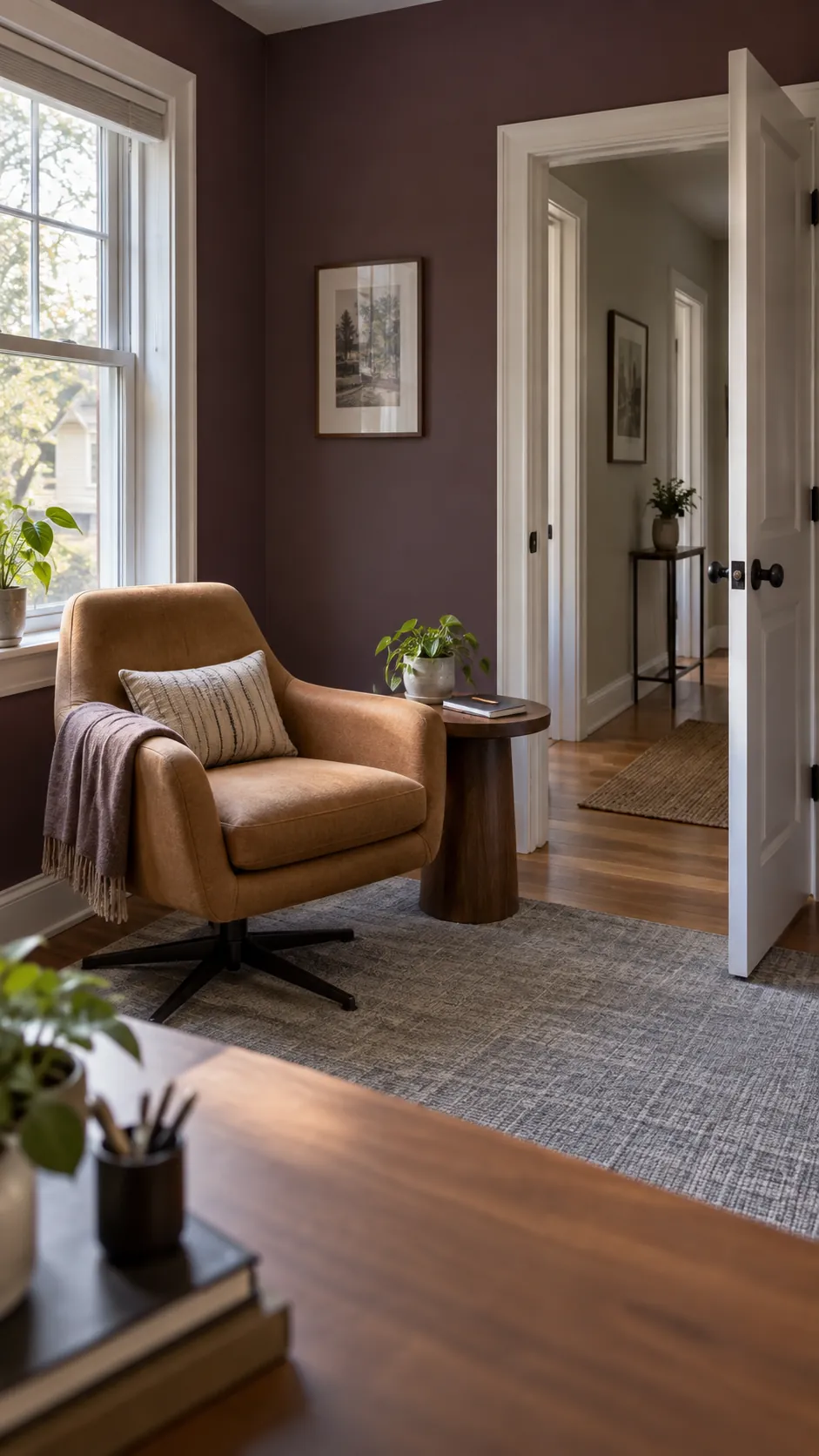
A narrow bedroom perch that protects the walkway
In a small bedroom, a seat only works if you can still move around the bed. Mark the proposed depth on the floor and walk through the room before buying or building. A compact perch may be the right choice for putting on socks, even if it is not deep enough for long reading sessions.
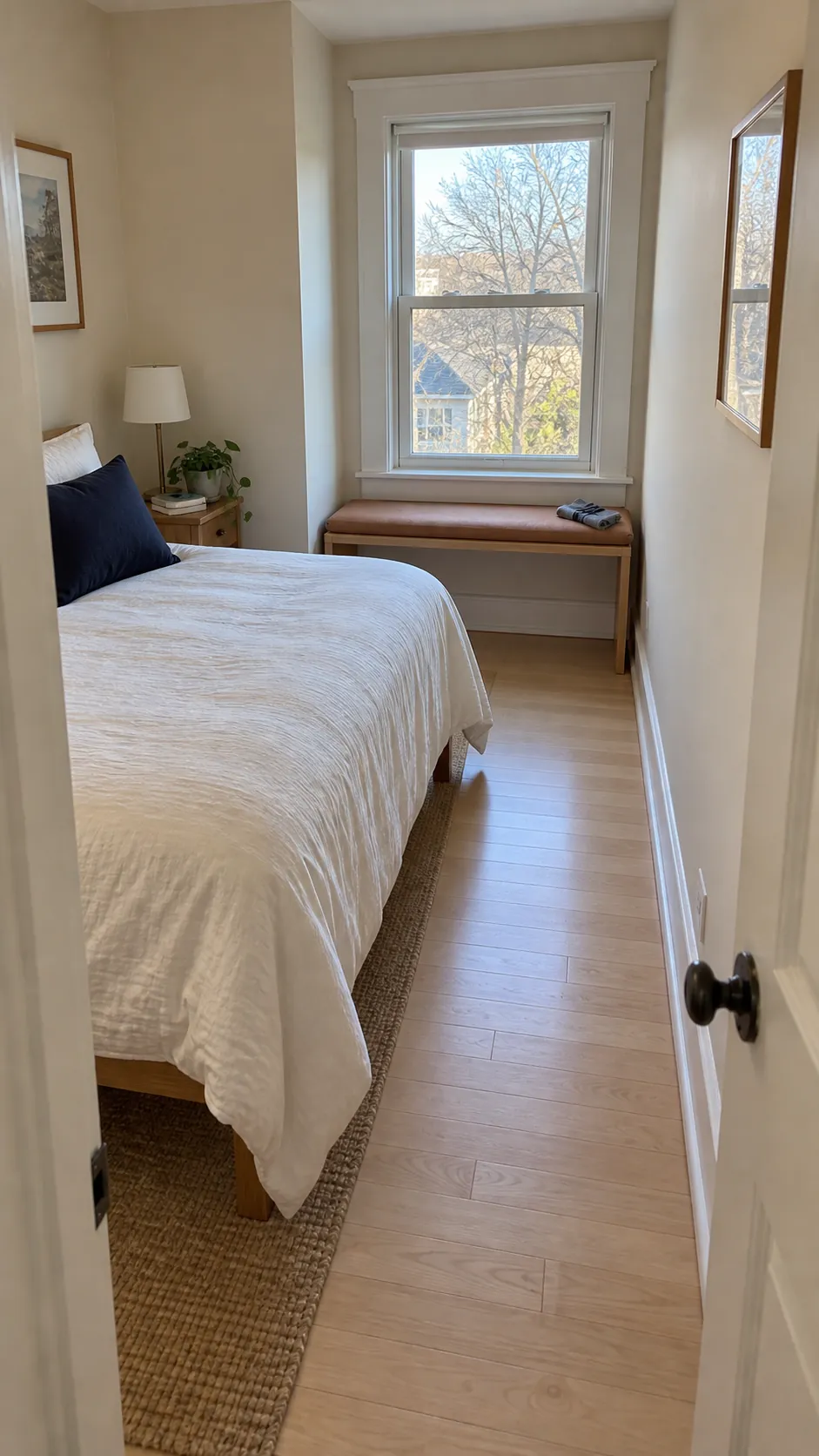
A deep end cushion for curling up
If your recess is genuinely deep enough, give one end a generous lounging cushion. Check that the seat structure supports the intended use and that the window remains accessible. A smaller pillow behind your lower back can be more helpful than stacking large cushions against the glass. Try the position with a temporary cushion before ordering a custom one.
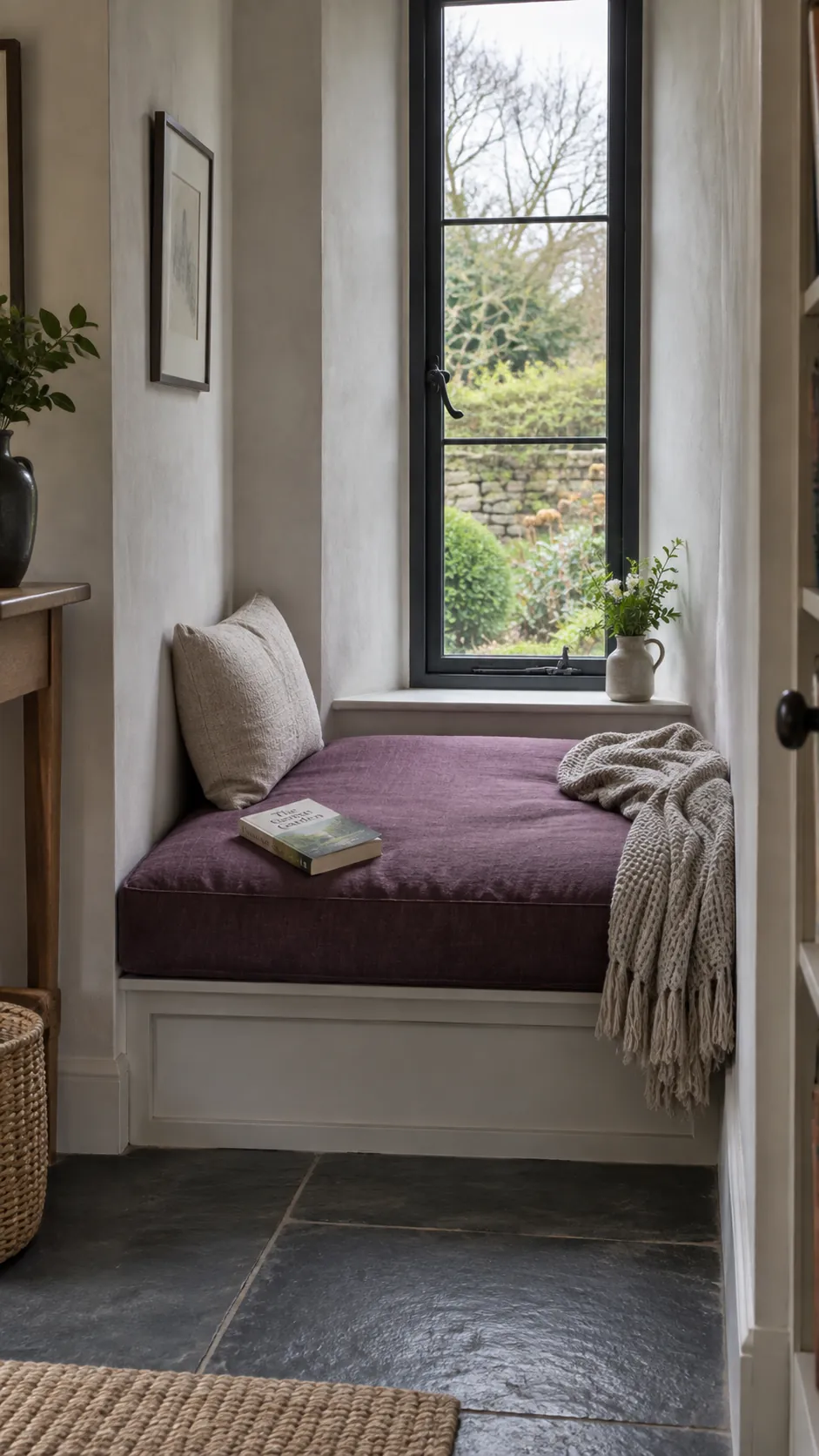
A compact chaise parallel to the window
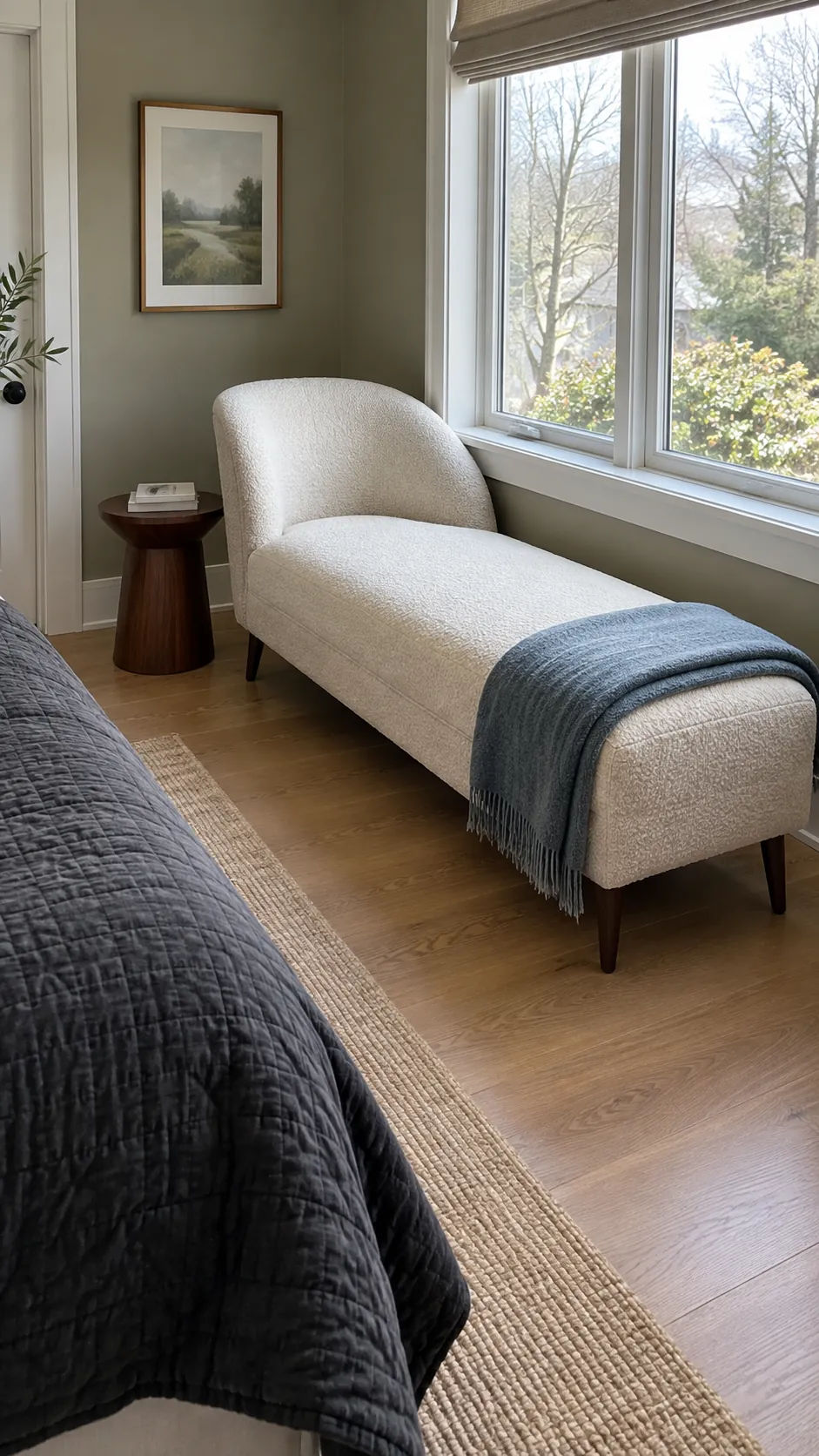
A chaise can offer a stretched out reading position without custom joinery. Place it parallel to the window when that protects the route into the room and leaves the glazing reachable. Check its full footprint, including the curved back or projecting legs, rather than shopping by seat width alone.
Two small chairs for a shared pause
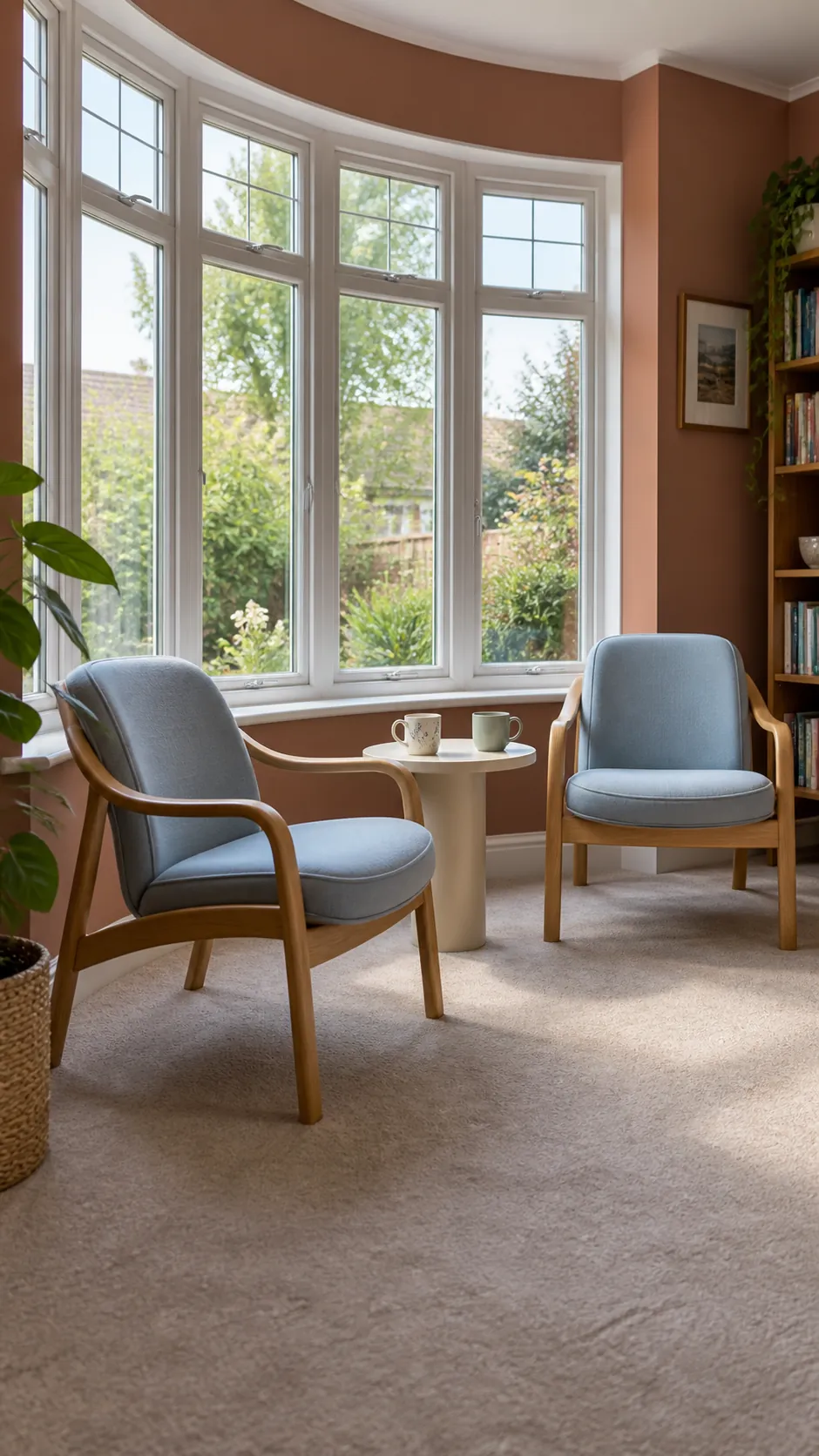
A broad window area can become a place for conversation rather than a single seat. Two compact chairs with one shared table often feel more flexible than a large bench. Angle them slightly toward one another and leave enough space for each person to get up independently.
A breakfast nook with room for knees
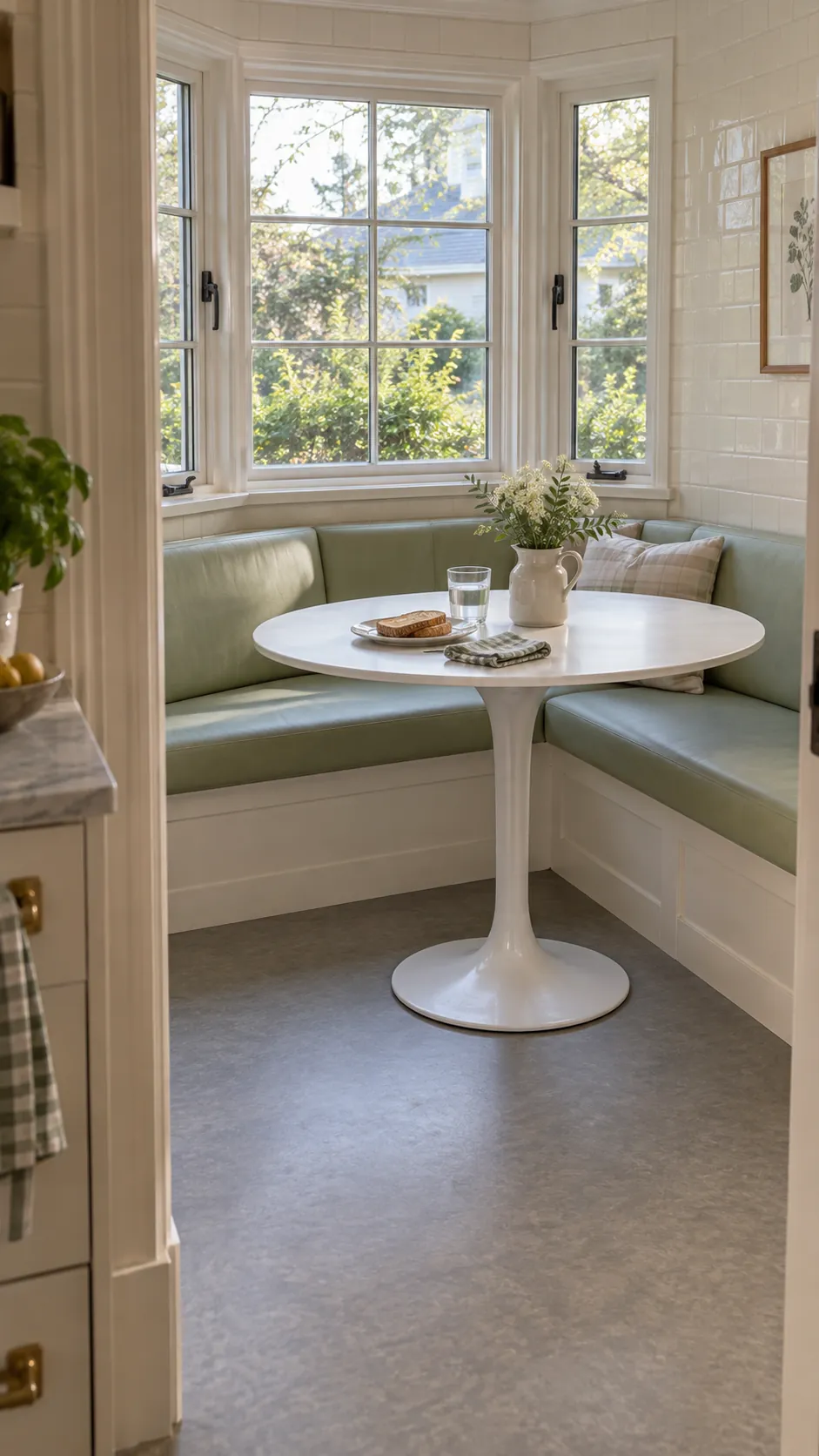
A bench near the kitchen can serve breakfast as well as reading. Test the relationship between the finished seat height and table height so your legs fit comfortably underneath. A pedestal table may simplify getting in and out, but its base still needs to leave useful foot space. Use upholstery you can clean without a complicated routine.
A window bench that extends dining seating
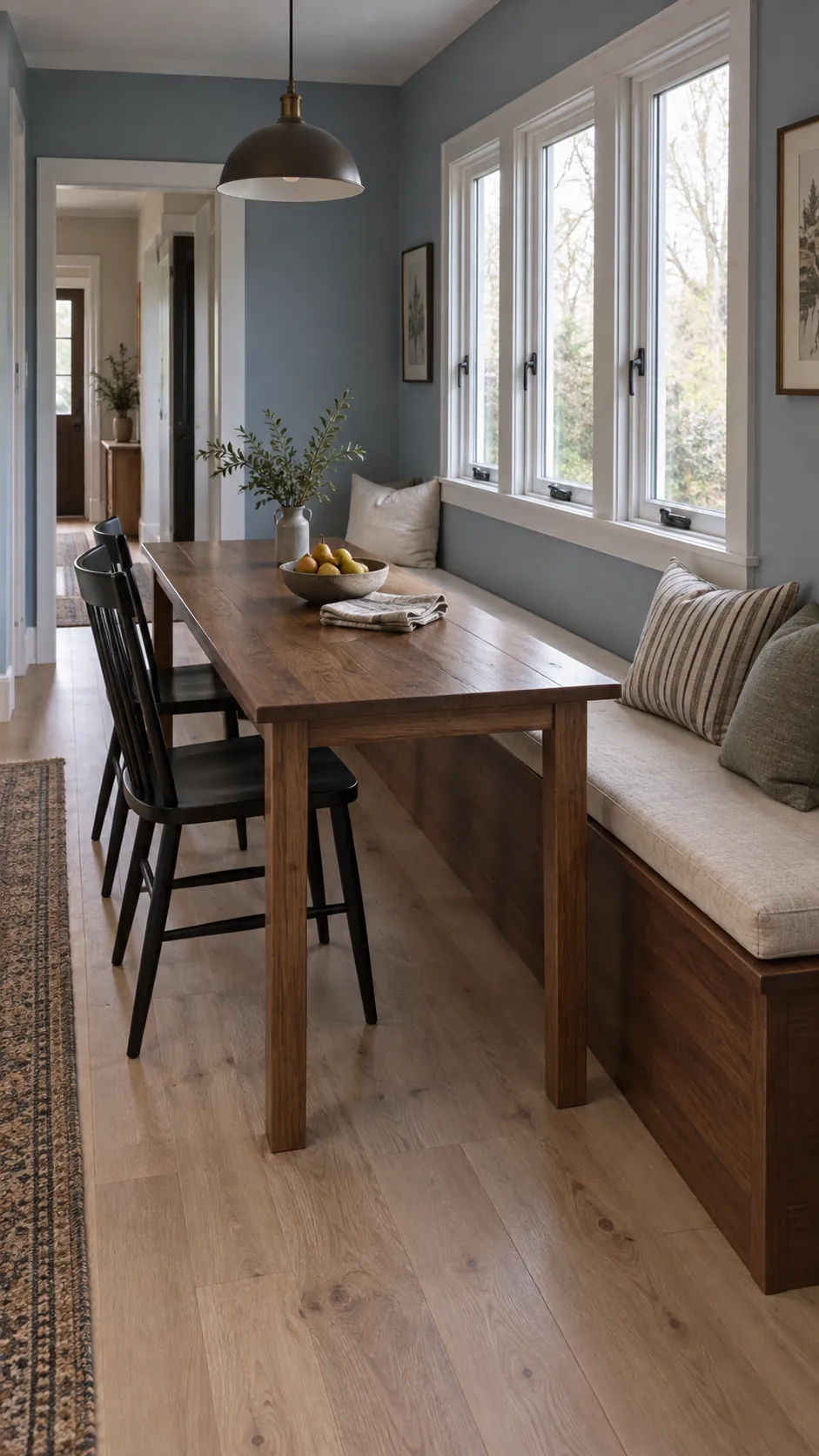
A long window bench can support a dining area when chairs would crowd the walkway. Plan access at the ends so nobody has to climb over another person. Keep the cushion firm enough for sitting at a table and check that the table does not trap it against the wall.
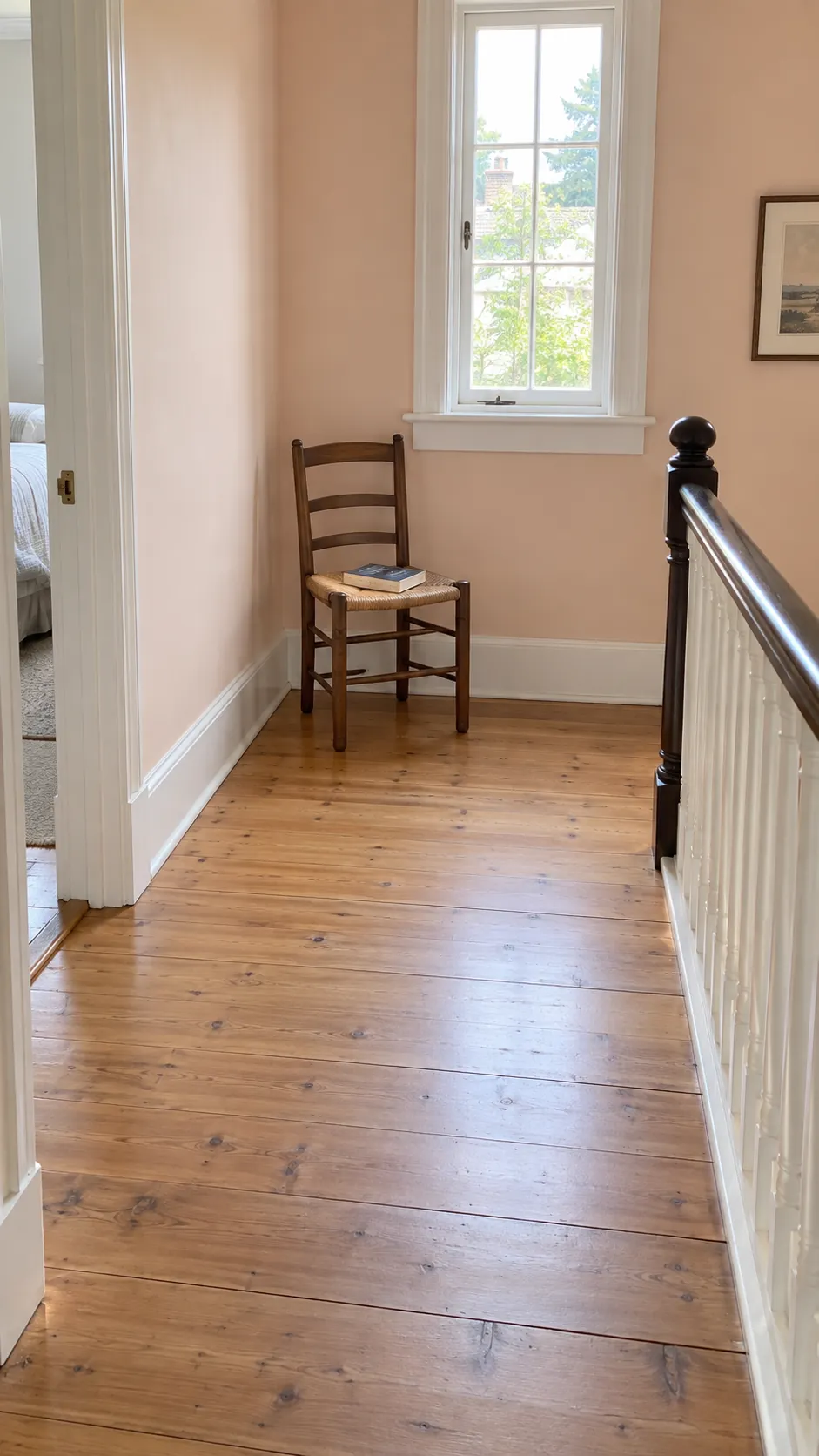
A landing seat that leaves the route clear
A bright landing can hold a small place to sit if the circulation space remains generous. Keep furniture away from stair openings and preserve the required escape route for your home. A slim freestanding chair is easier to remove if the space starts to feel congested.
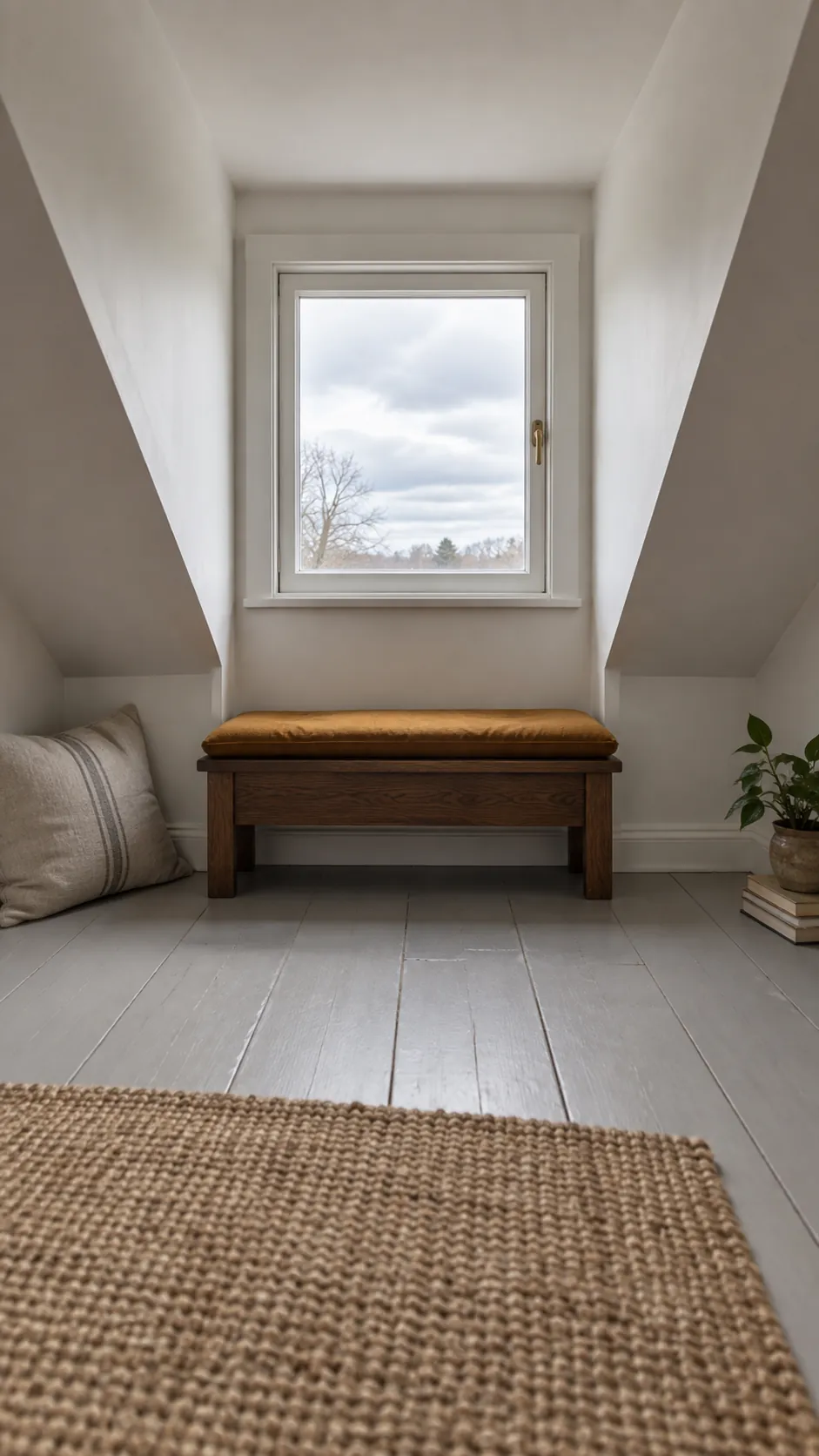
An attic dormer with a low seat
A dormer recess can become useful even when the ceiling slopes sharply nearby. Position the seat where you can sit down and stand up without meeting the roofline. A low piece of furniture can fit visually, but check that its height is comfortable for the person using it.
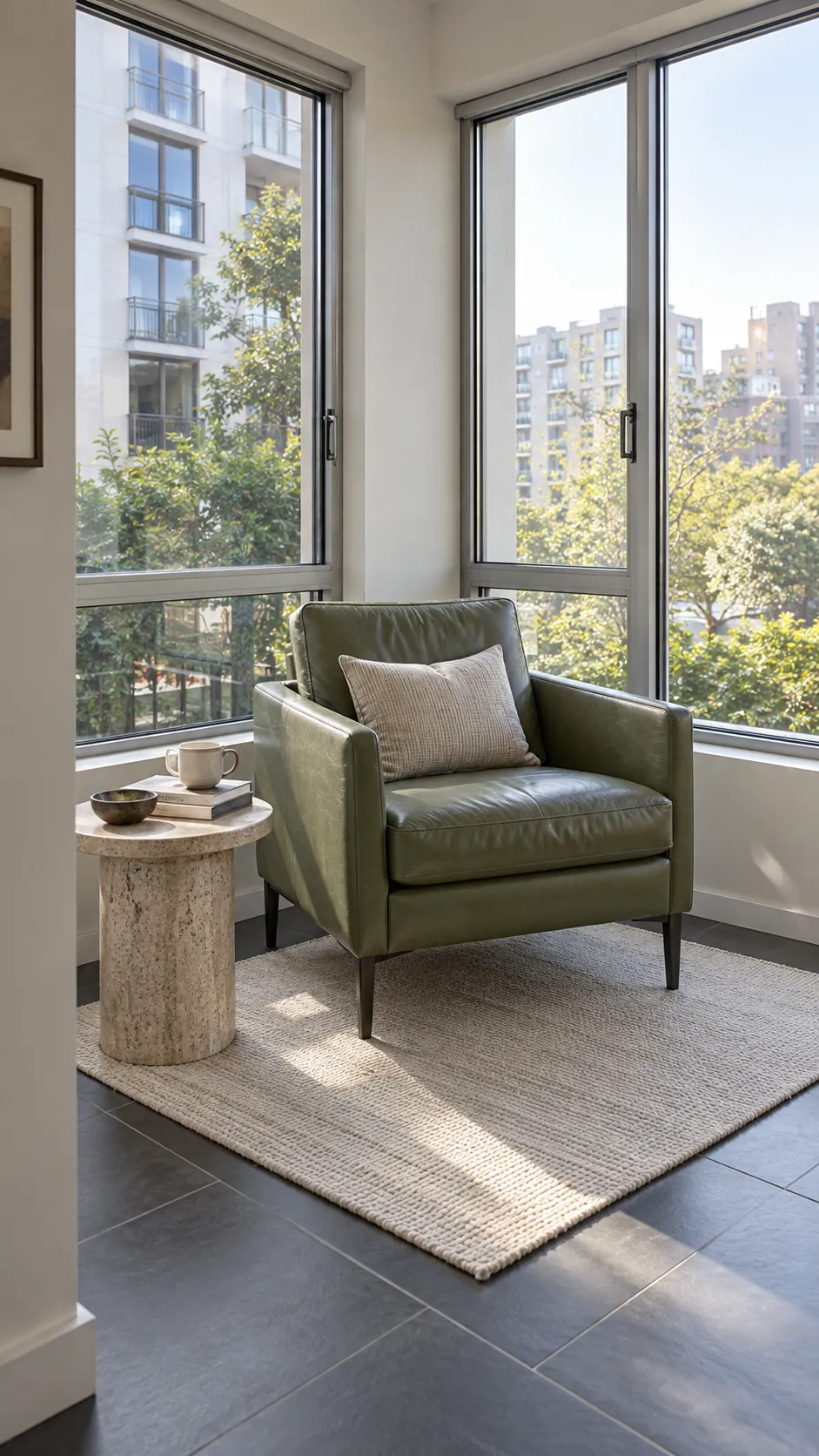
A corner window chair with two directions of light
A corner with glazing on both walls can feel bright without much decoration. Set a chair slightly away from the glass so curtains or shades remain accessible. Use a small rug only if it sits flat and does not complicate moving the chair or walking through the room.
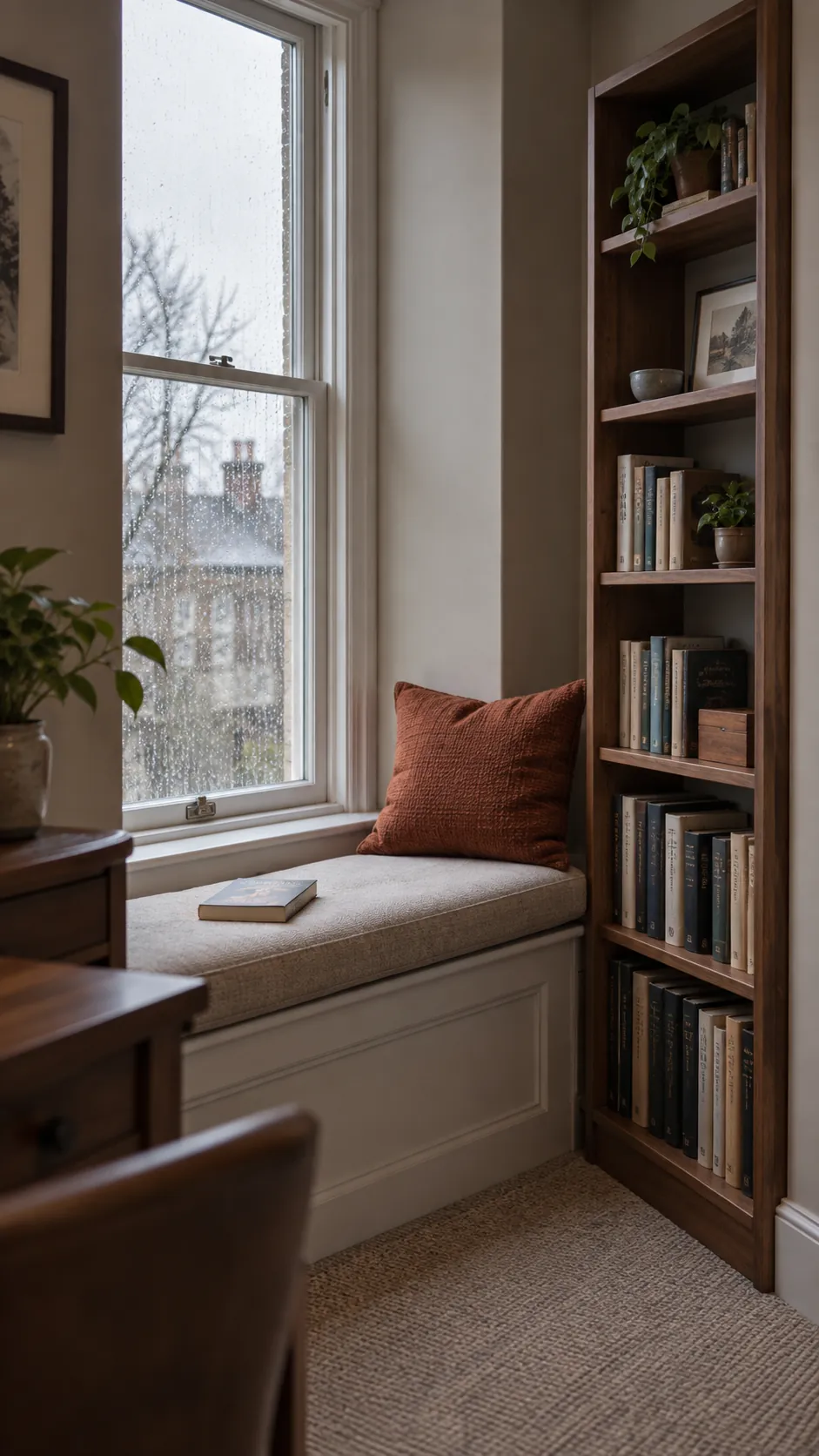
A bookcase on the solid wall beside the seat
Books beside the nook are easier to reach than books stacked across the cushion. Use the solid side wall for a properly secured bookcase and leave the window reveal uncluttered. Store heavy volumes low and keep the shelf depth from crowding your shoulder space.
A nook that keeps plants off the cushion
A little greenery can frame the view without taking over the place you sit. Put pots on a separate stand with a waterproof tray rather than balancing them on upholstery. Match the plants to the real light and keep leaves from interfering with window operation.
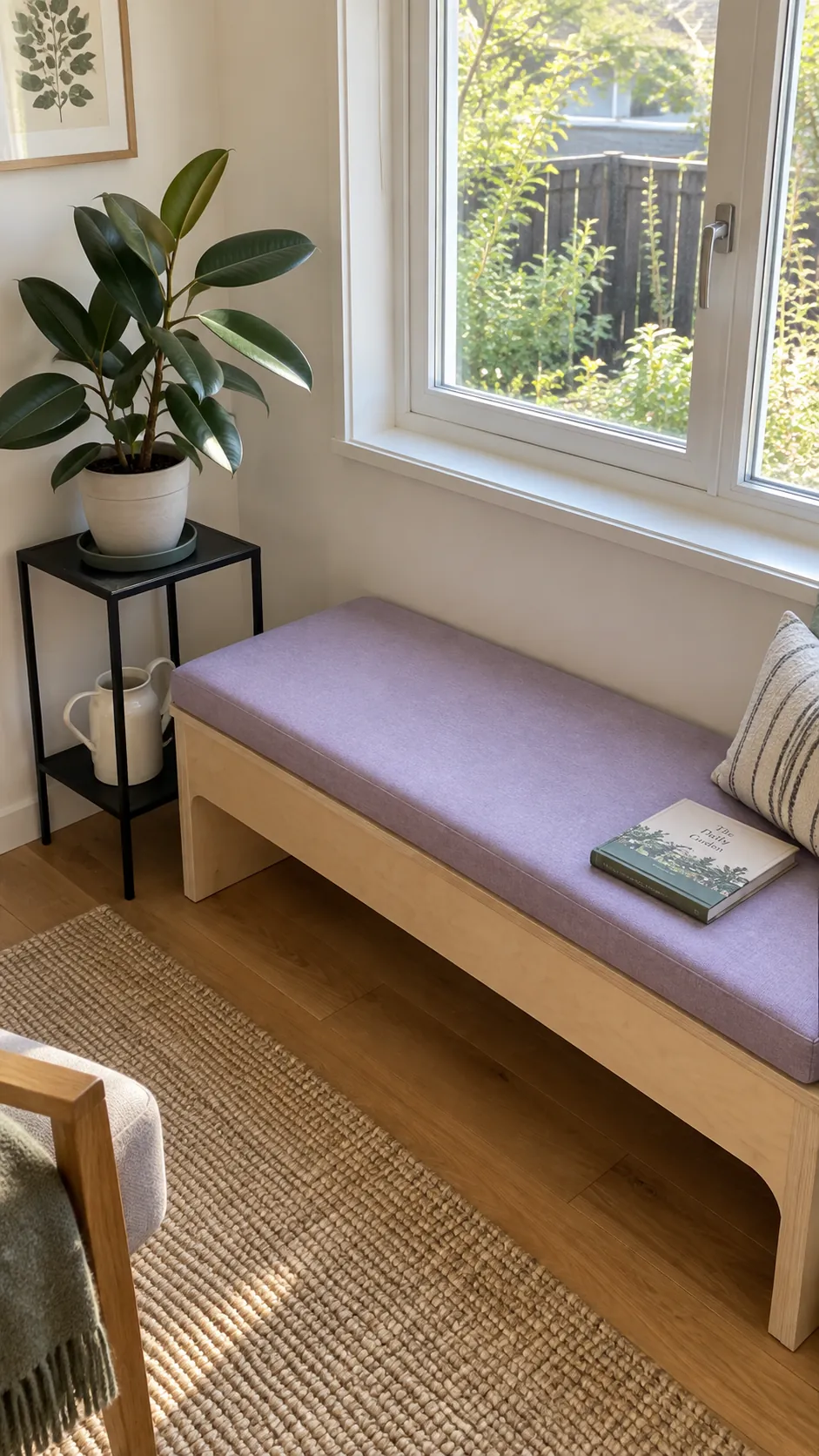
A washable cover for everyday spills
When a nook is a favorite snack spot, easy care matters more than delicate trim. Check the actual washing instructions and allow for shrinkage before choosing a cover. A spare cover keeps the seat useful while the first one dries. Avoid fabrics whose care demands do not match the way your household lives.
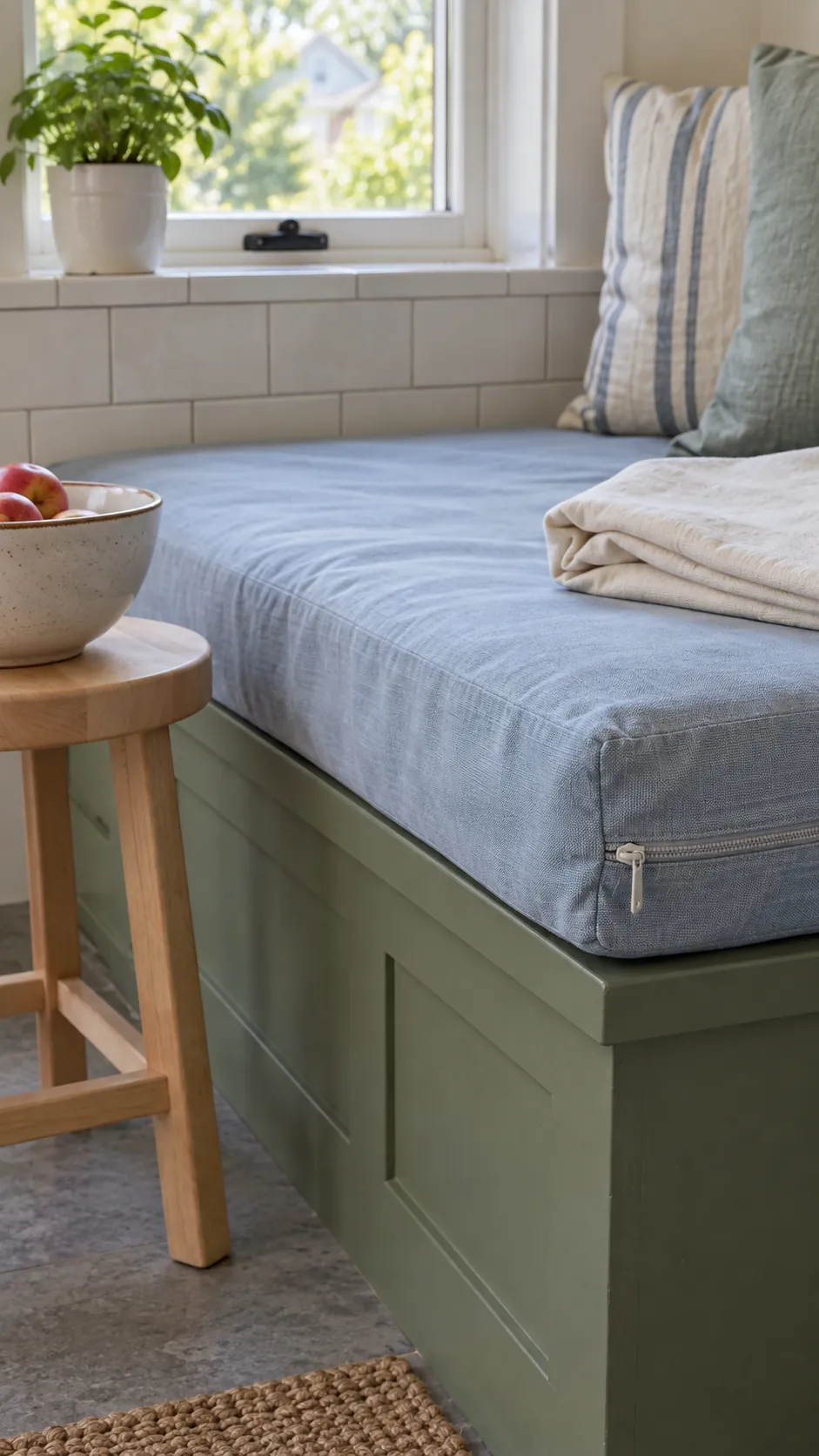
A pet blanket at one end
If a pet already claims the window, give that habit a defined spot. A removable blanket at one end is simpler to wash than the entire cushion and leaves the rest of the seat available. Keep the window secure and choose a perch arrangement suited to your animal rather than encouraging access to an unsafe opening.
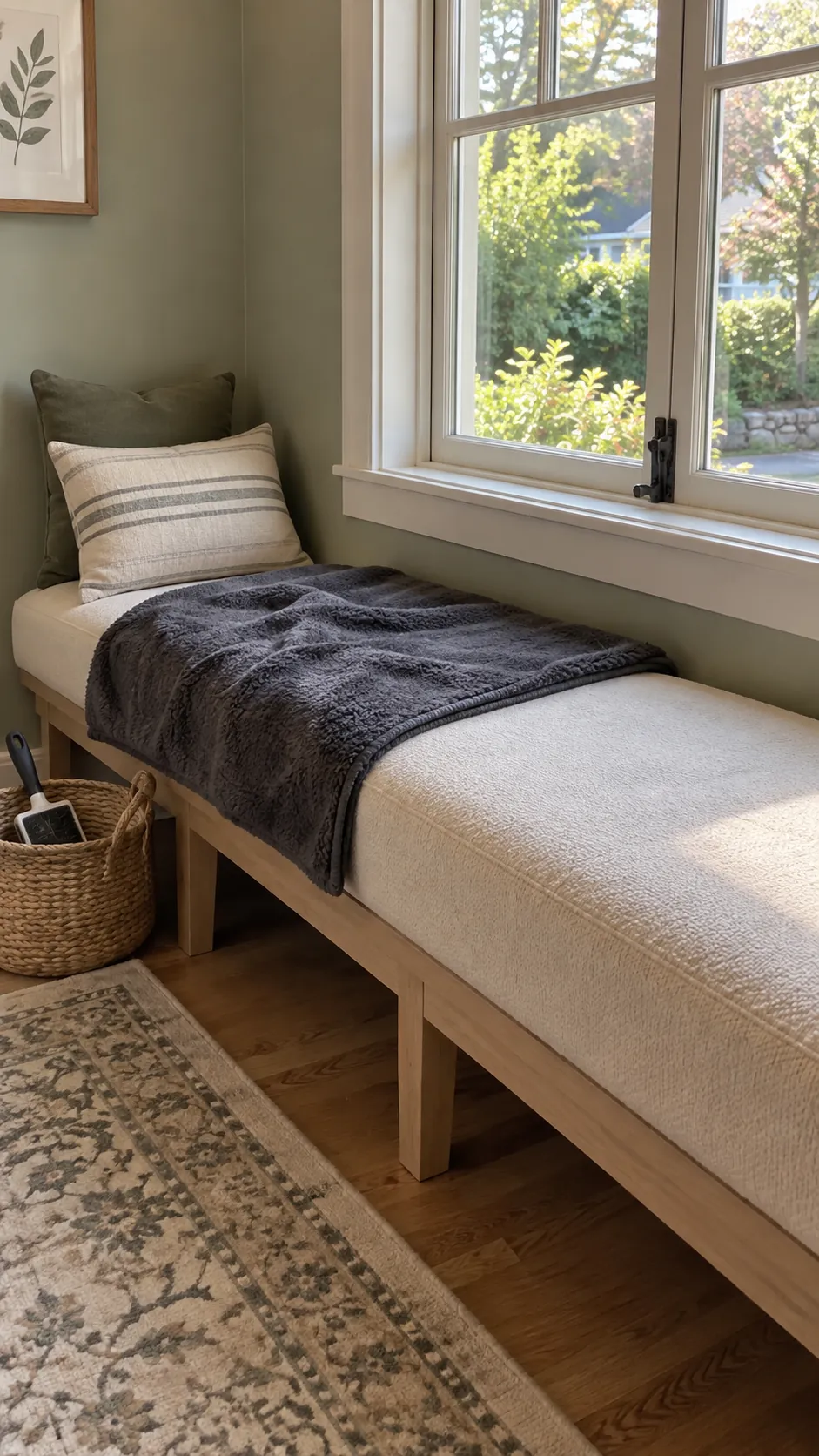
A grown up reading corner in a family room
A family room nook can stay useful without becoming another toy storage zone. Give it one comfortable seat, a reachable lamp and a basket for current reading. Keep the arrangement flexible enough to join the rest of the room when people gather. A restrained setup often gets more use than a heavily decorated corner.
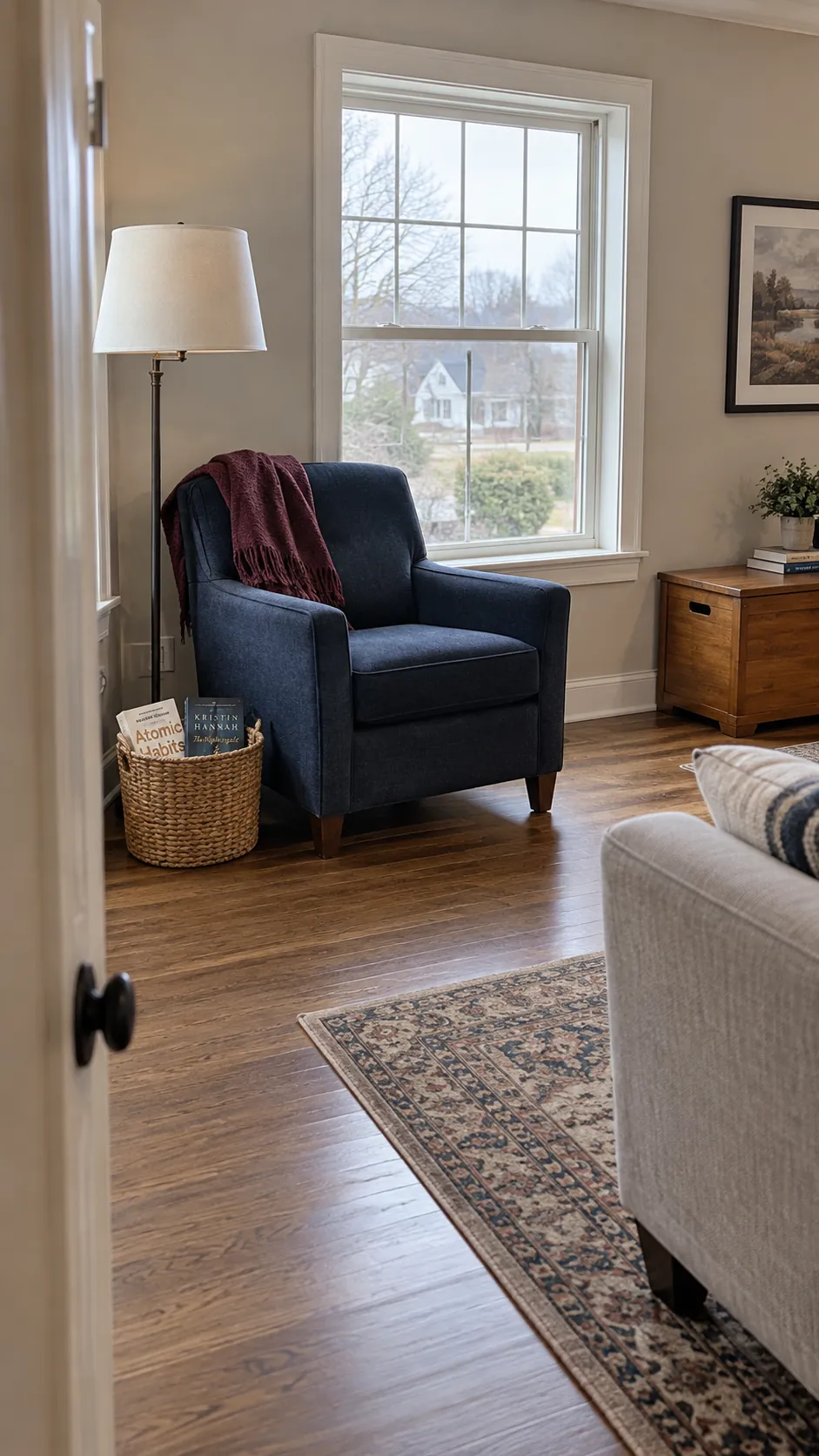
A guest room seat that holds a bag
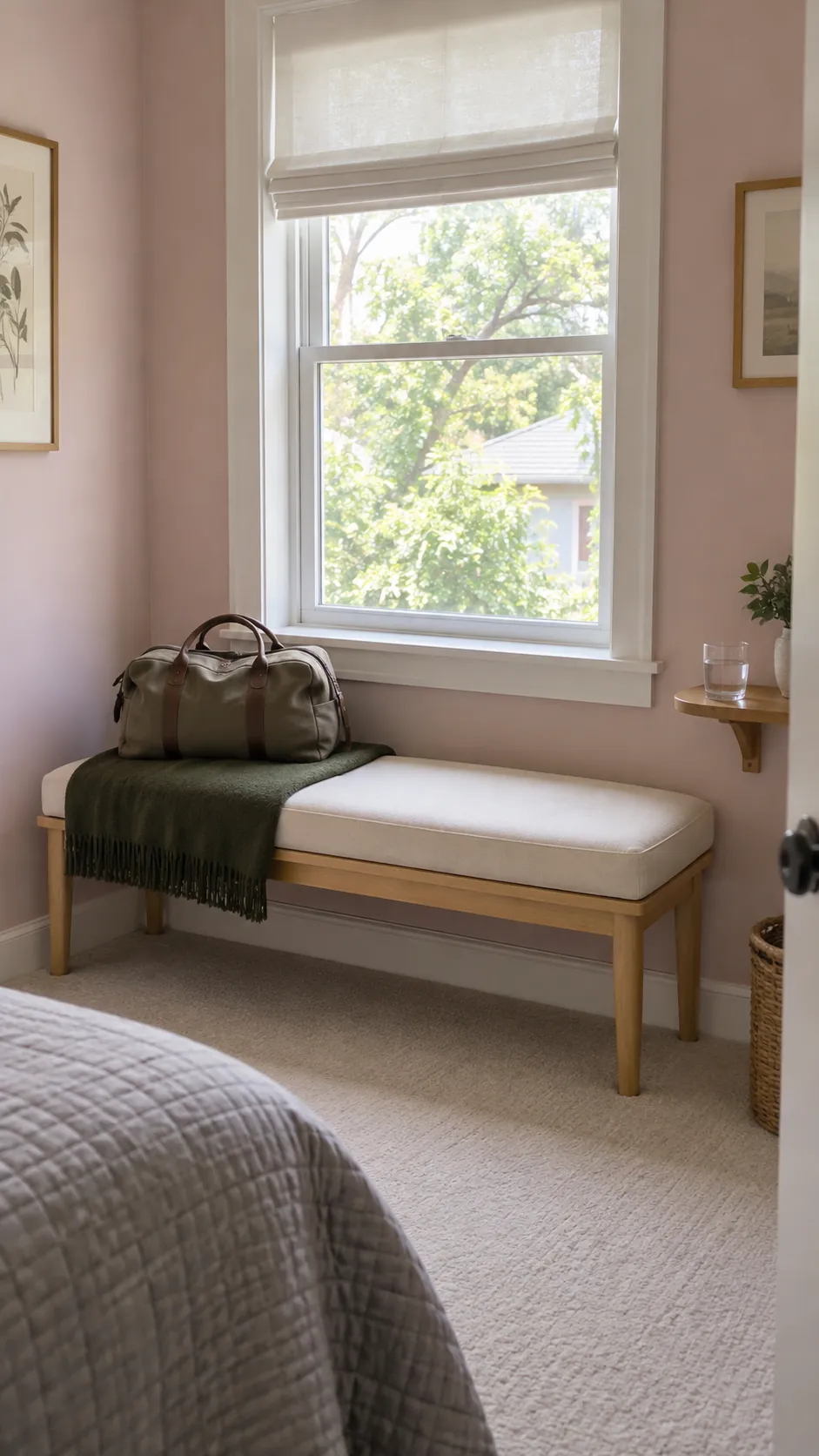
A window bench in a guest room can do more than look inviting. Leave a firm section clear for a travel bag and provide a small nearby surface for a phone or water. If the cushion is pale, a washable folded throw offers a practical landing place for luggage.
A quiet corner for knitting or handwork
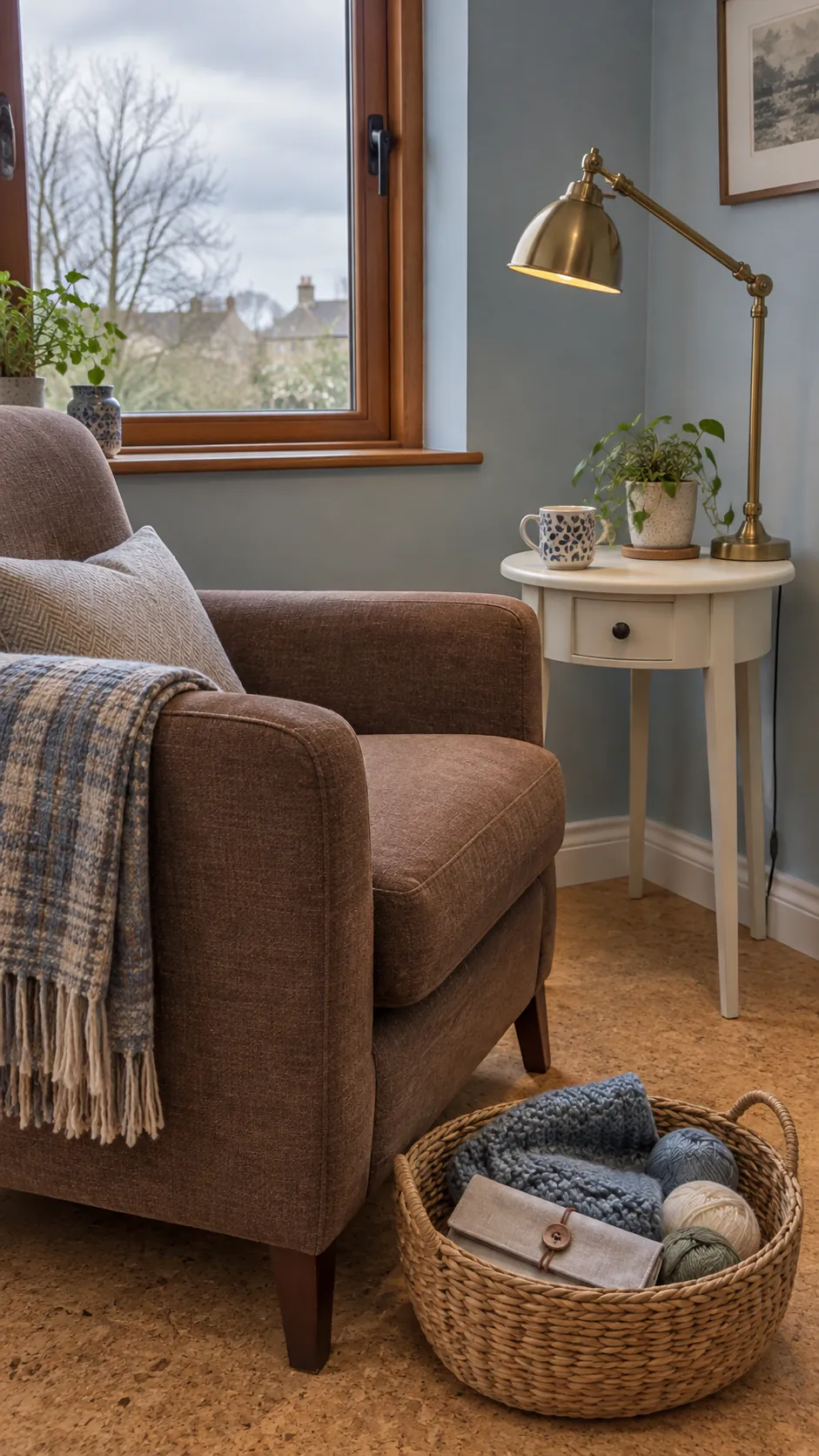
A window seat can support small hobbies if the tools have somewhere contained to live. Use a basket that can move with you and a table stable enough for the materials you handle. Add focused evening light instead of relying on the window alone, and keep sharp tools safely stored when you leave.
A soft rug that defines the pause
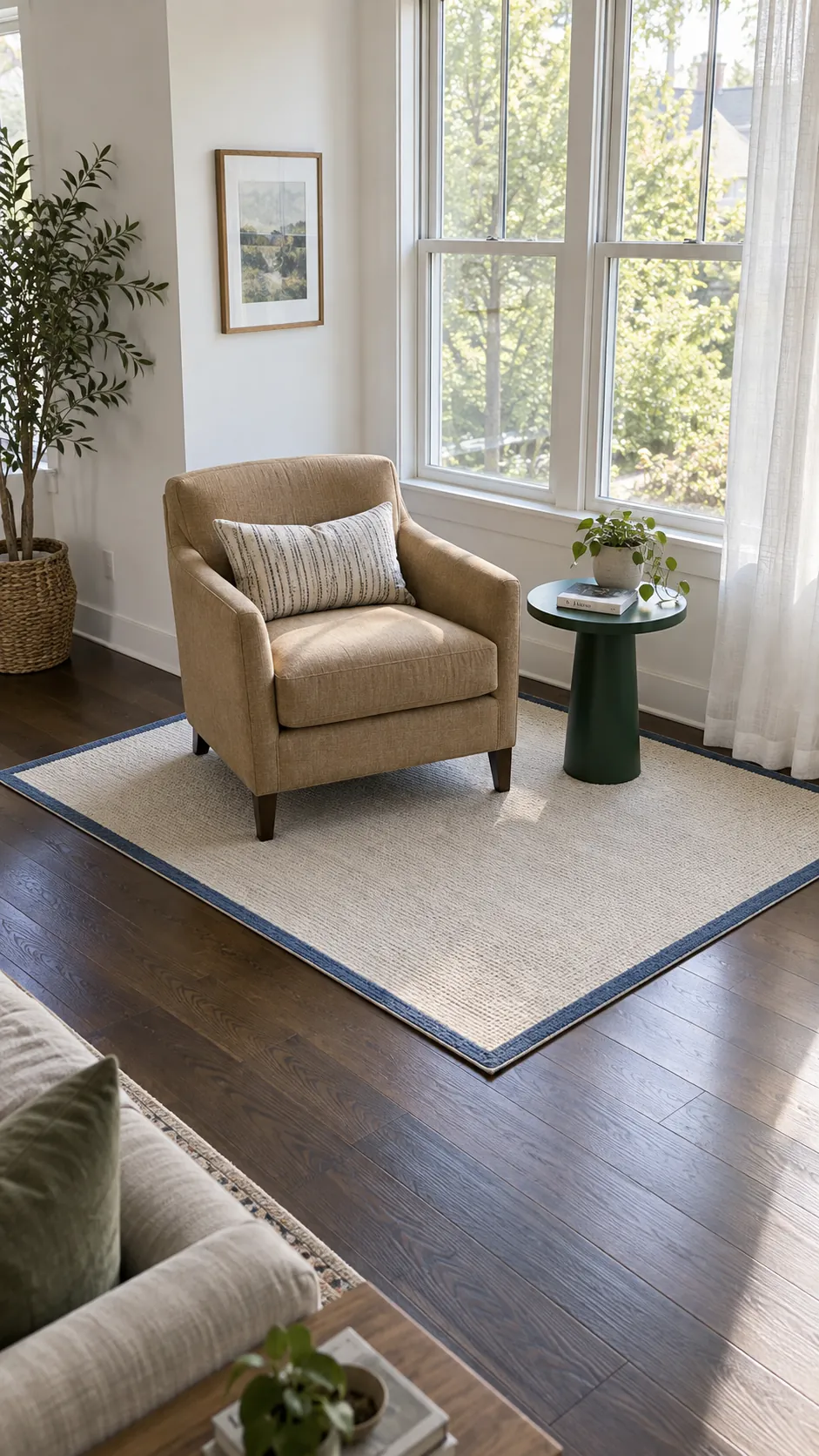
A rug can help a window chair feel like an intentional zone within a larger room. Choose a size that relates to the furniture instead of leaving a tiny island under one foot. Keep the edges flat and use an appropriate grip layer for the floor. In a cramped recess, leaving the floor bare may work better.
A painted recess that feels distinct
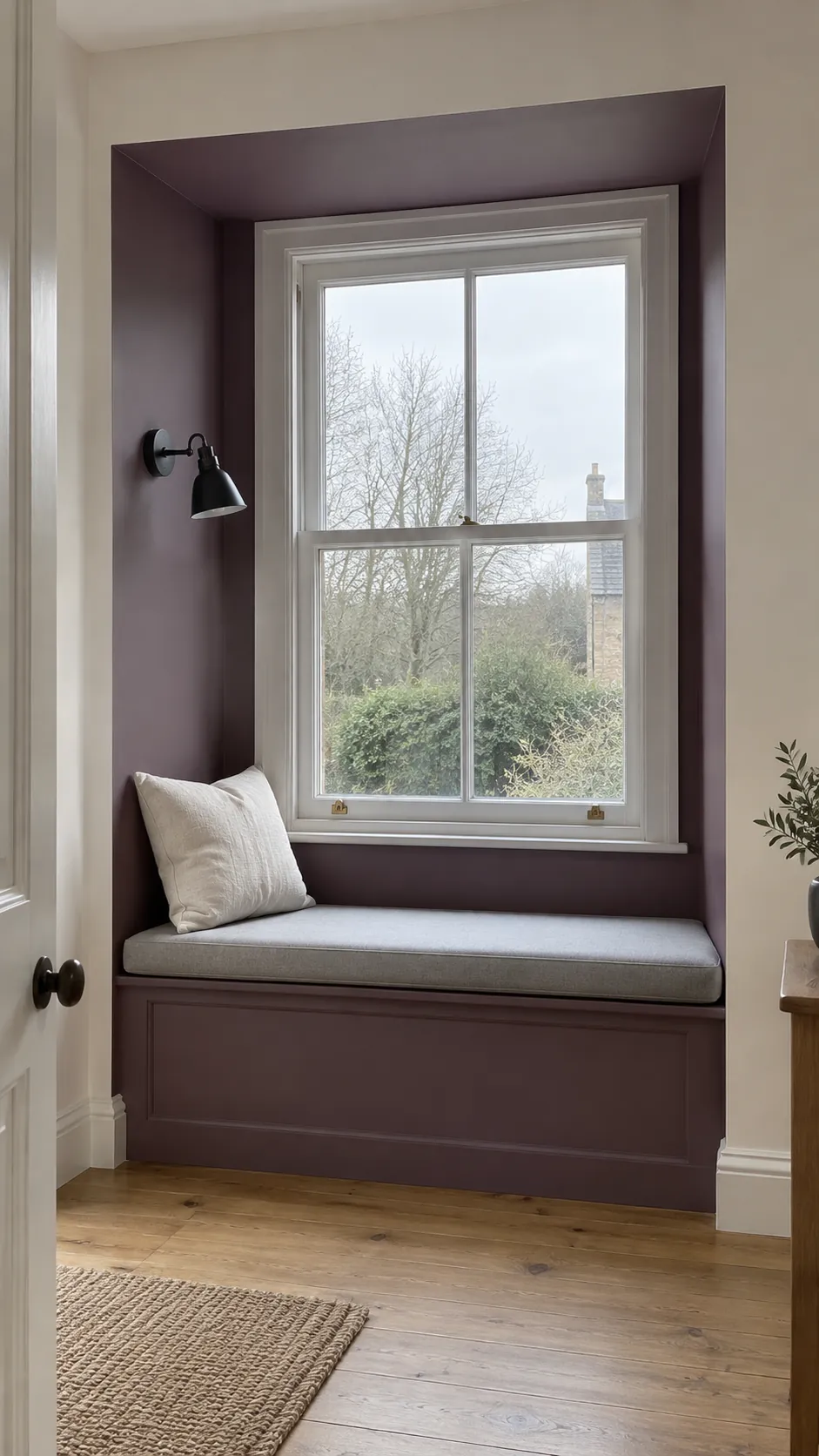
Painting the recess can distinguish the nook without adding more furniture. Test a sample on each side because the same color may look very different beside bright glass. Carrying the color onto the bench base can make the pieces feel connected while leaving the cushion simple.
Natural wood for a warmer edge
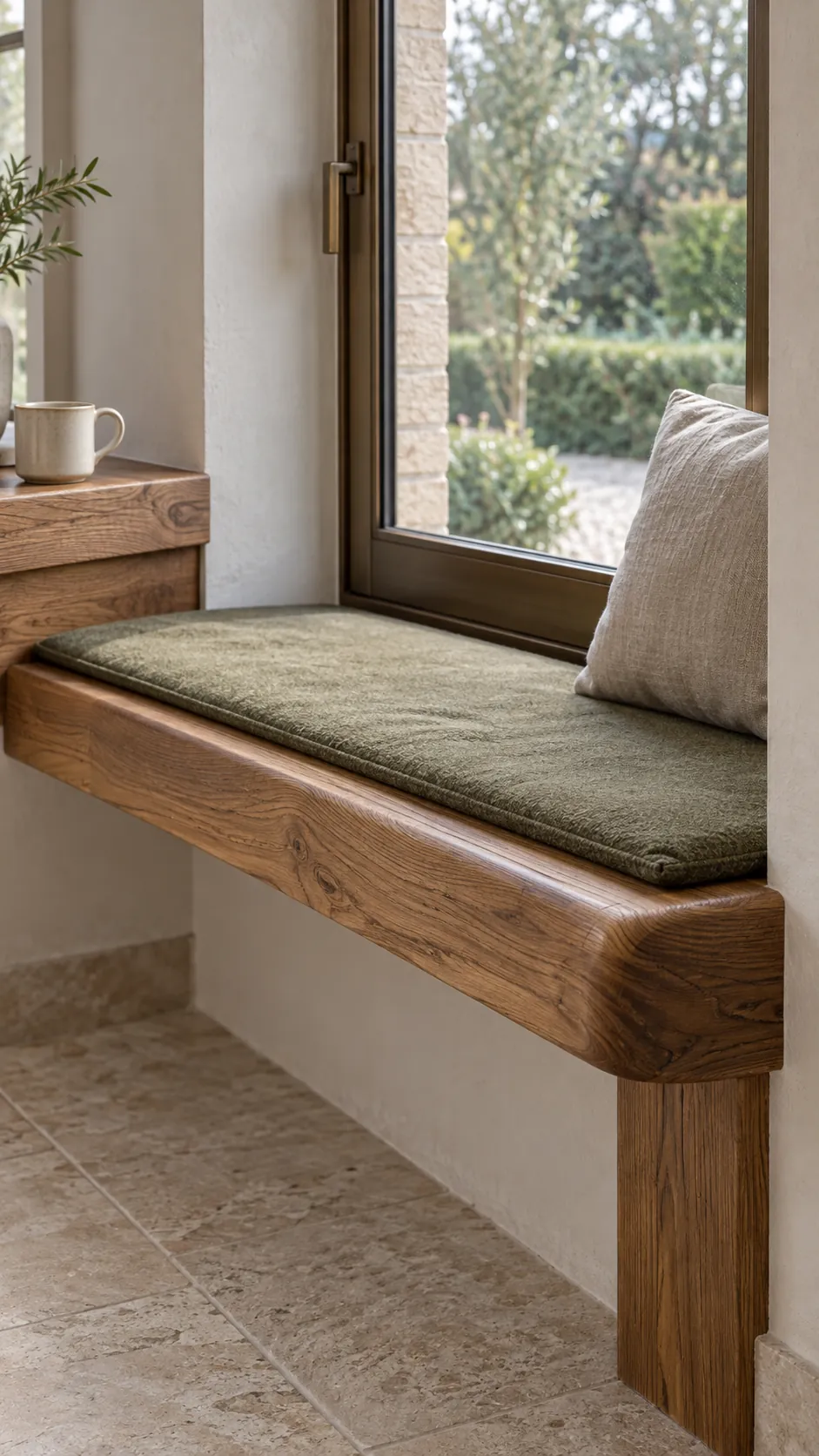
An exposed timber bench can add texture when the rest of the room is plain. Choose a finish appropriate for the light and wear it will receive, and soften the seat with a fitted pad if you plan to linger. Keep surrounding materials quiet enough that the wood grain remains a feature rather than visual noise.
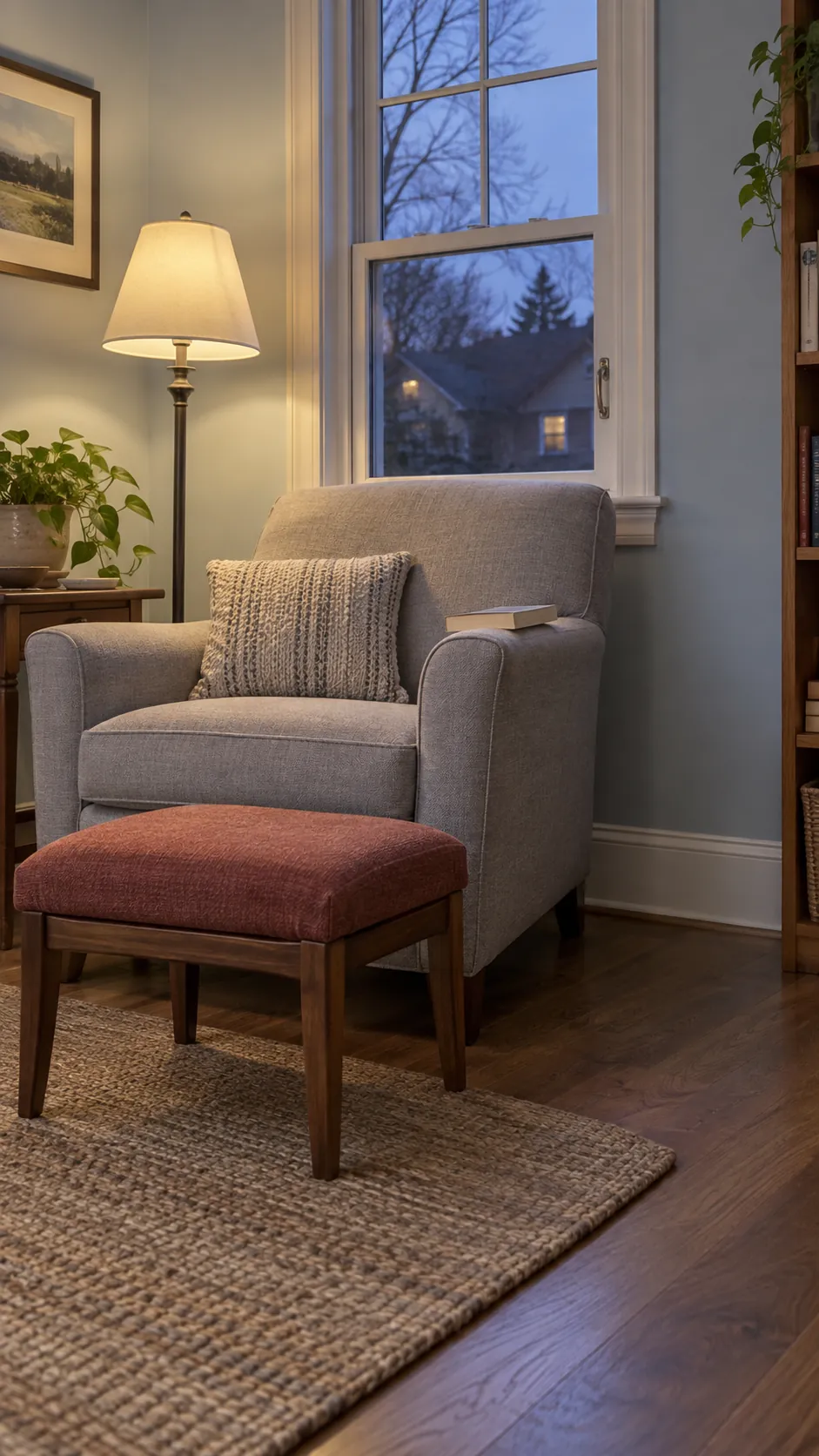
A removable footstool for longer reading
A footstool can improve comfort without permanently deepening the seat. Choose one that matches your resting position and has a home out of the walkway when not in use. Test it with the actual chair or bench, because a beautiful stool at the wrong height can make sitting less comfortable.
An almost empty nook that invites you to sit
A nook does not need every available accessory to feel finished. Start with a seat that supports you, then add only what you miss during an actual reading session. Leave enough clear cushion to sit down immediately. The best final detail may be removing the object you always have to move first.