

Living with pets does not mean giving up houseplants. It does mean choosing them carefully. Many popular indoor plants are toxic to cats and dogs. Some cause mild stomach upset. Others can lead to serious health problems. The good news is that there are plenty of pet safe house plants that look great, improve indoor air quality, and coexist peacefully with curious paws and noses.
This guide focuses on 20 widely recognized pet safe house plants. These plants are commonly listed as non toxic by authoritative veterinary and horticultural sources. The goal here is not hype. It is practicality. You should be able to walk into a nursery, pick one of these plants, and feel confident placing it in a pet friendly home.
This article is written for real homes, real pets, and real people who want greenery without constant anxiety.
What Does “Pet Safe” Actually Mean
Before the list, one important clarification.
Pet safe does not mean edible.
Pet safe does not mean a pet should chew on it daily.
Pet safe means the plant is non toxic when ingested in small or accidental amounts by cats or dogs.
Even non toxic plants can cause vomiting if a pet eats a large quantity. Texture, fiber, and mild irritation can still upset a stomach. If your pet is a chronic plant chewer, placement still matters.
Now let’s get to the list.
1. Spider Plant (Chlorophytum comosum)
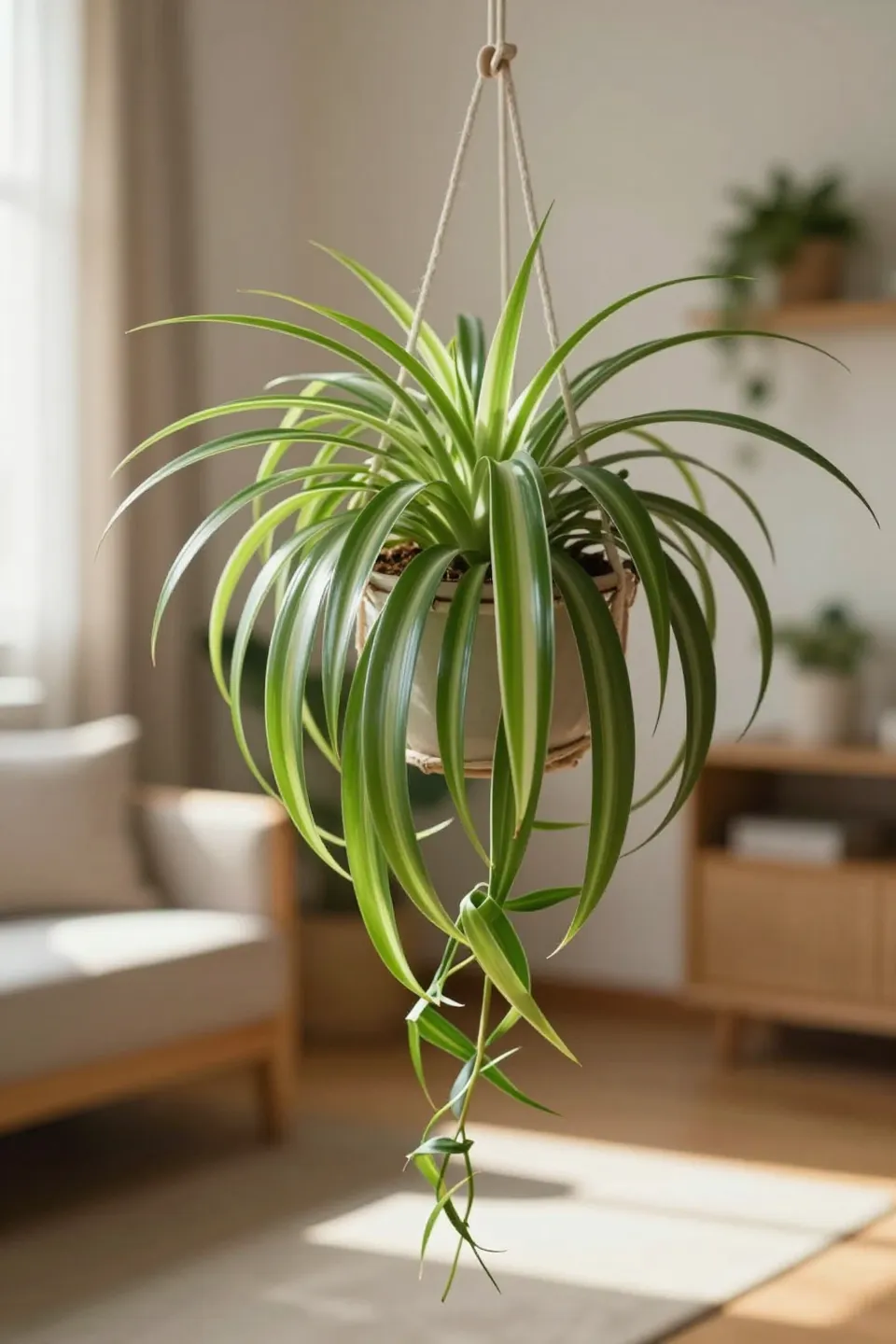
Spider plants are one of the most common recommendations for pet friendly homes, and for good reason.
They are non toxic to both cats and dogs. They are easy to grow. They tolerate low light. They also grow fast and produce baby plantlets that look great in hanging baskets.
Cats are often attracted to spider plants because of their grassy texture. While they are safe, excessive chewing can still cause mild digestive upset, so hanging placement is ideal.
Why people love it
- Extremely hardy
- Great for beginners
- Looks good in almost any room
2. Areca Palm (Dypsis lutescens)
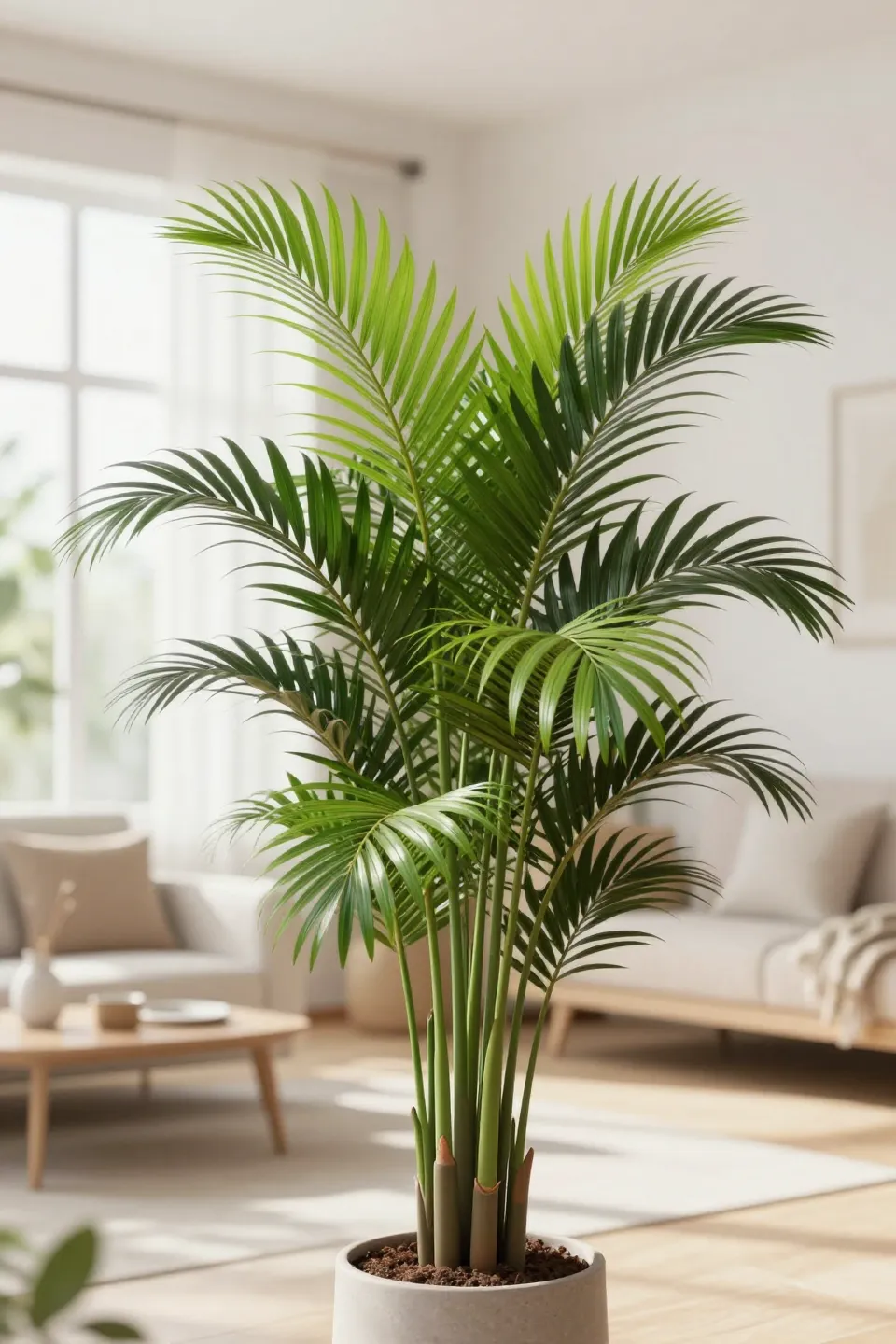
Areca palms bring a tropical feel without the risk. Unlike many palms, this one is considered non toxic to pets.
It prefers bright, indirect light and regular watering. With proper care, it can grow into a statement plant that fills a corner beautifully.
Why it works for pet homes
- Safe for cats and dogs
- Soft fronds, no sharp edges
- Excellent natural room divider
3. Calathea (Prayer Plant Family)
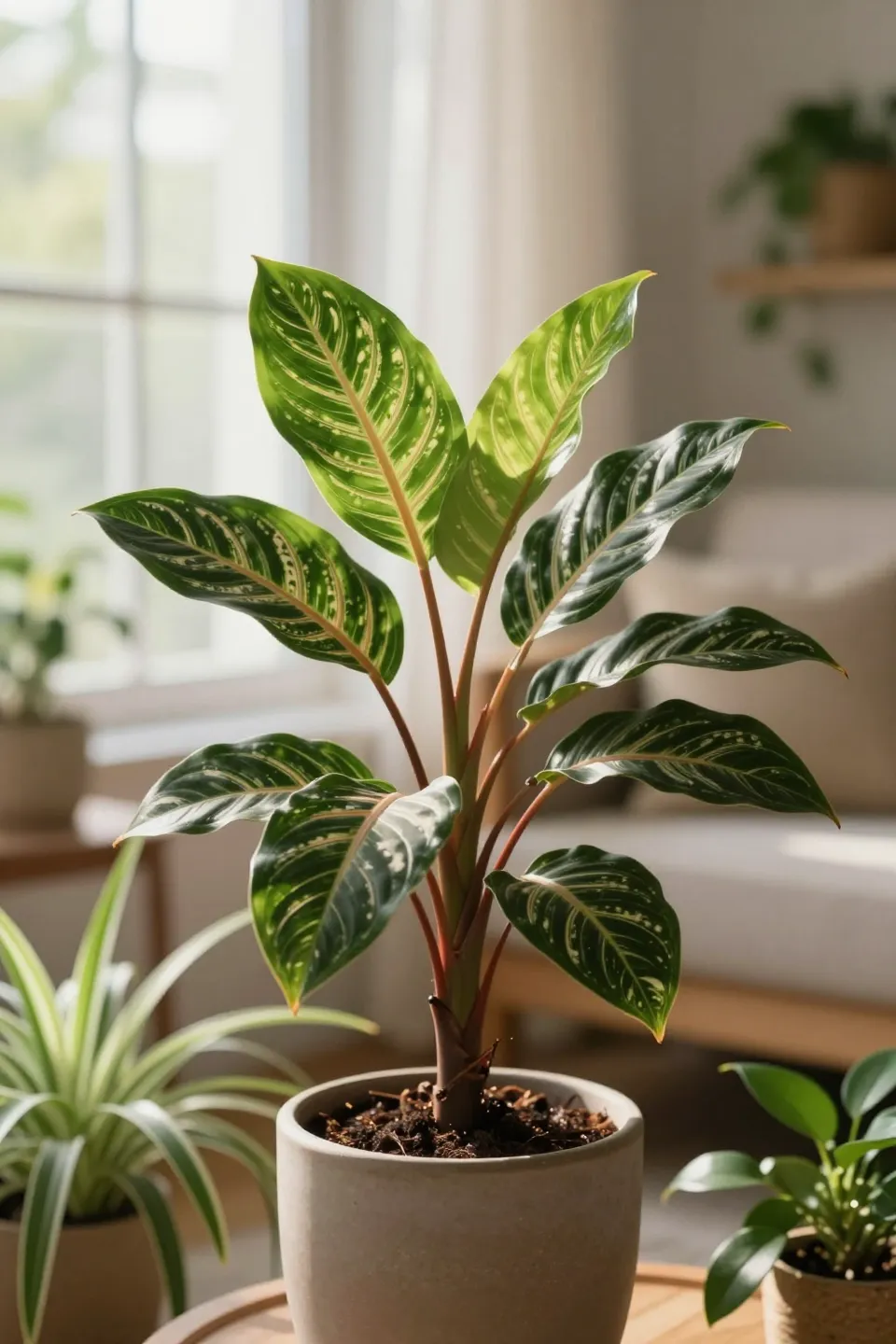
Calatheas are known for their patterned leaves and dramatic daily movement. Leaves often fold up at night and open again in the morning.
They are pet safe and visually striking, but they do require a bit more care. Higher humidity and consistent watering are important.
Good to know
- Non toxic
- Best for plant owners with some experience
- Ideal for bedrooms and living rooms
4. Boston Fern (Nephrolepis exaltata)
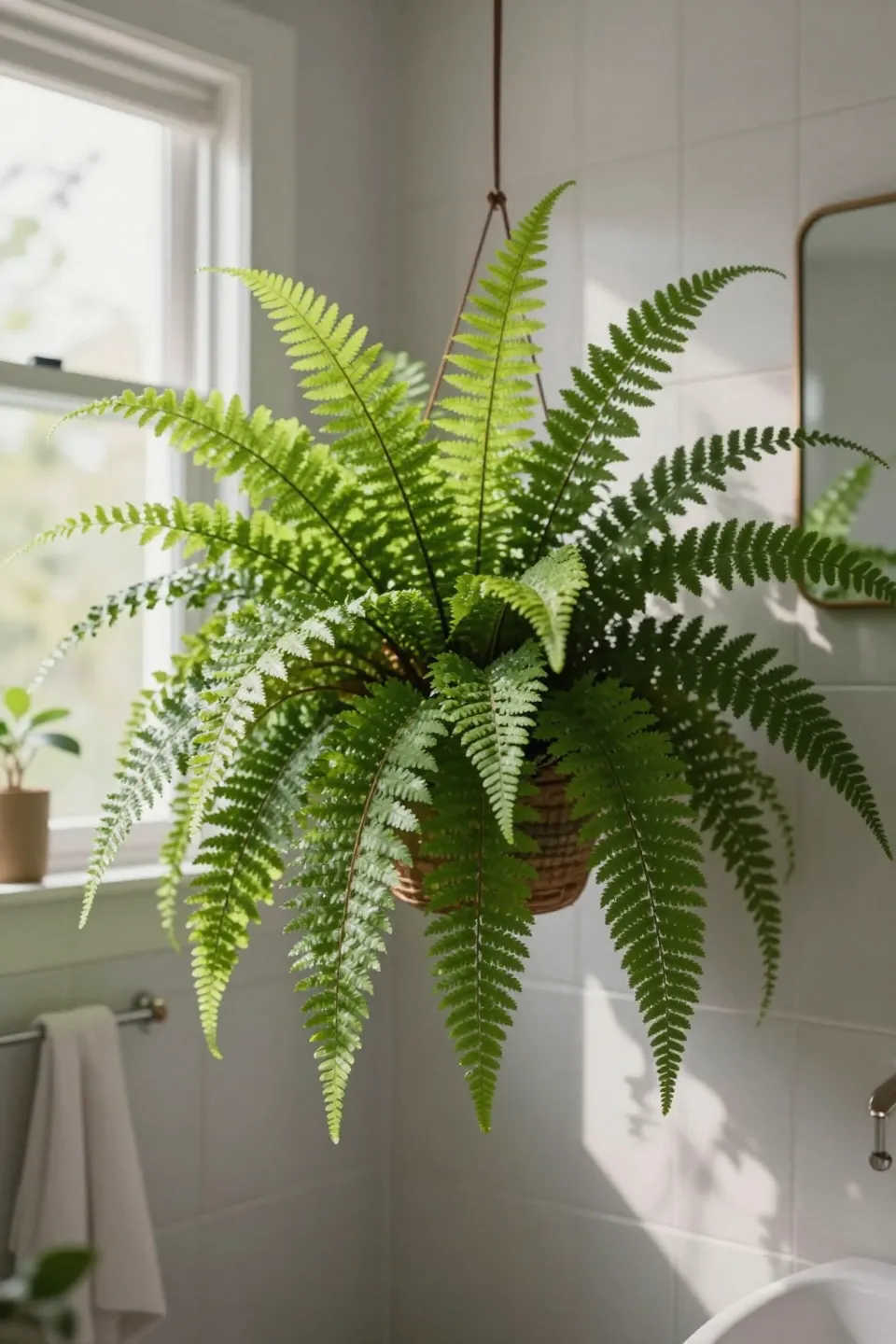
Boston ferns are classic. They are lush, full, and completely pet safe.
They thrive in humid environments and indirect light. Bathrooms with windows are ideal. Hanging baskets help keep fronds away from playful pets while still allowing the plant to shine.
Why it remains popular
- Safe and well studied
- Adds volume and texture
- Improves indoor humidity feel
5. Parlor Palm (Chamaedorea elegans)
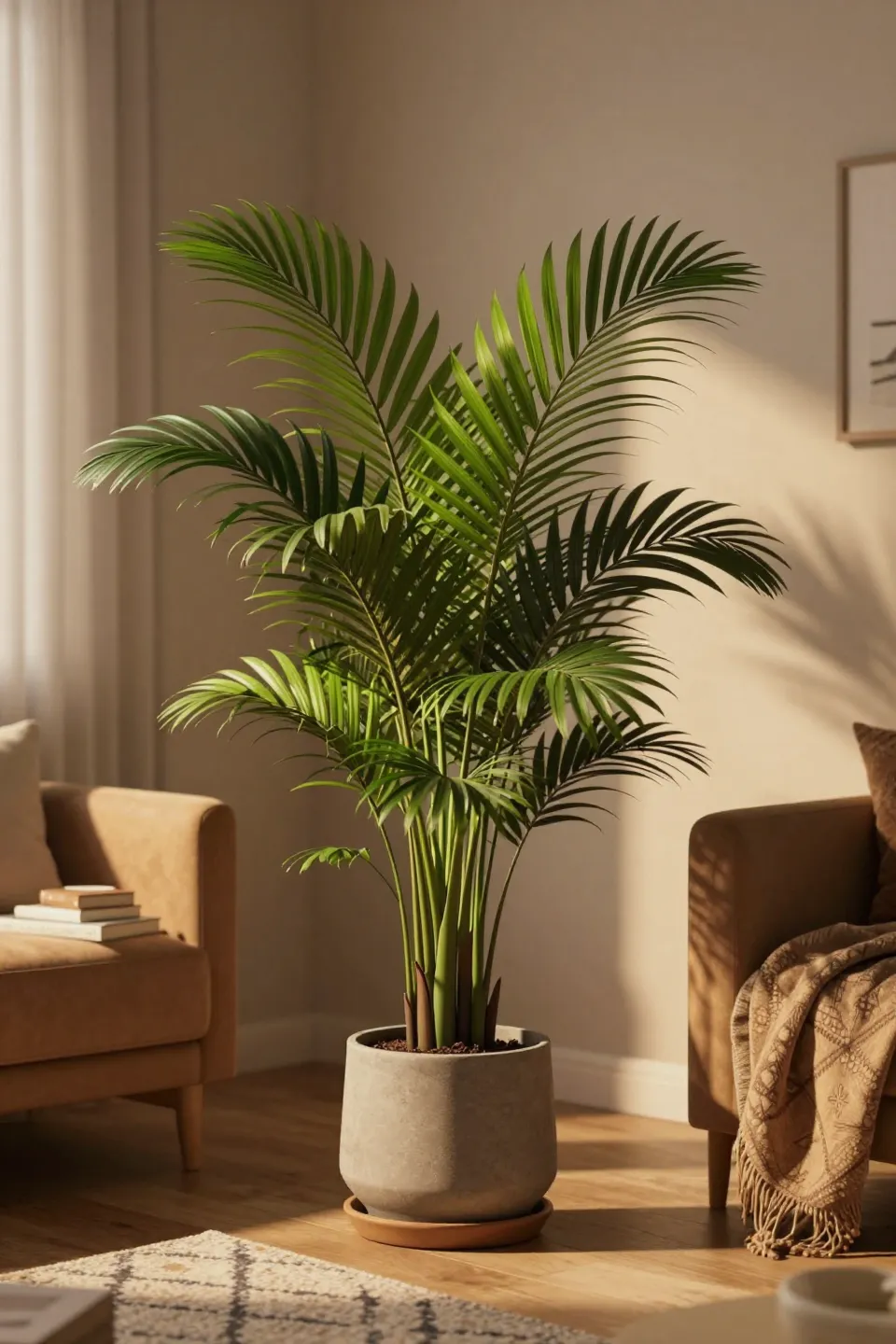
The parlor palm has been grown indoors since the Victorian era. It is compact, slow growing, and safe for pets.
It tolerates low light and inconsistent watering better than many other palms. That makes it suitable for apartments and offices.
Pet friendly advantage
- Non toxic
- Compact size
- Low maintenance
6. Peperomia
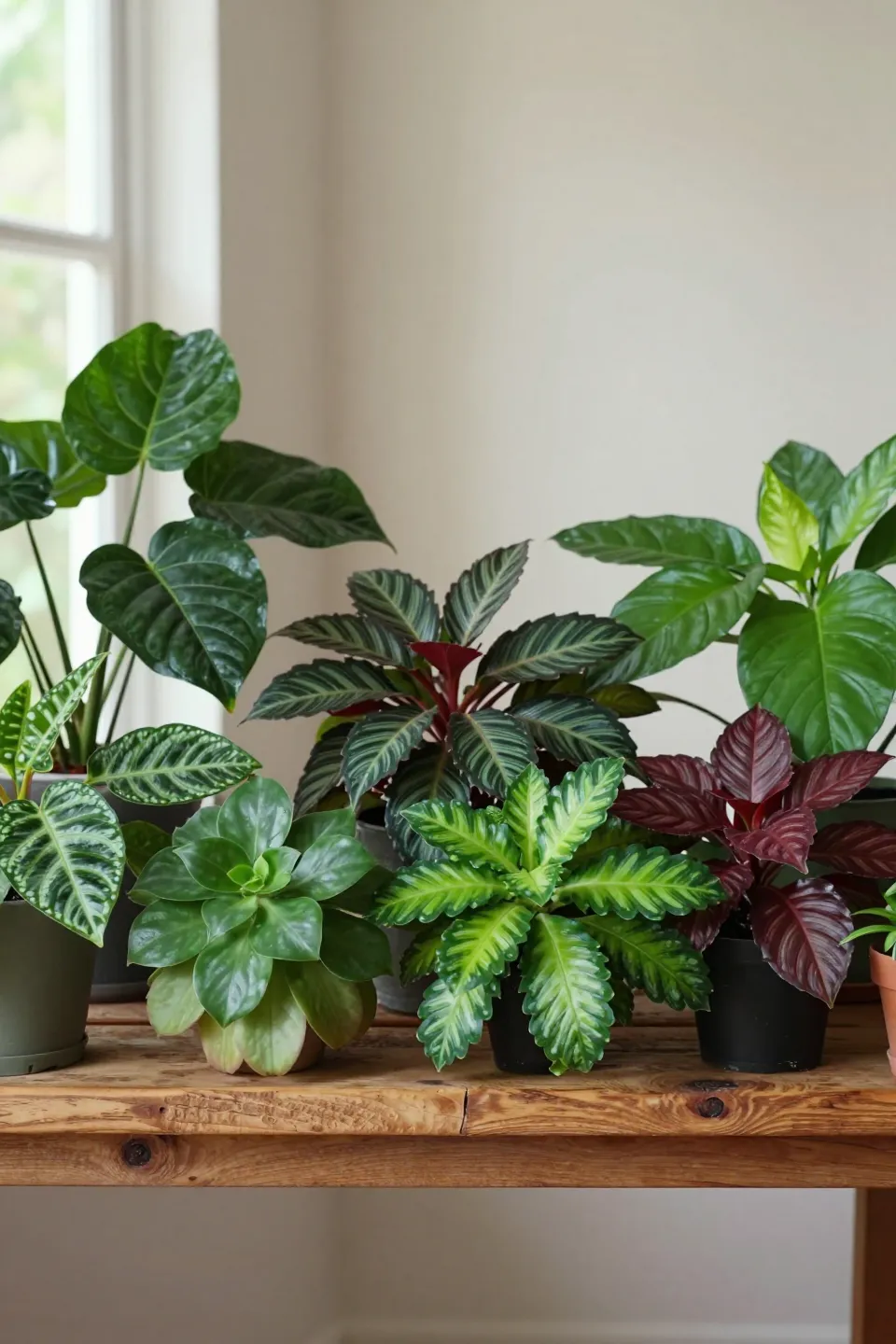
Peperomia is a large genus with many varieties, most of which are pet safe. Leaves can be round, rippled, striped, or thick and succulent like.
They stay relatively small and are perfect for shelves and desks.
Why they are great indoors
- Safe for pets
- Minimal watering needs
- Wide visual variety
7. African Violet (Saintpaulia)
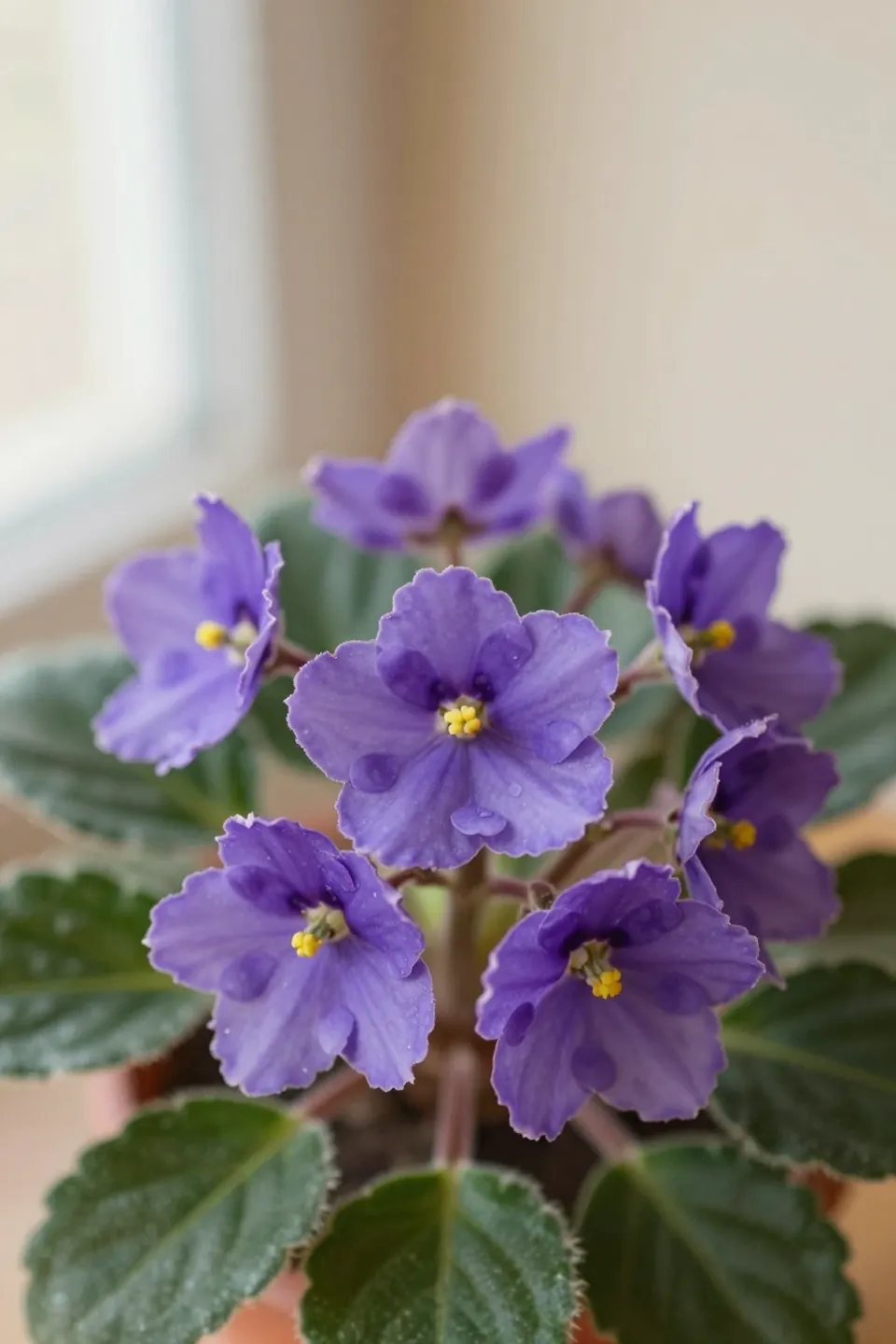
African violets prove that flowering plants can also be pet safe.
They thrive in bright, indirect light and reward proper care with continuous blooms. They are sensitive to water on their leaves, so bottom watering works best.
Best features
- Non toxic
- Compact flowering plant
- Ideal for windowsills
8. Polka Dot Plant (Hypoestes phyllostachya)
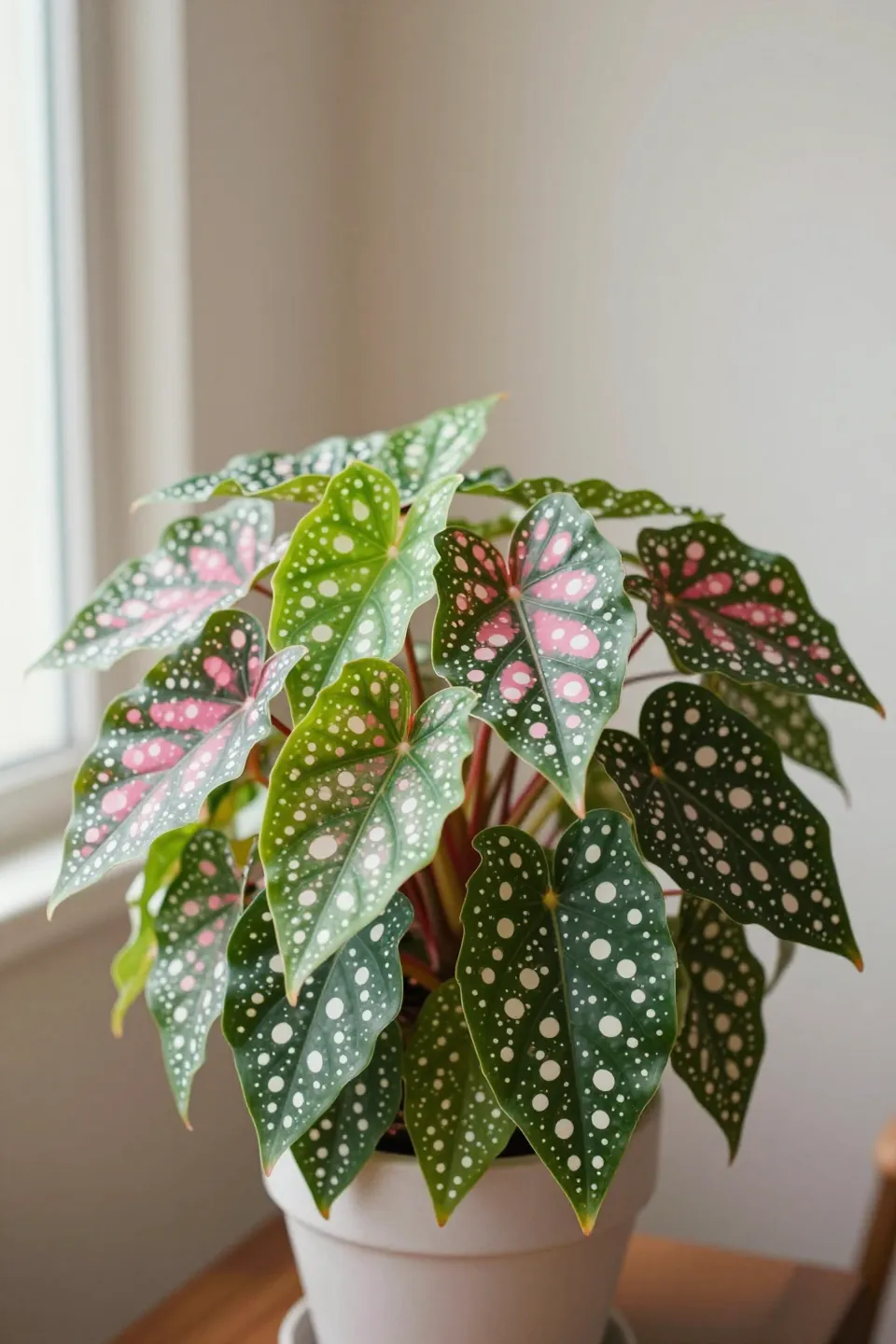
If you want color without flowers, the polka dot plant delivers. Pink, white, or red speckles make it stand out among green foliage.
It is pet safe and grows well indoors, though it does need regular pruning to avoid becoming leggy.
Why it stands out
- Bright color
- Safe for pets
- Great accent plant
9. Fittonia (Nerve Plant)
Fittonia is known for its dramatic veining. White, pink, or red veins contrast sharply against dark green leaves.
It prefers high humidity and consistent moisture. Terrariums are an excellent environment for this plant.
Pet household bonus
- Non toxic
- Low growing, compact
- Works well in controlled environments
10. Bamboo Palm (Chamaedorea seifrizii)
Do not confuse bamboo palm with lucky bamboo. They are not the same.
Bamboo palm is a true palm and is considered safe for cats and dogs. It grows upright and works well as a floor plant.
Why it is a solid choice
- Pet safe
- Good air filtering reputation
- Elegant, structured growth
11. Friendship Plant (Pilea involucrata)
The friendship plant gets its name from how easily it propagates. Cuttings root quickly and make great gifts.
It is safe for pets and has textured, quilted leaves that add visual interest.
Good fit for
- Small spaces
- Plant sharing
- Pet friendly homes
12. Baby Rubber Plant (Peperomia obtusifolia)
Another member of the peperomia family, this plant has thick, glossy leaves and a clean, modern look.
It is often mistaken for a rubber plant, which is toxic. This one is not.
Important distinction
- Safe alternative to toxic rubber plants
- Easy care
- Suitable for shelves and tables
13. Cast Iron Plant (Aspidistra elatior)
The name says it all. This plant is nearly indestructible.
Low light, irregular watering, temperature changes. It handles them all. It is also non toxic to pets.
Why it is underrated
- Extremely tough
- Safe for animals
- Ideal for low light homes
14. Ponytail Palm (Beaucarnea recurvata)
Despite the name, this is not a true palm. It is a succulent relative.
It stores water in its swollen trunk and tolerates neglect well. It is also considered pet safe.
Why people choose it
- Unique shape
- Low watering needs
- Safe for cats and dogs
15. Gloxinia (Sinningia speciosa)
Gloxinia produces large, velvety flowers in rich colors. It is less common but very rewarding.
It is non toxic and works best as a tabletop plant in bright, indirect light.
Best for
- Flower lovers
- Pet safe displays
- Seasonal interest
16. Orchids (Phalaenopsis and related types)
Most common houseplant orchids are considered non toxic to pets.
They are long lived and can rebloom year after year with proper care. Their upright growth confirms them easier to place out of reach.
Why they fit pet homes
- Safe
- Elegant
- Long flowering period
17. Haworthia
Haworthia looks like aloe but without the toxicity.
It is a small succulent with striking leaf patterns and minimal water needs. Perfect for sunny windowsills.
Why it is safer than aloe
- Non toxic
- Compact
- Easy care
18. Money Tree (Pachira aquatica)
The money tree is often associated with good luck and prosperity. It is also pet safe.
Braided trunks and glossy leaves make it a popular indoor tree.
Good to know
- Safe for cats and dogs
- Moderate light needs
- Symbolic appeal
19. Banana Plant (Musa species, ornamental types)
Ornamental banana plants are non toxic to pets. They grow quickly and bring dramatic tropical vibes.
They do need space, light, and frequent watering, so they are best for larger rooms.
Why it works
- Pet safe
- Bold visual impact
- Fast growth
20. Swedish Ivy (Plectranthus verticillatus)
Despite the name, Swedish ivy is not a true ivy and is non toxic.
It trails beautifully and works well in hanging pots or on shelves.
Why it is practical
- Safe
- Fast growing
- Easy to propagate
Plants That Are Commonly Confused With Pet Safe Ones
This matters. Many toxic plants look similar to safe ones.
- Rubber plant vs baby rubber plant
- Aloe vera vs haworthia
- Dracaena vs palm species
Always check the exact botanical name when buying a plant for a pet friendly home.
Placement Still Matters
Even with pet safe house plants, smart placement reduces risk.
- Use hanging planters
- Place plants on high shelves
- Avoid floor level plants for heavy chewers
Safety is about layers, not just plant choice.
Final Thoughts
Pet safe house plants are not rare. They are not boring. They are not hard to find.
You can easily build a beautiful indoor jungle while keeping cats and dogs safe. The key is informed selection, not fear. Start with one or two from this list. Observe your pet’s behavior. Adjust placement if needed.
Green homes and pet friendly homes are not opposites. Done right, they are the same thing.