A window can be the brightest place in a room and still be a difficult place to keep a plant alive. The useful starting point is the light at that particular pane, followed by the space available for a pot, drainage, and an opening sash. Match those conditions to the plant before choosing a display, and the greenery has a better chance of staying attractive after the first week.
Basil for a Sunny Kitchen Window
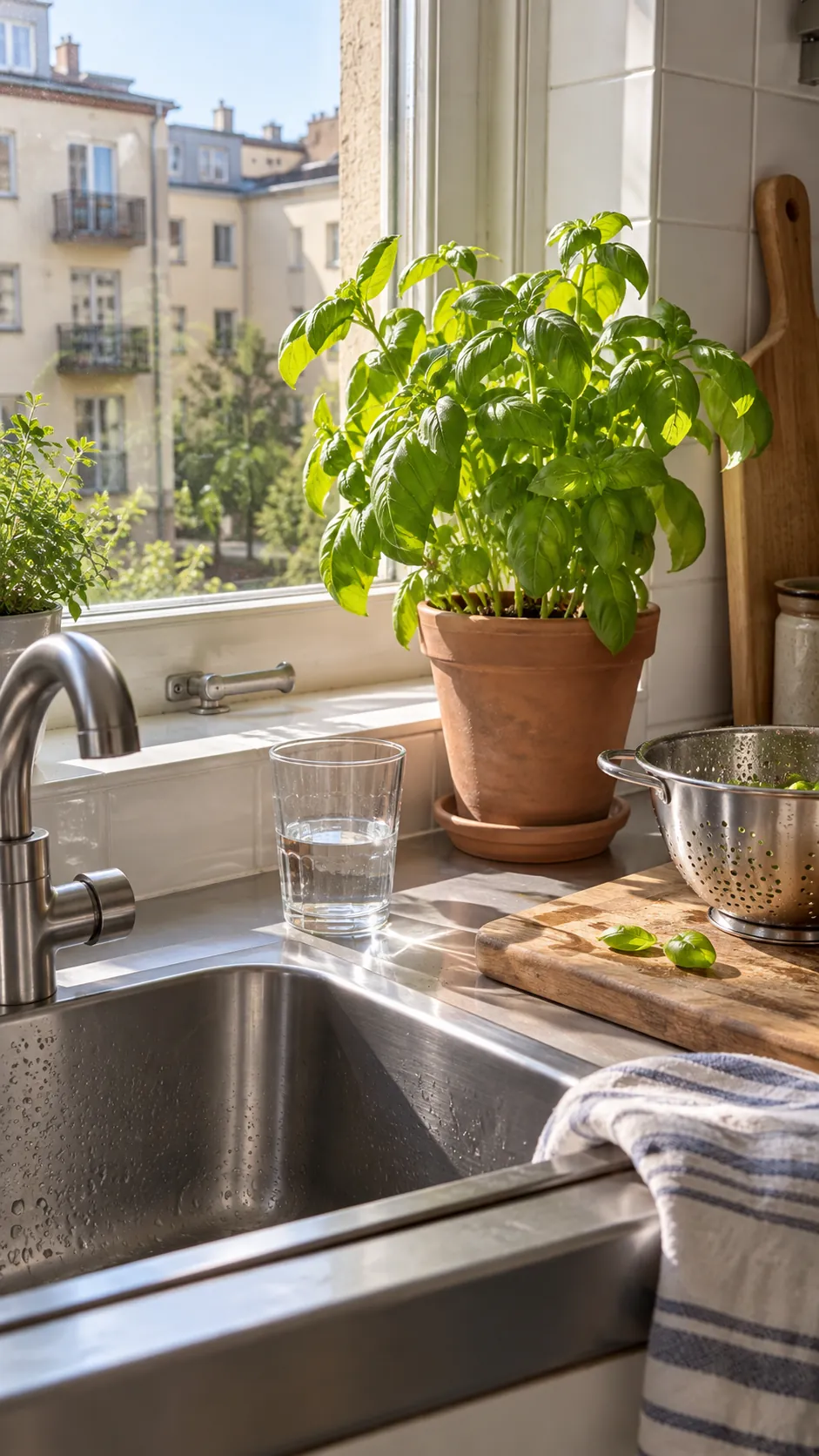
Basil earns its place in a kitchen window because the leaves can go straight into dinner. Give it a bright south facing position with several hours of direct sun, and rotate the pot so growth does not lean toward the glass. Water when the top of the mix begins to dry, then empty the saucer so the roots do not sit in runoff. Pinch the growing tips above a pair of leaves to encourage a fuller plant instead of one tall stem.
Parsley for a Cooler Windowsill
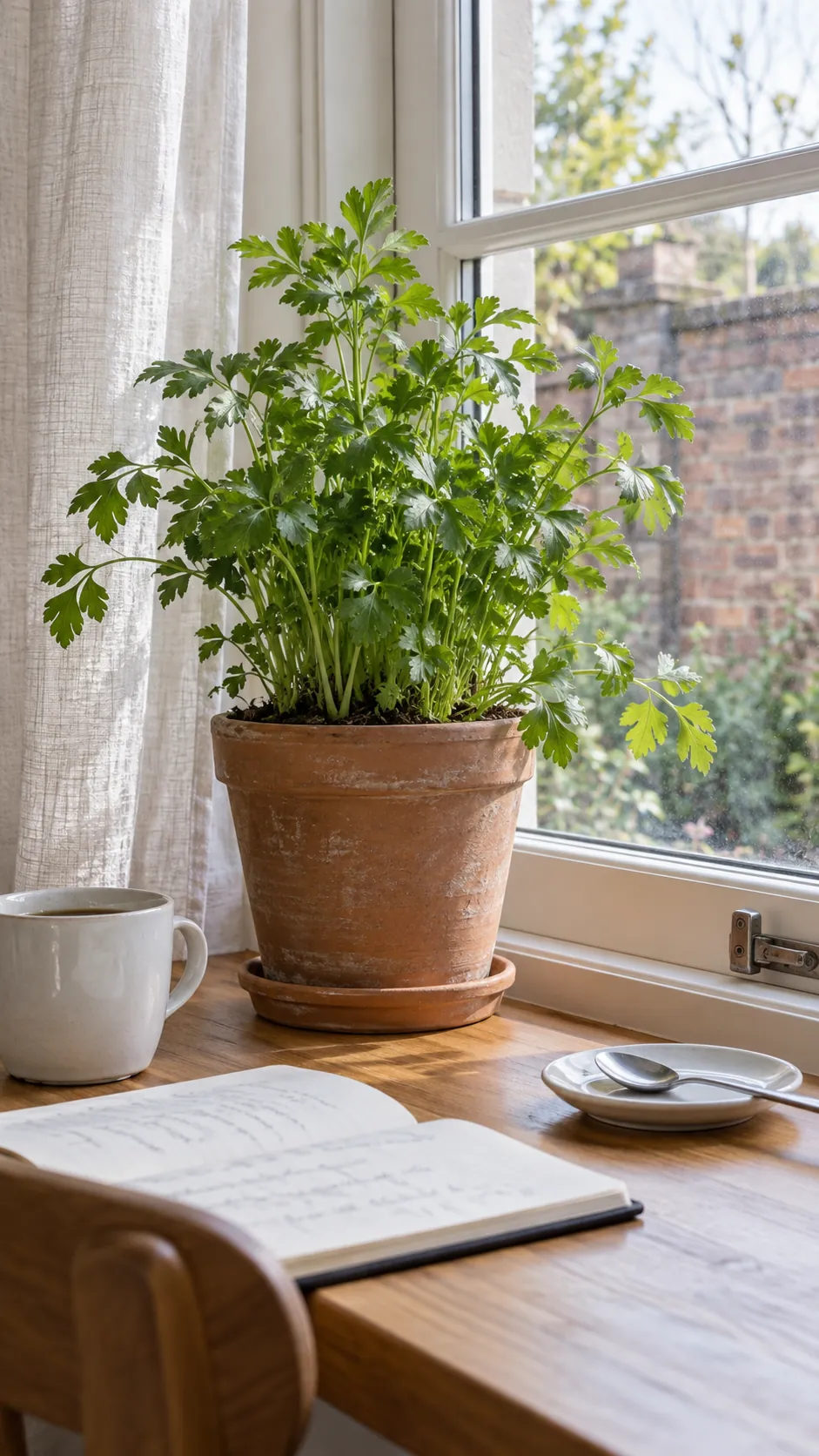
Parsley tolerates a little less direct sun than basil, which makes an east facing kitchen sill useful. Its deep roots need a pot with more depth than a shallow decorative bowl can provide. Keep the soil evenly moist without leaving standing water below the pot. Harvest outer stems near the base and leave the center to produce the next round of leaves.
Mint in Its Own Window Pot
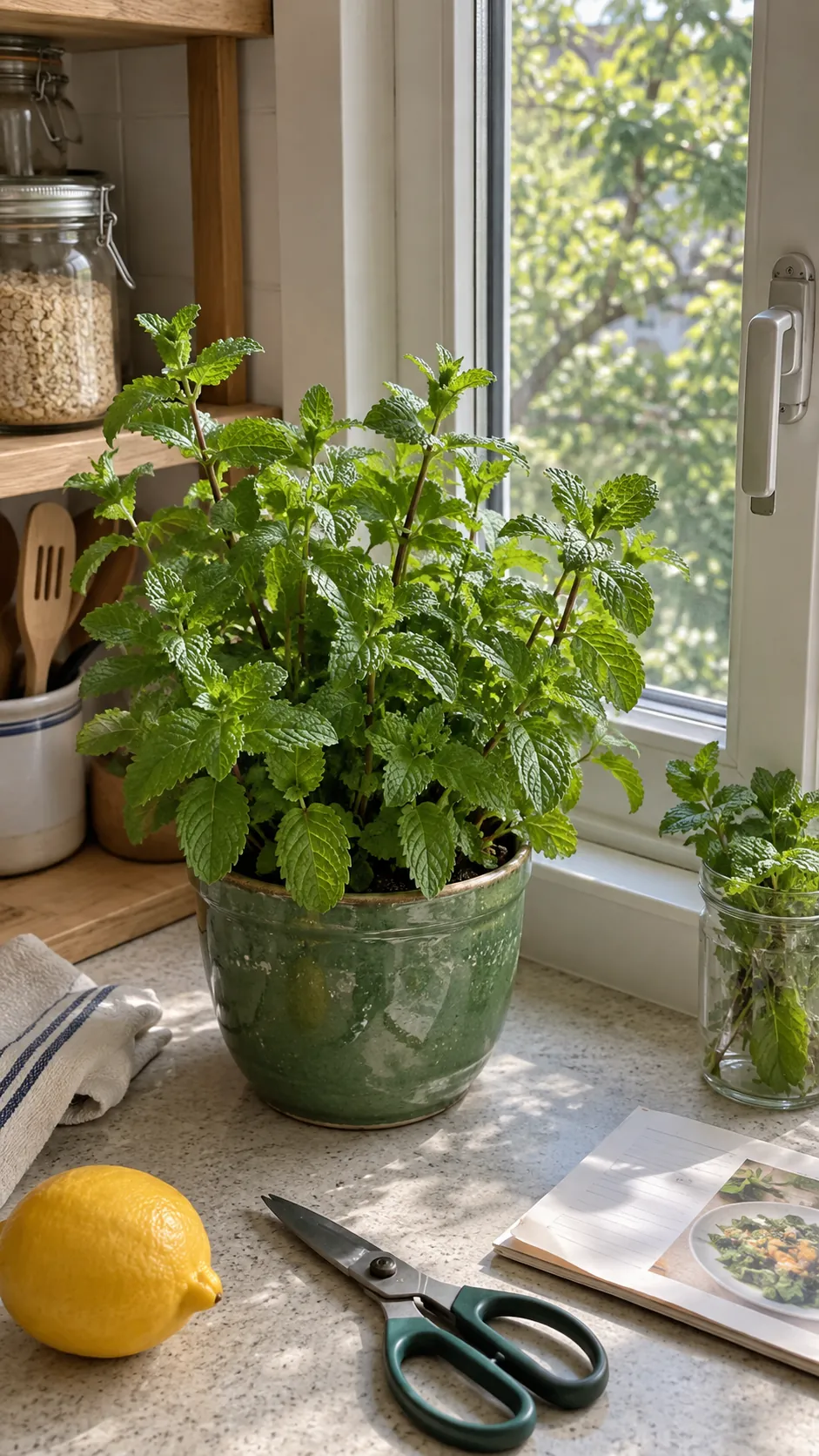
Mint brings a fresh scent to a kitchen window, but it should have its own container because its roots spread vigorously. A bright east facing window usually gives it light without the harshest afternoon heat. Trim stems regularly to keep new growth compact and inspect the soil before watering, since a small pot can dry quickly. If the leaves become sparse, move it closer to the light rather than compensating with extra water.
Rosemary Where Sun Reaches the Glass
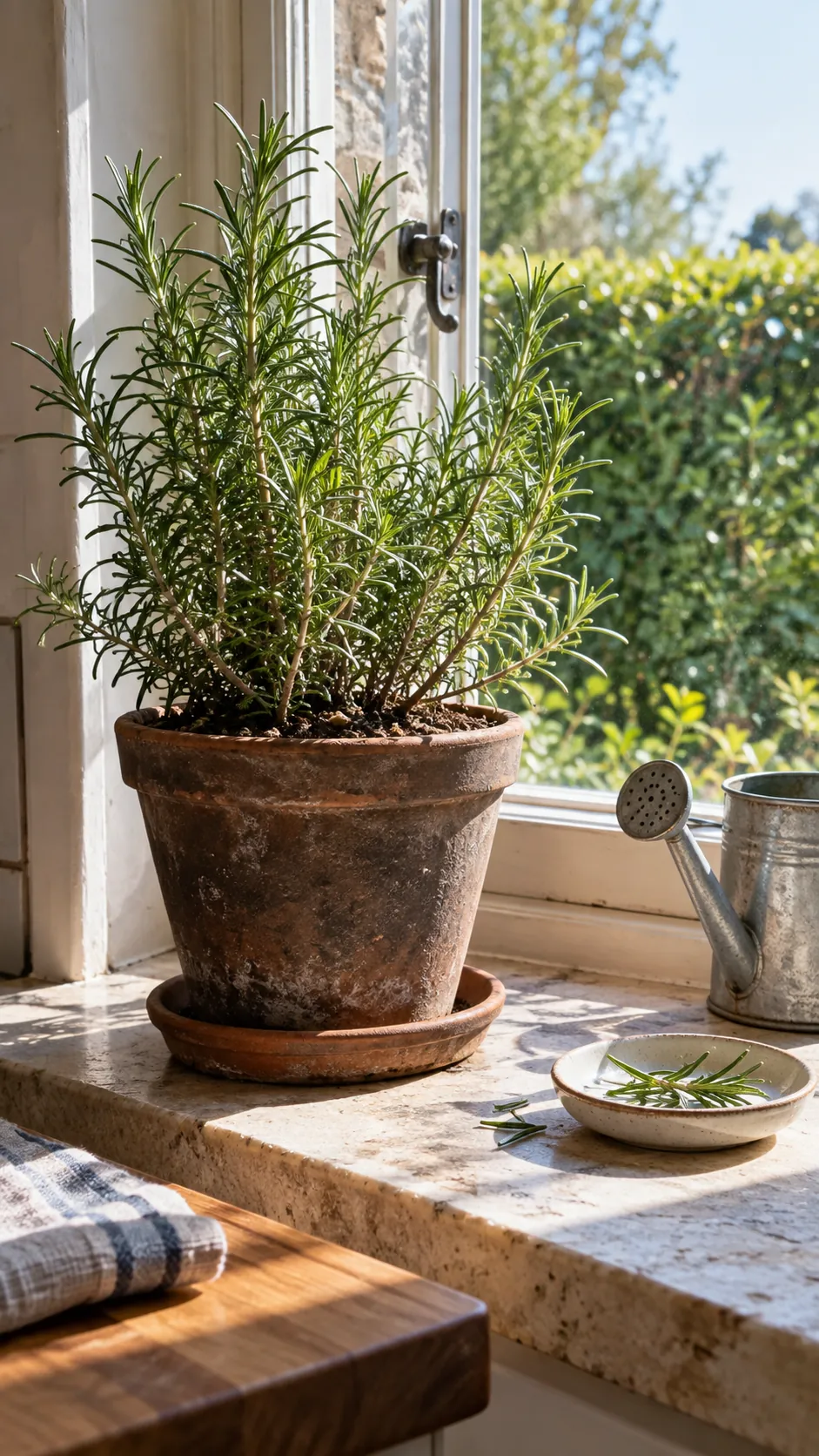
Rosemary suits a clear, sunny window better than a dim corner dressed up with a planter. Choose a container with drainage and a gritty potting mix so the roots can dry between waterings. Place it where the foliage receives strong direct light, while keeping it away from a cold winter draft. A pot that stays wet for days is a stronger warning sign than a single dry leaf.
Aloe Vera for a Bright Bedroom Ledge
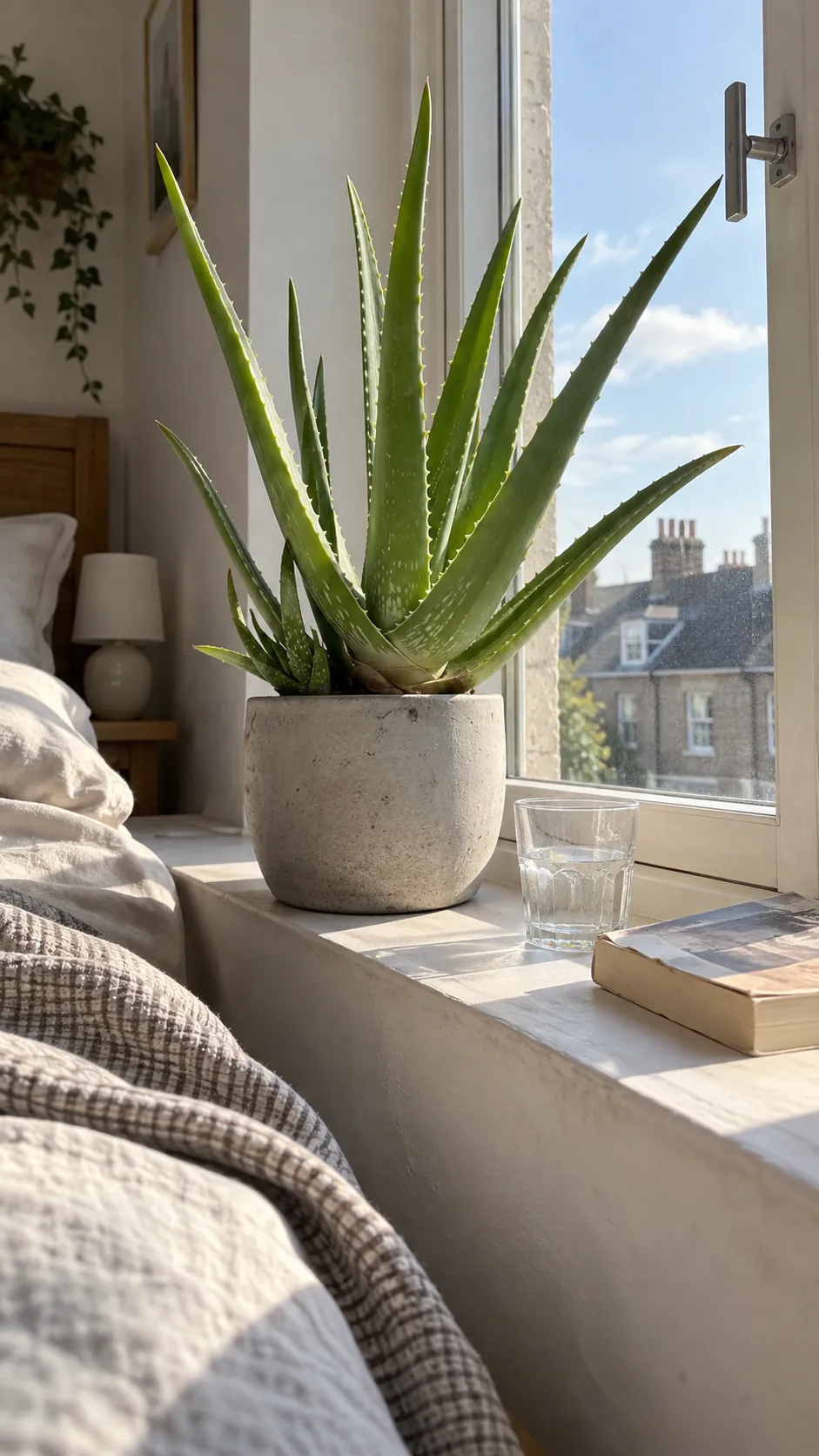
Aloe vera gives a wide bedroom ledge a sculptural plant without demanding frequent watering. It prefers bright light and can take some direct sun, though a sudden move into intense light may scorch leaves. Let the potting mix dry thoroughly before watering again, and use a container with an open drainage hole. Leave space between its leaves and the windowpane so winter cold or summer heat does not damage the tips.
Jade Plant for a Sunlit Bay Window
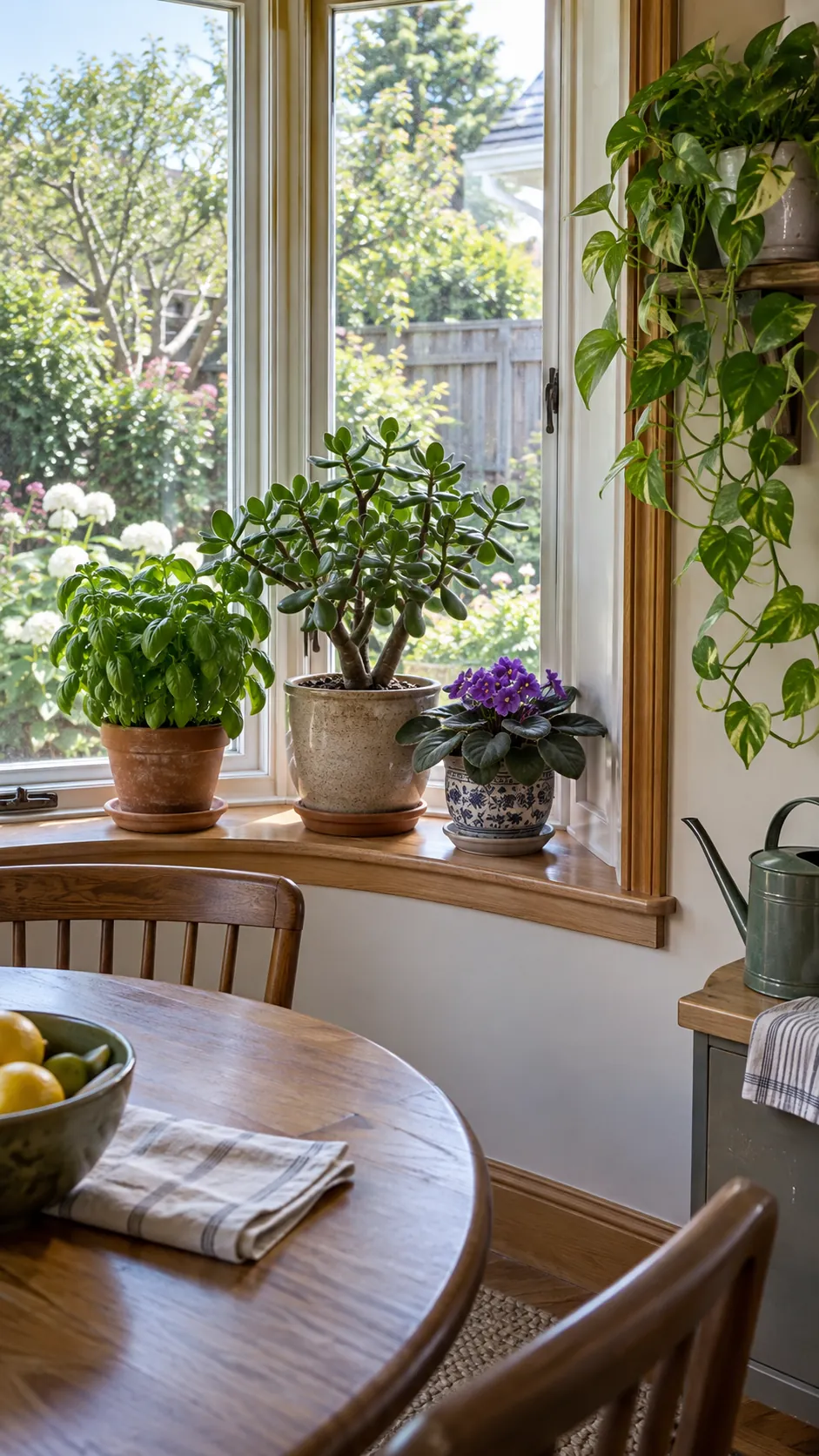
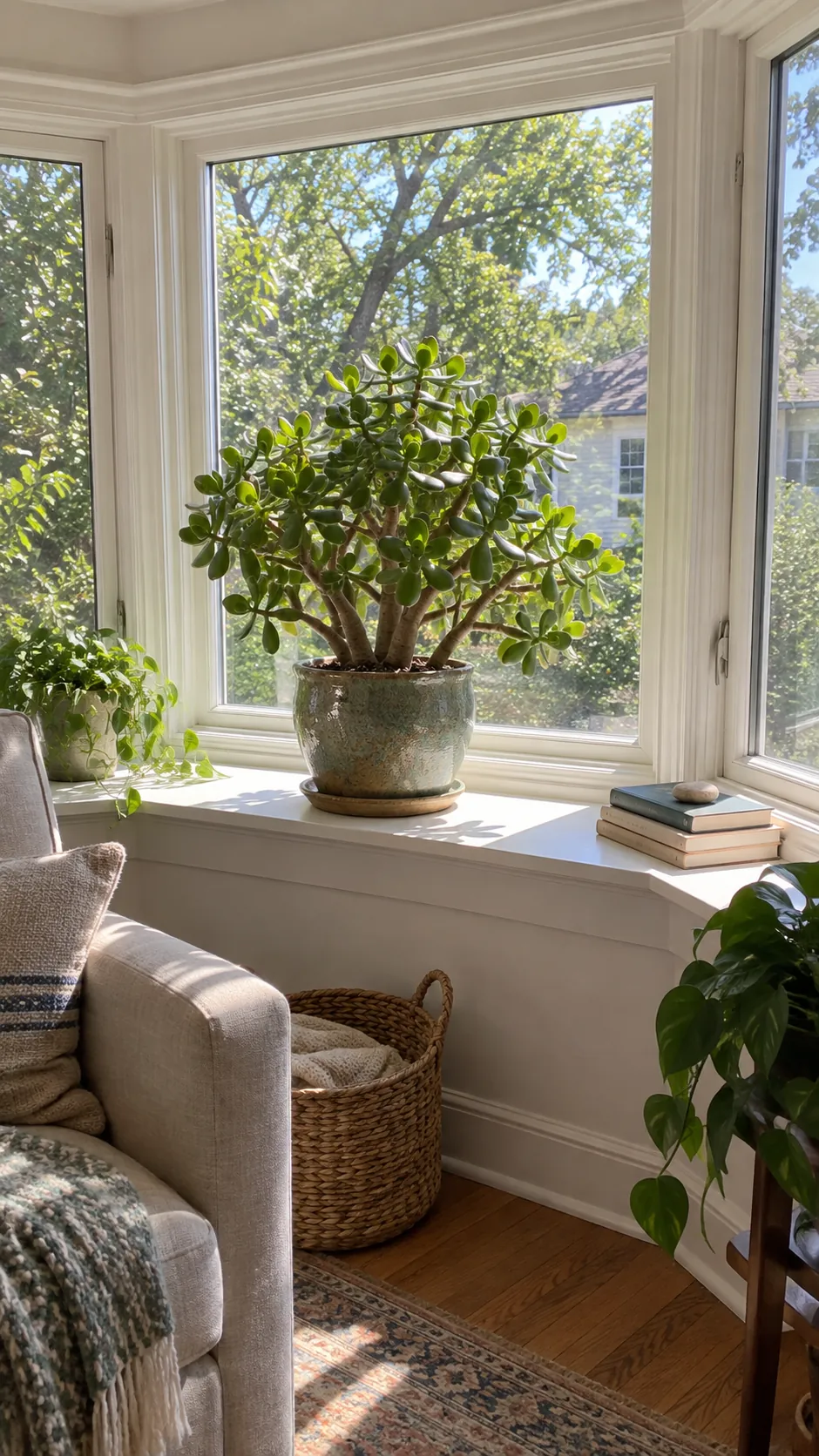
A jade plant looks substantial in a bay window where smaller pots can disappear. It grows best with several hours of bright light and a pot that drains freely. Water deeply only after the soil has dried, then allow every drop of excess water to leave the saucer. Its weight increases over time, so check that the shelf or sill can support the plant and its ceramic pot.
Haworthia for Gentle Morning Light
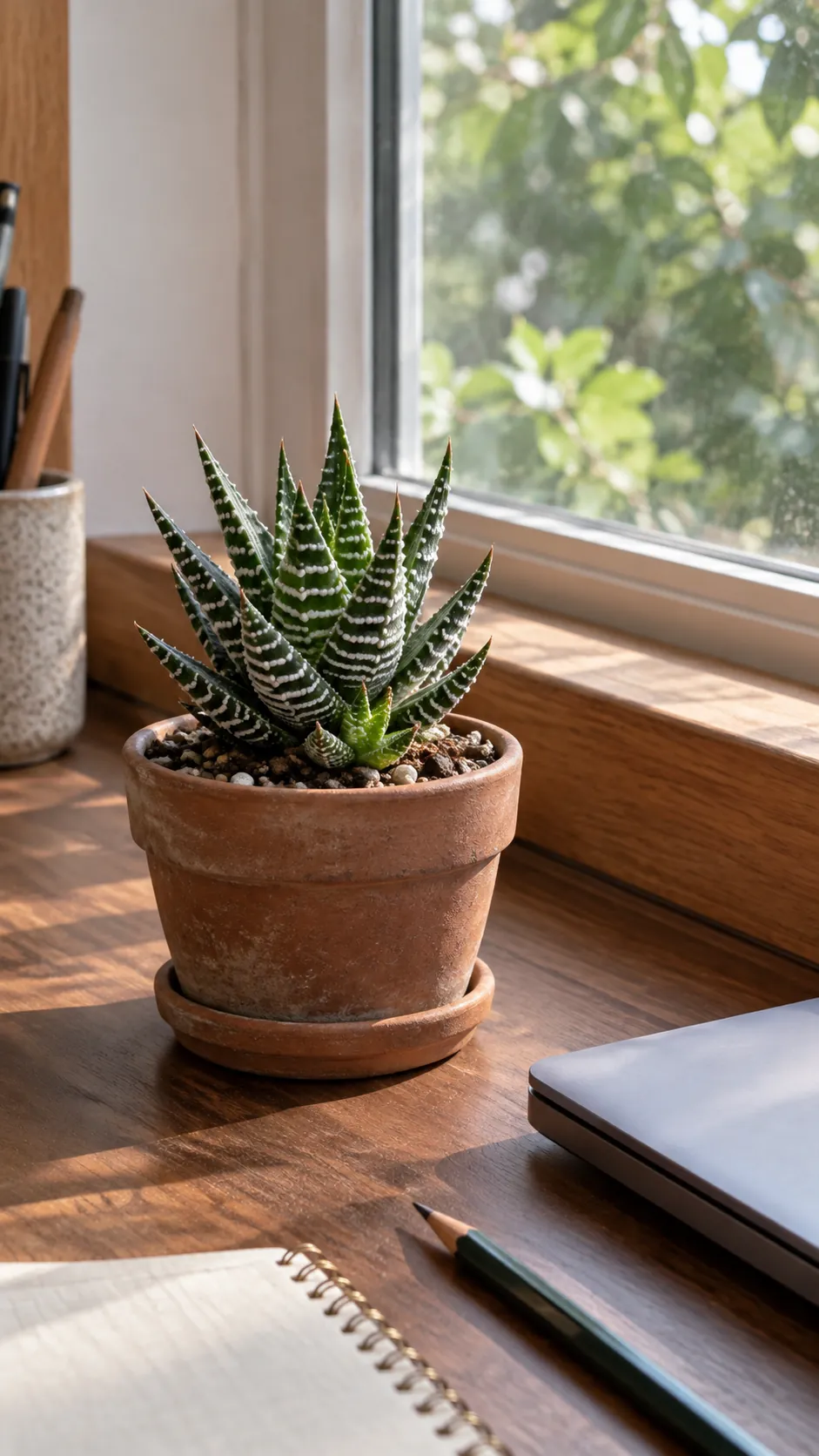
Haworthia fits a narrow windowsill because its rosettes stay relatively compact. An east facing window gives bright morning light while reducing the risk of harsh afternoon exposure. Use a fast draining mix and wait until it is dry before watering the small pot. If its color fades or the leaves look stressed, shift it a short distance back from the glass and watch the new growth.
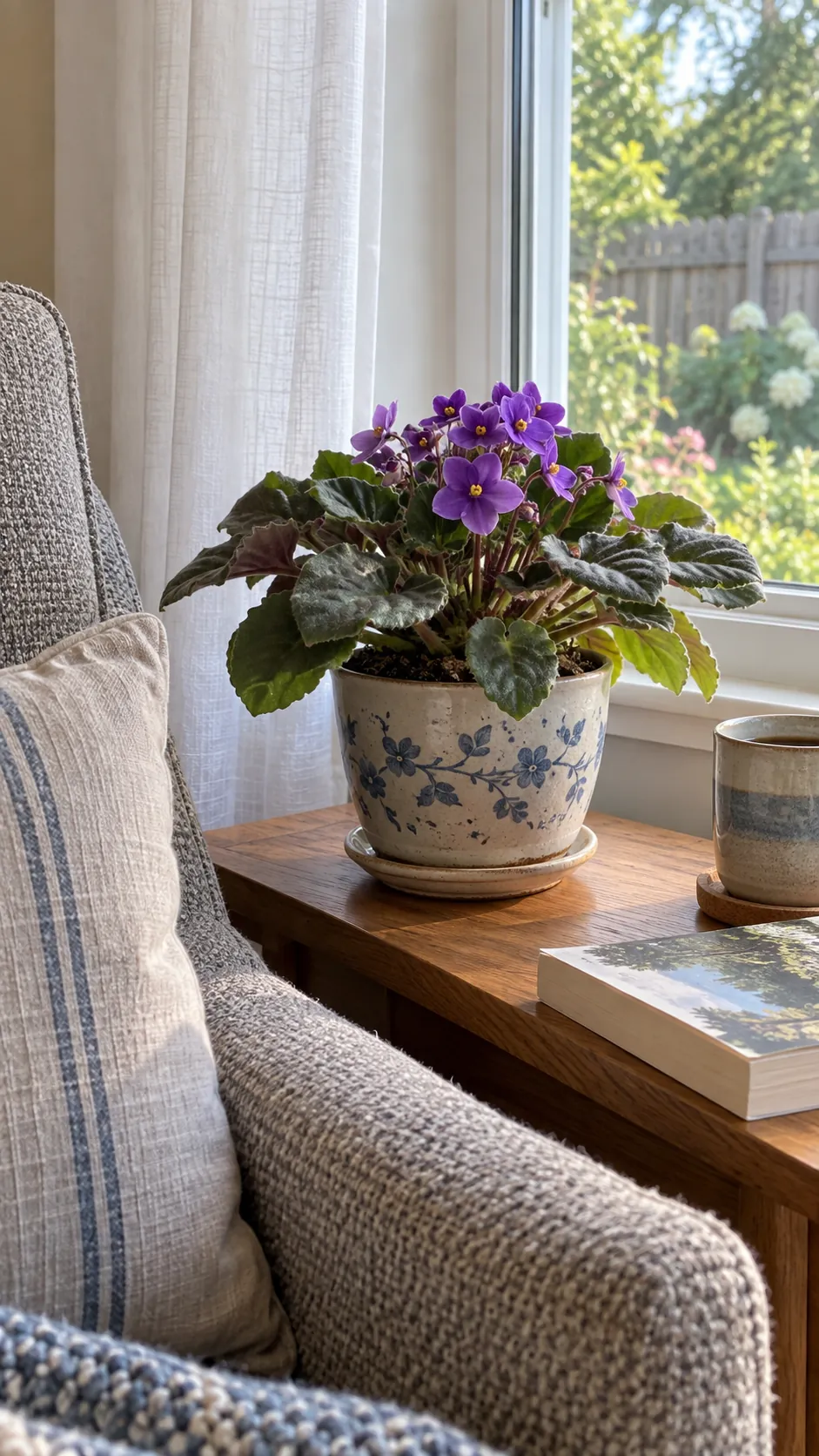
African Violet Beside an East Window
African violets can flower on a bright sill without needing direct midday sun. Set the pot near an east facing window and turn it occasionally for balanced growth. Water the soil rather than splashing cold water across the leaves, and let excess water drain away. A compact plant with many leaves but few flowers may need brighter indirect light rather than more fertilizer.
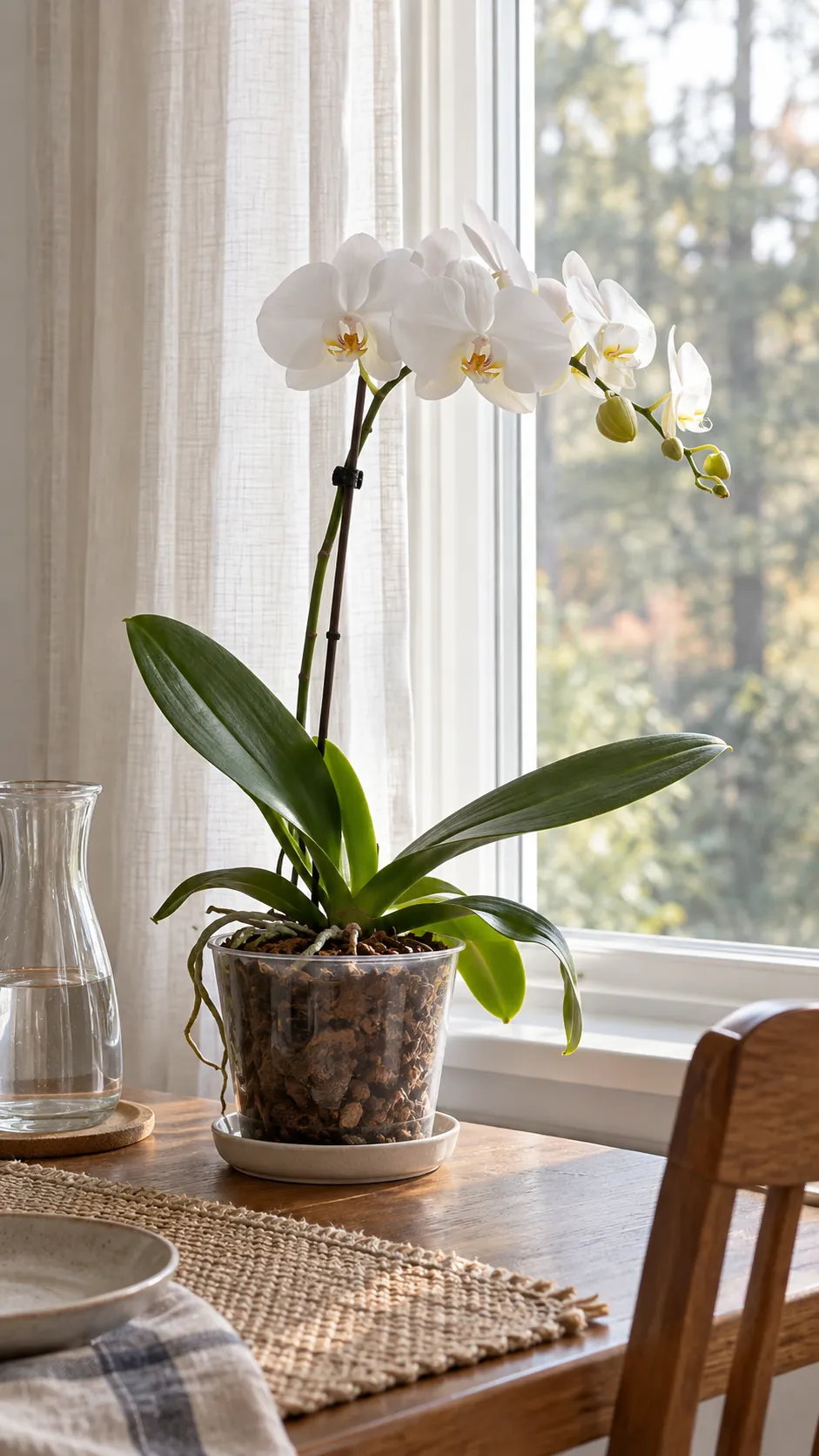
Moth Orchid in Filtered Window Light
A moth orchid can turn a quiet window into a focal point when its light is bright but indirect. An east facing window often works, while a sheer curtain can soften stronger exposure. Use an orchid potting medium that lets air reach the roots, and water when the medium approaches dryness instead of following a rigid calendar. Keep the crown dry and avoid pressing the leaves against a cold pane.
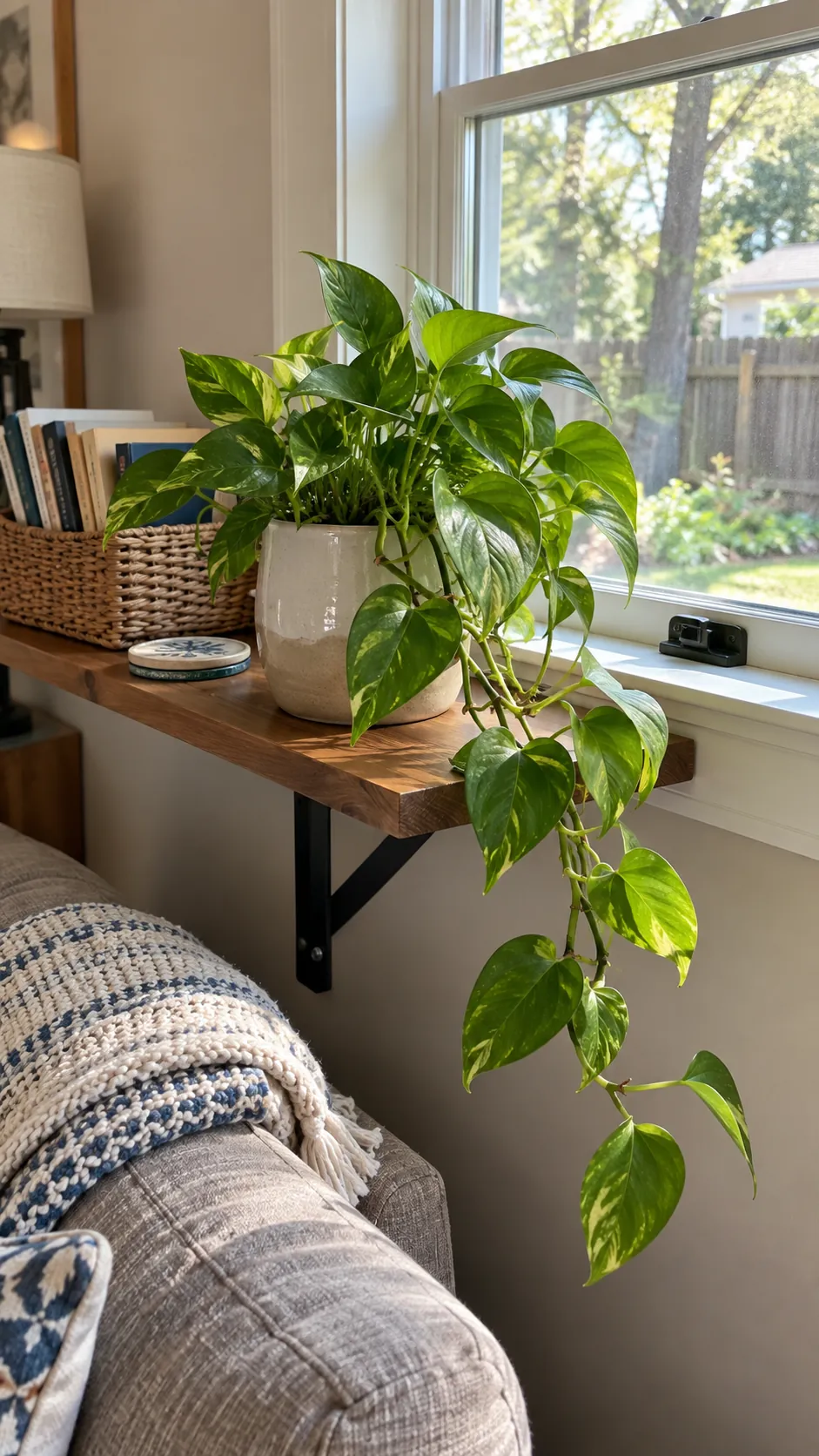
Pothos on a Secure Window Shelf
Pothos brings trailing greenery to a plant shelf near a window without requiring direct sun. Give it bright indirect light for fuller growth and position the pot where the vines cannot snag a window latch. Water when the upper soil has dried, and trim long stems to encourage growth closer to the pot. Keep it out of reach of pets that might chew the leaves.
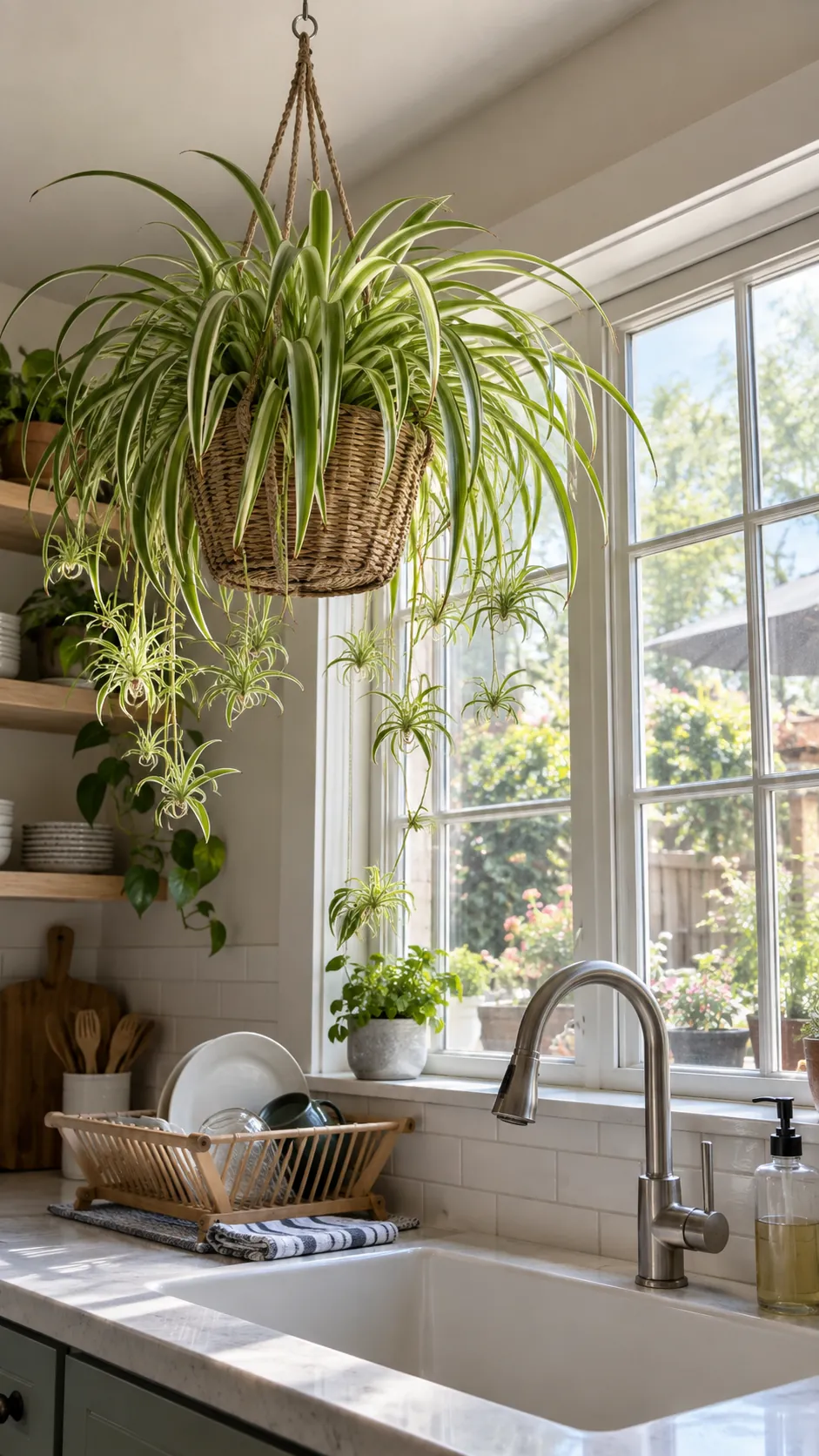
Spider Plant Above a Kitchen Sink
A spider plant makes good use of a hanging position near a bright kitchen window. Its arching leaves and small offshoots need room below the basket, so keep it clear of the faucet and opening sash. Bright indirect light helps maintain strong leaf color, and watering should follow the feel of the soil rather than a fixed day. Check that the ceiling hook or wall bracket is rated for the full weight of a watered planter.
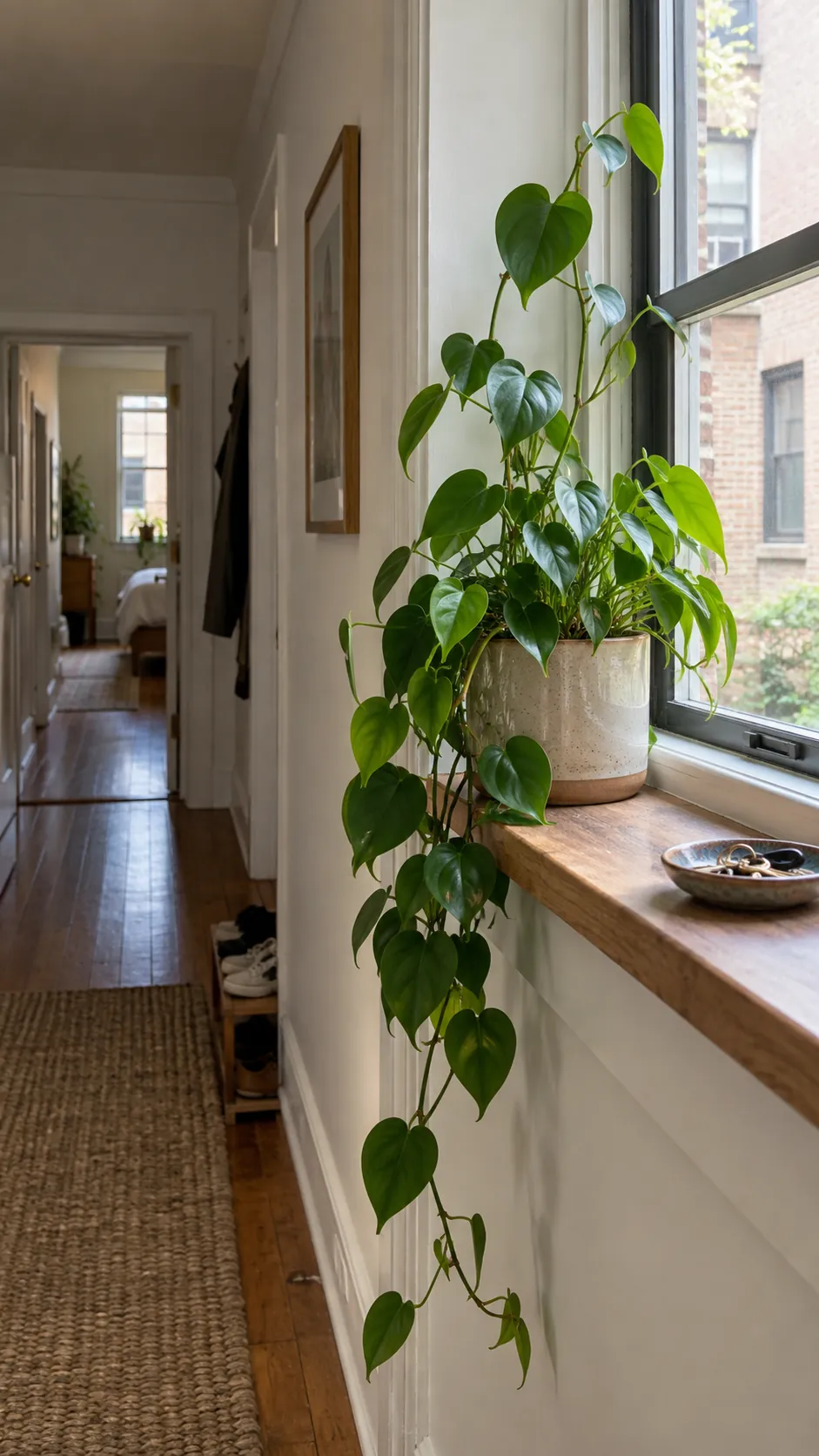
Heartleaf Philodendron Along a Window Frame
A heartleaf philodendron can trail beside a window frame and soften its hard outline. Keep it in bright indirect light rather than pressing the leaves into direct afternoon sun. Let the upper layer of soil dry before watering, then redirect new vines away from blinds and cords. Like pothos, this plant belongs beyond the reach of pets that chew foliage.
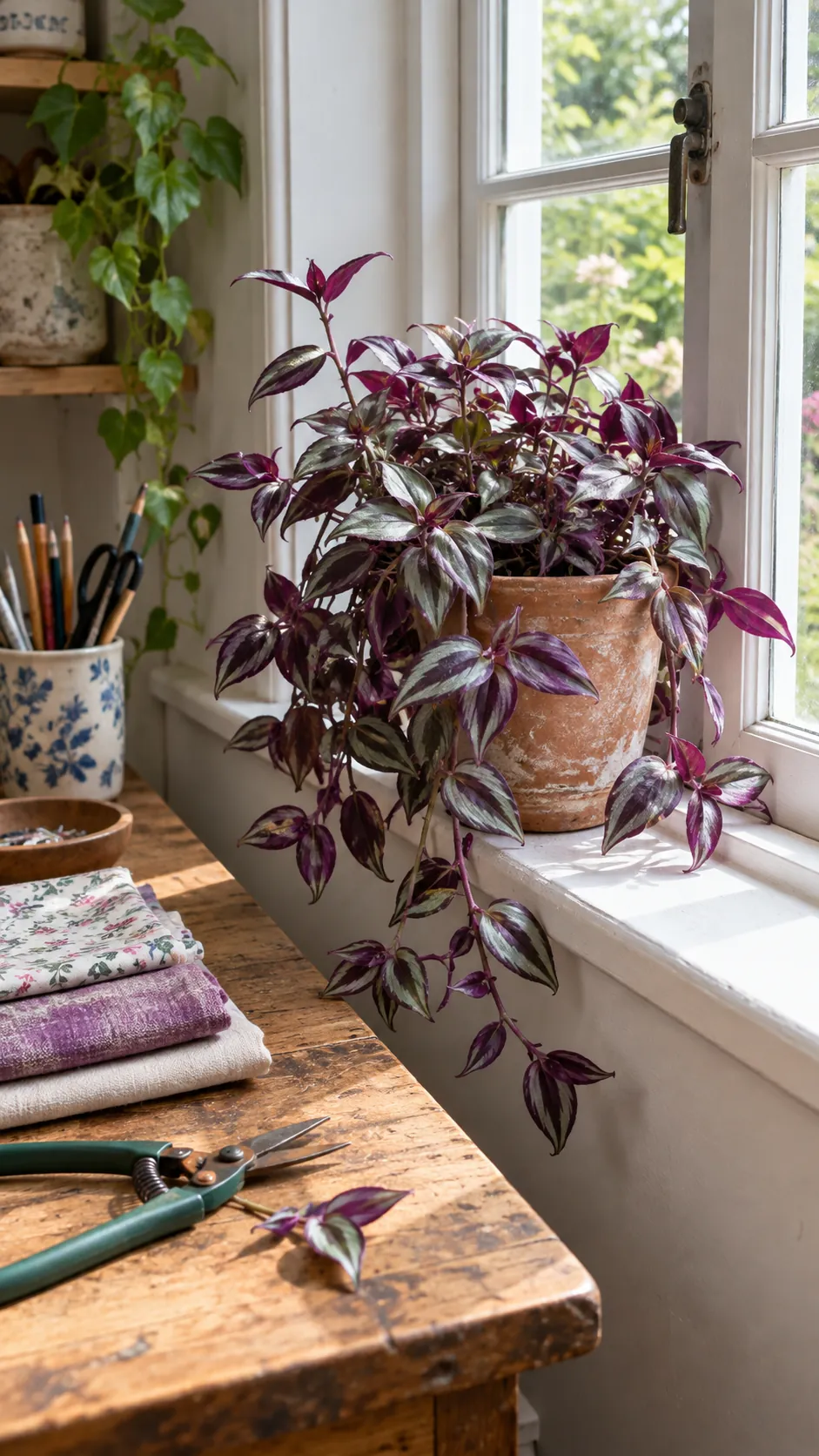
Tradescantia for a Colorful Window Edge
Tradescantia adds purple and silver tones to indoor plants styling without relying on flowers. Give it bright indirect light or gentle morning sun so the color stays vivid. Pinch long stems to keep the plant dense and root healthy cuttings in a separate small pot if it becomes bare at the center. Its trailing growth works best at the edge of a sill where leaves have room to fall freely.
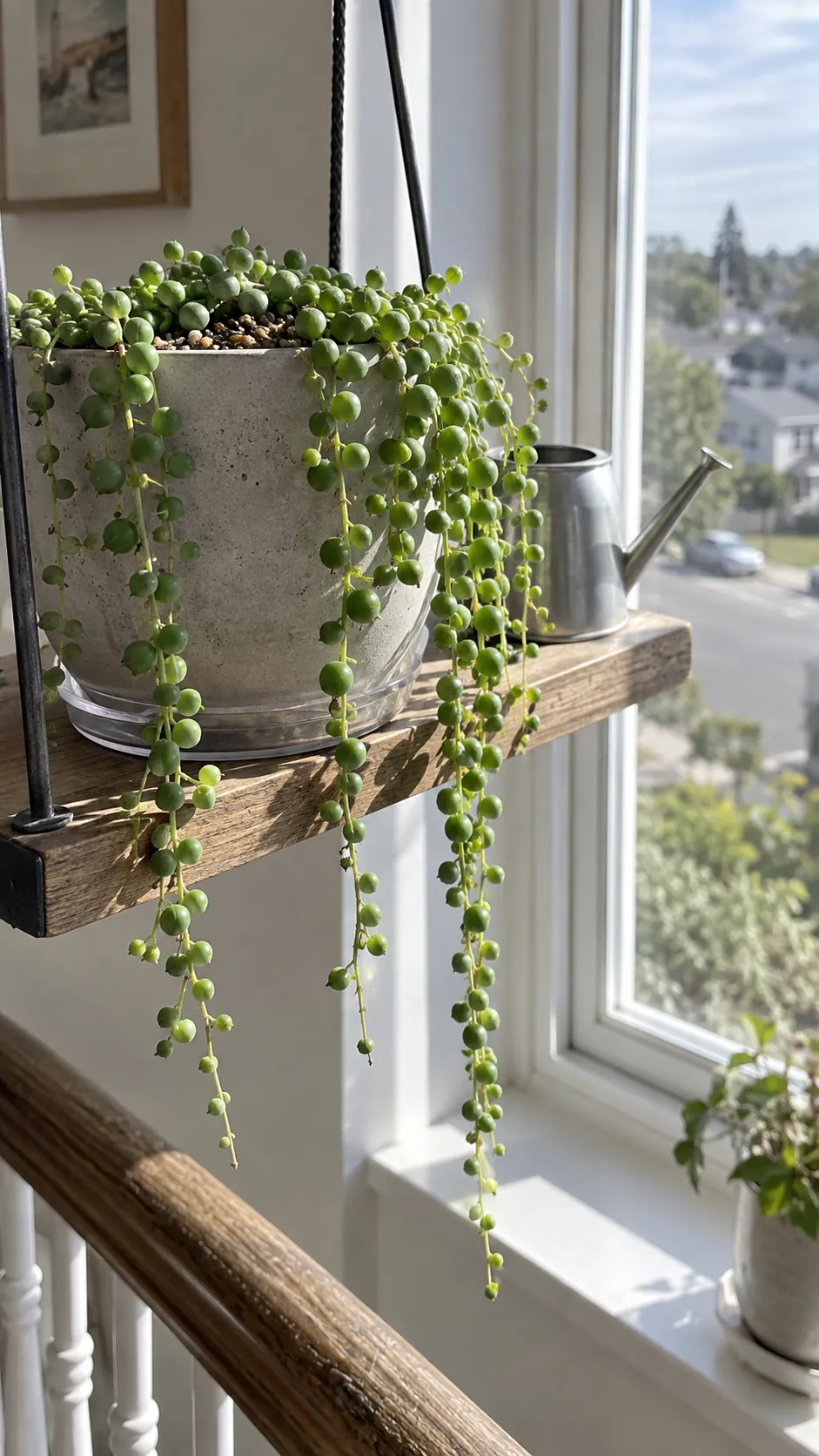
String of Pearls in a High Light Window
String of pearls needs stronger light than many trailing houseplants, making a bright window a sensible starting point. Let the stems drape over a stable pot while keeping the crown close enough to the light to avoid thin growth. Use a succulent mix and water only after the mix dries, especially during cooler months. Keep the pot away from curious pets and from glass that becomes extremely hot in afternoon sun.
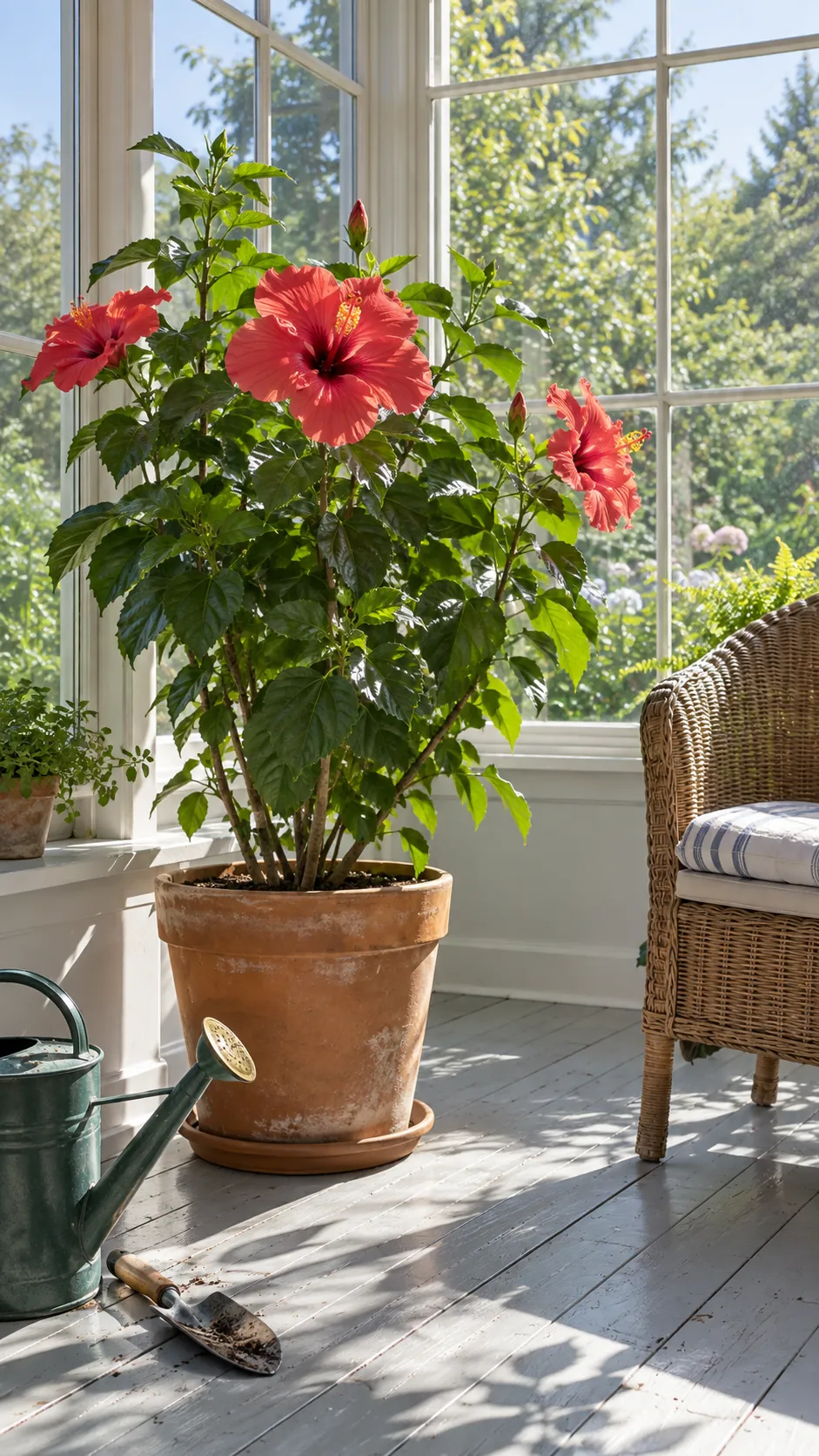
Hibiscus for a Spacious Sunny Window
A hibiscus can bring large flowers to a window garden when the opening receives several hours of direct light. Give it a roomy container with drainage and enough clearance that leaves do not rub against the glass or curtains. Check moisture more often during active growth because a flowering plant in a sunny window can use water quickly. Move it away from cold drafts, and expect flowering to slow if the window cannot provide enough light.