
Does it ever feel like you spend your entire weekend scrubbing floors instead of relaxing? Many of us fall into the trap of letting chores pile up until they become overwhelming. A realistic cleaning schedule isn't about having a museum-perfect house every minute of the day; it’s about creating a flow that fits your actual life, energy levels, and messy reality.
In this guide, we will look at how to break down chores into manageable bites. Whether you live in a small studio or a large family home, using a whole house cleaning checklist can help you stay on top of things without losing your mind. We’ll cover everything from daily habits to seasonal deep cleans so you can find a rhythm that works for you.
Daily habits that keep the mess under control
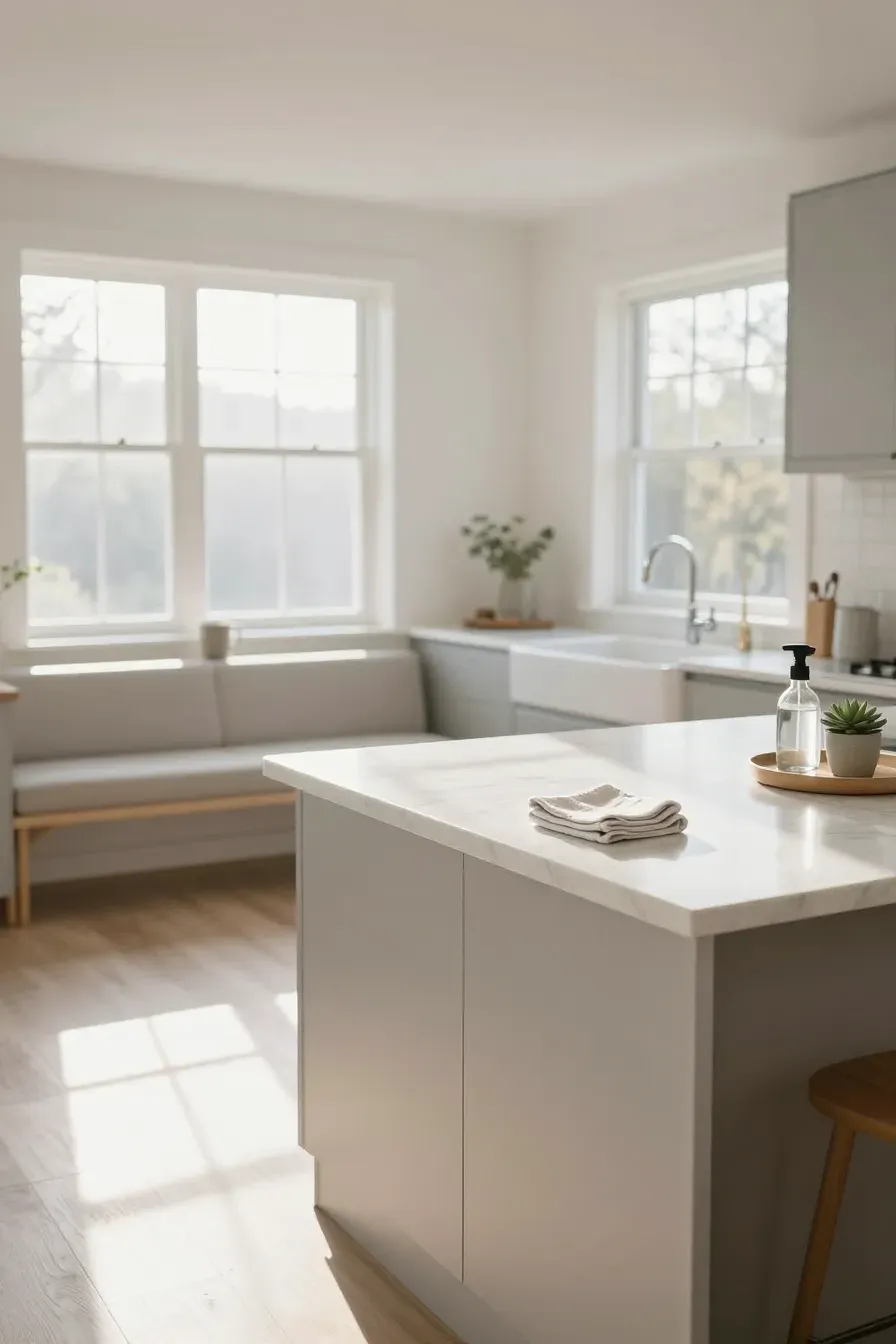
The secret to a clean home isn't a marathon cleaning session; it's the small things you do every day. Think of these as 'reset' buttons for your rooms. A daily cleaning schedule printable free of charge can help you track these until they become second nature. Simple habits include making the bed as soon as you get up, wiping down the kitchen counters after dinner, and doing one load of laundry from start to finish. These tasks usually take less than ten minutes but prevent the 'doom piles' from forming on your furniture.
How to use a weekly home cleaning checklist

A weekly home cleaning checklist focuses on the stuff that needs attention once every seven days. This includes vacuuming, mopping, and cleaning the bathrooms. Instead of looking at the list as a giant mountain to climb, use it to guide your focus. You might choose to do all these tasks on a Saturday, or you might pick one room to tackle each evening. The goal is to ensure that no corner of the house is ignored for too long.
Setting up a dedicated cleaning day versus task spreading
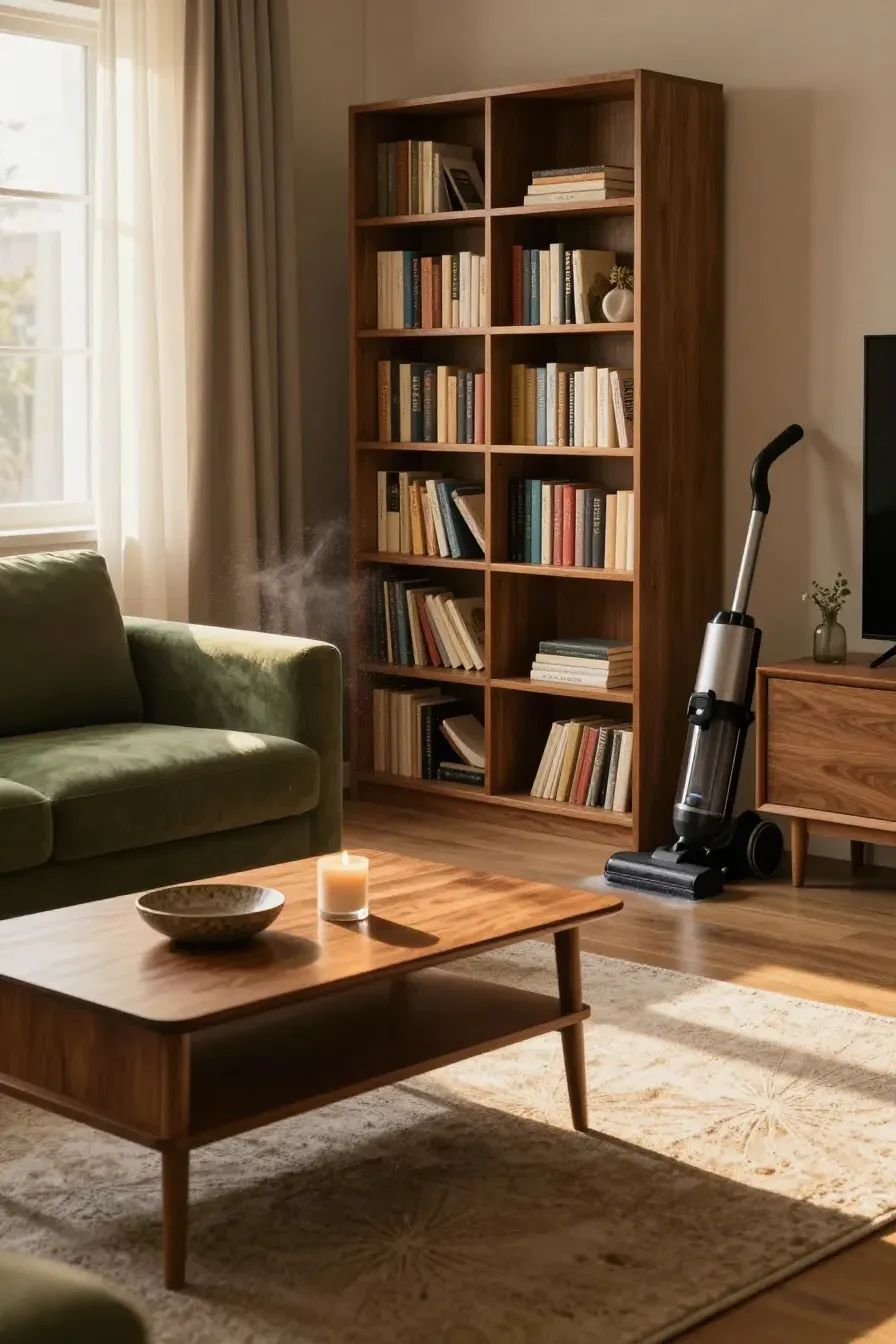
There are two main ways to handle chores: the 'Cleaning Day' or 'Task Spreading.' A dedicated cleaning day means you spend 3-4 hours on a Friday or Saturday knocking out the whole list. This is great if you like the feeling of being 'done.' On the other hand, task spreading involves doing 20 minutes of work each day—bathrooms on Monday, dusting on Tuesday, and so on. Most people find that task spreading is a more realistic cleaning schedule because it doesn't eat up your entire weekend.
Managing a smaller space with an apartment cleaning schedule
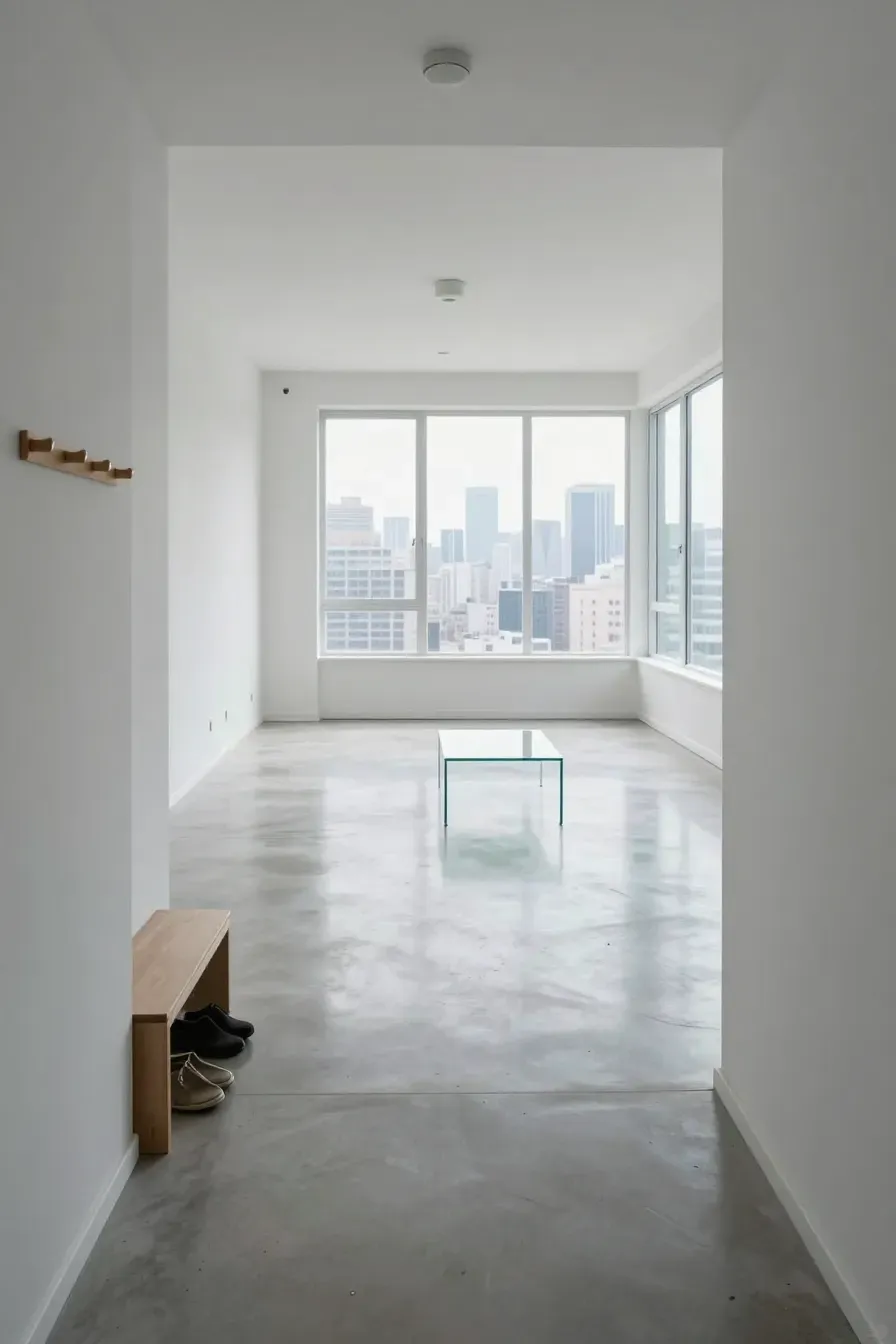
In a smaller home, clutter shows up much faster. An apartment cleaning schedule should prioritize floor space and surfaces. Since you have fewer rooms, you can often deep clean the whole place in a fraction of the time it takes for a house. Focus on 'hot spots' like the entryway or the coffee table. Keeping these clear makes the entire apartment feel significantly cleaner than it actually is.
Deep cleaning tasks for your monthly and seasonal rotation
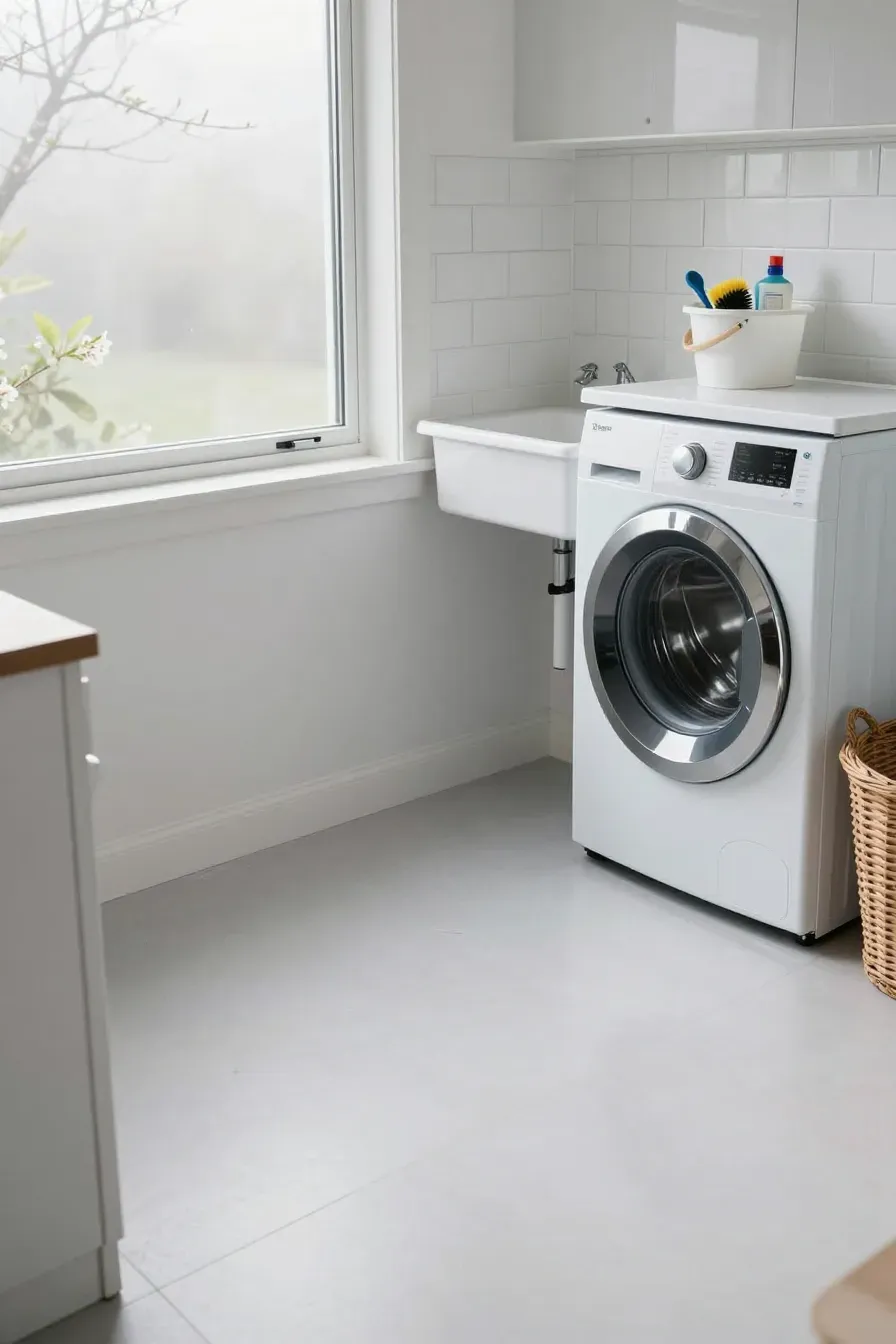
Some things don't need to be done often, but they shouldn't be forgotten. This includes cleaning behind the fridge, washing baseboards, or steam-cleaning the carpets. Add these to a monthly or seasonal rotation. For example, every March and September, you might wash the windows and flip the mattresses. Breaking these down ensures you aren't stuck doing a massive 'Spring Clean' that takes three days of hard labor.
Finding cleaning inspo when you lack motivation
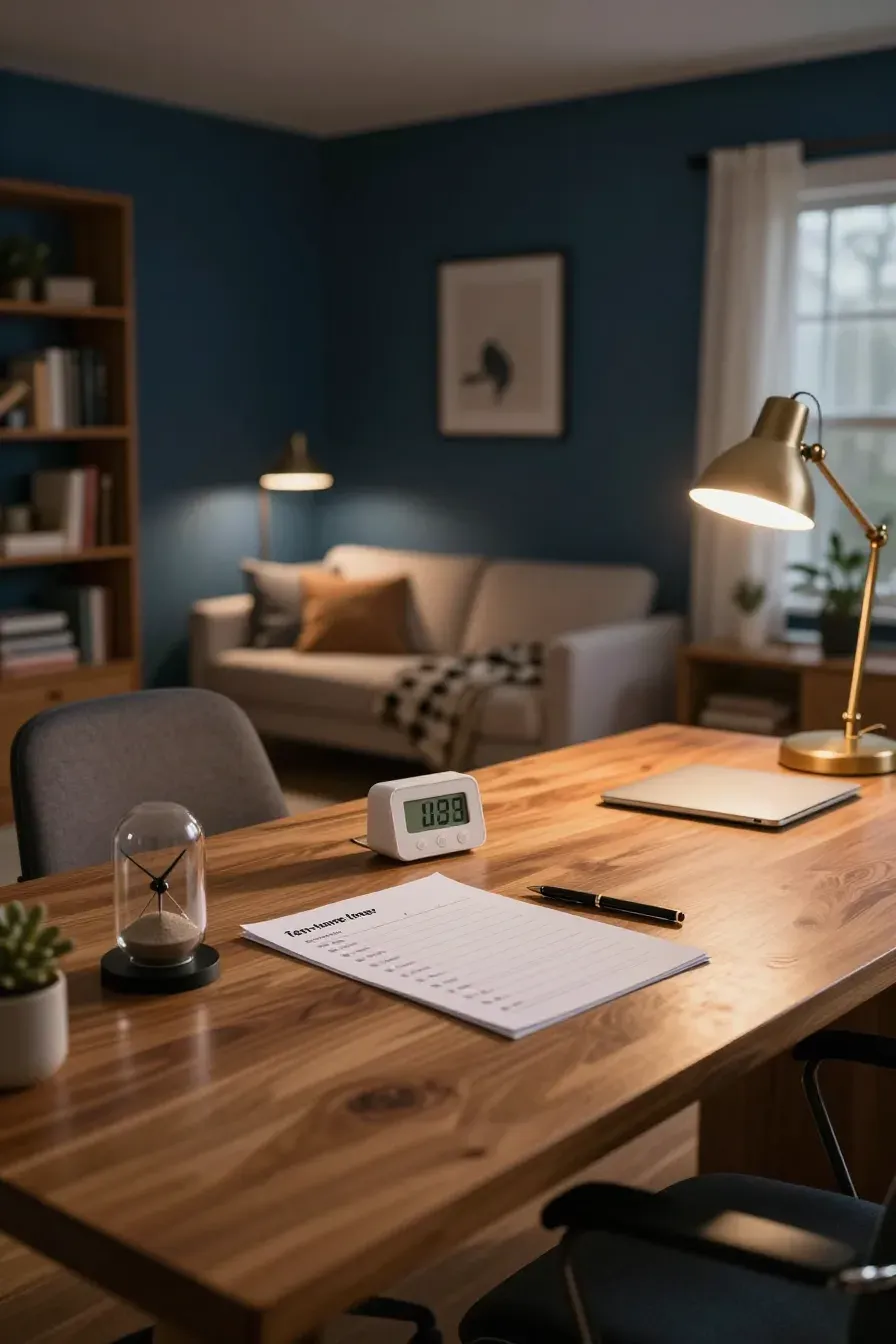
We all have days where we just want to sit on the couch. When you need some cleaning inspo, try the 'ten-minute timer' trick. Tell yourself you will only clean for ten minutes. Usually, once you start, the momentum carries you through. You can also listen to a podcast or an audiobook while you work. Seeing a fresh whole house cleaning checklist with empty boxes waiting to be checked off can also provide that little hit of dopamine needed to get moving.
Where to find a daily cleaning schedule printable free
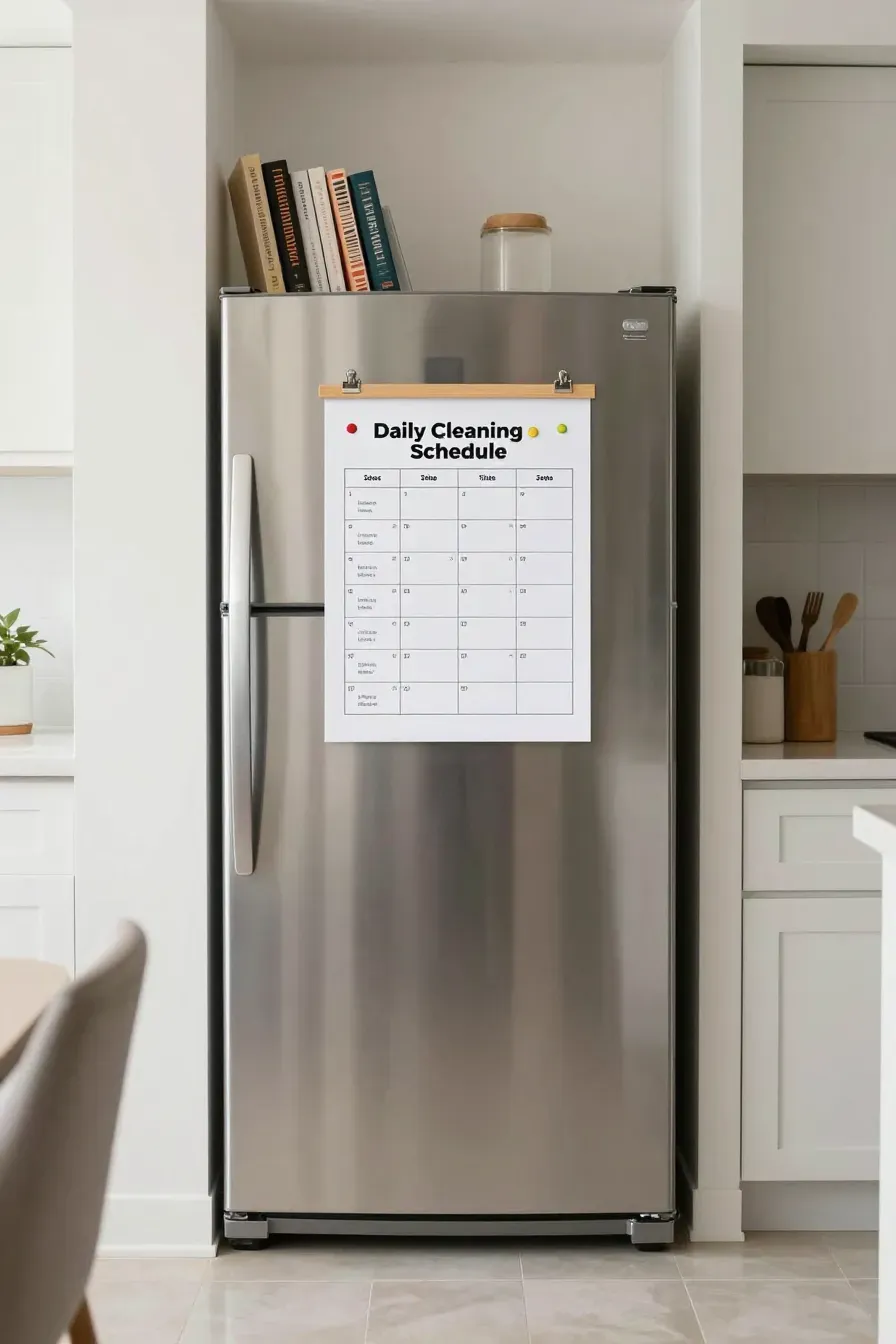
You don't need to buy expensive planners to stay organized. You can find a house cleaning schedule printable free on many home organization blogs or by using simple design tools like Canva. Having a physical paper on the fridge acts as a visual reminder for everyone in the house to pitch in. If you prefer digital, many apps offer daily cleaning schedule printable free versions that you can customize on your phone.
Using cleaning schedule templates to fit your specific lifestyle

No two households are the same. A retired couple has different needs than a family with three toddlers. Use cleaning schedule templates as a starting point, but don't be afraid to cross things out or add your own tasks. If you don't have a guest room, remove it. If you have three dogs, you might need to add 'vacuum living room' to your daily list instead of weekly. A template is a tool, not a rulebook.
Creating an easy cleaning schedule for busy families
If you have kids and a full-time job, you need an easy cleaning schedule that involves everyone. Assign age-appropriate chores to children, like putting away toys or matching socks. Focus on the 'high traffic' areas during the week and leave the deeper stuff for when you have extra help. The goal for a busy family isn't perfection; it's keeping the house functional and hygienic.
Building a whole house cleaning checklist that actually works

To build a checklist that lasts, be honest about your time. Don't put 20 items on your Monday list if you know you work late. Group tasks by room or by type (like all 'wet' tasks like mopping and scrubbing sinks). A functional whole house cleaning checklist should feel like a relief, not a burden. If you consistently miss a task, move it to a different day or admit it doesn't need to be done as often as you thought.
Building a realistic cleaning schedule is all about trial and error. Start small by picking one daily habit and one weekly task. Over time, you’ll find a rhythm that keeps your home comfortable without taking over your life. If you're ready to start, go find a template that looks good to you and give it a try this week!