
Most people think of bamboo as just a material for outdoor tiki bars or flooring. However, this fast-growing grass is one of the most versatile tools for interior design. It adds a layer of organic warmth that paint or wallpaper simply can’t match. Whether you want a clean modern look or a cozy rustic feel, bamboo provides a durable and sustainable way to change the character of your rooms.
This list covers specific ways to use bamboo on your walls and ceilings. You will find ideas ranging from subtle textures to bold structural statements. Each suggestion focuses on how to use different cuts, finishes, and installation styles to solve common design problems like echoey rooms or boring flat surfaces.
Vertical Split Bamboo Poles for Accent Walls
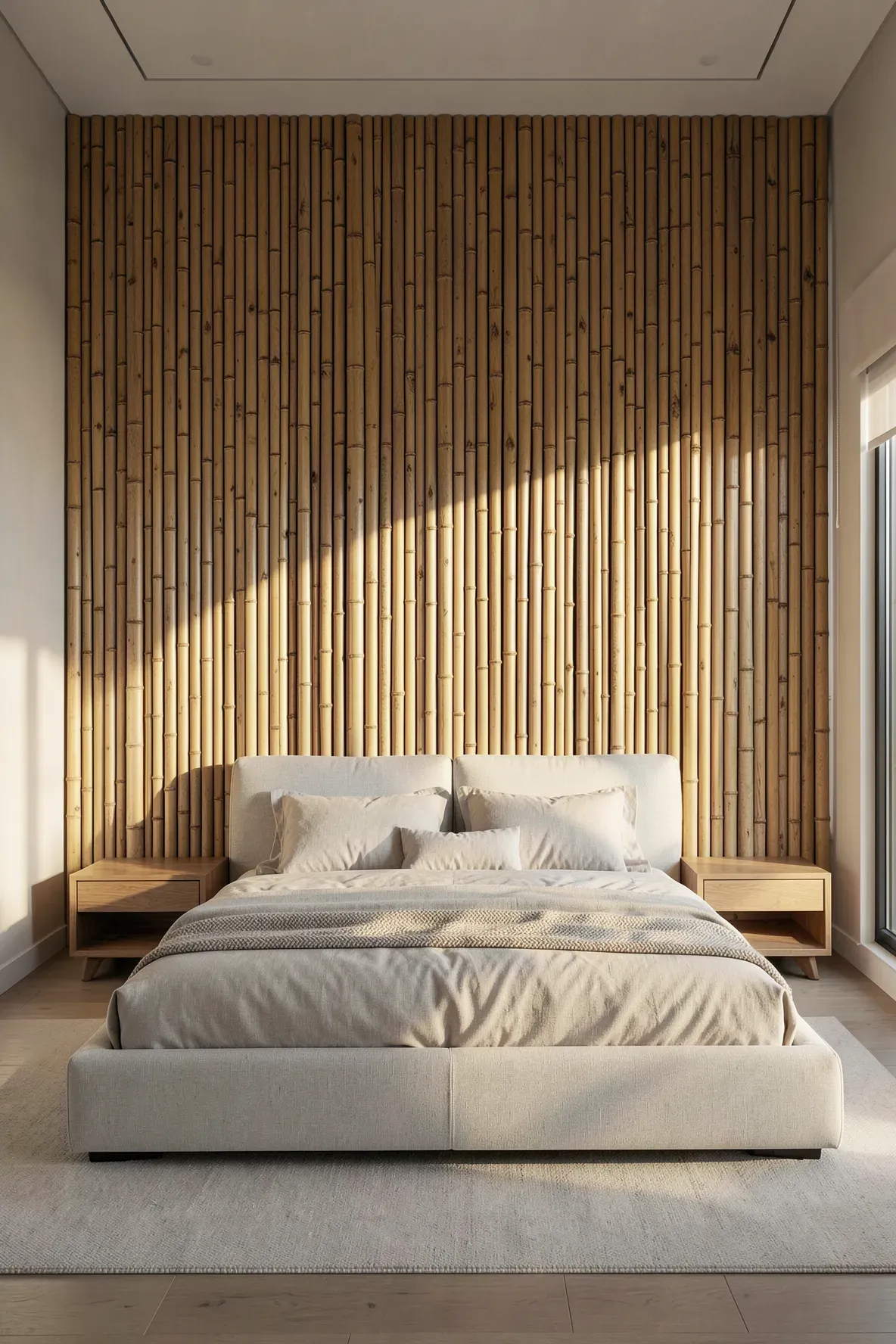
Using split bamboo poles creates a deep, three-dimensional texture on a flat wall. You take full poles that have been cut in half lengthwise and mount them side-by-side. This works well behind a bed or a sofa because the rounded surfaces catch the light differently throughout the day. It hides wall imperfections and makes a massive visual impact without needing extra decor.
Woven Bamboo Herringbone Pattern Sheets
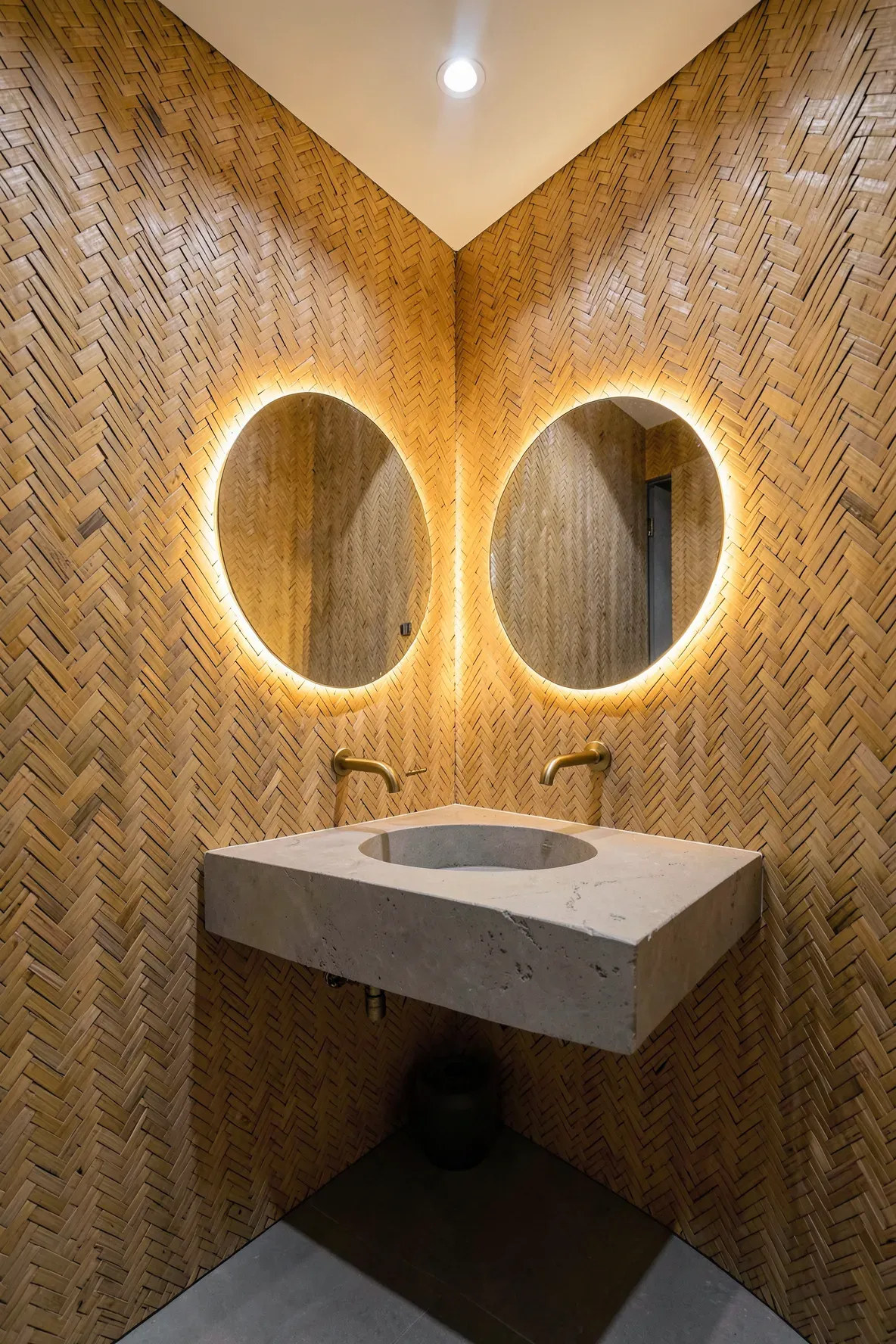
Herringbone is a classic pattern that usually requires a lot of manual labor to install. You can find pre-woven bamboo sheets that mimic this look and glue them directly to the wall. This adds a sense of movement to a room. It is a great choice for small spaces like powder rooms where you want a high-end look that feels tactile and handmade.
Charred Black Bamboo for Modern Living Rooms

If you want a moody or sophisticated vibe, look for bamboo that has been heat-treated or charred. This process turns the fibers a deep, matte black while keeping the natural grain visible. It is a smart alternative to dark paint because it won’t show scuffs as easily. Use it on a single wall to create a focal point for your TV or fireplace.
Fluted Panel Texture in Natural Blonde Finishes

A fluted panel texture consists of narrow, repeating ridges that look like corduroy fabric. In a natural blonde finish, these panels make a room feel bright and airy while adding architectural interest. They are particularly effective in entryways or hallways where you want to add detail without making the space feel crowded or dark.
Horizontal Flat-Slat Bamboo Paneling
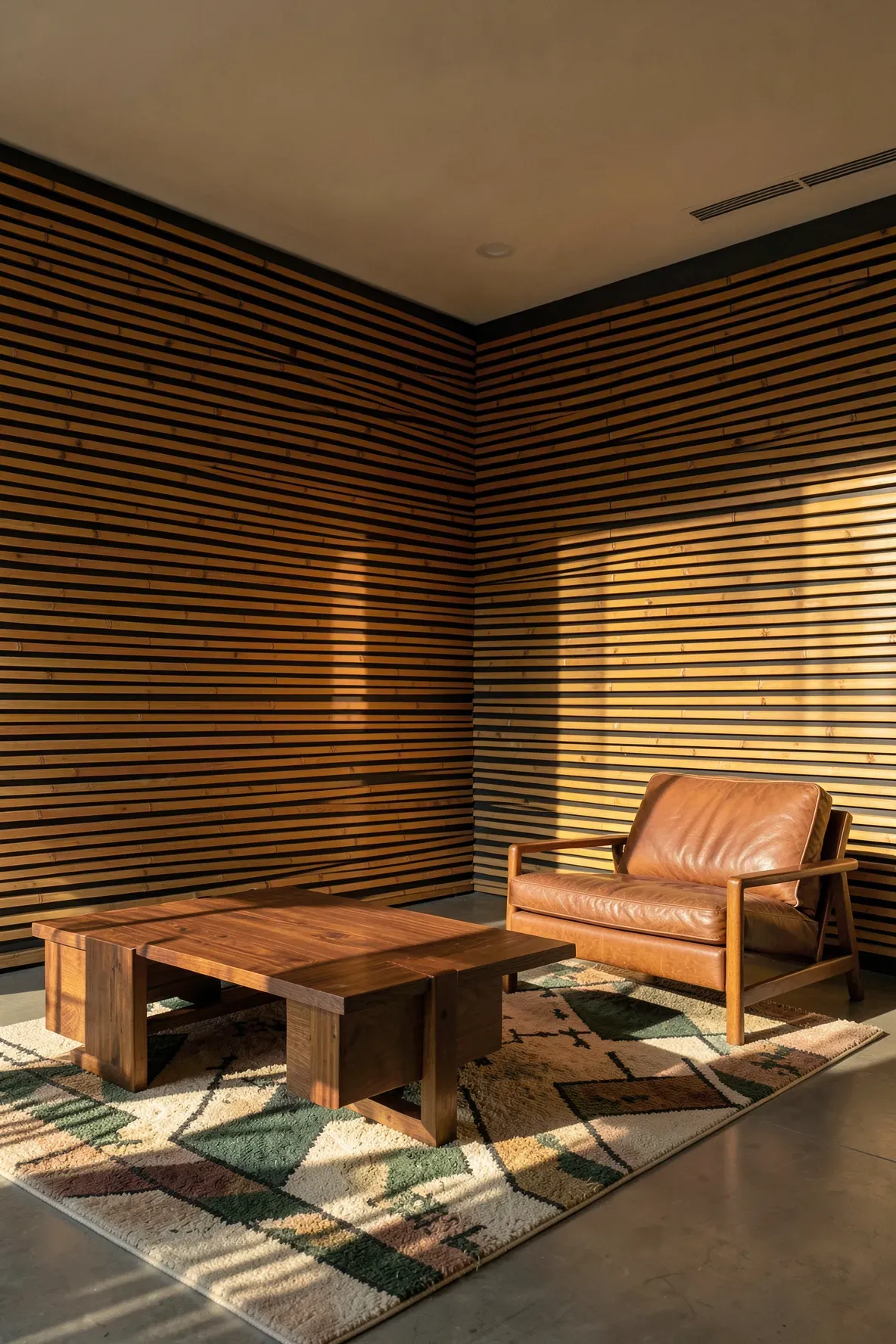
Installing bamboo slats horizontally can make a narrow room feel much wider. These flat slats provide a clean, linear look that fits well with mid-century modern furniture. You can leave small gaps between the slats to let the wall color behind them peek through, or butt them tight against each other for a solid wood-wall effect.
Rattan Wall Panel Inserts for Cabinetry
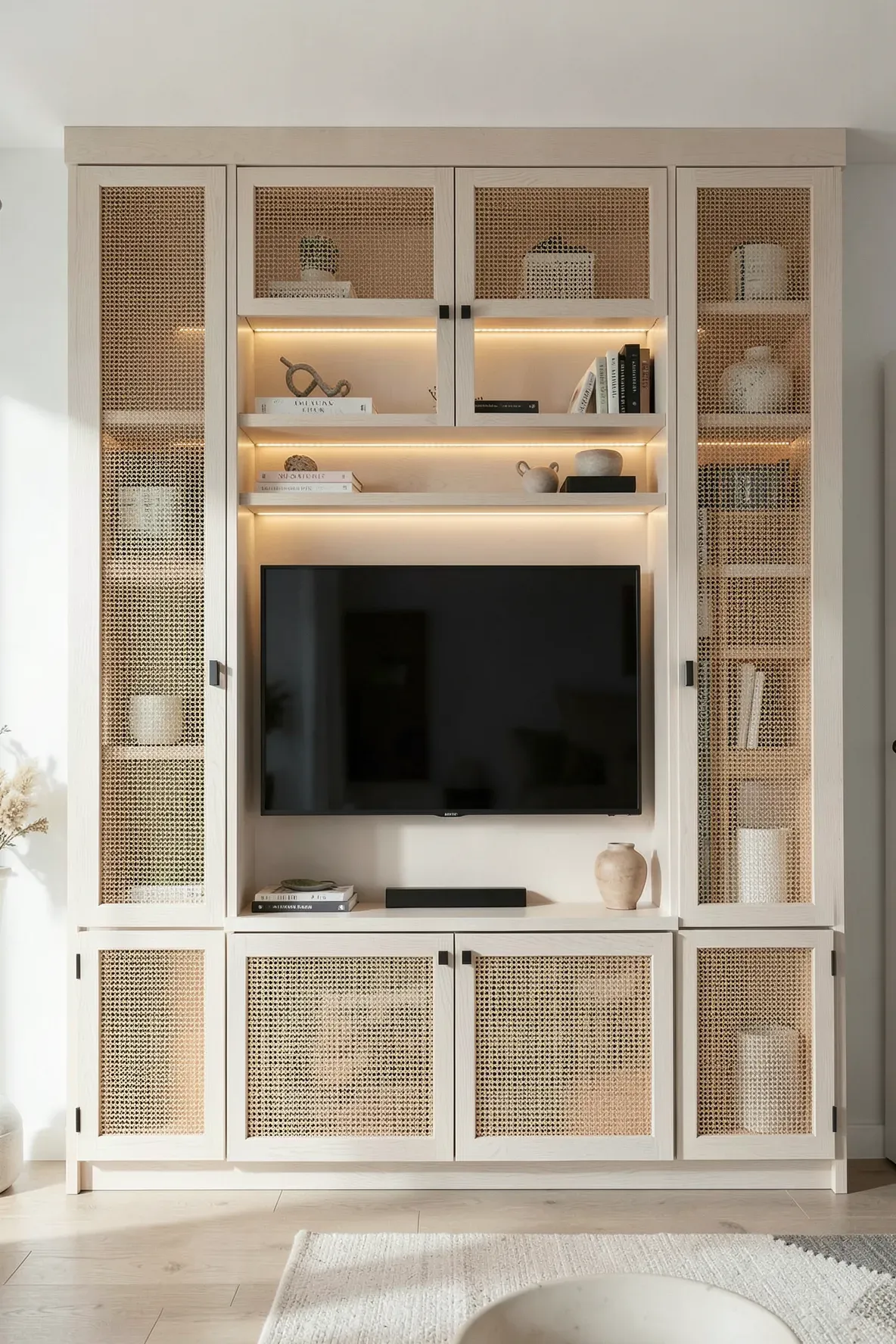
You don’t have to cover a whole wall to make a difference. Adding a rattan wall panel as an insert for your cabinet doors or recessed wall nooks adds a soft, breathable texture. This is a practical choice for media consoles because the weave allows infrared signals from remotes to pass through and helps electronics stay cool.
Bamboo Wall Design with Integrated LED Backlighting

This bamboo wall design uses the natural gaps in the material to hide light strips. By mounting bamboo panels on a thin frame slightly away from the wall, you can tuck LED tape around the edges. This creates a soft glow that highlights the texture of the bamboo at night, making it double as a giant light fixture.
Full-Height Bamboo Wainscoting in Hallways

Hallways often get bumped and scratched. Installing bamboo panels from the floor to the ceiling protects your drywall while adding style. Because bamboo is harder than many hardwoods, it stands up well to pets and kids. Use a simple baseboard and top trim to frame the panels for a finished, professional look.
Bamboo Ceiling Design with Recessed Grid Panels
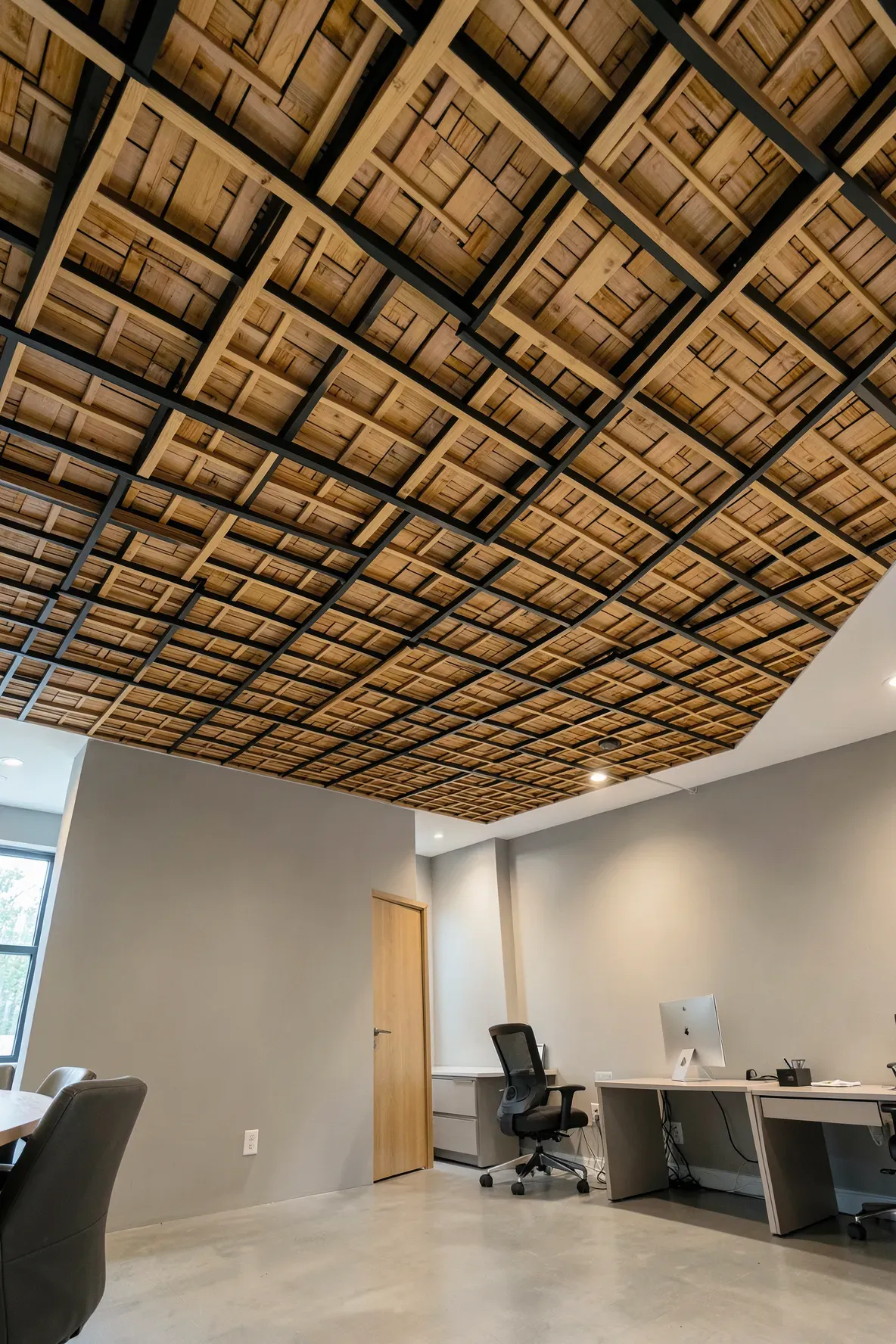
A bamboo ceiling design can replace a standard drop ceiling to make an office or basement feel more expensive. You can buy bamboo panels sized to fit standard ceiling grids. This allows you to keep access to pipes and wires while hiding the industrial look of a traditional suspended ceiling with warm, natural wood tones.
Curved Bamboo Slats for Rounded Corner Walls

Bamboo is naturally flexible, especially when cut into thin slats. This makes it one of the best materials for covering curved walls or rounded kitchen islands. You can wrap the slats around the bend without the wood cracking. It turns a difficult architectural feature into a beautiful design highlight.
Geometric 3D Bamboo Wall Tiles
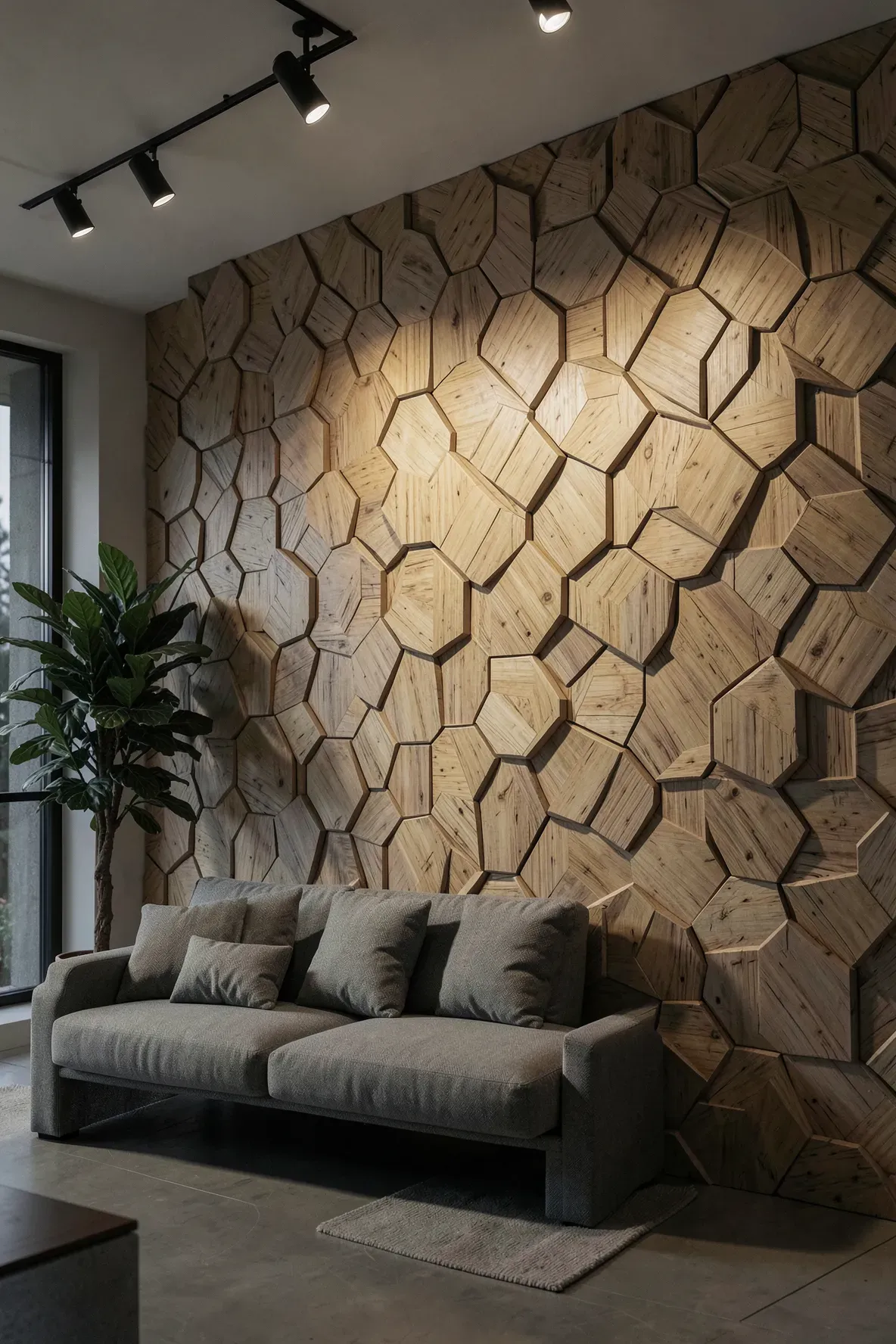
These tiles are made from pressed bamboo fibers and come in various shapes like hexagons or diamonds. When you install them, they create a 3D pattern that changes as you walk past. They are lightweight and usually come primed, so you can paint them to match your room or leave them in their natural tan state.
Whitewashed Bamboo Panels for Coastal Bedrooms
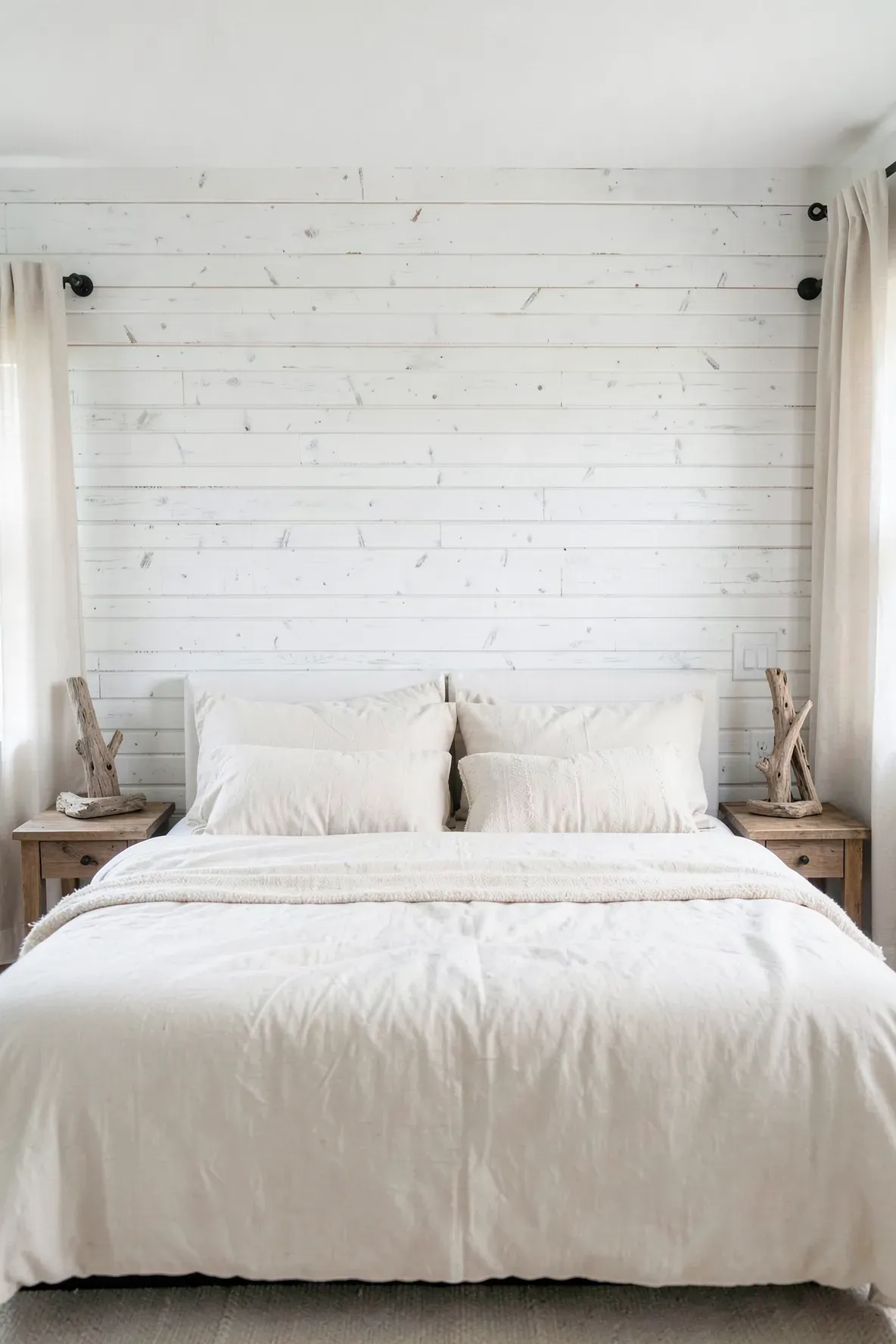
If the natural yellow-tan color of bamboo feels too tropical for you, try a whitewashed finish. This involves rubbing a thin white stain into the grain. It gives you the texture of the bamboo but with a soft, faded look that works perfectly in coastal or
Bamboo Ceiling Ideas Using Large Diameter Half-Poles

For rooms with high ceilings, using large-diameter poles creates a bold, structural look. These bamboo ceiling ideas involve mounting thick half-poles across the ceiling like traditional rafters. It fills the empty upper space of a room and makes a large area feel more grounded and cozy.
Alternating Thickness Bamboo Strips for Depth
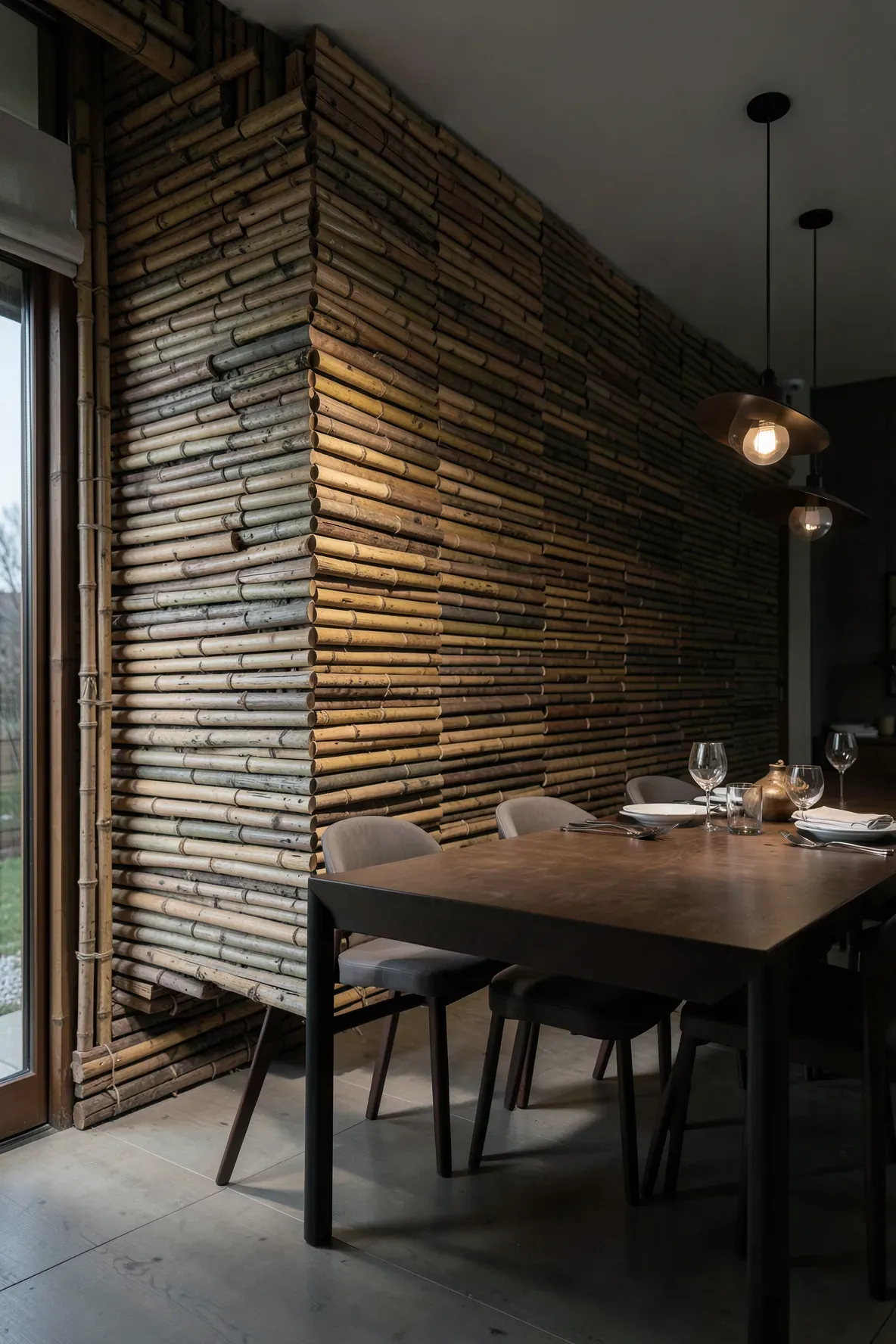
By mixing bamboo strips of different thicknesses and widths, you create a wall with a lot of shadows and highlights. This irregular surface is great for breaking up the
Stained Dark Walnut Bamboo for Home Offices
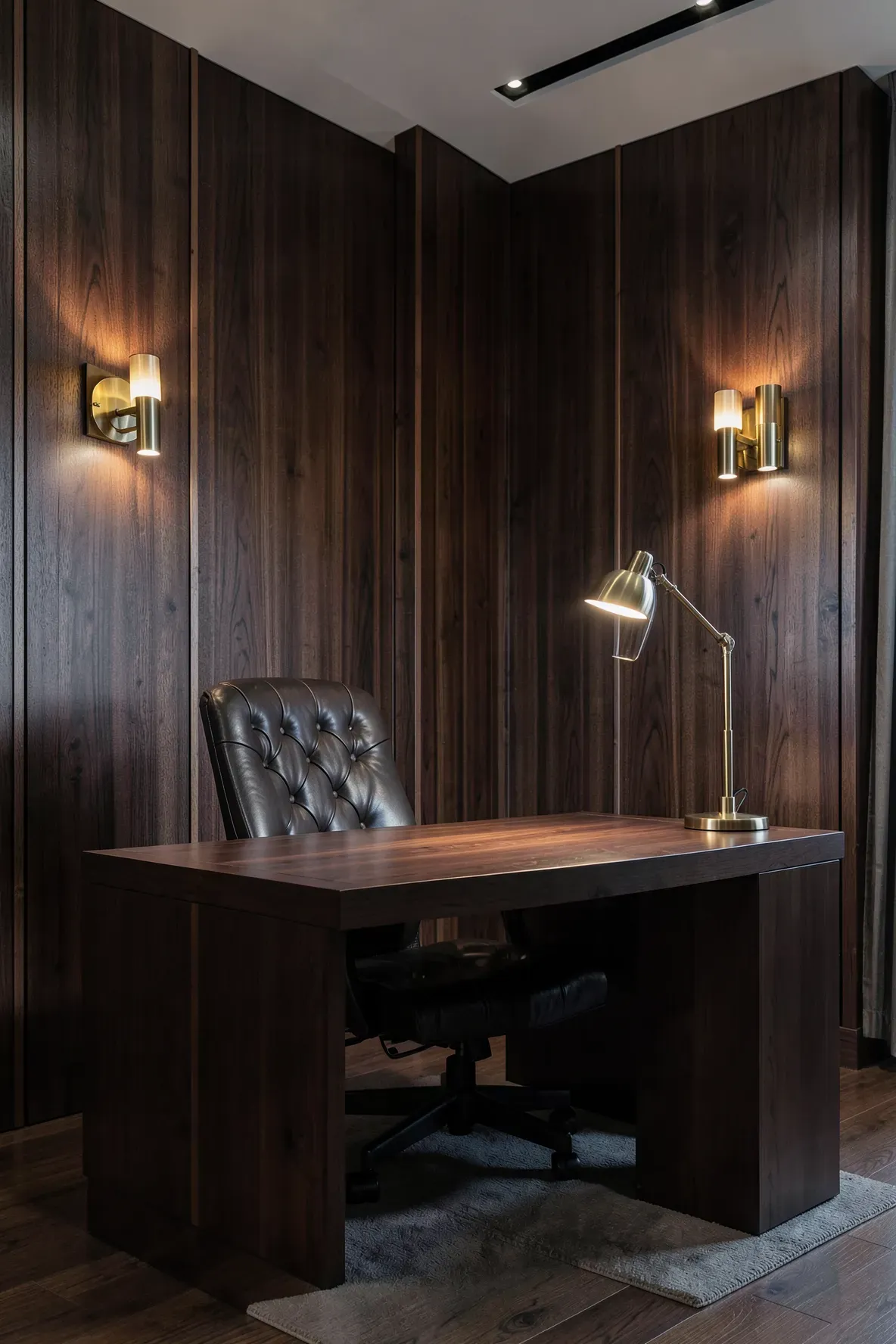
Bamboo takes stain very well. A dark walnut stain gives the material a formal, executive look that fits a home office. It provides the appearance of expensive exotic hardwoods but at a lower cost and with better sustainability. It pairs well with leather chairs and brass light fixtures.
Bamboo Veneer Sheets for Seamless Minimalist Walls
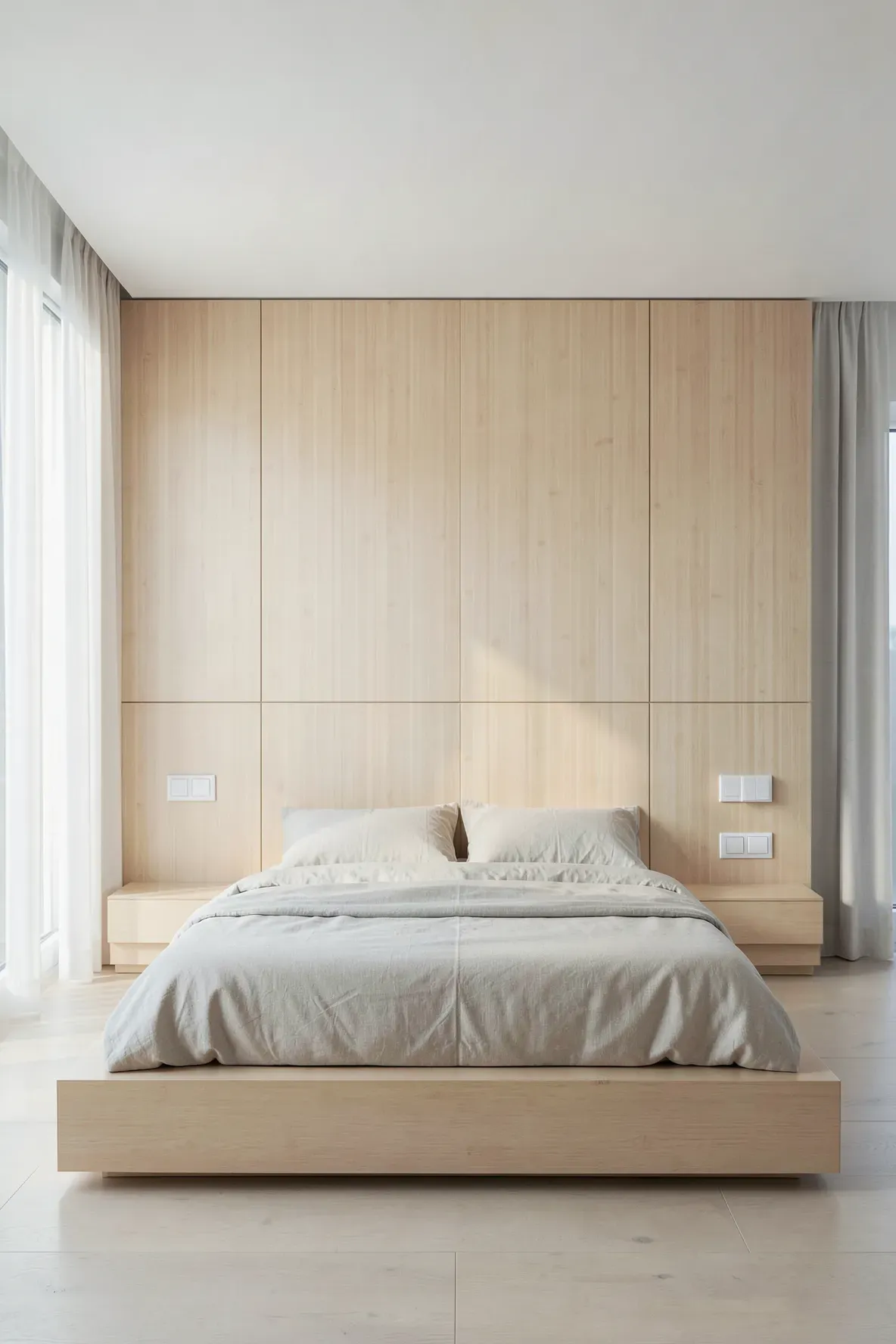
If you prefer a clean, flat look, bamboo veneer is the way to go. These are very thin layers of bamboo glued to a backing. You can apply them to large wall surfaces to get a seamless wood finish without the bulk of heavy planks. It is perfect for a minimalist bedroom or a modern kitchen backsplash.
Crushed Bamboo Mats for Tropical Ceiling Textures

Crushed bamboo is made by flattening the poles until they crack and spread out. When applied to a ceiling, it creates a rugged, organic texture that looks like it belongs in a high-end resort. It is a great way to hide a popcorn ceiling or uneven drywall without a full demolition.
Framed Rattan Wall Panel Sections as Art

You can treat a rattan wall panel like a piece of art. Cut the rattan into large squares or rectangles and frame them with simple wood molding. Hanging three of these in a row creates a large-scale art installation that adds texture to a wall without the visual clutter of a busy painting.
Bamboo Slat Partitions with Open Spacing
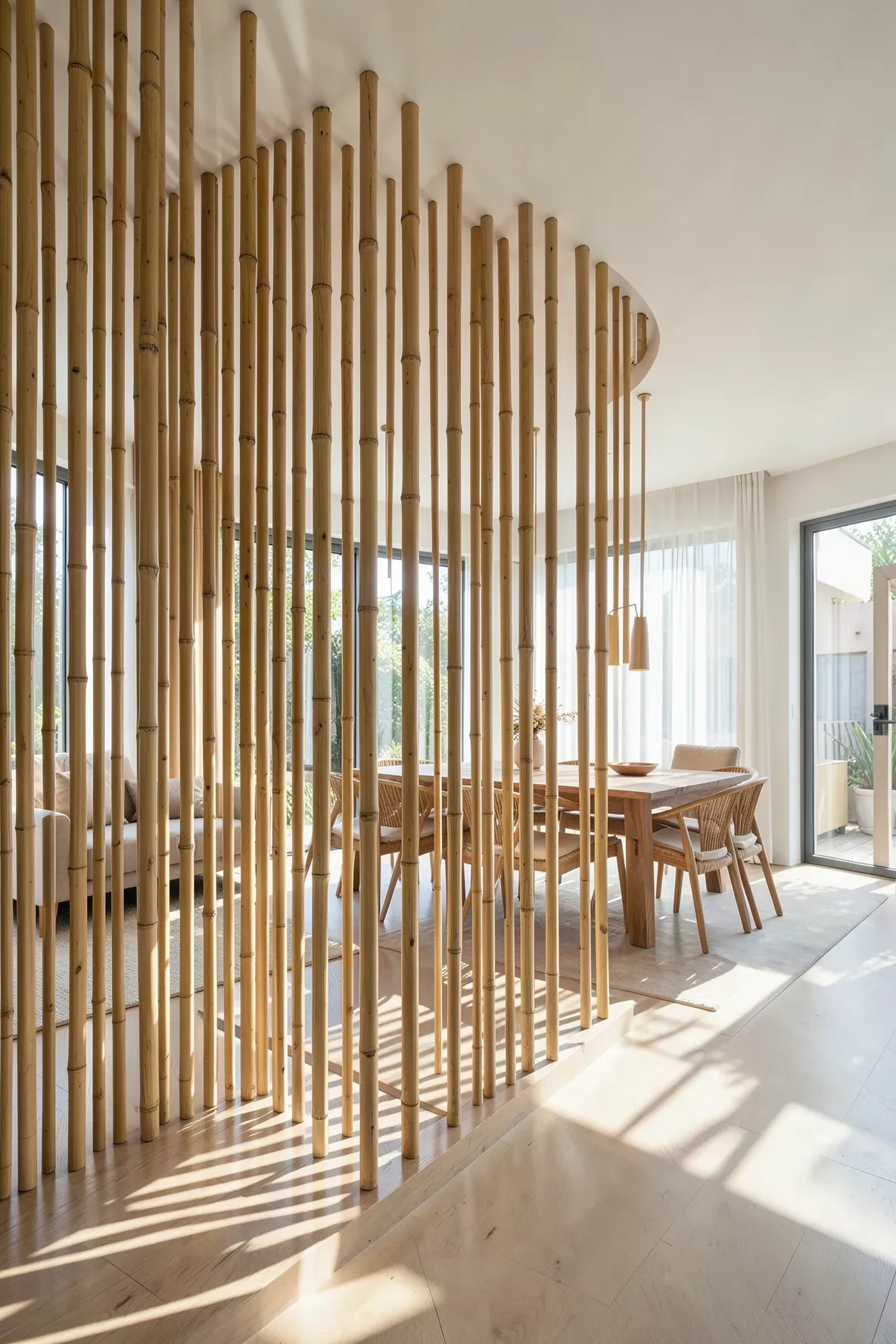
Sometimes you want to divide a room without blocking the light. You can mount vertical bamboo slats with two-inch gaps between them. This creates a screen that defines different areas, like a dining room and a living room, while keeping the floor plan feeling open and breezy.
Diagonal Bamboo Patterns for Entryway Interest

Instead of installing bamboo vertically or horizontally, try a 45-degree angle. Diagonal lines create a sense of energy and make a small entryway feel more dynamic. It is a simple change in installation that makes standard bamboo planks look like a custom designer feature.
Bamboo Ceiling Design with Exposed Support Beams

This bamboo ceiling design uses flat bamboo panels as the base layer, with thick bamboo poles or timber beams running across them. The contrast between the flat surface and the heavy beams adds architectural weight to the room. It is a smart way to make a standard flat ceiling look like a structural masterpiece.
Flexible Bamboo Tambour for Kitchen Islands

Tambour is made of thin bamboo strips glued to a fabric backing, which allows it to roll and bend. It is the perfect material for wrapping around the base of a curved kitchen island. It protects the island from kick marks and adds a soft texture that contrasts well with hard stone or quartz countertops.
Varnished Bamboo Panels for High-Moisture Bathrooms
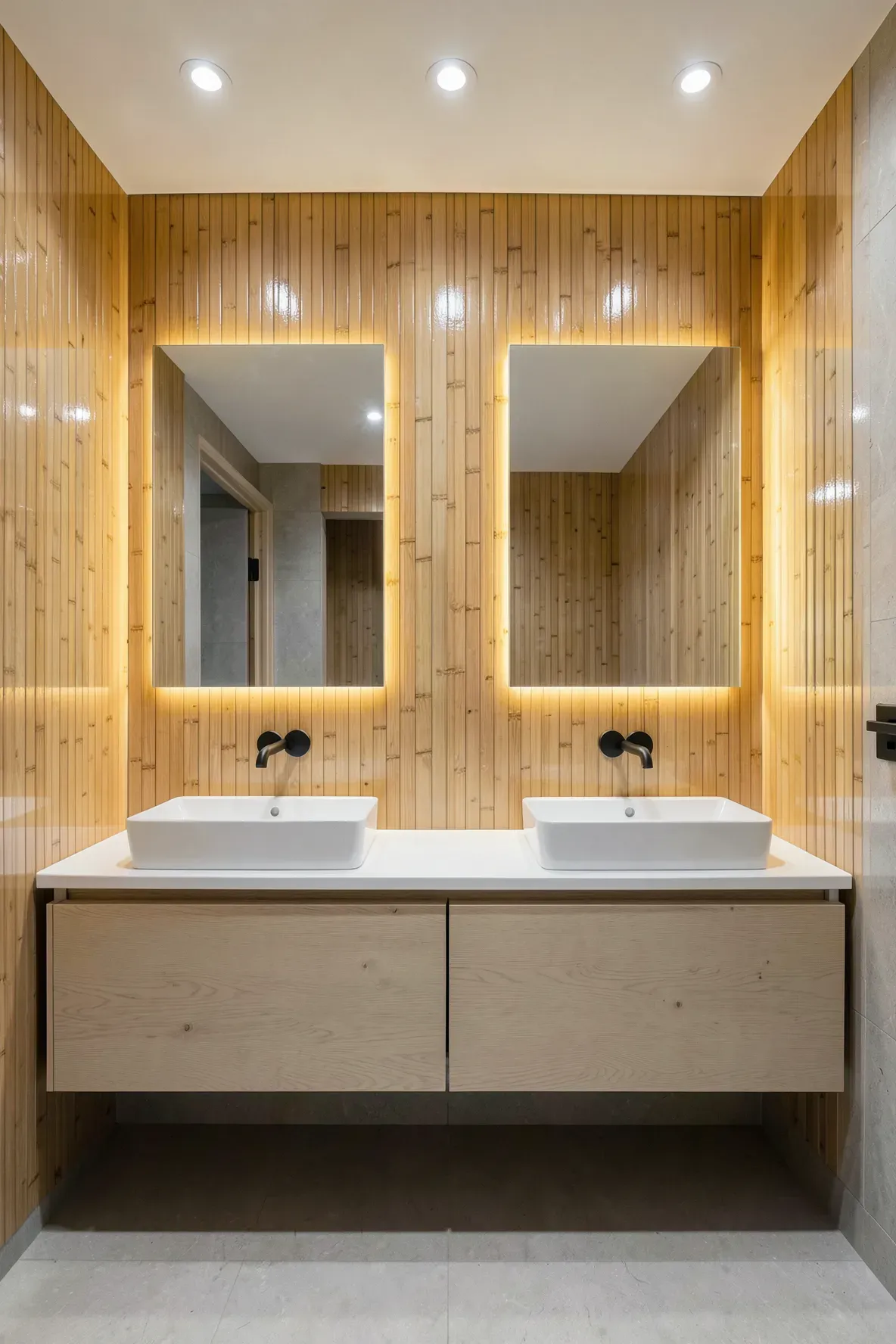
Bamboo is naturally resistant to water, but a high-quality varnish makes it even better for bathrooms. You can use bamboo panels as a backsplash or wall covering behind a vanity. It adds a spa-like feel to the space and stands up to steam and splashes much better than traditional wallpaper.
Stacked Bamboo Ends for a Mosaic Wall Effect
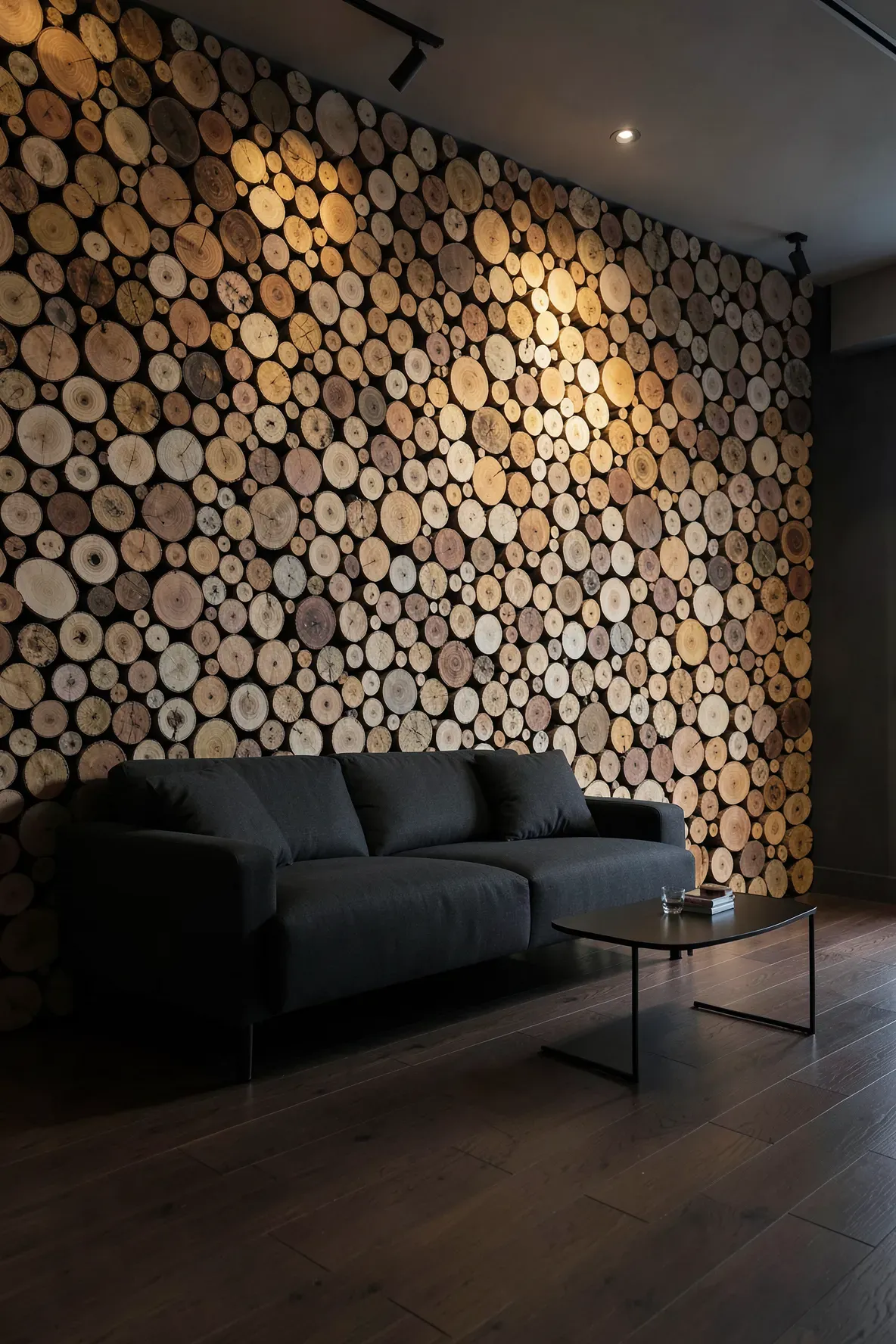
For a truly unique look, you can use the cross-sections of bamboo poles. By gluing thousands of small bamboo “rings” to a backing board, you create a mosaic-style wall. The hollow centers of the bamboo create a honeycomb pattern that is visually fascinating and works as a great conversation piece.
Bamboo Wall Design Featuring Inset Shelving

When building a bamboo wall design, you can leave rectangular cutouts to create floating shelves. By lining the inside of the cutouts with the same bamboo, the shelves look like they were carved directly out of the wall. It is a clean way to display books or plants without adding bulky furniture.
Wide Plank Bamboo Paneling for Rustic Dining Areas

Wide planks show off the natural nodes and grain of the bamboo. In a dining room, these large panels create a warm, rustic backdrop that feels grounded. Because the planks are wide, there are fewer seams, which creates a calmer and less busy appearance than narrow slats.
Interlocking Fluted Panel Texture for Sound Dampening
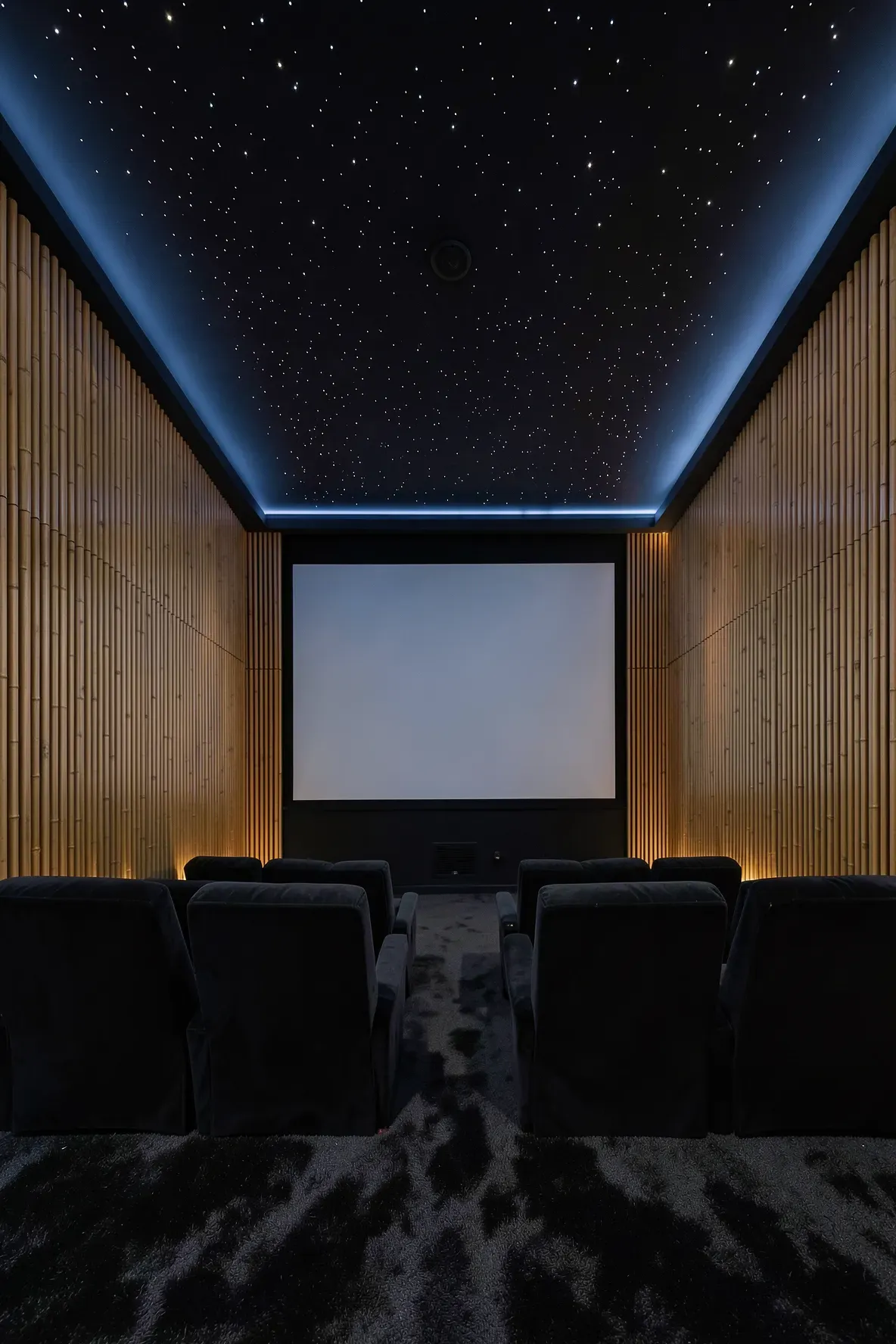
The ridges in a fluted panel texture aren’t just for looks; they also help break up sound waves. This makes them a practical choice for home theaters or music rooms. The interlocking edges mean you won’t see any gaps between the panels, resulting in a continuous, professional-grade finish.
Bamboo Ceiling Ideas Using Woven Checkerboard Squares
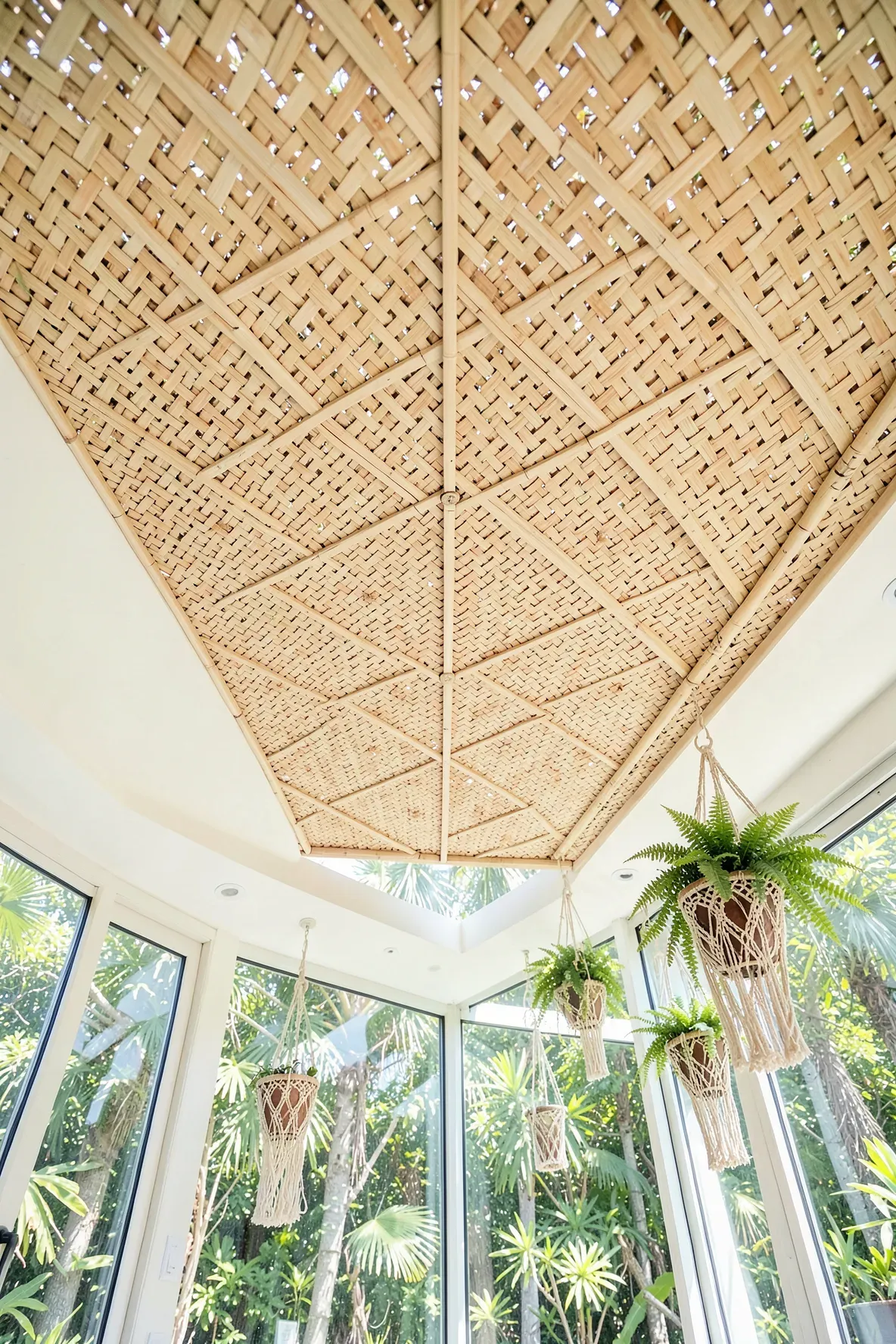
Woven bamboo often comes in a “basket weave” or checkerboard pattern. These bamboo ceiling ideas work best in smaller rooms like dens or sunrooms. The pattern is intricate, so it draws the eye upward and makes the ceiling feel like a handcrafted part of the home rather than just a flat white surface.
Raw Edge Bamboo Slabs for Industrial Spaces
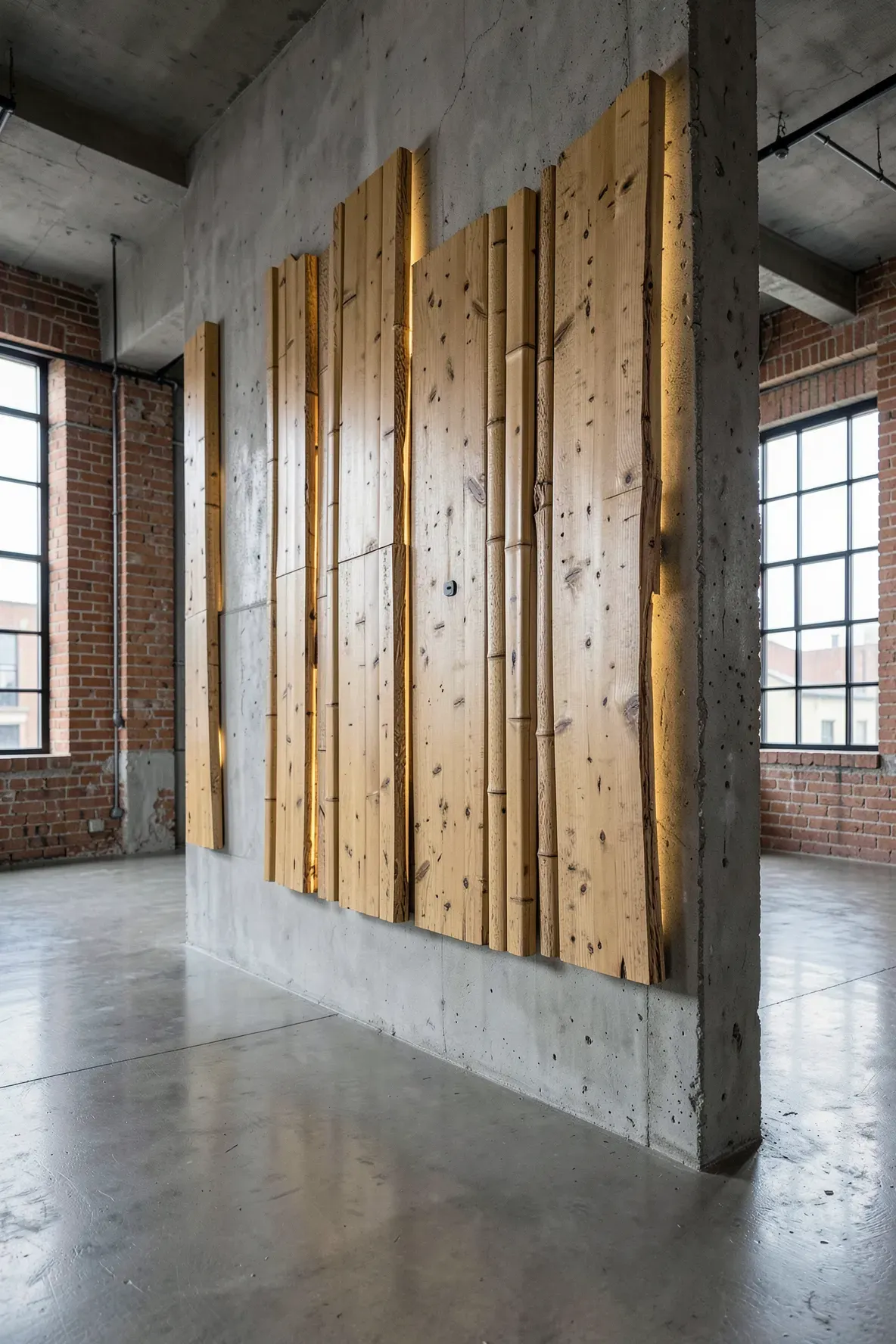
If you like the industrial look, use bamboo slabs that keep their natural, uneven edges. Mounting these to a concrete or brick wall creates a sharp contrast between the cold building materials and the warm wood. It softens the space while maintaining a rugged, unfinished aesthetic.
Bamboo Plywood Panels with Exposed Edge Grain

Bamboo plywood is made by layering strips of bamboo. When you cut into it, the edges show a beautiful striped pattern. Instead of hiding these edges with trim, leave them exposed. This technique looks great on wall-mounted desks or built-in shelving where the “stacked” look of the bamboo becomes a design feature.
Pressed Bamboo Fiber Boards for Matte Finishes
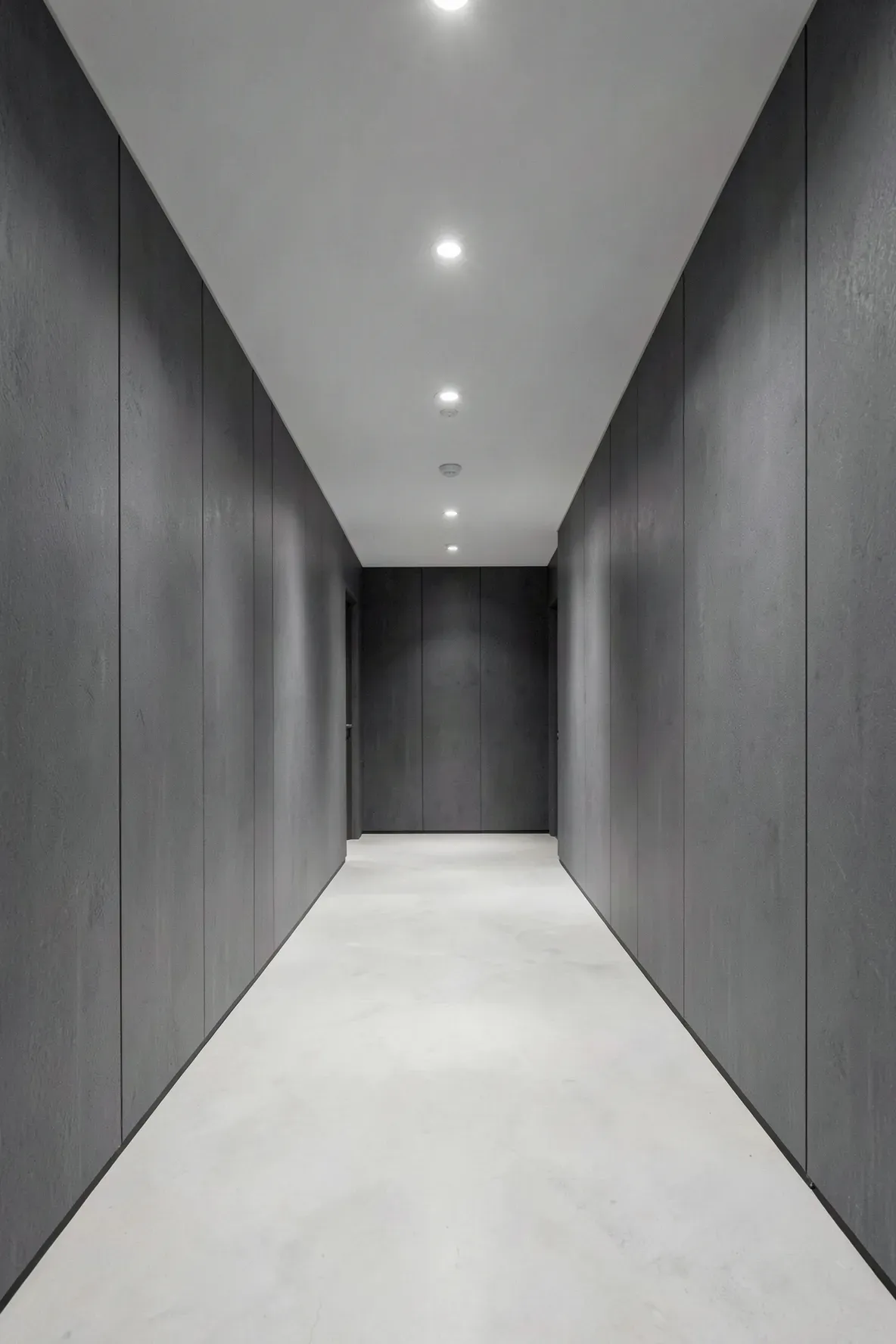
These boards are made by compressing bamboo fibers under high pressure. The result is a very dense, heavy board with a smooth, matte finish. It looks more like stone or high-end composite than wood. Use it for a sleek, modern wall in a hallway or bedroom where you want a subtle, non-reflective surface.
Bamboo Wall Design with Metallic Trim Accents

Mixing natural bamboo with man-made materials like brass or black steel creates a high-end look. You can place thin metallic strips between your bamboo panels to create a grid. This bamboo wall design feels more architectural and helps the bamboo fit into a luxury modern home.
Suspended Bamboo Trellis for High Ceilings

A bamboo trellis is a light framework of poles that hangs below the actual ceiling. This is great for hiding ugly ductwork or pipes without completely sealing off the ceiling. It lowers the visual height of a room, making a cavernous space feel more intimate and comfortable.
Hand-Scraped Bamboo Panels for Vintage Character
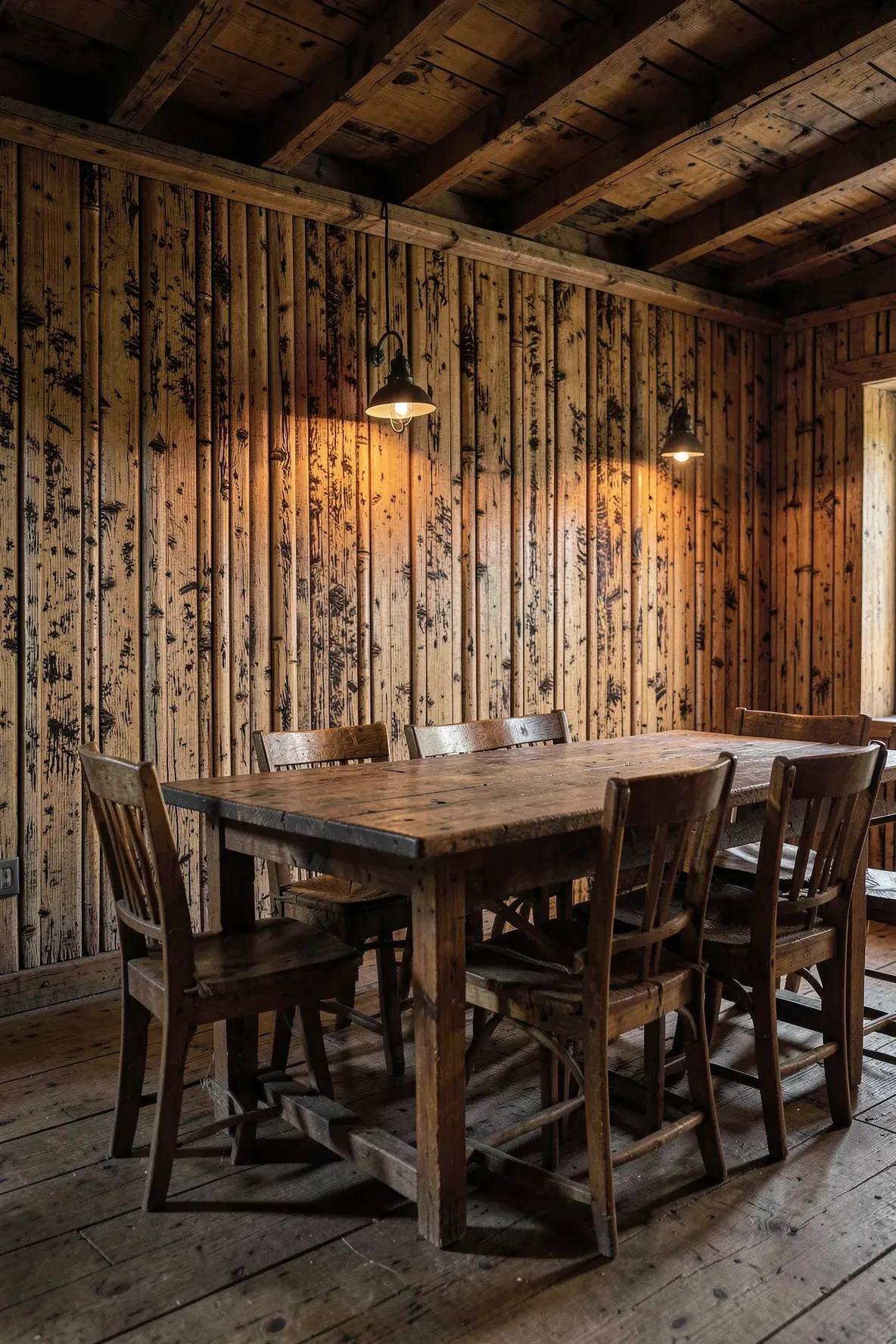
Hand-scraping gives bamboo a distressed, aged look. This removes the
Bamboo Slat Headboards Mounted Directly to Walls
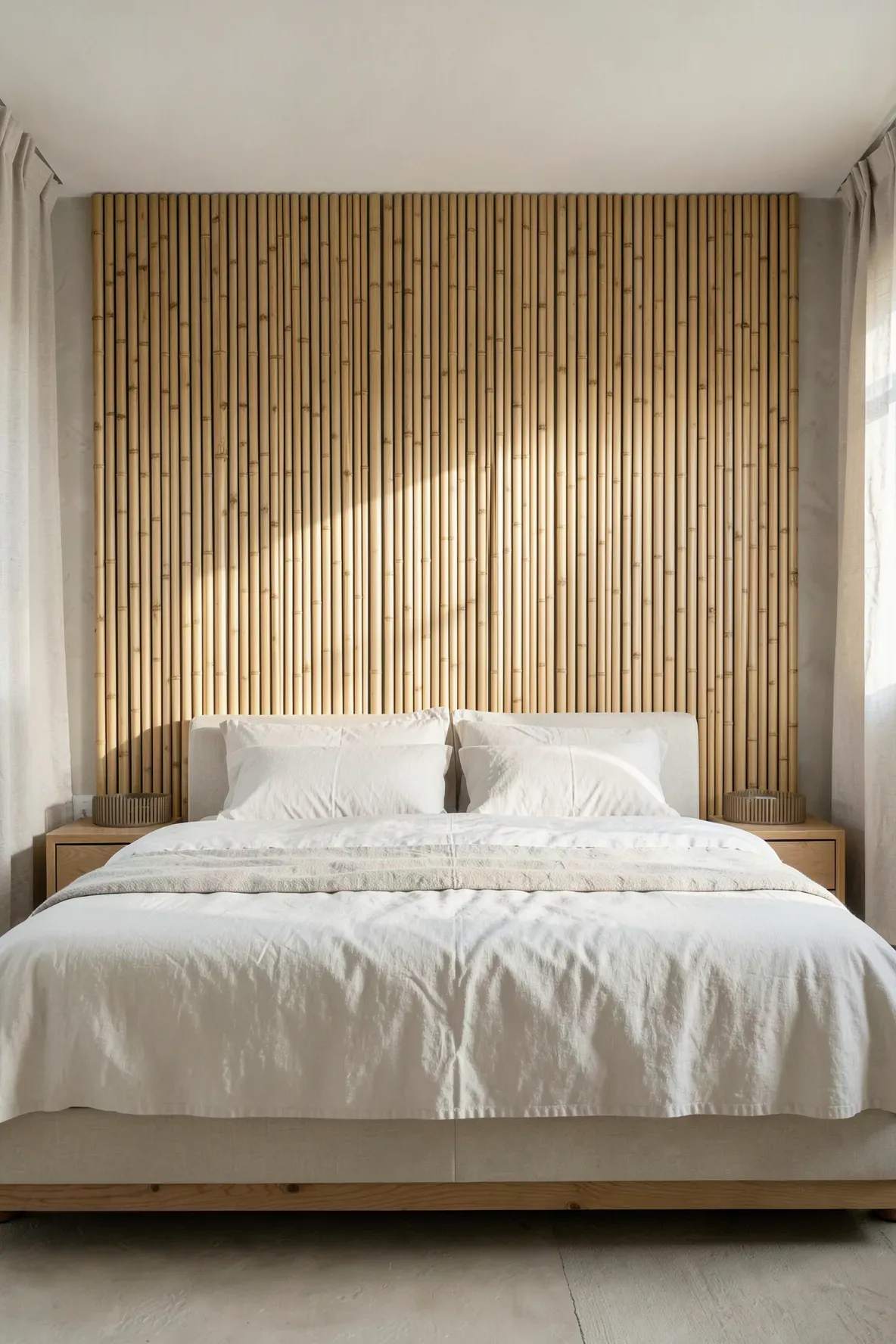
Instead of buying a bulky bed frame, you can mount bamboo slats directly to the wall behind your mattress. Run the slats from the floor to about four feet high. This creates a permanent headboard that doesn’t take up any floor space and gives your bedroom a custom, built-in look.