
There is something about holding a delicate porcelain cup that makes an ordinary afternoon feel special. Whether you found a hidden gem at a thrift store or inherited a set from your grandmother, collecting tea sets vintage pieces is a hobby that combines history with everyday use. Many people start a collection because they love the intricate patterns and the way these pieces look on a kitchen shelf.
Building a collection of china tea cups allows you to bring a bit of old-world charm into your modern home. This list covers sixteen distinct styles that define the vintage tea cup aesthetic. You will learn about the history of different materials and patterns, helping you identify quality pieces the next time you browse an antique shop or an online estate sale.
Gold Rimmed Fine Bone China Sets
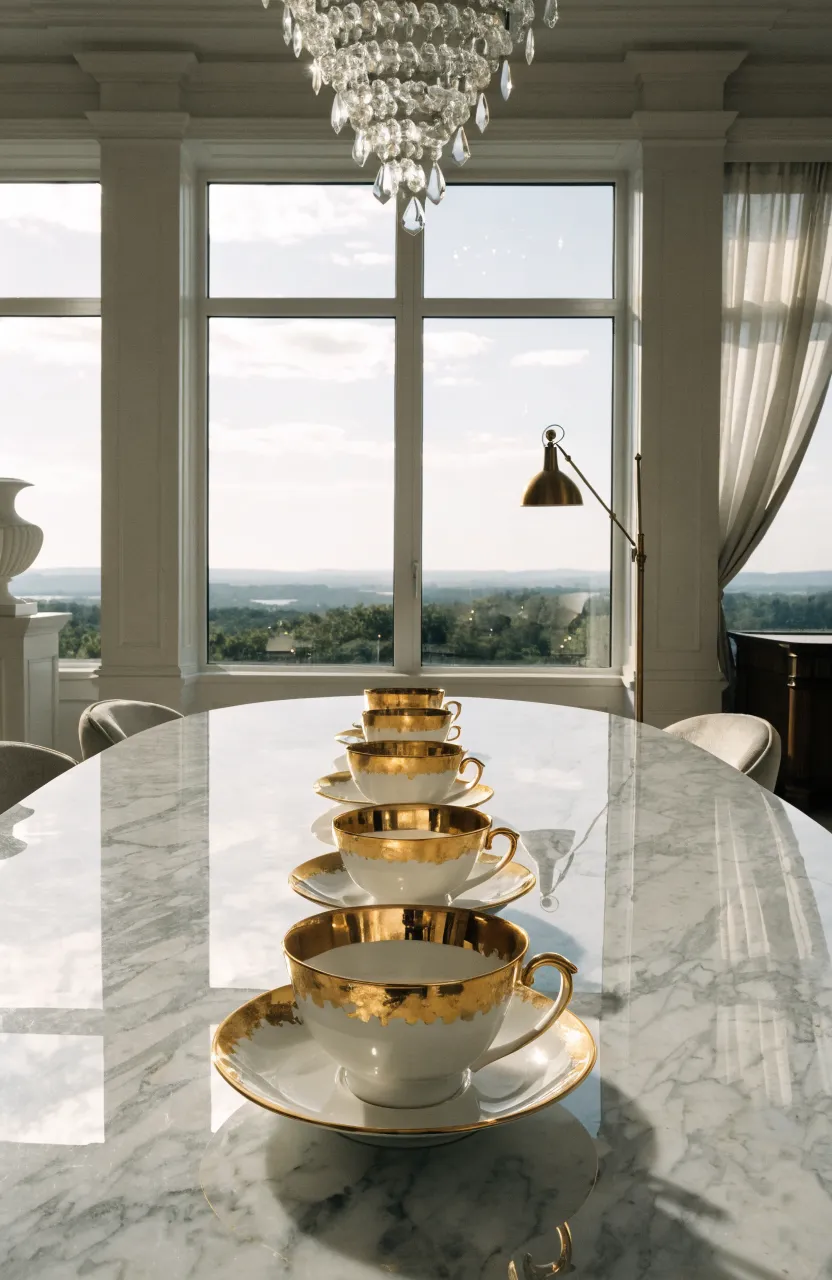
Fine bone china is known for its translucency and strength. When you add a gold rim to these pieces, they immediately look more formal. These cups often feature a simple white or cream base, allowing the metallic edge to stand out. To keep the gold from wearing off, you should always wash these by hand and avoid the microwave, as the metal will spark.
When shopping for these, hold the cup up to the light. You should be able to see the shadow of your fingers through the porcelain. This is the mark of high-quality bone china. These sets are great for those who want a clean look that still feels expensive and traditional.
Hand Painted Floral English Porcelain
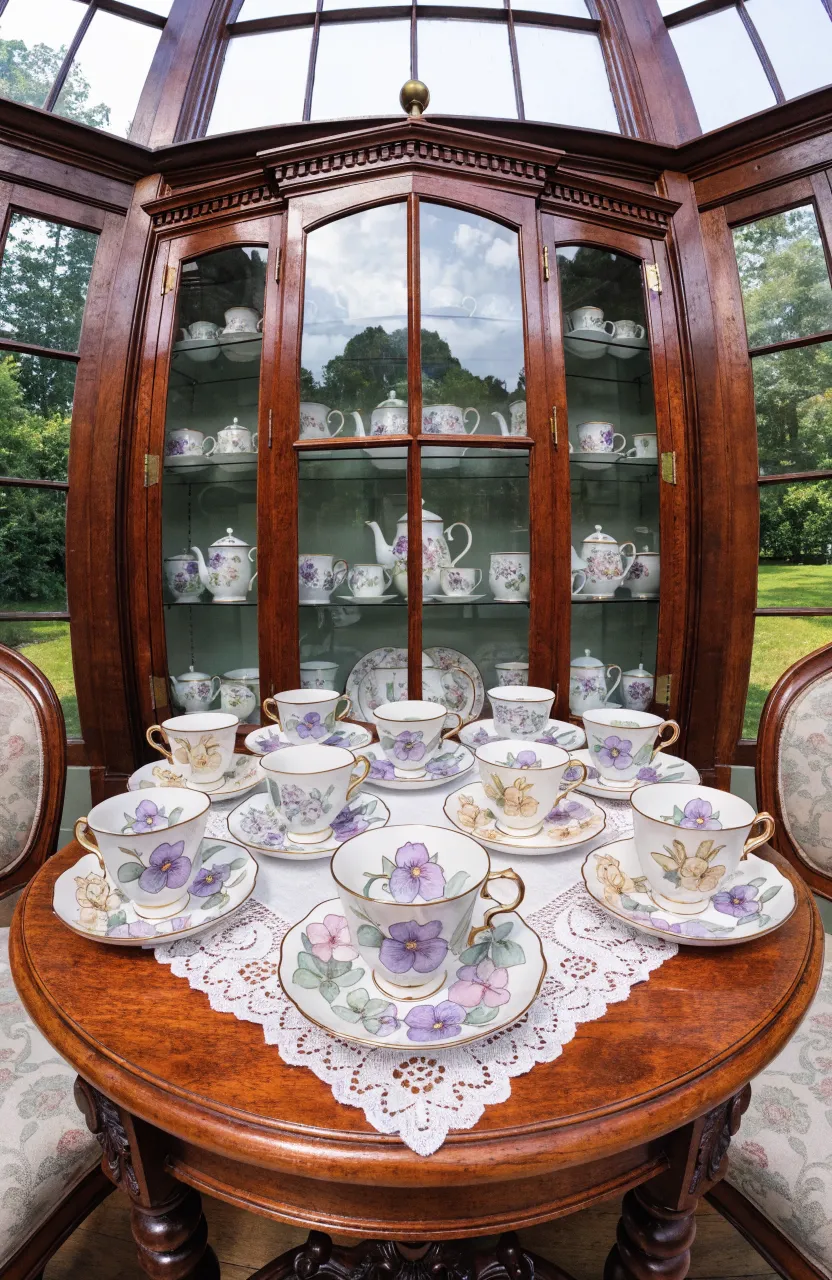
English porcelain is famous for its detailed flower work. Brands like Royal Albert or Wedgwood often featured specific blooms like violets, lilies, or jasmine. Because many of these were painted by hand, no two cups are exactly the same. You can often find the artist’s initials or a specific factory mark on the bottom of the saucer.
These cute tea cups bring a garden feel to your table. If you are looking for a specific flower to match your decor, search for ‘botanical’ series from the mid-20th century. They look beautiful when displayed in a glass-front cabinet where the light can hit the colorful petals.
Victorian Style Footed Teacups
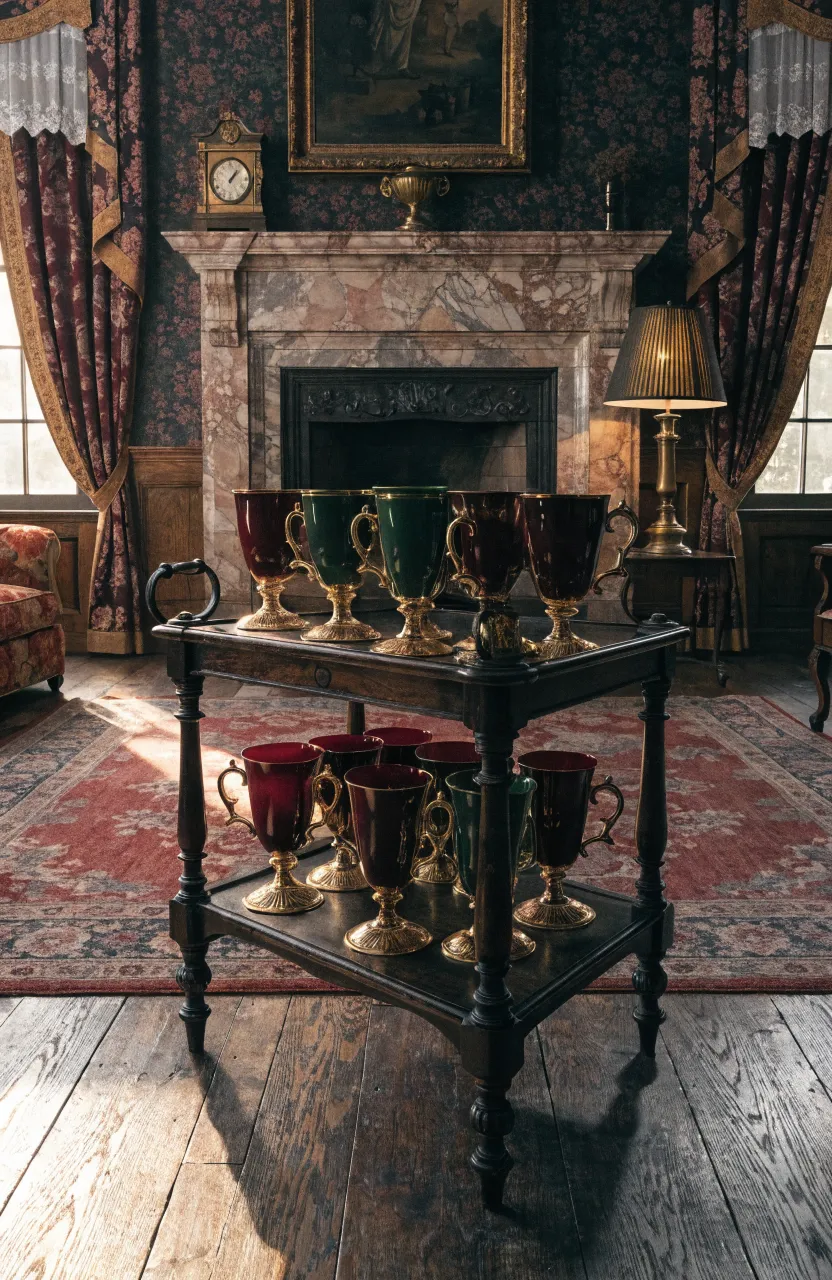
Victorian tea sets are easy to spot because of their height. Unlike flat-bottomed cups, these sit on a small pedestal or ‘foot.’ This design was popular in the late 1800s and adds a sense of elegance to the tea service. The handles are often more ornate, featuring scrolls or leaf shapes that make them easy to grip.
These pieces are usually heavier than modern cups. They work well for formal gatherings where you want to emphasize a sense of history. Look for deep jewel tones like burgundy or forest green, which were very popular during the Victorian era.
Art Deco Geometric Patterned Cups
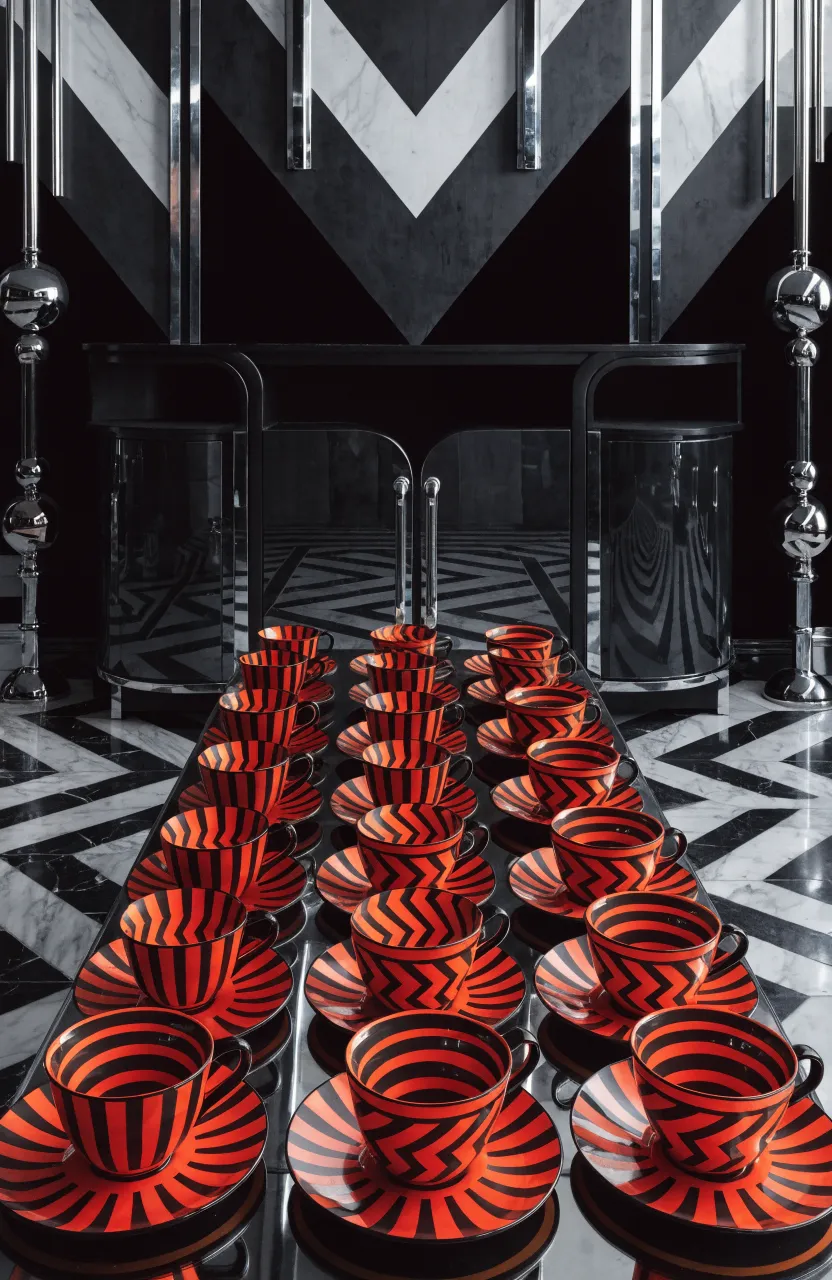
If you prefer bold lines over flowers, Art Deco styles are a great choice. These emerged in the 1920s and 1930s, moving away from soft curves toward triangles, zig-zags, and sunburst motifs. The colors are often high-contrast, like black and gold or bright orange and silver.
These unique tea cups look surprisingly modern even today. They are perfect for someone who wants a vintage look that isn’t too ‘shabby chic.’ Look for brands like Shelley, which produced many iconic geometric shapes during this period.
Pastel Ombre Lustreware Sets
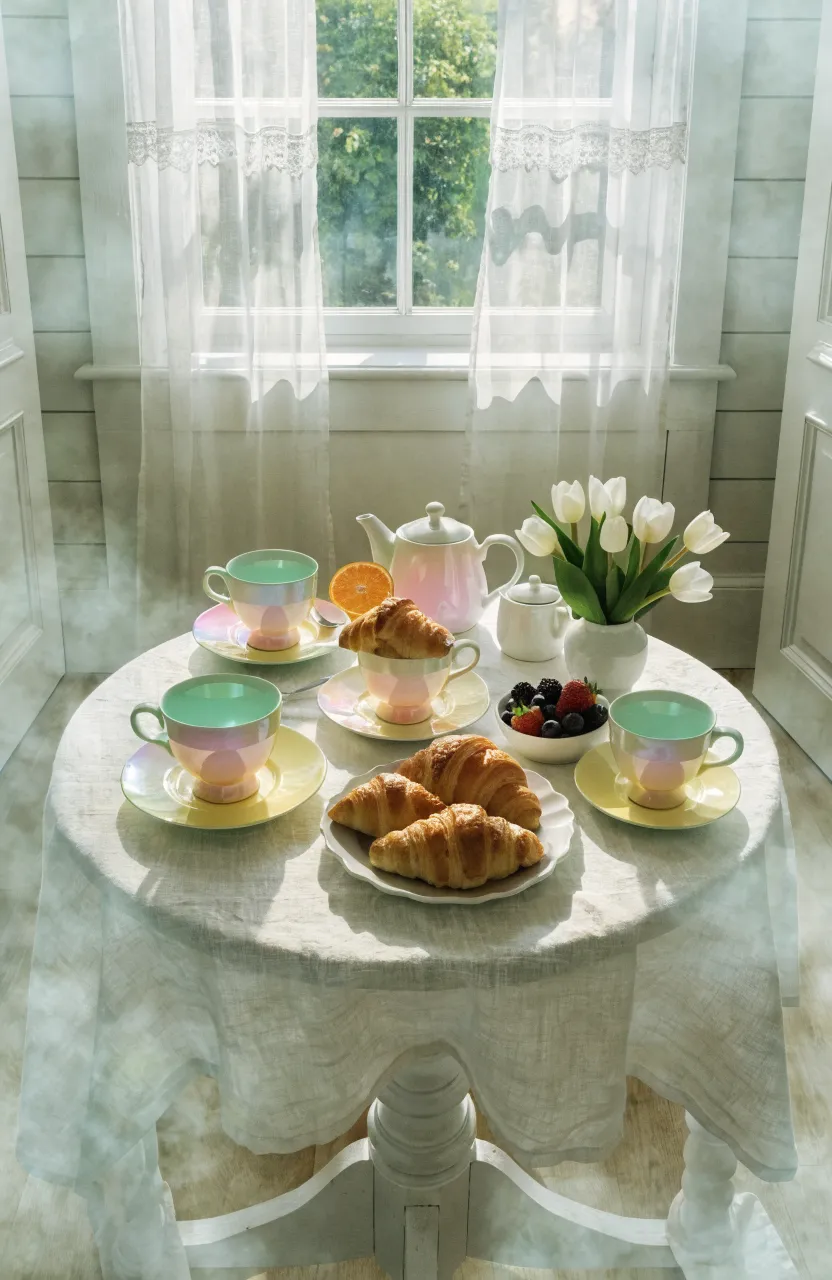
Lustreware has an iridescent finish that looks like a thin layer of oil on water. In the 1940s and 50s, many Japanese and European makers produced these in soft pastel shades like mint green, baby pink, and pale yellow. The color often fades from dark at the bottom to light at the rim, creating a beautiful ombre effect.
These sets catch the light beautifully in tea images and look very soft on a breakfast table. Because the lustre glaze is delicate, it can wear away with harsh scrubbing. Use a soft cloth and mild soap to keep that pearly shine intact for years.
Transferware Pieces with Pastoral Scenes
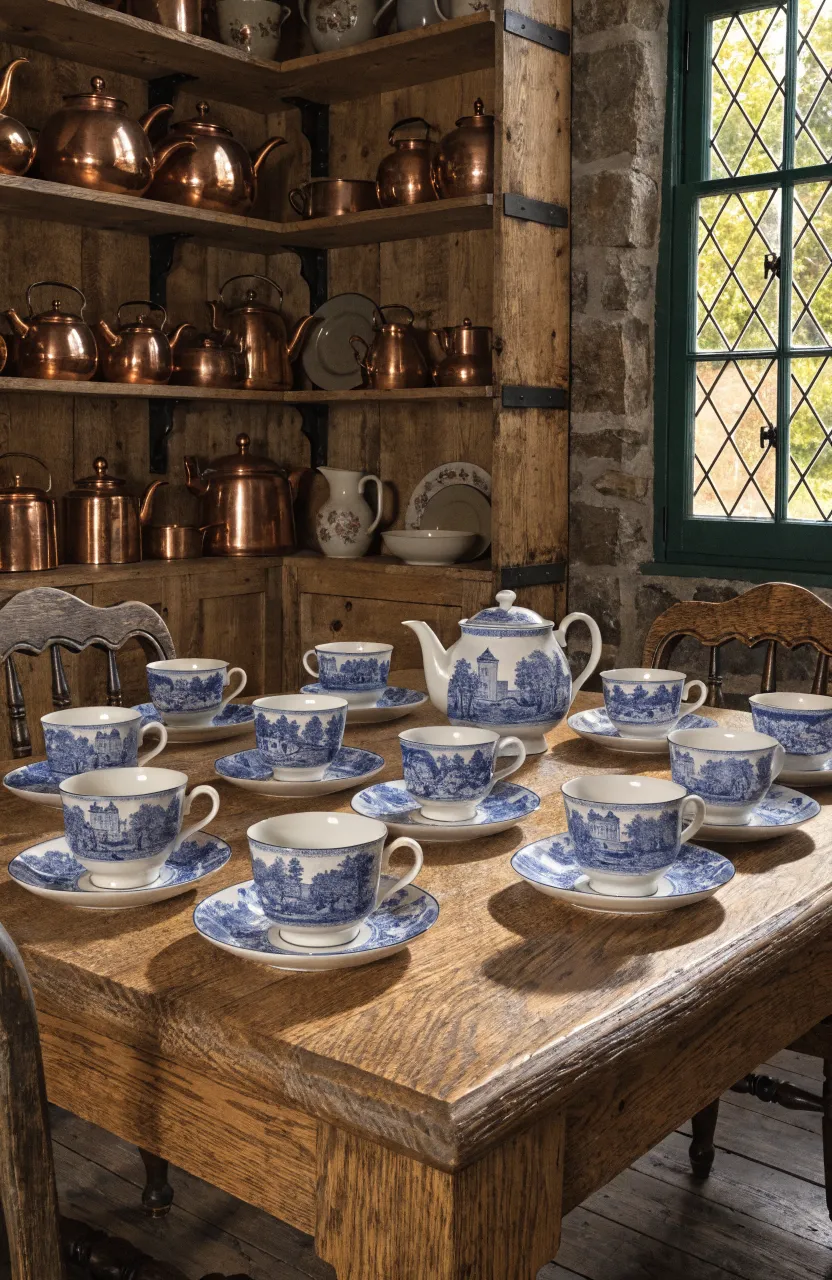
Transferware is a style where a pattern is printed onto the ceramic using a copper plate. The most famous versions are blue and white, but you can also find them in red, green, or brown. These cups usually show detailed scenes of country life, castles, or forests. It is like having a tiny piece of art wrapped around your cup.
This style is very durable and great for daily use. Since the patterns are printed rather than hand-painted, they tend to be more affordable. You can easily find matching plates and teapots to complete your teacup set.
Dainty Chintz All Over Flower Prints
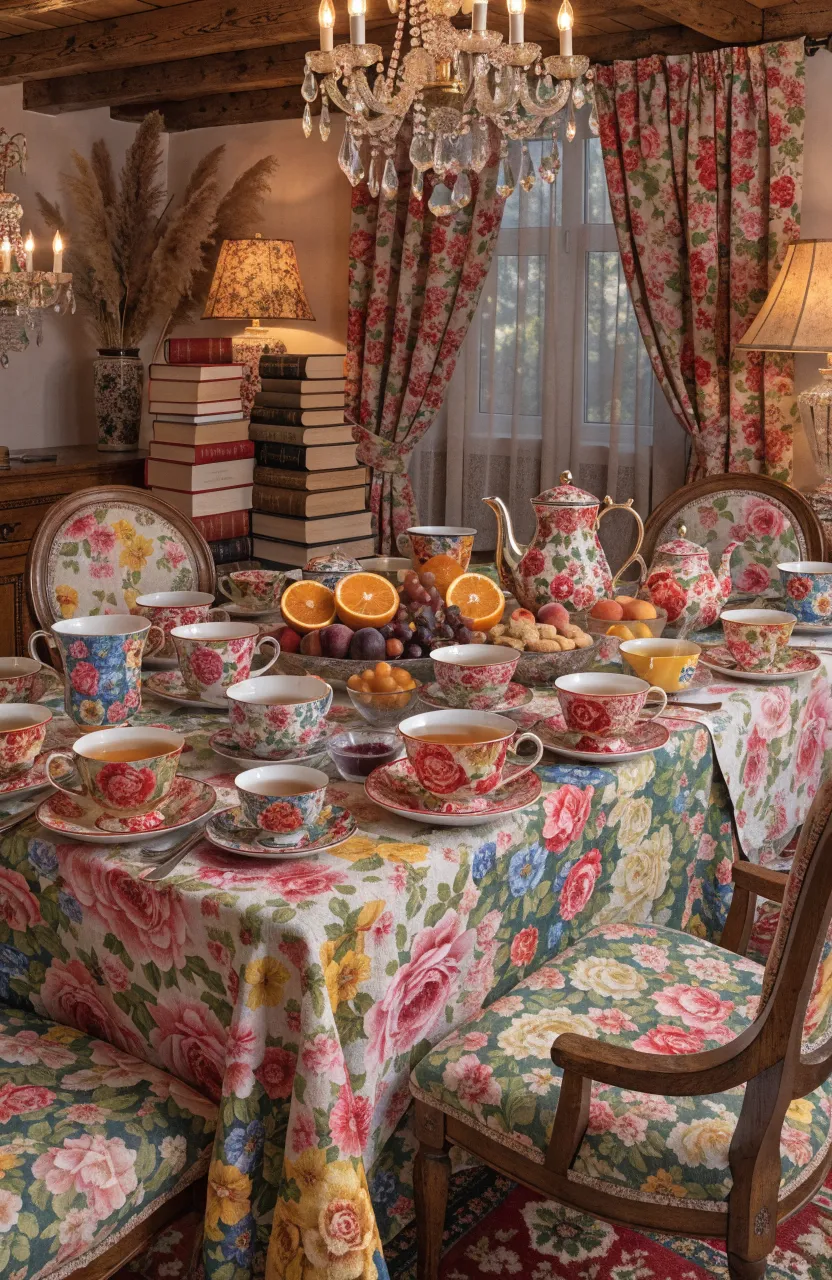
Chintz patterns are characterized by a dense, all-over floral print that covers almost every inch of the porcelain. It looks like vintage wallpaper or fabric. This style became a hit in the early 20th century and remains a favorite for collectors who love a maximalist look.
Royal Winton and Lord Nelson are two names to look for if you want authentic chintz. Because the pattern is so busy, these cups hide small tea stains or minor imperfections better than plain white china. They add a lot of color to a room and feel very cozy.
Scalloped Edge Pedestal Teacups
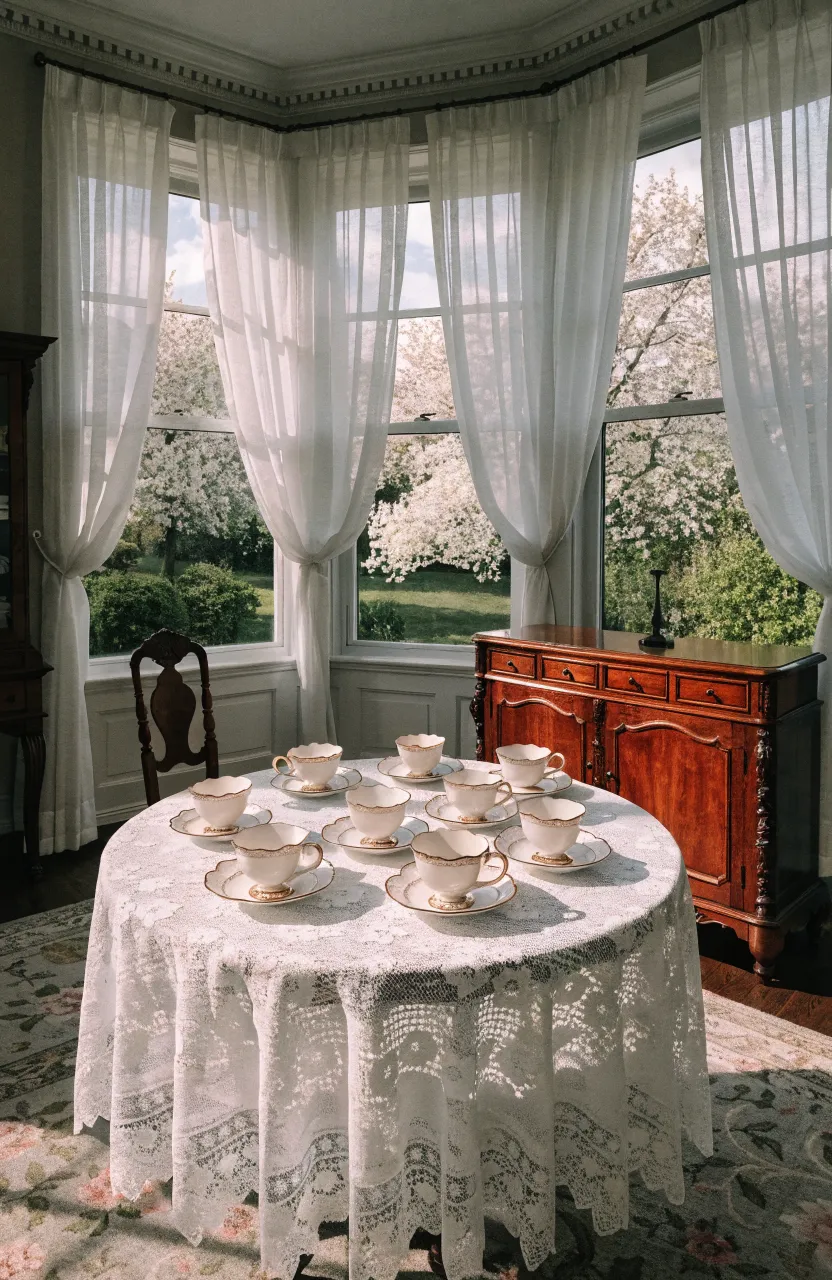
Instead of a smooth circular rim, these cups have a wavy or ‘scalloped’ edge. This gives the cup a flower-like appearance when viewed from above. The matching saucers usually follow the same wavy pattern. These are often paired with a pedestal base to give the cup more height.
This design is very tactile and feels interesting in your hands. When buying these, run your finger along the rim to check for tiny chips, as the points of the scallops are more prone to bumping against other dishes in the sink.
Iridescent Carnival Glass Tea Sets
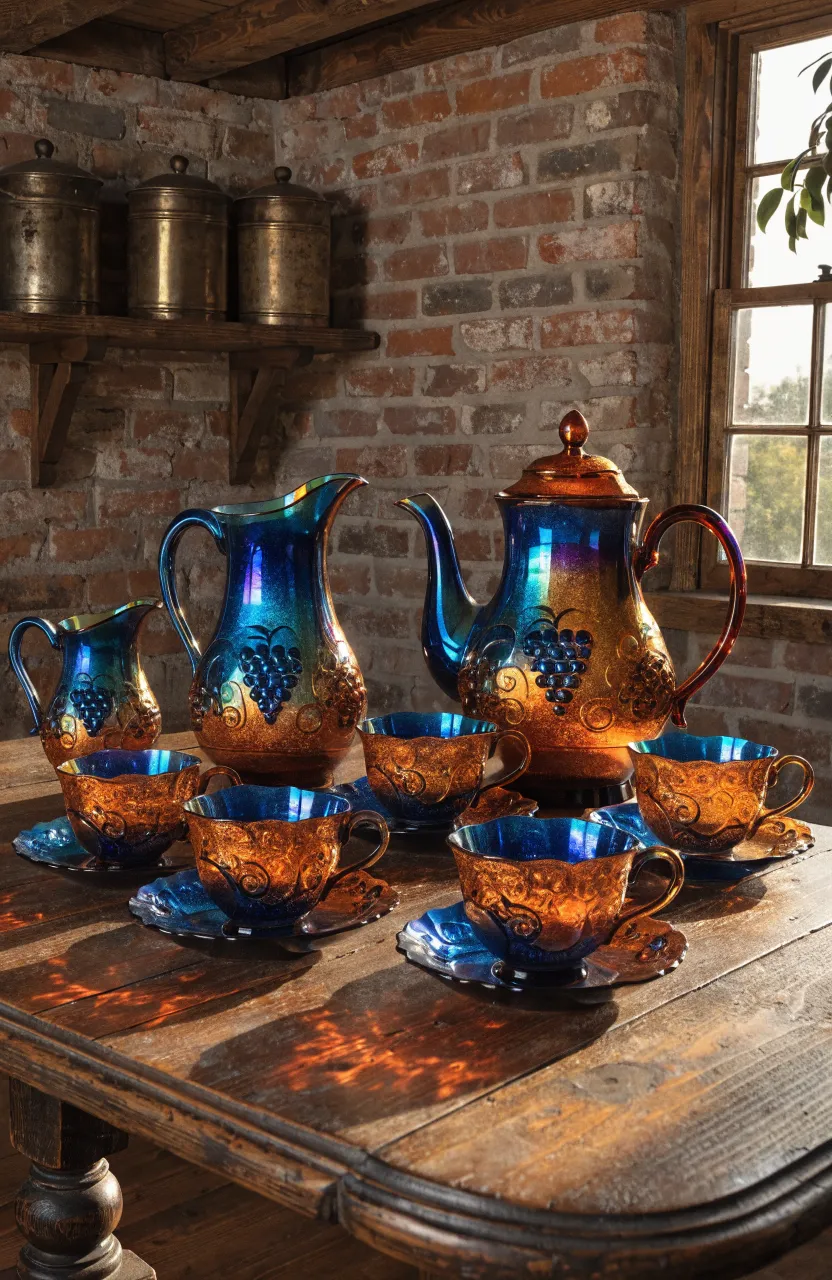
Not all antique tea sets are made of porcelain. Carnival glass was a popular, affordable alternative in the early 1900s. It is pressed glass that has been treated with metallic salts to give it a rainbow-like shimmer. You can find these in deep marigold, amethyst, or cobalt blue.
These pieces are much sturdier than bone china. They bring a completely different texture to your collection. They look best when placed near a window where the natural sunlight can bounce off the iridescent surface.
Mismatched Antique China Tea Cups
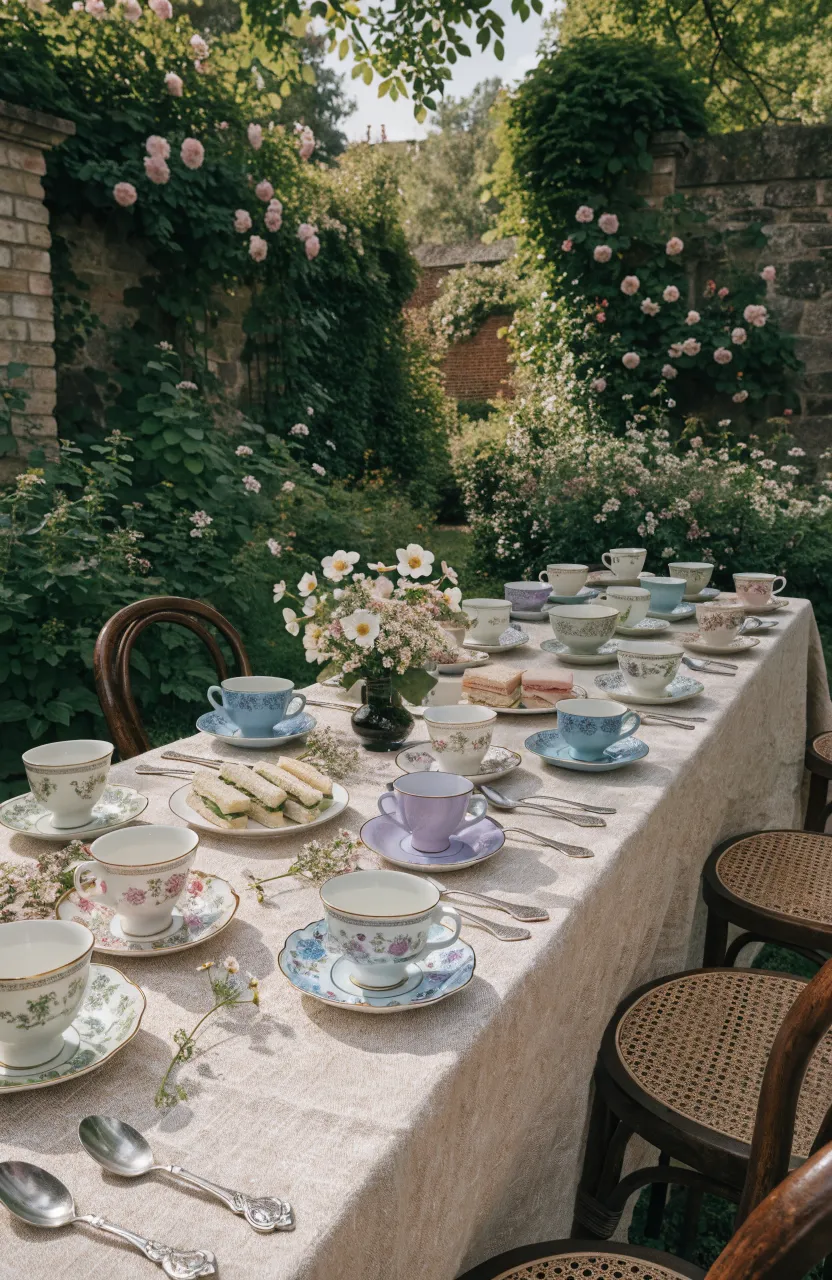
You don’t always need a full matching set to have a beautiful collection. Many people prefer to find individual antique china tea cups and mix them together. This creates a relaxed, eclectic look that is very popular for tea parties and weddings. You can coordinate them by color or just pick whatever catches your eye.
When buying mismatched pieces, try to keep the scale similar so they look good together on the table. A tiny espresso-style cup might look out of place next to a large breakfast cup. Mixing patterns is a fun way to show off your personal taste without the pressure of finding a complete set.
Hand Painted Cabbage Rose Designs
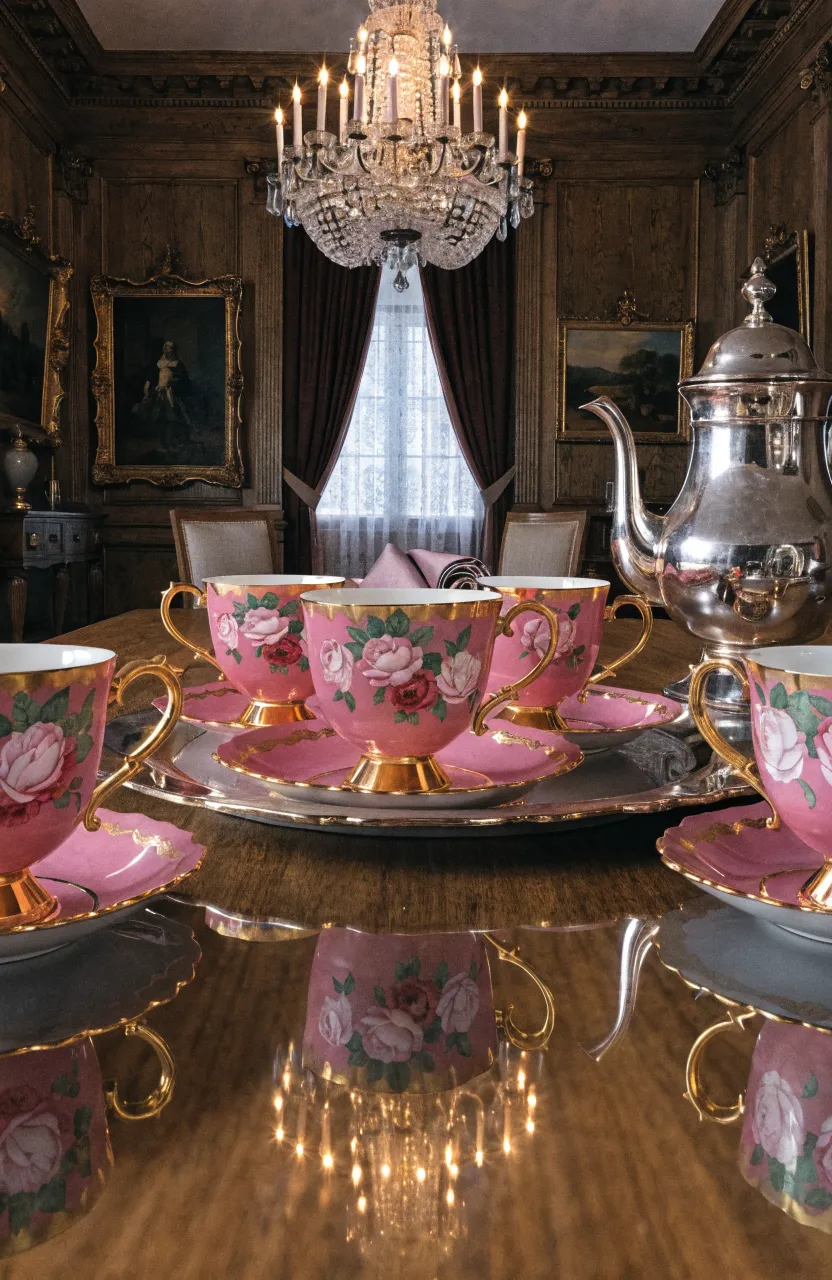
The cabbage rose is a classic motif in vintage tea cup aesthetic history. These roses are large, round, and full of petals, usually painted in shades of deep pink or red. They often take up the entire side of the cup and are sometimes mirrored on the inside of the rim.
This style feels very romantic and traditional. It was a staple for many European porcelain houses in the 19th century. If you find a set with heavy gold accents around the roses, it likely dates back to a more formal era of tea service.
Gilded Filigree Teacup and Saucer Sets
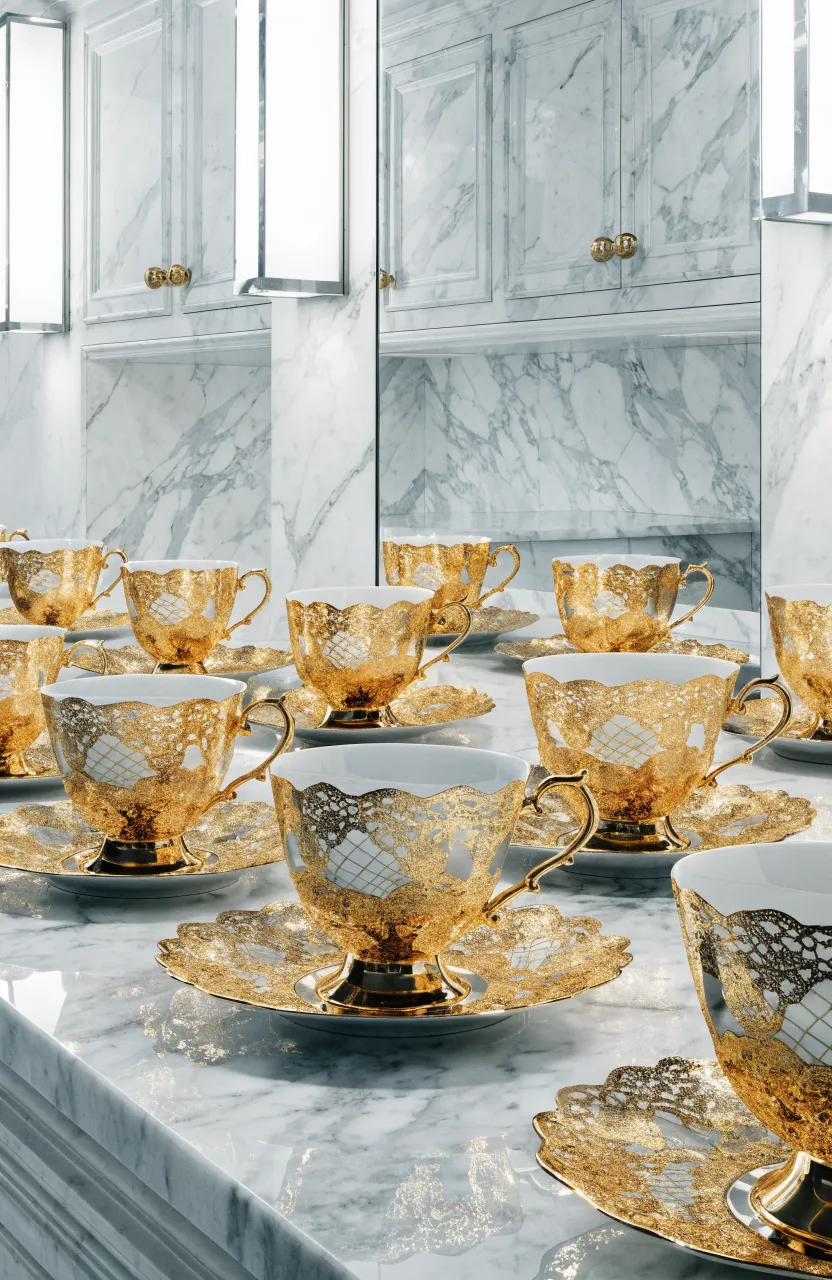
Filigree refers to intricate, lace-like patterns made of gold or silver. In teacup design, this usually appears as a wide band of metallic lace around the rim or covering the saucer. These pieces feel very royal and are often used for special occasions rather than everyday morning tea.
Because of the heavy metal content, these sets are quite heavy. The gold is often raised, so you can feel the texture of the pattern with your fingers. Check for ’22k gold’ markings on the bottom, which indicate the quality of the gilding.
Mid Century Modern Ceramic Tea Sets
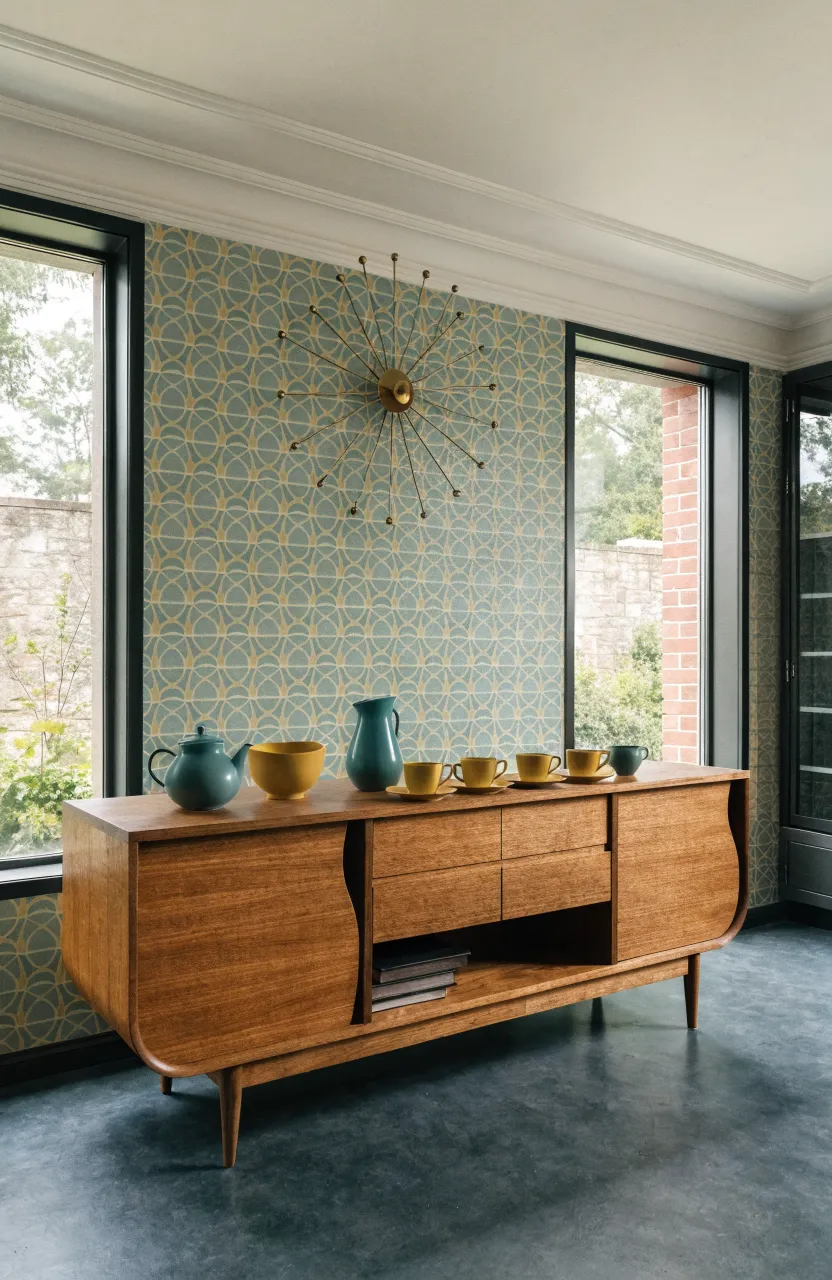
During the 1950s and 60s, tea sets moved away from frilly designs toward functional, sleek shapes. These sets are often made of thicker ceramic or stoneware. They feature solid matte colors or simple abstract patterns like dots or starbursts. The handles are often integrated into the body of the cup for a streamlined look.
These are great for a kitchen with a retro or minimalist vibe. Makers like Heath Ceramics or Midwinter produced many of these durable, stylish sets. They are usually dishwasher safe, making them the most practical choice for a busy household.
Detailed Relief Molded Majolica Cups
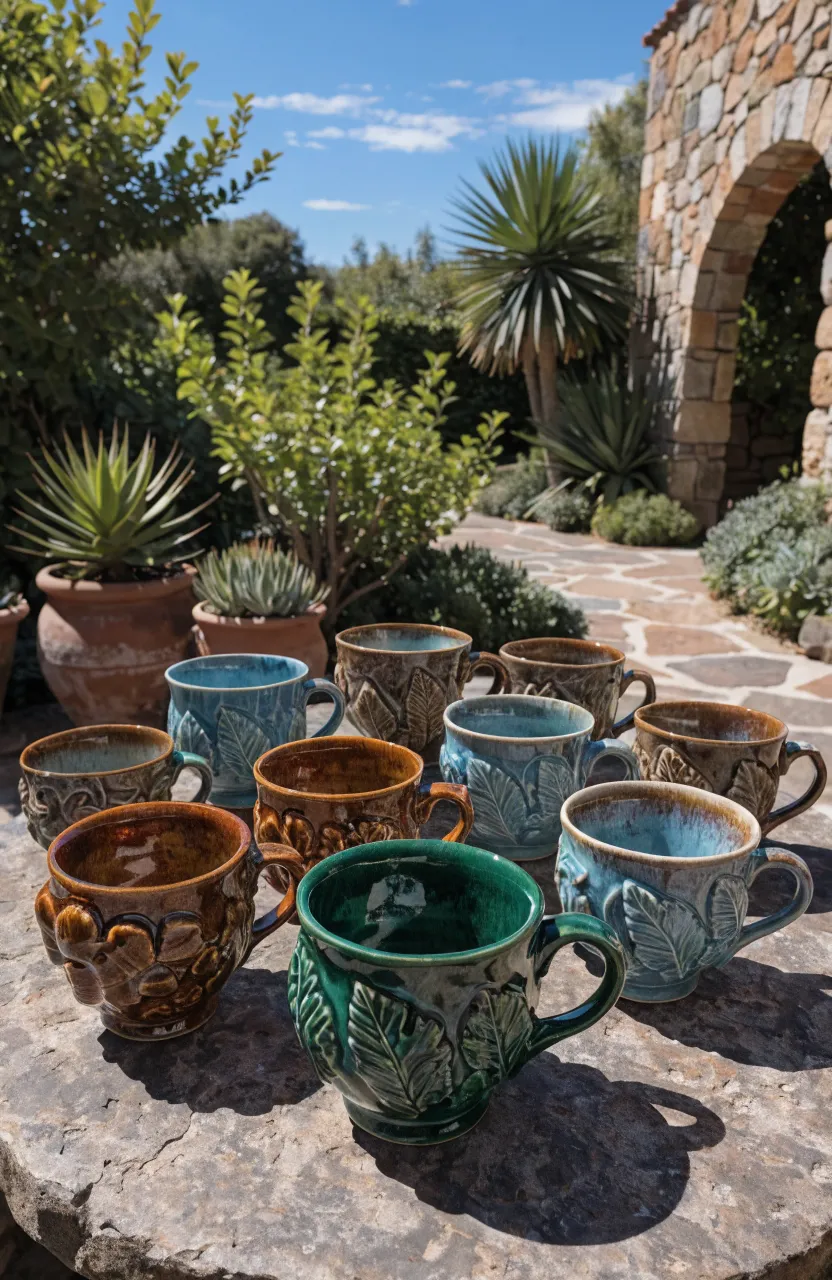
Majolica is a type of earthenware decorated with colorful lead glazes. The designs are molded in relief, meaning the patterns stick out from the surface. Common themes include leaves, shells, and even animals. It is a very 3D style of pottery that feels earthy and substantial.
These cups are often more about the sculpture than the painting. Because the glaze is thick and colorful, they have a high-gloss finish. They are perfect for collectors who like a rustic or Victorian ‘majolica’ style that stands out from thin porcelain.
Miniature Porcelain Afternoon Tea Cups
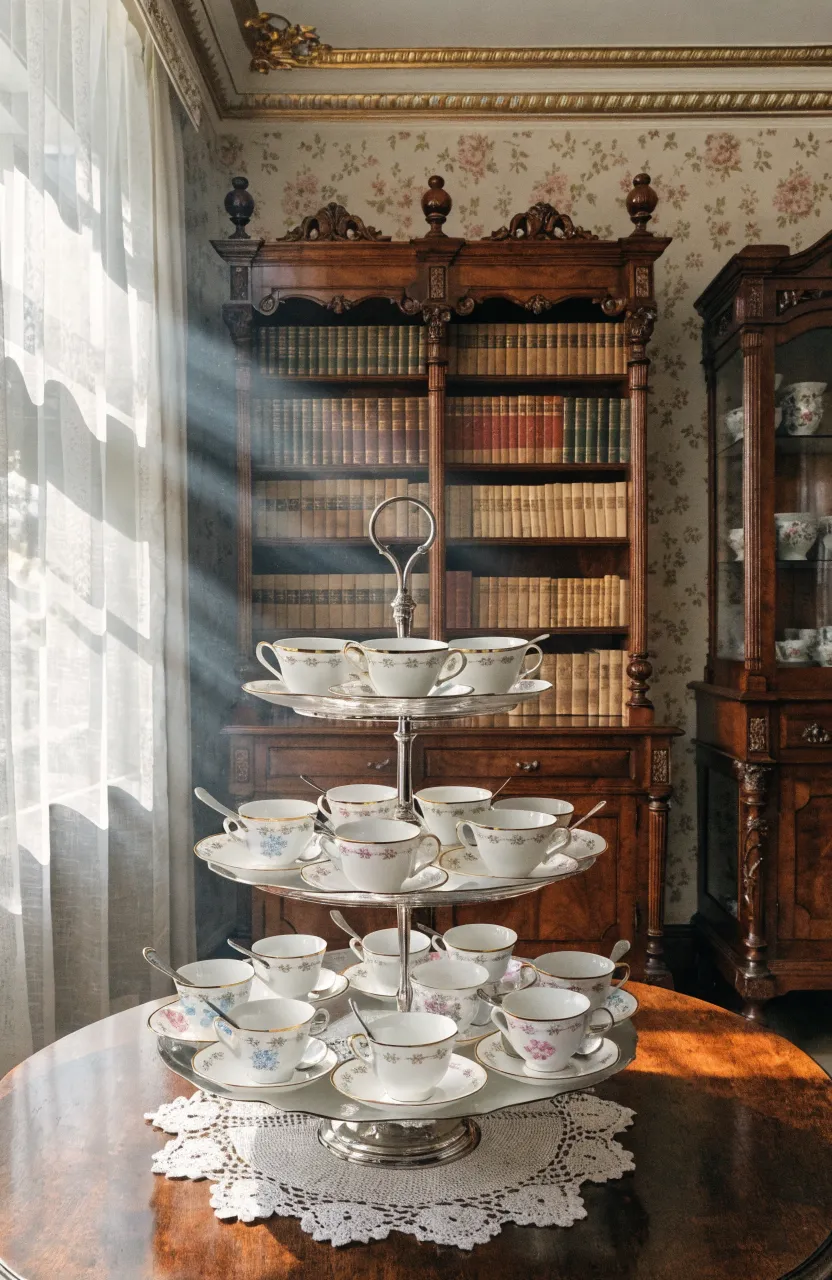
Sometimes called ‘demitasse’ cups, these are smaller than your standard teacup. They were originally meant for strong coffee or very rich chocolate, but they are a staple in many vintage tea collections. They often come in highly decorative styles with tiny spoons to match.
These are perfect if you have limited shelf space but still want to collect. They also make great display pieces for small nooks or tiered trays. Despite their size, they often feature the same level of detail as full-sized Victorian tea sets.
Hand Painted Japanese Eggshell China
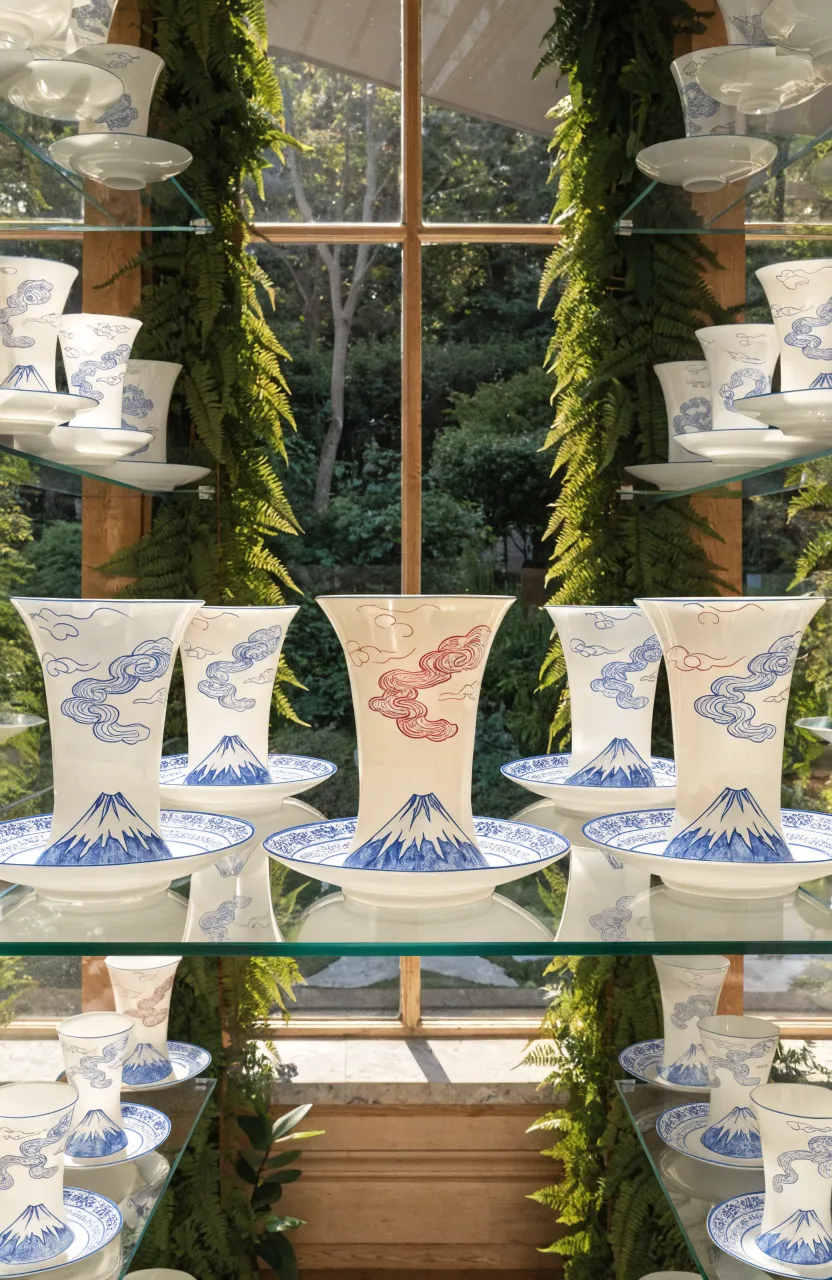
Eggshell china is named for its incredible thinness. It is so light and delicate that it feels like it might break if you grip it too hard. Many of these sets were made in Japan for export and feature hand-painted scenes of Mount Fuji, dragons, or traditional landscapes.
One cool feature of some eggshell cups is a ‘lithophane.’ If you hold the empty cup up to a light and look at the bottom, a hidden image of a woman’s face appears in the porcelain. It is a unique detail that makes these sets a favorite for collectors looking for something unusual.