
Walking into a home and facing a long, cramped corridor can feel like walking through a tunnel. Many homeowners struggle with these awkward spaces because they feel too tight for furniture but too big to leave empty. It is a common design challenge, but your entrance sets the tone for the rest of your house and should feel welcoming rather than claustrophobic.
This guide offers practical ways to handle narrow entrance hall ideas by using clever layouts and smart decor choices. You will learn how to use light, texture, and scale to make the space feel wider and more functional. Whether you want to add storage or just make the walk to the living room more interesting, these long hallway entryway ideas will help you get it right.
Light Colored Walls with Contrasting Trim
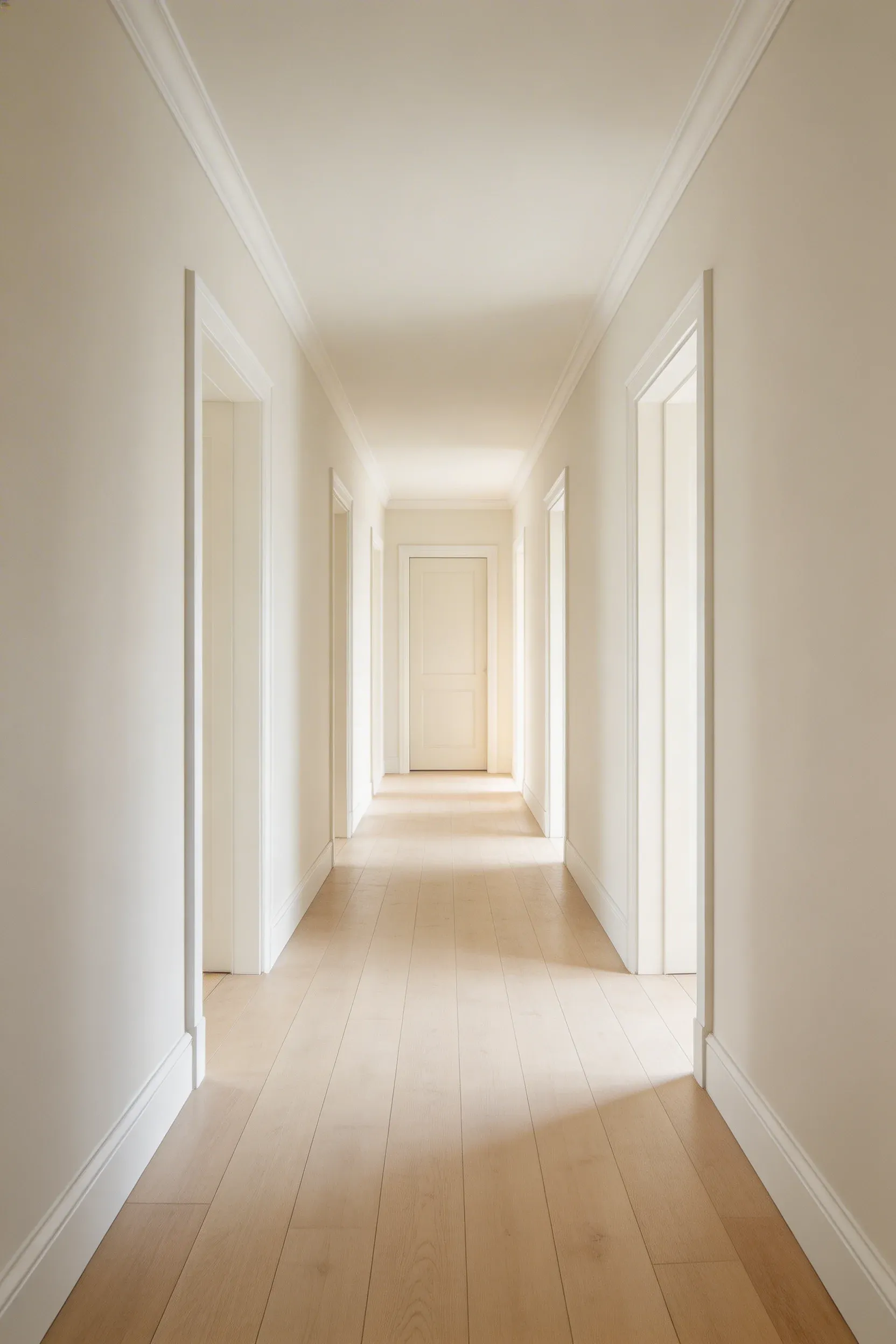
Painting your walls in shades of off-white, soft gray, or light beige is one of the easiest long entry hallway ideas to open up the space. These colors reflect light instead of absorbing it, which makes the walls feel further apart. If the space feels too plain, try painting the baseboards and door frames in a slightly darker or crisp white tone to add definition without closing things in.
Slim Profile Console Table with Tapered Legs

A standard table is often too wide for a narrow hallway design. Look for a console that is no more than 10 to 12 inches deep. Choosing a piece with thin, tapered legs allows you to see more of the floor underneath, which tricks the eye into thinking the area is larger than it actually is.
Large Round Mirror Above a Small Entry Shelf
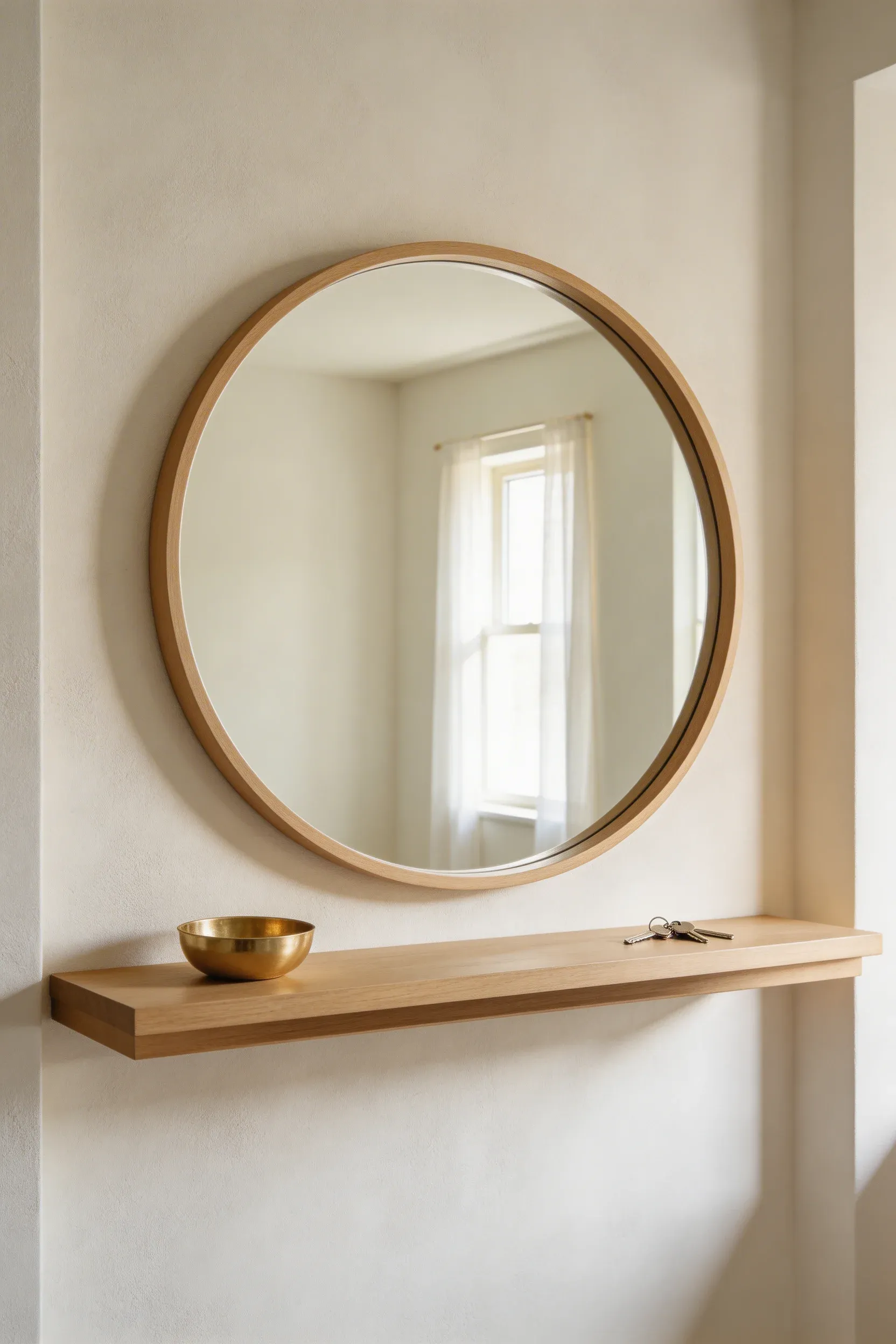
Mirrors are a classic trick for long narrow entryway ideas because they create the illusion of a window. A large round mirror breaks up the straight, harsh lines of a long corridor. Placing it above a small wall-mounted shelf gives you a spot for keys while bouncing light into the darker corners of the hall.
Patterned Runner Rug Covering the Length of the Floor
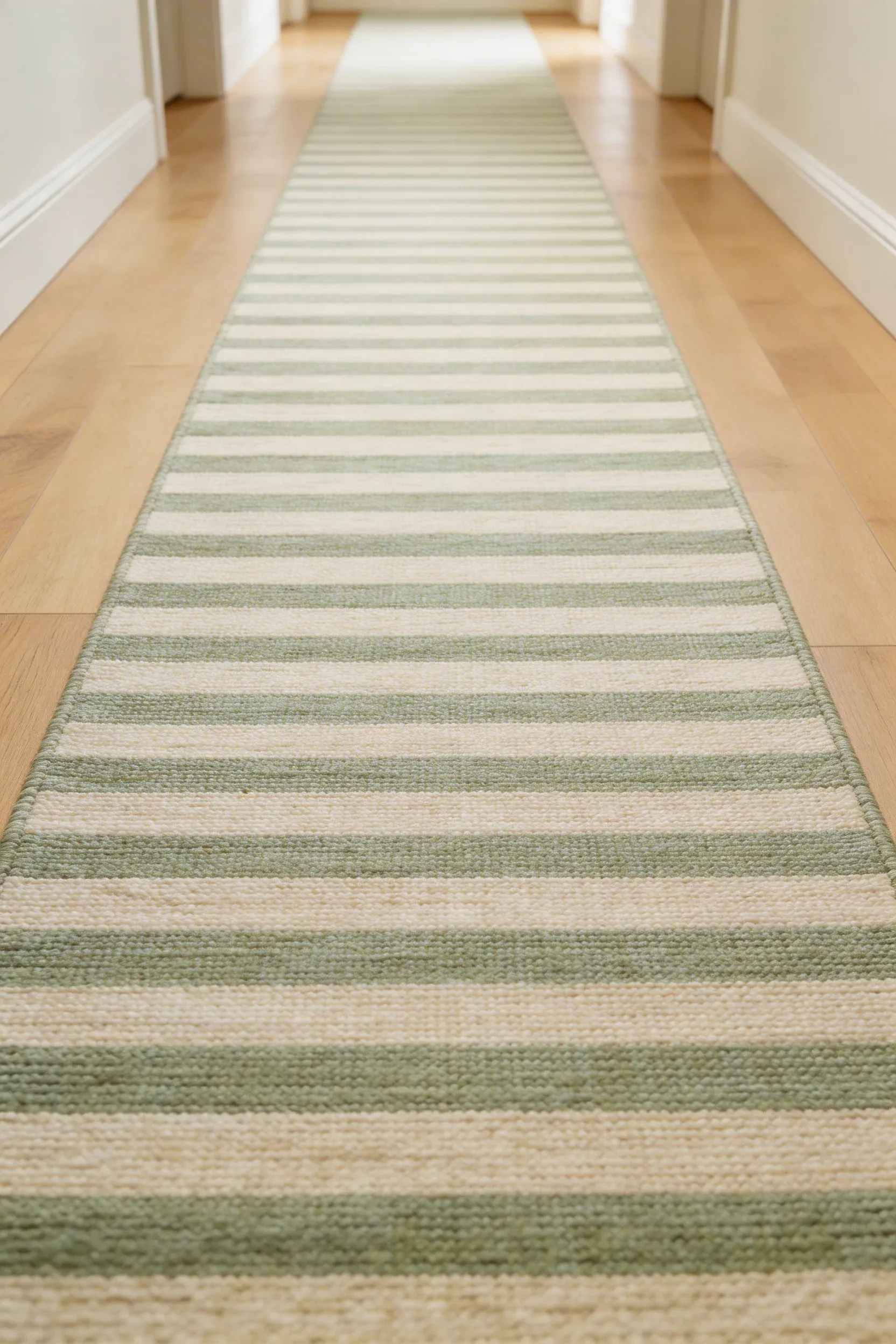
A long rug helps define the walking path and adds a layer of comfort to a hard floor. Choose a runner with a subtle pattern or horizontal stripes to visually push the walls outward. Make sure the rug covers most of the hallway’s length so it doesn’t look like a small mat floating in the middle of the floor.
Gallery Wall with Uniform Frame Sizes
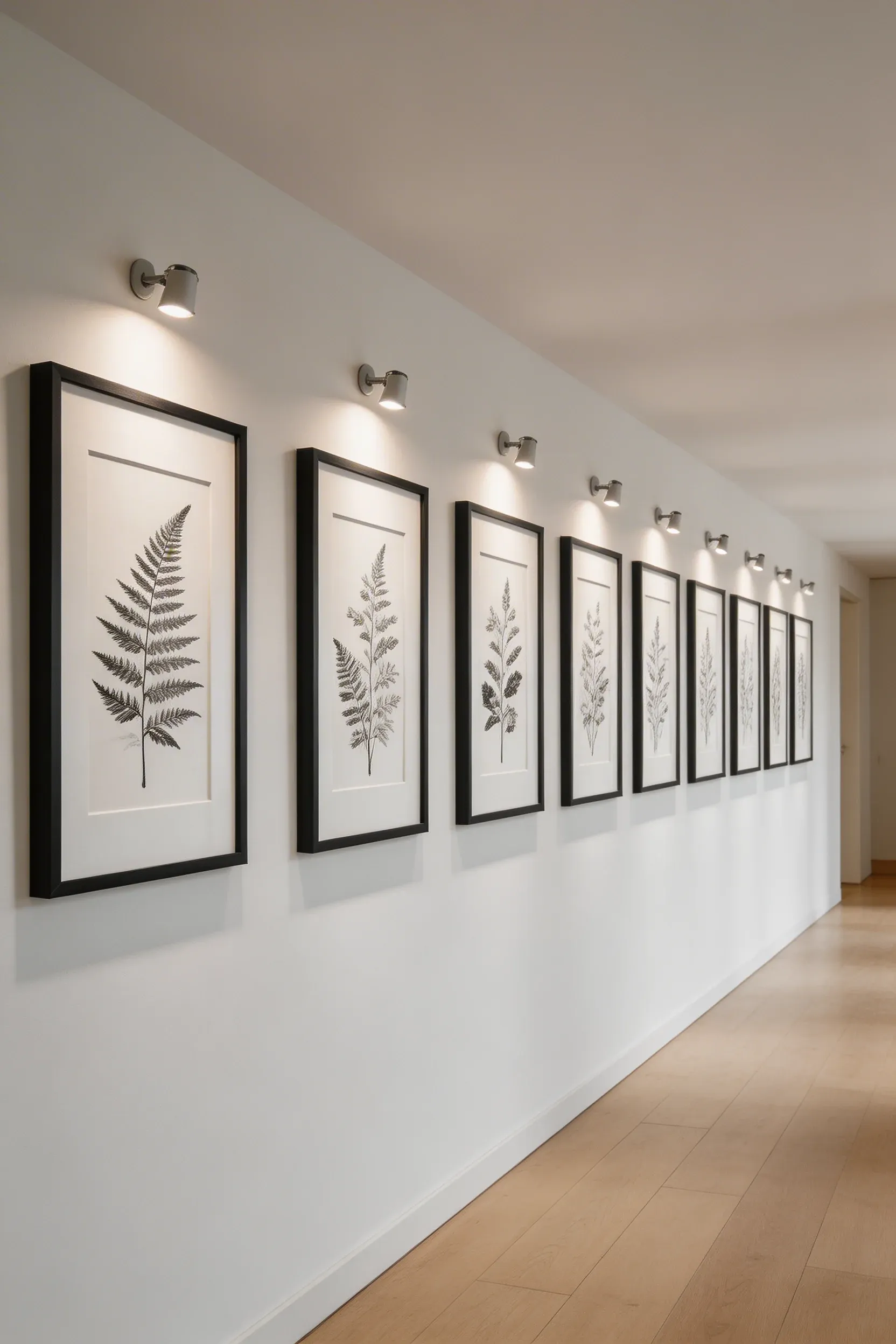
Instead of hanging random pictures, use a series of identical frames to create a sense of order. Line them up at eye level along one side of the wall. Using the same color and size for every frame keeps the narrow space from looking cluttered or chaotic while giving guests something to look at as they walk through.
Built-in Floating Shelves for Key Storage
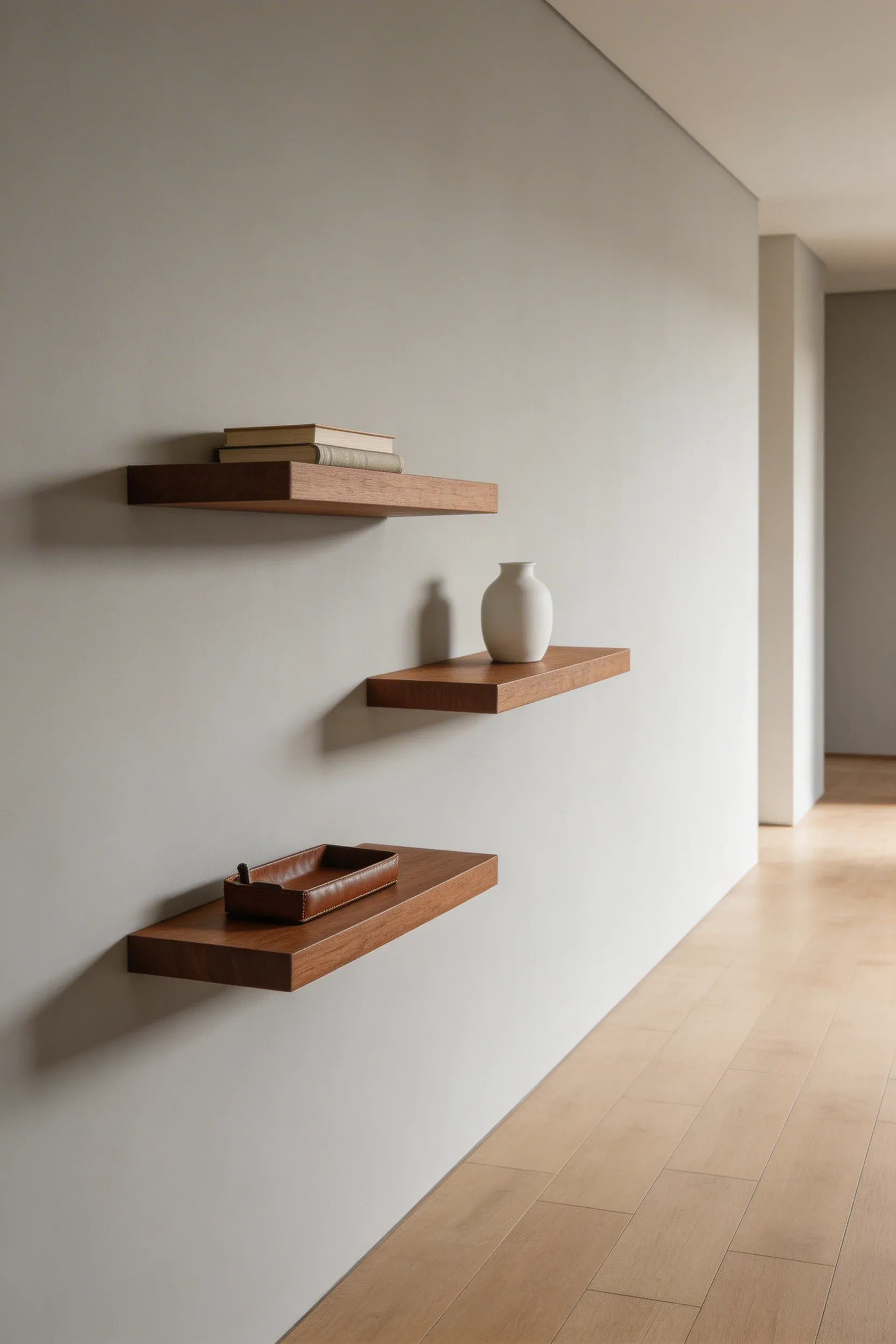
When floor space is limited, look to the walls. Floating shelves provide a place to drop your wallet and keys without the bulk of furniture legs. You can stagger a few short shelves at different heights to create a functional landing zone that stays out of the way of foot traffic.
Vertical Shiplap Wall Panels to Add Height
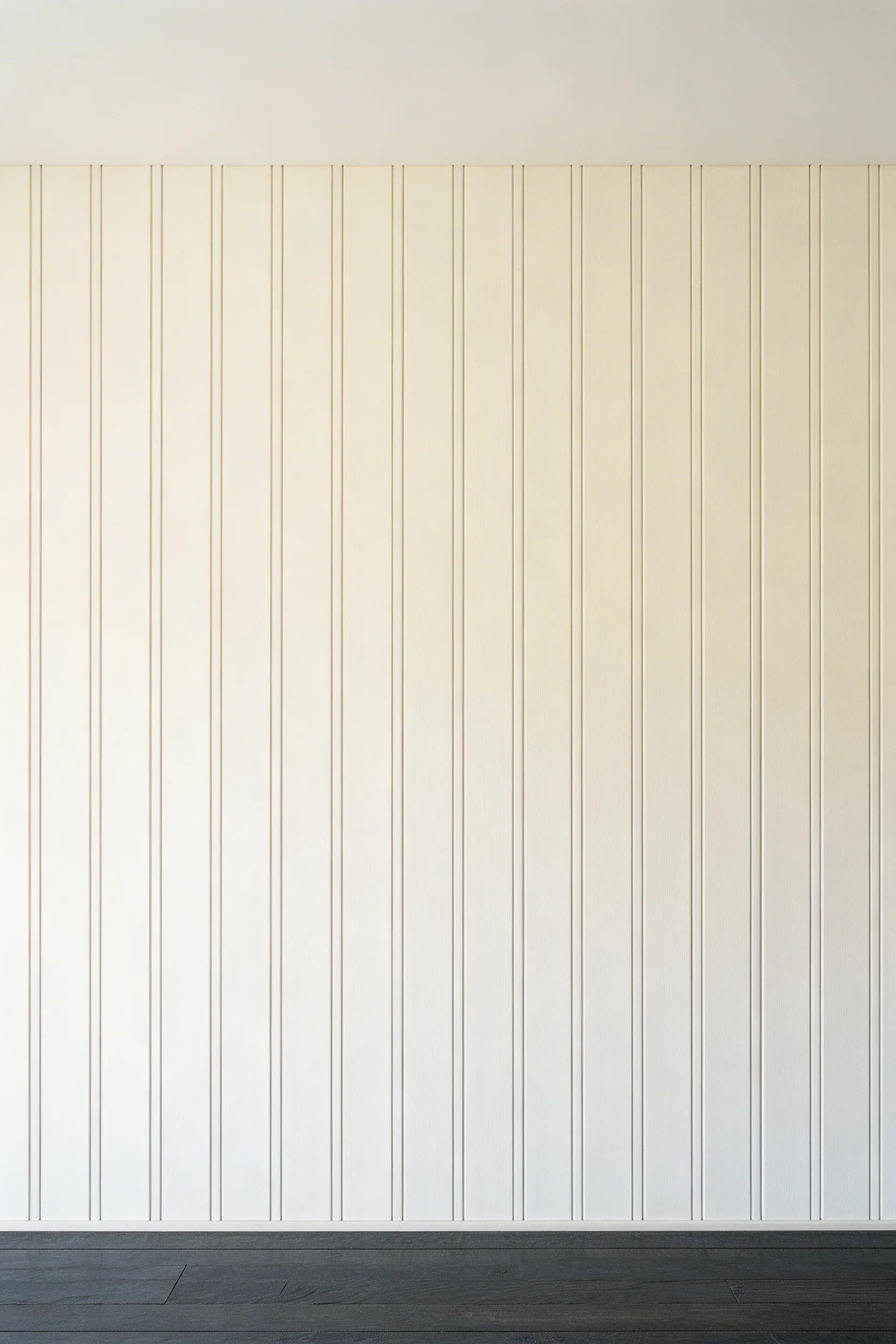
If your hallway feels like a low tunnel, vertical lines can help. Installing shiplap or beadboard with the planks running up and down draws the eye toward the ceiling. This makes the entryway feel taller and more grand, especially when painted in a light, satin finish.
Oversized Statement Pendant Light Hanging Low
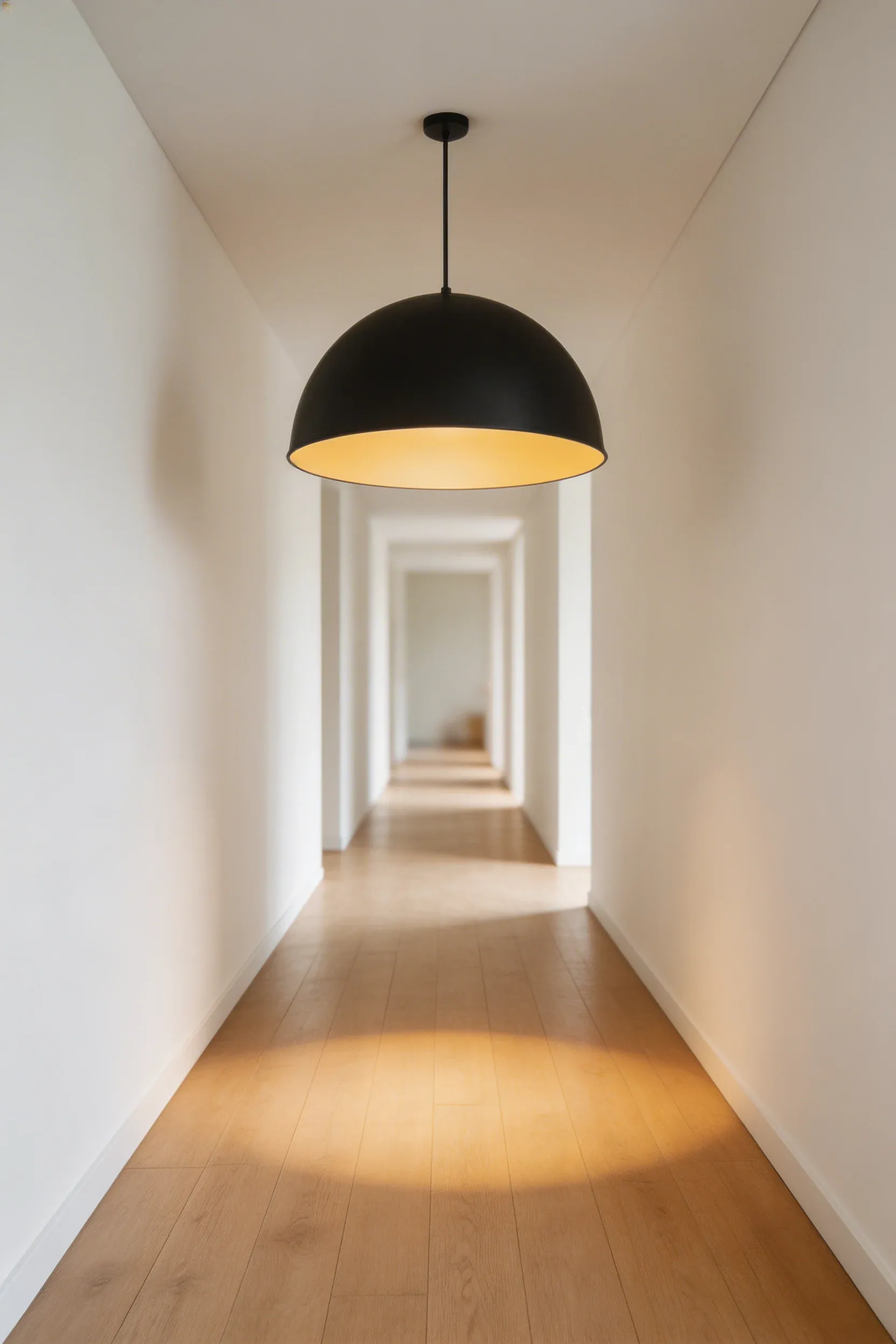
A single, large light fixture can act as an anchor for the entire space. Rather than using several small recessed lights, hang one bold pendant. It creates a focal point that draws the eye away from the narrowness of the walls and makes the entrance feel like a planned room rather than just a passage.
Wall Mounted Coat Hooks at Varying Heights
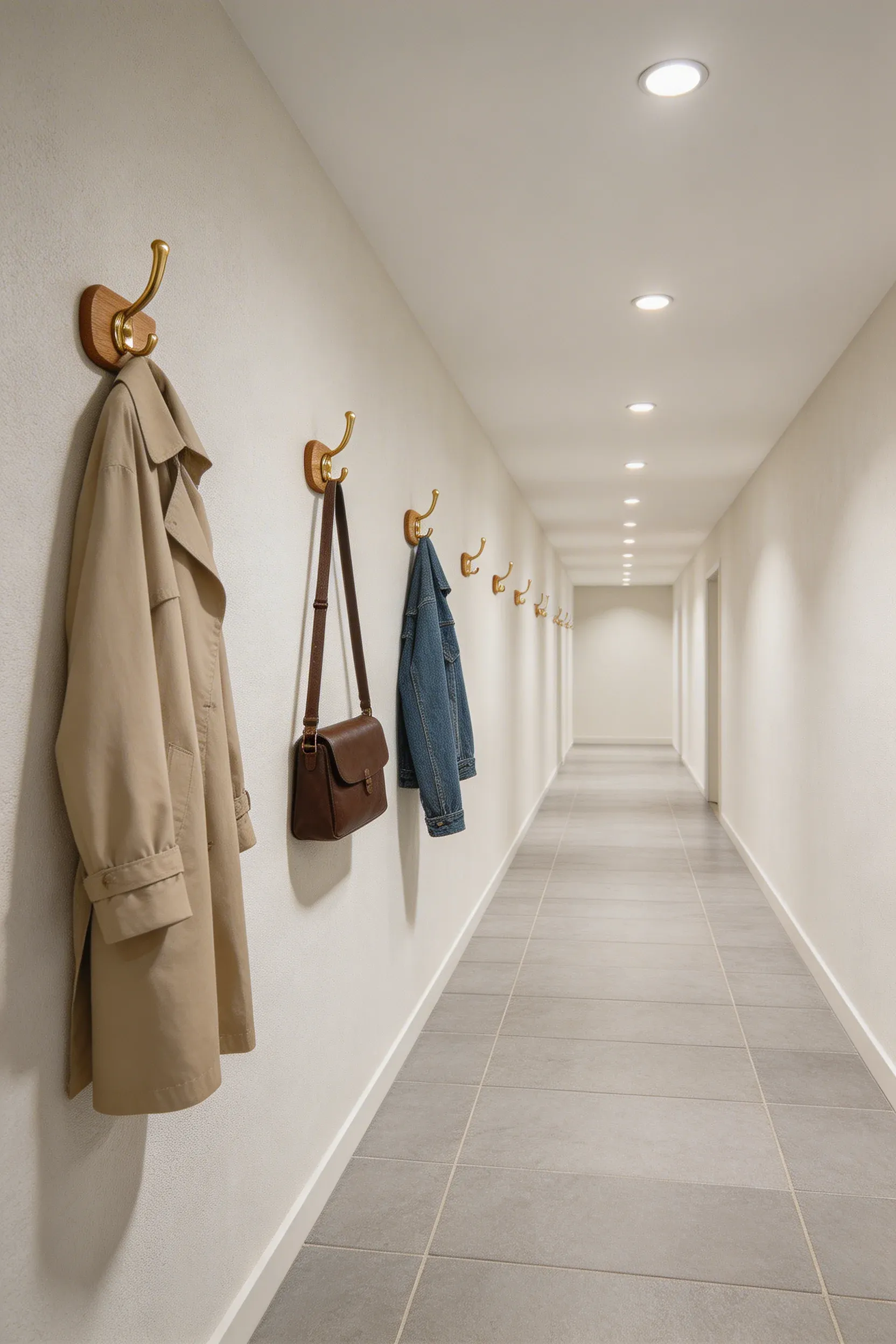
Bulky coat racks take up too much floor room in a tight entrance. Instead, install sturdy hooks directly into the wall. Placing them at different heights allows you to hang long coats, short bags, and even kids’ jackets without everything bunching up in one spot.
Single Bold Accent Wall at the End of the Hall

To deal with a hallway that feels endless, paint the very last wall a darker or bolder color. This creates a visual “stop” that brings the end of the hall forward. It makes the corridor feel shorter and more proportional, turning a boring wall into a destination.
Series of Small Sconces for Rhythmic Lighting
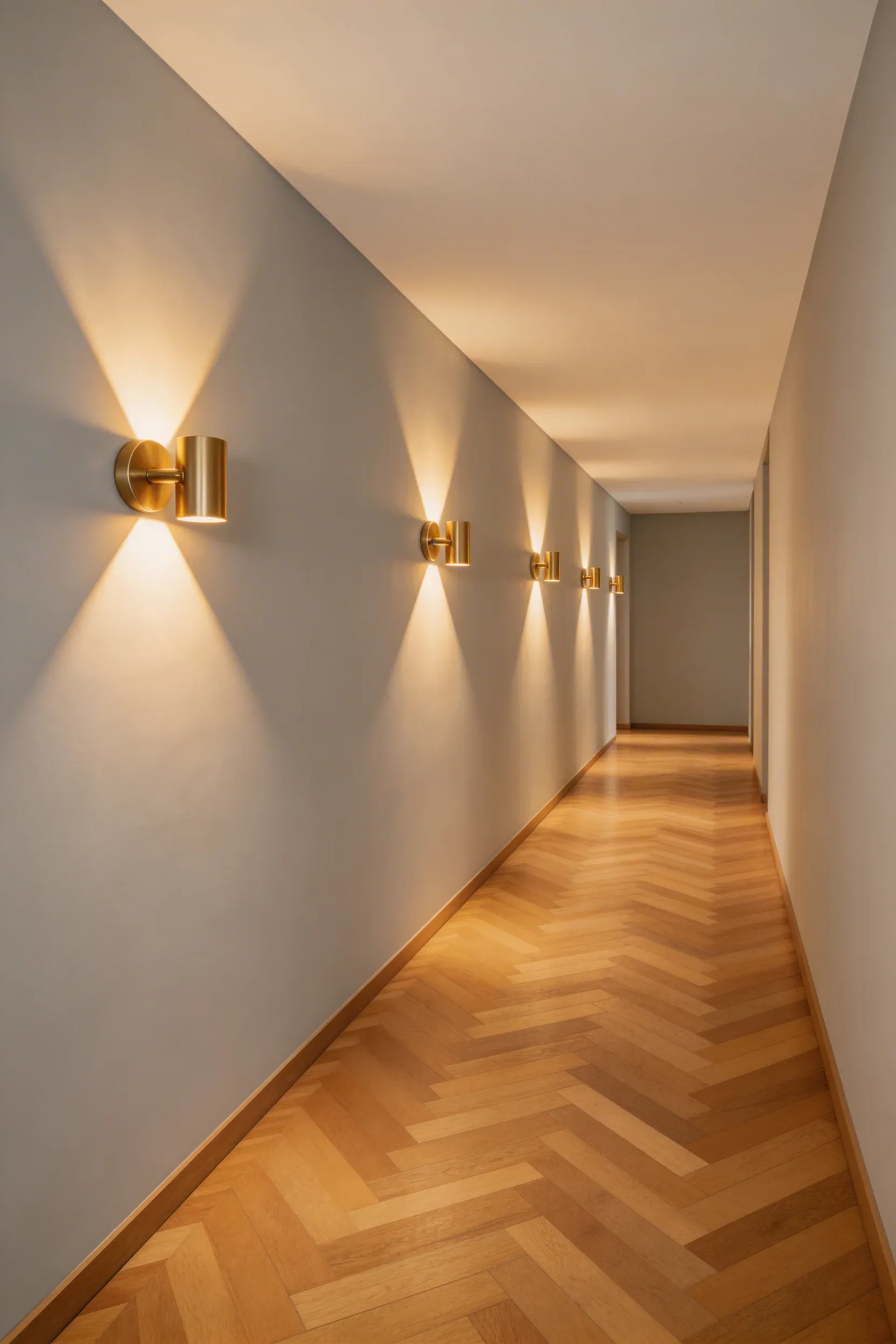
Spacing out wall sconces along the length of the hall creates a rhythmic pattern of light and shadow. This breaks up the long stretch of wall and provides even illumination. It also keeps the ceiling clear, which is helpful if your entryway has lower clearance.
Floor to Ceiling Built-in Bookcases
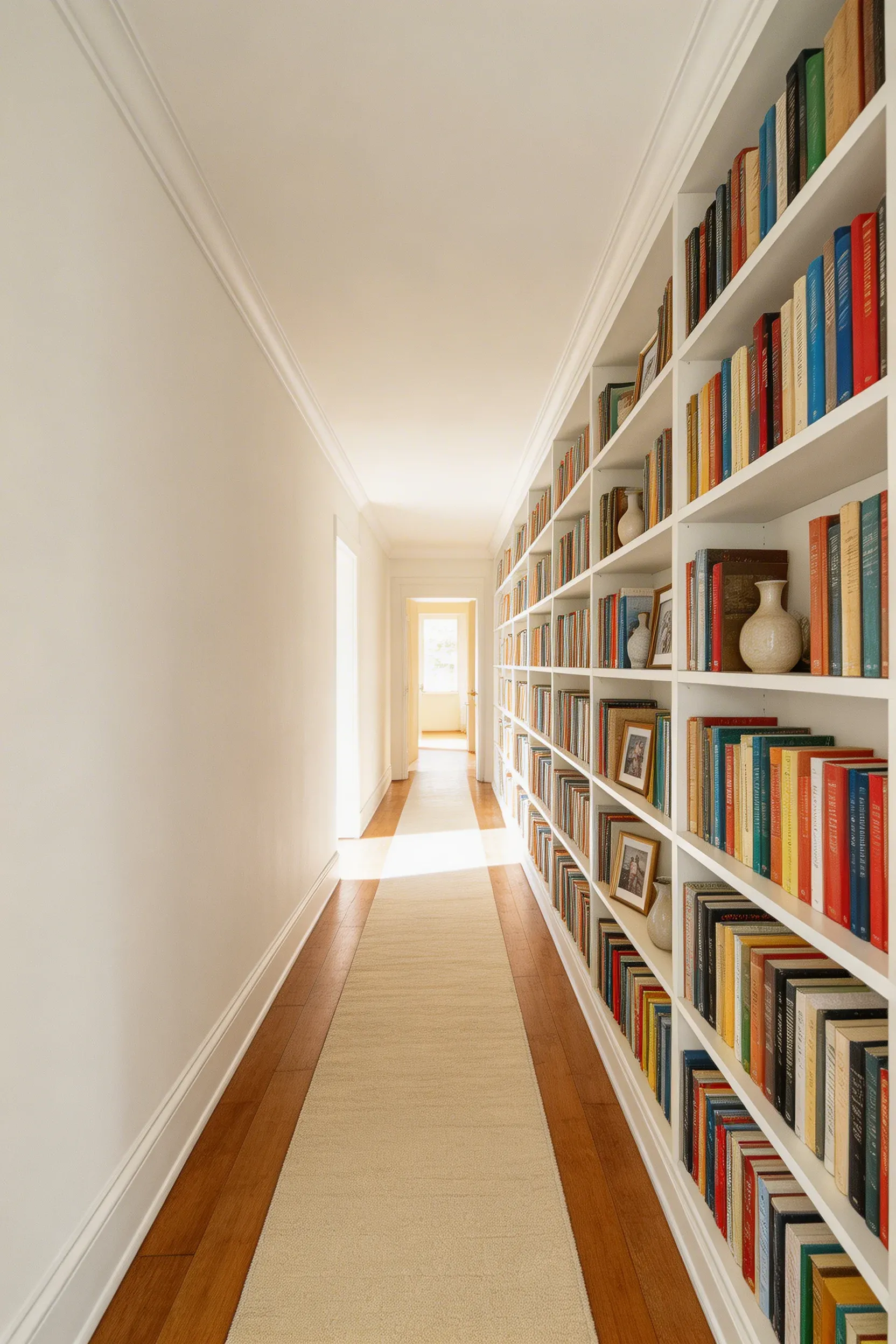
If you have a bit of extra width, shallow built-in bookshelves can turn a hallway into a library. Keep the shelves thin—just deep enough for a standard book. Using the full height of the wall ensures you maximize storage without making the walkway feel obstructed.
Narrow Wooden Bench with Underneath Shoe Storage
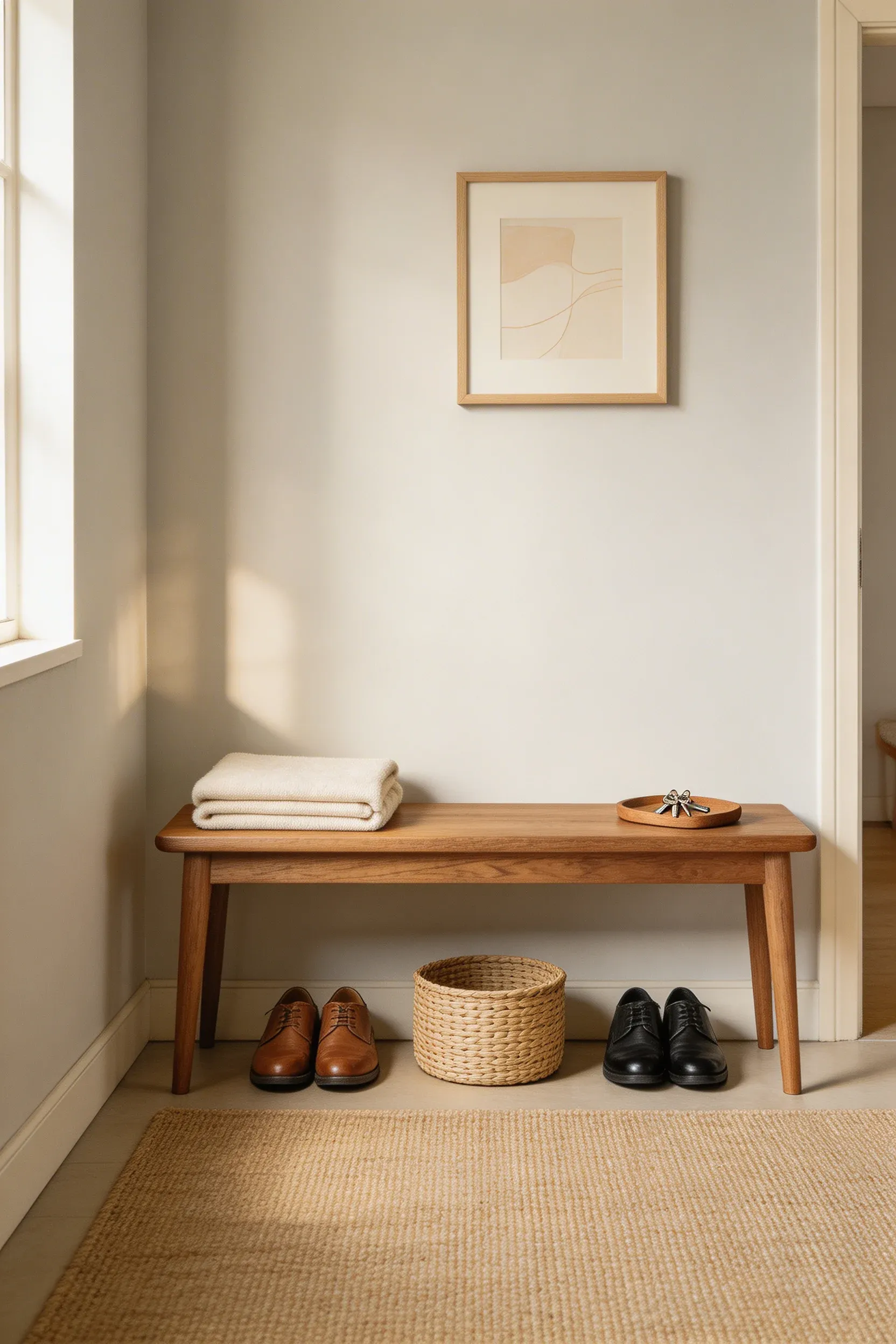
A slim bench provides a convenient place to sit while putting on shoes. Choose a design that is open underneath so you can slide baskets or shoes directly under the seat. This keeps the floor clear of tripping hazards while adding a cozy, lived-in feel to the entry.
Large Scale Artwork on One Side Only
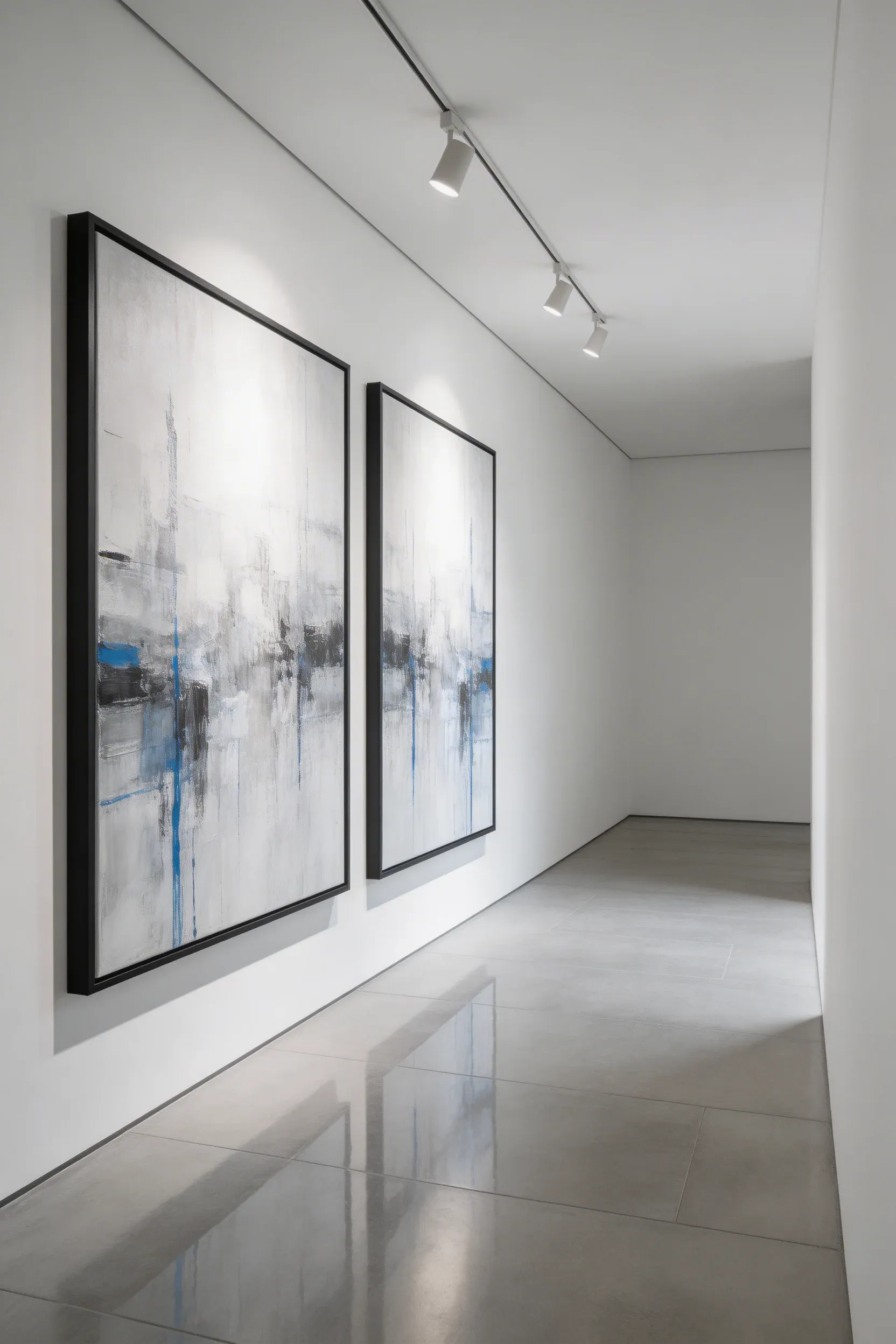
Avoid hanging art on both walls, as this can make the space feel like it is closing in on you. Instead, pick one side and hang one or two very large pieces. This creates a sophisticated gallery look and keeps the opposite wall clean, which maintains an open feel.
Glass Paneled Front Door to Increase Natural Light
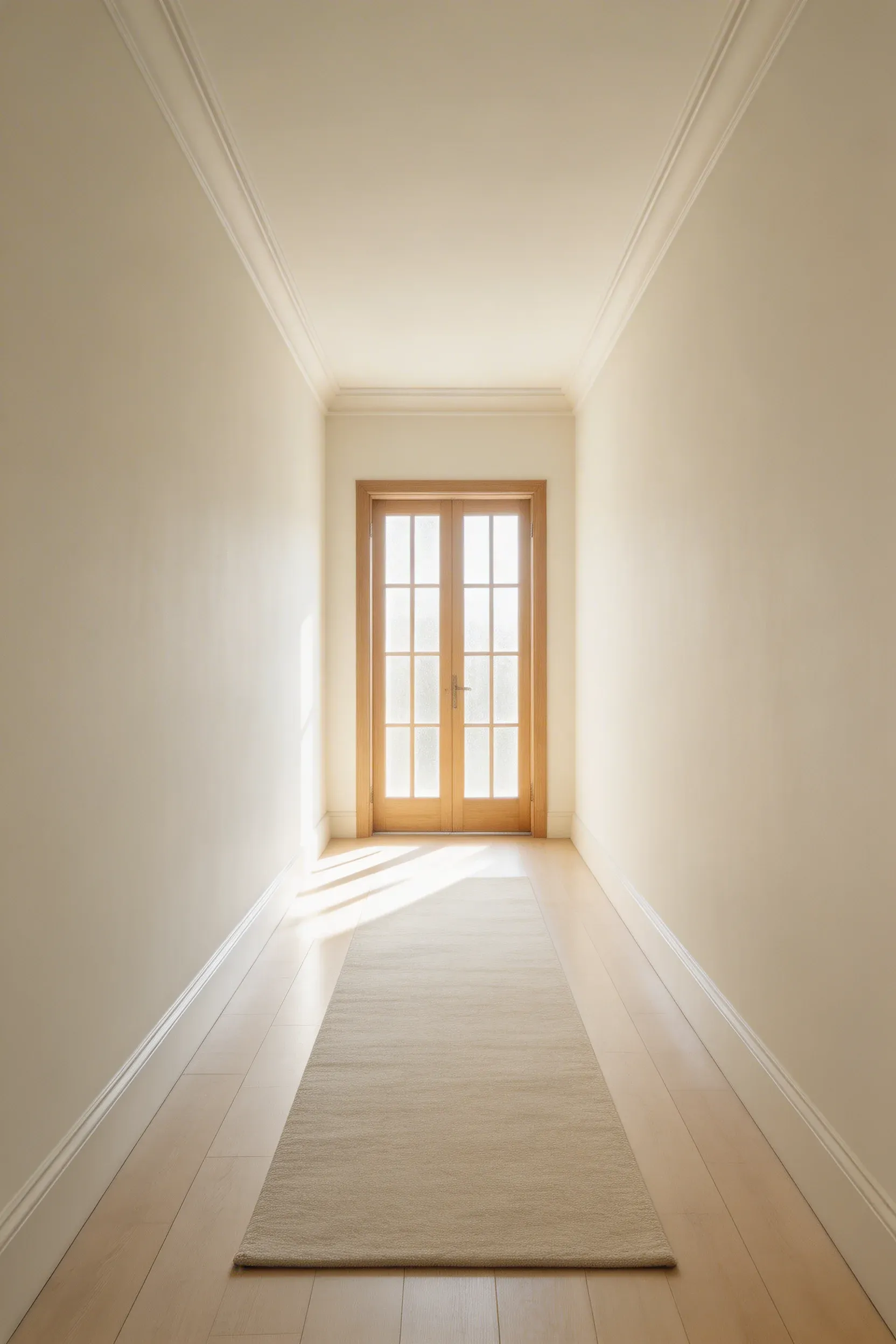
Natural light is the best way to make a narrow space feel airy. If your privacy allows, a front door with glass inserts lets sunlight stream down the length of the hall. If you are worried about people seeing in, frosted or textured glass offers the same brightness with more privacy.
Woven Baskets Tucked Under a Narrow Table
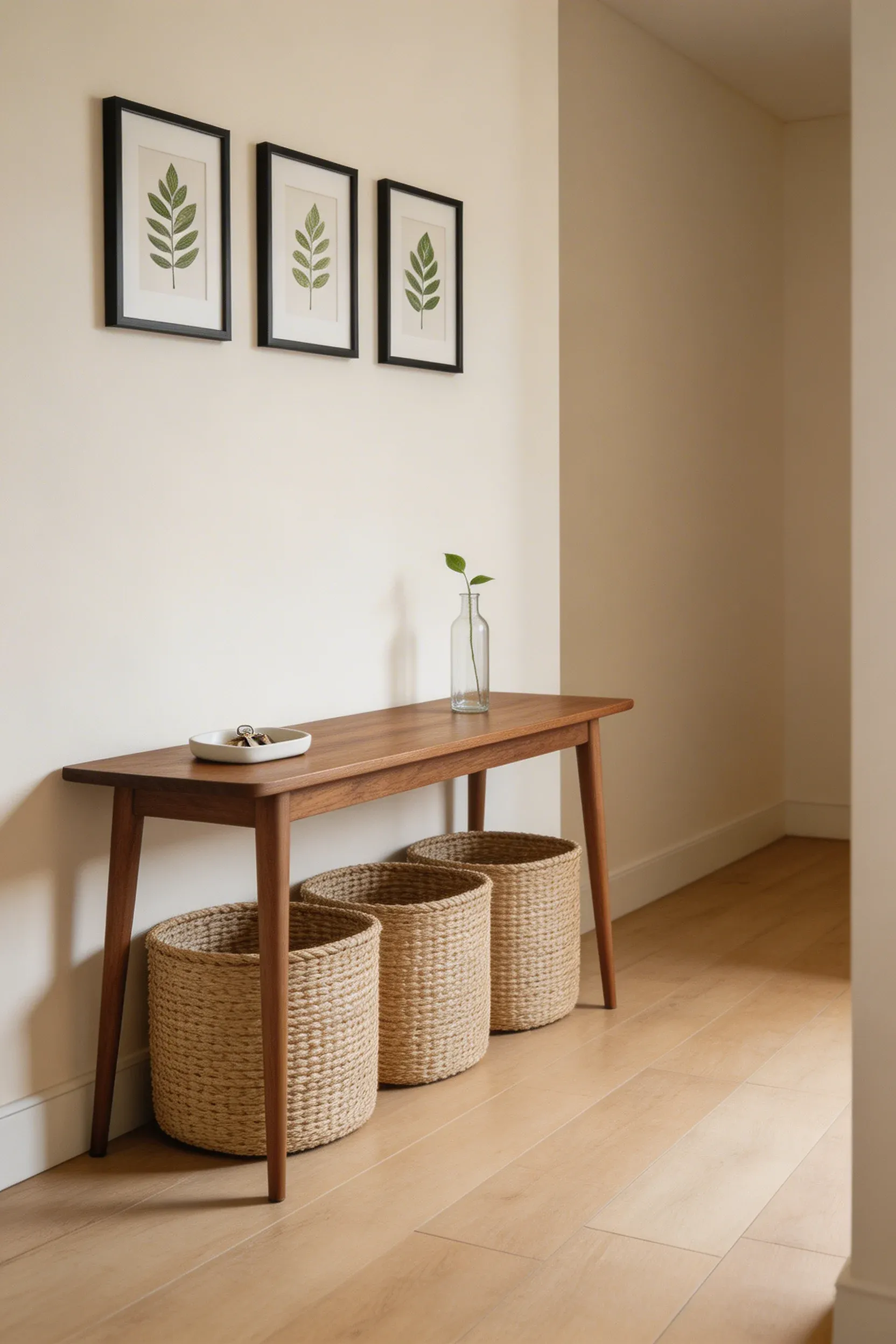
Clutter is the enemy of small spaces. Use woven baskets to hide umbrellas, shoes, or mail. Tucking them under a console table keeps them out of the main path while adding a bit of texture and warmth to the design.
Indoor Potted Plants in Tall Slender Containers
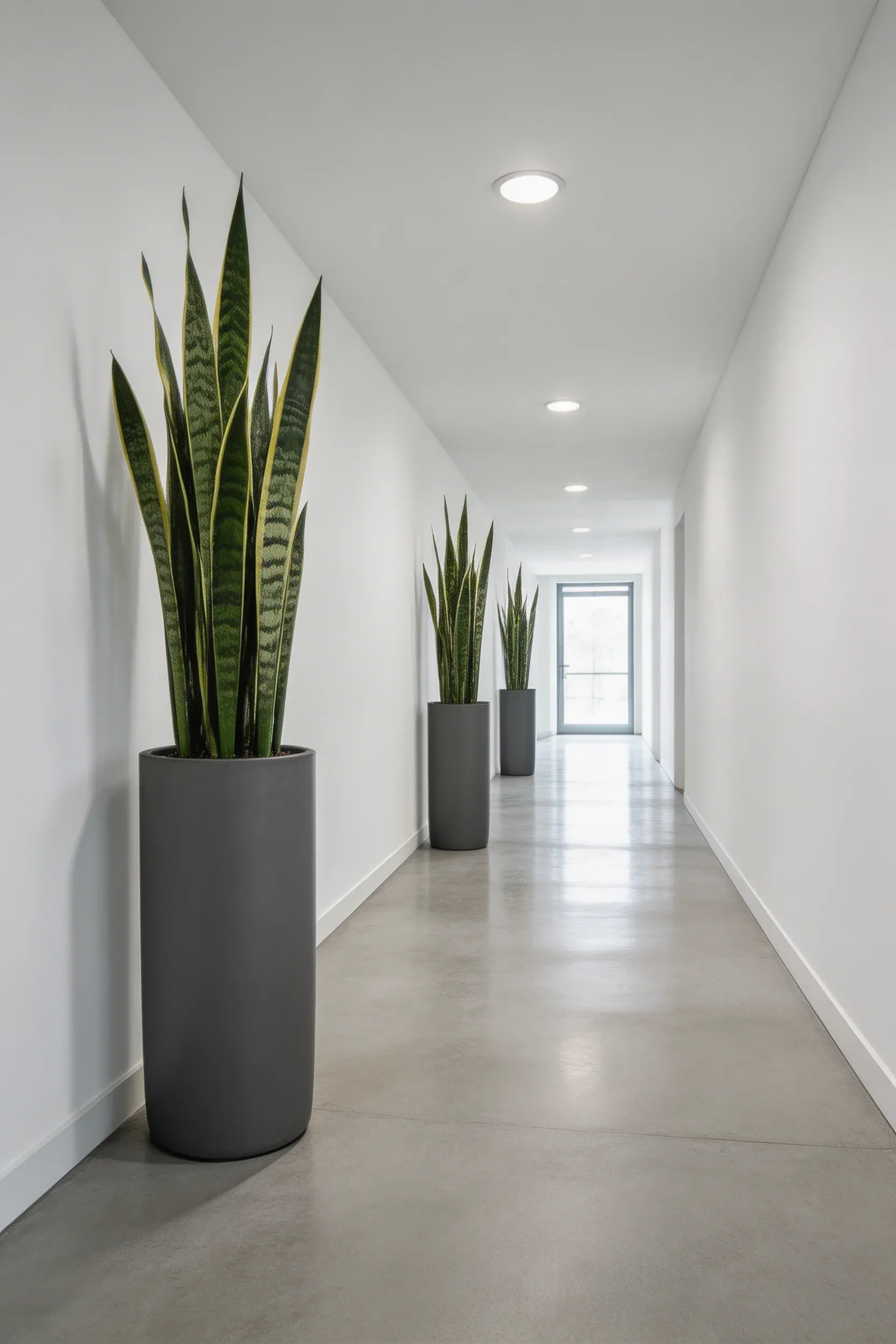
Bringing greenery inside makes a hallway feel fresh. Since floor space is tight, use tall, skinny planters that take up more vertical space than horizontal. A hardy plant like a Snake Plant or a ZZ Plant works well because they grow upward and don’t need much light.