
Bringing nature inside does more than just make a room look better. Studies show that being around greenery can lower stress and help you breathe cleaner air. If you are tired of cluttering your floor with pots, a vertical garden is the best way to use your space. You can turn a blank wall into a lush focal point without spending a fortune on professional installation.
This guide covers different ways to build a DIY living wall indoor regardless of your DIY skill level. Whether you want a small herb garden in your kitchen or a massive plant accent wall in your living room, these ideas provide practical steps to get started. You will find projects using wood, metal, and even recycled materials to help you grow a healthy indoor garden.
Felt Pocket Vertical Planter System
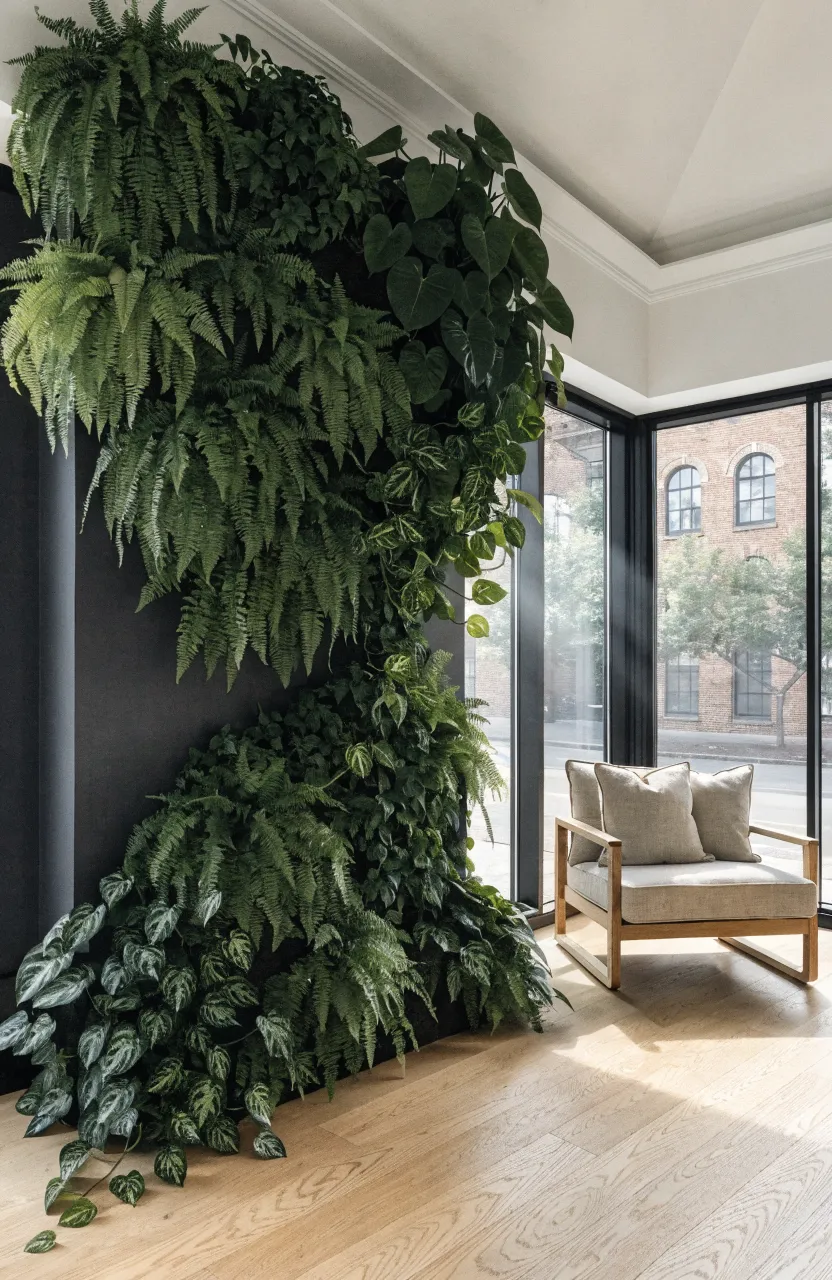
Felt pockets are one of the easiest ways to start a diy living wall indoor project. These breathable fabric bags allow air to reach the roots, which prevents rot and helps plants grow faster. You can buy pre-made felt panels and screw them directly into a wooden frame or backer board to protect your drywall from moisture. Since the fabric wicks water, it is important to place a waterproof liner behind the felt to keep your home dry.
When planting, choose species that enjoy similar light and water conditions. Ferns and pothos work well in these systems because they fill out the pockets quickly, hiding the fabric and creating a seamless wall of green. You should water the top row of pockets and let the moisture soak down to the bottom layers. This setup is lightweight and easy to move if you decide to change your room layout later.
Reclaimed Wood Pallet Wall Garden
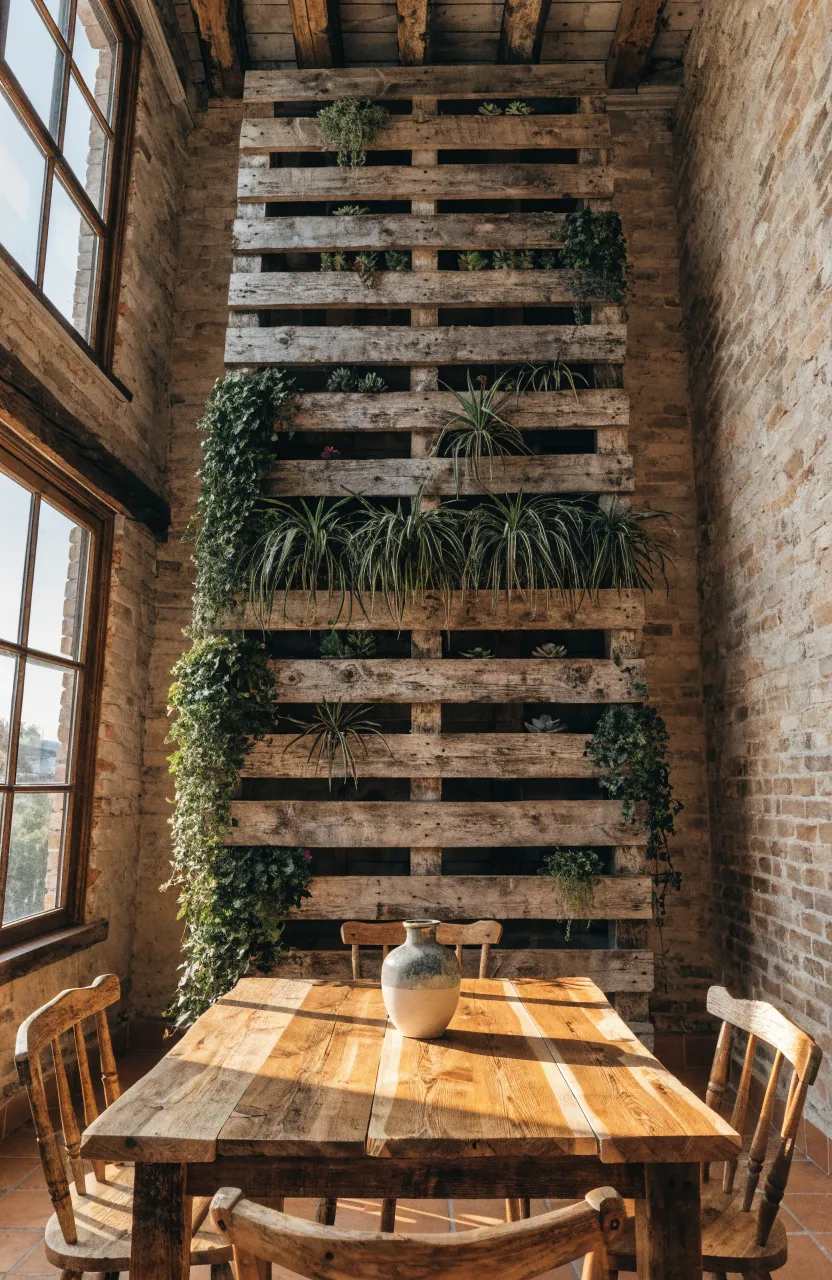
Using a wooden pallet is a budget-friendly way to create a rustic plant accent wall. You can find pallets for free at many local shops, but make sure they are heat-treated rather than chemically treated. To build this, staple landscape fabric to the back and bottom of the pallet slats to create deep troughs for soil. This gives your plants plenty of room to establish strong root systems.
Once the pallet is prepped, lean it against a wall or mount it securely with heavy-duty brackets. Fill the slats with potting mix and tuck in trailing plants like ivy or spider plants. This design works well for wall garden ideas indoor because the wood provides a natural texture that contrasts with the green leaves. It is a sturdy option for those who want a larger installation without a high price tag.
Copper Pipe and S-Hook Hanging Display
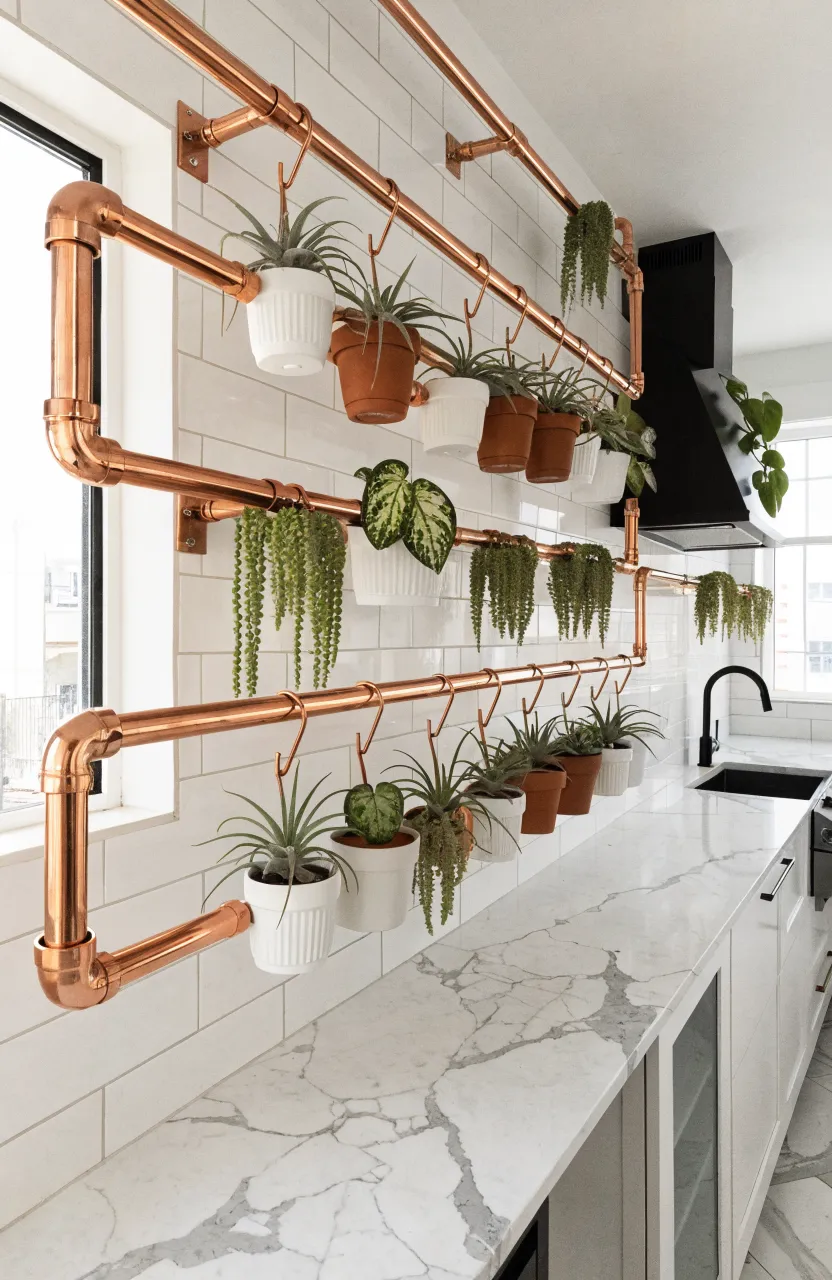
For a modern look, you can build a hanging plant wall design using copper pipes and S-hooks. You mount the pipe to the wall or ceiling and use the hooks to hang lightweight pots with macrame or wire hangers. This method keeps the wall clear and allows for plenty of airflow around your plants. It is a great choice for small apartments where floor space is limited.
Copper adds a warm, metallic shine that looks great in kitchens or dining rooms. You can easily swap out plants or move them around by sliding the hooks along the pipe. If you want a fuller look, hang several pipes at different heights to create a layered effect. This setup is especially useful for air plants or small succulents that do not require heavy soil.
Floating Timber Indoor Plant Wall Shelves
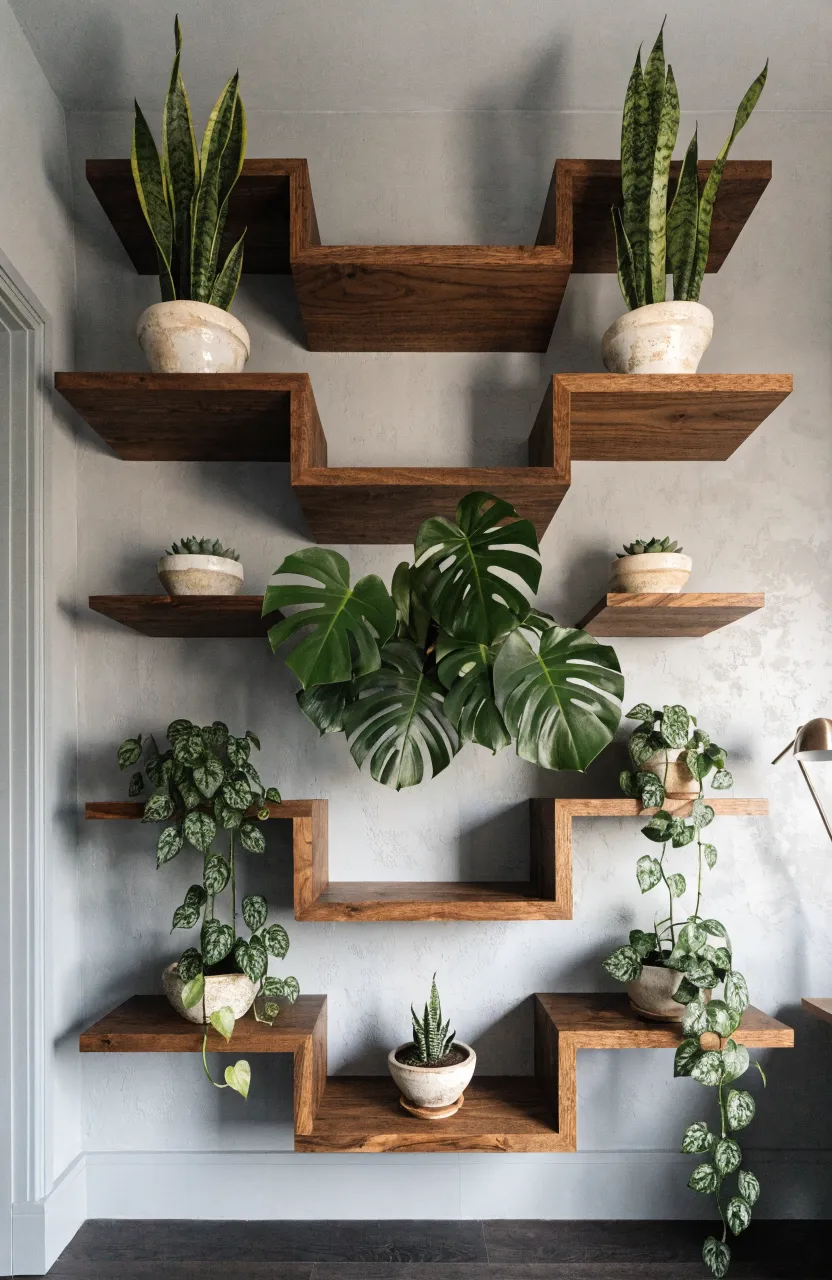
Floating indoor plant wall shelves offer a clean and minimalist way to display your collection. By using thick timber planks and hidden brackets, you create a sturdy surface for heavy ceramic pots. These shelves allow you to mix plants with books or art, making the greenery feel like a natural part of your home decor. You can stagger the heights of the shelves to accommodate taller plants like snake plants or monstera.
When installing these, ensure you mount the brackets into wall studs to handle the weight of wet soil and pots. Solid wood like oak or walnut holds up well to the occasional water spill. This approach is one of the most versatile living wall ideas because you can change the plants whenever you want without replanting an entire system. It turns a simple wall into a functional piece of furniture.
Geometric Hexagon Wall Planter Arrangement
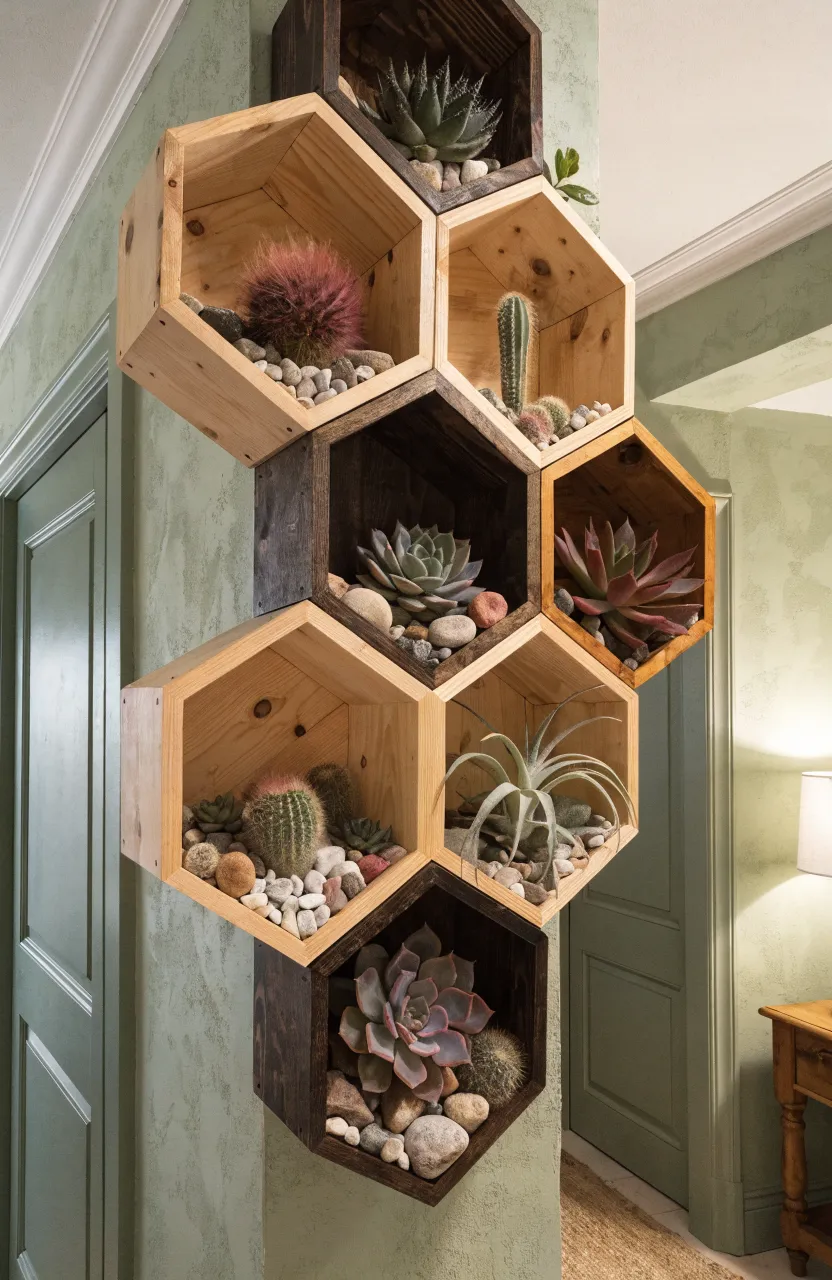
Hexagon planters allow you to create a honeycomb pattern that looks like a piece of art. You can build these small wooden boxes yourself or buy them and mount them in a cluster. This plant wall design is great for people who want to start small and add more units over time. Because each hexagon is separate, you can use different soil types for different plants in the same display.
Try using a mix of wood stains to add depth to the arrangement. These work best with small, slow-growing plants like cacti or succulents that won’t outgrow the small containers too quickly. It is a smart way to add indoor plants wall decor to a hallway or home office where you might not have room for a full-scale garden. The geometric shapes provide a structured look that feels organized and intentional.
Recycled Tin Can Herb Garden on Wire Mesh
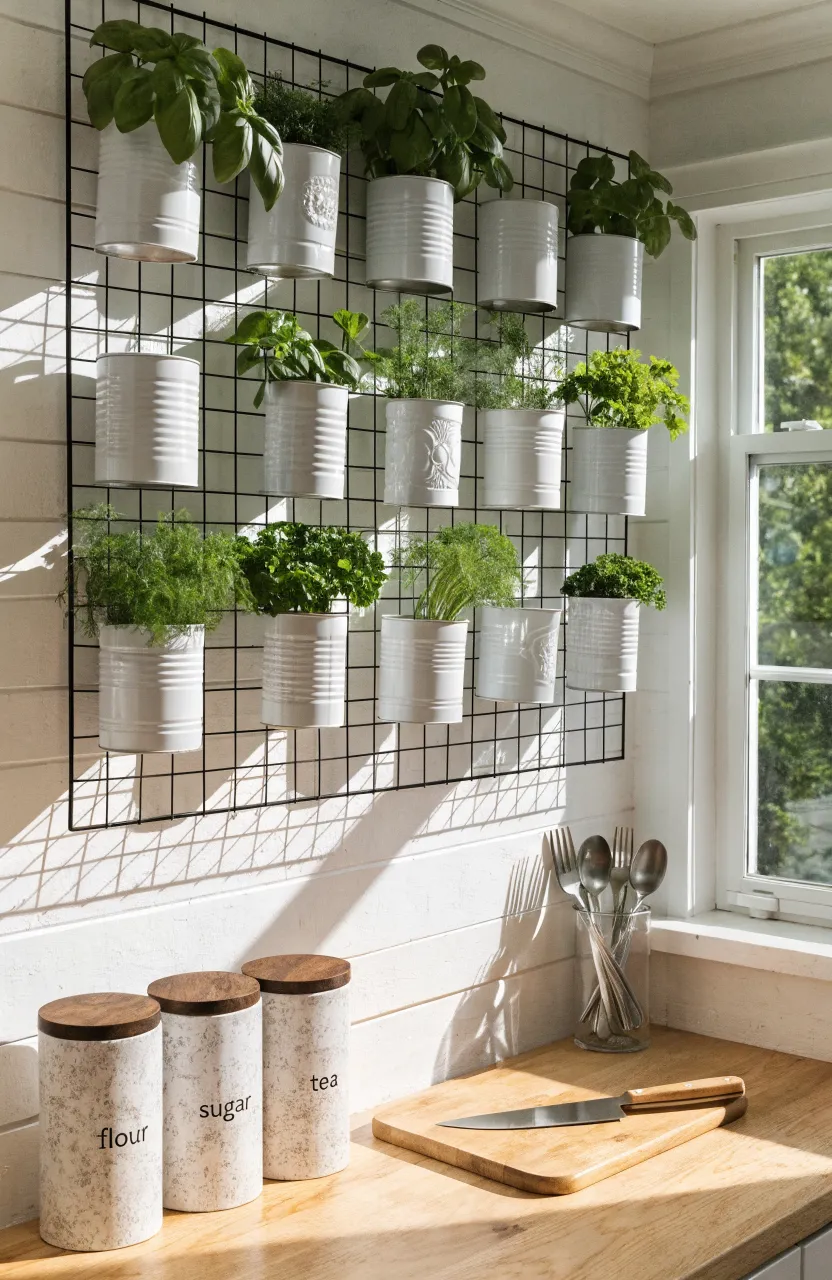
You can turn old food tins into a functional diy wall planter indoor by cleaning them and adding a coat of paint. Punch a few drainage holes in the bottom and use wire to clip them onto a piece of wire mesh or a metal grid mounted to the wall. This is a popular choice for kitchen herb gardens because it keeps basil, mint, and cilantro within reach while you cook.
Using recycled materials makes this an eco-friendly project that costs almost nothing. To keep it looking neat, use tins of the same size or paint them all the same color. The wire mesh allows for plenty of light to reach every plant, which is vital for herbs grown indoors. Just make sure to place a tray or some protection on the floor below to catch any drips after watering.
Industrial Metal Grid with Clip-on Pots
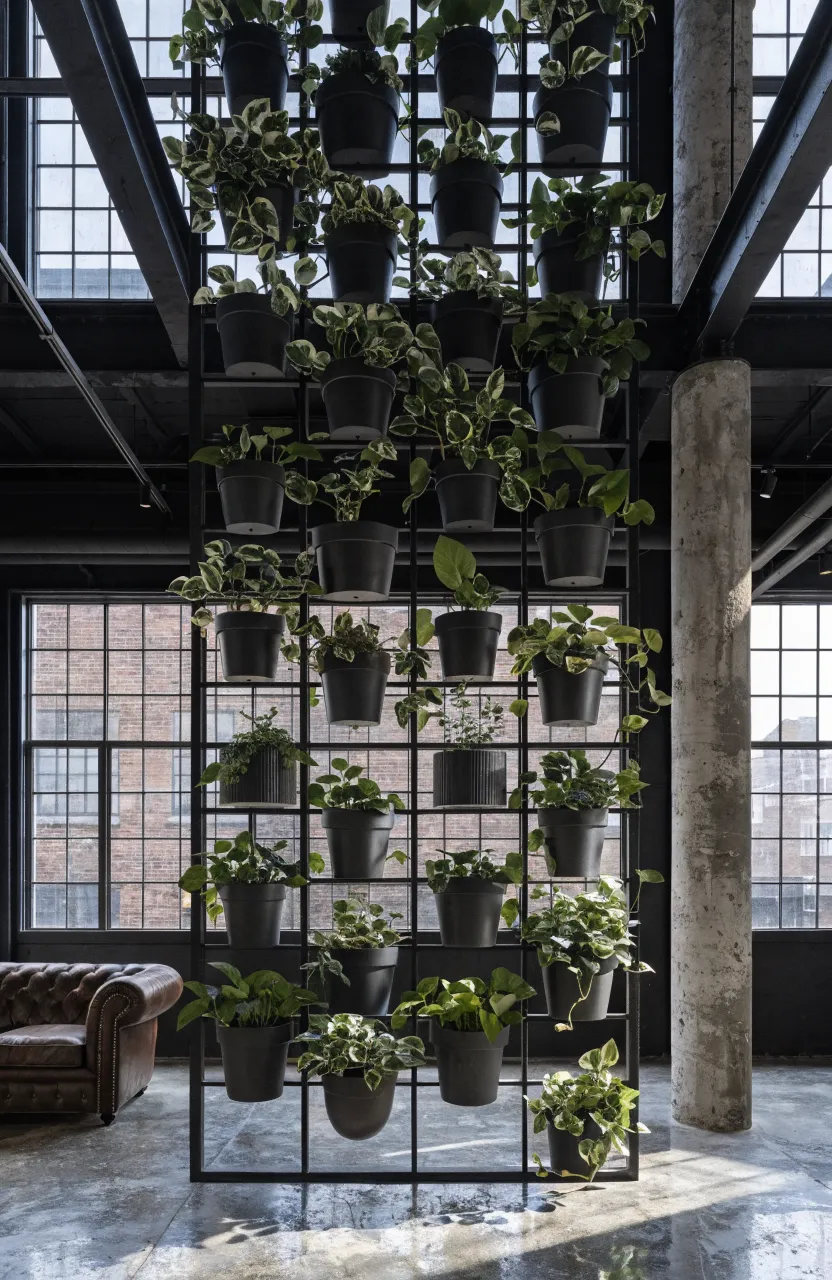
A metal grid panel provides a flexible base for a diy living wall indoor. You can find these grids at hardware stores or office supply shops. Once the grid is mounted, you can use specialized clips or simple hooks to attach pots of various sizes. This system is very popular because it is so easy to customize and reorganize as your plant collection grows.
This style fits well with industrial or modern home designs. You can cover the entire grid with climbing plants like hoya or pothos to create a dense screen of foliage. If you prefer a cleaner look, leave space between the pots to show off the metal lines. It is an affordable way to experiment with different outdoor plant wall ideas in an indoor setting without committing to a permanent structure.
Built-in Recessed Niche with Integrated Lighting

If you are doing a home renovation, consider adding a recessed niche specifically for plants. This involves building a shallow cavity into the wall and lining it with waterproof materials. By adding integrated LED grow lights at the top of the niche, you can grow plants even in dark rooms that don’t have windows. This creates a high-end look that feels like a part of the house’s architecture.
Lighting is the most important part of this setup. Since the plants are tucked into the wall, they need consistent light to stay healthy. You can use a timer to ensure the lights stay on for 12 to 14 hours a day. This is a great way to display prized specimens or a collection of tropical plants that need high humidity and stable conditions.
Leather Strap and Wood Plank Hanging Shelves
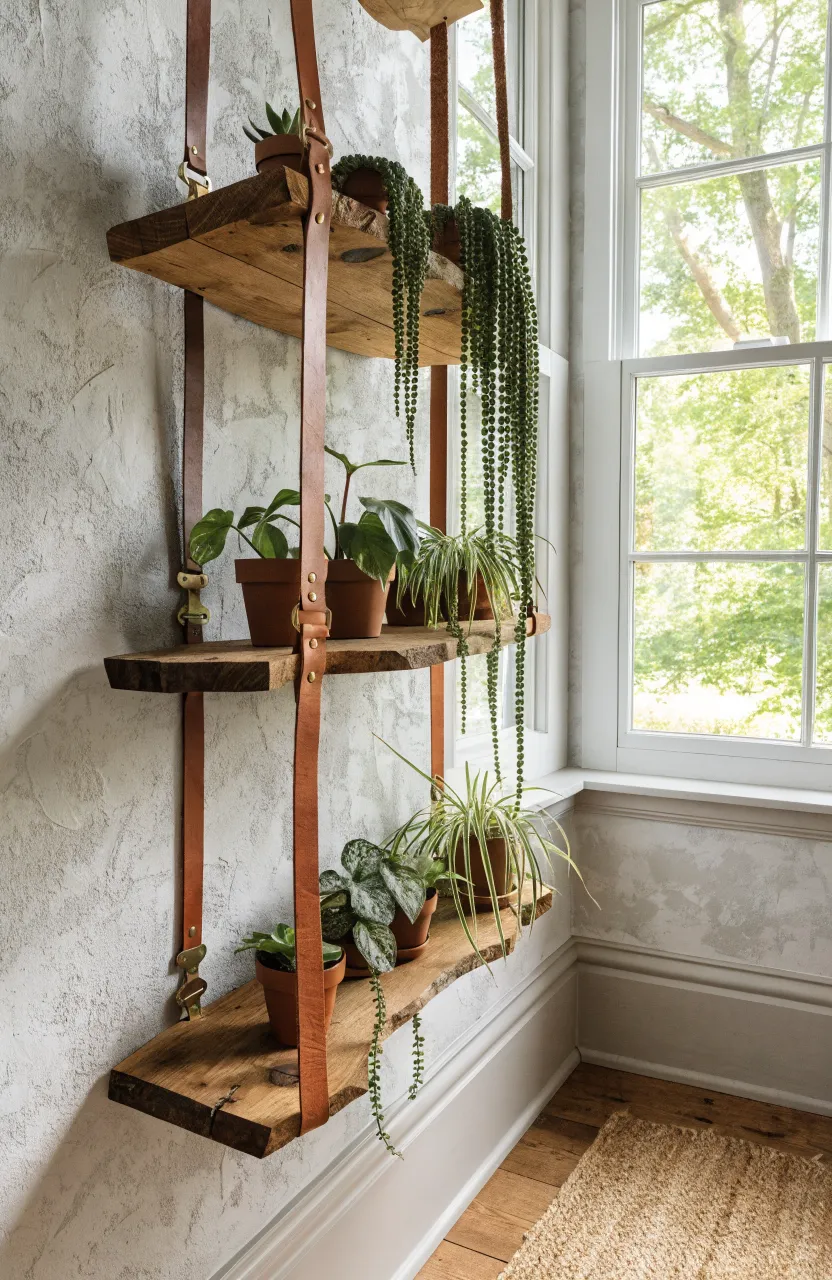
Leather strap shelves are a stylish way to incorporate diy plant shelves into your living space. You simply loop two long leather straps around a wooden board and hang them from sturdy wall hooks. The combination of natural wood and soft leather creates a warm, organic feel that complements most indoor plants wall decor. It is a simple DIY project that requires only basic tools like a drill and a level.
These shelves are best for smaller pots and trailing plants that can drape over the edges. Because the shelves are suspended, they have a bit of movement, so make sure they are balanced correctly before adding your plants. You can use different colors of leather, like tan or black, to match your existing furniture. It is a quick way to add a vertical element to a corner of a room.
Full-Height Moss Wall Art Panel
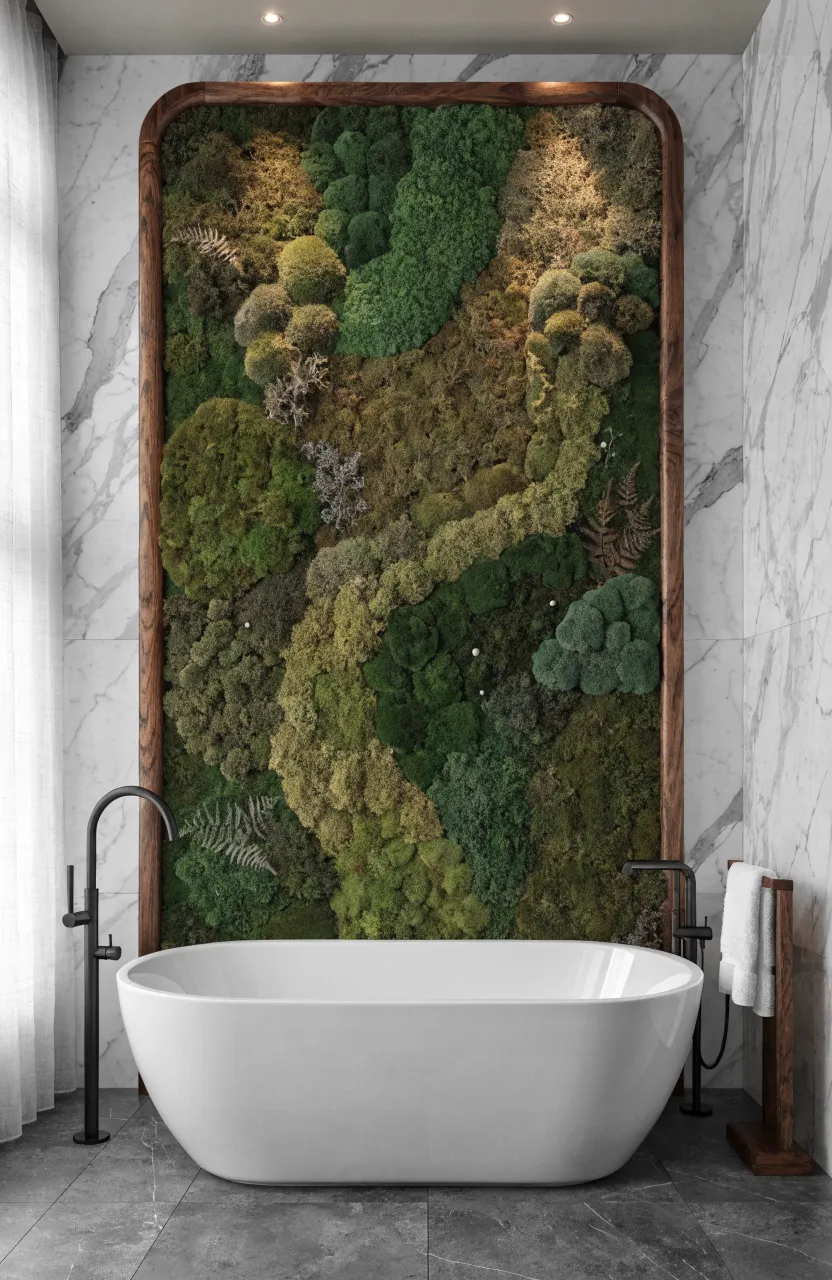
Moss walls are perfect for people who want the look of a living wall without the maintenance. You can use preserved reindeer moss or sheet moss to create a lush, green panel that requires no water or light. To make one, glue the moss onto a plywood backing and frame it like a piece of art. It stays soft and vibrant for years as long as it is kept out of direct sunlight.
This is a great option for bathrooms or basements where traditional plants might struggle to survive. You can mix different shades of green moss to create patterns or a 3D landscape effect. While it isn’t “living” in the biological sense, it provides the same visual impact as a plant accent wall. It is lightweight and easy to hang on almost any wall surface.
Climbing Vine Trellis Made of Jute Twine
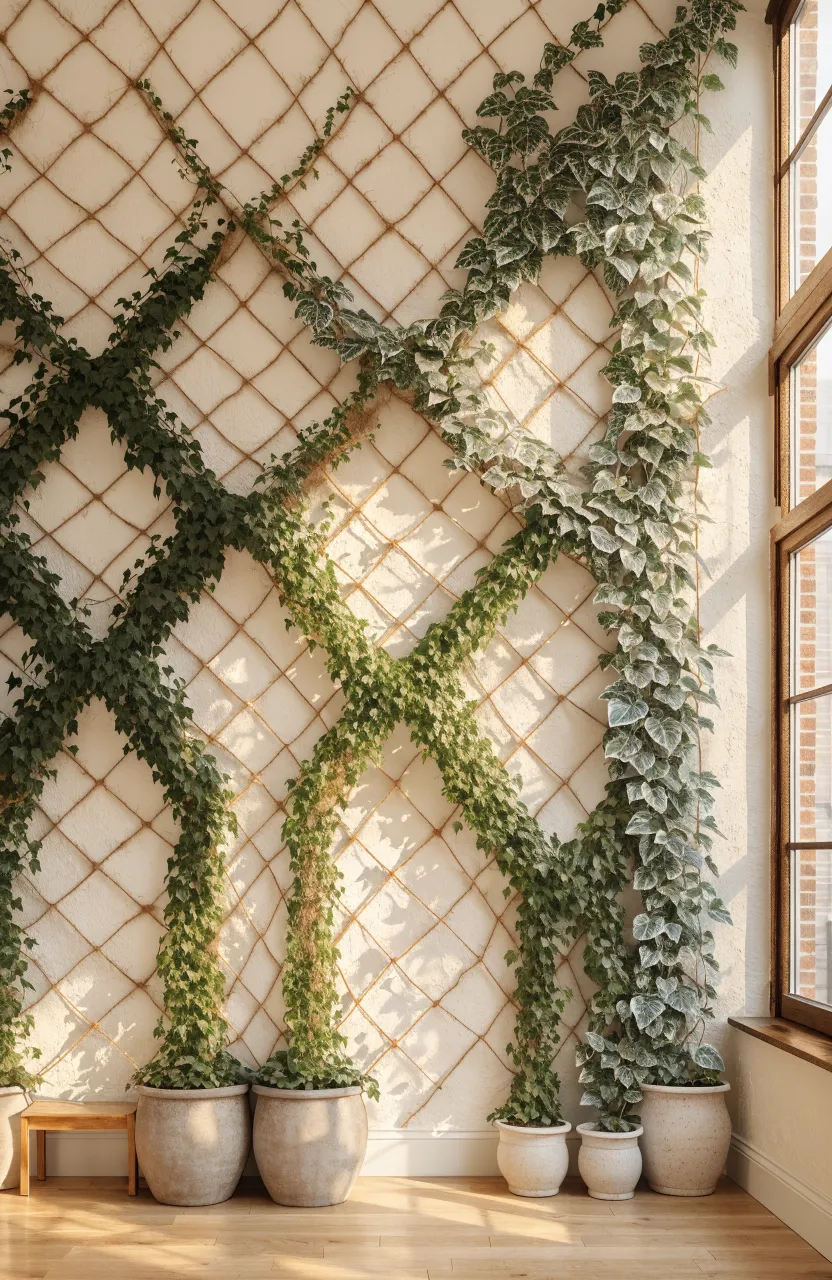
You can create a massive green wall using just a few small pots and some jute twine. By stretching the twine between small hooks on the wall, you create a trellis for climbing plants to follow. Plants like Philodendron or English Ivy will naturally wrap around the string, eventually covering the entire wall in a thin layer of leaves. This is one of the most affordable living wall ideas available.
To get the best results, start with a few healthy plants at the base of the wall. As they grow, gently guide the new stems along the twine using small clips or by loosely wrapping them. Over time, the twine disappears behind the foliage, leaving a wall of leaves that looks like it grew there naturally. It is a low-profile solution that doesn’t require heavy shelving or bulky planters.
Magnetic Spice Tins for Small Succulents
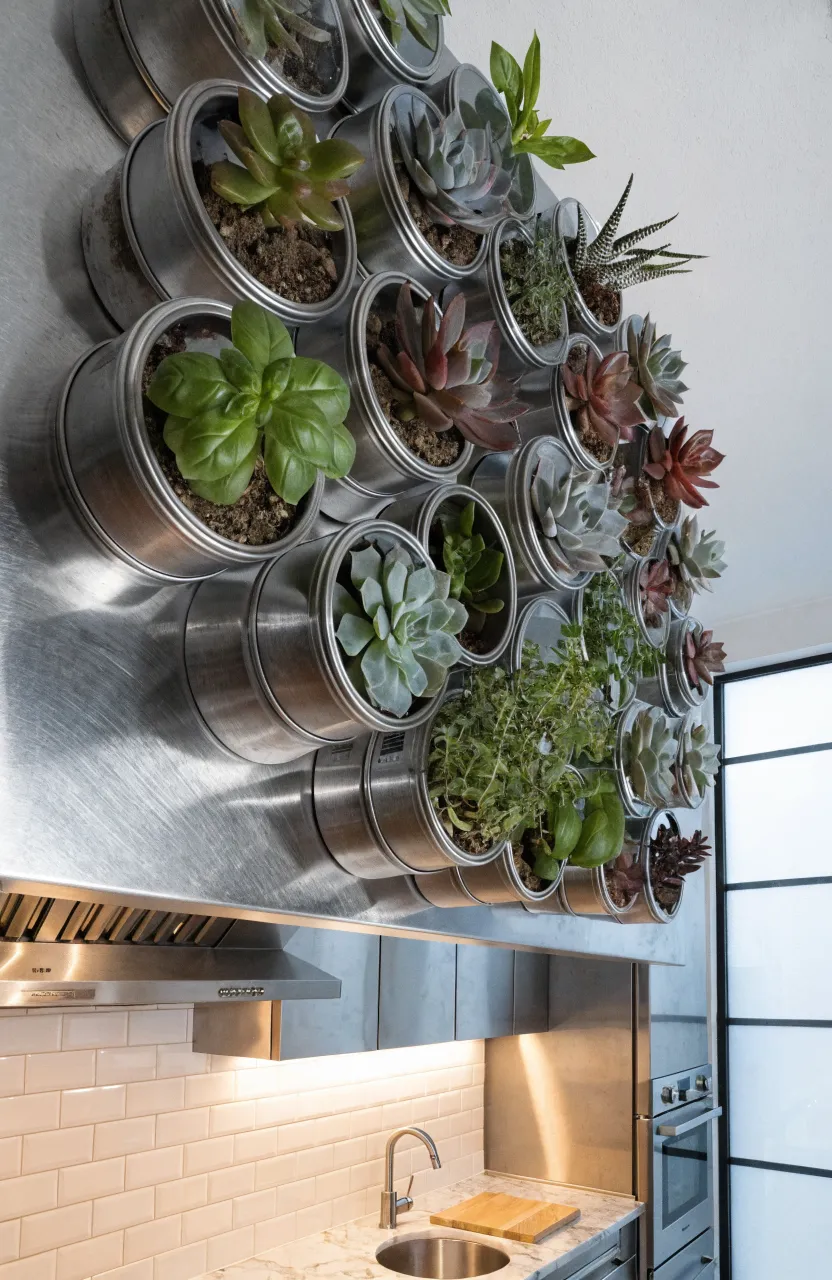
If you have a metal surface or a magnetic board, you can use magnetic spice tins as tiny planters. This is a fun way to create a diy wall planter indoor for a kitchen or office. Simply fill the tins with a gritty succulent mix and plant small cuttings or slow-growing varieties. The clear lids can be removed or kept off to allow for airflow and growth.
Since these containers are small, they don’t hold much water, which is perfect for succulents. You can move the tins around to create different shapes or patterns whenever you feel like changing the look. It is a great way to use vertical space on the side of a refrigerator or a dedicated magnetic wall panel. Just be careful not to overwater, as these tins usually do not have drainage holes.
Automatic Drip Irrigation DIY Living Wall
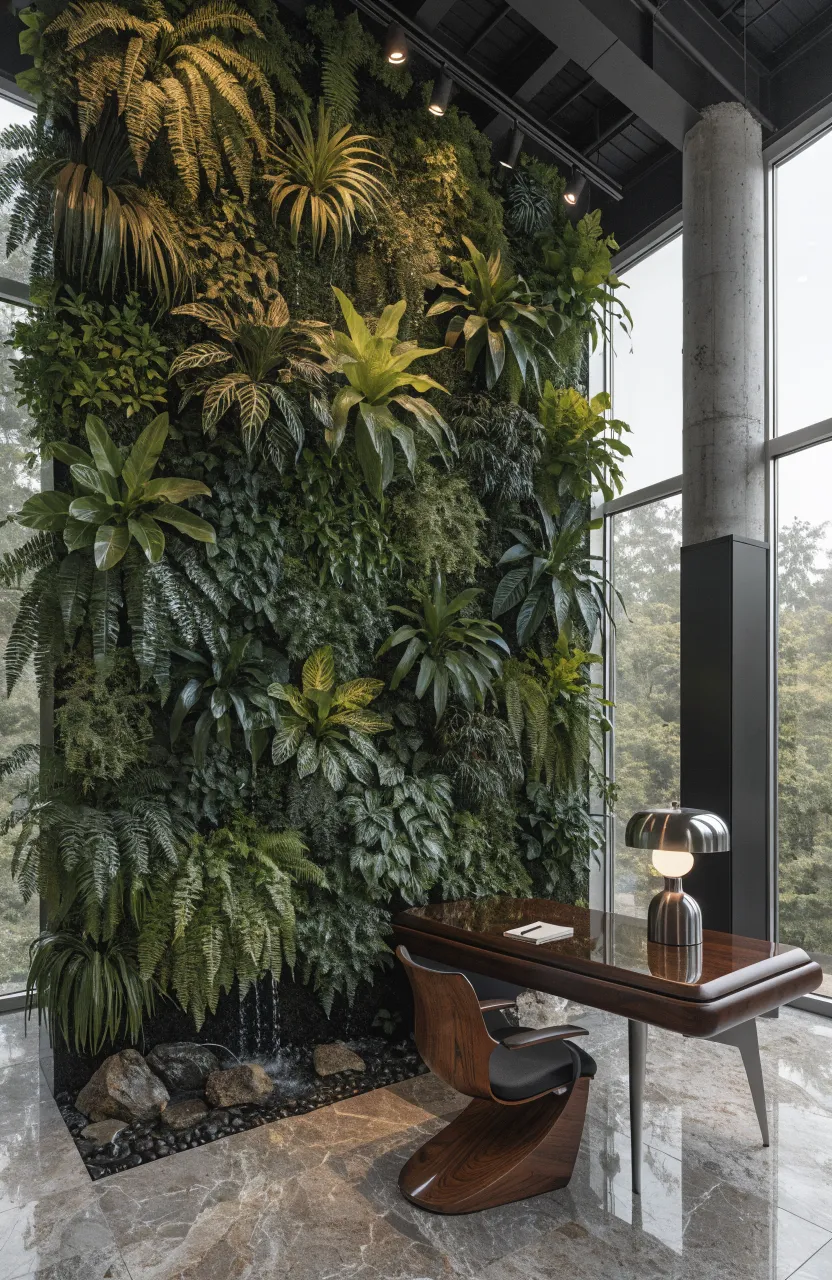
For a large-scale diy living wall indoor, an automatic drip system is a lifesaver. This involves running thin water lines to each plant or pocket, connected to a small pump and a reservoir. You can set a timer so the wall waters itself, which is ideal for busy people or those who travel often. It ensures that every plant gets the exact amount of moisture it needs without any mess.
You can hide the water lines behind the plants or the frame for a clean look. The reservoir can be a decorative pot at the bottom of the wall or a hidden tank. This setup takes more time to build initially but saves hours of maintenance in the long run. It is the best way to keep a dense, floor-to-ceiling plant wall healthy and thriving.
Wall-Mounted Glass Propagation Station
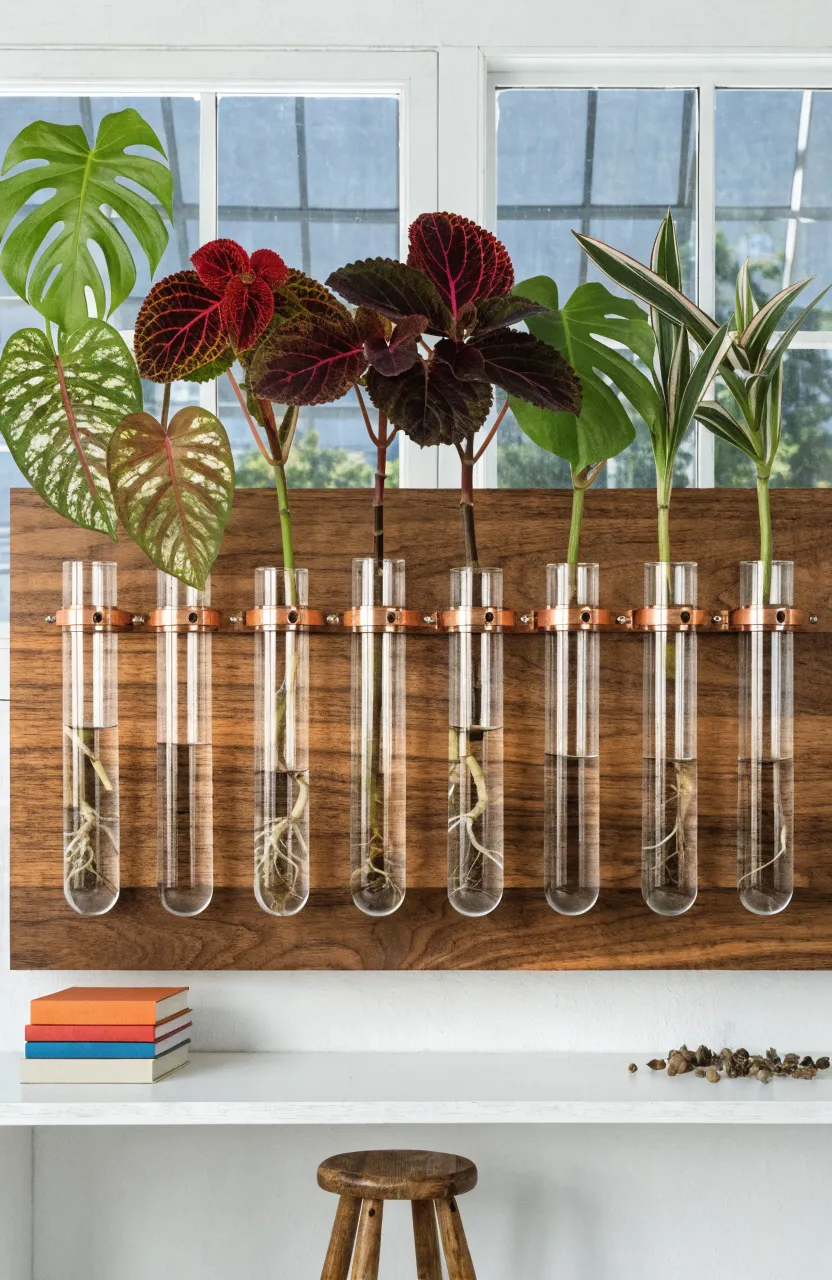
A propagation station allows you to grow new plants in water while decorating your walls. You can mount small glass tubes or jars to a wooden board using metal clamps. This setup is perfect for showing off the root systems of your plant cuttings. It adds a scientific and clean look to your indoor plants wall decor.
This is a great way to multiply your plant collection for free. Once the roots are long enough, you can move the plants to soil or keep them in the water indefinitely if you add nutrients. It works best in a spot with bright, indirect light. It is a dynamic display because the plants are always growing and changing, and you can easily swap out cuttings whenever you want.
Repurposed Wooden Ladder Leaning Against the Wall
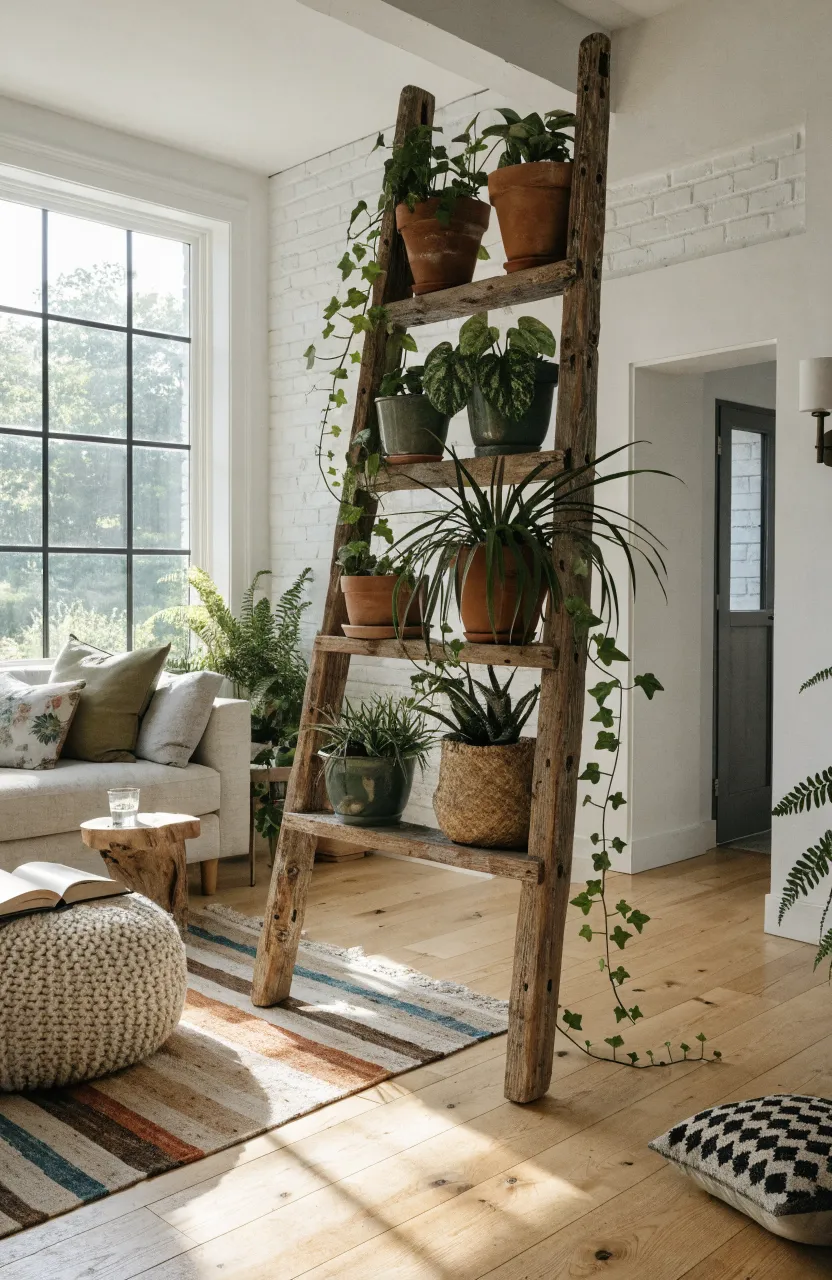
An old wooden ladder can be turned into a vertical garden with very little effort. By leaning it against a wall, you create multiple levels of shelving for pots. You can either set the pots directly on the rungs or use S-hooks to hang them. This is a great way to try out wall garden ideas indoor without actually drilling holes into your walls.
Ladders provide a lot of vertical space in a narrow footprint. You can paint the ladder to match your room or leave it with its original weathered finish for a farmhouse look. This setup is easy to move if you need to clean or if you want to give your plants more sunlight in a different room. It is a sturdy and reliable way to display a variety of plant sizes in one place.
Pegboard Organizer with Customizable Pot Hooks
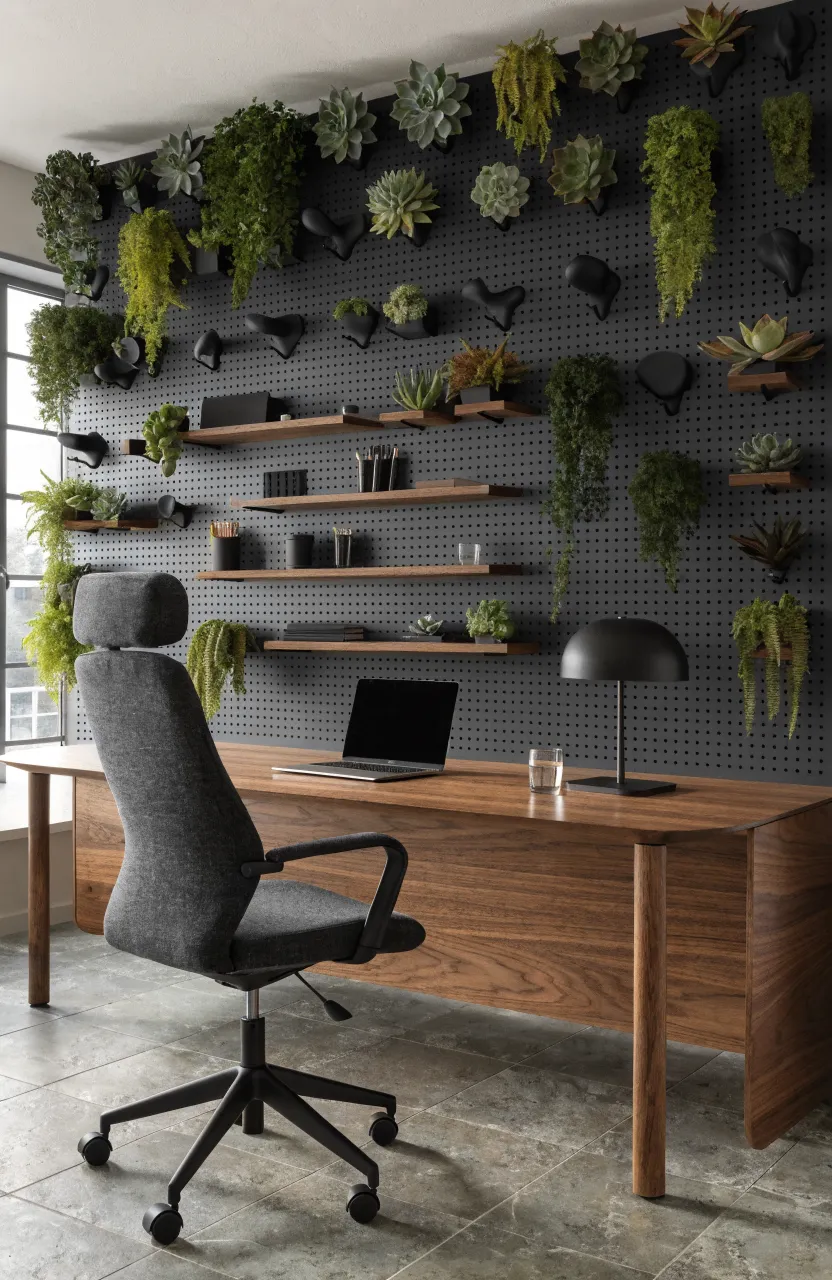
Pegboards are not just for tools; they make excellent bases for a diy living wall indoor. You can buy or 3D-print hooks and baskets that fit into the pegboard holes to hold your plants. This gives you total control over the layout, and you can move things around in seconds. It is a highly functional choice for a craft room or home office.
You can paint the pegboard a bold color to make it a plant accent wall. Use a mix of small pots and hanging containers to fill the space. If you use a wooden pegboard, make sure to seal it with a waterproof finish to prevent the wood from warping when you water the plants. It is one of the most organized ways to display a large collection of small to medium plants.
Framed Chicken Wire Display for Air Plants
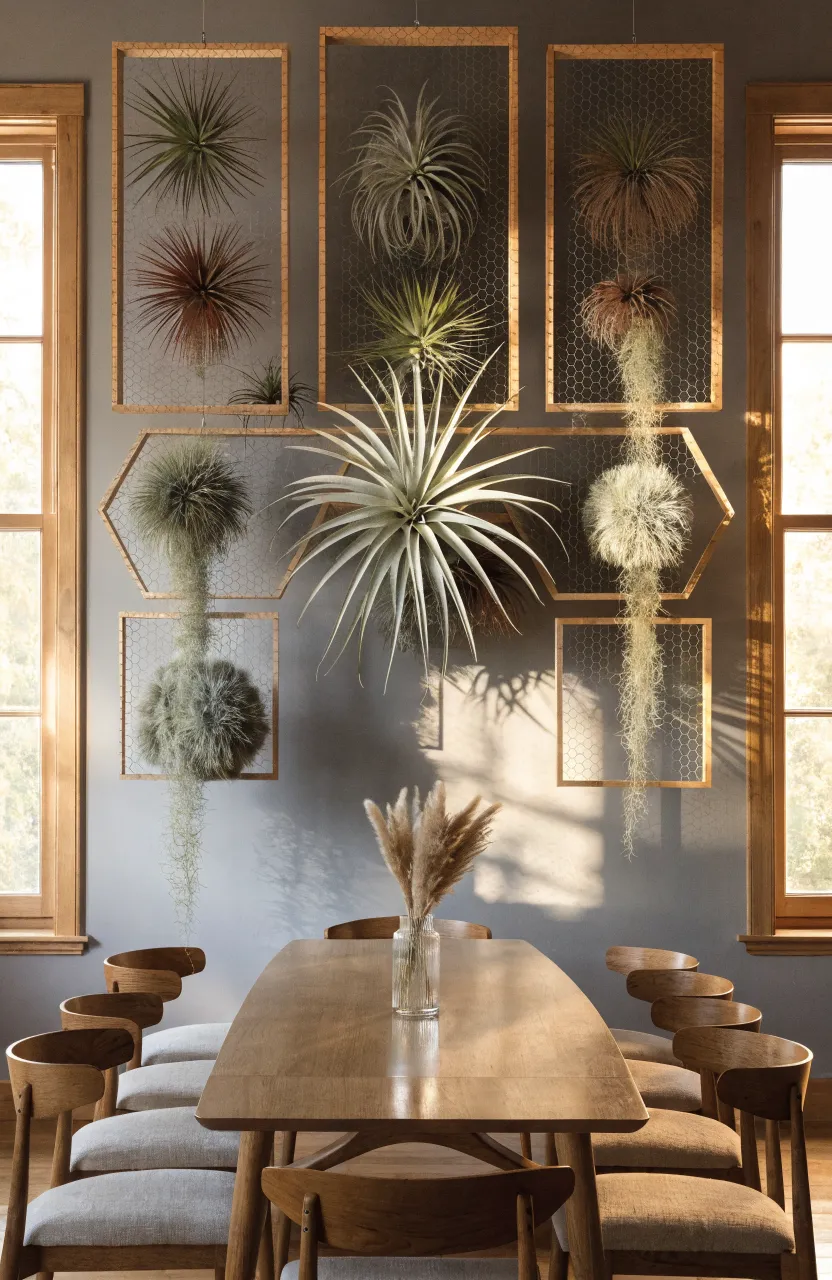
Air plants are unique because they don’t need soil to grow, making them perfect for a framed display. You can build a simple wooden frame and staple chicken wire or a fine mesh to the back. Then, you just tuck the air plants into the wire. They stay in place easily and can be taken out quickly when it is time to mist them or give them a soak.
This creates a living piece of art that is very lightweight and easy to hang. You can use an old picture frame for a vintage look or build a sleek modern frame for a cleaner aesthetic. Since there is no soil involved, there is no mess, making it a great choice for bedrooms or dining areas. It is an easy way to add greenery to your wall with almost zero weight concerns.