
Walking into a room that feels flat or cold is a common problem when you rely too much on hard surfaces and paint. Adding natural materials like bamboo and rattan can immediately change the vibe of a space, making it feel warmer and more lived-in without a major renovation. These materials are sustainable, lightweight, and offer textures that you just can’t get from plastic or metal.
This list covers everything from simple DIY projects to structural installations that use bamboo and rattan in clever ways. Whether you want a small accent or a full-wall statement, these ideas will help you bring an organic feel to your living room, bedroom, or entryway.
Overlapping Round Bamboo Plates in Varied Sizes

Using bamboo plates of different diameters creates a sense of movement on a flat wall. You can find these at thrift stores or kitchen supply shops. Arrange them so they slightly overlap, which adds depth and shadows to your bamboo wall design. Use small finishing nails or adhesive strips to secure them. It works best if you mix different shades of tan and brown to keep the arrangement from looking too uniform.
Floor-to-Ceiling Rattan Wall Panel for Texture

A rattan wall panel can cover an entire accent wall to provide a backdrop that feels like a high-end resort. These panels often come in rolls or large sheets that you can staple or glue directly to the drywall. It is a great way to hide imperfections in your walls while adding a consistent, woven texture. You can frame the edges with thin wood strips for a finished look that keeps the edges from fraying.
Hand-Painted Bamboo Fans in a Symmetrical Grid
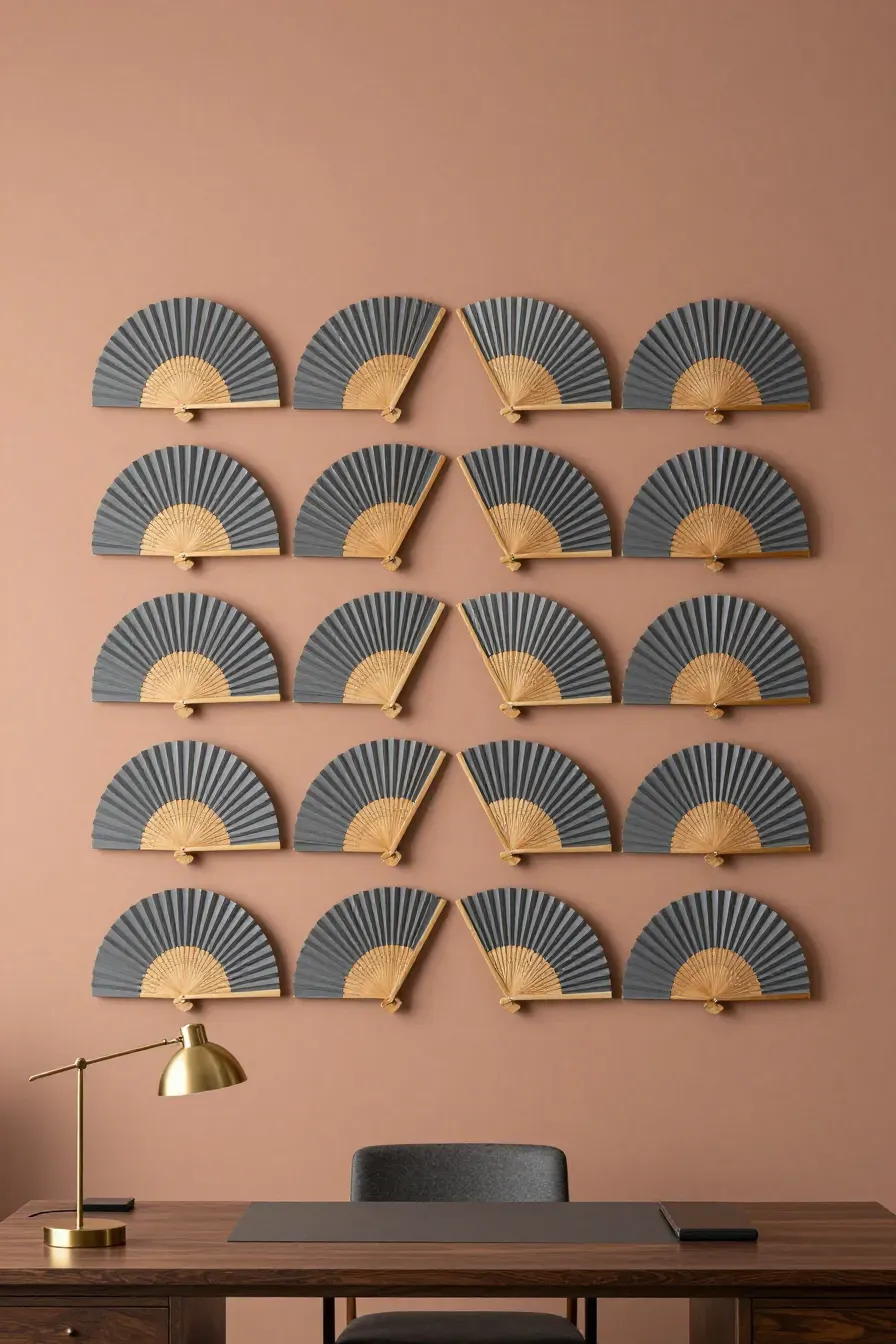
Bamboo fans are inexpensive and come in many shapes. To make them look like high-end rattan wall art, paint them in solid colors that match your room’s palette. Arrange them in a strict grid of three by three or four by four. This keeps the look organized and modern rather than cluttered. The natural ribs of the fans create interesting lines that catch the light at different angles throughout the day.
Shallow Woven Baskets Arranged as a Gallery Wall

Putting woven baskets on wall surfaces is a classic way to fill a large space. Look for shallow baskets with different weave patterns and rim heights. Start with the largest basket slightly off-center and build the rest of the group around it. If the colors feel too mismatched, you can use a wood stain to bring them into the same color family. This setup is easy to move around whenever you want to refresh the look of the room.
Split Bamboo Poles Mounted in a Vertical Row
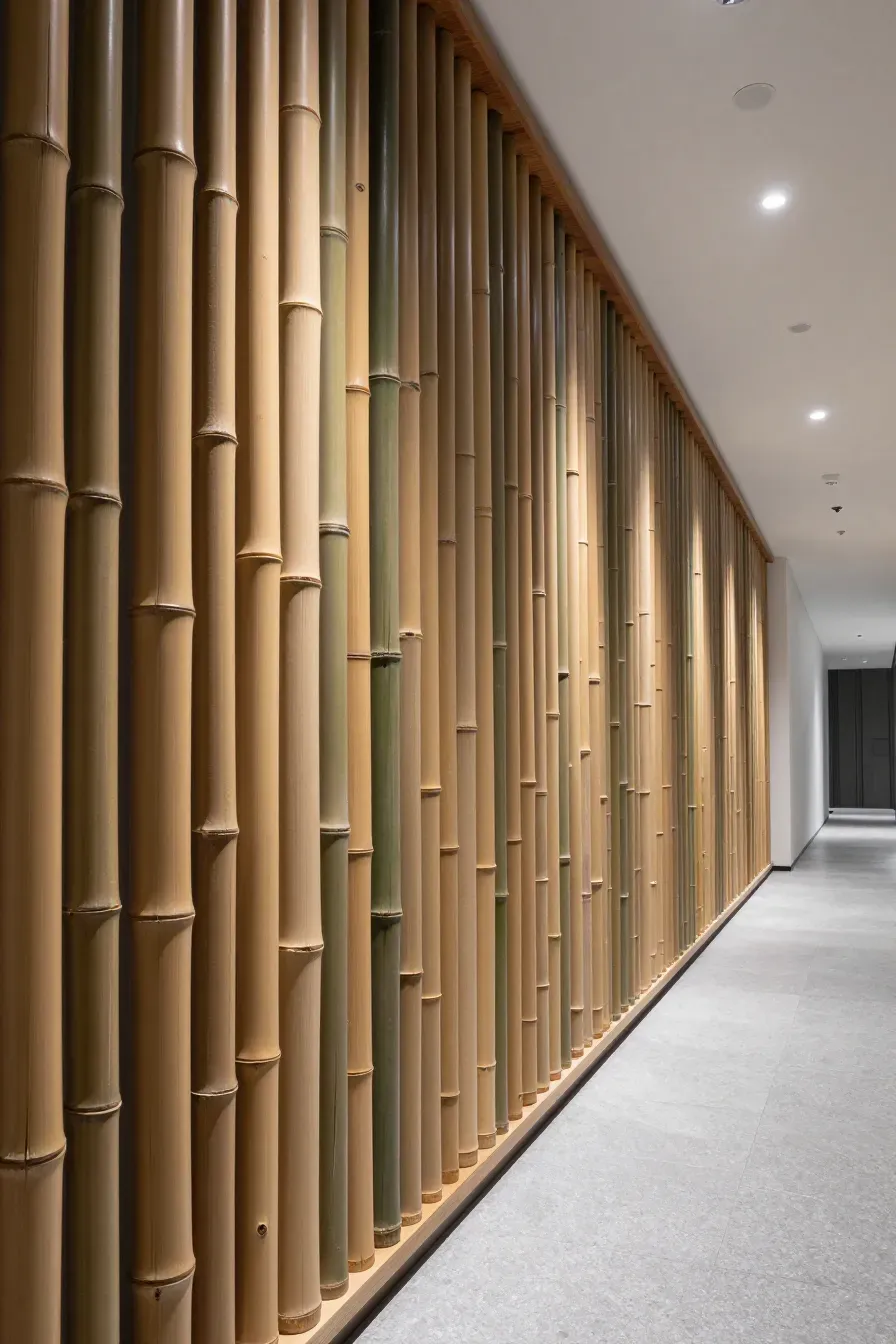
Split bamboo poles offer a more architectural look for your walls. You can buy these pre-cut or split them yourself using a heavy blade. Mounting them vertically makes your ceiling feel higher. Secure them to horizontal furring strips attached to the wall. This creates a rhythmic pattern that works well in hallways or behind a television to reduce visual glare from a plain white wall.
Circular Rattan Mirror with Sunburst Weaving
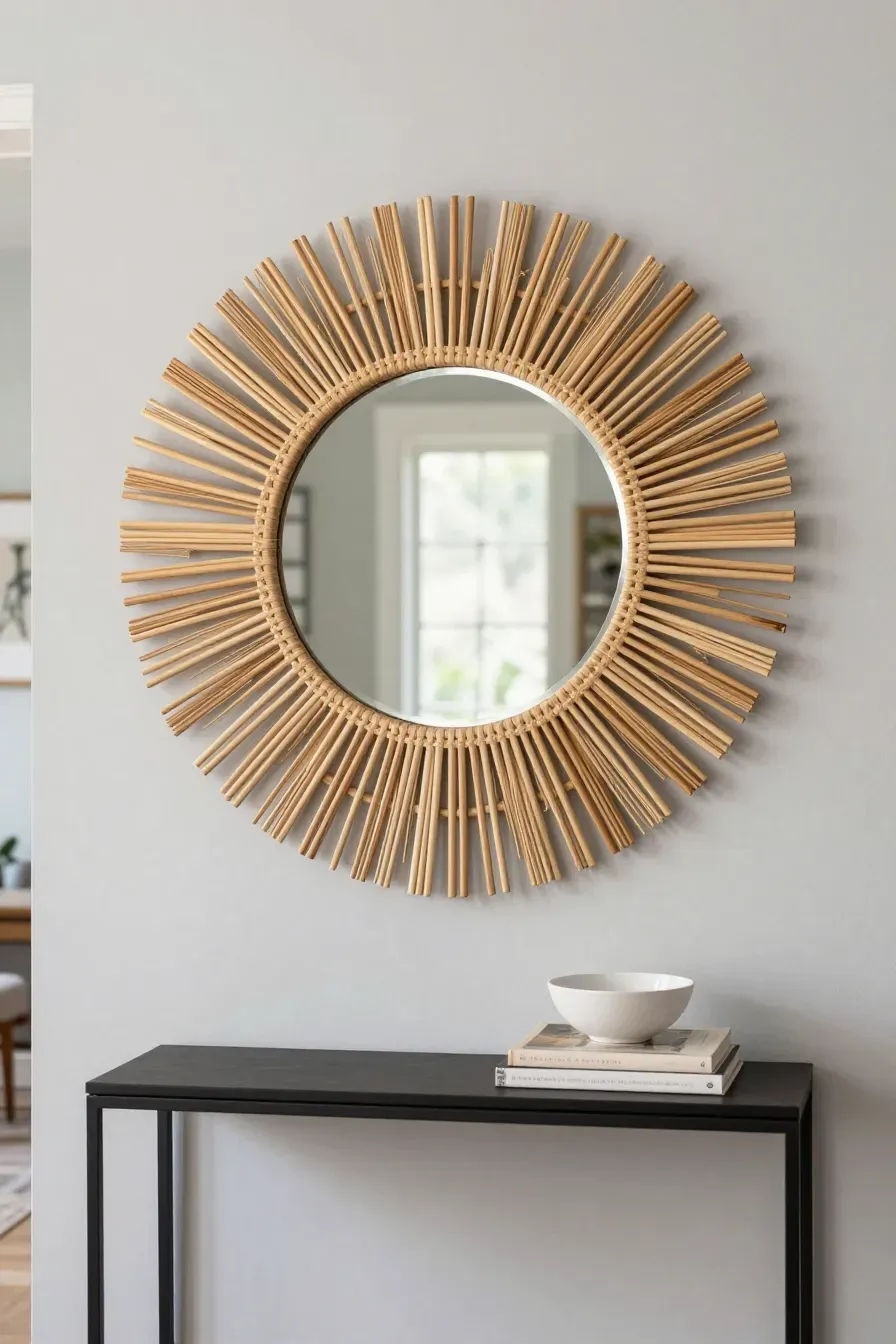
A rattan mirror is a functional piece of rattan wall decor that also acts as a focal point. The sunburst pattern uses long strands of rattan that radiate from the center glass. This design draws the eye inward and helps bounce light around a dark room. It looks great above a console table or in a small bathroom where you want to break up the straight lines of tiles and cabinetry.
Bamboo Weaving Loom Displayed as Wall Art
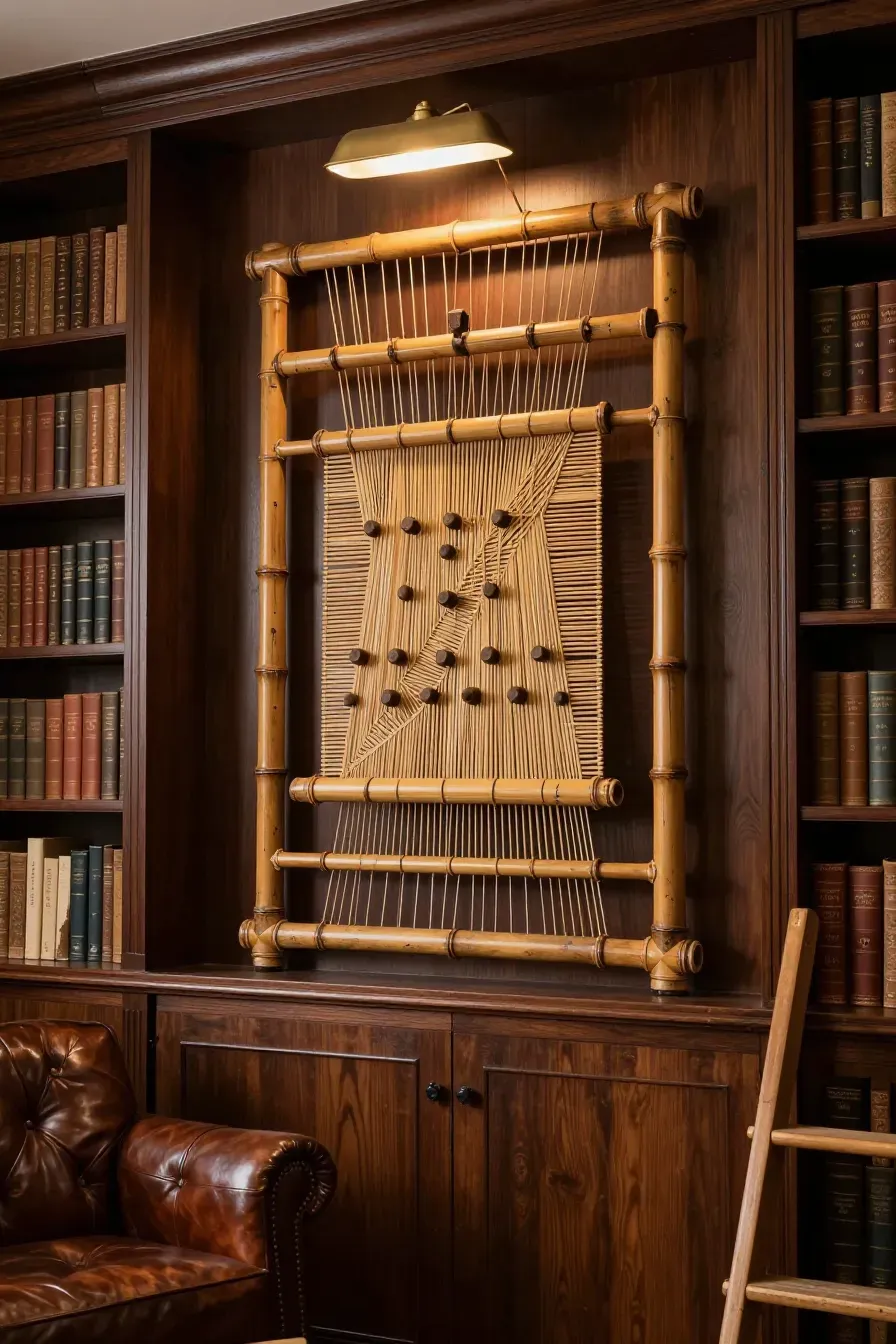
An old bamboo weaving loom can be a conversation piece when hung as art. The intricate strings and bamboo frame showcase the craftsmanship of traditional bamboo weaving. You don’t need to add anything to it; the raw structure is enough. Hang it using sturdy hooks, as these can be a bit heavier than standard frames. It adds a sense of history and artisan skill to a modern home office or library.
Framed Pieces of Antique Rattan Lattice
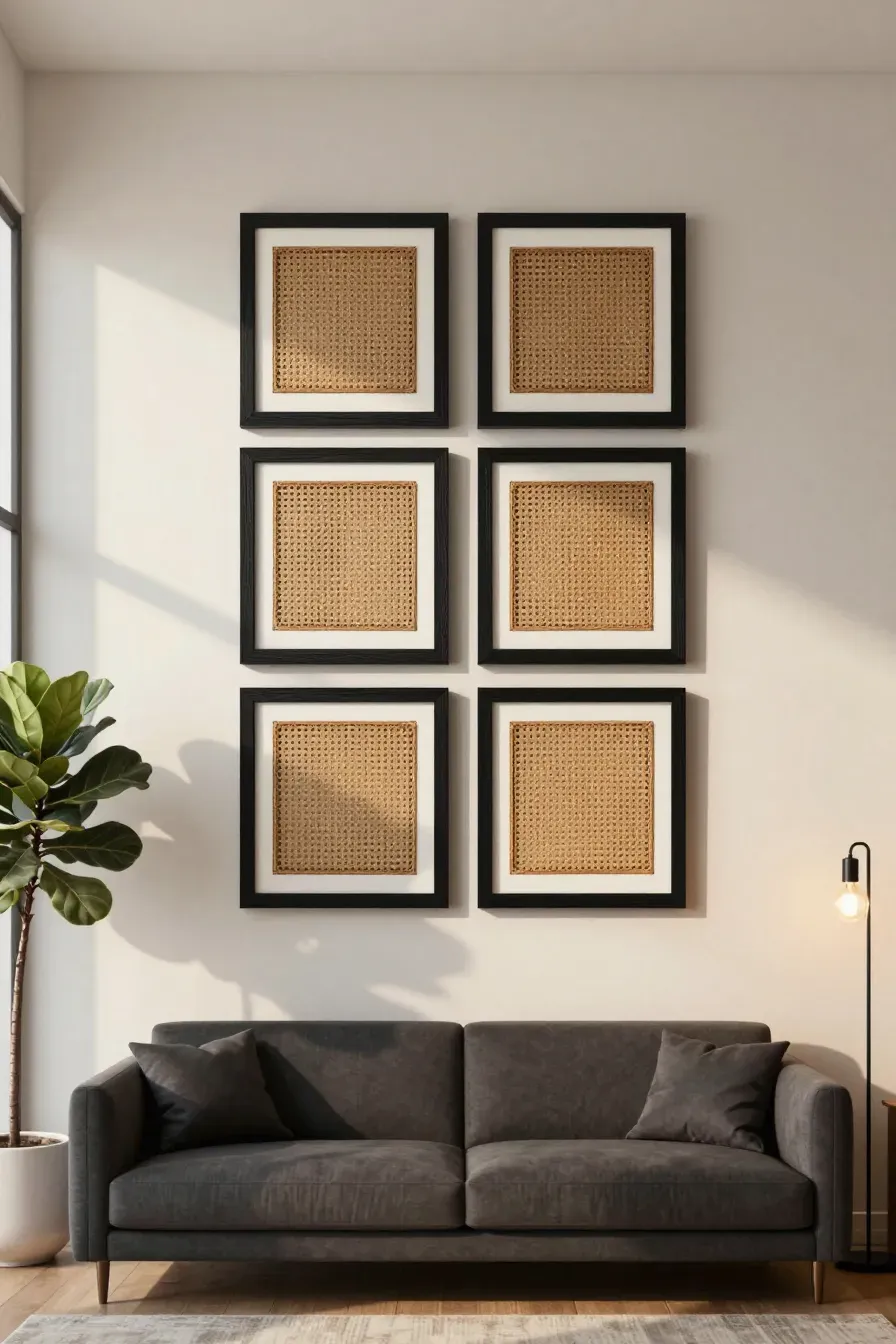
If you find old rattan furniture that is beyond repair, save the lattice panels. Cut them into squares and place them inside simple black or oak frames. This highlights the geometric beauty of the weave. It turns a common material into something that looks like a curated museum piece. You can group four framed pieces together to create a large square that fills the space above a sofa.
Floating Bamboo Shelves with Woven Backing
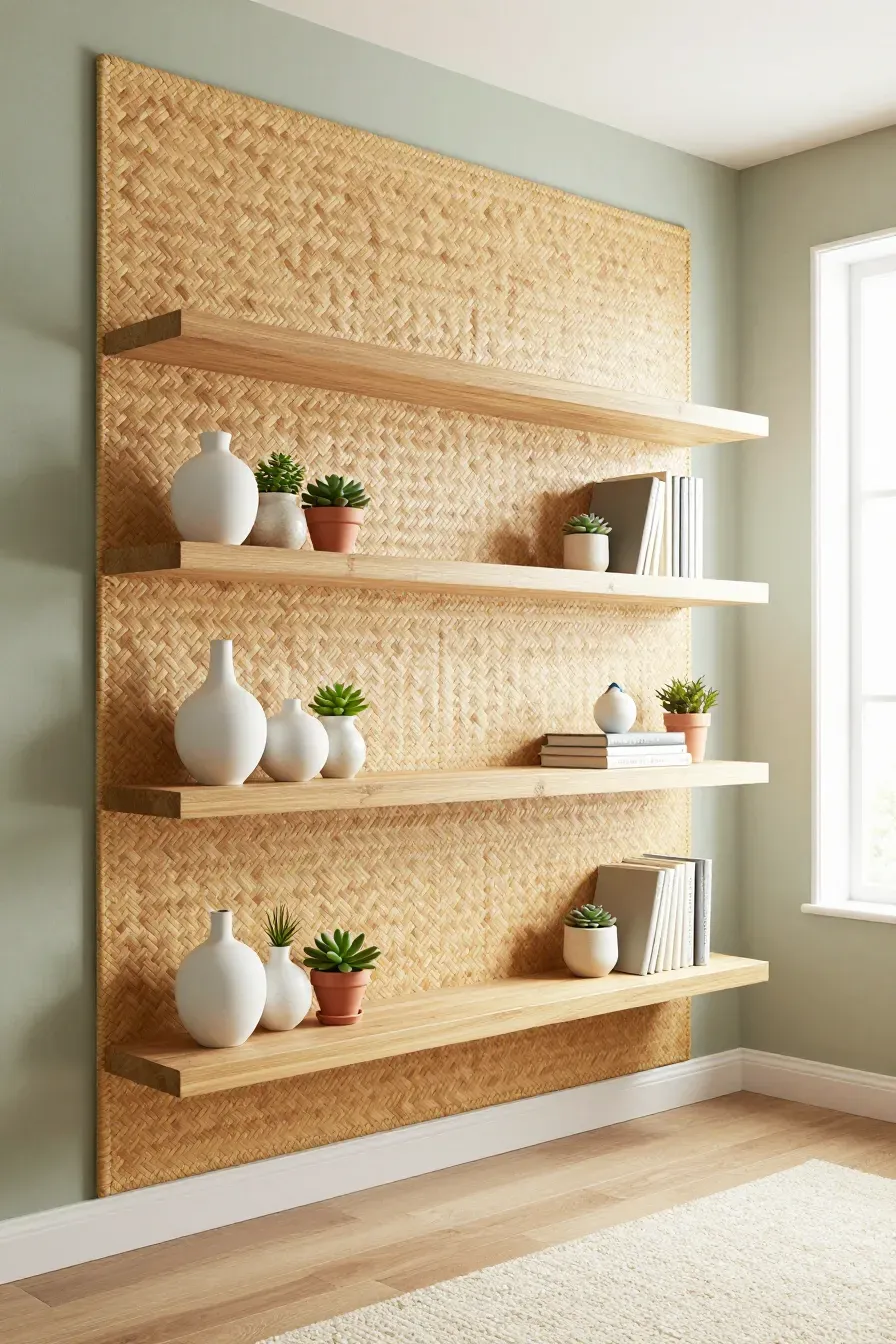
Standard floating shelves can be updated by adding a woven bamboo backing directly to the wall between the shelves. This creates a cohesive unit that feels built-in. Use thin bamboo mats or leftover pieces of rattan for the backing. It provides a textured background for your books, plants, or ceramics. This approach is one of the more practical bamboo decor ideas for organizing small items while keeping the walls interesting.
Large Scale Bamboo Mat as a Headboard Alternative

A large bamboo mat can serve as a lightweight headboard. Simply hang the mat behind your bed using a decorative rod or by tacking it directly to the wall. It defines the sleeping area without the bulk of traditional furniture. This is especially useful in rental homes where you want to make a big impact without drilling heavy anchors into the walls. The natural oils in bamboo make it easy to wipe clean with a damp cloth.
Interlocking Hexagonal Rattan Wall Tiles
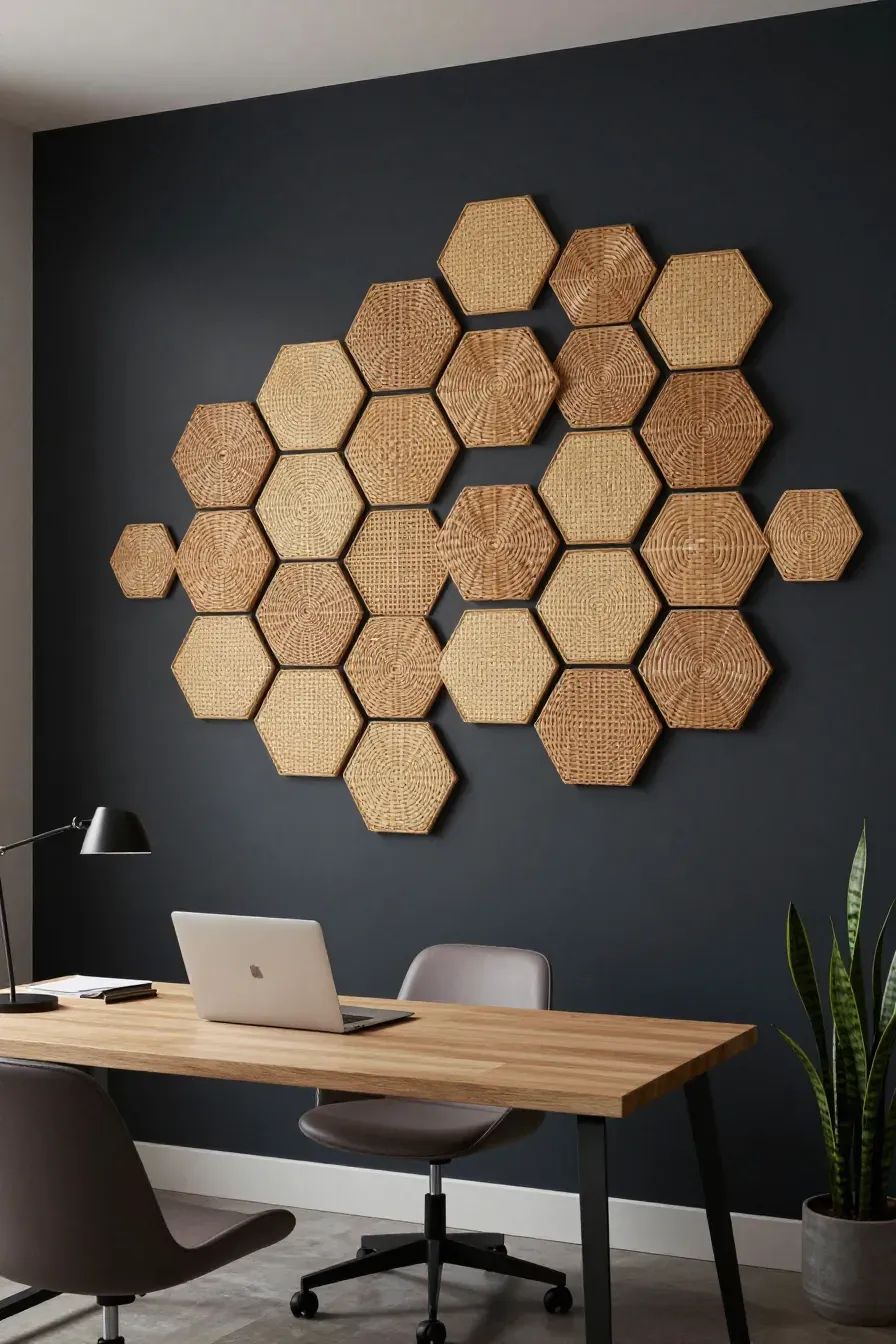
Hexagonal tiles made of woven rattan offer a geometric twist on traditional bamboo crafts ideas. You can arrange these in a honeycomb pattern that grows across the wall. Because they are individual pieces, you can start with a few and add more over time. They work well in a home office to soften the acoustics, as the woven surface helps absorb some of the sound that bounces off hard floors.
Bamboo Slat Screen Used as a Room Divider
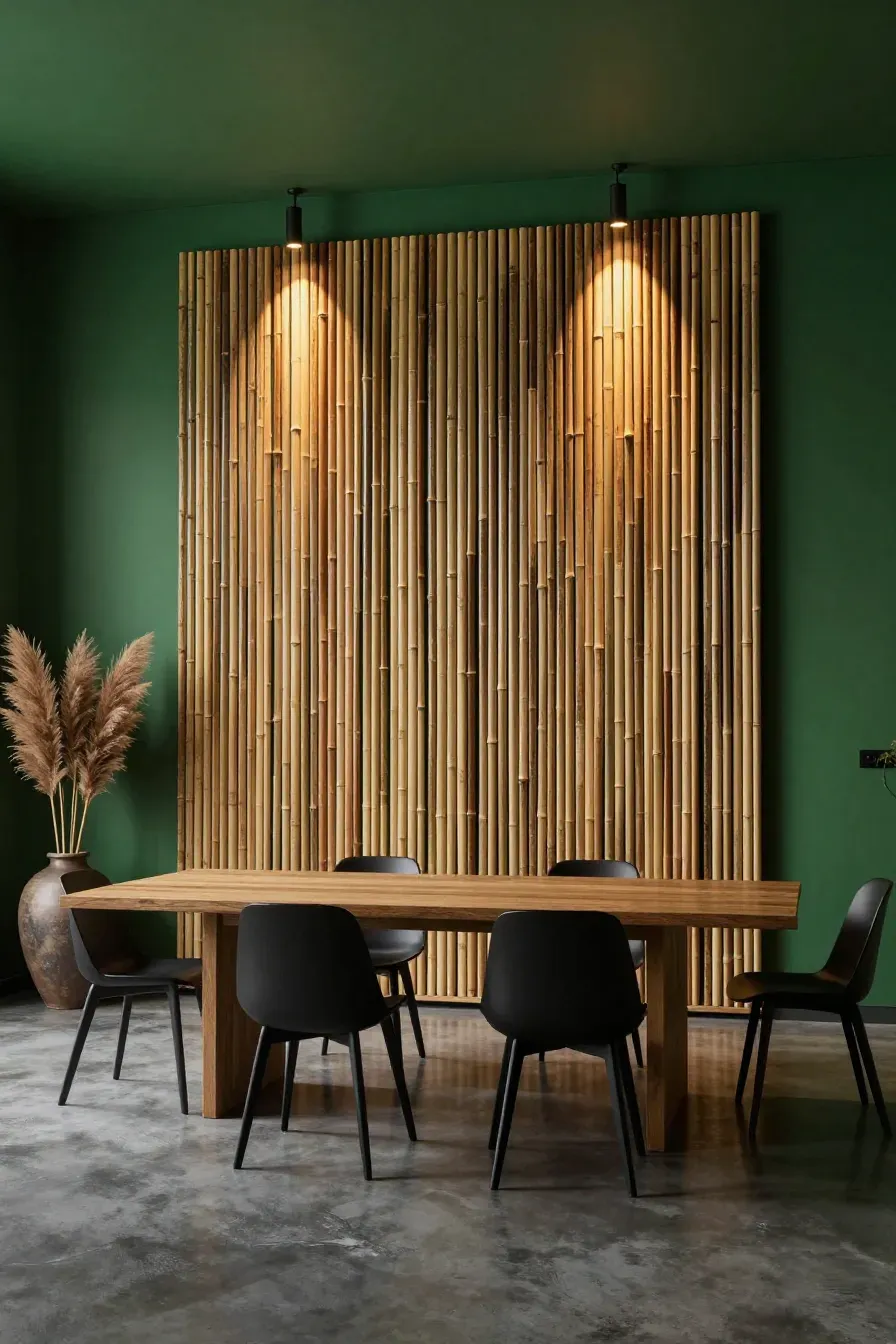
A bamboo slat screen can be mounted to the wall at a 90-degree angle to divide a room or placed flat against the wall as a giant texture piece. The gaps between the slats allow the wall color to peek through, creating a layered effect. If you use a dark paint color behind light bamboo, the contrast makes the wood grain pop. It is a simple way to introduce architectural interest to a plain rectangular room.
Woven Bamboo Trays with Geometric Patterns
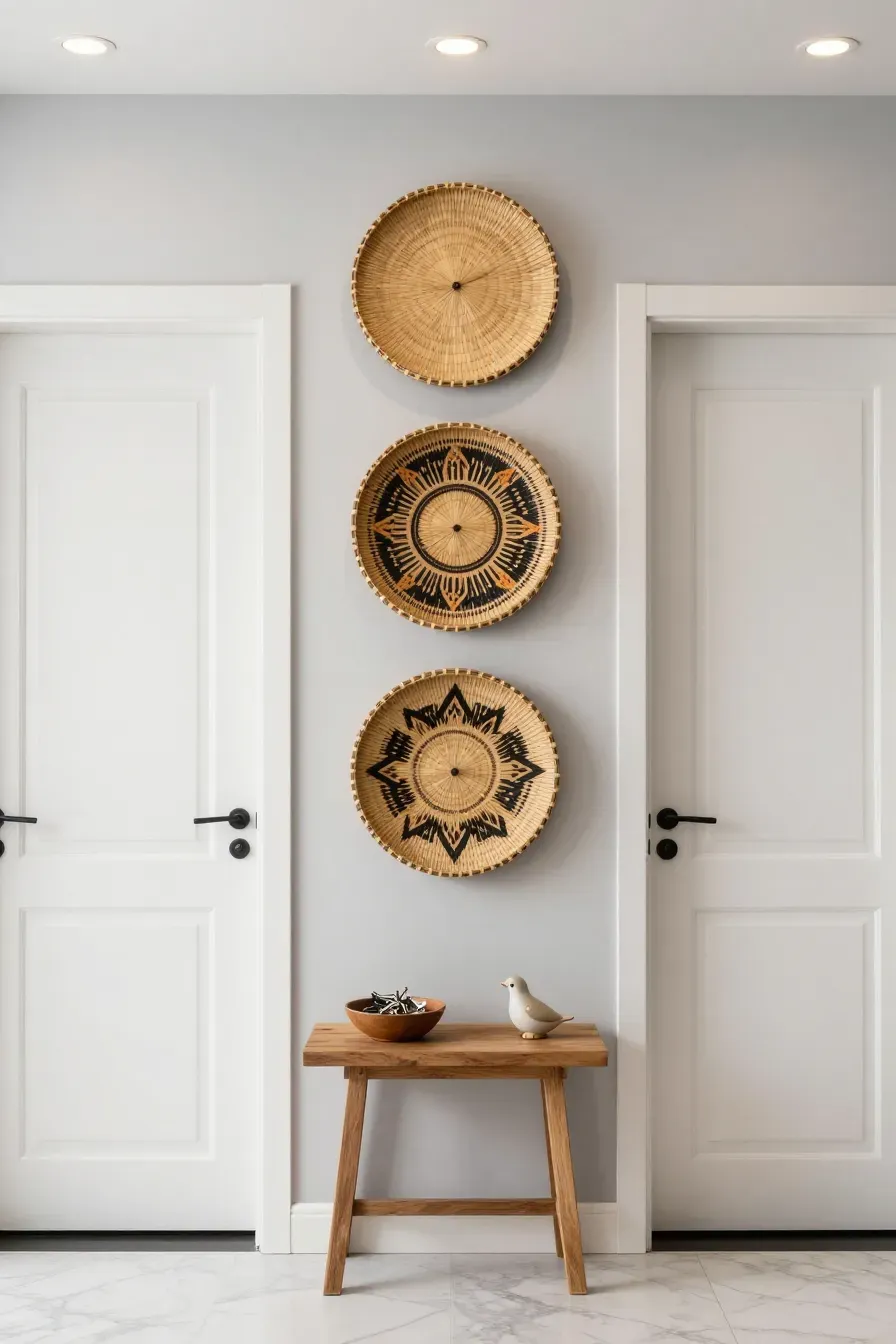
Trays aren’t just for serving food. Many bamboo trays feature intricate dyed patterns woven directly into the base. Hanging three or four of these in a vertical line creates a narrow art piece for those awkward small walls between doors. Look for trays with reinforced edges so they stay flat against the wall. You can use small adhesive hooks on the back of the trays to keep the hanging hardware invisible.
Natural Bamboo Wall Sconces with Intricate Weave
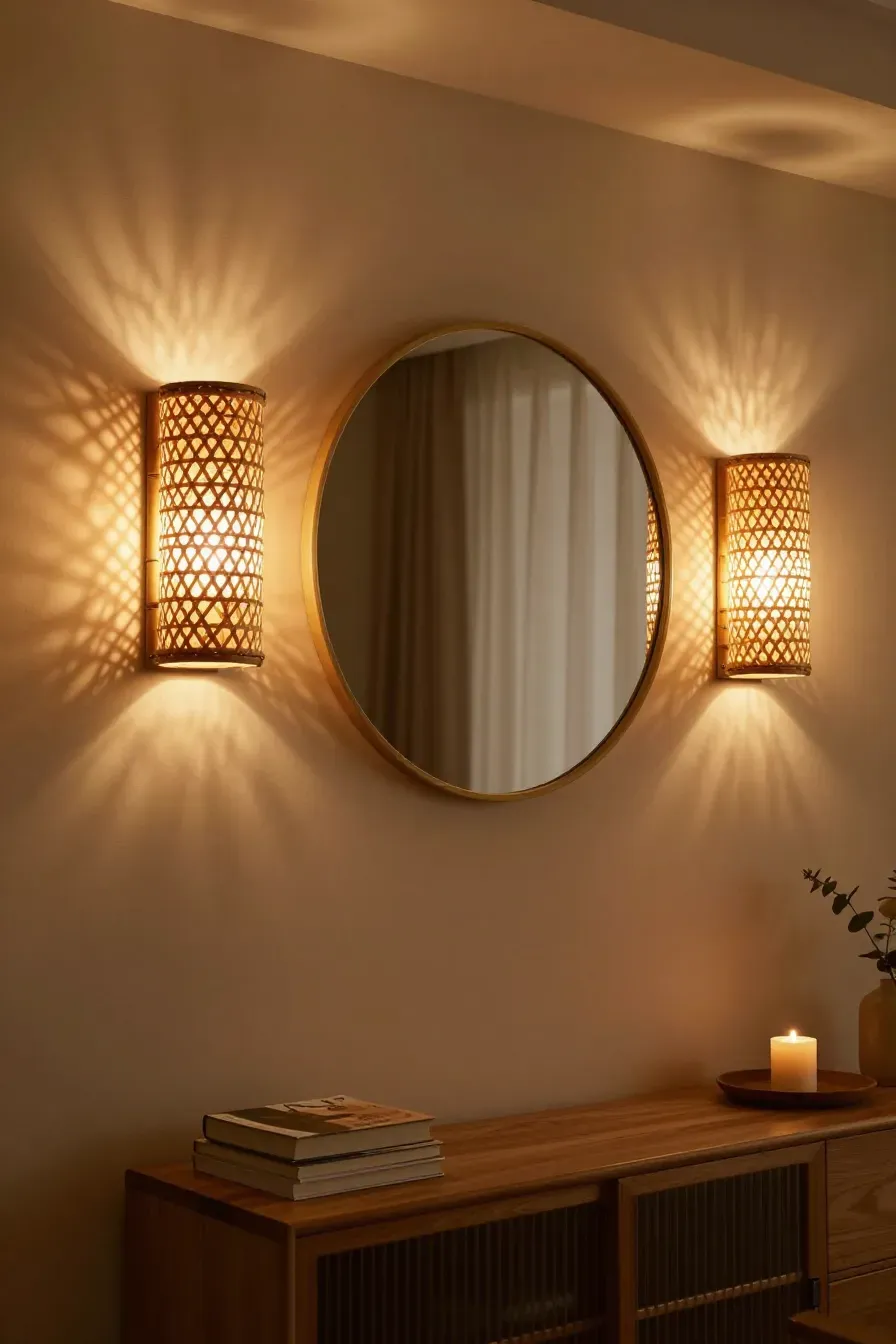
Lighting is a great way to show off bamboo weaving techniques. When a light is placed inside a woven bamboo shade, it casts beautiful, complex shadows across the walls. These sconces bring a soft, ambient glow to a bedroom or living room. You can find battery-operated versions if you don’t want to deal with wiring. The natural tan color of the bamboo warms up the light, making the room feel extra cozy at night.
Bamboo Ladder Leaning Against a Focal Wall

A bamboo ladder is a versatile piece of decor. While it leans against the wall, it provides a place to hang blankets, towels, or even S-hooks for small plants. It adds vertical lines to your room design and breaks up the flatness of a wall. This is a great example of bamboo art diy that is also functional. You can leave the bamboo in its natural state or wrap the joints with twine for a more rustic look.
Cross-Hatch Bamboo Tapestry with Fringed Edges
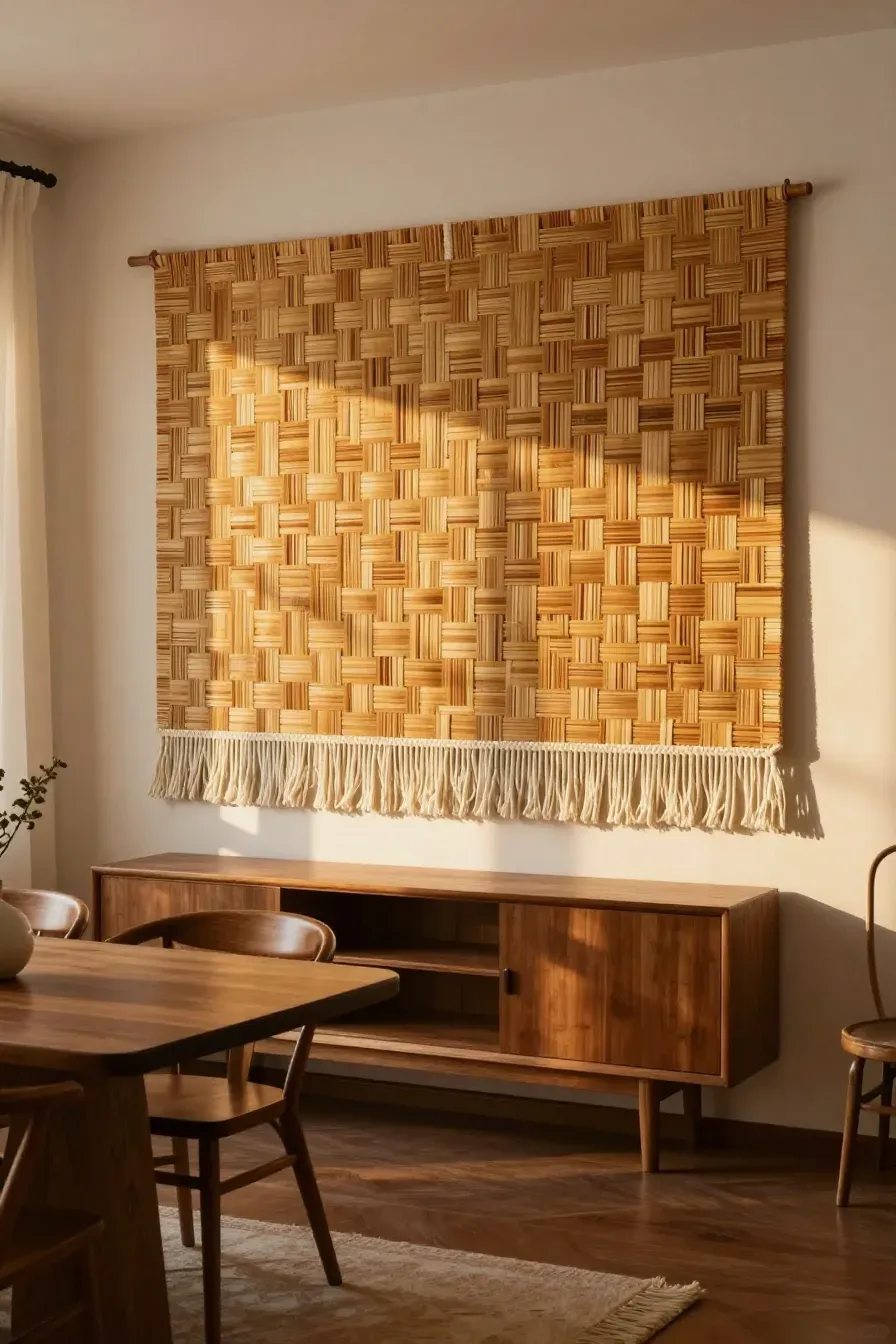
A bamboo tapestry is made by weaving thin strips of bamboo with cotton thread. These are often flexible and can be rolled up like a rug. Hanging one on the wall provides a large area of texture that is softer than solid wood but more structured than fabric. The fringed edges add a bit of casual, bohemian style. It works well in a dining room to add warmth to the space where people gather.
Stained Rattan Wall Pockets for Mail and Plants
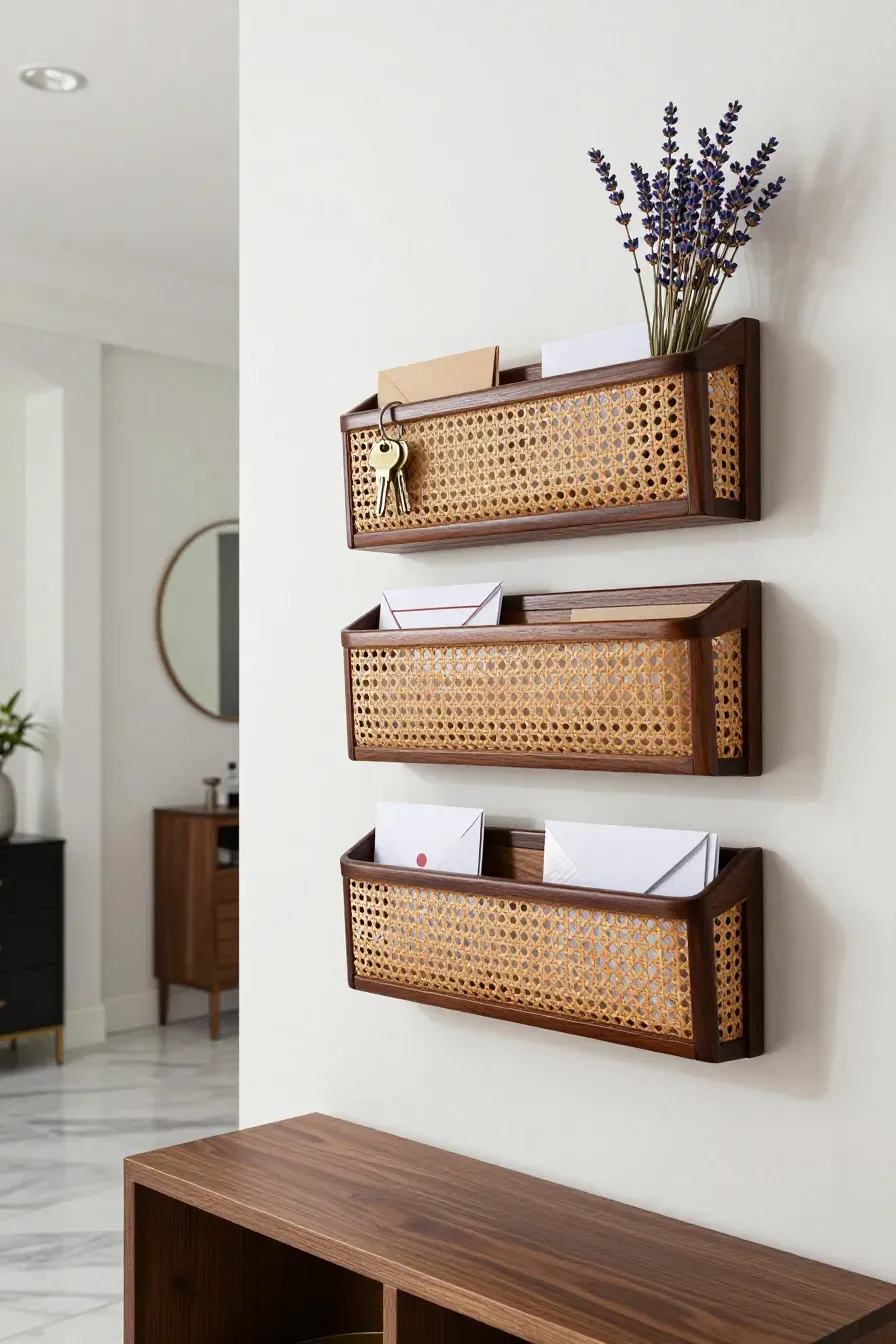
Wall pockets made of rattan are perfect for organizing entryways. You can use them to hold mail, keys, or even dried flowers. Staining them a darker color like walnut or espresso can make them look more sophisticated and match your existing furniture. They are lightweight enough to hang on a single nail. This keeps your counters clear while adding a decorative element to your walls at eye level.
Bamboo Birdcage Replicas Mounted as Shadow Boxes
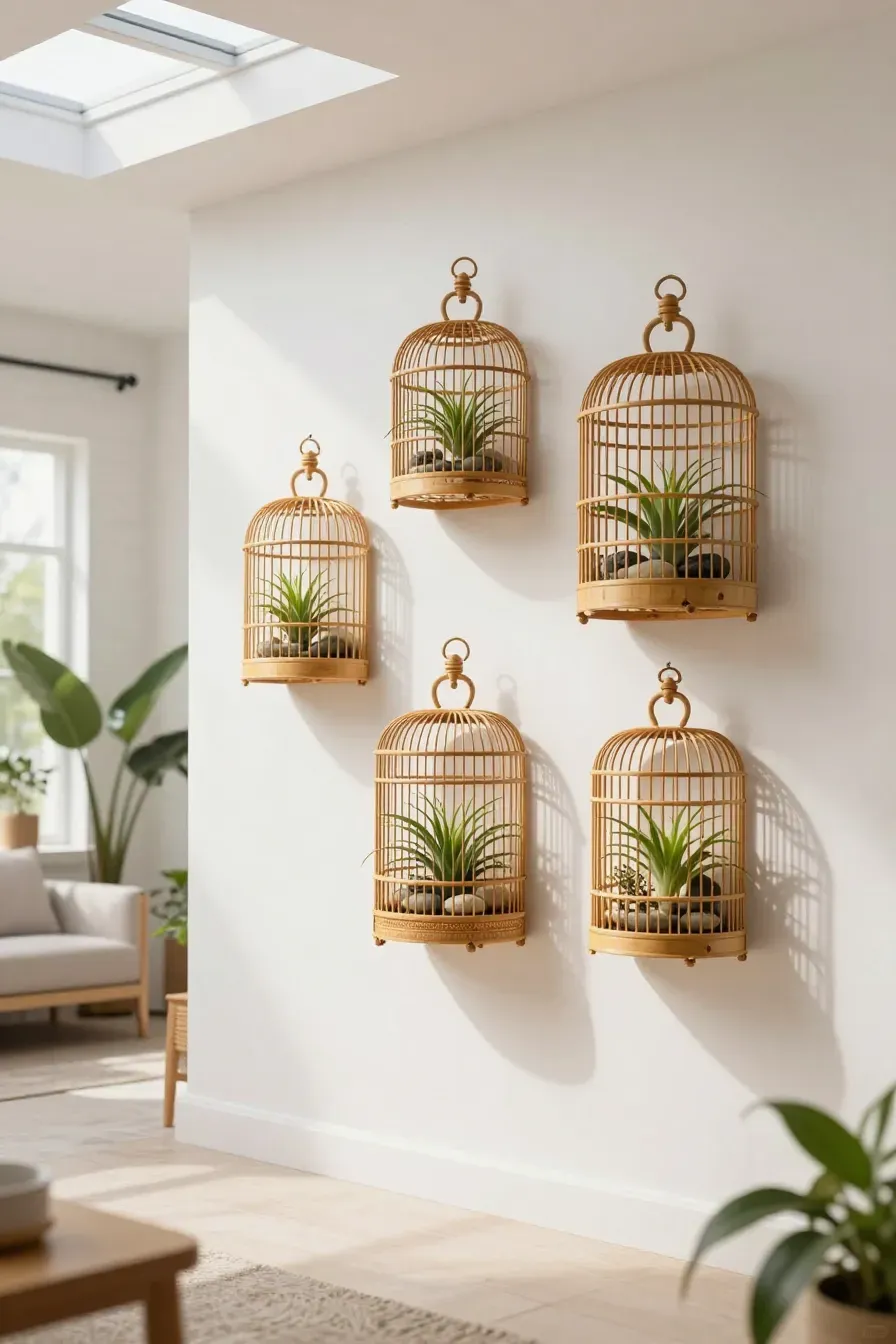
Decorative bamboo birdcages can be cut in half and mounted flat against the wall. This creates a unique shadow box where you can place small air plants or decorative objects. The round shapes break up the squares and rectangles common in most rooms. It is a creative way to use bamboo crafts ideas to add a three-dimensional element to your wall decor that feels airy and light.
Handmade Bamboo Wind Chimes on a Driftwood Base
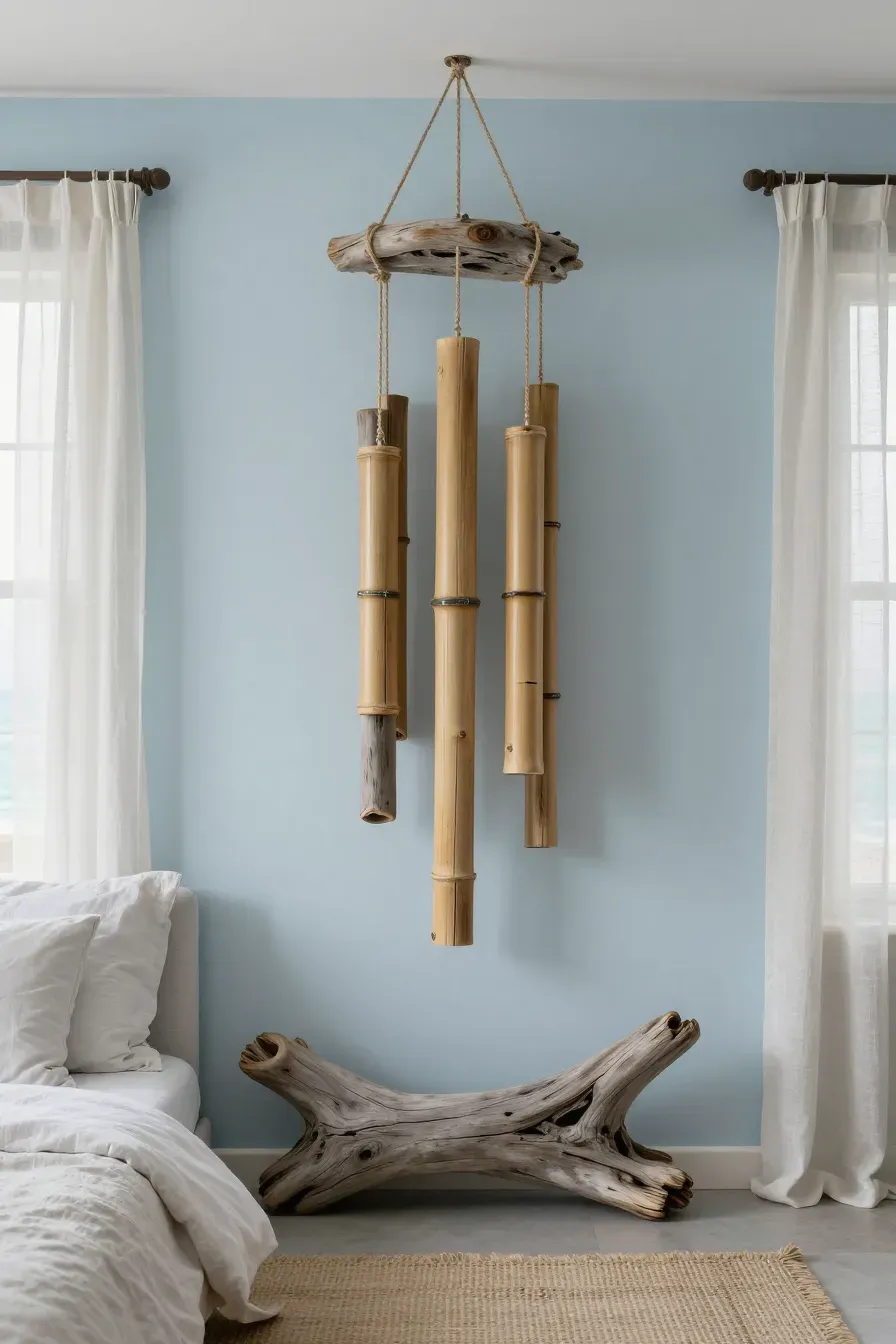
While usually used outdoors, bamboo wind chimes can be used as indoor wall art. Mounting them on a piece of driftwood creates a sculptural piece that brings a coastal feel to your home. Even without a breeze, the different lengths of bamboo tubes create a visual rhythm. It is a simple project for anyone interested in bamboo art diy, requiring only some cord, bamboo tubes, and a sturdy branch.
Bamboo Trellis Overlay on a Dark Painted Wall
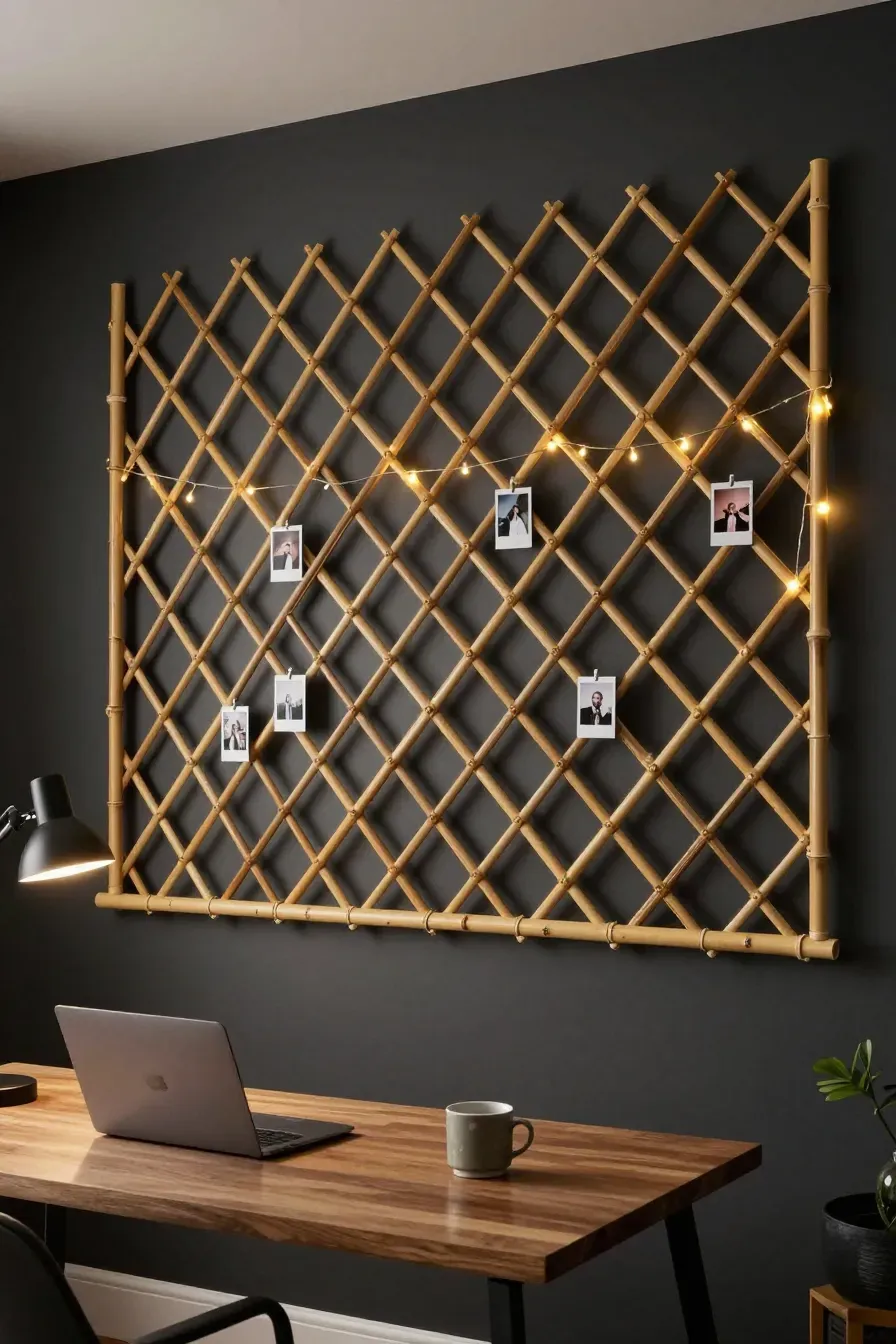
An expandable bamboo trellis is usually for the garden, but it looks great inside too. Stretch it out and mount it over a wall painted in a dark color like forest green or charcoal. The diamond pattern of the trellis stands out sharply against the dark background. You can then use the trellis to clip on photos, notes, or lightweight fairy lights for a personalized wall display.
Woven Bamboo Ceiling Panels for Tropical Texture

If your walls are already full, look up. Using bamboo ceiling ideas can change the entire atmosphere of a room. You can install woven bamboo mats between ceiling beams or cover the entire ceiling surface. This draws the eye upward and makes a room feel like a tropical escape. It is also a clever way to hide a popcorn ceiling or old plaster cracks without the mess of sanding and painting.
Adding bamboo and rattan to your walls is an easy way to bring nature indoors. These materials are versatile enough to fit into modern, rustic, or coastal homes. By mixing different weaves and shapes, you can create a space that feels layered and comfortable. Start with one or two pieces and see how the texture changes the mood of your room.