
Refreshing your bedroom doesn't always require a full renovation. Sometimes, changing the focal point of the room—the bed—is enough to create a whole new atmosphere. Natural materials like bamboo and rattan have become popular choices for those wanting to bring a touch of the outdoors inside. These materials offer warmth and texture that standard metal or upholstered frames simply can't match.
In this guide, we will look at the different types of natural materials available for your bed back design. You will learn how to select a style that fits your space, how to maintain these organic fibers, and how to pair them with your existing furniture for a cohesive look. Whether you are aiming for a relaxed coastal vibe or a structured modern aesthetic, natural headboards provide a versatile foundation.
Common Types of Bamboo and Rattan Materials for Bed Back Design
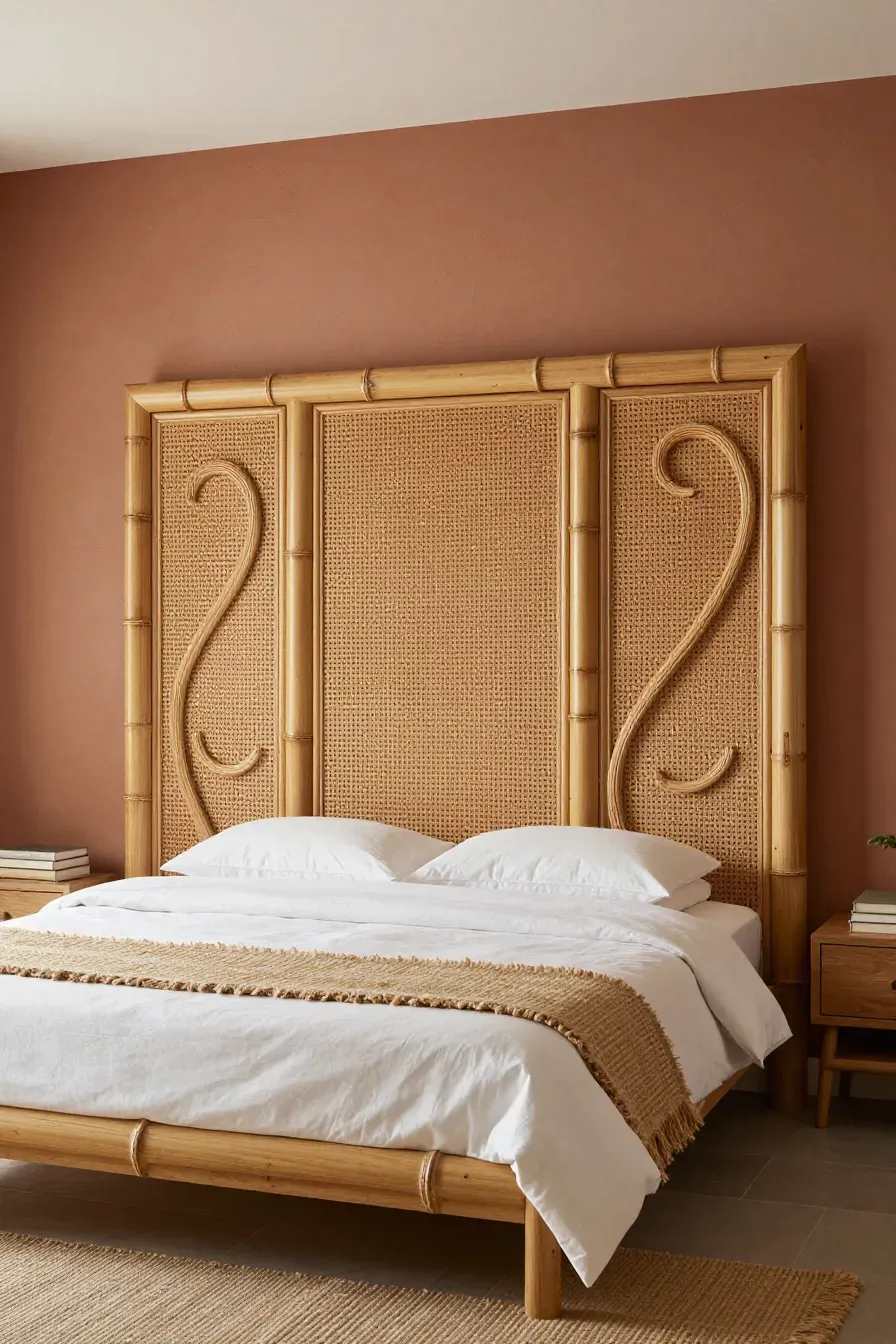
When looking at natural options, you will mostly encounter bamboo, rattan, and cane. Bamboo is known for its hollow, sturdy stalks and is often used in a more structural, linear bed back design. It provides a solid, architectural look. Rattan, on the other hand, comes from a climbing vine and is much more flexible. This flexibility allows makers to create the intricate swirls and patterns seen in many bohemian headboard styles.
Cane is actually a part of the rattan plant, specifically the outer skin. It is typically woven into a mesh or web pattern. This creates a lightweight, breathable look that works well in smaller rooms because it doesn't block the view of the wall behind it. Understanding these differences helps you decide if you want the bold lines of bamboo or the delicate textures of woven cane.
Selecting a Bamboo Headboard Style That Fits Your Space

The size and height of your headboard can change how large your room feels. A tall, wide bamboo headboard acts as a statement piece, drawing the eye upward and making low ceilings feel a bit higher. If your room is already crowded, a lower profile wooden headboard design might be better to keep the space feeling open.
Consider the shape as well. Rectangular designs feel more traditional and grounded, while arched or sunburst shapes add a playful, artistic touch. Think about the scale of your other furniture. If you have a heavy dresser, a thicker bamboo frame can balance it out. If your bedside tables are slim and modern, a thinner cane headboard will look more in proportion.
Integrating a Bohemian Headboard with Existing Bedroom Decor
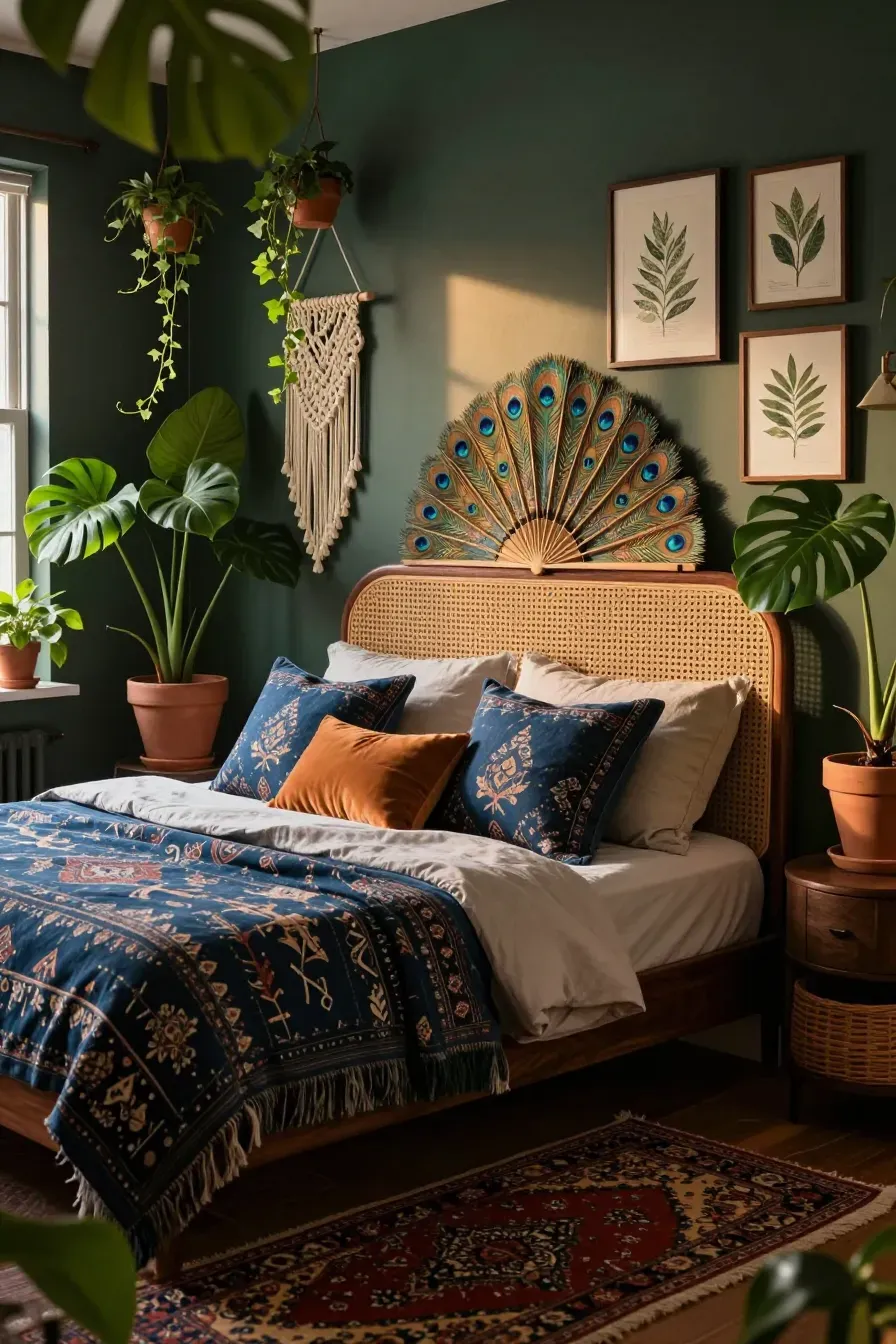
A bohemian headboard is often the star of the show. To make it work with what you already have, look for common threads like color or finish. If your current furniture is dark wood, look for a stained rattan bed frame rather than a light, natural one.
Layering is key to the boho look. You can soften the hard lines of the wood by leaning patterned pillows against it or hanging a textile piece nearby. Don't feel like everything has to match perfectly. The beauty of this style is in the mix of textures. A vintage rug or a few potted plants can help bridge the gap between a new natural headboard and your older furniture.
Comparing Bamboo and Traditional Wooden Headboards for Durability

Many people wonder if bamboo can hold up as well as solid oak or walnut. Bamboo is incredibly strong—sometimes even stronger than certain hardwoods—but it reacts differently to the environment. While wooden headboards for beds are prone to scratching, they can often be sanded down and refinished.
Bamboo and rattan are more resistant to shrinking and swelling in humid environments compared to some heavy timbers. However, they can be more susceptible to fraying over many years if the weave is very fine. For a guest room or a master suite, both materials are durable enough for daily use, but bamboo usually offers a slightly more rigid support if you like to lean back and read in bed.
Matching Your Rattan Bed Frame with Other Natural Textures
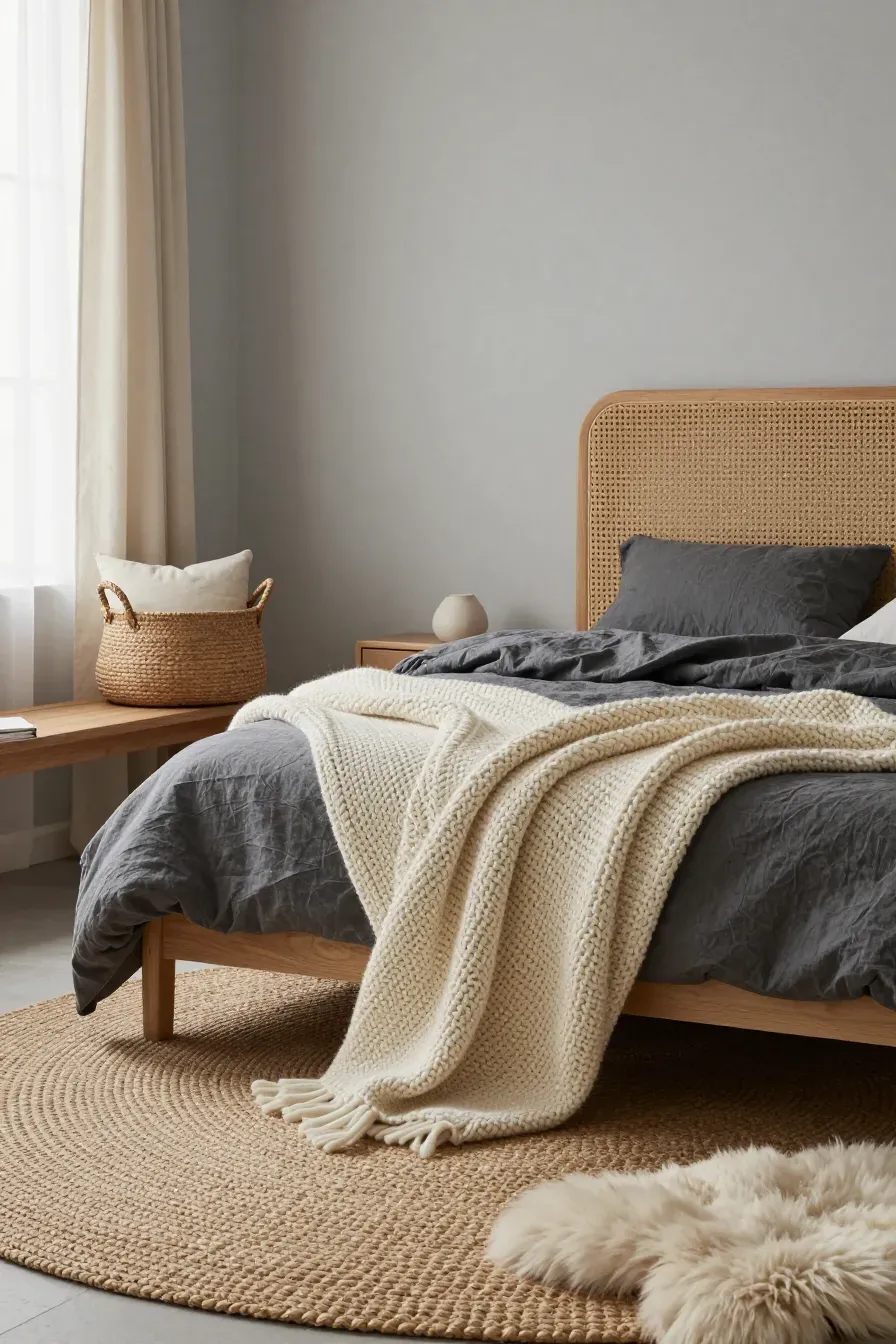
To avoid making the room look like a showroom, mix your rattan bed frame with different natural textures. Pair the smooth finish of bamboo with rougher materials like jute rugs or linen curtains. This variety prevents the room from feeling flat.
Wooden headboards for beds also look great when paired with wool throws or cotton bedding. If your headboard has a tight cane weave, try using a chunky knit blanket to create contrast. The goal is to create a space that feels curated over time, rather than bought all at once. Using a variety of organic materials makes the bedroom feel cozy and lived-in.
Benefits of Using Sustainable Materials for Headboards for Beds Wood

Choosing bamboo or rattan is a win for the environment. Bamboo is one of the fastest-growing plants on earth, reaching maturity in just a few years, whereas hardwood trees can take decades. This makes it a highly renewable resource for headboards for beds wood lovers.
Rattan is also a sustainable choice because it is often harvested by hand in a way that encourages the preservation of the forests where it grows. By choosing these materials, you are opting for furniture that has a lower carbon footprint than many plastic or mass-produced metal alternatives. It’s a simple way to make your home a bit more eco-friendly without sacrificing style.
Practical Steps for Installing and Securing a Cane Headboard
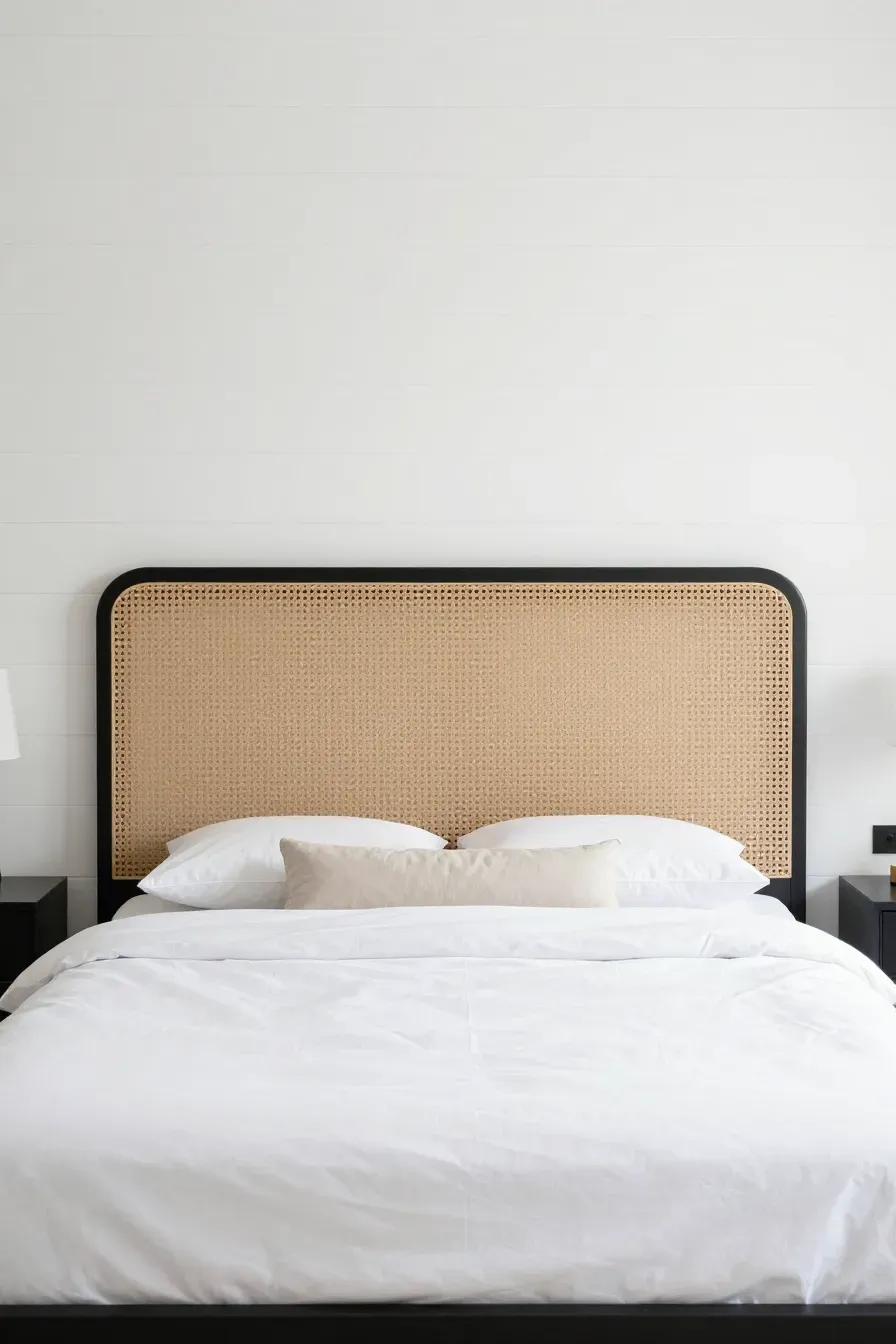
Most natural headboards are lightweight, which makes installation easier than dealing with heavy solid wood. You generally have two options: wall-mounting or bed-mounting. Wall-mounting is often better for a cane headboard because it prevents the piece from wobbling or banging against the wall when you move in bed.
Use a French cleat or heavy-duty wall anchors for a secure fit. If you prefer to attach it directly to the bed frame, ensure the pre-drilled holes align. If they don't, you may need to use an adapter plate. Always check that the headboard is level before tightening all the screws, as natural handmade pieces can sometimes have slight variations in height.
Cleaning and Maintenance Tips for Natural Fiber Furniture
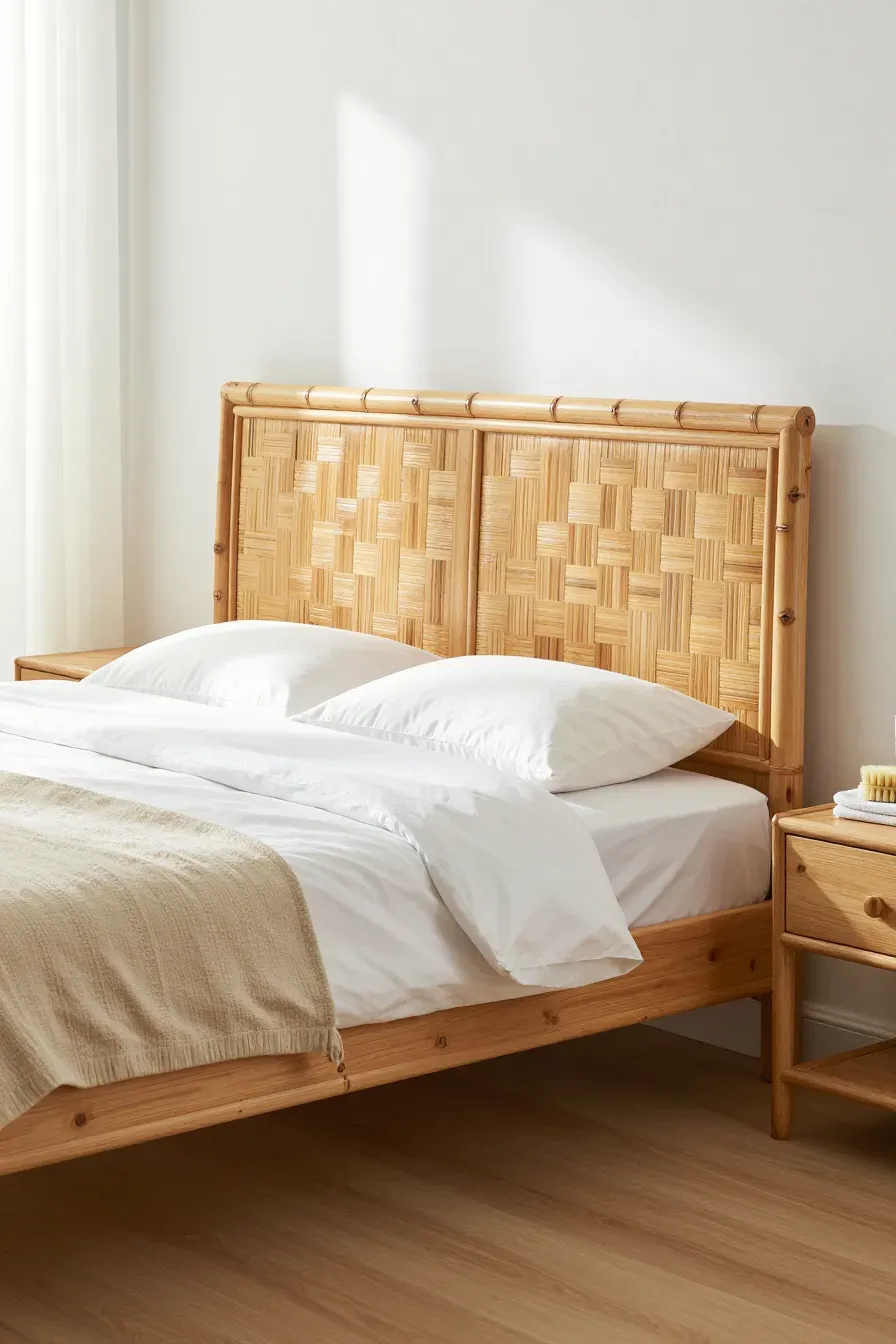
Dust is the main enemy of woven furniture. Because of the many nooks and crannies in a rattan or cane design, dust can settle deeply. Use a soft brush attachment on your vacuum once a week to keep it clean. For bamboo bedroom decor, a simple wipe-down with a damp microfiber cloth is usually enough.
Avoid using harsh chemical cleaners, as these can dry out the fibers and cause them to crack. If the material starts to look dull, a tiny bit of linseed oil on a cloth can restore the shine. Keep these pieces out of direct, harsh sunlight for extended periods to prevent the natural colors from fading or becoming brittle over time.
How to Pair Bamboo Bedroom Decor with Different Color Palettes
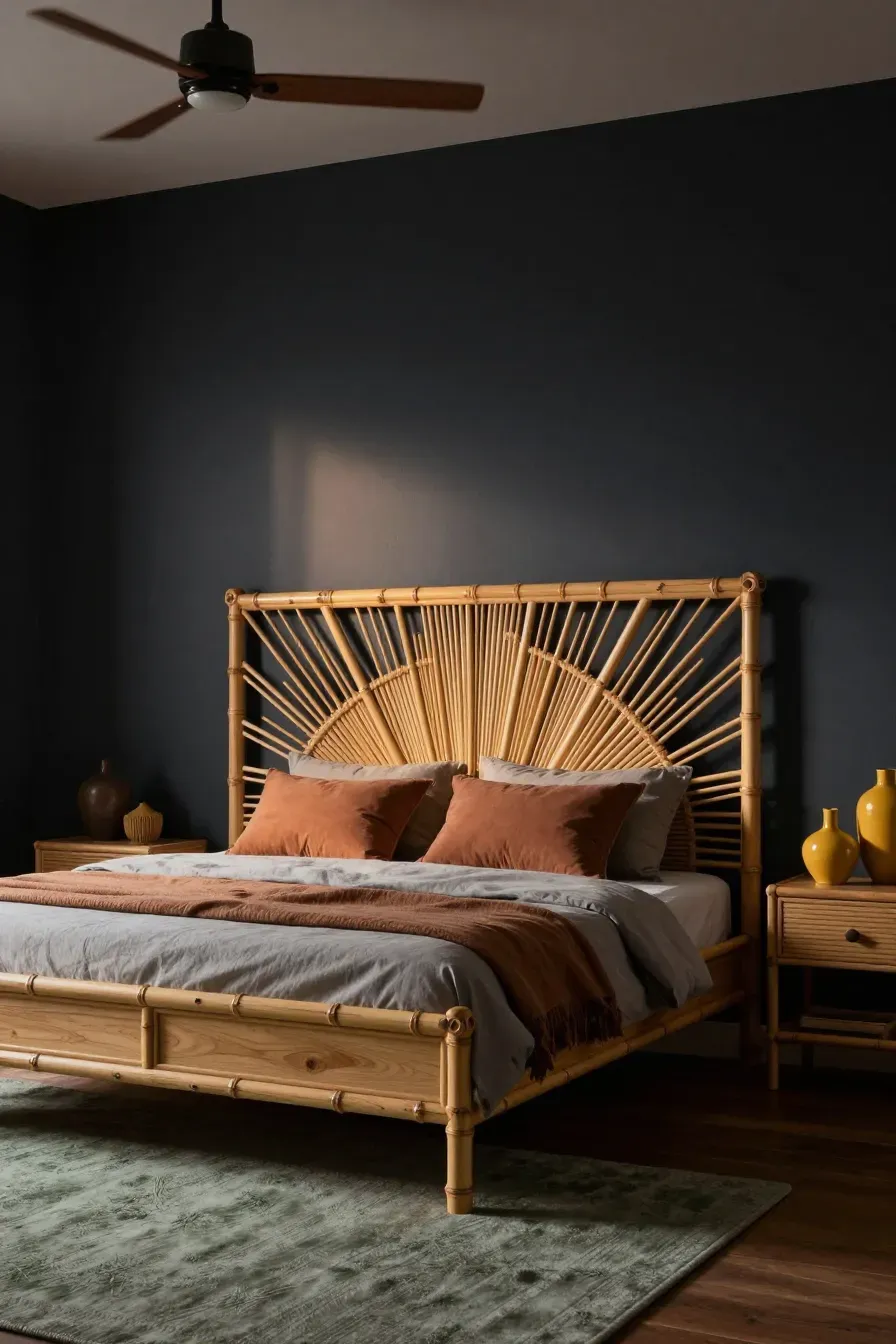
Bamboo has a neutral, warm tone that works with almost any color. For a calm, spa-like feel, pair your headboard with whites, creams, and soft greens. If you want something more dramatic, a bamboo frame looks striking against a dark navy or charcoal wall. The light wood pops against the dark background.
If your room features bright colors, natural textures help ground the space so it doesn't feel overwhelming. Earth tones like terracotta, mustard, and sage green are natural partners for rattan bed frames. These combinations enhance the organic feel of the room and make the bamboo look like a deliberate part of the color story.
Adding a bamboo or rattan headboard is an easy way to bring character and sustainability into your sleeping space. These materials offer a unique blend of durability and style that works with many different decor themes. By choosing the right weave and maintaining it properly, you can enjoy a natural, peaceful bedroom environment for years to come. Take a look at your current bedroom layout and see where a bit of natural texture could make the biggest difference.