
Cooking outside is one of the best ways to enjoy your home, but many people think they need a massive budget to make it happen. You don't need a professional chef's setup to have a great time grilling with friends. A simple, well-planned space can be just as effective as a high-end installation, provided you focus on the essentials like prep space, cooking heat, and easy access to tools.
This guide will show you how to create a functional cooking area without overspending. We will cover everything from choosing the best spot on your patio to building your own island and protecting your setup from the rain. By the end, you will have a clear plan for a DIY project that fits your backyard and your wallet.
Choosing the Right Location for Your Cooking Area
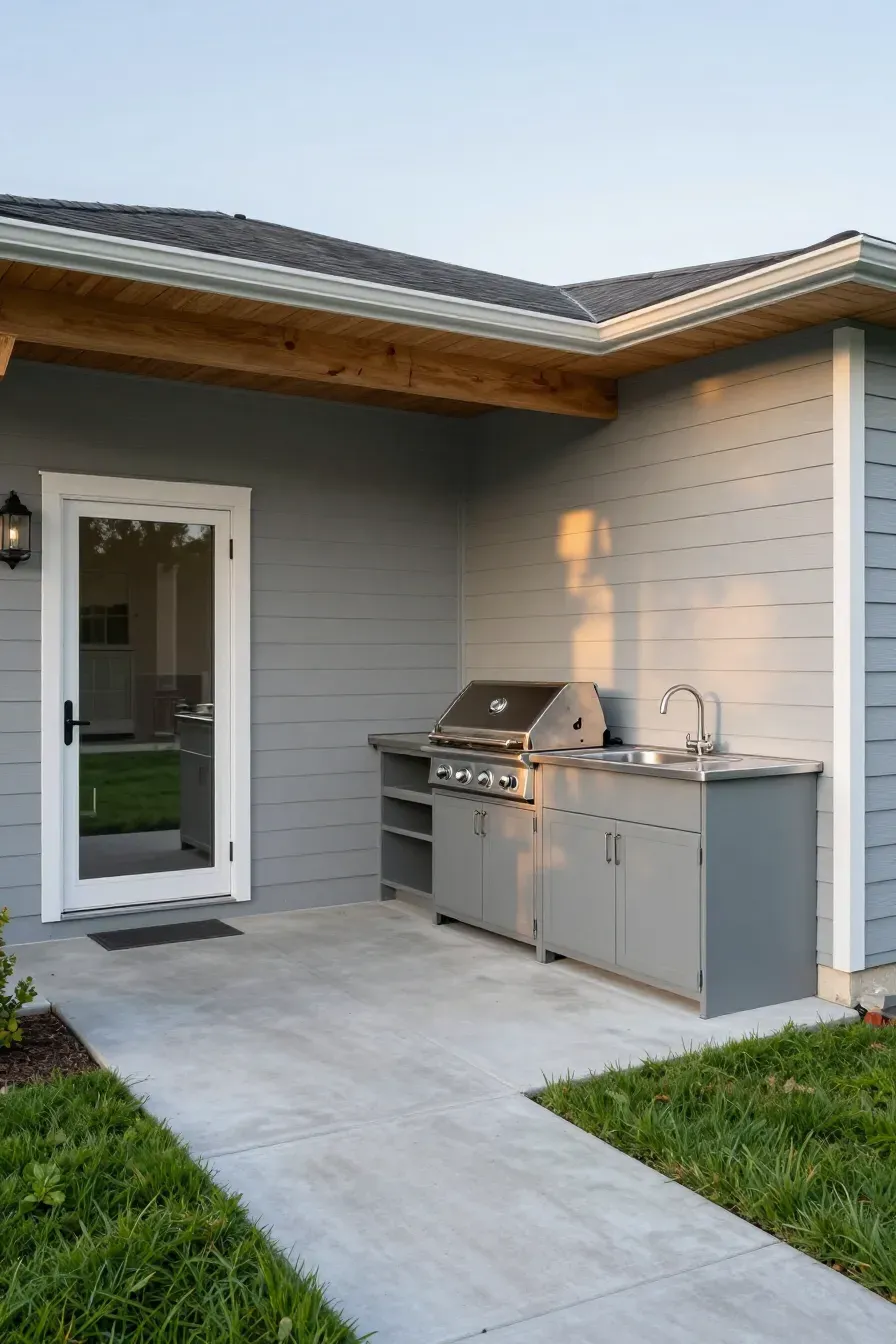
The first step is deciding where your kitchen will live. It is tempting to put it at the far end of the yard, but staying close to your house saves money on plumbing and electricity. Most cheap outdoor kitchen ideas rely on utilizing existing walls for support and shade. Look for a flat surface that is easily accessible from your indoor kitchen so you aren't running across the lawn every time you forget a fork. Consider the wind direction as well; you don't want smoke blowing directly into your living room through the back door.
Smart Layout Ideas for Small Outdoor Kitchen Design
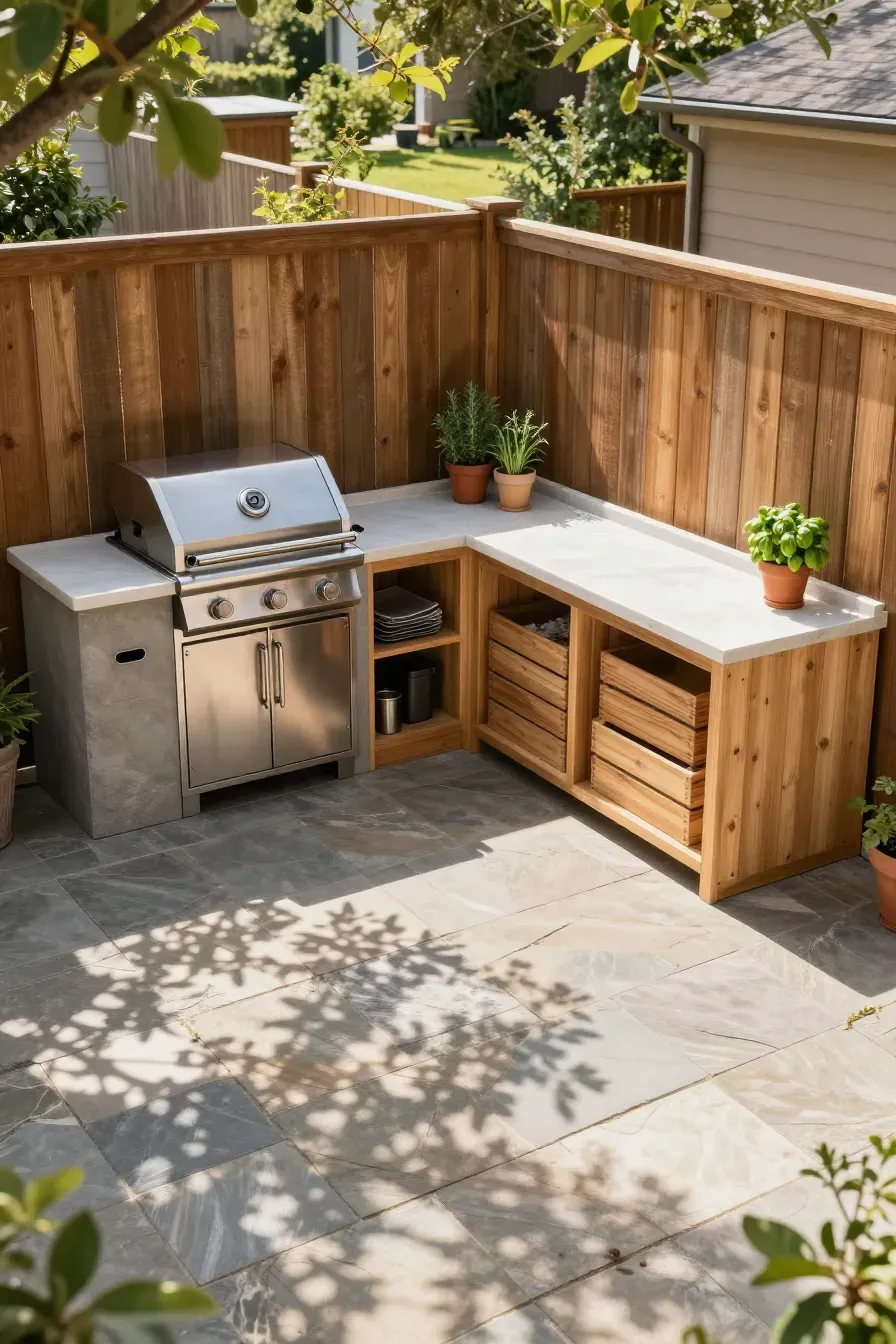
When working with a small outdoor kitchen design, every inch counts. The most efficient layouts are usually straight lines or L-shapes. A straight-line setup works best for narrow spaces, placing the grill, a small prep area, and a trash bin in a single row. If you have a corner, an L-shape provides more counter space for plating food. Focus on the 'work triangle' concept used in indoor kitchens, keeping the distance between your prep area, the grill, and your storage as short as possible.
Building a Functional Island with Affordable Materials
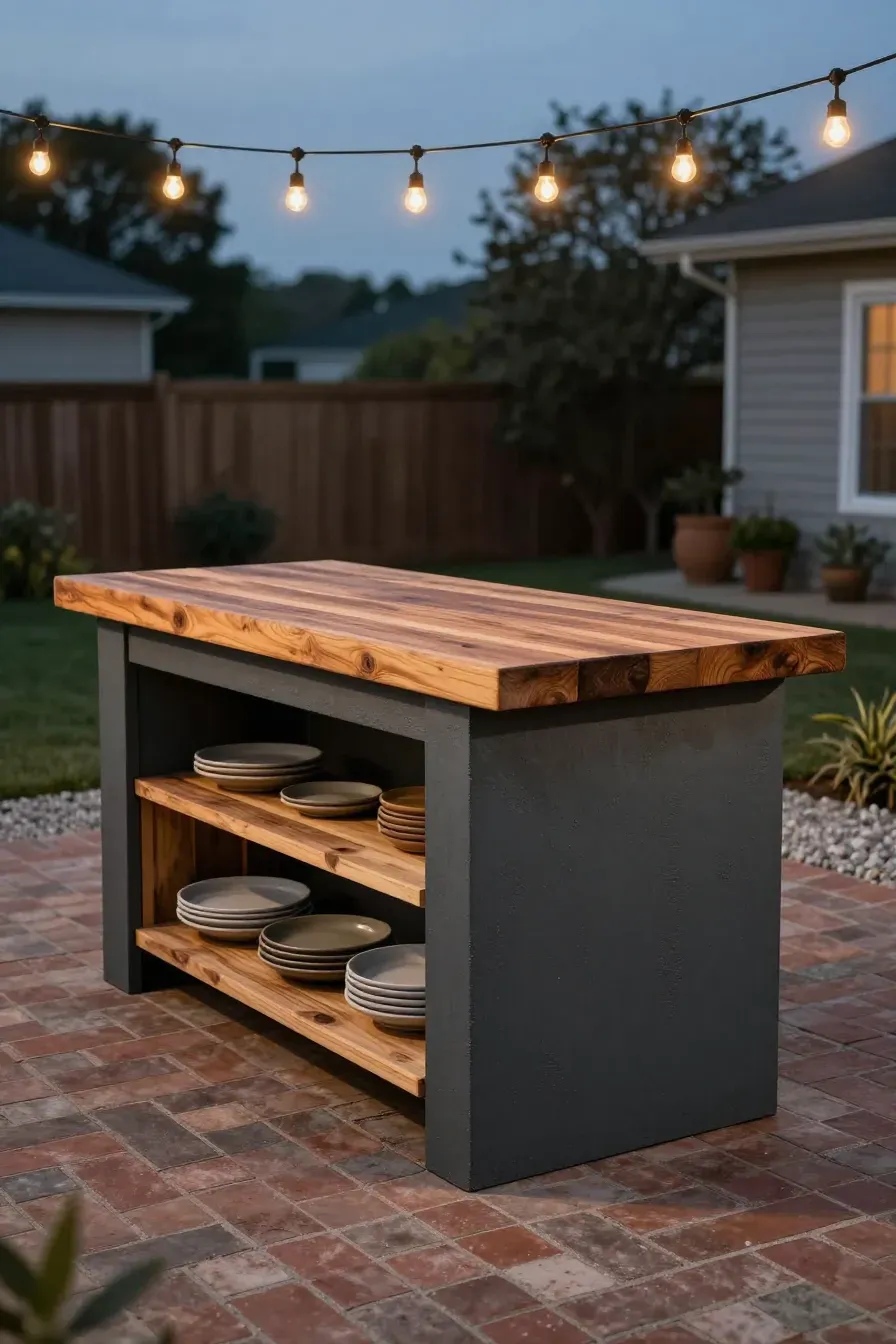
You can save thousands by opting for outside kitchen ideas DIY projects instead of buying pre-made kits. Pressure-treated lumber or metal studs are great for framing an island. For the exterior, cement board is a durable and inexpensive choice that you can paint or finish with stone veneer later. Some of the best small outdoor kitchen ideas simple enough for a weekend project involve using repurposed items like old shipping pallets or sturdy wooden workbenches as the base for your cooking station.
Installing Countertops That Can Handle the Weather
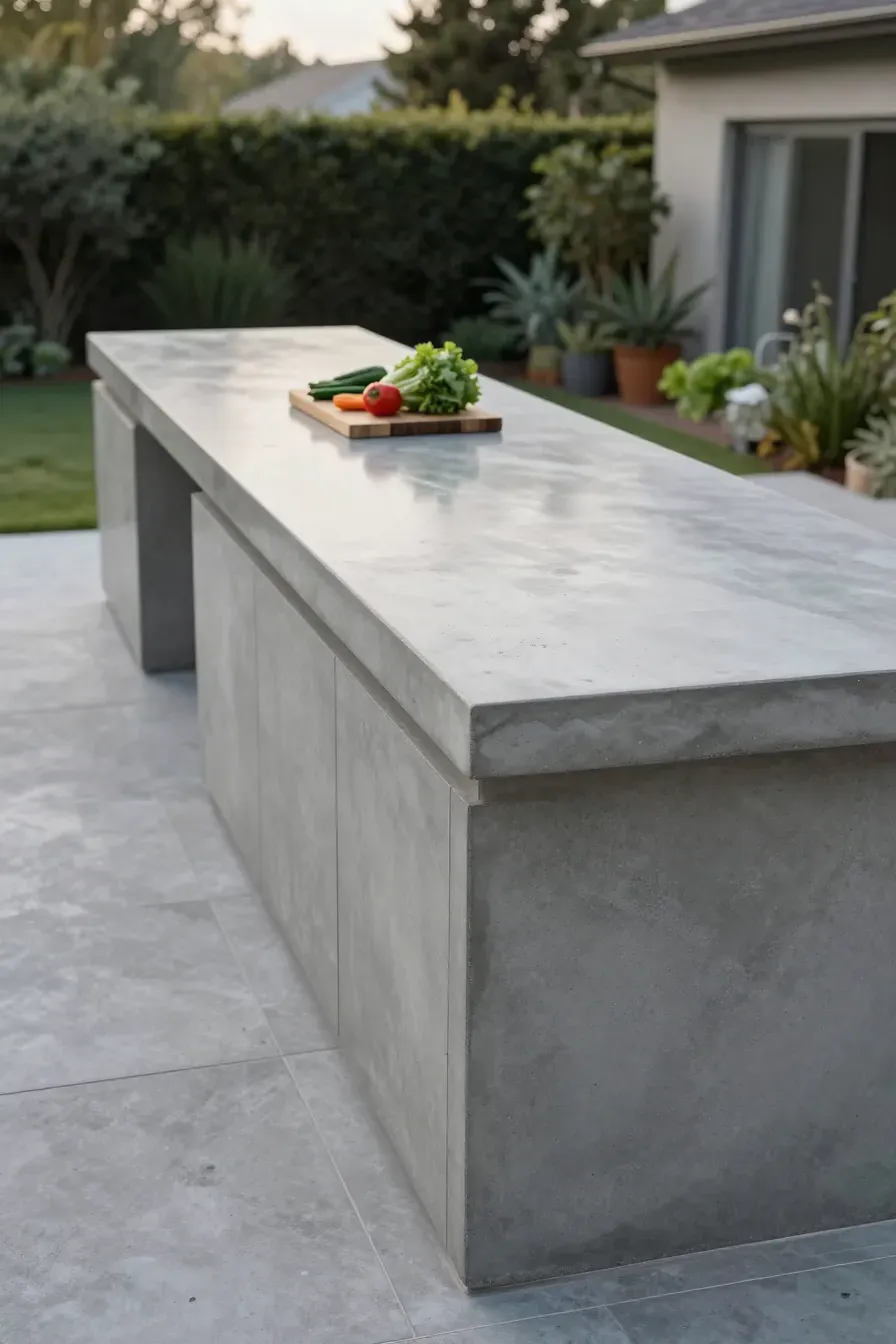
Countertops need to be tough. While granite is popular, it is expensive. For an outdoor kitchen diy on a budget, consider poured concrete or large-format porcelain tiles. Concrete is rugged and handles heat well, though it does need to be sealed to prevent stains. Tile is another affordable option that allows for a lot of customization. Just make sure to use frost-proof tile and epoxy grout so the surface doesn't crack when the temperature drops during winter.
Planning for Water and Electricity Connections
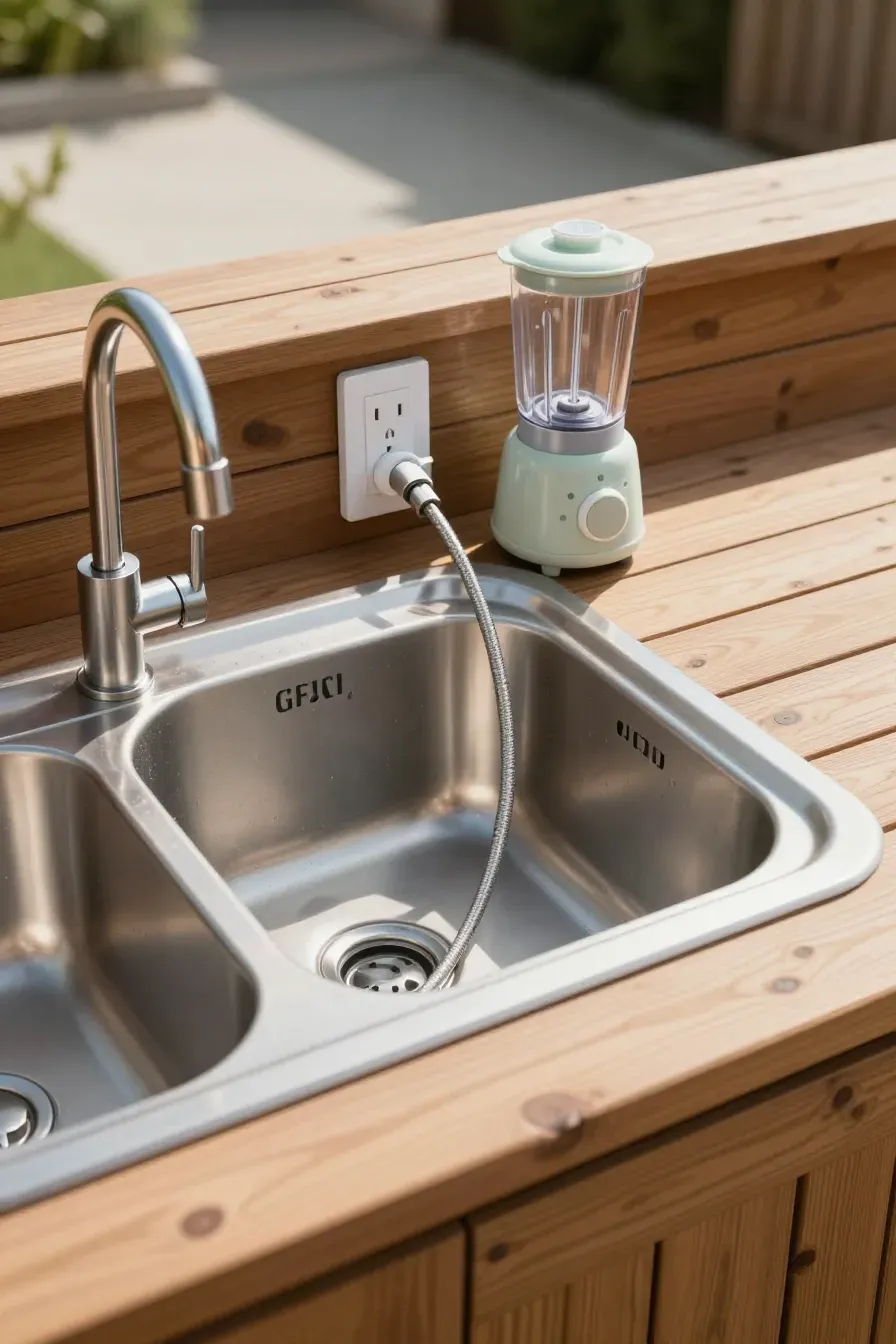
Running full plumbing can be the most expensive part of the build. To keep it a small outside kitchen ideas project, consider using a simple garden hose hookup for your sink. This provides water for washing hands or rinsing veggies without a permanent line. For electricity, use outdoor-rated extension cords or hire an electrician to install a GFCI outlet nearby. This allows you to run a small fridge or plug in a blender for drinks without needing a complex wiring system.
Creating a Covered Setup for Year-Round Use
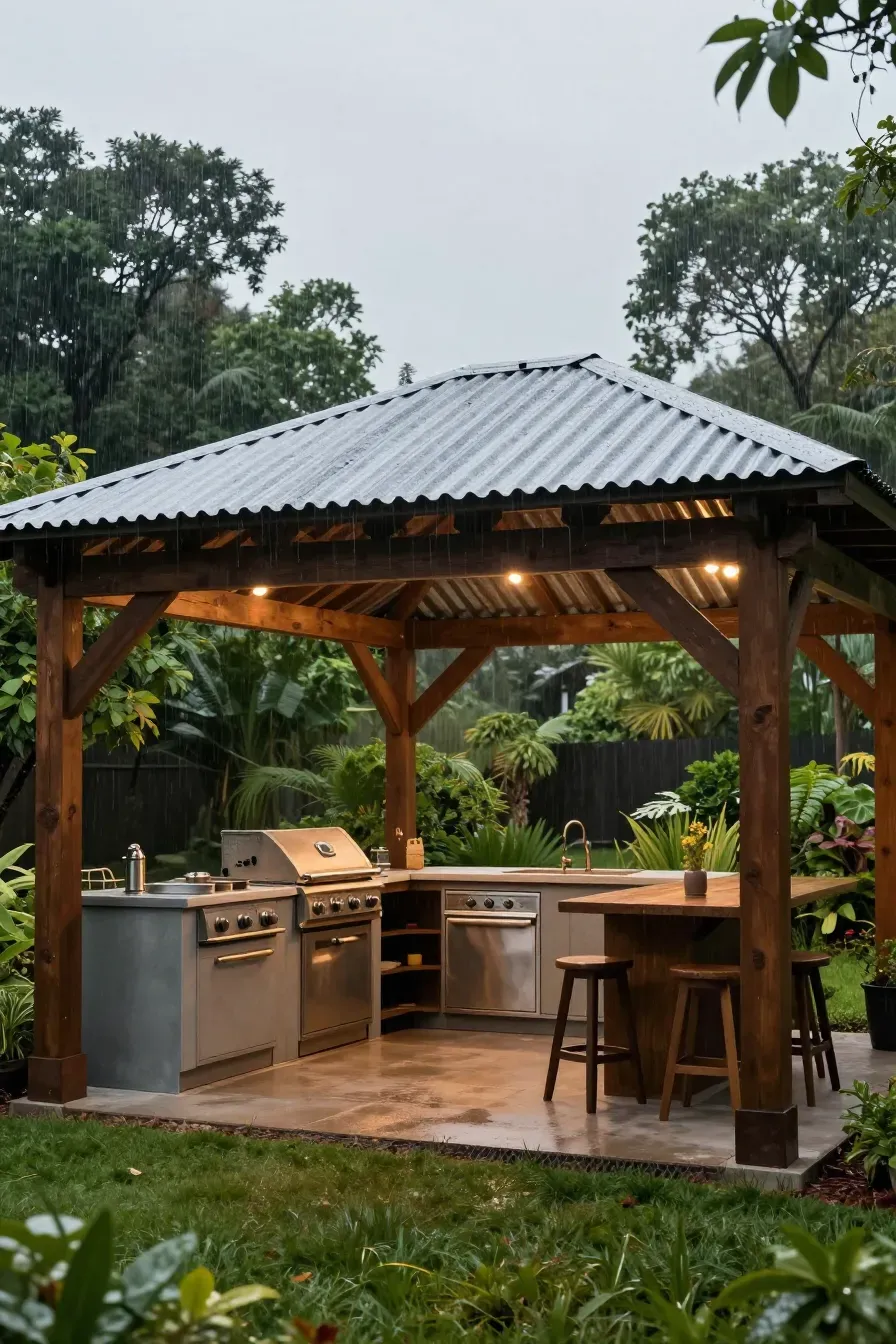
Rain and sun can quickly ruin your equipment. Outdoor kitchen ideas covered by a pergola or a simple lean-to roof are much more practical. If you are looking at outside kitchen ideas covered patios already provide, you can simply tuck your grill and prep station under the existing roofline. This protects your appliances from rust and keeps you dry if a sudden shower hits while you are flipping burgers. A simple corrugated metal roof is a low-cost way to add protection.
Storage Solutions for Outside Kitchen Tools
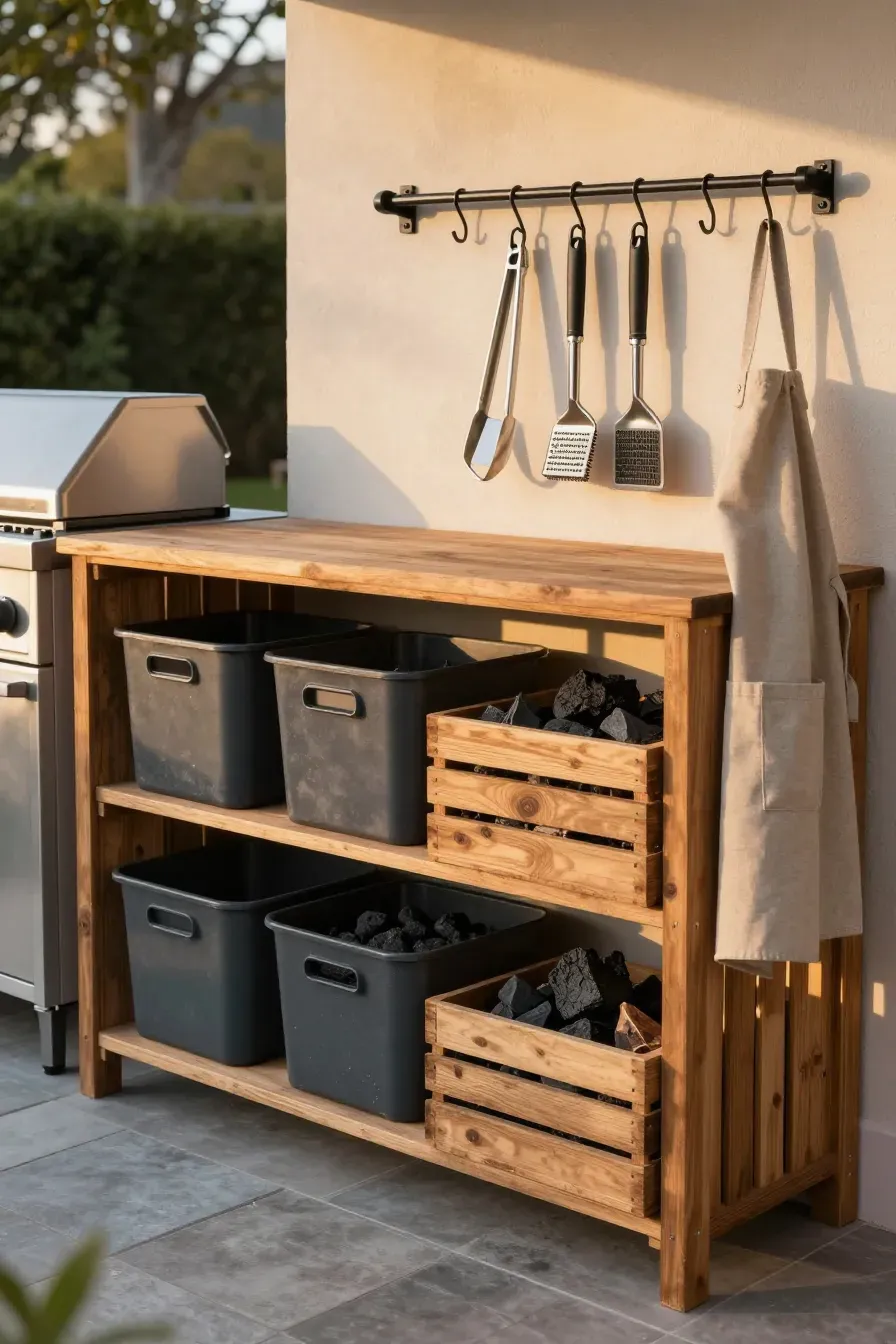
Storage is often overlooked in outdoor kitchen ideas on a budget. Instead of expensive stainless steel built-in drawers, use weather-proof plastic bins or wooden crates tucked under your counters. You can also install simple hooks on the side of your island to hang tongs, brushes, and aprons. If you use a wooden frame for your island, adding a few simple shelves made from cedar slats provides a great place to store charcoal or wood chips where they can stay dry and organized.
Setting Up an Outdoor Kitchen on a Wooden Deck
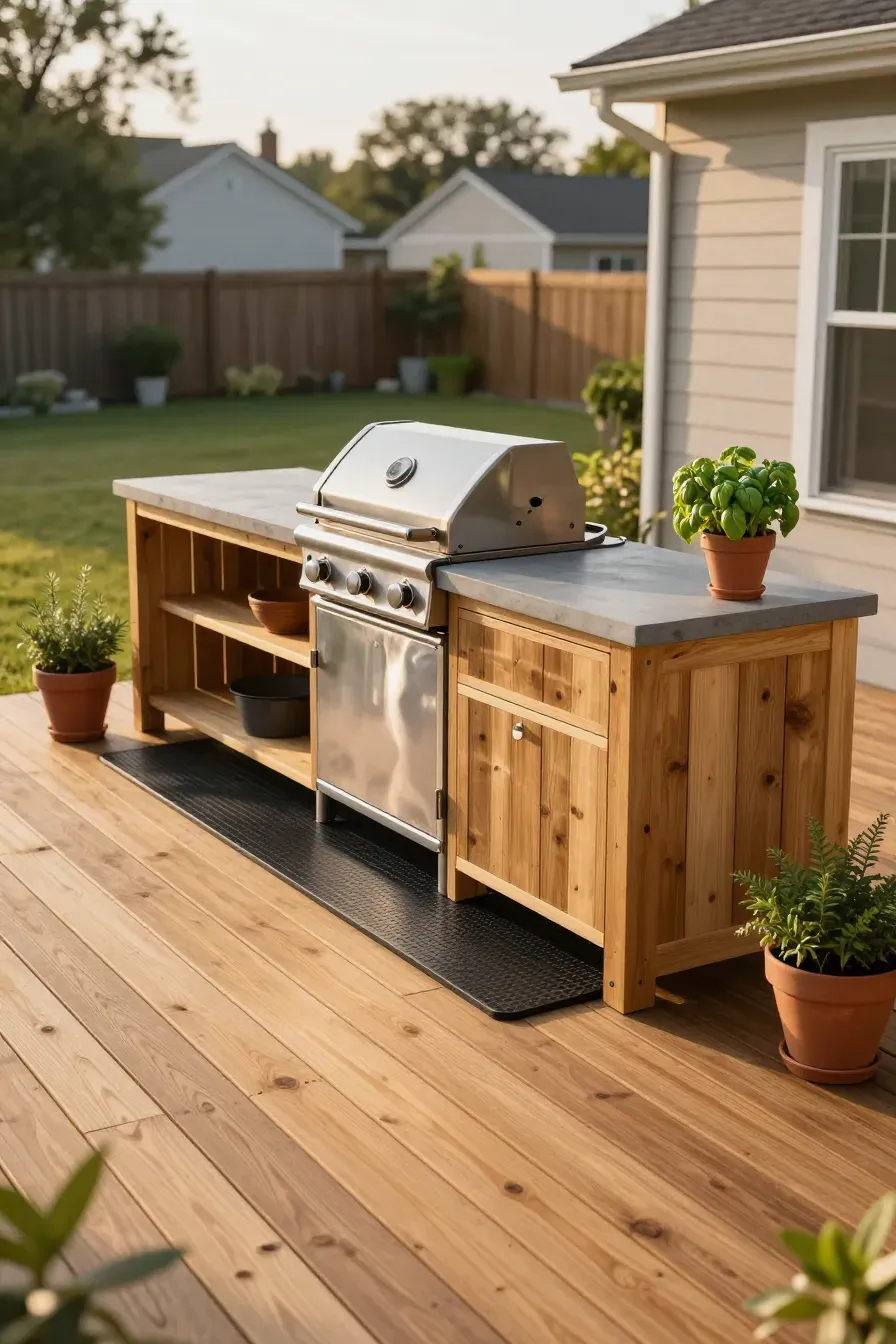
Building an outdoor kitchen on deck surfaces requires a bit more care. You must ensure the deck can handle the weight of the grill and the island. It is also vital to place a grill mat or a non-combustible material under the cooking area to protect the wood from grease and embers. Keep the layout lightweight by using wood framing rather than heavy masonry. This keeps the project manageable and ensures your deck remains structurally sound for years to come.
Lighting and Ventilation for Shaded Cooking Spaces
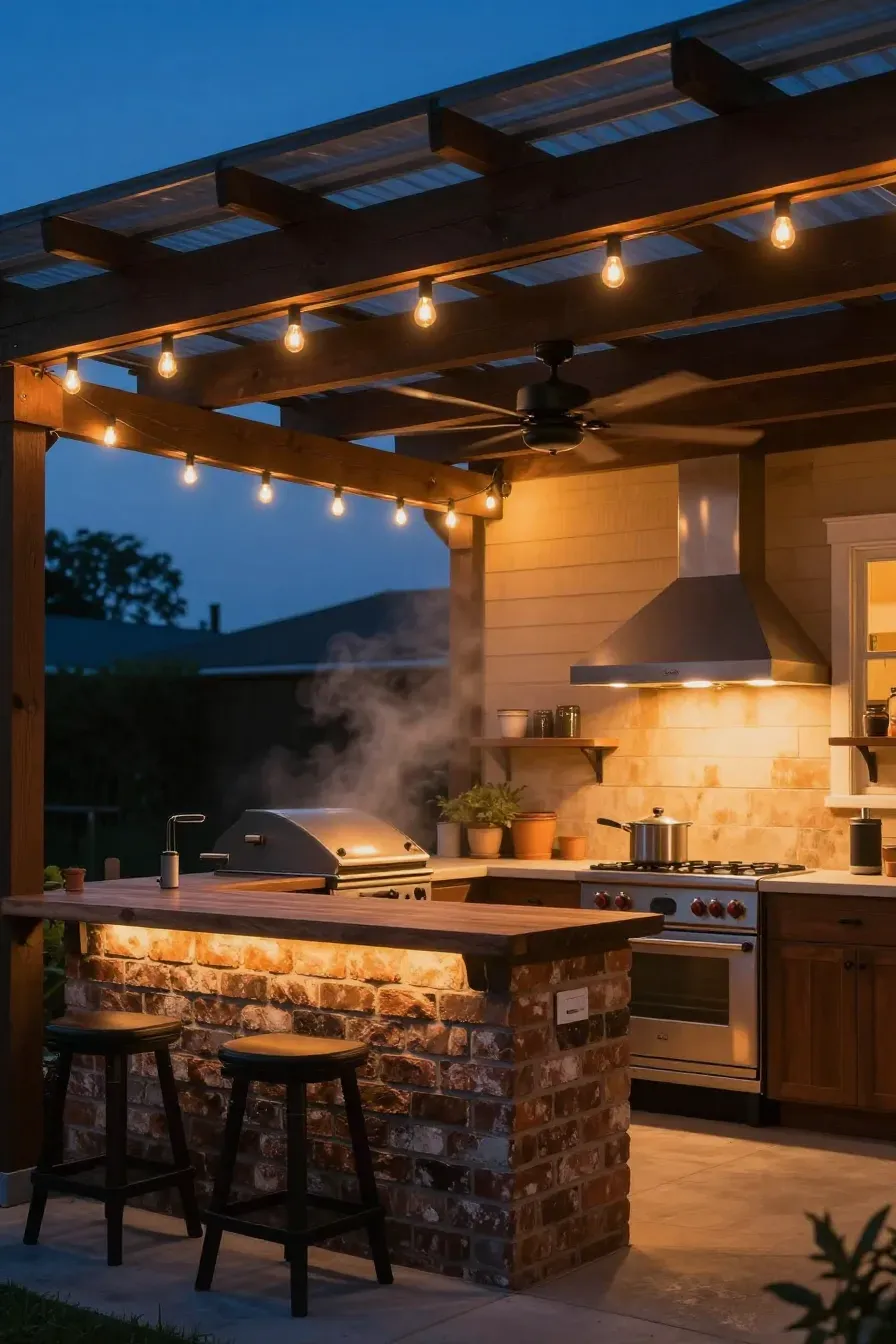
Good lighting is essential for safety. Simple string lights or battery-powered LED puck lights under the counter are effective and cheap. If your kitchen is located under a low roof, ventilation is a priority. Ensure there is enough airflow so smoke doesn't build up and stain your ceiling or irritate your eyes. A basic outdoor-rated ceiling fan can help move air around and keep bugs away while you work at the grill.
Essential Maintenance to Keep Your DIY Kitchen Clean
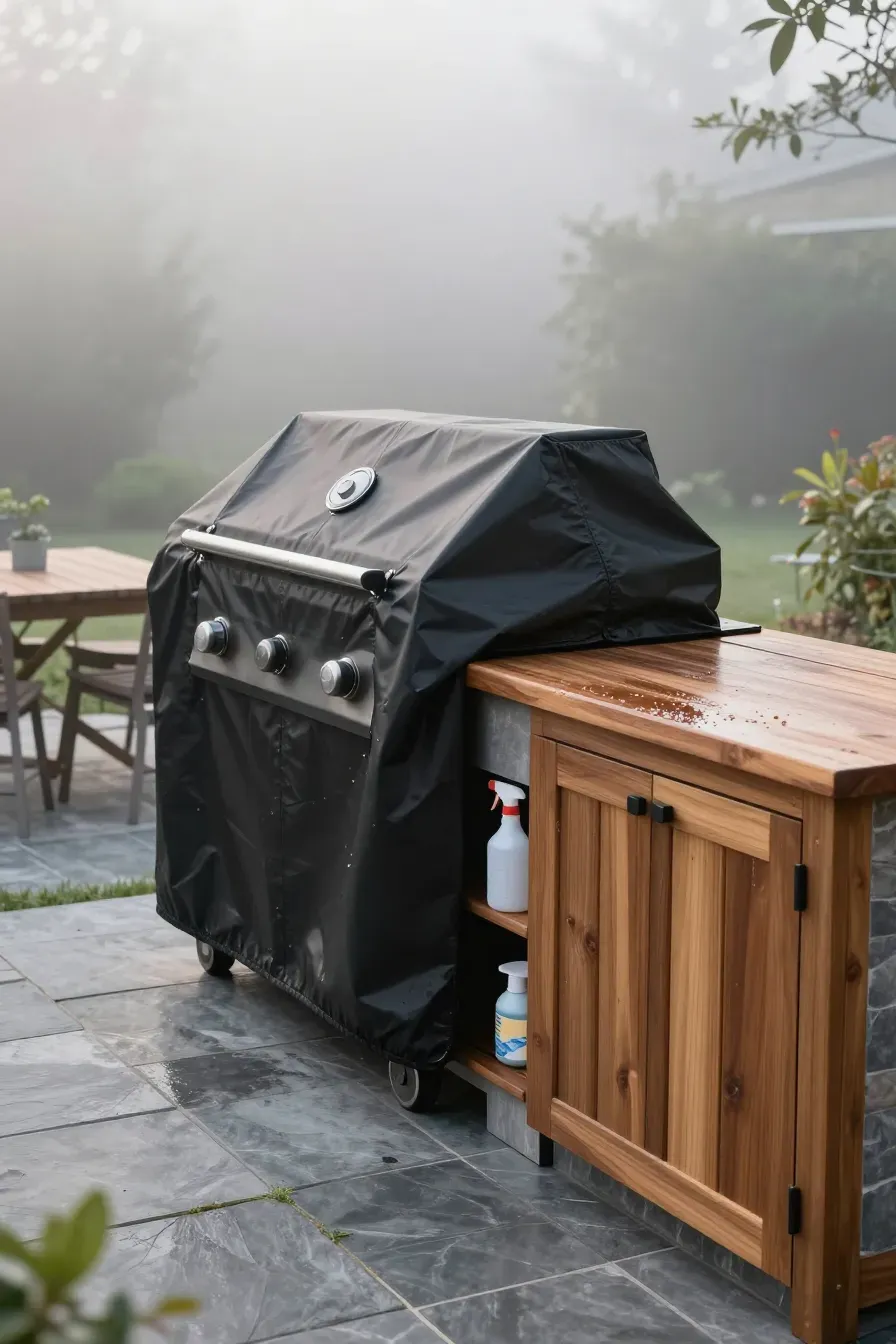
A DIY kitchen lasts longer when you take care of it. Use a high-quality cover for your grill when it isn't in use. Wipe down your countertops after every meal to prevent food stains and keep pests away. If you used wood in your build, check it once a year for any signs of rot or wear and apply a fresh coat of sealant if needed. Keeping the area clean is the easiest way to ensure your budget-friendly space stays looking good for many seasons.
Building a functional cooking space outside doesn't have to drain your bank account. By focusing on a smart layout and using affordable materials like concrete and pressure-treated wood, you can create a space that works for your lifestyle. Start small, focus on the essentials, and add more features as your budget allows. Now is the perfect time to grab some tools and start planning your own backyard cooking station.