
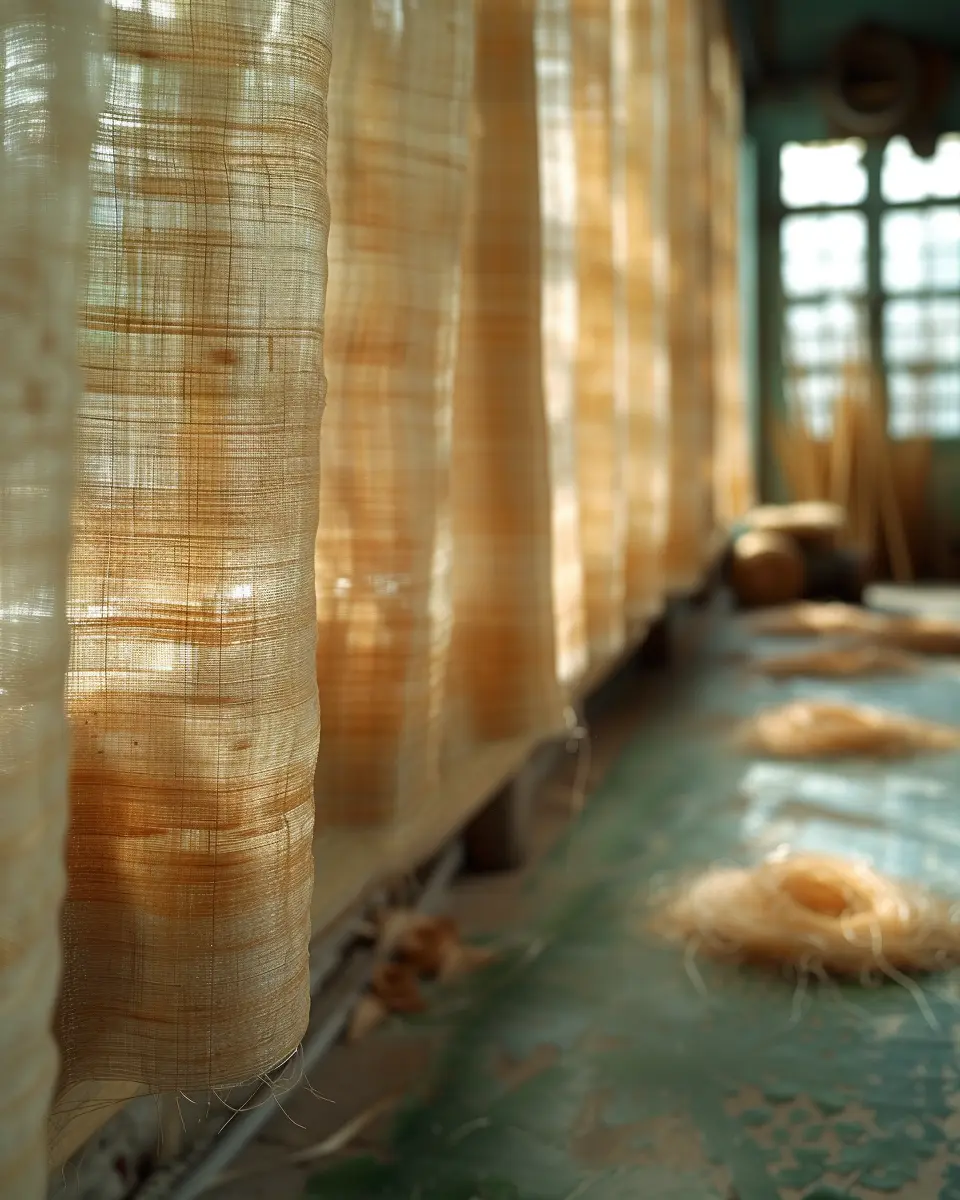
Are you considering switching to bamboo textiles? You may have read somewhere that they are durable, sustainable, environmentally friendly, and full of beneficial characteristics inherent in the original plant, which is prompting you to make a shift. Well, before deciding, you should first ask how bamboo fabric is made as it impacts those criteria.
Bamboo fabric is produced from bamboo fibers. The fibers are extracted mechanically, chemically, or through combination techniques and spun. The method used significantly influences the resulting product and its sustainability. When chemicals are used, the fabric is considered “semi-synthetic.”
Bamboo fabric is a product of the harvested and processed plant fibers. They are strong, durable, resilient, and frequently touted as sustainable and environmentally “good.” Still, most people don’t realize the lengthy process these fibers undergo to change from hard plant material (cellulose and lignin) into silky-soft fabric.
The Production Of Bamboo Fabric
Bamboo fabric is another fantastic example of this wonder plant’s usefulness to humanity. The fabric is derived from fibers extracted from the plant’s culm (stem) and leaves.
While making fabrics from these fibers is thousands of years old, the modern approach relies on technological advancements to speed up the process and to create fiber of different qualities.
While it is often considered a sustainable, eco-friendly product, the sad reality is that not every process of turning these fibers into fabric is environmentally sound. Many of the chemicals used in producing fibers are dangerous and wasteful, as they must be replaced after each use.
Bamboo grows exceedingly fast, making it a wonderful resource; however, when areas are converted into plantations, they strain the environment comparable to other farming practices.
Sourcing 100% natural/eco-friendly fabric is challenging but not impossible, as there are various alternative methods to growing and processing the textiles.
Below, we’ll explore the lengthy manufacturing process to understand where the deviation lies and what gives these textiles their varying characteristics.
Selecting And Harvesting The Ideal Plants For Fabric Making
There are more than 1400 plants that belong to the subfamily Bambusoideae (within the grass family, Poaceae). Thanks to their diversity, these tall grasses have various characteristics and properties.
Most bamboo fabric production is from China, which is unsurprising as East and Southeast Asia (and the surrounding areas) have the most species diversity and biomass.
Although not limited to a particular species, Moso bamboo (Phyllostachys edulis) is a popular and commonly used plant for fabric production (due largely to its widespread distribution, size, growth rate, and yield).
Of greater significance is the plant’s age. The ideal harvesting age range is between 2 and 7 years (depending on the species, growing conditions, climate, etc.). Older plants tend to become more lignified and hollow (they lose some of the inner pith), while younger shoots retain more of the usable fibers in the internodes.
Most culms are manually harvested. They are often cut (with a machete) above the first or second node.
Extracting The Fibers
Once harvested, the culms are sent to processing plants, where they are chopped into smaller pieces and are often fragmented (broken into chunks), allowing for easier fiber extraction.
There are 3 methods commonly used for extracting fibers from the culms.
These methods produce filaments of different quality, characteristics, and yields, with pros and cons to each.
Mechanical Extraction
Mechanical extraction of fibers is the most environmentally friendly method. However, it is the most labor-intensive, often producing rough fabric (particularly compared to the other methods).
The first method involves using a type of force to loosen the fibers.
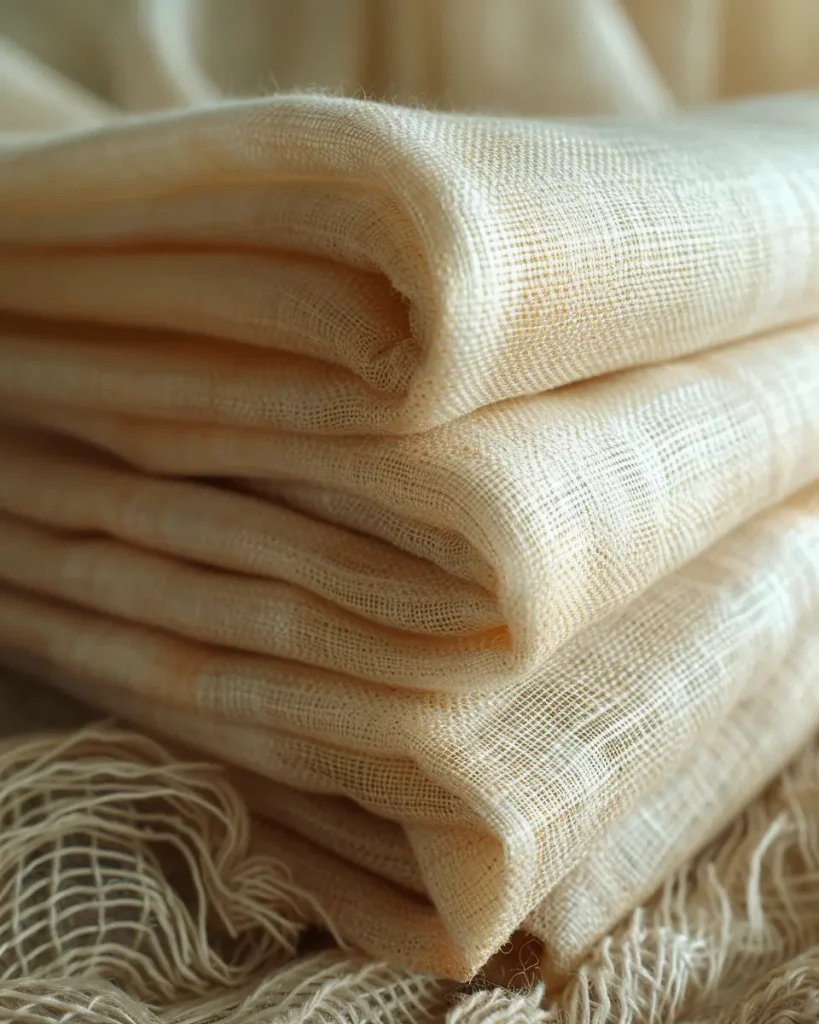
We’ll explore two types of force-applied techniques.
Culms Are Mechanically/Physically Broken Into Smaller Pieces
Crushing, grinding, and rolling in mills, which is the most simple method, where large wheels, mortars and pestles, or other hard objects are used to splinter, mulch, and pulverize the culms, breaking them into fragments.
Most culms are soaked before moving through rollers/crushers to help soften/loosen the fibers, improving the yield and speeding the process.
Specialized combs (alternatively by hand) further separate the fibers.
The Steam Explosion Method
To expedite and improve the process, some manufacturers use steam to blast the fibers free from the culms. The intense heat softens the fibers inside a large pressure chamber.
The plant material is exposed to incredible heat and pressure (for example, 20 to 50 bars at 320 to 518°F) for several minutes and then allowed to return to room temperature. The process is repeated several times, loosening fibers and improving the porousness of the material.
Retting Fibers With Natural Enzymes
Occasionally, manufacturers crush the culms into fragments, followed by soaking the pieces in an enzymatic solution, which softens and separates the fibers from the stem (the fibers are “held” in place by various compounds inside the plant).
Four enzymes that help separate these fibers include:
- Cellulase (breaks down cellulose)
- Laccase (breaks down lignin)
- Pectinase (breaks down pectin)
- Xylanase (breaks down hemicellulose)
This process takes up to 24 days when the plant material is soaked in enzyme-rich water. Once exposed to these enzymes, the fibers are washed to remove the excess and squeezed.
Although there are “chemicals” involved, this is considered an eco-friendly and sustainable method, as the enzymes/bacteria are reusable and are not harmful to the environment.
After steam or enzymatic treatment, the fibers are “combed” out of the mass to produce long strands/filaments. The resulting fibers are spun into a linen-type fabric.
Chemical Extraction
When manufacturers use chemicals to exude the fibers from the pith (soft inner parts of the culm) and leaves, they fundamentally melt the plant material into a pulpy mass, which is treated and washed several times to remove the hazardous chemicals and to return it to a usable structure.
Once “clean,” filaments are extruded through spinnerets, dried, and woven, the end product is often called regenerated cellulose fibers.
The most significant drawback of this extraction is the hazardous chemicals used in the viscose/rayon process, which pose a threat to workers involved in the manufacturing.
The other issue is that most chemicals are not reused and must be disposed of safely to prevent environmental harm.
Bamboo Rayon/Viscose
The process starts with crushing the culms into smaller fragments, which are added to a vat of 15% to 20% sodium hydroxide (NaOH). While “stewing” between 1 and 3 hours, at temperatures of between 68 and 77°F, the material dissolves into a soft, pulpy mass (alkali cellulose).
After it’s removed from the vat, the excess NaOH is squeezed out, and the pulp goes through a grinder. Once sufficiently processed, the ground pulp dries for up to 24 hours.
Carbon disulfide is added to the mixture to change the mushy material into a usable gel-like substance, and any extras of this chemical evaporate.
This pre-fiber mixture is called sodium xanthogenate, and another batch of (diluted) NaOH is added to the mix to convert the material into a viscose composed of 7% to 15% fiber cellulose and 5% sodium hydroxide.
The viscose is extruded through spinnerets (nozzles) to produce long filaments, which land into a vat of diluted sulfuric acid solution, which causes the material to harden.
From the threads, the material is collected and spun into yarn, which is used in creating fabrics.
Making Bamboo Lyocell
Although the process is (mostly) the same, some manufacturers use less hazardous chemicals during production, producing a lyocell material.
Instead of sodium hydroxide, this process uses N-methyl morphine-N-oxide to degrade the cellulose and hydrogen peroxide as a stabilizer.
The mixture is forced through spinnerets into an alcohol and water mixture (usually ethanol or methanol), which causes it to set into long strands/filaments.
Aside from less danger to workers, most of these chemicals are reusable, reducing waste and negative environmental effects.
Combination Extraction Techniques
As the name implies, combination methods borrow elements from mechanical and chemical processing. The culms are generally crushed and ground while also exposed to chemical baths that loosen fibers for extraction.
These combination techniques are the most efficient way to get the best fiber yield. Technically, most chemical methods are combinations as they require mechanical fragmentation of the culms.
Mechanical methods (including retting) generally produce textiles that have similar properties to the original plant (i.e., anti-bacterial, strong and durable, etc.). However, fibers treated with harsh chemicals are often too processed to retain these benefits.
Spinning Bamboo Fibers Into Yarn
Once the fibers are extracted, they are thin and not particularly useful, so spinning is an essential part of constructing these textiles/fabrics.
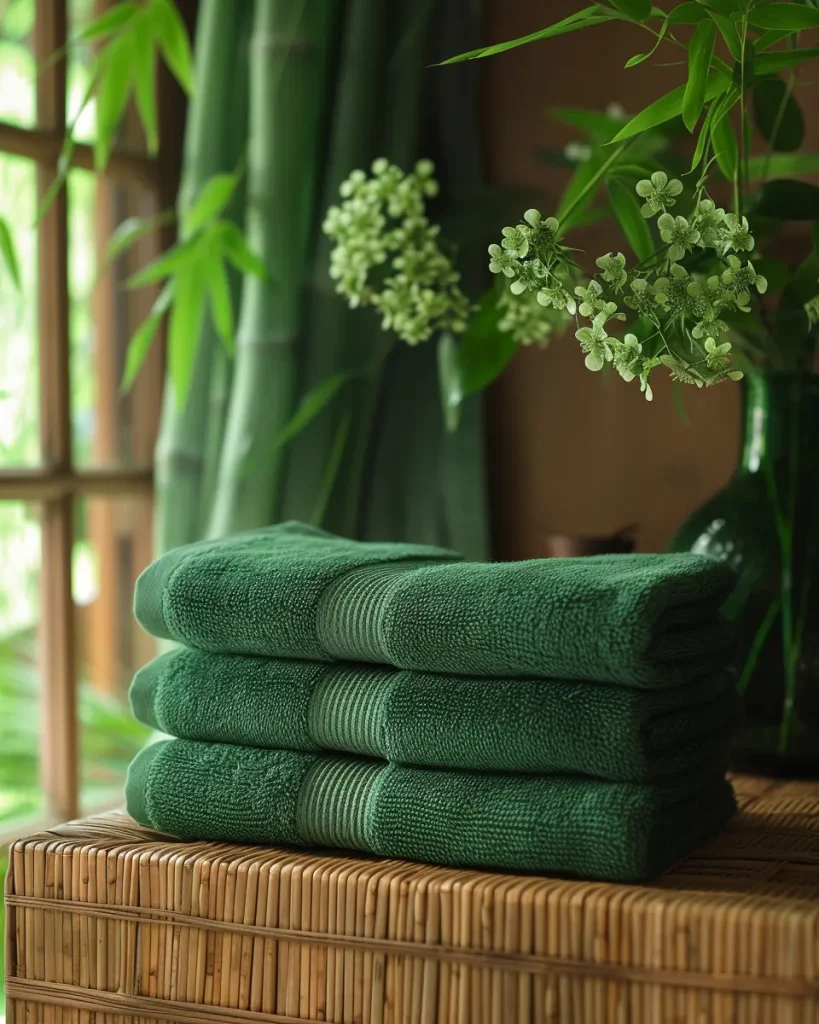
Spinning involves laying the individual fibers/filaments out with their ends overlapping and then twisting them around one another. However, various spinning techniques produce different yarns.
The 5 commonly found yarns produced from these plants include the following:
- Compact yarn
- Open-end yarn
- Ring-spun yarn
- Siro spun
- Vortex yarn
Once the yarn is produced, it is woven into various textiles/fabrics as desired.
Conclusion
Bamboo fabric is made through a lengthy process of harvesting the correct plants and extracting the fibers from the culms. Extraction is either through mechanical, chemical, or combination techniques, which produce filaments/strands that are spun to produce yarn. The yarns are woven into various fabrics.
While bamboo fabric is considered sustainable and environmentally friendly, the chemicals used are not, and care should be taken when purchasing bamboo products.