
Embracing tiny house living often means rethinking how we use every square inch of our homes. It is not just about getting rid of stuff, but about finding creative ways to make a small space feel open and functional. Whether you are building from scratch or looking for ways to refresh your current home, smart design can make a massive difference in how you feel day-to-day.
In this article, we will look at how to organize tiny home kitchen ideas, blend living areas, and choose the right gear for a smaller footprint. You will find practical advice on creating a cozy atmosphere without the clutter, ensuring your home remains a place of rest rather than a source of stress.
Smart Use of Space in Tiny Home Kitchens
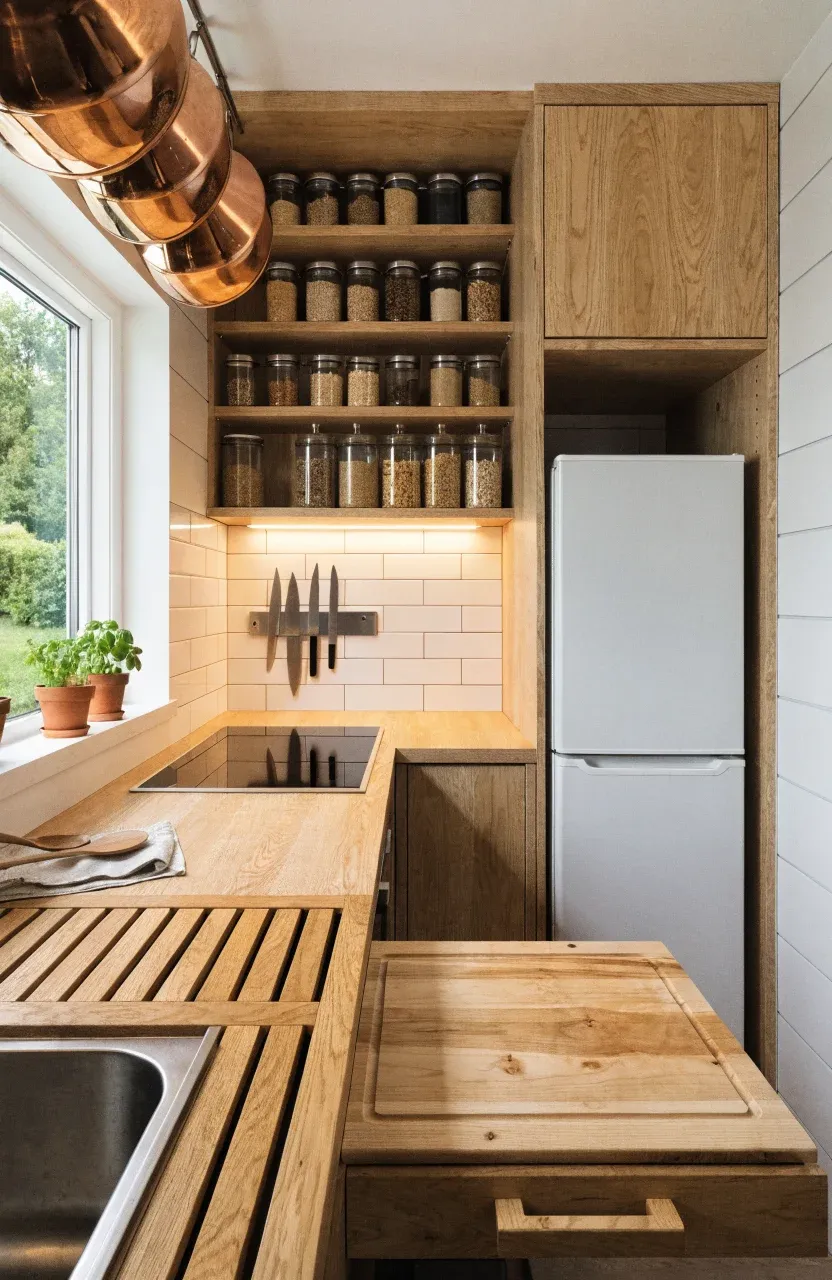
When dealing with very small kitchen ideas, the goal is to reduce wasted movement. Vertical storage is your best friend here. Instead of deep cabinets where items get lost, try using open shelving or magnetic strips for knives and spice jars. This keeps your essentials within reach and opens up the visual space. Tiny home kitchen ideas often include pull-out cutting boards that hide over a drawer or sink covers that add extra prep surface when the faucet isn't in use. Choosing smaller, European-style appliances can also save several inches of counter space, which is vital in a compact layout.
Combining a Tiny Open Kitchen and Living Room
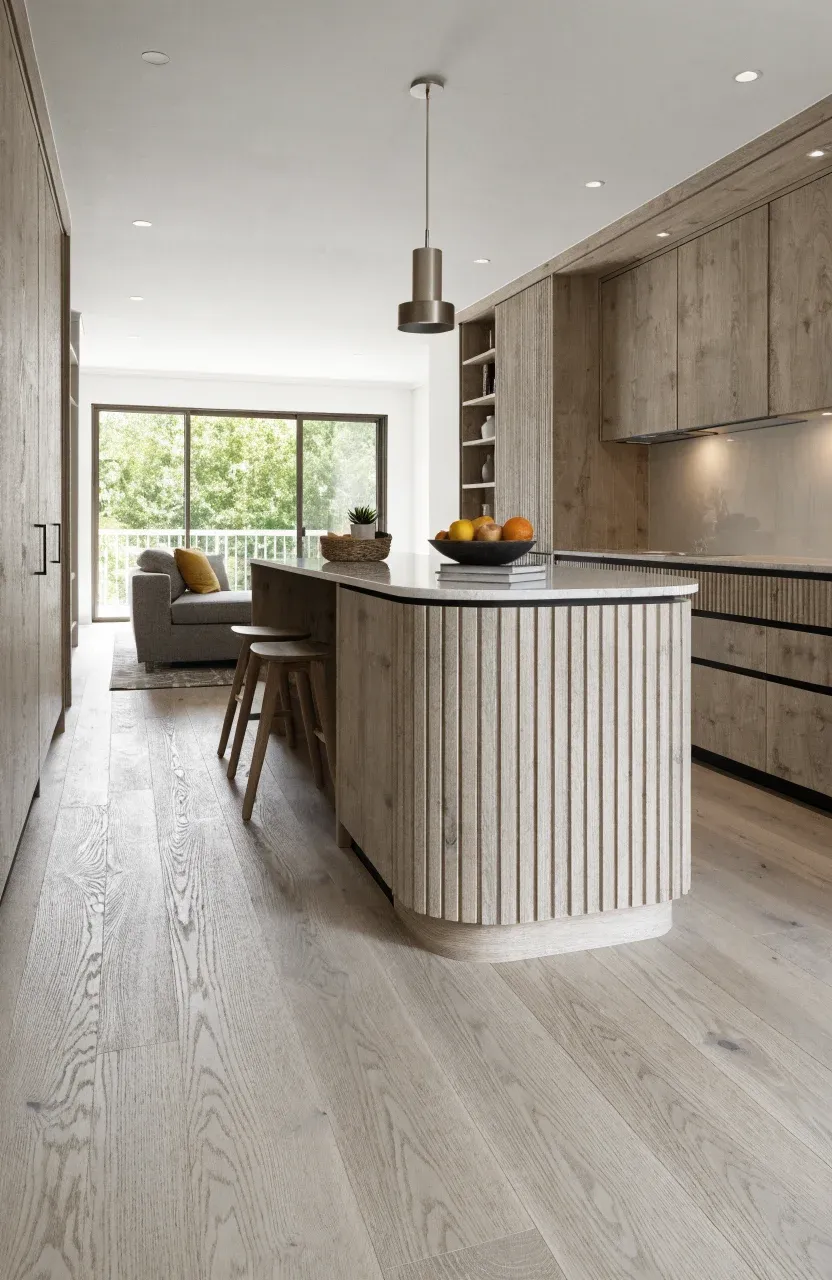
A tiny open kitchen and living room layout helps avoid that cramped, boxed-in feeling. To make this work, use a consistent flooring material throughout both areas to create a seamless look. A kitchen island or a small peninsula can act as both a prep station and a dining table, serving as a soft boundary between the two zones. Lighting is also key; use dimmable overhead lights and task lighting under cabinets to define different areas without needing physical walls. This setup encourages a social atmosphere where you can cook and chat with guests at the same time.
Essential Gear for a Micro Kitchen
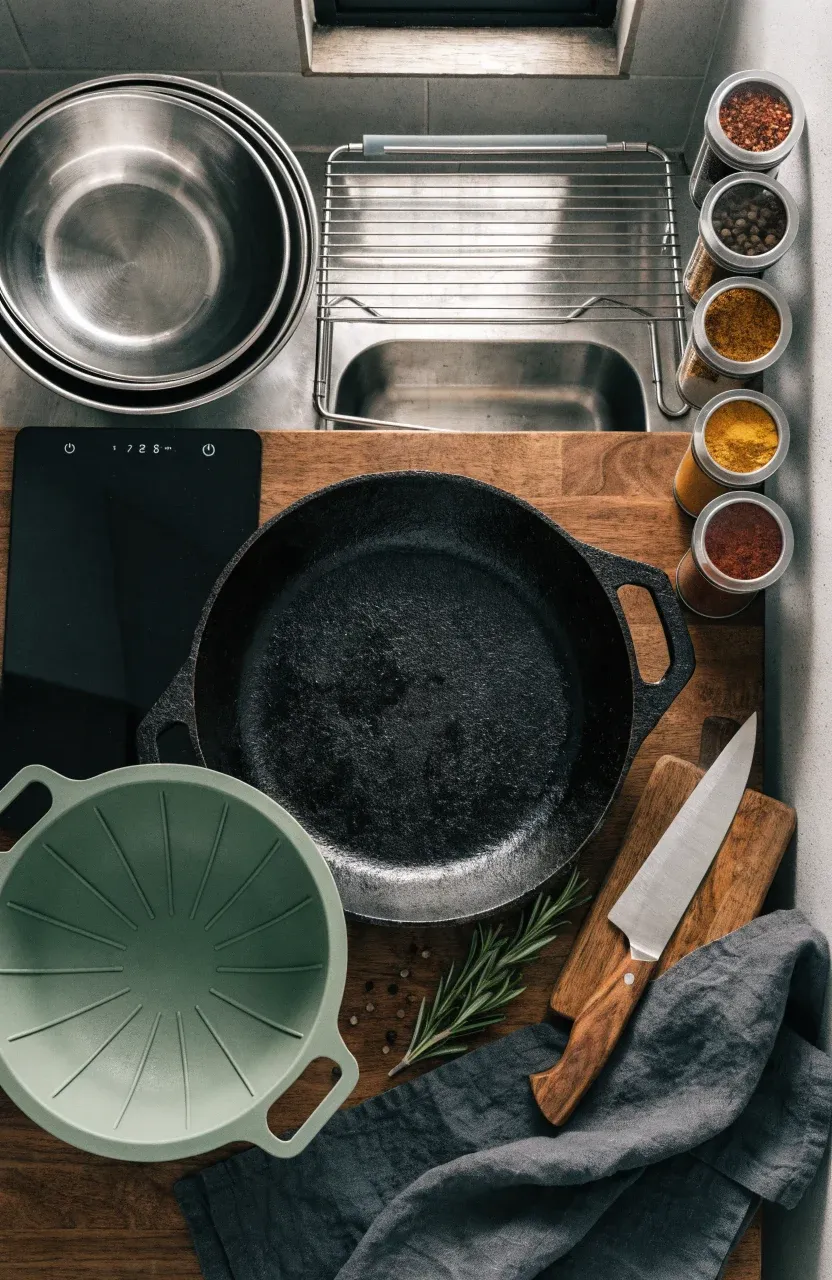
Micro kitchen ideas rely heavily on multi-functional tools. You don't need a single-use gadget for everything. A high-quality cast iron skillet, a nesting bowl set, and a collapsible colander can replace a dozen other items. For cooking, consider an induction cooktop that can be stored in a drawer when you aren't using it, leaving the counter free for other tasks. Compact dishwashers or even a simple high-quality drying rack that sits over the sink can keep the area tidy. In tiny house living, every object must earn its place by being either very useful or very beautiful.
Creating a Small Cozy Kitchen with Farmhouse Style
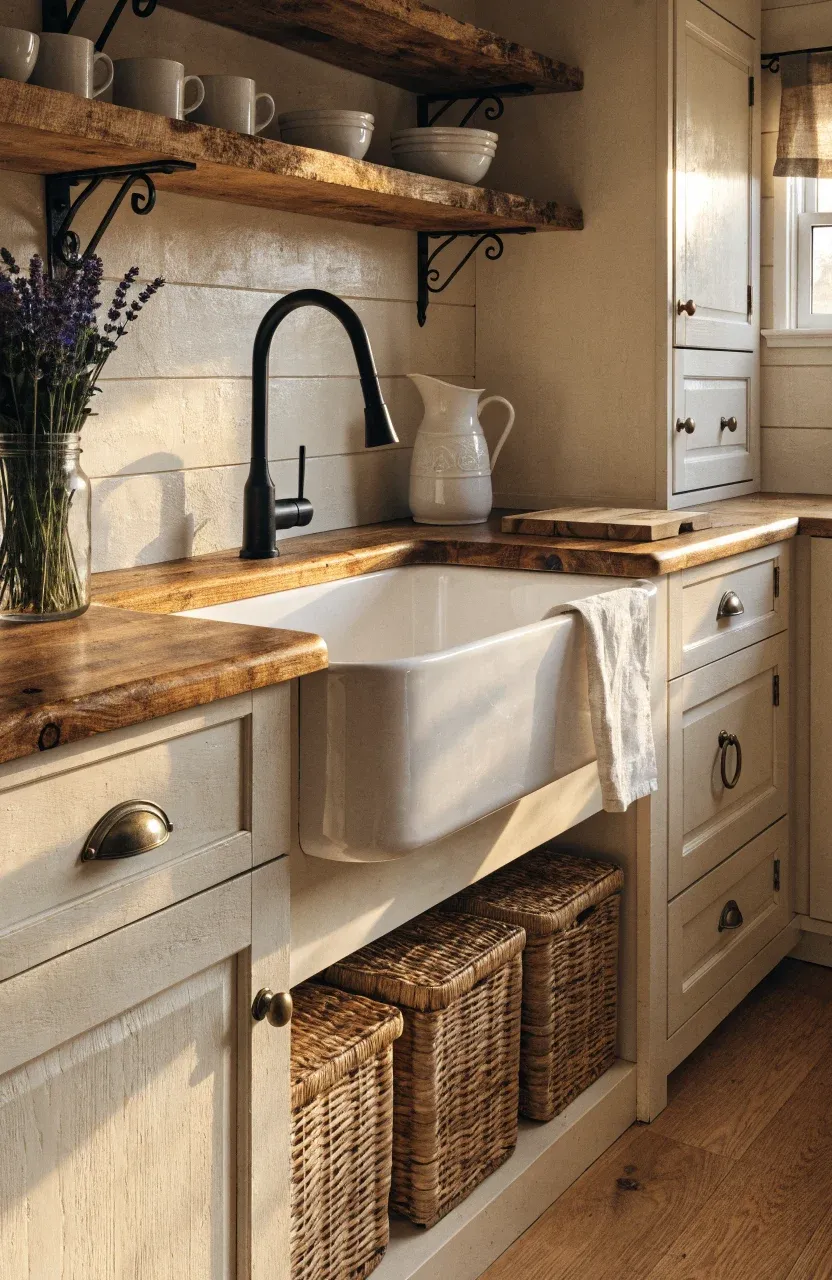
You can achieve a tiny farmhouse kitchen look by focusing on natural materials and warm textures. Use reclaimed wood for shelving or a butcher block countertop to bring in an earthy feel. A deep apron-front sink is a classic farmhouse staple that actually works well in small spaces because it handles large pots easily. To keep a small cozy kitchen from feeling too dark, paint the walls a soft white or cream and use brass or matte black hardware for a bit of contrast. Adding a few woven baskets for storage adds to the rustic charm while keeping clutter out of sight.
Interior Layouts That Maximize Small Tiny House Ideas
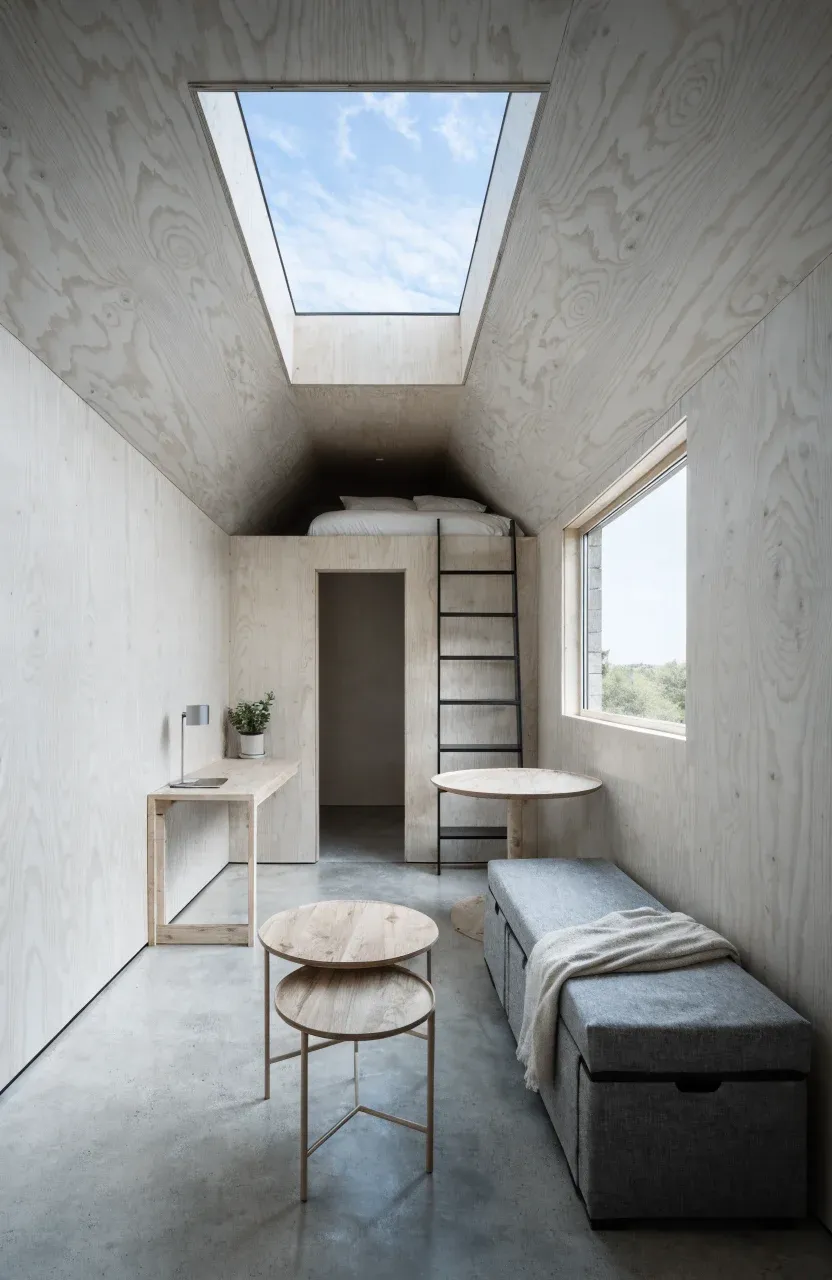
Good tiny home living starts with a floor plan that prioritizes your daily habits. If you work from home, a fold-down desk tucked into a corner might be more important than a large sofa. Small tiny house ideas often involve furniture that serves two purposes, like a storage bench that doubles as dining seating. Lofts are common for sleeping, but if you prefer to stay on the ground floor, look into 'nested' furniture or beds with deep drawers underneath. Keeping the center of the room clear as much as possible helps the entire house feel larger than it actually is.
Designing for Comfort and Tiny House Inspiration Interiors
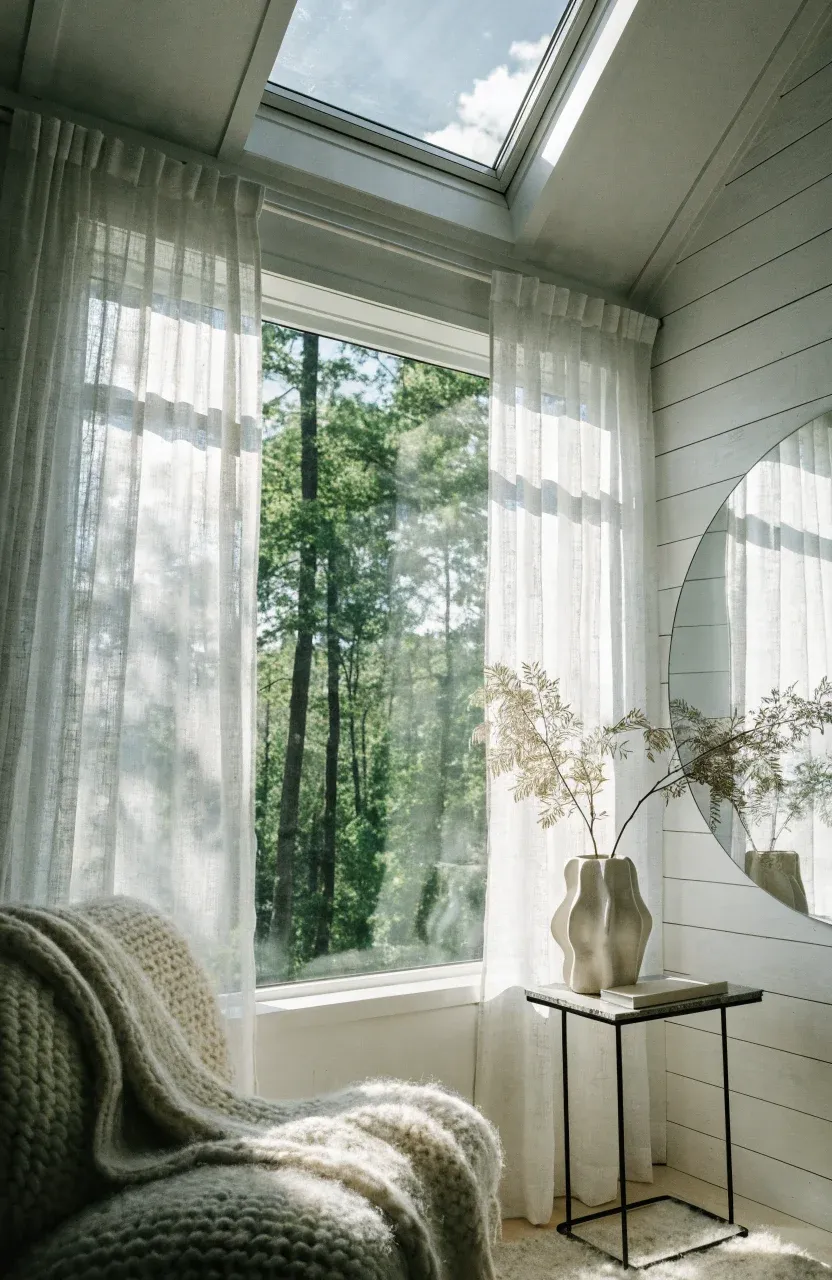
The best tiny house inspiration interiors focus on light and air. Large windows or skylights can make a micro-dwelling feel connected to the outdoors, which prevents cabin fever. Use mirrors strategically to reflect light and create the illusion of depth. When it comes to decor, less is usually more. Choose a few high-quality pieces that you love rather than filling shelves with small knick-knacks. Soft textiles, like a wool throw or linen curtains, add comfort without taking up physical space. Designing for comfort means ensuring that the things you touch and use every day feel good and function exactly as they should.
Living in a smaller footprint doesn't mean you have to sacrifice style or utility. By focusing on multi-purpose furniture, smart kitchen layouts, and a cohesive design, you can create a home that feels both spacious and personal. Take a look at your current layout and see where a few small changes could open up your space today.