
Installing a double vanity is a great way to add function to a shared bathroom, but the lighting can make or break the design. If you place your wall sconces too high, you will deal with harsh shadows under your eyes every morning. If you pick the wrong materials, the humidity from your shower will cause the finish to peel within a year. Getting the lighting right isn't just about looks; it is about creating a space where you can actually see what you are doing while you shave or apply makeup.
This guide covers the technical details of sconce placement and how to choose fixtures that stand up to bathroom conditions. You will learn how to space lights for even coverage, how to match finishes with your existing hardware, and why the type of bulb you choose is just as important as the lamp itself.
Height and Spacing for Even Mirror Lighting
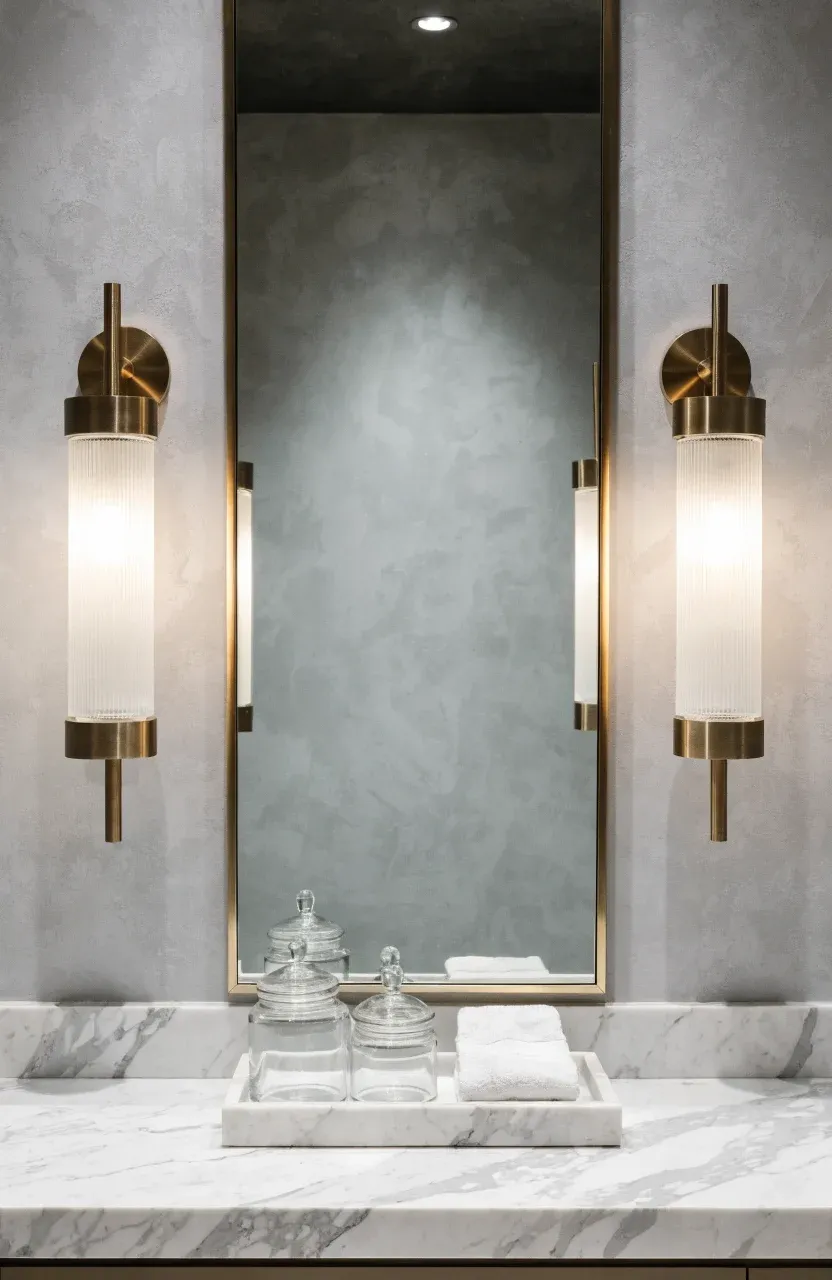
The goal of vanity lighting is to illuminate your face evenly from both sides. To avoid shadows, sconces should be mounted at eye level. For most adults, this means the center of the light source should be about 60 to 66 inches from the floor. If the household has a significant height difference between users, aim for the middle of that range to accommodate everyone.
When it comes to horizontal spacing, try to keep the fixtures about 28 to 30 inches apart. If they are too far away, the light won't reach the center of your face, leaving the middle of your features in the dark. If you are using mirrors, the sconces should ideally sit on either side of the glass rather than above it, as side lighting is much more flattering for grooming.
Choosing Between Two or Three Sconces
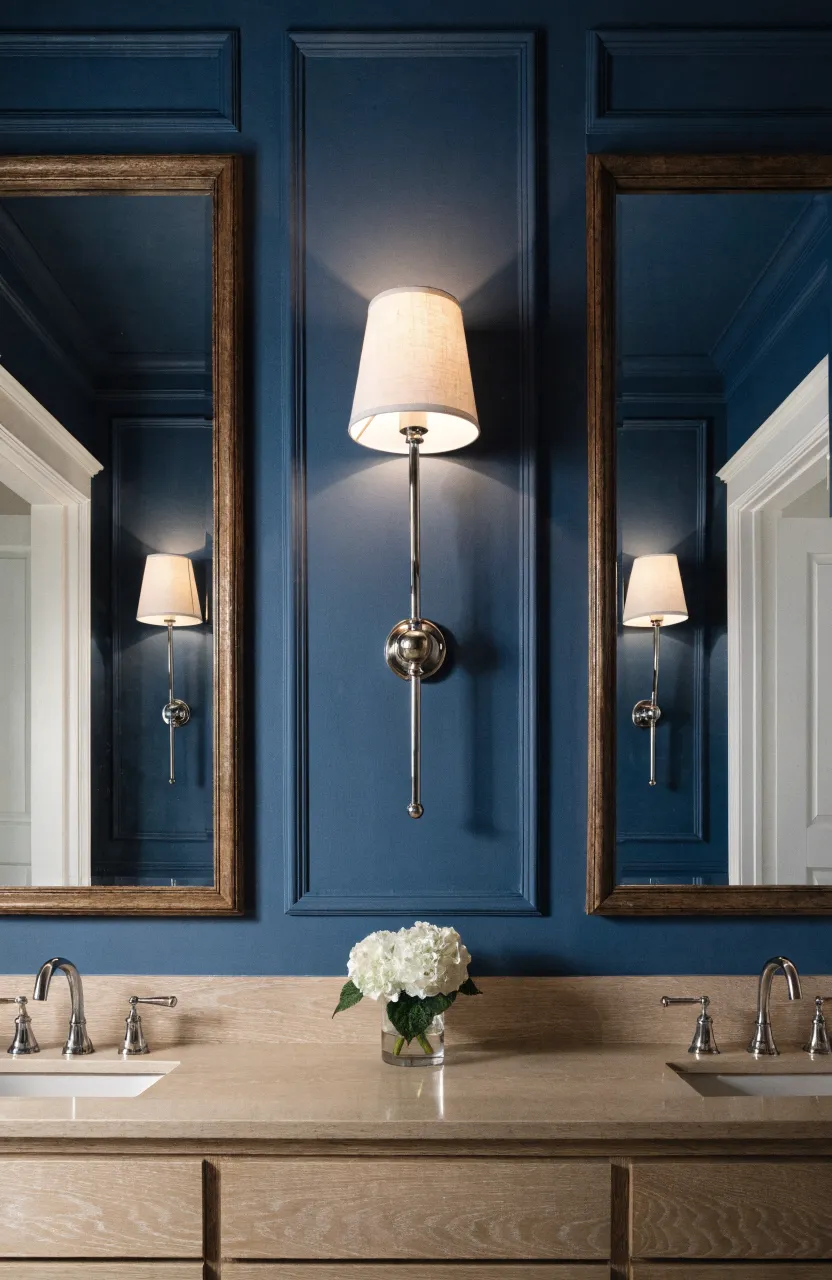
The layout of your double vanity usually dictates whether you need two or three lights. A common setup uses three sconces: one on the far left, one in the center between the two mirrors, and one on the far right. This provides a balanced look and ensures both sinks have light coming from both sides. This is often the best choice for large vanities where the mirrors are spaced widely apart.
If your double vanity is compact or you have one continuous mirror, you might only have room for two sconces placed on the outer edges. In this case, choose fixtures with a wider light spread or higher lumen output. If you go with two lights, make sure they aren't tucked too far into the corners, or the light will bounce off the side walls and create a narrow, cave-like feel.
Selecting Materials That Handle Bathroom Humidity
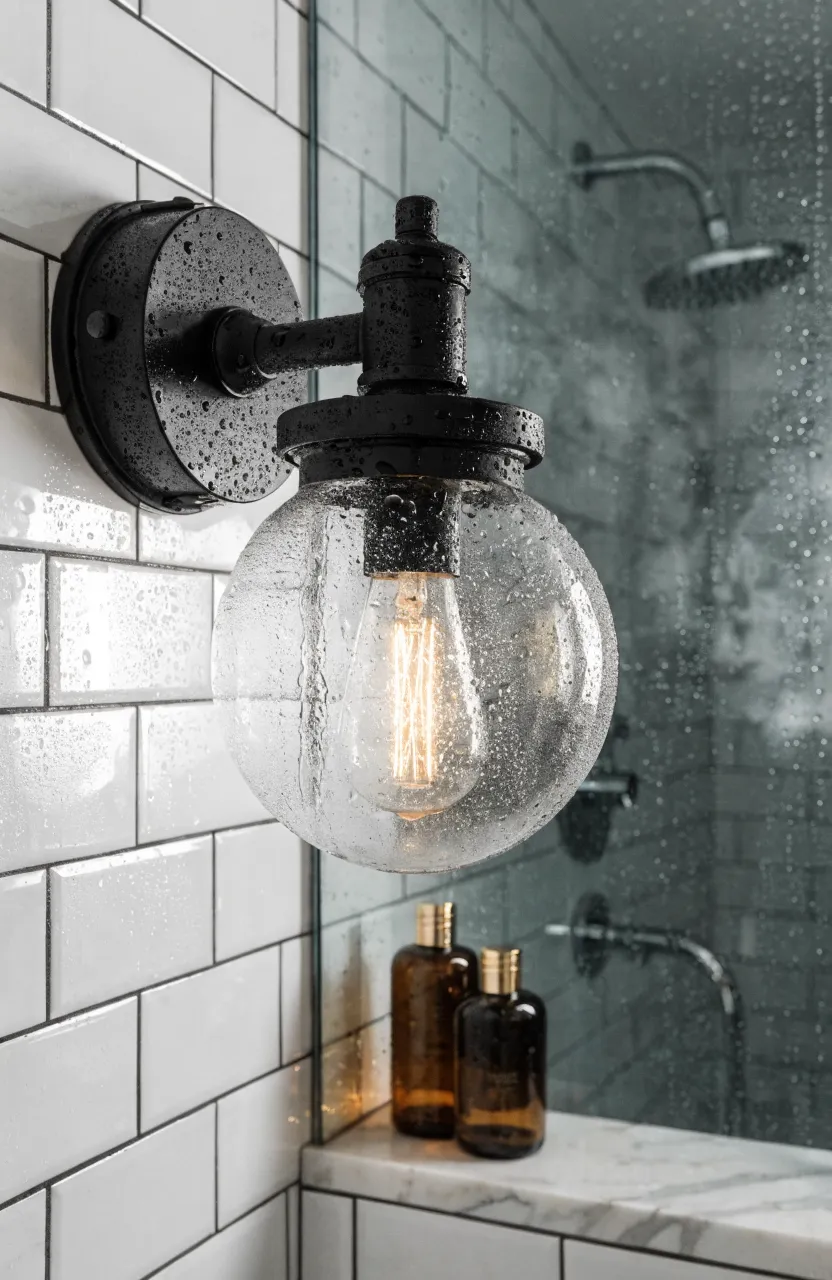
Bathrooms are damp environments, and not all light fixtures are built for it. Always check the rating of a sconce before buying. You need fixtures that are 'Damp Rated.' These are designed to handle moisture and condensation without the electrical components corroding or the finish rusting. Avoid 'Dry Rated' lights, which are meant for hallways or bedrooms.
Material choice matters for longevity. Chrome, brushed nickel, and PVD (Physical Vapor Deposition) finishes are excellent at resisting tarnish in humid air. If you like the look of brass, ensure it has a high-quality lacquer or is a natural 'living finish' that you are prepared to let age. Cheaply plated metals often flake or pit when exposed to steam from a hot shower, so investing in solid metals pays off over time.
Matching Sconce Styles to Vanity Hardware
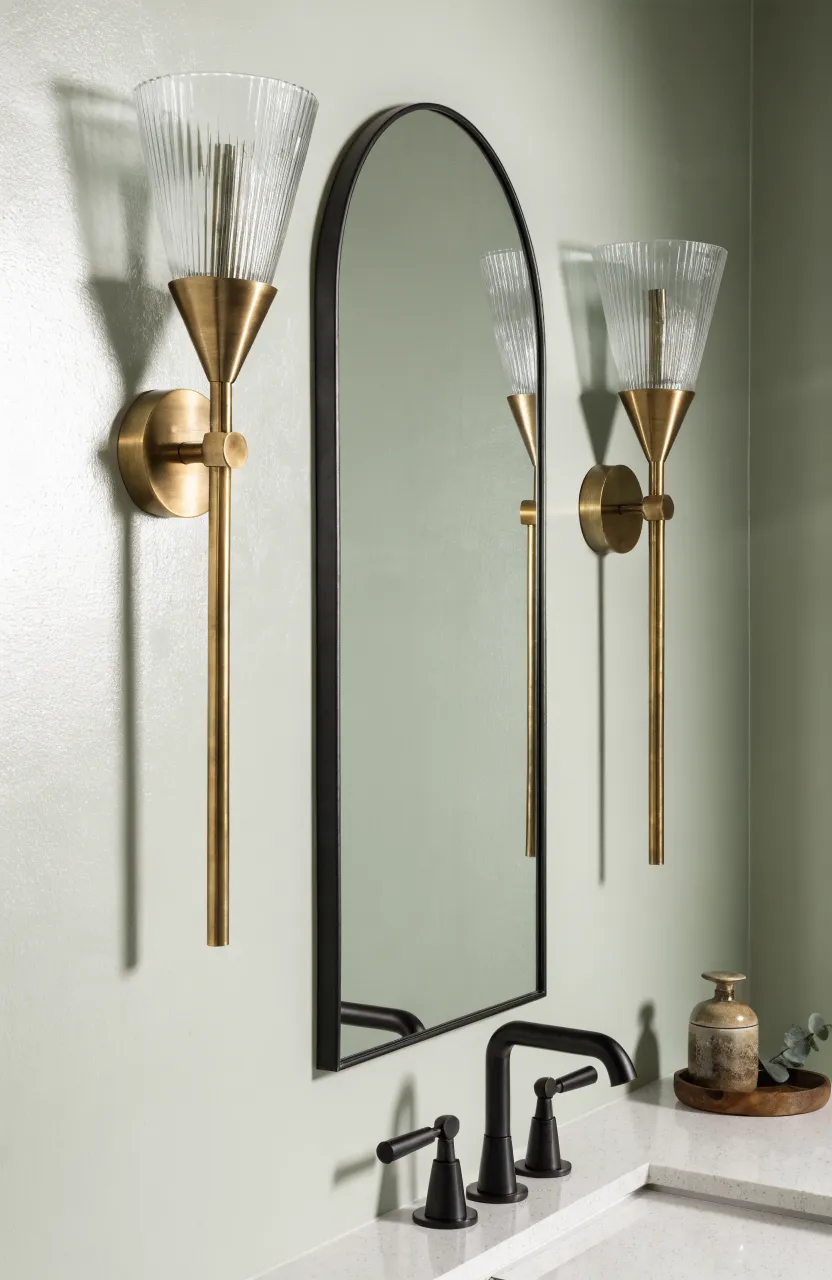
Your sconces don't have to be an exact match to your faucets, but they should share a common theme. If your vanity has modern, matte black handles, look for sconces with clean lines and a similar black finish. Mixing metals is also a popular choice, such as pairing polished nickel faucets with warm brass sconces. This adds depth to the room so it doesn't look like a showroom set.
Consider the scale of the fixture compared to your mirrors. If you have tall, thin mirrors, slim vertical sconces look better than bulky, round ones. If your mirrors have heavy wooden frames, you can get away with more substantial, industrial-style lighting. The key is to ensure the light doesn't overwhelm the mirror or look like a tiny afterthought next to a large vanity.
Bulb Types and Color Temperatures for Grooming
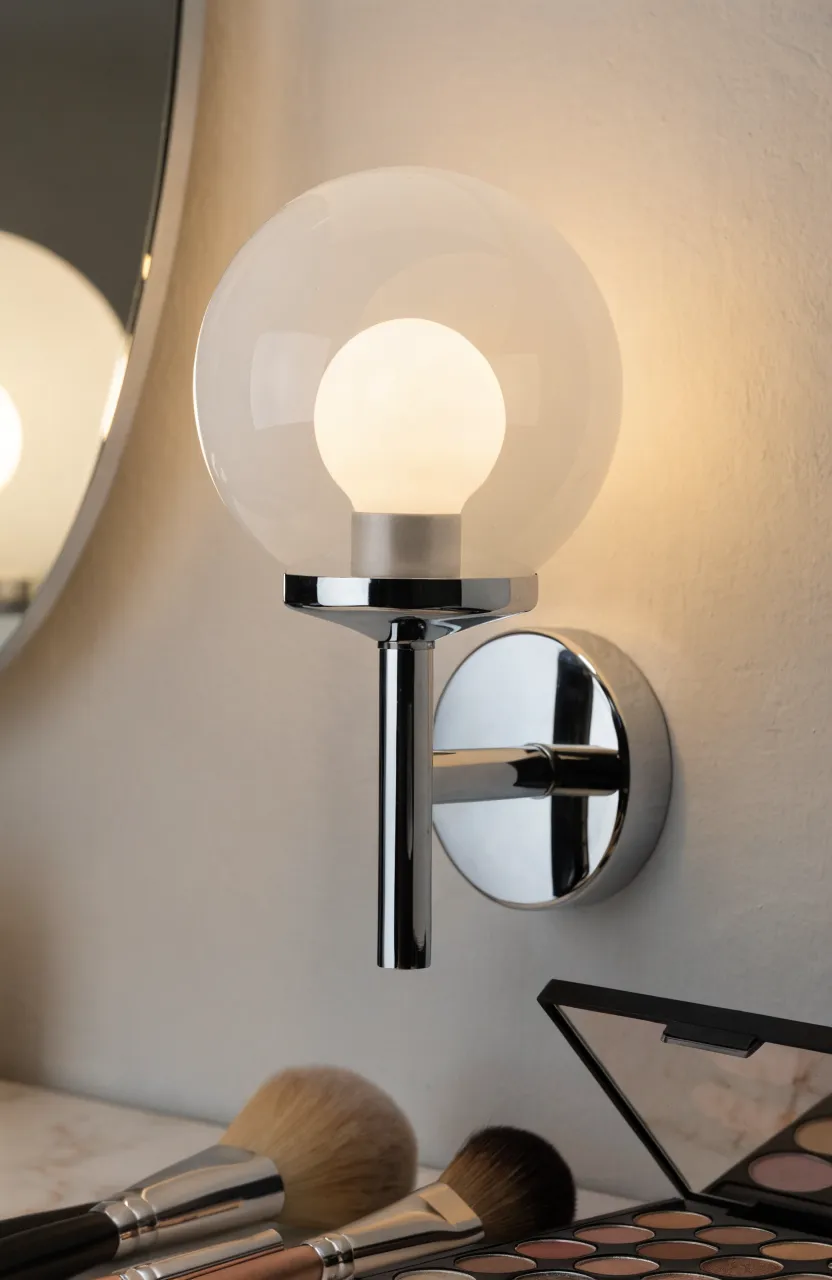
The bulb is what actually does the work. For a bathroom, look for a Color Rendering Index (CRI) of 90 or higher. This ensures that colors—like skin tones or makeup shades—look accurate. For color temperature, 2700K to 3000K provides a warm, inviting glow that is still bright enough for tasks. Avoid 'Daylight' bulbs (5000K+), as they can look blue and clinical, making the room feel cold.
LED bulbs are the standard now because they stay cool and last for years. Since vanity sconces are often at eye level, choose bulbs with frosted glass or fixtures with opal glass shades. Clear glass with exposed filaments might look trendy, but they often create a harsh glare that makes it hard to look in the mirror for long periods.
Wiring and Dimmer Switch Considerations
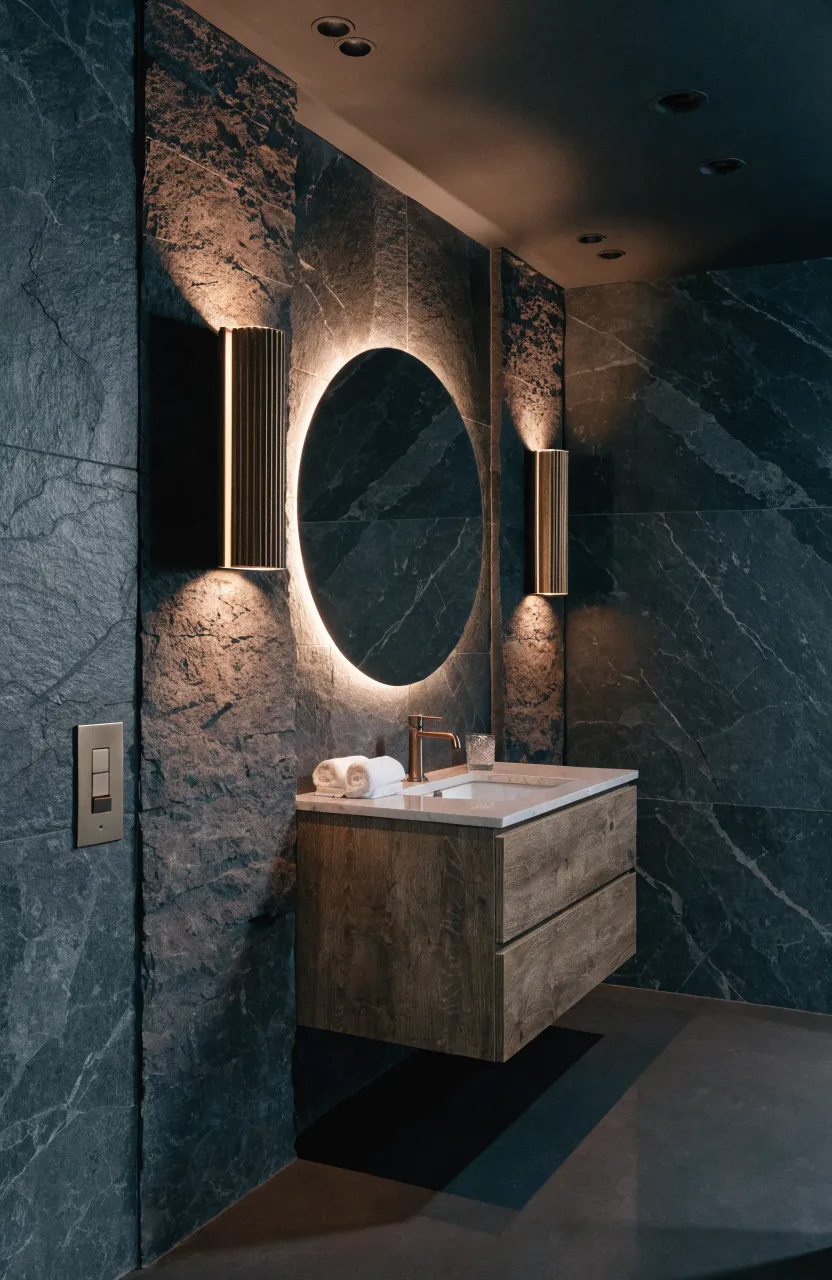
If you are remodeling, think about how you want to control the lights. Putting your vanity sconces on a dimmer switch is highly recommended. It allows you to have bright light for morning routines and a soft, low glow for middle-of-the-night bathroom trips. Ensure your LED bulbs are specifically labeled as 'dimmable' to prevent flickering.
Talk to your electrician about separate zones. It is often helpful to have the overhead recessed lights on one switch and the vanity sconces on another. This gives you control over the layers of light in the room. Also, double-check the placement of the junction boxes before the drywall goes up. Moving a light box a few inches later is expensive and messy, so mark the center of your sinks and mirrors clearly on the wall first.
Choosing the right sconces for your double vanity requires a balance of style and technical planning. By focusing on eye-level placement, moisture-resistant materials, and the right bulb temperature, you can create a bathroom that is both beautiful and functional. Take the time to measure your space and coordinate your finishes for a cohesive look. When you are ready to start, consult with a professional electrician to ensure your wiring is safe and perfectly positioned for your new fixtures.