
Does your bathroom counter or bedside table often feel cluttered with loose bottles, jewelry, and miscellaneous items? A vanity tray is one of the simplest tools to regain control over these surfaces. By grouping your most-used items on a single platform, you create a visual boundary that turns a mess into an intentional display.
This guide covers how to select the right materials, arrange your belongings for efficiency, and maintain your trays so they remain functional for years. You will learn how to measure your space correctly and balance the items you need with a few decorative touches to make your home feel more organized.
Choosing the Right Materials for Your Space
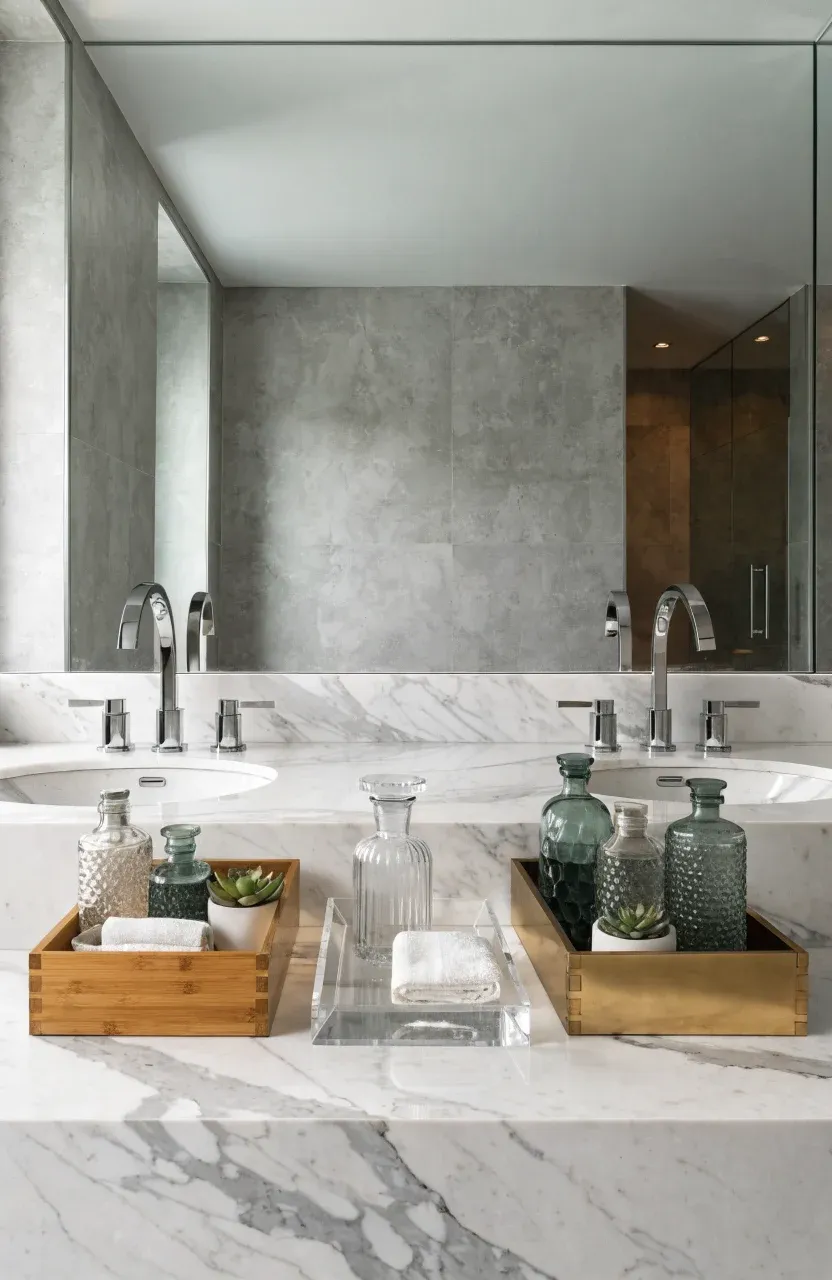
The material of your tray should match both your style and the environment where it will live. For bathrooms, moisture is a major factor. Bamboo is an excellent choice because it naturally resists water and adds a warm, organic feel to the room. If you prefer something more modern, acrylic or glass trays work well because they are easy to wipe down and don't warp.
In drier areas like a bedroom or home office, you have more freedom. Leather or fabric-lined trays add texture and a sense of quiet to a nightstand. Metal trays, such as those made of brass or stainless steel, offer a sturdy weight and a classic look. Think about the existing finishes in your room, like your faucet or drawer pulls, and try to pick a tray material that complements those accents.
Smart Ways to Arrange Countertop Essentials
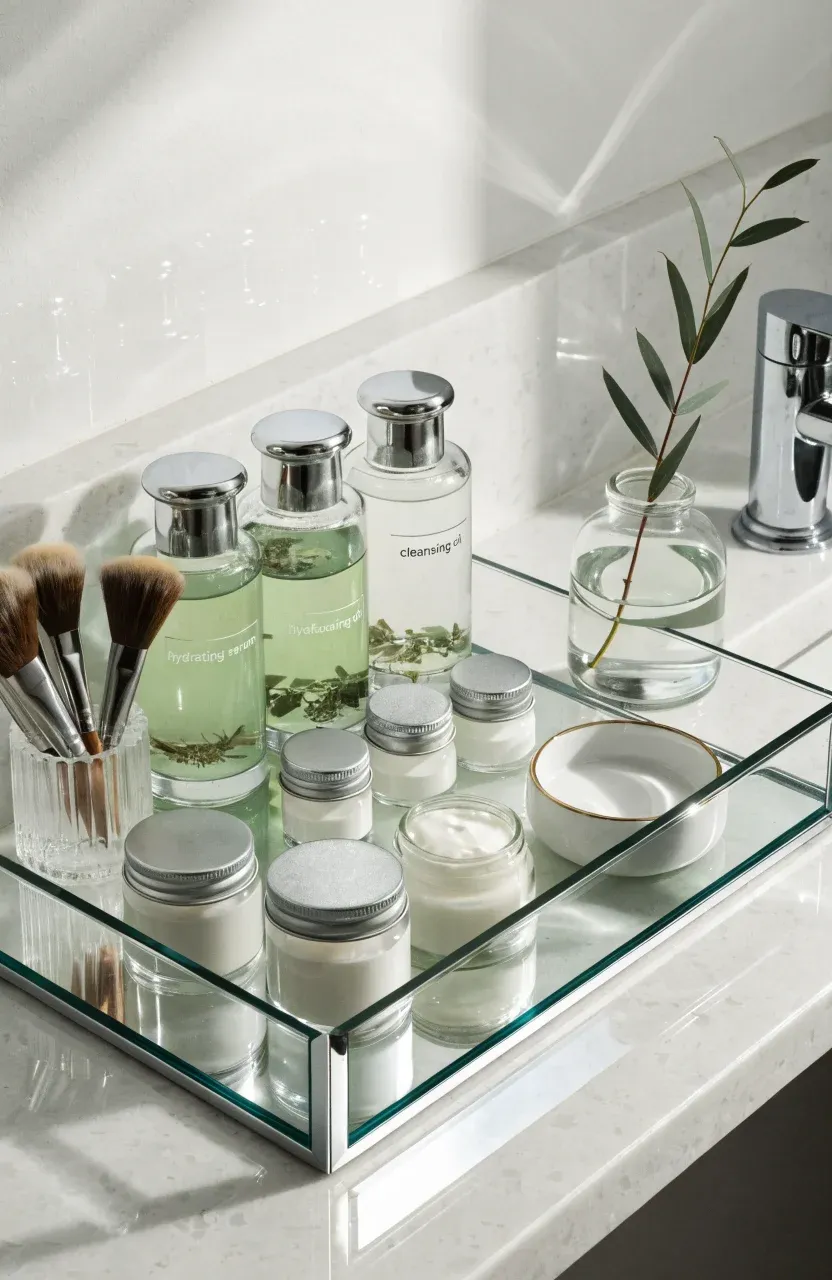
Organization is most effective when it follows your actual habits. Start by placing your tallest items toward the back of the tray so they don't block smaller bottles. If you have daily skincare products, keep them in the front for easy access. Grouping items by frequency of use ensures you aren't digging around during your morning rush.
To keep things from looking cluttered, use small jars or dishes within the tray. A tiny ceramic bowl can hold rings or hair ties, while a tall glass can keep makeup brushes upright. This layering technique helps maximize the space without making the tray look like a catch-all for junk. Leave a little bit of breathing room between items so you can pick things up without knocking others over.
Maintaining and Cleaning Your Tray Surfaces
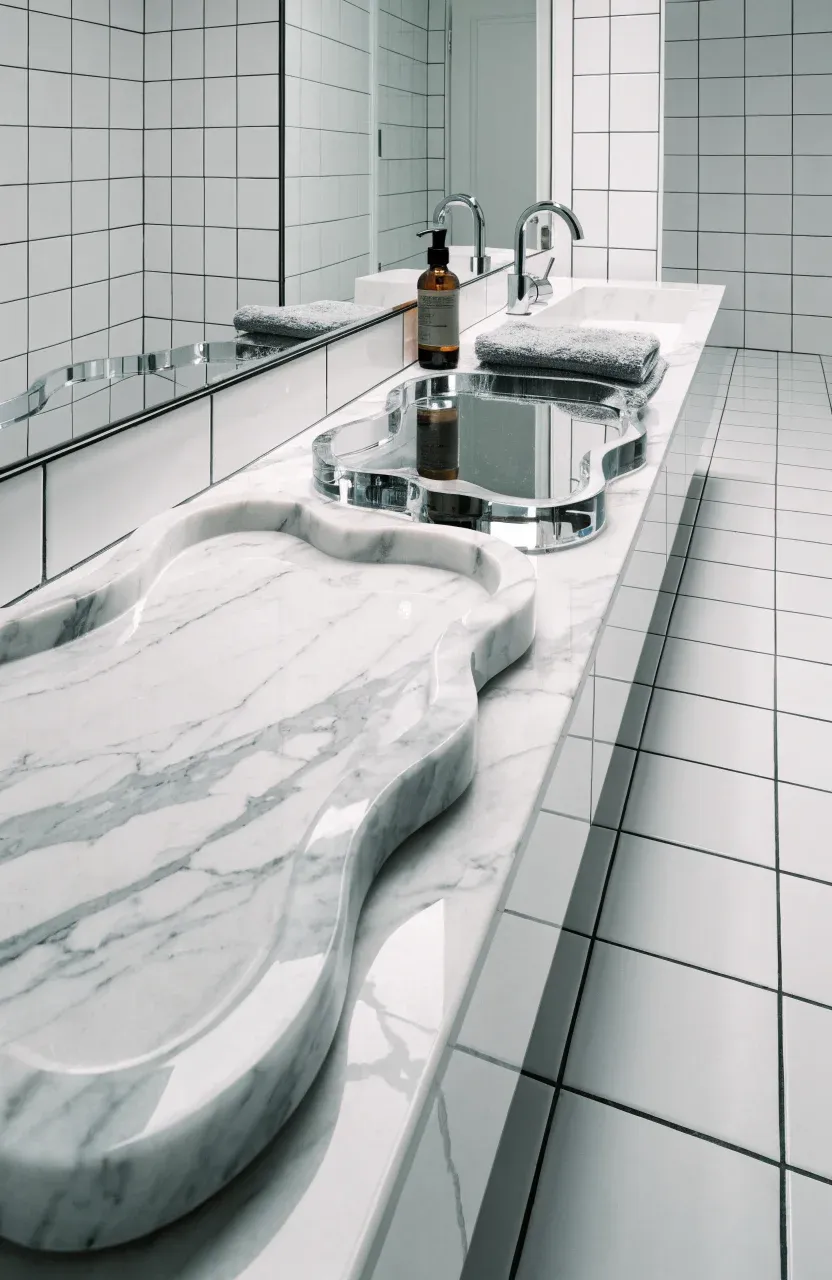
Trays naturally collect dust, hairspray residue, and water spots over time. To keep them looking fresh, make cleaning part of your weekly routine. For bamboo or wood trays, use a damp cloth and mild soap, then dry them immediately to prevent the wood from swelling. Avoid harsh chemicals that might strip the finish.
Acrylic and glass trays show fingerprints easily, so a quick wipe with a microfiber cloth and a bit of vinegar or glass cleaner will keep them clear. If you use a metal tray, check for spots or tarnish and use a specialized cleaner if the finish starts to dull. Removing everything from the tray once a week to wipe the bottom and the counter underneath prevents grime from building up in the corners.
Adapting Trays for Different Rooms and Uses
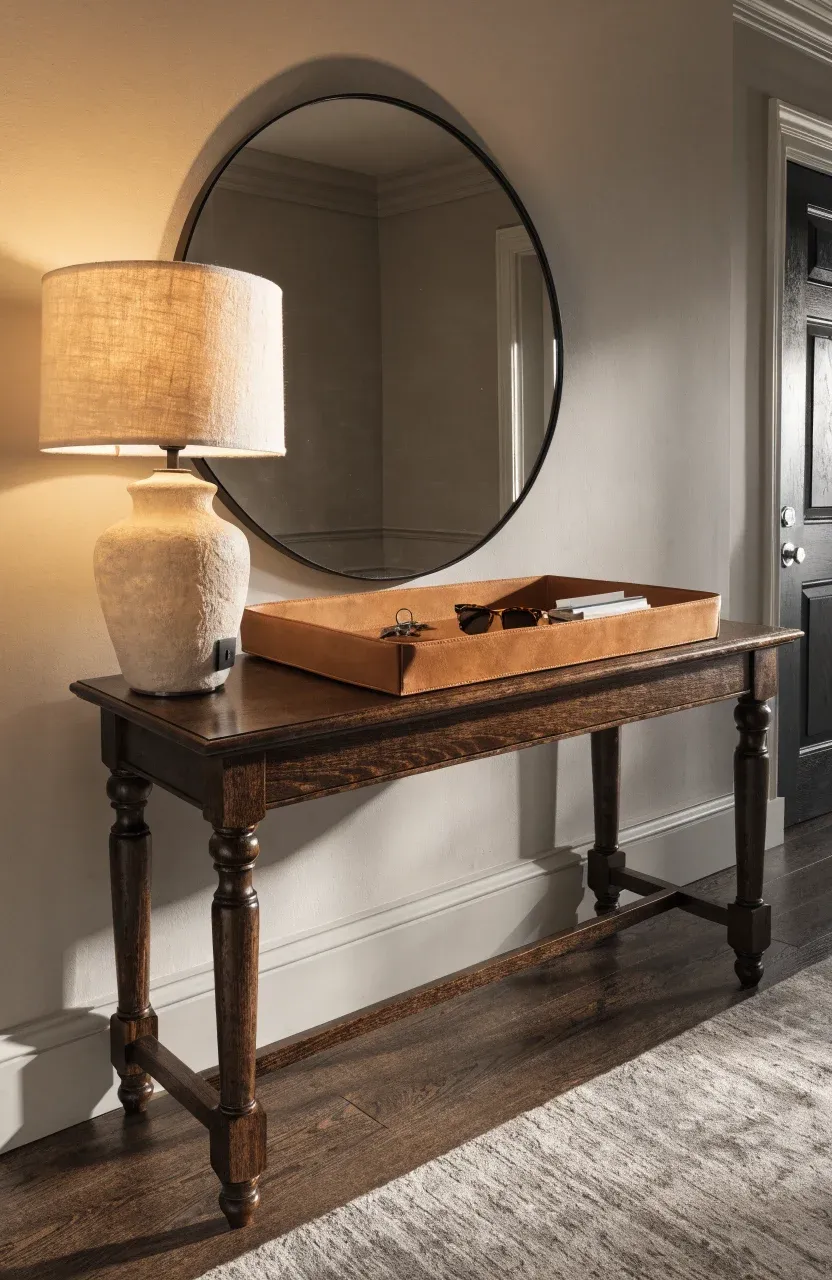
While often associated with the bathroom, these trays are useful all over the house. In an entryway, a small tray acts as a landing spot for keys, sunglasses, and mail. This prevents these small items from getting lost or scattered across the dining table. In a home office, a tray can corral pens, a stapler, and a notepad, keeping your desk clear for your computer.
You can also use trays in the kitchen to hold salt and pepper shakers or olive oil bottles near the stove. This keeps drips off the countertop and makes it easier to move everything at once when you need to clean. Even on a coffee table, a tray can hold a remote control and a candle, making the space look tidy instead of random.
Measuring Your Surface for a Proper Fit
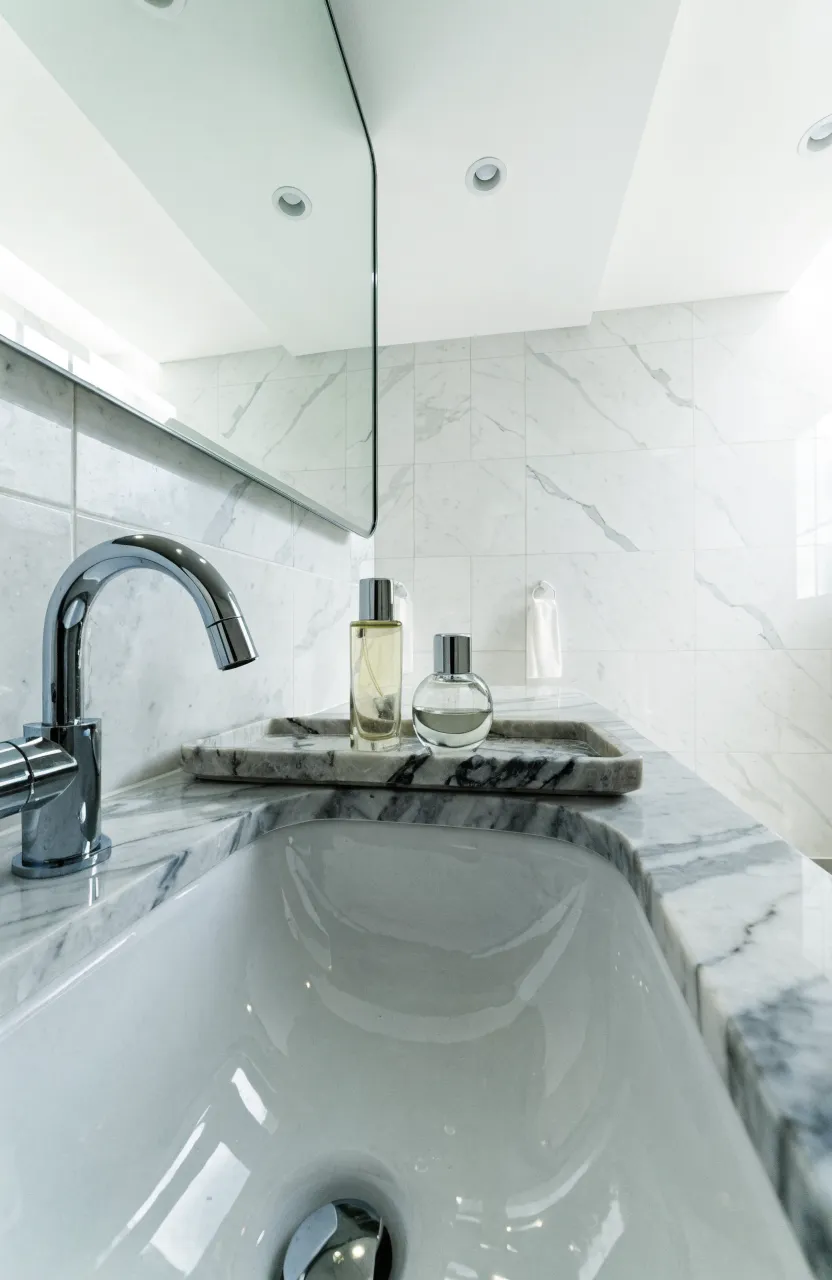
Before buying a tray, measure the depth and width of the surface where it will sit. A tray that is too large will feel cramped and might overhang the edge, while one that is too small won't hold enough to be useful. For a standard bathroom vanity, leave at least two to three inches of space between the tray and the sink to avoid splashing it constantly.
Consider the height of the tray's sides as well. Low-profile trays are great for showing off beautiful perfume bottles, but trays with higher sides are better for containing taller items that might tip over. If you are placing a tray inside a drawer, measure the internal height carefully to ensure the drawer can still close once the items are placed on the tray.
Balancing Practical Items with Decorative Accents
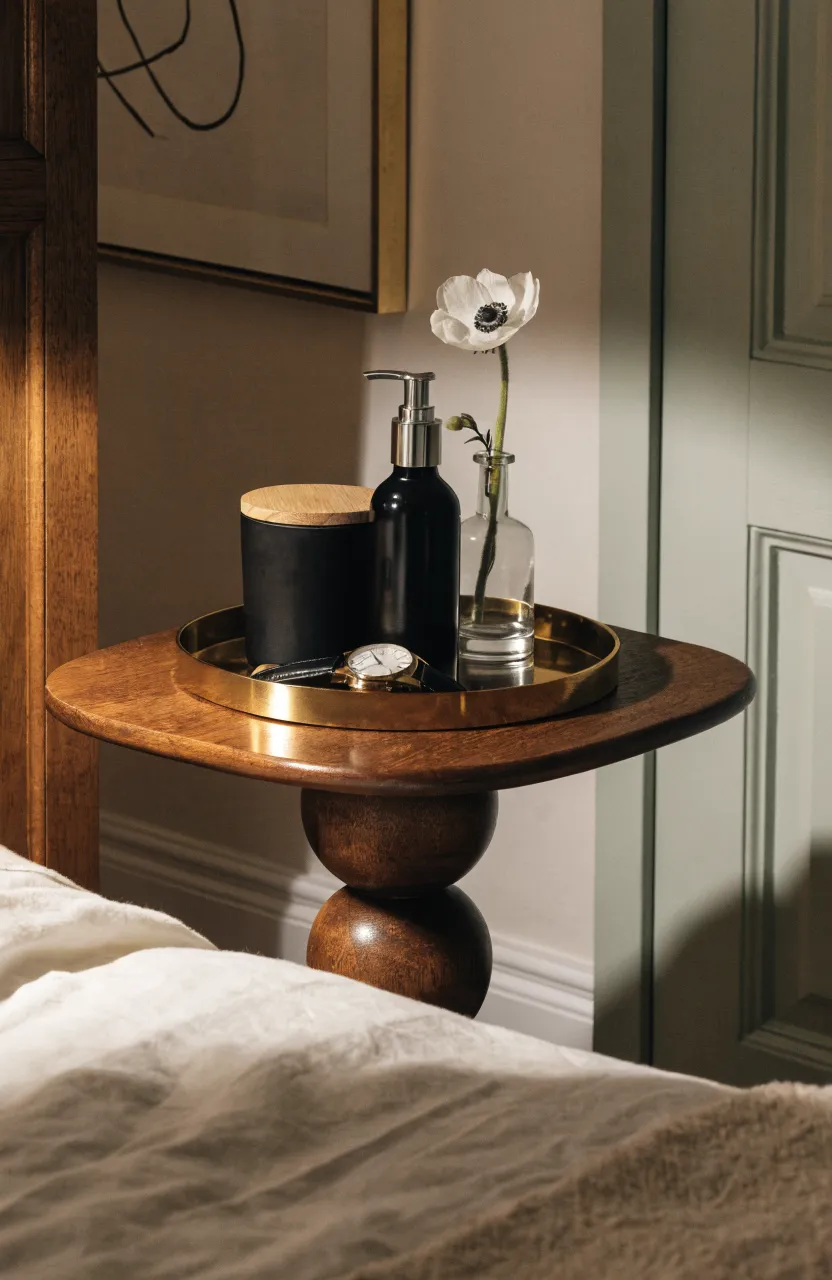
A tray should be functional, but it doesn't have to be boring. Start with your essentials, like your daily moisturizer or your watch. Once the necessities are in place, add one or two decorative pieces to give the tray some character. A small bud vase with a single flower or a decorative stone can make the arrangement feel more personal.
The key is to follow the rule of thirds or odd numbers, which usually looks more natural to the eye. If you have three skincare bottles, add one small candle to balance the heights. Avoid overfilling the tray with decor; if you find yourself moving a figurine out of the way every morning just to get to your toothbrush, you have too many items on there. Keep the focus on what makes your routine easier.
Using a vanity tray is a practical way to simplify your home and your daily habits. By choosing the right material and keeping your essentials organized, you turn a cluttered counter into a functional workspace. Take a moment today to look at your most crowded surface and see if a simple tray might be the solution you need to keep things tidy.