
Green has become a top choice for bathroom renovations because it brings a sense of the outdoors inside. Whether you want a dark, moody forest green or a light, airy sage, a green vanity acts as a focal point that feels both classic and fresh. It is a versatile color that works well with many different design styles, from modern farmhouse to sleek contemporary.
In this guide, we will look at how to select the right shade of green for your space. We will also cover how to pick the right hardware finishes, countertop materials, and wall colors to make sure your new vanity looks like it belongs in the room.
Popular shades of green for bathroom cabinets
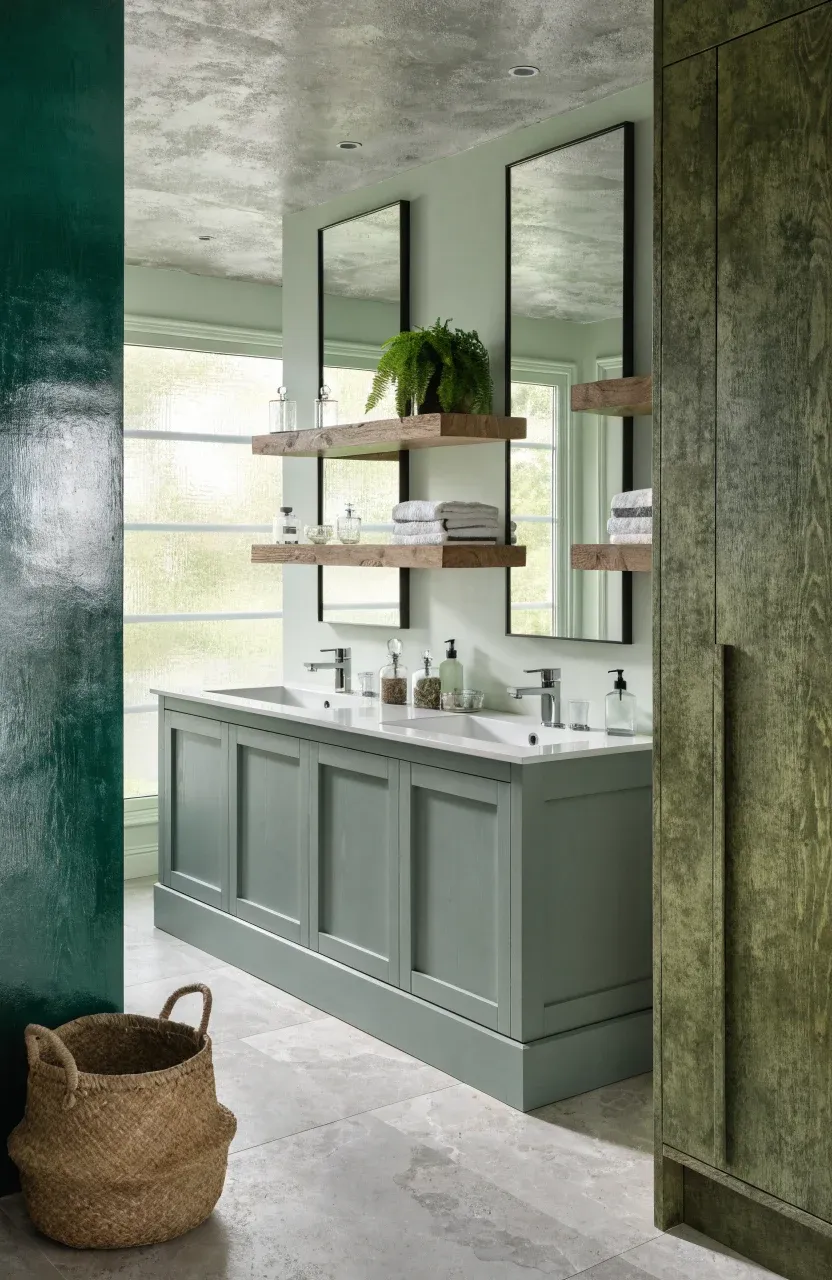
The shade of green you choose sets the mood for the entire bathroom. Sage green is a soft, muted option that works well in smaller bathrooms because it doesn't feel too heavy. It has gray undertones that make it look sophisticated and calm. For a more dramatic look, forest or emerald green adds depth and a bit of luxury, especially in larger master baths.
Olive green is another great choice if you want something with warm, earthy undertones. It pairs beautifully with natural wood elements. If you prefer a more modern or coastal feel, mint or seafoam greens offer a bright, clean look. When picking a color, always test a sample in your bathroom's specific lighting, as green can shift significantly between natural sunlight and artificial bulbs.
Matching hardware finishes with green paint
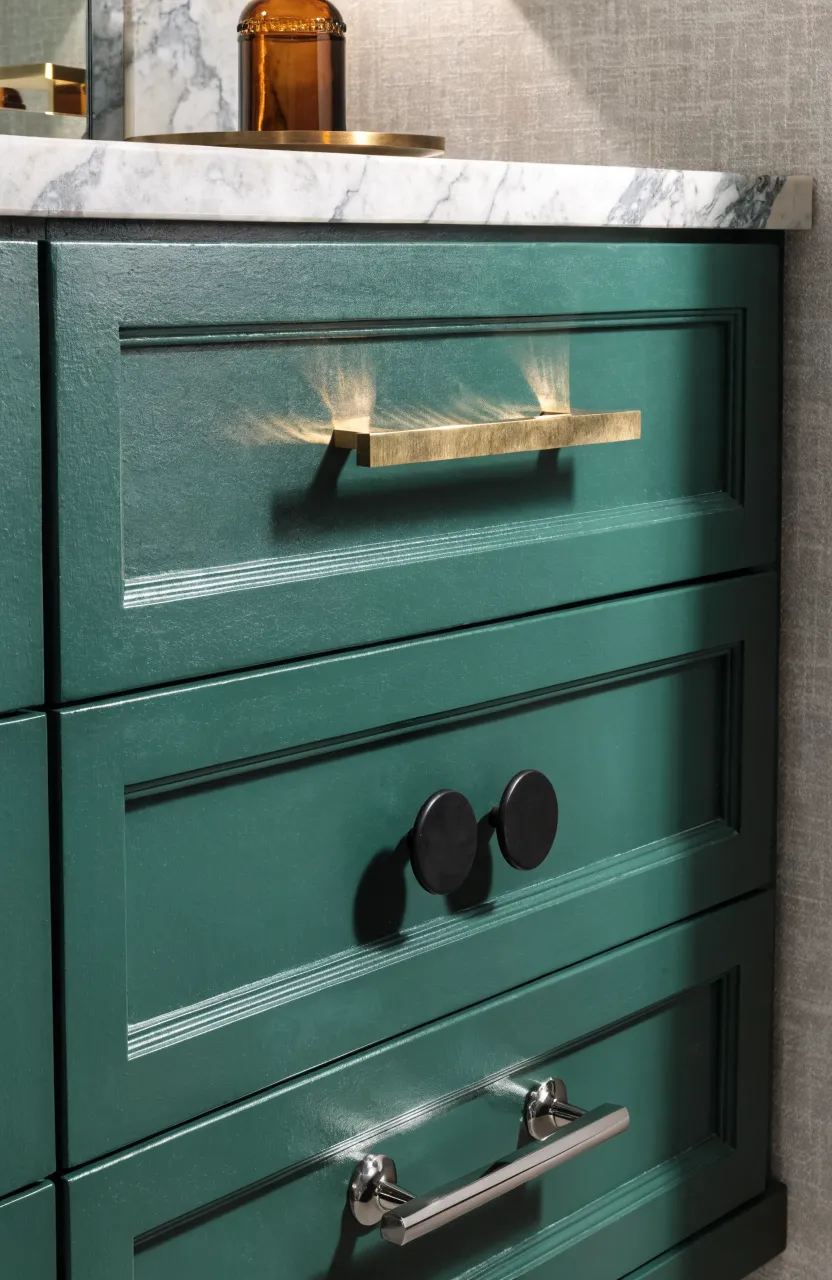
Hardware is like jewelry for your vanity, and the finish you choose can change the style of the cabinet. Brass and gold are the most popular choices for green vanities. The warmth of the metal creates a beautiful contrast against cool green tones, making the space feel high-end.
If you want a more industrial or modern look, matte black hardware provides a sharp, clean contrast that stands out against lighter greens like sage. For those who prefer a traditional or timeless style, polished nickel or chrome works well, though these cooler metals tend to look best with greens that have blue or gray undertones. Avoid using hardware that matches the paint color too closely; you want the knobs and pulls to be visible.
Countertop materials that complement green wood tones
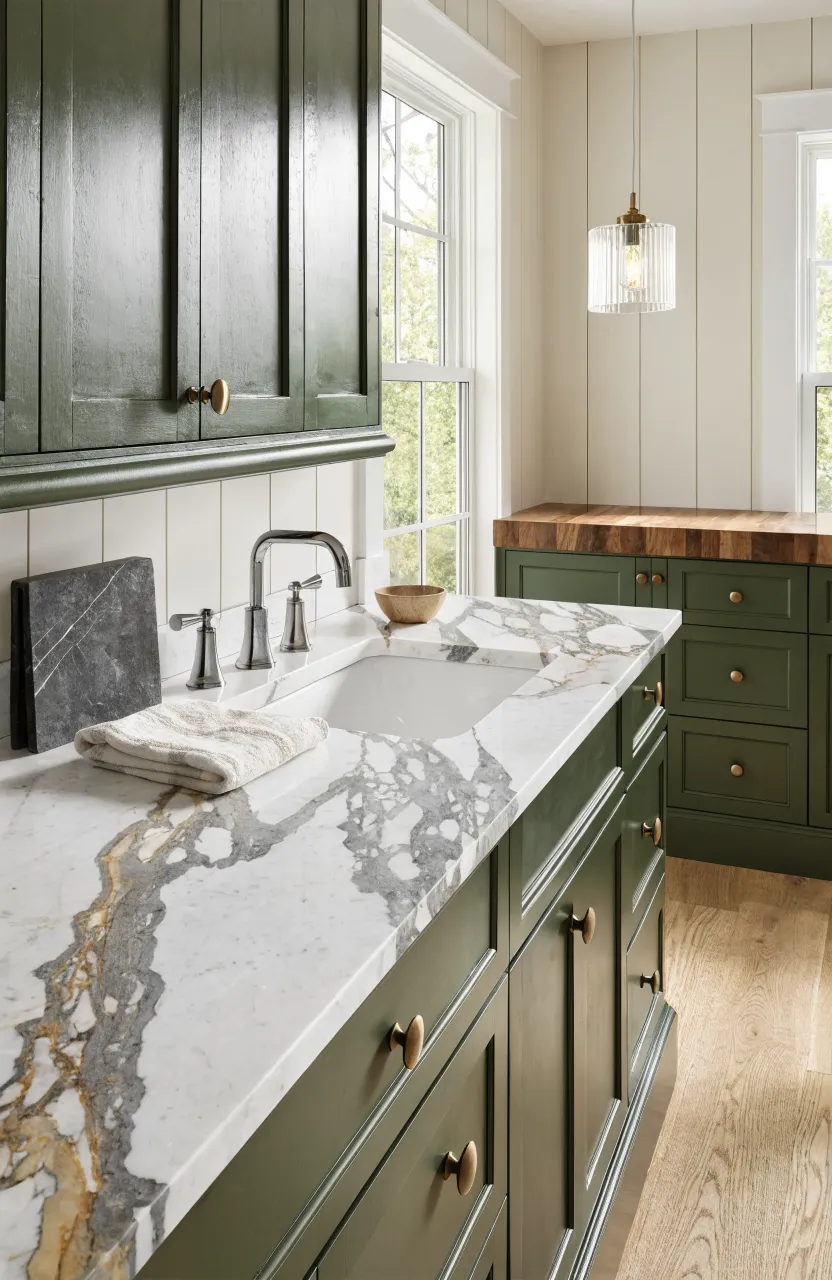
White marble or quartz with light gray veining is a classic partner for a green vanity. The clean white surface keeps the bathroom feeling bright, while the veining picks up on the cooler tones in the paint. If you have a dark green vanity, a solid white countertop creates a crisp, high-contrast look that feels very intentional.
For a warmer, more rustic vibe, butcher block or wood-look countertops pair excellently with olive or forest green. If you want something more unique, soapstone or dark granite can create a moody, monochromatic look when paired with deep greens. Just keep in mind that darker countertops require better lighting so the room doesn't feel too dim.
Wall colors and tile patterns for a cohesive look
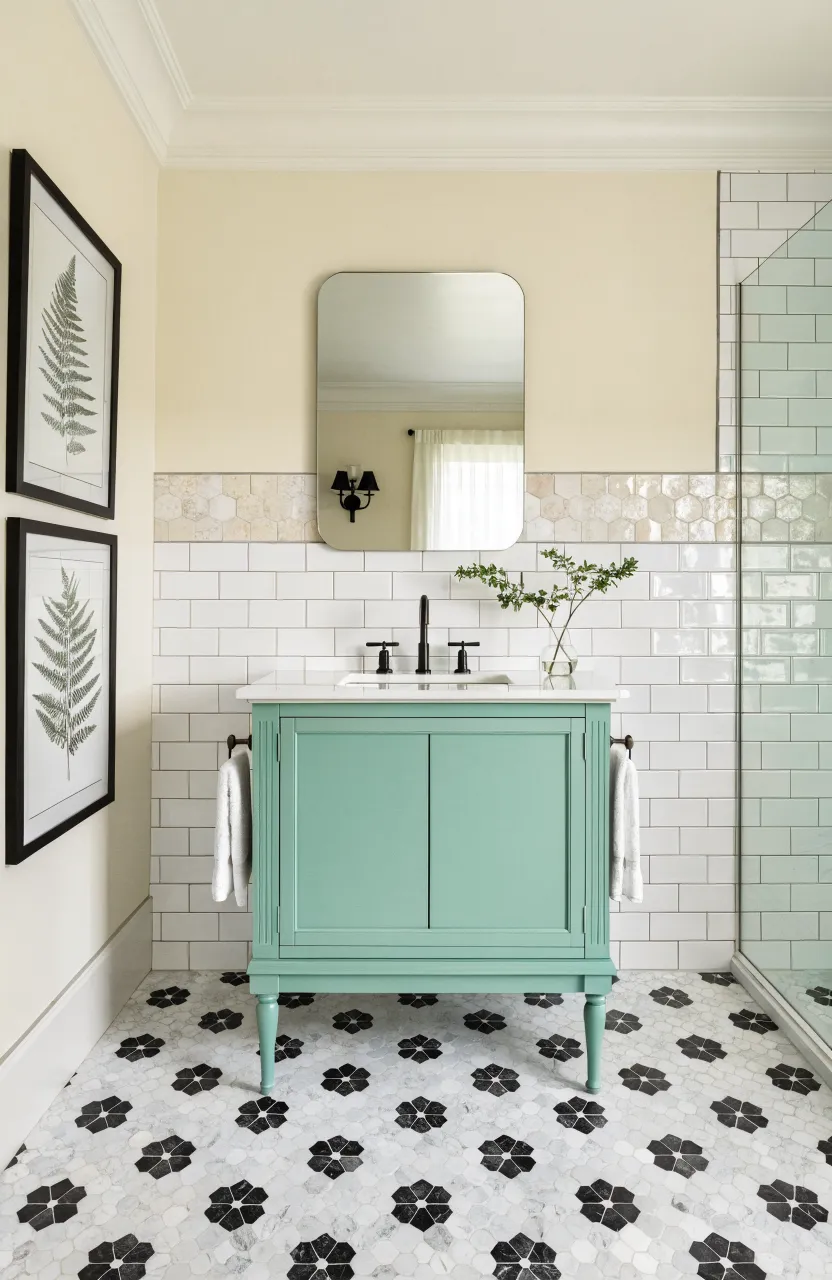
Since the green vanity is usually the star of the show, wall colors should generally stay neutral. Crisp whites, soft creams, or very light grays allow the vanity to stand out without competing for attention. If you want to use wallpaper, look for patterns with small green accents that tie back to the cabinet color.
Tile choice also matters. White subway tile is a safe and stylish choice that never goes out of fashion. For more texture, consider a zellige tile with slight color variations. If you want to use floor tiles, a black and white marble pattern or a light wood-look plank can ground the vanity and make the green pop.
Using plants and natural textures to finish the space
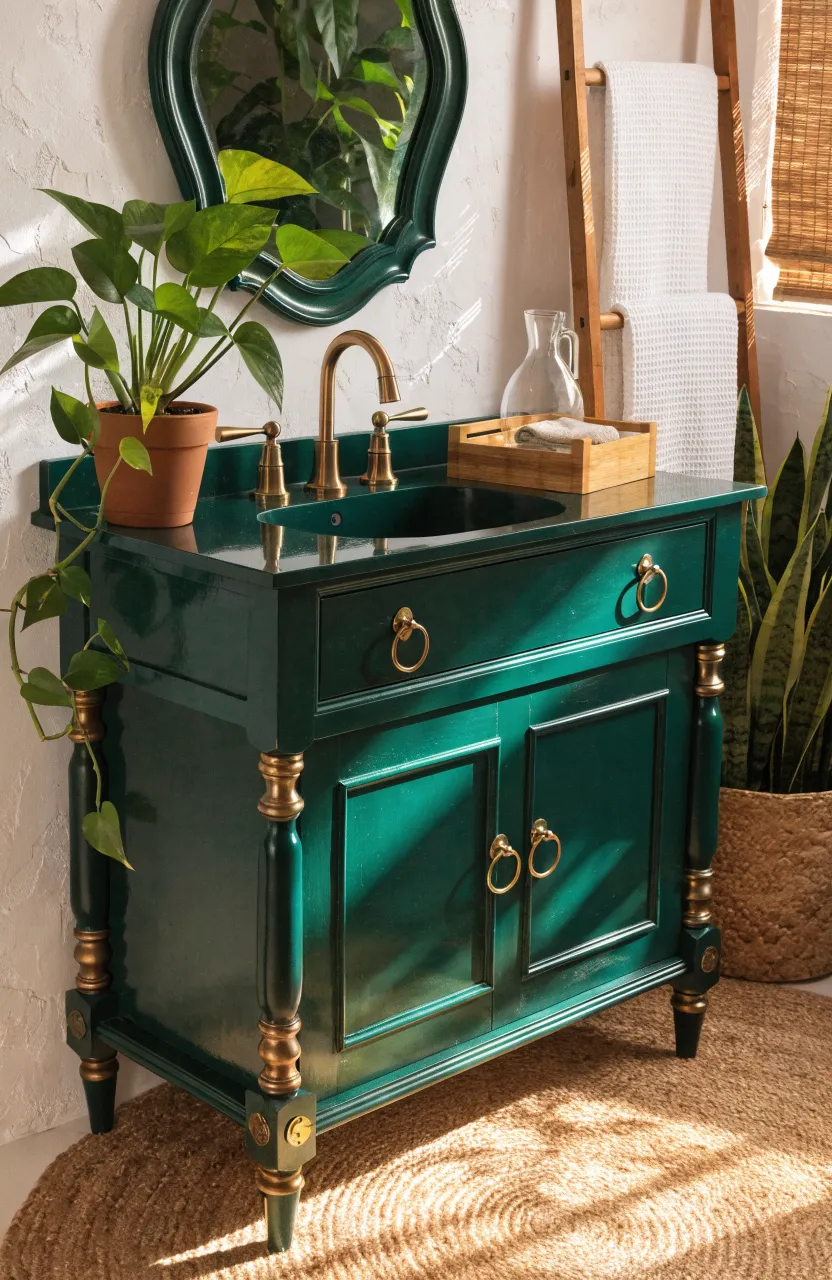
Green vanities naturally lean into a botanical or organic aesthetic. You can lean into this by adding actual plants to the room. Species like pothos or snake plants thrive in humid bathroom environments and reinforce the green theme.
Incorporate natural textures to soften the hard surfaces of the bathroom. Bamboo trays, wicker baskets for towels, or a jute rug can add warmth. These earthy elements bridge the gap between the painted cabinetry and the rest of the room, making the design feel more cohesive and less like a showroom.
Maintenance tips for painted bathroom furniture
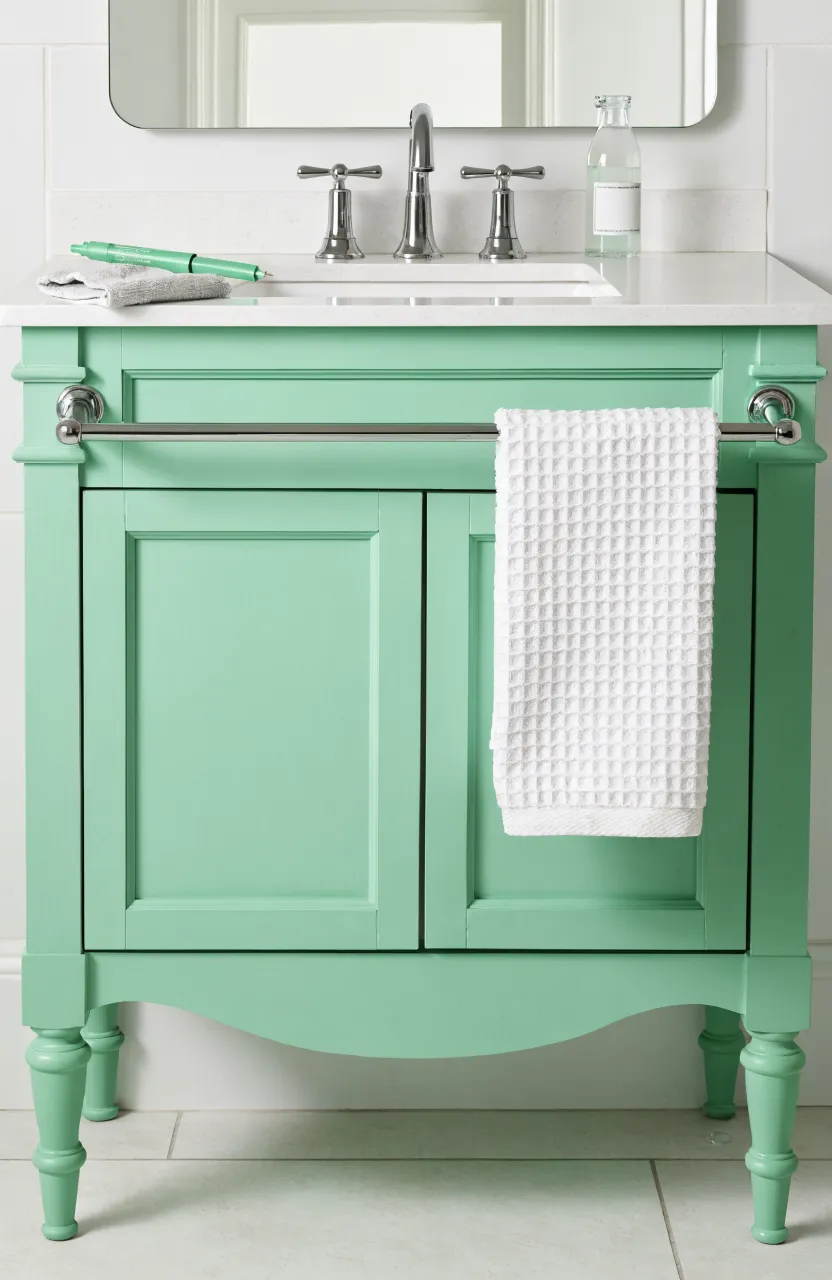
Painted vanities require a little more care than stained wood. Because bathrooms are wet environments, moisture is your biggest enemy. Always wipe up water splashes immediately, especially around the base of the vanity and the edges of the doors.
Clean the surface with a soft, damp microfiber cloth and a mild soap. Avoid harsh chemicals or abrasive scrubbers, as these can dull the finish or scratch the paint over time. If you notice small chips, touch them up quickly with a matching paint pen to prevent moisture from getting under the paint layer and causing it to peel.
A green vanity is an excellent way to add personality and a touch of nature to your bathroom. By choosing the right shade and pairing it with complementary hardware and textures, you can create a space that feels both stylish and relaxing. Start by grabbing a few paint samples and seeing how they look in your bathroom's light today.