
Small bathrooms often feel cluttered the moment you set down a toothbrush. The vanity is the hardest working piece of furniture in the room, but it is also the one that takes up the most floor space. Choosing a compact model doesn't mean you have to give up on organization; it just means you need to be more intentional about how that space is used.
This guide looks at how to pick a vanity that fits your square footage while providing enough room for your daily essentials. We will cover everything from internal cabinet hacks to the visual benefits of floating designs so you can make your small bathroom feel much larger than it actually is.
Choosing the right vanity size for your layout
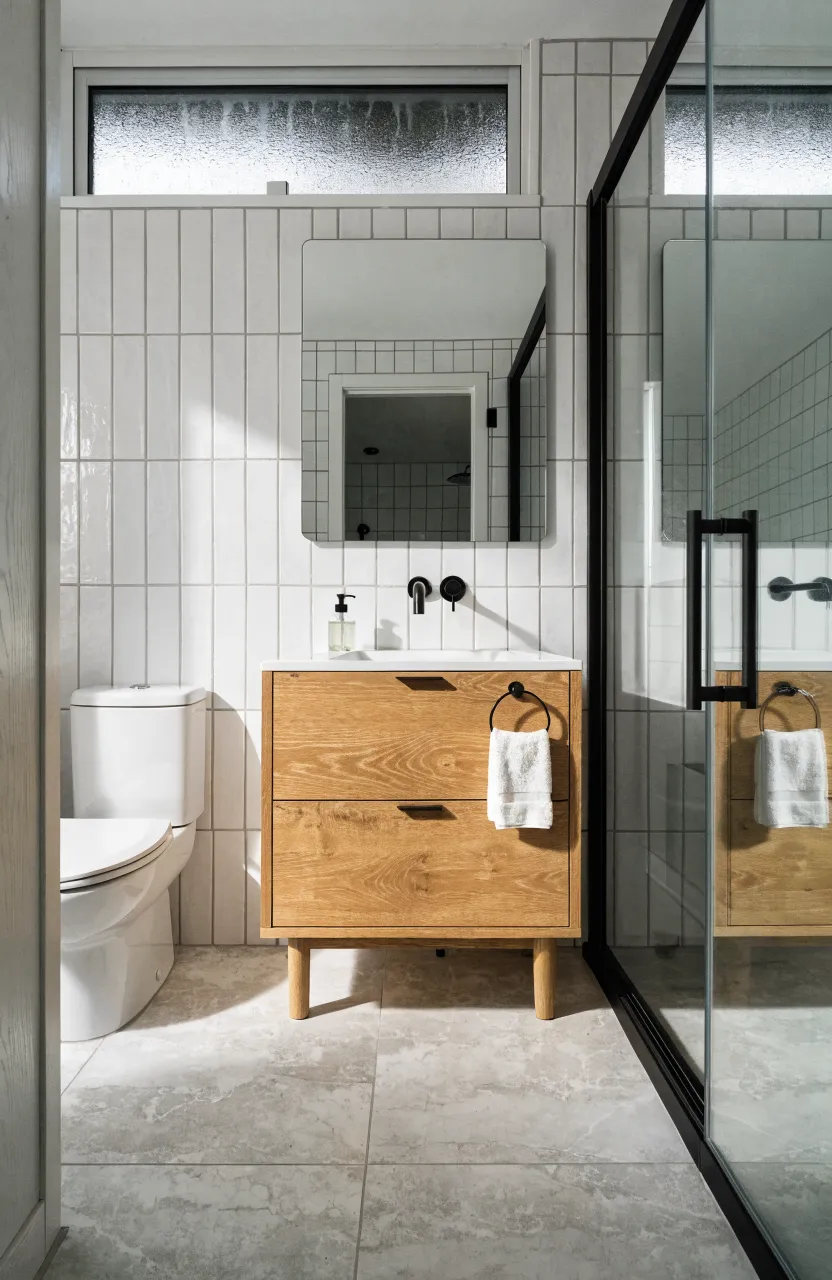
Before looking at styles, you need to measure your bathroom carefully. A vanity that is even two inches too wide can make a doorway feel cramped or block the shower entry. Standard small vanities usually range from 18 to 24 inches in width. If your bathroom is narrow, look for 'shallow depth' vanities. These are typically 13 to 18 inches deep instead of the standard 21 inches, which opens up more floor space for you to move around.
Think about the 'swing zone' of your bathroom door and the vanity cabinet doors. If space is tight, a vanity with an open shelf or sliding doors might work better than traditional swinging doors. Always leave at least 15 inches from the center of the toilet to the side of the vanity to meet standard building codes and ensure comfort.
Internal cabinet features that maximize vertical space
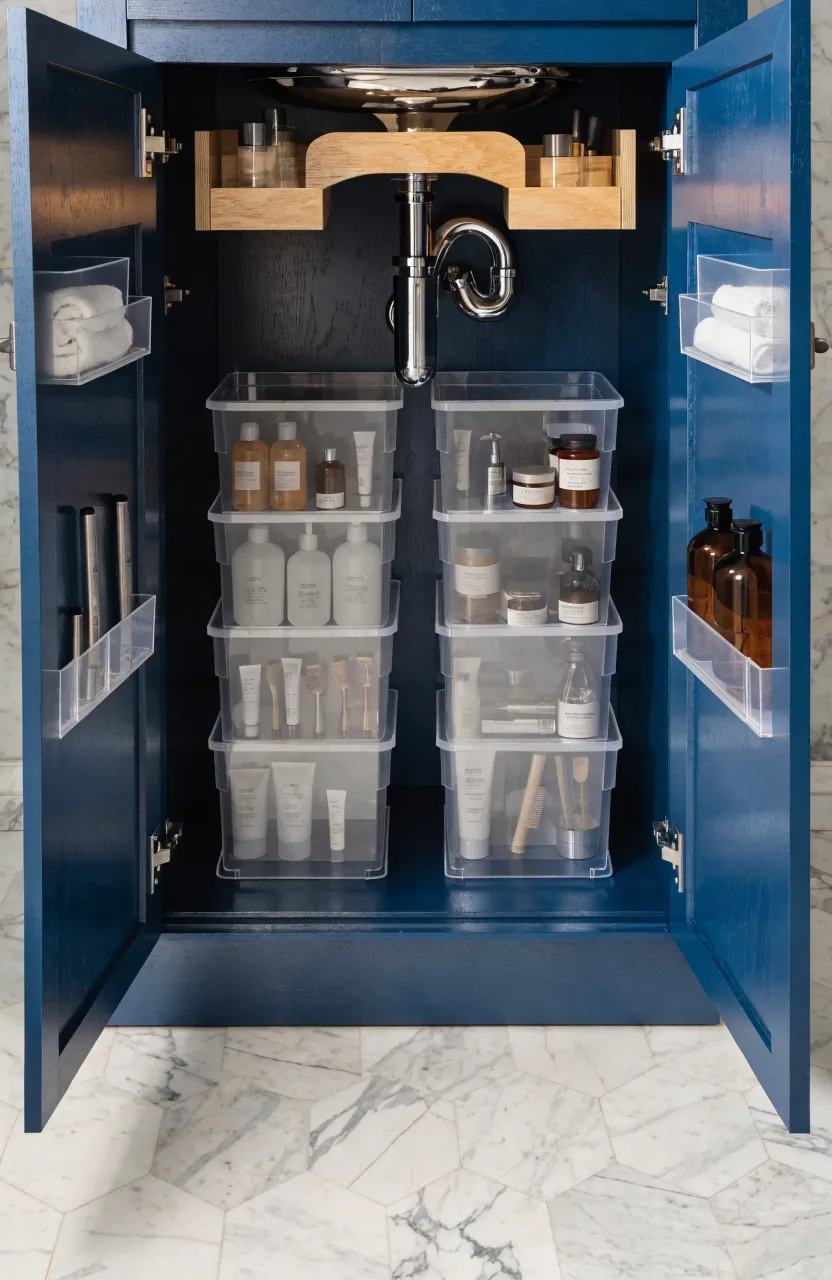
The biggest waste of space in a small vanity is the large, empty cavity under the sink. Most of this area goes unused because of the drain pipe. To fix this, look for vanities with U-shaped drawers that wrap around the plumbing. These allow you to use the top portion of the cabinet that is usually just a decorative 'false' drawer front.
If you have a standard cabinet with doors, add pull-out tiered organizers or stackable bins. This lets you use the full height of the cabinet rather than just the bottom surface. You can also attach small bins or adhesive hooks to the inside of the cabinet doors to hold hair tools, brushes, or extra soap. This keeps the main shelf clear for larger items like towels or cleaning supplies.
Drawer configurations to keep small items organized
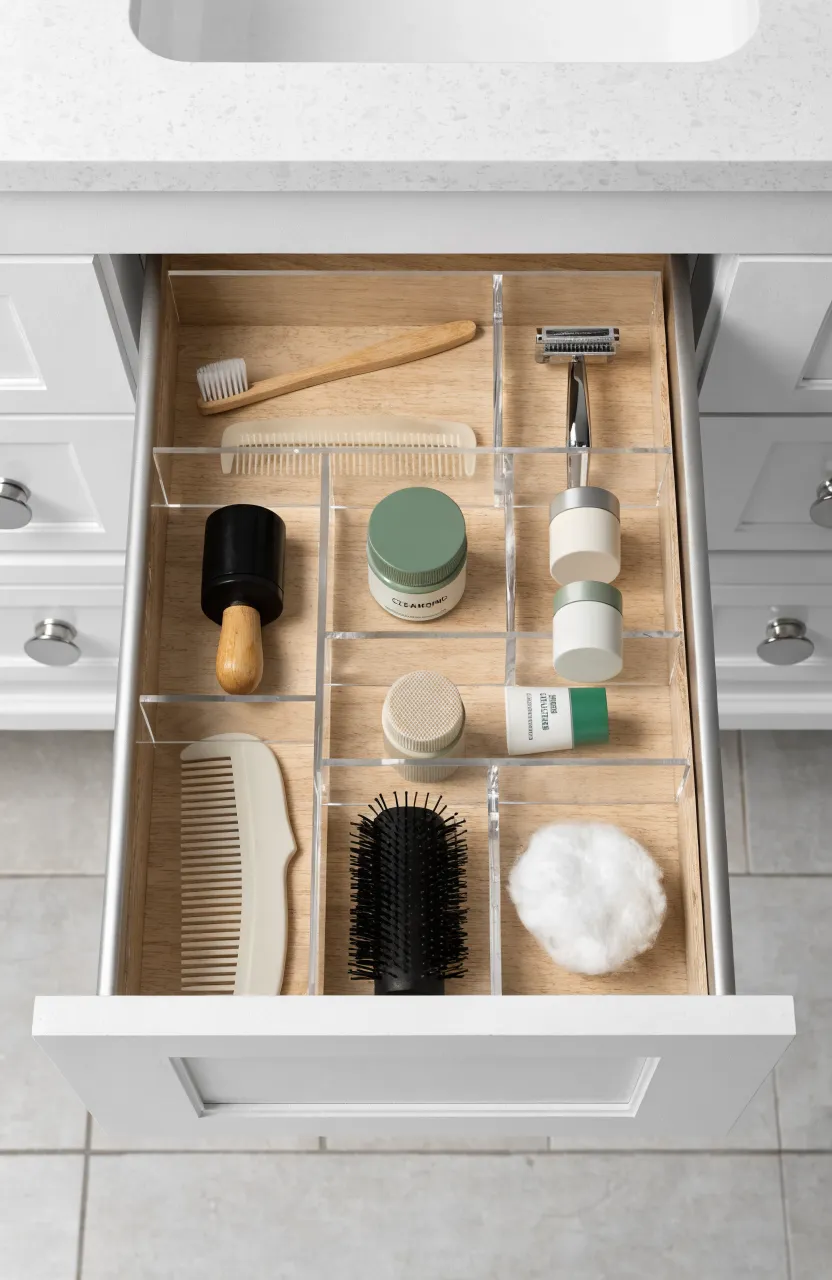
Drawers are almost always more efficient than deep cabinets for small items. When you have one large cabinet, things at the back get lost and forgotten. A vanity with two or three stacked drawers makes it easy to see everything at once. Use adjustable dividers to create specific spots for toothpaste, razors, and cosmetics.
If your vanity only has one large drawer, use clear acrylic containers to create a grid inside. This prevents items from sliding around every time you open the drawer. Deep drawers are great for standing up bottles of lotion or hairspray, while shallow top drawers are best for the things you grab every single morning.
Benefits of floating vanities for visual space and extra floor storage
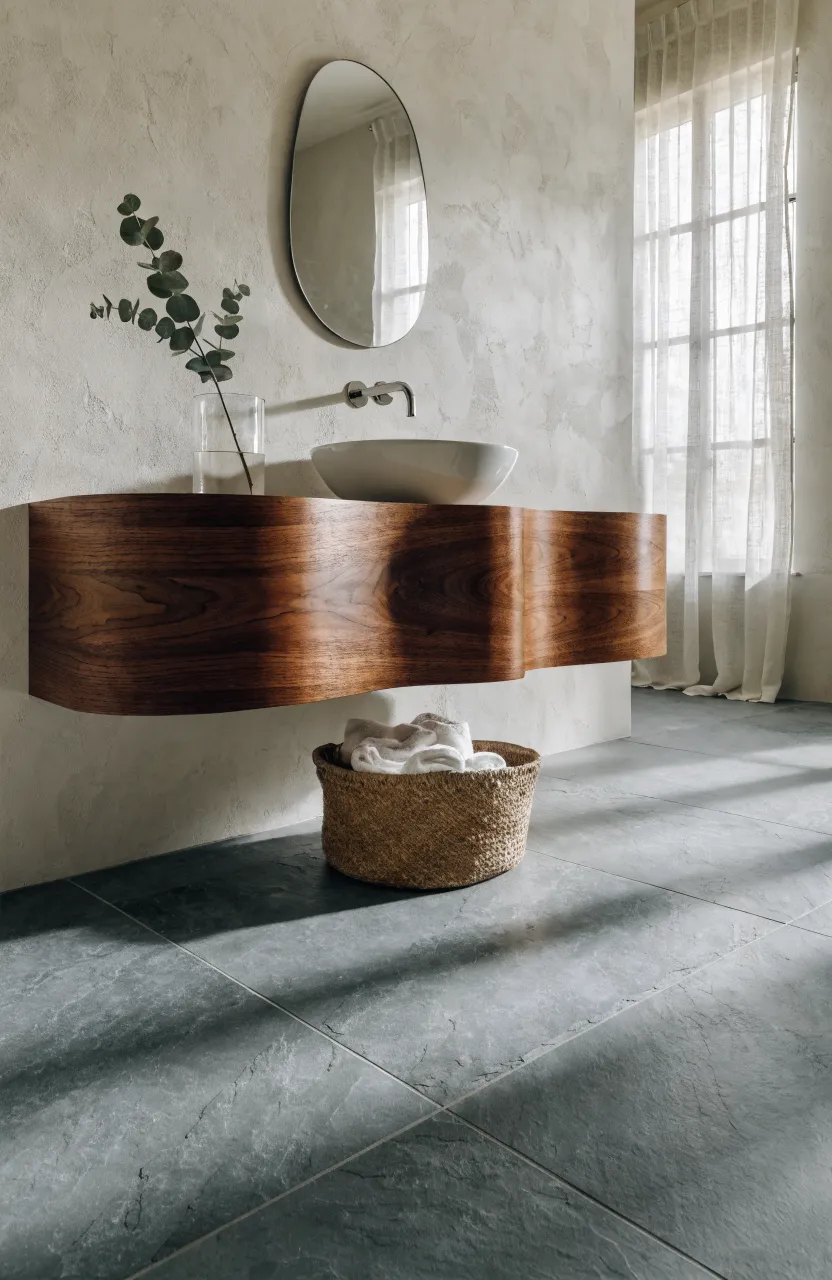
A floating vanity is bolted to the wall, leaving the floor underneath completely open. This trick makes a small bathroom look bigger because the eye can follow the floor tile all the way to the wall. It removes the 'blocky' feel of a heavy cabinet sitting on the ground.
Beyond the look, that extra floor space is practical. You can tuck a small step stool for kids underneath, or place a woven basket to hold used towels. It also makes cleaning much easier since there are no dark corners or baseboards for dust to hide in. Just make sure your wall is properly reinforced to handle the weight of the vanity and the sink.
Selecting durable materials and finishes for high-use bathrooms
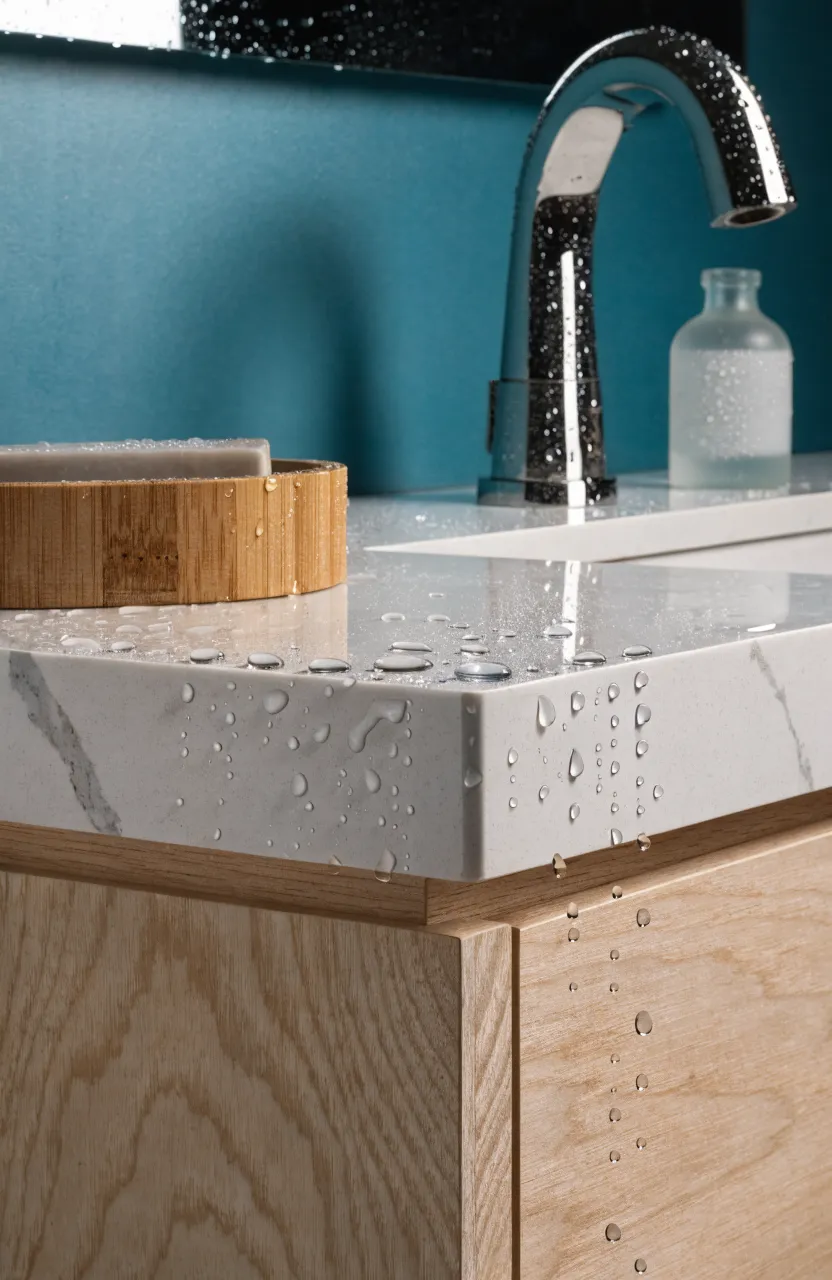
Small bathrooms tend to get steamier than large ones because there is less air volume. This means your vanity needs to be moisture-resistant. Solid wood is beautiful but can warp if the bathroom isn't well-ventilated. Plywood with a high-quality veneer or water-resistant MDF is often more stable in humid environments.
For the countertop, quartz is a top choice for small spaces because it doesn't need to be sealed and resists stains from toothpaste or makeup. If you prefer a natural look, bamboo is a great sustainable option that handles moisture well when finished correctly. Avoid porous stones like marble unless you are prepared to maintain them regularly.
Hardware and lighting choices to complement a compact vanity
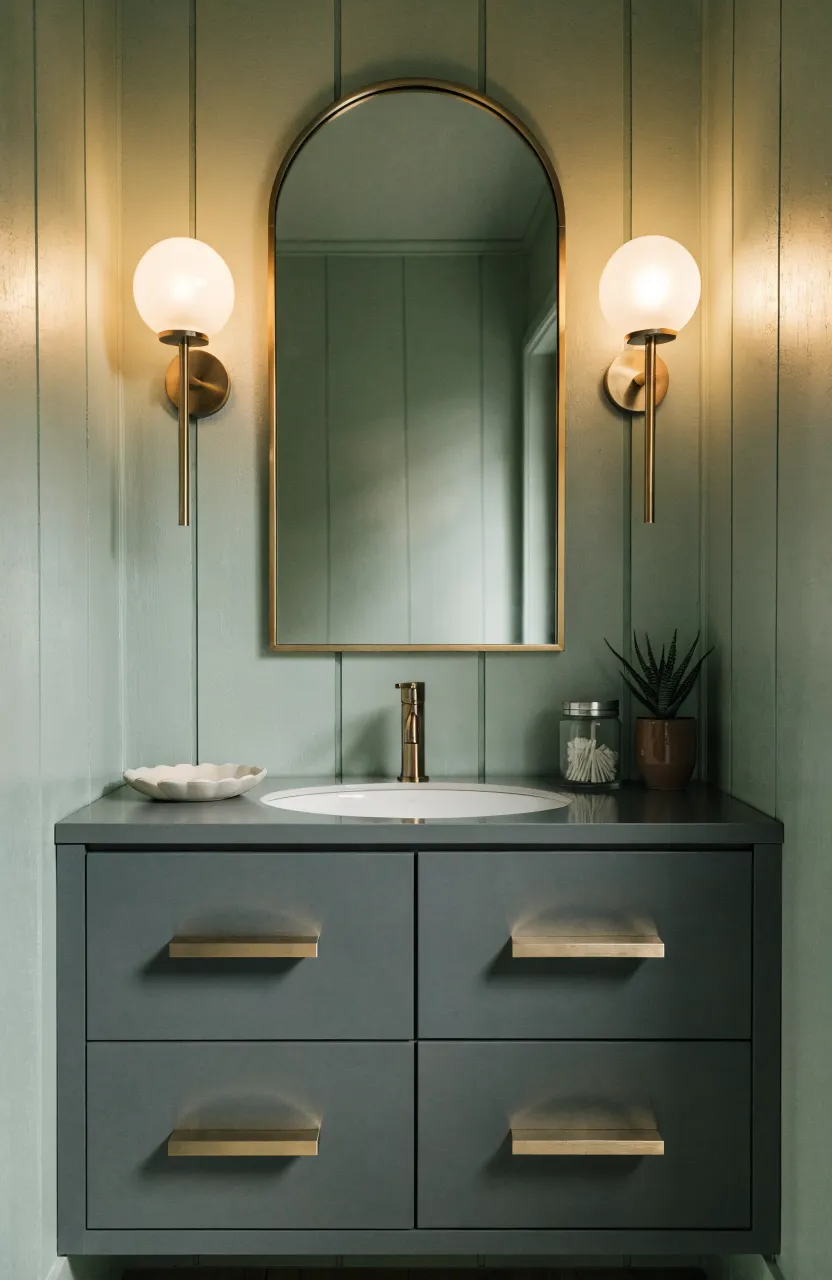
The finishing touches can change how big the vanity feels. Large, bulky handles can snag on clothing in a tight space, so consider recessed pulls or slim finger-grip hardware. These keep the profile of the vanity clean and snag-free.
Lighting also plays a role in how you perceive the space. Instead of a single light bar above the mirror, which can cast shadows, try mounting slim sconces on either side of the mirror. This provides even light for your face and makes the vanity area feel like a dedicated, well-planned zone rather than an afterthought in a cramped room.
Maximizing a small bathroom vanity is all about choosing the right proportions and using every inch of the interior. By focusing on shallow depths, smart drawer layouts, and moisture-resistant materials, you can create a bathroom that feels organized and airy. Take a close look at your current layout and see if a floating model or a simple internal organizer could be the change you need to clear the clutter.