
A bathroom vanity is often the hardest working piece of furniture in your home. It needs to hide messy plumbing, hold heavy stone counters, and keep your daily essentials within reach while surviving constant steam and splashes. Many people choose a vanity based on looks alone, only to find that the drawers are shallow or the cabinets are too deep to keep small items organized.
Finding the right balance between style and function means looking closely at how the interior space is used. This guide covers how to pick a vanity that maximizes storage without sacrificing floor space or durability. You will learn about smart drawer layouts, material choices for high-moisture areas, and ways to add lighting and power where you need them most.
Drawer configurations that work around plumbing
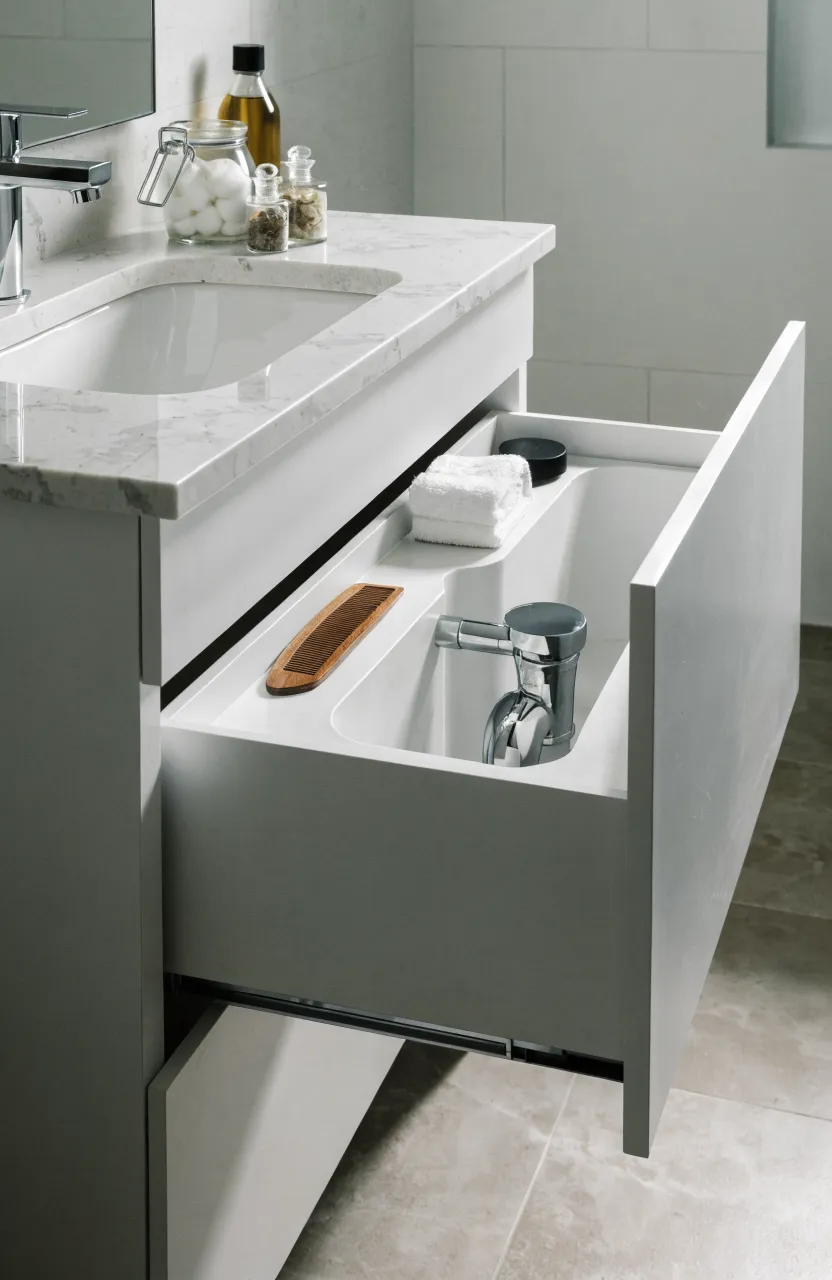
One of the biggest frustrations with bathroom vanities is opening a drawer only to find it is just a decorative panel. This happens because the sink drain and water lines take up the space directly behind the cabinet face. To get real storage in this area, look for U-shaped drawers. These are built with a cutout in the center that wraps around the P-trap, allowing you to use the sides of the drawer for small items like toothpaste or combs.
If you prefer standard drawers, they are usually offset to one side of the sink. In a double vanity, a center stack of drawers between the two sinks is often the most efficient use of space. Always measure the distance from your wall to the center of your drain pipe before buying. This ensures the drawer boxes won't hit the plumbing when you try to close them.
Selecting between open shelving and closed cabinets
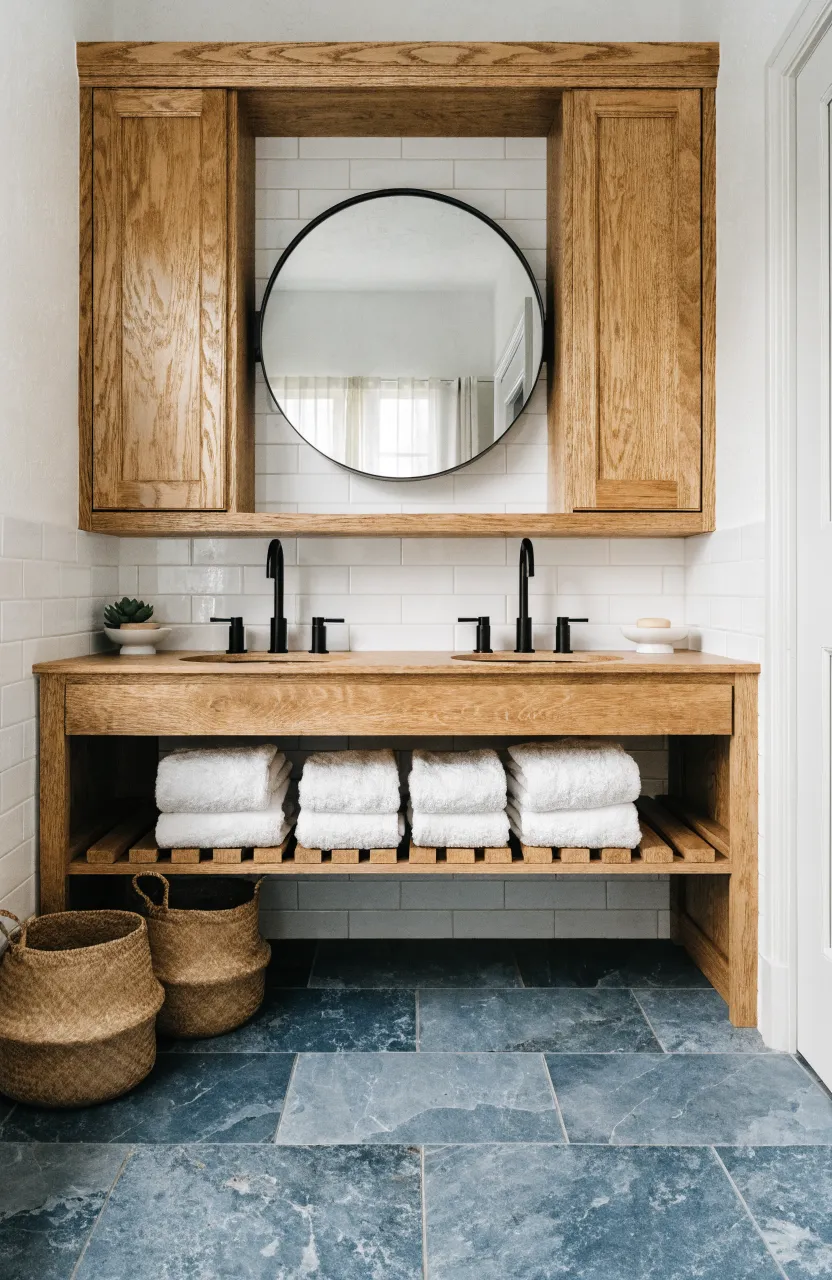
Open shelving has become popular because it makes a bathroom feel airy and less cramped. It is a great spot for stacked clean towels or decorative baskets. However, open shelves require you to stay organized. If you tend to have a lot of half-used bottles and loose items, closed cabinets are a better choice. They hide the visual clutter and protect your belongings from dust and hairspray.
Many modern designs now offer a hybrid approach. You might have a large cabinet door for cleaning supplies and a single open slatted shelf at the bottom. This gives you the best of both worlds: a place to hide the mess and an easy-access spot for fresh towels.
Internal organizers for small bathroom items
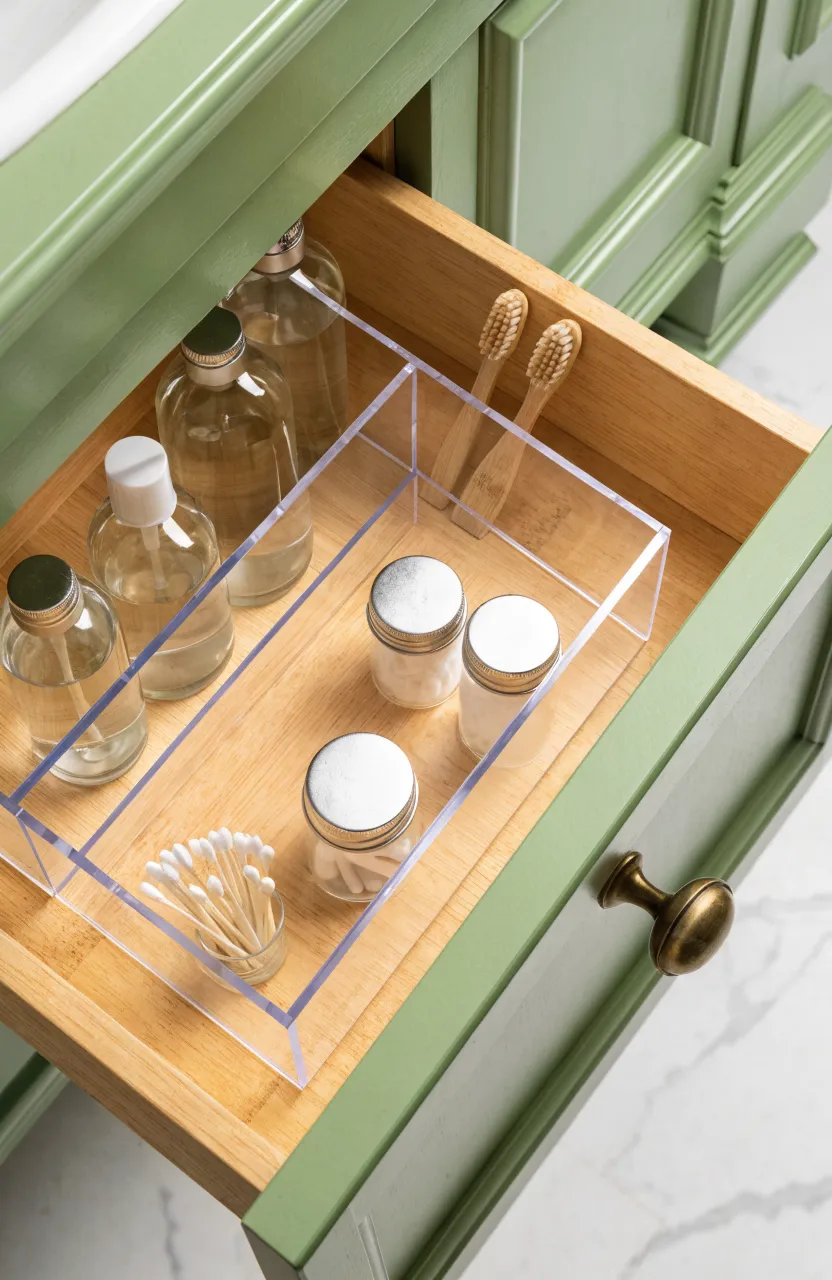
Deep drawers often become a graveyard for hair ties and aspirin bottles. To prevent this, look for vanities that include built-in dividers or tiered trays. Some drawers feature a 'drawer-within-a-drawer' design, where a shallow top tray slides back to reveal deeper storage underneath. This is great for separating daily items from things you only use once a week.
If the vanity you like doesn't have built-in organizers, check if the drawer dimensions are standard. You can add acrylic bins or bamboo trays later. Magnetic strips installed on the inside of a cabinet door or drawer can also hold bobby pins and tweezers, keeping them from getting lost in the corners.
Vertical storage options for compact bathrooms
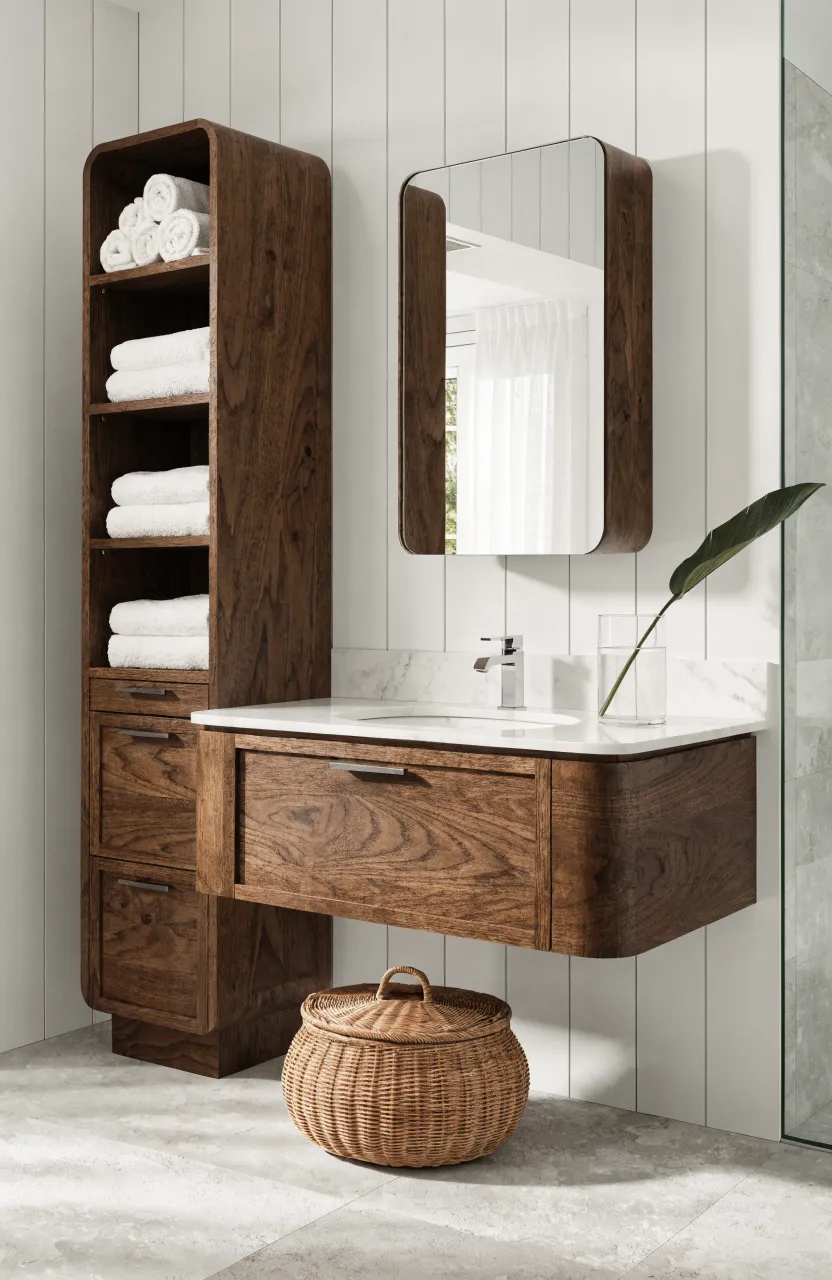
In small bathrooms, you cannot always go wider with your vanity, so you have to go up. A tall linen tower that matches your vanity can provide a massive amount of storage on a small footprint. If you don't have room for a separate tower, consider a wall-mounted vanity. By lifting the cabinet off the floor, you create a visual sense of more space, and you can even tuck a small step stool or a basket for extra toilet paper underneath.
Another vertical trick is using the back of the cabinet doors. Over-the-door hooks or slim adhesive bins can hold hair dryers and brushes. This frees up the main shelves for larger items like bulk shampoo or towels.
Materials that hold up well in humid environments
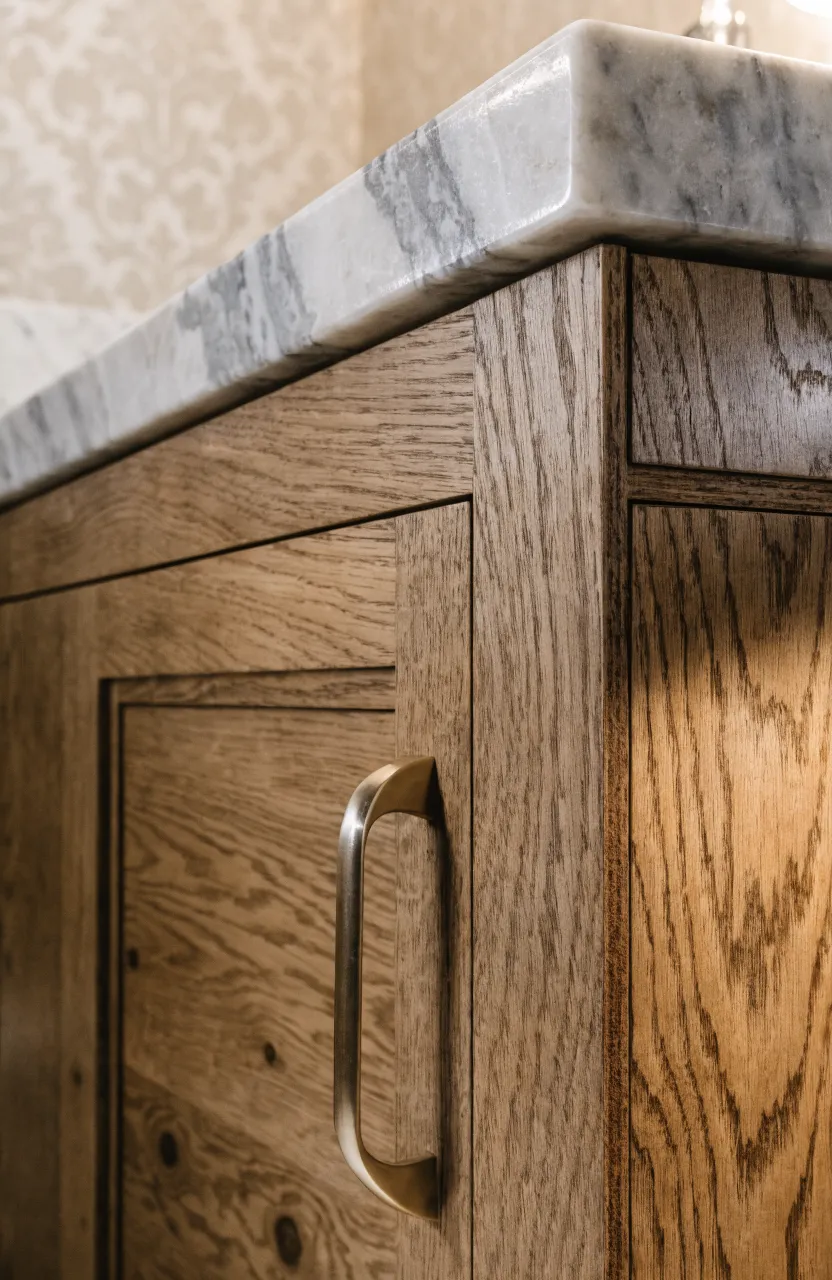
Bathrooms are brutal on wood. Constant humidity and temperature changes can cause cheap particle board to swell and peel over time. Solid wood is a sturdy choice, but it needs to be sealed properly. Plywood with a high-quality veneer is often more stable than solid wood in wet environments because it doesn't warp as easily.
For a sustainable and water-resistant option, bamboo is excellent. It naturally handles moisture better than many hardwoods and adds a warm, organic feel to the room. Regardless of the material, check the finish. A conversion varnish or a high-grade lacquer will provide a moisture barrier that keeps the cabinet looking new for years.
Planning for electrical outlets and integrated lighting
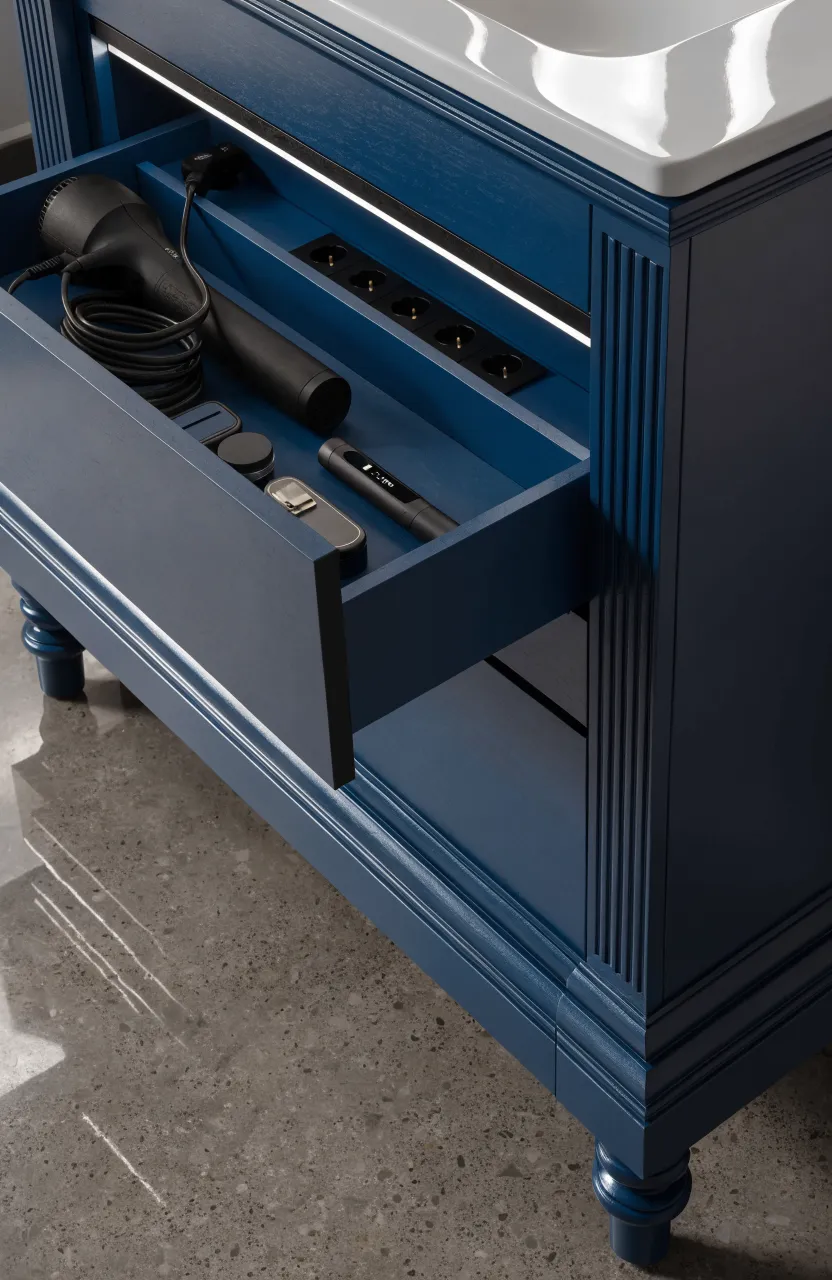
Modern vanities often include integrated power strips. Having an outlet inside a deep drawer allows you to keep your hair dryer or electric toothbrush plugged in and ready to use without cluttering the countertop with cords. If you go this route, make sure the vanity is designed with a 'clearance zone' for the cord behind the drawer.
Integrated lighting is another practical addition. LED strips inside drawers or under the cabinet can act as a nightlight or help you find items in the back of a dark cupboard. If your vanity doesn't come with these features, you can easily add battery-powered motion sensor lights to the interior after installation.
Choosing the right vanity is about more than just picking a style that matches your tile. By focusing on smart drawer layouts, durable materials like bamboo, and internal organization, you can make your morning routine much smoother. Before you buy, take an inventory of what you actually need to store and choose a configuration that keeps those items within reach. Your bathroom will feel bigger and much more relaxed when everything has its own designated place.