
The tiny house movement is more than just a trend; it is a shift toward a simpler, more intentional way of living. While the idea of downsizing sounds peaceful, making a small space actually work for daily life requires careful planning. You have to think about how every square inch functions before you ever pick up a hammer.
This article covers the practical side of tiny living, from choosing a solid foundation to managing your water and power. We will look at how to pick materials that last and how to design a layout that doesn't feel cramped. By focusing on functionality, you can create a home that supports your lifestyle without the burden of excess space.
Choosing the Right Foundation and Layout for Your Space
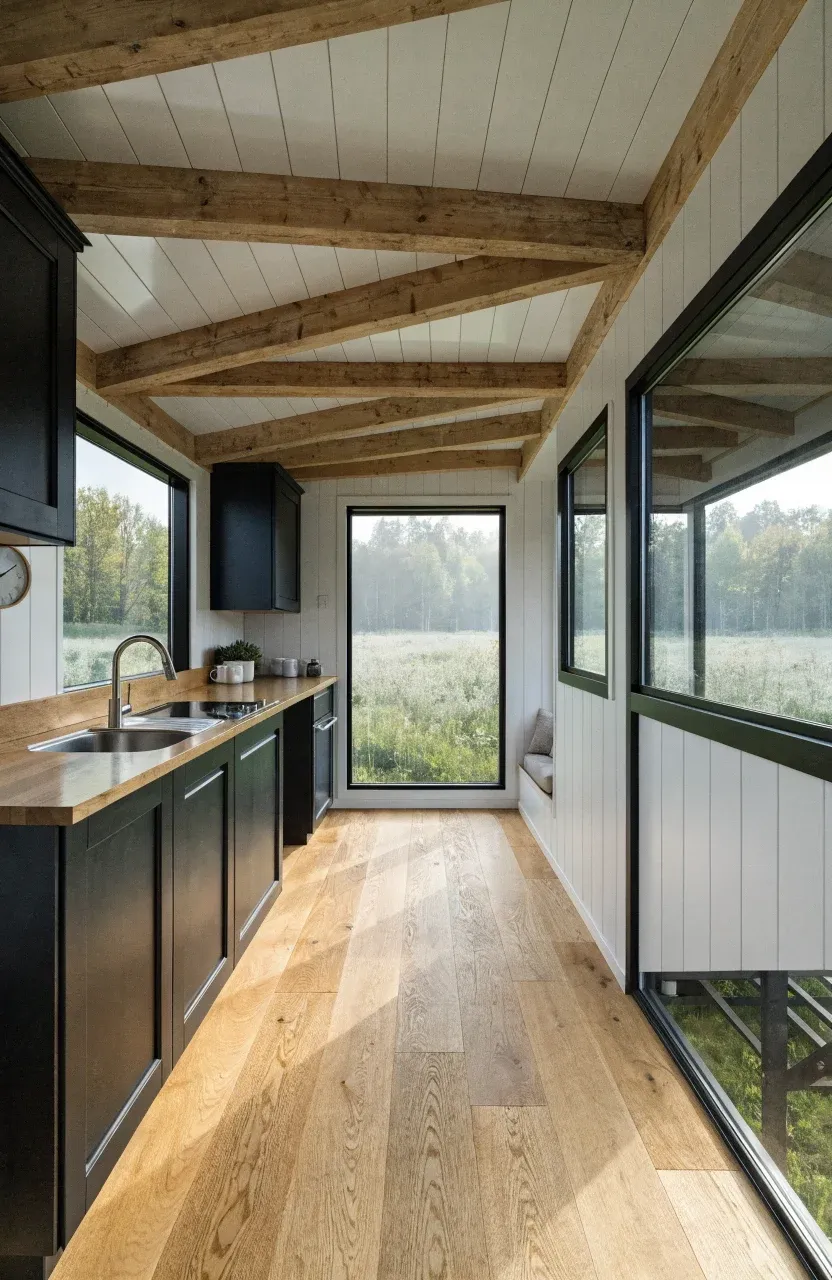
The first big decision is whether your home will stay in one place or move. A tiny house on wheels (THOW) offers freedom, but it limits your width to what is legal for the road. If you plan to stay put, a concrete slab or pier foundation provides more stability and allows for wider floor plans. Think about your long-term goals before committing to a trailer.
When it comes to the layout, prioritize the areas where you spend the most time. If you love cooking, don't skimp on counter space just to fit a larger couch. Use an open floor plan to keep the sightlines clear, which makes the interior feel bigger. Placing windows strategically can also help by bringing in natural light and connecting the inside to the outside world.
Smart Storage Solutions That Keep Rooms Uncluttered
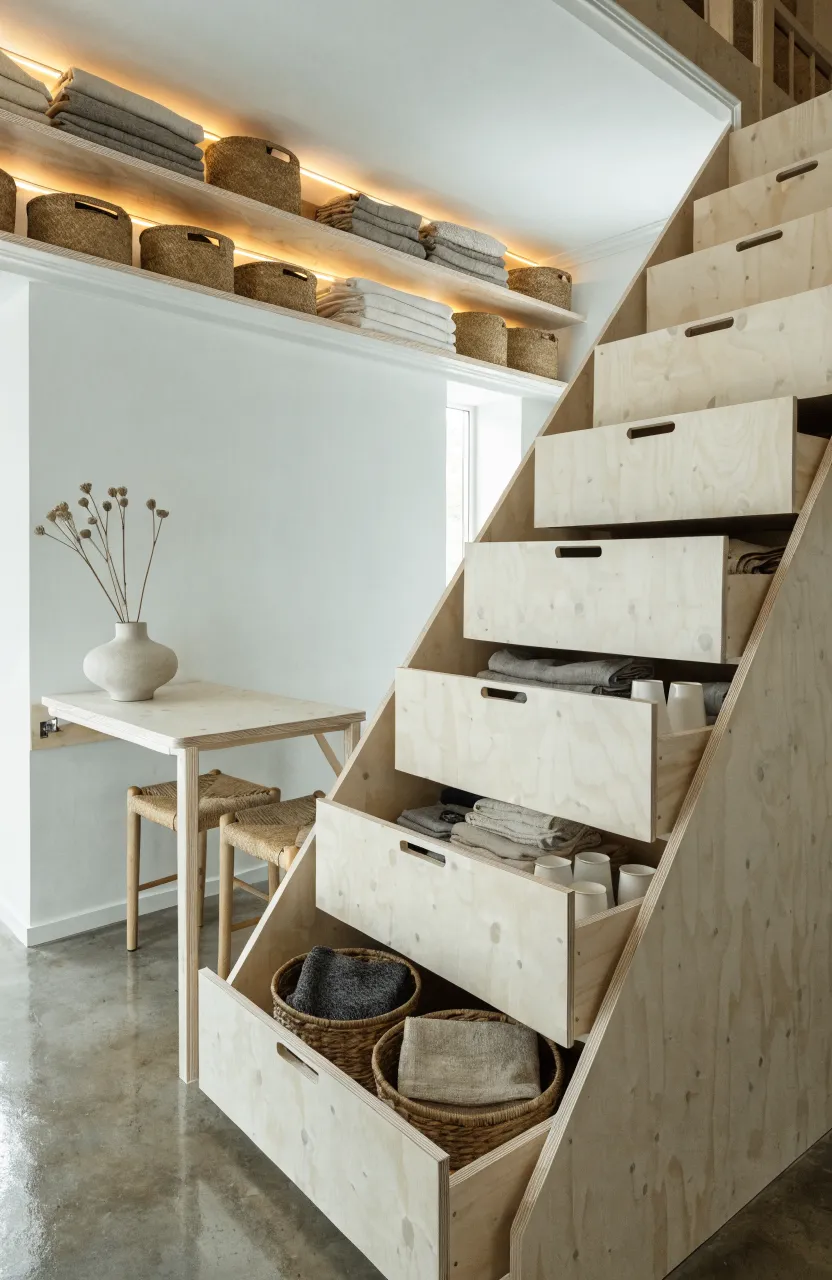
In a small home, clutter is the enemy of comfort. Every item needs a dedicated spot. One of the most effective ways to add storage is by using 'dead space.' This includes the area under the stairs, which can be turned into a closet or a series of pull-out drawers. High-up shelving near the ceiling is great for items you don't use every day, like seasonal clothes or extra blankets.
Furniture should do more than one job. Look for beds with built-in storage underneath or tables that fold down from the wall when they aren't needed. Using hooks on the back of doors or installing magnetic strips for kitchen tools can keep your surfaces clear. The goal is to keep as much off the floor as possible to maintain a sense of openness.
Selecting Sustainable Materials for Interior and Exterior Design
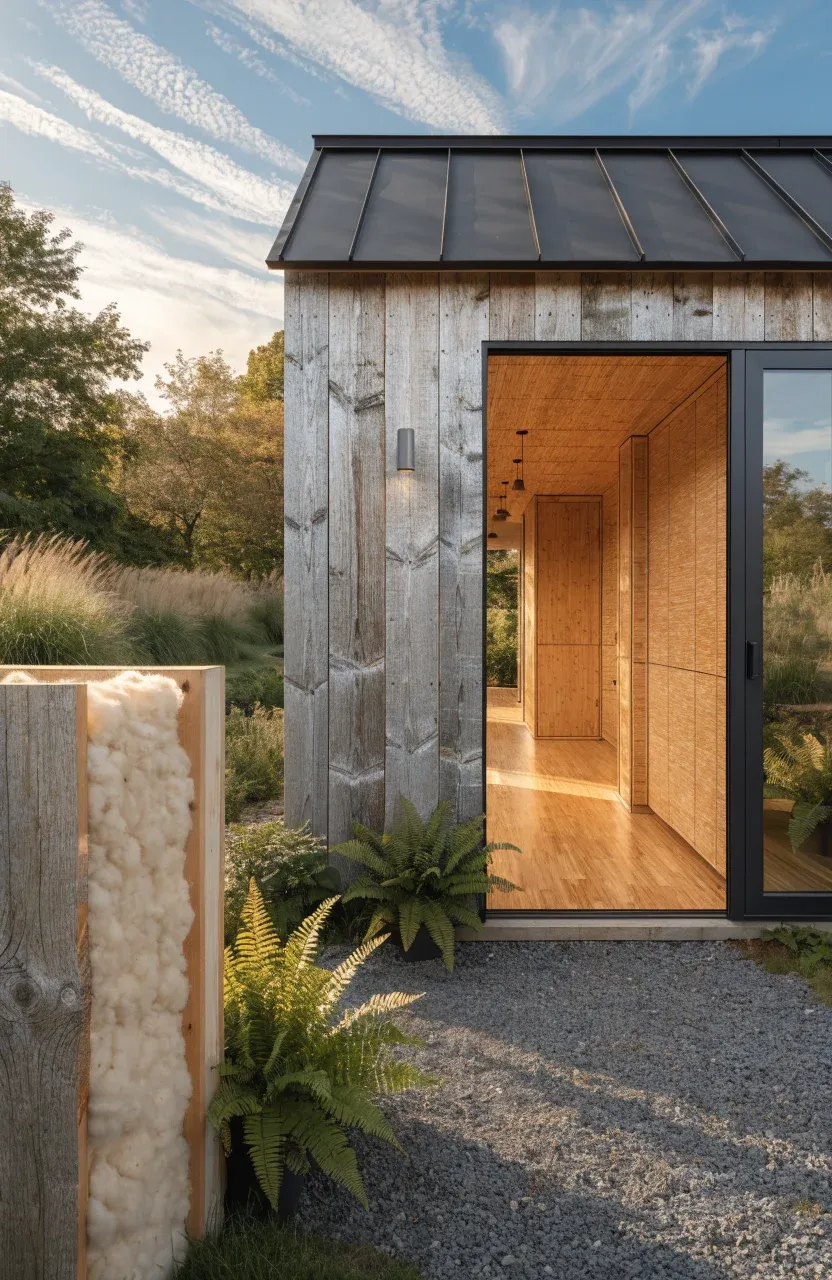
Tiny houses are inherently more eco-friendly because they use fewer resources, but the materials you choose still matter. Bamboo is an excellent choice for flooring and cabinetry because it grows quickly and is very durable. It handles the wear and tear of a high-traffic small space better than many softwoods. For the exterior, metal roofing and reclaimed wood siding are popular because they last a long time and require little maintenance.
Inside, look for non-toxic finishes and paints. Since the air volume in a tiny house is small, fumes from chemicals can build up quickly. Natural insulation like sheep's wool or hemp can keep the house warm in winter and cool in summer without the environmental cost of fiberglass. Choosing quality over quantity ensures your home stays in good shape for years.
Managing Utilities and Off-Grid Systems for Daily Living

Living tiny often means rethinkng how you get power and water. If you want to go off-grid, solar panels are the standard for electricity. You will need a battery bank to store energy for cloudy days and nighttime use. For water, many tiny dwellers use a combination of freshwater tanks and graywater systems that filter sink water for use in the garden.
Waste management is another hurdle. Composting toilets are a common solution because they don't require a sewer connection or water to flush. They are easy to maintain and don't smell if vented correctly. For heating, small propane heaters or wood stoves are efficient ways to warm a small volume of air quickly. Always ensure you have proper ventilation to prevent moisture buildup and maintain air quality.
Creating an Outdoor Living Area to Expand Your Footprint
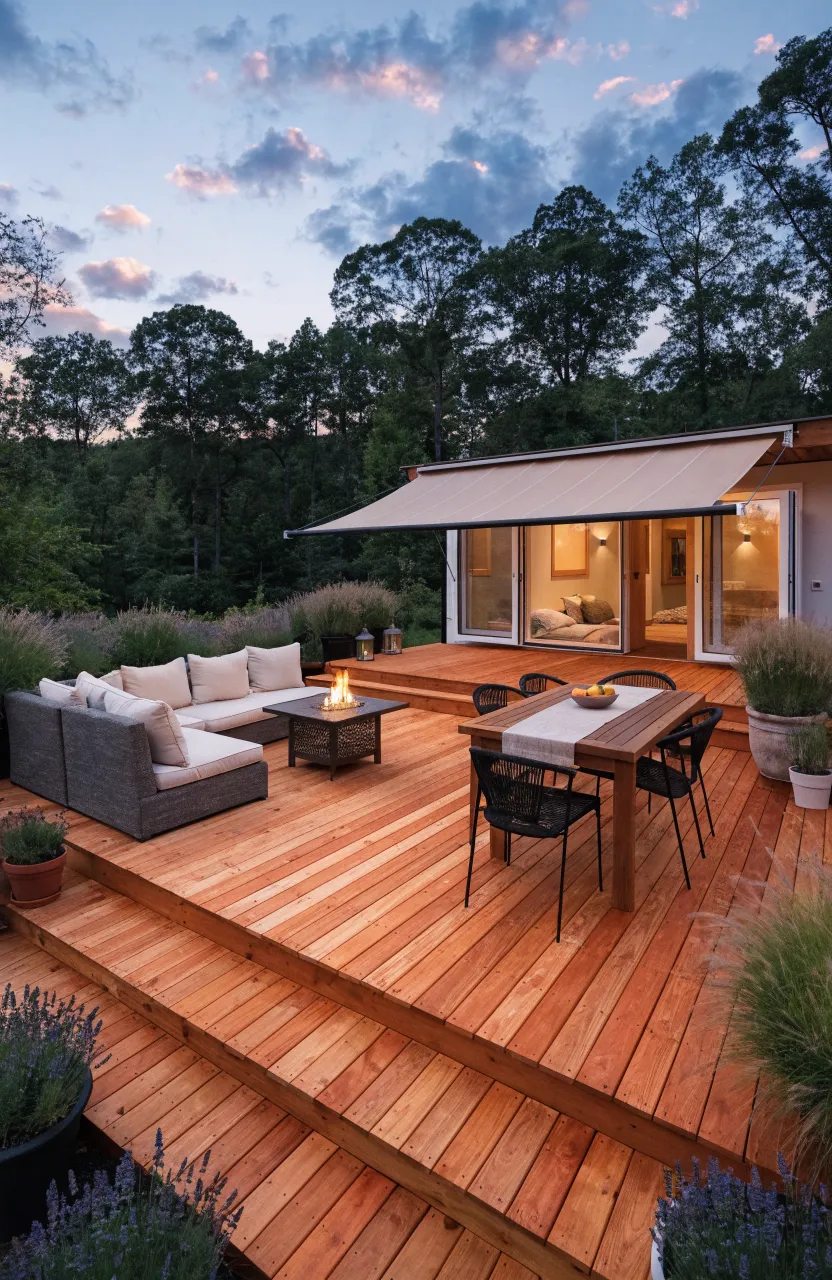
One of the best ways to make a tiny house feel larger is to treat the outdoors as an extra room. A well-built deck or patio effectively doubles your living space during the warmer months. You can set up an outdoor dining area or a comfortable seating spot to host friends. Using large glass doors that open wide can blur the line between the indoors and outdoors.
Adding a porch or a simple awning provides shade and protects your entrance from rain. If you have the space, a small garden or a collection of potted plants can make the area feel like a private sanctuary. By investing in your yard or deck, you gain a place to relax and move around without feeling confined by the walls of your home.
Building a tiny house is a lesson in prioritizing what truly matters. By focusing on a smart layout, sustainable materials, and efficient systems, you can create a home that is both comfortable and practical. If you are ready to simplify your life, start by sketching out your must-have features and researching the local zoning laws in your area. Taking that first step toward a smaller footprint can lead to a much larger sense of freedom.