
Living in a tiny cottage doesn't mean you have to feel cramped or sacrifice your style. Many people find that downsizing actually brings a sense of freedom, as long as the space is planned with intention. The secret lies in balancing high functionality with a warm atmosphere so the home feels like a sanctuary rather than a storage unit.
This article looks at how to make the most of every square inch. We will cover how to arrange your layout for better flow, why certain furniture pieces work better than others, and how to use light and materials to make small rooms feel much larger than they actually are.
Smart layouts for small living spaces
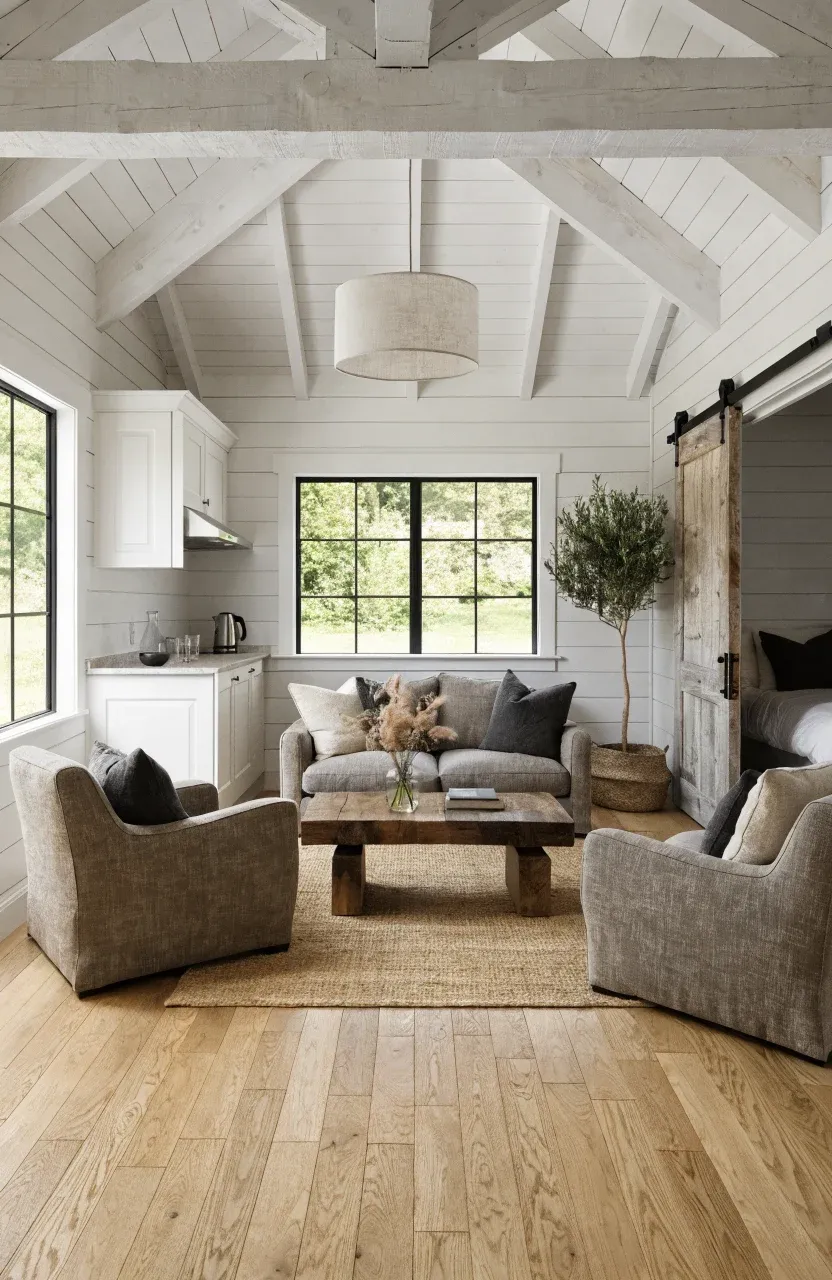
The flow of a room determines how comfortable it feels. In a tiny cottage, you want to avoid blocking pathways with bulky items. Start by identifying the zones you need, such as a spot for cooking, a place to sleep, and an area to relax. Instead of using heavy walls to separate these zones, consider open-plan designs that let the eye travel from one end of the house to the other.
Using rugs or different lighting fixtures can define a 'living room' without physical barriers. If you do need privacy, light curtains or sliding barn doors take up less room than traditional swinging doors. Keeping the center of the floor clear as much as possible helps the cottage feel airy and easy to move through.
Furniture choices that serve multiple purposes
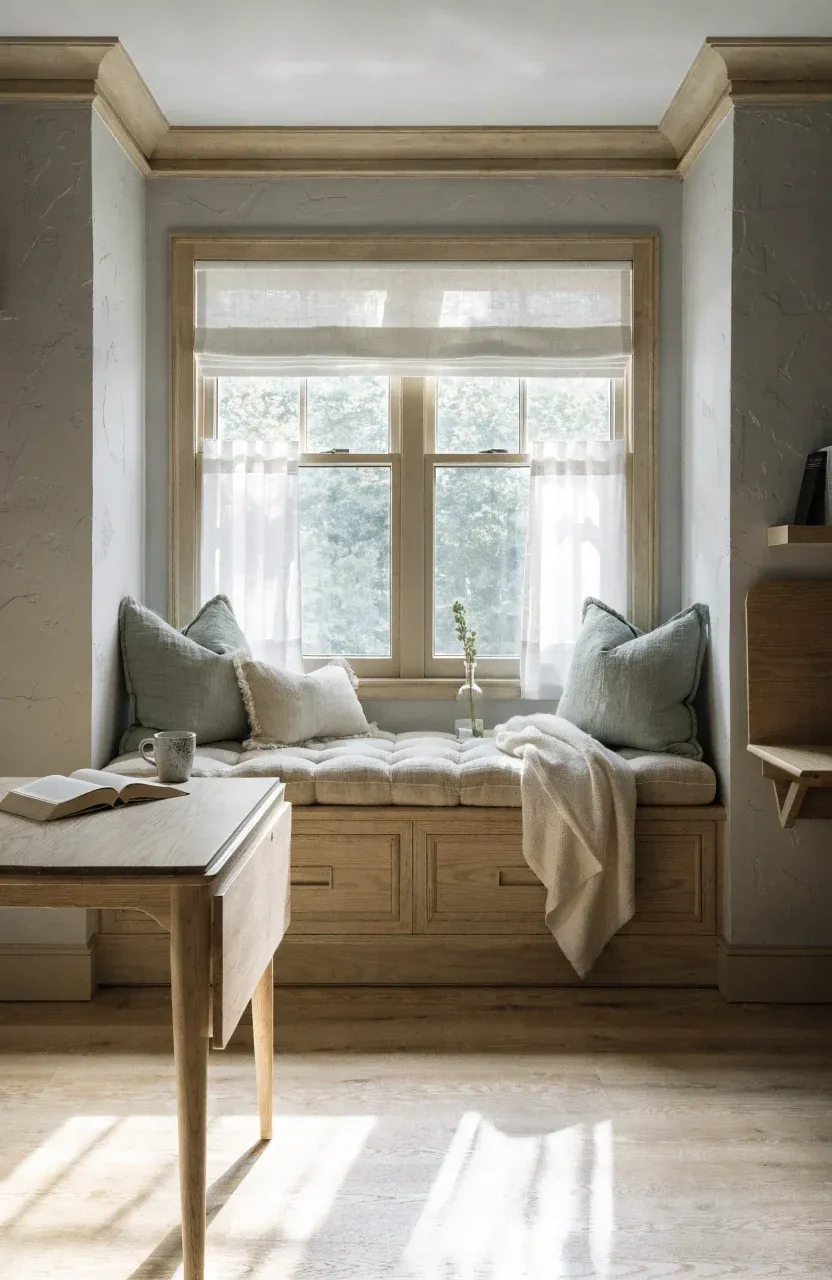
Every piece of furniture in a small home should do more than one job. A sofa that doubles as a guest bed or a coffee table with hidden storage inside can save a lot of floor space. Look for pieces that can be folded away when they aren't in use, like a wall-mounted desk or a drop-leaf dining table.
Consider built-in seating like a window bench. Not only does this provide a cozy place to read, but the base can be used for deep drawers to hold linens or kitchen gadgets. When shopping, prioritize items with legs rather than solid bases. Seeing the floor underneath the furniture creates an illusion of more space, which prevents the room from feeling weighed down.
Natural materials and light colors to open up rooms
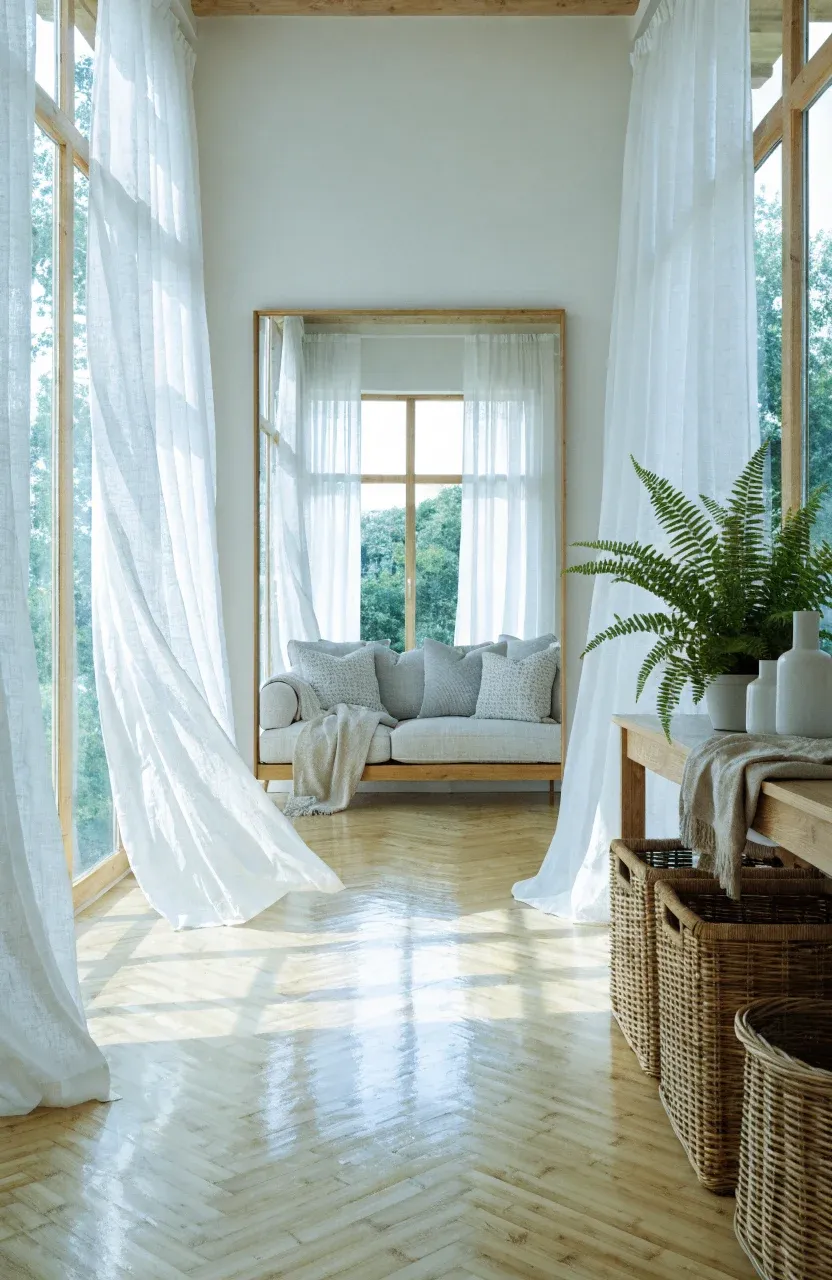
Color and texture play a huge role in how we perceive size. Light shades like off-white, soft grey, or pale beige reflect natural light and make walls seem to recede. You can bring warmth to these light colors by using natural materials. Bamboo flooring, wooden beams, or wicker baskets add a cozy feel without the visual heaviness of dark paint or thick carpets.
Try to keep the color palette consistent throughout the whole cottage. Using the same flooring and wall color in every room creates a seamless look that makes the entire footprint feel like one large, continuous space. Mirrors are also a great tool here; placing a large mirror opposite a window will bounce light around and make a narrow room feel twice as wide.
Storage solutions for keeping clutter out of sight
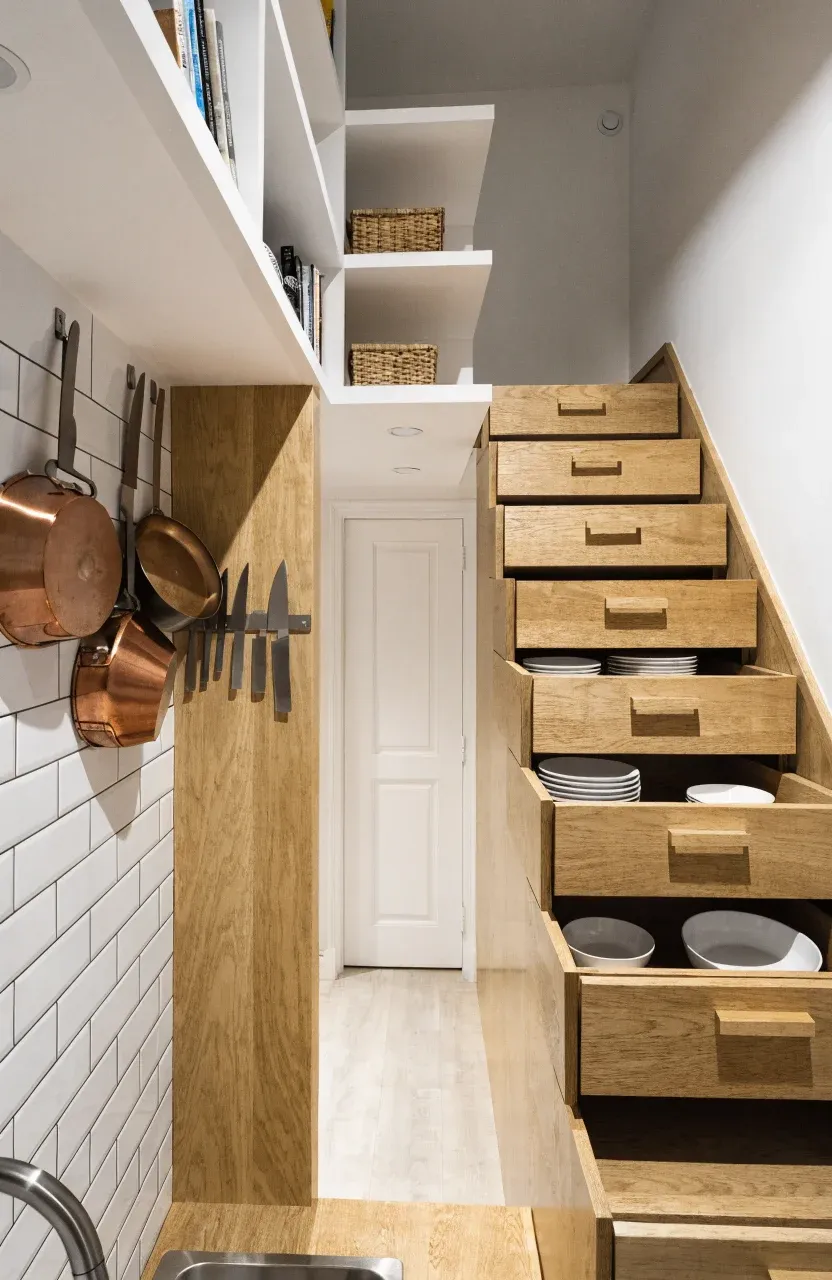
Clutter is the enemy of a tiny home. To keep things tidy, you have to look for storage in places you might normally overlook. The space high up near the ceiling is often wasted; installing shelves above door frames or windows provides a spot for books and seasonal items. Vertical storage is almost always better than horizontal storage in a cottage.
In the kitchen, use magnetic strips for knives and hooks for pots and pans to free up counter space. Under-bed storage is another essential for clothing or extra blankets. If you have stairs, the space underneath each step can be turned into drawers. The goal is to have a dedicated home for every object so that flat surfaces stay clear.
Adding personal touches without crowding the floor plan
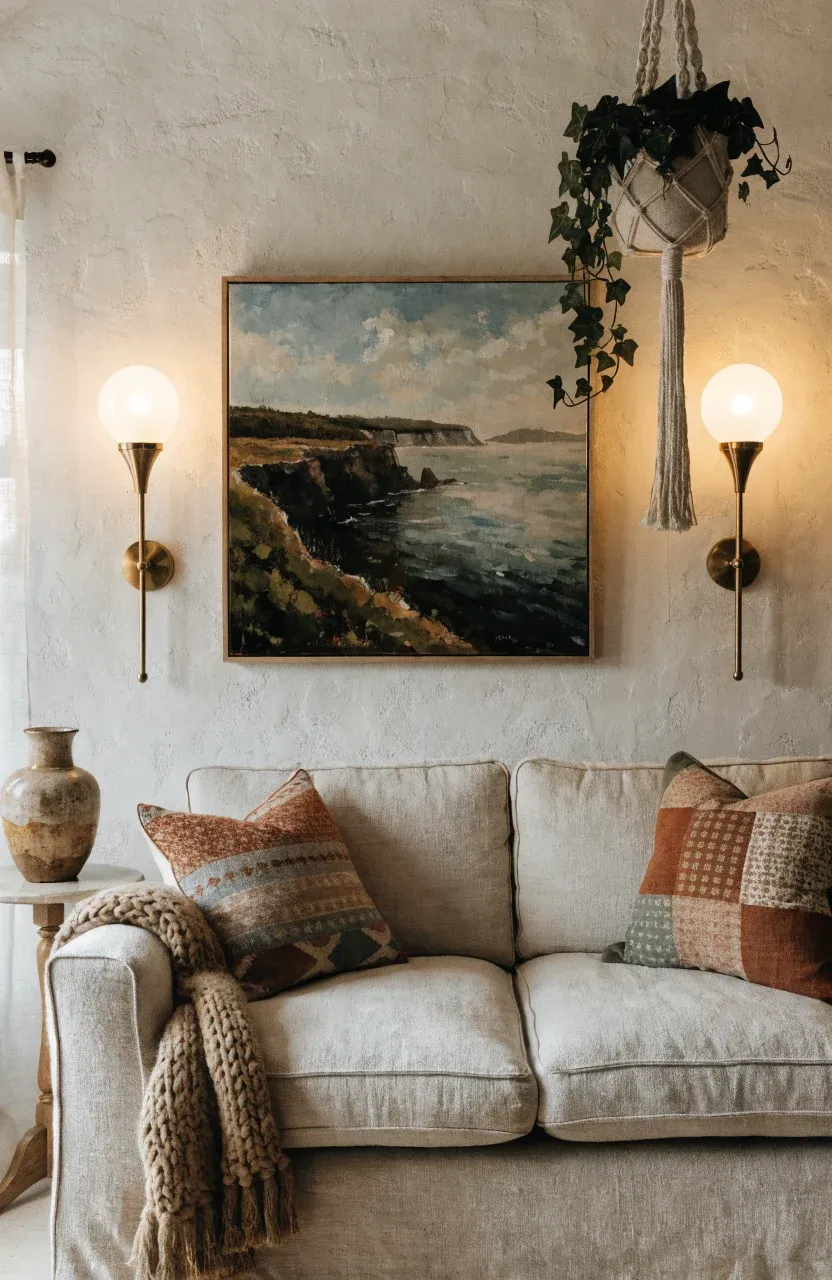
A house only feels like a home when it has personality, but too many knick-knacks can quickly overwhelm a small room. Instead of floor lamps or large sculptures, focus on wall decor. Framed photos, art, or even hanging plants add character without taking up any walking space.
Textiles are another way to add style without clutter. A textured throw blanket or a few colorful pillows can change the mood of the room instantly. Choose quality over quantity; one large piece of art often looks better and feels less cluttered than a gallery wall of ten small pictures. This approach keeps the cottage feeling curated and intentional.
Designing a tiny cottage is about making smart choices that prioritize both utility and comfort. By focusing on light colors, multi-functional furniture, and clever storage, you can create a home that feels open and inviting. Take a look at your current space today and see if there is one area where you can clear the floor or add a vertical shelf to start your journey toward a more functional home.