
Buying new throw pillows every time you want to change your decor gets expensive fast. Most of the time, the pillow inserts are still in great shape, but the covers look dated or worn. Making your own covers is a quick way to refresh a room without spending much money.
This list covers various methods to create fresh looks for your couch or bed. Whether you have a sewing machine or prefer using fabric glue and folding techniques, you will find a project that fits your skill level. These ideas use everything from old clothes to hardware store finds to help you customize your space.
Simple Envelope Closure Cover
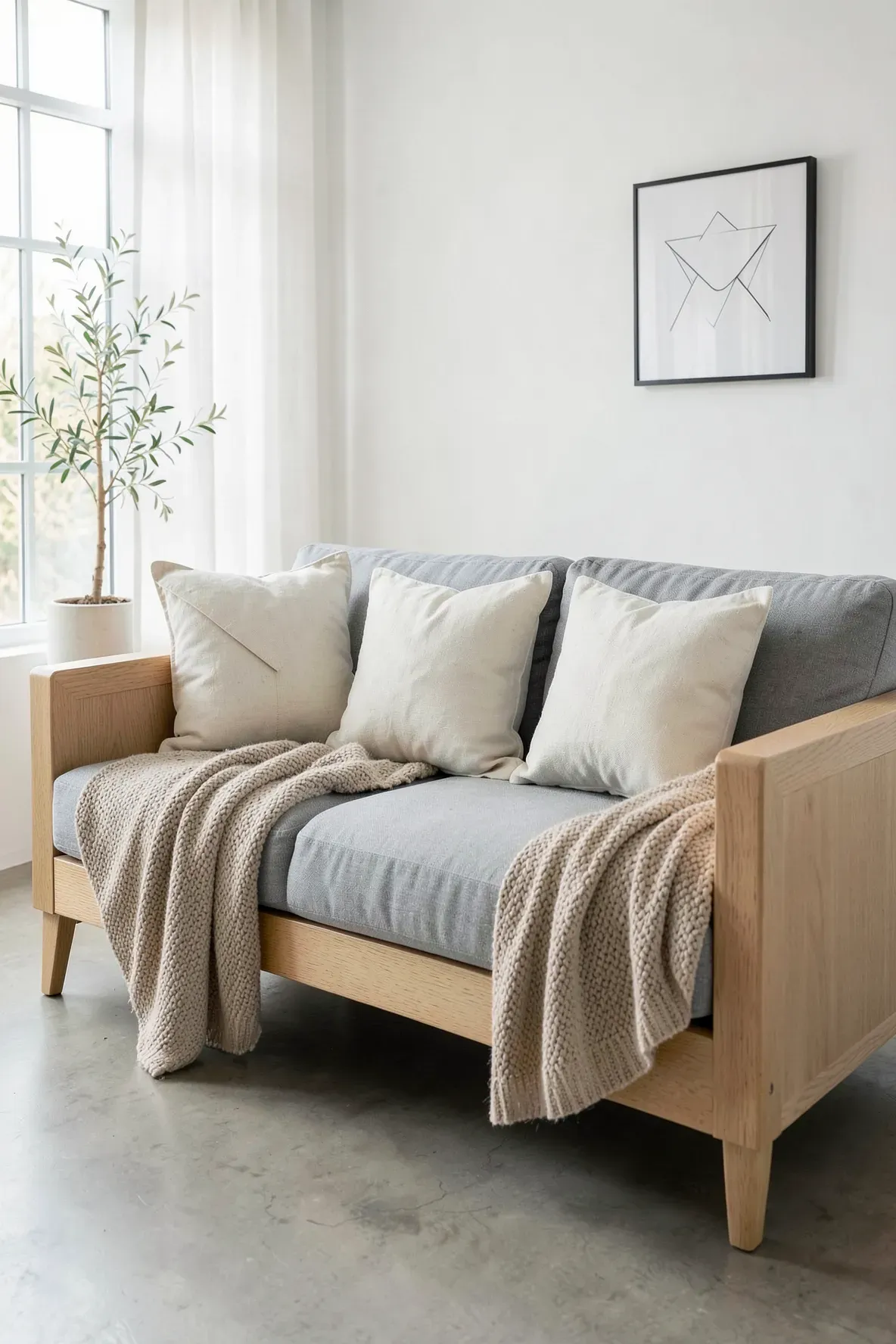
The envelope closure is the go-to method for beginners because it doesn’t require zippers or buttons. You use one long piece of fabric that overlaps in the back, making it easy to slide the pillow in and out for washing. To get the size right, cut your fabric the width of the pillow plus one inch, and twice the length plus six inches for the overlap. Hem the short ends first, then fold the fabric with the right sides together so the ends overlap in the middle. Sew along the top and bottom edges, flip it right side out, and you are done.
No-Sew Fabric Glue Fold
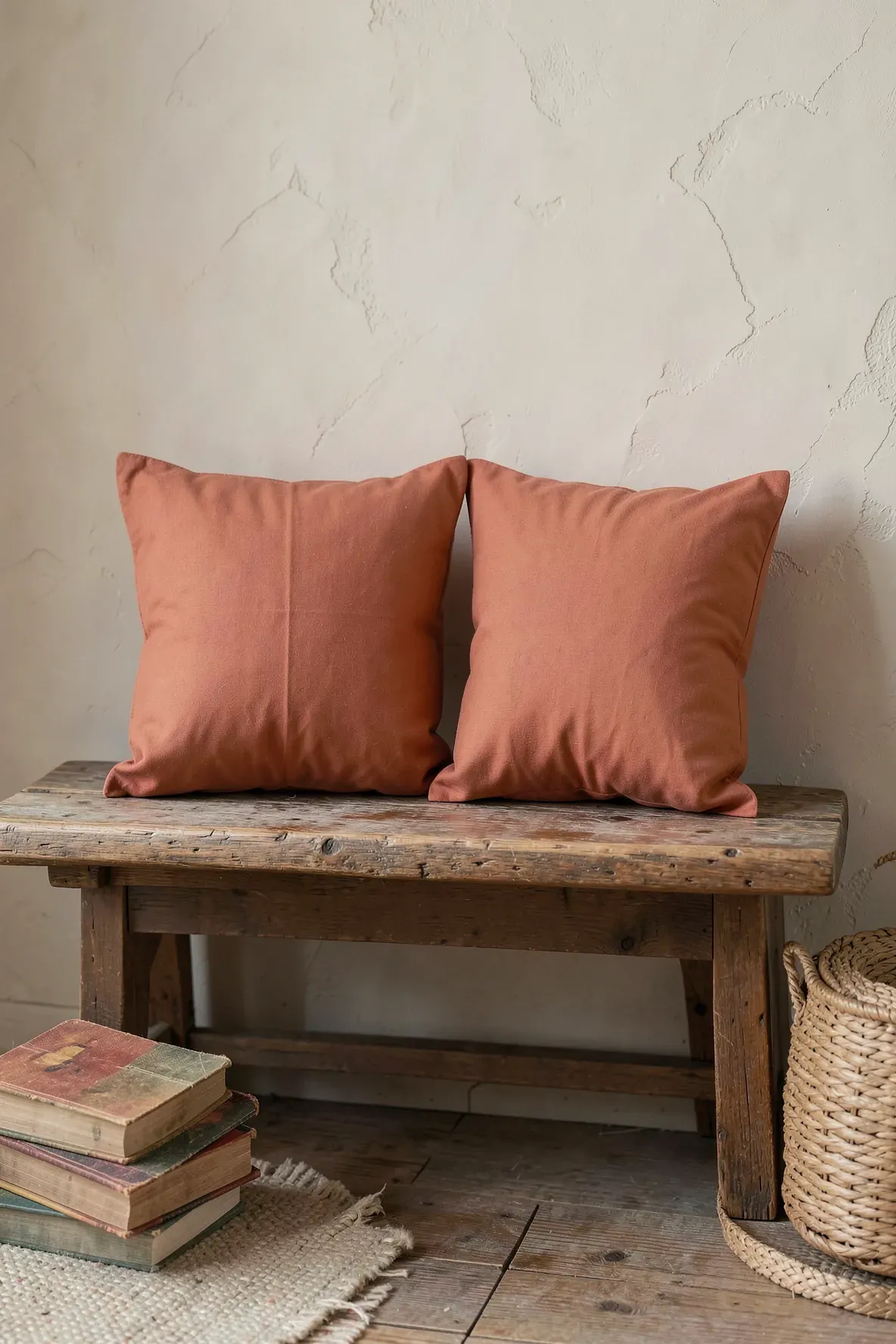
If you don’t want to touch a needle and thread, fabric glue is a reliable alternative. You can create a clean edge by folding the fabric over and gluing the seams down instead of sewing them. Use a permanent, washable fabric glue and apply it in a thin, even line to avoid it soaking through the material. Let the glue dry completely for at least 24 hours before you try to stuff the pillow inside. This works best with medium-weight cottons that aren’t too thick or too slippery.
Button-Down Shirt Upcycle
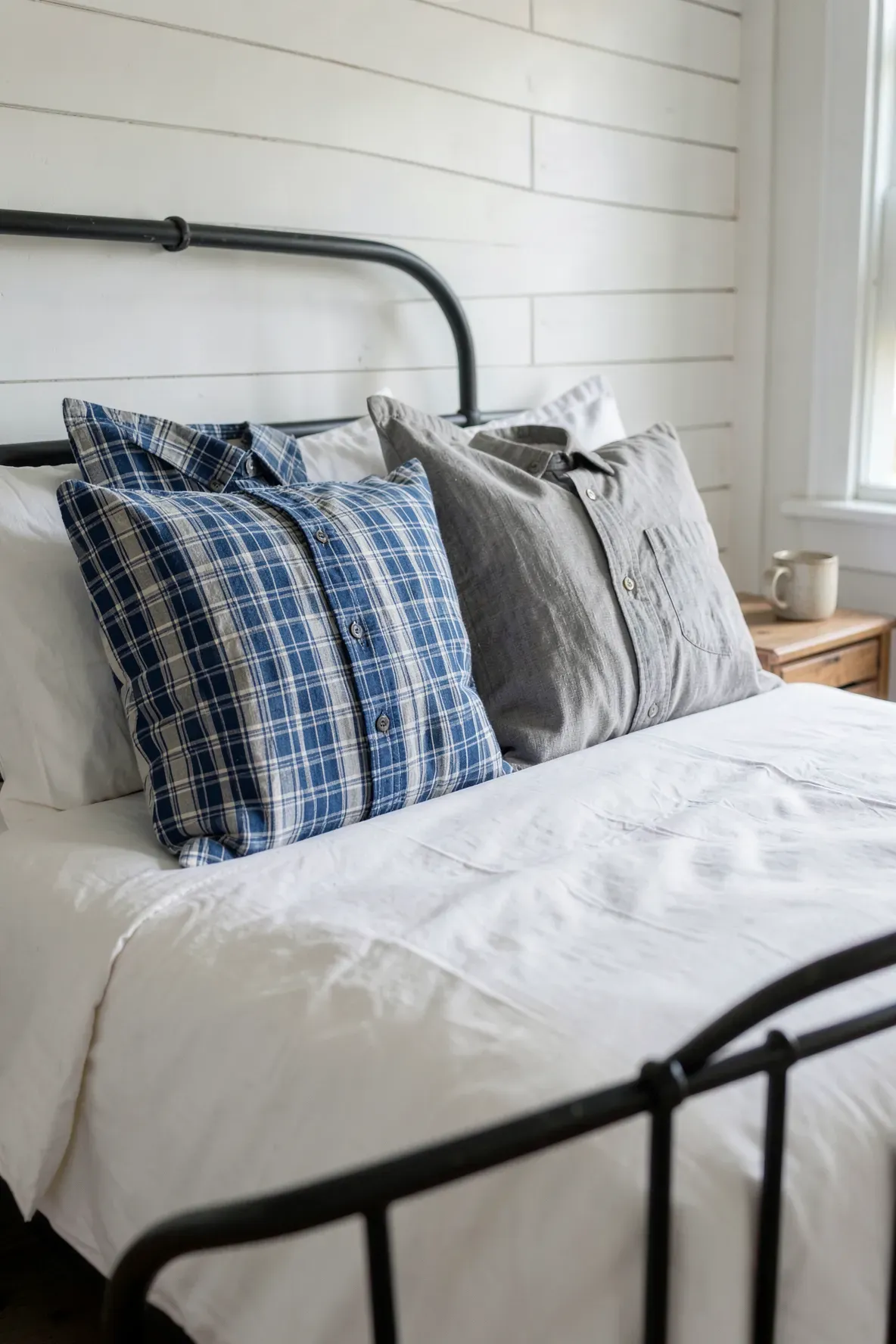
An old flannel or dress shirt makes a great pillow cover because the buttons provide a built-in opening. Button the shirt up and lay it flat, then place your pillow insert on top to use as a template. Cut a square around the pillow through both the front and back layers of the shirt. Sew around the four edges with the right sides facing each other. Once you turn it right side out, you can simply unbutton the shirt to put the pillow in. It adds a cozy, lived-in feel to a bedroom or den.
Canvas Drop Cloth with Stenciled Designs
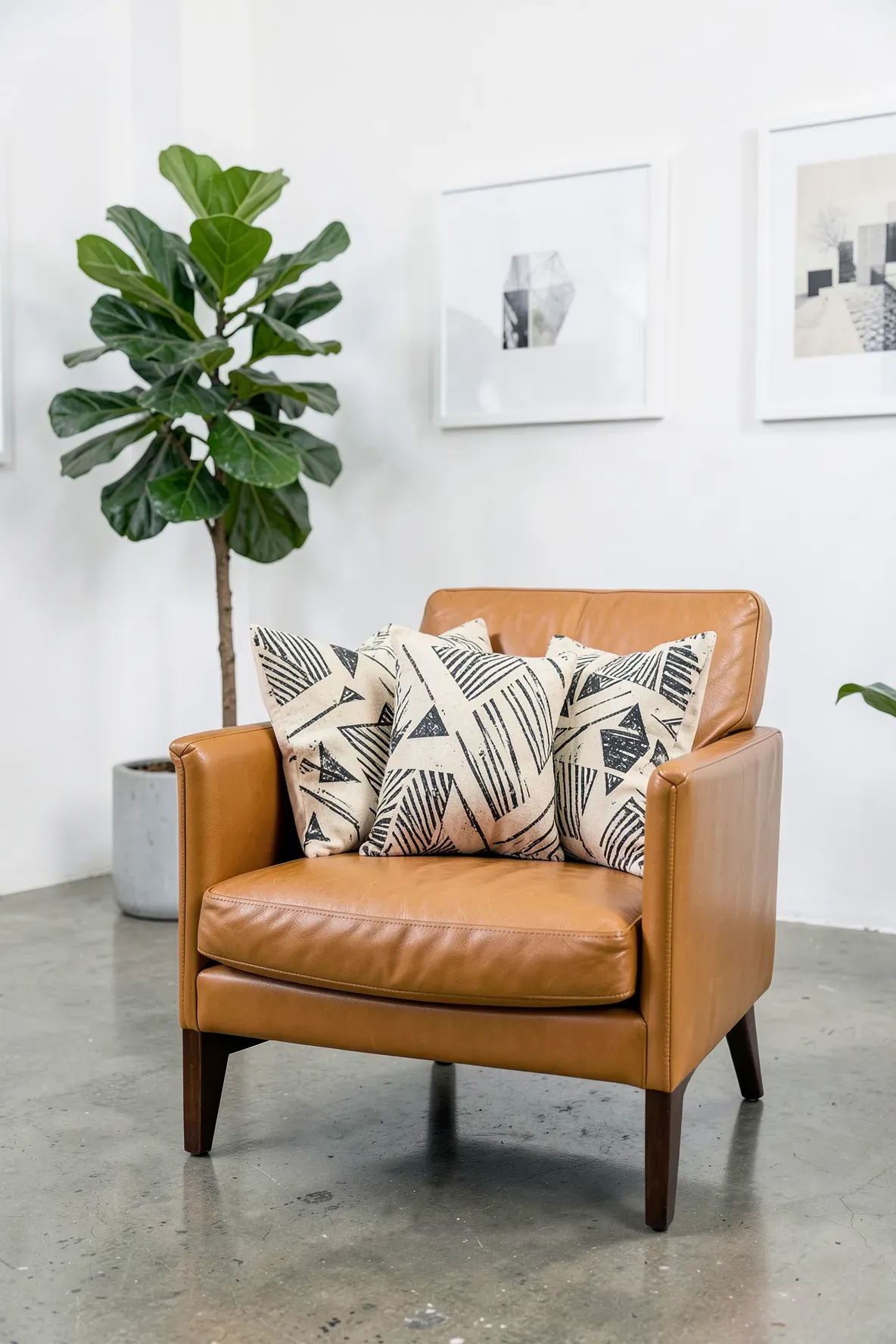
Canvas drop cloths from the hardware store are durable and much cheaper than designer upholstery fabric. The neutral beige color works well in most rooms and provides a blank slate for customization. Use painter’s tape or plastic stencils and acrylic paint mixed with a fabric medium to create patterns. Geometric shapes or simple stripes look professional and hold up well over time. Make sure to wash and dry the drop cloth before you start to soften the fibers and prevent shrinking later.
Hand-Knotted Macramé Overlay
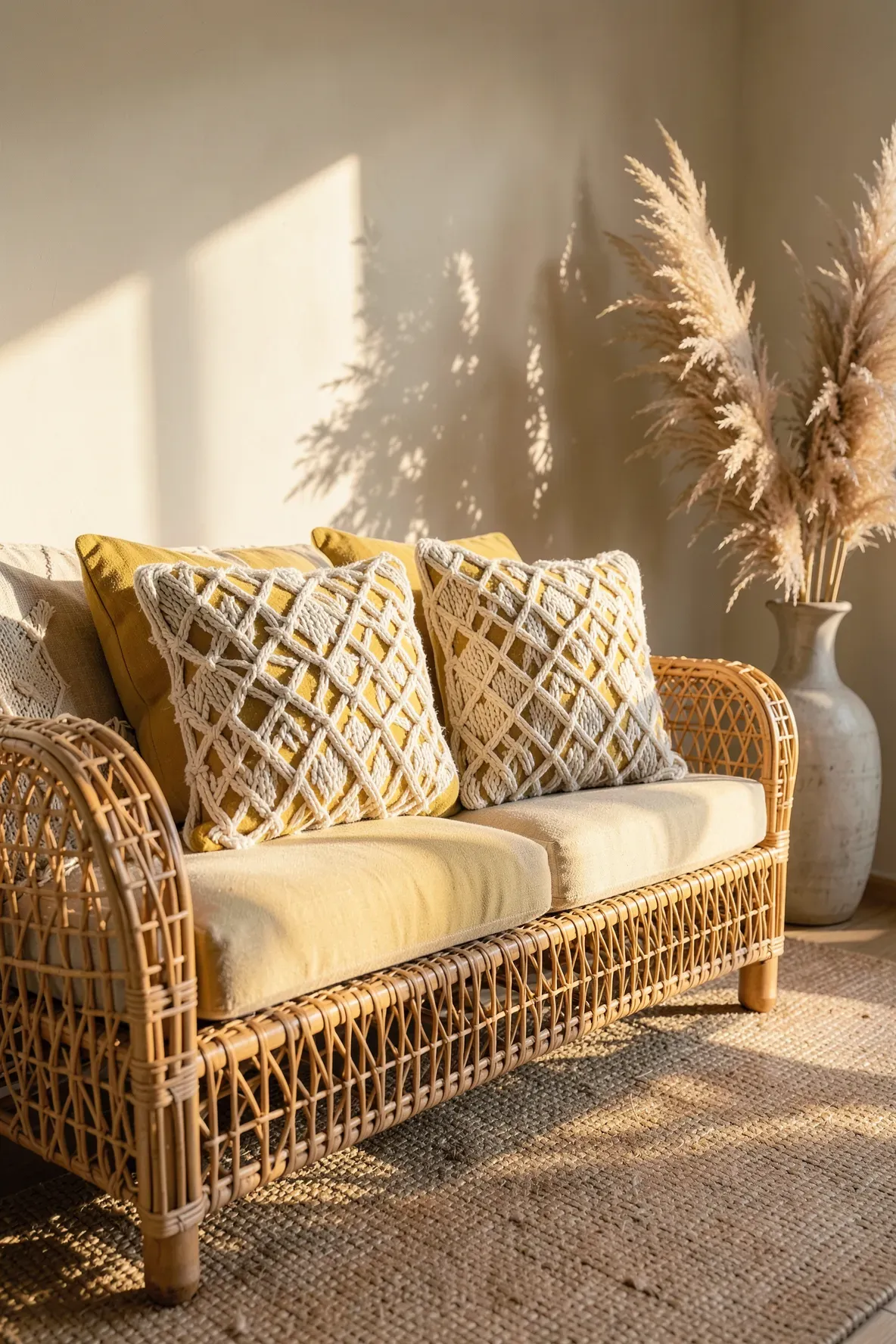
You can add texture to a plain pillow by tying a macramé net to go over the top. Use cotton cord to create simple square knots in a diamond pattern that matches the dimensions of your pillow. This overlay can be tacked onto an existing cover with a few small stitches at the corners. It is a good way to give a flat, boring pillow some visual depth. Stick to basic knots if you are new to the craft, as the repetitive pattern creates a sophisticated look without much complexity.
Old Sweater Sleeve Bolster
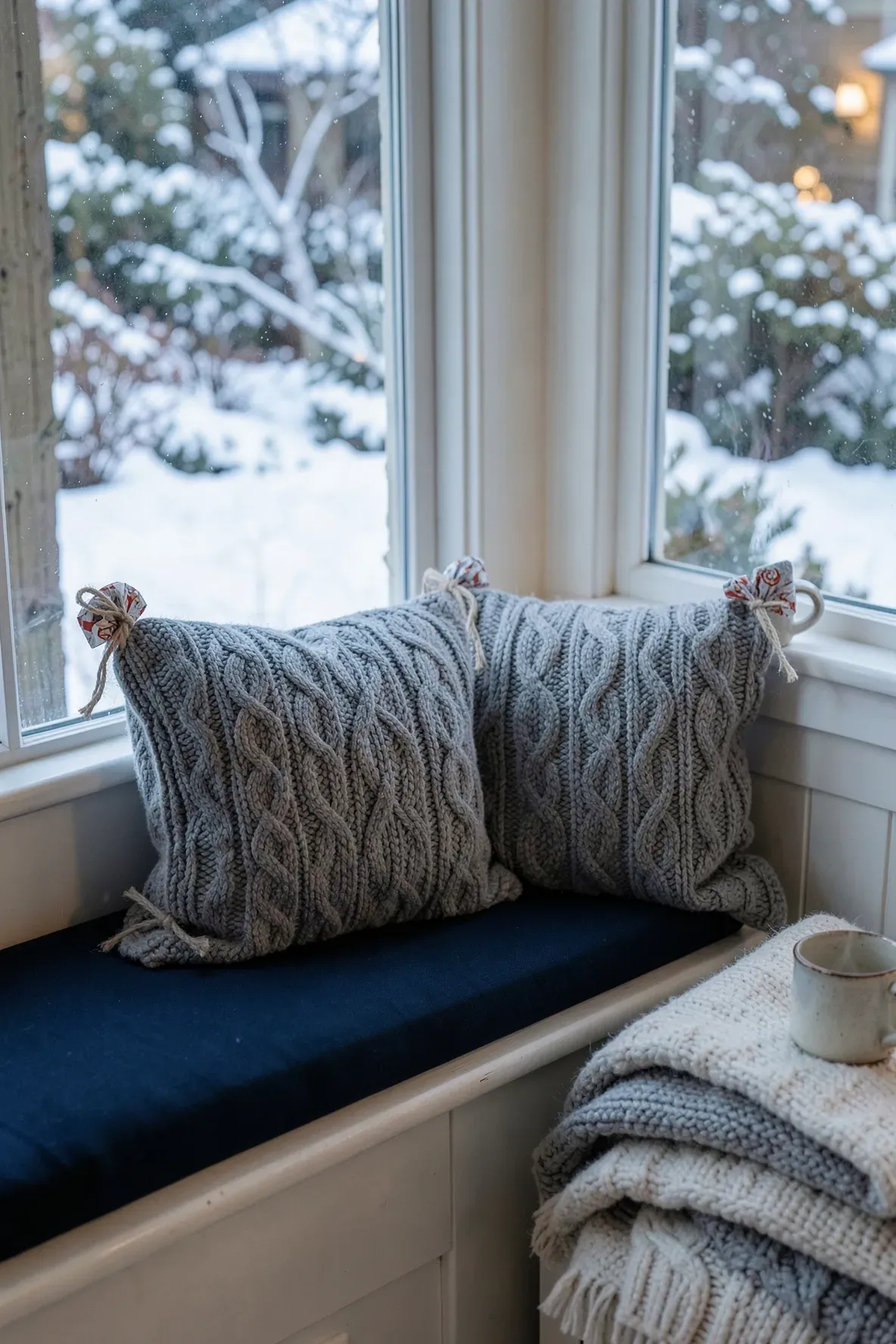
The sleeves of a chunky knit sweater are already shaped like tubes, making them ideal for bolster pillows. Cut a sleeve off at the shoulder and slide a cylindrical pillow form inside. You can gather the ends with twine for a candy-wrapper look or tuck the raw edges inside and sew them shut. This is a smart way to use a sweater that has a hole in the torso but still has soft, usable sleeves. It works best with heavy wool or acrylic knits that have a bit of stretch.
Exposed Metal Zipper Backing
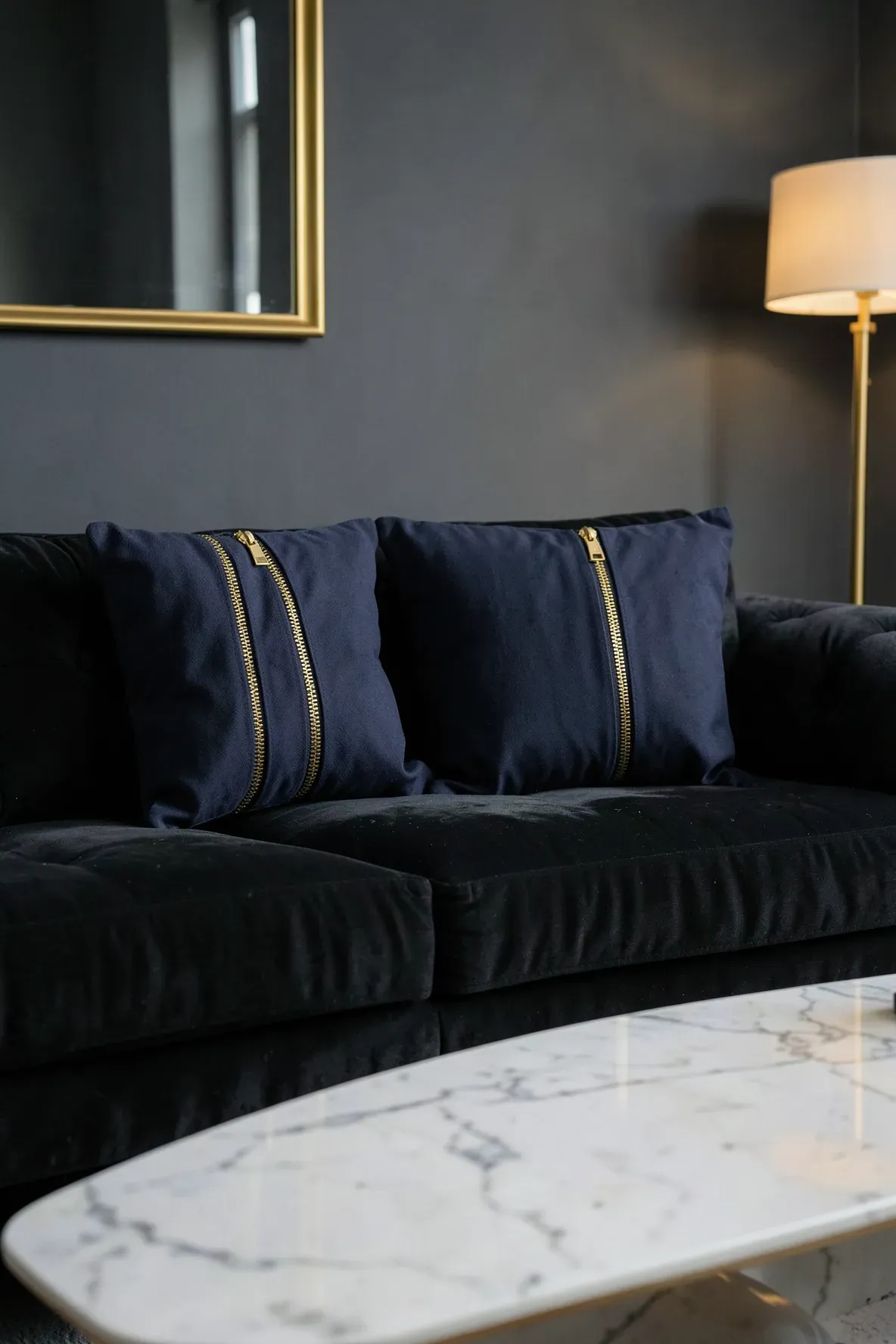
Adding a metal zipper to the back of a pillow is both functional and decorative. Instead of hiding the zipper under a flap of fabric, leave the teeth visible as a design element. This requires a bit more precision when sewing, but it makes the pillow look like it came from a high-end boutique. Use a zipper that matches the width of your pillow for the best fit. A contrasting zipper color, like gold or silver on dark navy fabric, adds a modern touch to your seating area.
Pom-Pom Trim Edge Detail
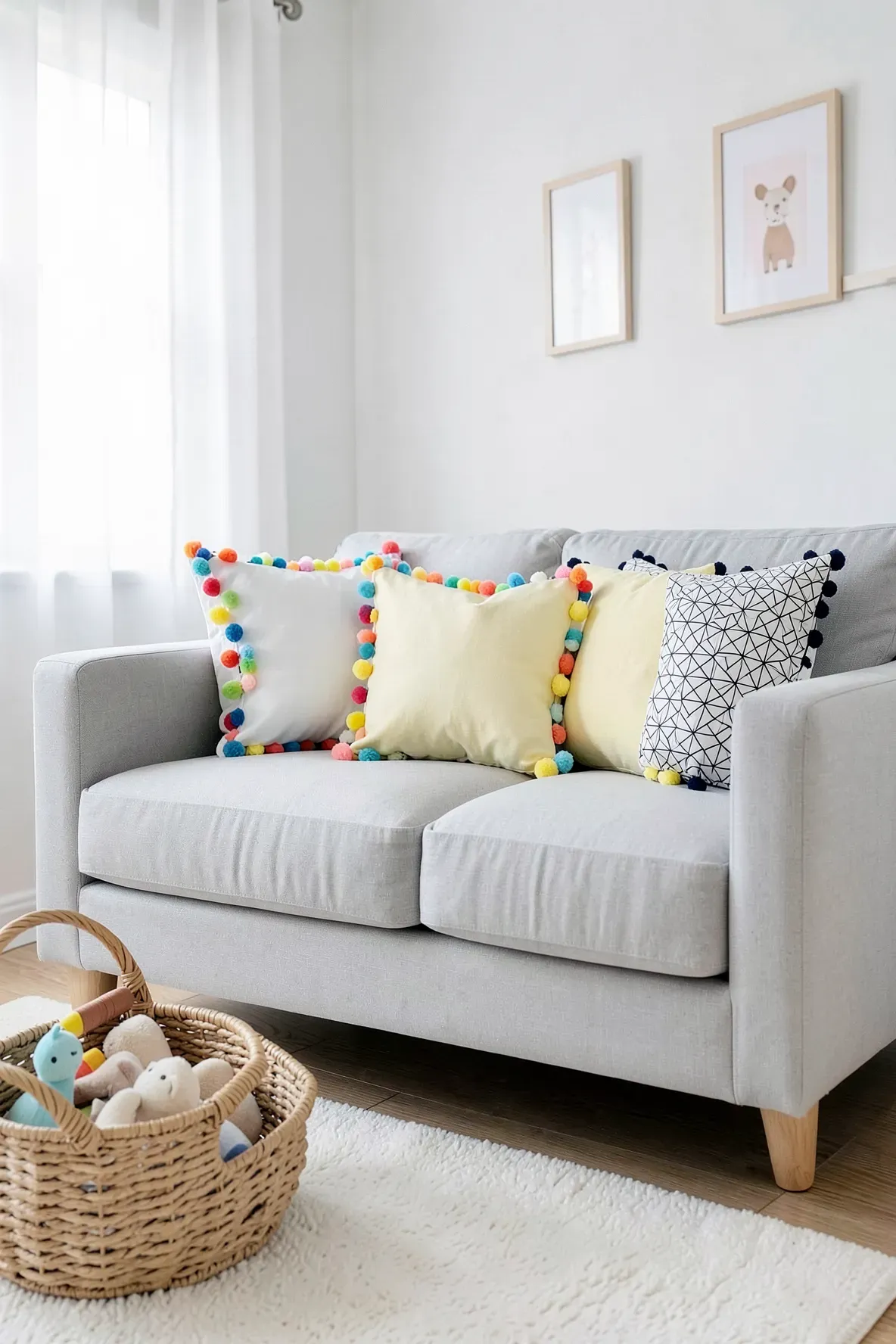
Pom-pom trim is an easy way to make a basic pillow look more playful. You can sew the trim into the seam while you are making the cover, or glue it along the edges of a finished pillow. If you are sewing it in, point the pom-poms toward the center of the fabric so they pop out when you turn the cover right side out. This detail works especially well on nursery pillows or bright outdoor cushions. Choose a trim color that matches a small detail in your fabric to tie the look together.
Natural Indigo Shibori Dyed Cotton
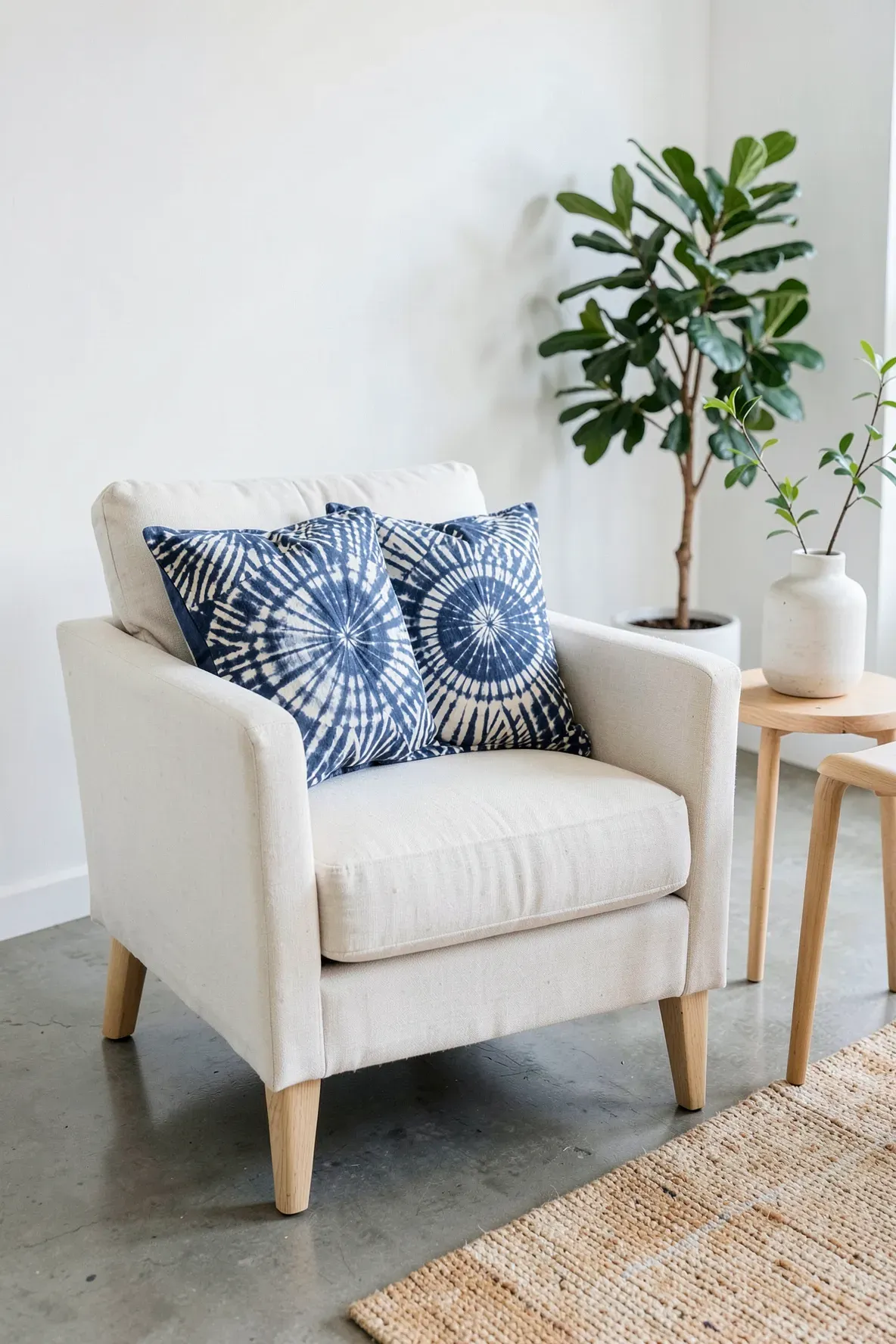
Shibori is a Japanese folding and binding technique that creates unique blue and white patterns. You can use a simple indigo dye kit to transform white cotton fabric before sewing it into a cover. Fold the fabric into squares or triangles and bind it with rubber bands or wood blocks before dipping it into the dye vat. Each piece will come out with a slightly different design. Once the fabric is rinsed and dried, sew it into a standard envelope cover to show off the organic patterns.
Velvet Front with Linen Reverse
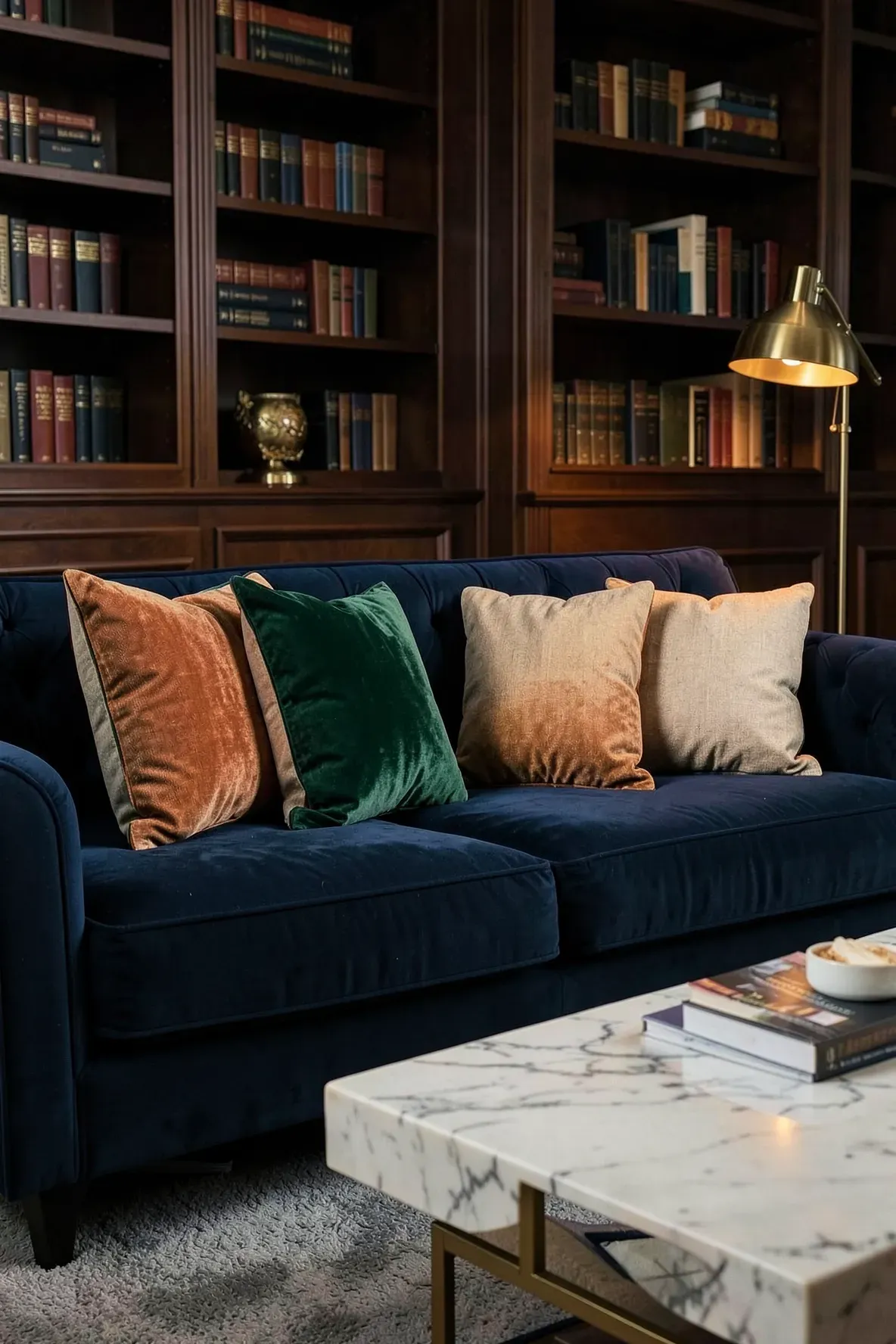
Mixing fabrics gives your pillows a professional, custom look. Use a piece of velvet for the front to provide a soft, luxurious feel, and use a sturdy linen for the back. This combination is practical because the linen back is often more durable and stays in place better on the couch. When sewing these two together, use plenty of pins because velvet tends to shift and slide. This dual-sided approach also lets you flip the pillow over to change the vibe of the room instantly.
Vintage Silk Scarf Patchwork
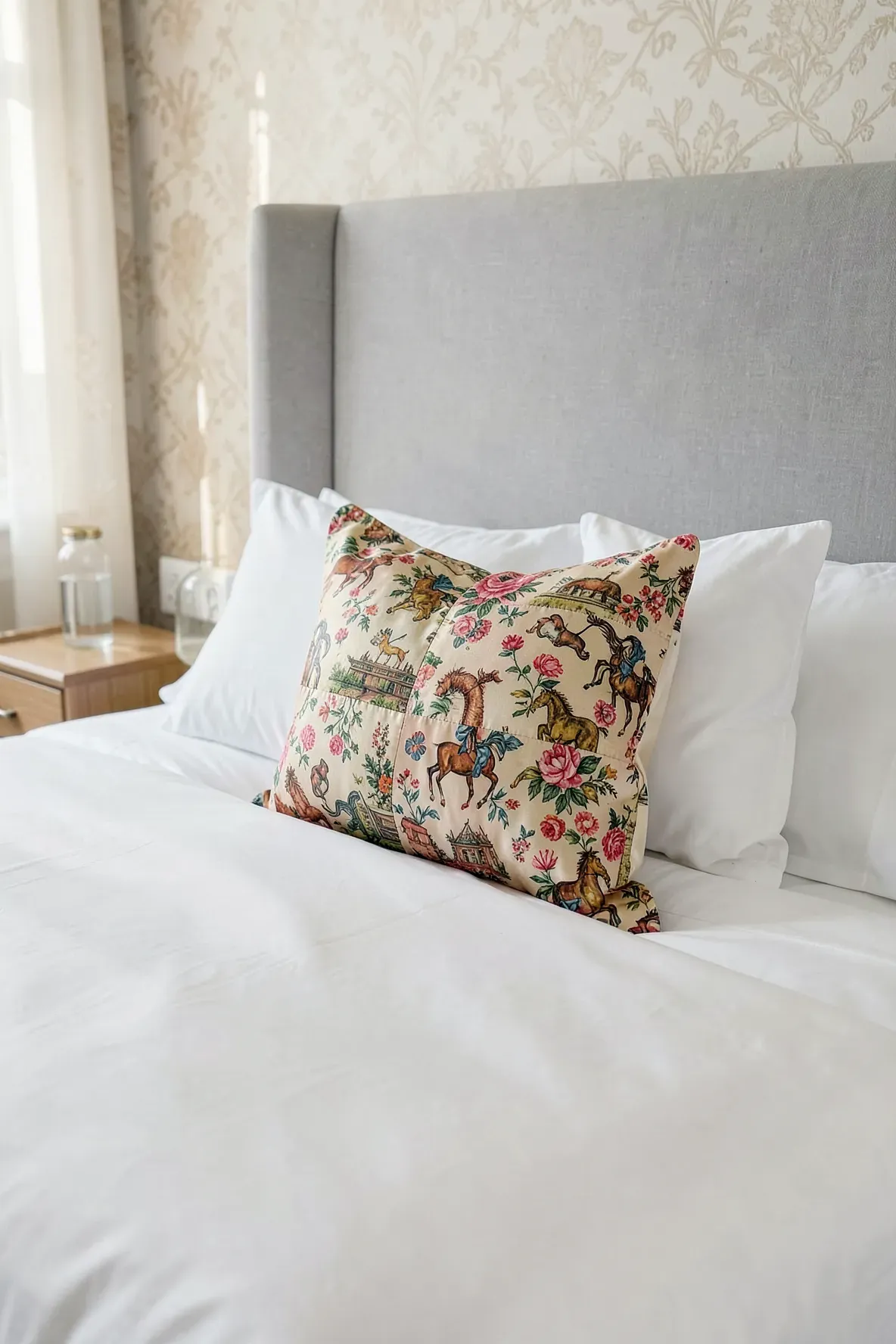
If you have silk scarves that you never wear, they can be turned into delicate pillow covers. Since silk is thin, you should iron a lightweight fusible interfacing to the back of the scarf to give it more stability. You can use one large scarf for the front or sew several smaller squares together in a patchwork style. This is a great way to preserve a vintage item while bringing some color and shine to a chair or bed. Use a soft cotton for the back so the pillow isn’t too slippery.
Braided Fabric Scrap Border
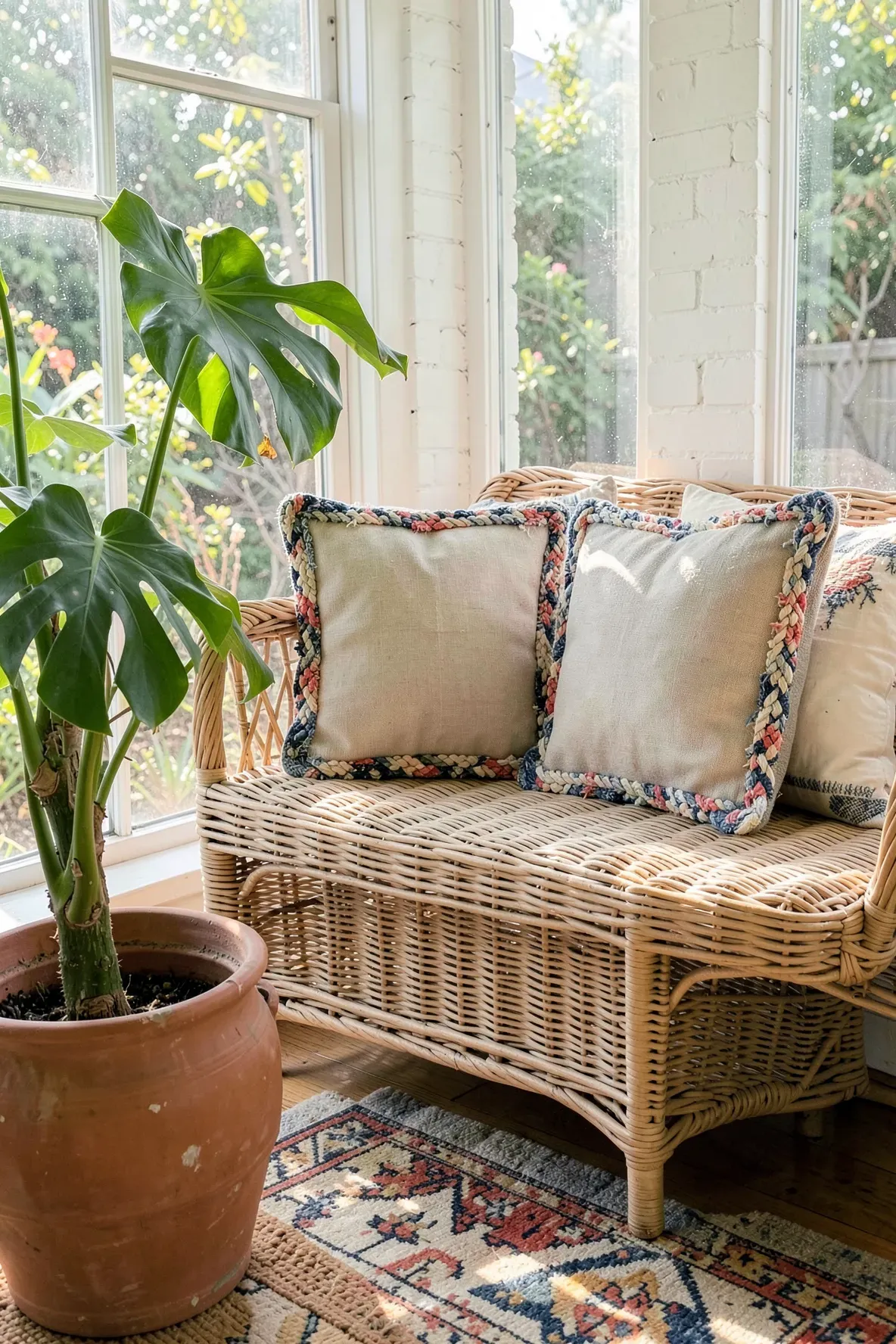
Don’t throw away the thin strips of fabric left over from other projects. Braid three long strands of scrap fabric together to create a thick, colorful rope. You can sew this braid around the outer edge of a pillow cover as a custom trim. It adds a handmade, bohemian feel and uses up materials you already have. Use scraps of different textures, like denim and cotton, to make the braid more interesting. Secure the ends of the braid tightly before sewing them into the corner seams.
Leather Tassel Corner Accents
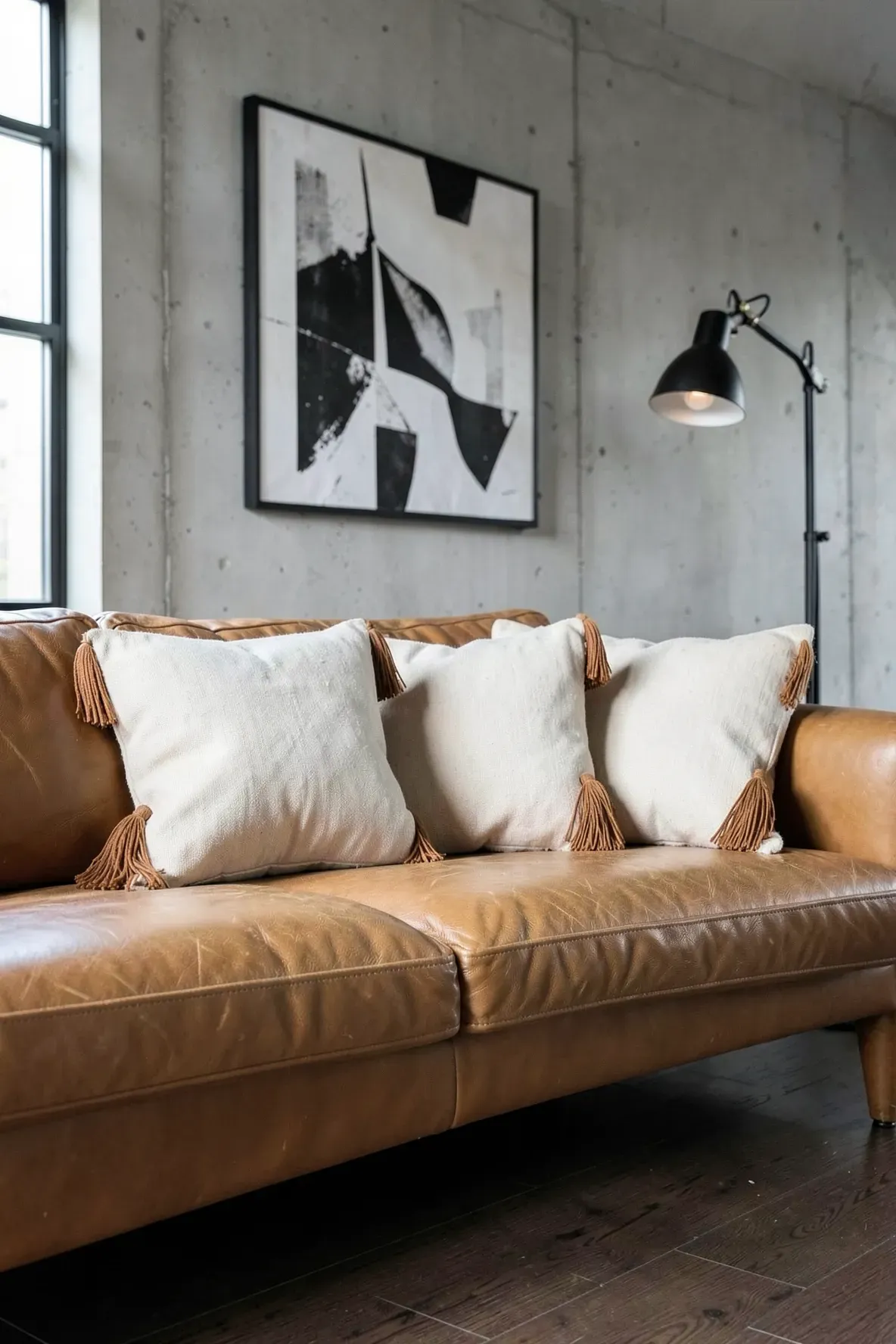
Adding leather tassels to the corners of a pillow gives it a structured, expensive appearance. You can make tassels by cutting thin strips into a small rectangle of leather or faux leather, leaving a solid band at the top, then rolling it up and gluing it. Sew or tie these to the corners of a finished pillow cover. They look particularly good on heavy fabrics like wool or thick canvas. The weight of the leather helps the pillow corners stay crisp instead of curling upward.
Potato Stamp Pattern Print
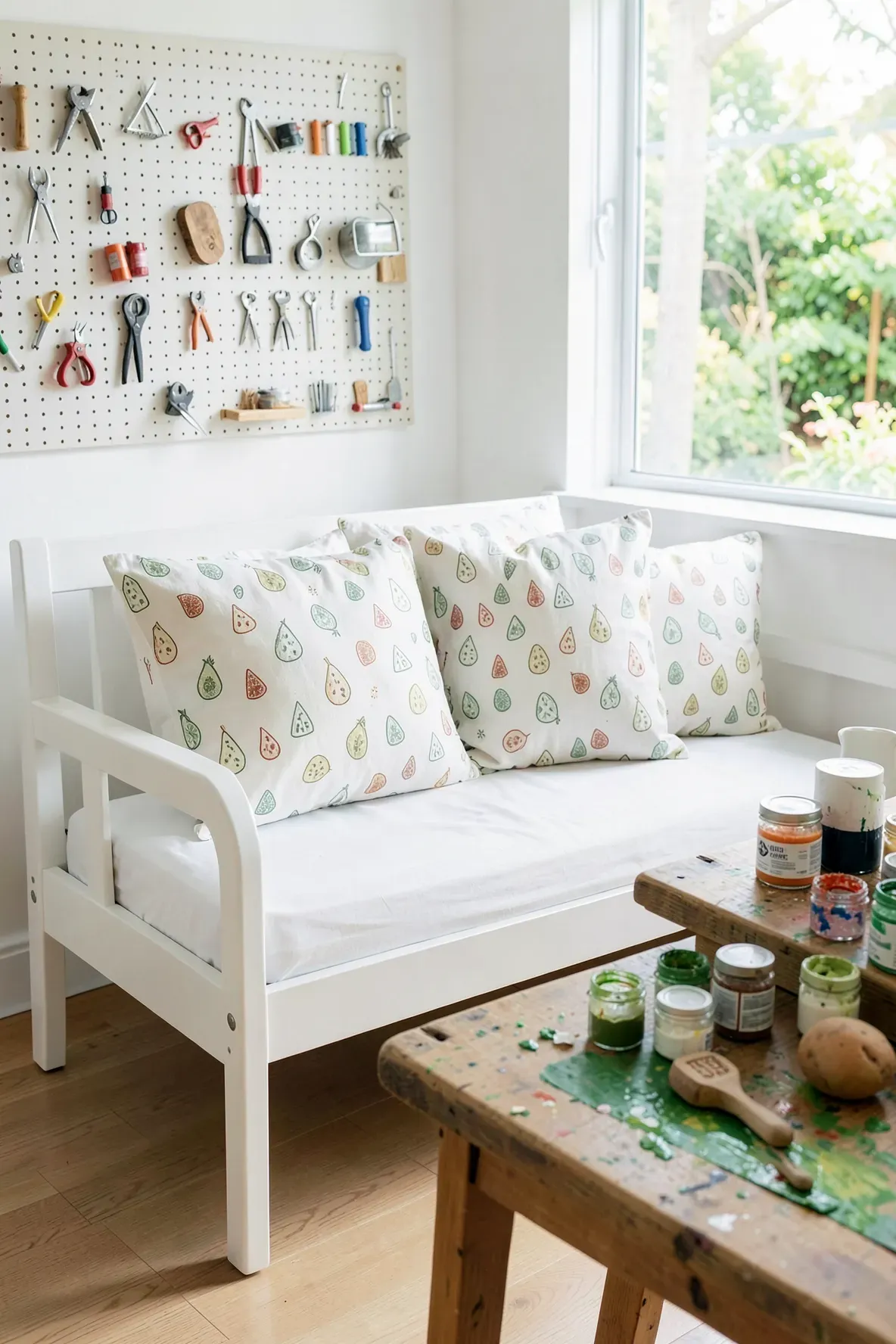
A potato is a surprisingly effective tool for creating custom fabric patterns. Cut a large potato in half and carve a simple shape, like a triangle or a leaf, into the flat surface. Dip the potato into fabric paint and stamp it repeatedly across a plain cotton cover. Keep the spacing consistent for a clean look, or overlap the stamps for a more abstract design. This is an easy project to do with kids and costs almost nothing. Just make sure to heat-set the paint with an iron once it is dry.
Tea-Stained Raw Muslin Cover
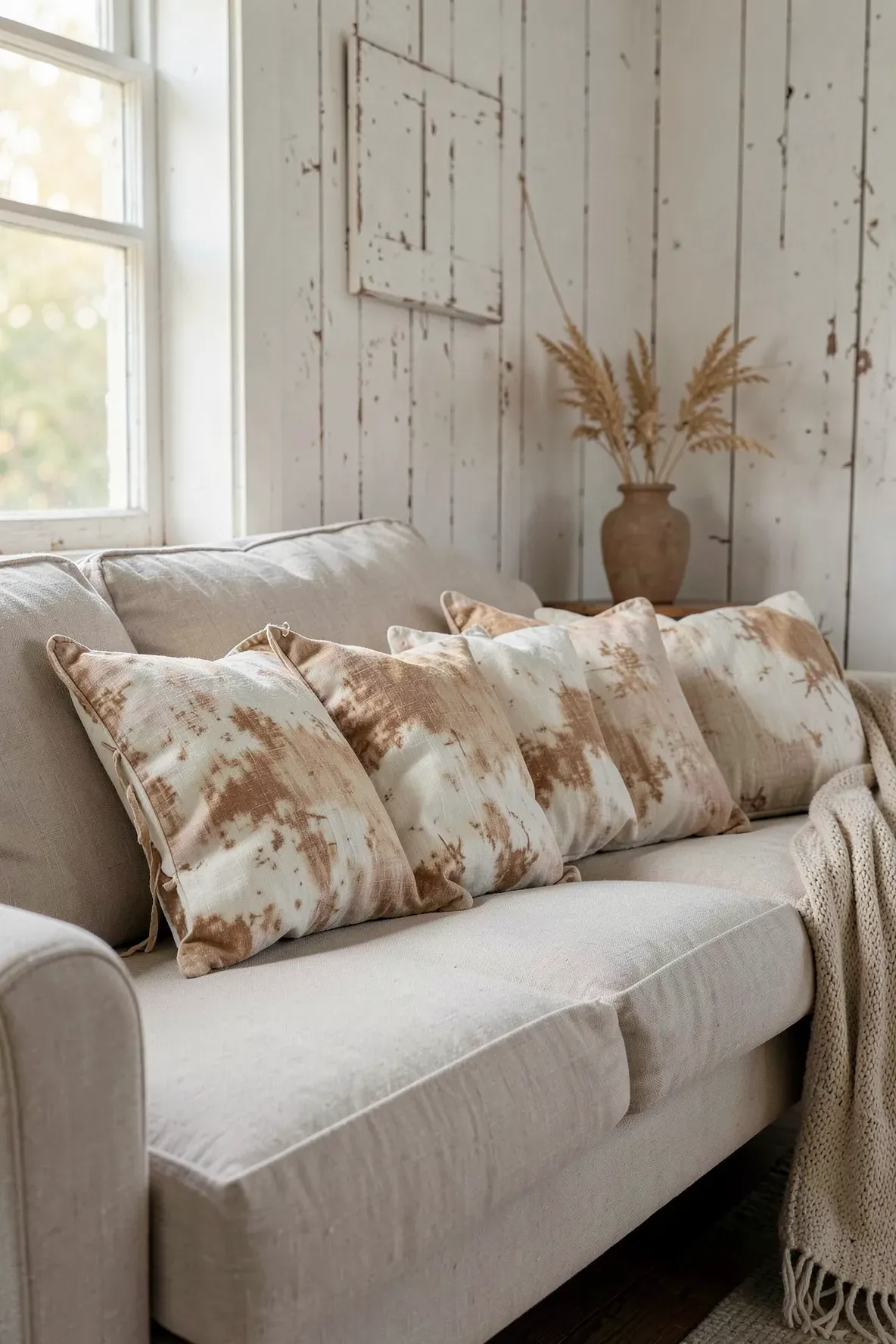
Raw muslin is very affordable but can sometimes look too bright and new. Soaking the fabric in a bath of strong black tea gives it an aged, antique cream color. The longer you leave it in the tea, the darker the stain will be. After staining, rinse the fabric in cold water and vinegar to help set the color. This technique creates a warm, rustic look that fits well with farmhouse or vintage decor. Use the stained fabric to make simple tie-closure covers for a relaxed aesthetic.
Bohemian Style Tufted Yarn Design
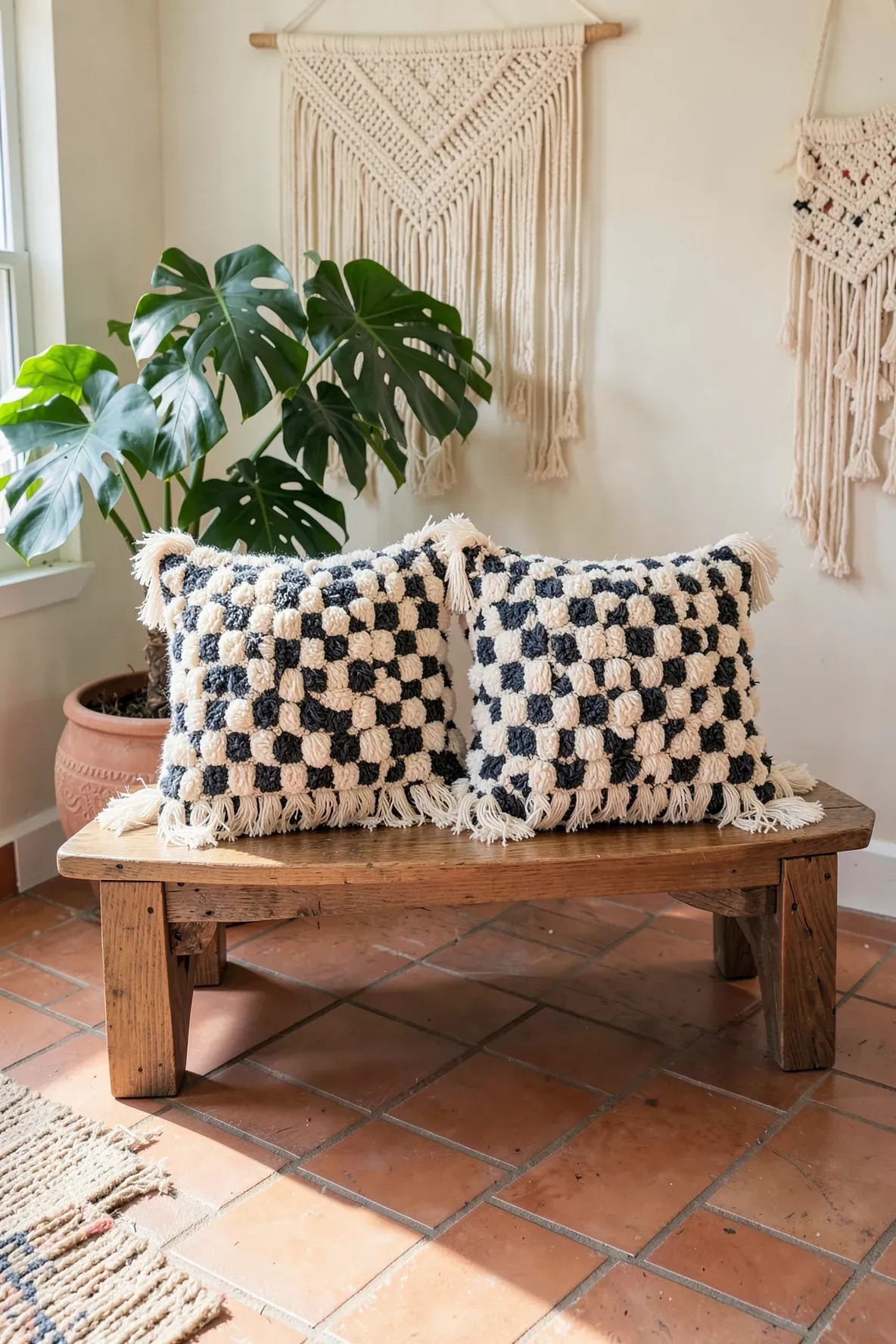
You can create a tufted look without a rug hooking tool by using a large embroidery needle and thick yarn. Thread the yarn through the front of the pillow cover, leaving long loops or cutting the ends to create fringe. Repeat this in rows or a specific shape to add shaggy texture to the surface. It is a simple way to mimic the look of expensive Moroccan-style pillows. Make sure to knot the yarn securely on the inside of the cover so the tufts don’t pull out when the pillow is used.
Outdoor Waterproof Tablecloth Conversion
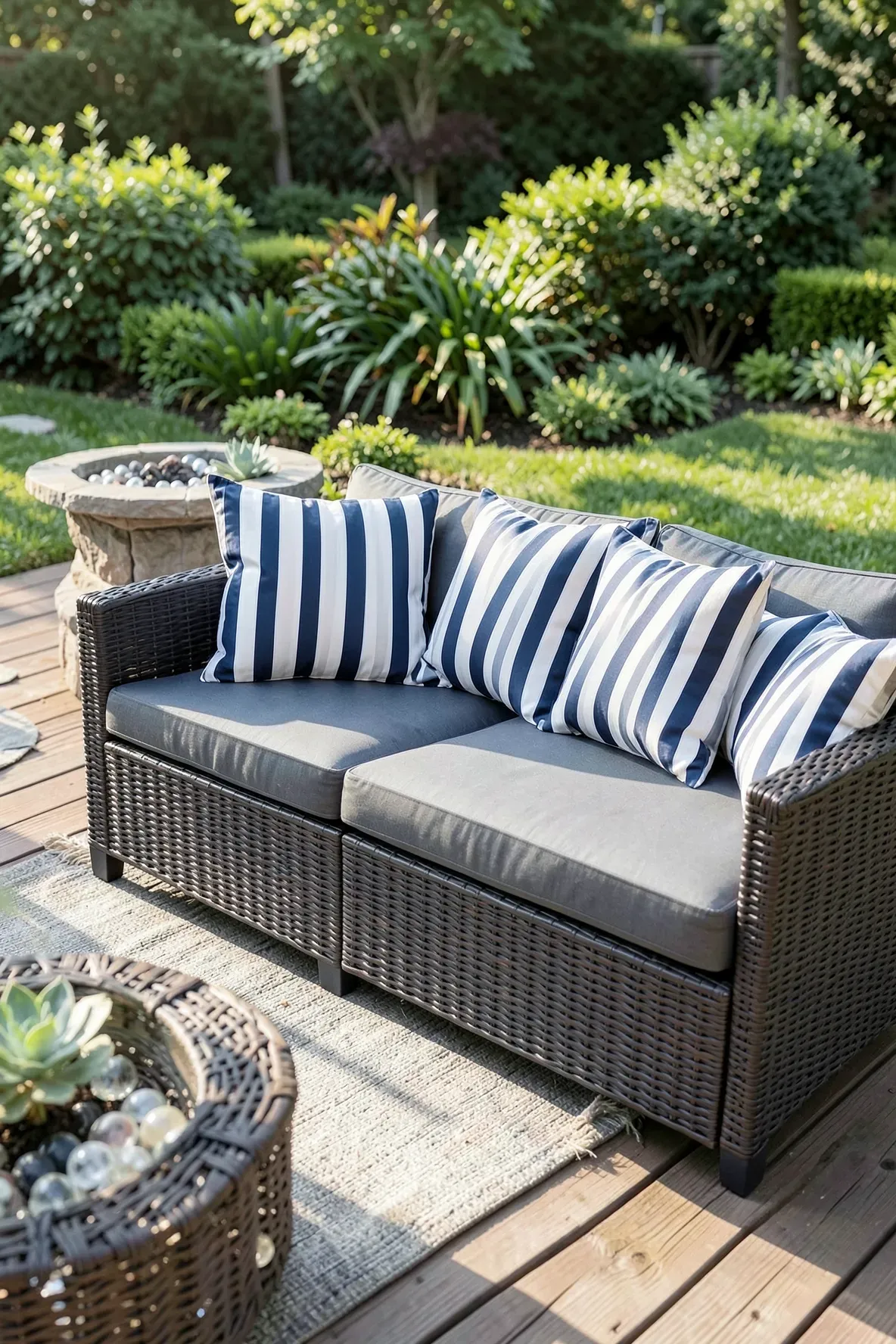
Outdoor fabric can be pricey, but you can get the same results by upcycling a vinyl or treated polyester tablecloth. These materials are designed to resist water and stains, making them perfect for patio furniture. Cut the tablecloth to size and sew it using a heavy-duty needle on your machine. If the material is vinyl, avoid using pins because they leave permanent holes; use binder clips instead. This is a smart way to get durable, weather-resistant cushions for a fraction of the retail price.
Changing your pillow covers is one of the easiest ways to update your home without a full renovation. Whether you choose to sew a classic envelope cover or try a no-sew glue method, these projects allow you to express your personal style. Most of these ideas use items you likely have around the house, making it easy to start a project today. Pick a method that fits your comfort level and start refreshing your living space one pillow at a time.