
Keeping houseplants alive can feel like a full-time job when you have to worry about soil moisture and drainage holes. Switching to a water-based setup removes the guesswork and creates a clean, modern look. Many popular species thrive without a single grain of dirt, making them great for busy people who still want a green home.
Using plants that grow in water indoor settings allows you to see the roots develop through glass, adding another layer to your house plants aesthetic. Whether you want something trailing from a shelf or a large statement piece on the floor, these low-maintenance options will help you master indoor plants styling without the mess of traditional potting.
Monstera Plant Cuttings in Large Glass Floor Vases
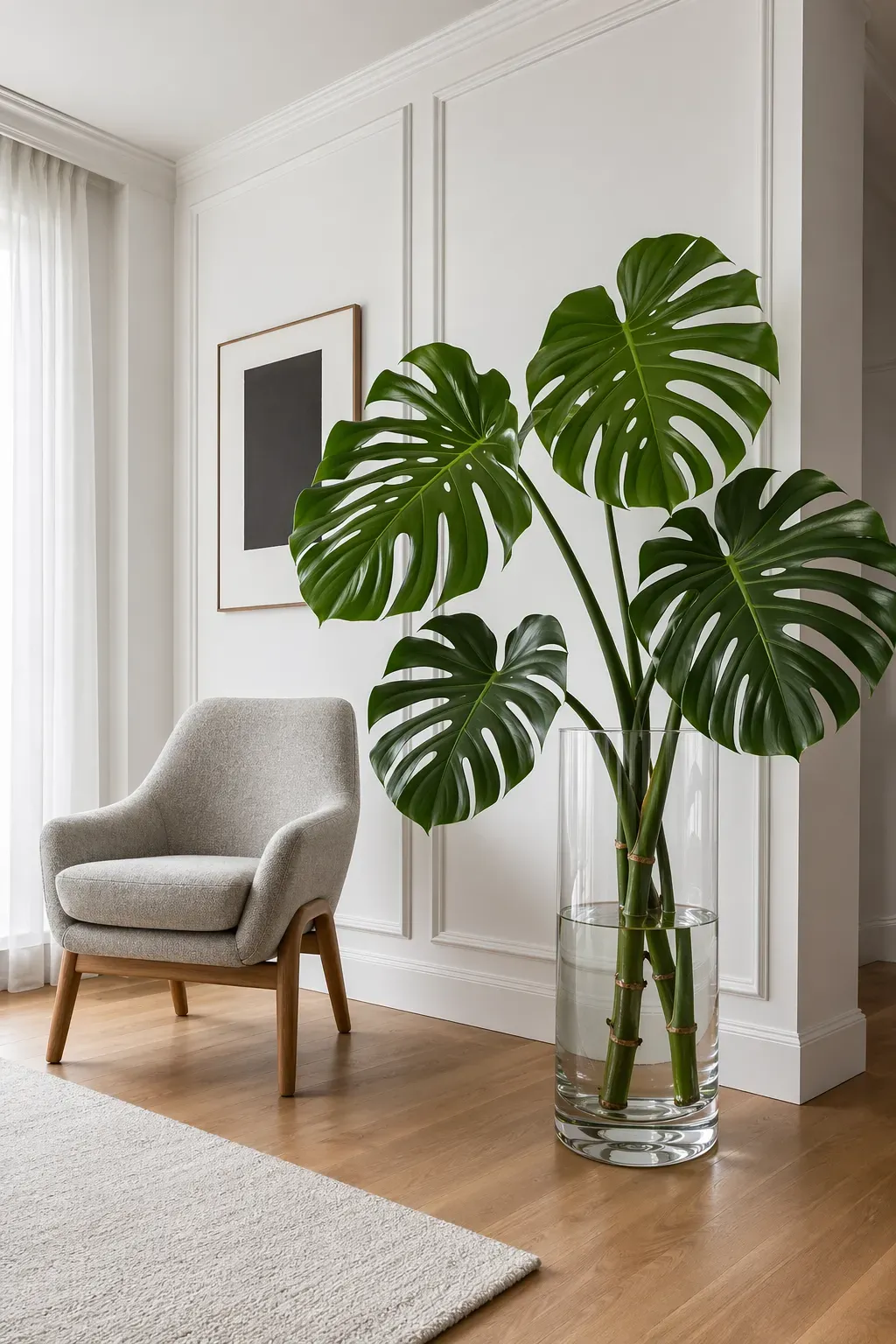
A large Monstera plant cutting makes a bold statement when placed in a tall, sturdy glass floor vase. These plants are famous for their iconic leaf holes and can live for months or even years just in water. To start, take a cutting that includes at least one node—the little brown bump on the stem—and submerge it. The thick green stems look striking against the clear glass, fitting right into modern indoor plants decor ideas.
You should change the water every few weeks to keep it fresh and clear of algae. Because these leaves grow quite large, make sure your vase is heavy enough so it doesn’t tip over. This setup is a simple way to fill an empty corner and bring a bit of the tropics into your living room without needing a massive pot of soil.
Lucky Bamboo Stems in Shallow River Stone Bowls
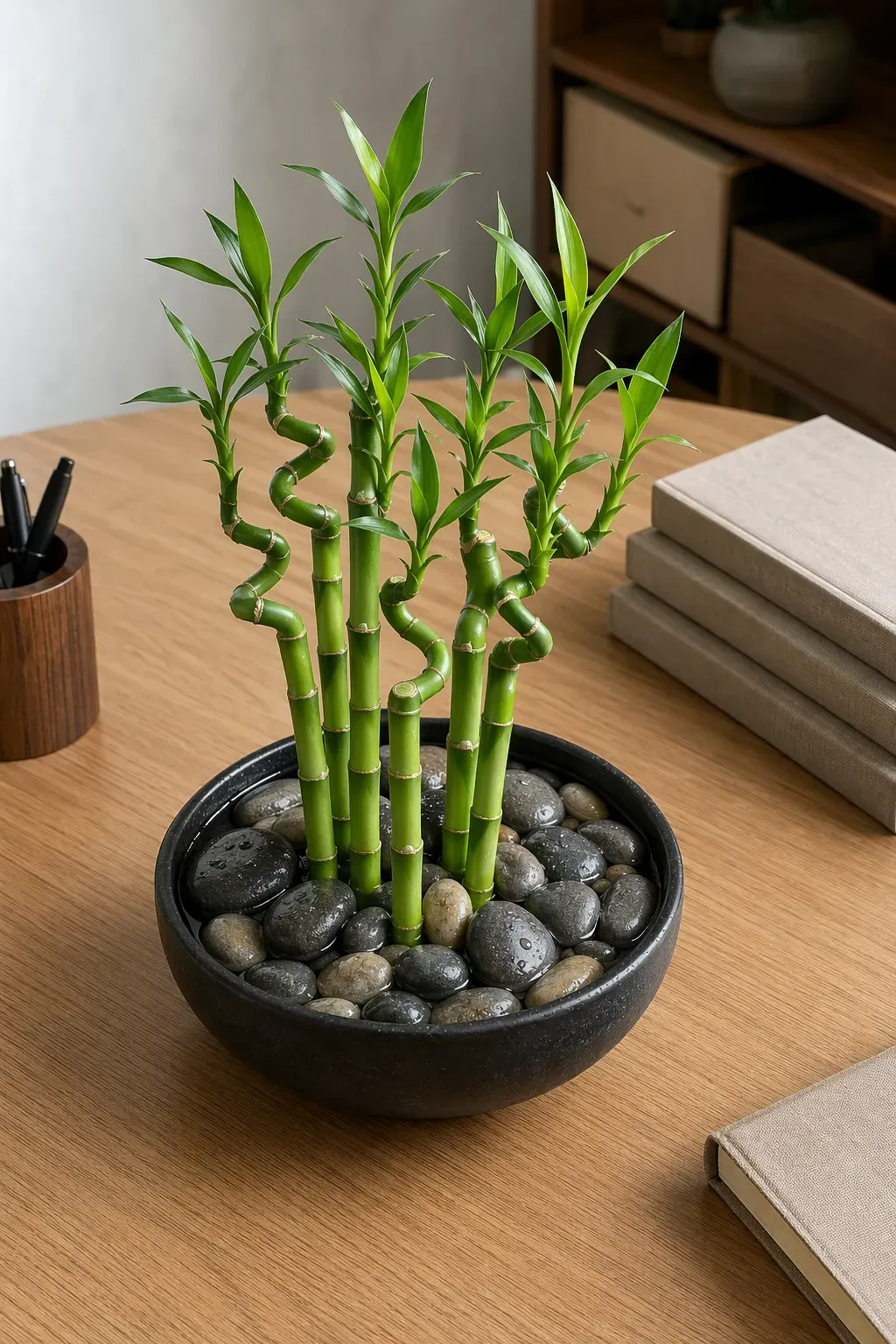
Lucky bamboo is a classic choice for plant arrangements indoor because it is nearly impossible to kill. You can find these stems in straight or curled shapes, and they look best when grouped together in a shallow ceramic or glass bowl. Instead of soil, use small river stones or pebbles to hold the stalks upright. This allows the roots to weave through the rocks, creating a stable base for the tall stems.
Keep the water level just above the stones and avoid using water with too much chlorine, as it can turn the leaves yellow. If you use tap water, let it sit out overnight before adding it to the bowl. This plant works well on desks or bathroom counters where space is limited but you still want a touch of green.
Pothos Vines Trailing from Hanging Glass Globes
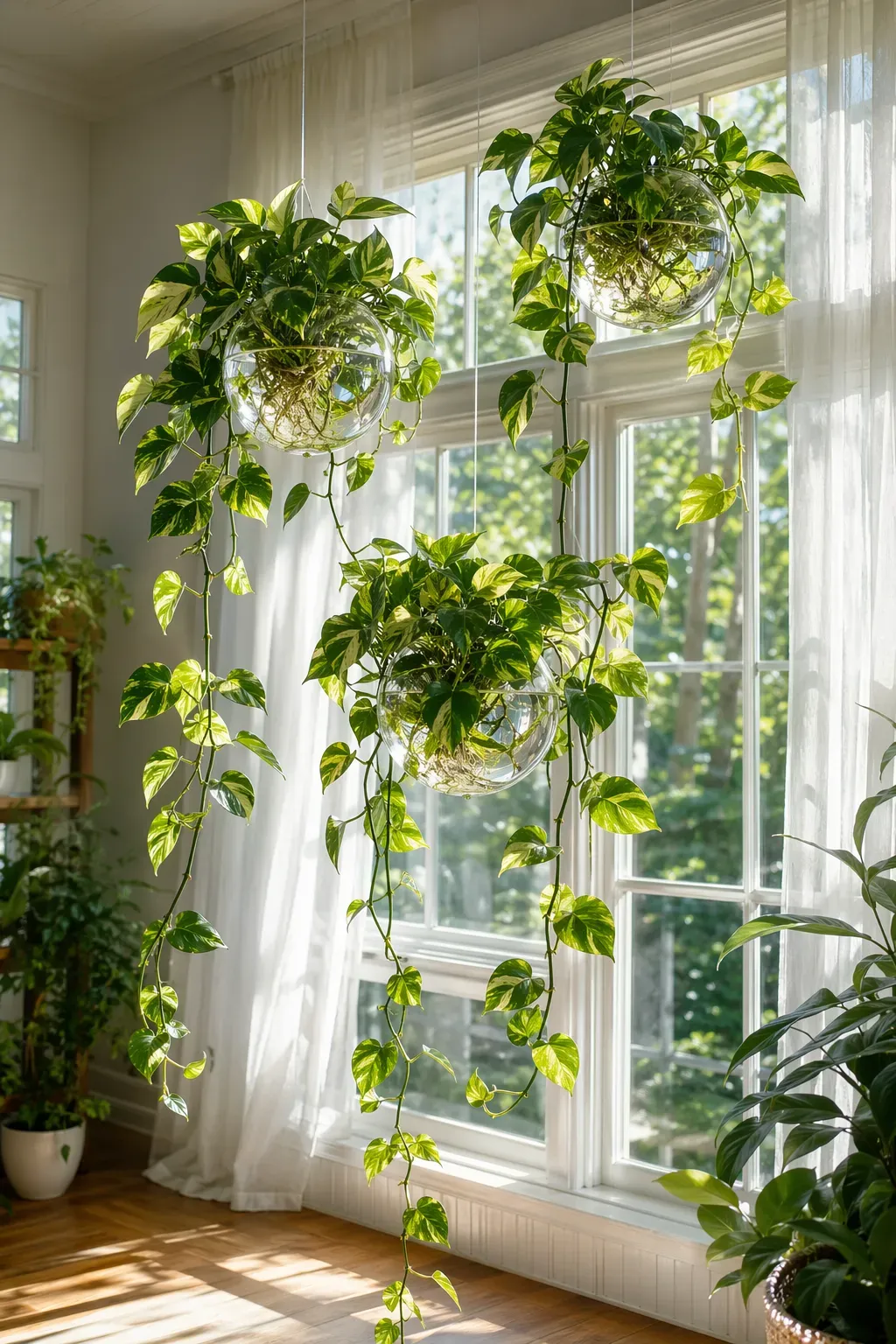
Pothos is widely considered the easiest plant to grow in water. Their long vines can be trained to drape over the edges of hanging glass globes, making them excellent hanging plants indoor. You simply snip a vine from a mother plant and tuck the cut end into the water. Within a week or two, you will see white roots begin to sprout and grow toward the bottom of the globe.
These globes look best when hung at different heights near a window. Since pothos can handle lower light levels, they are versatile for different rooms in the house. Just remember to top off the water occasionally as it evaporates so the roots stay submerged and healthy.
Spider Plants Growing in Recycled Glass Bottles
Spider plants frequently produce “babies” on long runners that are easy to snip off and grow on their own. Instead of buying new containers, you can use recycled soda or milk bottles for a sustainable house plants aesthetic. The narrow neck of a bottle is helpful because it supports the base of the plant while letting the roots reach down into the water.
These plants are great for cleaning the air and look very charming on a sunny windowsill. As the roots grow, they will fill the bottle, creating an interesting visual texture. If the water starts to look cloudy, just pour it out and refill it with fresh room-temperature water to keep the plant thriving.
Amazon Sword Plants in a Desktop Freshwater Nano Tank
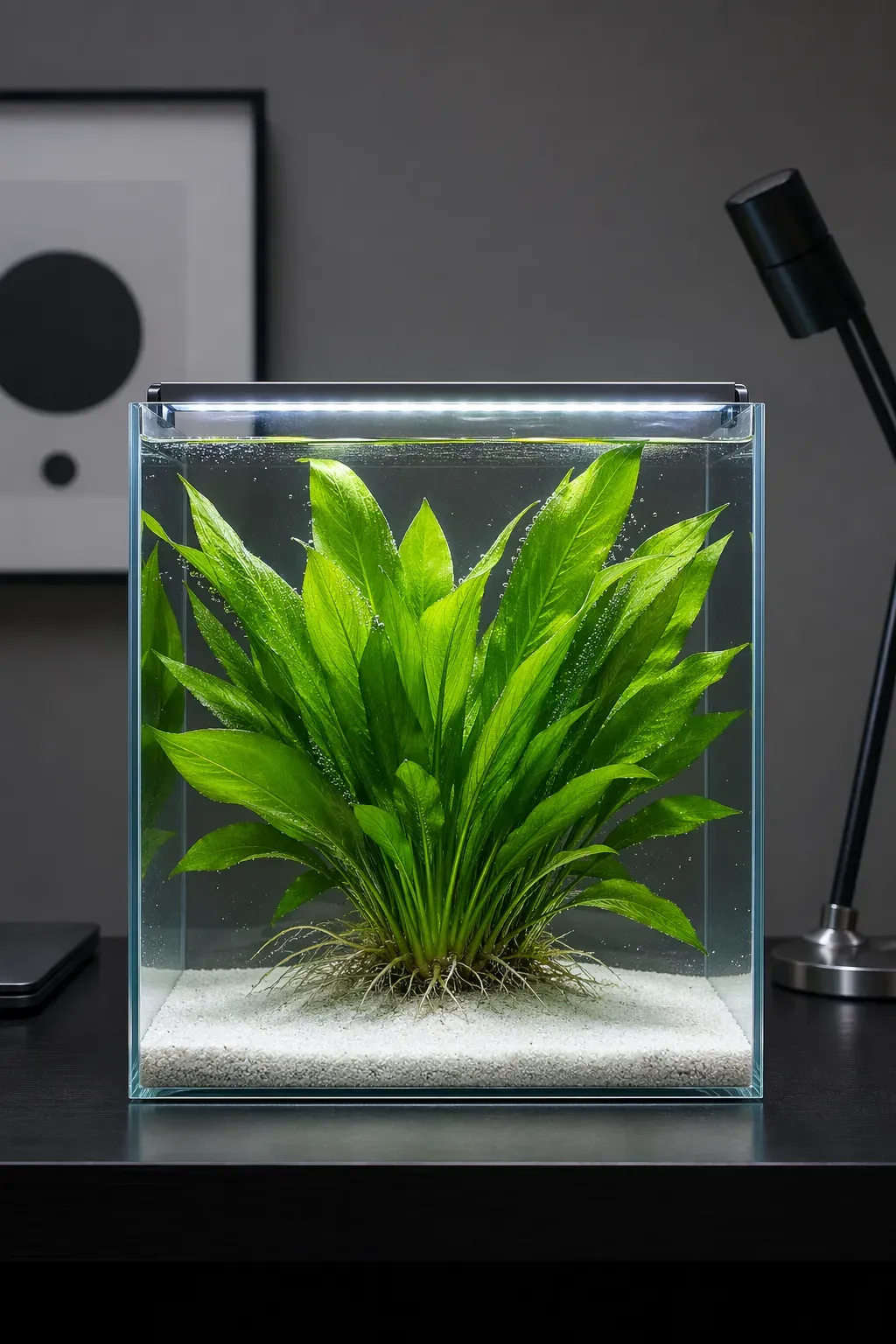
If you want to try an aquatic plants indoor water garden, the Amazon Sword is a sturdy choice. While often used in fish tanks, it can grow perfectly well in a small decorative glass tank on its own. These plants have broad, vibrant green leaves that grow upward and create a lush underwater forest look. You can add a layer of aquarium sand or fine gravel at the bottom to help anchor the roots.
Because these are true aquatic plants, they need to be fully or partially submerged. They benefit from a spot that gets decent light, but avoid direct hot sun which can cause too much algae growth. A small desktop tank with an Amazon Sword adds a calm, watery element to a home office or study space.
Philodendron Leaves in Minimalist Lab Beakers
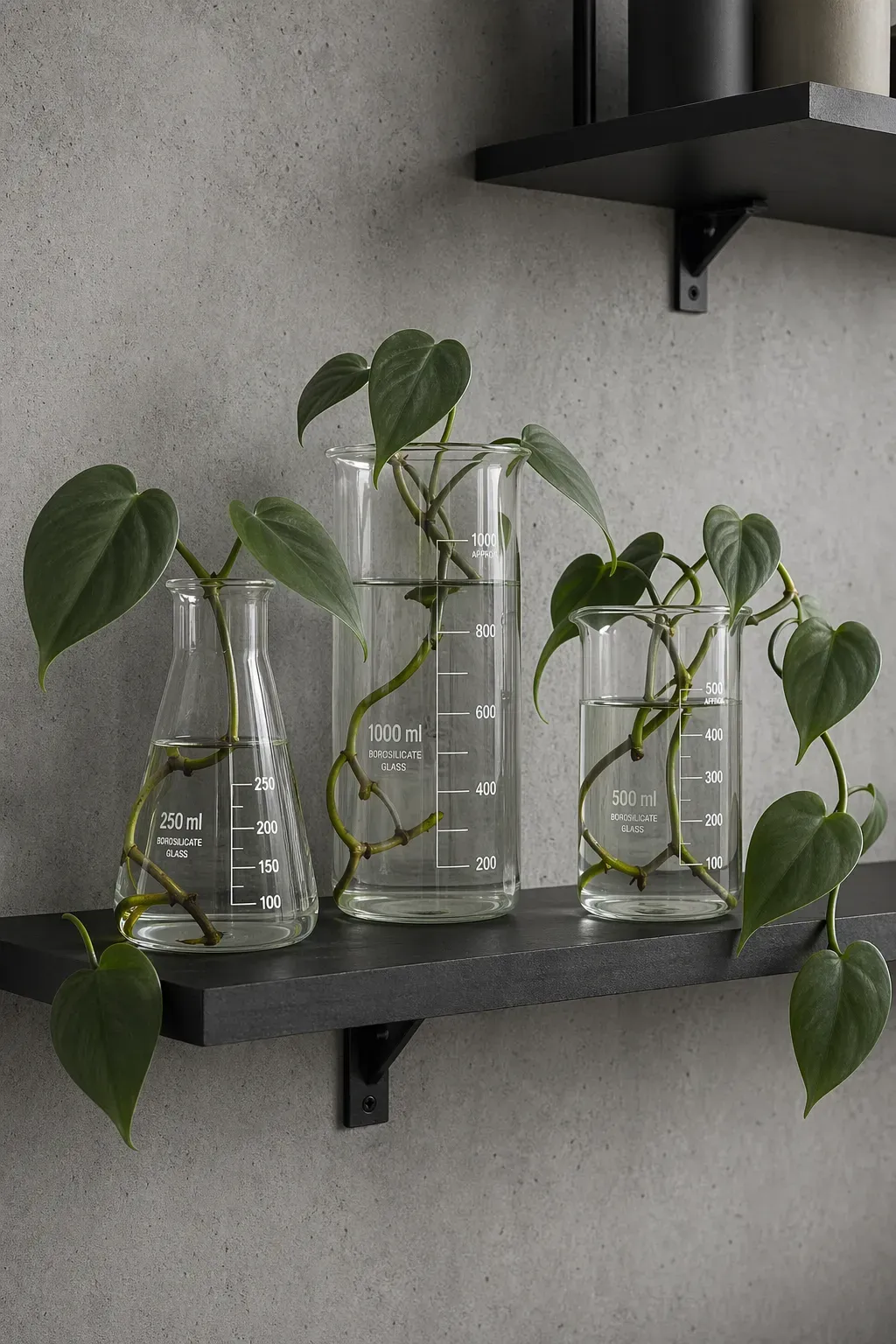
Heartleaf Philodendrons look very similar to Pothos but have a slightly softer texture and distinct leaf shape. Using minimalist lab beakers or glass cylinders for these cuttings creates a clean, scientific look for your plants indoor design. The contrast between the organic, curving vines and the sharp lines of the glassware is a popular choice for modern shelves.
These plants are very resilient and can stay in water indefinitely. They don’t mind if you forget to change the water for a while, though they grow faster when the water is fresh. You can even add a tiny drop of liquid fertilizer once a month during the summer to help the leaves stay large and deep green.
Floating Water Lettuce in a Ceramic Basin Display
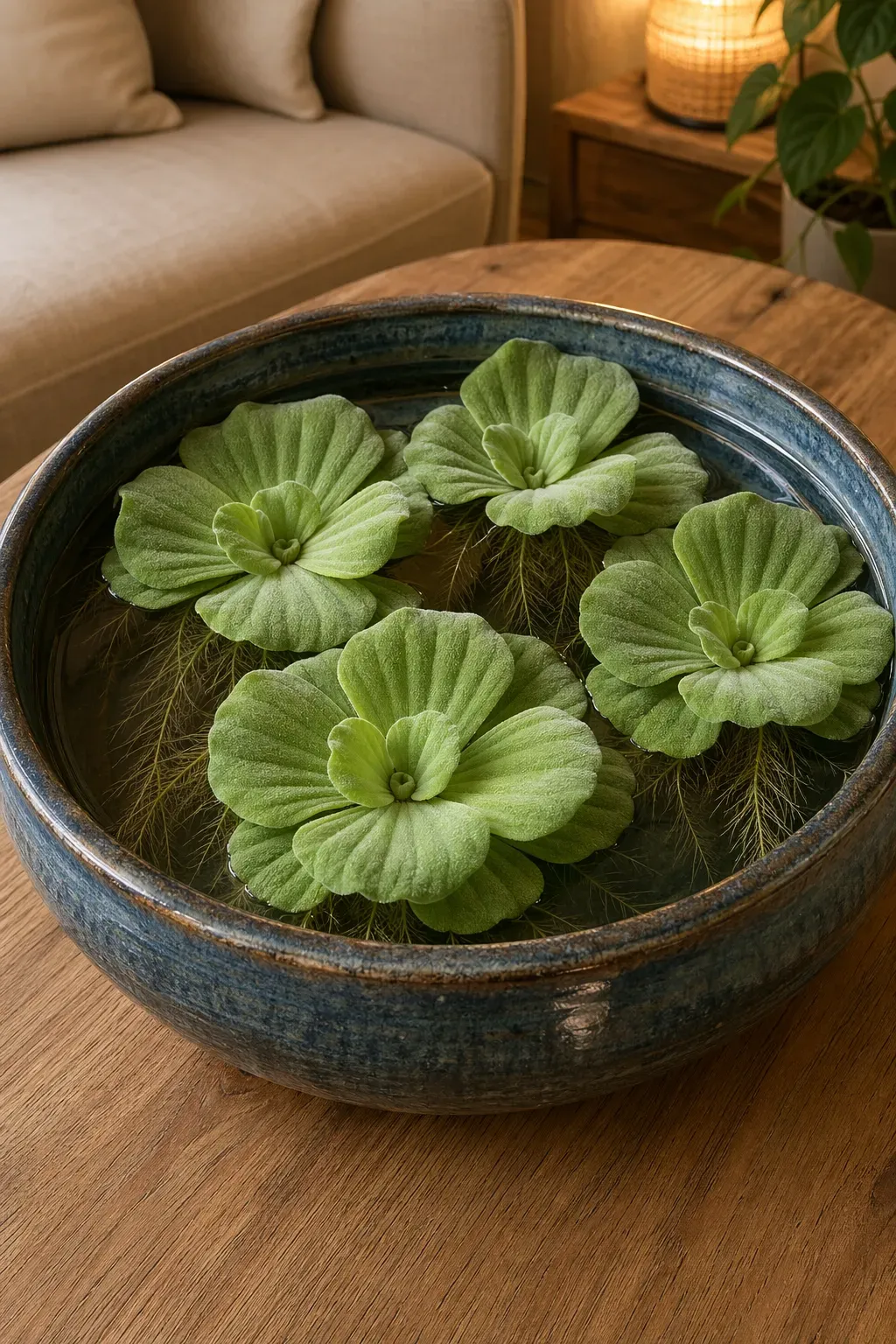
Water lettuce looks like a floating head of velvet green foliage and is a unique addition to any indoor space. Unlike other plants on this list, this one floats right on the surface with its roots dangling underneath. A wide, shallow ceramic basin is the best way to display them. This creates a mini indoor pond effect that feels very peaceful.
You don’t need to do much besides keeping the basin filled with water. The plant will naturally multiply, eventually covering the surface of the water. It’s a great conversation piece for a coffee table or a sideboard where people can look down at the interesting leaf structures from above.
English Ivy Cuttings Rooting in Wall Mounted Vials
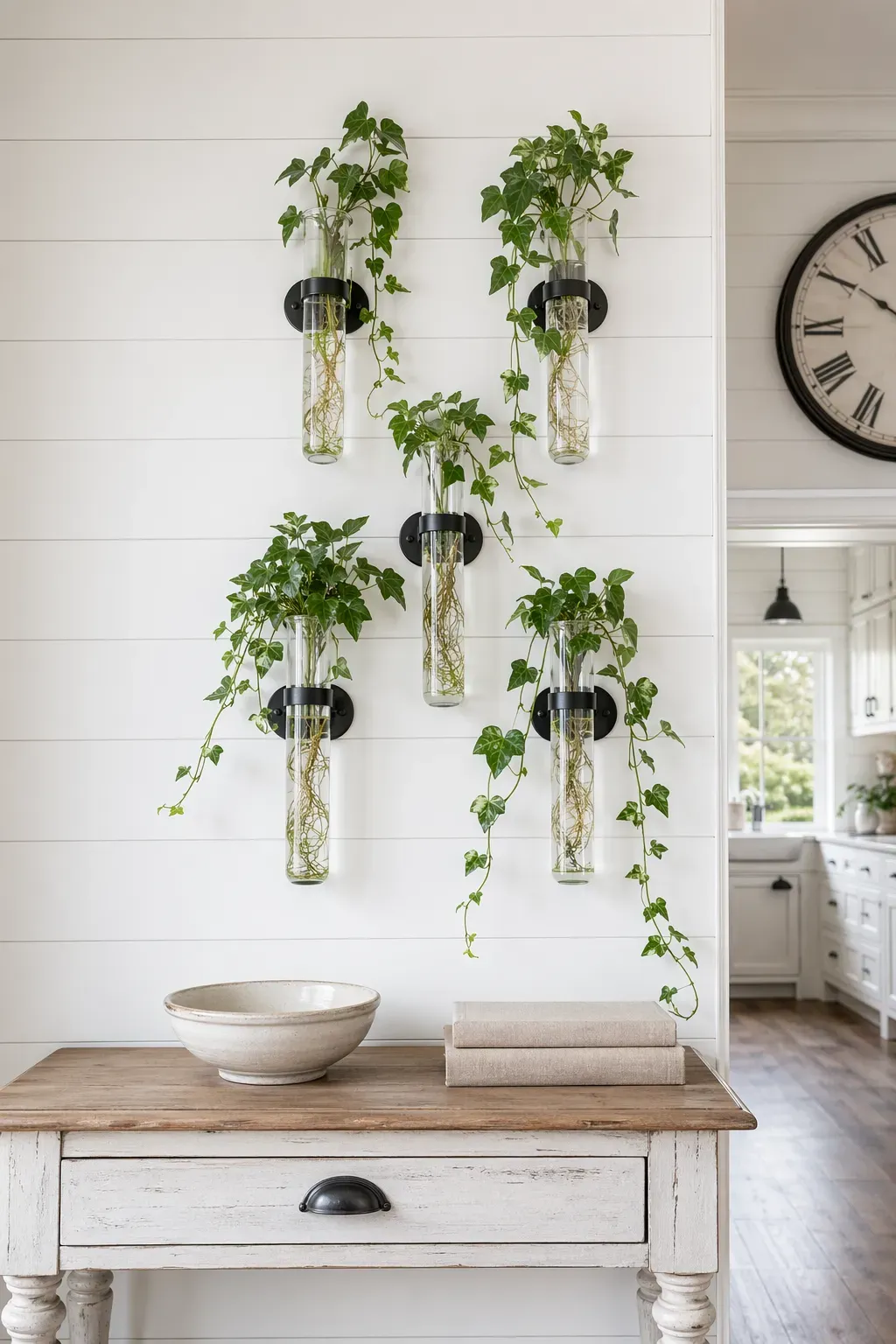
English Ivy has a classic, elegant look that fits well with traditional or farmhouse decor. By using small glass vials mounted to the wall, you can create a living piece of art. Take several 4-inch cuttings and place one in each vial. Over time, the ivy will trail down the wall, creating a soft green curtain effect.
This method is perfect for small apartments where floor and shelf space are at a premium. Ivy prefers cooler spots in the house, so try to keep it away from heaters or vents. Check the vials weekly, as small containers lose water much faster than large vases. It’s an easy way to add vertical greenery to a hallway or kitchen.
Marimo Moss Balls in a Small Glass Terrarium
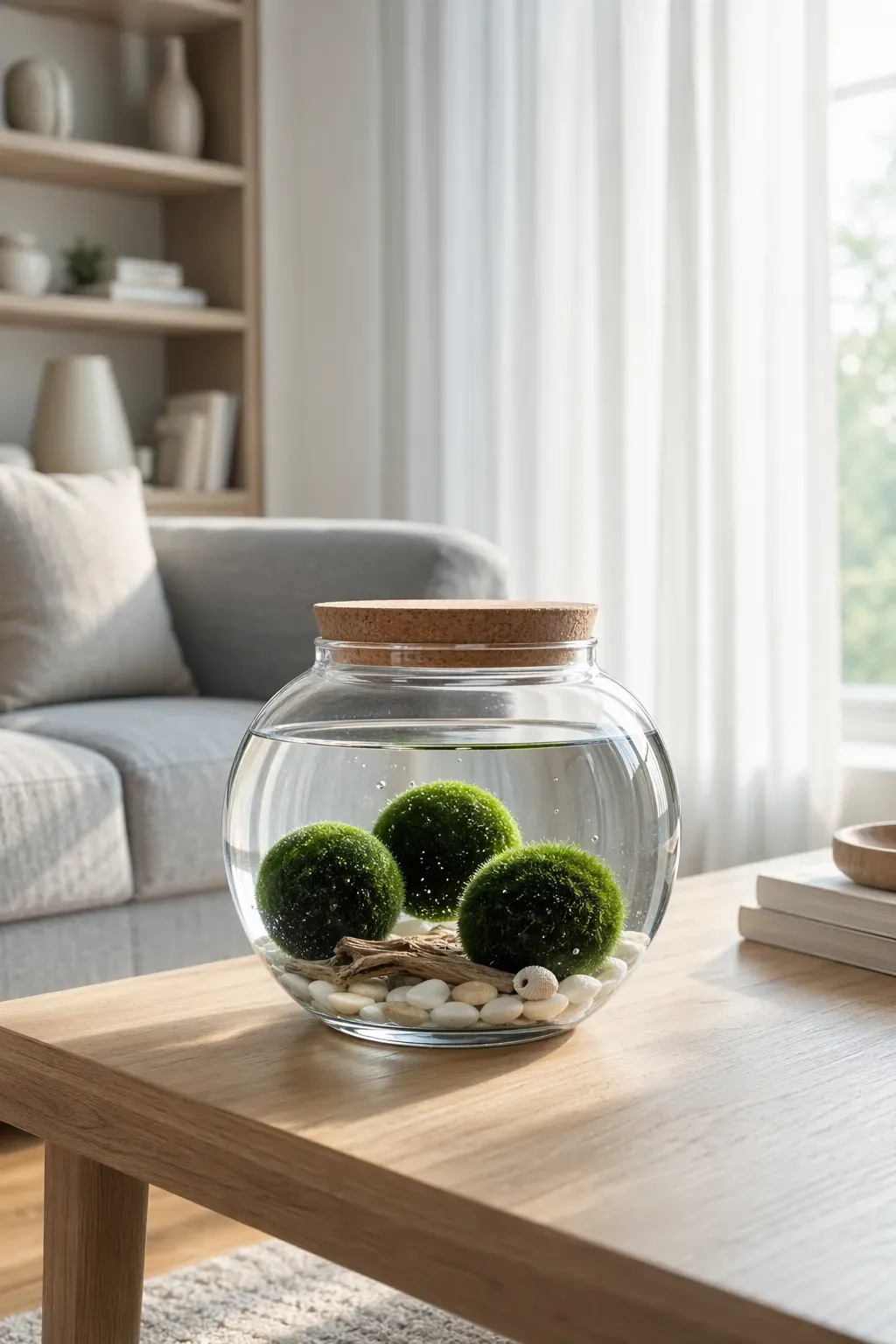
Marimo moss balls are actually a rare form of spherical algae that live at the bottom of cold lakes. They are incredibly low-maintenance and only need a small glass jar or terrarium filled with water. They don’t require much light and actually prefer a bit of shade. To keep them healthy, you just need to gently roll them around occasionally so they stay round and don’t get flat on one side.
You should change the water every two weeks and give the moss balls a gentle squeeze in clean water to remove any trapped debris. They look great when paired with a few decorative shells or a piece of driftwood at the bottom of the glass. It is a very simple, tactile way to bring nature indoors without any risk of soil spills.
Growing plants in water is a straightforward way to style your home while keeping maintenance to a minimum. By choosing the right containers and providing a little light, you can enjoy a lush indoor garden that never needs a watering can. Start with a few cuttings and see how easy it is to bring a fresh, green aesthetic into your space.