
Living in a small apartment or a crowded home often means choosing between a new piece of furniture and a leafy green companion. Most people assume that a garden requires a footprint, but your floor is actually the least important part of the equation. If you have walls, windows, or even a sturdy shelf, you have plenty of room to grow a thriving collection of plants.
This guide looks at how to shift your perspective from the ground up to the vertical and overlooked areas of your home. By using often-ignored surfaces, you can create a lush environment that feels open and airy rather than cluttered. You will learn how to turn every corner into a growing zone without tripping over pots.
Using Wall Space for Vertical Plant Displays
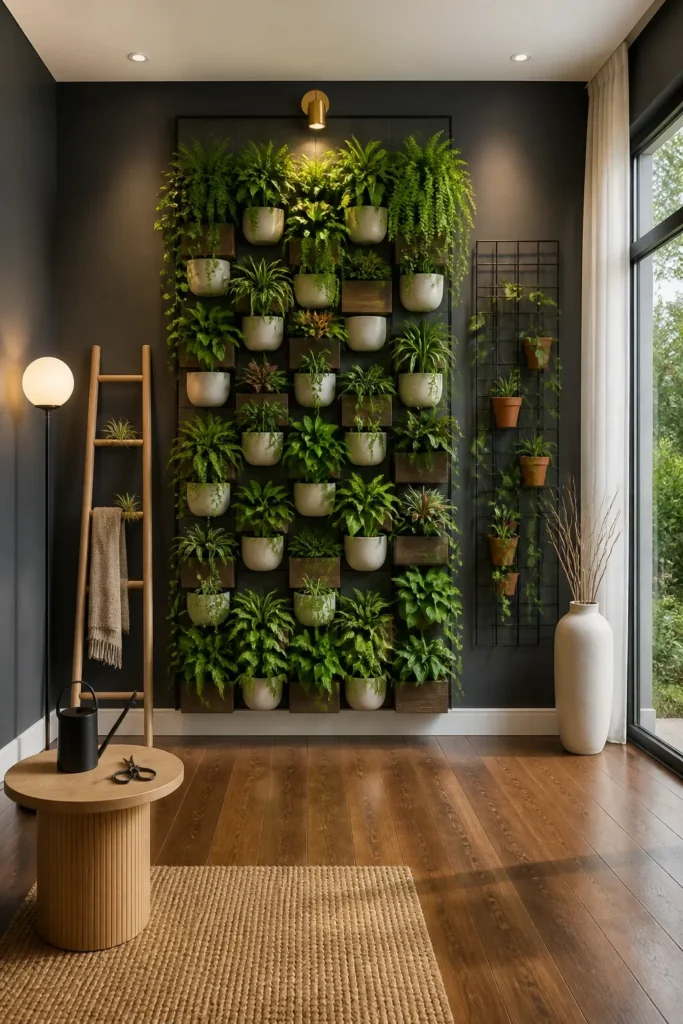
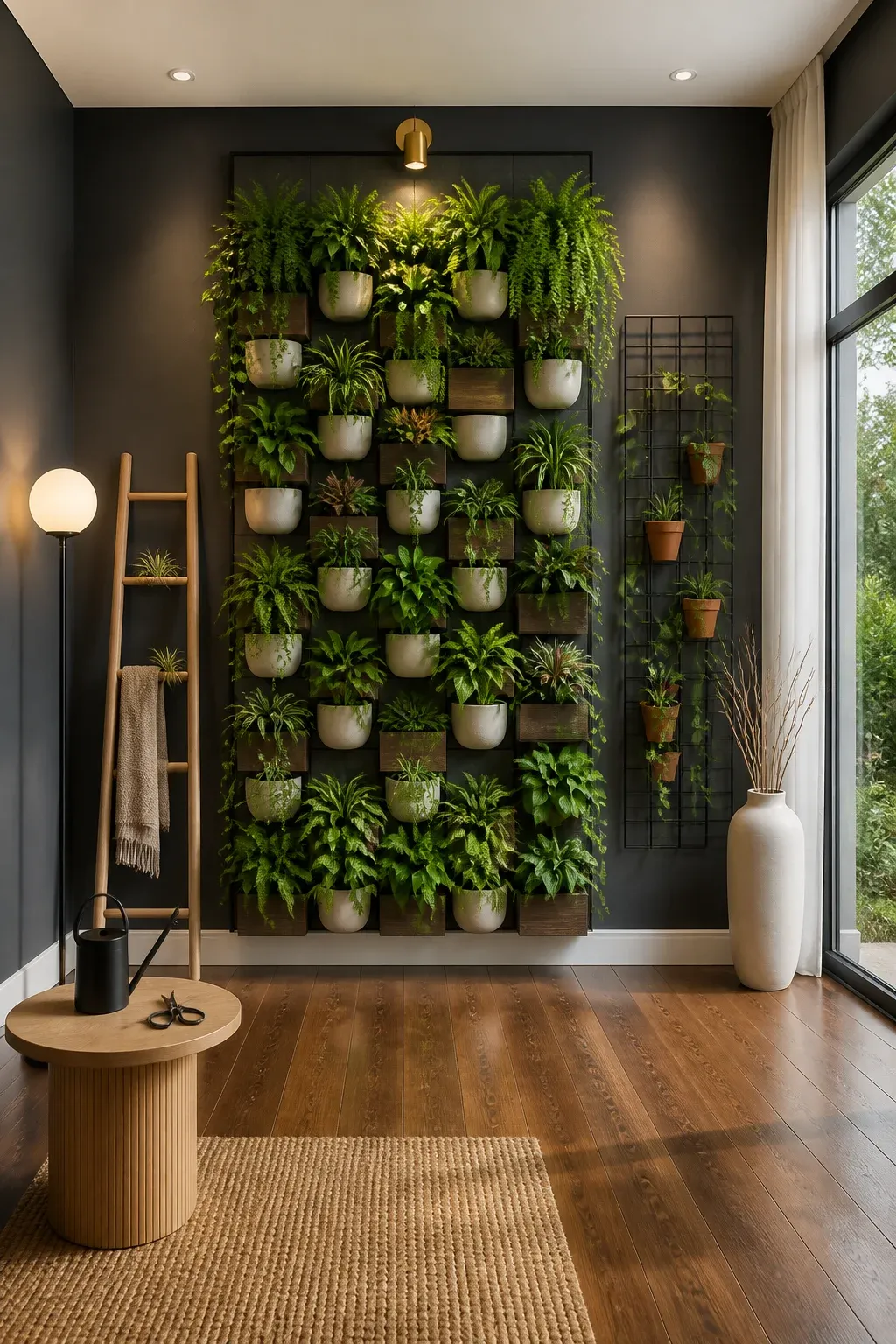
Walls are the largest unused surfaces in most homes. Instead of hanging another framed print, consider a living wall. You can install modular wall planters or simple wooden pockets that hold small pots. These systems allow you to stack greenery from the floor to the ceiling. If you prefer a more DIY approach, a basic trellis or even a wire grid can support climbing plants like ivy or hoyas. Wall-mounted planters keep your walkways clear and put your plants at eye level where you can actually enjoy them. Just make sure to use moisture barriers or waterproof liners to protect your paint and drywall from dampness.
Hanging Plants from the Ceiling to Free Up Surface Area
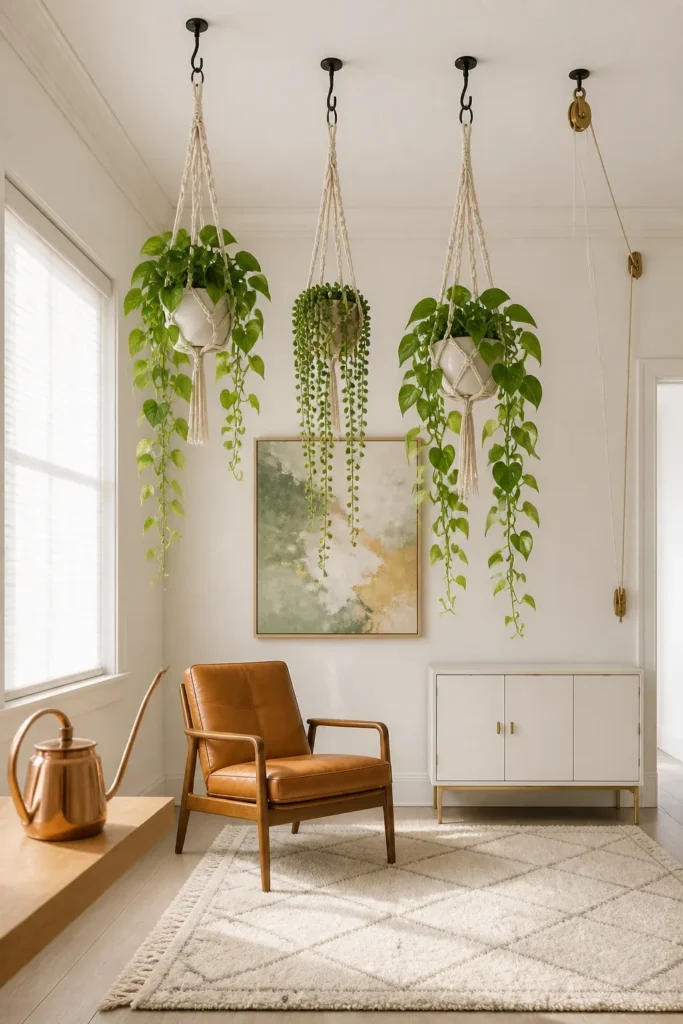
When there is no room left on the side, look up. The ceiling is a vast, open territory for gardening. Swag hooks and ceiling anchors can support macramé hangers or sleek ceramic pots. Hanging plants works especially well in corners or above furniture where they won't interfere with head height. This method is great for trailing species that look better when their vines can dangle freely. To make watering easier, you can use pulley systems that let you lower the plant to your level or simply use a long-necked watering can. It is an effective way to fill empty air and add texture to a room without taking up a single square inch of floor.
Utilizing Window Sills and Sunny Ledges
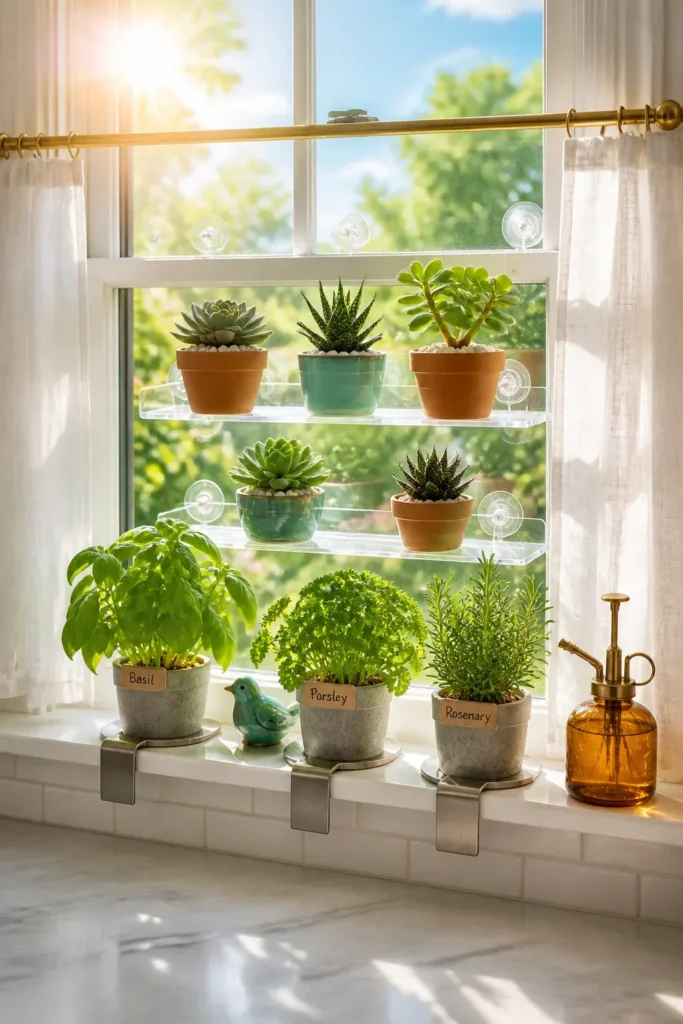
Window sills are natural real estate for plants because the light is already there. If your sills are too narrow, you can extend them with simple clamp-on shelves or suction-cup ledges that attach directly to the glass. This is a great spot for sun-loving herbs or succulents. For those with deep windows, try grouping several small pots together to create a miniature jungle. If you have multiple windows, use them all. Even a small ledge in a bathroom or a kitchen can host a plant that thrives in humidity or needs a bit of morning light. It keeps the plants out of the way while giving them the best possible environment to grow.
Adding Plants to Existing Bookshelves and Cabinets
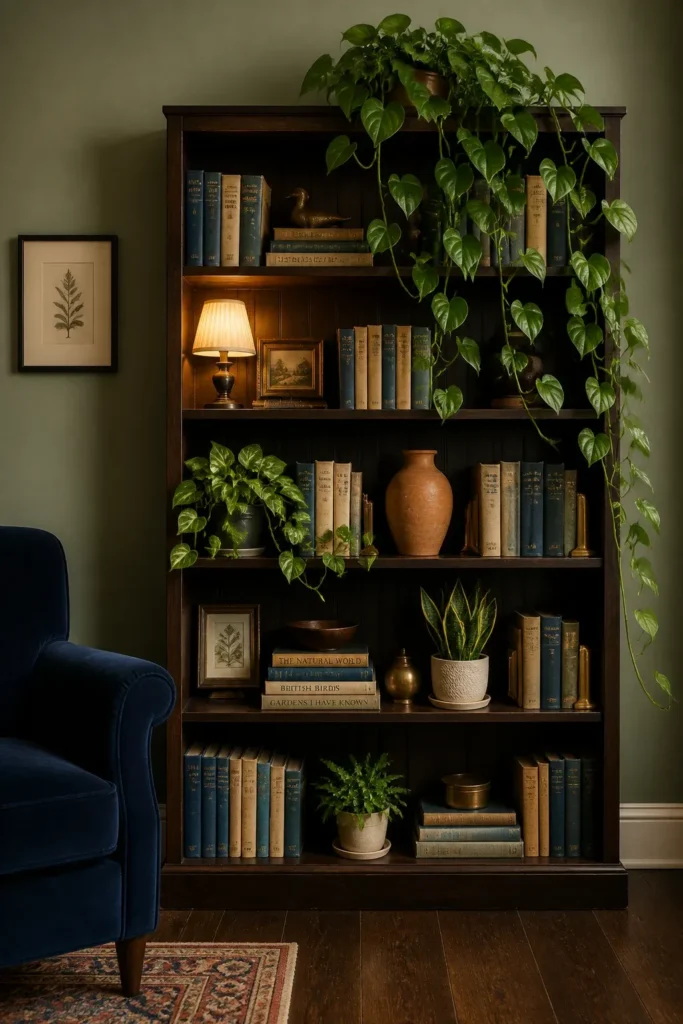
You don't always need new equipment to grow plants; you can just share the space you already have. Bookshelves, TV stands, and kitchen cabinets are excellent spots for greenery. Tucking a small pot between books or letting a vine drape over the top of a wardrobe adds a natural touch to your decor. If the shelf is deep in a room, choose plants that handle lower light. You can also swap out a few decorative items for pots. This integrates nature into your living space without requiring extra furniture. Just be sure to use saucers under your pots to prevent water from damaging the wood or finish of your furniture.
Mounting Plant Holders Directly to Furniture
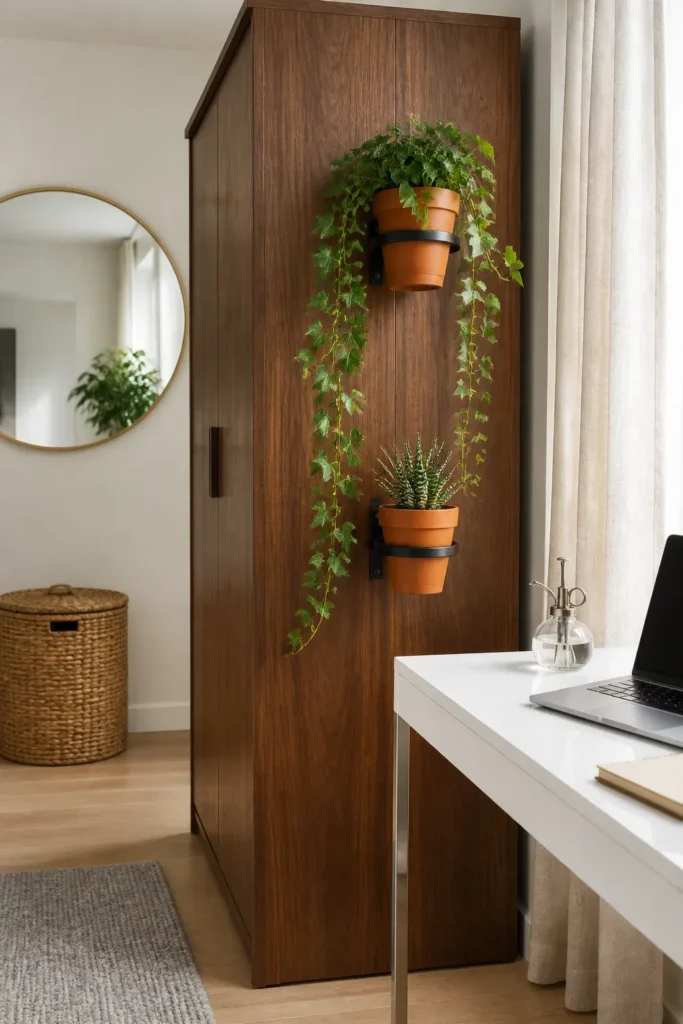
If your walls are off-limits due to a rental agreement, try mounting holders to your furniture. Sideboards, heavy desks, and even the sides of tall wardrobes can support small brackets. You can screw a simple ring holder into the side of a wooden cabinet to hold a terracotta pot. This uses the vertical side of the furniture that usually stays empty. It is a stable way to display plants and keeps them at a height where they are easy to reach for pruning and misting. It also keeps your plants away from pets or small children who might knock them over if they were on the ground.
Selecting Compact and Trailing Plant Varieties for Small Areas
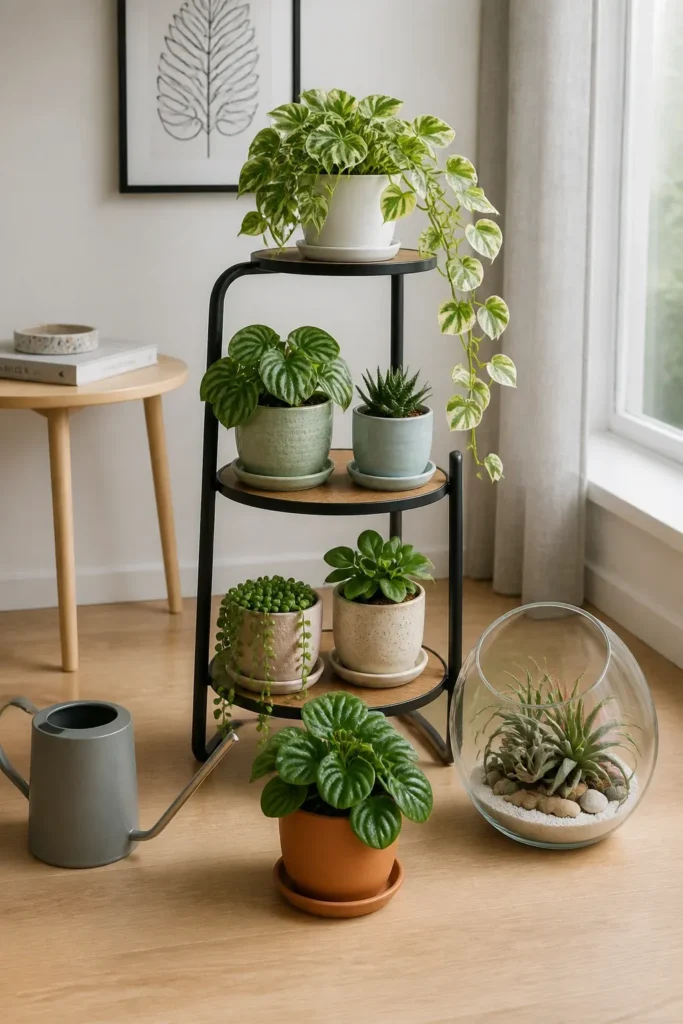
Success in a small space depends heavily on choosing the right plants. Large floor palms or bushy shrubs won't work well here. Instead, look for trailing plants like Pothos, Philodendron, or String of Pearls that grow down rather than out. For shelves and sills, compact plants like Peperomia, Air Plants, or Haworthia are ideal because they stay small and grow slowly. These varieties don't outgrow their containers quickly, which means you won't have to deal with massive repotting projects in a cramped room. Focus on plants that have interesting textures or colors to make a big visual impact within a small physical footprint.
You do not need a large house or a dedicated garden room to enjoy the benefits of indoor plants. By shifting your focus to walls, ceilings, and existing furniture, you can create a lush home regardless of your square footage. Start by picking one empty wall or a sunny window and see how much a single plant can change the feel of the room. Once you start looking up, you will see growing opportunities everywhere. Pick up a few wall hooks or a trailing vine this weekend and start building your vertical garden.