
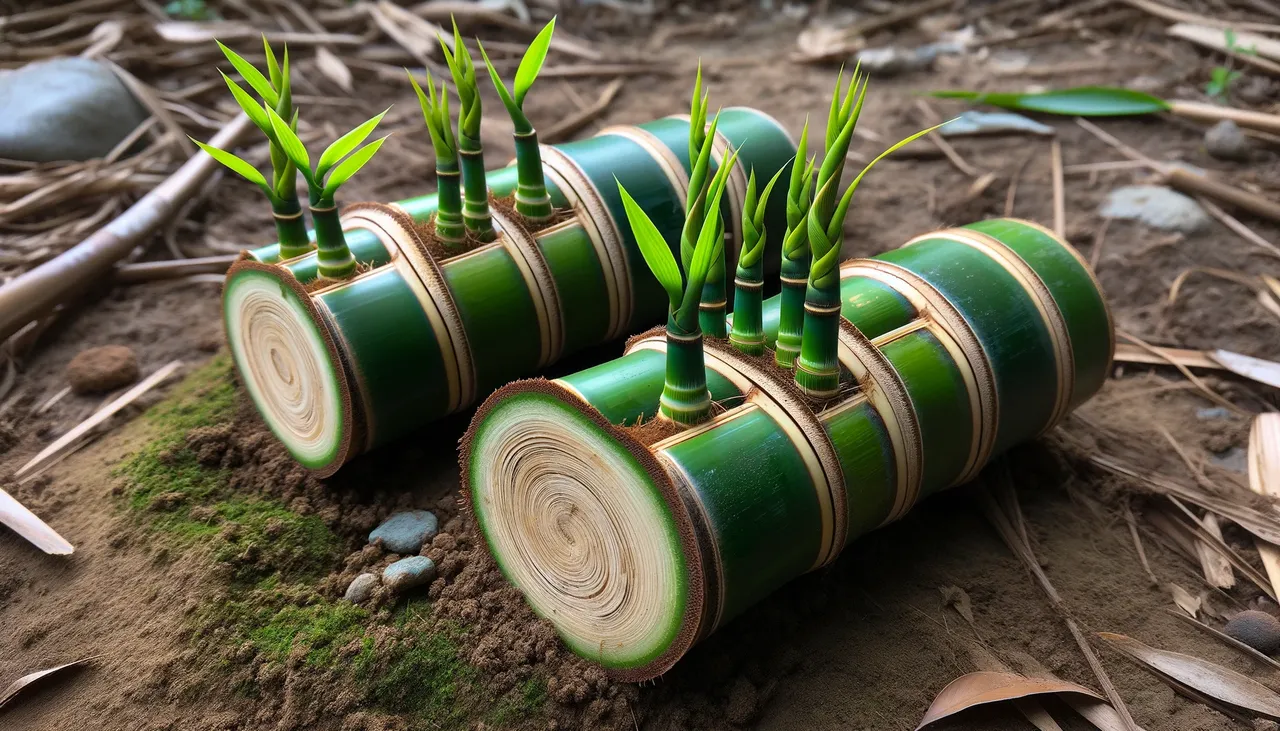
Bamboo has been called the ultimate super-plant. It grows in all climates, is the fastest-growing plant on earth, and is incredibly versatile with uses ranging from construction, furniture manufacture, and papermaking to biofuel, charcoal, and food. Requiring almost no maintenance, it is an economic lifeline for many farming communities. In our gardens, can it be grown from cuttings?
Bamboo can be grown from cuttings in more than one way. Cuttings can be taken from the root or rhizome of a plant or alternatively from the cutting of a young culm (cane), using its primary branches. Root cuttings from a running rhizome are the easiest, quickest to propagate, and usually the most successful.
It’s difficult not to get too enthusiastic about bamboo because it is the most amazing plant. If it has any negative property, it’s that it can spread out of control after a while unless carefully managed and contained. I want to look at how to grow bamboo from cuttings, the pros and cons of the three main methods of this type of propagation, and also compare the different rhizomes we may use.
Growing Bamboo From Cuttings
For keen gardeners, growing bamboo from cuttings is a quick, relatively simple, and inexpensive way of growing a wide range of bamboo or increasing the presence of bamboo in the garden without waiting for it to spread through natural regeneration. There are three methods for growing bamboo from cuttings:
Growing Bamboo From Rhizome Cuttings
Before getting into the technique of growing bamboo from rhizomes, it’s important to know the difference between the rhizomes of running and clumping bamboo.
Running bamboo has runners growing away from the plant, containing long rhizomes that lie parallel to the surface. These rhizomes produce roots from their nodes and then shoots, which grow upwards and form the culm or cane of a new bamboo.
Clumping bamboo has a far more compact root system and rhizomes that curve upwards to produce new shoots right next to the main plant. Taking rhizome cuttings from clumping bamboo is more difficult, but it can be done successfully.
The Method For Growing Bamboo From Rhizome Cuttings
1. Ensure that the parent plant is healthy, with strong culms and lush foliage, then dig down to uncover a rhizome between 12 and 18 inches in length. It should have roots and several visible nodes, as this is where the new shoots will emerge.
It’s better to choose a rhizome furthest from the mother plant rather than one that’s close to it. This step will be easier if you water the ground the day before you intend to dig in order to soften it.
2. With a clean, sharp utensil, separate the rhizome from the mother plant, and cut it into segments, ensuring that each segment has roots and at least two or three growth nodes.
3. Prepare the soil for planting the rhizome segments. You may decide to plant them directly into the ground where you want the new bamboo to grow, but I recommend using pots initially to more easily control the conditions the cuttings are growing in. The soil should be rich, mixed with organic compost or manure, and well-drained – the cuttings must be kept in moist but not soggy soil at all times.
4. Lay the rhizomes sections horizontally, one in each pot, or into the prepared ground, with the nodes facing upward. Then spread a 3-inch layer of soil over them and water thoroughly.
5. Continue to water the cuttings, keeping them moist but not soggy. A mister or spray bottle is a helpful piece of equipment to help in keeping them moist at the right level.
You may start to see shoots popping out of the ground after 3 to 5 weeks. Still, it’s more realistic to wait until the end of summer before transplanting the new bamboo. It’s not unusual for them to only be ready by spring of the following year – in other words, a full year after planting the cuttings.
Growing Bamboo From Culm Cuttings
Some varieties of bamboo can be grown very successfully from culm cuttings. While this is not a common method for growing bamboo, it works well with certain clumping varieties.
The Method For Growing Bamboo From Culm Cuttings
1. Select a healthy culm that is eighteen to twenty-four months old. Culms reach full height after only 60 days but must mature before being used for propagation.
2. Trim the culm of any primary branches and leaves.
3. Cut the culm into sections at an angle of 45 degrees using a sterilized knife or handsaw. Each section must have at least two or three growth nodes and measure between 10 and 15 inches long.
4. Apply a rooting hormone to the bottom end of each cutting to encourage root growth.
5. Plant each cutting vertically into a pot filled with rich potting soil so that at least one node is buried below the surface. Press the ground around the cutting to eliminate all air pockets.
6. Water the cutting regularly with a spray bottle, ensuring the soil stays damp but not soggy.
After 3-5 weeks, new branches and leaves should appear at the nodes, and the cutting will begin to grow in length. After four months, it should have grown sufficiently and be strong enough to be transplanted into the ground in the position chosen for the adult bamboo.
Growing Bamboo From Branch Cuttings In Water
This method is less common than the two already mentioned but is an easier method of propagating from clumping bamboo.
1. Cut a primary branch from a healthy, mature plant and divide it into sections at least 6 inches long with at least two growth nodes.
2. Remove all leaves from the lower portion, leaving the nodes exposed.
3. Place the cuttings in water at room temperature, ensuring that the lowest node is submerged.
4. Change the water every two or three days to prevent bacteria from infecting the cutting. Keep the container out of the sun to avoid overheating the cutting.
5. Allow several weeks for the root system to develop before transplanting the cuttings to a pot filled with rich potting soil, and then follow the same routine as used with the culm cuttings.
Tips for Successful Propagation From Cuttings
- Timing: Irrespective of which method you use, the best time to grow bamboo from cuttings is when the plants have the most energy to encourage growth, which is in the weeks of early spring.
- Soil and Water: The chance of success is enhanced if the cuttings enjoy well-drained, rich soil kept constantly moist but never allowed to get soggy.
- If you are unsure about planting cuttings directly into the ground, start them in pots or containers until they develop roots and new shoots and are strong enough to transplant.
- Growing bamboo from cuttings may take several months, and not all cuttings may root successfully. Be patient and give the process ample time.
Conclusion
Growing bamboo from cuttings is an inexpensive and relatively easy way to propagate and expand your bamboo collection. Whether you use rhizome cuttings, culm cuttings, or branch cuttings, it is essential to choose healthy parent plants and provide the right growing conditions. If you follow the tried and tested methods in this article, you have every chance of success – good luck!