
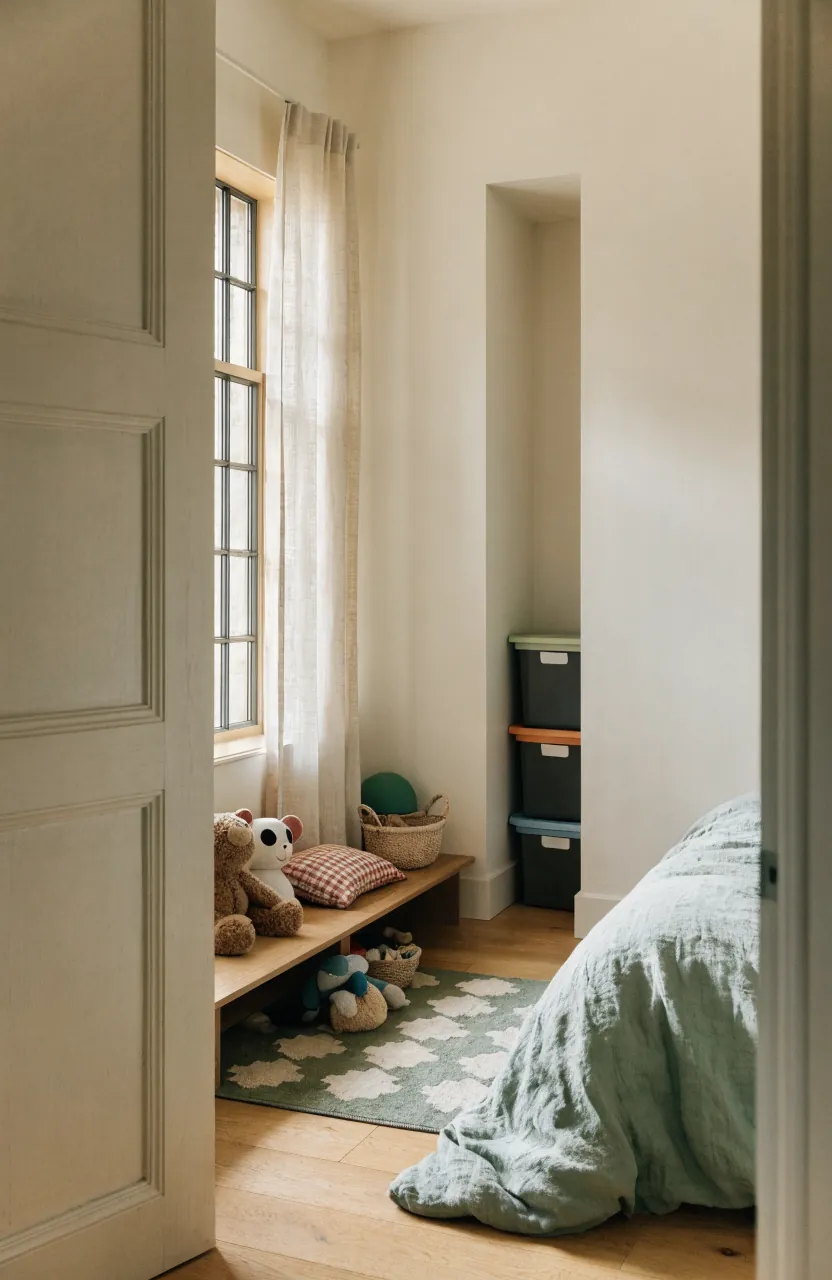
Toy rotation is one of the easiest ways to make a small kids room feel calmer without buying more furniture. Instead of trying to store every toy where your child can see it, you keep a smaller set available and store the rest in simple rotation bins.
The point is not to create a perfect playroom system. The point is to reduce the daily mess, make toys feel interesting again, and protect the floor space a small room needs for sleep, play, and getting dressed.
Keep Fewer Toys Out Than You Think
In a small kids room, the visible toy collection should be small enough that cleanup feels possible. If every shelf, basket, and drawer is full, toy rotation will not work because there is nowhere for anything to return.
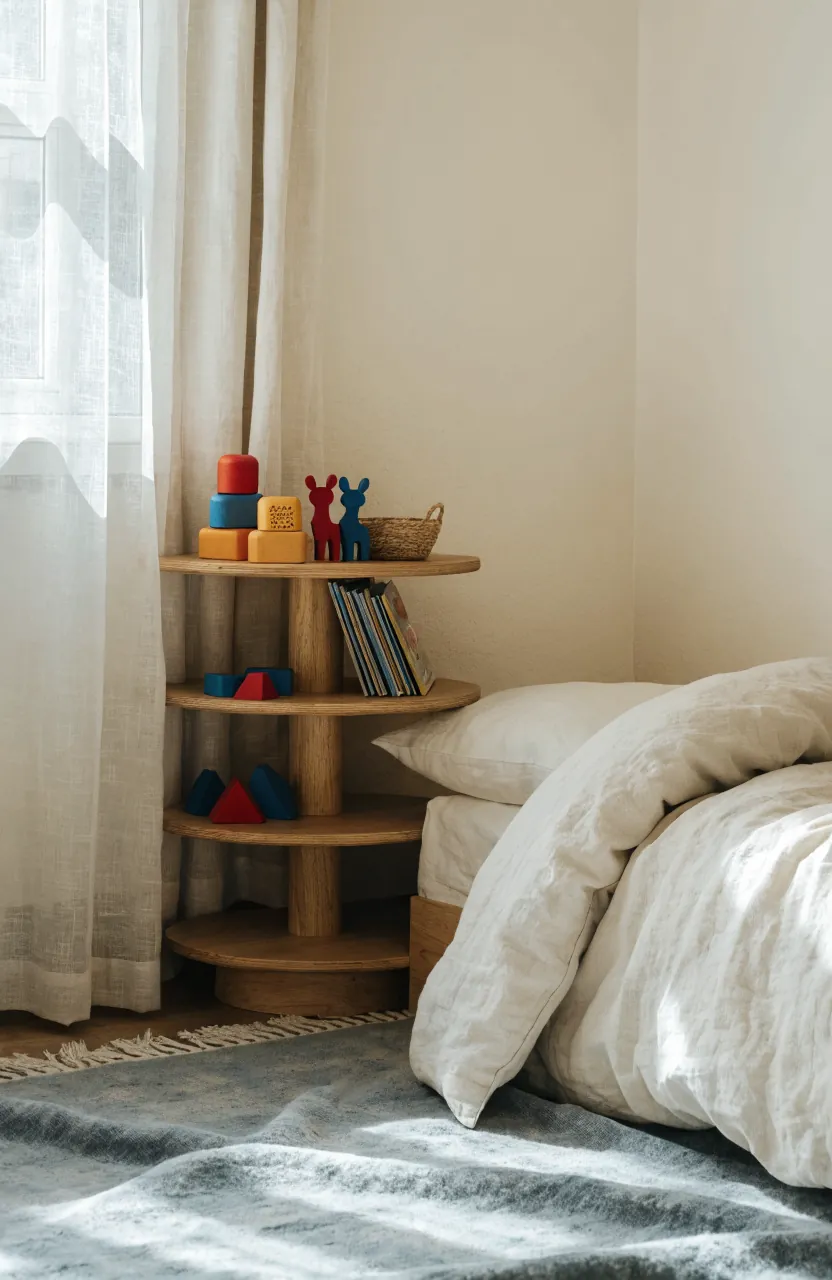
Start with one active toy shelf or one low cube unit. Put out a mix of toys your child actually uses: something for building, something for pretend play, something quiet, a few books, and one open-ended toy set. Everything else can live in storage bins outside the main play area.
Sort Toys by Play Type, Not by Size
A common toy storage mistake is putting all small toys in one bin and all large toys in another. That makes cleanup fast for adults, but it creates mixed bins that kids dump out because they cannot find the toy they want.
For toy rotation, sort by play type. Keep blocks together, toy animals together, vehicles together, pretend food together, puzzles together, and art supplies separate. This makes each rotation bin feel like a complete play invitation instead of a random box of leftovers.
If your child is still very young, use broad categories. If your child is older, smaller categories can work. The system should match the way your child plays, not the way a closet photo looks online.
Use a Two-Zone Storage System
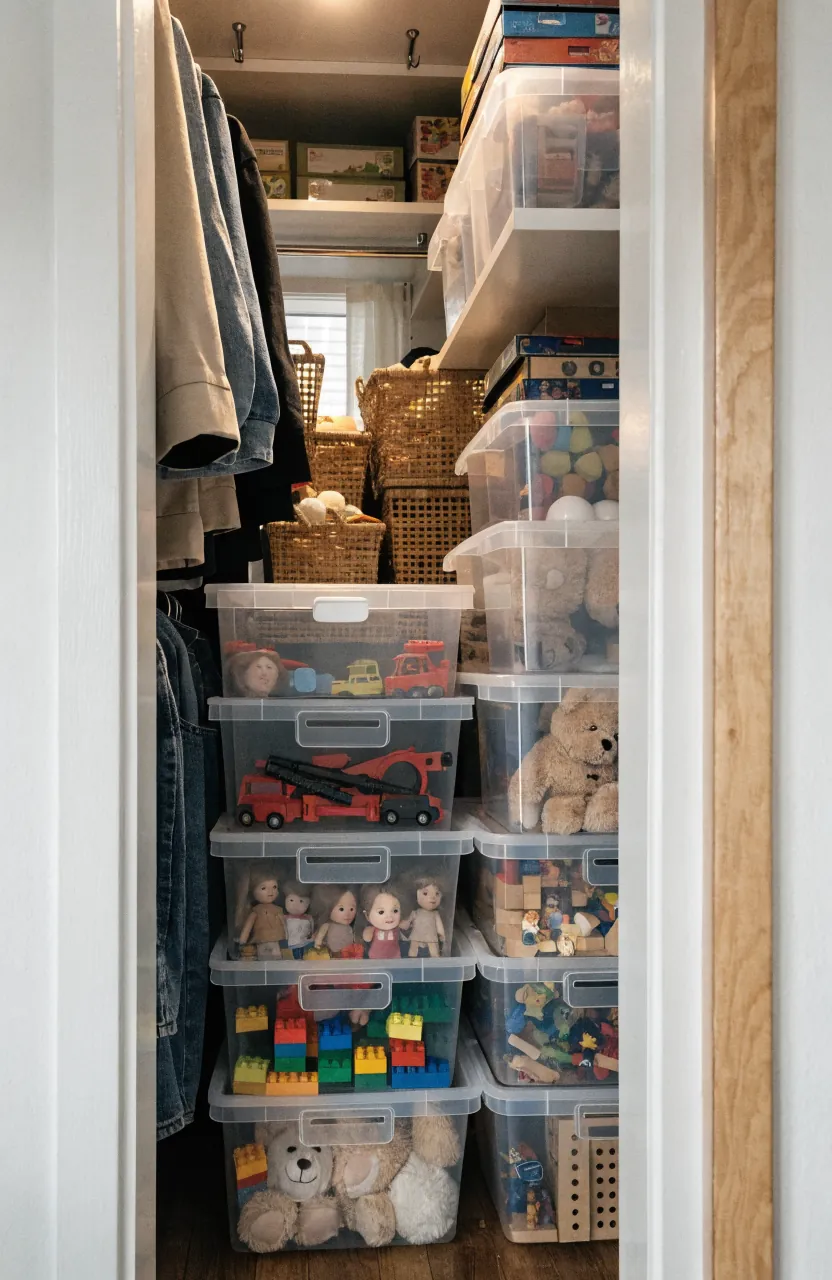
A small kids room works best when toys have two zones: active storage and away storage. Active storage is what your child can reach every day. Away storage is where the extra toys wait for the next rotation.
Active storage should be low, visible, and easy to clean up. Away storage can be higher, inside a closet, under the bed, in a hallway cabinet, or in a labeled storage bin. The away zone should not be part of daily play. If your child can freely empty every rotation bin, you no longer have a rotation system.
Give Each Rotation a Small Theme
A themed rotation keeps the system easy. One week might include wooden blocks, toy animals, a farm book, and a small play mat. Another week might include vehicles, road pieces, a puzzle, and a basket of picture books. You do not need to make it elaborate. A loose theme is enough.
This is especially helpful in a small room because the toy shelf starts to look intentional. Instead of ten unrelated bins, the child sees a few choices that make sense together. Fewer choices often leads to deeper play and faster cleanup.
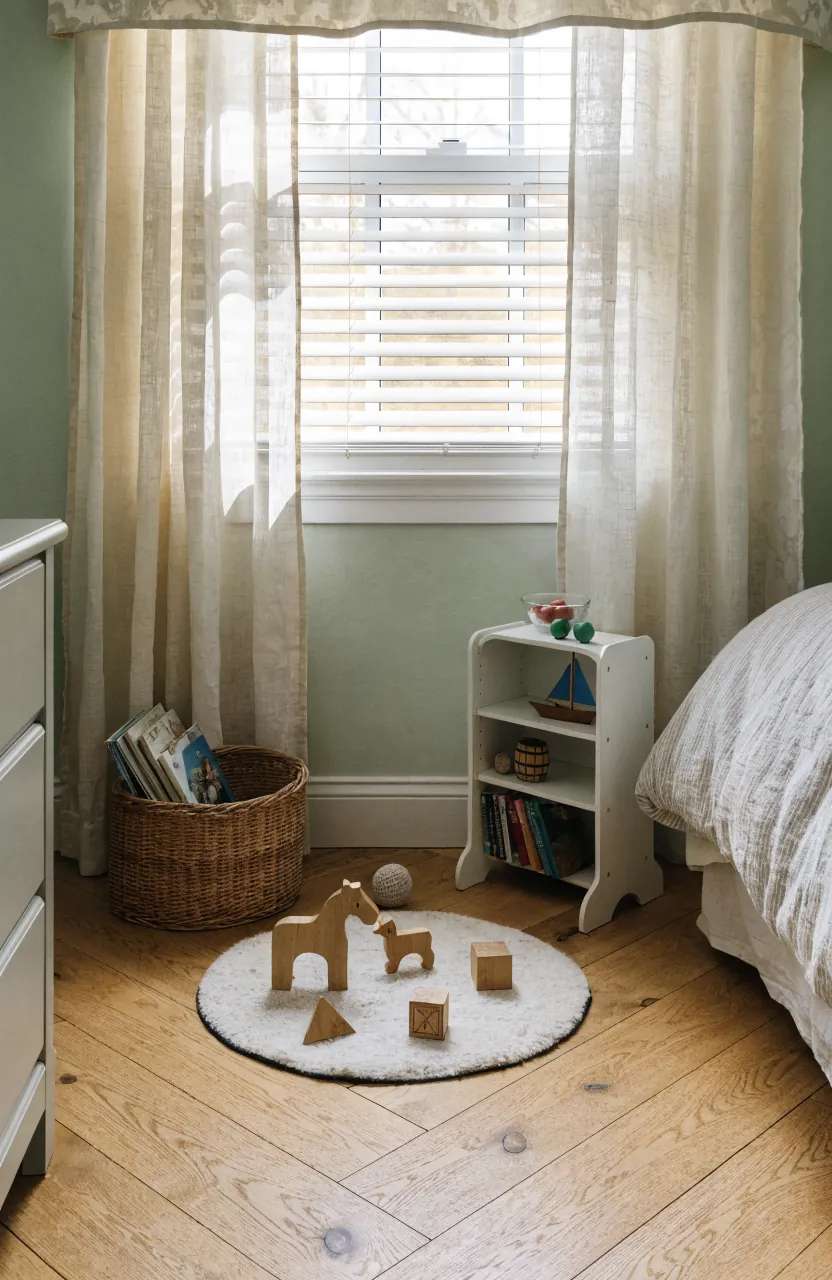
Choose Storage Bins Kids Can Actually Use
Small storage bins are usually better than huge toy chests. A large bin invites digging and dumping. Smaller bins make it clearer what belongs where, and they are easier for a child to carry back to the shelf.
Clear bins are useful for away storage because you can see what is inside. Open baskets are better for active toys because kids can toss items back quickly. For children who cannot read yet, picture labels or simple color cues work better than word labels.
Try not to buy a complicated system before you know your categories. Sort the toys first. Then choose bins that fit the actual toys you are keeping, not the toys you wish the room had.
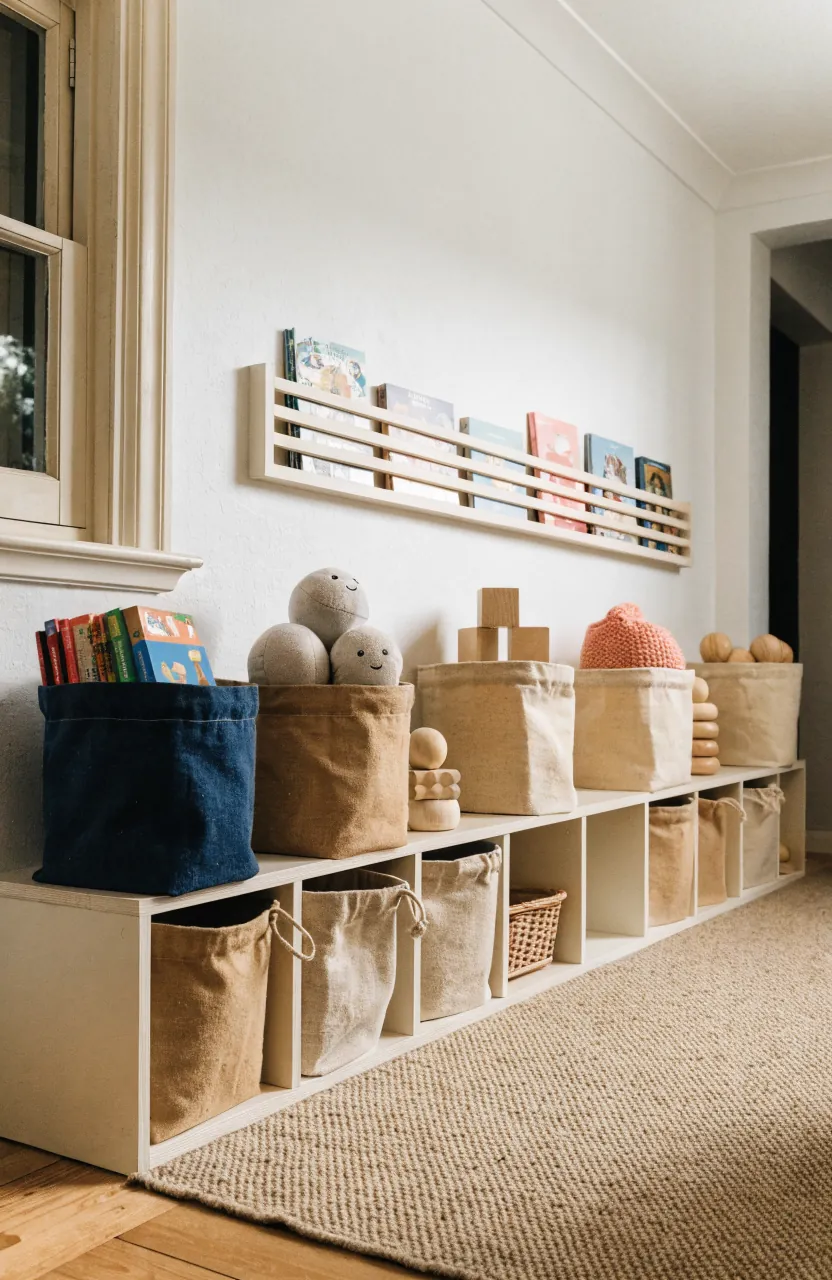
Rotate on a Rhythm You Can Keep
Some families rotate toys weekly. Others rotate every few weeks or only when a child stops playing with what is out. In a small kids room, the best rhythm is the one you can keep without turning toy rotation into another chore.
A simple reset works like this: choose one active bin to put away, choose one stored bin to bring out, check for broken pieces, return stray toys to their sets, and leave the shelf with fewer items than before. Ten minutes is enough.
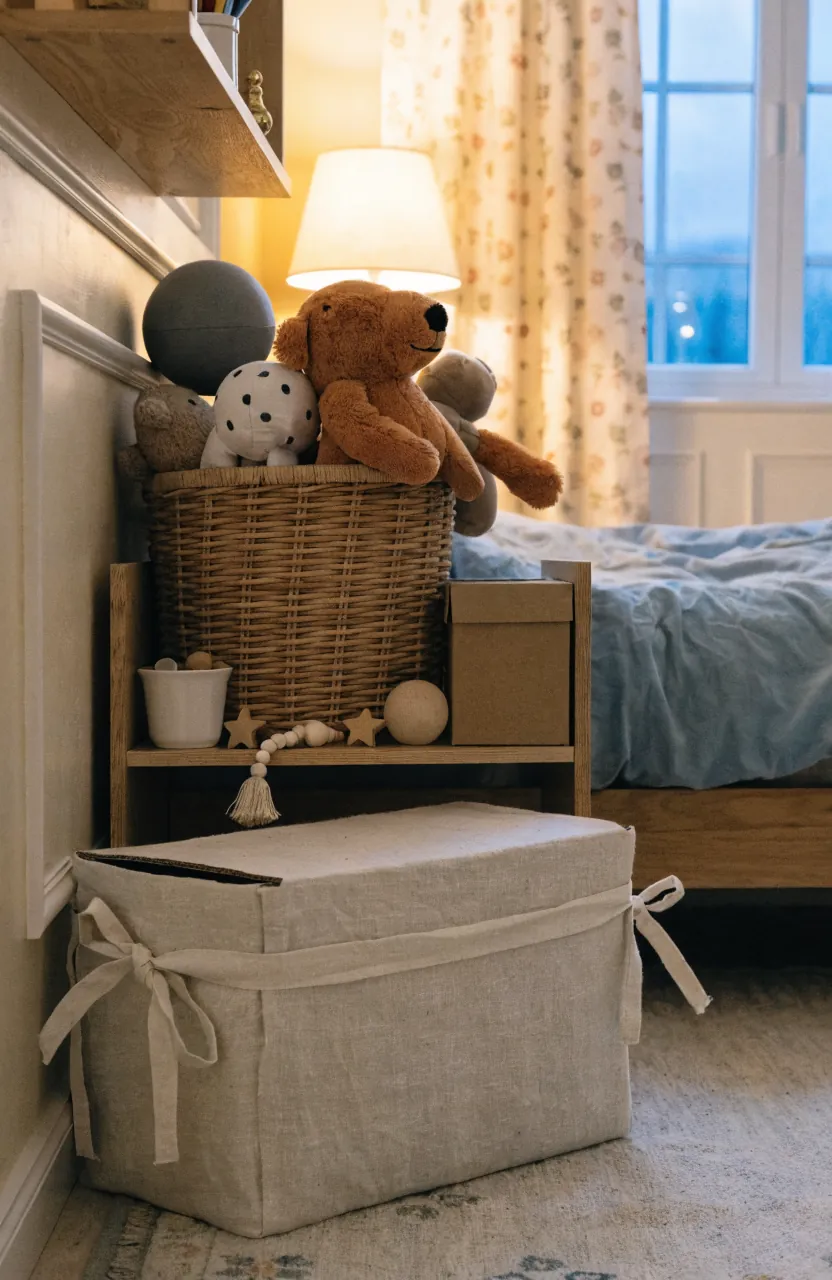
Small Kids Room Toy Rotation Layout Ideas
- Low shelf plus closet bins: Keep five to eight active toys on the shelf and store the rest in closet bins.
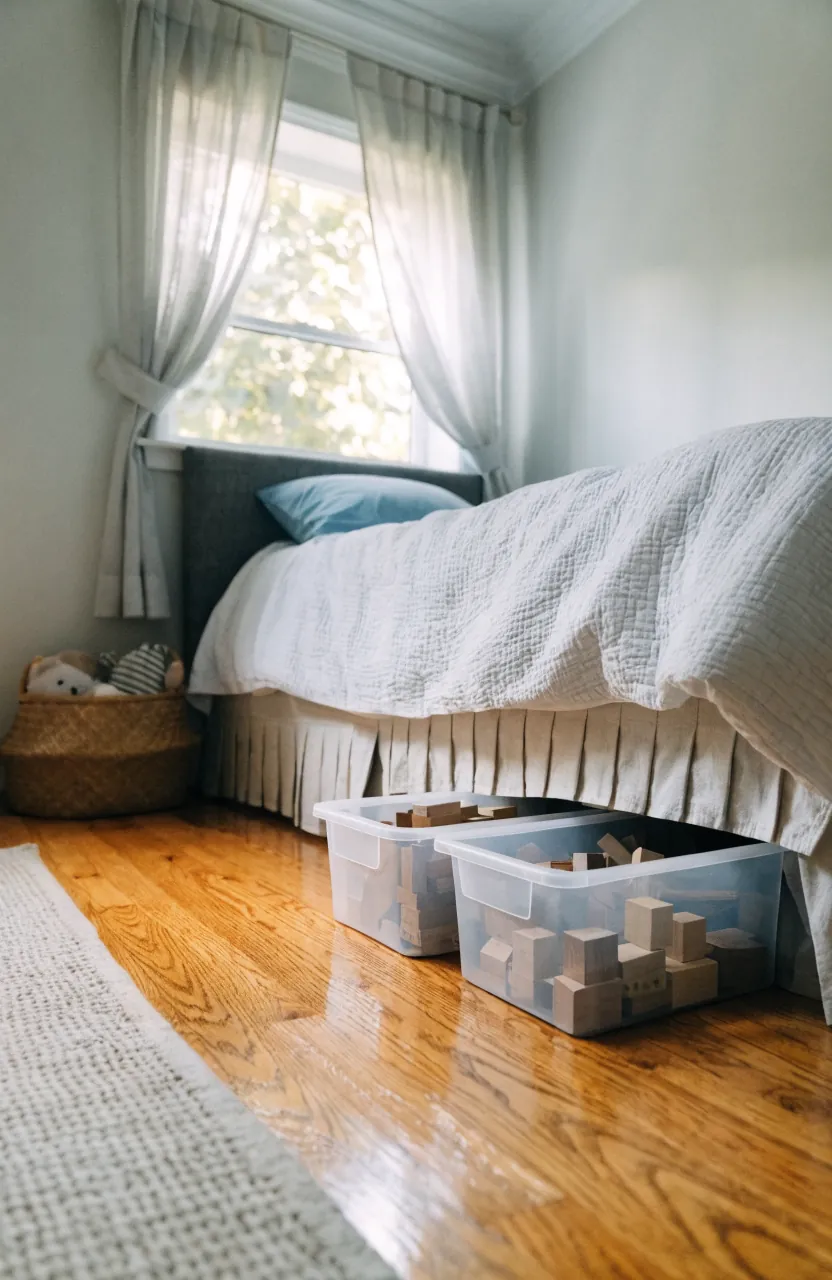
- Under-bed rotation: Use shallow lidded bins for puzzles, train tracks, dolls, or building sets when closet space is tight.
- One play basket rule: Keep one basket of loose toys in the bedroom and store larger toy categories elsewhere.
- Books plus one toy set: Use a small book rail and one active toy set when the bedroom is mostly for sleep.
- Rolling cart rotation: Use a cart only if it can park neatly and does not block the room’s walking path.
What Not to Rotate
Some toys can stay available all the time if they are used every day and easy to clean up. Favorite comfort items, a few books, one open-ended building set, and bedtime toys may not need to rotate. The system should support your child, not make the room feel restricted.
Also avoid rotating in toys with missing pieces, loud toys you already dislike, or sets that need heavy supervision during a busy week. Toy rotation is a chance to make the small room easier, not louder or harder to manage.
The Small-Room Rule That Matters Most
Only keep out what fits easily into the active toy storage. If the bins overflow, rotate less in or let go of toys your child has outgrown. A clutter free kids room does not come from hiding everything perfectly. It comes from giving fewer toys better places to live.