
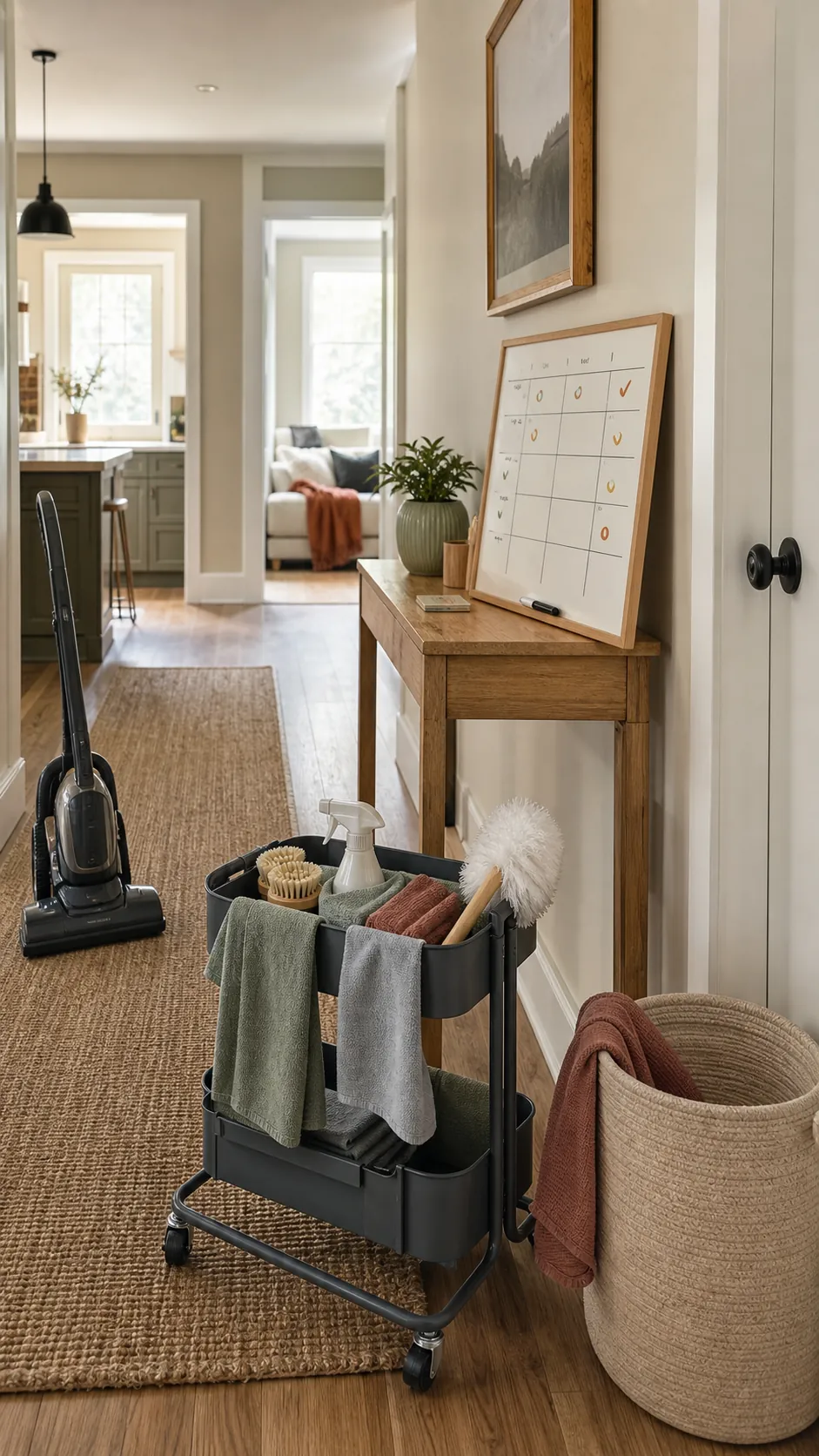
A good house cleaning schedule is not a promise that every room will sparkle at once. It is a way to decide what matters today, what can rotate, and what only needs attention when use or time says it does.
That distinction is the foundation of realistic house cleaning tips. Kitchens and entry floors may need frequent attention; a guest room may not. A schedule should follow traffic, moisture, food, pets, and the people in your home—not an aspirational checklist built for somebody else’s life.
Separate reset tasks from cleaning tasks
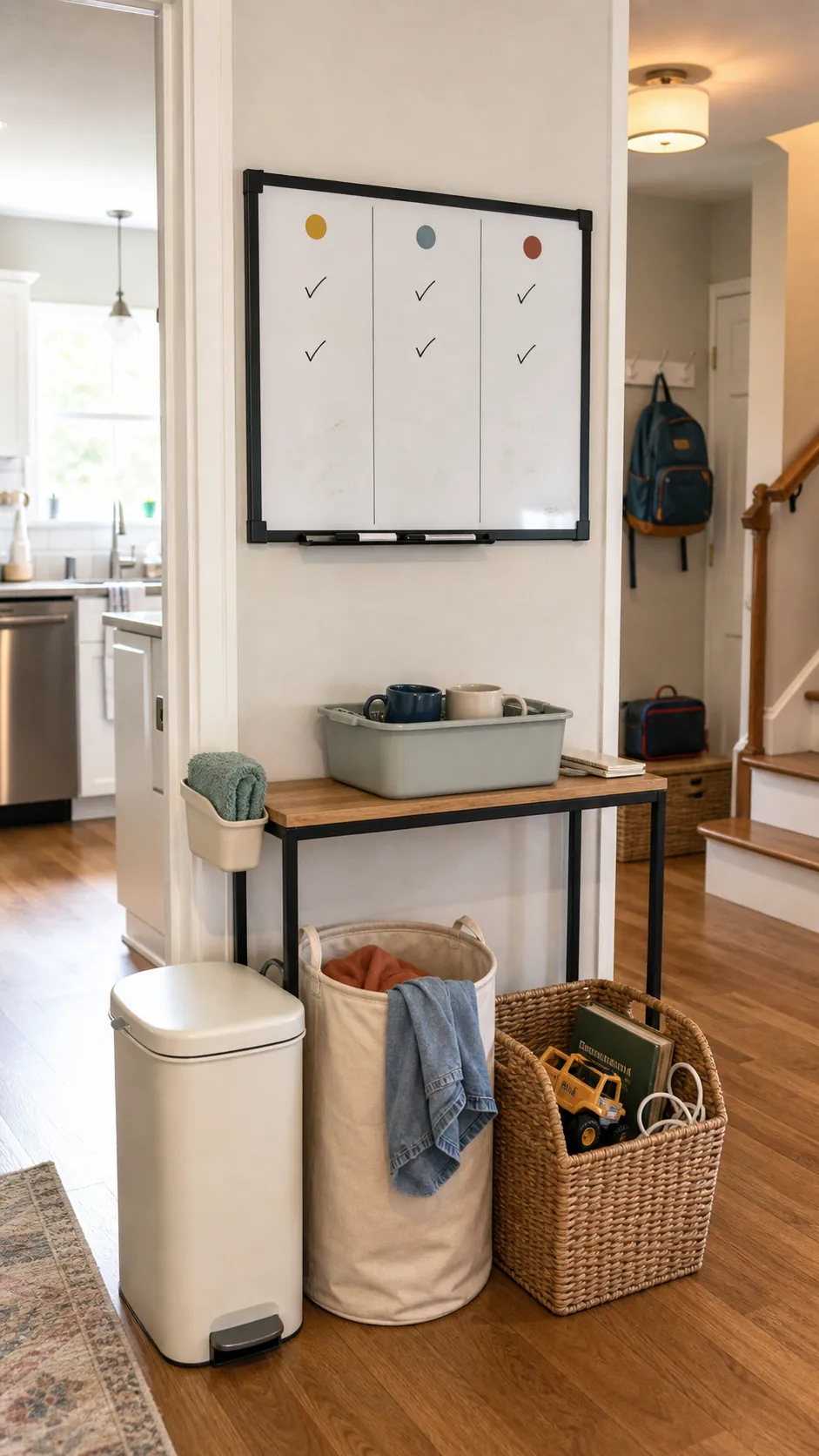
Resetting means returning the home to a usable state: dishes contained, trash removed, laundry gathered, and walkways clear. Cleaning means removing dirt from surfaces. Do the reset first so every cloth and vacuum pass is direct instead of interrupted by decisions.
Choose three daily reset outcomes and write them where the household can see them. Keep the list small enough to survive busy days. A short reset protects tomorrow; it does not have to include baseboards, windows, or an entire deep cleaning house checklist.
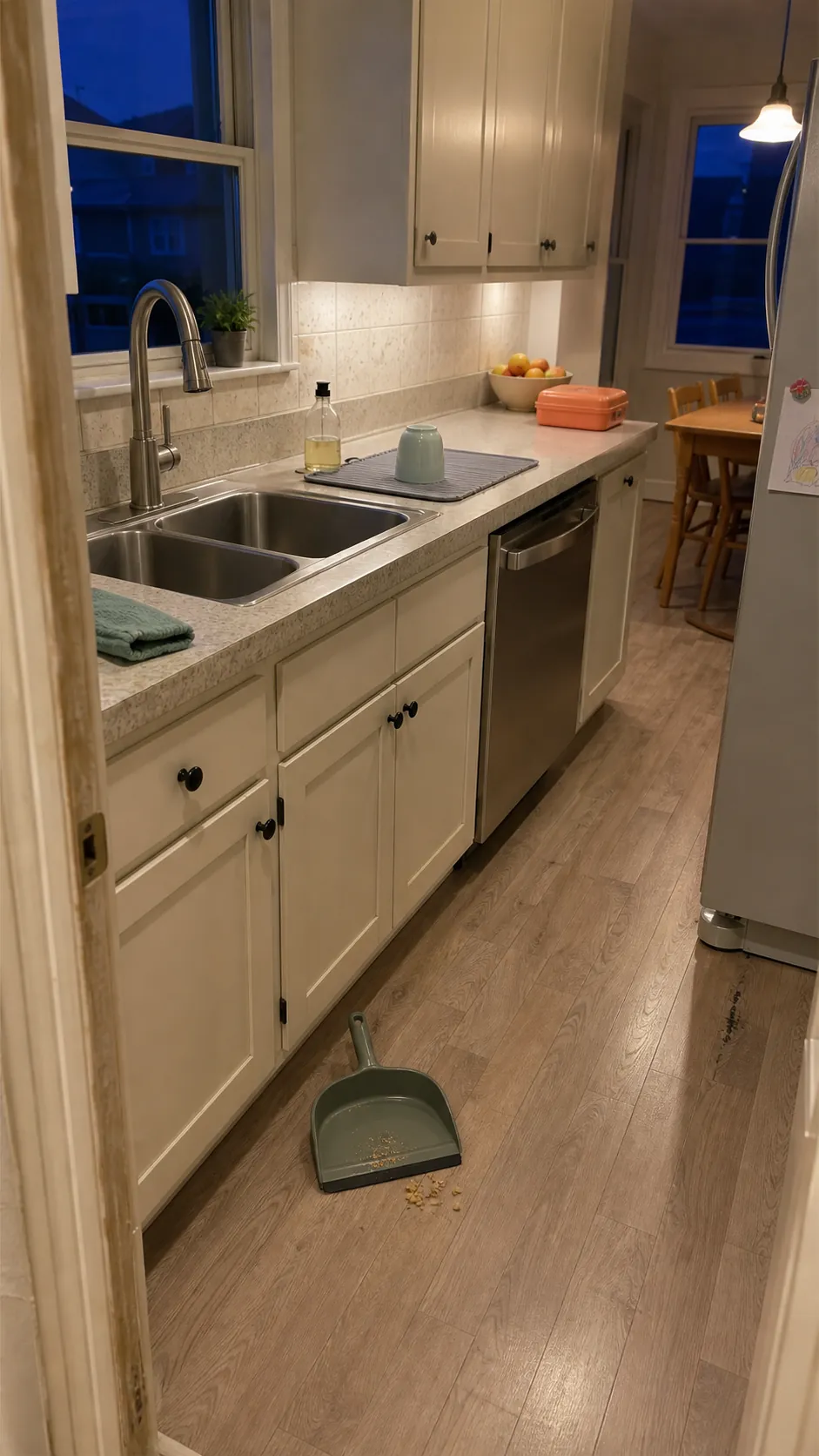
Protect the kitchen closing shift
For many homes, the kitchen has the fastest feedback loop. Food residue, dishes, and crumbs become harder tomorrow. Finish the day by loading or washing dishes, wiping food-contact surfaces with an appropriate method, clearing the sink, and sweeping the busiest strip if it needs it.
Cleaning and disinfecting are not identical. The CDC says cleaning with soap or detergent removes dirt and most germs, while sanitizing or disinfecting is generally most relevant when illness or household risk calls for it. Clean first, use a product suited to the surface, follow its label, ventilate as directed, and never mix chemicals.
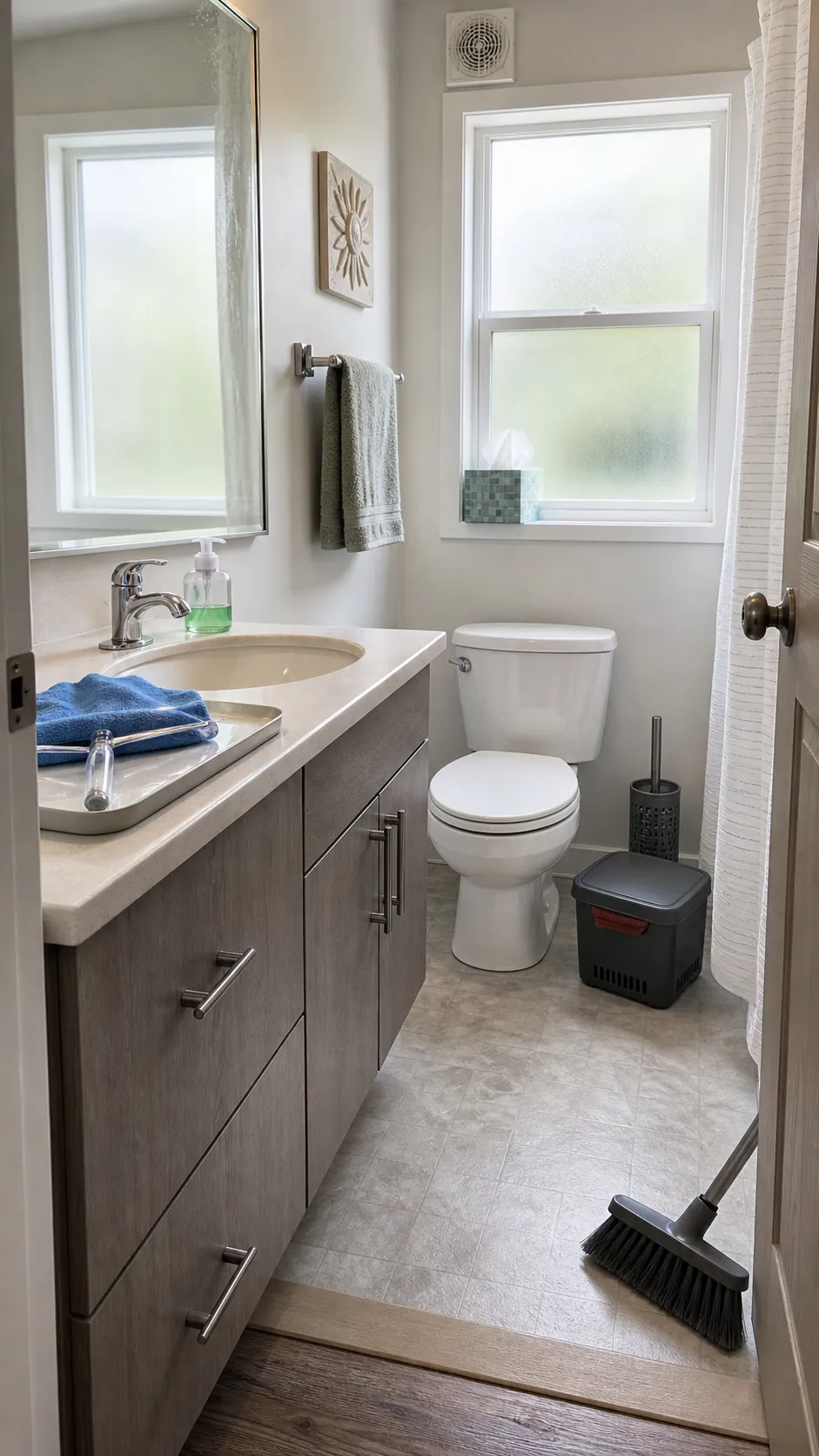
Give bathrooms a weekly core and quick interim checks
A weekly bathroom core might include the toilet, sink, mirror, shower or tub touch-up, hair traps, high-touch points, and floor. Between those sessions, clean what is visibly dirty. A two-minute sink wipe does not obligate you to scrub the whole room.
Work from cleaner zones toward dirtier ones and change cloth faces or tools as needed. Keep toilet tools separate. Match the cleaner to tile, stone, metal, glass, or acrylic, since a favorite product can still damage the wrong finish. Drying fixtures and glass at the end exposes missed residue and improves the result.
Use bedrooms to anchor laundry and dust control
Schedule bedding according to household needs, fabric care, allergies, pets, and actual use. On bedding day, open the room to light, gather laundry, dust high surfaces, and vacuum after dust has settled. Keep clean linens together so making the bed is the final step rather than another search.
Do not strip every bed merely because one is due. A rarely used guest room can follow a different interval from the main bedroom. This is where a flexible house cleaning schedule saves work: frequency follows use.

Rotate living spaces by traffic, not guilt
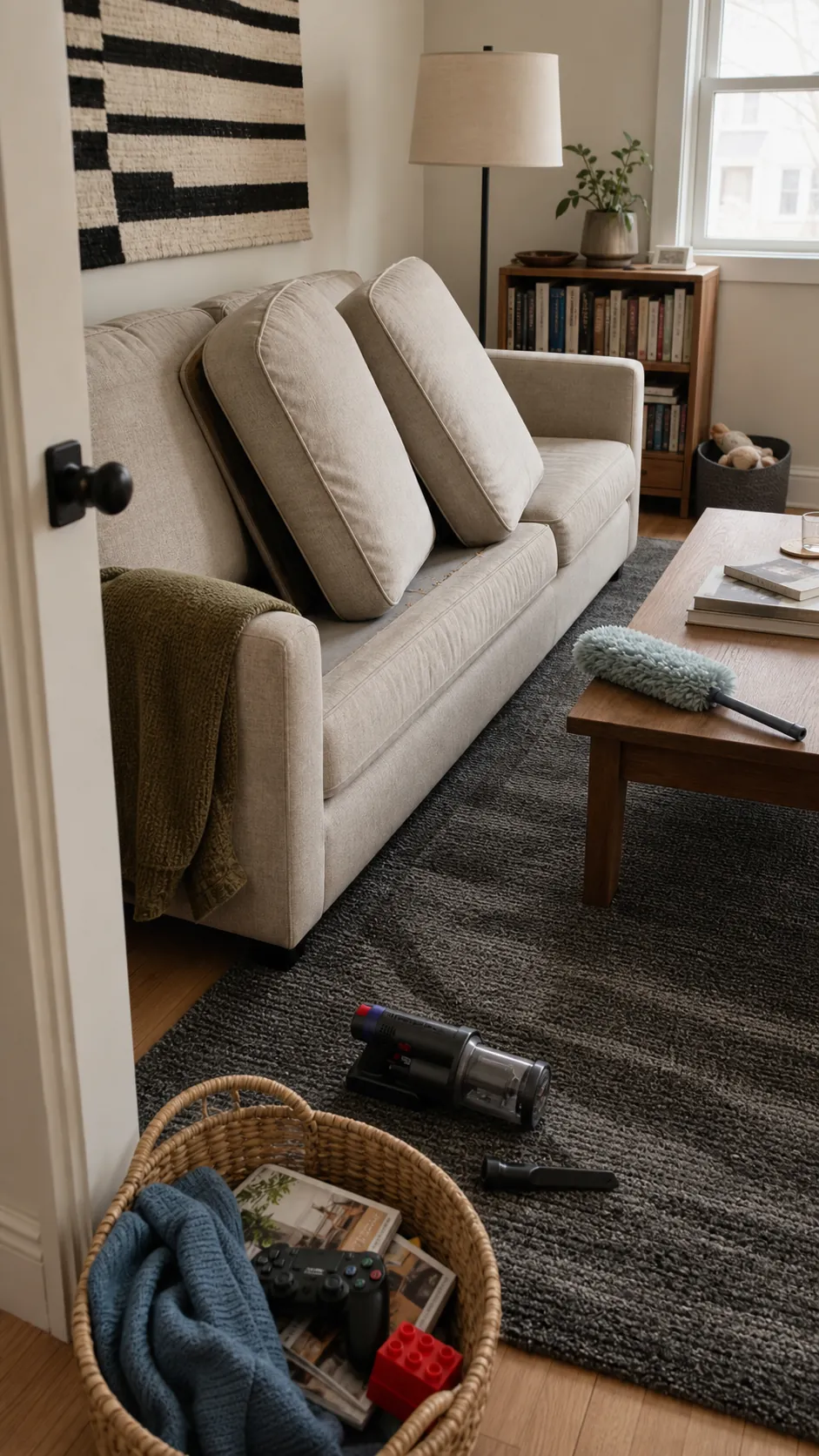
Living rooms collect a mix of dust, crumbs, paper, pet hair, and objects migrating from elsewhere. Start with a return basket, then dust high to low, vacuum upholstery seams, and finish the floor. High-traffic paths may need attention sooner than corners behind furniture.
One week, focus on upholstery and reachable floor edges. Another week, include lamp shades, media surfaces, or under movable furniture. Rotating details keeps the room functional without turning every session into a deep clean.
Track seasonal maintenance outside the weekly list
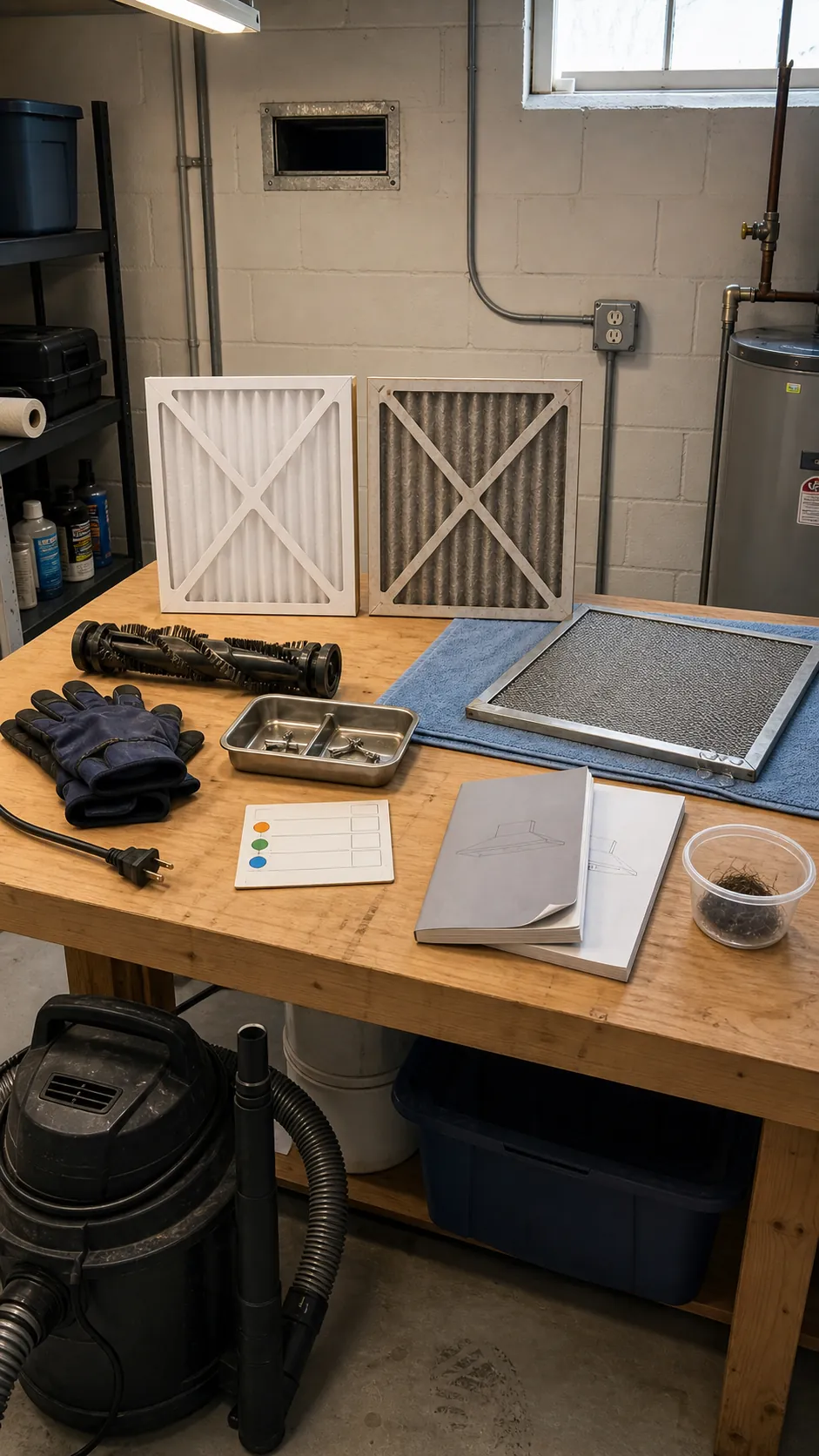
Filters, appliance care, vents, windows, mattresses, range hoods, and areas behind furniture do not belong on every weekly plan. Track the last-completed date or tie each job to a seasonal cue. Follow manufacturer guidance for anything you remove, wash, unplug, or replace.
Use a small maintenance card rather than a giant wall of overdue boxes. When the season changes, choose a few jobs that affect safety, performance, or the comfort of the room. The EPA also recommends following product labels, avoiding chemical mixing, and ventilating when cleaning, sanitizing, or disinfecting.
Build the schedule around recovery
A schedule is successful when you can return to it after travel, illness, deadlines, or a difficult week. If the house falls behind, restart with trash, dishes, laundry, and one clean surface. Then resume the rotation from where the home needs you, not from where the calendar says you failed.
Keep the daily list short, rotate weekly zones, and let seasonal work stay seasonal. That structure creates a clean lifestyle with room for actual life—and it is far more durable than trying to make the whole house perfect every Saturday.