
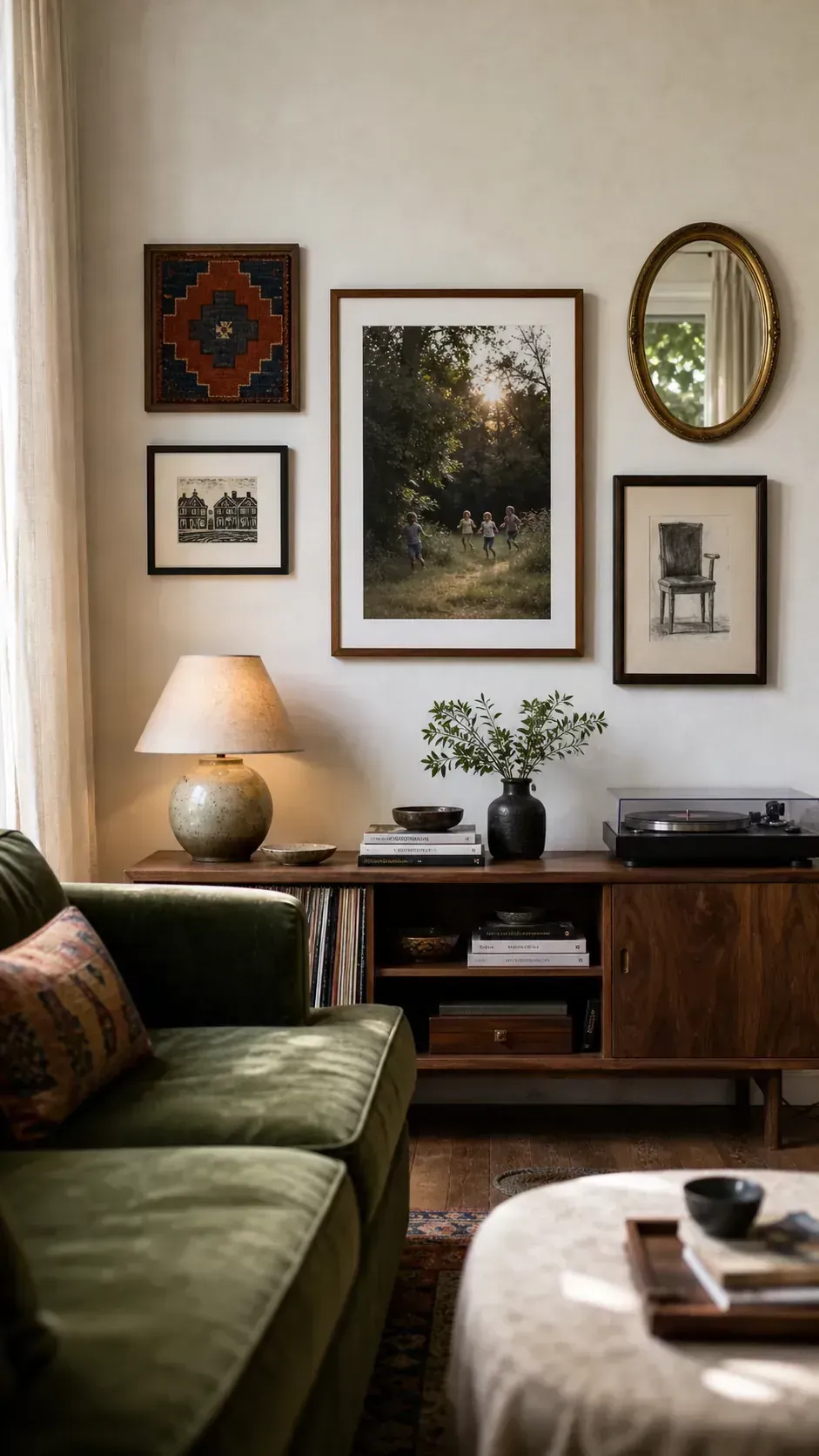
The most memorable wall decor rarely comes from buying a coordinated set in one afternoon. It grows from photographs, objects, colors, and stories that could belong only to the people who live there. These ideas help you turn personal material into confident room styling without making every wall busy. Choose the ones that fit your life, establish one or two visual anchors, and let the collection develop slowly.
Enlarge One Ordinary Family Photograph
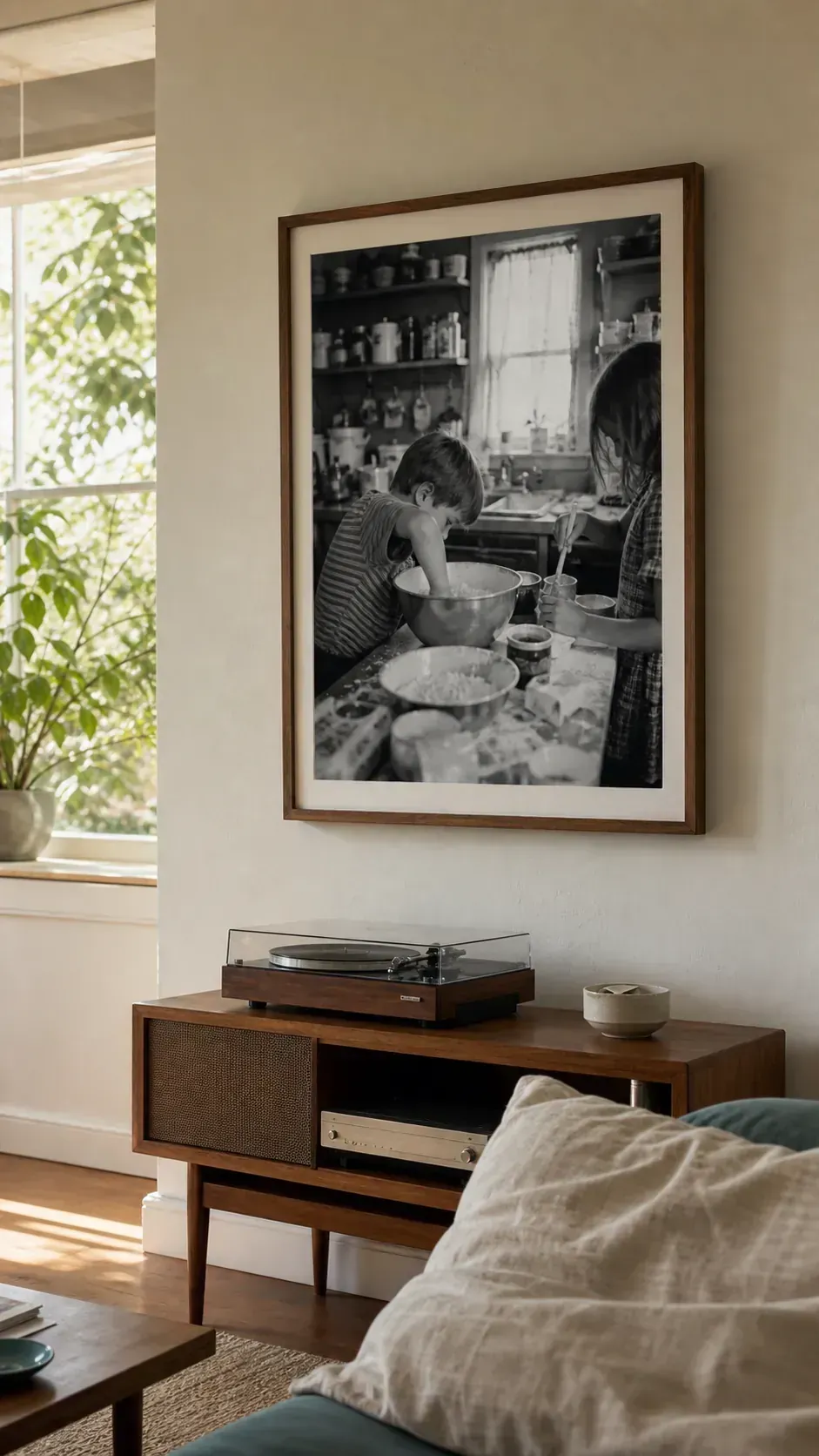
Skip the formal portrait and choose an unguarded moment: flour on a kitchen counter, feet at the edge of a lake, or everyone squeezed onto a porch step. Printing one image large gives it the visual authority of art while preserving a real memory.
Use a generous mat and a frame that repeats a wood or metal already in the room. One strong photograph often feels more personal—and calmer—than a dozen tiny frames.
Give Children’s Art a Grown-Up Frame
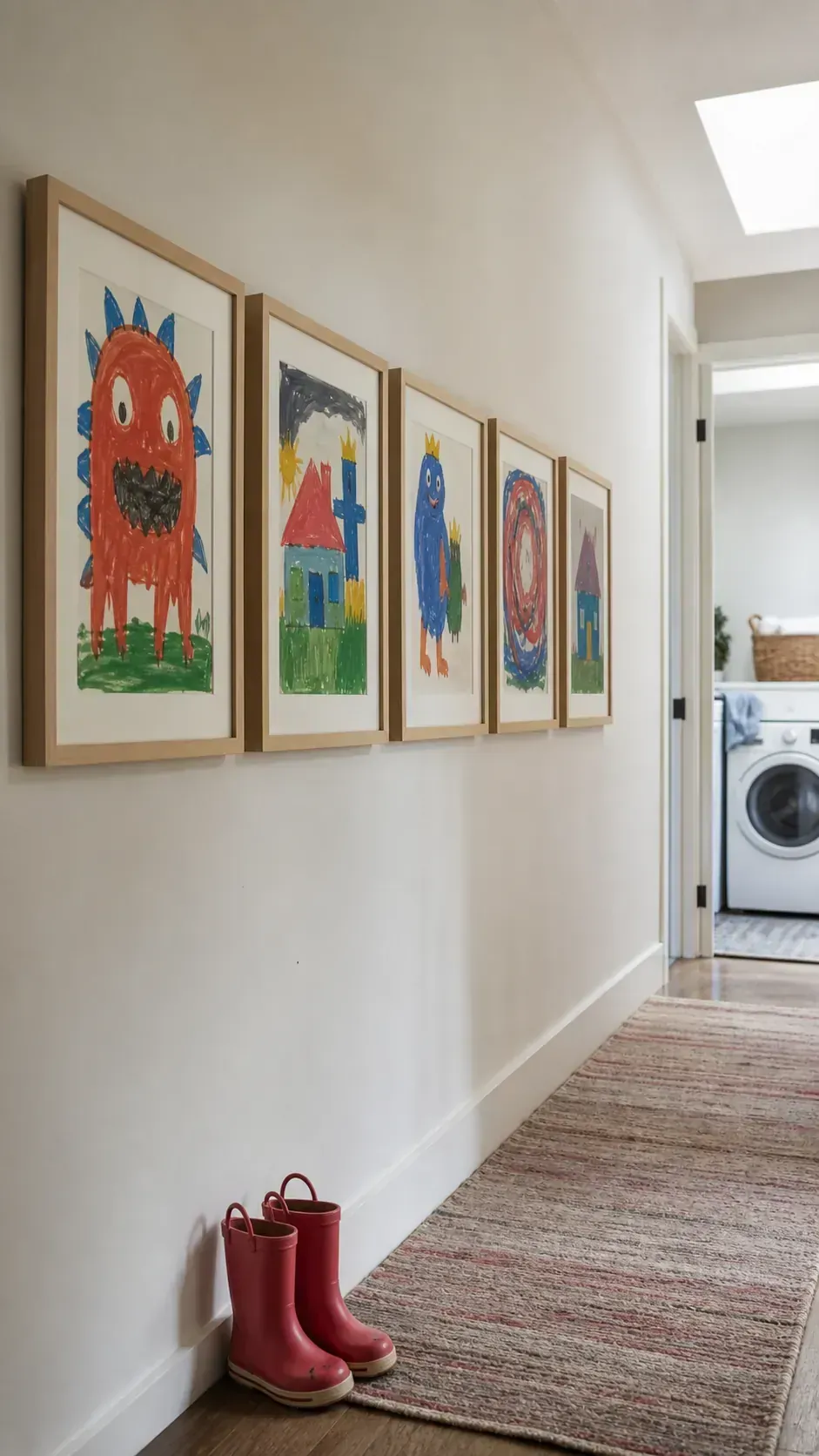
A bold school painting or funny pencil creature can become compelling wall art when its presentation is intentional. Select a few pieces with distinct shapes or color, photograph anything fragile, and print them on the same paper size.
Matching frames create order while the art supplies spontaneity. Rotate the display instead of adding indefinitely; the saved originals can live in a portfolio with the artist’s name and date on the back.
Build a Travel Shadow Box
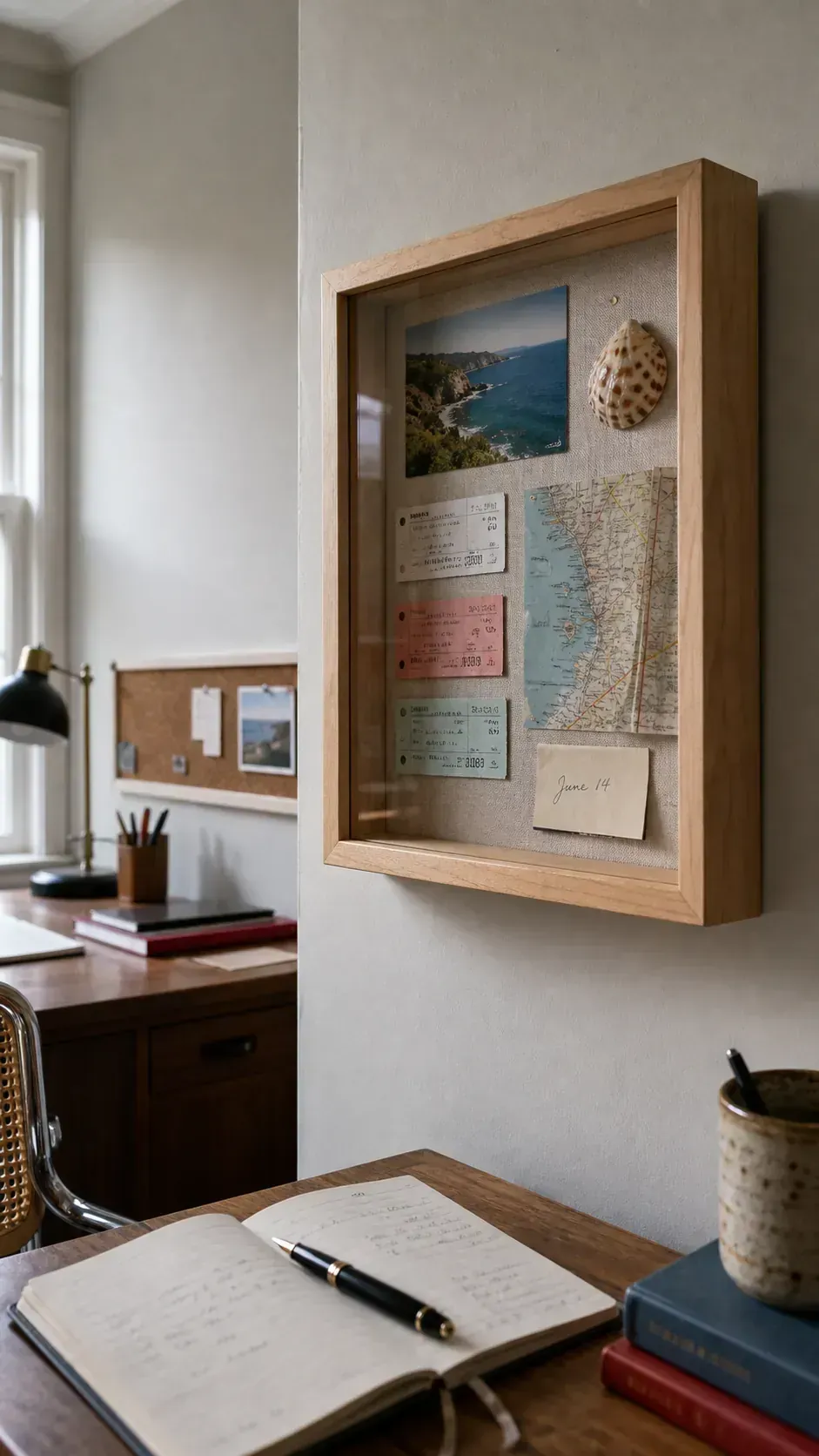
Tickets, transit cards, postcards, pressed leaves, and a marked map gain meaning when edited into one small story. Choose items from a single journey and leave space around them instead of filling every centimeter.
Use archival corners or reversible mounts for anything precious. A short handwritten caption tucked inside makes the memory legible without turning the box into a scrapbook page.
Hang an Inherited Textile
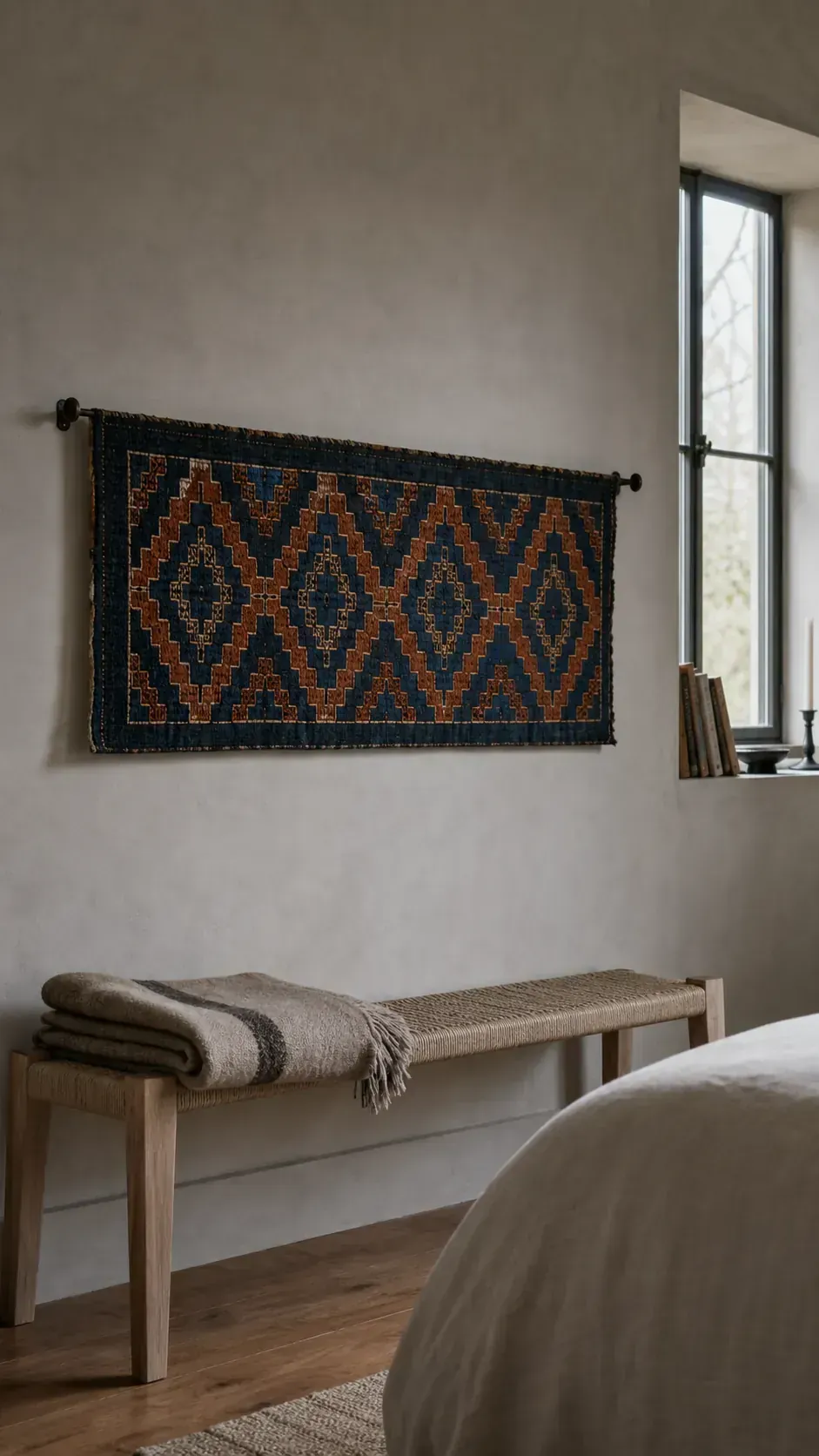
A quilt fragment, woven runner, embroidered cloth, or small rug brings pattern and softness where another framed print would feel predictable. The irregular handwork is part of the appeal, especially in a bedroom wall decor scheme dominated by hard furniture.
Support the textile across its width so its own weight does not distort it. Keep valuable fibers away from direct sun, cooking vapor, and damp exterior walls.
Choose a Thrifted Painting for Its Mood
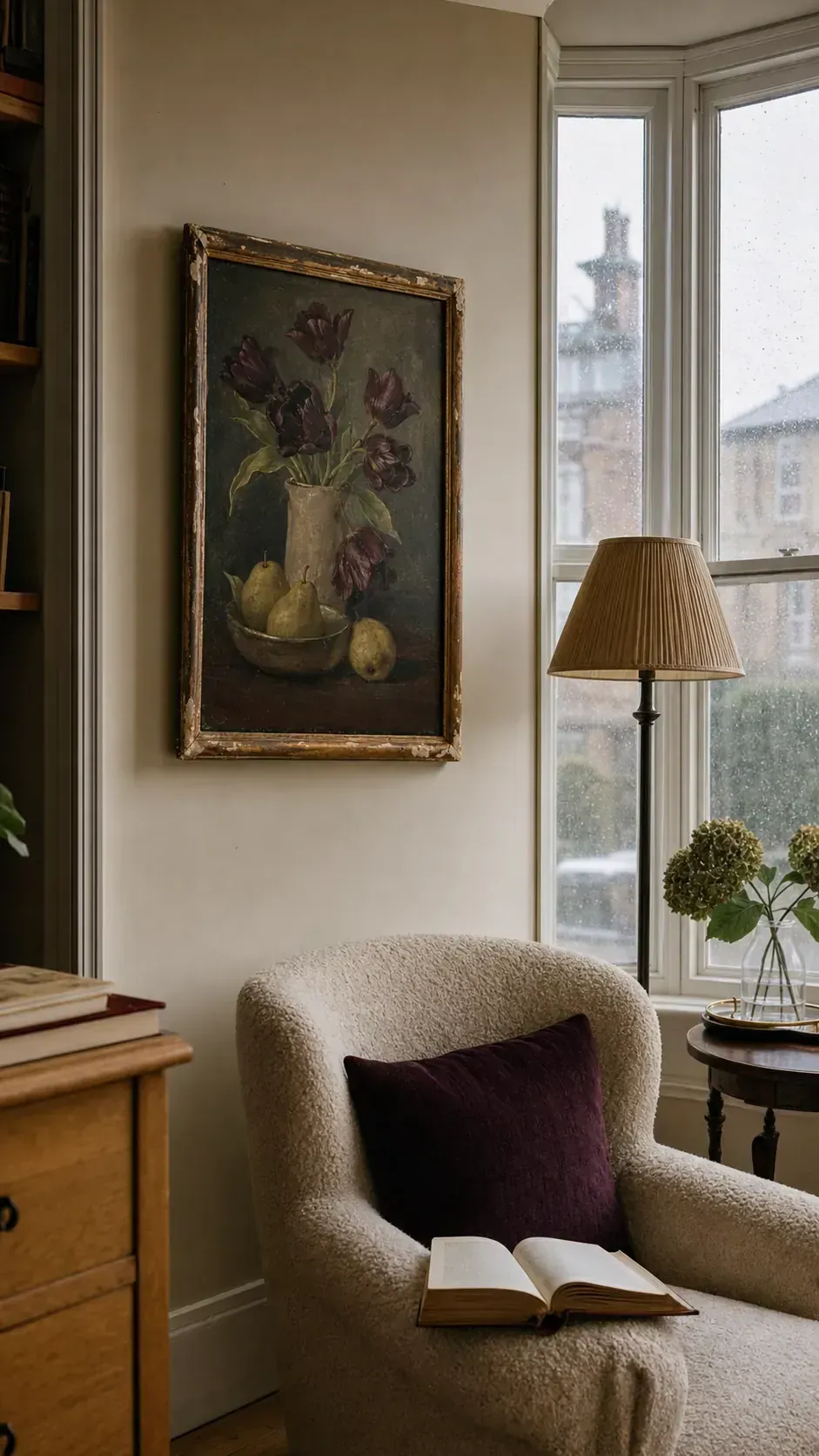
Estate sales and secondhand shops are useful because the art is not filtered through the current decorating season. Look for a mood you want in the room—restful, humorous, mysterious, bright—rather than a piece that matches the sofa exactly.
A worn frame can be part of the character. If the scale is too small, pair the painting with a lamp, chair, or shelf so the entire vignette occupies the wall rather than leaving the art stranded.
Start with One Piece from a Local Artist
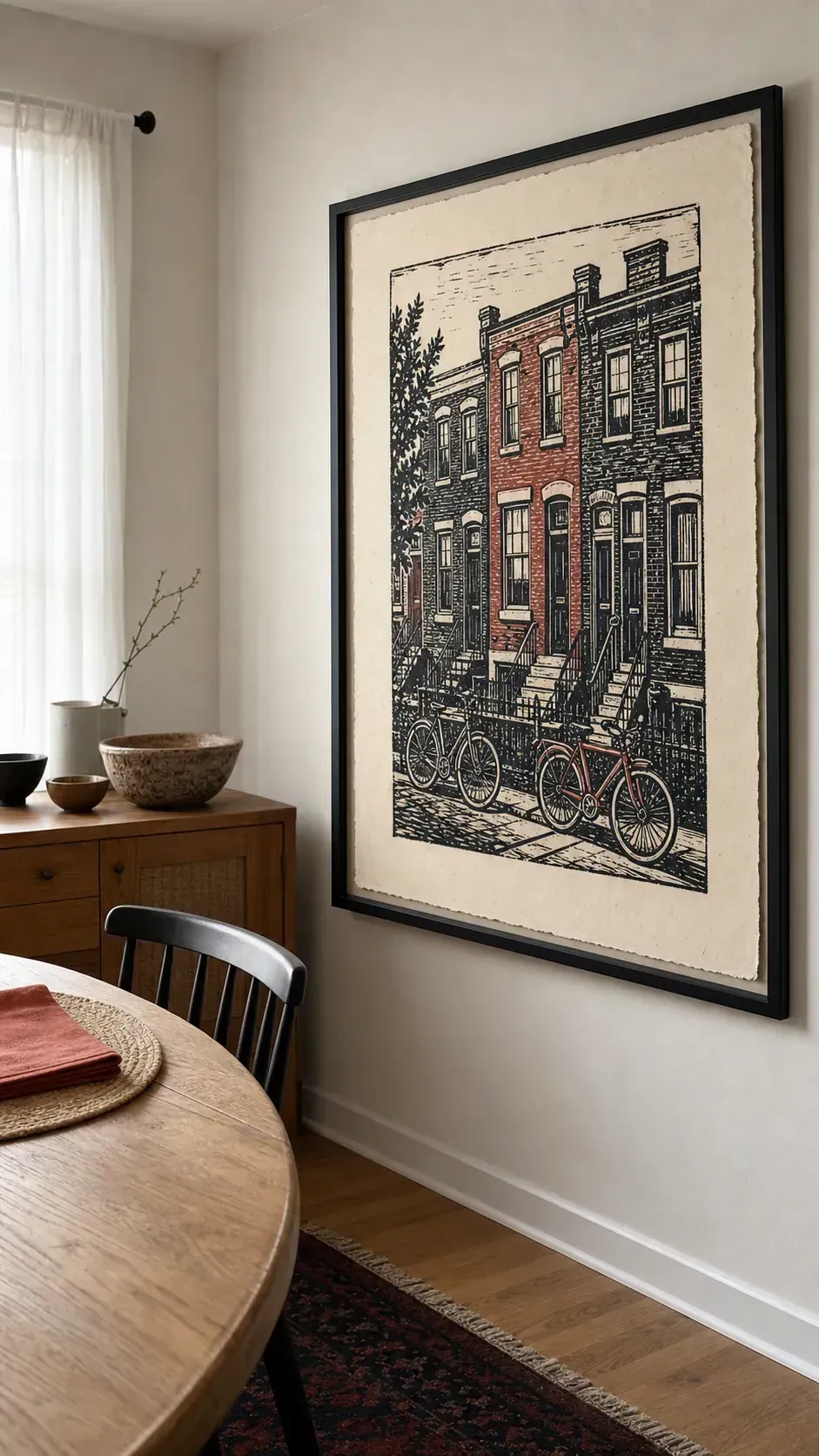
An original drawing or small-edition print carries the maker’s decisions in a way mass-produced filler cannot. Visit open studios, student exhibitions, community markets, and local print fairs, then buy slowly within a planned budget.
Let that work establish the color or energy for nearby pieces. A collected home does not require expensive art everywhere; it needs a few things you would keep even after repainting the room.
Frame a Handwritten Recipe
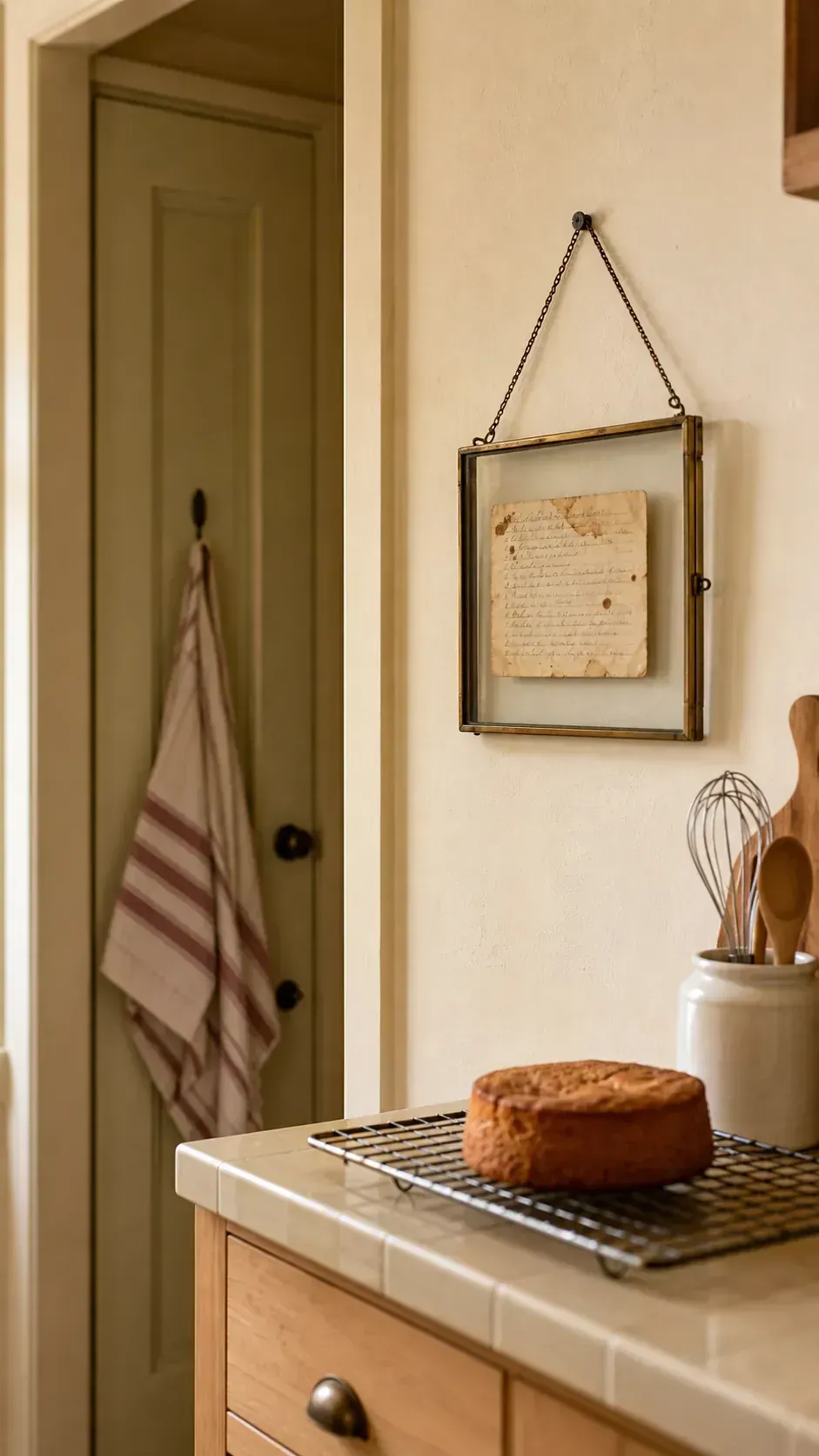
A stained recipe card preserves handwriting, habits, and family language in one small object. Scan the original at high resolution and display a copy if steam, grease, or sunlight could damage it.
A floating frame reveals the card’s edges and keeps the presentation light. Place it near the breakfast table or pantry rather than directly above a range or sink.
Create a Plate Collection with a Clear Shape
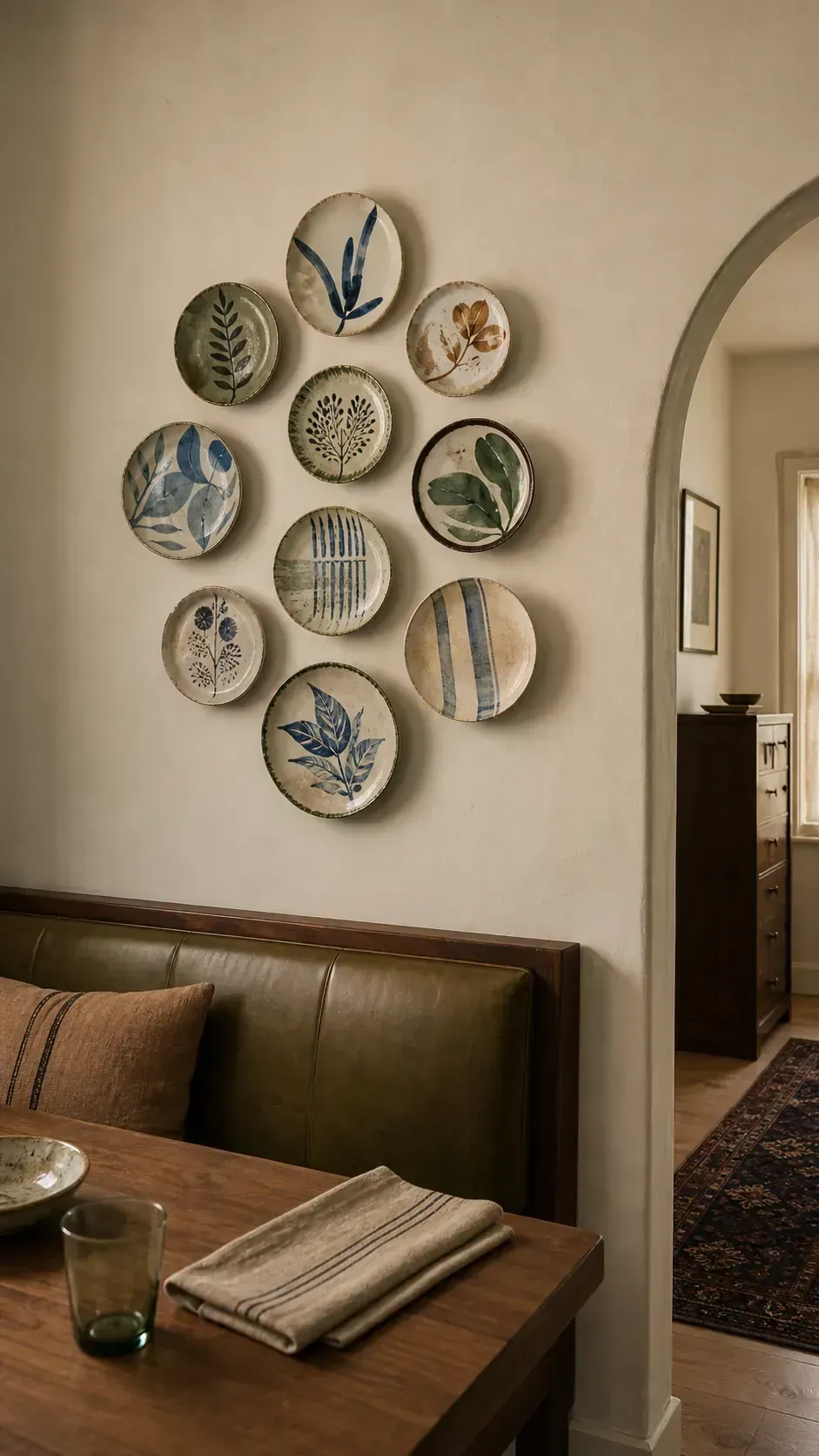
Handmade, inherited, and thrifted plates can form wall decor with depth and shine. Limit the collection with one rule—blue linework, botanical motifs, or earthy glazes—then vary the diameter and edge shape.
Arrange the plates on the floor first and photograph the plan. Use hangers rated for each plate and wall type, especially above seating or a dining bench.
Bring Texture Up with Woven Baskets
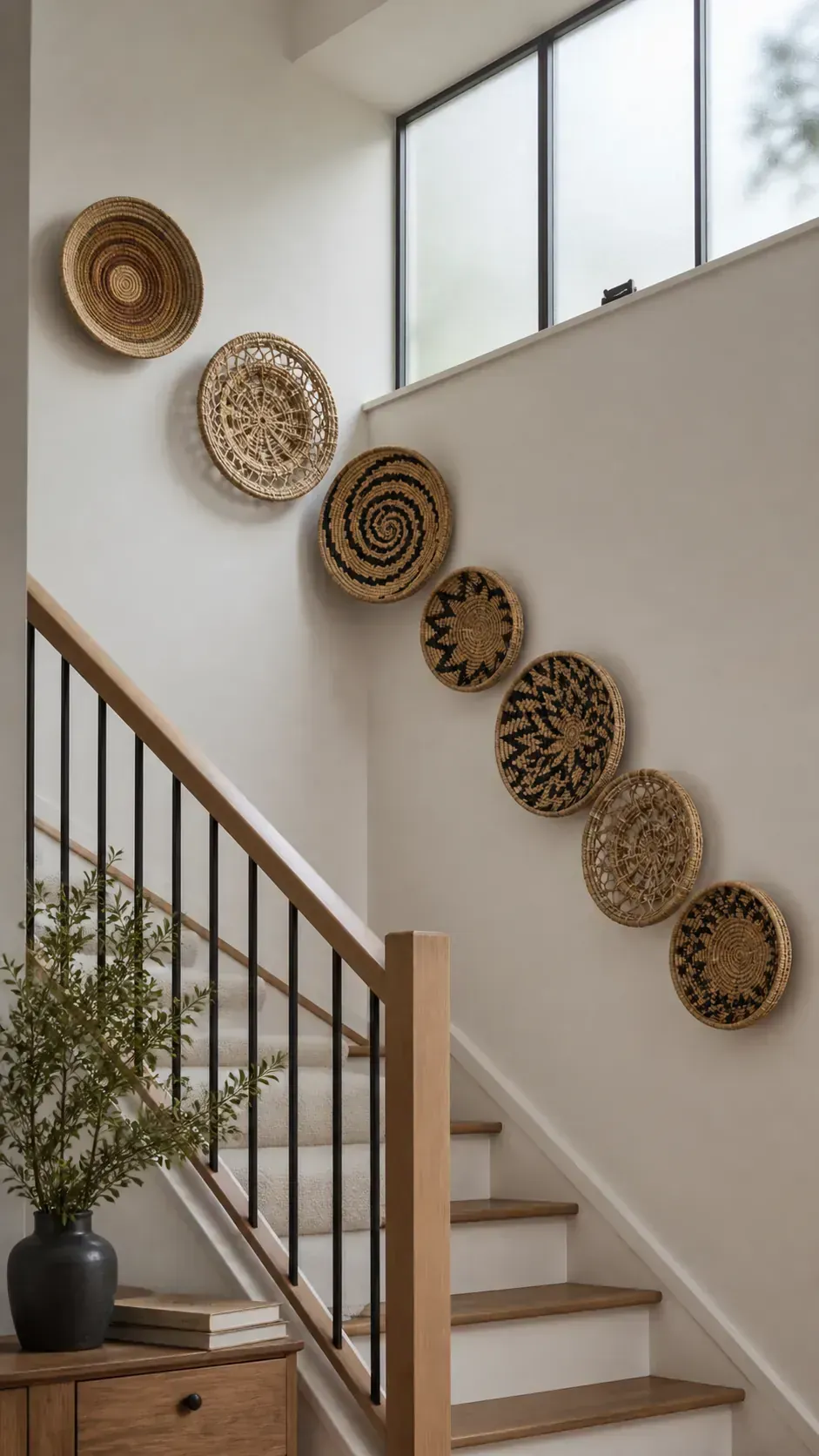
Shallow baskets add shadow and natural texture without requiring glass or heavy frames. A stair landing or high hallway wall is a good place for pieces that are visually interesting but do not need close reading.
Mix tight and open weaves while repeating one fiber tone. Avoid buying a complete matching bundle; a few different origins and repair marks make the grouping feel genuinely accumulated.
Use a Mirror That Reflects Something Worth Seeing
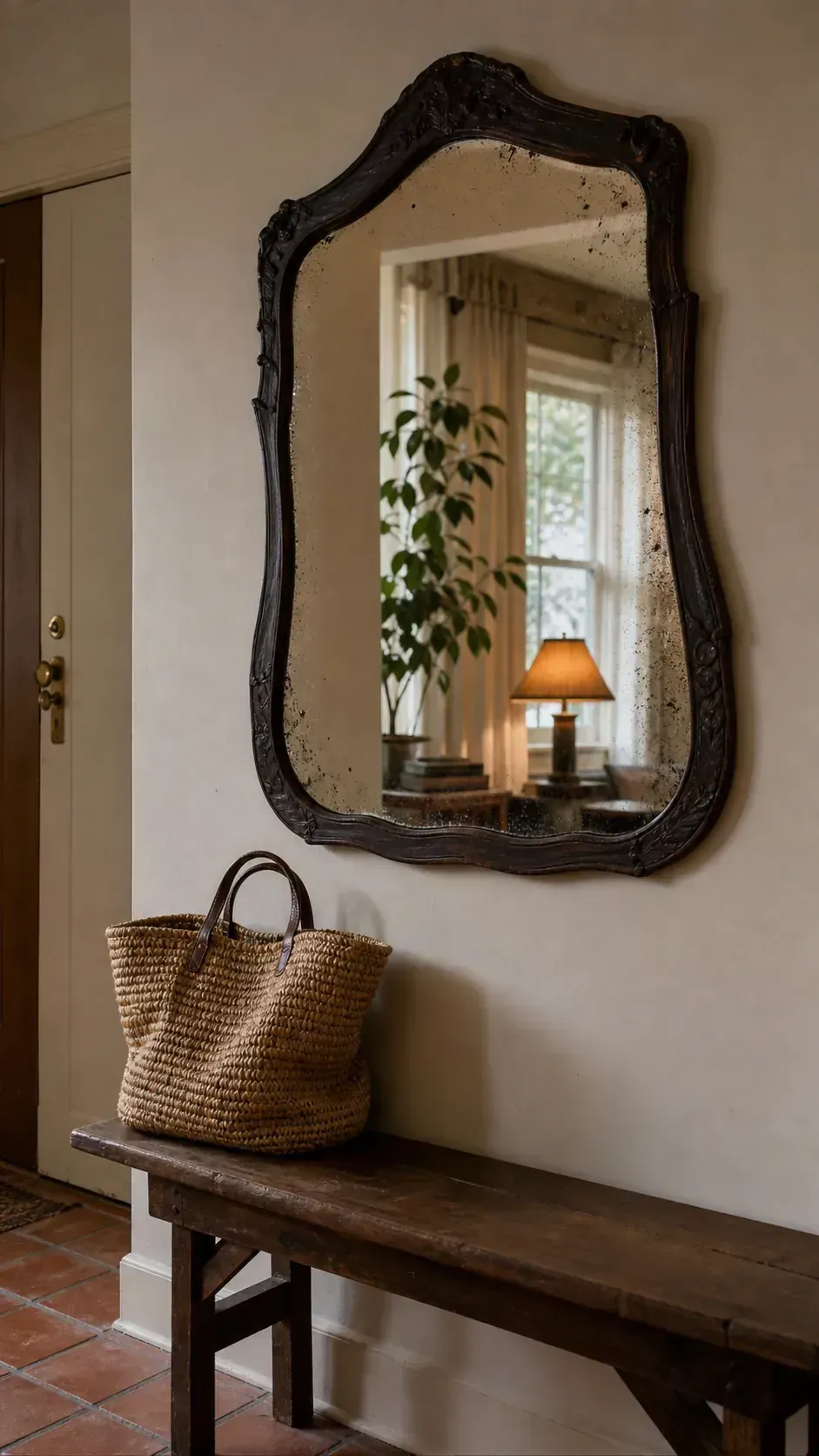
A mirror is most effective when its reflection contributes to the room. Before hanging, check the view from seated and standing positions: a window, pendant, plant, or favorite object is better than a blank door or cluttered counter.
An unusual inherited or vintage frame can act as the personal element. Keep mirrors high enough in dining areas that guests are not forced to watch themselves eat.
Mount a Beautiful Tool from Your Hobby
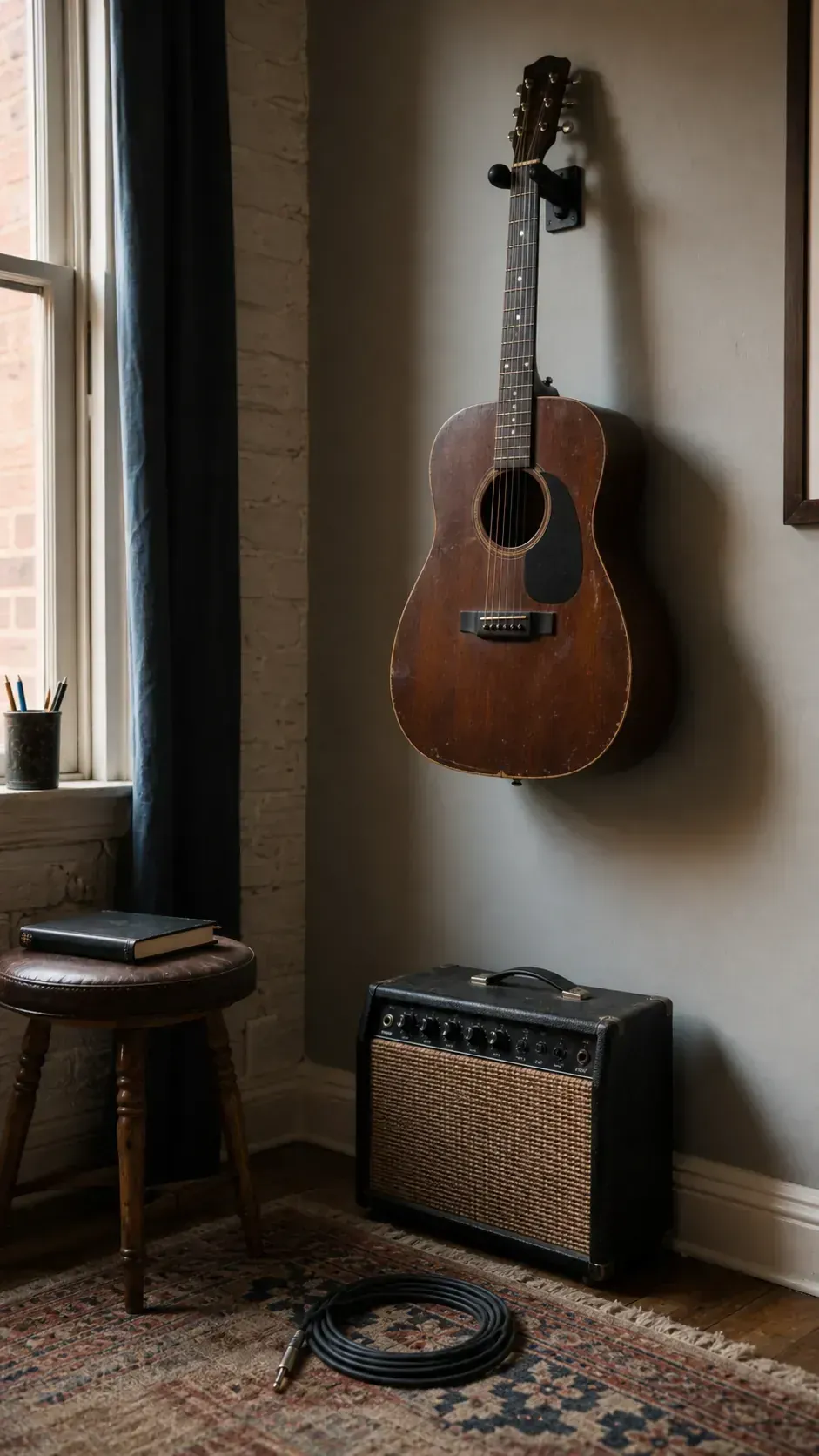
A guitar, weaving shuttle, vintage camera, fishing reel, or pair of wooden oars says more about a household than a slogan sign. Display only an object that is safe to mount and either used regularly or meaningful enough to earn the space.
Choose hardware for the object’s real weight and locate studs or appropriate anchors. Make access easy if the object still works; display should support the hobby, not retire it.
Turn Small Keepsakes into a Specimen Grid
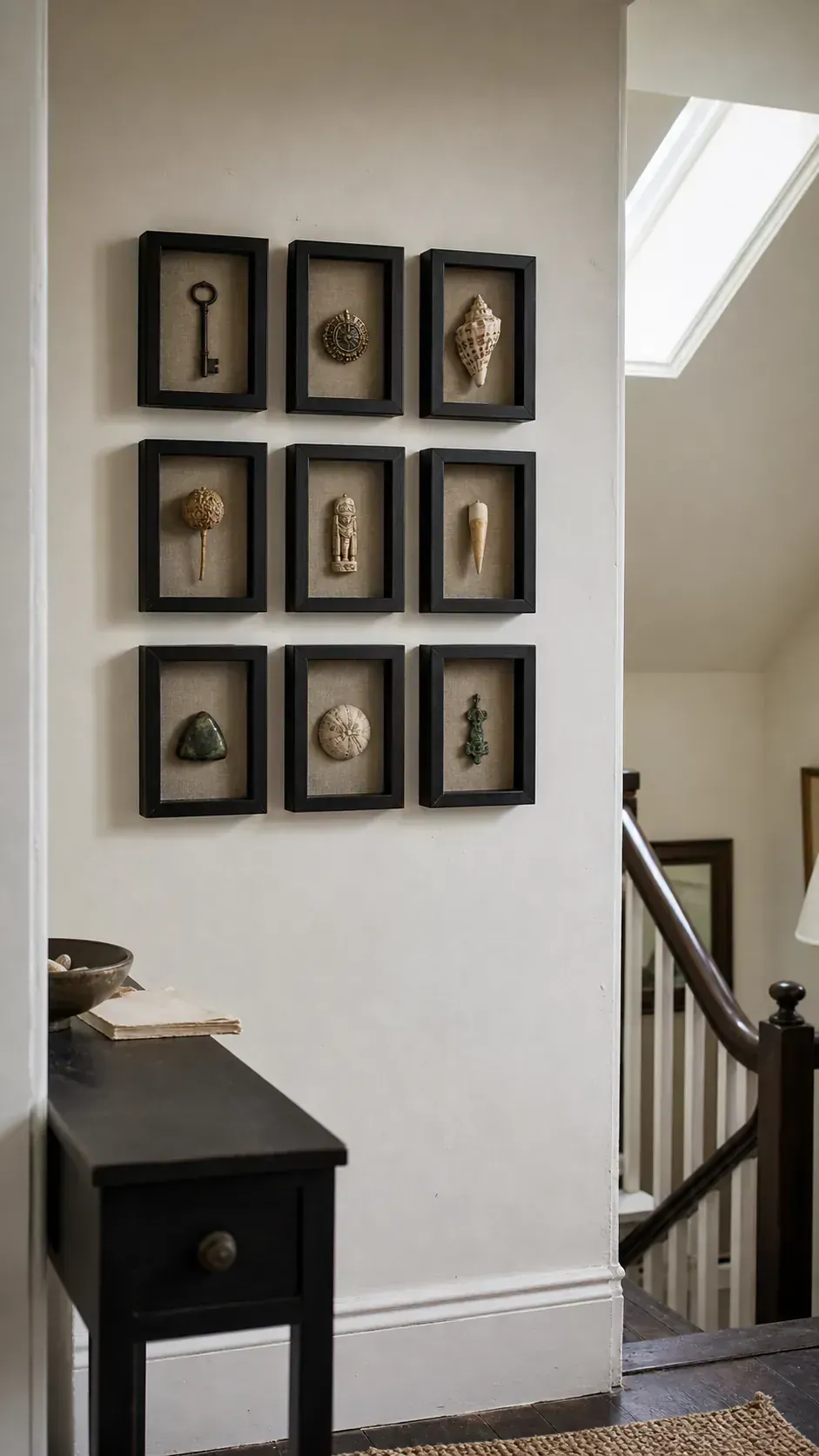
Small objects look like clutter when scattered, but a disciplined grid gives them a common language. Try nine equal shadow frames holding one object each: a key, shell, brooch, seedpod, tiny carving, or childhood token.
Uniform spacing does the organizing while the contents stay eclectic. Trace paper templates on the wall first, then center the complete grid over the furniture rather than centering each frame independently.
Display Books on a Shallow Picture Ledge
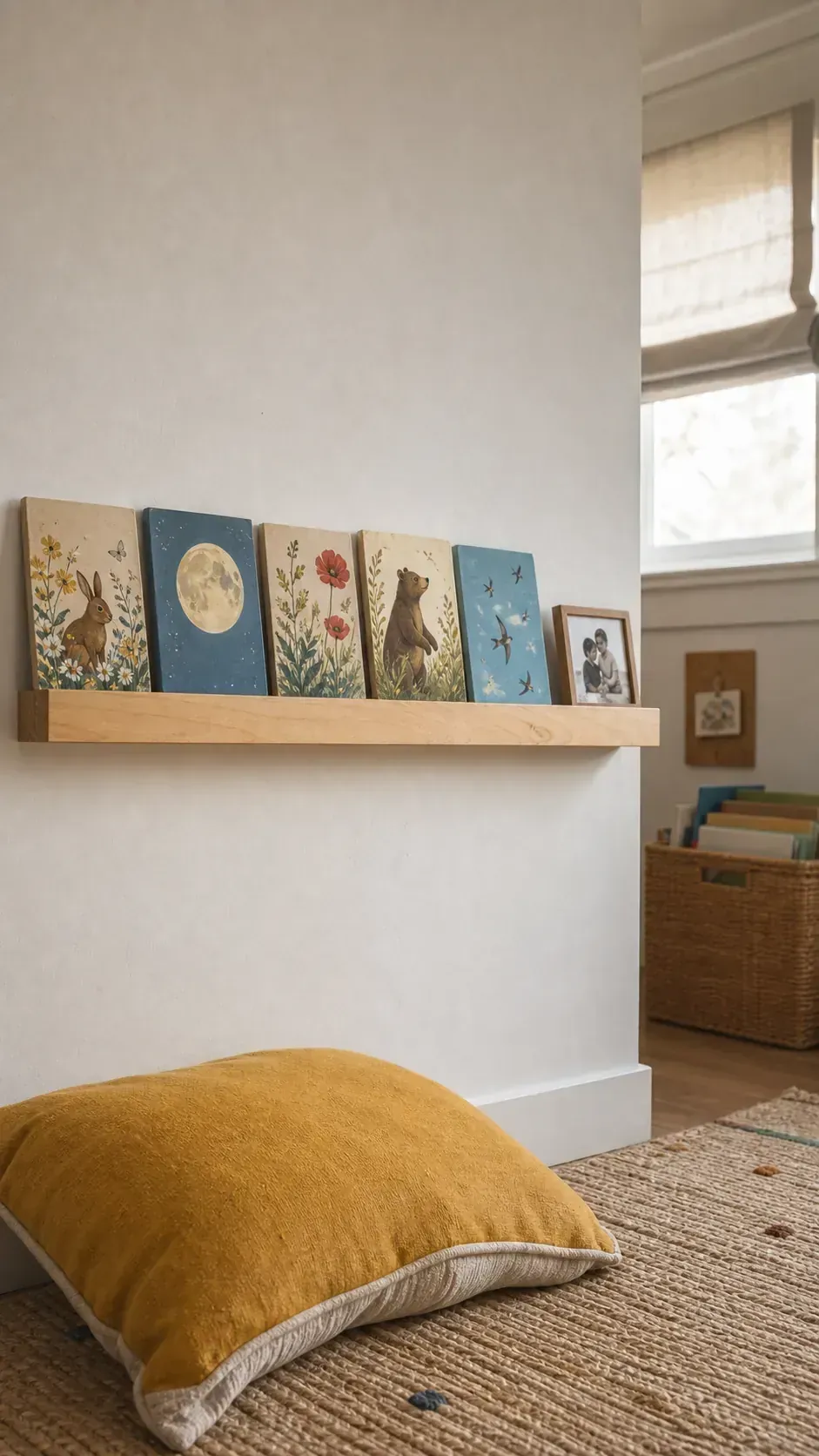
Book jackets and illustrated covers can change with your interests without creating new nail holes. A shallow ledge works especially well in a reading nook, child’s room, or home office where the books are still handled.
Overlap items slightly but keep the ledge edited. One photograph or small object can break the row of rectangles; a high lip and proper anchors keep everything secure.
Press Plants from a Meaningful Place
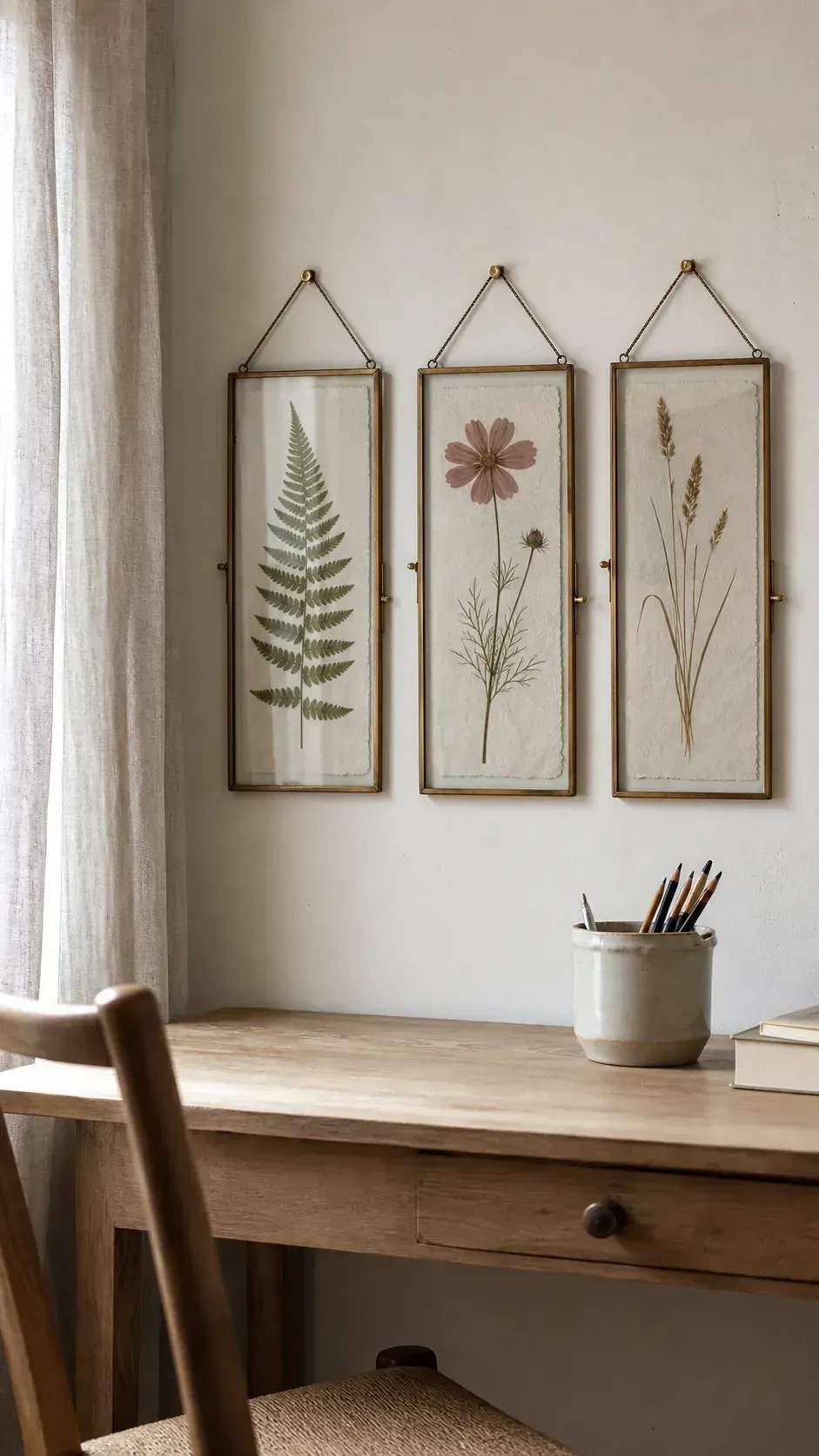
Leaves or flowers from your garden, a family property, or a memorable walk can become restrained personal home decor. Collect responsibly, press the material until fully dry, and label the location and date on the reverse.
Use UV-filtering glazing if preservation matters and expect natural color to change. A small trio has more presence when the specimens vary in silhouette but share the same paper and frame.
Map the Places That Shaped You
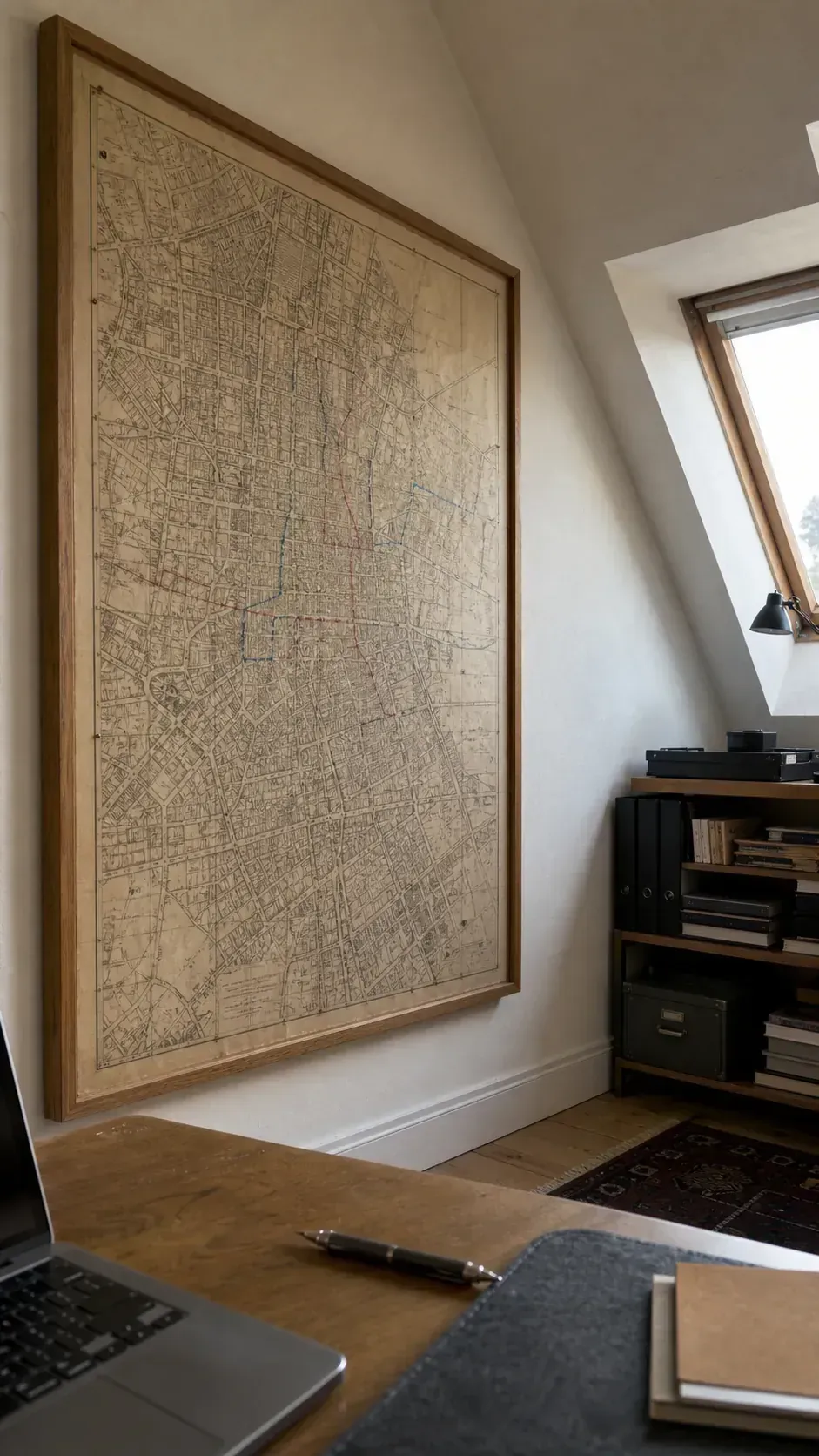
Frame a map of a hometown, migration route, favorite neighborhood, or recurring family destination. A few discreet marks—first apartment, school, meeting place—turn cartography into biography without covering the design.
Choose a map with enough graphic strength for the wall size. One large sheet can anchor a home office better than many little pieces competing with shelves and screens.
Make a Frame Wall from One Color Family
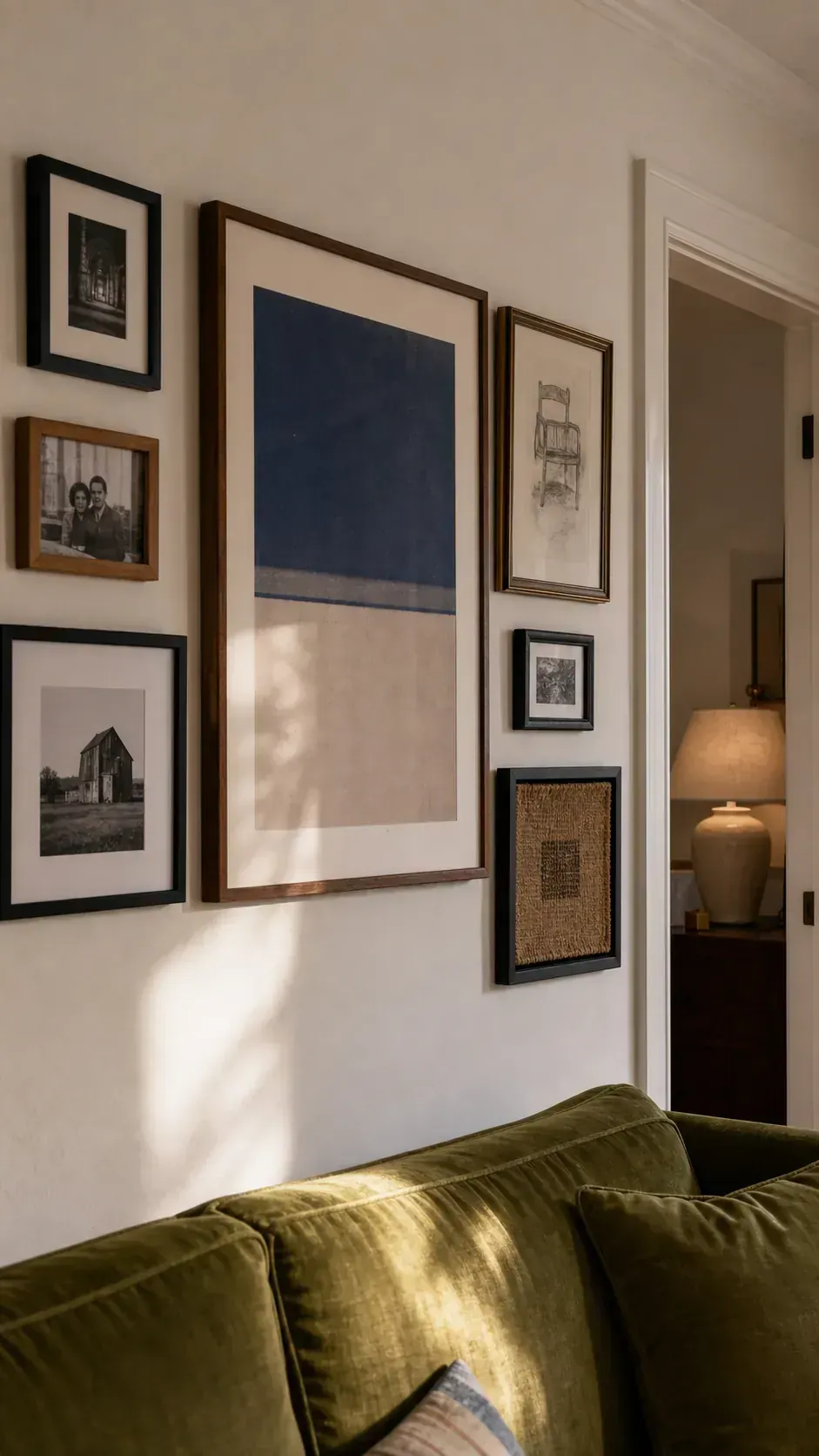
An eclectic gallery wall feels coherent when the frames repeat a limited finish family. Black, walnut, and aged brass can hold photographs, drawings, fiber art, and prints without erasing their differences.
Begin with one large anchor and two medium pieces before adding smaller work. Keep pathways of negative space between groups, lay the arrangement on the floor, and live with it for a day before making holes.
Let a Seasonal Piece Rotate
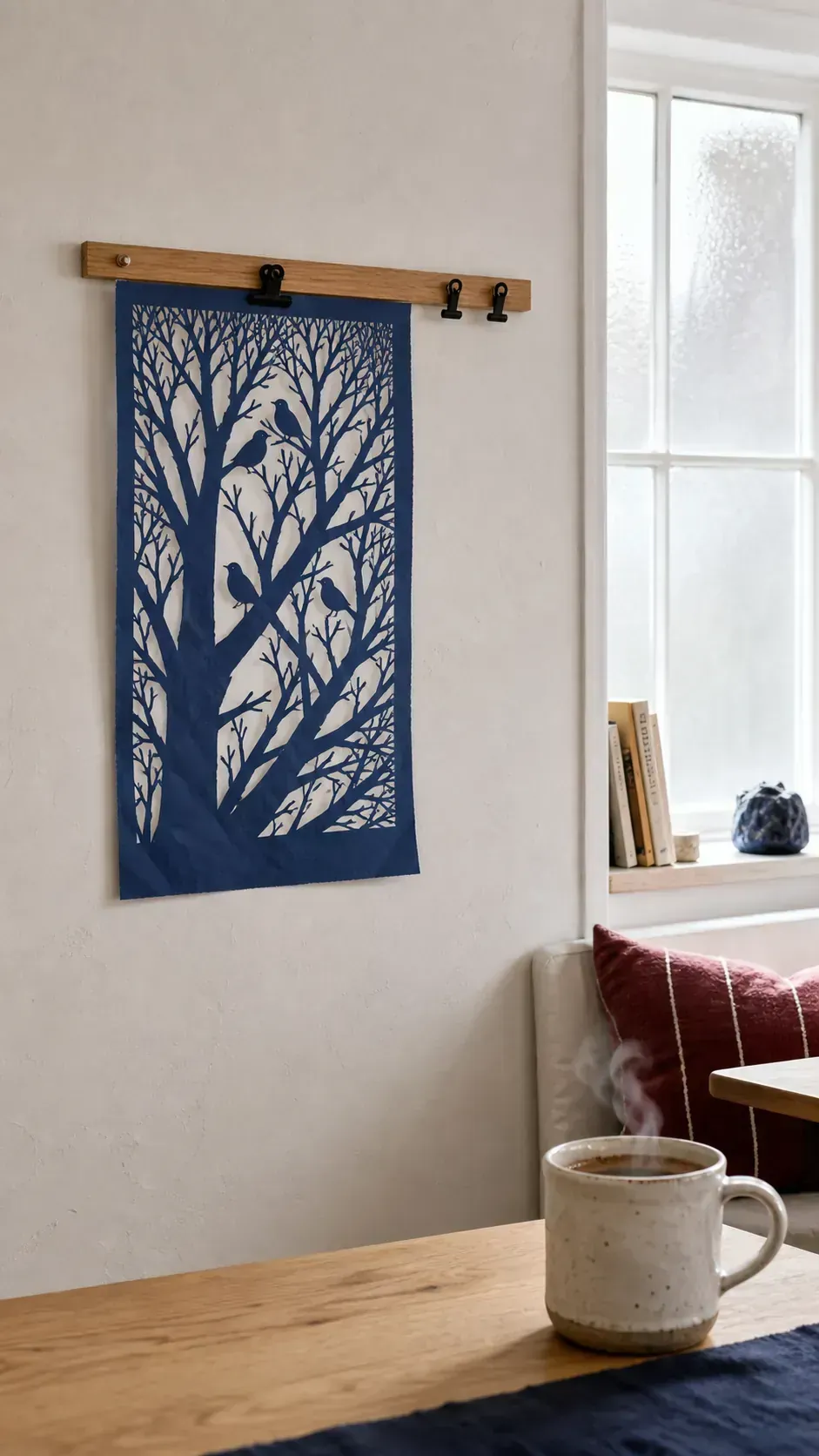
A small rail, clip system, or ledge can hold one changing piece: a child’s new painting, a winter paper cutting, a summer photograph, or a woven panel. Rotation gives stored favorites time on the wall without expanding the collection.
Keep the display mechanism simple and attractive when empty. Store off-season pieces flat and labeled so changing the wall stays pleasurable rather than becoming another household project.
Use Removable Methods in a Rental
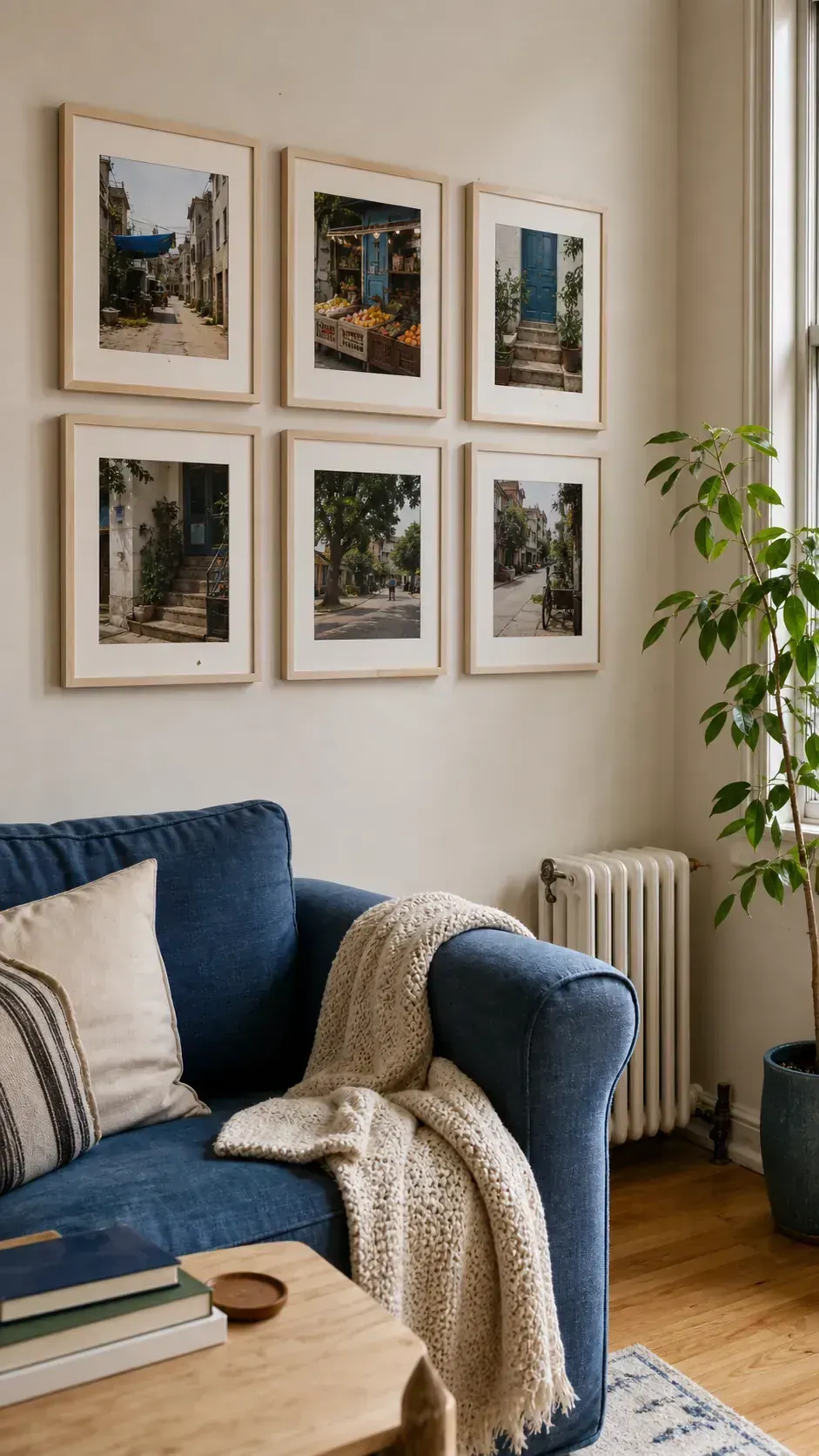
Renting does not require generic walls, but the attachment method must suit the wall finish and frame weight. Lightweight frames, picture ledges fixed with approved hardware, and removable strips used exactly as directed can reduce damage.
Test adhesives in a hidden area, clean as instructed, and never exceed the rating. A compact grid or single large lightweight textile creates impact with fewer attachment points than a sprawling frame wall.
Leave Room for the Next Meaningful Find
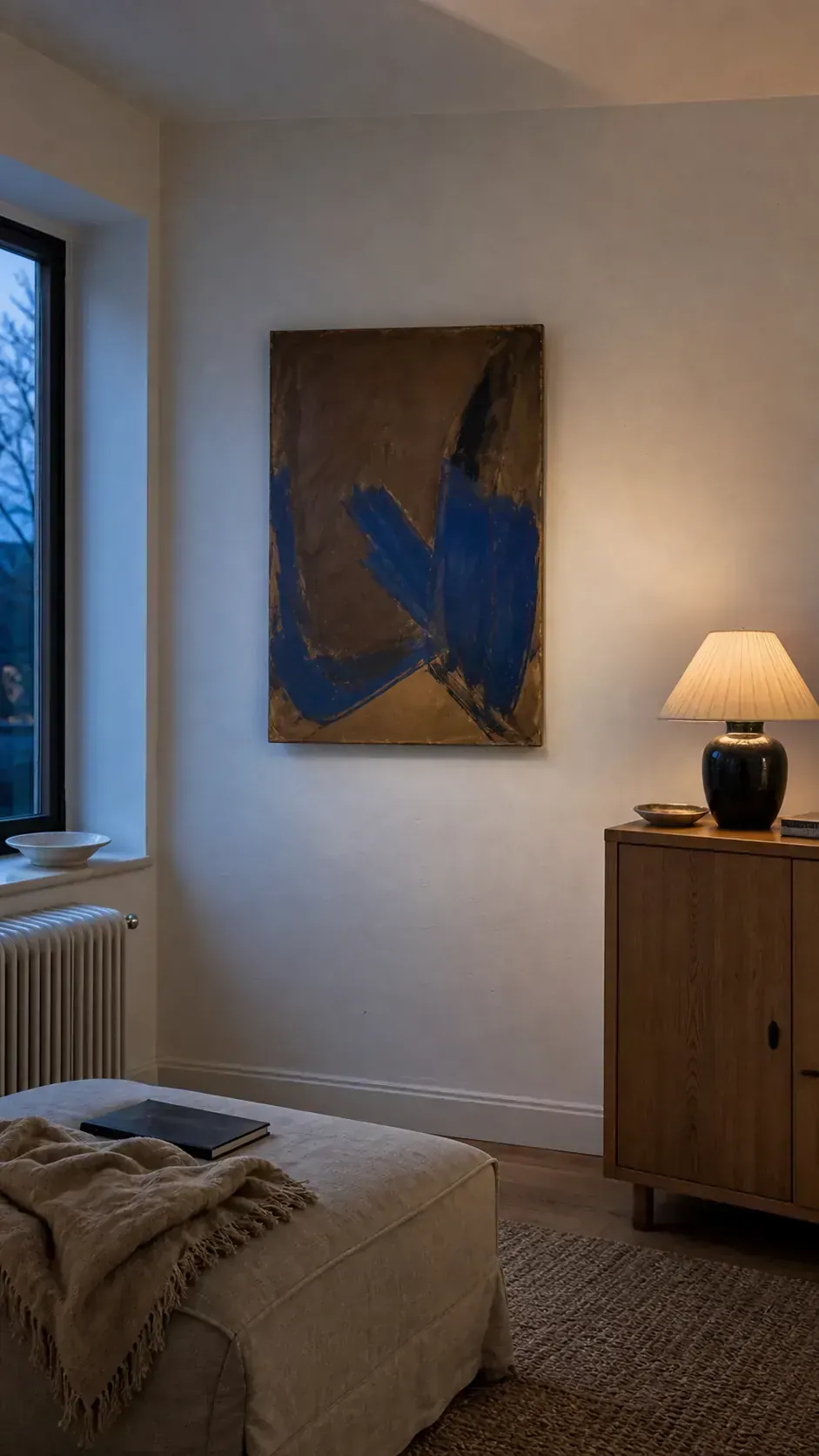
Blank wall is not unfinished wall. It gives your eye somewhere to rest, makes an important piece more visible, and leaves space for something you have not discovered yet. If a room already has patterned upholstery, shelves, windows, and a busy view, one confident object may be enough.
A truly collected home takes time because its contents come from living. Hang what carries a story now, keep the spacing deliberate, and resist filling a gap with something forgettable. The open space becomes part of the composition—and permission to wait for a piece that actually feels like yours.