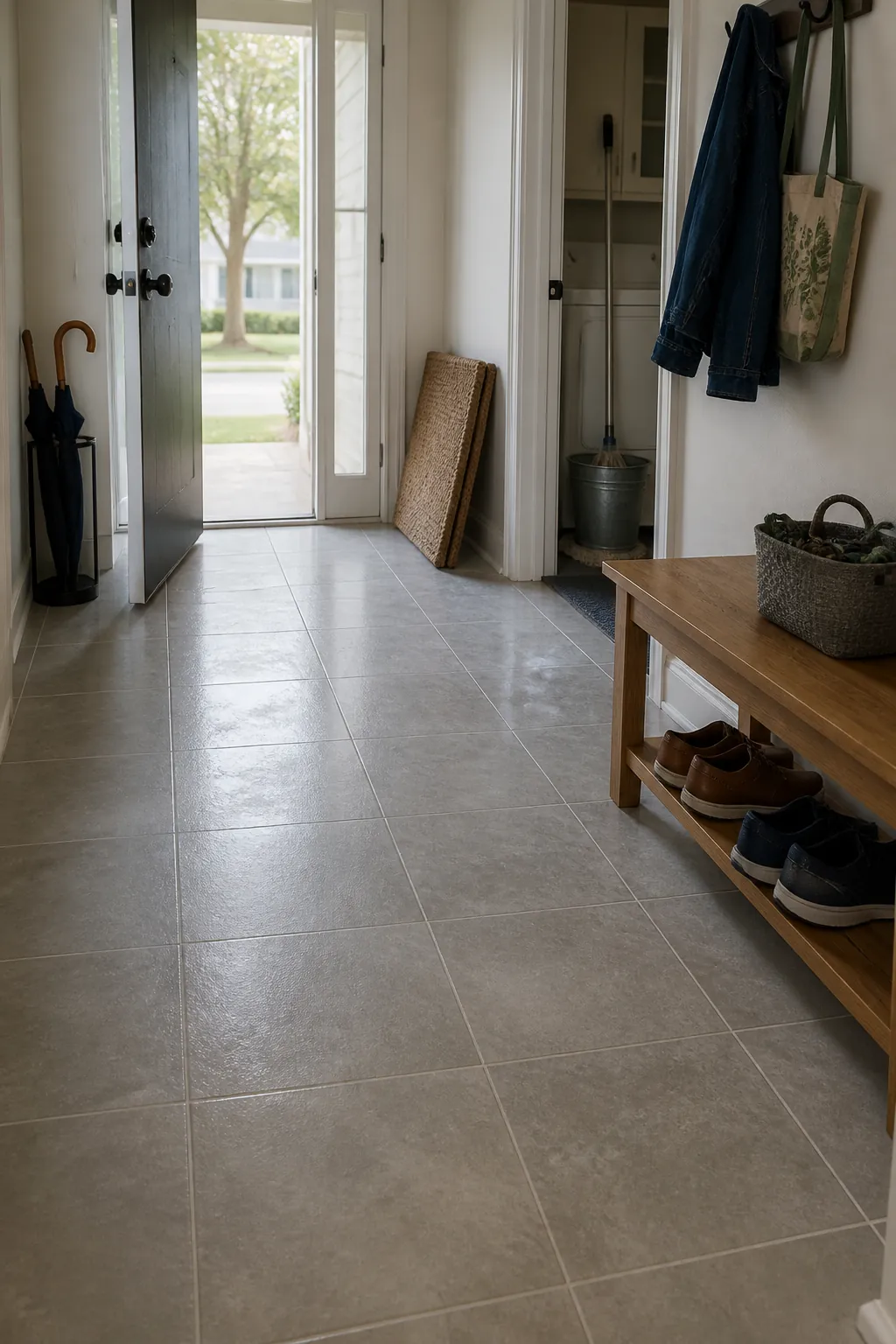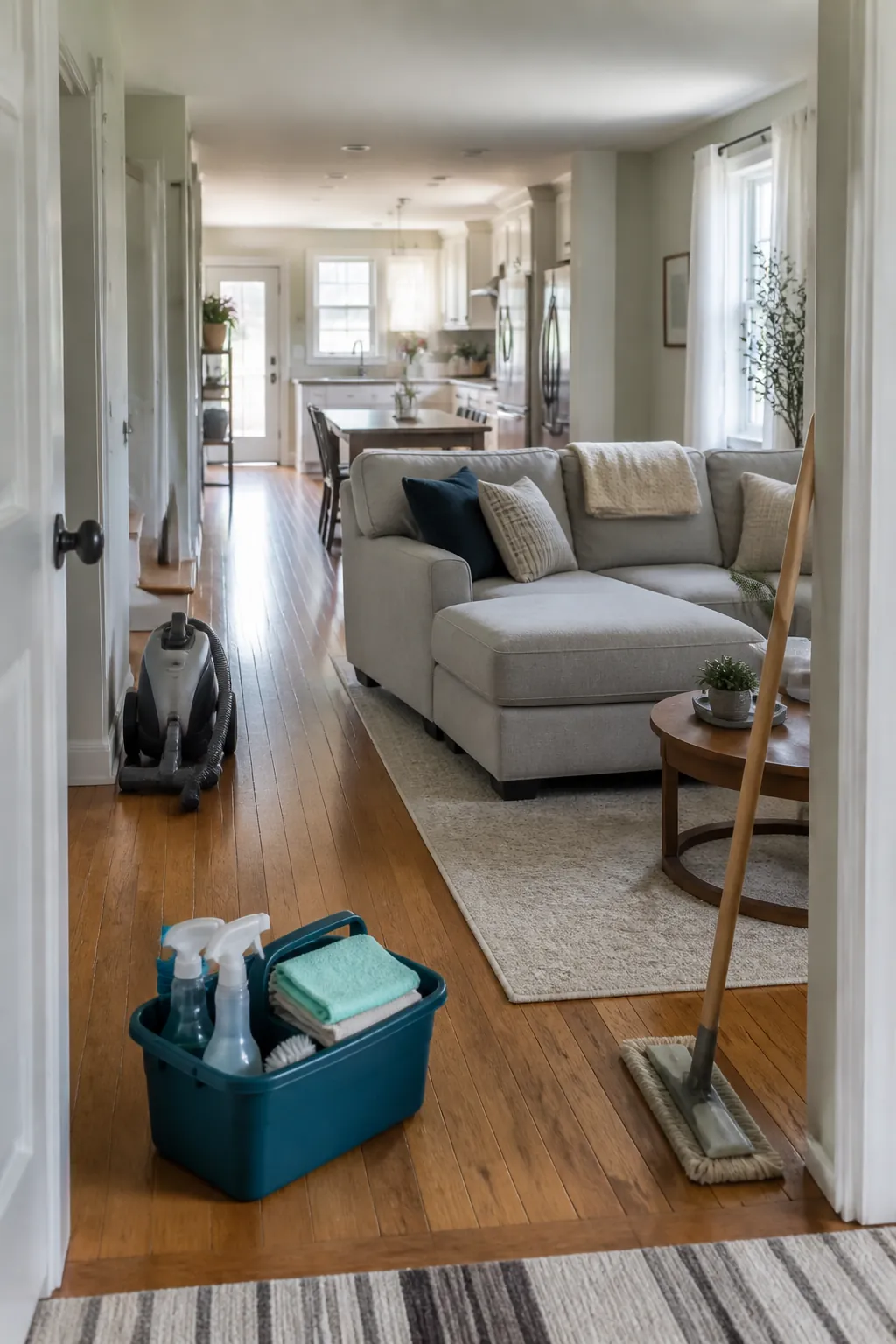
A deep clean becomes exhausting when you treat the entire house as one giant task. The faster approach is to remove clutter first, clean one room to completion, and work from high surfaces to the floor. That order prevents you from wiping the same area twice and gives you visible progress before motivation fades.
This guide explains how to deep clean your house without turning the day into a frantic marathon. You can finish it in one focused weekend or divide the same house cleaning schedule across several shorter sessions.
Set Up a Cleaning Command Station
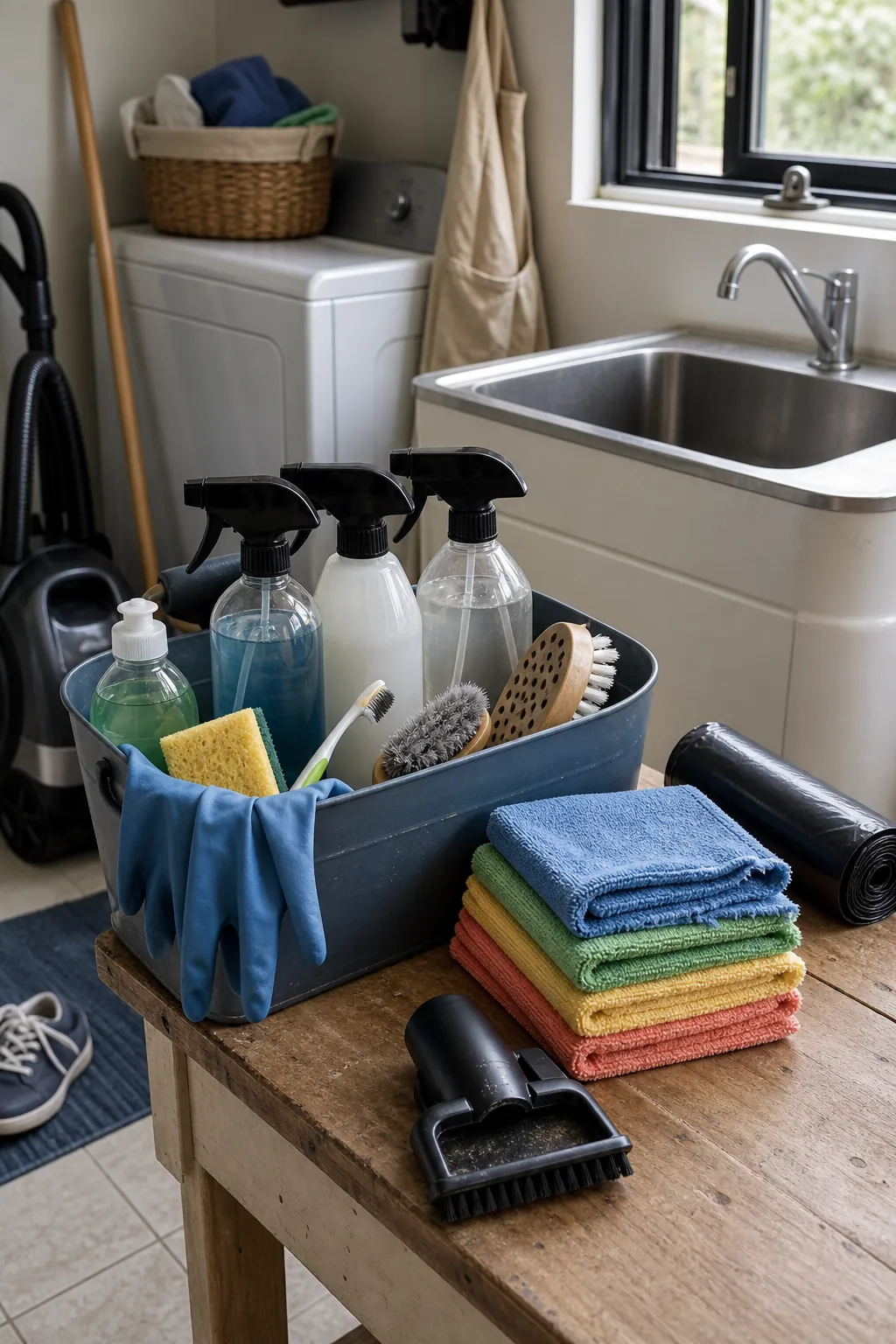
Start with one portable caddy instead of collecting products room by room. Pack microfiber cloths, a non-scratch sponge, an old toothbrush, a small scrub brush, dish soap, an all-purpose cleaner suitable for your surfaces, glass cleaner, rubber gloves, trash bags, and a dry duster. Keep the vacuum, mop, and bucket nearby.
- Open windows or run exhaust fans when product labels call for ventilation.
- Read labels before using a cleaner on stone, sealed wood, stainless steel, or painted finishes.
- Never mix bleach with ammonia, acids, vinegar, or another cleaner.
- Use separate cloth colors for bathrooms, kitchens, and general dusting.
Ordinary soap or detergent removes dirt and many germs from most household surfaces. Save disinfectant for situations that genuinely call for it, such as illness in the home or a high-touch surface that needs targeted treatment, and always follow the product’s stated contact time.
Clear Clutter Before You Touch a Cleaner
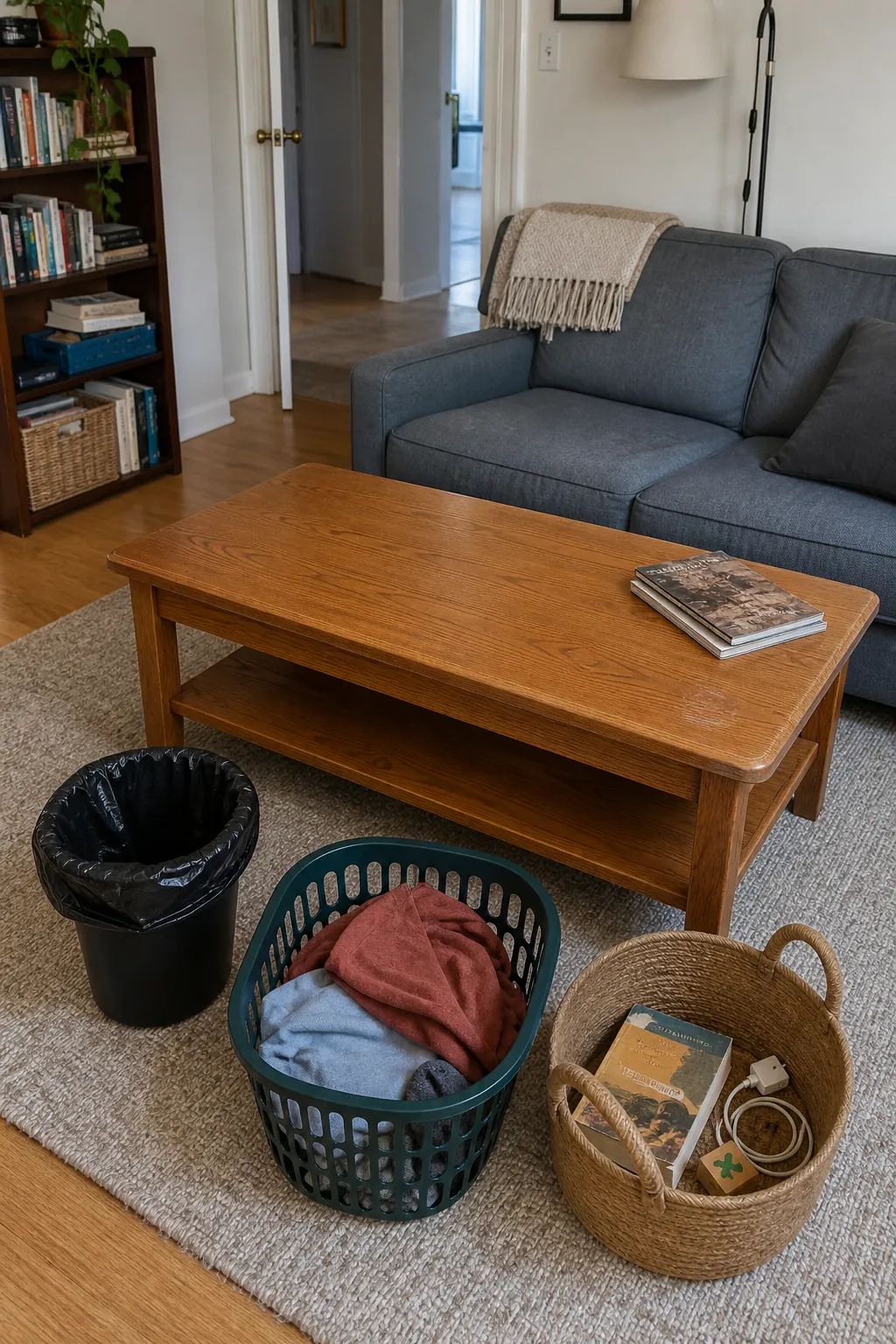
Cleaning around piles wastes time. Take a trash bag, laundry basket, and empty “belongs elsewhere” basket through one room. Throw away rubbish, gather fabric items, return obvious objects to their homes, and contain everything else. Do not leave the room every time you find a stray item; that is how one job becomes twenty unfinished jobs.
If decluttering feels difficult, clear flat surfaces first. A visible counter, dresser, or table creates working space and makes the room look calmer immediately. The goal is not to reorganize every drawer. It is to expose the surfaces you need to wash, dust, and vacuum.
Dust High and Work Down
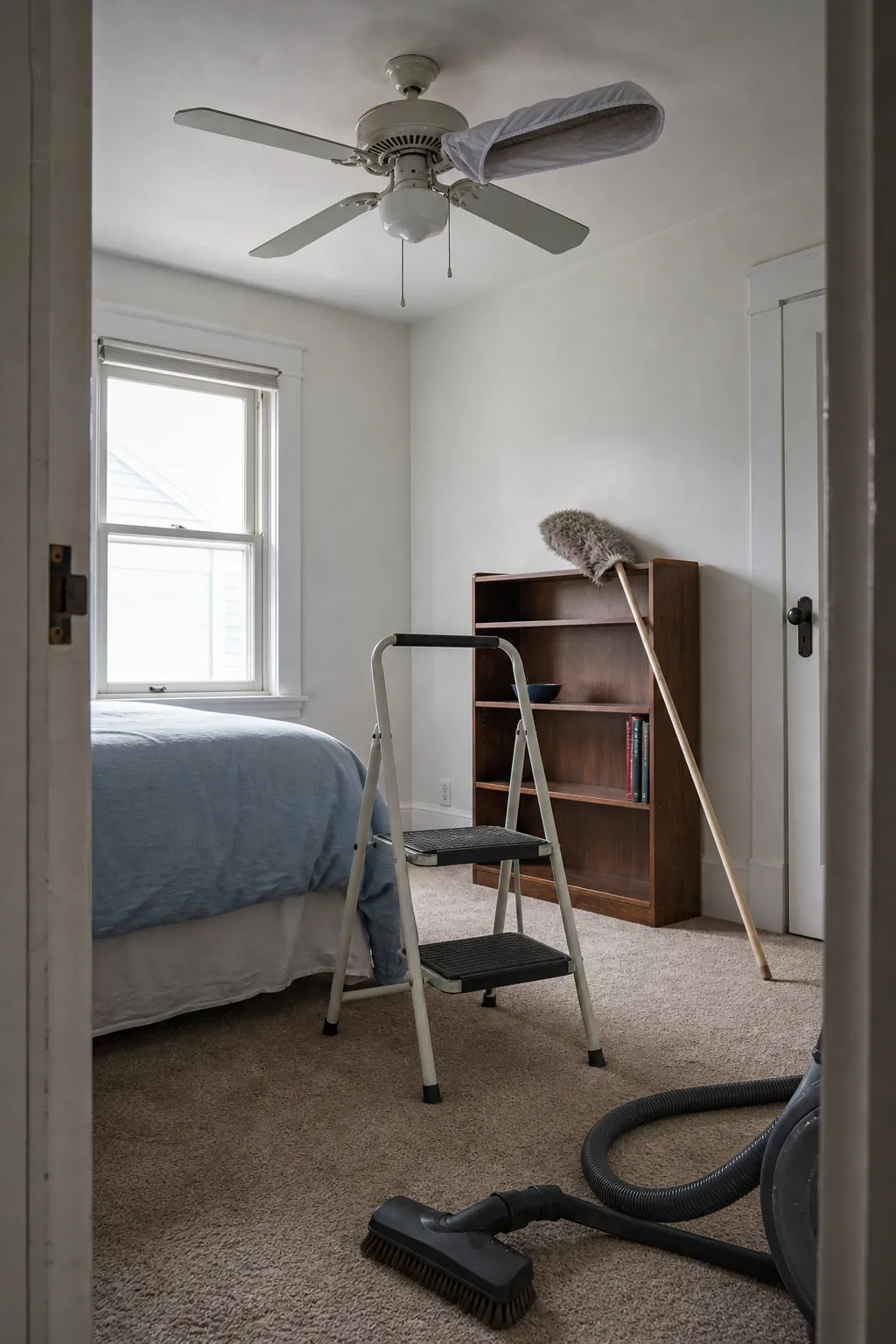
Dry dusting belongs before wet cleaning and floors. Start with ceiling-fan blades, light fixtures, the tops of doors and cabinets, curtain rods, vents, and high shelves. Continue down to frames, furniture, lamps, switch plates, baseboards, and finally the floor. This sequence catches falling dust once.
Use the vacuum’s soft brush on vents and textured upholstery. Wipe delicate finishes with a barely damp microfiber cloth rather than spraying them directly. Pull lightweight furniture away from walls, vacuum beneath it, and check the narrow edges where pet hair and grit collect. Replace or clean the HVAC filter only according to your system manufacturer’s instructions.
Degrease the Kitchen in the Right Order
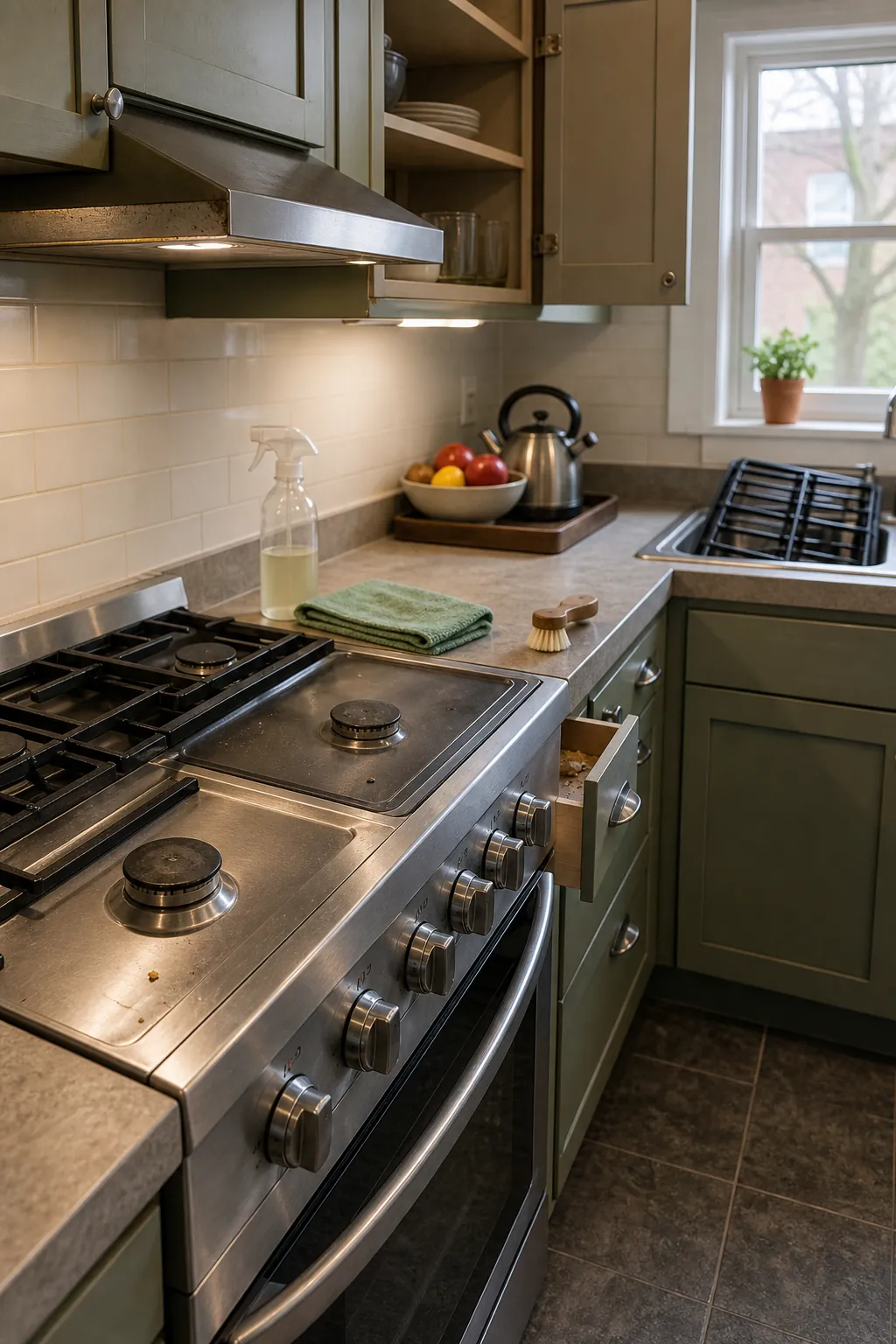
Begin by soaking removable stove parts according to the appliance instructions, then empty crumbs and expired food from cabinets and drawers. Clean cabinet tops and fronts before the counters. Give a compatible degreaser time to loosen the film around the range instead of scrubbing aggressively and damaging the finish.
Clean the refrigerator shelf by shelf so food is not left out longer than necessary. Wash the sink only after the counters and appliance exteriors are finished, because it serves as your rinse station during the job. Finish by vacuuming crumbs from floor edges and mopping toward the doorway. Never use vinegar on natural stone, and avoid abrasive pads on glossy or stainless surfaces.
Let Bathroom Products Do the Scrubbing
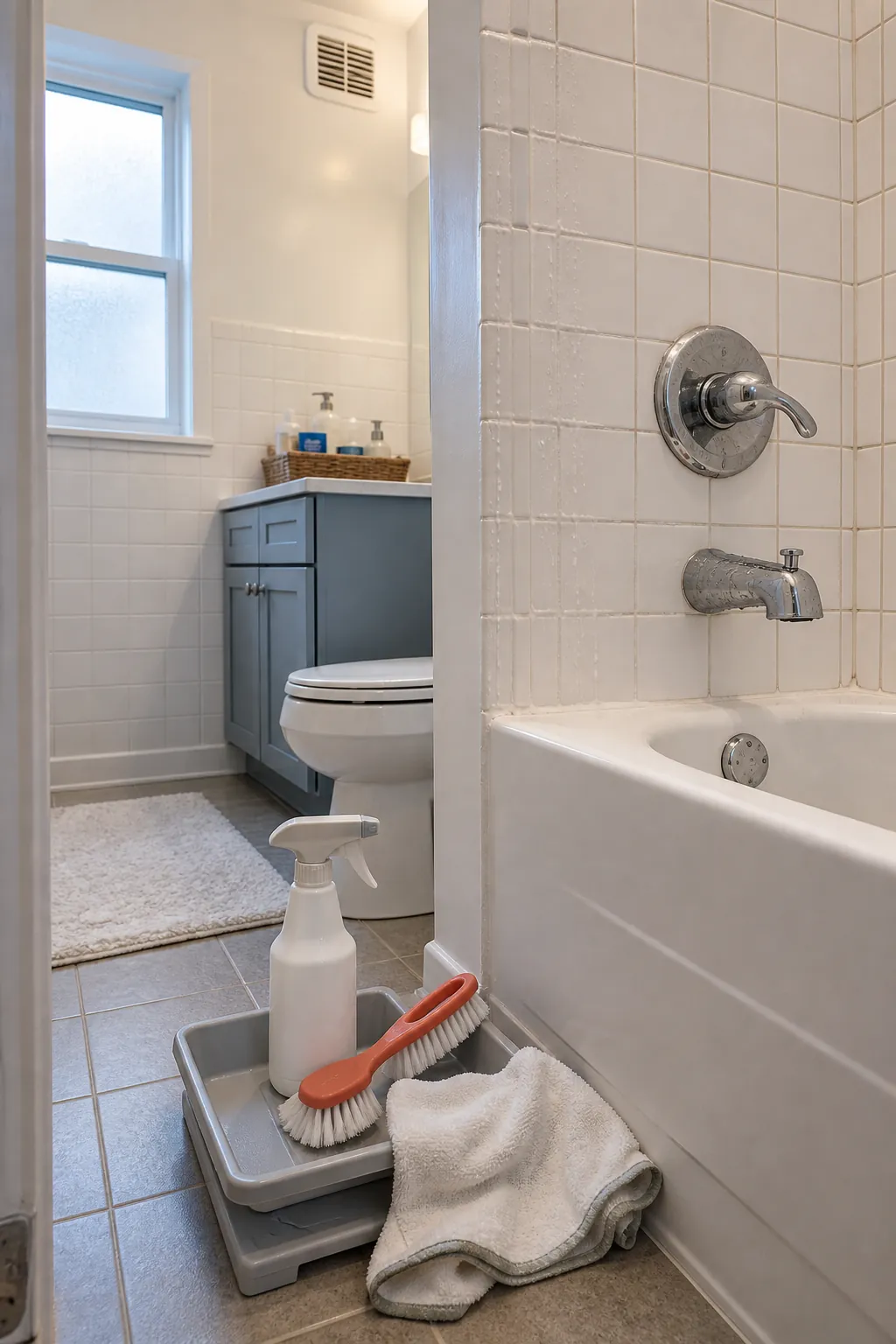
Remove towels, bath mats, toiletries, and loose hair first. Apply a bathroom cleaner that is safe for your tile, grout, tub, and fixtures, then allow the label-directed dwell time. While it works, clean the mirror, vanity storage, fan cover, door edges, and switch plate. Return to the shower and toilet after the buildup has softened.
Use a dedicated brush around the toilet hinges and base. Rinse shower surfaces thoroughly so residue does not attract more grime. Dry chrome and glass with a clean microfiber cloth to reduce spots. Launder the shower curtain if its care label permits, and replace a deteriorating liner rather than trying to rescue cracked material.
Refresh Fabrics and Hidden Zones
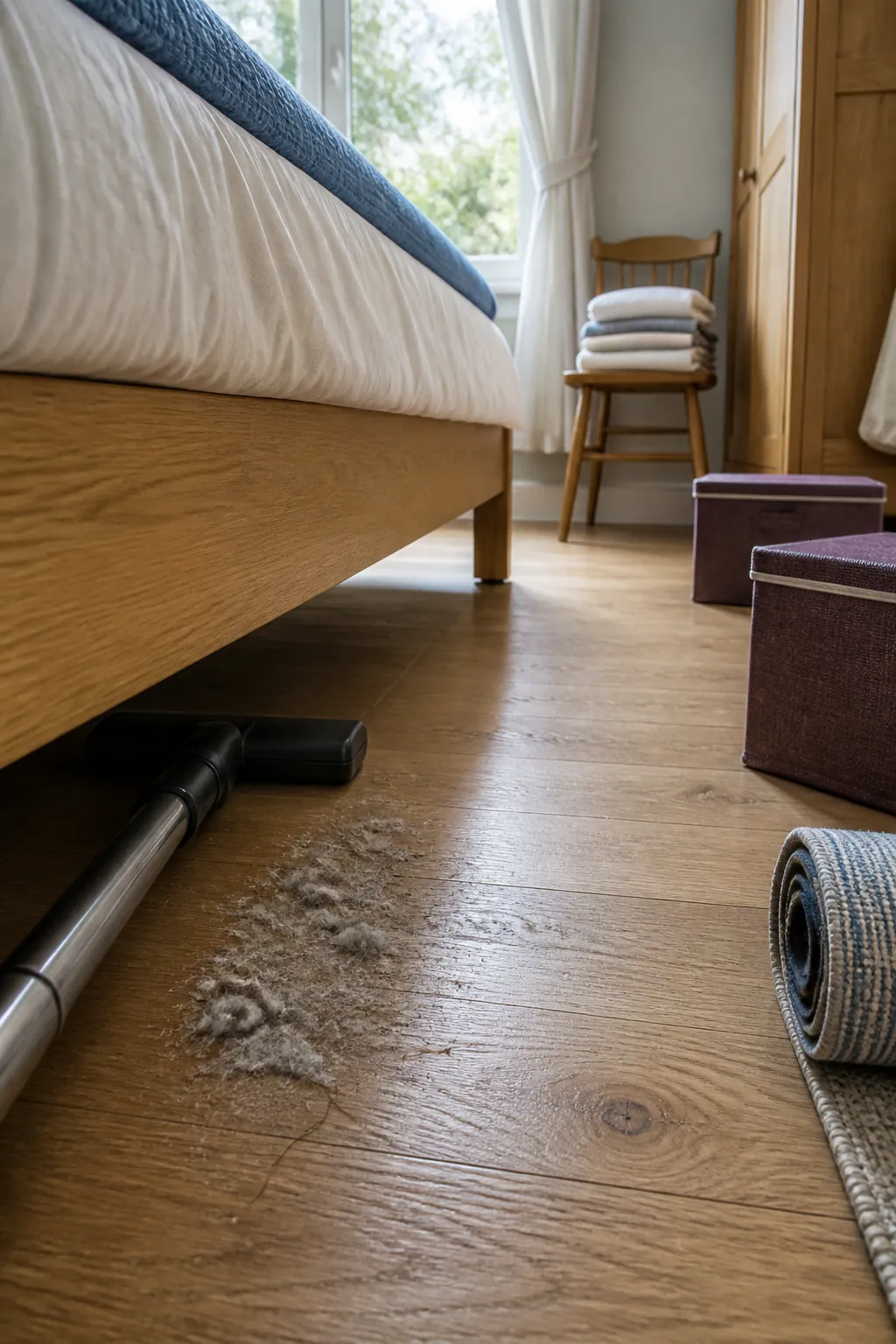
Wash bedding, mattress protectors, washable cushion covers, throws, and curtains according to their labels. Vacuum the mattress seams and upholstered furniture with the correct attachment. Rotate the mattress if its manufacturer recommends it, then let it air before remaking the bed.
Move what you safely can and clean behind the sofa, beneath beds, along closet edges, and around appliance gaps. These neglected zones often hold the dust that makes a room smell stale soon after cleaning. Avoid soaking upholstery or carpet; spot-test products and follow machine and fabric guidance.
Finish Floors and Reset the House
Vacuum or sweep only after the high surfaces, furniture, and baseboards are clean. Use attachments along edges before covering the open floor. Mop the farthest corner first and move toward the exit, using the smallest amount of water your flooring requires. Too much moisture can swell wood and laminate and leave a sticky film on tile.
When the floor is dry, return only the items that belong in the room. Empty the vacuum bin outdoors if possible, wash reusable cloths separately, rinse tools, and let brushes dry completely before storage. Write down the two or three jobs that took longest. Put those into a monthly rotation so your next deep clean is a short reset rather than a rescue operation.
A clean house is not the one where every task happens in a single heroic day. It is the one where each room has a finish line. Choose the first room, close the door on distractions, and complete that small loop before starting the next.