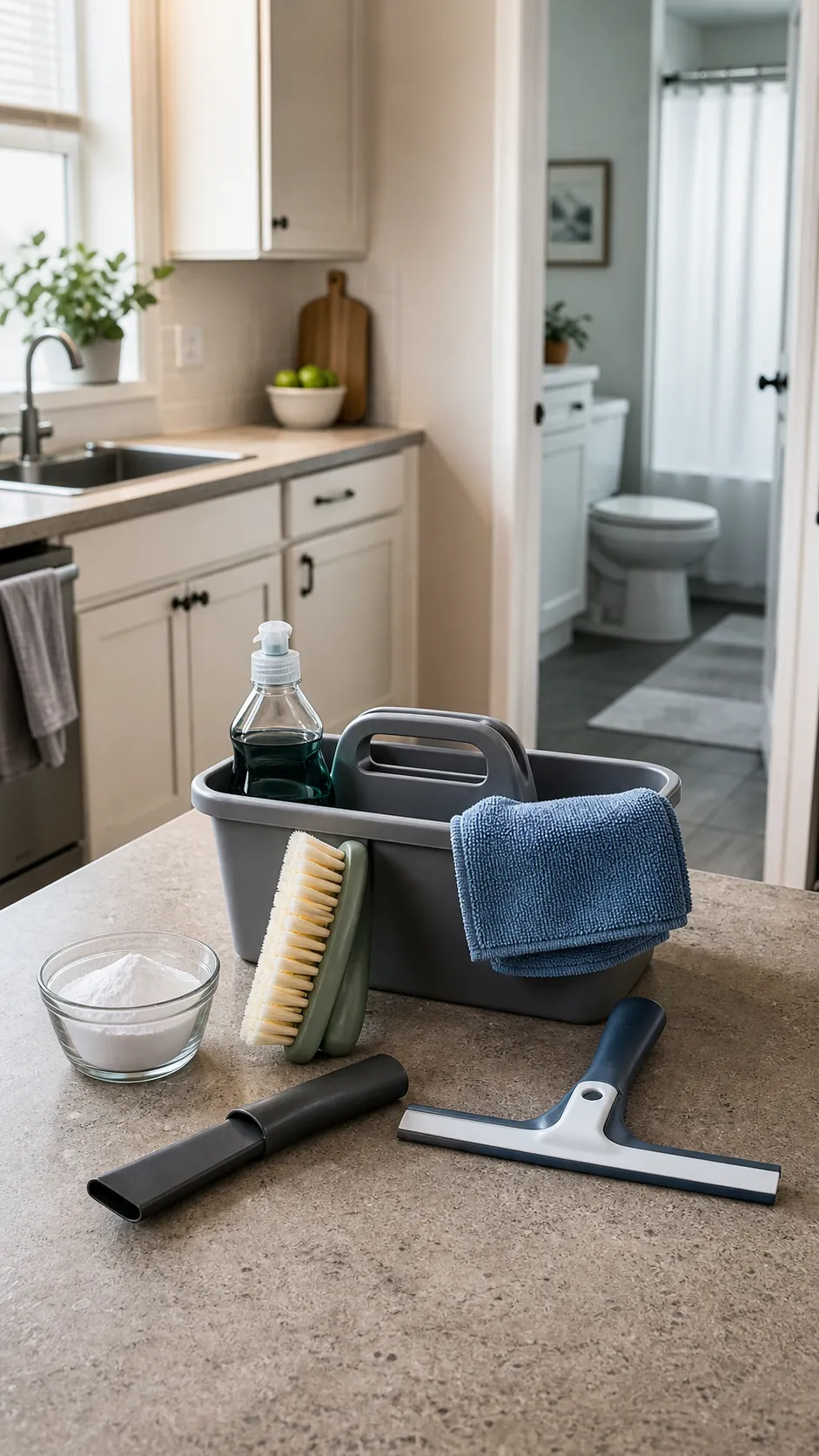
The best house cleaning hacks do not rely on dramatic chemical reactions or a cupboard full of DIY cleaning products. They reduce friction: the right cloth in the right place, enough dwell time, and a routine that keeps dirt from spreading.
Before trying any hack, read the surface and product instructions, spot-test an inconspicuous area, and improve ventilation. Never mix bleach with vinegar, ammonia, or any other cleaner. A viral fizz is not proof that a mixture cleans better; vinegar and baking soda largely neutralize each other when combined.
Fold Your Cloth Into Eight Working Sides
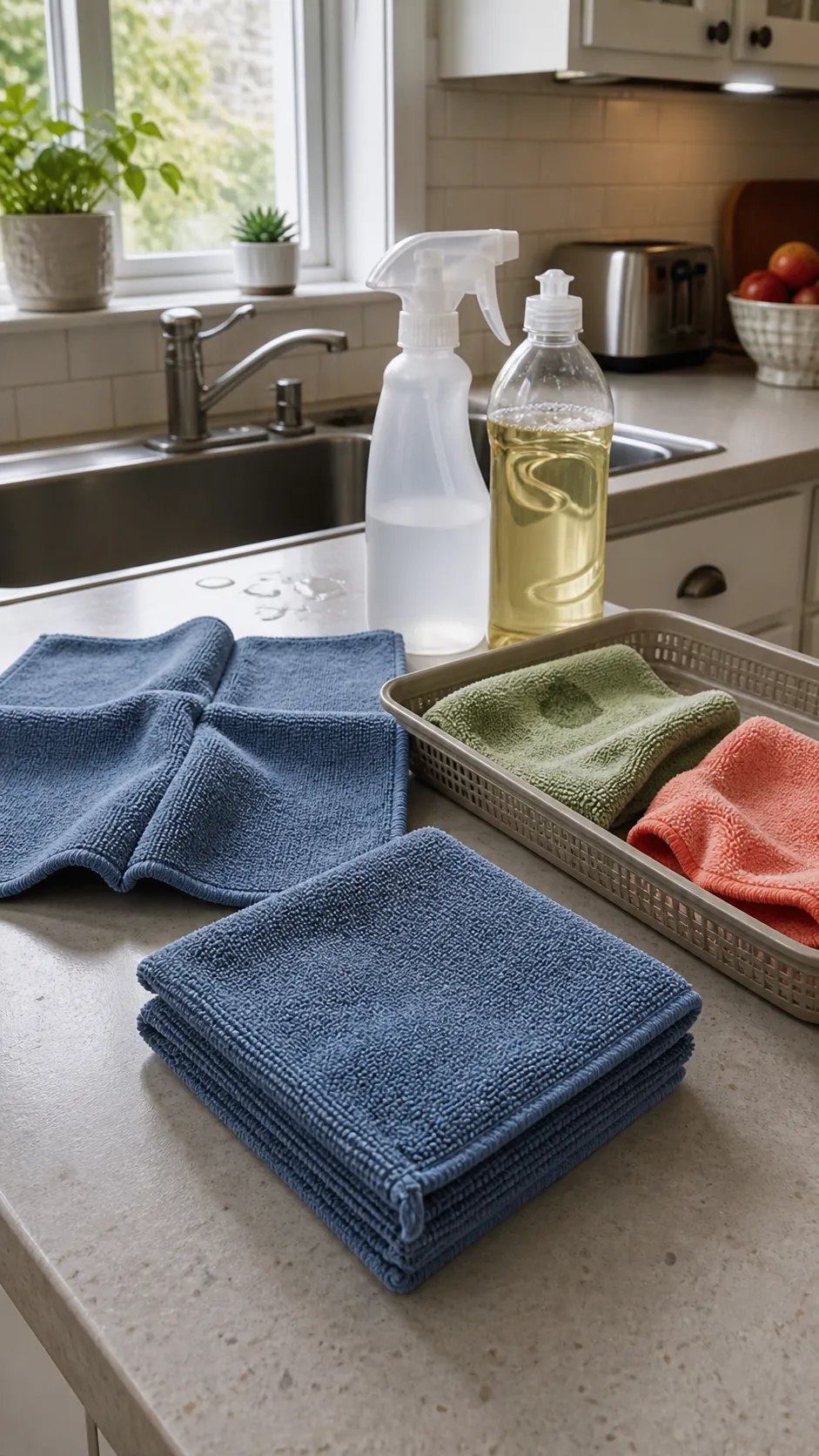
Fold a microfiber cloth in half twice. Each time one surface becomes dirty, refold to expose a clean side. You spend less time rinsing, avoid dragging grime across the room, and can reserve colors for kitchens, bathrooms, and general dusting.
Spray cleaner onto the cloth when overspray could reach electronics, wood seams, or nearby food. Use light pressure and let the product do its job. Wash microfiber without fabric softener, which can coat the fibers and reduce absorbency.
Use a Gentle Paste Only Where It Belongs
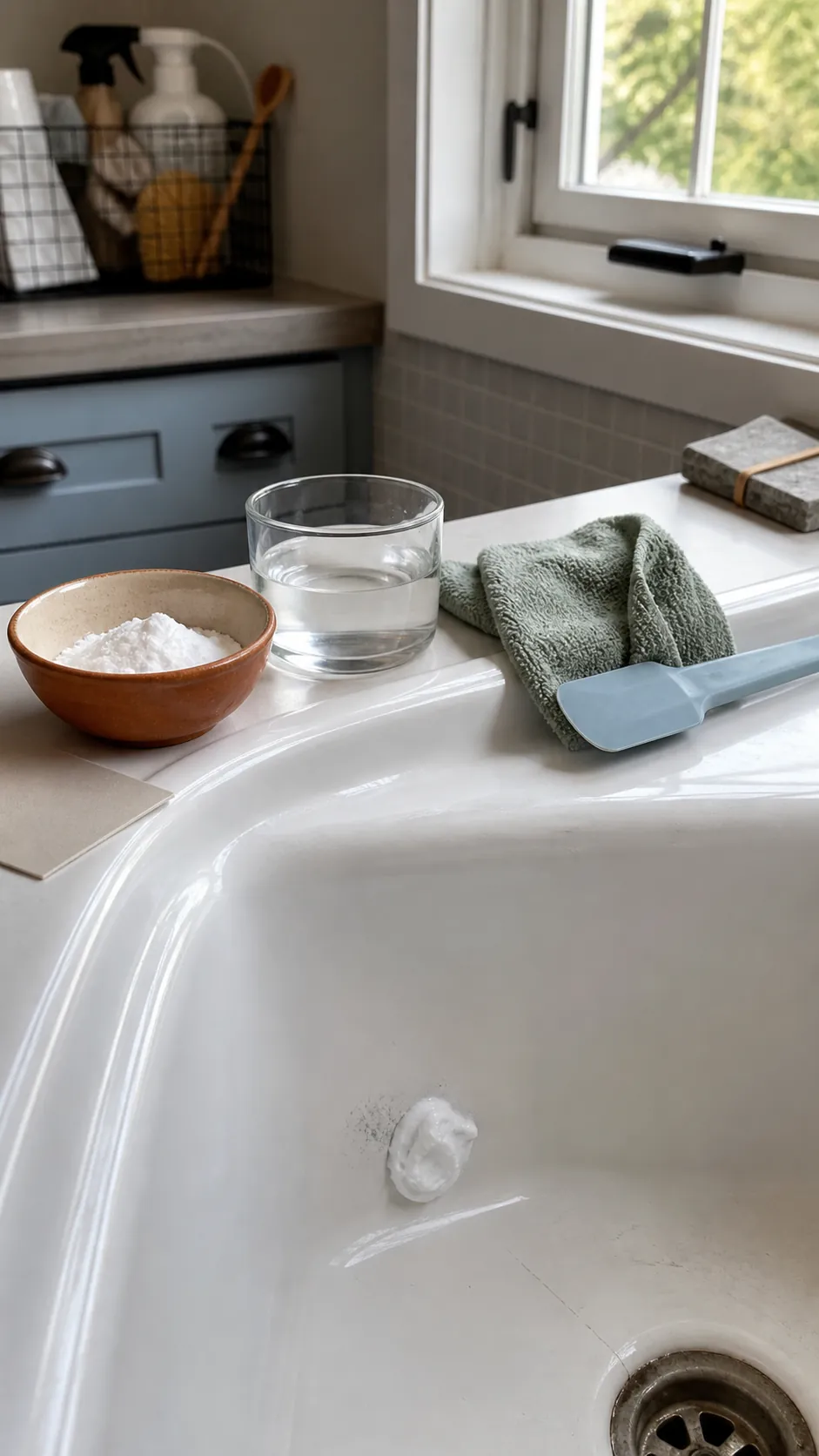
A small amount of baking soda mixed with water can form a mild abrasive paste for some durable surfaces, but it is not universal. Apply it with a soft cloth, use minimal pressure, rinse completely, and stop if the finish changes. Avoid it on scratch-prone glossy surfaces, delicate coatings, and anything whose manufacturer warns against abrasives.
For greasy soil, a few drops of dish soap in warm water often work better because surfactants lift oil so it can be wiped away. Match the cleaner to the soil and the surface, not to the popularity of the hack.
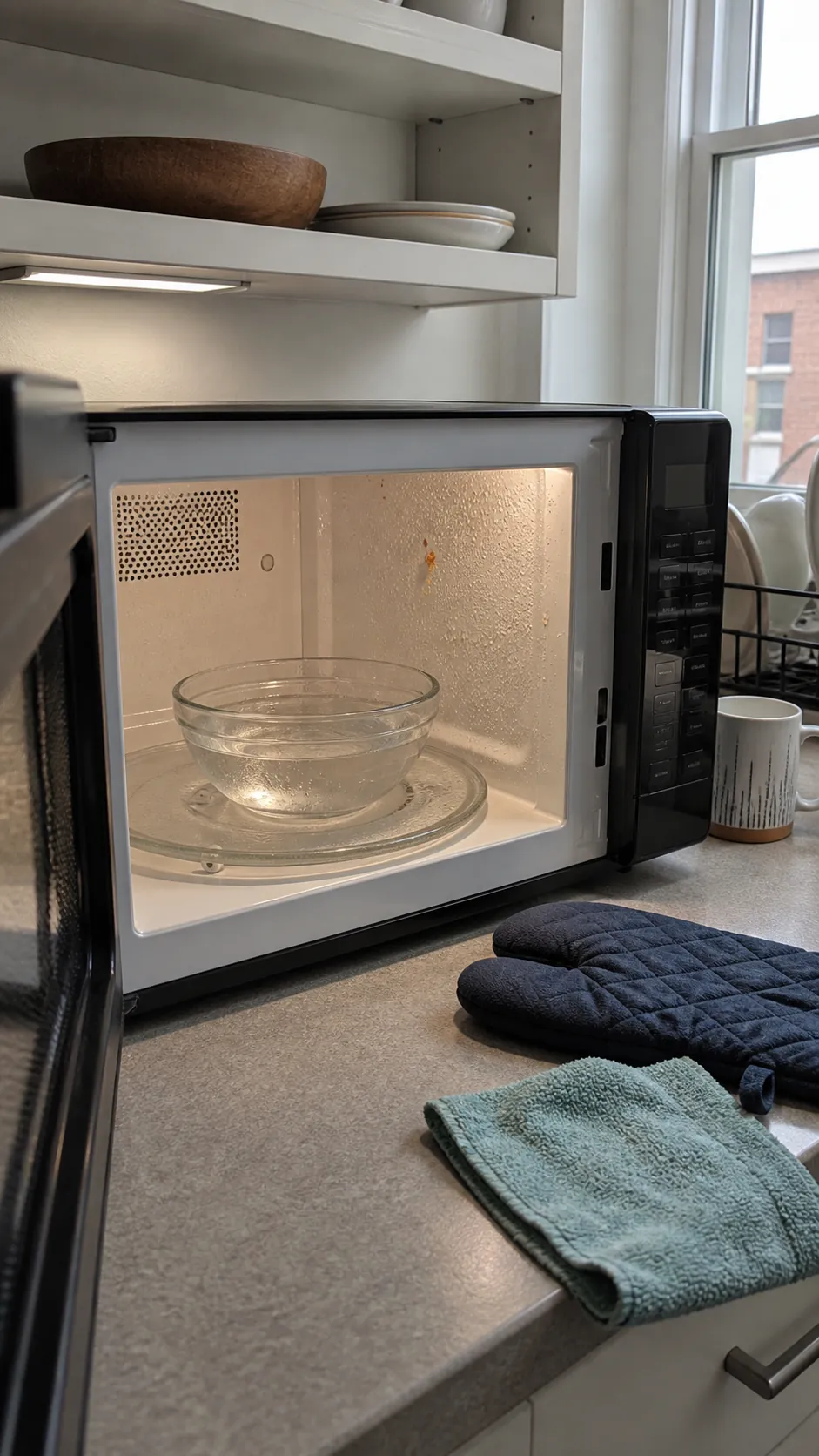
Loosen Microwave Splatter With Steam
Place a microwave-safe bowl of water inside and heat it only according to the appliance manual. Let the closed microwave stand briefly so warm moisture softens dried splatter, then unplug if the manual recommends it and wipe with a damp cloth. Handle the bowl carefully because the water and steam can burn.
Remove and wash the turntable separately once it has cooled. Clean the door seal gently and keep liquid away from vents and controls. Steam reduces scrubbing; it does not replace safe handling.
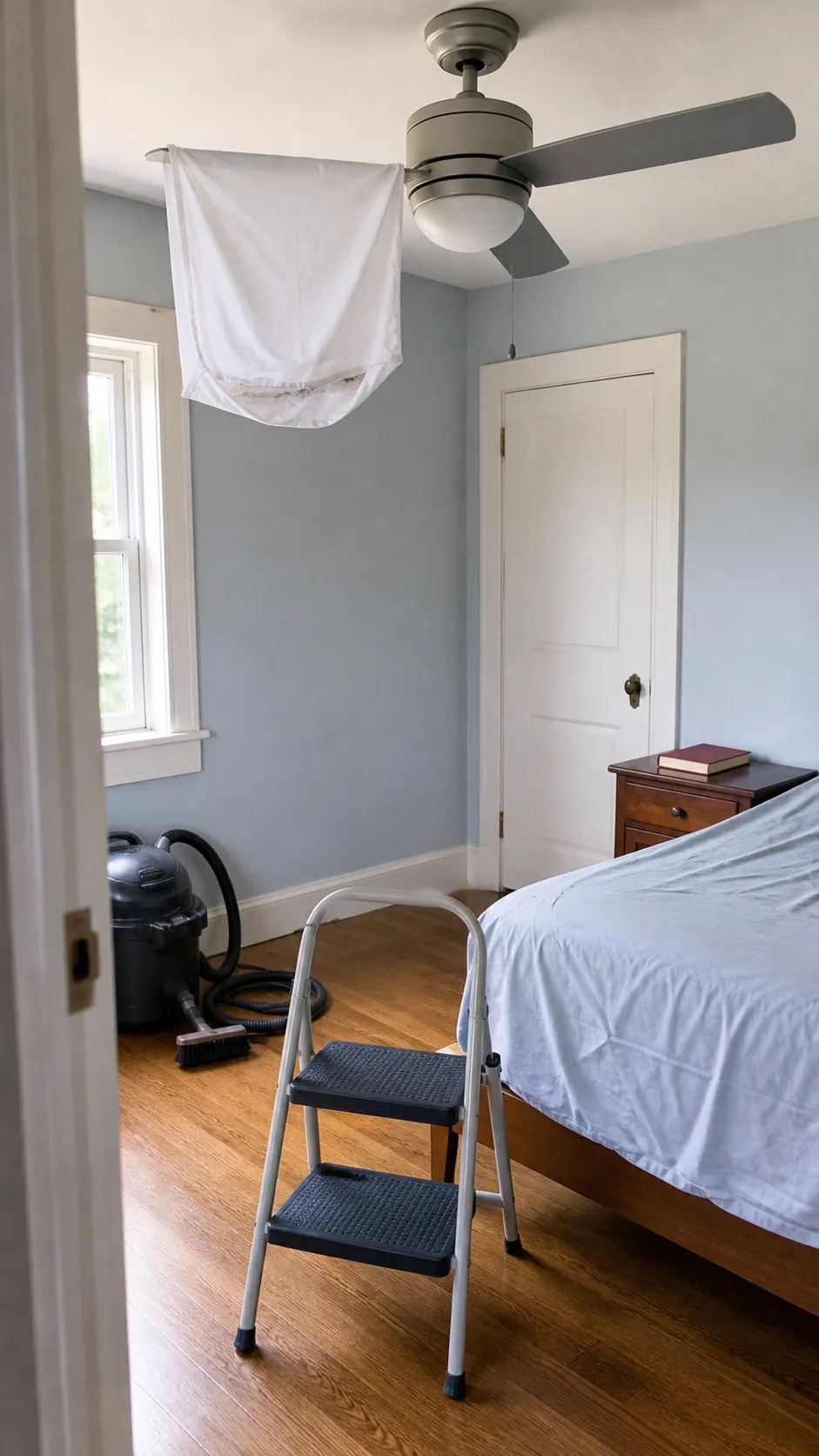
Turn a Pillowcase Into a Fan-Blade Dust Catcher
Switch the ceiling fan off and confirm it has stopped. Slide an old washable pillowcase over one blade, hold the fabric around it gently, and pull outward so dust falls inside the case instead of onto the bed and floor. Repeat without bending or tugging the blades.
Use a stable step stool on a level surface, or choose a long-handled tool if the fan is out of safe reach. Wash the pillowcase separately and vacuum the room after all high dusting is finished.
Vacuum Crevices Before Wet Cleaning
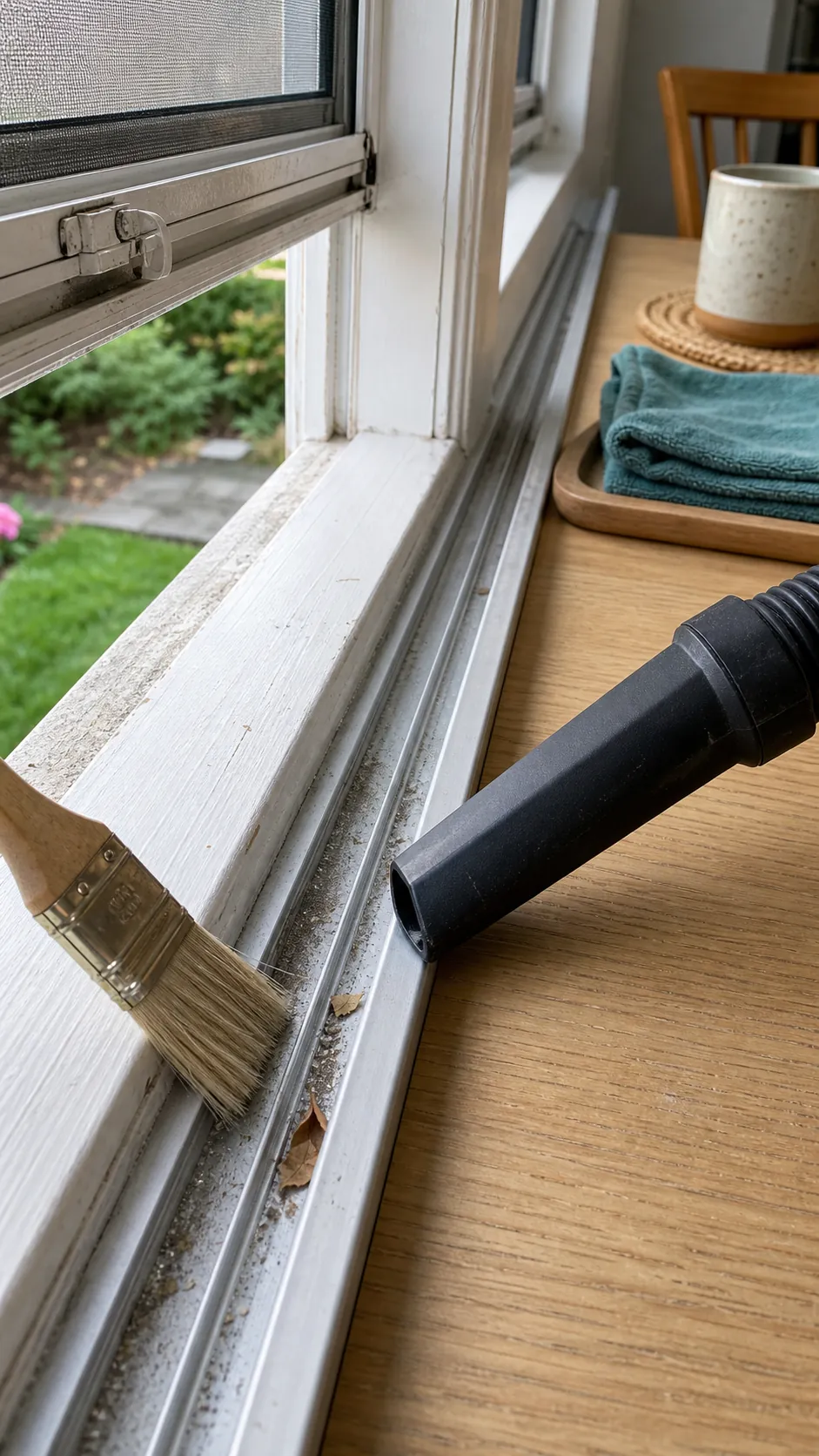
Dry debris becomes muddy when sprayed. Use a crevice tool or soft brush to remove crumbs, hair, and dust from window tracks, drawer runners, sofa seams, baseboard edges, and appliance gaps before introducing moisture. A clean soft paintbrush can guide loose debris toward the vacuum nozzle in narrow corners.
Keep the nozzle slightly behind the brush so it captures particles rather than blowing them around. Never use a household vacuum on wet debris unless it is specifically designed for wet pickup.
Install Tiny Resets Where Mess Begins
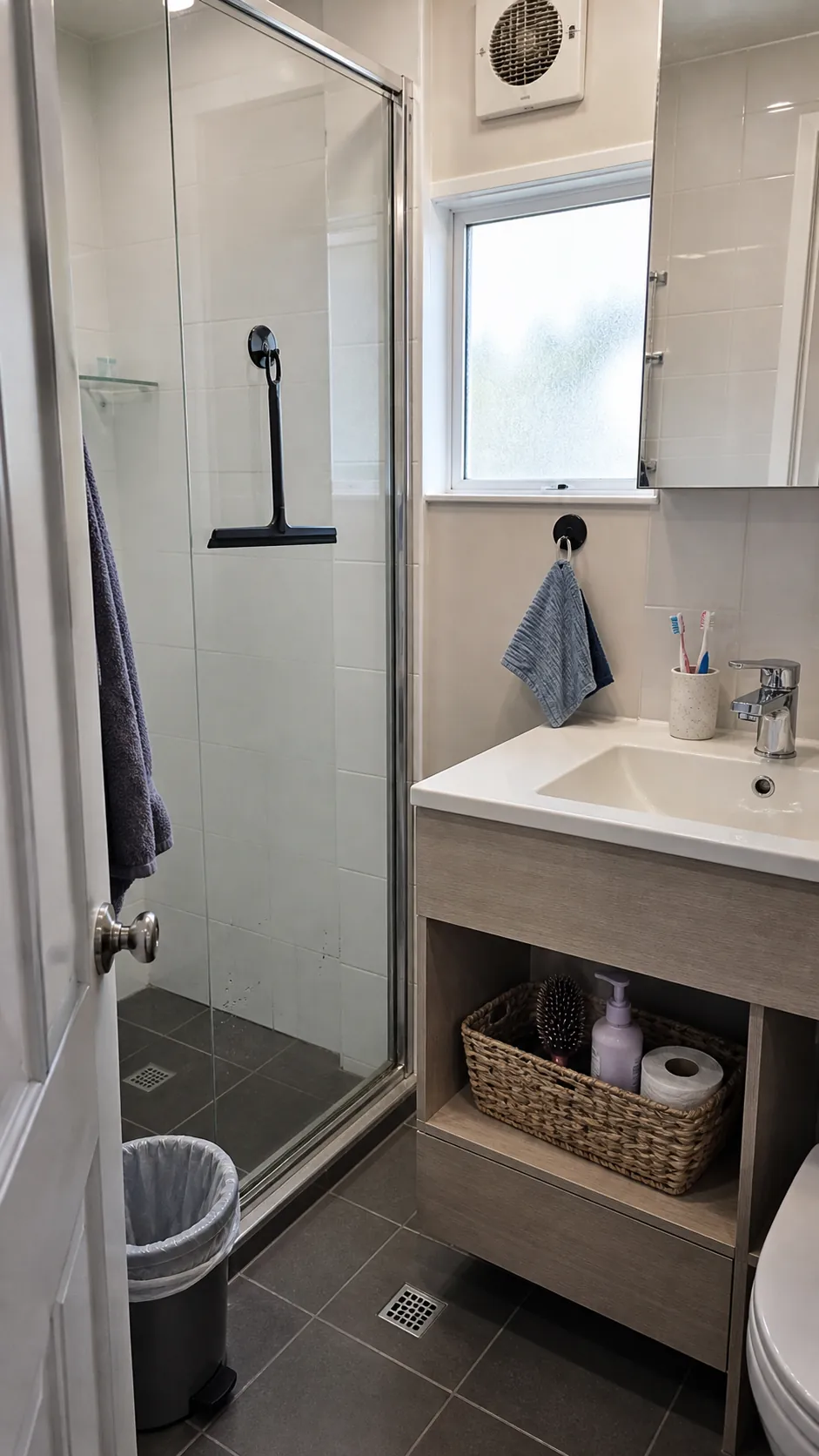
Place a shower squeegee where you can use it after bathing, keep a small washable cloth near the sink for daily splashes, put a lined bin where rubbish accumulates, and give frequently dropped items an open basket within arm’s reach. These are household hacks because they remove a decision at the exact moment clutter or residue forms.
Choose one two-minute reset for each room and attach it to an existing habit: wipe the bathroom counter after brushing teeth, clear the kitchen sink while coffee brews, and return bedroom clothes before charging your phone. A cleaning aesthetic lasts only when the system is easier than the mess. The most useful DIY tips and tricks are the ones you can repeat without motivation.