You clear a counter, carry its contents into another room, and discover that the next room has no space either. The useful change is to give belongings a workable destination before moving the pile. Start with one daily frustration, finish a small zone, and build from there.
Choose a stopping point before you empty anything
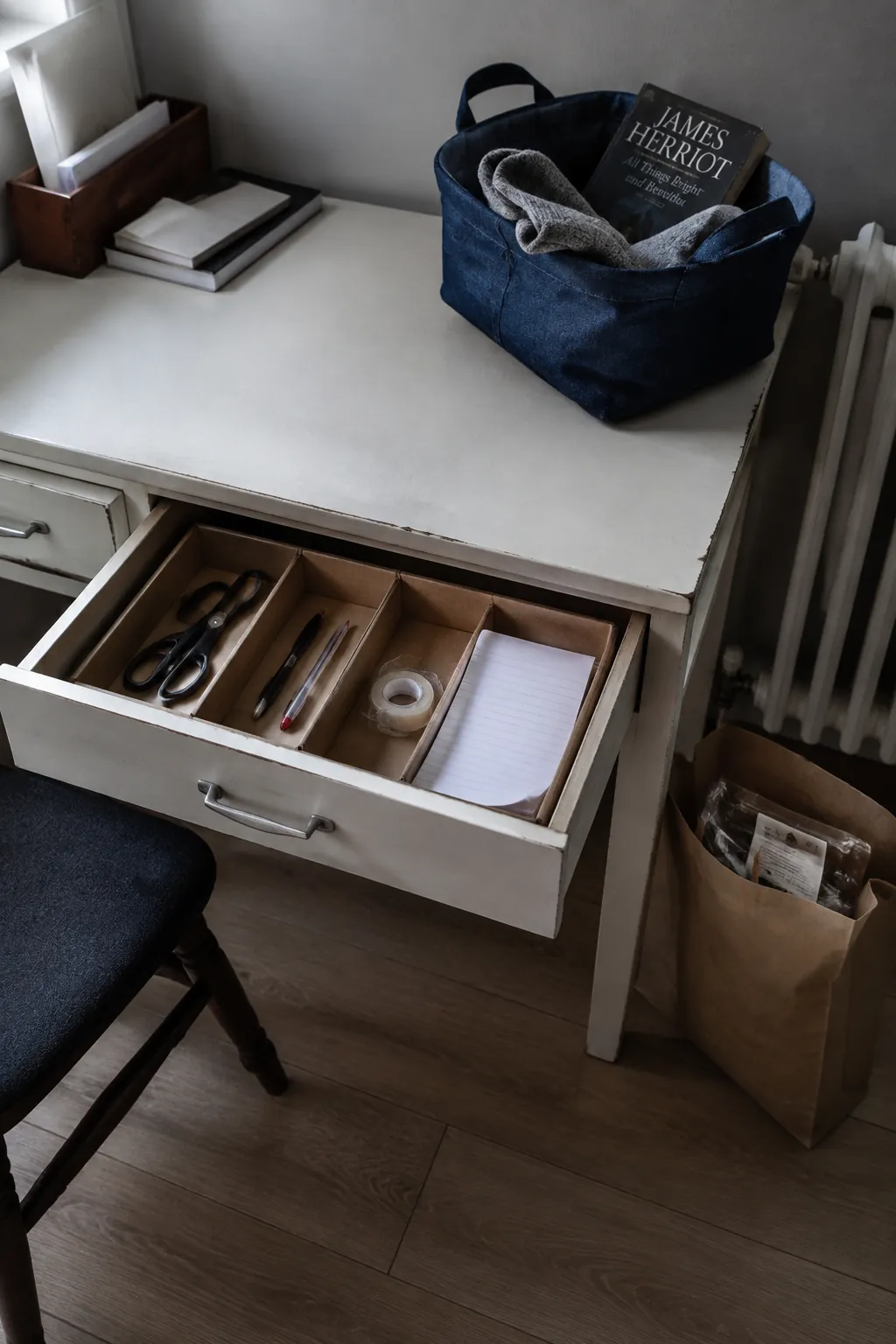
A drawer you can close tonight is a better starting point than a whole room spread across the floor. Walk through your home and write down the places that interrupt ordinary tasks: the missing keys, the counter with no chopping space, the clothes you cannot reach. Pick the problem that affects your next morning, then limit your first session to one shelf, drawer, or surface.
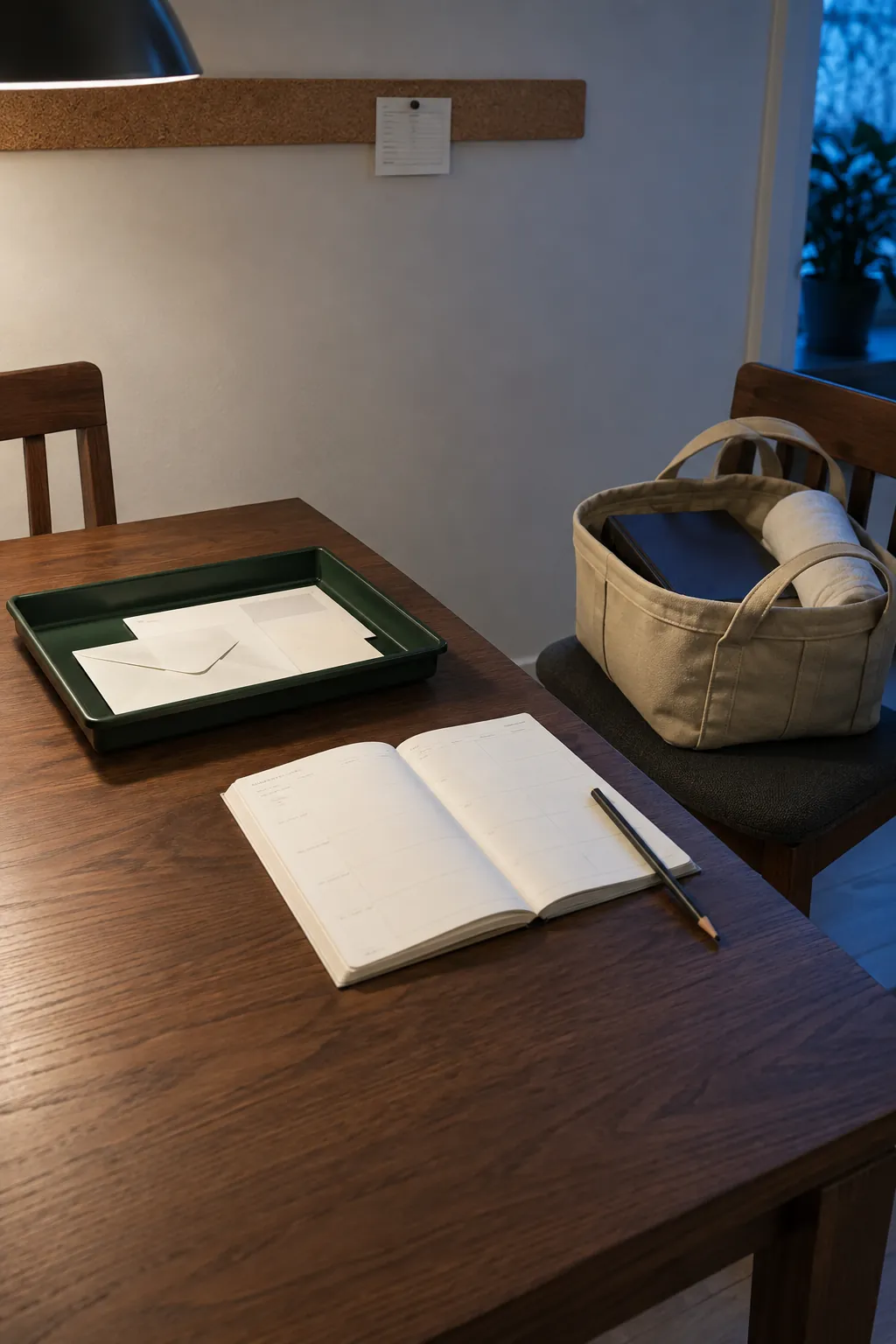
Use a whole house declutter checklist to track small zones rather than demand a finished house. Give each zone four decisions: keep here, relocate, donate, or discard appropriately. Keep relocation items in one portable basket so each misplaced sock does not turn into a trip through three rooms. Finish by returning the keepers, removing rubbish, and giving donations a definite departure plan.
Start with easy decisions such as broken packaging and obvious duplicates. Leave inherited objects and disputed shared possessions for a separate conversation. If your available energy changes from day to day, define a minimum task such as clearing one square of counter. Completing a smaller area still gives the next session somewhere to begin.
Make the entryway catch what actually arrives
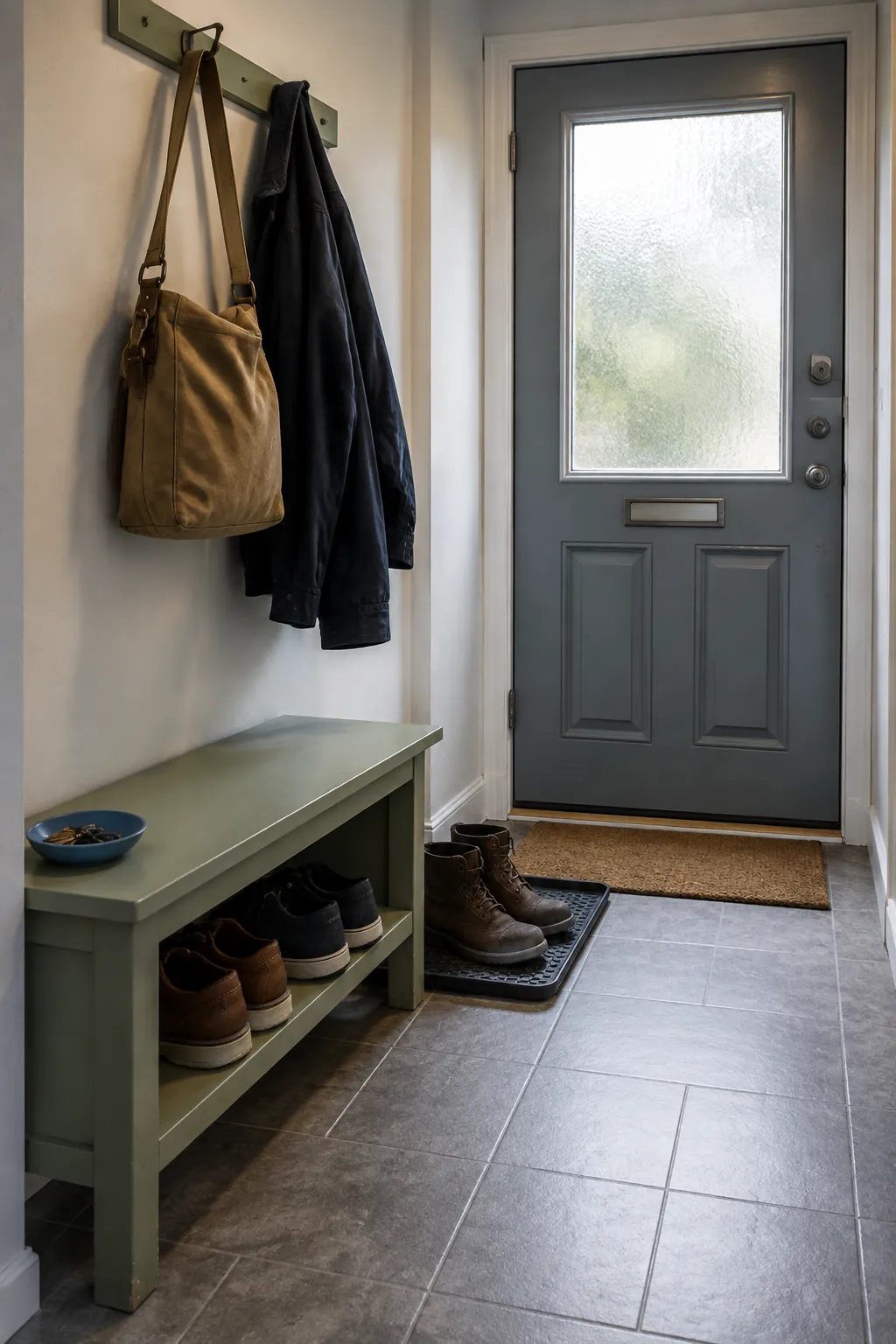
The entryway needs homes for the things people carry through the door, not a decorative arrangement that leaves those things homeless. Put a shallow key dish where your hand naturally lands, a bag hook within comfortable reach, and a shoe tray outside the door swing. Keep only the shoes currently in use here; occasional pairs can live in the bedroom closet.
Give each household member a clearly assigned space. In a narrow rental hallway, an existing closet shelf or a slim freestanding unit may work better than adding furniture along the walking route. Check mounting instructions and load limits before hanging heavy bags, and keep exits clear. Put incoming paper in one small tray, then separate urgent actions from recycling during a scheduled review.
Try the arrangement for several normal arrivals before buying matching baskets. A bag that repeatedly lands on the floor usually tells you the hook is too high, too far away, or already occupied. Move the storage to the behavior you can observe. Household storage zones work when returning an object requires little effort.
Organize the kitchen around the task
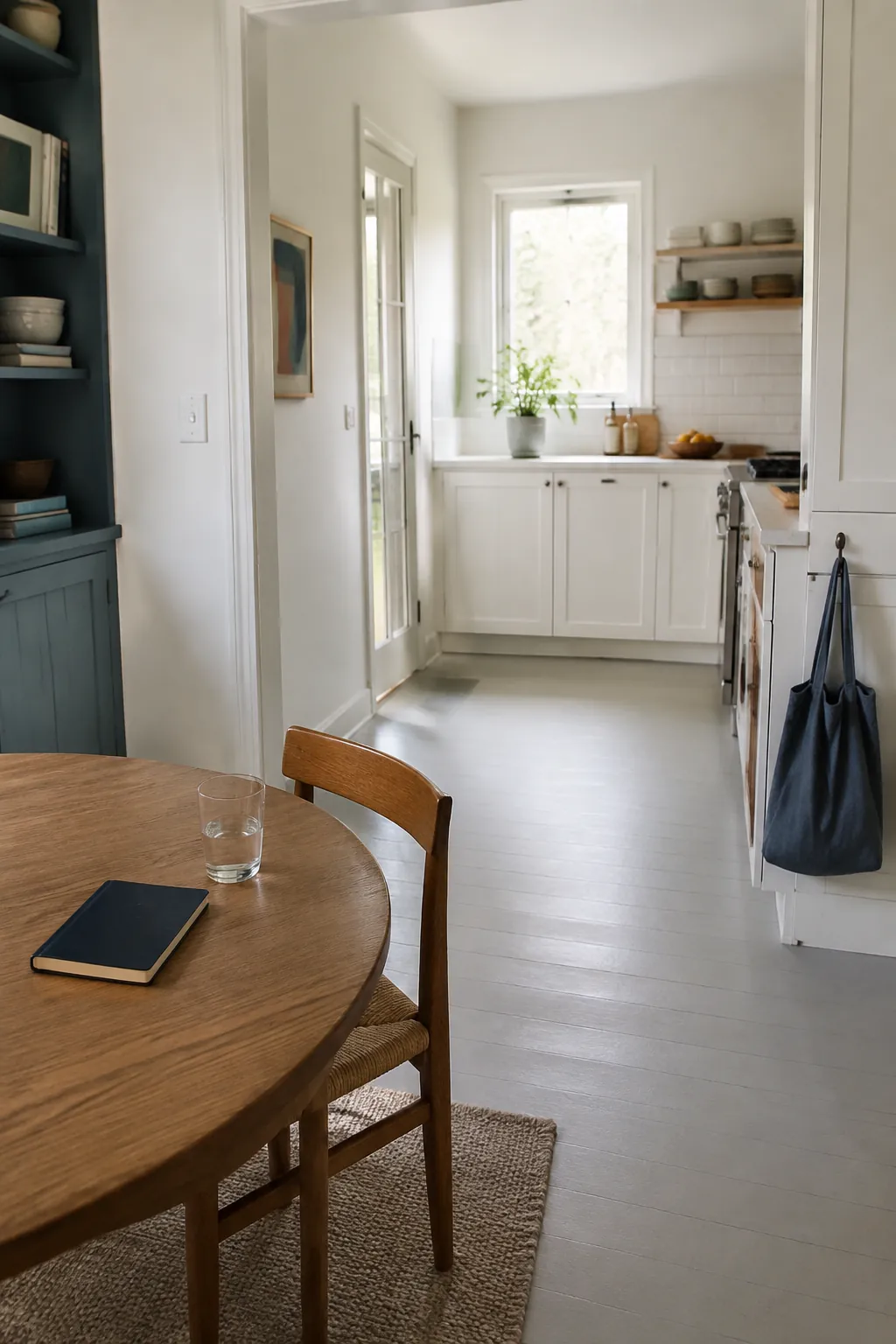
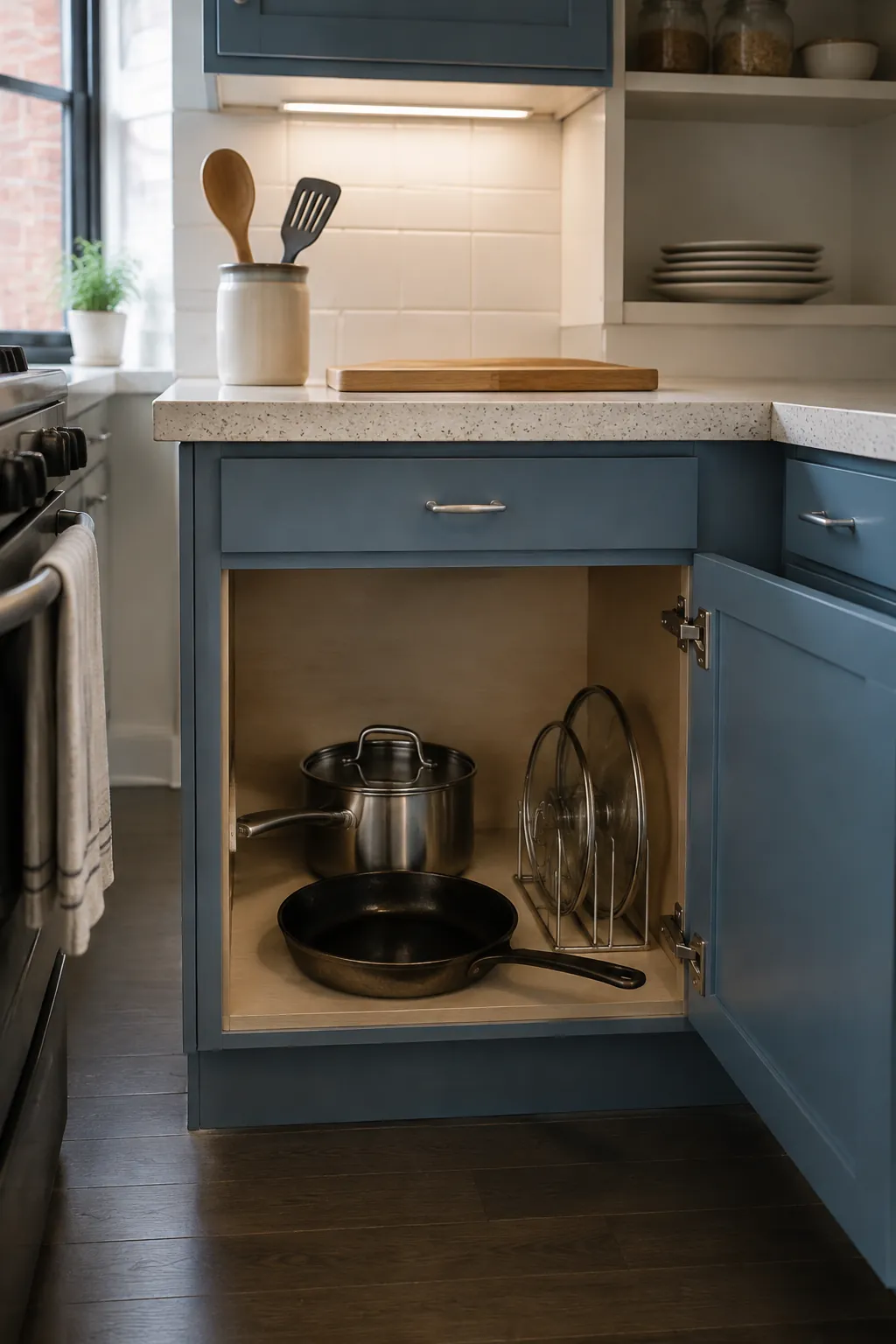
Clear enough counter to prepare one meal before rearranging every cupboard. Group utensils beside the preparation area, mugs near the kettle, and everyday dishes where unloading them is easy. Move rarely used serving pieces out of the most convenient shelves. Keep heavy pans low enough to lift safely, and keep knives and cleaning products away from children.
Work through food one shelf at a time. Check condition and date guidance, bring foods that need using sooner toward the front, and keep labels and allergen information with anything transferred to another container. You do not need to decant everything. A shallow bin for breakfast packets can solve a specific problem without creating a new washing and labeling job.
Pair container lids with their bases before deciding which organizers you need. Measure the usable cupboard opening, including hinges and the space needed to lift an item out. Leave room for groceries that arrive later in the week. If putting a pan away requires rebuilding a tower, reduce the stack or change its location rather than calling that cupboard finished.
Separate the living room from its overflow
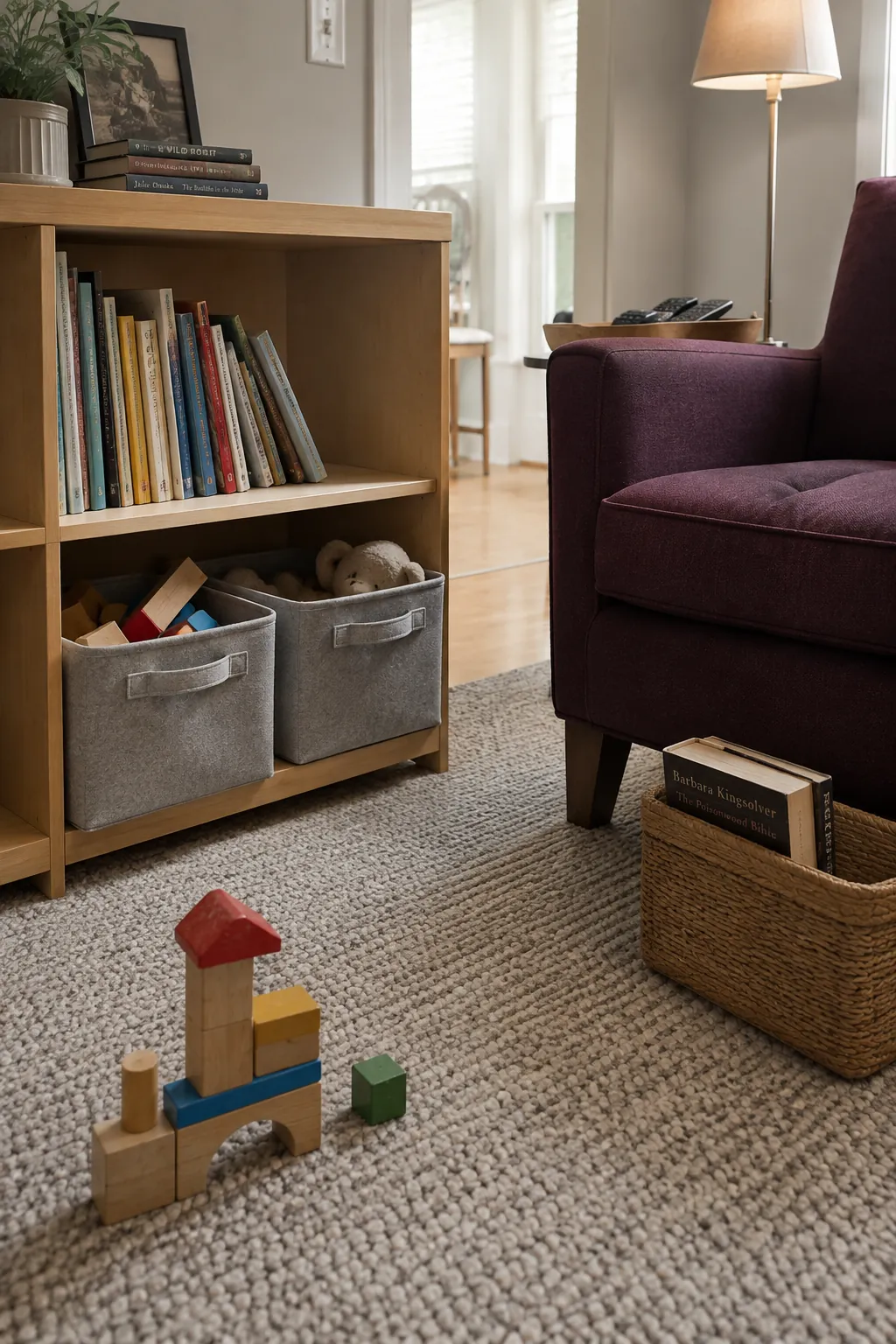
A shared living room often becomes storage for activities that have nowhere else to end. Decide which activities belong here, then give each a modest container near the place it happens. A book basket beside the reading chair, one game shelf, and a small remote tray can cover daily use without filling every surface.
For toys, use broad categories that the child can recognize and put away. Keep only the current selection in the shared room, with any rotation supply stored safely elsewhere. Avoid a system that requires an adult to arrange tiny pieces perfectly every evening. Secure furniture as its manufacturer directs and keep cords and small hazardous objects inaccessible to young children.
Return household paperwork to its designated action tray and clothing to the laundry or closet. An empty basket can carry those items back at the end of the evening, but it should not become permanent storage for everything undecided. Leave a little empty shelf space so one new library book does not undo the arrangement.
Give clothes, towels, and bathroom supplies different jobs
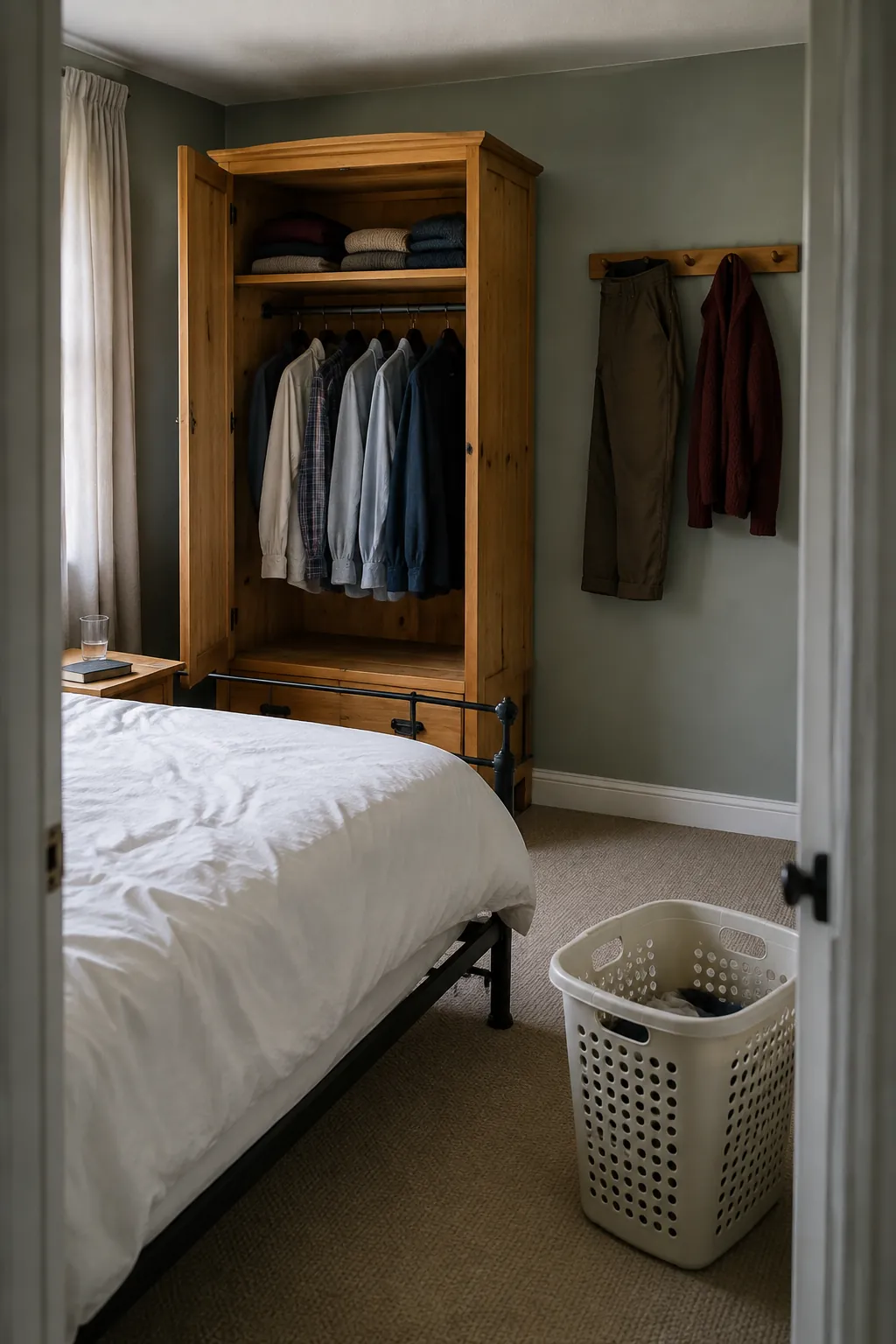
In the bedroom, separate clean clothes, laundry, and garments you intend to wear again before folding anything. A hamper near the place you undress can prevent a floor pile more effectively than a complicated drawer system. Give clothes awaiting another wear a limited hook or shelf so they do not gradually occupy a chair. Keep the bedside surface for what you actually use at night.
Check closet contents by category and fit, then arrange frequently worn pieces within comfortable reach. Do not keep clothes for a hypothetical lifestyle in the easiest space while everyday clothes remain stacked outside. Fold or hang according to the garment and your available storage. One drawer should open without catching and accept a freshly washed item without being compressed.
In the bathroom, separate everyday toiletries from refills and occasional supplies. Use a washable tray for the daily group, check products for expiry or changes in condition, and dispose of medicines through local guidance. Store medicines according to their labels, often away from bathroom heat and humidity, and secure them from children. Keep spare towels in a dry place with only a practical working supply in the bathroom.
This kitchen to closet organization approach follows use rather than matching containers across every room. A ventilated laundry basket solves a different problem from a bathroom tray or a clothing drawer. Choose the storage after the contents and location are clear.
Build a weekly home reset that fits your week
A home organization schedule needs time for returning items, not just sorting new areas. Choose a short recurring window to empty the paper tray, return misplaced belongings, check laundry, and remove donations that are ready to leave. Assign each shared task to a named person and agree on the finish condition. Returning shoes to the tray is clearer than asking someone to tidy the hallway.
Keep the daily version small: free the surface you need tomorrow, return the items blocking a route, and prepare the next morning essentials. A weekly home reset can handle the remaining loose ends. If the same pile returns, examine its cause before adding another task. The storage may be too distant, too full, or divided into categories nobody remembers.
An organized home routine should still function on an ordinary tired evening. Test your simple organizing systems for a week before refining labels or buying more containers. Tonight, choose the one object you repeatedly search for and give it a home that is easy to reach. Tomorrow morning is the first test.