The sweetest pot on the shelf can still be awkward to water. Start with the plant’s root space, a way for excess water to escape, and an opening that lets you remove an inner container easily. Then choose the face, fruit motif or soft ceramic shape that makes you smile.
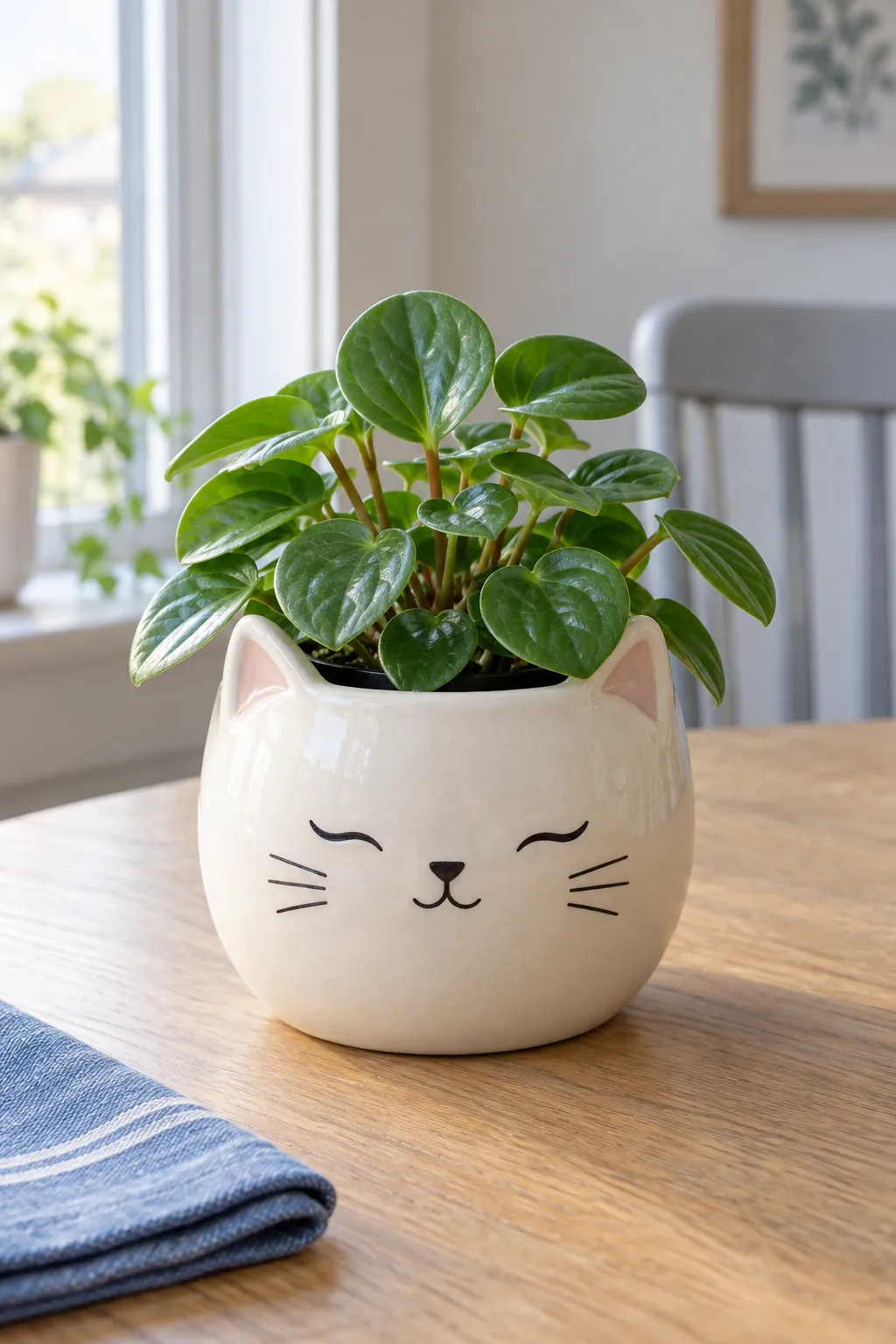
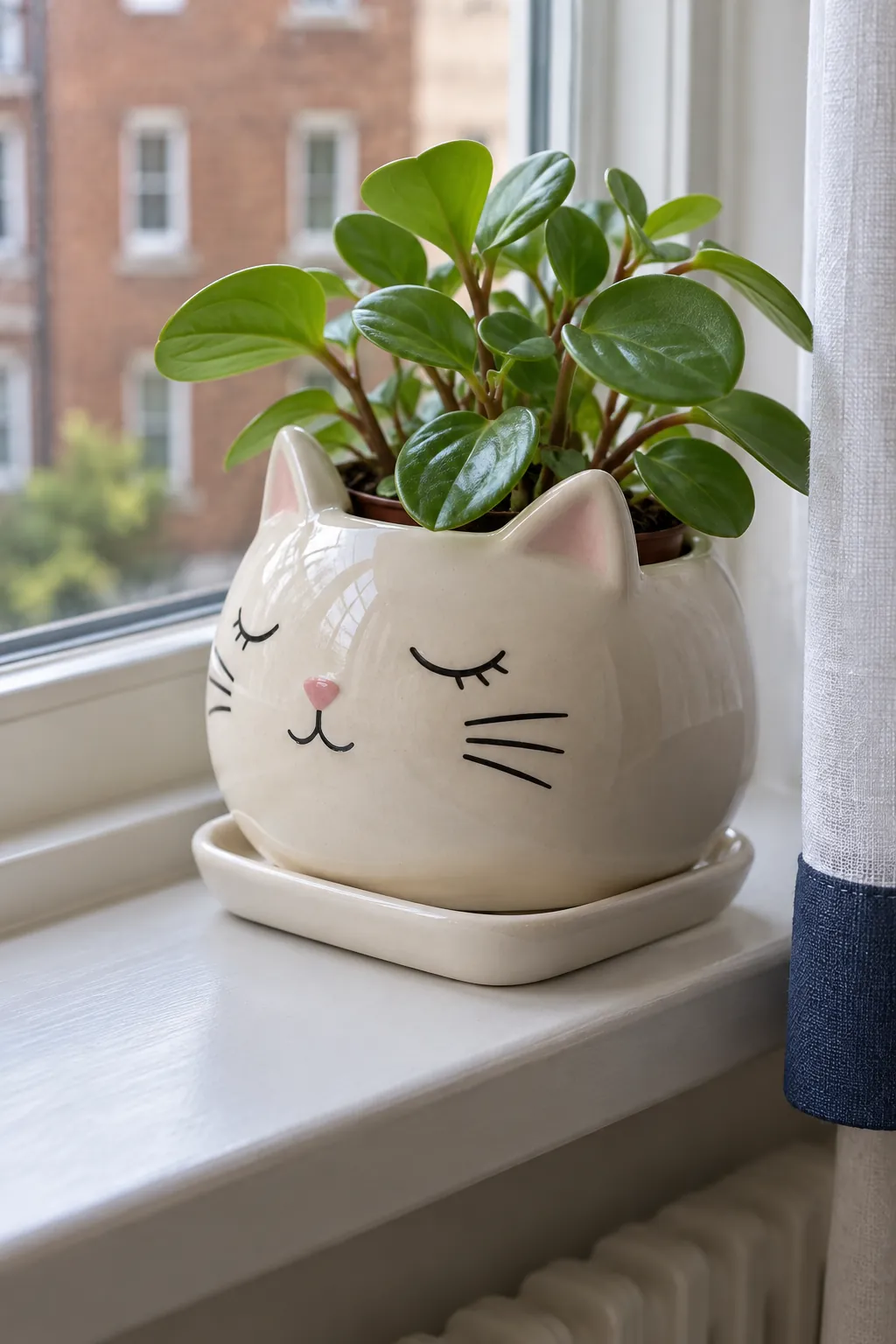
Sleepy cat cachepot
A little cat face gives a plain nursery pot a home without making the shelf feel crowded. Look for a broad opening so the inner pot lifts out easily for watering, especially when sculpted ears narrow the rim. Keep the whiskers painted rather than raised if you want a surface that wipes clean quickly. A compact peperomia makes a believable leafy crown without hiding the expression.
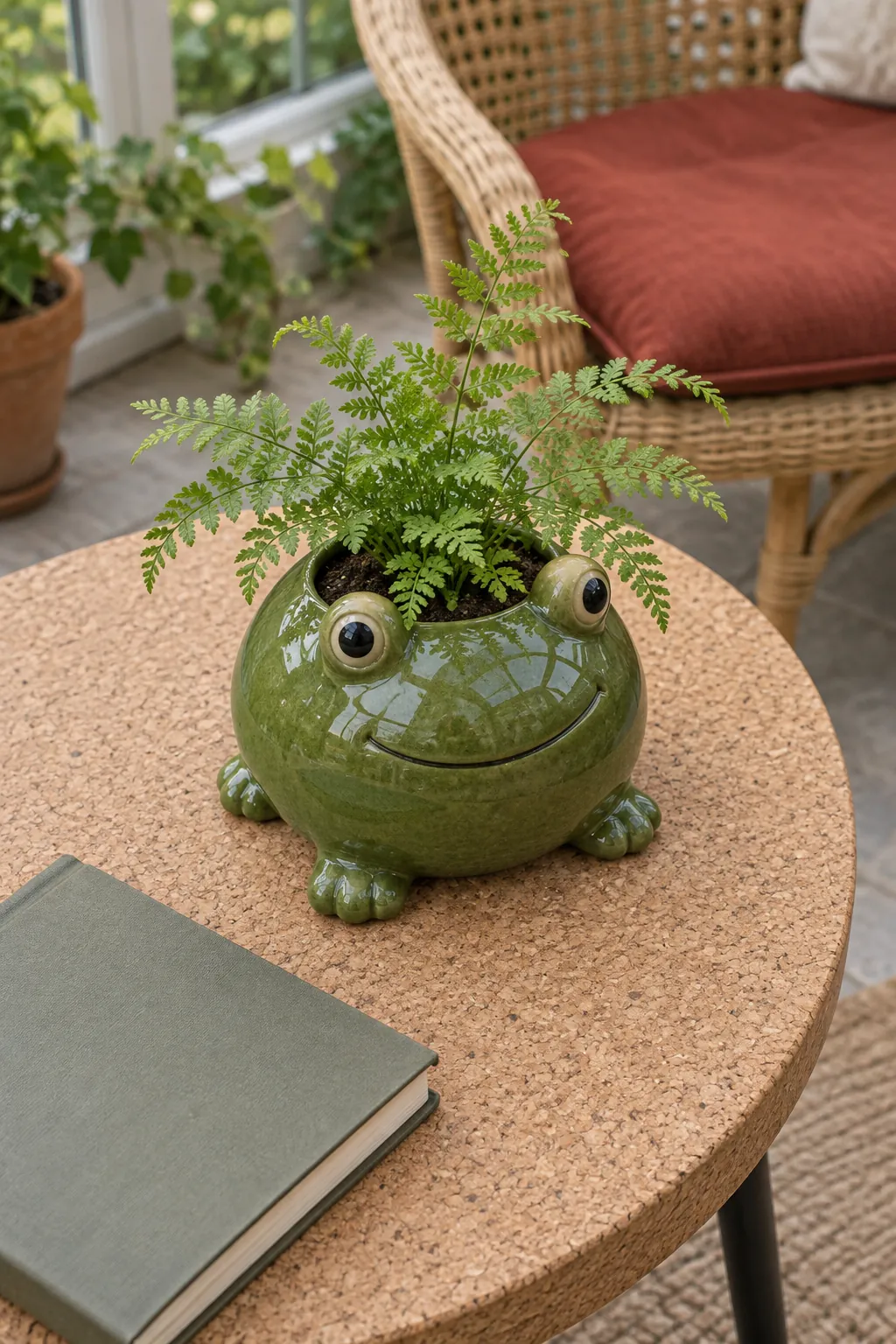
Round frog planter
A squat frog shape suits a low table where you can see the eyes from above. Choose feet that form a stable base rather than tiny projections that catch on a cloth. A small fern can soften the outline when the available light and humidity suit the species. Check the actual planting cavity because a wide frog body can conceal a surprisingly small opening. For a gift, include the inner pot dimensions rather than describing the frog by its widest measurement.
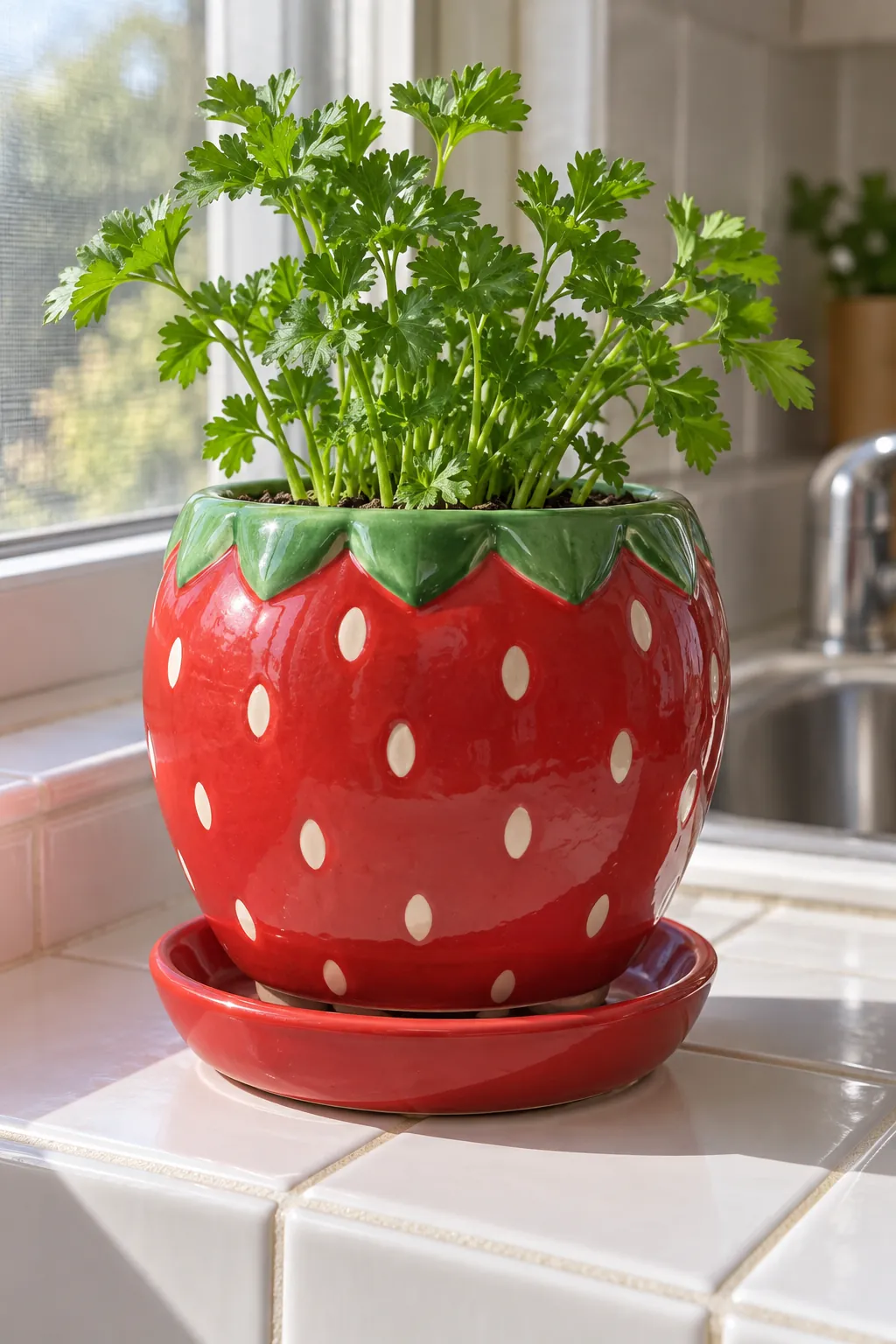
Strawberry pot with a separate saucer
A strawberry design brings a cheerful accent to a sunny plant corner; Raised seeds collect dust, so a smooth painted version is easier to maintain near a kitchen. Match the saucer to the pot footprint and make sure drainage water cannot overflow onto the sill. The fruit shape works best with a simple leafy plant that leaves the red body visible.
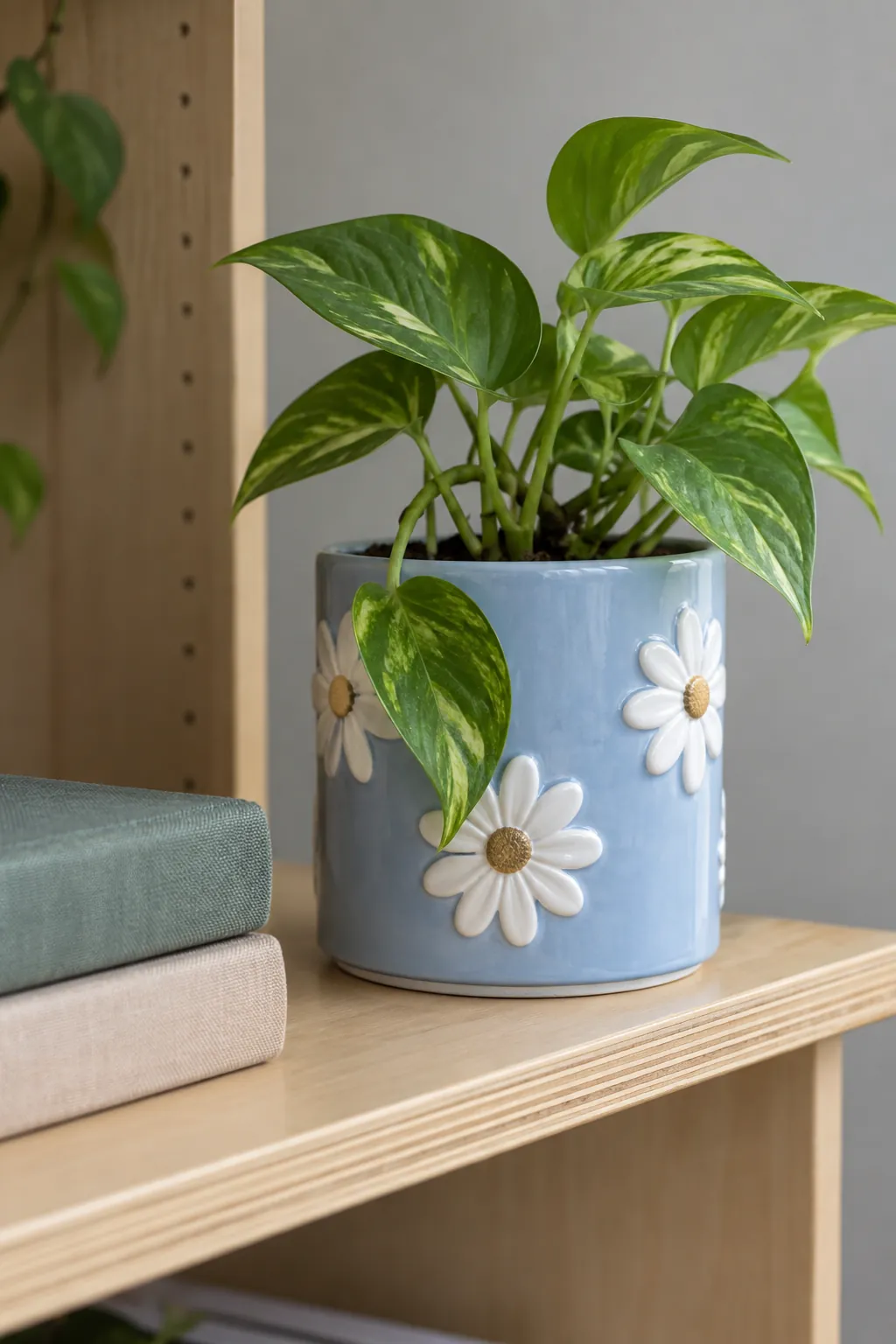
Daisy relief cylinder
Small daisies around a straight cylinder add texture without an awkward planting shape. An even rim makes it easier to remove an inner nursery pot than a deeply scalloped opening. Choose shallow petals if the planter will sit where sleeves or curtains brush past it. White flowers against a soft blue glaze pair nicely with ordinary green foliage. A taller cylinder needs enough shelf clearance for new leaves, not just the current plant height.
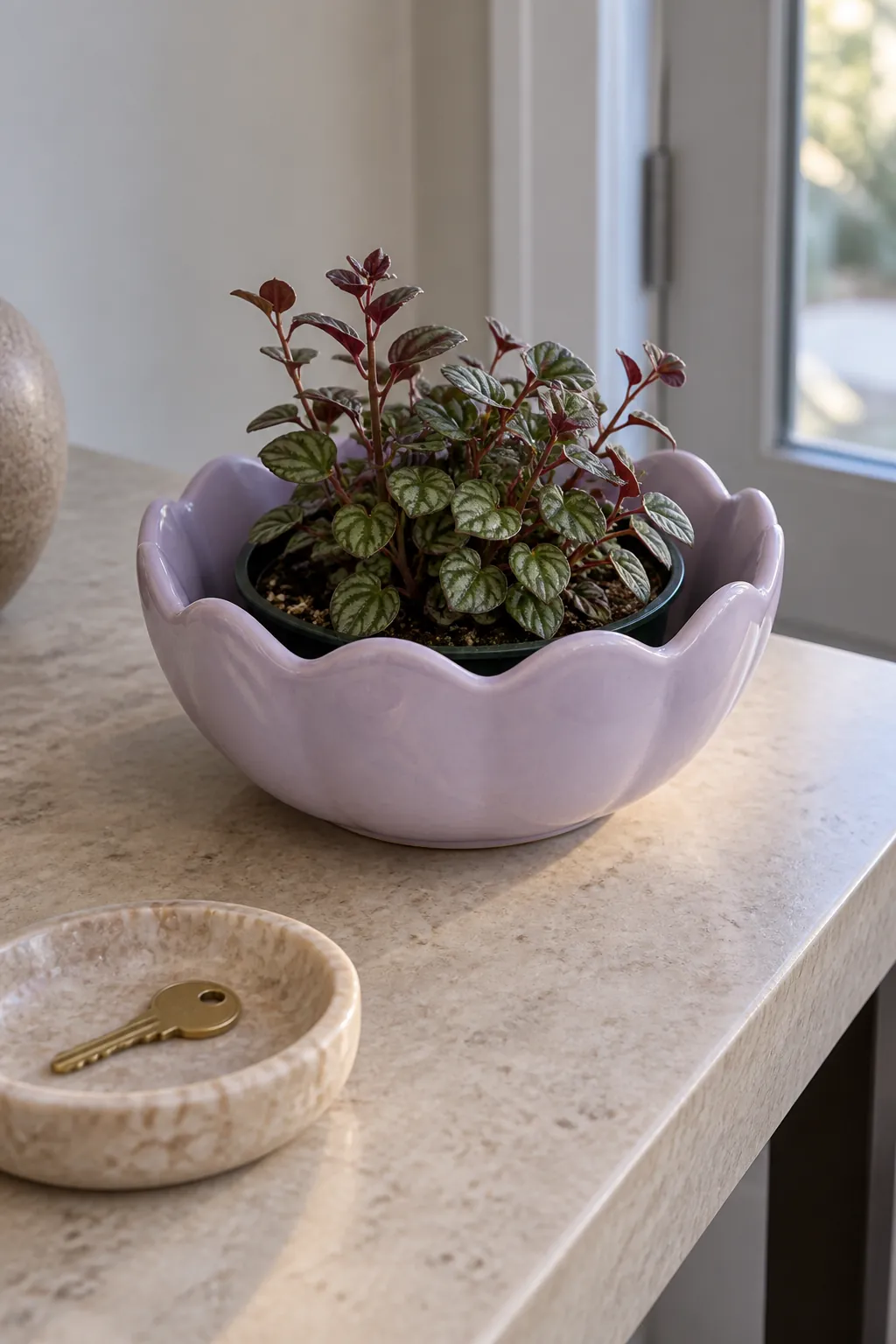
Soft scalloped bowl
A wavy rim can make a low ceramic bowl feel delicate even when its base is substantial. Use the bowl as a cachepot for a suitably shallow container rather than assuming it provides drainage. Keep soil and leaves below the scallops so their outline remains visible. This shape belongs on a broad surface where it will not crowd a narrow ledge.
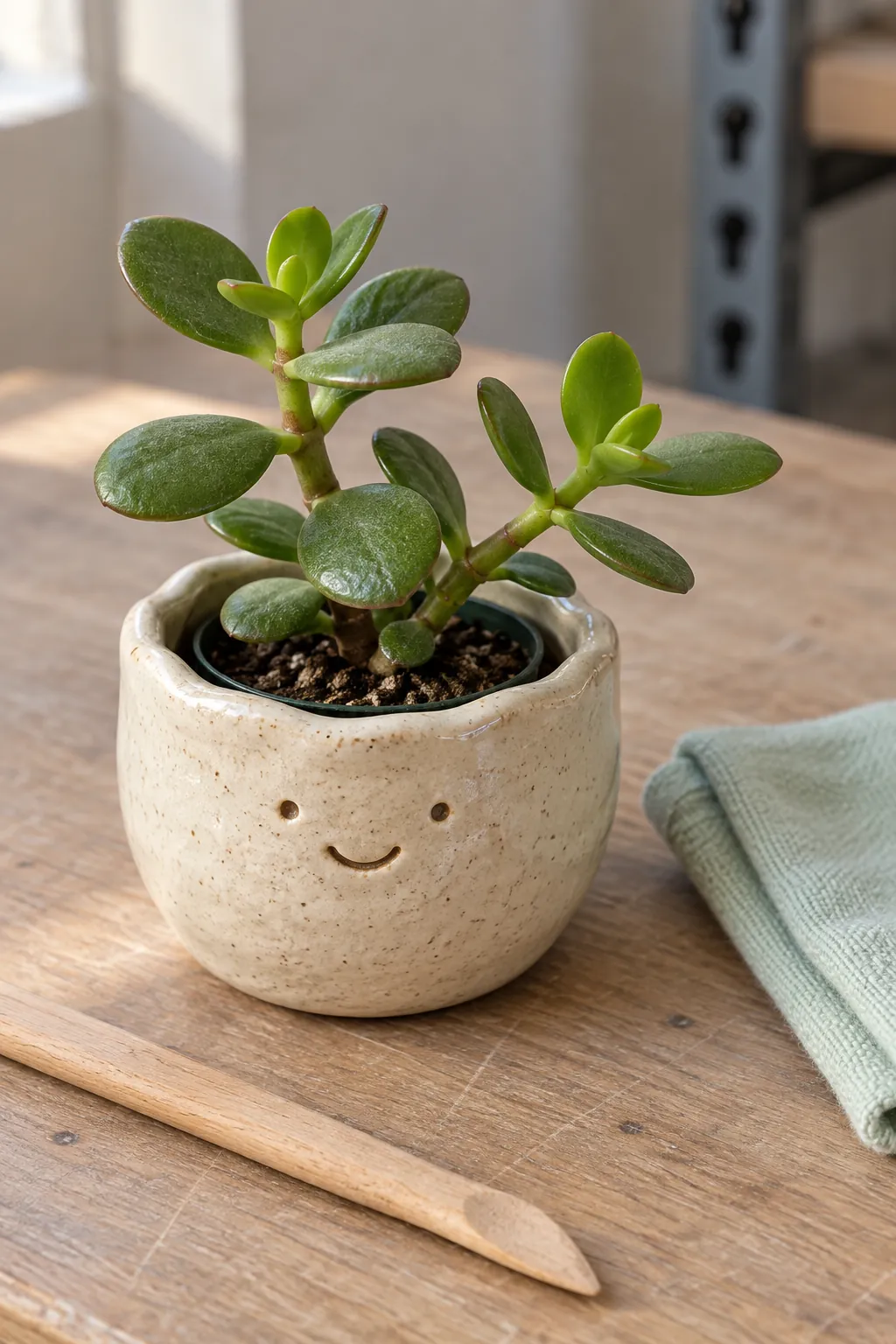
Tiny smiling pinch pot
Cute pinch pot ideas work especially well when you leave the slightly uneven rim visible. A tiny smile needs only a few marks, so the finished piece can feel personal without becoming visually busy. If you are making one, ask the studio about clay, glaze compatibility and the firing process before planning live planting.
Air drying craft clay is better treated as a decorative cover, with watering kept away from it. Leave the base unglazed where your studio requires it for firing. A test tile can help you see whether a pale glaze will preserve the small painted expression.
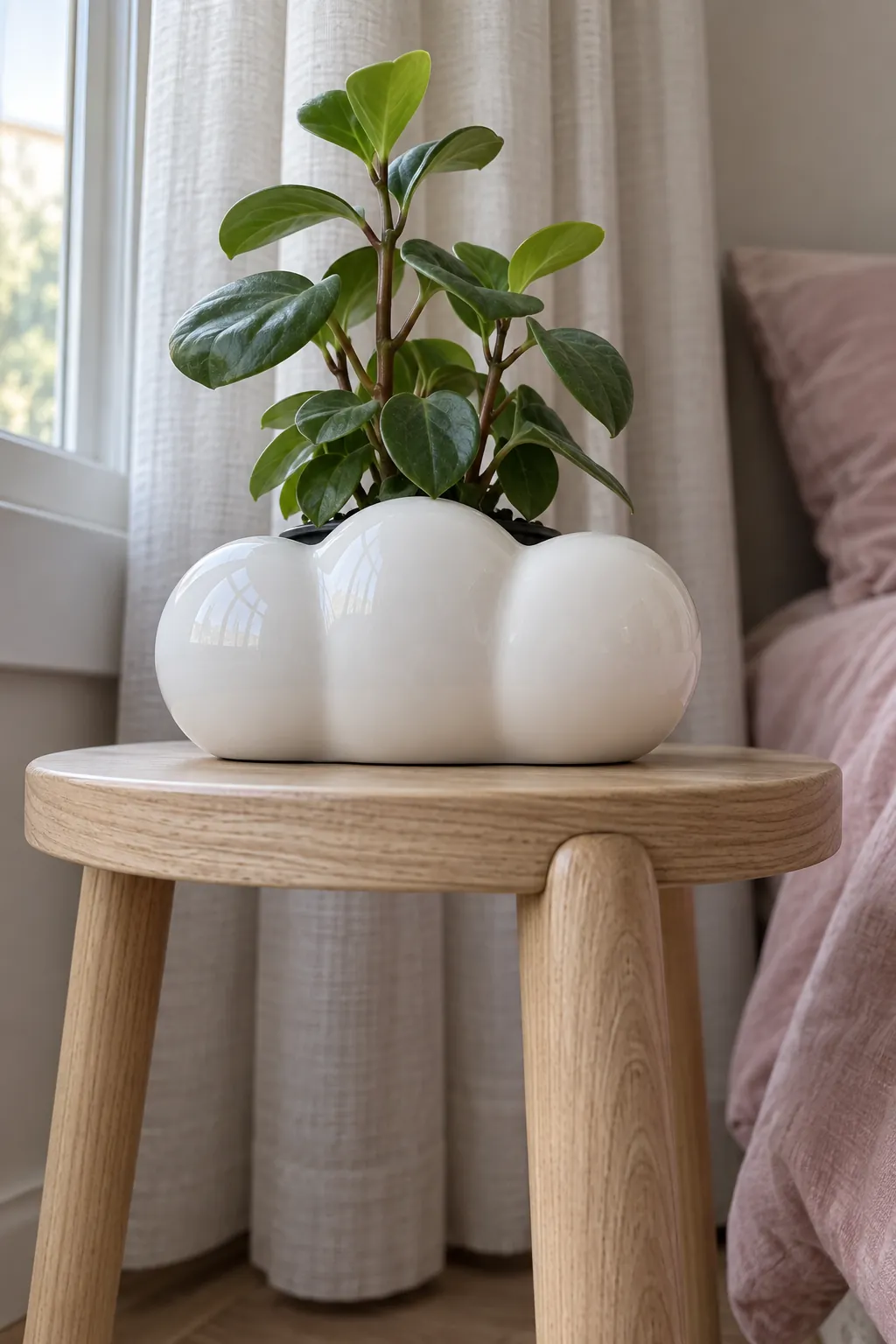
Cloud shaped planter
A cloud silhouette looks gentle on a bedroom plant stand. Check that the base is broad enough to support the full weight of a watered plant, since rounded lobes can disguise a narrow contact point. Keep the planting opening simple even if the outer edge is playful. One upright plant leaves more of the cloud readable than a curtain of trailing stems.
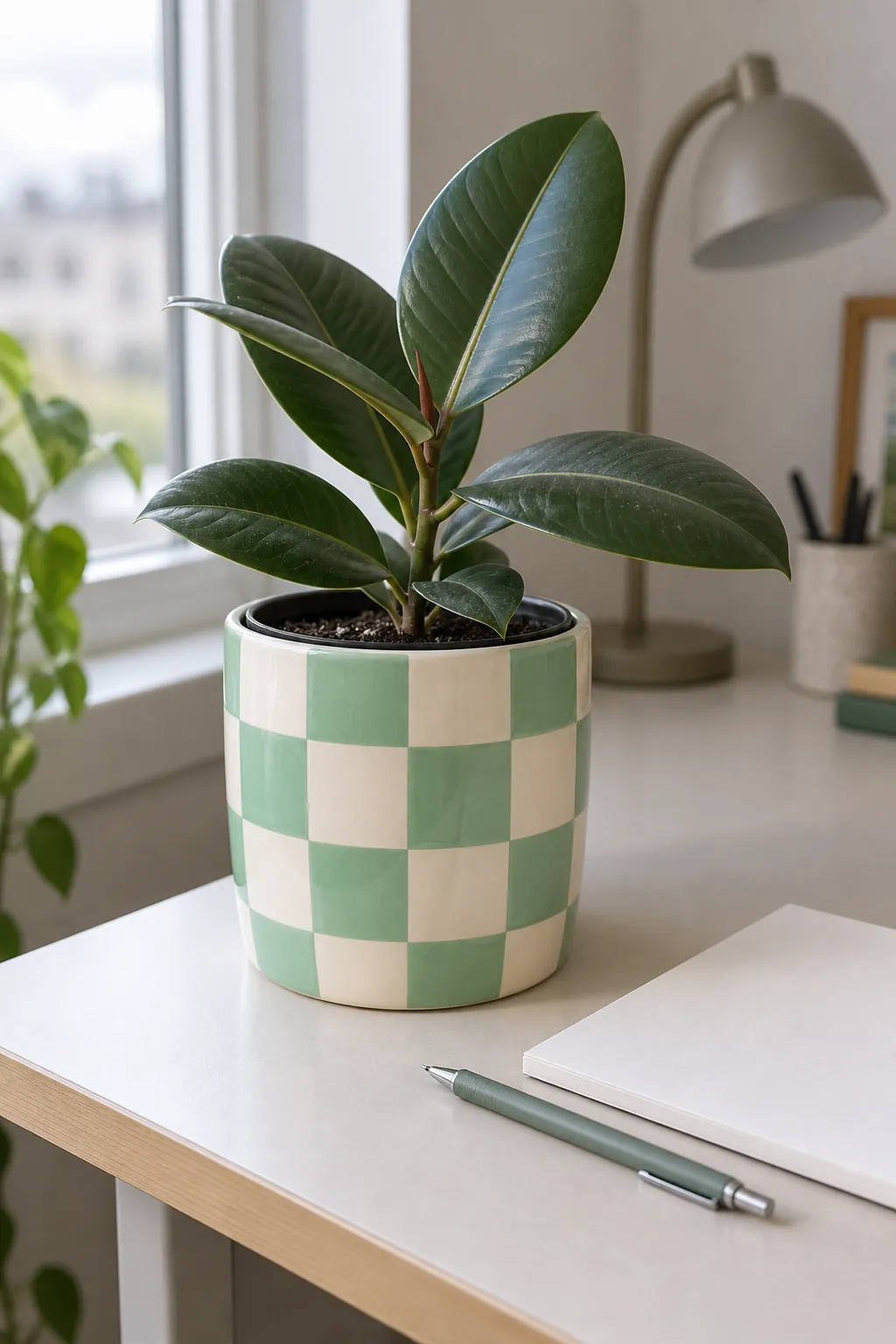
Pastel checkerboard pot
Large checks make a small pot visible across a room without needing a sculpted figure; Limit the design to two colors if the surrounding shelf already holds books and ornaments. For flower pot painting ideas, start with a surface and paint system intended for the material, and keep decorative paint away from soil and watering contact unless the manufacturer permits it. A removable inner pot helps separate the craft finish from everyday plant care.
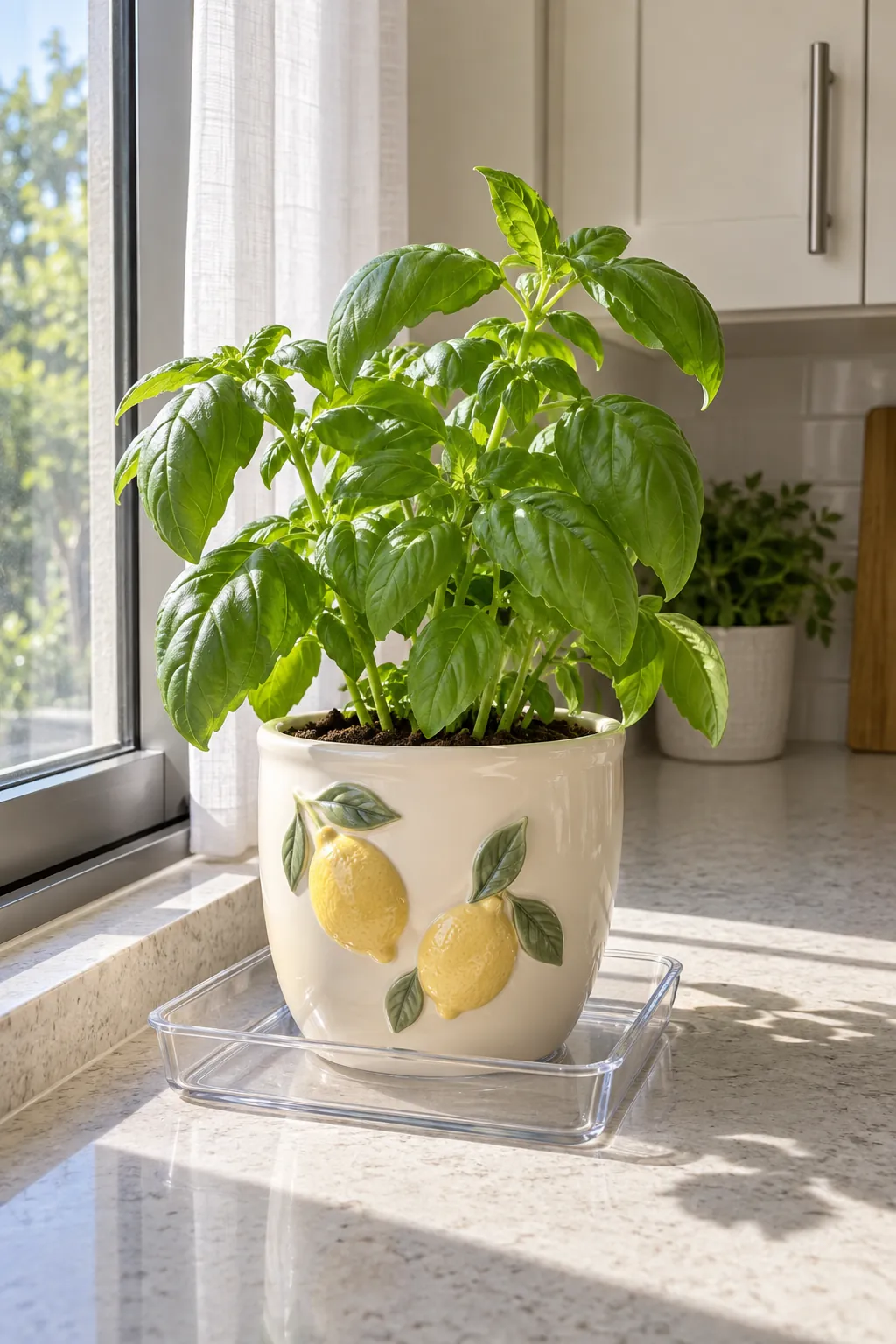
Lemon relief planter
A lemon motif works on a kitchen windowsill where a few bright details already belong. Leave enough plain ceramic between the fruit shapes to avoid a crowded effect. Basil needs strong light and appropriate watering, so choose the location for the plant before choosing it for the yellow glaze. A washable tray underneath protects the surface when the herb returns from the sink.
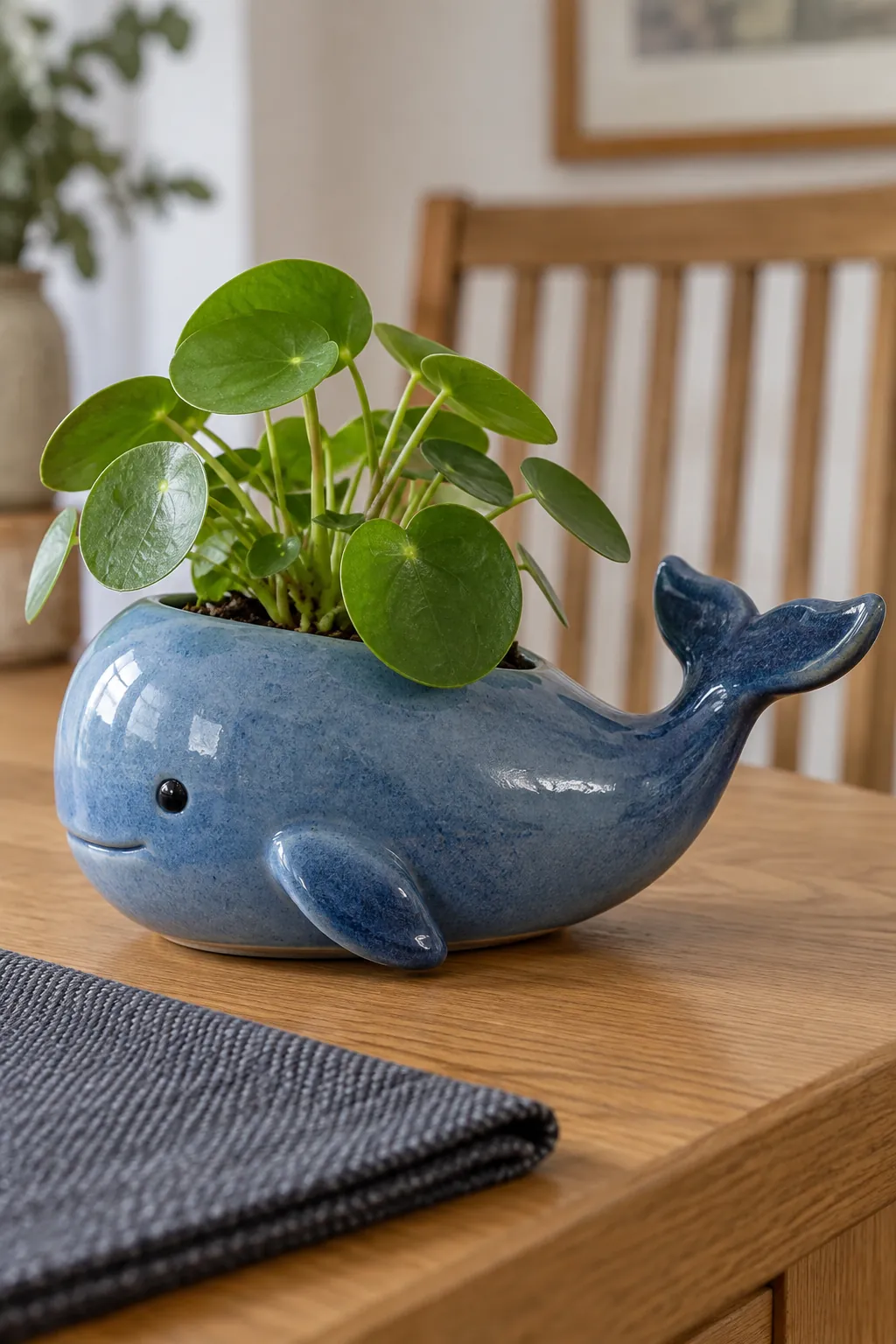
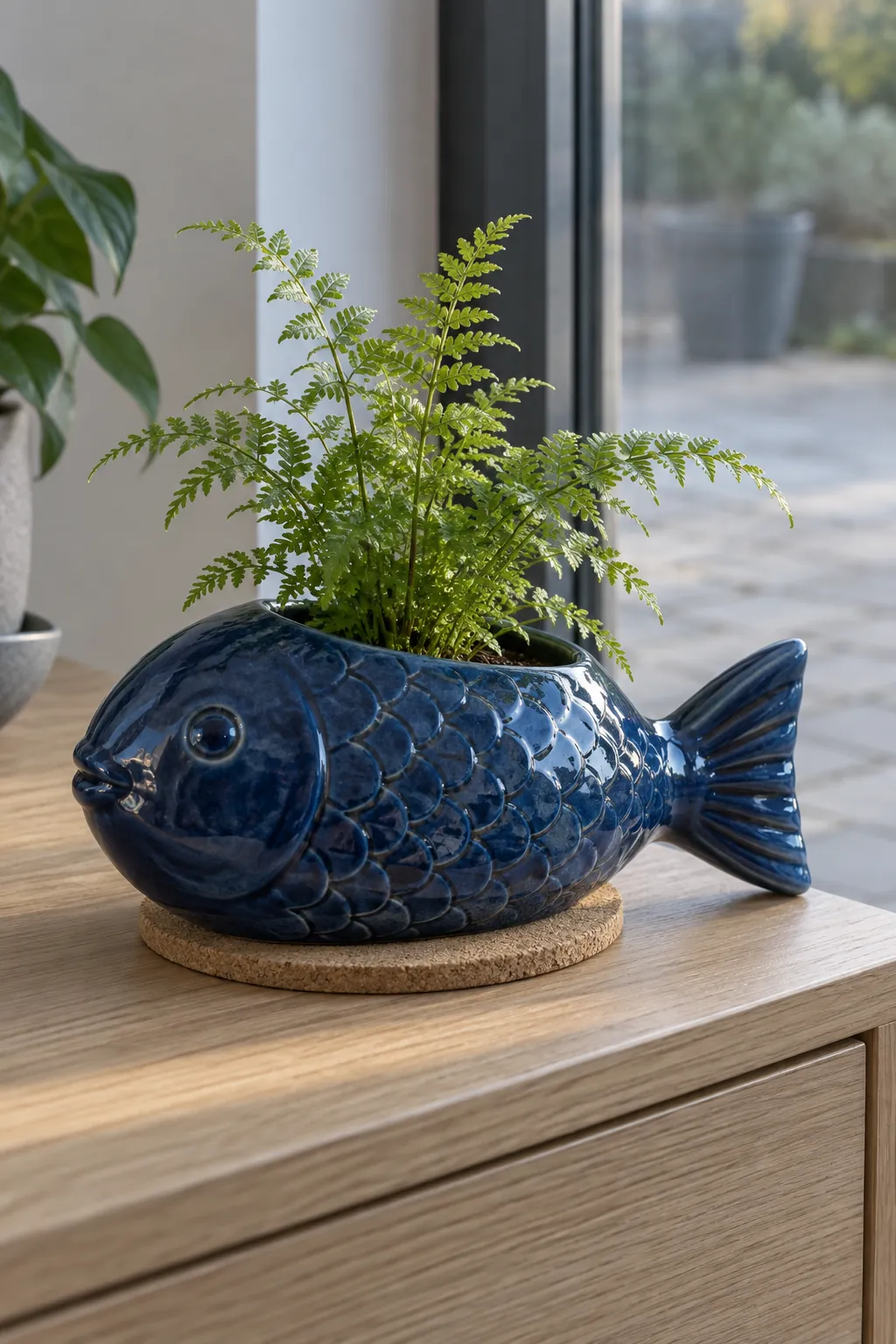
Blue whale cachepot
A whale body creates a charming horizontal shape for a small sideboard. The tail should be decorative rather than something you use to lift a heavy pot. Fit a nursery container into the central opening and check that it can come out without snagging the fins. A compact plant keeps the silhouette recognizable from across the room. Inspect the tail join before purchase because thin decorative extensions are vulnerable during shipping.
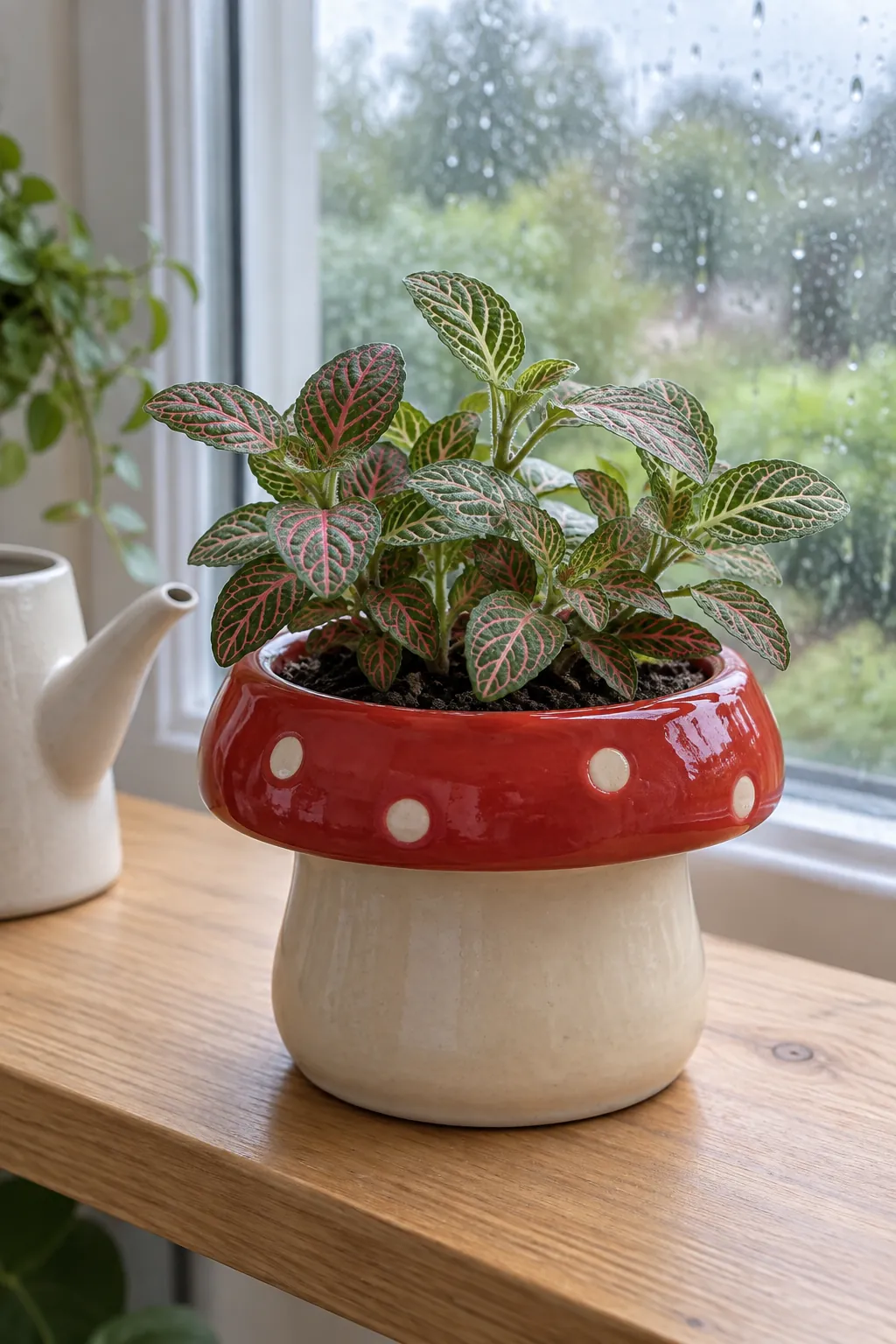
Mushroom woodland pot
A mushroom inspired vessel can bring woodland character without adding loose miniature decorations to the soil. Look for a clear, accessible opening rather than a cap that makes watering awkward. A contrasting stem and rim provide enough detail on their own. Place it where you can inspect the soil easily instead of tucking it into a dark decorative corner.
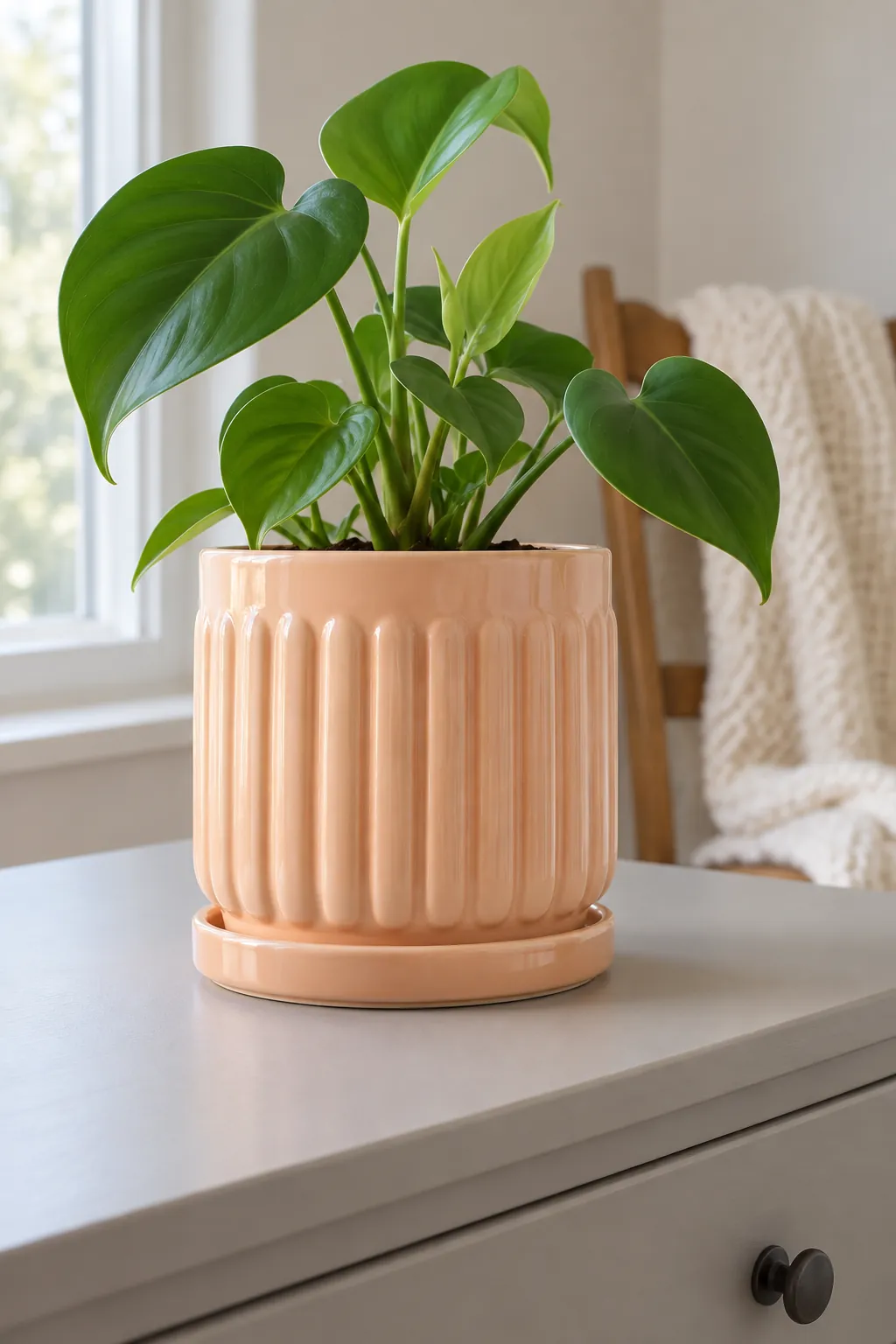
Peach colored ribbed planter
Rounded ribs create a soft look while staying easy to combine with existing decor. The grooves can hold dust, so leave enough space around the pot to wipe them with a damp cloth. A plain matching saucer keeps the ribbed outline from competing with another pattern. This is a useful option when you want aesthetic plant pots that remain subtle beside a larger plant.
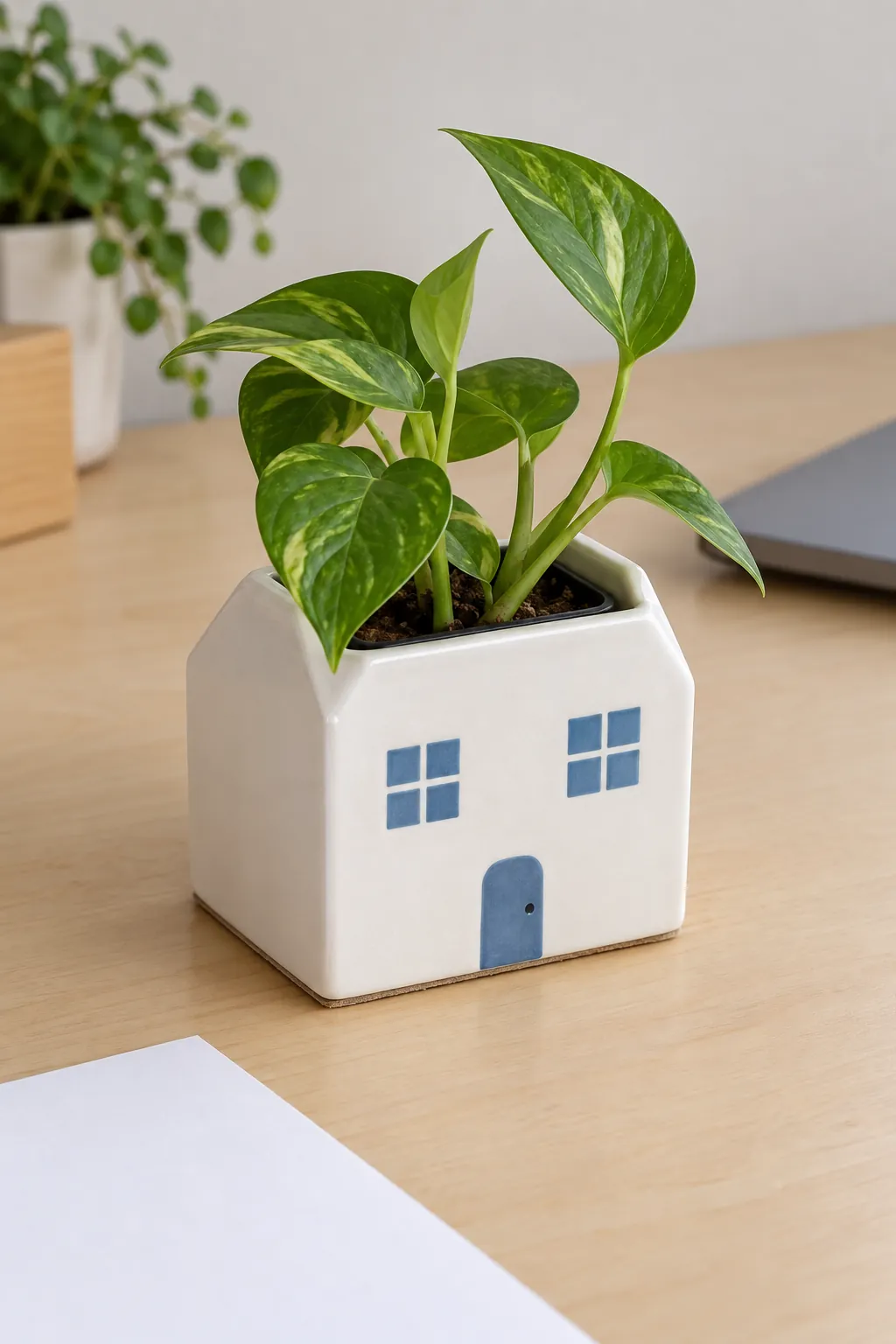
Little house planter
A ceramic house gives a plant a playful architectural base; Choose an open roof with room to reach the inner container rather than a tiny chimney opening. Painted windows are easier to clean than deep recessed details around the soil line. Set it on a desk corner where its front can face the room and leaves still receive suitable daylight.
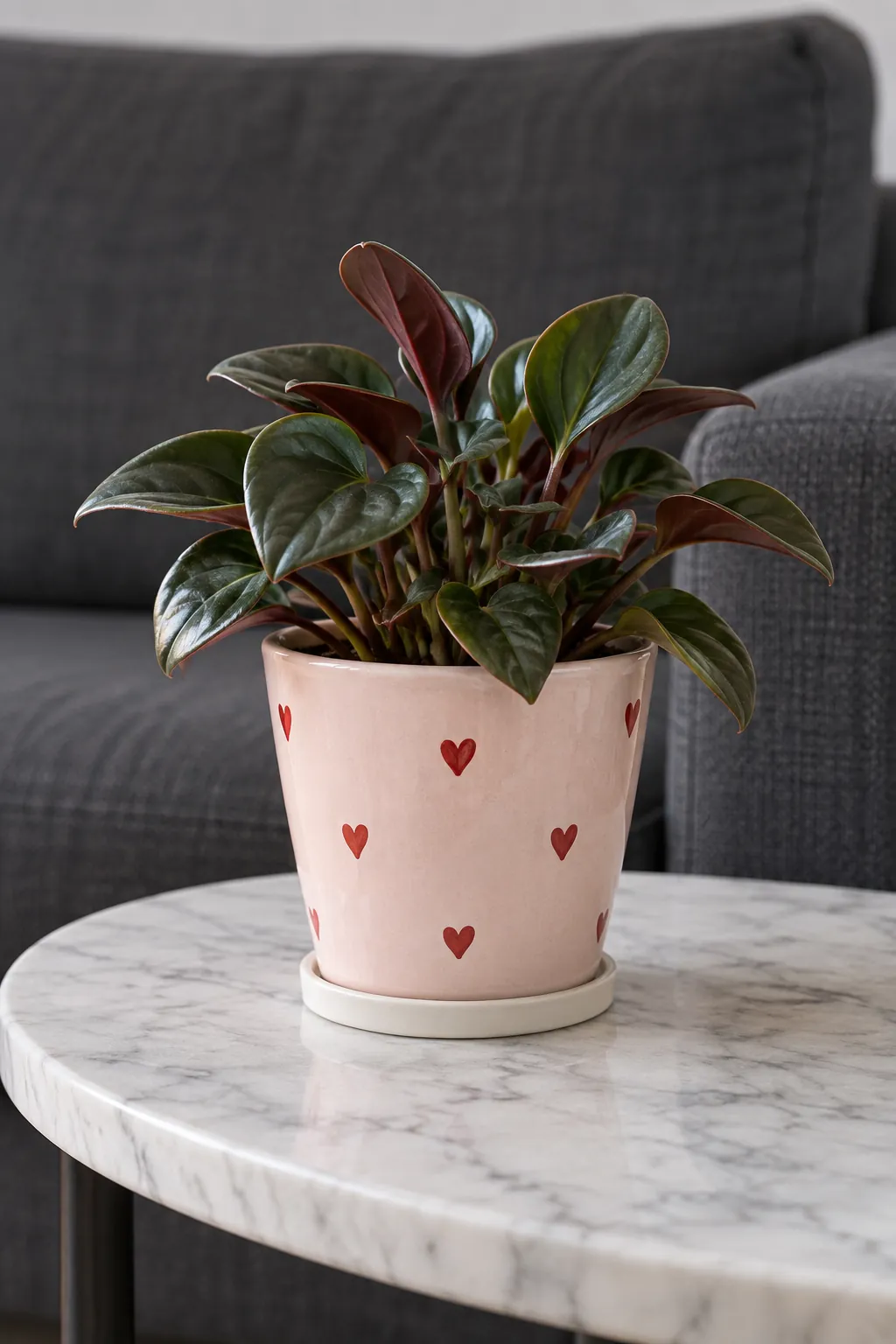
Heart patterned taper
Scattered hearts can read as a small accent instead of a seasonal decoration when the colors are restrained. A gently tapered pot is easy to hold with both hands, but make sure its narrower base remains stable. Leave a generous gap between the hearts so the glaze contributes to the design. Dark foliage creates a crisp contrast against a pale pink body.
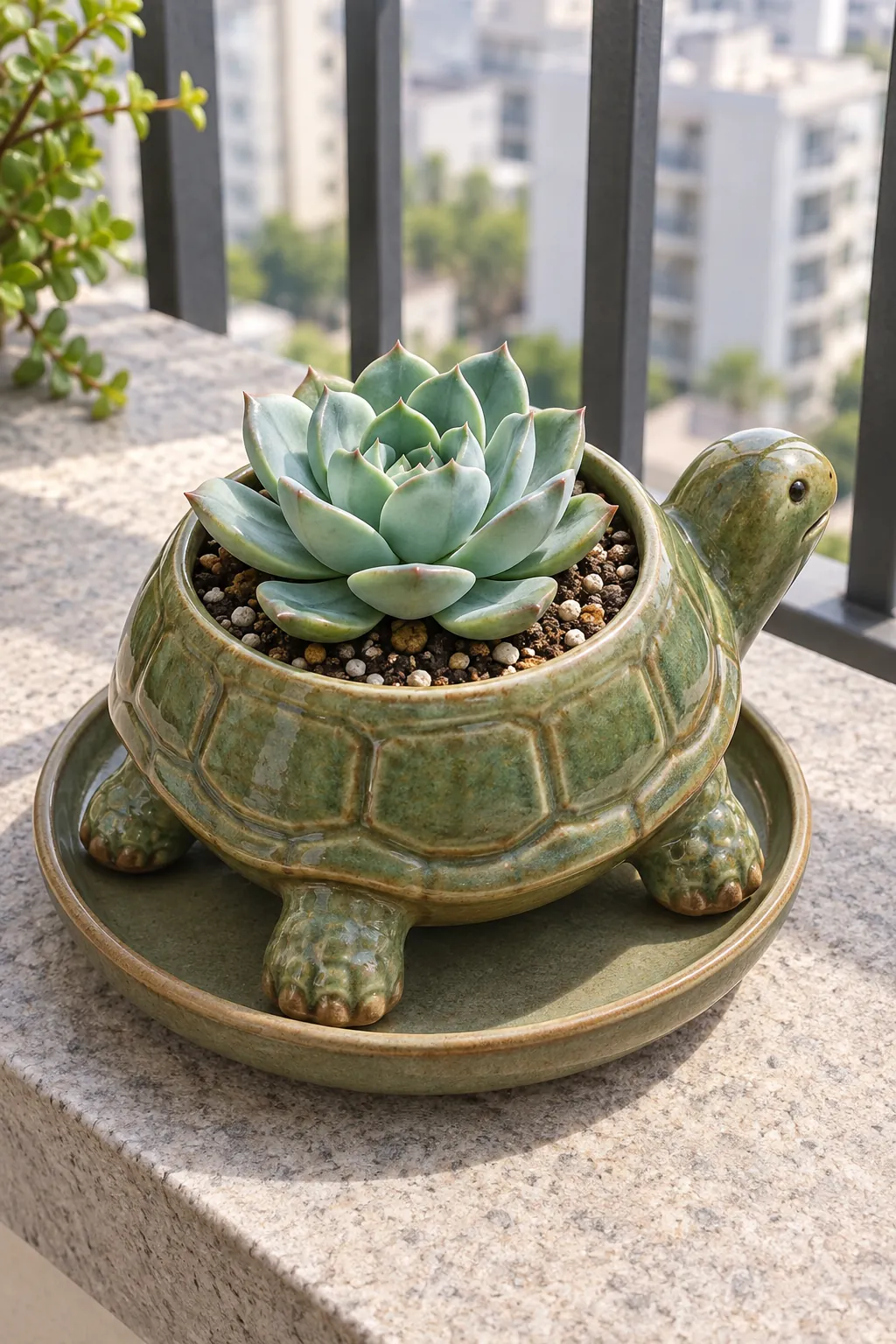
Turtle succulent vessel
A turtle shell offers a natural place for a compact succulent arrangement. The shallow silhouette needs special attention to drainage and the actual root space, not just the decorative dimensions. Use a container with a drainage hole and gritty potting mix appropriate for the chosen succulent, then let its needs guide watering.
Leave the head and feet clear of foliage so the animal shape stays legible. Echeveria usually needs considerably brighter light than many foliage houseplants. Move a newly purchased plant into stronger sun gradually to reduce the risk of scorching.
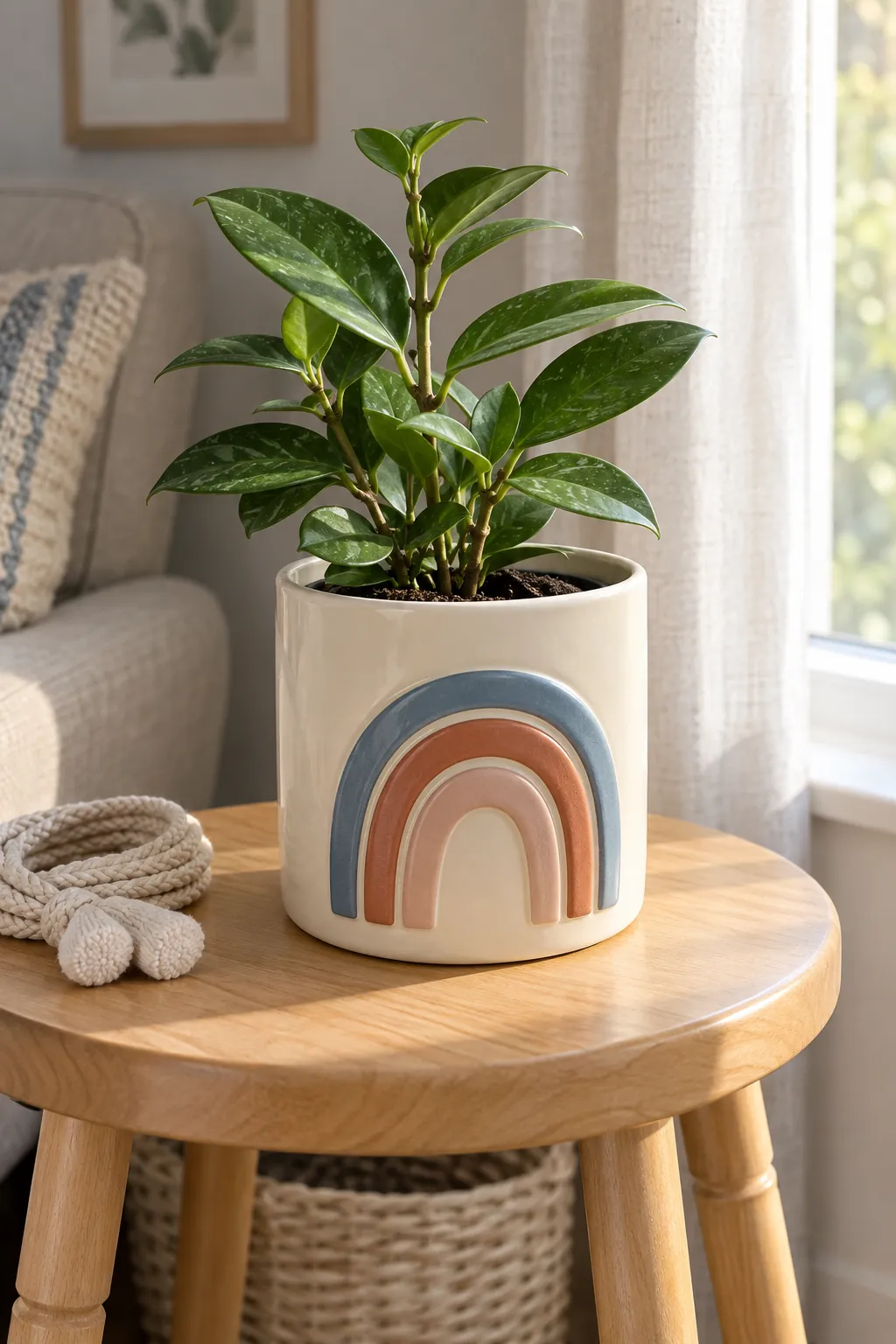
Arched rainbow cachepot
A raised rainbow across one side creates a strong front view without changing the planting opening. Muted bands work well when a room already has colorful textiles. Measure the inner diameter rather than the widest point of the arch before buying a plant to fit. Rotate the plant for balanced growth as needed while returning the decorated face toward the room.
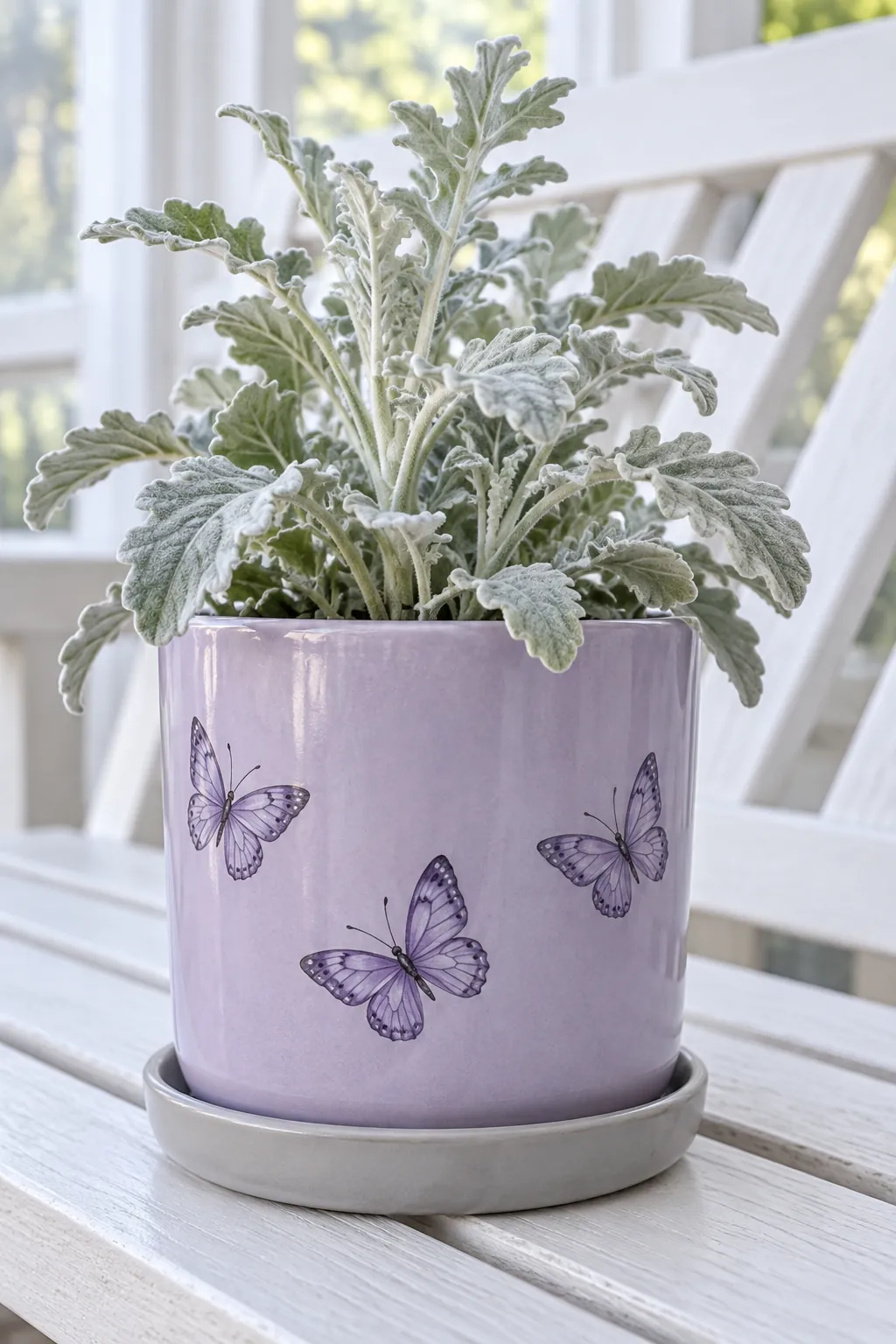
Lavender butterfly pot
A few painted butterflies can make a simple ceramic pot feel light and airy. Keep the wings away from the rim if foliage is likely to obscure the upper edge. Smooth painted decoration is practical where the pot needs frequent wiping. Silver green leaves look especially clear against a lavender background, provided you can offer the plant the light it requires.
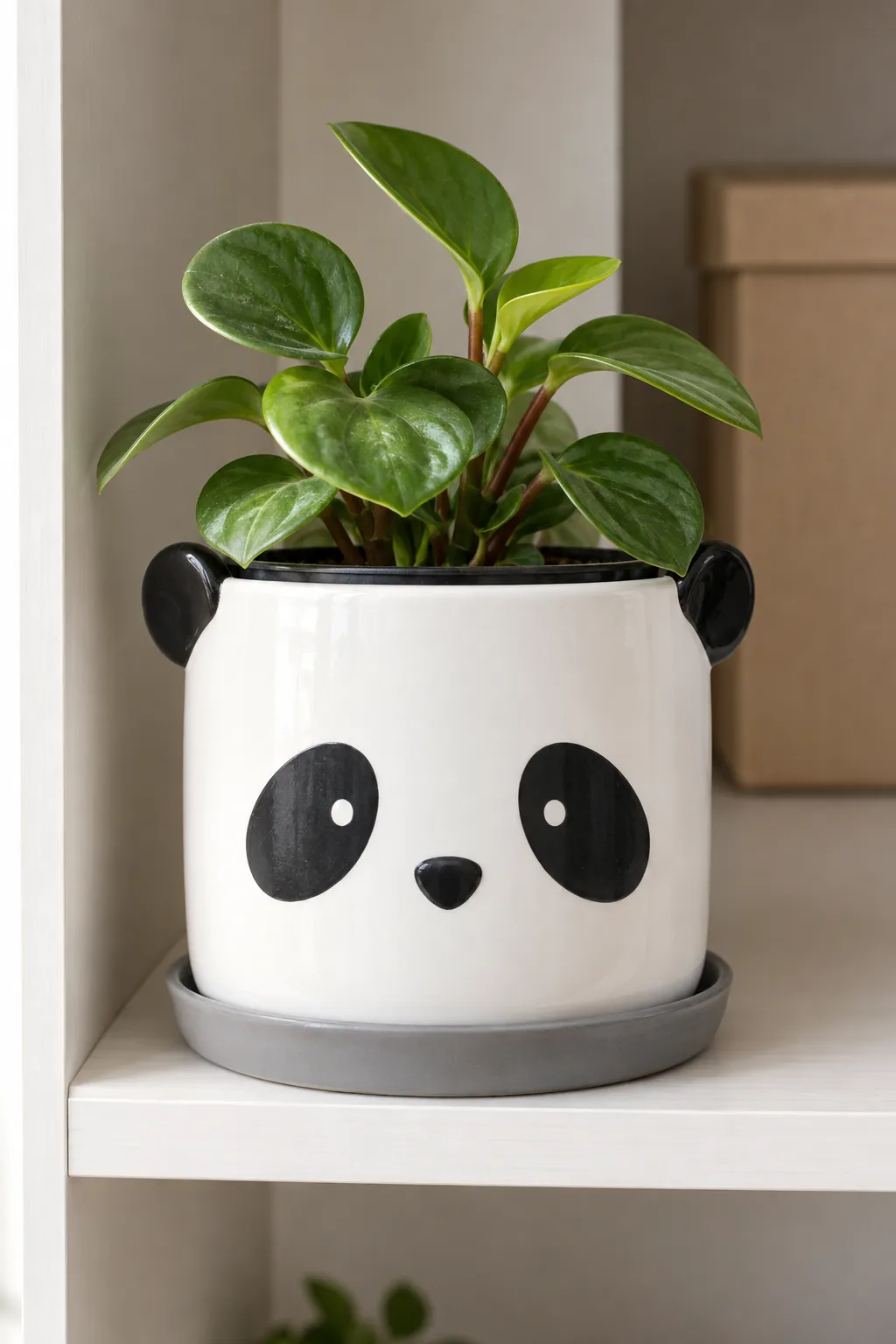
Panda face cylinder
A black and white panda face gives cute flower pots a graphic option that does not rely on pastel color; Straight sides make this shape easy to fit into a row of similar nursery containers. Keep the ears low if you lift the inner pot often. One small upright plant reads as a tuft above the face without making the vessel top heavy.
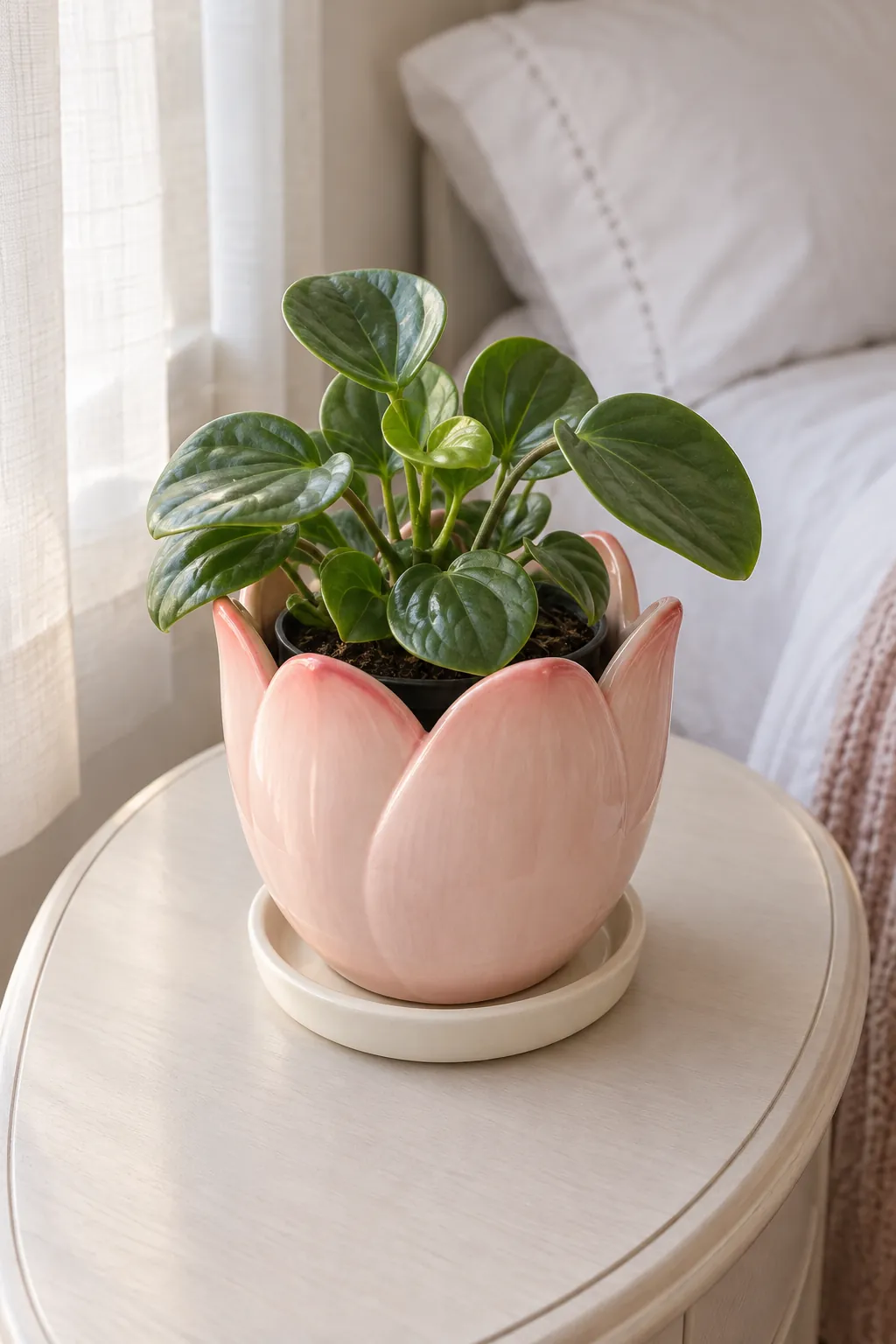
Tulip cup planter
A tulip cup uses a petal rim to soften the silhouette of a small upright pot. Avoid a deeply enclosed top that traps the inner container as roots and foliage develop. A single shade of blush or coral lets the sculpted edge do most of the work. Set the pot on a plain saucer so the flower shape remains the visual focus.
Cobalt fish vessel
A fish inspired planter can bring character to a shelf without looking sugary. A glossy cobalt surface makes subtle carved scales visible when daylight crosses it. Check the planting cavity for usable depth, since a long decorative body may add little root room. Keep the tail away from the shelf edge where a passing bag could catch it.
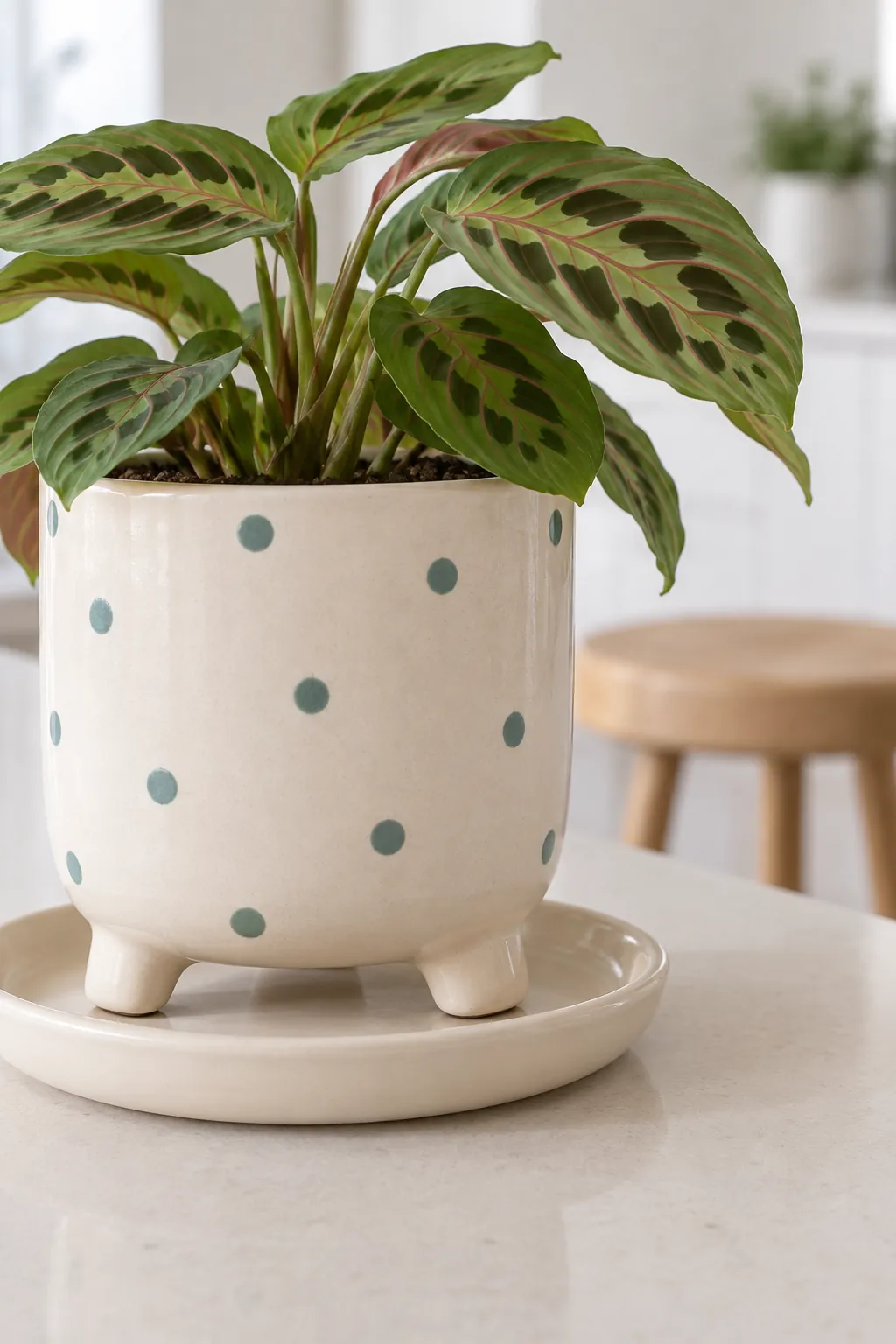
Polka dot footed pot
Small feet lift a simple dotted pot enough to give it personality. They do not replace a saucer if the vessel has a drainage hole. Test the pot on a flat surface before planting, especially when buying handmade pottery plant pots with individually attached feet. A restrained dot pattern leaves room for foliage with its own markings. If the feet rock, choose a different piece instead of wedging a loose object under one leg.
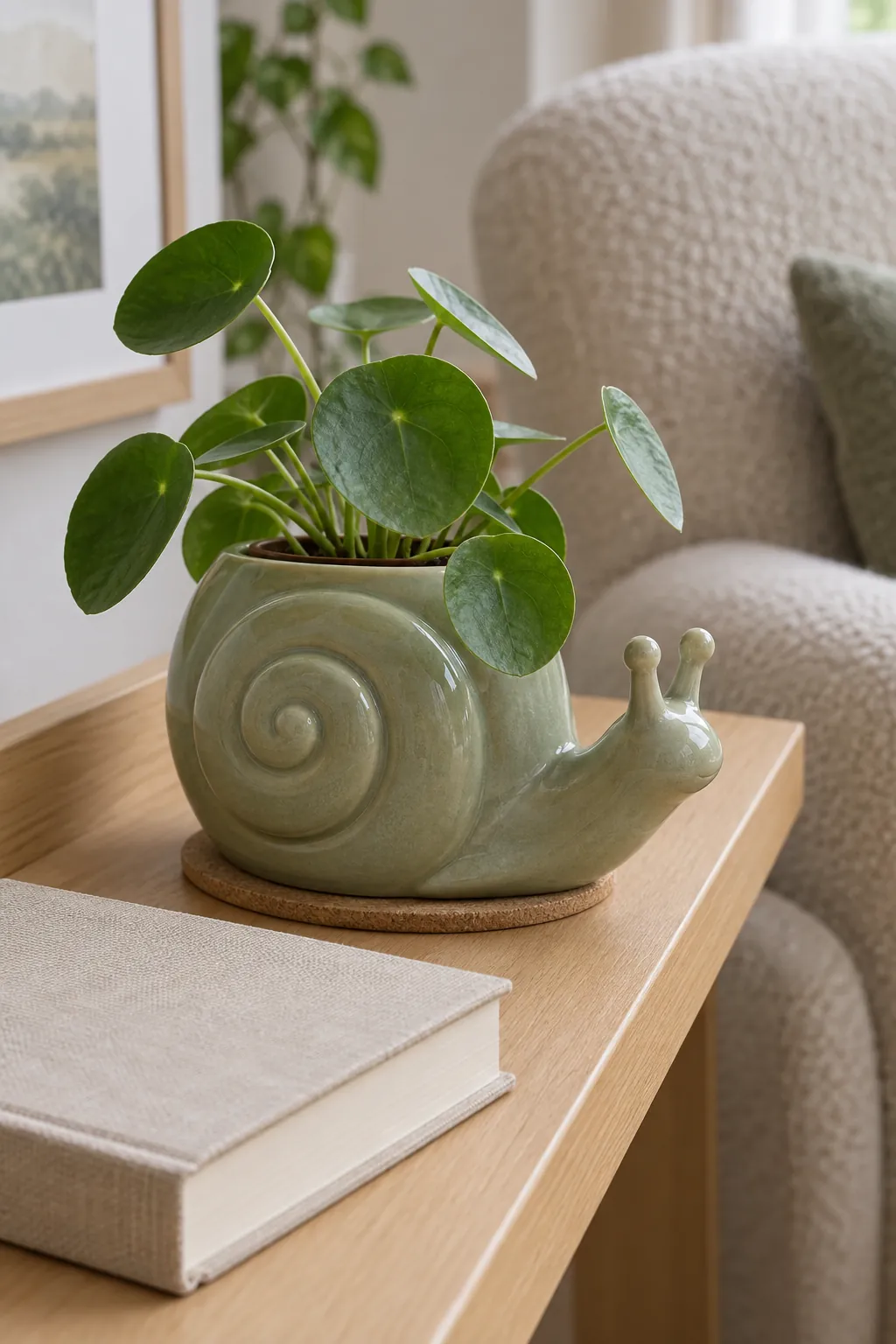
Coiled snail cachepot
A snail shell makes a compact curved planter feel like a small sculpture. The spiral should sit outside a straightforward planting cavity so you can still remove the nursery pot. Choose a low plant that does not hide the antennae. This shape works on a stable shelf where the projecting head has room and cannot be knocked by daily traffic.
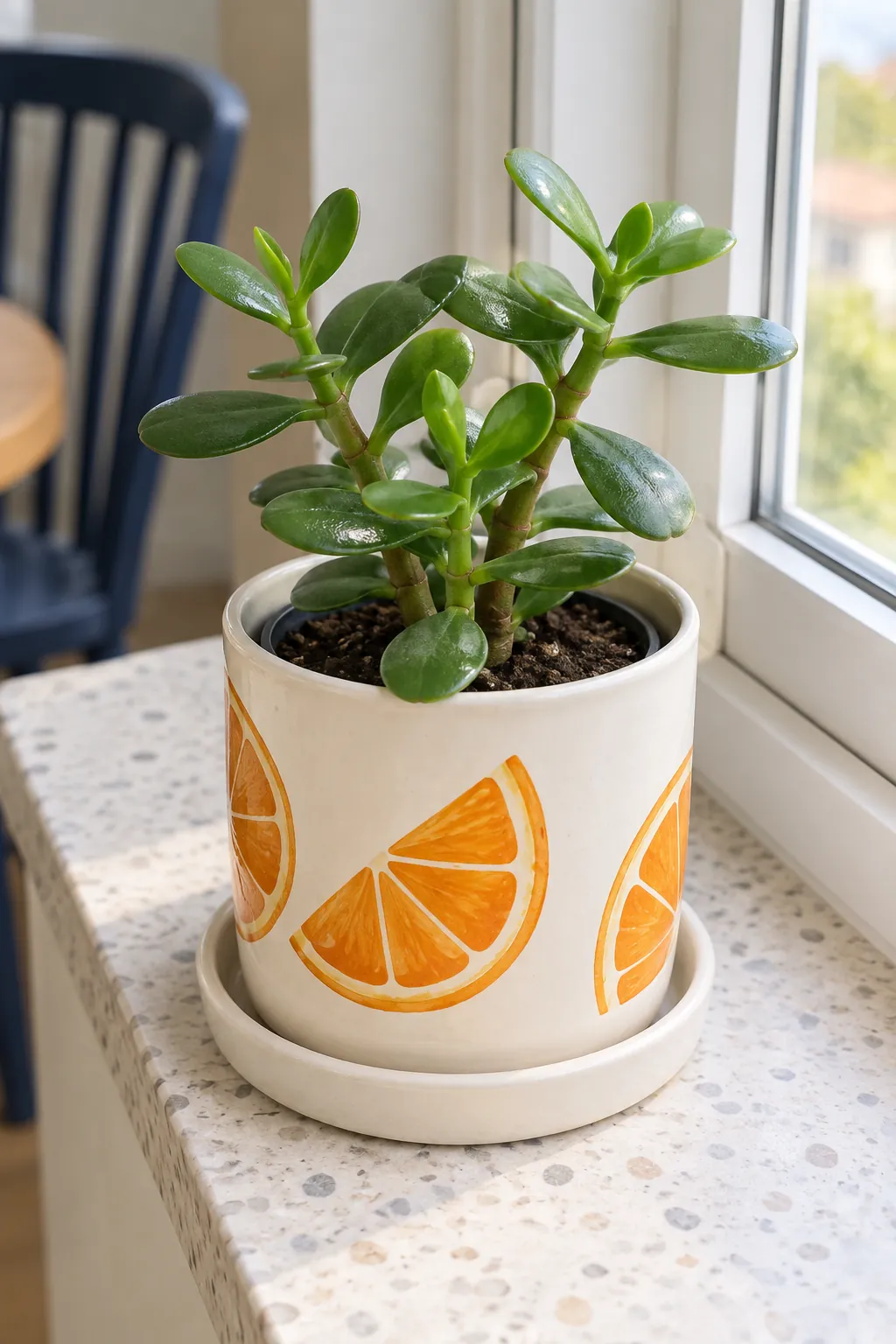
Painted orange slice pot
An orange slice pattern adds a crisp geometric option among more rounded animal designs. A few wedges on a pale background are easier to coordinate than an allover fruit print. Keep a painted craft finish on the outside and follow its curing instructions before regular handling. The result suits a bright breakfast corner with a small plant chosen for that window’s exposure.
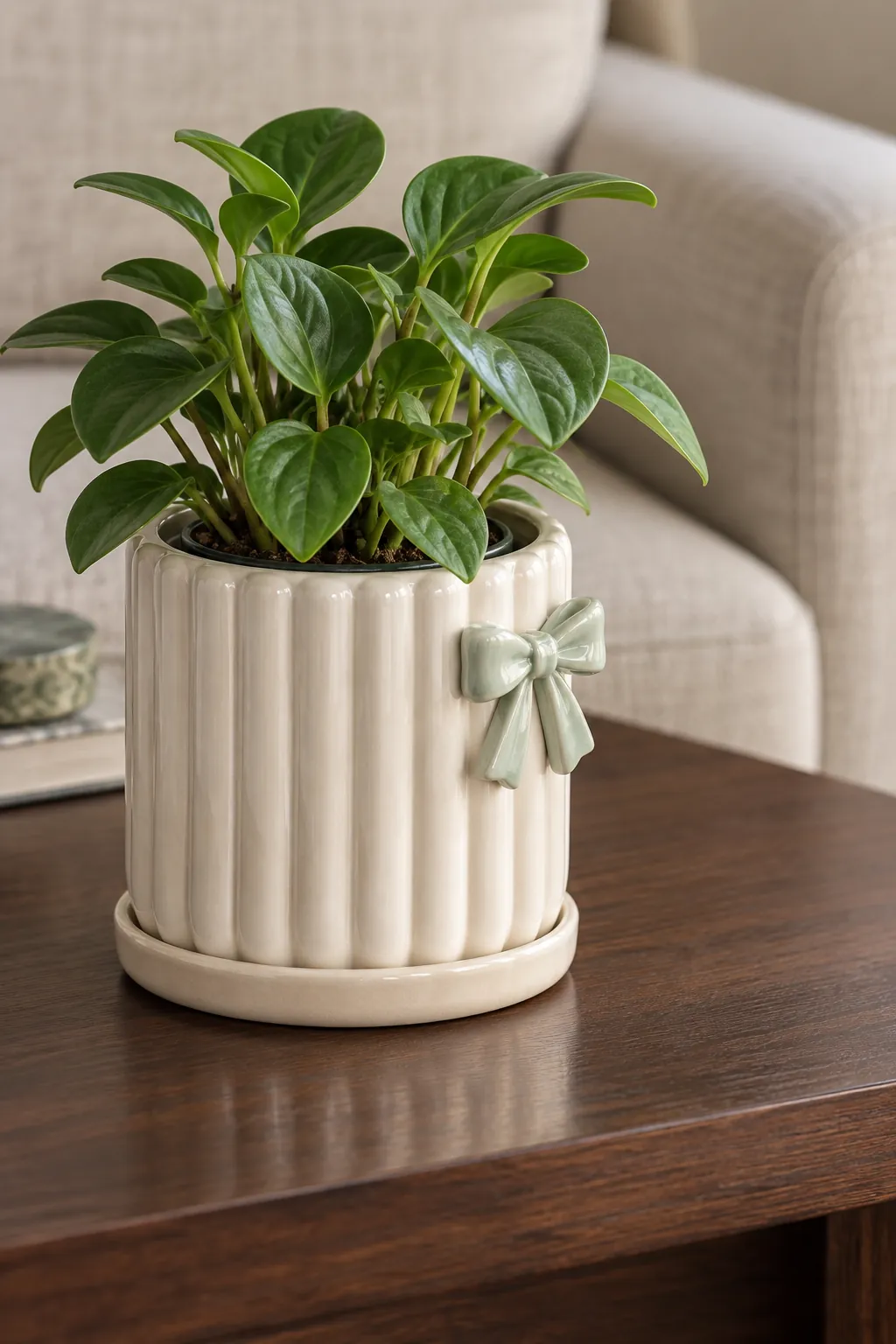
Fluted bow planter
A small ceramic bow adds a soft detail to a fluted pot without changing its useful cylindrical interior. Look for a firmly joined ornament and carry the planter by its body rather than the bow loops. Pale green or ivory keeps the relief visible in ordinary daylight. Give it a little space beside fabric furnishings so the folds and ribbon do not disappear into other textures.
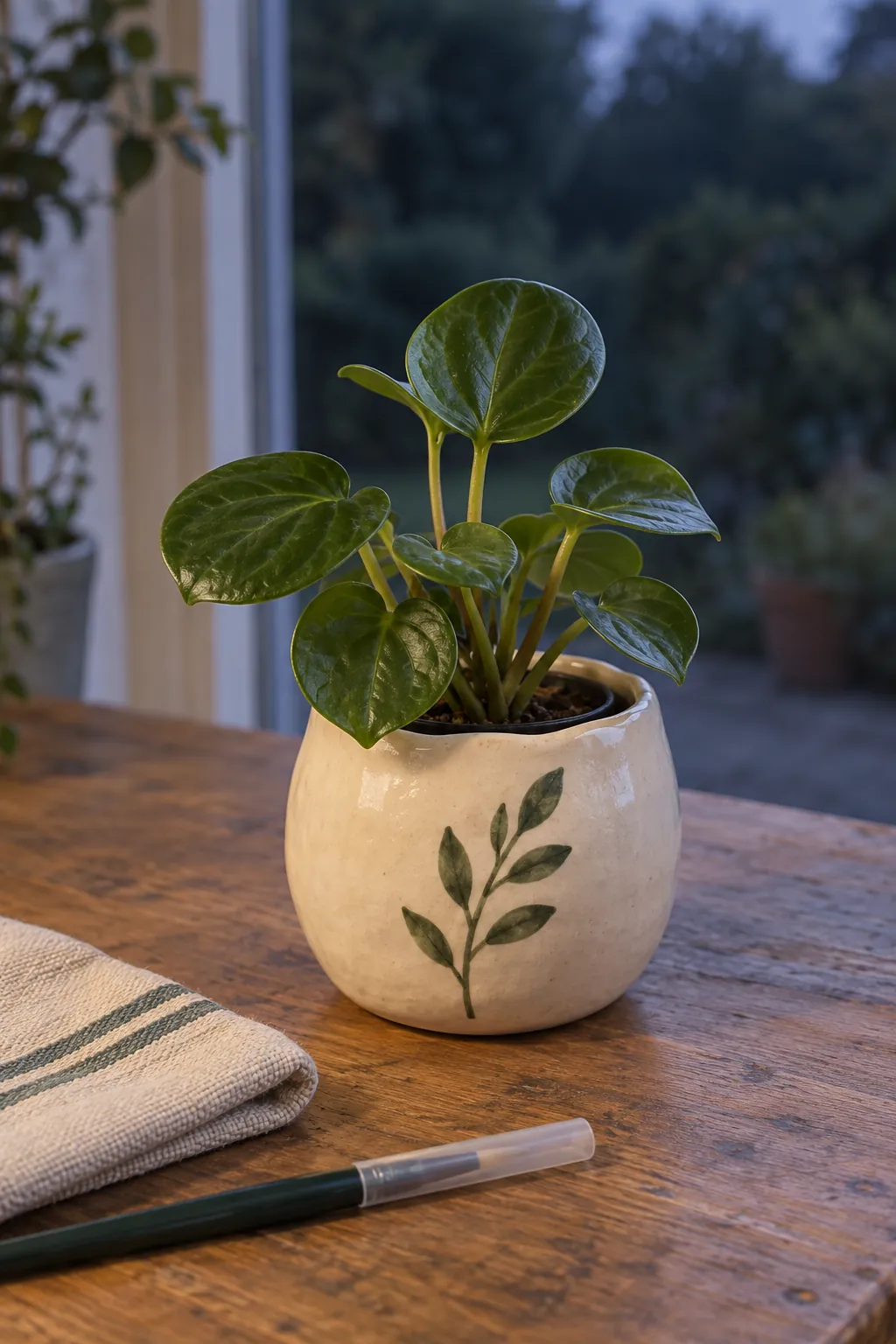
Hand painted botanical pinch pot
Clay plant pots handmade in a simple rounded shape can feel special with just one painted leaf sprig. Let the brushwork remain sparse so the uneven rim and ceramic surface stay part of the design. For a functional handmade piece, confirm the finished vessel is suitable for the intended wet use and provide a dependable drainage arrangement.
Pick the plant and its inner container first, then choose a pot that leaves room to lift it out without pulling on the stems. A rounded opening that curls inward can make later removal difficult. Keep the rim broad enough for the container to clear it even after the plant has grown.