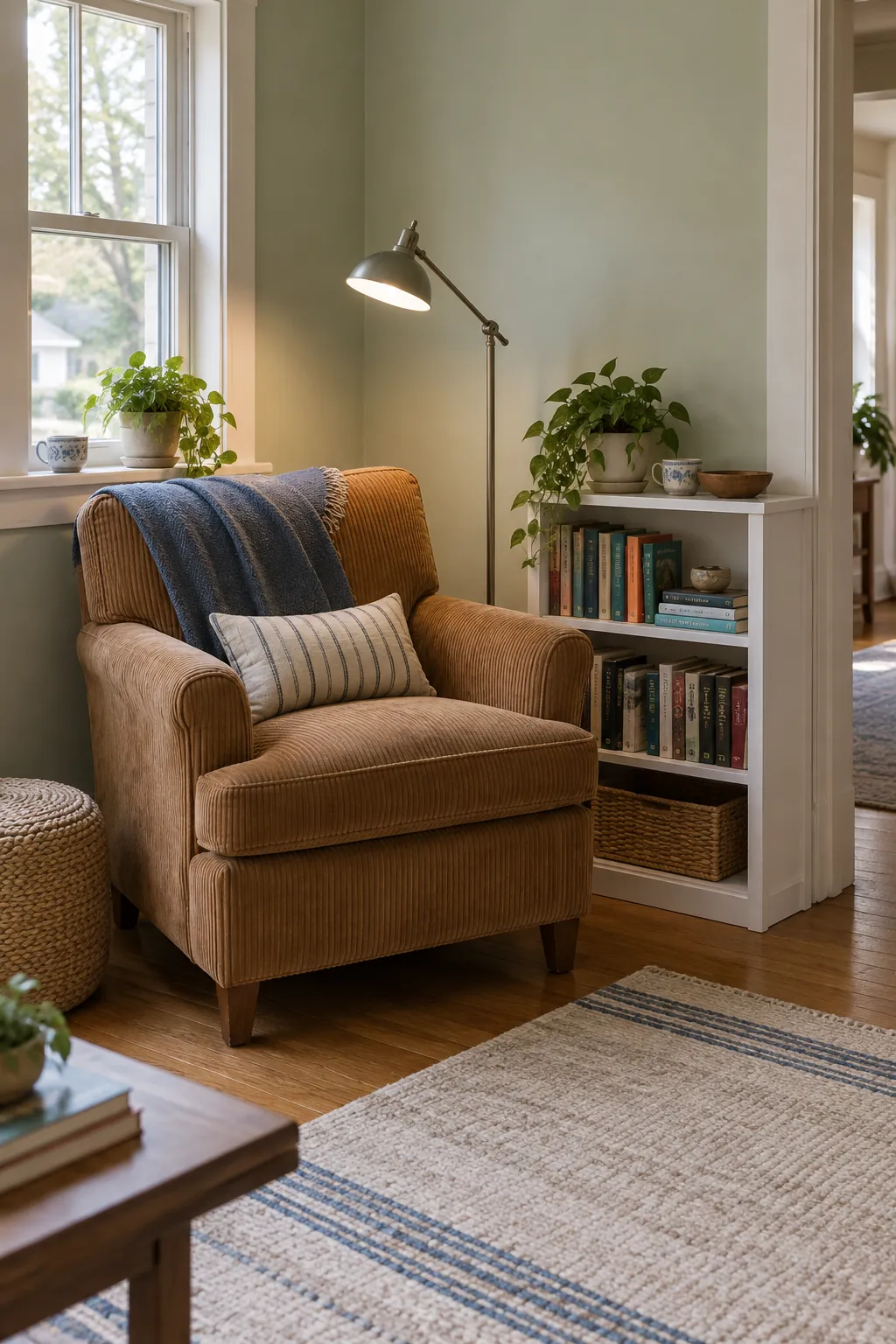
A beautiful seat is not much use if your back aches after ten pages or the light misses the book. Start with the way you like to read, then arrange the space around that habit. You can create a comfortable retreat with a seat, useful light, and a small selection of books already at home.
Choose a spot you will actually use
Spend a few minutes in the proposed corner at the time you normally read. Listen for television noise, notice direct glare, and check whether the spot feels too warm or drafty. A window is pleasant, but comfort and a clear route through the room matter more than a picturesque backdrop.
Mark out space for the seat, your legs, and any door or drawer nearby. Keep heaters, ventilation, and exits clear. If the corner only works when other furniture is pushed into the walkway, choose a smaller seat or another location.
Choose support before softness
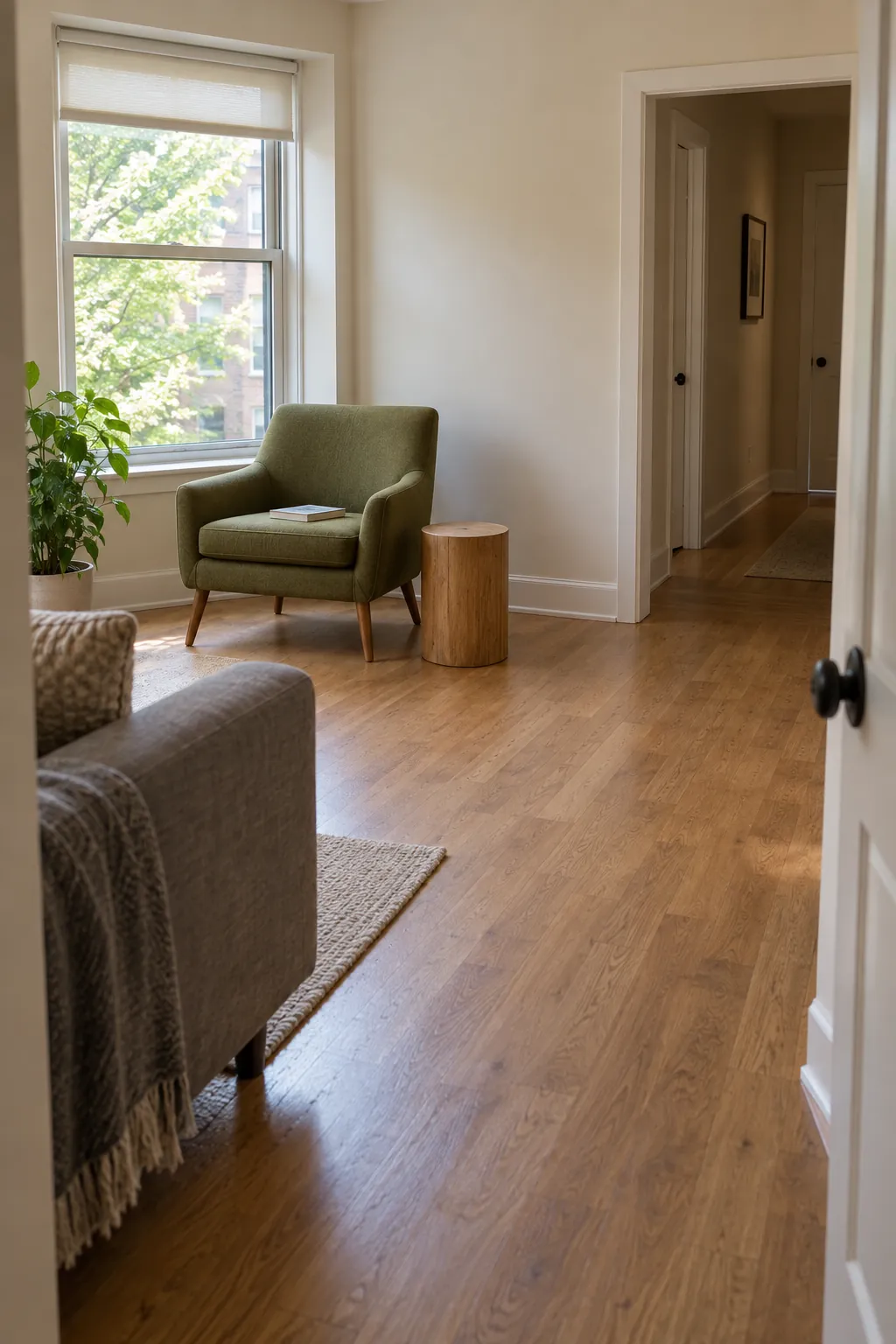
Sit in a candidate chair with an actual book for at least twenty minutes if you can. Notice whether your feet have support and whether your shoulders relax while you hold the page at a comfortable height. A deep chair may need a firm back cushion, while a footrest can help only if there is enough room for it.
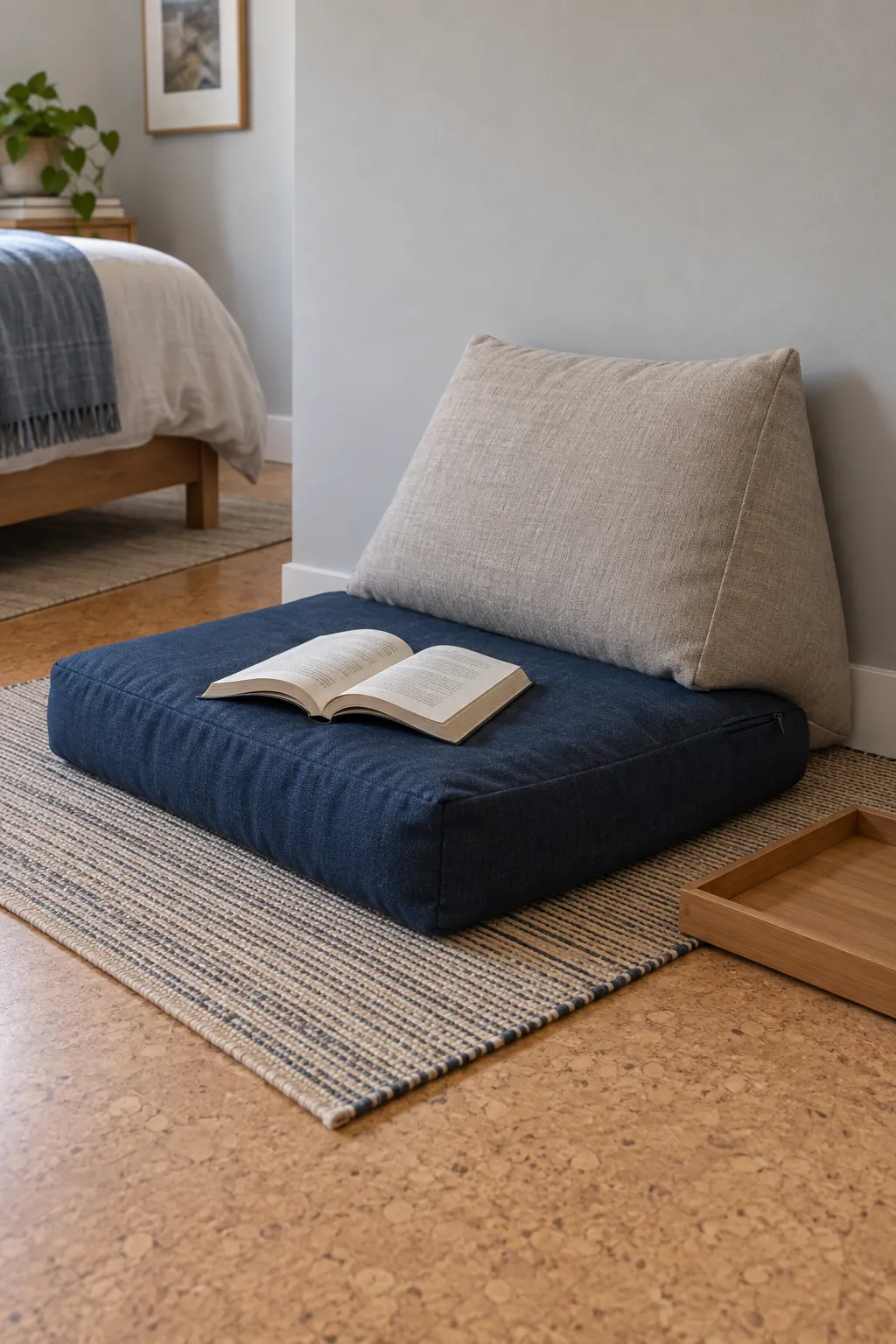
A floor cushion reading nook can work for someone comfortable sitting down low and getting back up. Use a supportive cushion and a stable backrest rather than a pile that slides apart. If floor sitting strains your knees, hips, or back, an ordinary chair is the better starting point.
Try furniture you already own before shopping. A DIY reading corner can begin with a relocated chair and one useful cushion.
Keep a small reading selection within reach
You do not need to move your entire library into the nook. Keep your current books nearby and store the rest wherever they already fit, especially if you borrow or regularly pass books on. A small home library can be a reading selection rather than a wall of shelving.
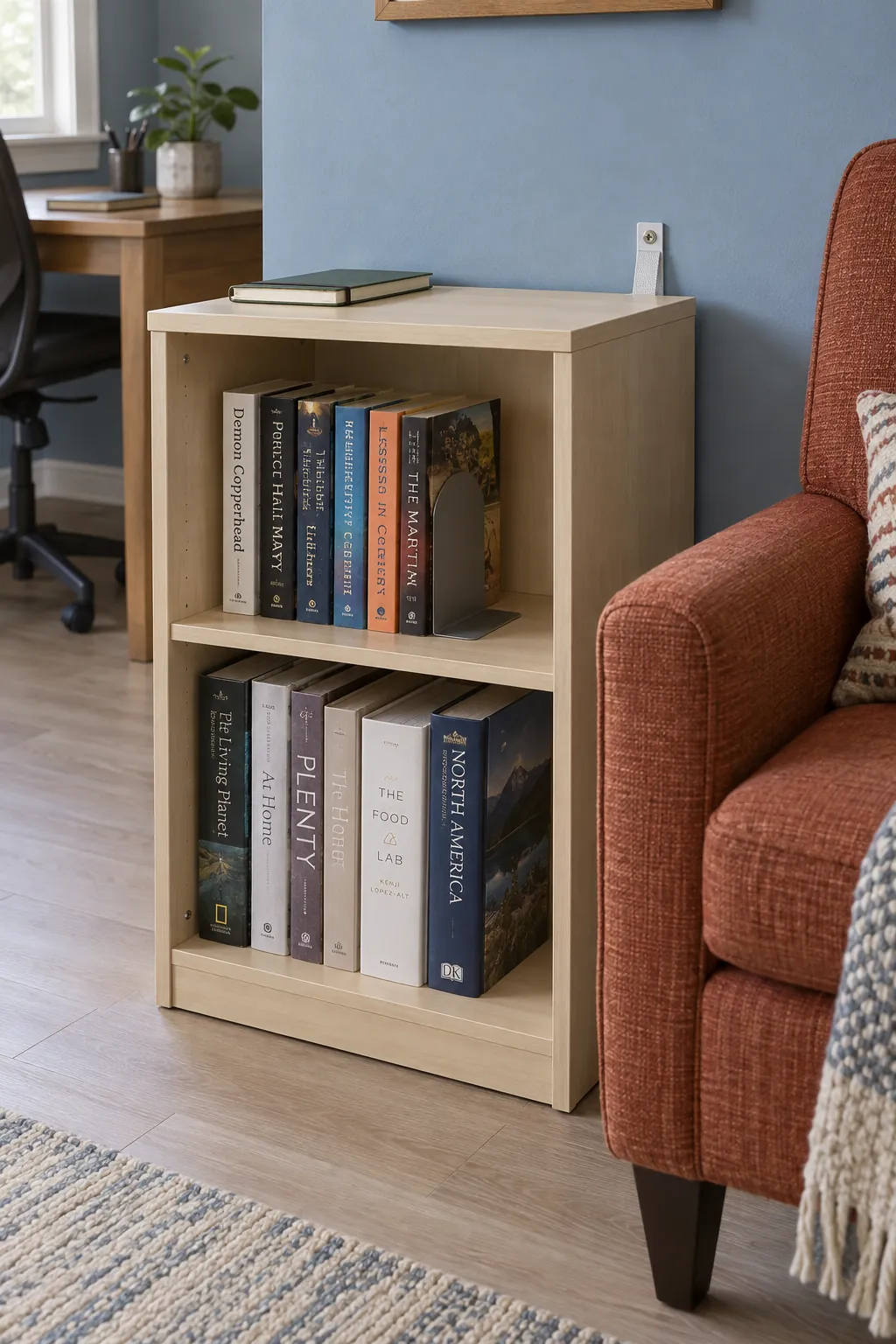
Choose book storage in small spaces by the books you own: tall picture books need different clearance from paperbacks. Place heavy volumes lower and follow the furniture maker’s anchoring and load instructions. Avoid mounting heavy storage above a seat unless the installation is designed and secured for that use.
A low shelf next to the chair can be easier to reach than a deep corner unit. Leave enough access to remove a book without twisting behind the seat or shifting a table.
Test the page under evening light
Read a few paragraphs after dark before deciding the lighting is finished. Ambient light can make a room feel cozy while leaving the page in shadow.
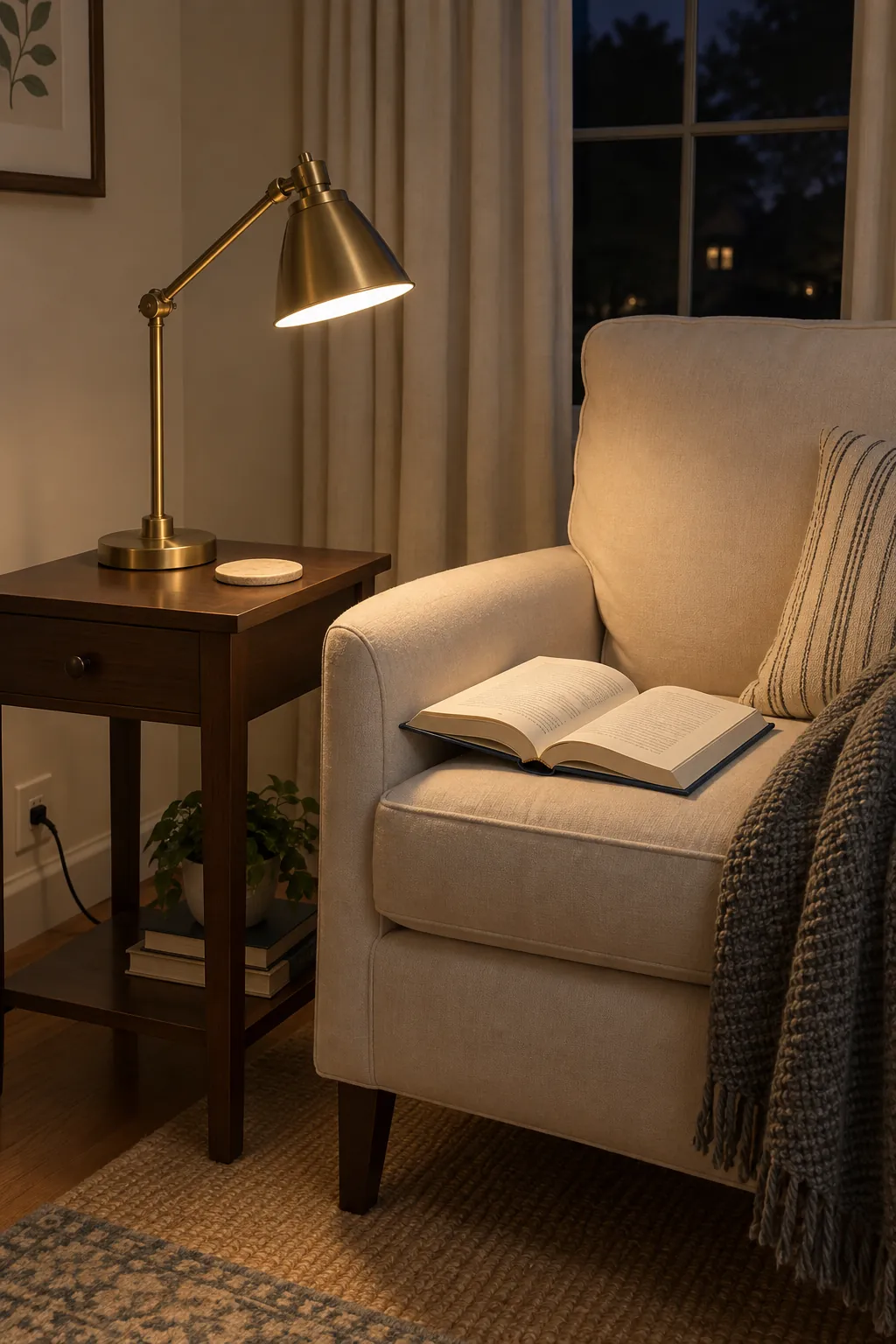
An adjustable reading lamp setup lets you direct light onto the book while keeping the bright bulb out of your seated line of sight. Move the shade until your head and hands no longer cast distracting shadows across the page. Follow the fixture’s bulb and clearance instructions, and keep the cord outside walking routes.
A stable table lamp or a properly fitted clip lamp may use less floor space than a standing lamp. Check that the clip suits its support and that the cable cannot pull it loose. Keep general room light available so the page is not an isolated bright patch in an otherwise dark room.
Adapt a kids book nook for independent choosing
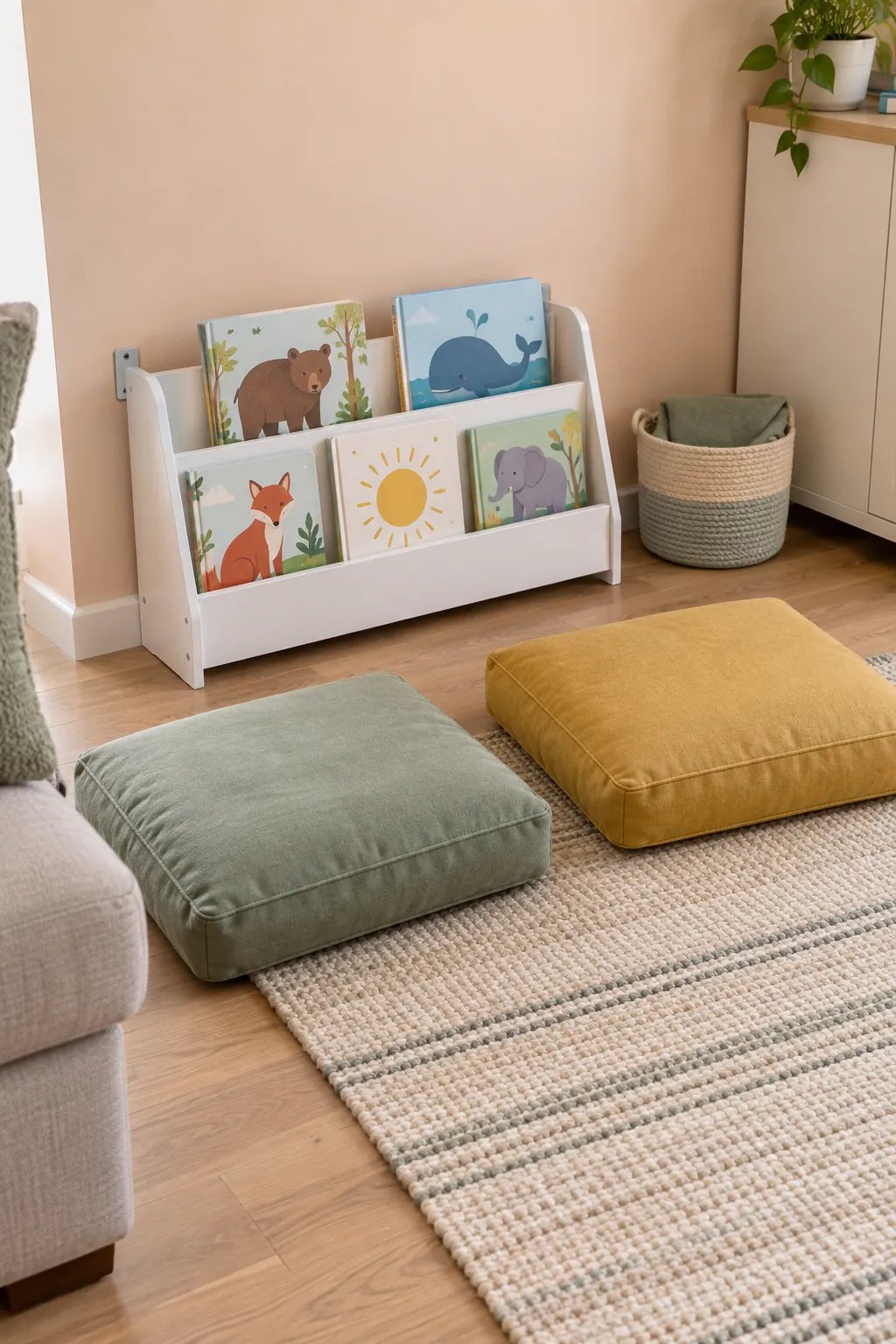
For children, begin with reachable books and a clear floor area rather than a canopy full of decorations. A low display with a few covers facing outward can make choosing easier. Rotate part of the selection when interest fades instead of packing every book into the same rack.
Secure storage according to its instructions, remove dangling cords, and keep heavy or breakable objects away from the seating area. Washable cushions suit spills and everyday use, but the setup should match the child’s age and abilities. Leave enough space for an adult to sit alongside during shared reading.
Add only what helps the reading habit
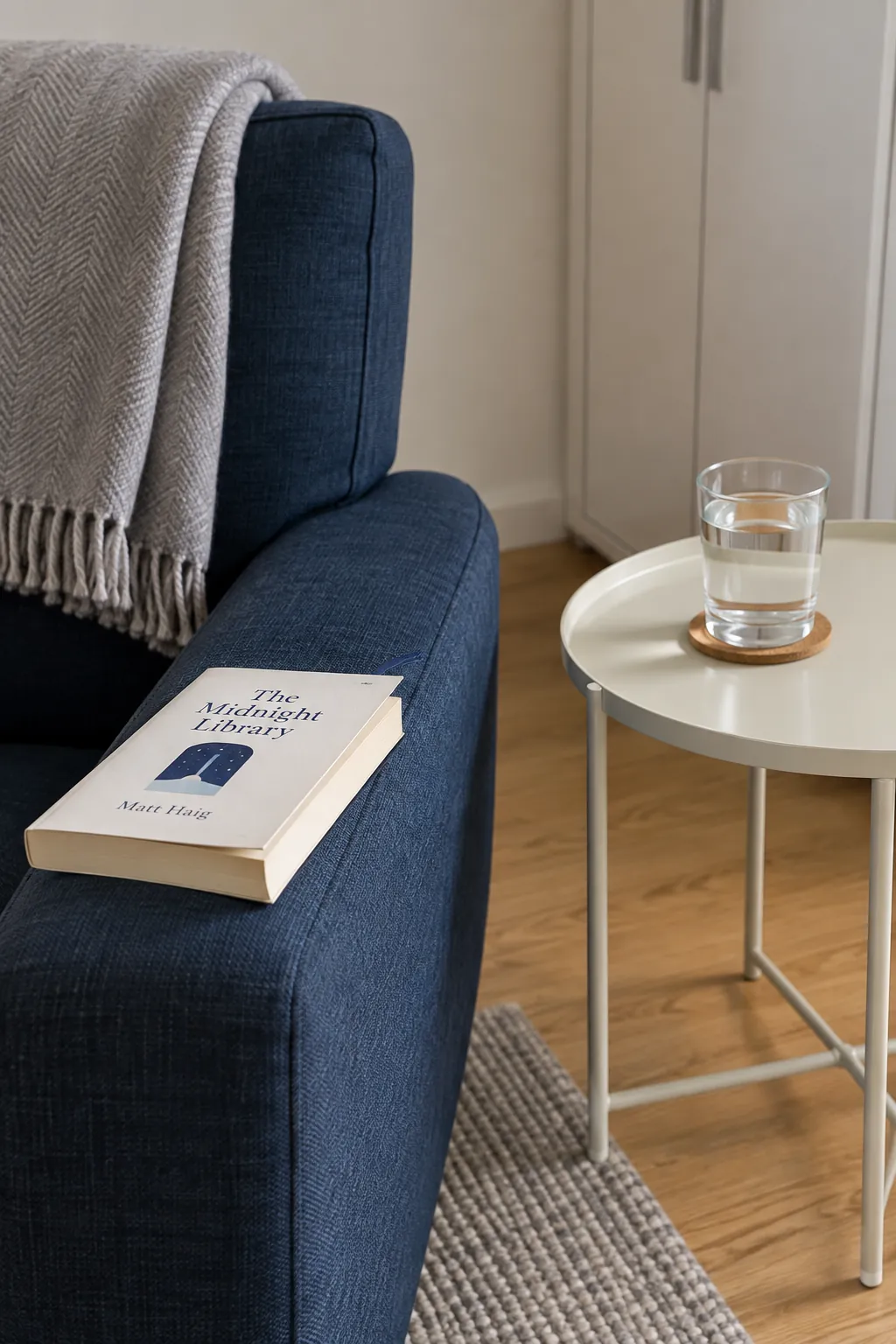
A small stable surface for a drink and a place to leave the current book can make the corner easier to return to. Keep the cup separate from stored books and choose a throw you can wash. If a rug helps define the spot, make sure its edges stay flat and it does not interrupt a walking route.
Use the corner for several days before adding more decoration. A seat that becomes a laundry pile may need a different location or a nearby place for clothes, while books left elsewhere may mean storage is too awkward to reach. Adjust the arrangement around those habits rather than buying more containers.
Leave tomorrow’s book where you can pick it up comfortably. The finished corner is the one that gets you reading.