A green you love on a screen can turn unexpectedly blue beside your sofa. Before buying paint or upholstery, separate the color name from the actual sample: the undertone, surface, and room lighting matter more than the label.
Jade is a family of greens, not a single paint formula
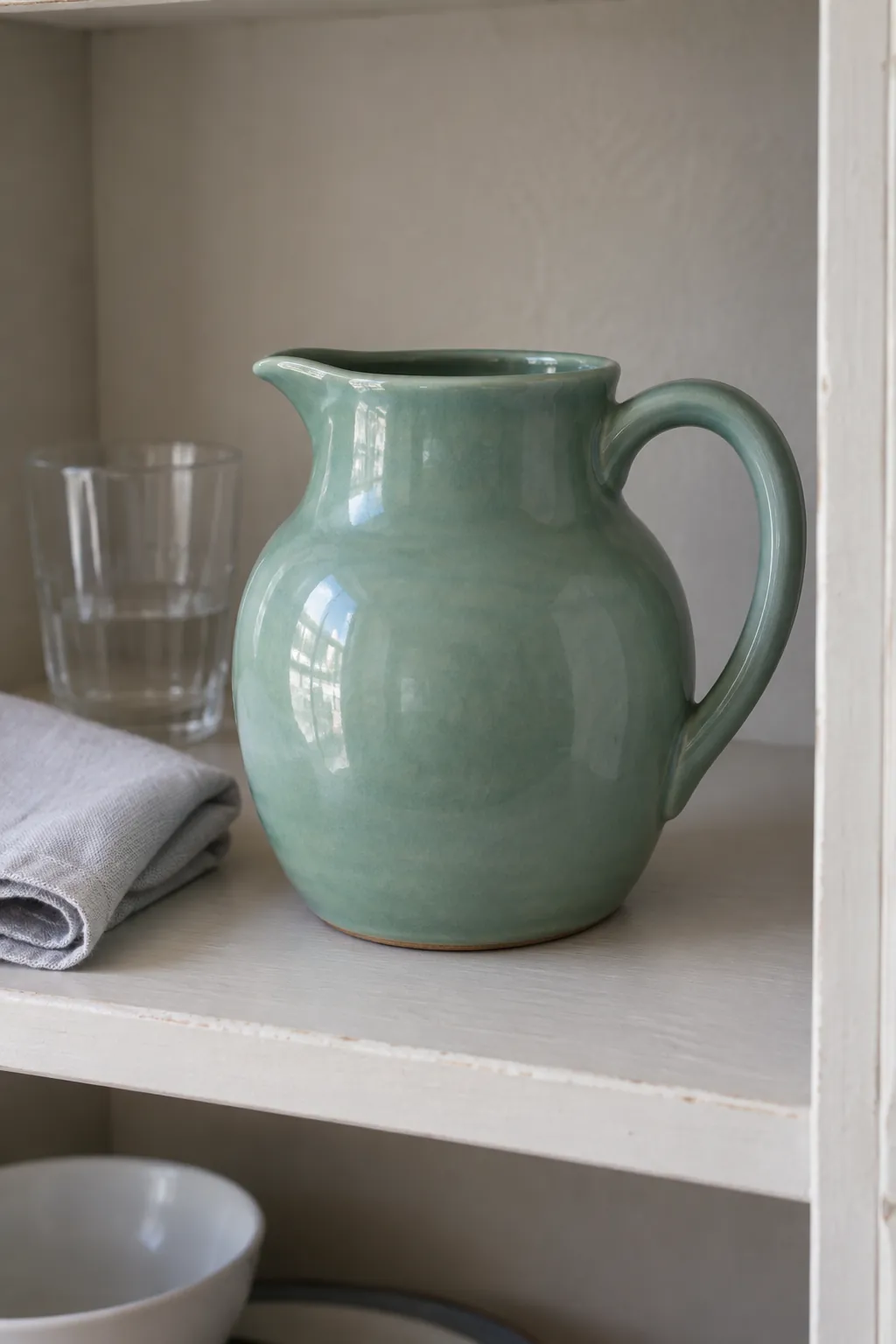
Jade green usually describes a green with a cool blue influence, often softer or milkier than a vivid emerald. It can range from pale, cloudy green to a saturated medium green, because both natural jade and commercial color names vary. For decorating, treat jade as a direction to explore rather than a precise promise about a paint can.
A commonly used digital reference for jade is #00A86B, but that screen color does not identify one universal wall paint. Your display, the paint finish, and the light in your room can all change the impression. Use a digital swatch to explain the family you like, then make the purchase decision with a physical sample.
Compare jade with emerald, sage, mint, and teal
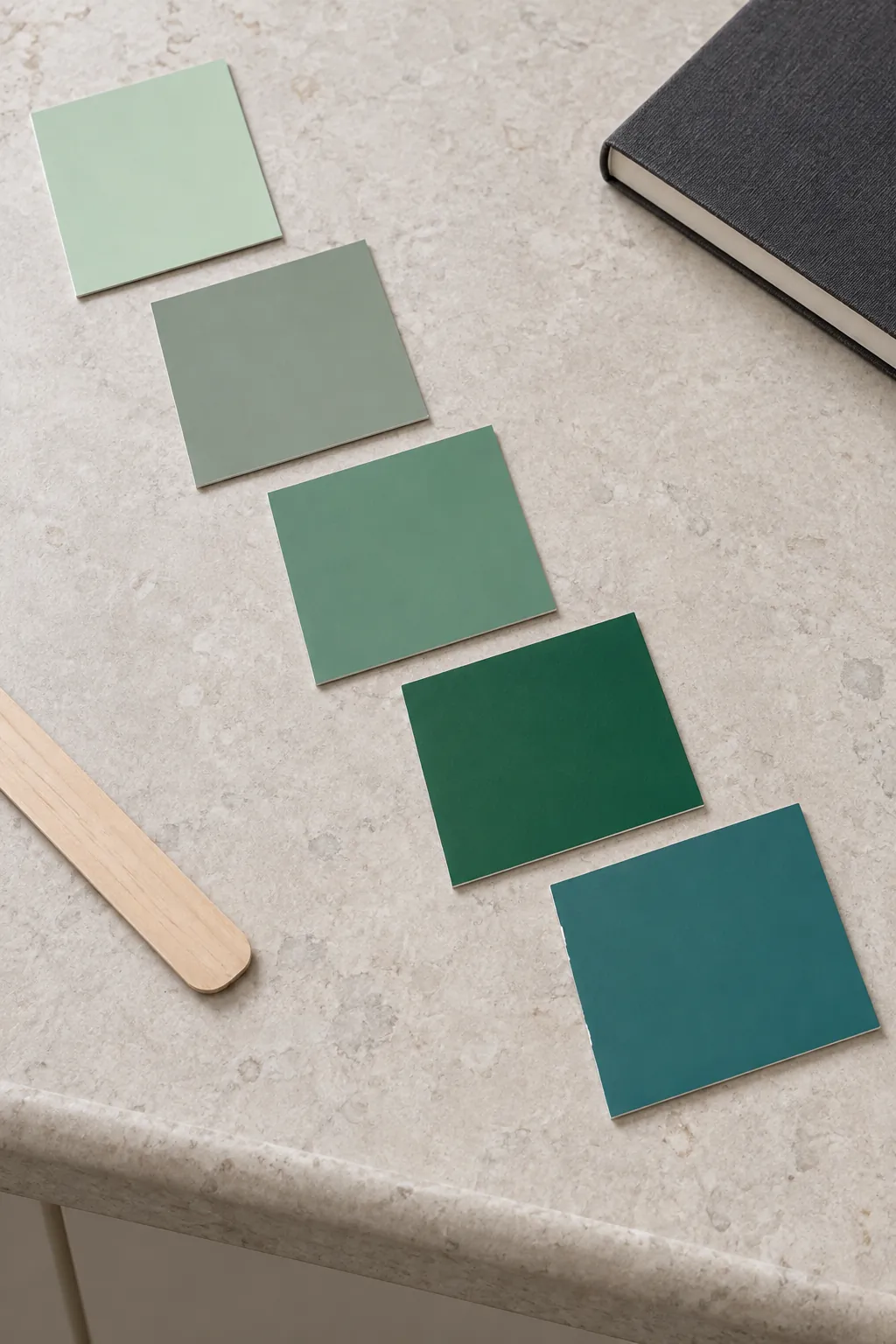
Emerald typically reads richer and more jewel like, while jade often has a gentler, slightly cloudy quality. Sage usually looks grayer and more muted, and mint is generally lighter and more pastel. Teal puts stronger emphasis on blue, although a blue leaning jade can sit close to it.
Place candidate swatches beside one another on a neutral surface instead of judging them from separate photographs. A jade green shade comparison becomes much easier when you keep the light and the surrounding colors constant. If your preferred sample looks almost turquoise beside a true green, choose it knowingly rather than expecting a leafy result.
Test the undertone where the paint will live
A jade green paint color that feels balanced beside a shop window may look bluer on a shaded wall at home. Warm lamps can change that impression again, and adjacent oak floors or cream curtains affect how you perceive it. The useful question is whether you like the sample in your actual room, not whether it looks identical throughout the day.
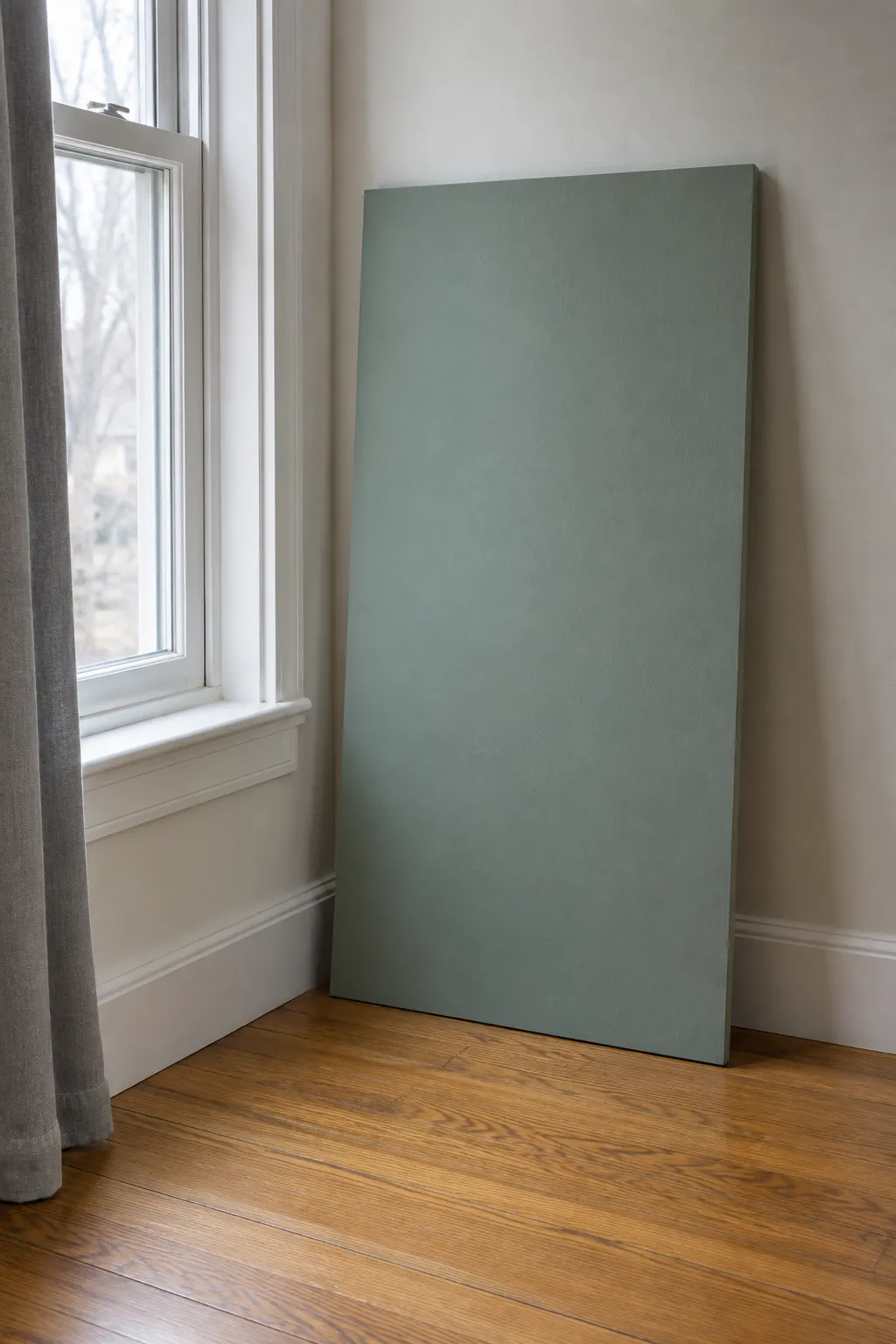
Paint a movable sample board using the manufacturer’s recommended preparation and coats, then let it dry fully. Check it upright beside the trim, floor, and largest fabric in morning light, afternoon light, and under the lamps you use at night. Move it between the brightest wall and a shadowed corner before committing.
Keep your existing bulbs in place for this test unless you also plan to replace them. Comparing paint under temporary lighting solves the wrong problem.
Let warm neutrals, brass, and wood support the green
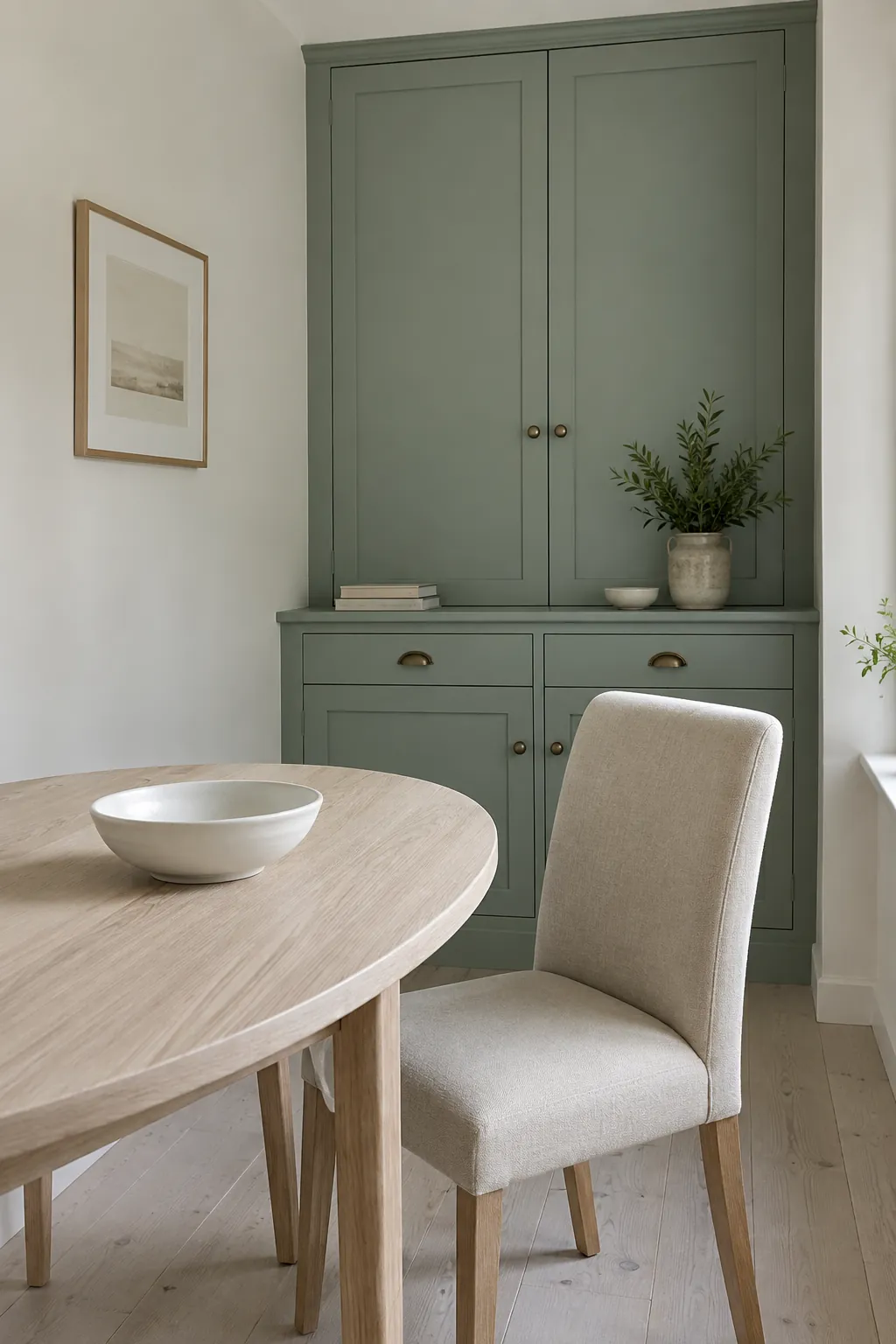
For an approachable palette, pair jade with an off white that works with your existing trim and a wood tone already present in the room. Brass can supply a small warm accent through a lamp, handle, or picture light. Repeat the metal selectively so that the green remains the main color.
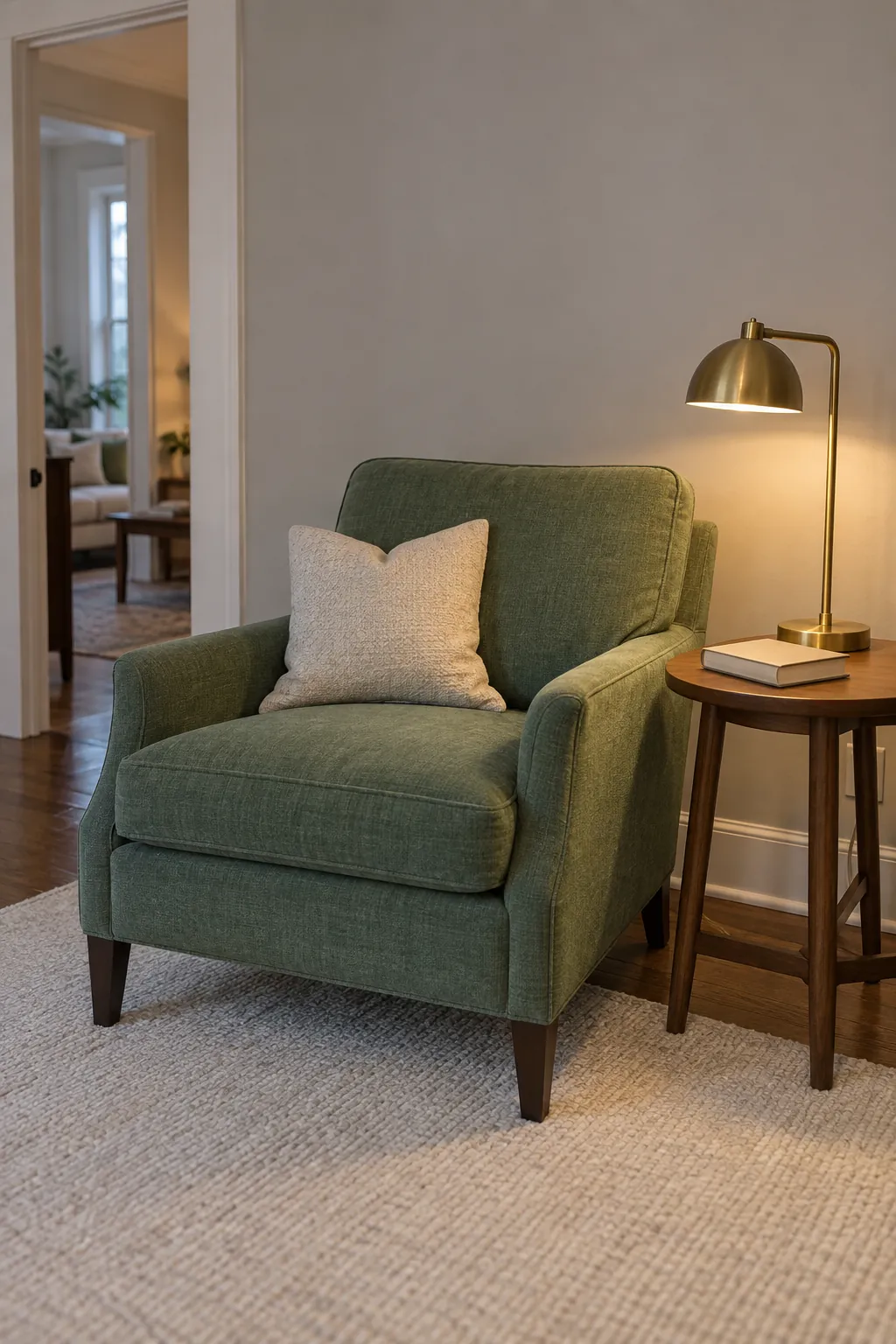
Jade green with brass and wood does not require matching every finish. A medium walnut table can ground a cool green chair, while a pale woven fabric keeps the corner from feeling heavy. If the combination looks too yellow, compare a less creamy neutral and a quieter metal finish before abandoning the green.
Choose the scale of green for the room you use
Jade green living room decor can begin with one substantial piece, such as a chair, rather than several tiny ornaments scattered around the room. A large colored object makes the palette easier to read, while neutral seating gives you room to change cushions later. Check upholstery samples from different angles because velvet and other directional fabrics can show pronounced light and dark areas.
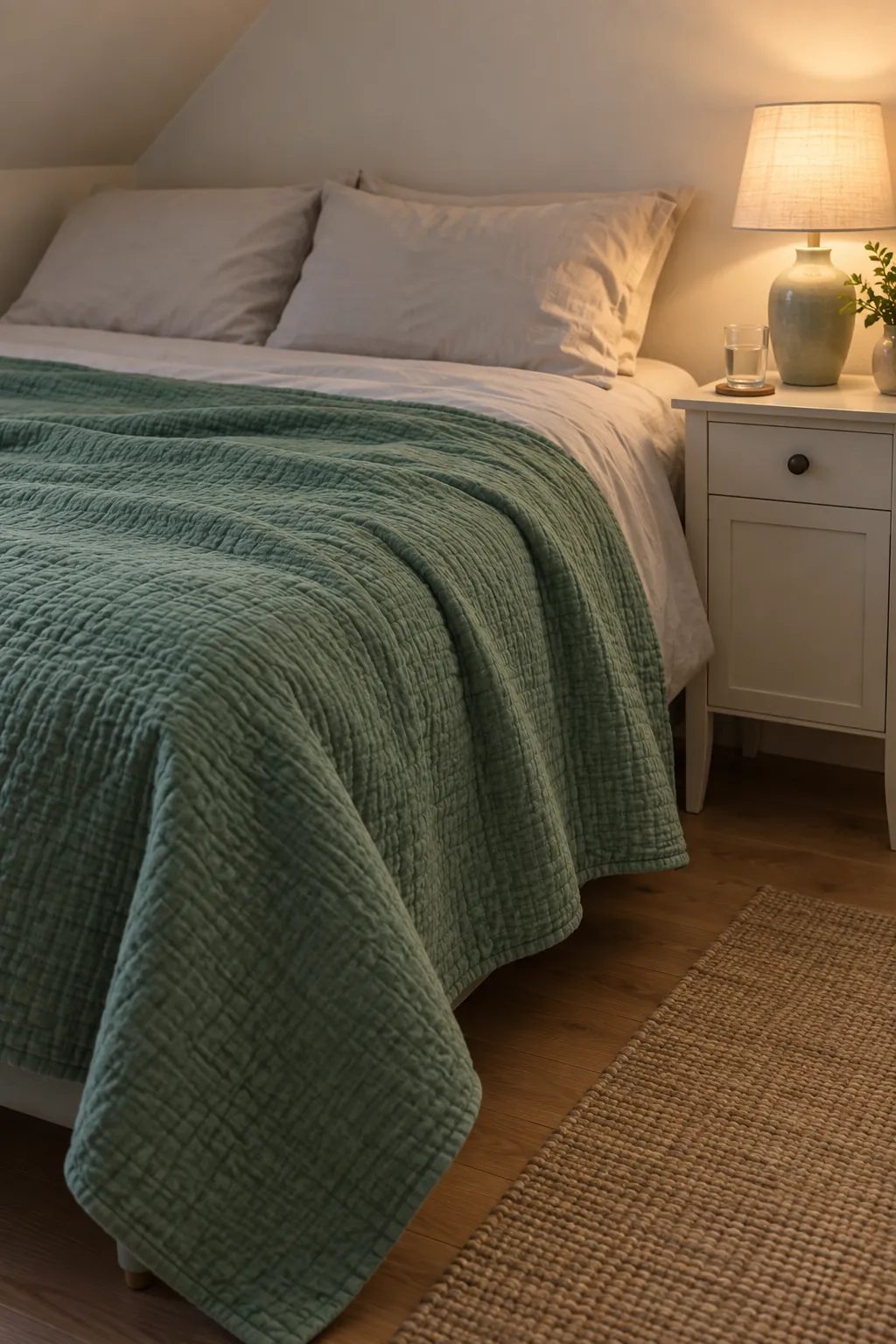
For a jade green bedroom palette, decide whether you want the color around your field of view or concentrated on the bed. Muted walls can make a quiet backdrop, whereas a jade coverlet introduces the color without repainting. Compare the fabric under bedside lighting before choosing additional accents, especially if you read in the room after dark.
Make the smallest useful commitment first
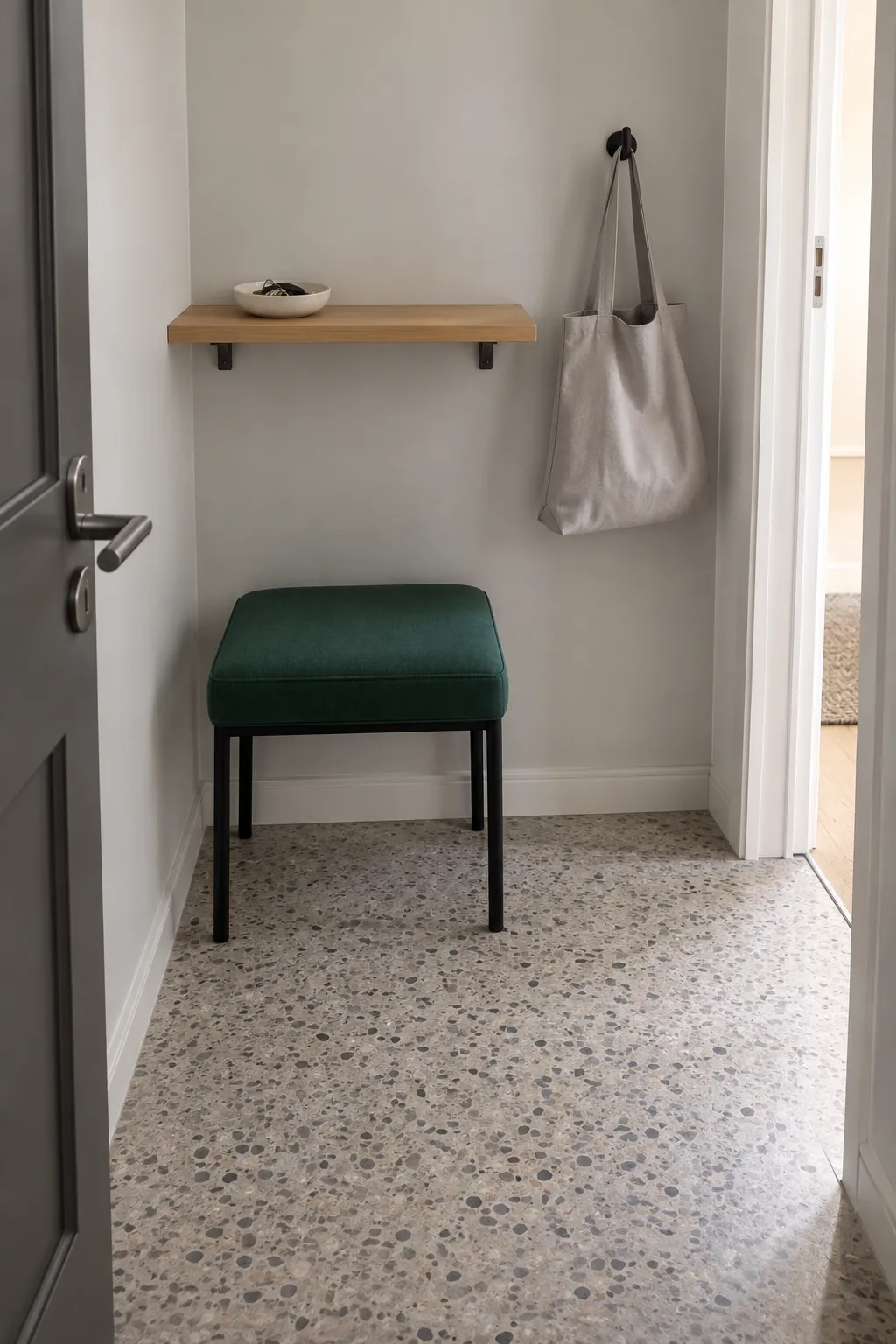
If you rent or are still deciding, start with jade green furniture accents that can move with you: a cushion cover, a ceramic lamp, or a small upholstered stool. Choose one shade family and repeat it once rather than buying several unrelated greens. That gives you enough color to judge against the room without making every surface compete.
For permanent jade green wall ideas, test the wall color against fixed finishes before shopping for accessories. A floor, countertop, or tiled surround is usually harder to change than a cushion. Keep the physical sample you approve, and use it as the reference when you order paint or fabric; the name alone cannot carry the decision.