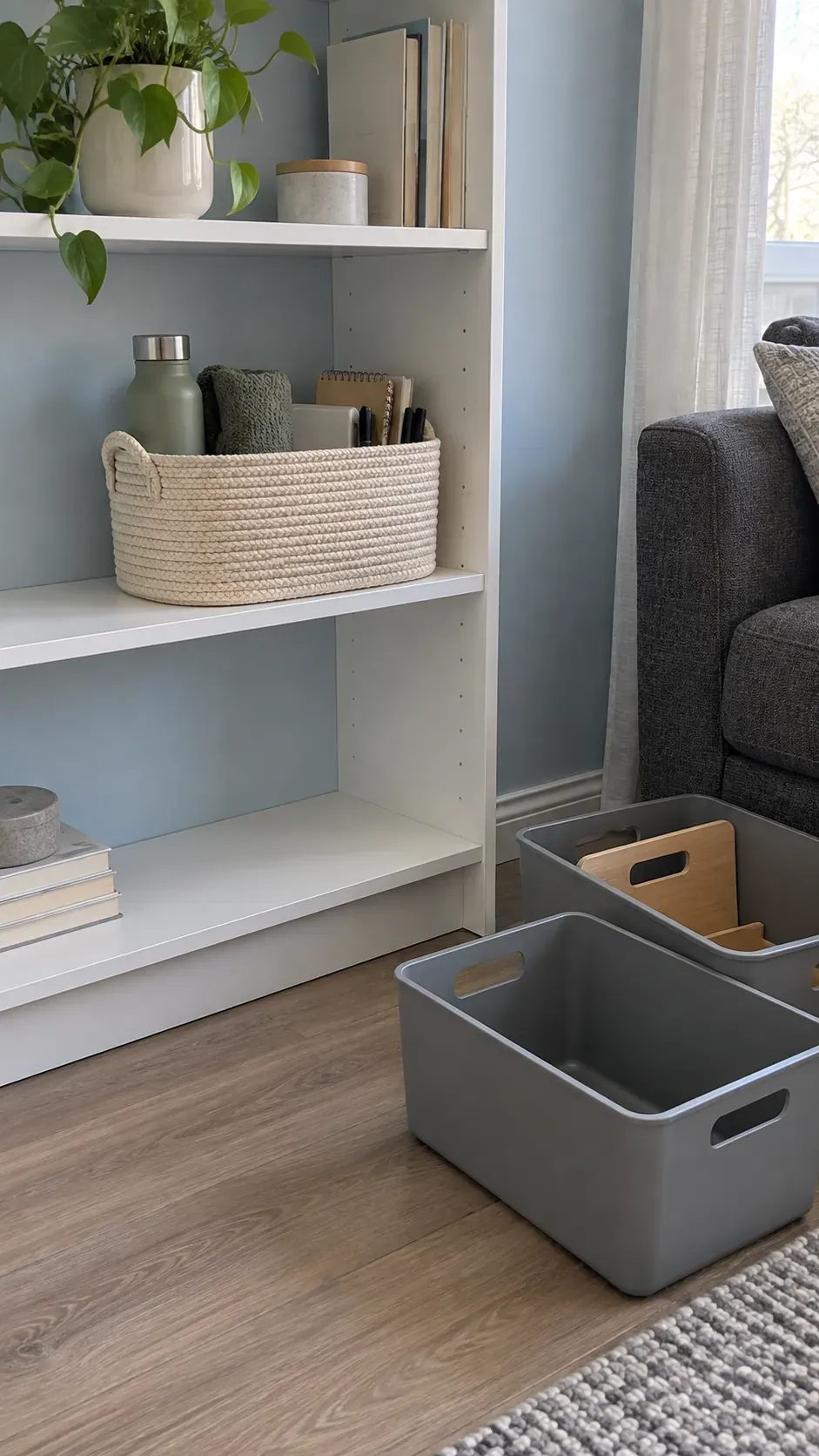
Buying a basket can make a crowded shelf look better for a day while leaving the same decisions underneath it. Start with one small category and keep your bed, table and cooking space usable as you work. You do not need to clear everything at once, and belongings that support your real life can stay.
Shipping cartons with no planned reuse
Keep only the boxes required for an active return or a definite upcoming move. Flatten sound extras and follow your local cardboard collection rules. A pile of just in case packaging can occupy the exact cupboard you are considering replacing.

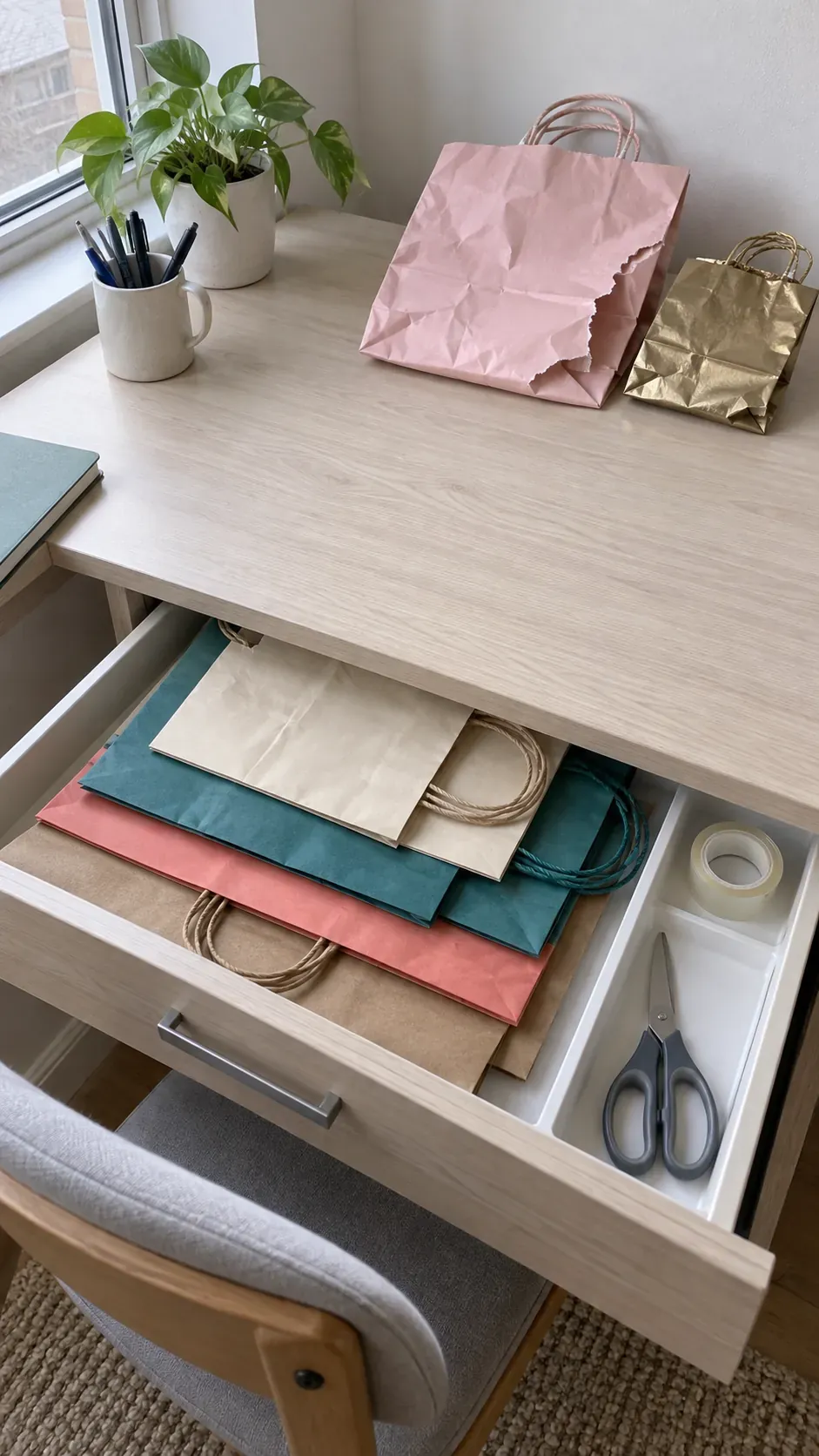
Gift bags beyond a useful small selection
Choose a few bags in sizes you actually use, keeping the strongest handles and cleanest paper. Remove torn bags and reuse plain tissue while it remains serviceable. Store the retained selection flat rather than buying a deep container for every bag received.
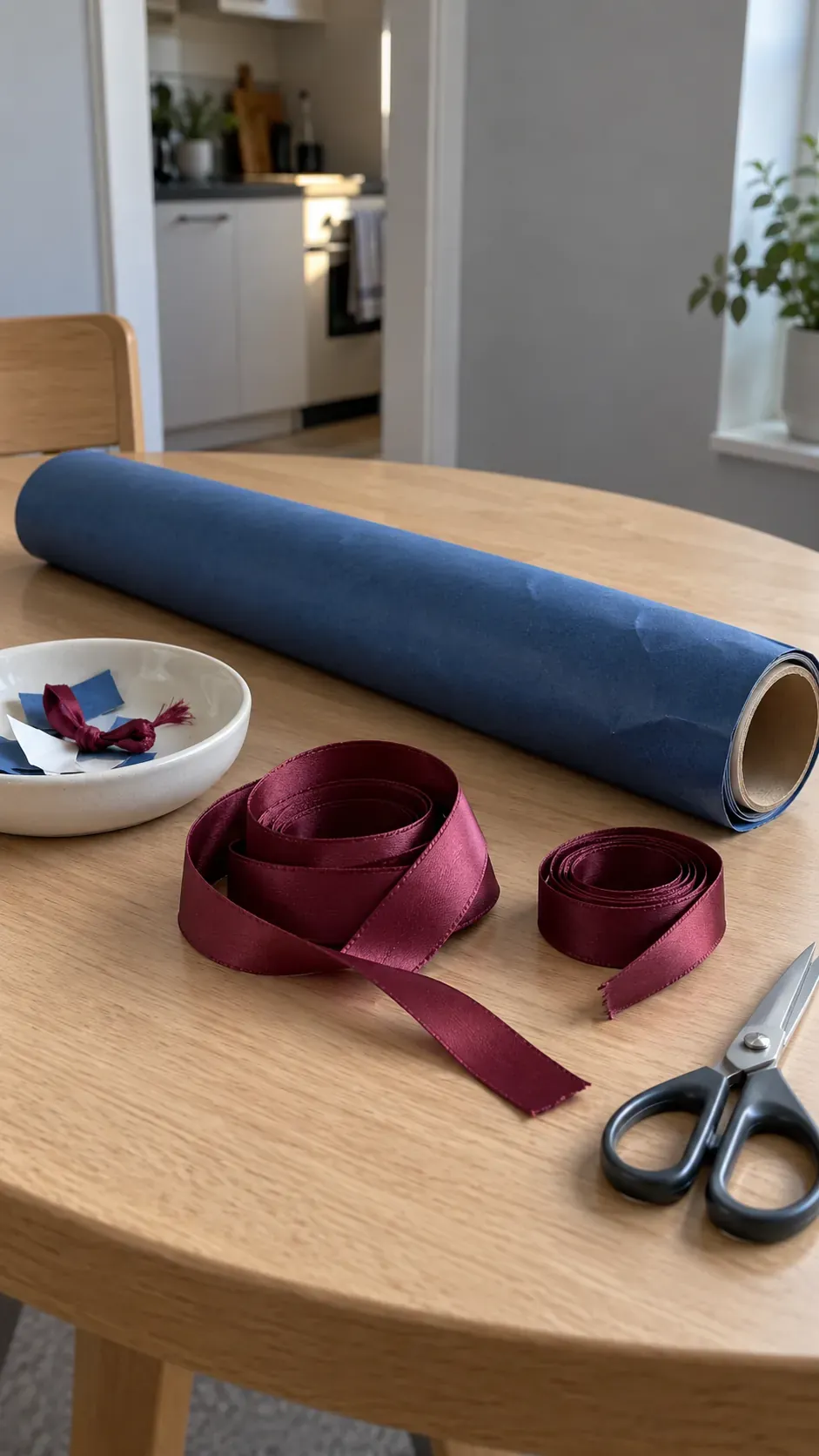
Unwanted gift wrapping scraps
Short ribbon ends and tiny paper remnants deserve space only when you have a specific use for them. Keep one usable roll or a modest sheet collection together with scissors and tape. Separate materials according to local disposal guidance instead of assuming every shiny wrapper is recyclable.
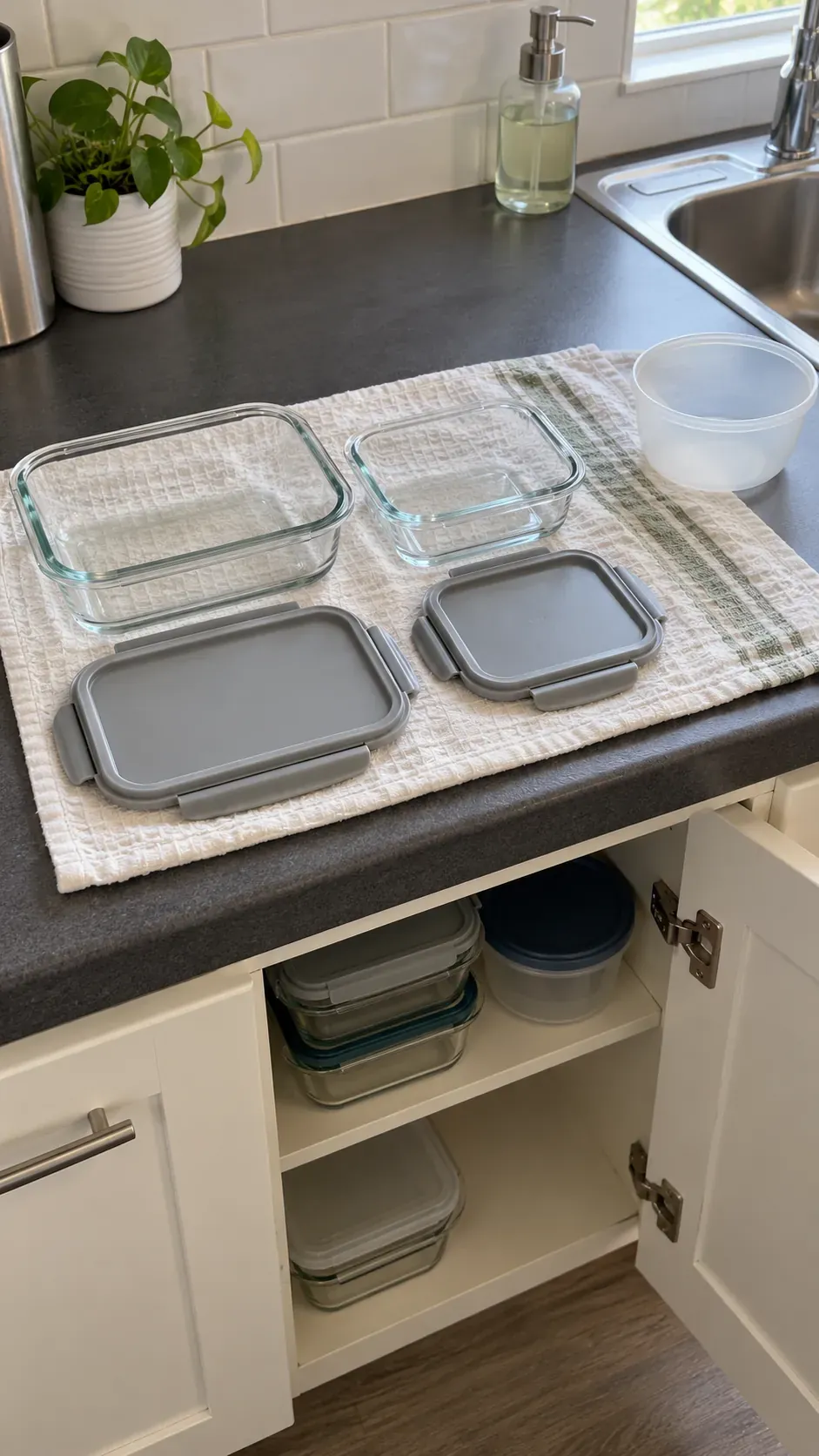
Containers without matching lids
Match each food container to its lid before judging how much storage you need. Keep a lidless piece only if it already performs a useful safe job. Remove damaged food containers and donate complete extras only when the recipient accepts them.
A mismatched lid may belong to a container elsewhere in the kitchen, so finish the small matching check before disposal. Keep food storage materials appropriate for their intended temperature and use. The goal is a usable set, not an arbitrary container count.
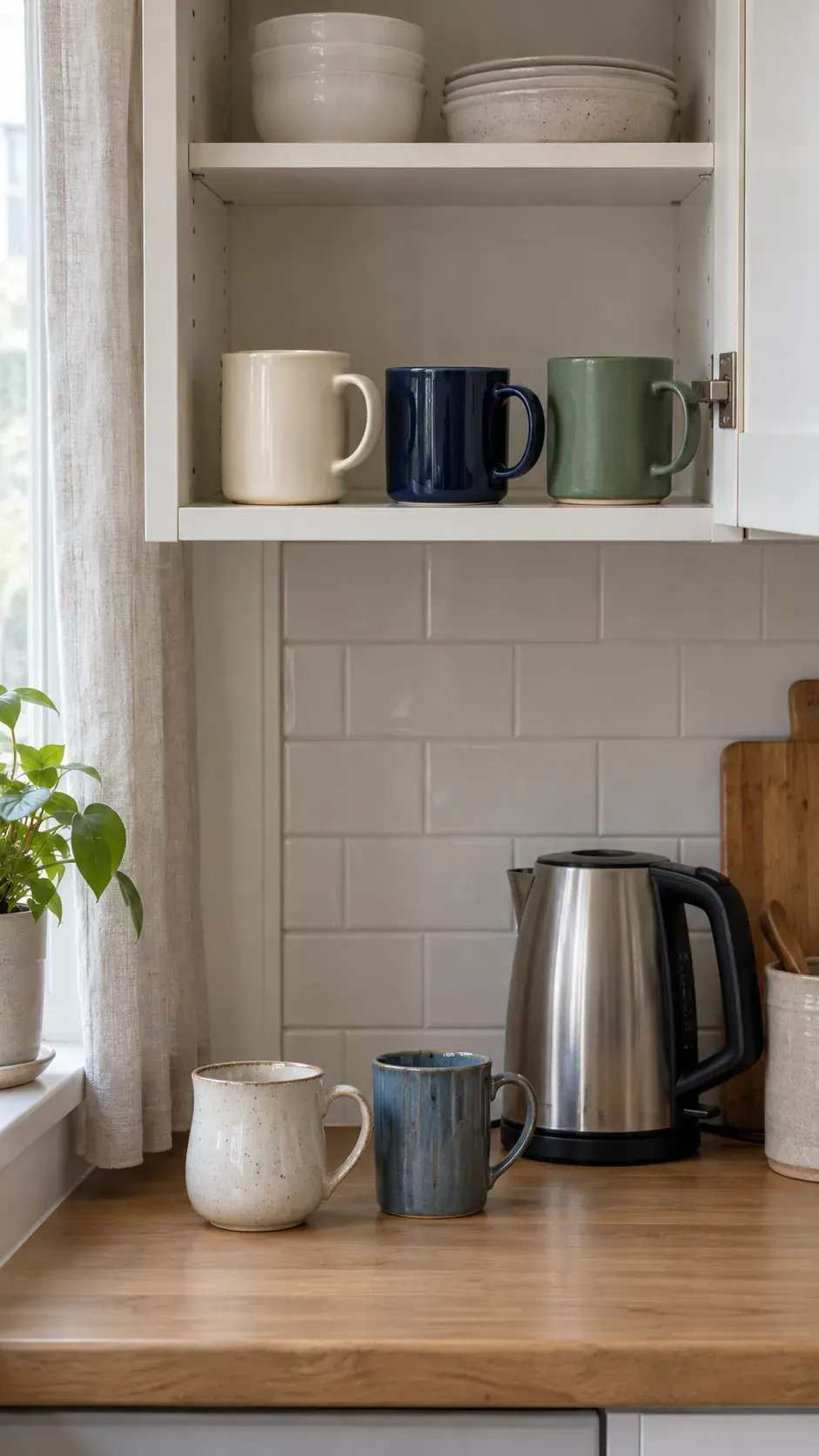
More mugs than your household uses
Count the mugs needed for daily use and the guests you realistically host. Keep favorites that are comfortable to hold and let sound unwanted extras move to a new owner. Chipped drinking rims are a reason to retire a mug, not to stack it behind better ones.
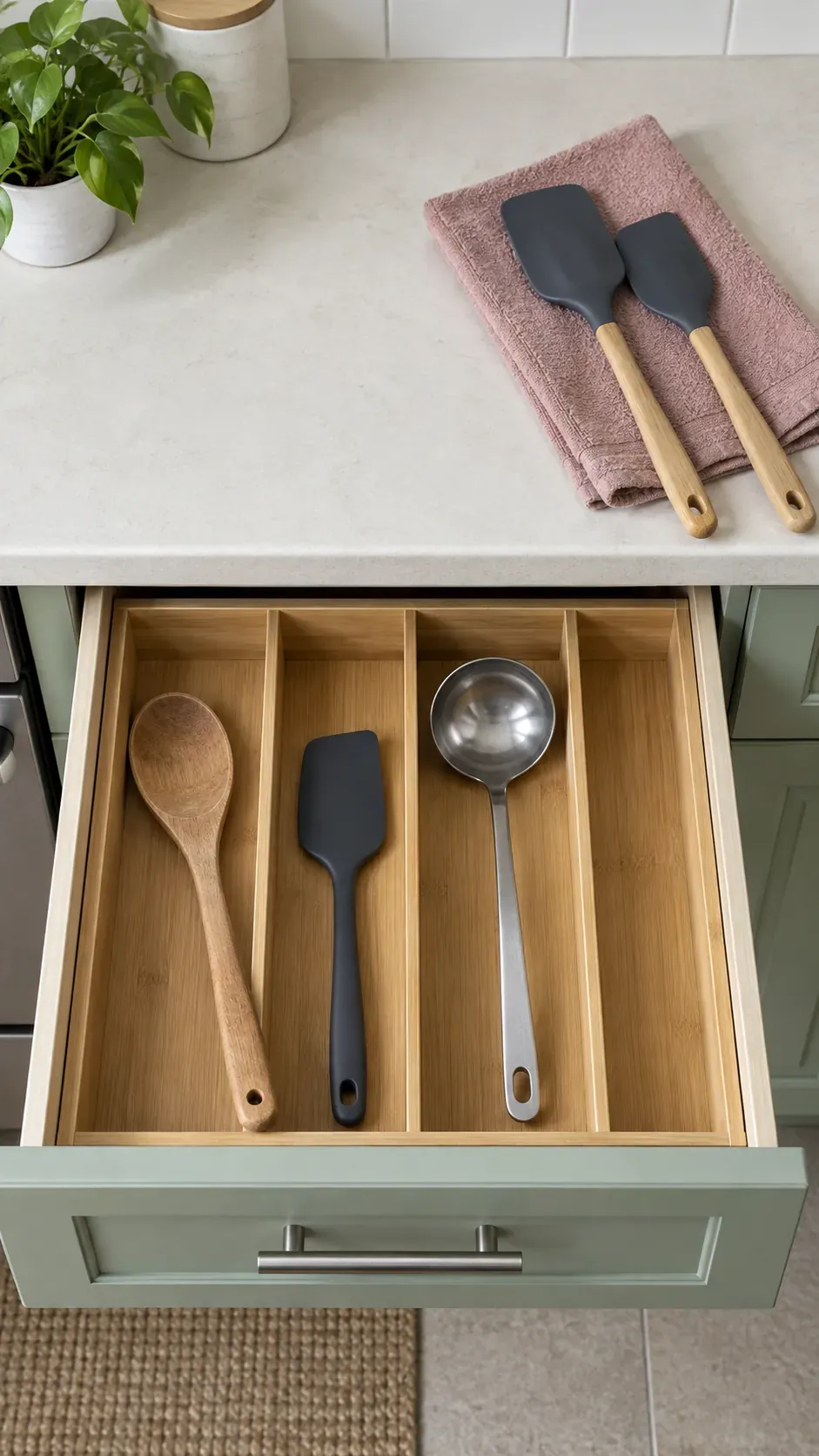
Duplicate utensils that complicate cooking
Put duplicate spatulas, ladles and peelers together so you can compare their condition and purpose. Retain backups only when your cooking habits justify them. A drawer with fewer useful tools is easier to open than a larger divider packed with redundant ones.
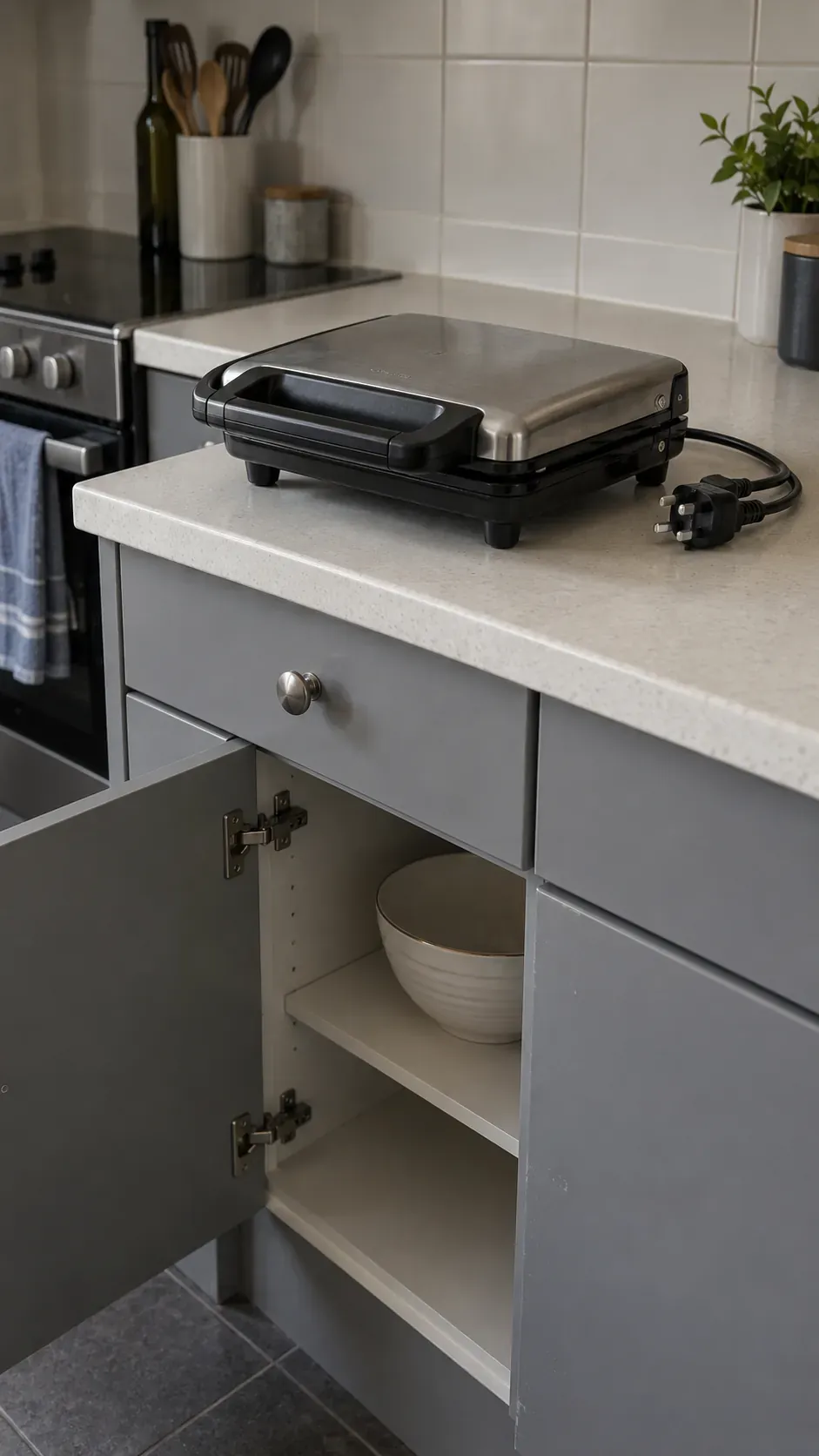
Small appliances used only in imagination
Ask when the appliance last helped you prepare food and whether you plan to use it soon. A bulky gadget that never leaves its box may deserve sale or donation if it works safely. Keep necessary specialist equipment without guilt; frequency alone is not the whole decision.
Borrowing or sharing occasional equipment can be sensible when a reliable arrangement exists. Compare that convenience with your own cooking needs before letting something go. Do not create a new expensive replacement cycle merely to empty a shelf.
Spice jars you no longer cook with
Review spices for condition and usefulness rather than transferring every jar into matching containers. Combine duplicates only when their identity and condition are clear. Keep the flavors you use within reach and dispose of unsuitable contents and packaging through appropriate local routes.

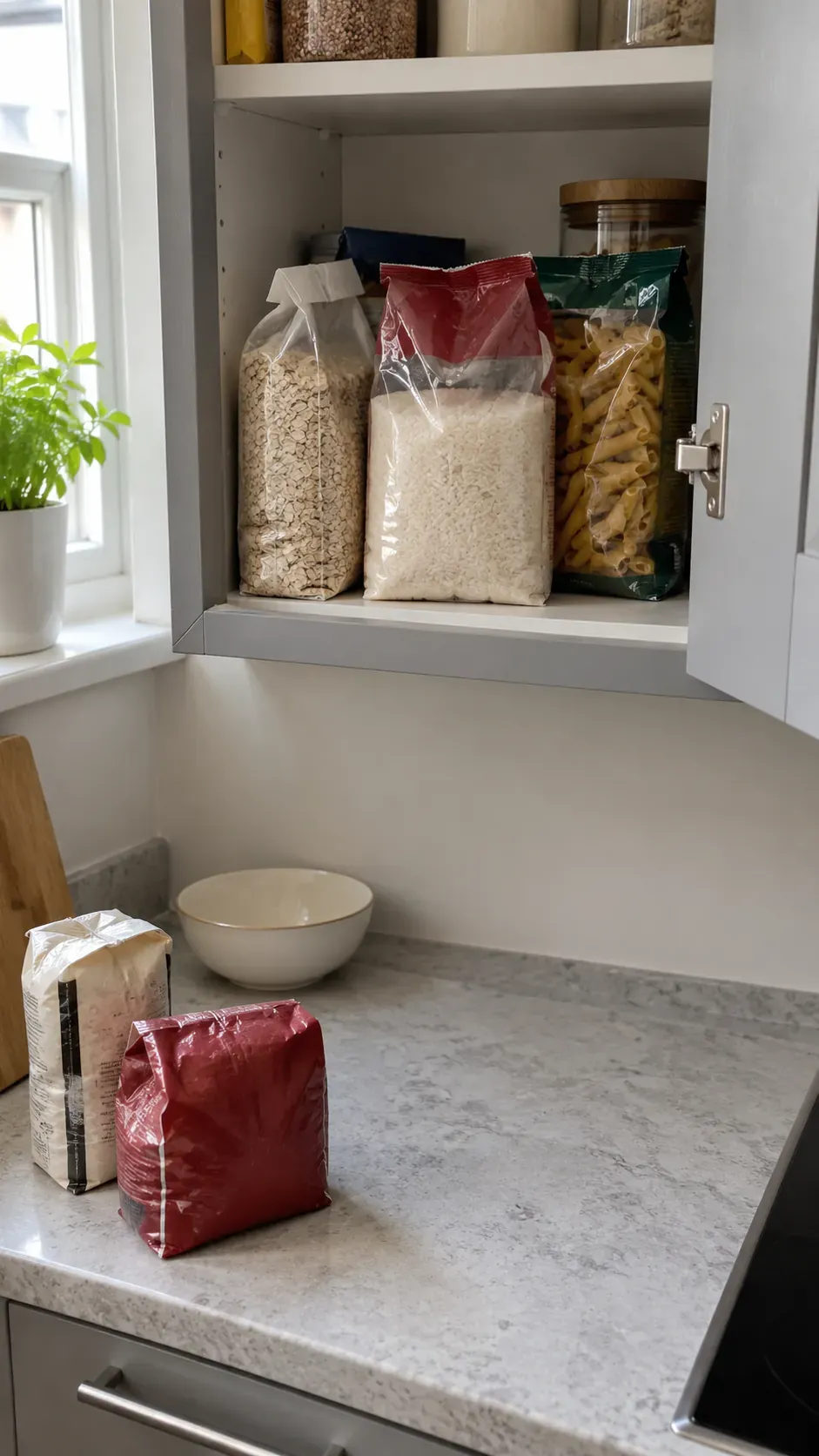
Pantry packets past a sensible use decision
Read the food’s date label and storage instructions before deciding whether to keep it. A use by date and a best before date do not mean the same thing, and spoiled or compromised packaging needs a cautious decision. Arrange retained packets so older suitable stock is visible before buying more.
Excess reusable shopping bags
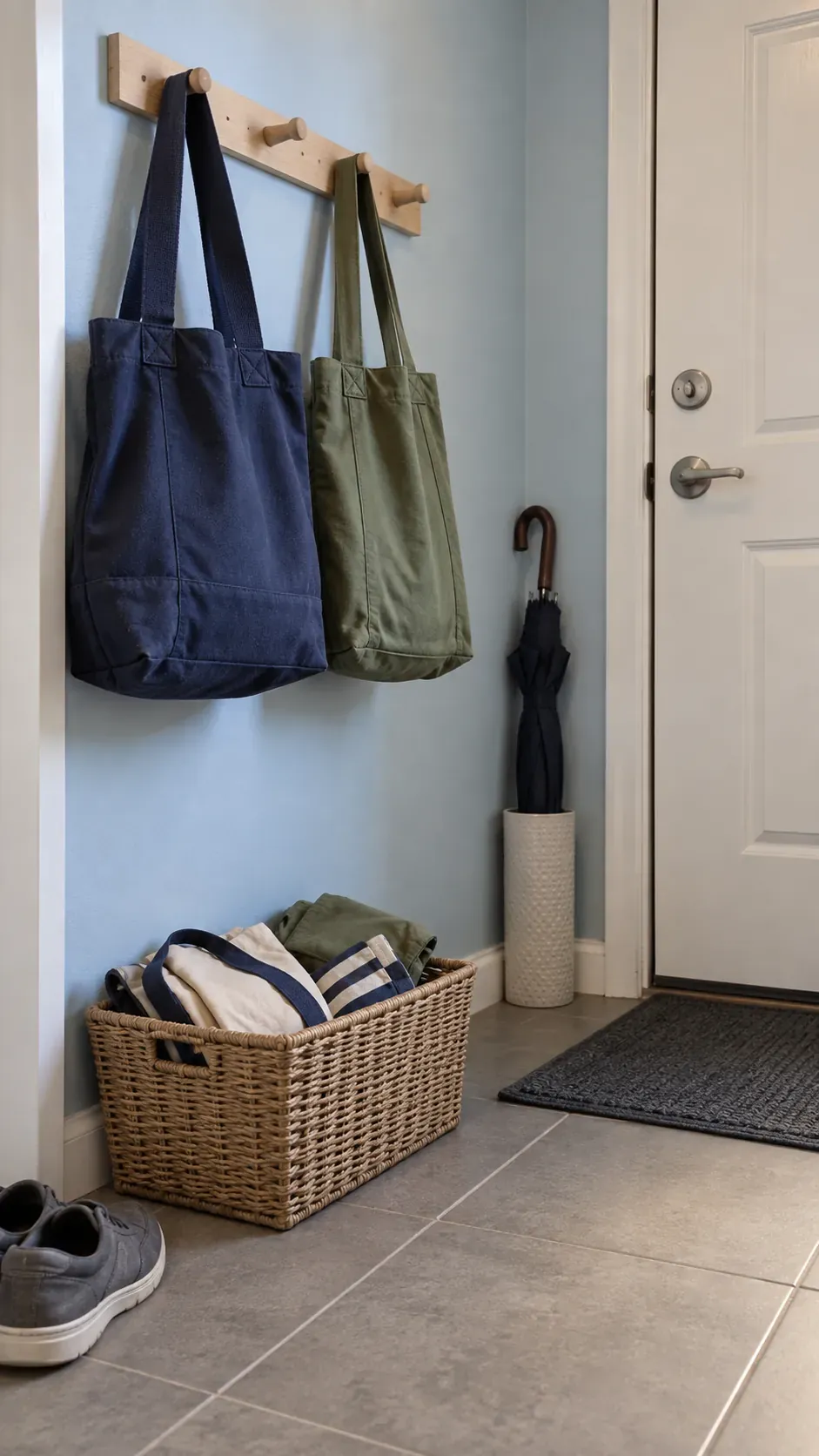
Keep enough sturdy bags for your usual shopping trip and a reasonable spare. Check handles and seams, then move sound excess bags to a recipient who can use them. A bag filled with dozens of other bags is still a cupboard volume decision.
Water bottles with no regular role
Test each bottle’s cap, seals and cleaning access. Retain the sizes you use for work, exercise or children’s activities and remove damaged or unwanted duplicates. Do not buy another rack until you know how many complete bottles actually need a home.

Lunch boxes missing essential parts
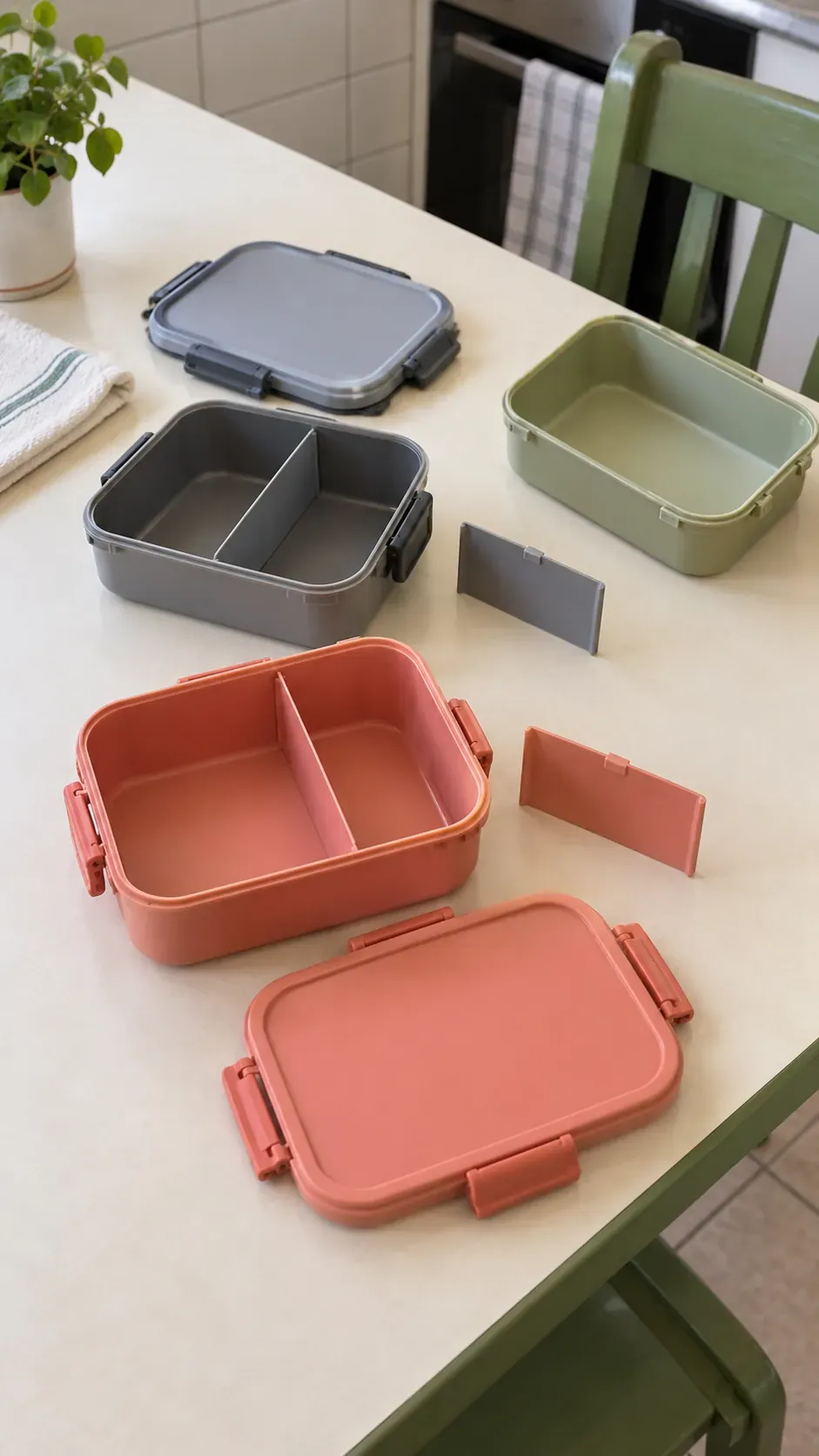
Group lunch boxes with their dividers, lids and any safe compatible accessories. Keep incomplete boxes only when they still close securely and serve an actual purpose. Avoid retaining bulky shells for a repair or replacement part you have no intention of obtaining.
Tea towels beyond laundry needs
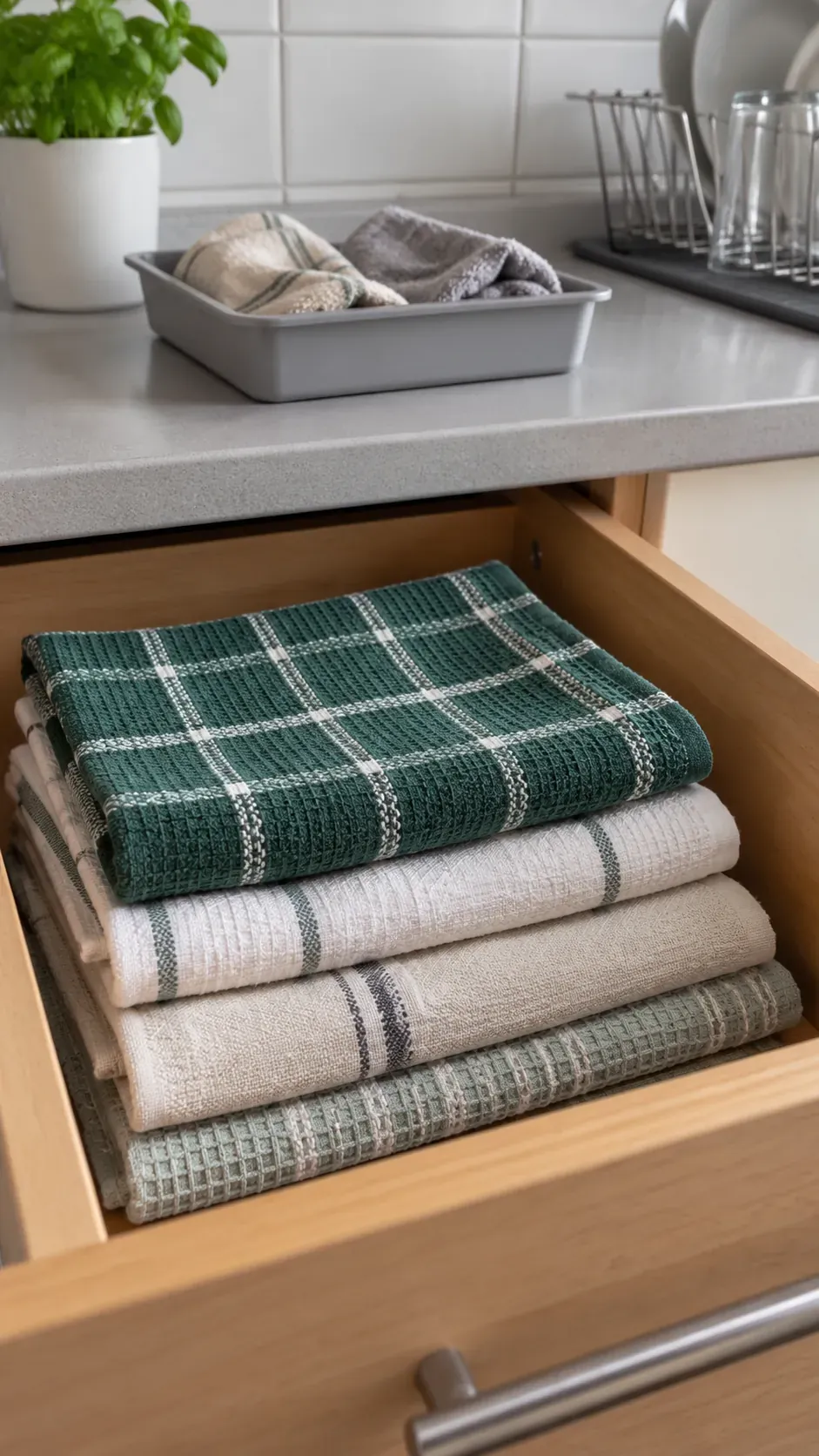
Set aside stained or worn towels you genuinely need for cleaning, then compare the remaining quantity with your washing routine. Keep enough sound kitchen towels to work between loads. Rag storage also needs a limit, because turning every textile into a rag does not reduce volume.
Unusable cleaning cloths and sponges
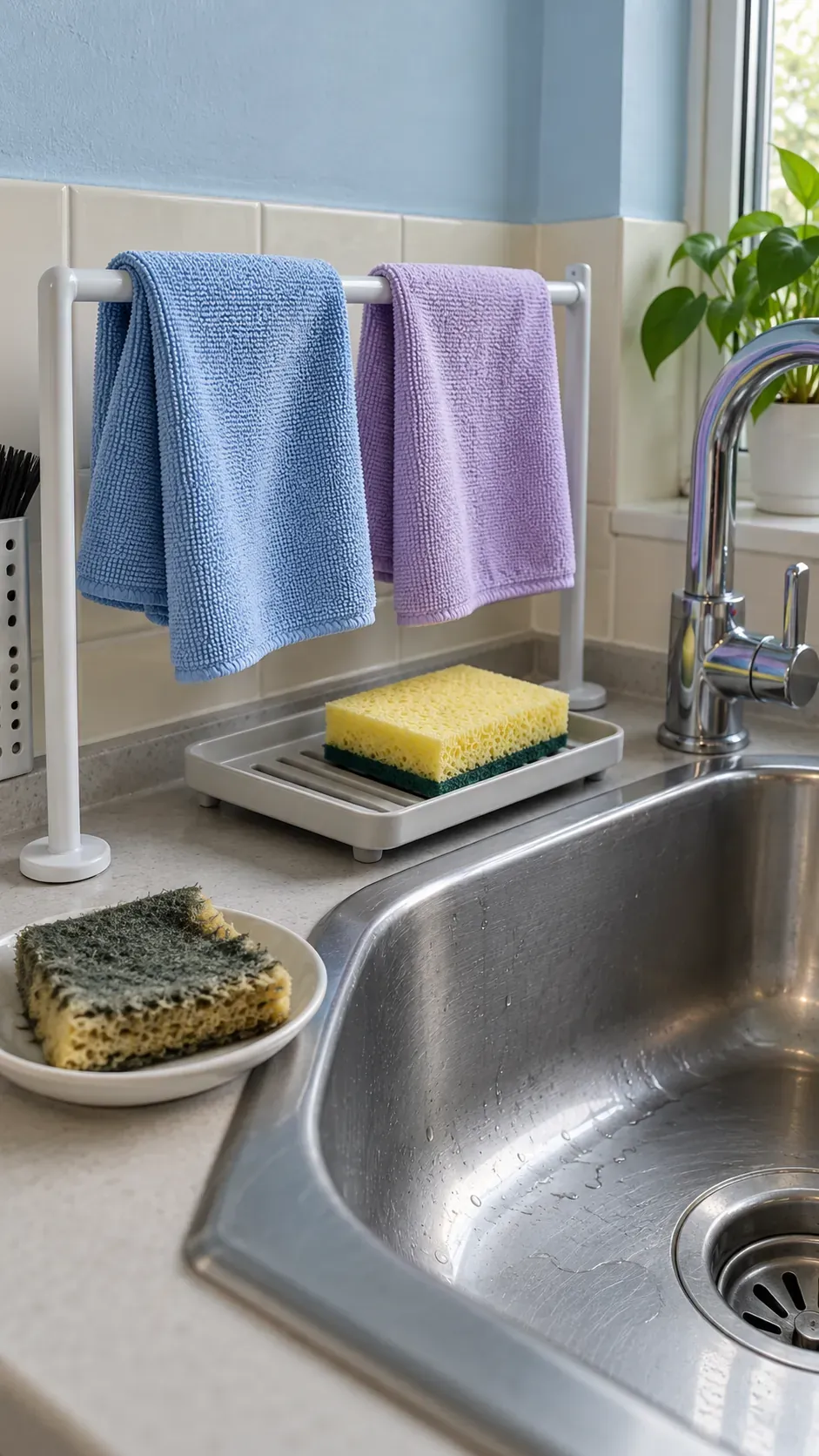
Separate serviceable cleaning materials from worn items that no longer do their job. Follow product hygiene guidance rather than preserving a deteriorating sponge because its holder looks tidy. Keep task appropriate cloths together and let the cleared area remain easy to dry.
Duplicate cleaning sprays for the same job
Identify what each product is intended to clean and keep its original label readable. Use suitable existing supplies before buying another formula, without mixing products or combining bottles. Dispose of unwanted chemicals through local guidance instead of pouring them together to save space.
Some products require special handling even when very little liquid remains. Keep children and pets away from the sorting area and preserve caps and labels. Your local waste authority can clarify the disposal route for the particular product.
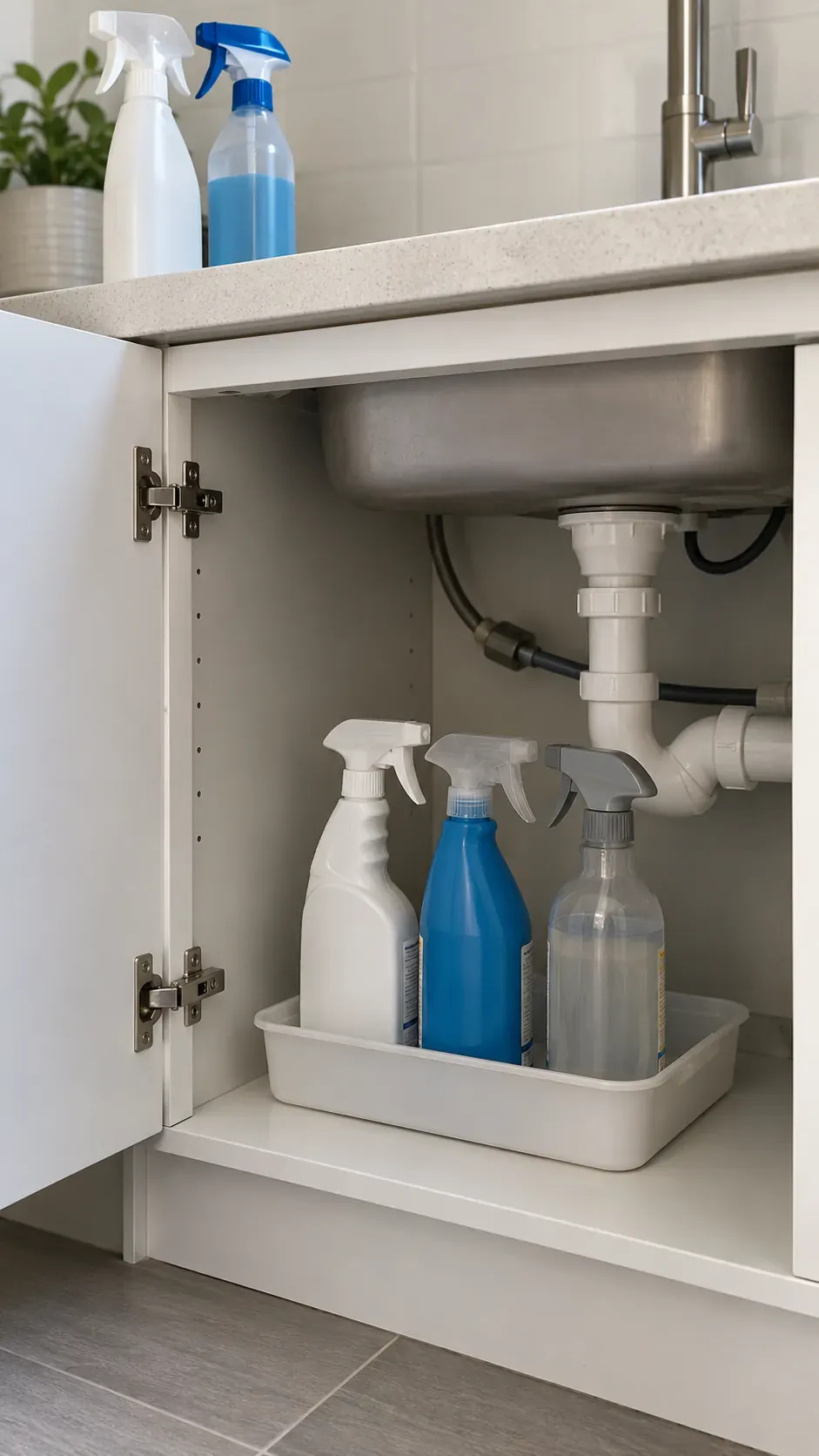
Empty toiletry bottles
Remove genuinely empty bottles from the shower, vanity and travel pouch. Check whether a refillable container is clean, compatible and actually part of your routine before keeping it. Rinse or separate packaging only as your local collection instructions require.
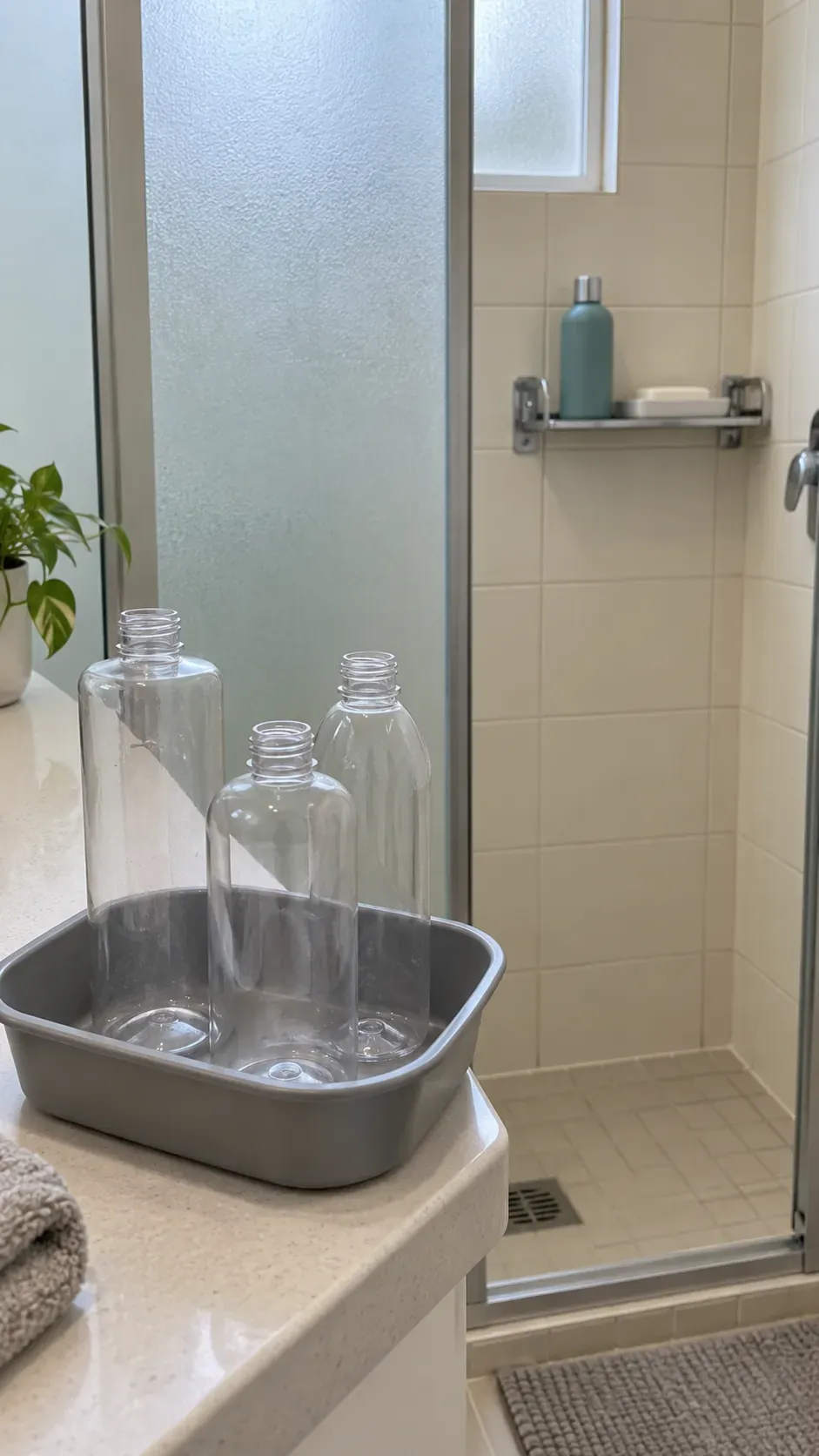
Toiletries that irritate your skin
A product that repeatedly causes irritation does not need a better organizer. Stop using it and seek appropriate professional advice when symptoms warrant it. Do not pass on opened products unless a recipient or collection program explicitly accepts them safely.
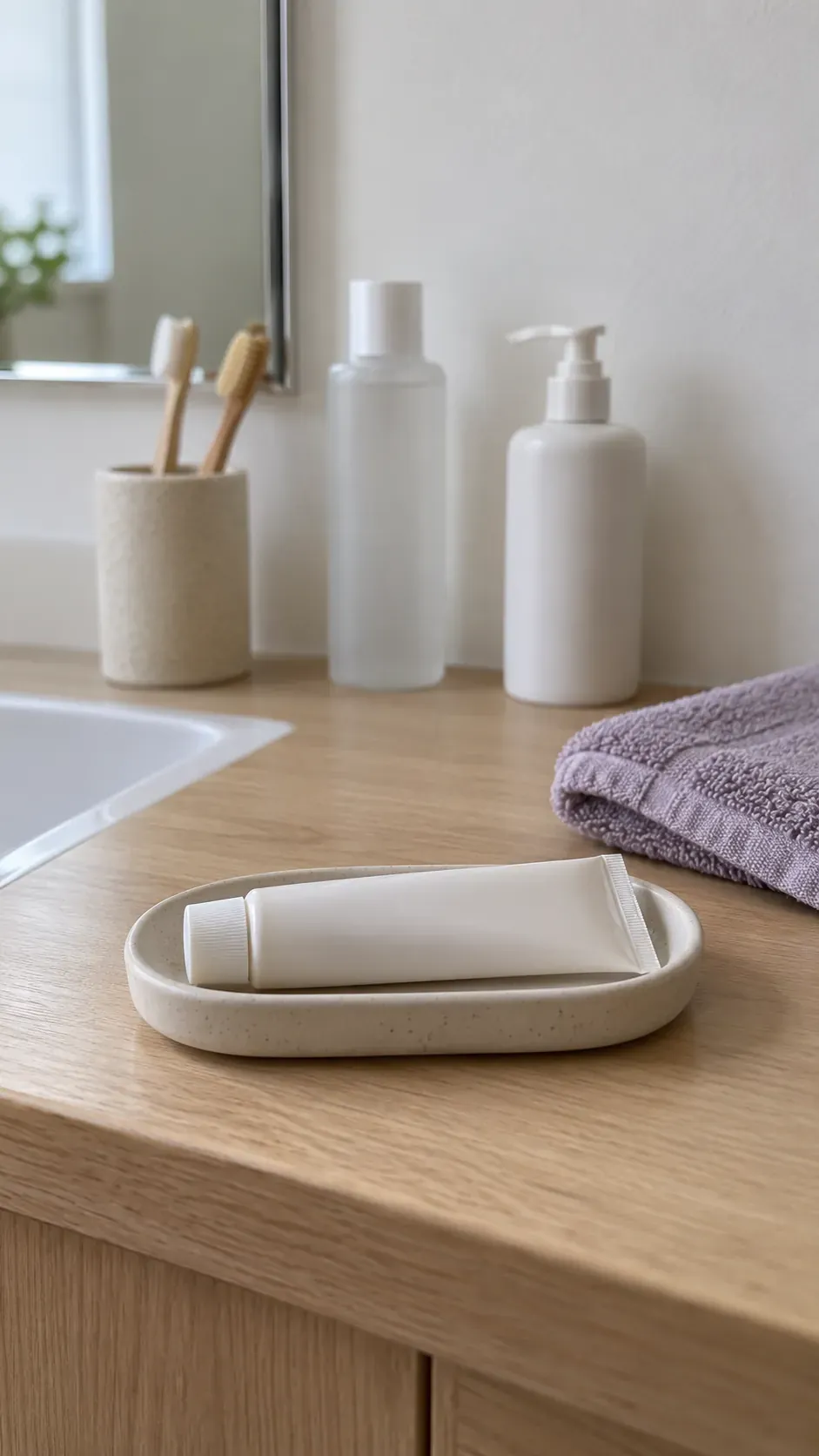
Makeup past its usable condition
Review makeup using its labeling, opening date where known and any changes in smell or texture. Retire products that are no longer suitable rather than moving them into prettier drawers. Clean the retained tools and leave enough space to see what you actually use.
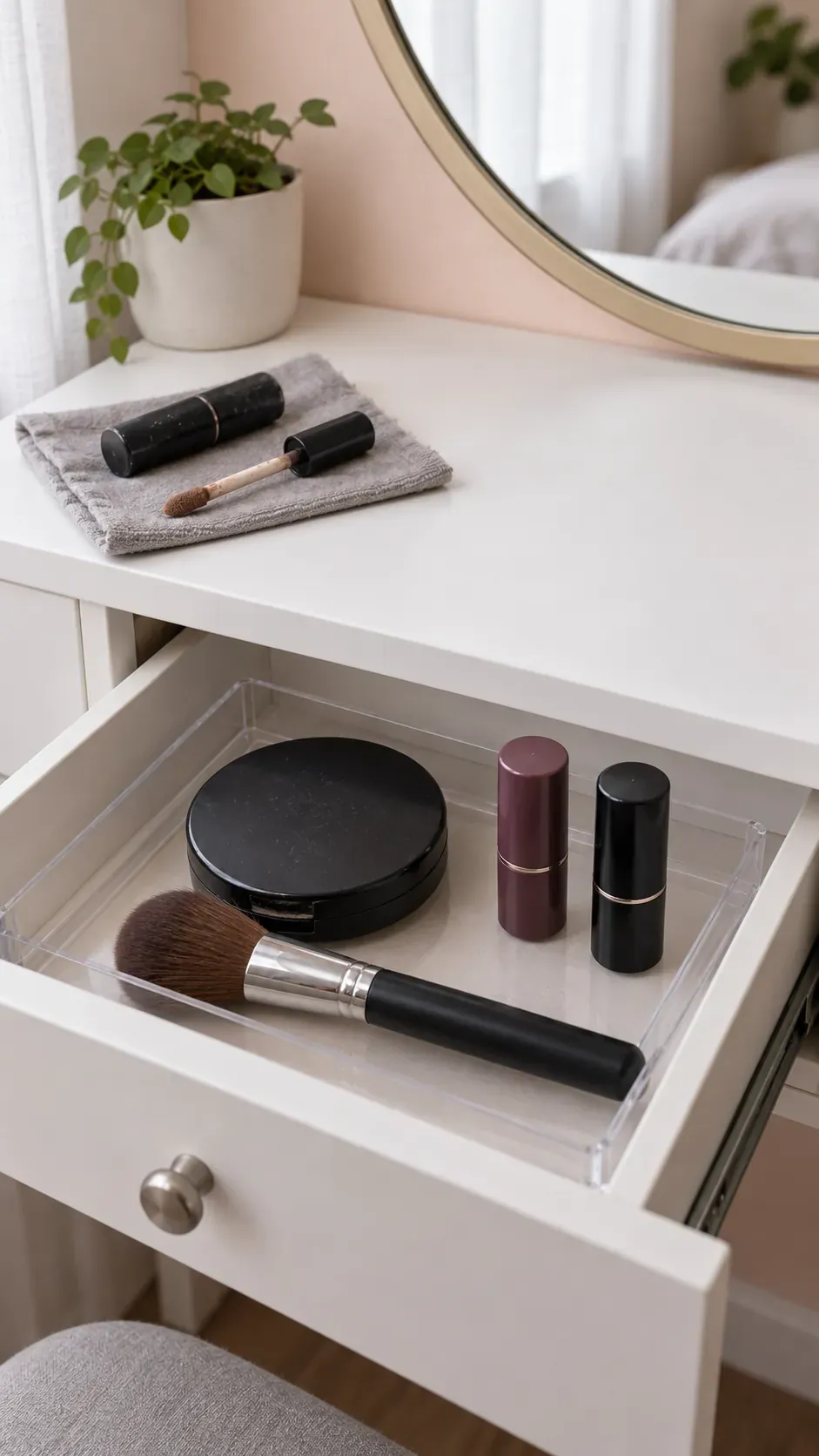
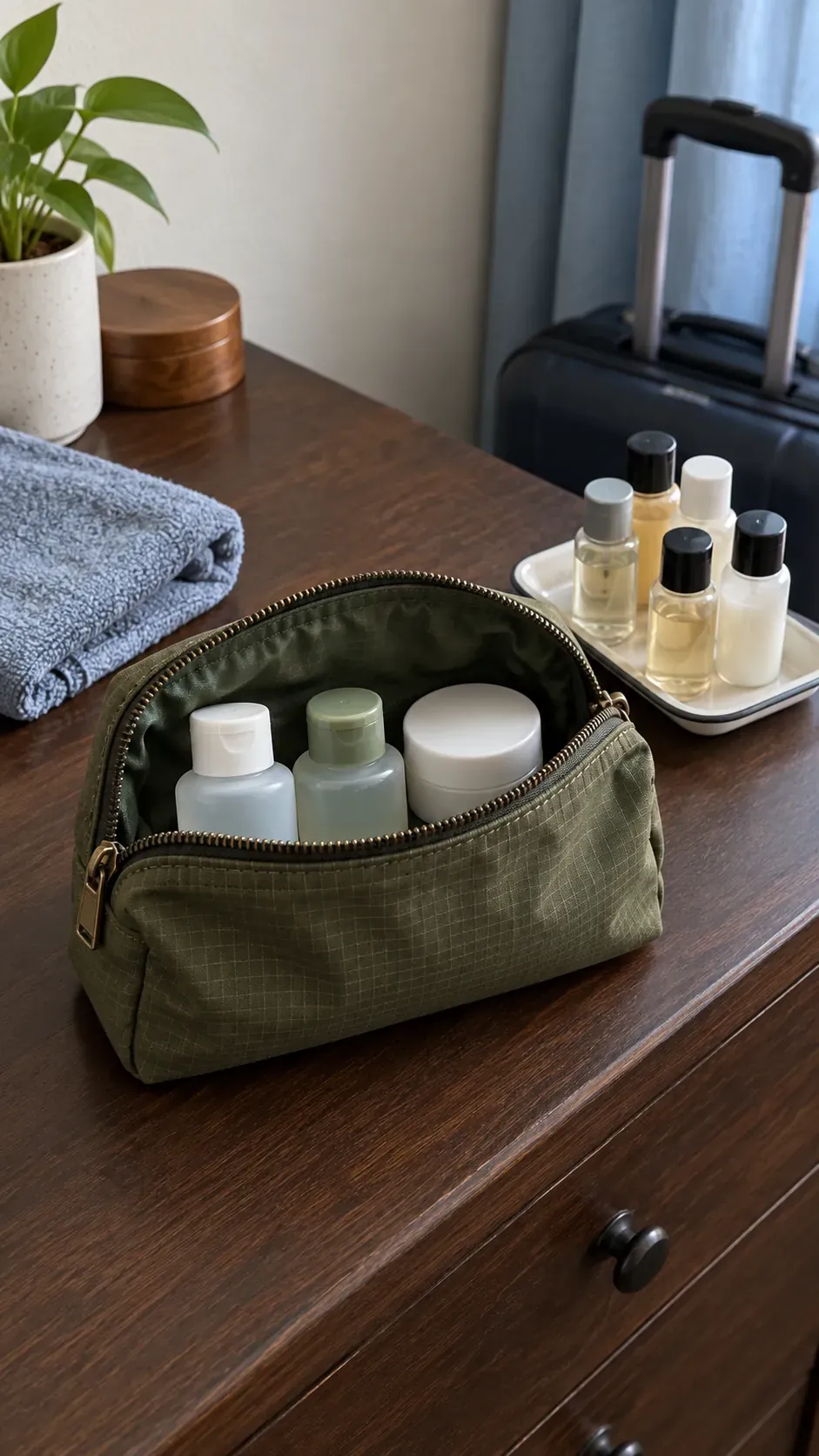
Unnecessary travel size products
Keep a small travel kit that matches trips you expect to take. Hotel miniatures are useful only when their contents remain suitable and you will use them. Let go of unsuitable leftovers instead of treating an entire drawer as free backup toiletries.
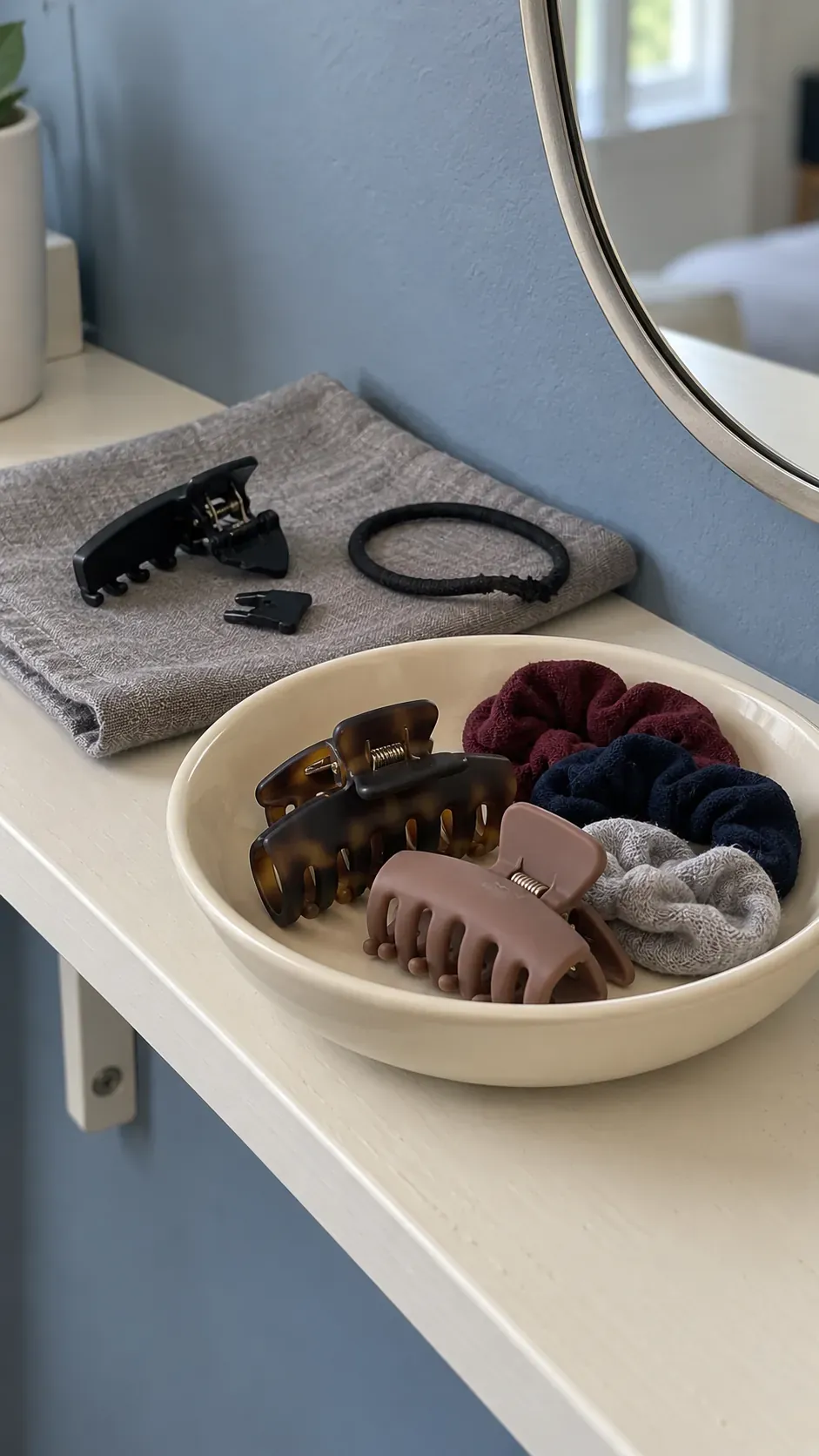
Hair accessories that do not hold
Try clips, bands and pins against their intended job. Remove broken hinges, stretched elastic and pieces you avoid because they pull or slip. A compact selection of comfortable accessories needs less sorting than a container full of unreliable ones.
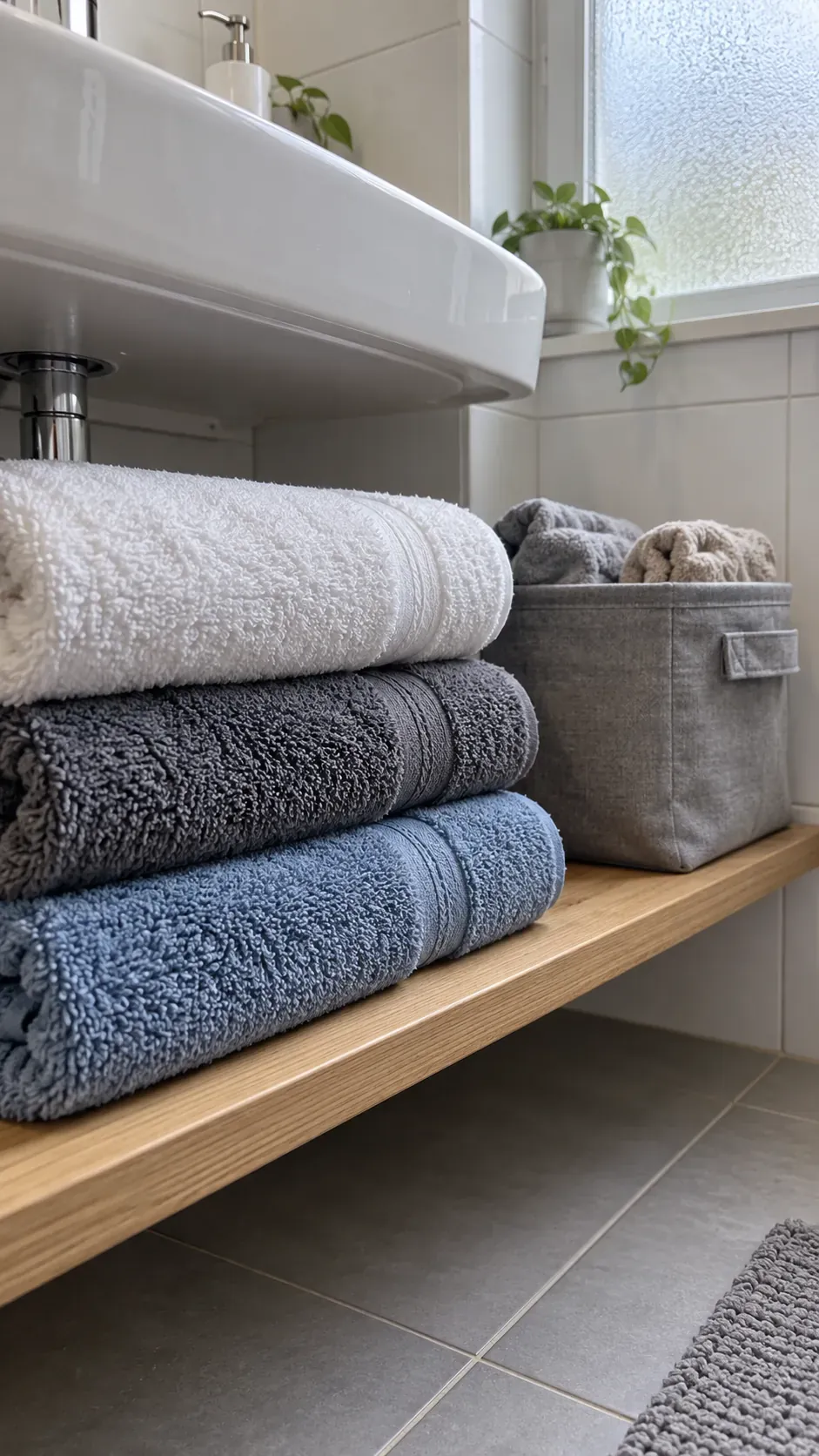
Worn towels that no longer suit the household
Choose bath towels around the people who use them and the interval between laundry loads. Repurpose a small number for real cleaning needs if their condition permits it. Ask donation programs about acceptance before sending worn textiles they cannot use.
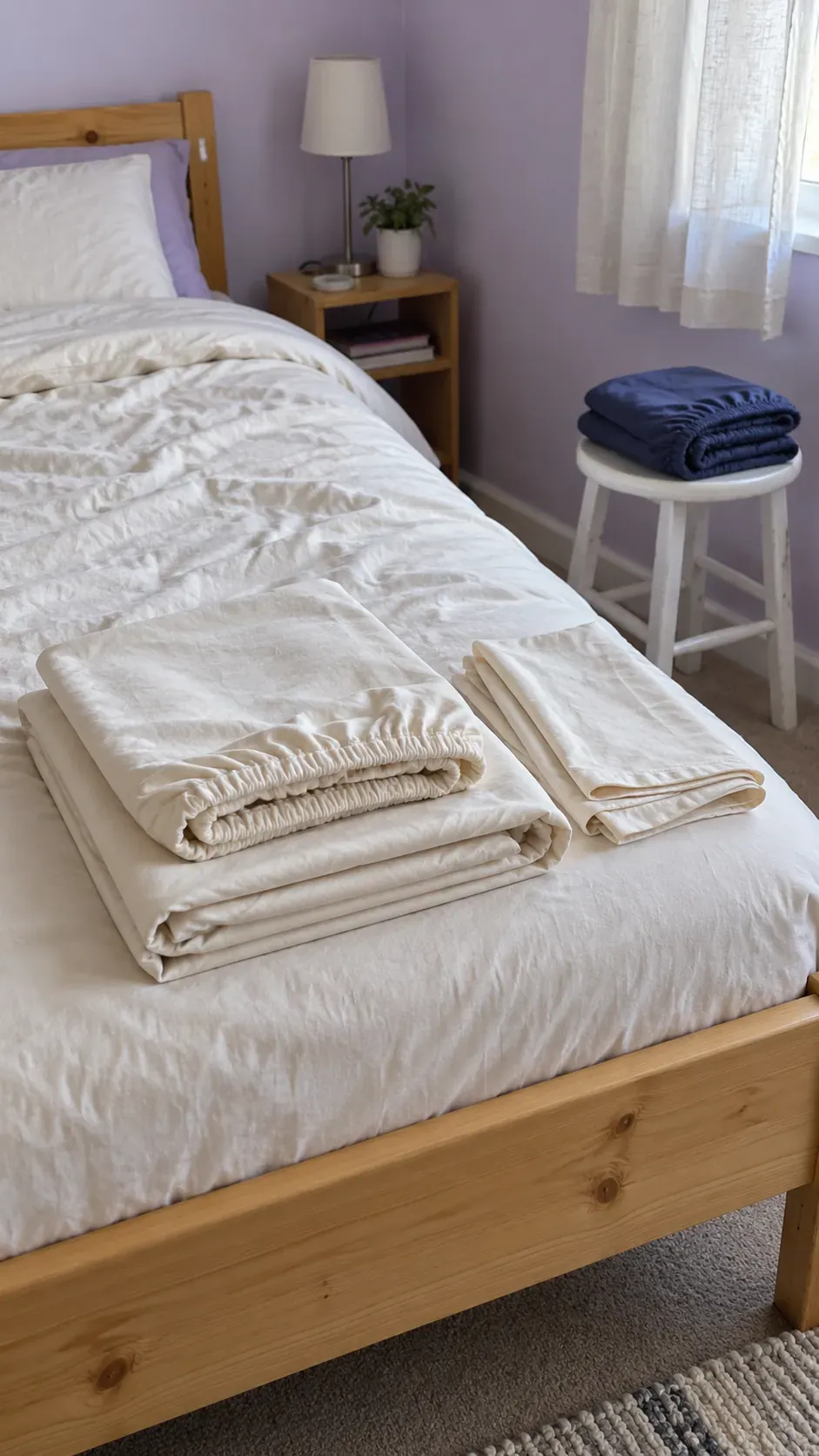
Bed linen that fits no current bed
Match sheets and covers to the beds and bedding you currently own. Keep spare sets according to laundry and guest needs rather than a universal number. An old size earns a place only when it has a definite future use.
Pillows kept without a sleeping purpose
Check spare pillows for condition and the guests you actually accommodate. Follow manufacturer care guidance and replace unsuitable bedding when needed. Decorative overflow that makes bedtime harder may be more burdensome than an empty corner looks.

Clothes that are uncomfortable in ordinary life
Try uncertain clothing during a normal activity, not only while standing still before a mirror. Keep what suits your body, work and preferences now, with deliberate exceptions for a real planned occasion. Sound unwanted clothes can leave without requiring you to prove that the purchase was a mistake.
Changing bodies, uniforms and climate can make several clothing sizes or specialist garments useful. Judge those cases by actual needs instead of a rigid deadline. The wardrobe should support your life rather than an imagined perfect capsule collection.
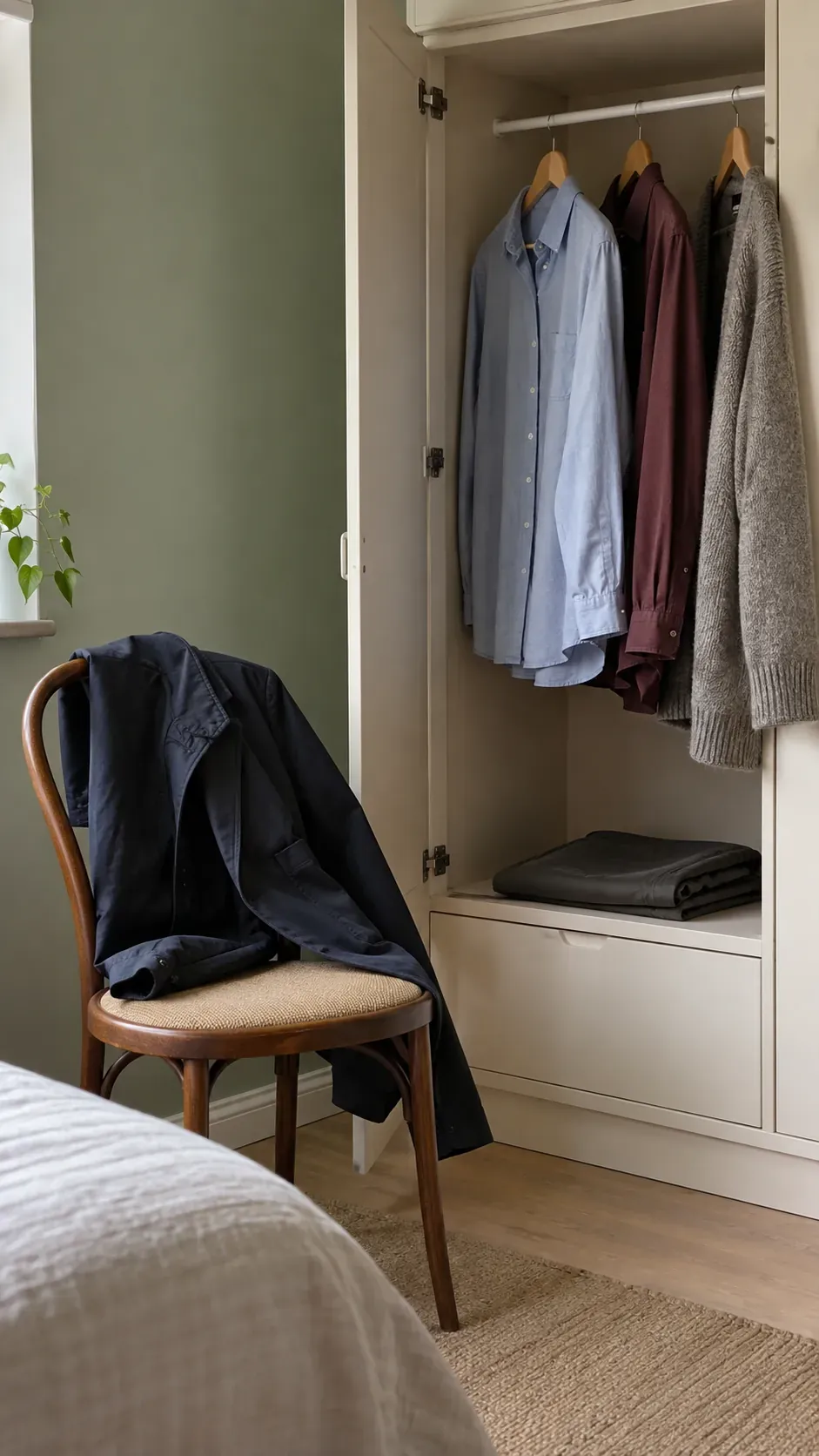
Clothing repairs with no realistic plan
Gather repair items and decide which ones you will mend yourself or take to a professional. Assign a concrete next step and date to each retained project. If repair is impractical, choose an appropriate reuse or textile route rather than expanding a permanent waiting pile.
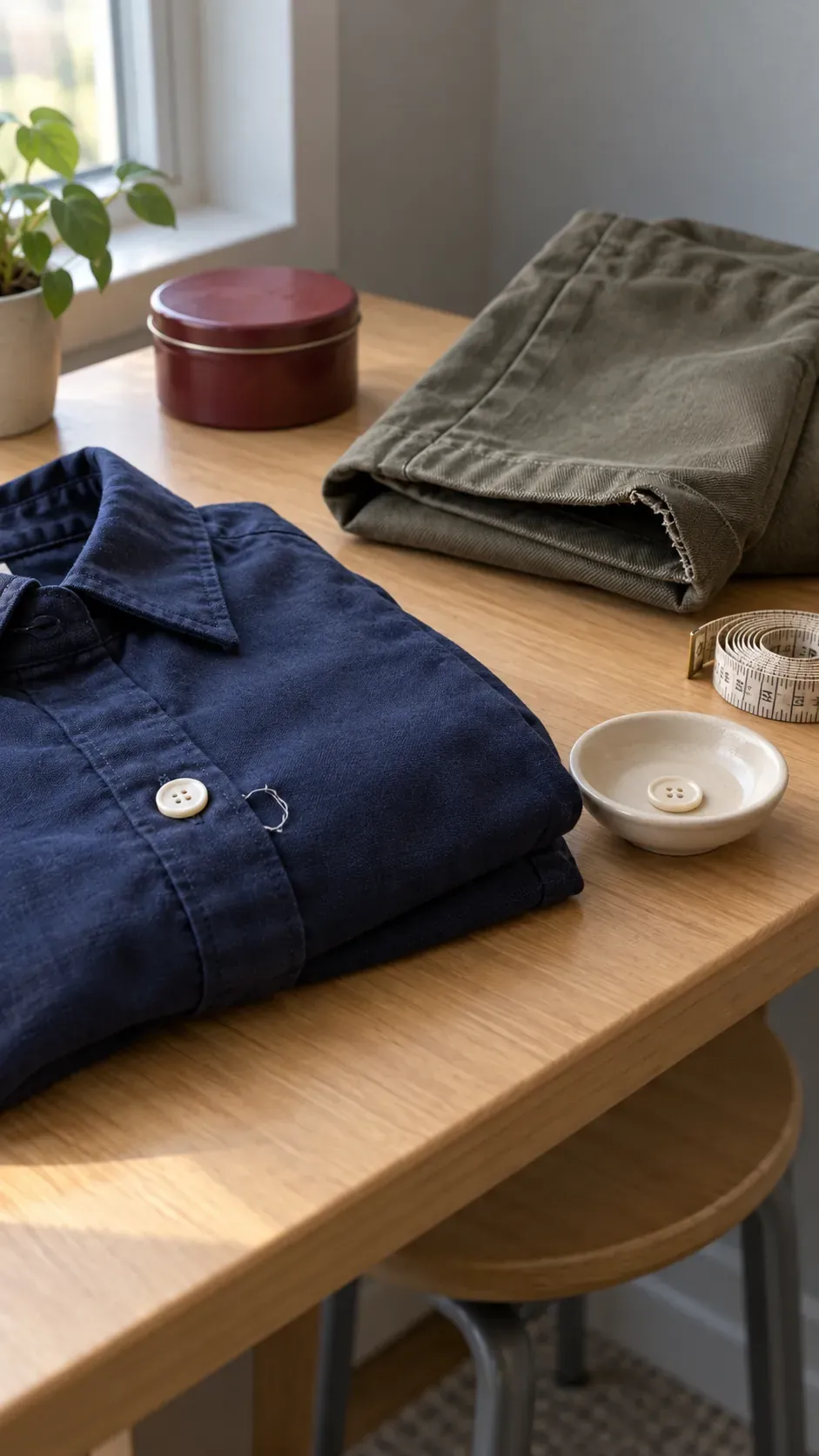
Shoes that are unsafe or painful to wear
Inspect soles, fastenings and fit before giving shoes more shelf space. Repair worthwhile pairs when that is feasible, and retire pairs that cannot be worn safely. Donate only footwear in a condition the receiving organization can accept.
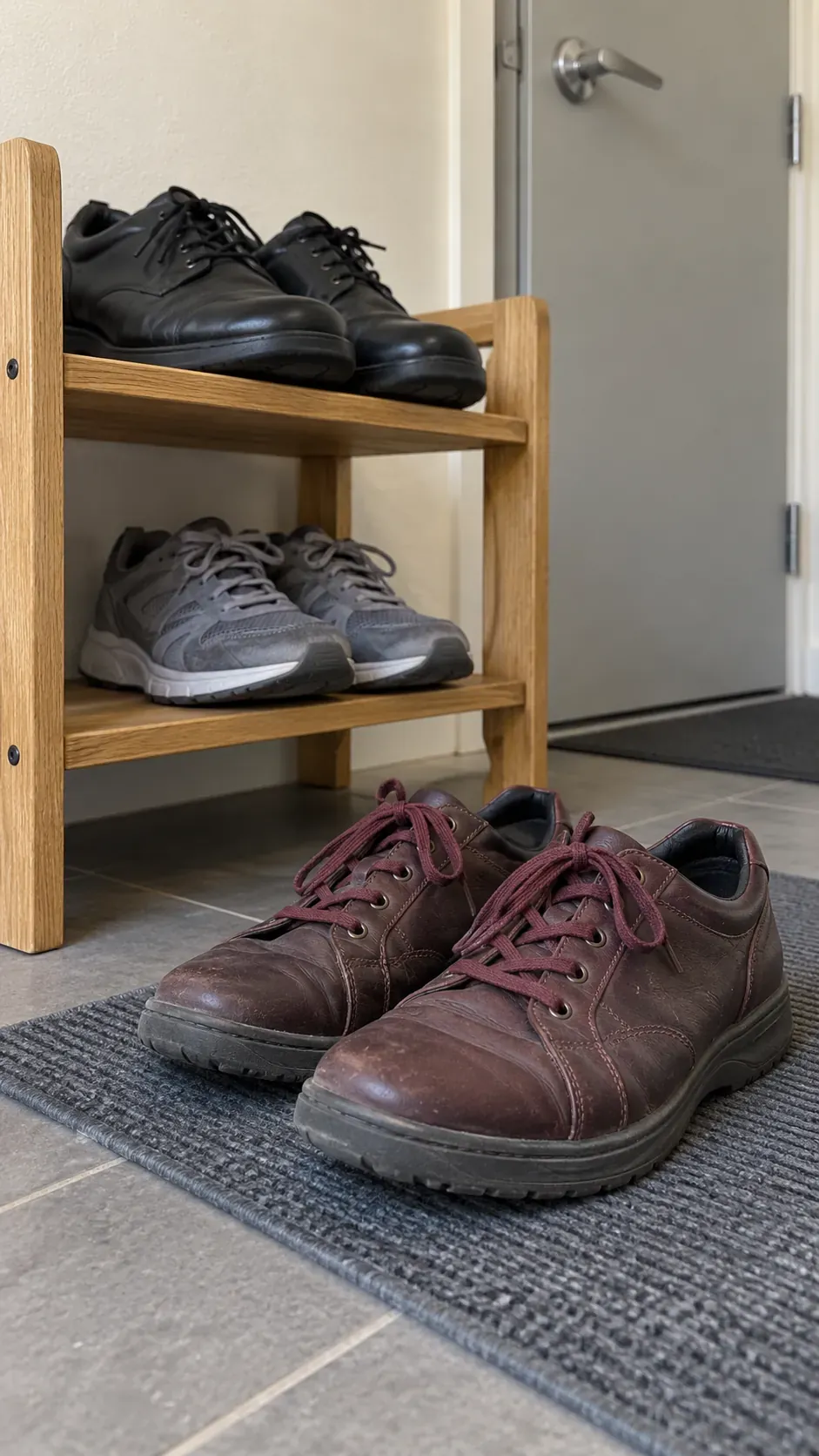
Socks that cannot form a useful pair
Match socks after checking the laundry basket and known washing locations. Give a lone sock a brief review period if its partner may still return. Remove worn pairs and keep only a small quantity for specific reuse jobs you actually perform.
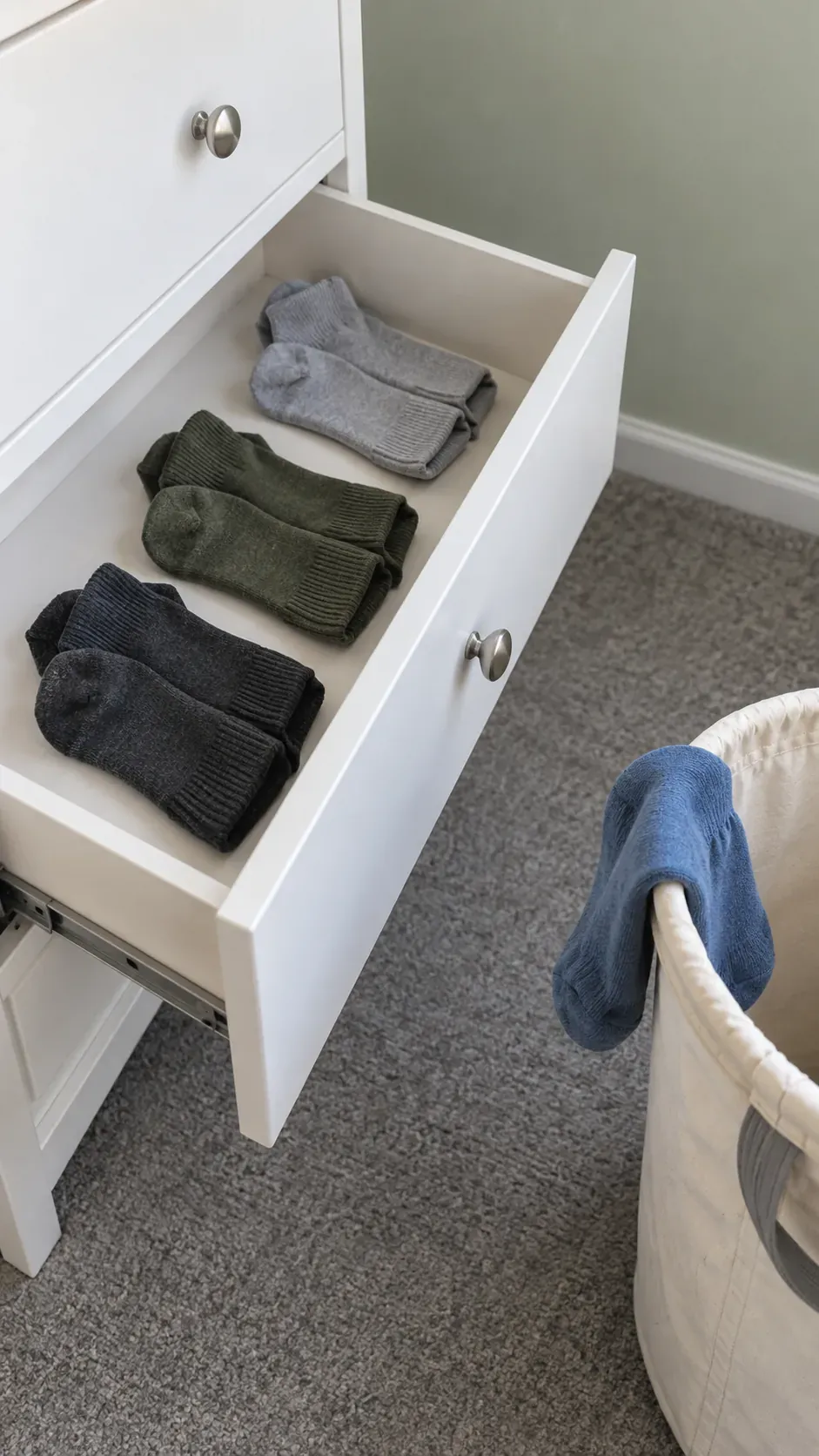
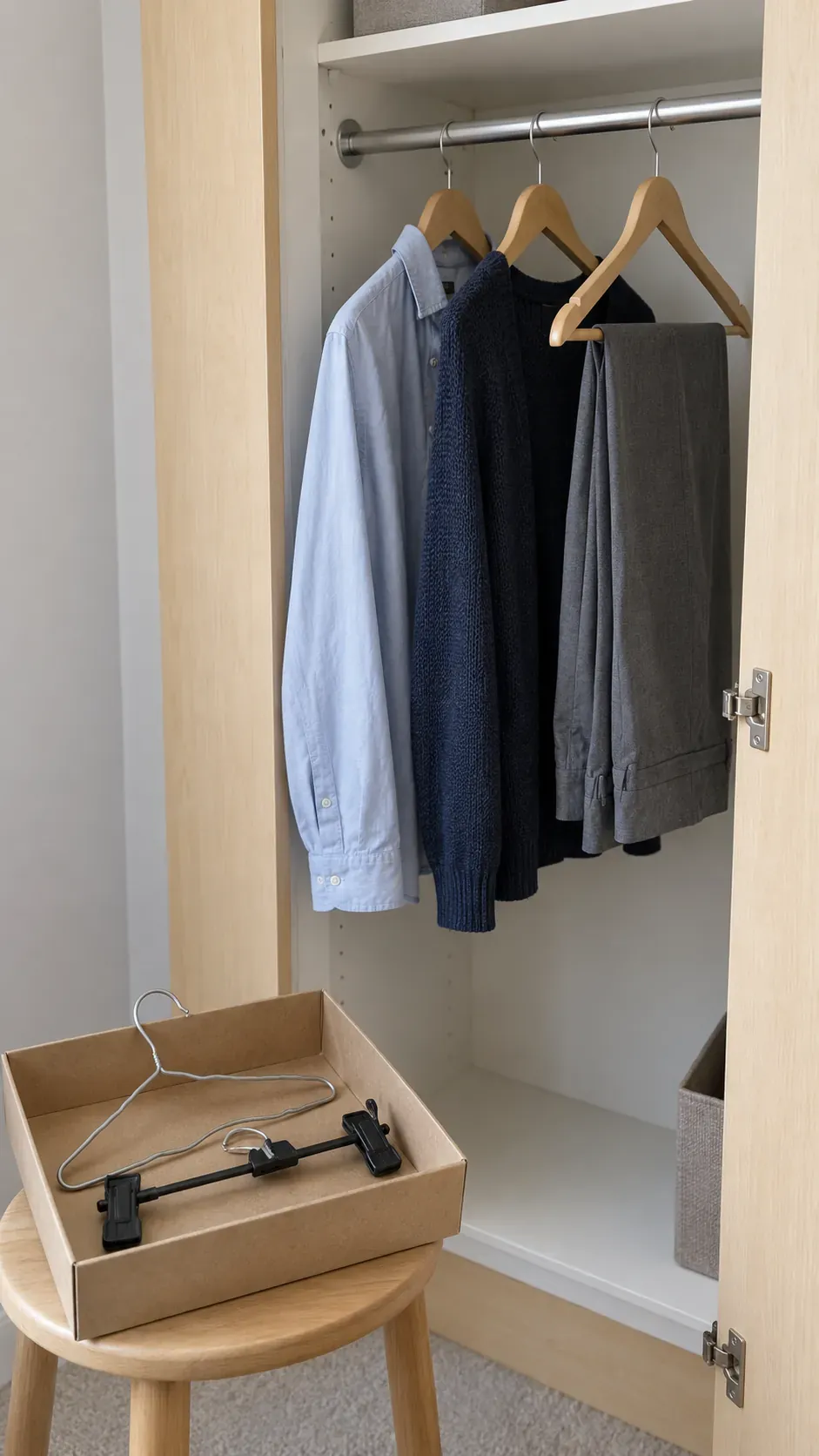
Hangers incompatible with your wardrobe
Keep hangers that support the clothing you own without snagging or distorting it. Bent wire, broken clips and surplus store hangers can leave through appropriate routes. Compare the number of usable hangers with retained garments before buying a coordinated replacement set.
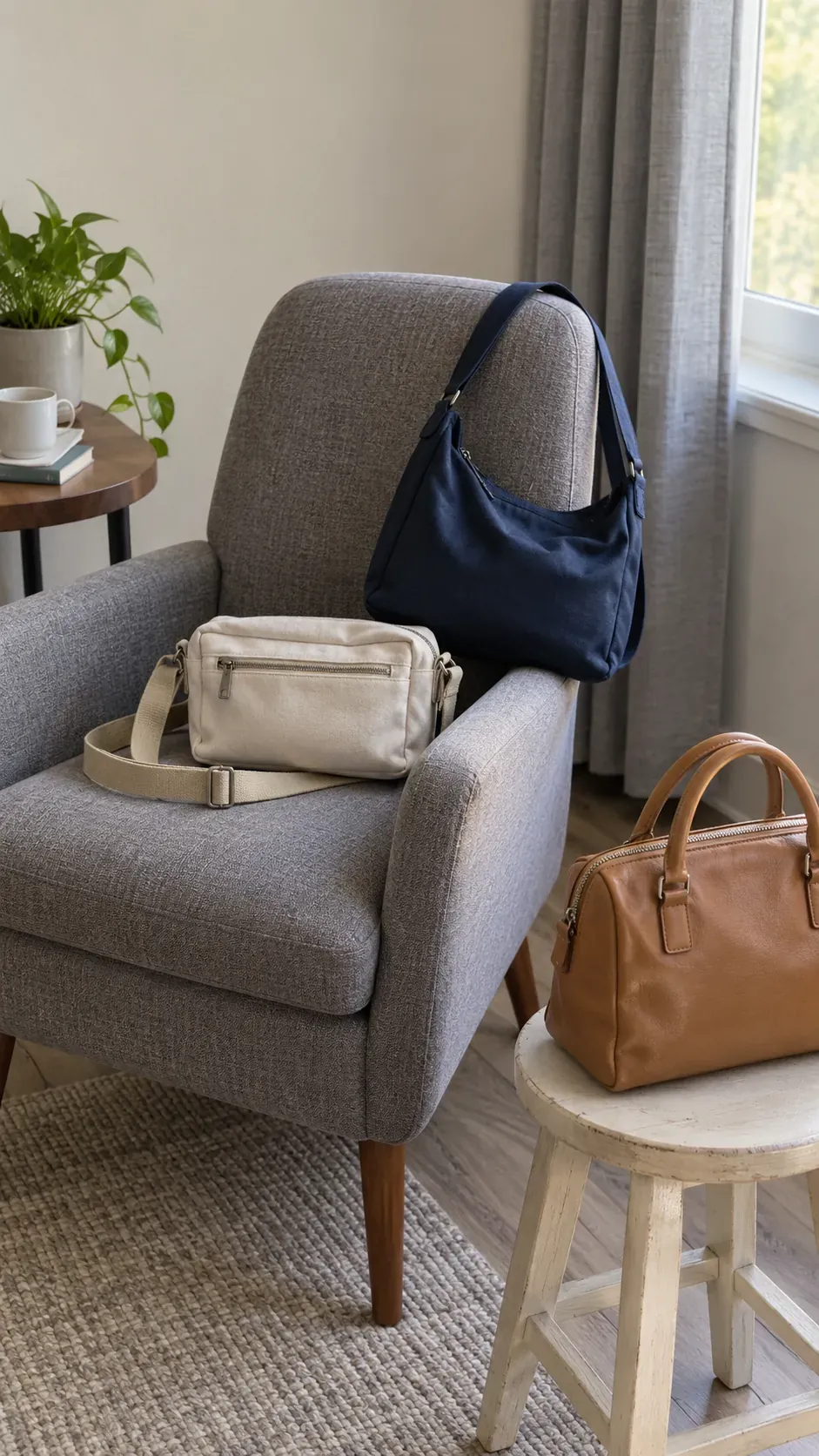
Bags you never choose to carry
Check pockets for forgotten keys, papers and money before assessing unused bags. Keep the styles that fit actual errands, work or occasions. A functional bag that no longer suits you may help someone else more than it helps a crowded hook.
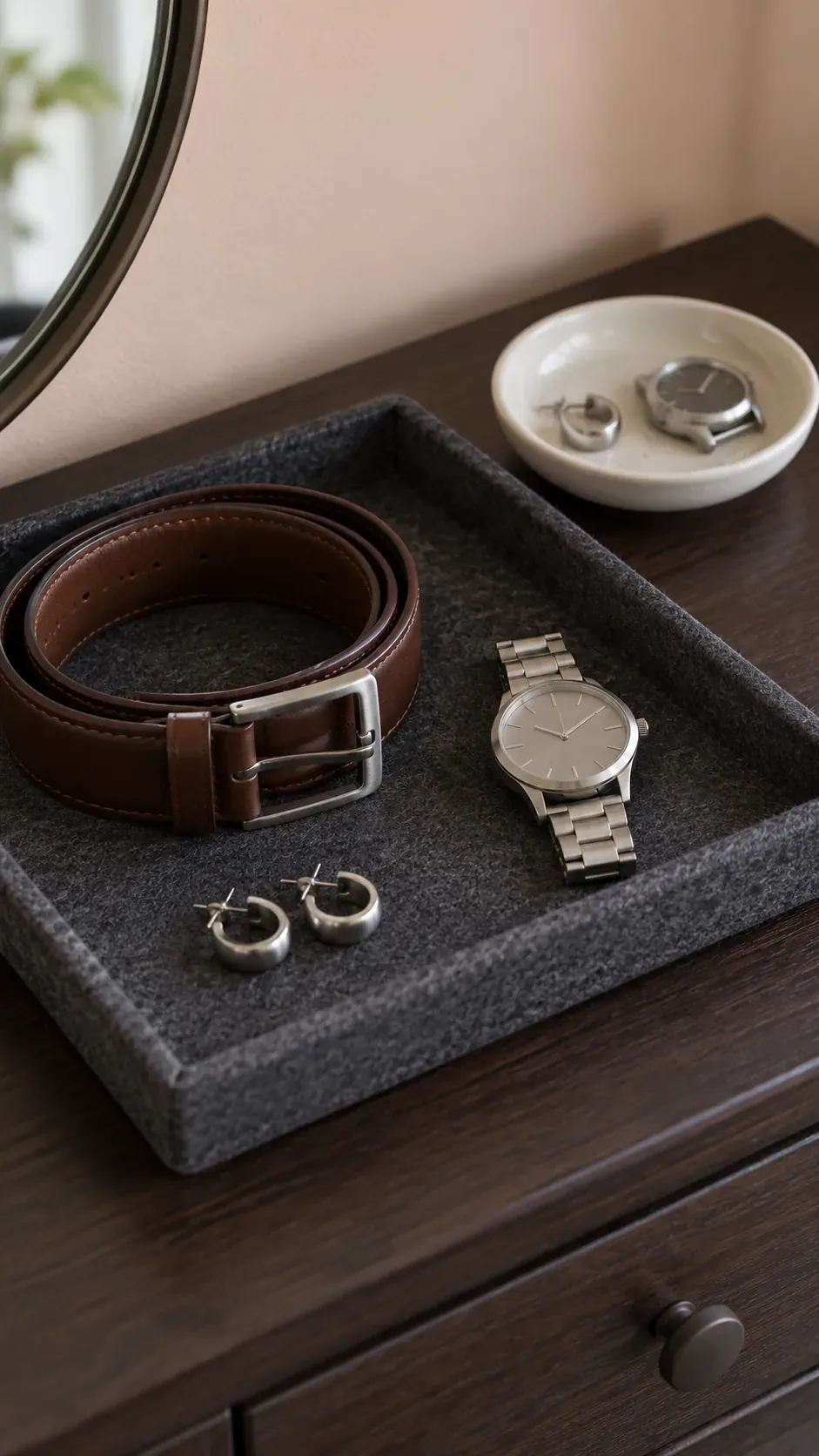
Accessories with missing essential pieces
Put jewelry, belts and watches with their matching components and assess repair prospects. Preserve meaningful pieces intentionally rather than hiding them among broken extras. Avoid donating small sharp or damaged items without checking the recipient’s acceptance rules.
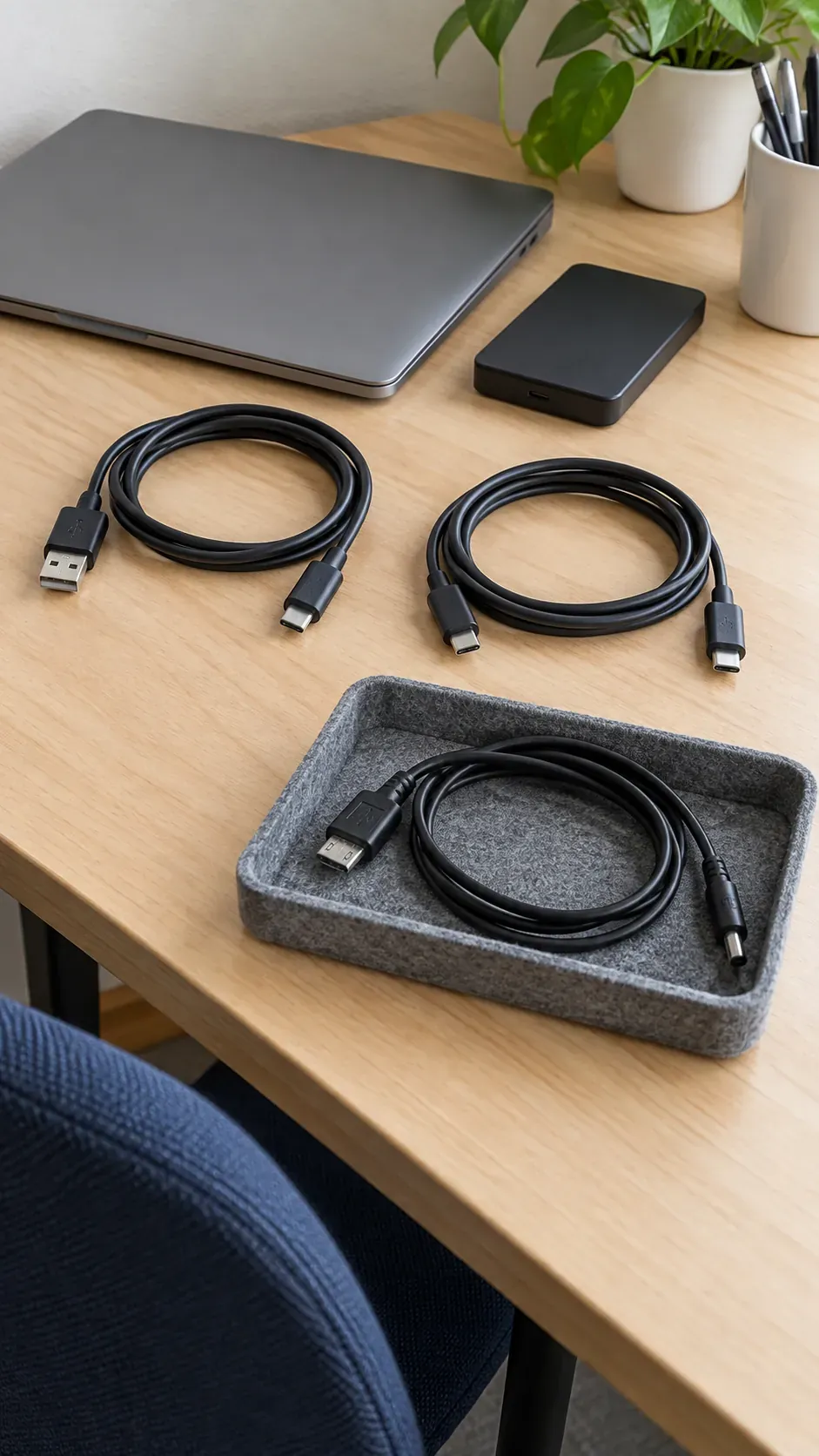
Unidentified cables for equipment you no longer own
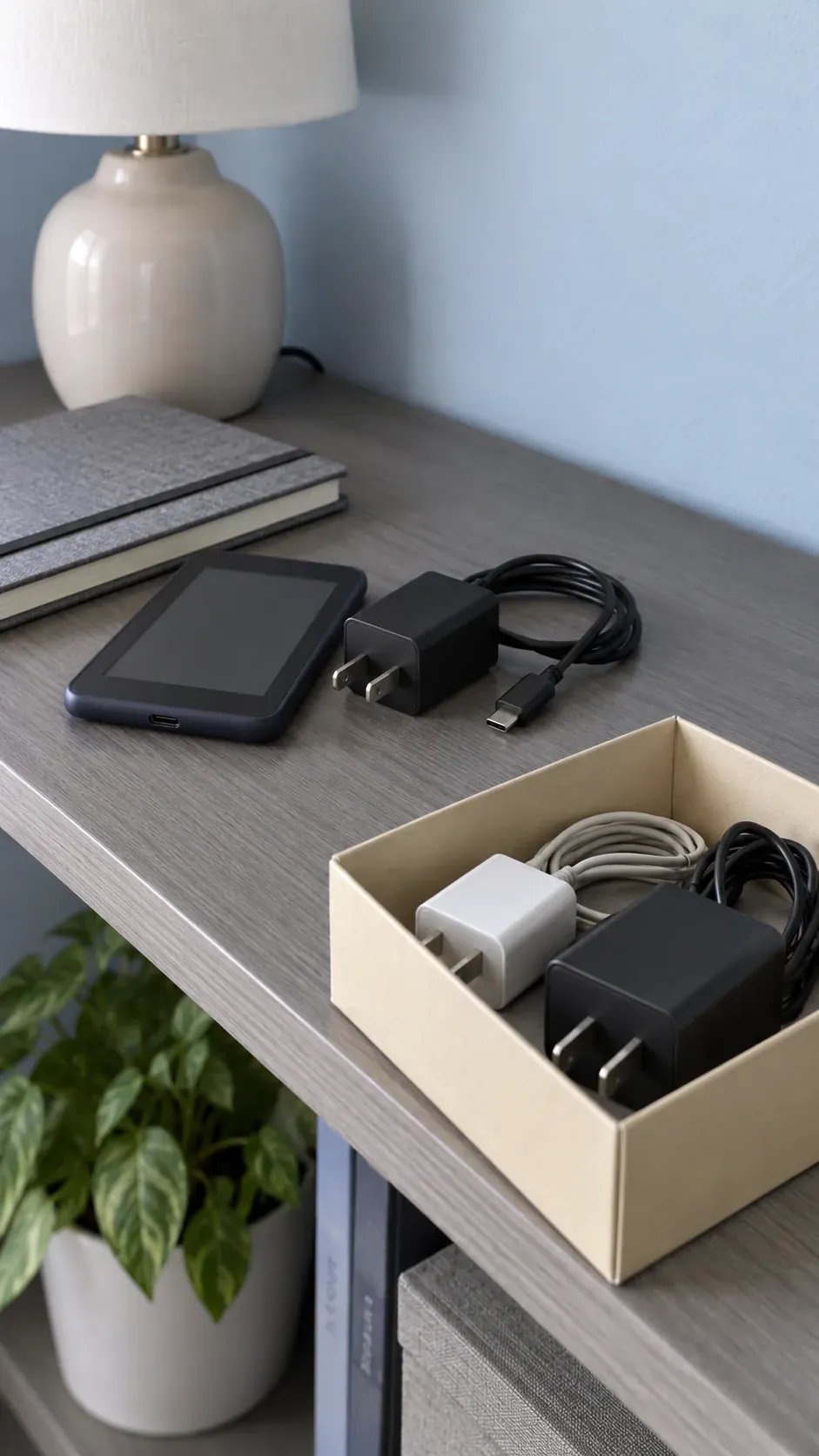
Compare each cable with your current devices and their specifications. Keep useful compatible spares and remove unidentified or damaged leads through appropriate electronics collection. Never guess at electrical compatibility simply because a connector appears to fit.
Obsolete chargers with no compatible device
Check ratings and manufacturer guidance for the chargers you still need. A charger for a device long gone is not an emergency backup for every future purchase. Keep retained chargers together with their intended equipment so you can avoid buying another by mistake.
Broken electronics waiting indefinitely
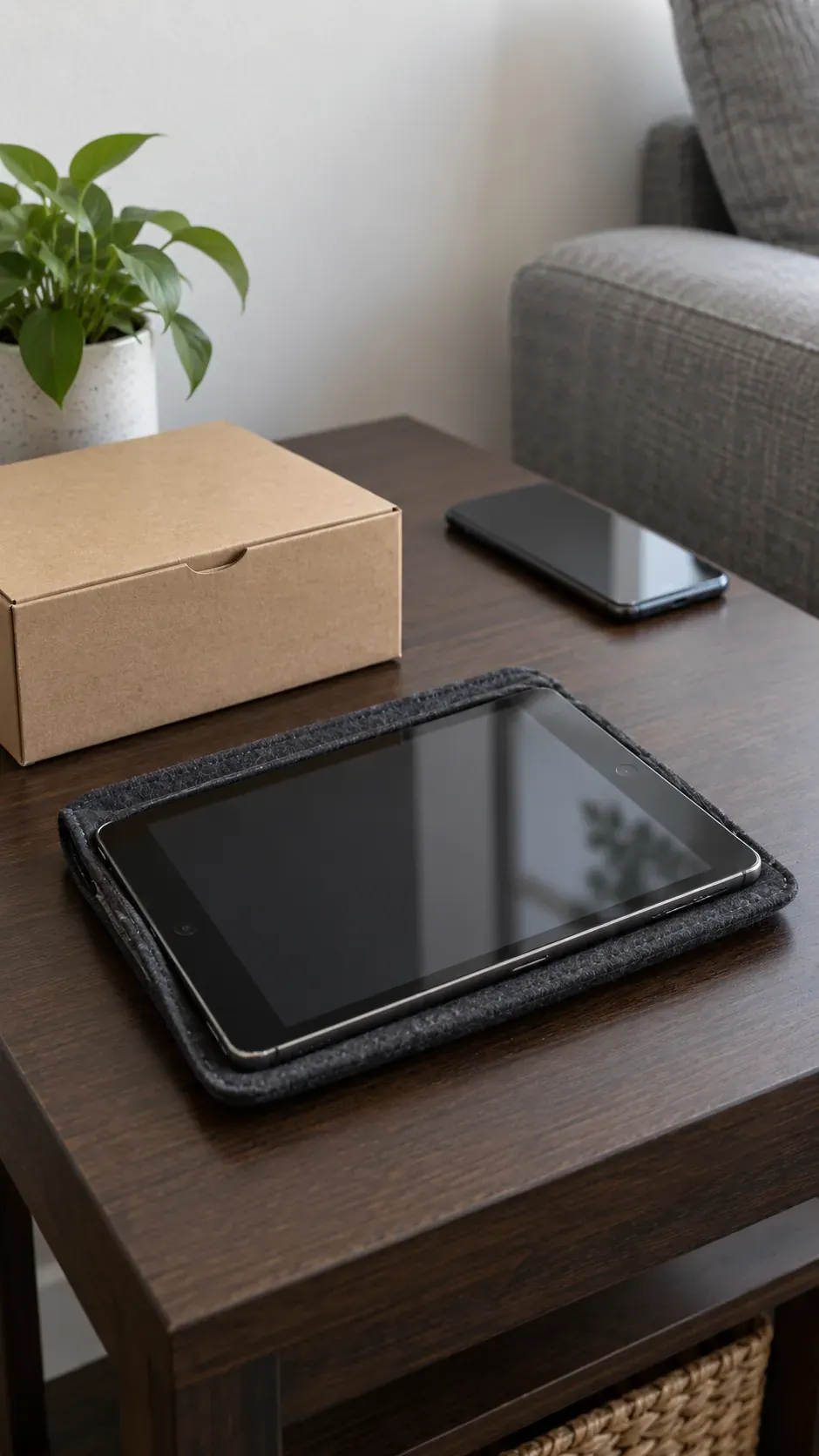
Decide whether a broken device has a worthwhile repair path and obtain help when needed. Remove personal data before sale, donation or recycling where the device permits it. Use an appropriate electronics route and follow local instructions for batteries, especially damaged ones.
If the device contains a swollen or leaking battery, avoid improvising repairs or charging it. Follow the manufacturer and local collection service instructions for safe handling. A cupboard is not a suitable indefinite destination for an unresolved battery hazard.
Old phone cases and screen protectors
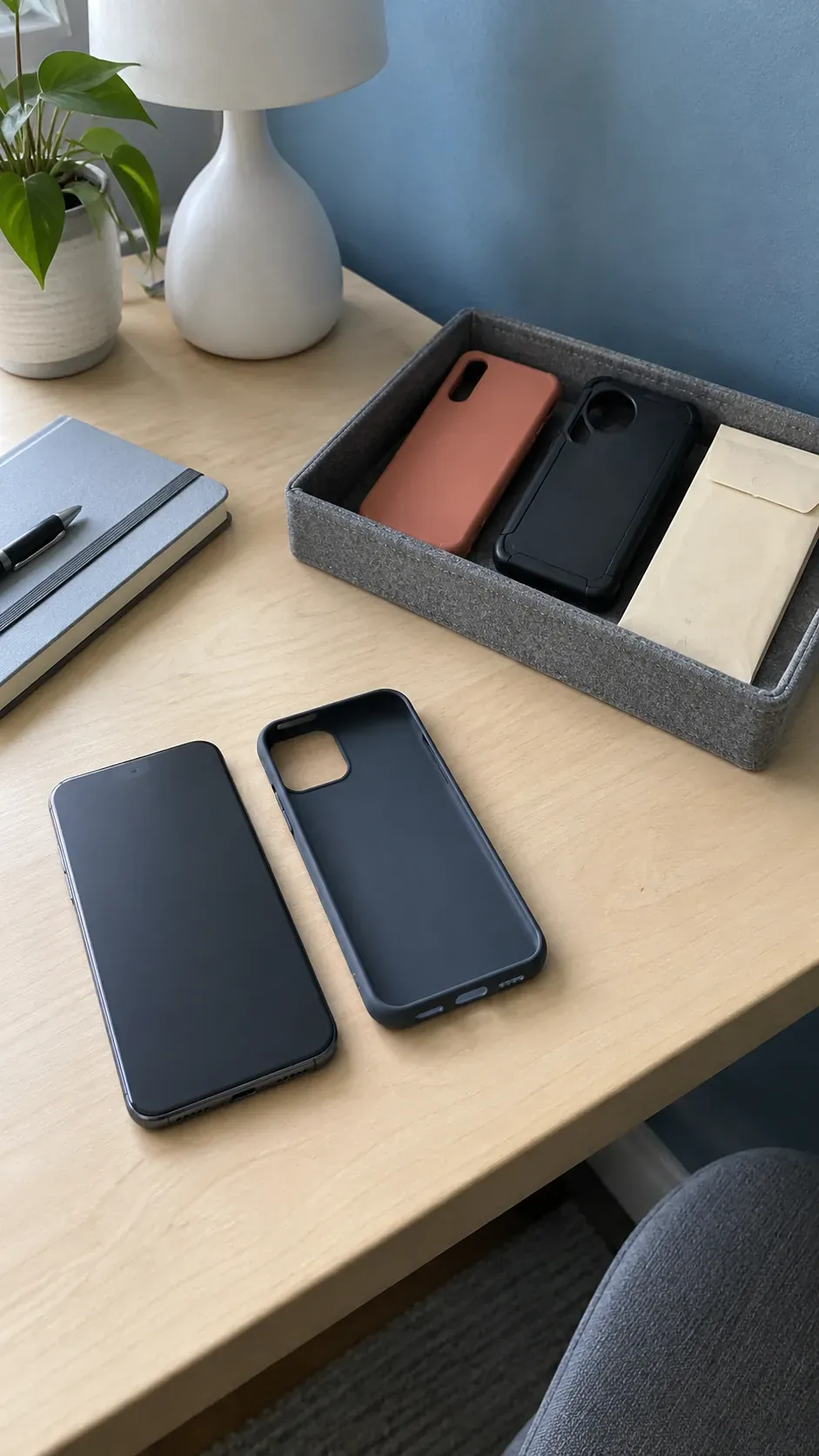
Match accessories to the phones currently used in the household. An unopened protector for an obsolete model may be useful to a specific recipient, but not to your new handset. Keep only genuine compatible spares instead of storing the history of every upgrade.
Manuals for belongings already gone
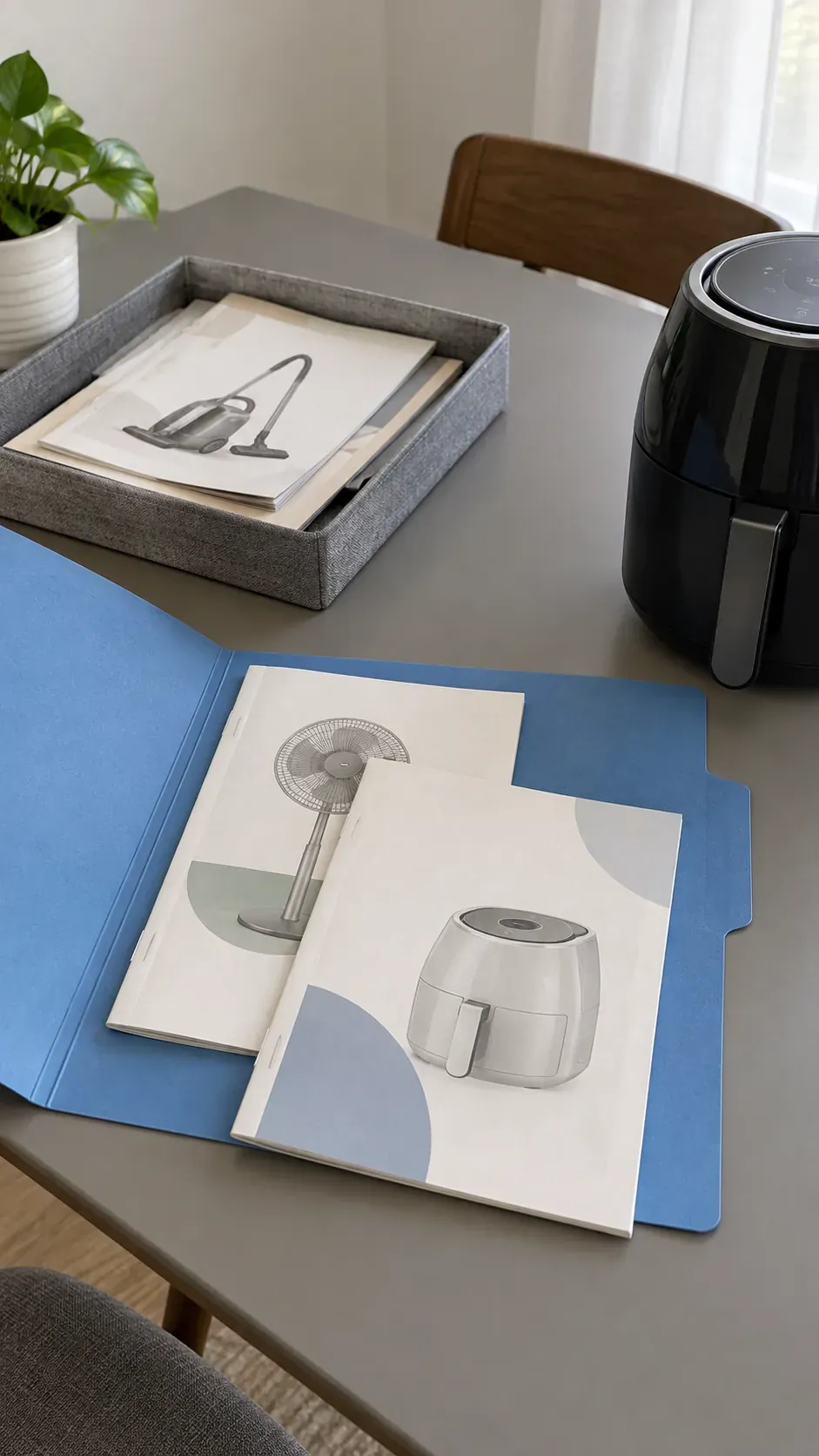
Separate instructions for current equipment from manuals for items sold, donated or discarded. Confirm that a digital replacement is complete and accessible before disposing of a paper manual you may need. Keep safety, warranty and service information that still matters.
Receipts with no remaining purpose
Check return windows, warranties and tax or reimbursement requirements before clearing receipts. Store records that matter in an accessible form accepted for their purpose. Shred or otherwise protect papers containing sensitive information instead of placing them loose in a shared recycling bin.
Retention requirements vary by place and purpose, so do not follow a generic instruction to throw away all old paperwork. Verify what you need before reducing the file. The cleared space is useful only if important evidence remains retrievable.
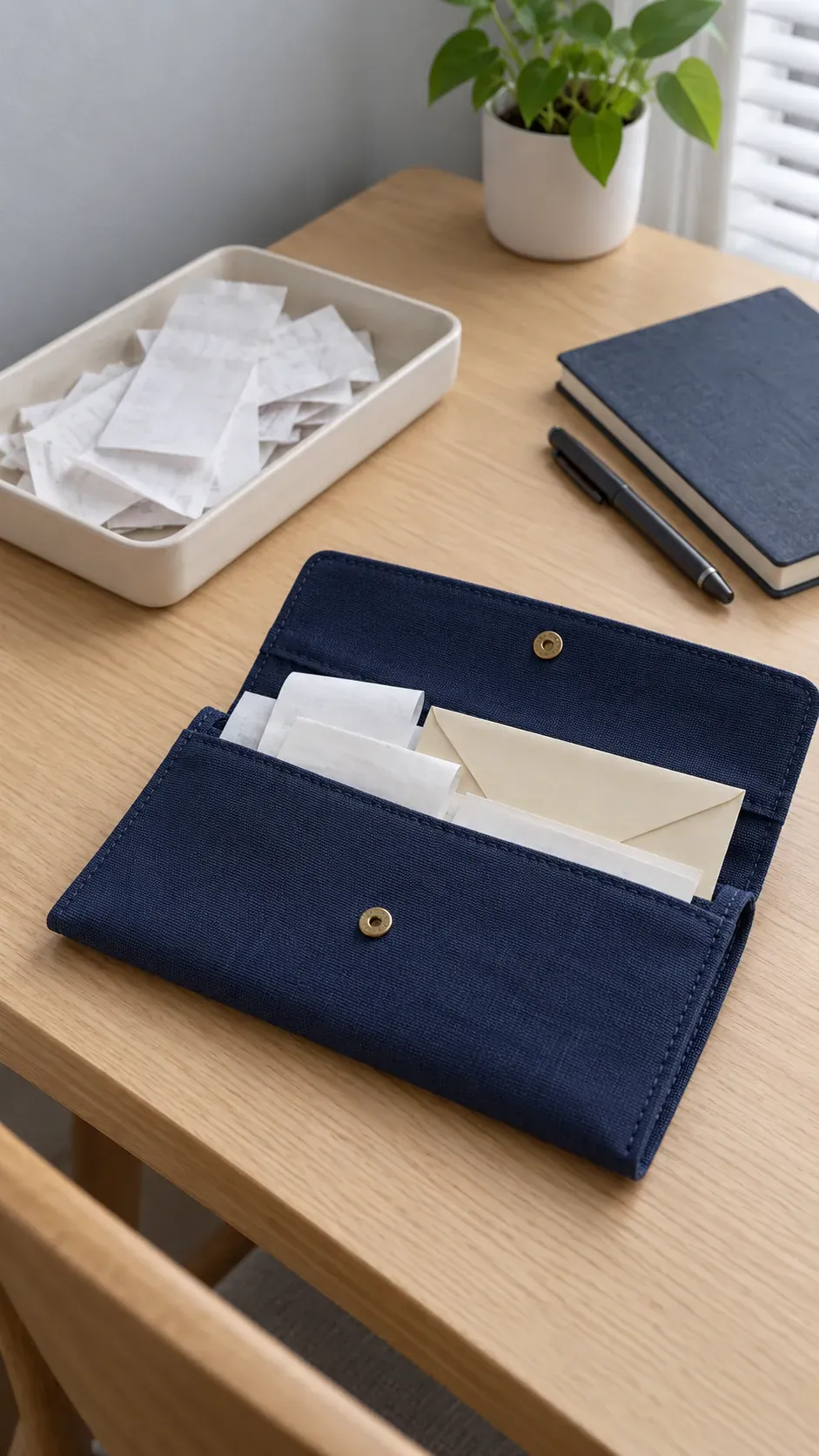
Expired coupons and irrelevant flyers
Remove offers that cannot be used and advertising for purchases you do not want. Check any remaining deadline before keeping a coupon in your regular wallet or folder. A discount does not make a new storage purchase necessary.
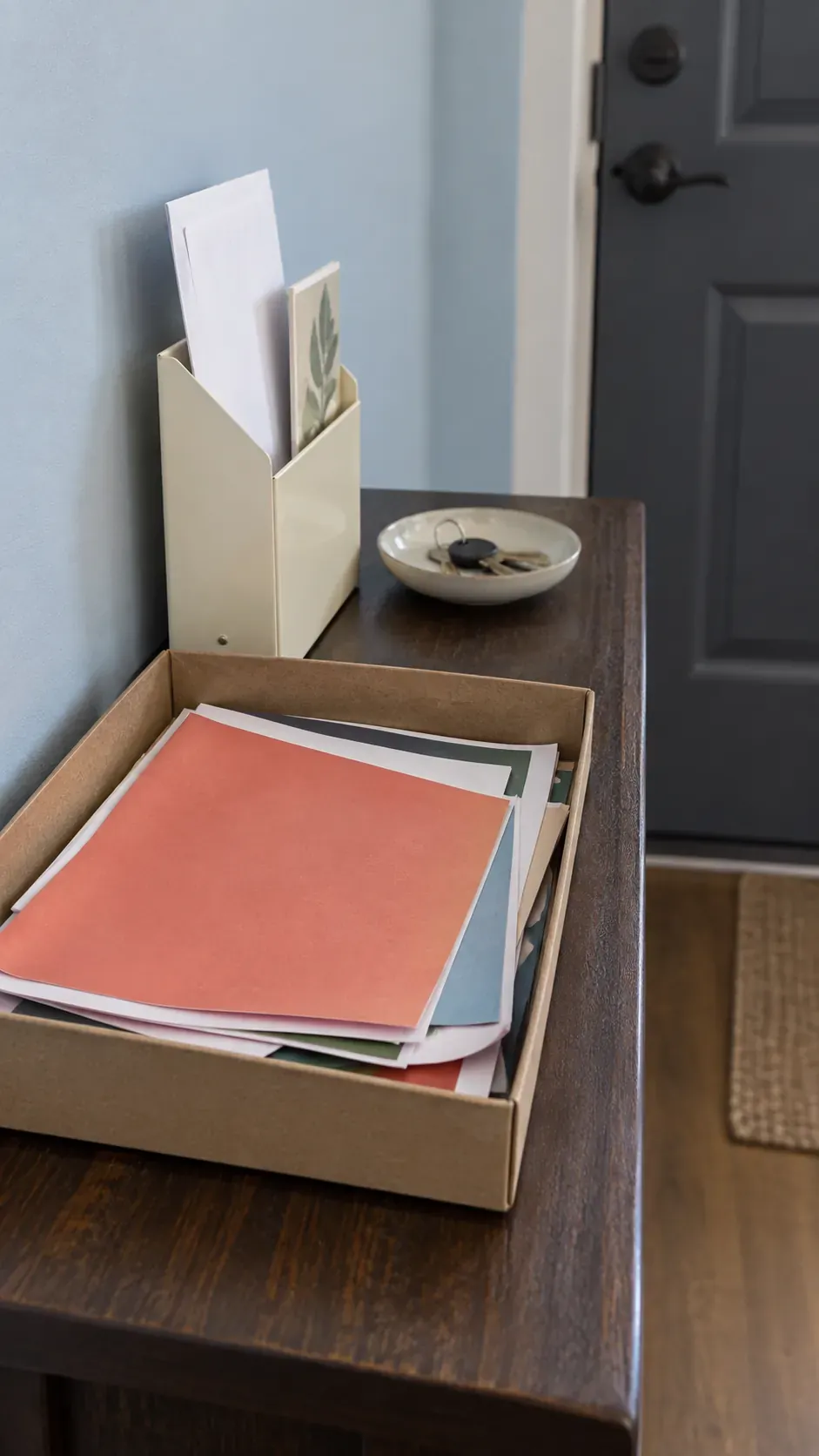
Catalogues you will not consult
Keep a catalogue only if it supports a real decision or has another clear use. Recycle unwanted copies where the material is accepted and remove personal address information when appropriate. Clearing the pile gives your table its everyday function back.

Pens and markers that no longer work
Test writing tools on scrap paper before buying another desk organizer. Remove dried or broken pieces and keep useful colors and tips together. Specialized markers deserve space when they support actual work, not because the entire set once looked impressive.

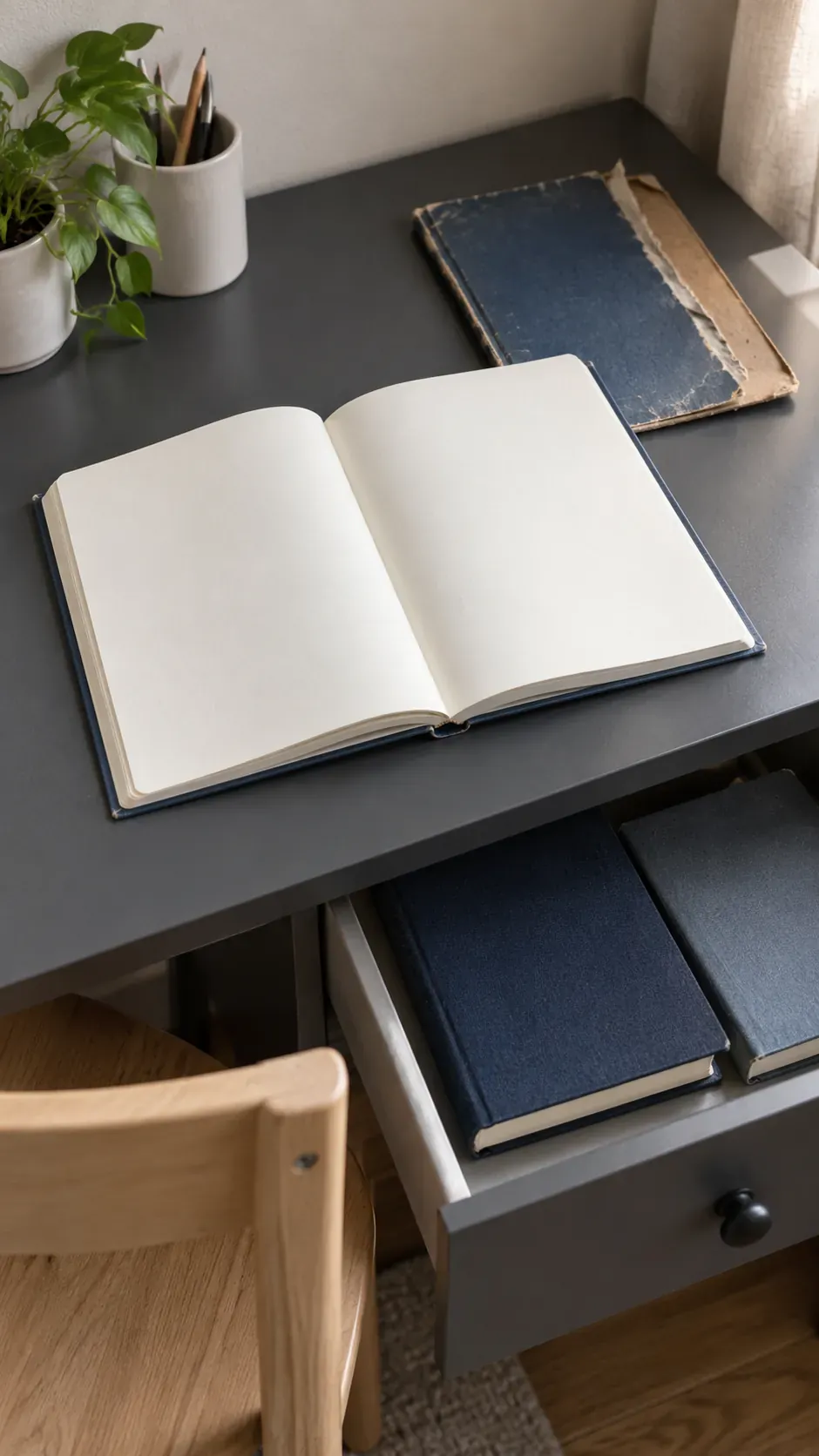
Notebooks that offer no usable pages
Review old notebooks for information you still need, protecting sensitive notes. Reuse genuinely blank pages if you have a practical writing purpose for them. Keep meaningful records deliberately and remove empty covers or irrelevant scraps that no longer help.
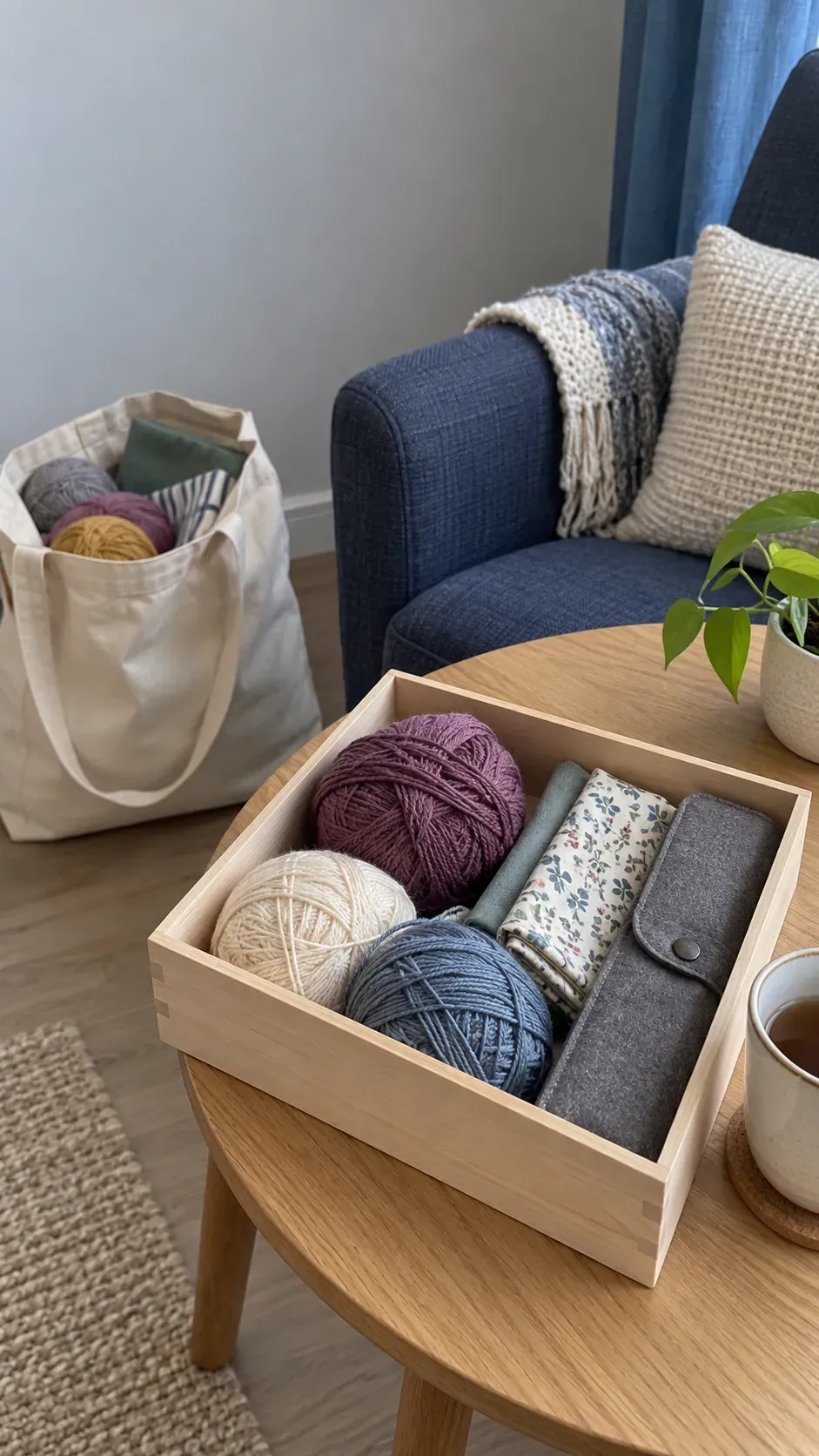
Craft supplies from abandoned projects
Choose supplies based on projects you intend to make, rather than every hobby you once considered. Offer sound materials to a suitable recipient if they no longer fit your interests. Keep hazardous tools and substances stored safely while sorting.
Small apartment decluttering is easier when a project leaves in one manageable package. Avoid spreading supplies across the bed or cooking area while you choose. Put the retained materials away before opening the next category.
Games with essential pieces missing
Check game contents against their instructions before assigning more shelf space. Replace important pieces only if you have a feasible plan and still want to play. Donate complete usable games, and handle incomplete sets according to what a recipient actually accepts.
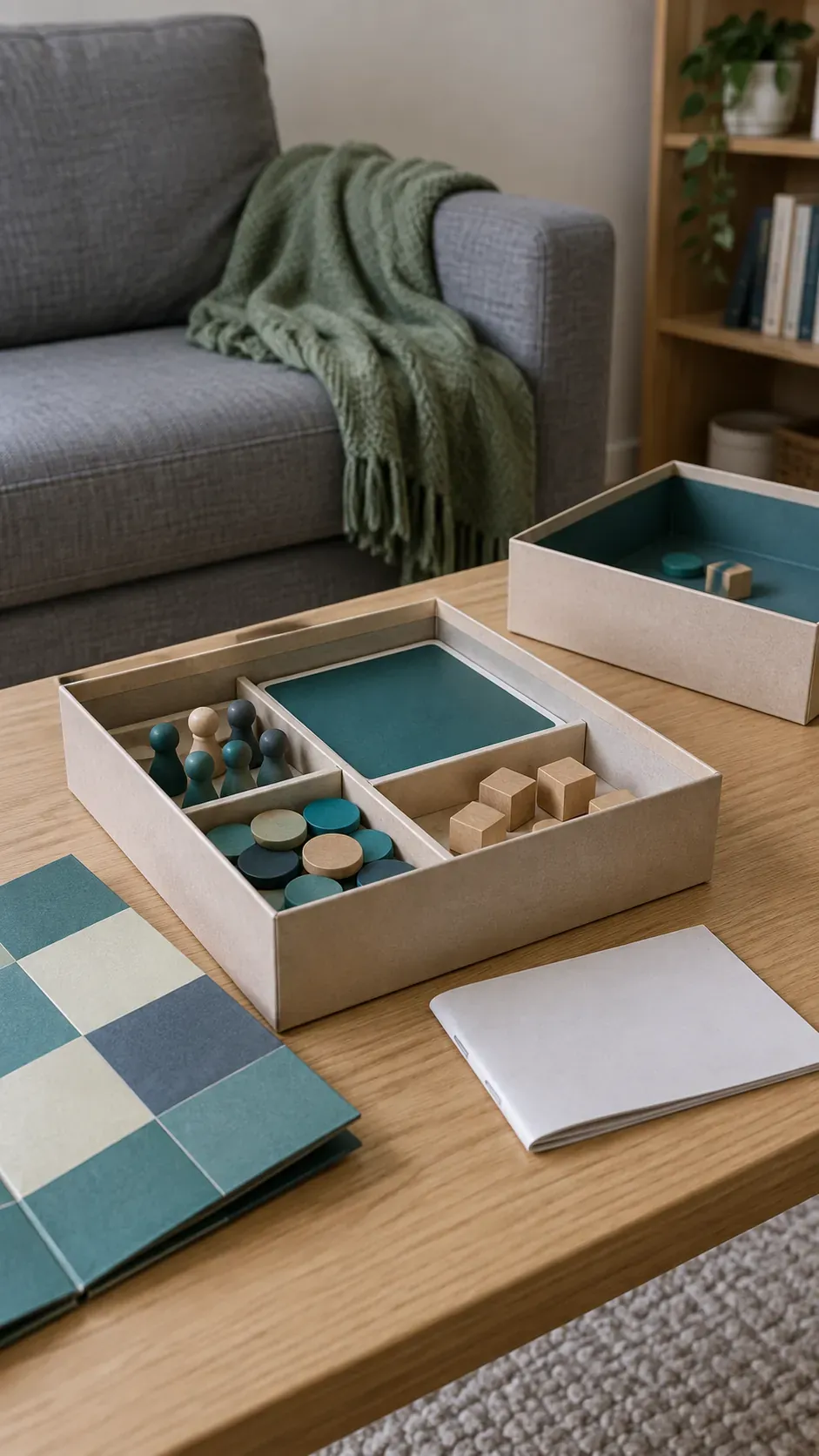
Toys children have agreed to pass on
Sort toys with the child in manageable groups and protect meaningful favorites. Keep complete age appropriate sets and discuss what can move to another home. Adult decisions about safety still matter, but a shared room is not permission to remove someone else’s treasures silently.
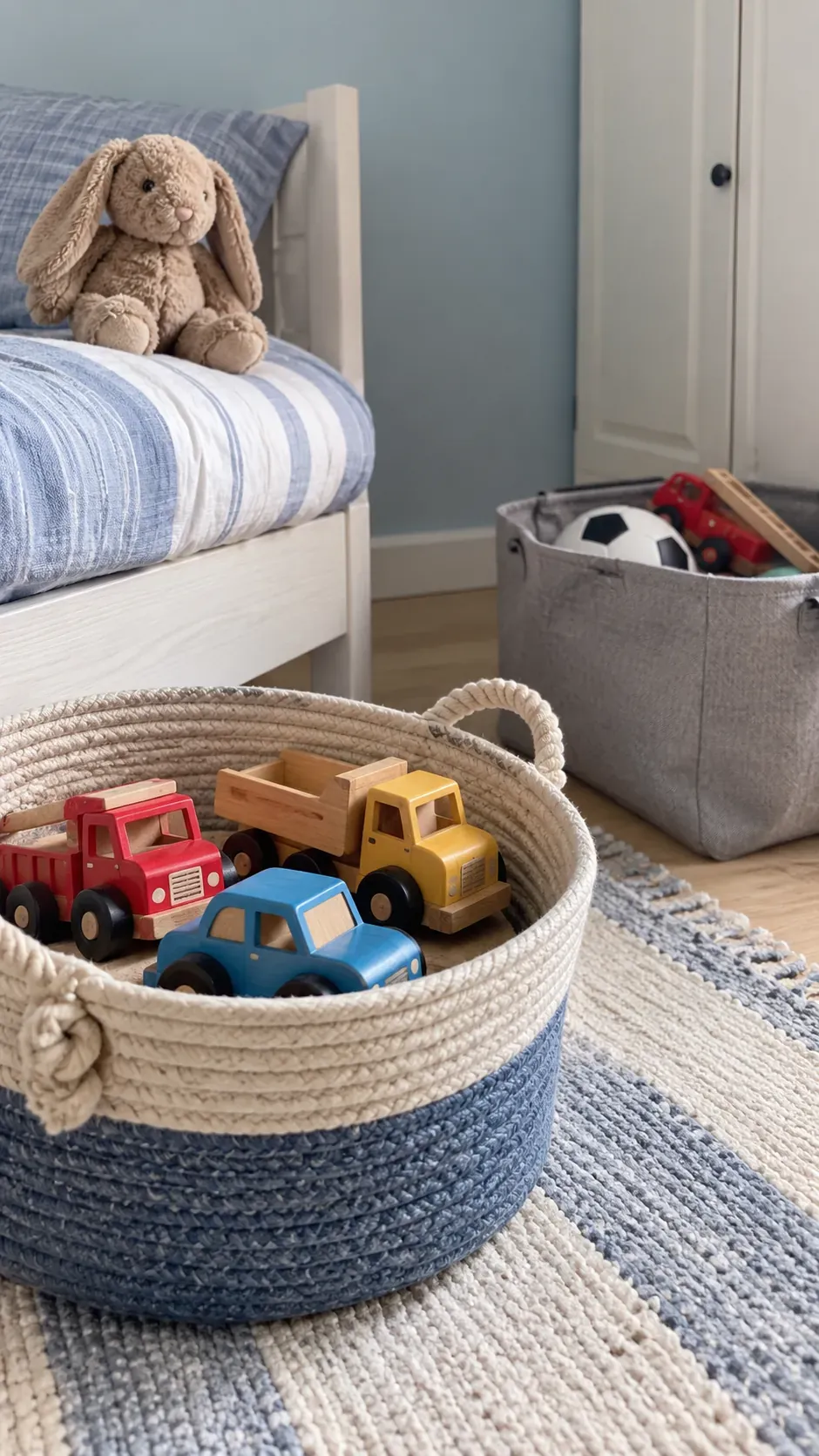
Pet supplies that no longer suit your animal
Check size, condition and suitability against your current pet’s needs. Remove damaged toys or equipment that could be unsafe and ask shelters what clean usable donations they accept. Keep necessary care supplies accessible rather than applying a minimal quantity rule to animal welfare.
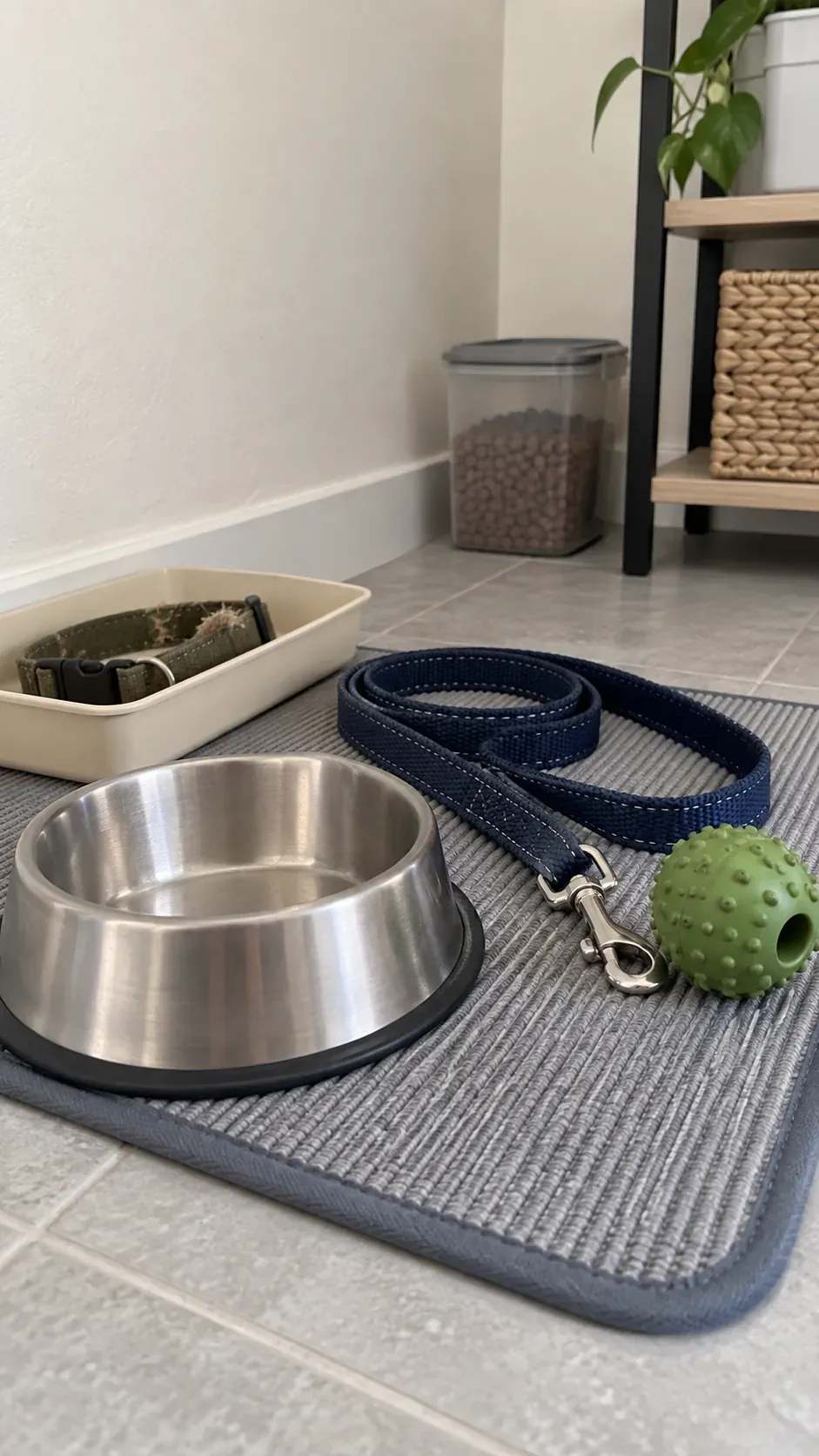
Decorations you no longer want to display
Choose seasonal decorations you enjoy using and can store safely. Test functioning items according to their guidance and separate broken pieces from usable donations. A sentimental decoration can stay intentionally without requiring every unused ornament beside it to remain.
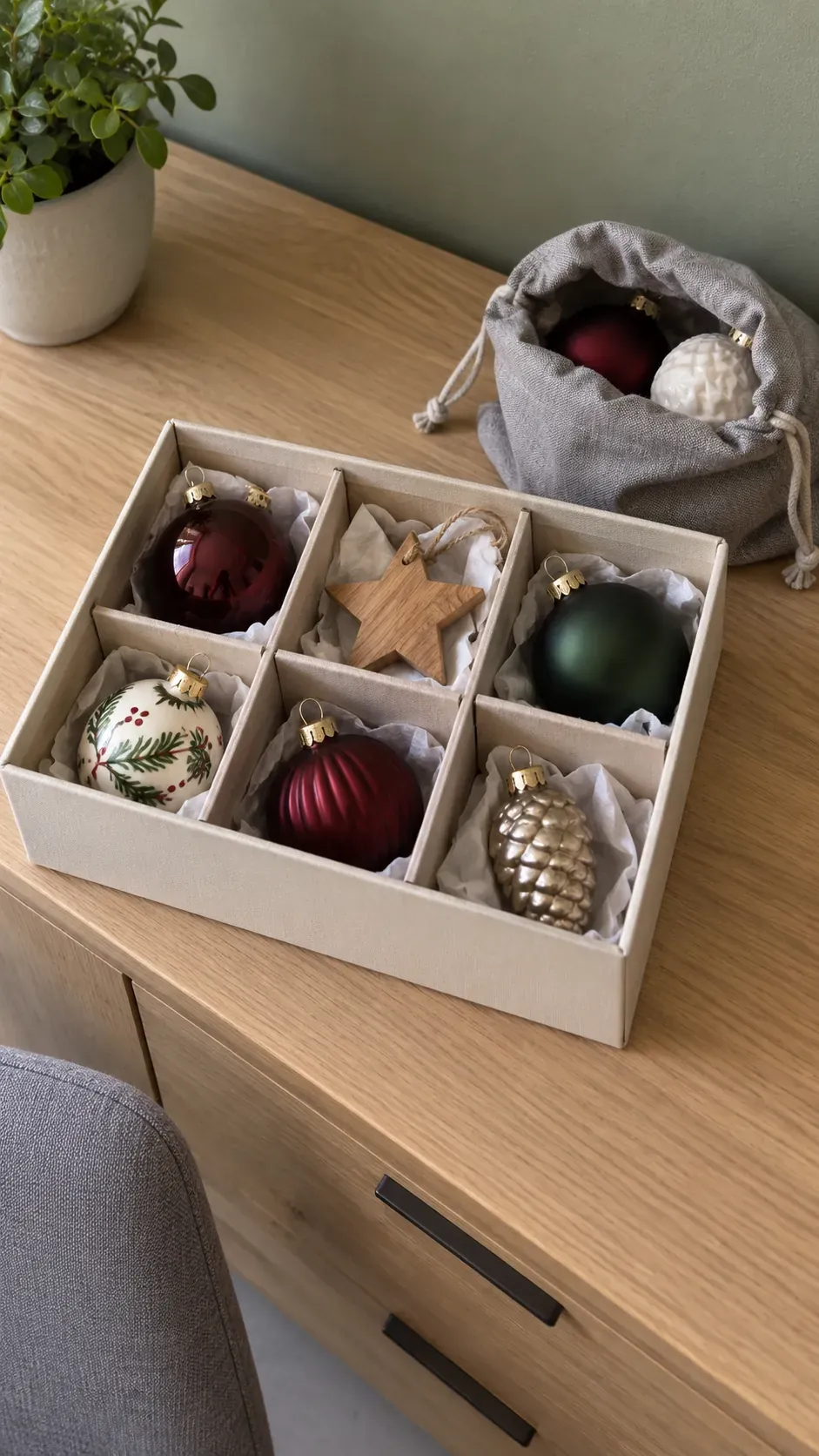
Vases with no likely use
Compare vase shapes with the flowers or branches you actually bring home. Keep favorites and useful sizes, then pass on sound extras you never choose. Remove chipped or unstable pieces rather than building a shelf around them.
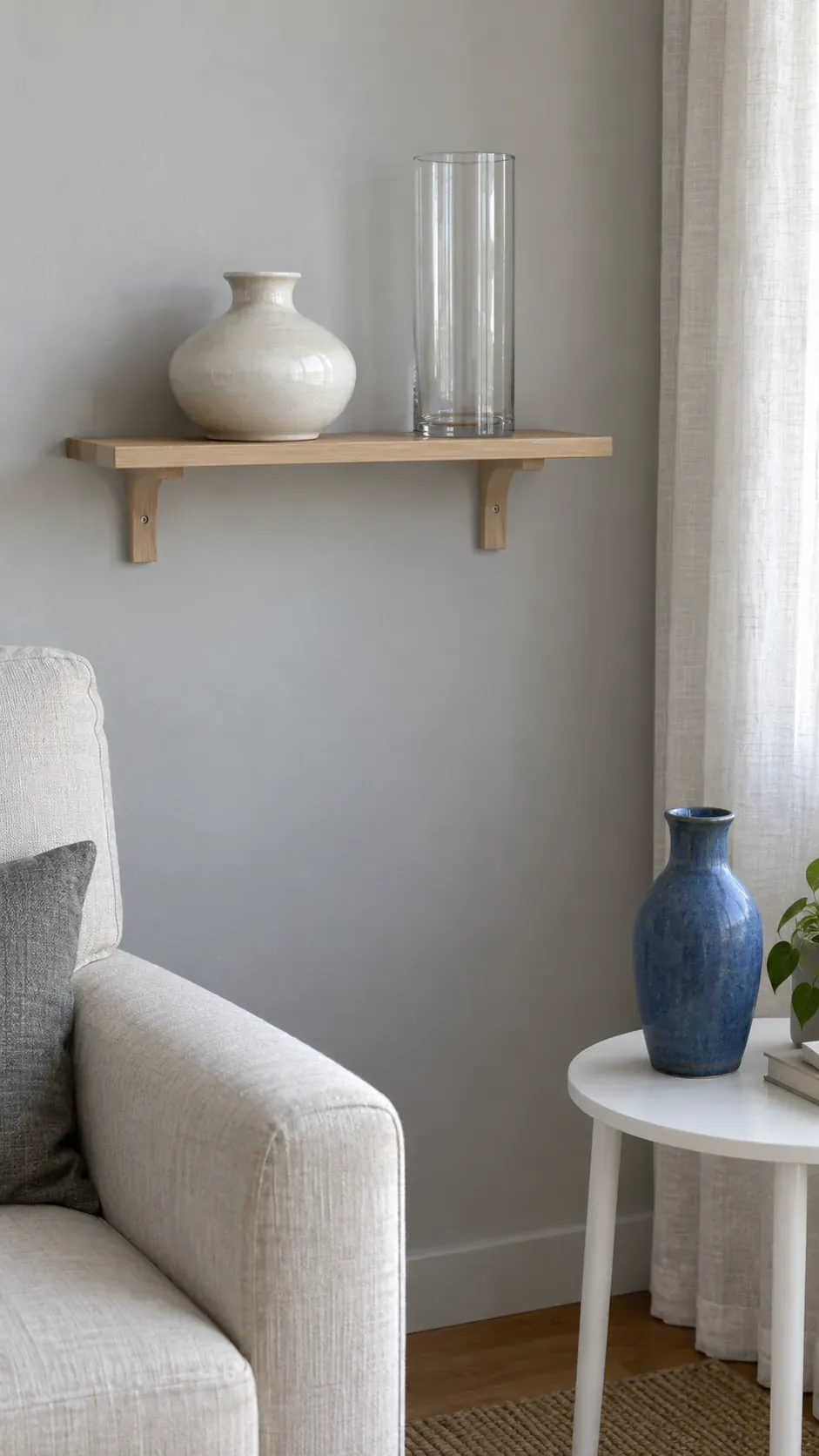
Bulky sports equipment with no current role
Assess equipment against activities you genuinely do or have a concrete plan to resume. Check condition and suitability before selling or donating it. Necessary safety equipment should be inspected and handled according to relevant guidance, never passed on casually because it looks intact.
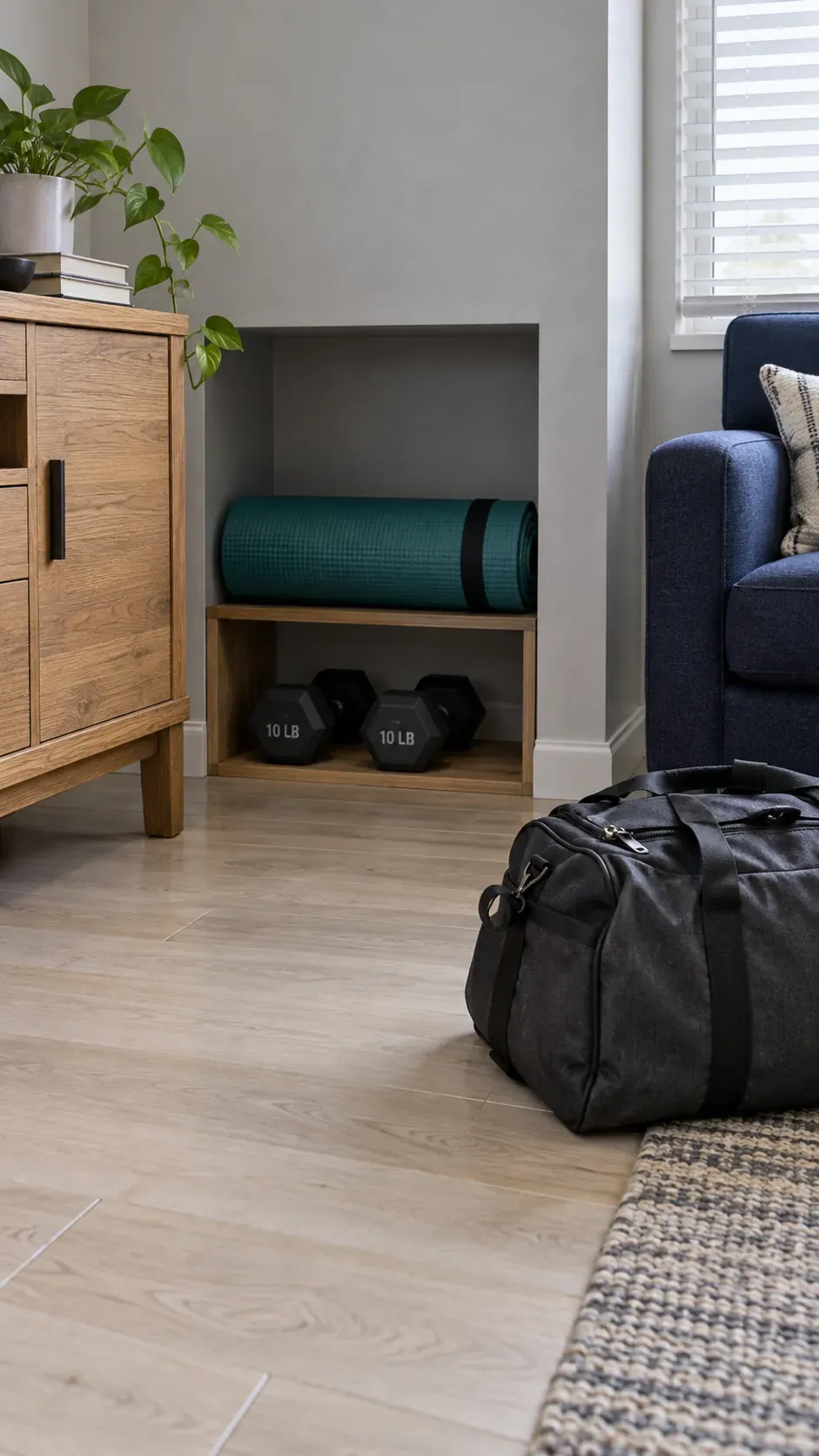
Suitcases beyond your travel needs
Open every suitcase and check its wheels, handles and lining before deciding what stays. Keep sizes that suit the travelers and trips in your household. Nested storage can help with retained cases, but it is not a reason to keep broken or needless luggage.
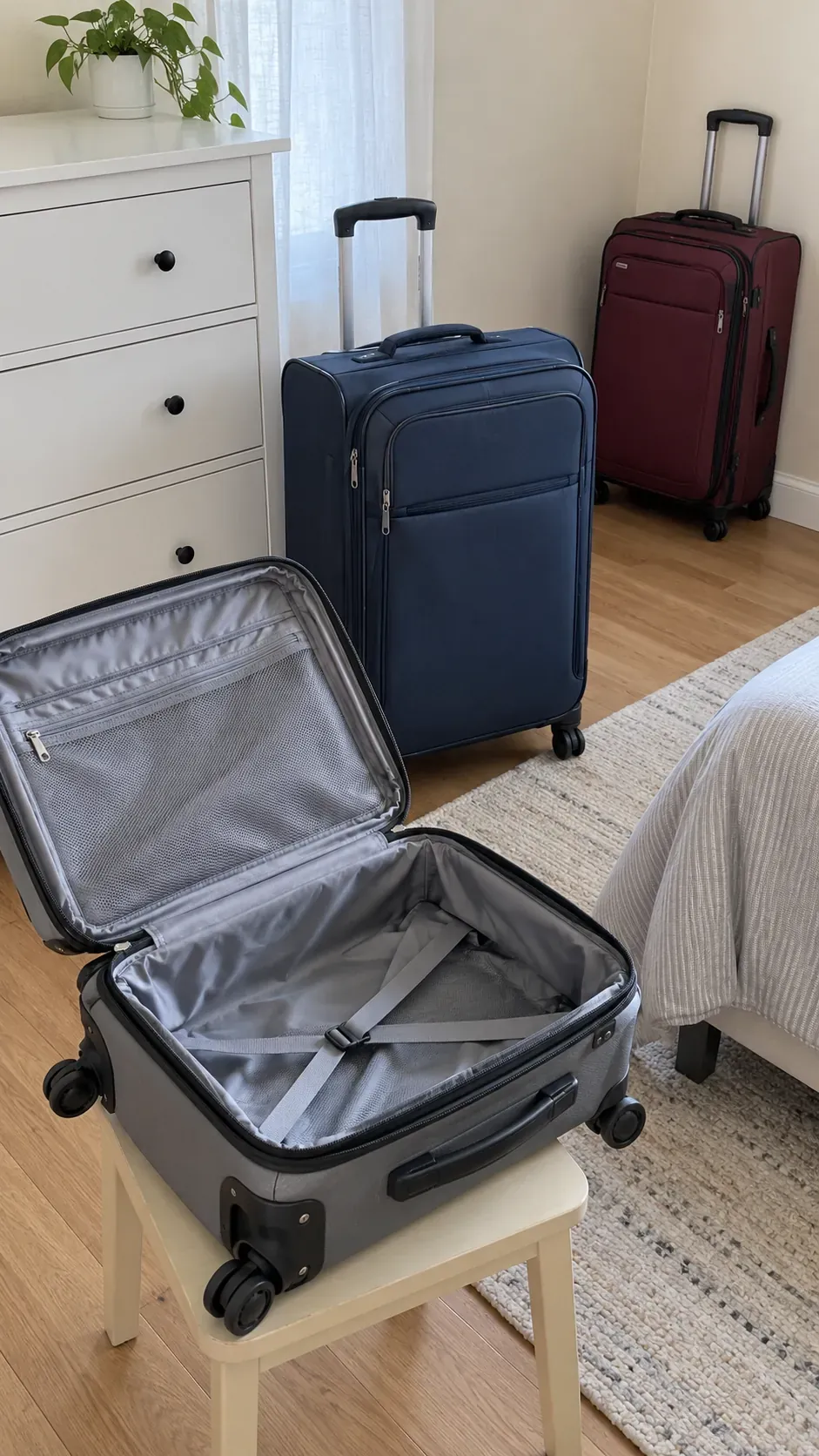
Items already promised for donation
A bag by the door is still part of the apartment until it leaves. Confirm acceptance and arrange the drop off or collection before adding another pile beside it. Keep access routes clear while it waits and avoid making the exit area a permanent storage zone.
Choose a departure date that matches the recipient’s hours and your transport. A successful new year home reset includes the exit task, not only the sorting task. Once the donation has left, reconsider whether the cupboard still needs another bin.
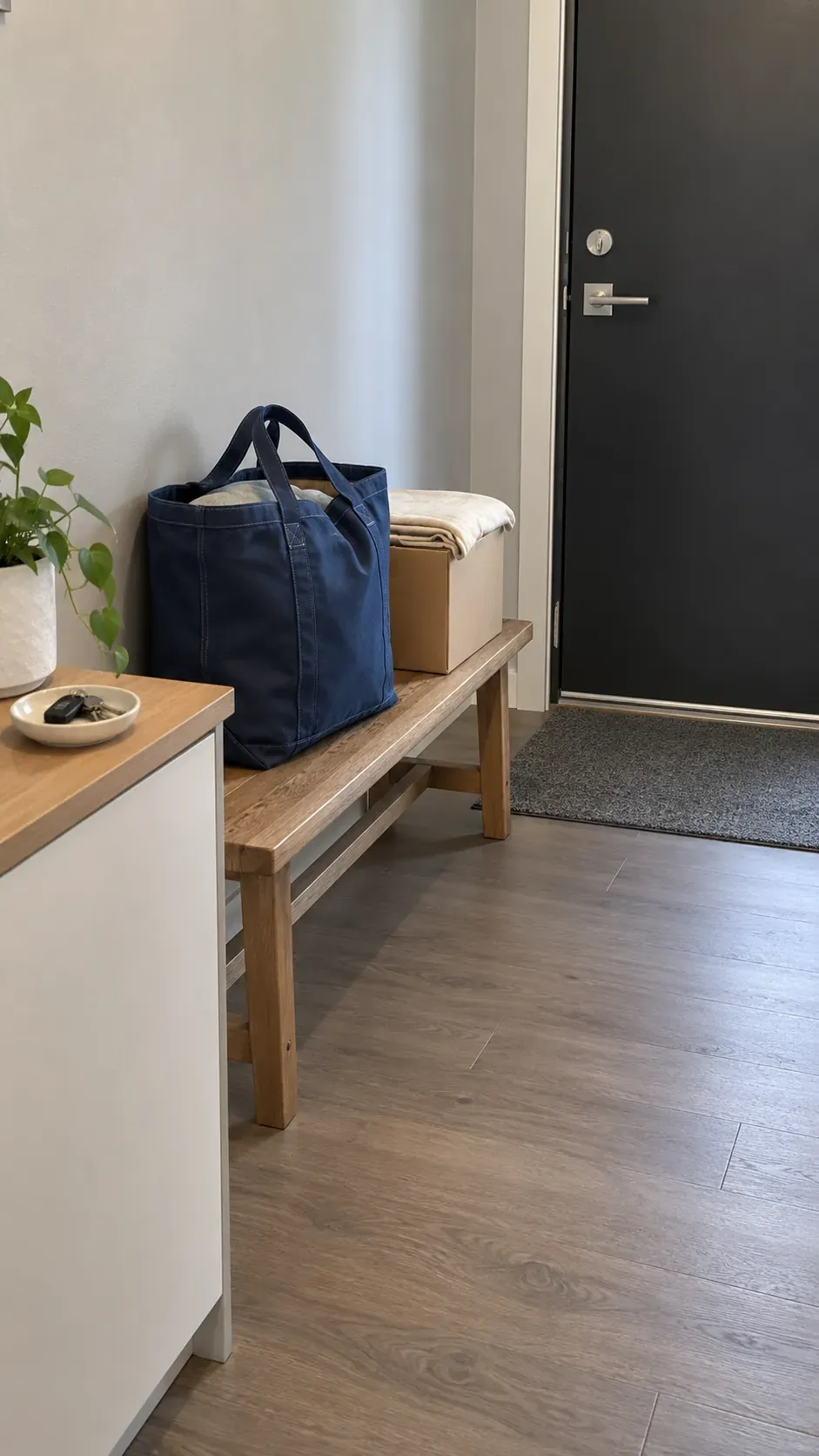
Empty organizers that solve no current problem
Gather spare baskets, dividers and bins after the other categories have been reduced. Try the useful ones with what remains, checking access and fit before shopping. Buy new small space storage only when you can name the exact remaining problem, its measurements and the belongings it must hold.