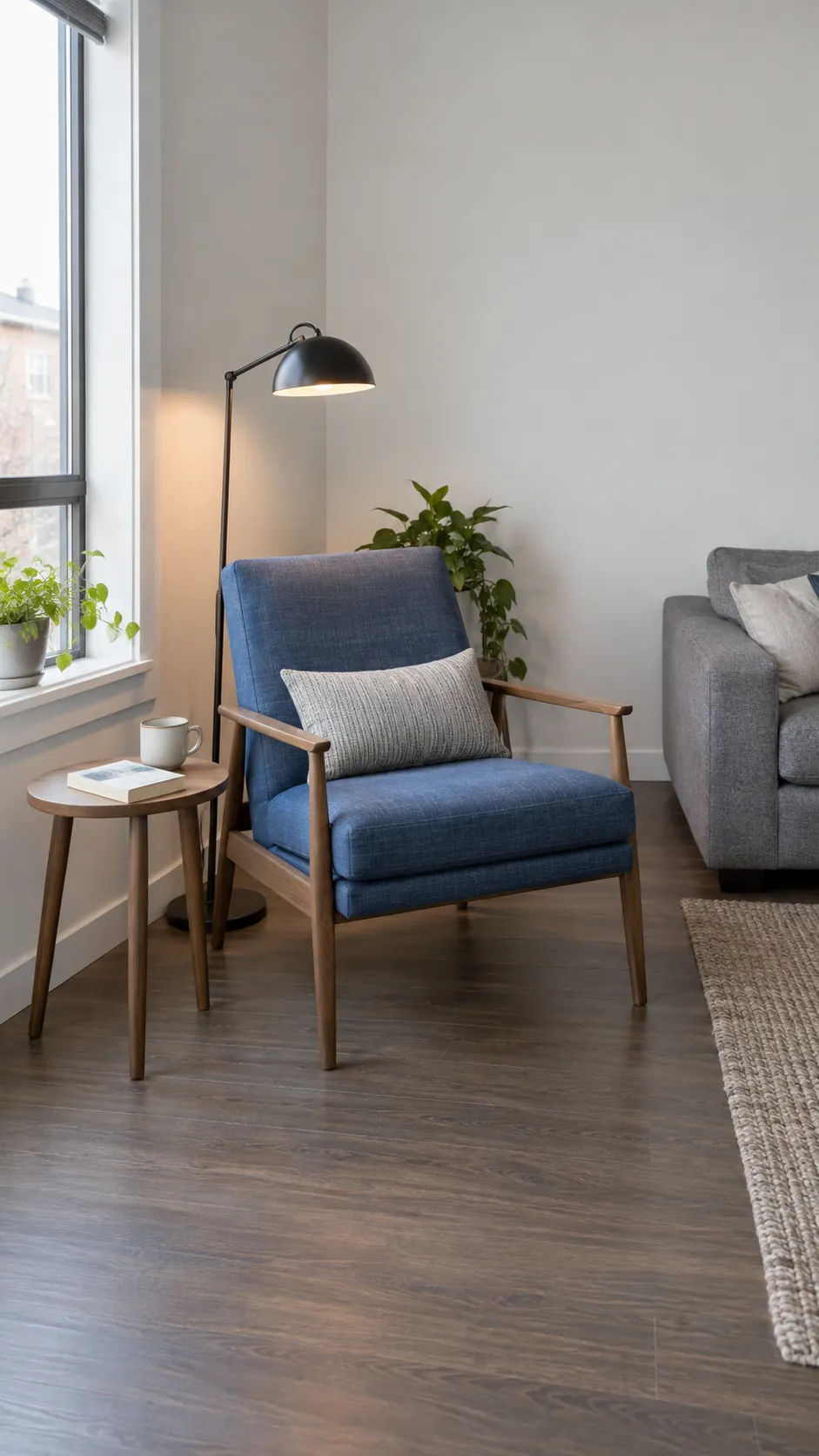
A chair can look compact online and still swallow the route between the sofa and the door. A smaller outline also means little if you cannot sit comfortably with a book. Start with your reading position, then choose the chair, light, and nearby surface as one working setup.
A slim armchair beside a nesting table
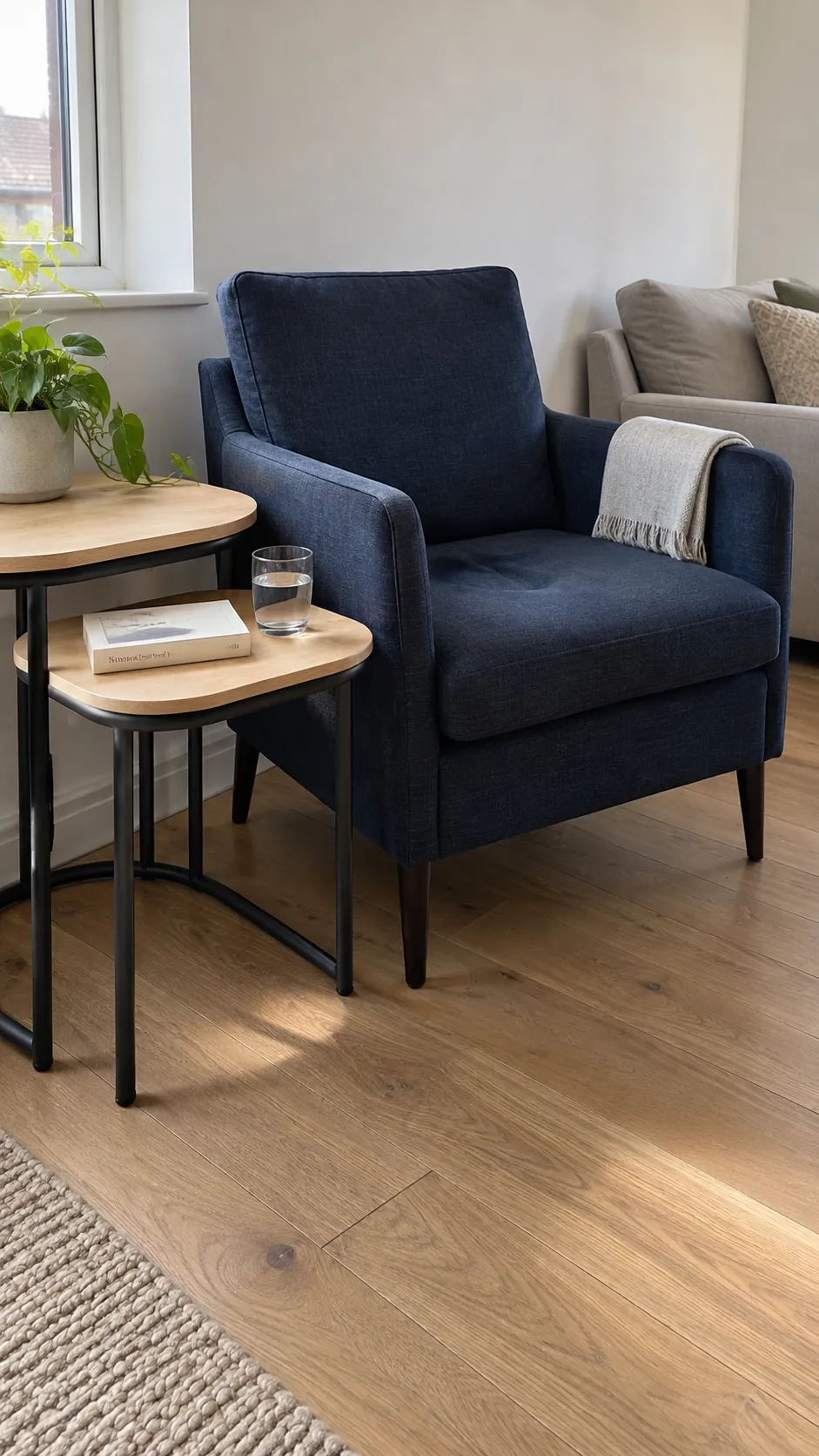
Wide padded arms can occupy more room than the seat you actually use. Look for a slim accent chair with narrow arms, then compare its full outside width rather than the advertised seat width. A nesting table beside it can hold a book and move aside when you need more floor space. Sit in the chair long enough to check whether the arms support your forearms without lifting your shoulders.
An armless chair with a lap cushion
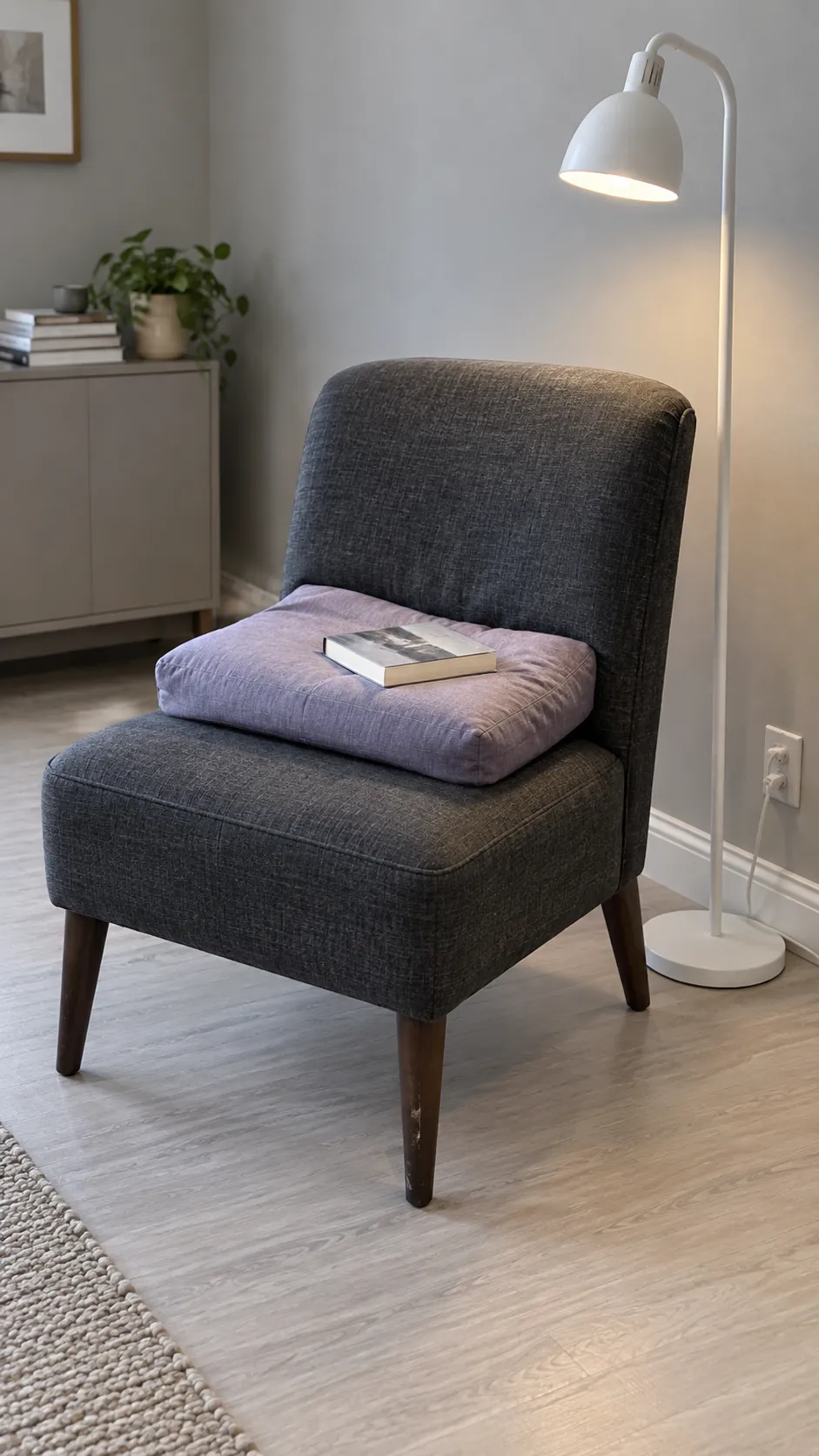
An armless upholstered chair gives you a seat without two bulky side panels. It can suit a reader who likes an upright position, especially when a small cushion supports the book on their lap. The tradeoff is less support for the elbows, so try your usual reading posture before buying. Keep a narrow floor lamp behind the shoulder rather than squeezing a large table into the same corner.
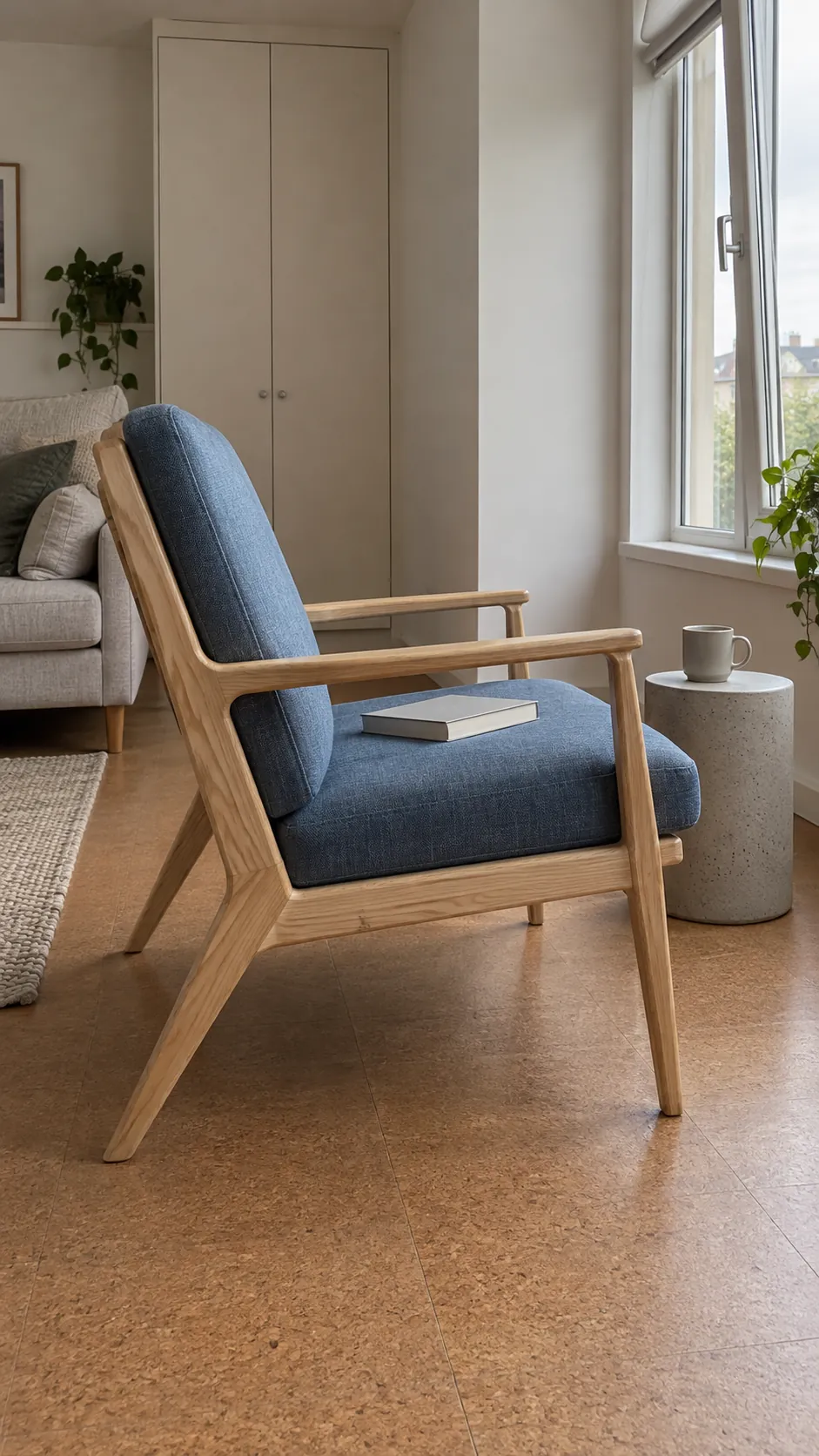
An exposed wood frame near the window
A chair with an exposed timber frame lets you see more floor and often looks lighter than a fully upholstered shape. Place it beside the window, leaving room to open the covering and reach the handle. Check its actual footprint because angled rear legs can extend beyond the cushion.
A fitted seat cushion should stay in place when you stand up. Test the back angle with a real book rather than judging comfort from a photograph. Use a small side surface for your drink so the narrow arms do not become an unstable shelf.
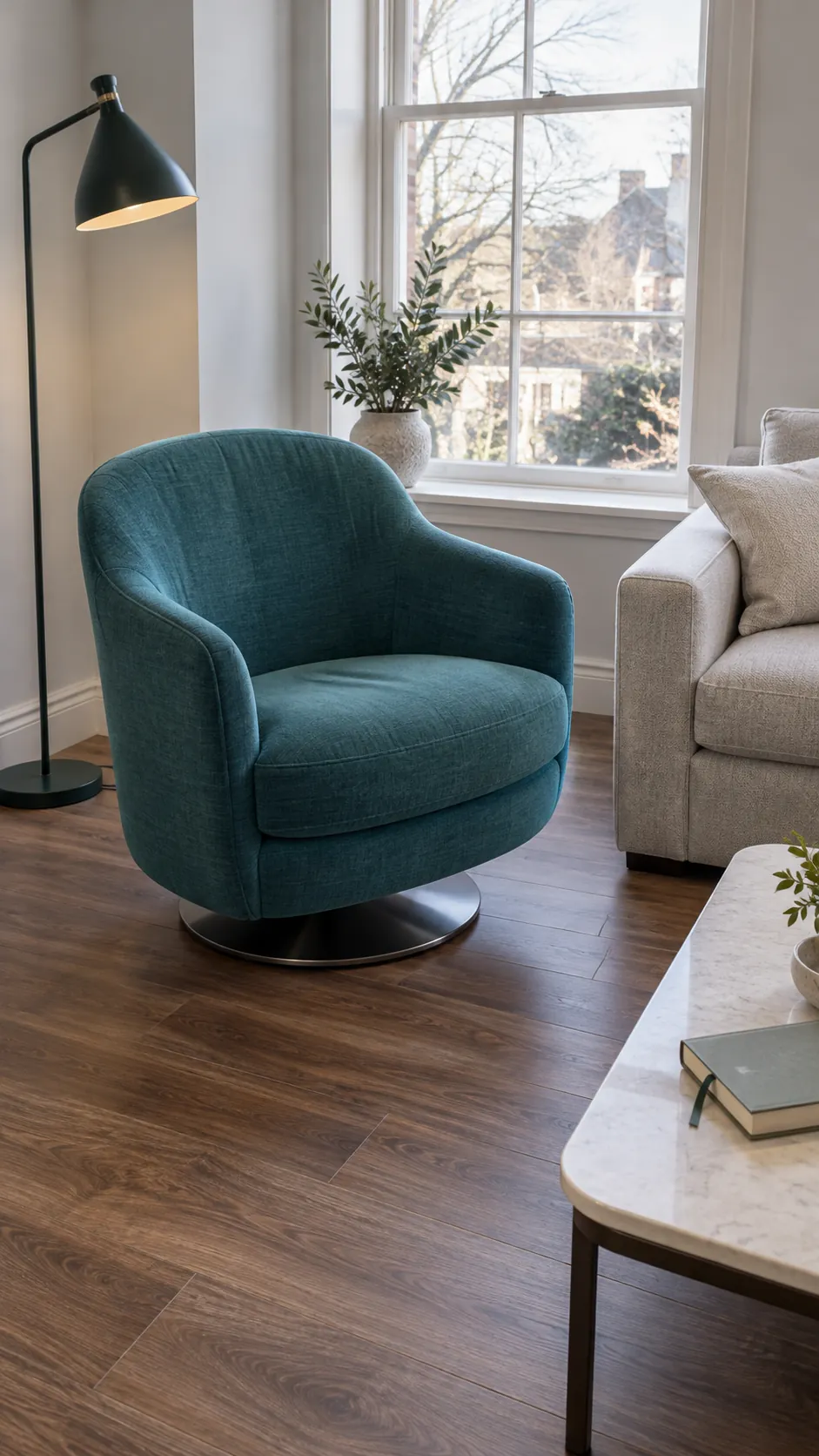
A compact swivel seat shared with the sofa
A small swivel chair can face the sofa for conversation and turn toward a lamp for reading. Its rotation needs free space, so check the widest sweep of the arms and back, not just the round base. Position it where that sweep stays clear of the wall and coffee table. Choose this setup only if the rotating chair solves two regular uses rather than adding a moving obstacle.
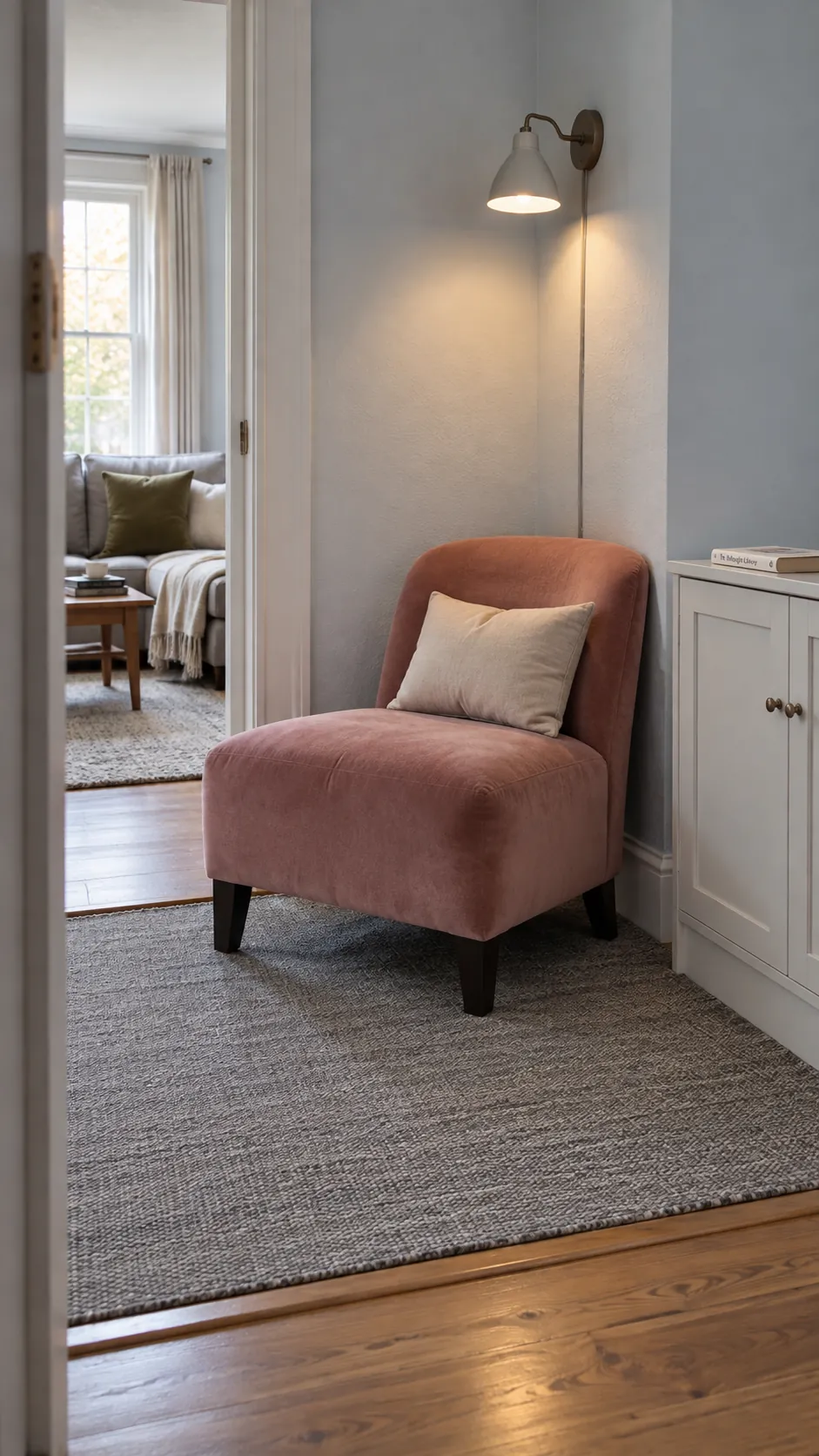
A slipper chair against a short wall
A low upholstered slipper chair can fit beside a short wall that a wide armchair overwhelms. Its small back may be enough for brief reading, but it will not suit everyone who wants head or upper back support. Pair it with a light cushion only if the remaining seat depth still feels comfortable. A wall mounted light can preserve the floor beside the chair, provided its installation is allowed.
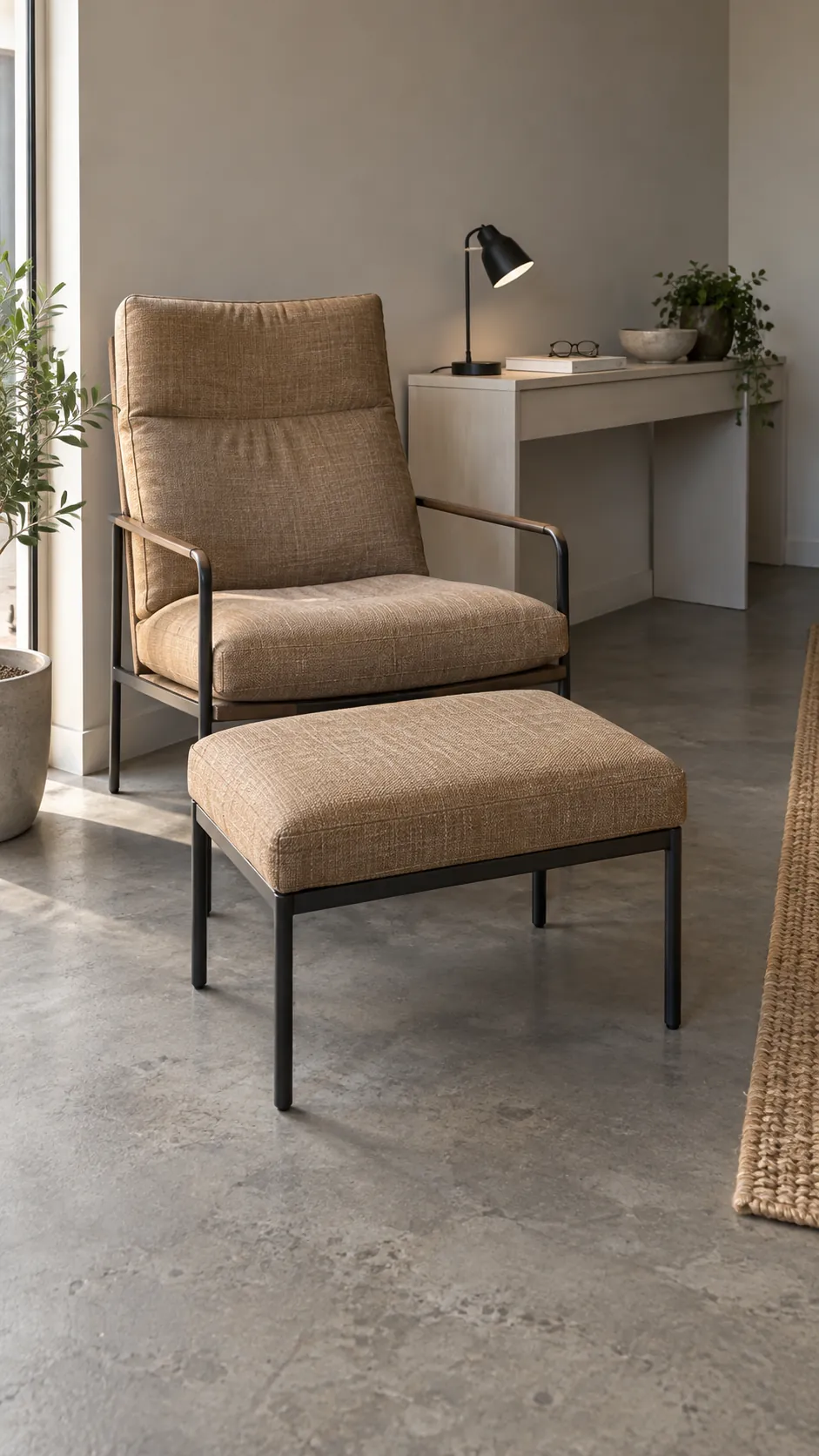
An upright lounge chair with a small footstool
A relatively upright lounge chair can give you back support without the long footprint of a deeply reclined seat. Add a separate small footstool only when you want to stretch your legs. That makes the setup easier to rearrange than a chair with a fixed extended section.
Park the footstool under a suitable console or against the wall when it is not needed. Confirm its height works with the chair rather than forcing your knees into an awkward position. Check the walking route with both pieces in use before deciding the combination fits.
A padded dining chair that earns a second role
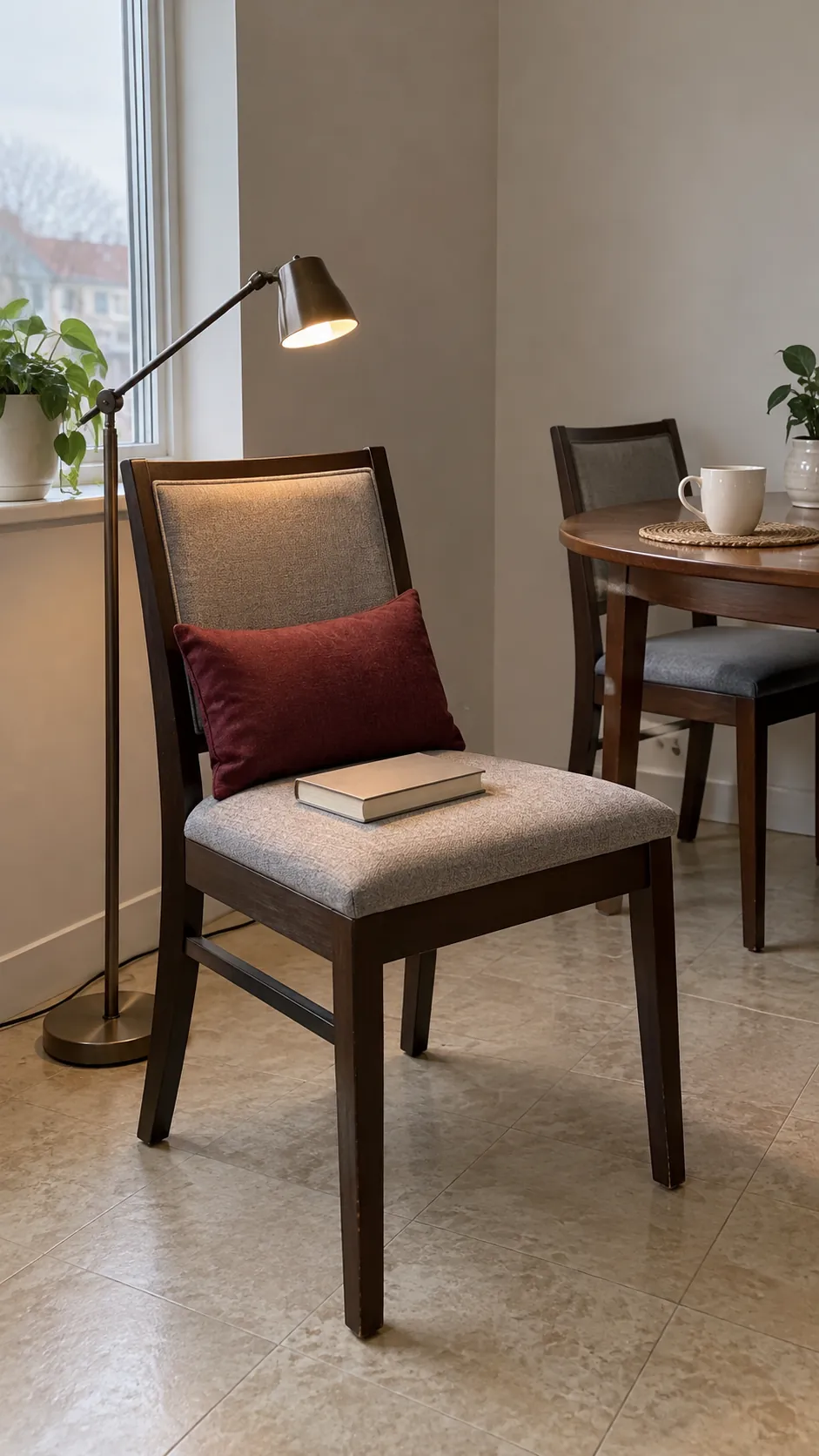
An existing padded dining chair can become a reading seat when you do not have room for another piece of furniture. Move it beside a task lamp and use a small cushion if the back needs more support. This works best for readers who prefer sitting upright rather than curling into a deep chair. Keep the chair easy to return to the dining table so the reading corner does not reduce everyday seating.
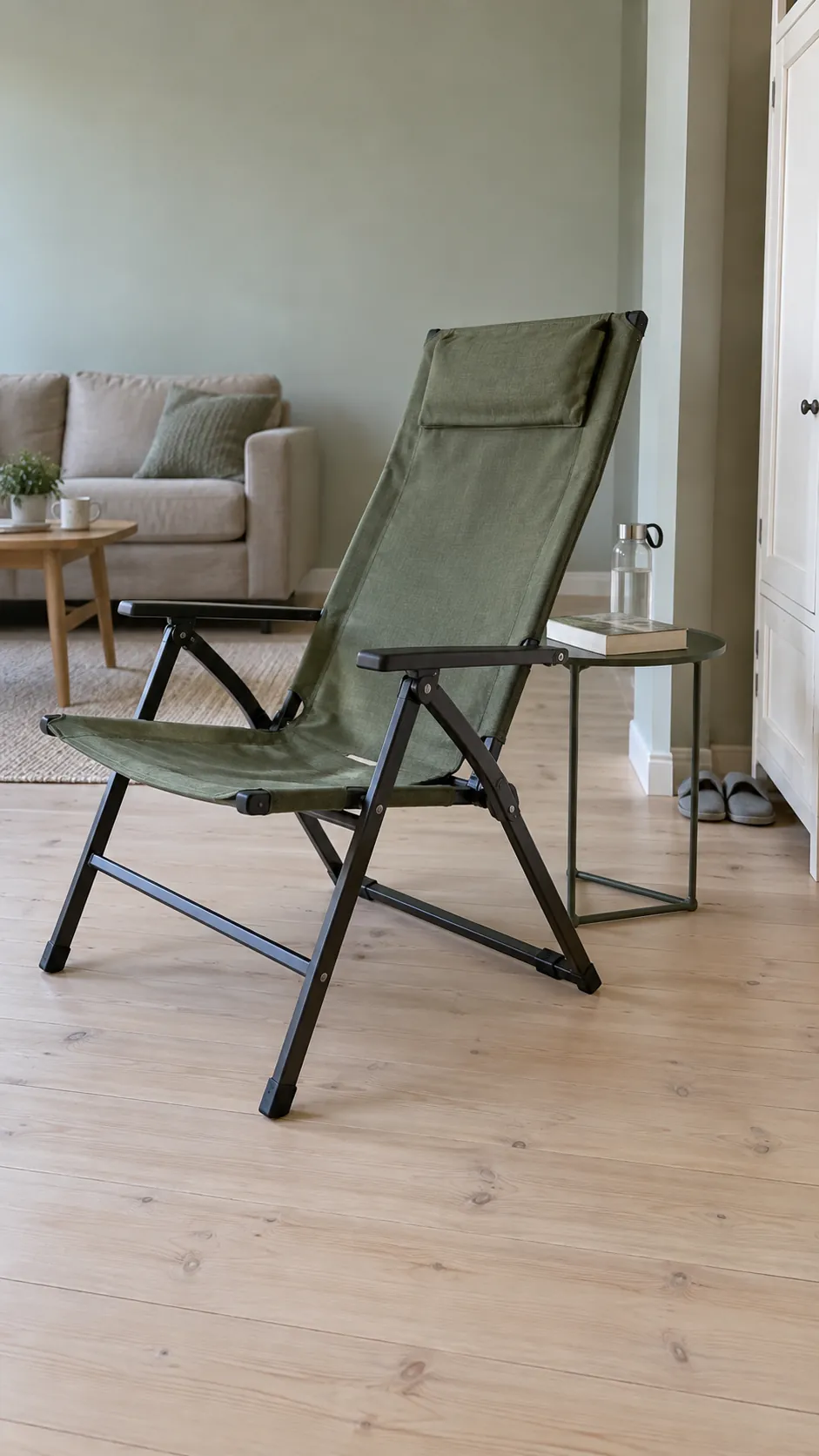
A folding lounge chair for occasional reading
A well made folding lounge chair can make sense when the living room must change use often. Check the unfolded dimensions and the manufacturer instructions for stable locking and weight limits. The folded chair still needs a storage spot, so identify that place before treating it as a space saving solution. Avoid a model that is awkward to open if you expect to read there every evening.
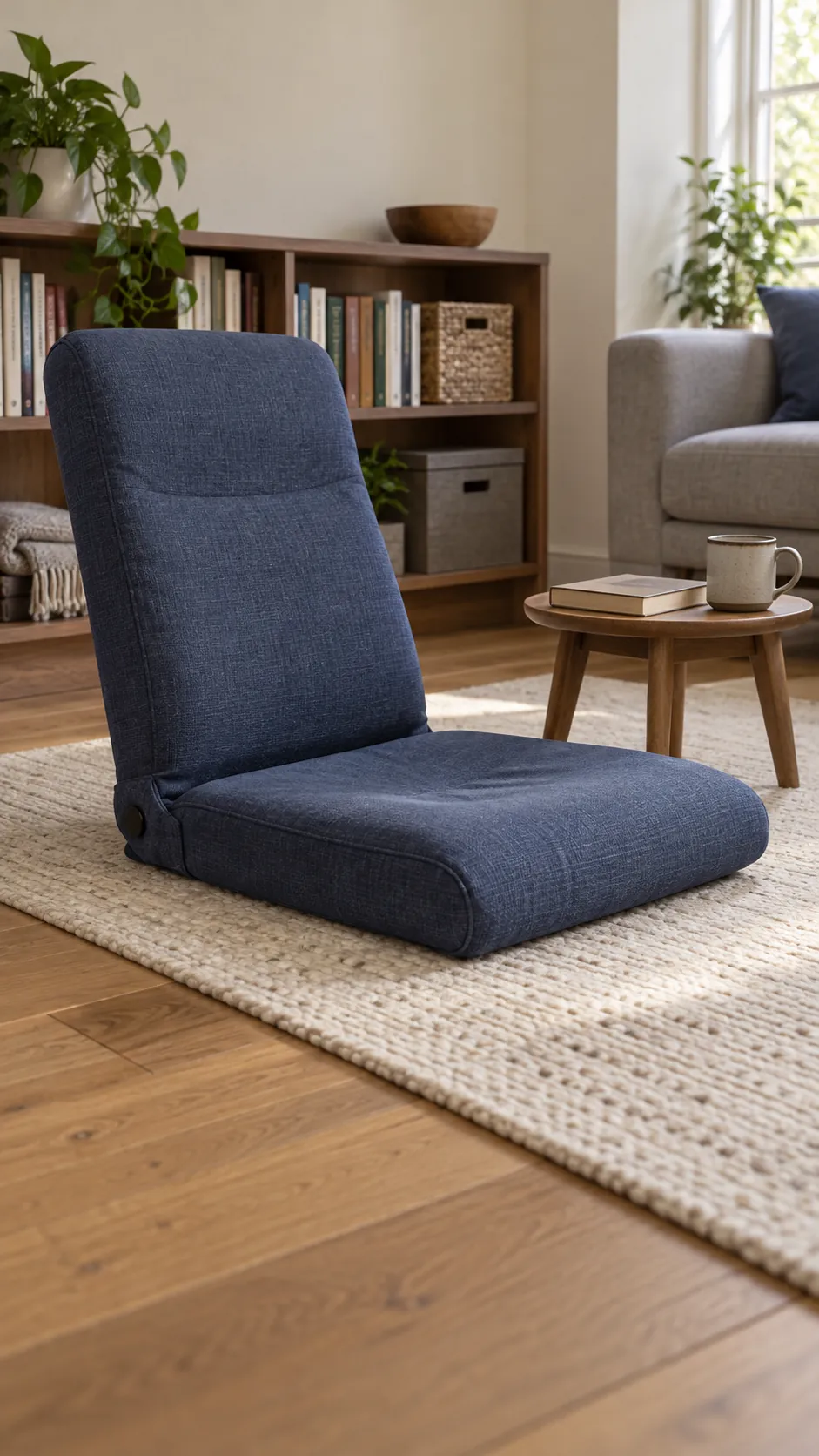
A floor chair with a supported back
A floor chair with a supportive back offers a reading position below the visual line of the sofa. Place it on a firm rug and keep enough floor clear for your legs. It can suit readers who are comfortable getting down to the floor and standing up again. Test the adjustment mechanism and sitting position because low seating is not automatically comfortable or suitable for every body.
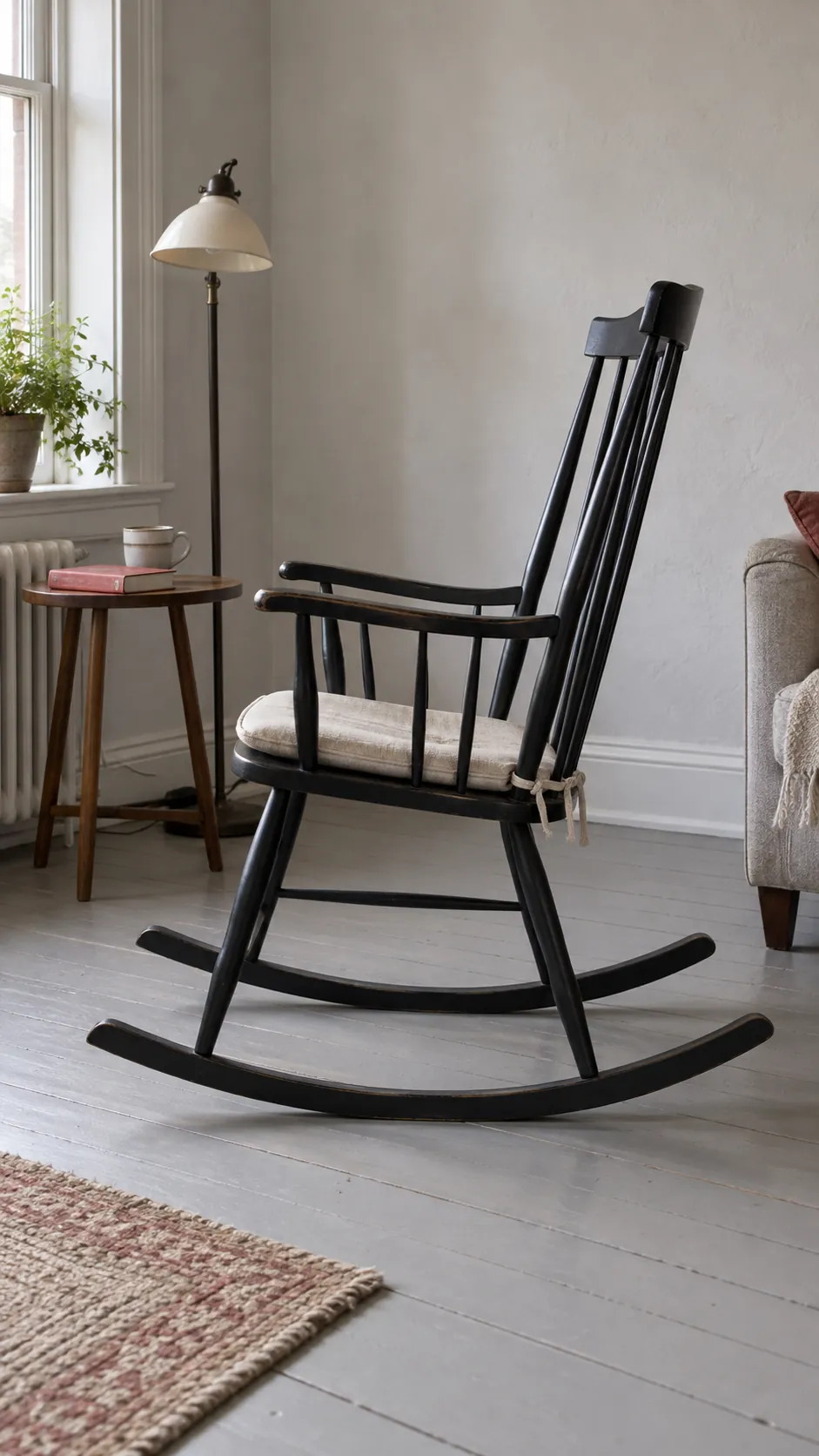
A narrow rocking chair with room to move
Some rocking chairs have a slim seat but long runners that need more floor than expected. Mark the runner footprint and allow space for the full rocking motion before choosing one for a small room. A short side table must sit outside that movement so the chair cannot strike it. Try the setup where nobody walks behind it during normal use.
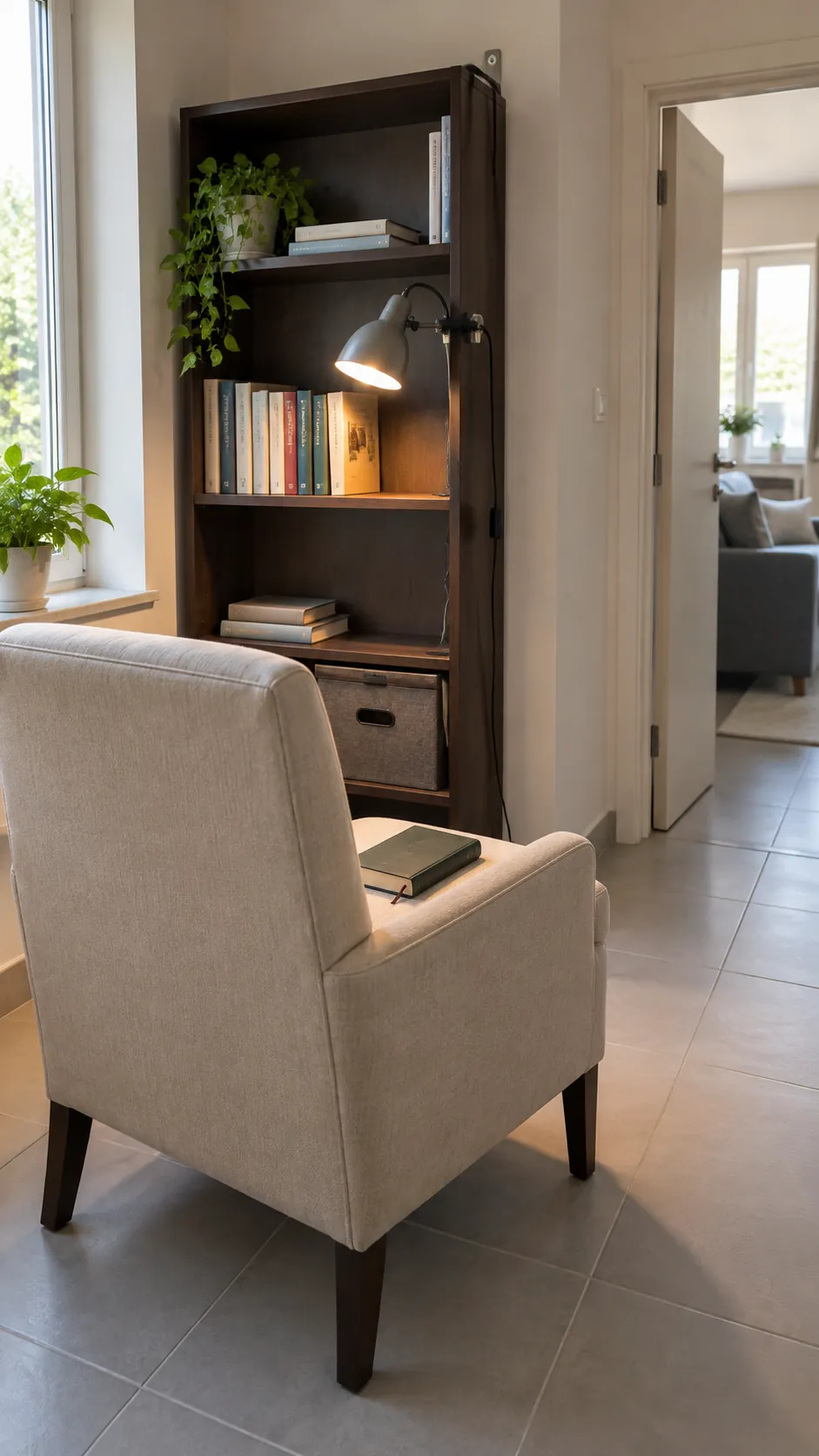
A chair tucked beside a shallow bookcase
A shallow bookcase can give a compact reading nook useful storage without surrounding it with deep furniture. Keep the chair slightly forward of the shelf so you can reach books without squeezing behind the back. Use a stable unit and follow its anchoring instructions.
Place everyday reading books within easy reach and reserve the upper shelves for lighter items. Leave the chair space open instead of turning the bookcase into a display crowded with ornaments. A clip light is an option only when the shelf and fitting can safely support it.
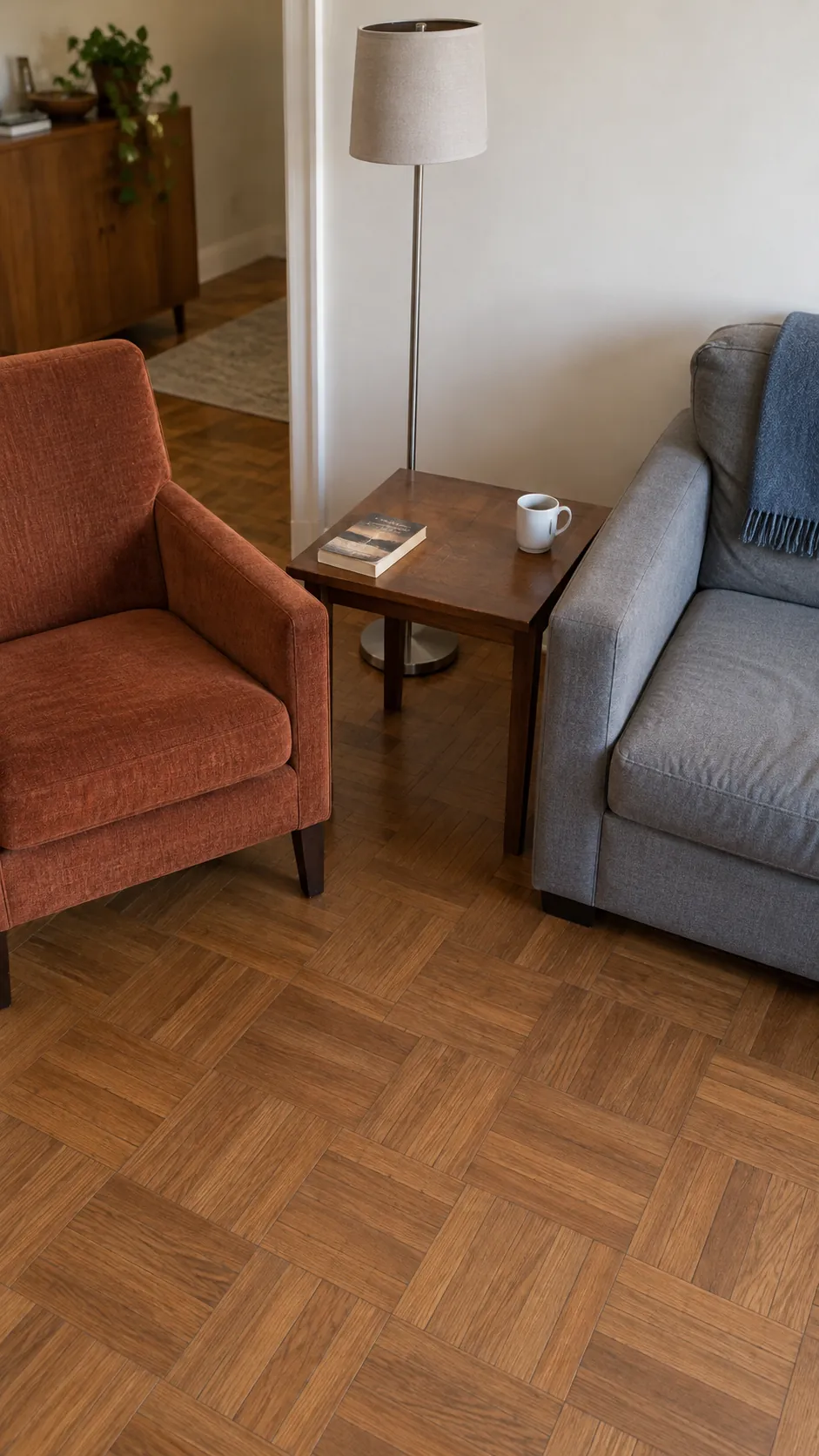
A chair at the end of the sofa
The unused end of a sofa can hold a small living room chair without creating a separate furniture island. Angle the chair slightly toward the room while keeping its front legs out of the main route. A shared side table can serve both seats, removing the need for another table. Check that both readers can reach it comfortably and that the arrangement does not trap the sofa occupant.
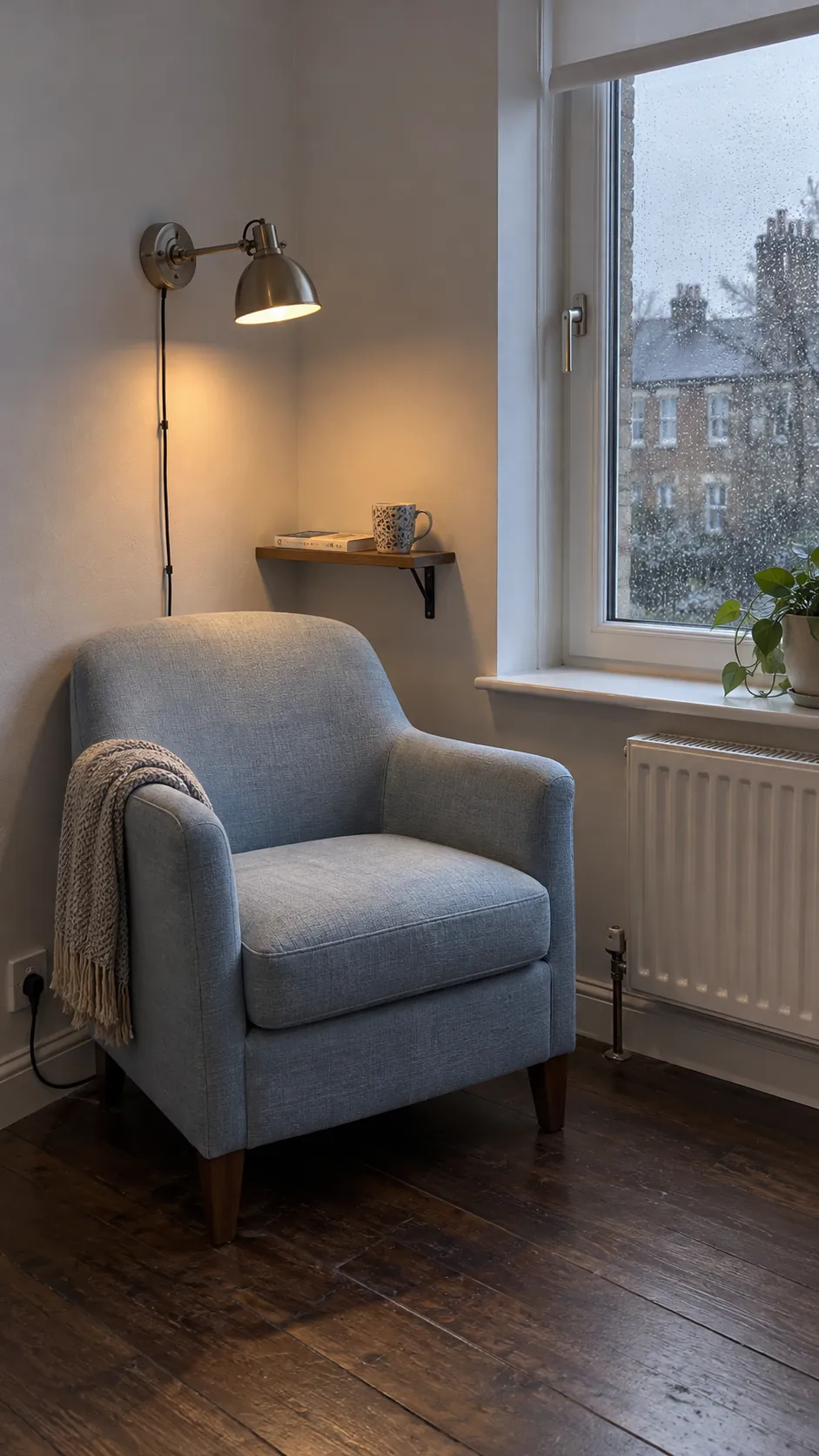
A window corner with a wall light
A compact chair under a wall light can use a corner where a floor lamp base would crowd your feet. Position the light so it reaches the page from behind or beside your shoulder, with the switch accessible from the seat. A plug in model still needs a safely routed cable and suitable wall fixing. Keep the chair away from heaters and leave window access intact.
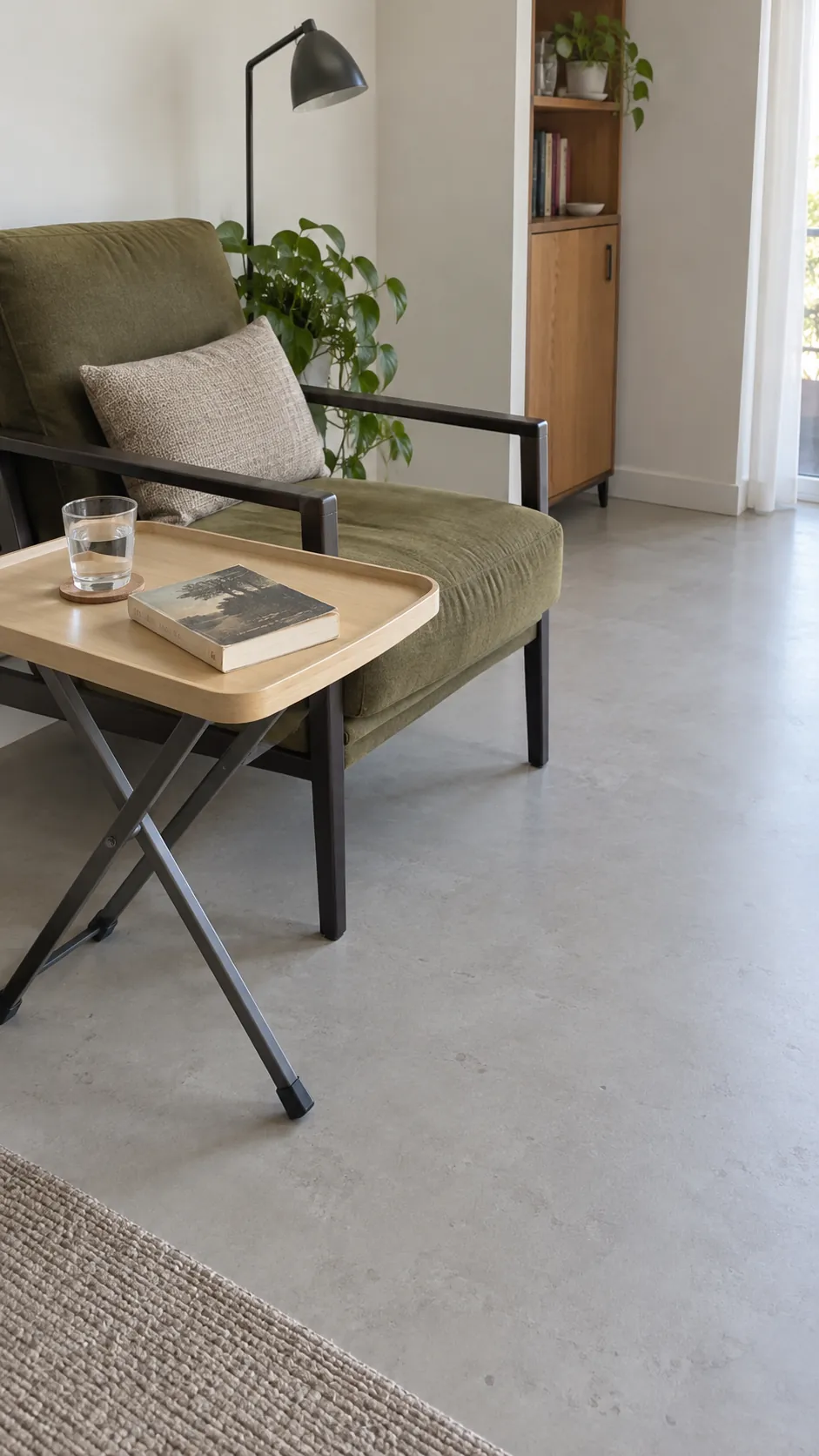
A chair paired with a movable tray table
A light tray table is useful when your chair must share floor space with another activity. Choose a stable base and a top large enough for the things you actually set down. Move it aside before opening a sofa bed or spreading out exercise equipment.
The table should not lean over a walking route simply because its legs fit beneath the chair. Check whether the top catches your knees when you stand. A dedicated storage spot makes moving the table a normal habit rather than another chore.
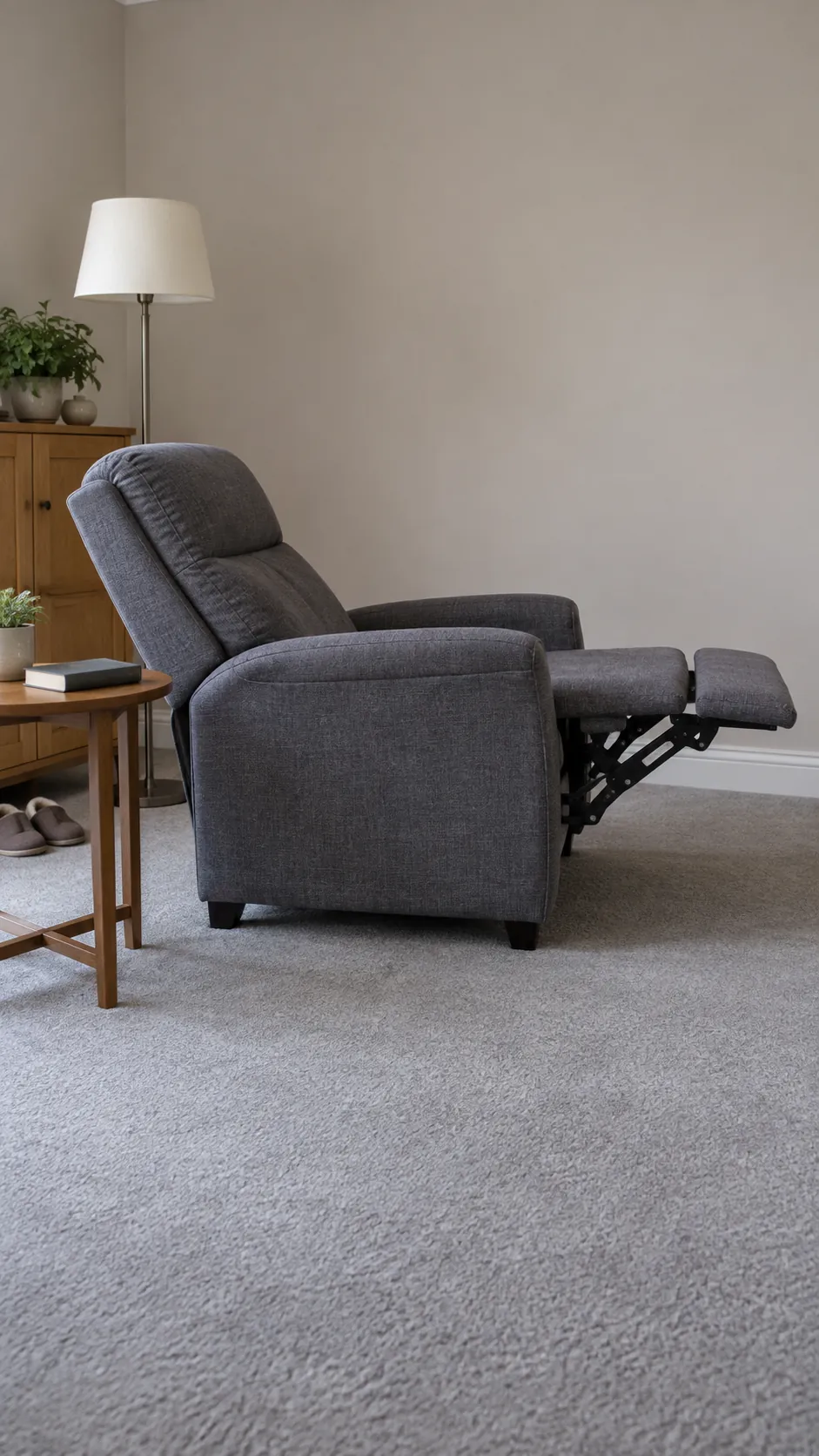
A small recliner with verified open clearance
A compact recliner can be comfortable without a broad padded silhouette, but its closed size tells only part of the story. Measure the manufacturer stated open depth and any required space behind the back. Check the room with the footrest extended and the seat occupied in your usual position. If opening it blocks the only route through the living room, choose a chair and movable footstool instead.
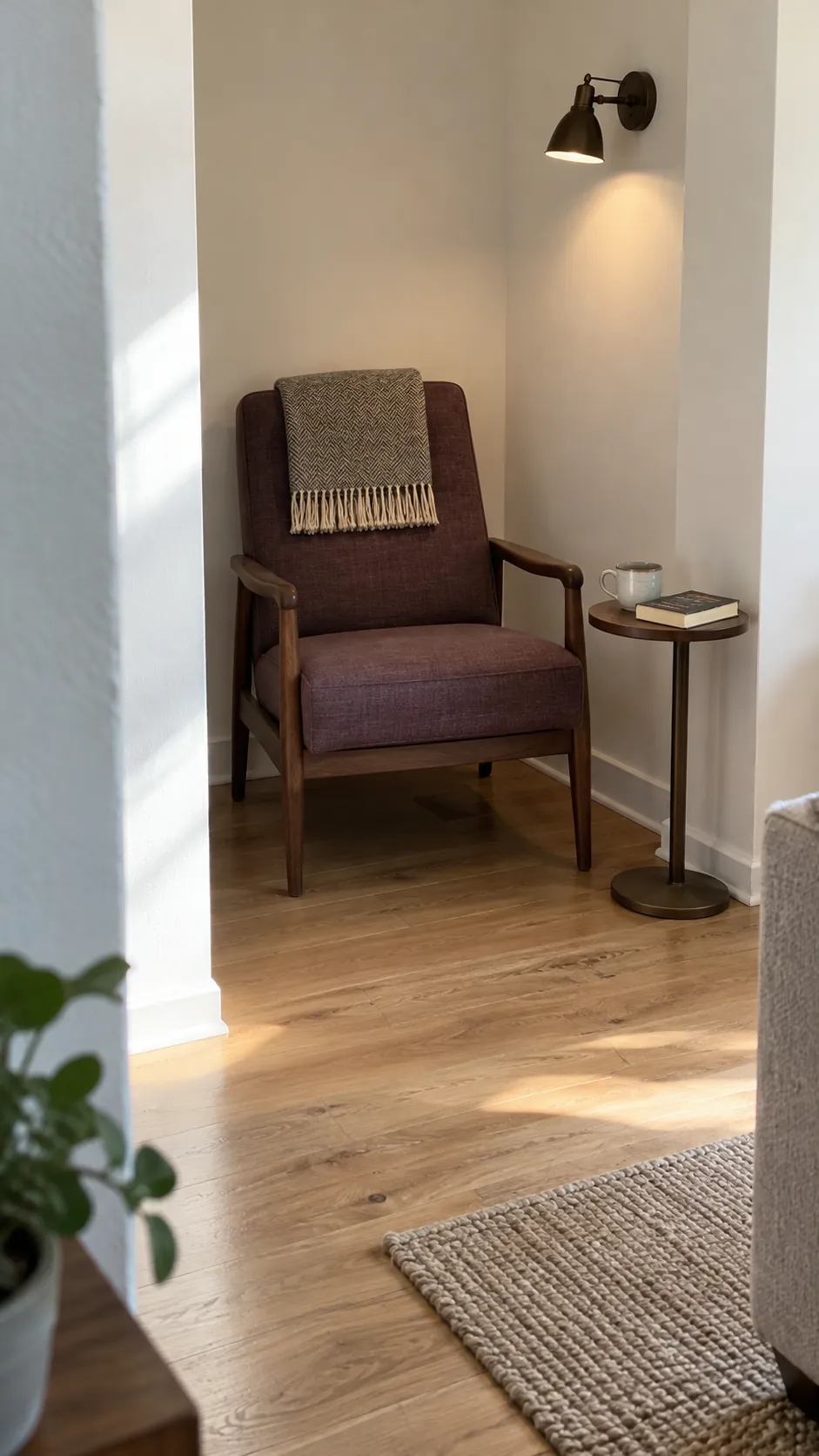
A chair in an alcove with a clear exit
An alcove can frame a reading seat without extra shelves or dividers. Measure the opening and the inside depth, then allow room to move your elbows and stand up. The chair should fit comfortably without scraping the sides when you shift your position. Put the book surface near the opening so you do not have to reach behind yourself for a drink.
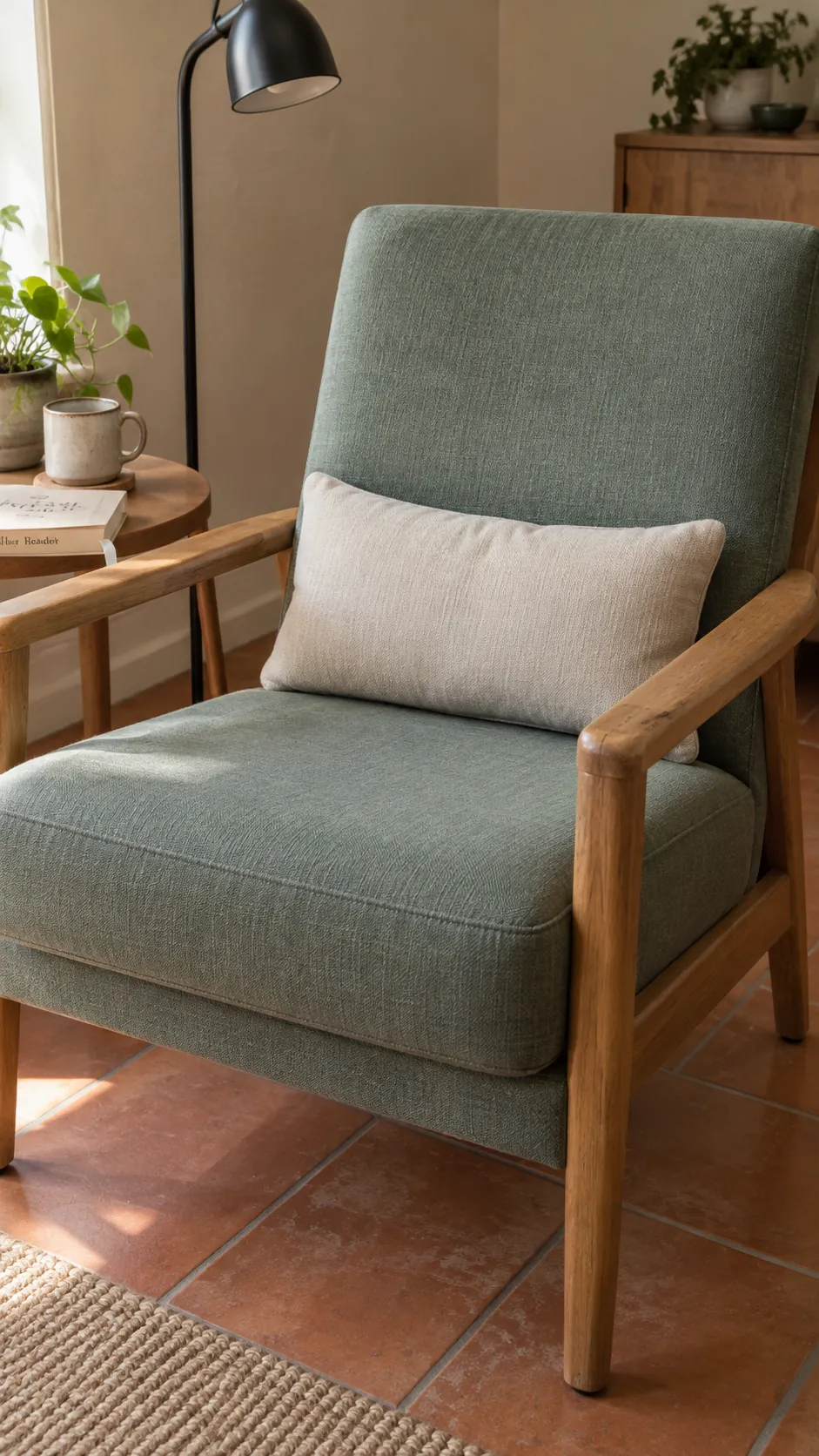
A firm corner chair with a small lumbar cushion
A firm compact chair can feel more supportive than a deep seat that leaves you sliding forward. Try a small lumbar cushion if there is a gap behind your lower back, while checking that your feet still reach the floor. More cushions are not always better because they reduce the usable seat.
Look for comfort in the position you maintain while reading, not just the first moment you sit down. Seat height, depth, and back angle matter together. Leave enough space to change position instead of wedging the chair tightly between two cabinets.
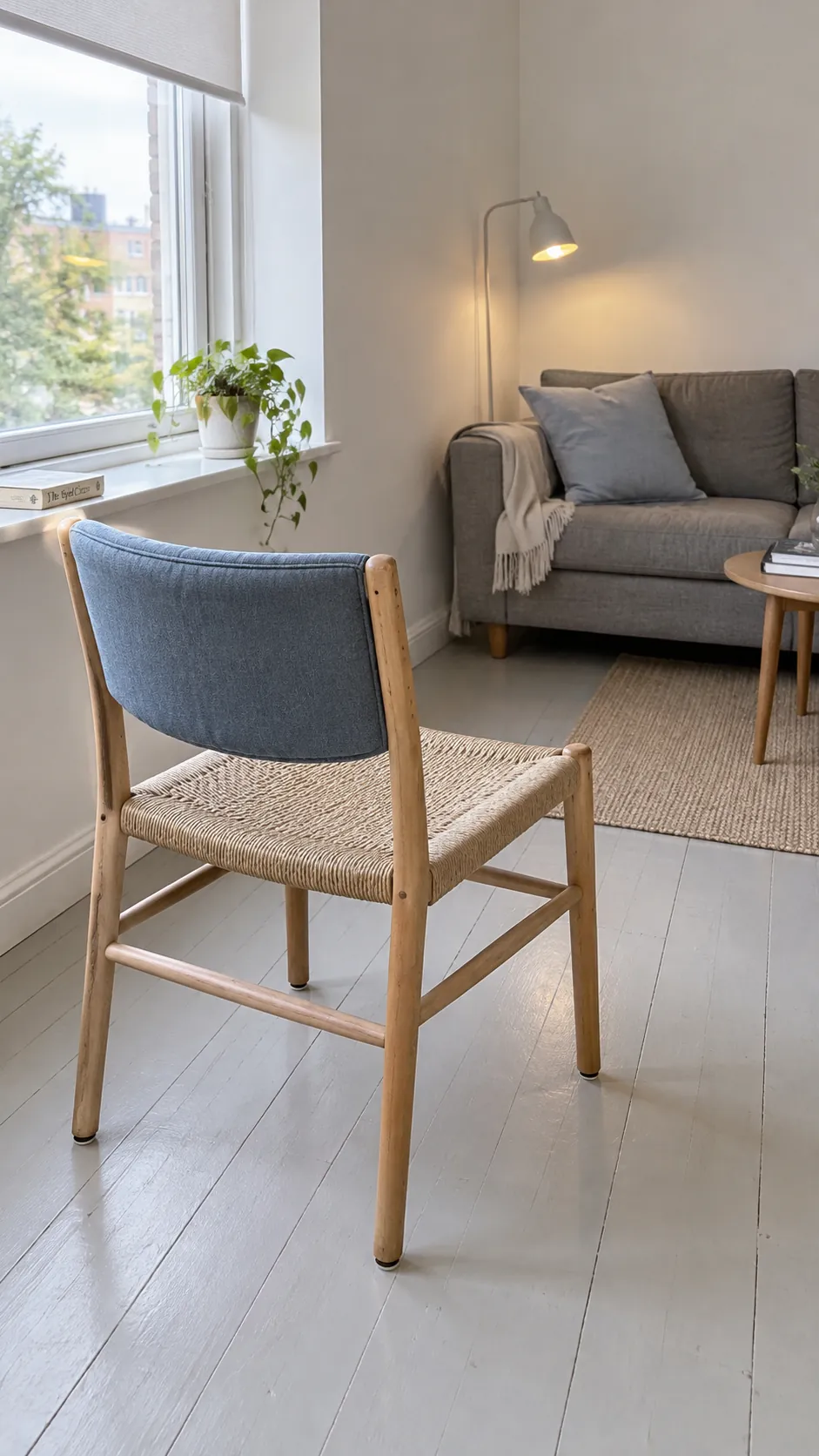
A lightweight chair that faces two useful spots
A chair you can move comfortably can serve a bright reading corner by day and a conversation area later. Choose a stable frame that is manageable to lift or slide according to the floor and chair care instructions. Use suitable floor protection rather than dragging exposed legs across the surface. Plan both positions so the second one is real living space rather than a place that blocks a doorway.
A chair tested with a taped footprint
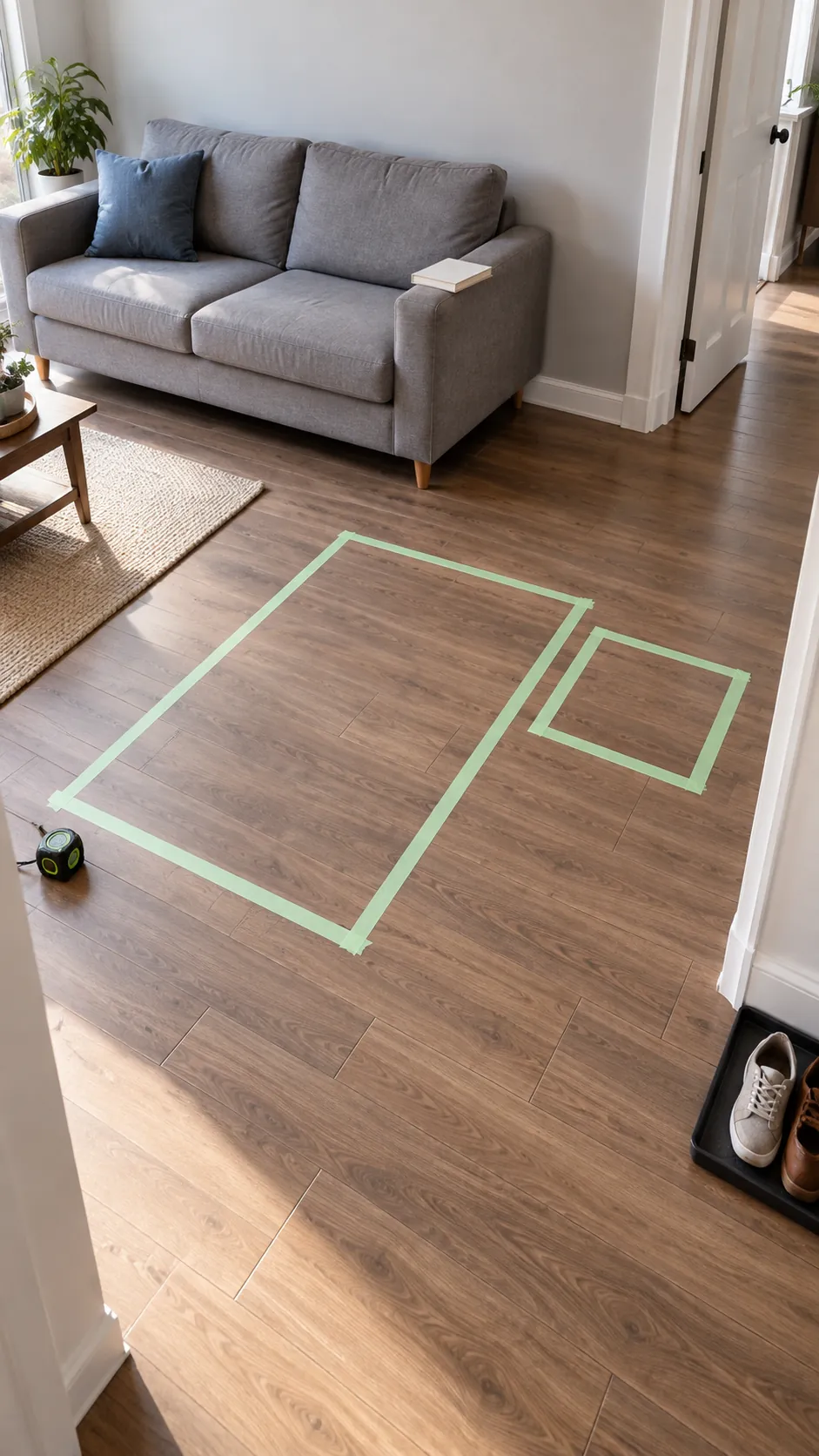
Before ordering any compact lounge chair, mark its outside dimensions on the floor and include the table or footstool you plan to use. Account for protruding legs, recline, swivel motion, and room to stand up. Walk past the marked space while carrying something bulky to test your actual route. Then try the chair in person when possible, or check the return terms if comfort remains uncertain. The useful small space seating choice is the one that fits your body and your daily movement together.